History History 5 min read

Thankfully, it never rained men

No umbrella can save you from a meat rain: Discover 12 very unusual rains
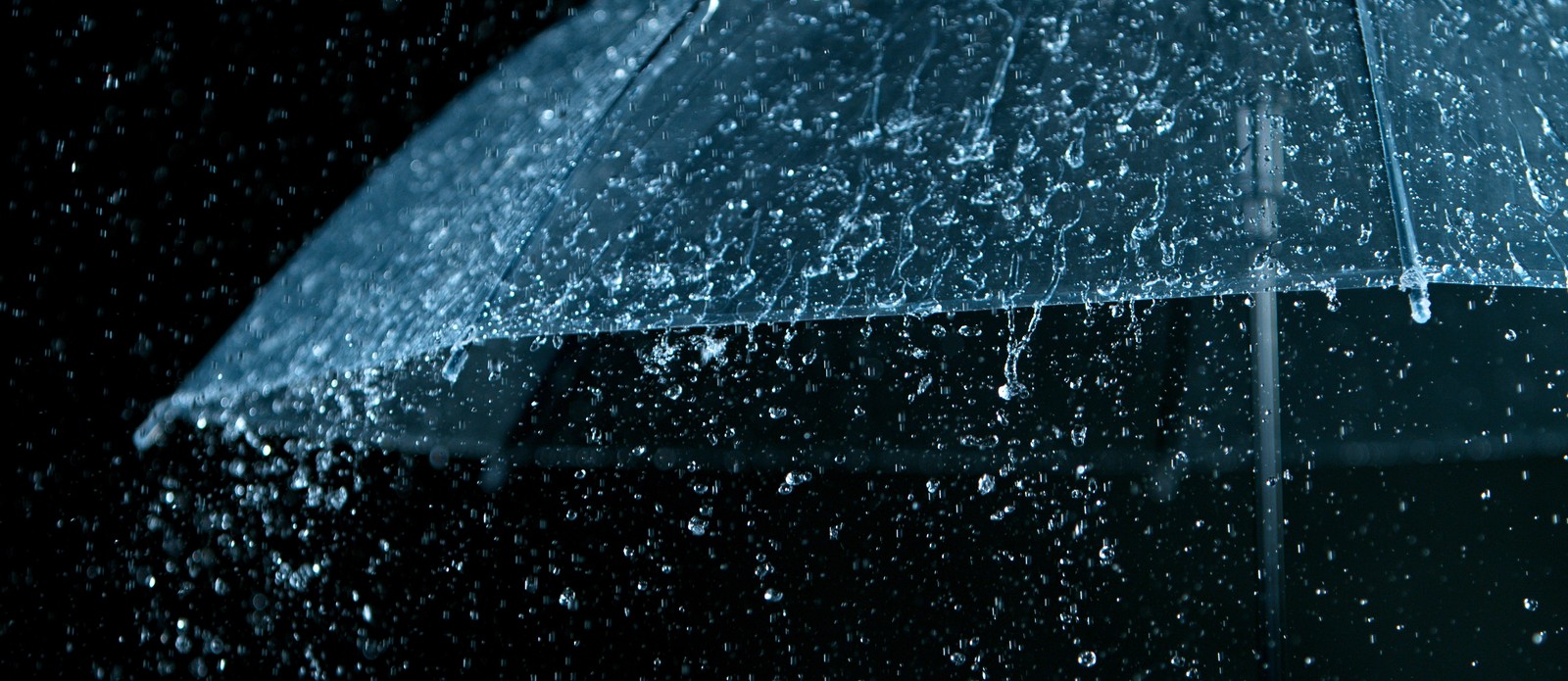
Image: Lukas Gojda

Most of us have heard the saying "it’s raining cats and dogs," but the U.S. has produced weather stories that are far stranger than any expression. Over the centuries, people across the country have reported meat falling from the clear sky, frogs bouncing onto streets after storms, fish landing in neighborhoods miles from water, and many other unusual things. While some cases remain unsolved, scientists have found surprisingly reasonable explanations for many of them. Did you ever know about these 12 incredible rains?

1
The Kentucky meat shower
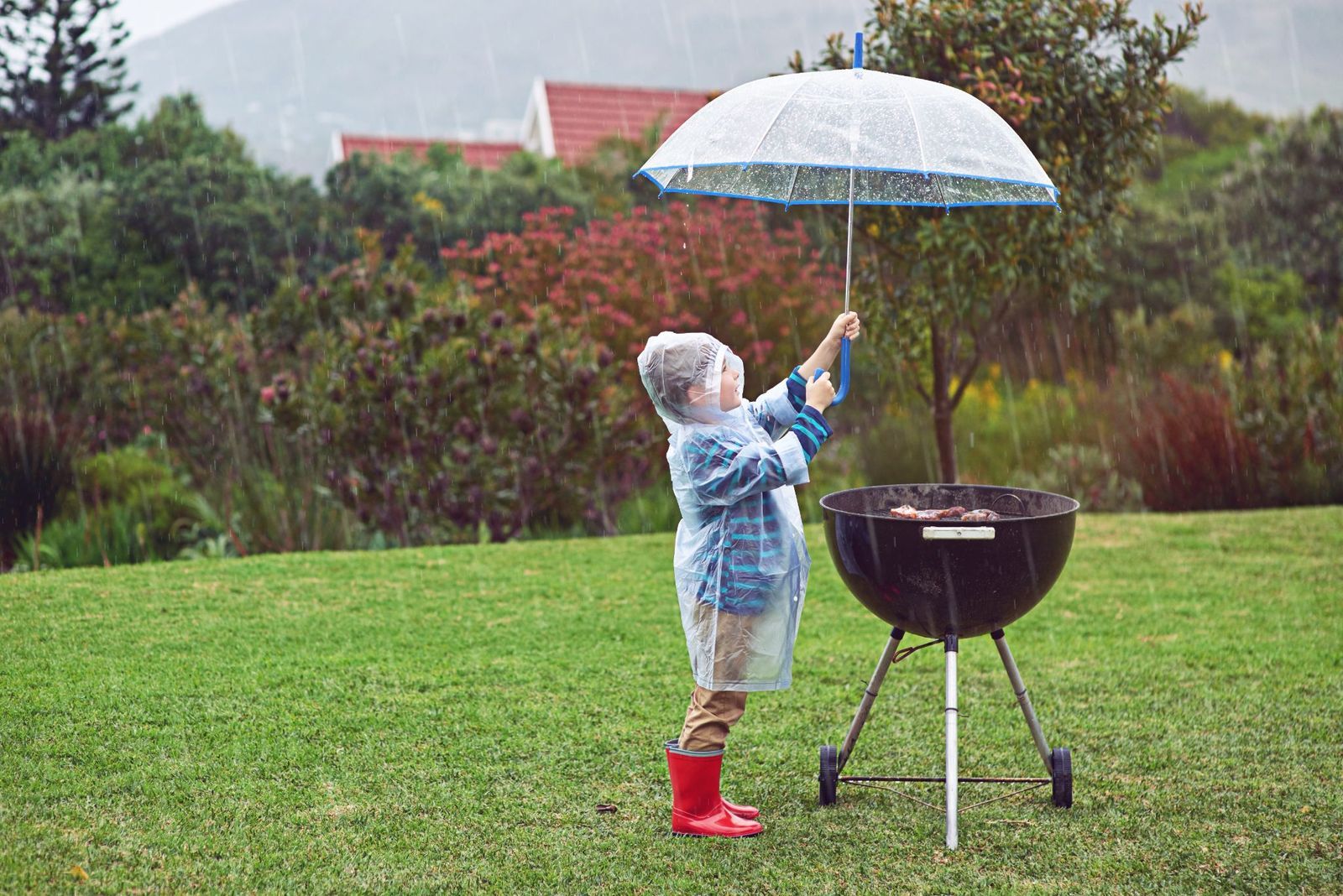
Image: PeopleImages

On March 3, 1876, residents near Olympia Springs in Bath County, Kentucky, witnessed one of the strangest events in American history. Chunks of meat suddenly fell from an apparently clear sky, covering an area estimated at 100 by 50 yards. One of the witnesses, Mrs. Allen Crouch, was making soap outdoors when the bizarre shower began.

Scientists examined samples and argued over whether the meat came from horses, sheep, or other mammals. The leading modern explanation is far less supernatural: a flock of vultures likely regurgitated partially digested meat while flying overhead, a defensive behavior the birds still exhibit today . Tasty, right? The incident remains so famous that Kentucky now celebrates it with an annual Meat Shower Festival.

2
A frog rain
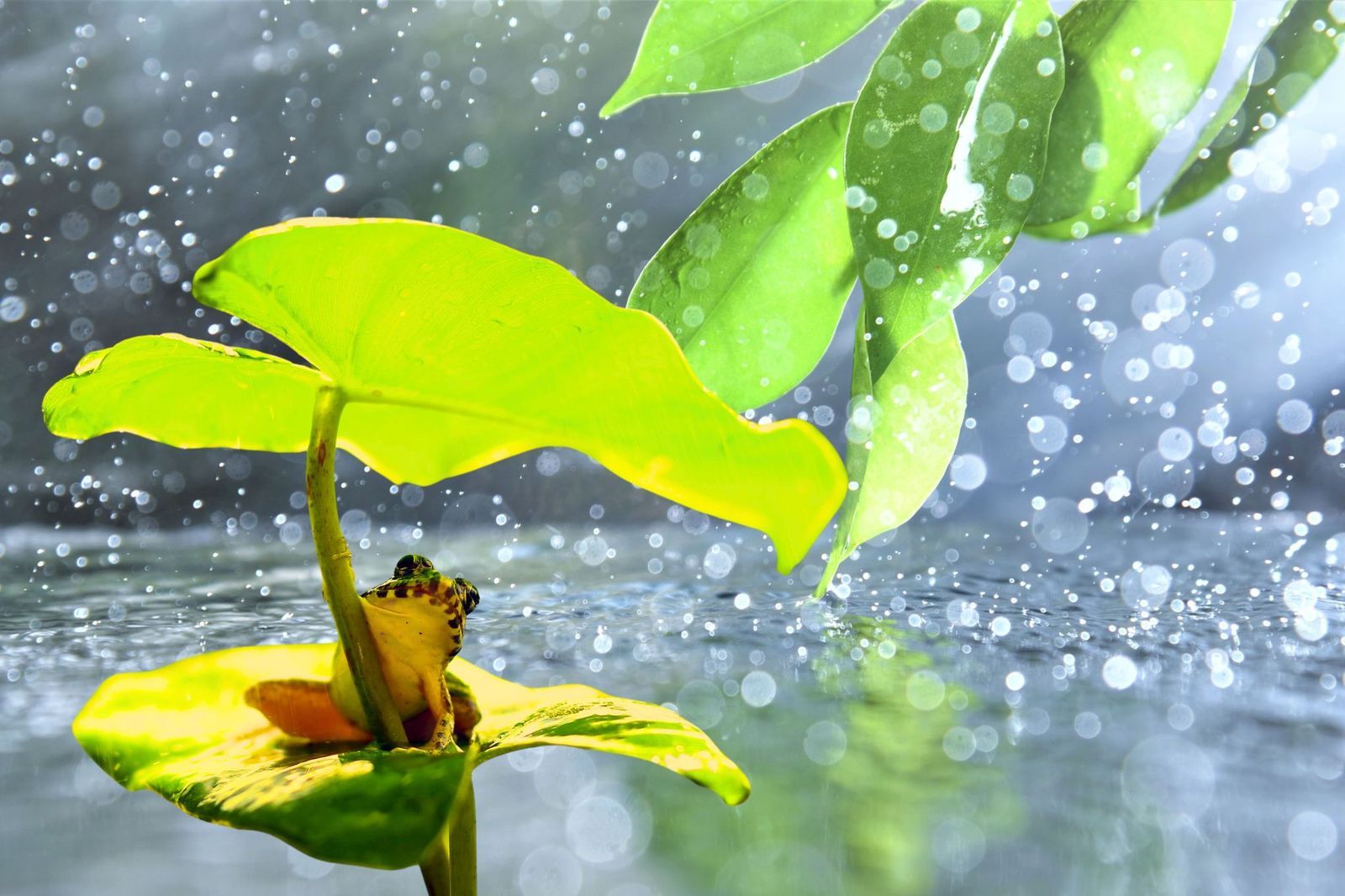
Image: Bigman26

Reports of frogs raining from the sky have appeared across the country for well over a century. Although they sound impossible, meteorologists consider them entirely plausible under the right weather conditions.

The usual explanation involves waterspouts or tornadoes passing over ponds or marshes . These powerful rotating columns of air can lift small frogs into the atmosphere before carrying them several miles away. When the storm weakens, the animals fall back to Earth, sometimes astonishing entire neighborhoods as tiny frogs suddenly cover roads, sidewalks, and backyards.

3
Louisiana’s fish storm
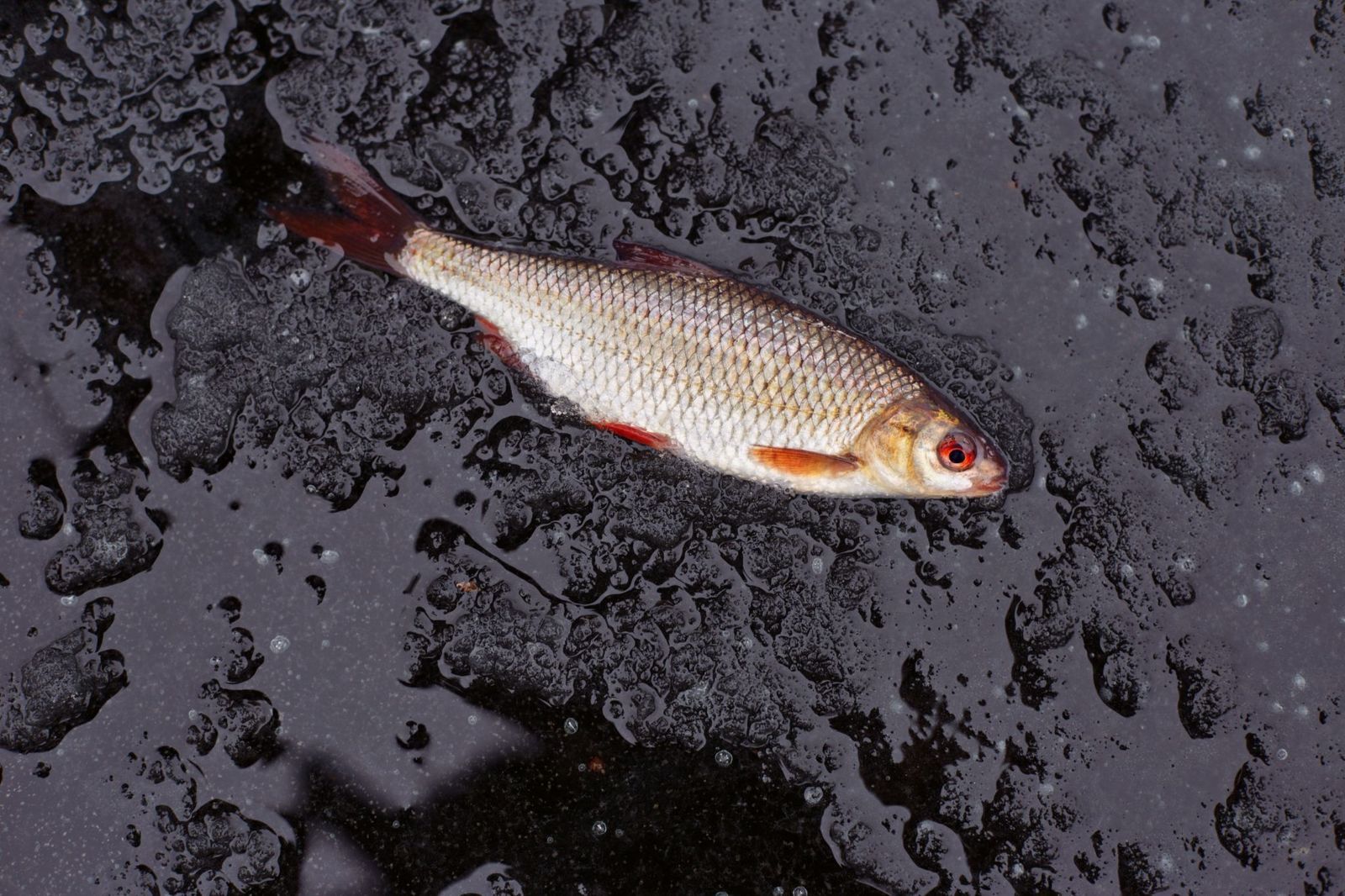
Image: g_tech

Residents of Marksville, Louisiana, experienced one of this country’s best-known fish rains on October 23, 1947. During a storm, dozens of small fish reportedly began falling from the sky, surprising everyone who witnessed the event.

Scientists quickly pointed toward nearby lakes and bayous as the likely source. A waterspout probably sucked up the fish before releasing them inland once the storm lost strength . Cases like Marksville have become classic examples used by meteorologists when explaining how unusual "animal rain" can occur without breaking the laws of physics.

4
The red rain
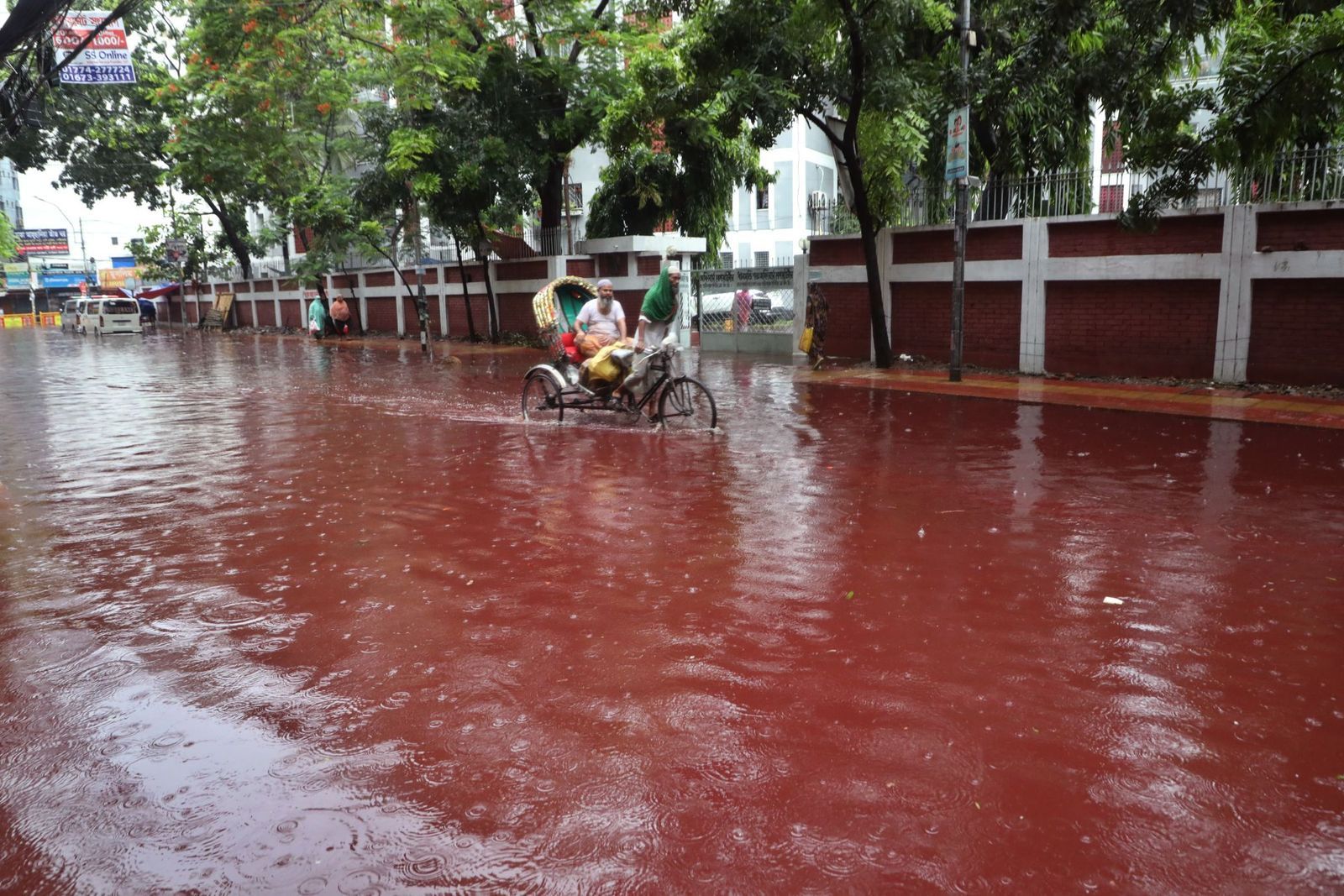
Image: Sk Hasan Ali

Few things are more unsettling than seeing rainwater that looks like blood, right? Throughout American history, scattered reports of reddish rainfall have sparked fears, newspaper headlines, and plenty of speculation.

Modern science offers much less frightening explanations. Fine dust rich in iron oxide can tint rain a rusty red after traveling hundreds or even thousands of miles through the atmosphere . Certain airborne microorganisms may also contribute to unusual coloration. While dramatic, these events have repeatedly turned out to be natural rather than supernatural.

5
A worm shower in Louisiana
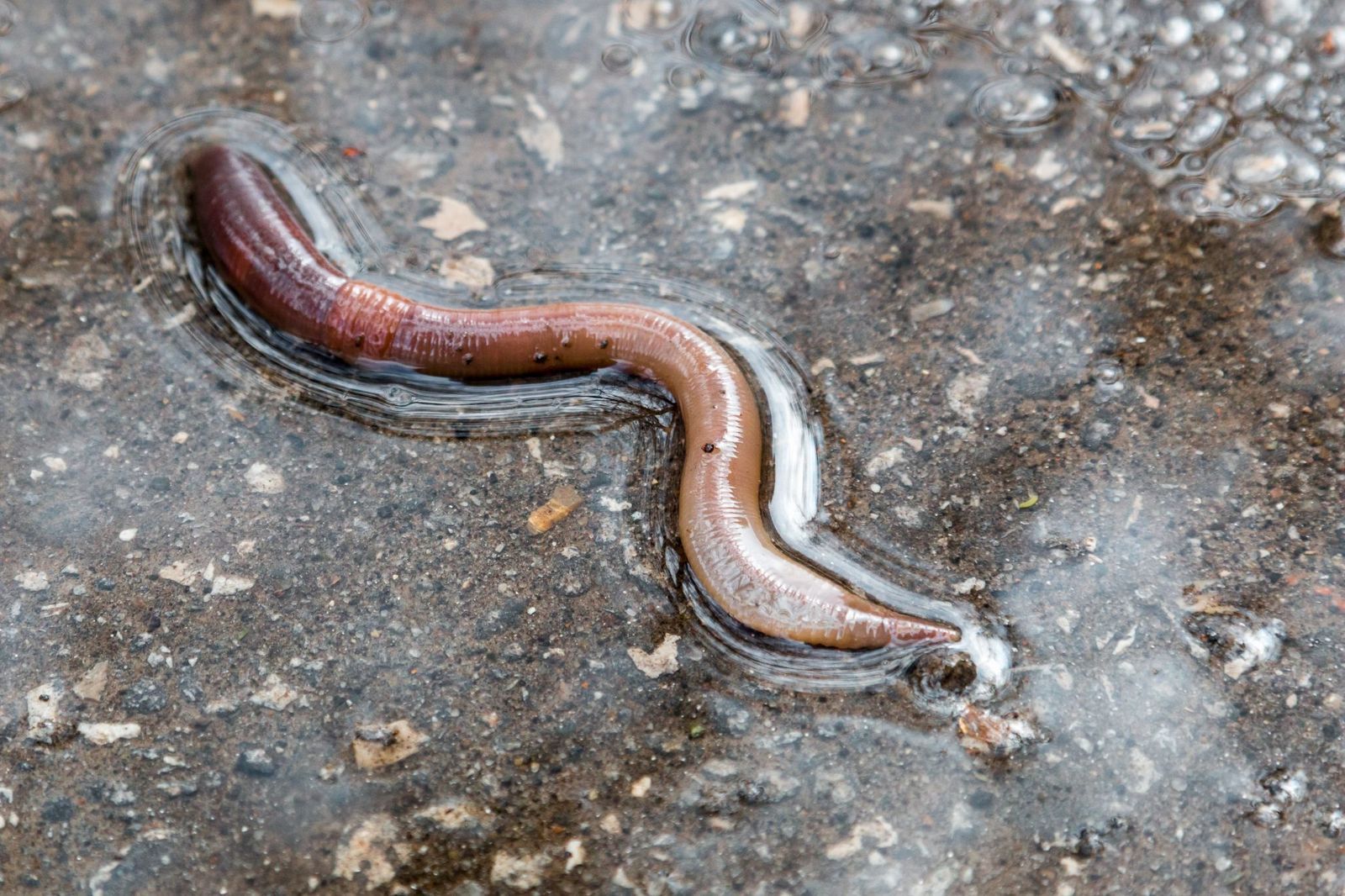
Image: RomanovRV

In 2007, residents of Jennings, Louisiana, reported seeing worms apparently falling after severe weather. The strange event attracted widespread attention because the ground seemed to become covered almost overnight.

Meteorologists note that intense storms are capable of lifting lightweight organisms from flooded fields or shallow water . At the same time, heavy rain naturally forces many earthworms to the surface, making it difficult to determine exactly how they arrived. Whatever the explanation, the Jennings incident remains one of America's best-known modern worm rains.

6
Sea snails from above
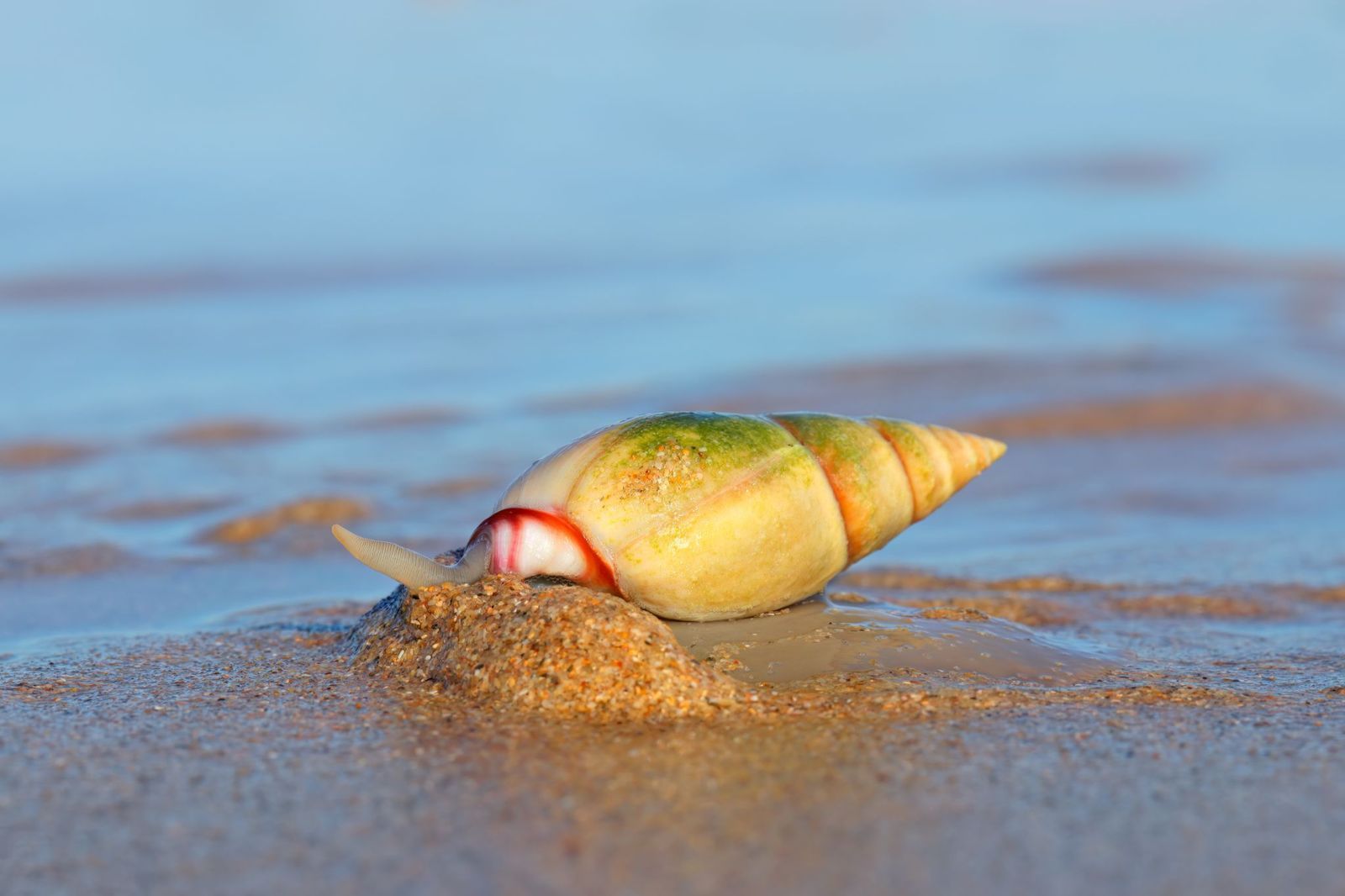
Image: EcoPrint

Along parts of the Atlantic Coast, powerful coastal storms have occasionally been followed by reports of periwinkles, a type of small sea snails, appearing well away from the shoreline.

Scientists believe waterspouts or hurricane-force winds can lift lightweight marine creatures from shallow coastal waters before dropping them inland . While such reports are uncommon and often difficult to document completely, they fit the same weather processes believed to produce fish and frog rains.

7
Crab rain in Chesapeake Bay
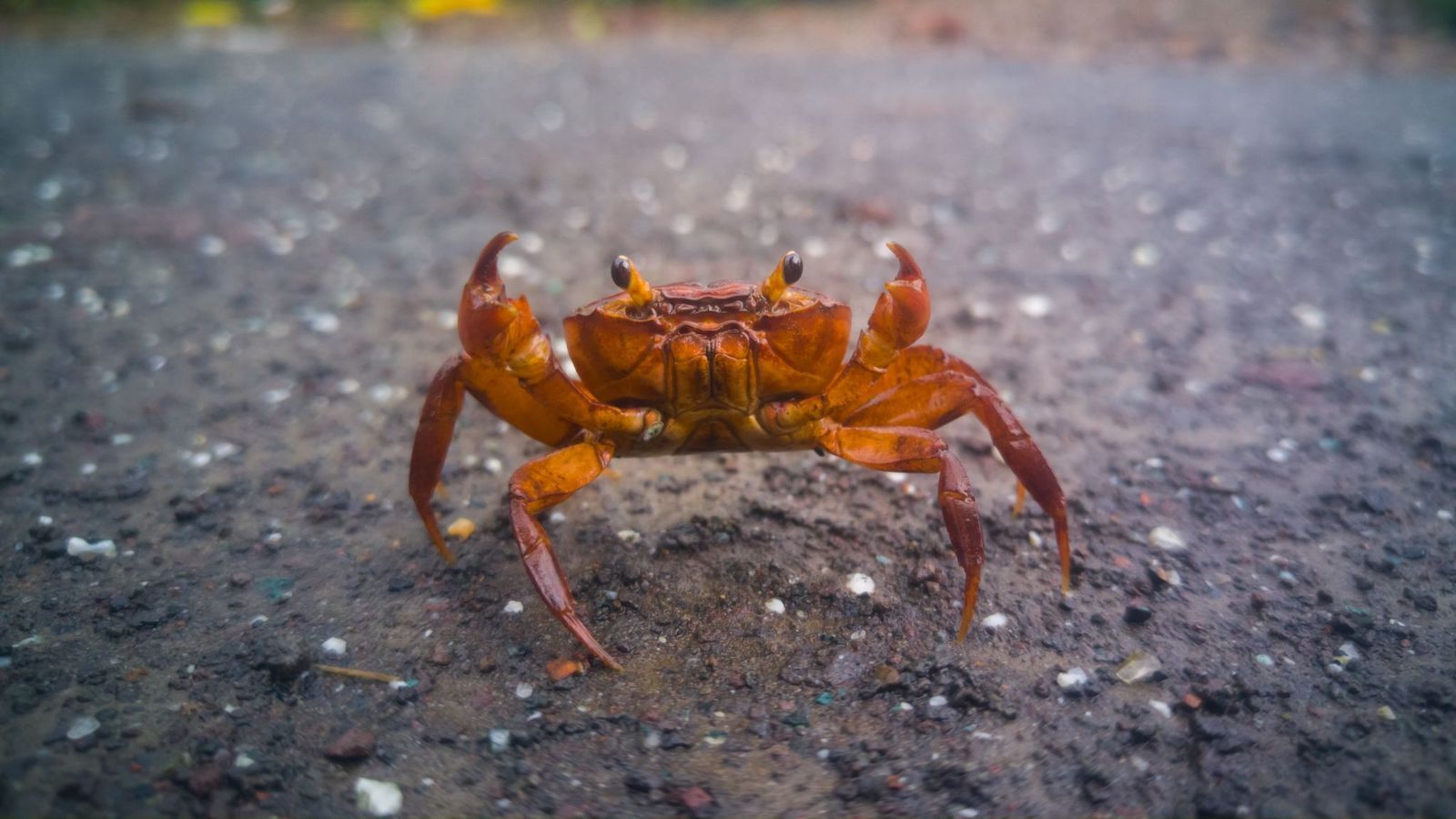
Image: Shahid Gire

Communities near Chesapeake Bay have periodically reported finding small crabs scattered across roads and fields after severe storms. Discovering shellfish where there was no flooding certainly makes for an unforgettable morning.

Meteorologists consider these reports believable because the bay regularly experiences waterspouts and strong thunderstorms. Small juvenile crabs are light enough to be carried short distances by powerful updrafts before falling back to the ground once the storm weakens .

8
Tadpoles after the storm
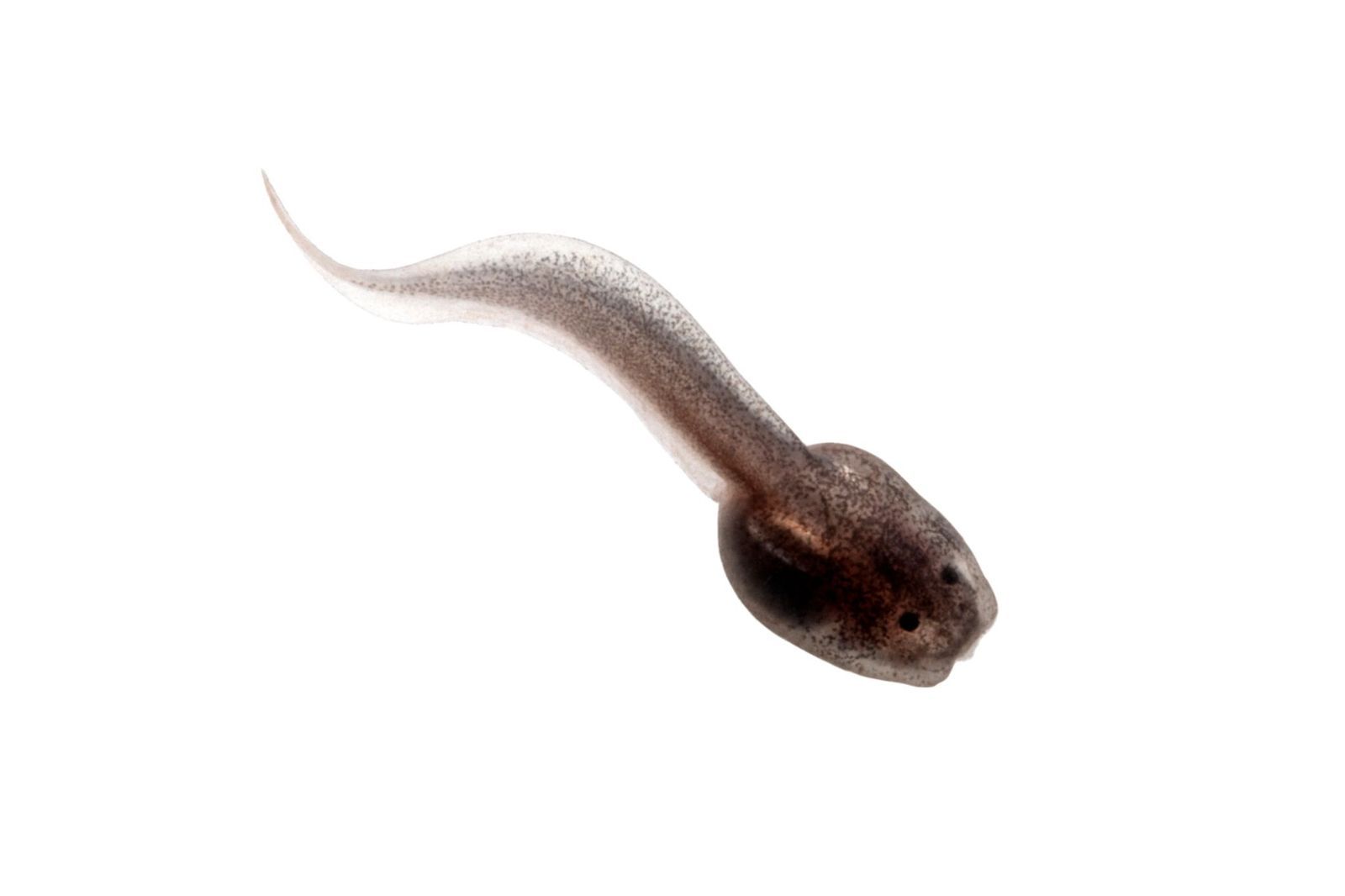
Image: Kurit afshen

Several Midwestern communities have reported storms that seemed to leave roads covered with tiny tadpoles. Unlike adult frogs, these young amphibians are incredibly light, making them easier for violent weather to transport .

Spring is the most likely time for such events because shallow ponds contain enormous numbers of developing tadpoles. If a storm passes directly over one of these breeding areas, the rotating winds may lift thousands of them into the air before dropping them elsewhere in surprisingly concentrated patches.

9
The star jelly rain
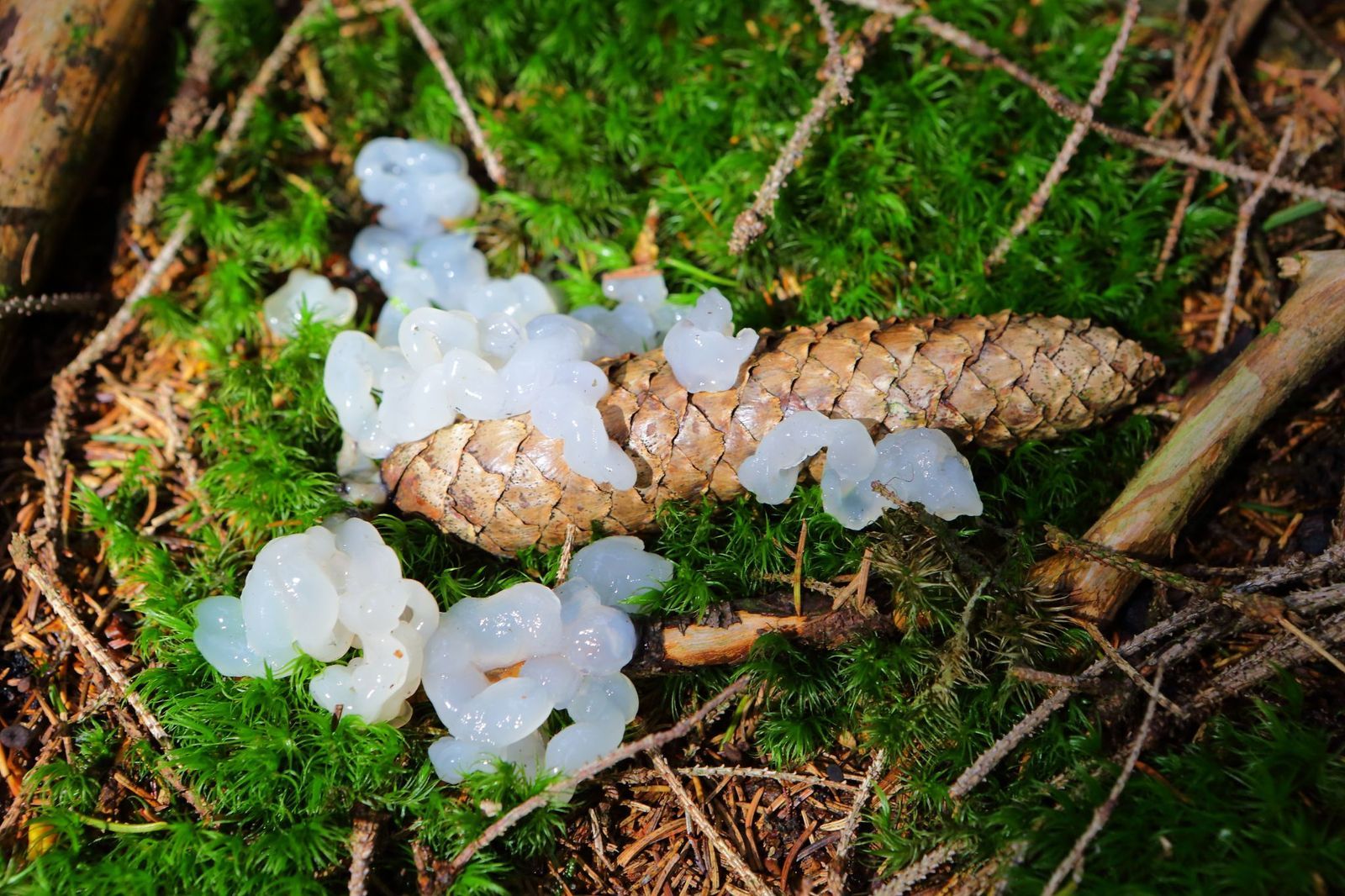
Image: emka74

For centuries, people across the country have occasionally discovered mysterious transparent blobs lying on the ground after storms. Known as "star jelly," the gooey substance has inspired countless legends claiming it literally fell from the heavens.

Scientists have proposed several possible explanations, including slime molds, cyanobacteria, amphibian reproductive tissue, or biological material left behind by predators . None explains every reported case, leaving star jelly as one of nature's longest-running mysteries.

10
A haystorm on the Great Plains
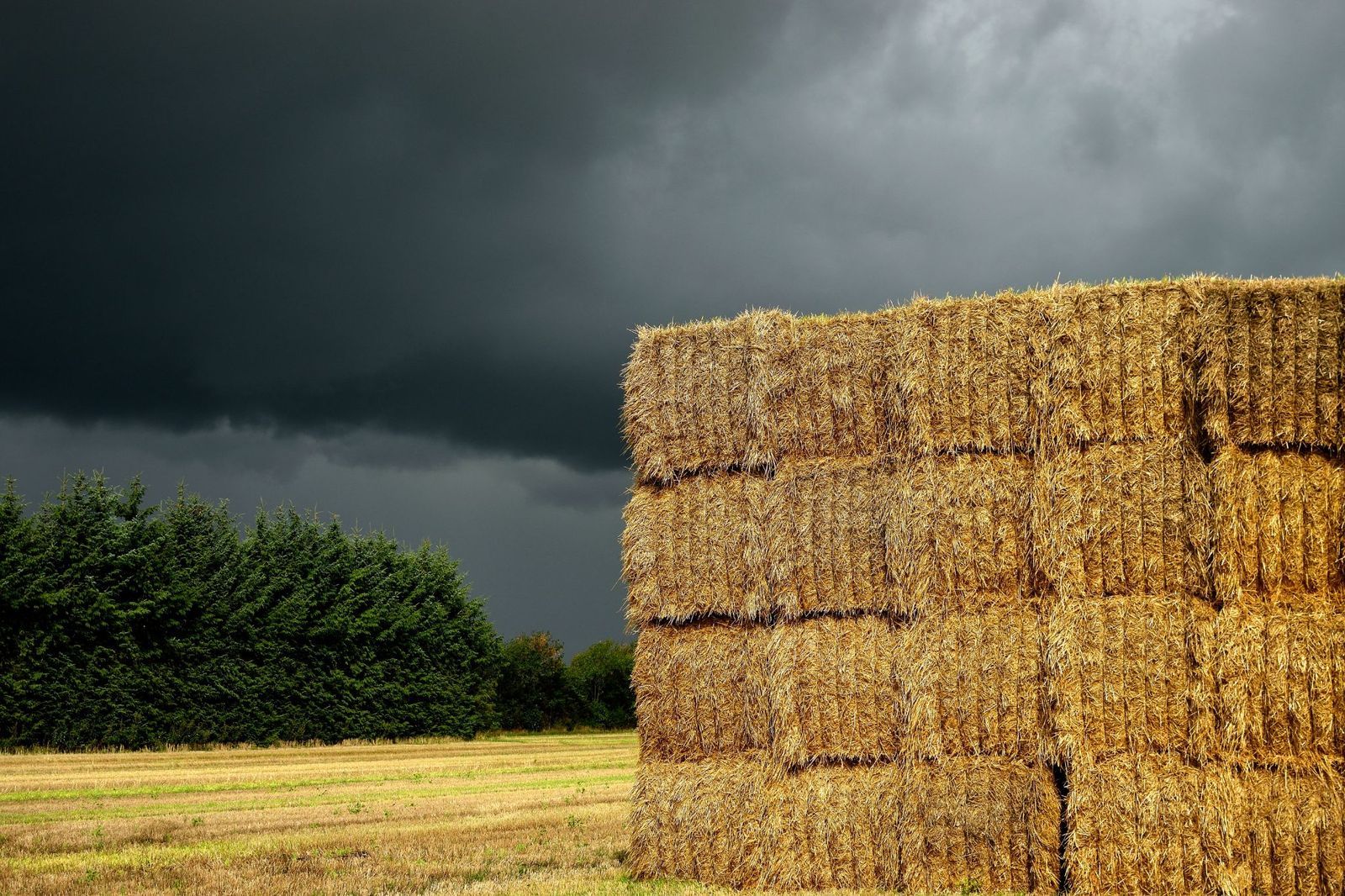
Image: DonChenaro

Not every strange rain involves animals. Across the Great Plains, tornadoes have repeatedly lifted hay, straw, and other lightweight farm materials into the atmosphere before dropping them miles away .

Farmers occasionally discover freshly fallen hay that clearly came from another property entirely. These events demonstrate just how powerful severe storms can be, transporting ordinary agricultural materials across remarkable distances before gravity finally takes over.

11
Storms that drop insects
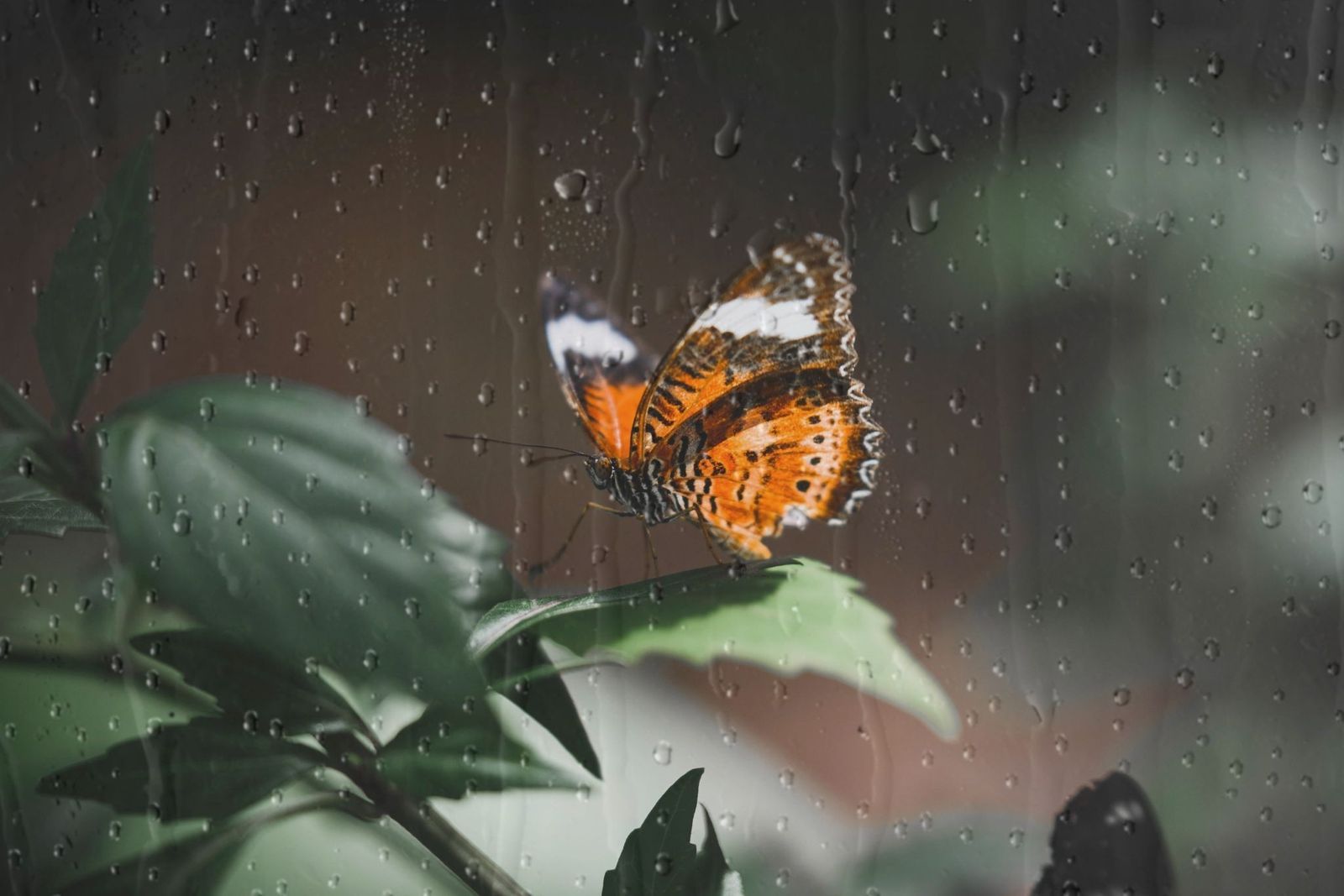
Image: Rawpixel.com

Thunderstorms can also seem to rain insects. Swarms of flying ants, termites, aphids, and other tiny creatures have occasionally appeared immediately after powerful storms , leaving the impression that they fell directly from the clouds.

In reality, strong updrafts can sweep huge numbers of lightweight insects into the air and carry them well beyond their original location. When the winds weaken, the insects settle back to the ground, sometimes creating spectacular and slightly unsettling natural displays.

12
It’s raining golf balls
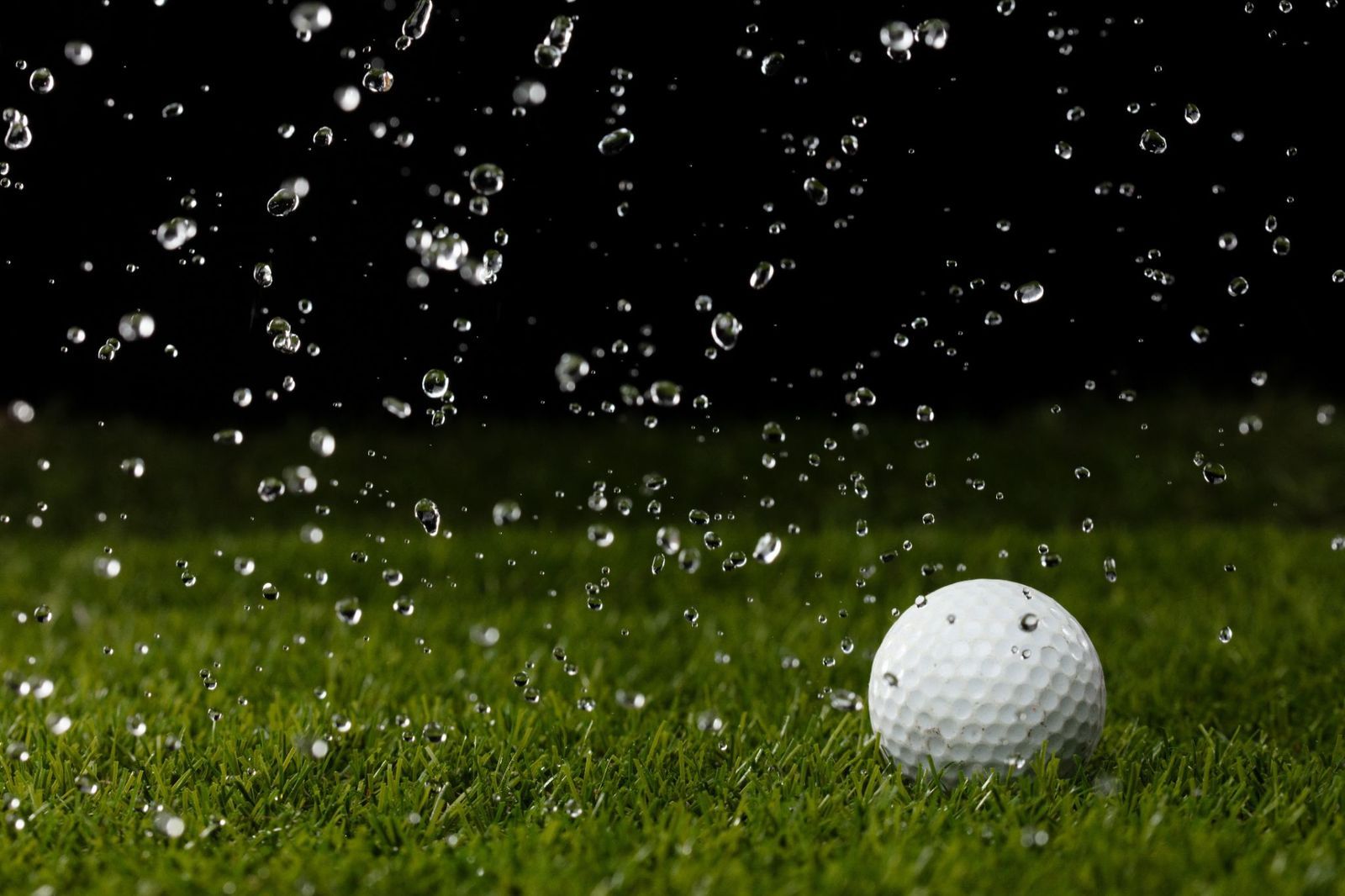
Image: Jade ThaiCatwalk

Florida's violent thunderstorms have produced reports of golf balls suddenly pelting neighborhoods near golf courses and driving ranges . Unlike hail, these were actual golf balls launched by nature's incredible force.

Powerful wind gusts, tornadoes, and hurricanes are capable of lifting and scattering thousands of golf balls across nearby communities. While they aren't technically falling from the upper atmosphere, they certainly create the unforgettable impression that the sky itself has started playing a round of golf.
Geography Geography 5 min read

Extraordinary secrets about the capitals of the United States

The only state capital without a McDonald's and 11 other fun facts

Image: AmericanBenchCraft

Can you guess which is the only U.S. capital built on top of an extinct volcano? What about which is the oldest state capital, the least populated, or the one with the coldest temperature? If you're dying to know the answers to these questions, read on to discover 12 fun facts about our state capitals that you probably didn't know!

1
Jackson, Mississippi

Image: Engineers' office, department of Tennessee, Public domain, via Wikimedia Commons

Did you know Jackson, Mississippi, is named after the 7th U.S. President, Andrew Jackson? It is one of the four state capitals named after American presidents —the other three are Jefferson City (Missouri), Lincoln (Nebraska), and Madison (Wisconsin).

Jackson is the only U.S. capital built on top of an extinct volcano. Interestingly, during the Civil War, the city was burned by Union troops, giving it the nickname "Chimneyville". In addition, Jackson is best known for being the center of the civil rights movement during the 1950s and 1960s.

2
Santa Fe, New Mexico

Image: Wendy Shervington

Founded by Spanish colonists in 1610 as the capital of the colony of New Mexico, Santa Fe is the oldest U.S. city that still functions as a state capital today.

But that's not the only peculiarity of this quaint city with a temperate climate and a unique historical and cultural richness. At 7,000 feet above sea level, Santa Fe is also the highest U.S. capital.

3
Honolulu, Hawaii

Image: Daniel Lee

Known for its spectacular beaches and rich cultural heritage, Honolulu is the only state capital not on the North American mainland. Considered the birthplace of modern surfing, it also has the highest average annual temperature of any U.S. state capital.

But those aren't the only interesting facts about Hawaii's capital. Here are a few equally (or more) crazy ones: it hosts the only royal palace in the United States (Iolani Palace), the island is made up of volcanic soil, and it houses the world's largest open-air shopping mall (Ala Moana Center).

4
Annapolis, Maryland

Image: Terry Granger

Annapolis is a historic city on the shores of the Chesapeake Bay, known for its colonial architecture, nautical tradition, and academic value. But did you know it is also the smallest U.S. capital by land area? Just 6.7 square miles!

Annapolis was also one of the nine capitals the United States has had throughout its history. For nine months during the Revolutionary War, Maryland's current state capital served as the seat of the Confederation Congress.

5
Bismarck, North Dakota

Image: NASA Astronaut, Public domain, via Wikimedia Commons

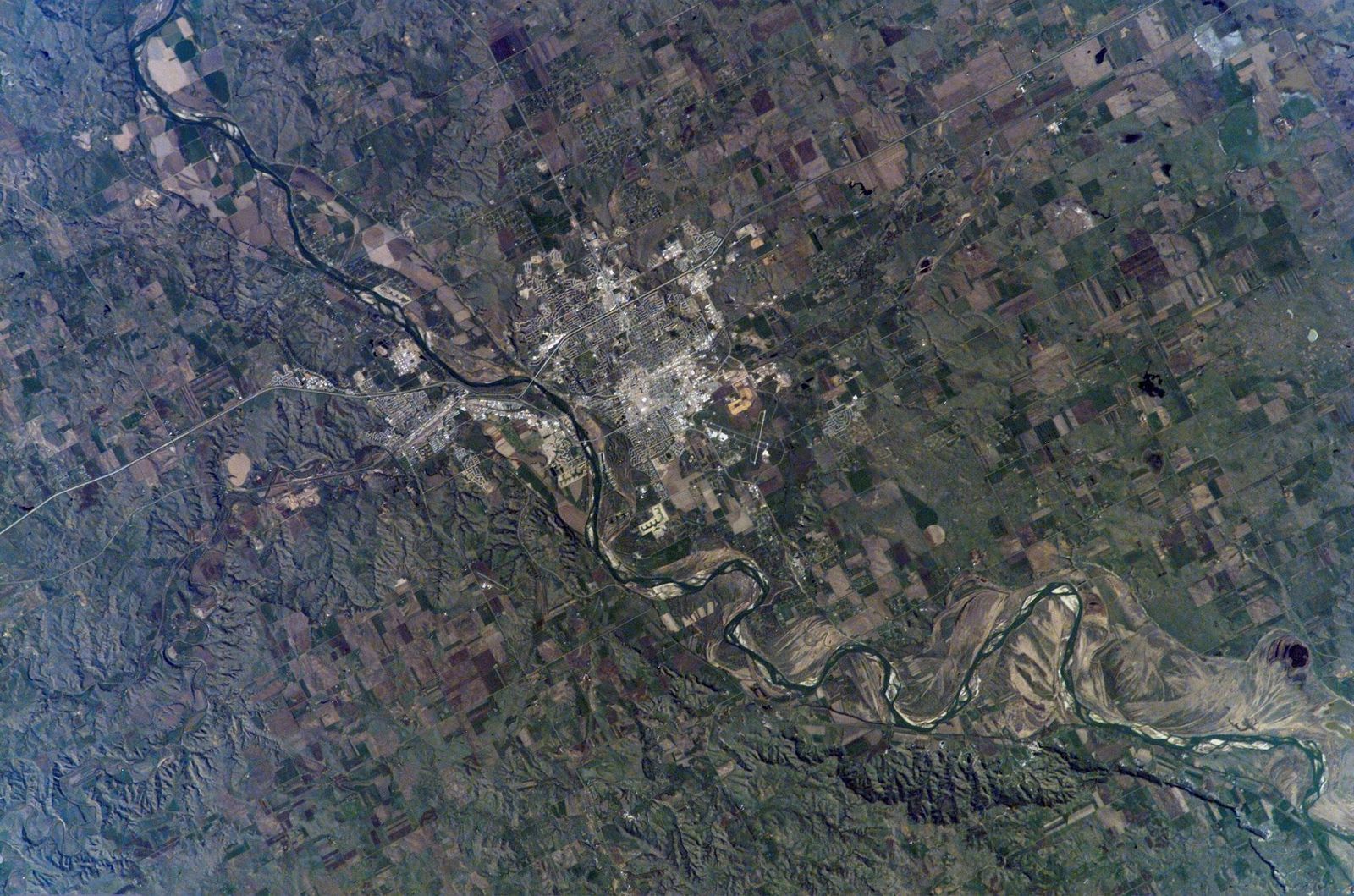
If you thought Juneau, Alaska, had the lowest average winter temperature of all state capitals, think again! It's actually Bismarck, North Dakota, where the coldest temperature ever recorded was -45°F. Imagine that!

Bismarck was founded in 1872 on the banks of the Missouri River. The city was named after Otto von Bismarck, the chancellor of Germany, to attract German investors. Another fun fact? In 1930, Bismarck and Fargo had a dispute, known as the "Capitol Tower War," over which city should be the state capital.

6
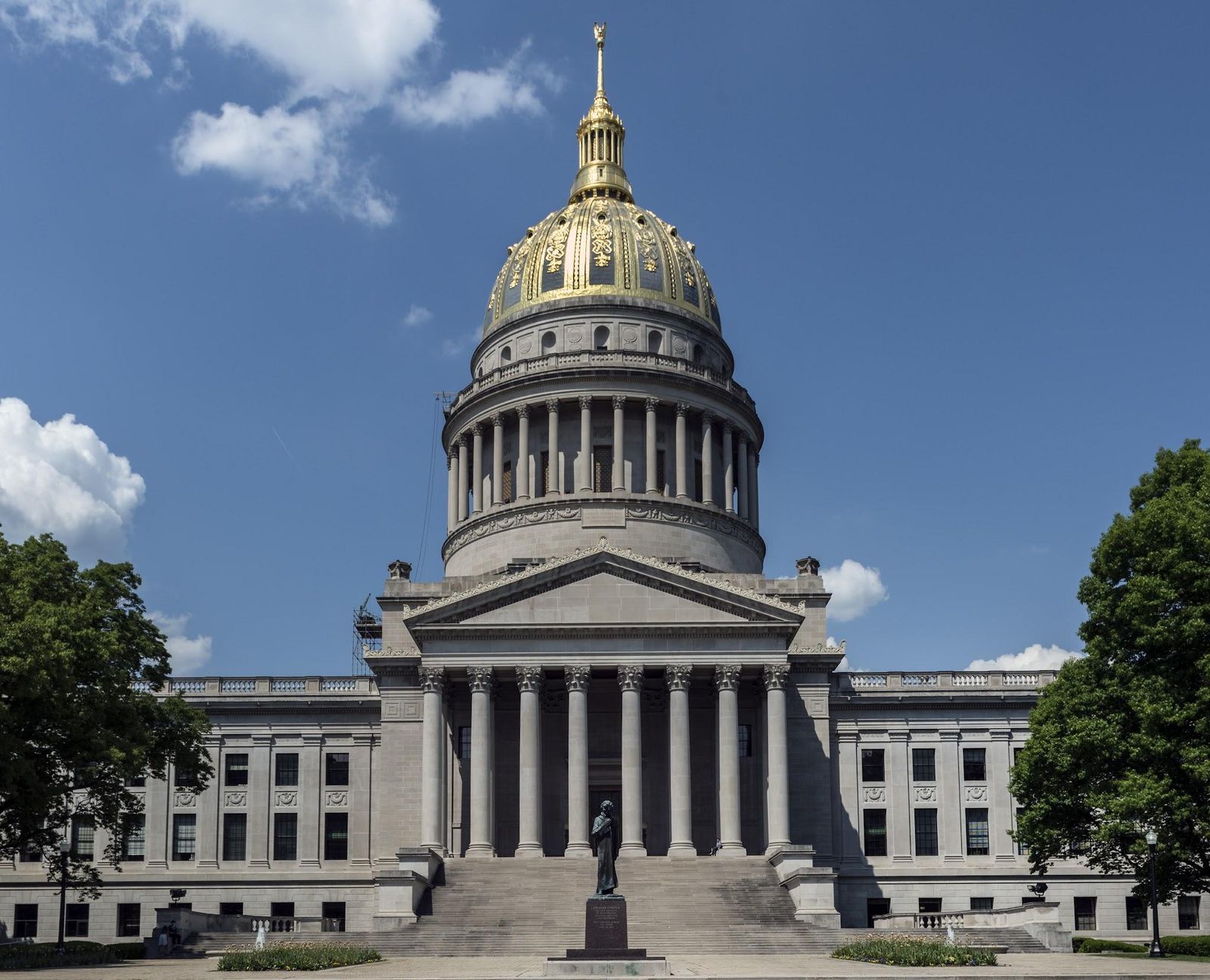
Charleston, West Virginia

Image: Carol M. Highsmith, Public domain, via Wikimedia Commons

Did you know that the original name of West Virginia's capital was Charles Town in honor of the father of Colonel George Clendenin, one of the first settlers?

Charleston is best known for offering a unique combination of history, culture, and outdoor adventure.

7
Hartford, Connecticut

Image: Balazs Busznyak

Founded in 1635, Connecticut's capital is one of the oldest cities in the U.S. Hartford is known for being a key cultural center in New England. It was the home of writer Mark Twain and is home to historic sites such as the State Capitol, the Harriet Beecher Stowe House, and Bushnell Park, the oldest public park in the country.

Hartford is also called the "insurance capital of the world" due to the presence of major insurance companies. But the city's most curious fact is that it was where Teddy Roosevelt, aboard the Columbia Electric Victoria Phaeton, took the first presidential automobile ride in history!

8
Harrisburg, Pennsylvania

Image: Katherine McAdoo

Pennsylvania's capital city is best known for its role in the Civil War and the Underground Railroad. Located on the banks of the Susquehanna River, Harrisburg has been an important center of transportation and commerce. Today, it is known for its historic architecture, museums, and special events.

Harrisburg is also home to the longest stone arch bridge in the world, the Rockville Bridge, built in 1902. Oh, and in 1979, it came close to a nuclear disaster due to the accident at the Three Mile Island plant, the worst in U.S. history —but that's a longer story for another article!

9
Olympia, Washington

Image: Peter Robbins

Located at the southern tip of Puget Sound, Washington's state capital is known for its natural beauty and vibrant culture. But did you know Olympia is the northernmost state capital in the contiguous U.S.?

Oh, and it's also a great place to try some of the best craft beer in the country.

10
Salt Lake City, Utah

Image: Cong Wang

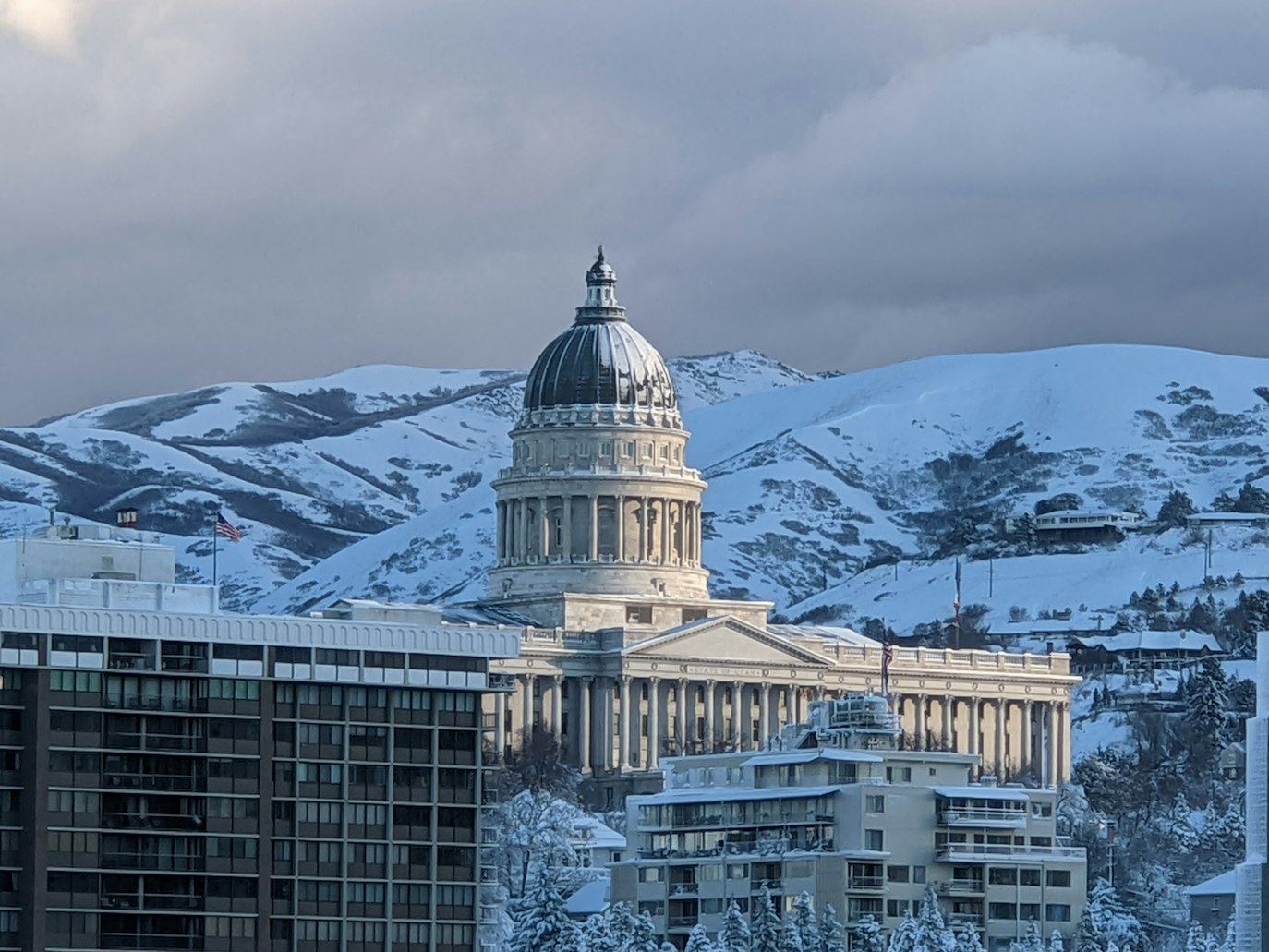
Utah's state capital is popular for being one of the best places to ski in the United States. But that's not all! Salt Lake City is also the only state capital with three words in its name. Have you ever thought about that?

It has the largest Mormon population in the country and is the world headquarters of the Church of Jesus Christ of Latter-day Saints. Another fun fact? Salt Lake City is home to more plastic surgeons per capita than any other state capital!

11
Montpelier, Vermont

Image: John Holm

Named after the French city of the same name, Montpelier is the least populated state capital, with a population of just 7,900. Probably for that reason, Vermont's capital prides itself on its small local businesses: it is the only state capital that doesn't have a McDonald's or a Starbucks. Could you live without these fast food chains? It doesn't have a Walmart store either!

12
Topeka, Kansas

Image: Nils Huenerfuerst

Topeka, Kansas’s state capital, has several interesting tidbits. For example, did you know its name, of Native American origin, means "a good place to dig potatoes"? Interesting, don’t you think?

In 2010, Topeka temporarily changed its name to "Google, Kansas" to attract the attention of the internet giant and become the capital city of fiber optics. Frivolous facts aside, Topeka was also very important in the history of the civil rights movement.

Culture Culture 6 min read

Wartime Inventions

Why M&M's never melt in your hand: 10 wartime inventions

Image: Shutterstock

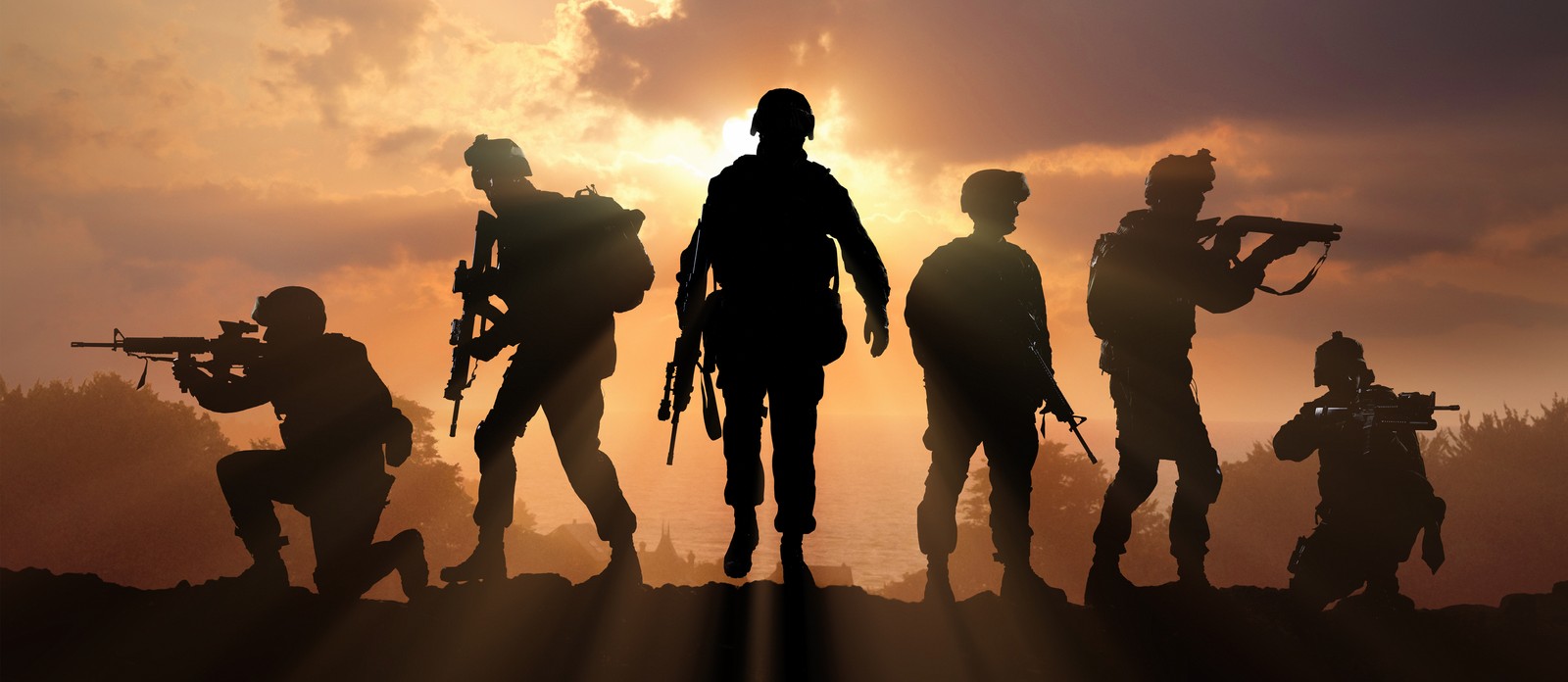
The phrase "Necessity is the mother of invention" is especially apt during wartime. During World War II, for example, soldiers needed lots of things to survive that didn’t exist yet. These inventors weren’t just scientists: mothers, businessmen, and car companies joined the challenge, too. When the Army asked, they took action and invented these 10 products that remained part of our everyday lives long after wartime.

1
Duct Tape Was Made to Protect Ammunition Cases

Image: Shutterstock

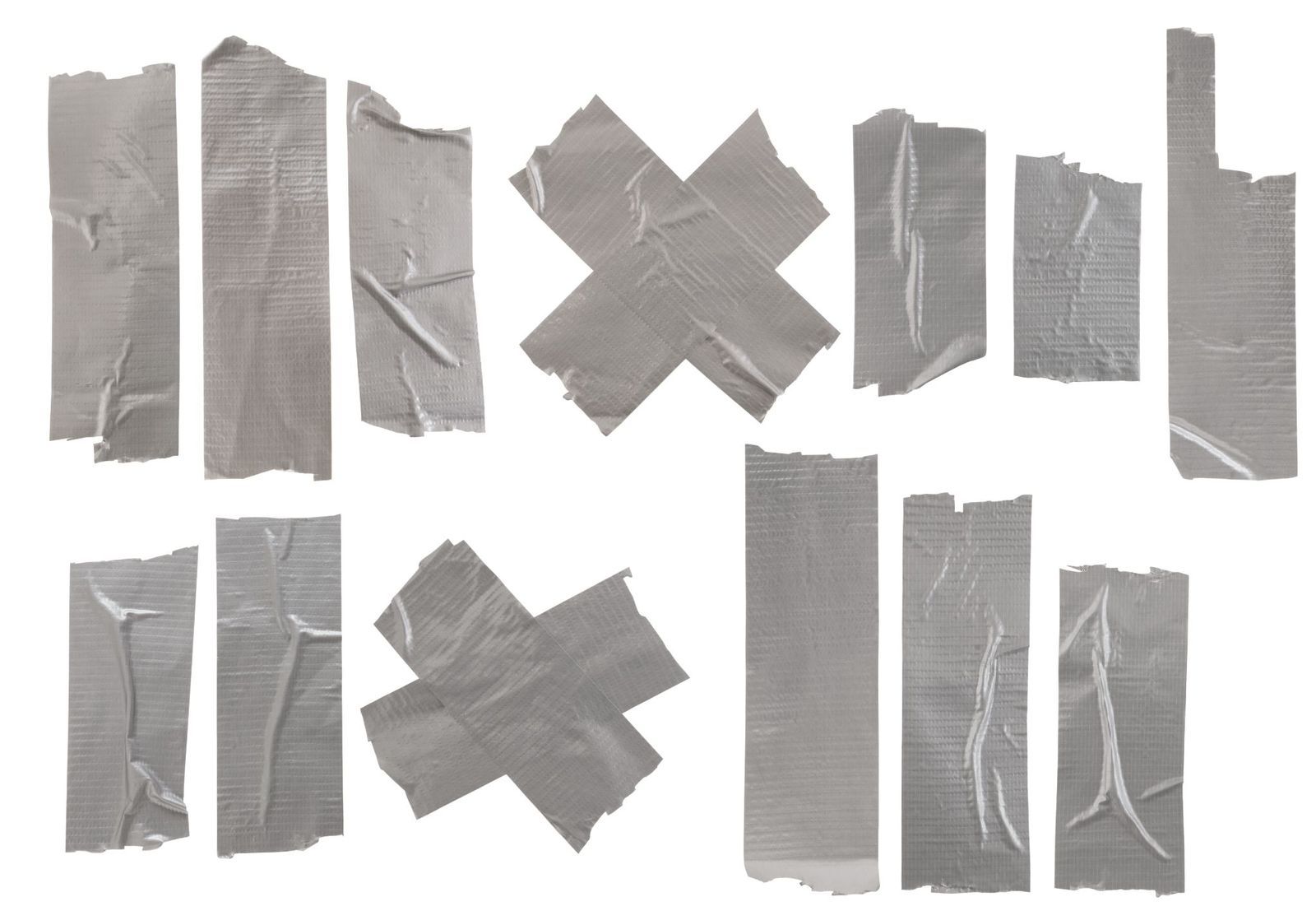
During World War II, the ammunition boxes sent to American troops were sealed with paper tape and dipped in wax to keep water out. Soldiers were supposed to pull a small paper tab to open them quickly. But the thin tape could tear, leaving them struggling to reach the ammunition. Vesta Stoudt, who packed and inspected these boxes at the Green River Ordnance Plant in Illinois, recognized this danger. She also had two sons serving in the U.S. Navy, so she devised a solution.

Stoudt proposed replacing the paper tape with a strong, waterproof cloth tape that soldiers could easily pull off. As she had no response from her supervisors, she wrote directly to President Franklin D. Roosevelt, including drawings of her idea. Roosevelt sent the proposal to the War Production Board, which asked a Johnson & Johnson operating company to manufacture the tape. It not only worked, but troops soon used the strong tape to repair boots and fix military vehicles too. Today, duct tape is still the solution to many everyday repairs.

2
M&M’s Were Designed With Soldiers in Mind

Image: Shutterstock

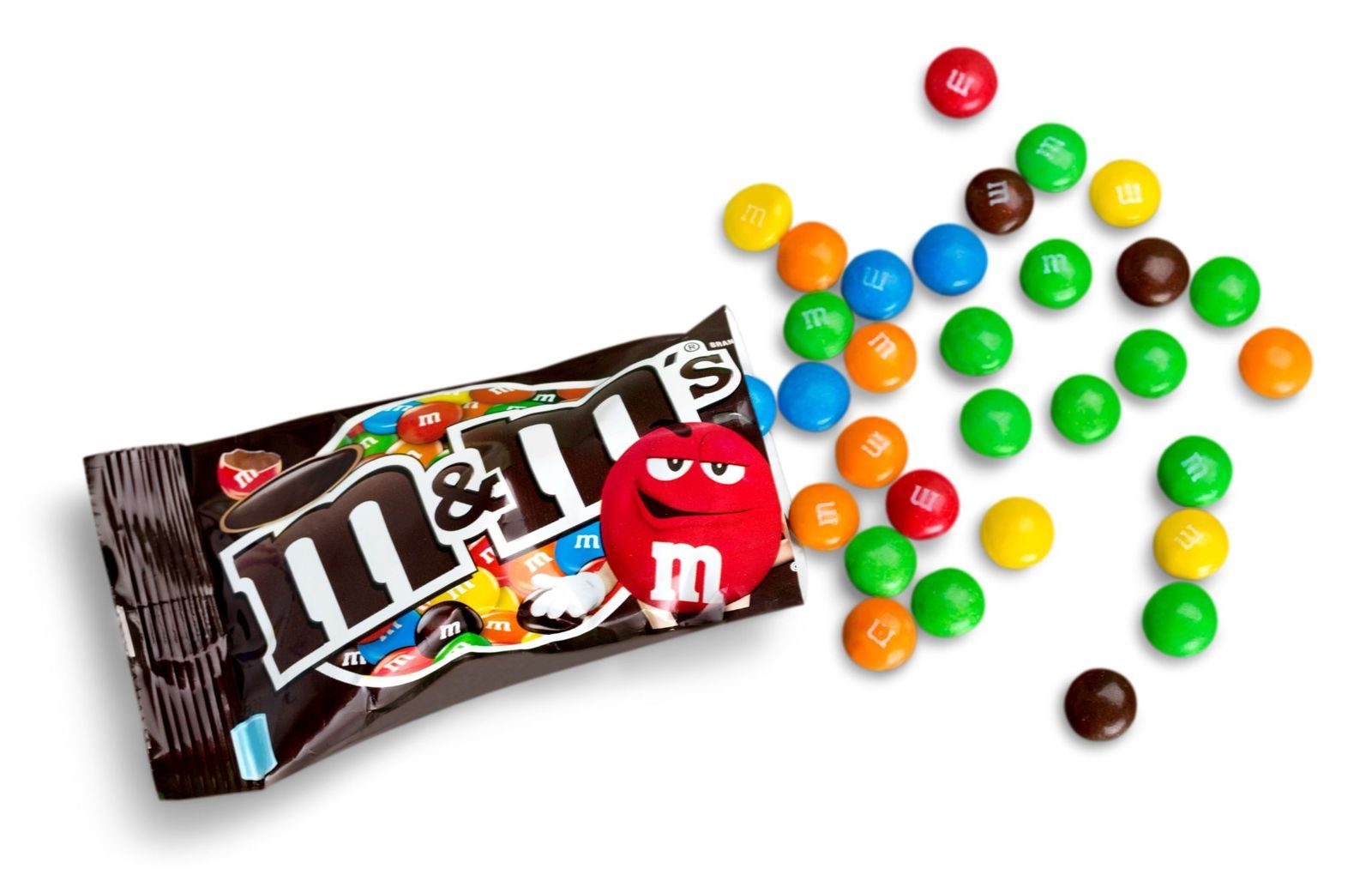
You probably remember the iconic M&M's slogan "melts in your mouth, not in your hand." Well, this characteristic was intentionally created for troops, allowing them to eat chocolate even under the hot sun.

When businessman Forrest Mars Jr. was travelling to Spain in the late 1930s during the Spanish Civil War, he observed how soldiers ate chocolate encased in sugar shells. The sugar crust prevented the chocolate from melting, and soldiers could enjoy the treat, even in hot temperatures. Mars soon partnered with Bruce Murrie, the son of Hershey's president, to secure a steady supply of chocolate for American troops. Their collaboration led to the creation of M&Ms, named after the initials of their last names. By 1947, the candy was made available to the public.

3
The Jeep Was Built for the U.S. Army

Image: Shutterstock

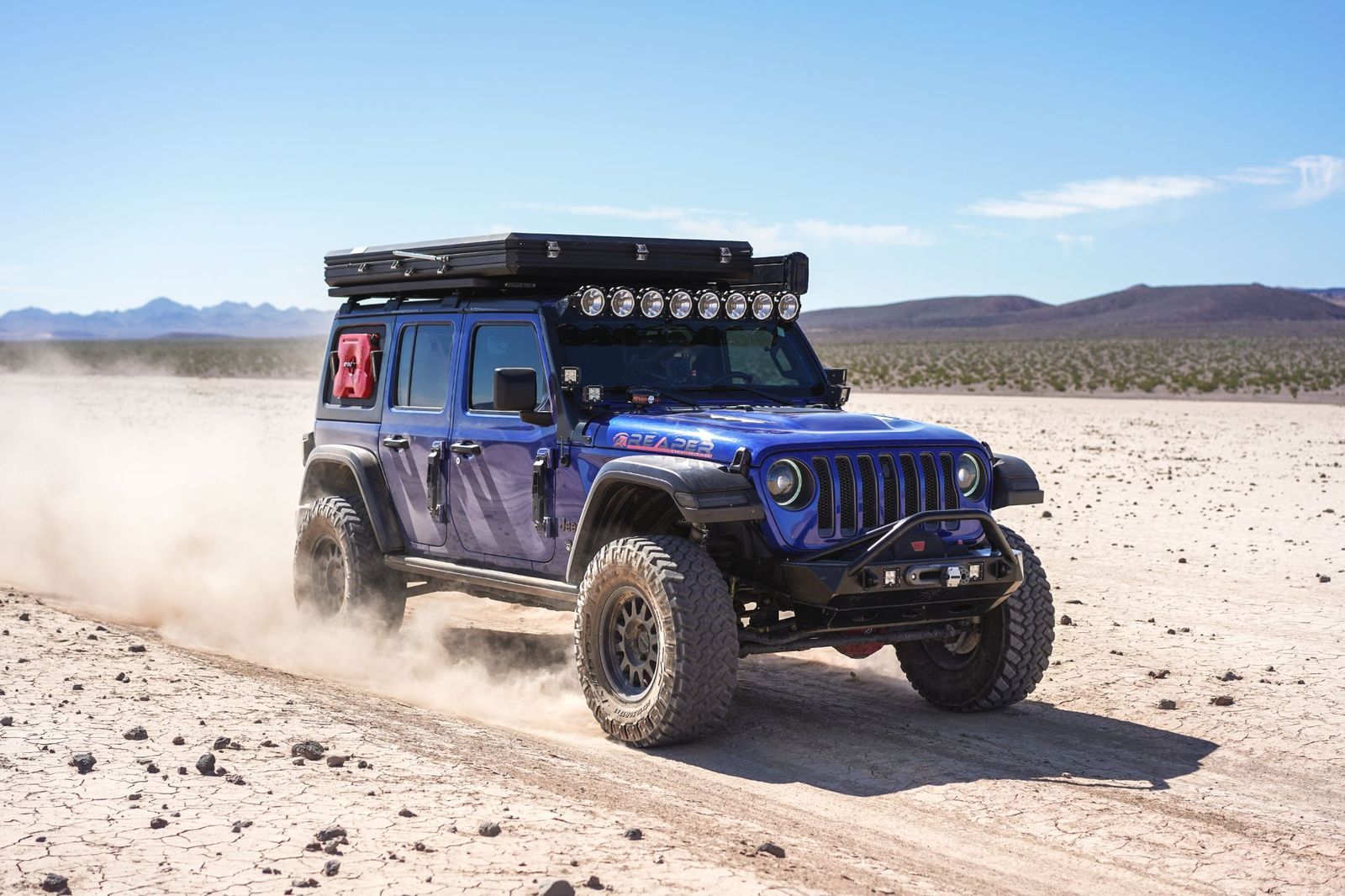
In 1940, the U.S. Army asked automakers to create a small four-wheel-drive vehicle that could carry soldiers across rough terrain. Bantam, Willys, and Ford entered the competition, and Willys won the main production contract. However, the final Willys MB also borrowed some of Ford’s flat grille and hood fastener design.

The new Jeep could travel through mud, climb steep roads, and reach places trucks couldn’t. Soldiers and mechanics could repair it quickly, and its parts were easy to remove and replace. Soldiers liked it so much that demand continued after they returned home, and Willys introduced the civilian CJ-2A in 1945 shortly after the war ended. The modern Jeep Wrangler still carries the same adventurous spirit.

4
The Slinky Started With a Naval Engineer’s Spring

Image: Shutterstock

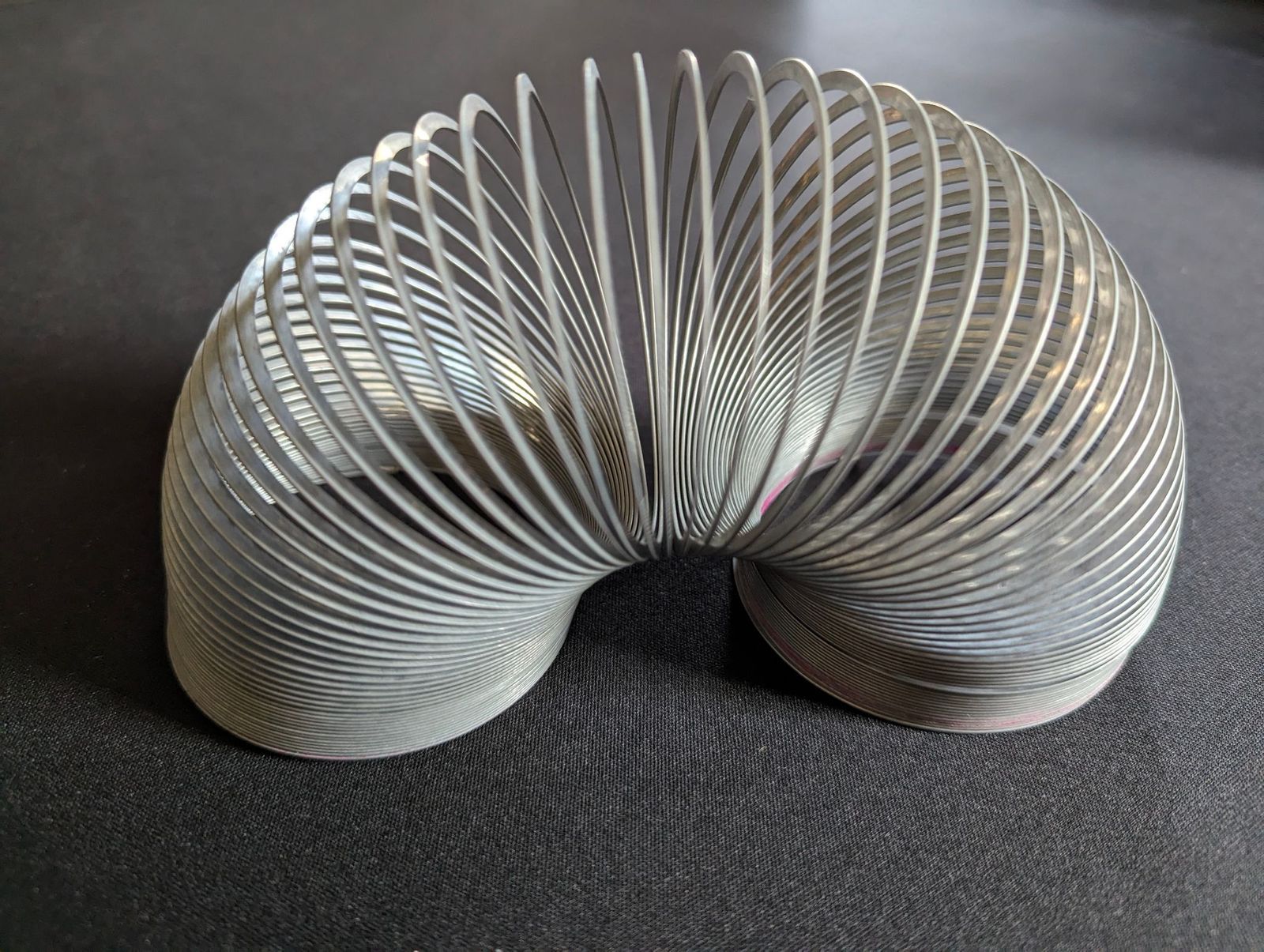
In 1943, naval engineer Richard James was developing a spring to keep equipment steady on ships during rough seas. One day, he knocked one of his experimental springs onto the floor. Instead of falling in one place, it moved end over end. James rapidly realized its potential as a toy.

He spent the next two years finding the right size and tension for the spring. His wife, Betty, named it "Slinky," because of its smooth movement, and they introduced it to the market in 1945. But shoppers were confused and didn’t know what to make of it at first. The situation changed after James demonstrated it at a Philadelphia department store: all 400 Slinkys were sold in less than two hours.

5
Super Glue Emerged From Wartime Research

Image: Shutterstock

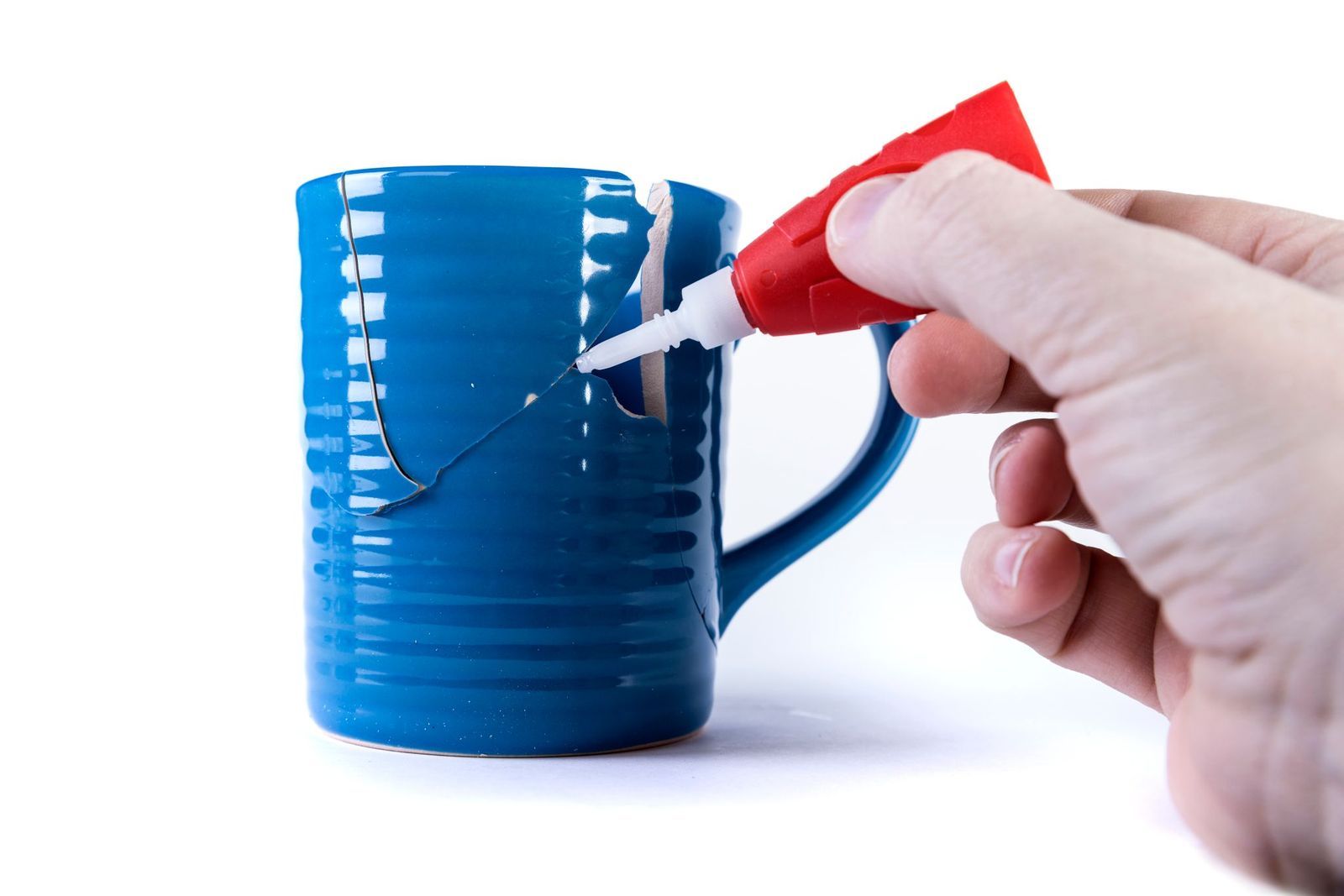
Today, we use Super Glue to repair broken items, for crafting, woodworking, and for countless quick fixes. But in 1942, chemist Harry Coover created it while trying to make a clear plastic for military gunsights during World War II. He was testing chemicals called cyanoacrylates when his team found that they stuck to almost everything they touched. As that feature made them unsuitable for the original project, the researchers moved on.

Coover encountered the chemicals again in 1951 while his team was developing materials for jet canopies. This time, he realized that their powerful bond was useful because it required no heat or pressure. Kodak later refined the adhesive and released it as Eastman 910 in 1958. That accidental discovery became widely known as Super Glue.

6
Silly Putty Grew Out of a Search for Synthetic Rubber

Image: Shutterstock

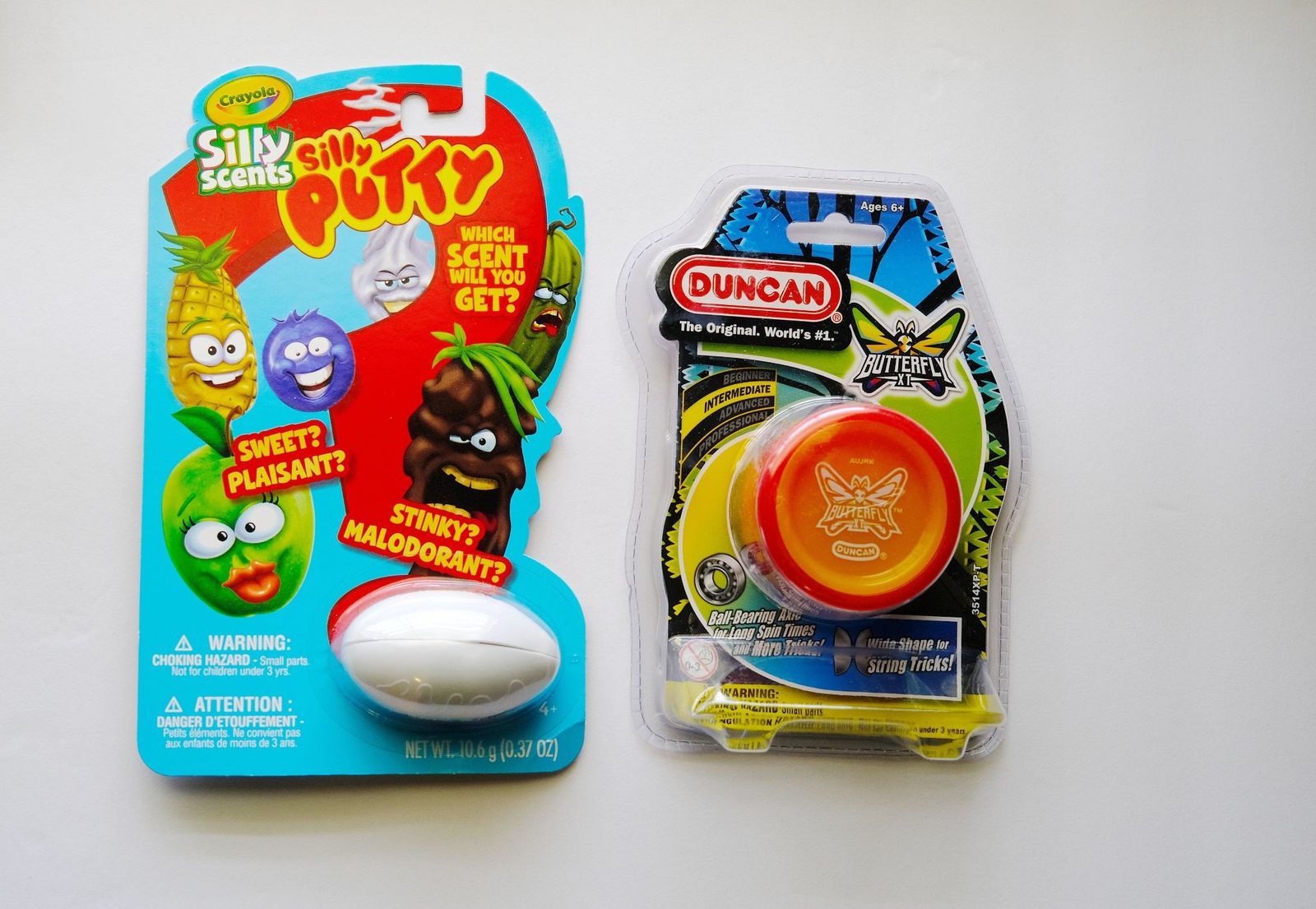
Silly Putty is that stretchy stuff that comes in plastic eggs and bounces and bends, depending on how you pull it. It was created during World War II, when rubber was needed for tires, boots, gas masks, and other military supplies. Japan’s expansion in Asia cut the United States off from much of its natural rubber, so American scientists were forced to look for a replacement.

In 1943, General Electric engineer James Wright mixed boric acid with silicone oil and created a strange, elastic material. It bounced higher than rubber, but it wasn’t strong enough for the military’s needs. General Electric shared samples with scientists, hoping someone might find a practical use for it. Meanwhile, people began passing it around at parties for fun. At one of them, hosted by a General Electric executive, businessman Peter Hodgson watched guests play with it, recognized its potential as a toy, named it Silly Putty, and in 1950, he commercialized it.

7
Frozen Orange Juice Was Developed for American Troops

Image: Shutterstock

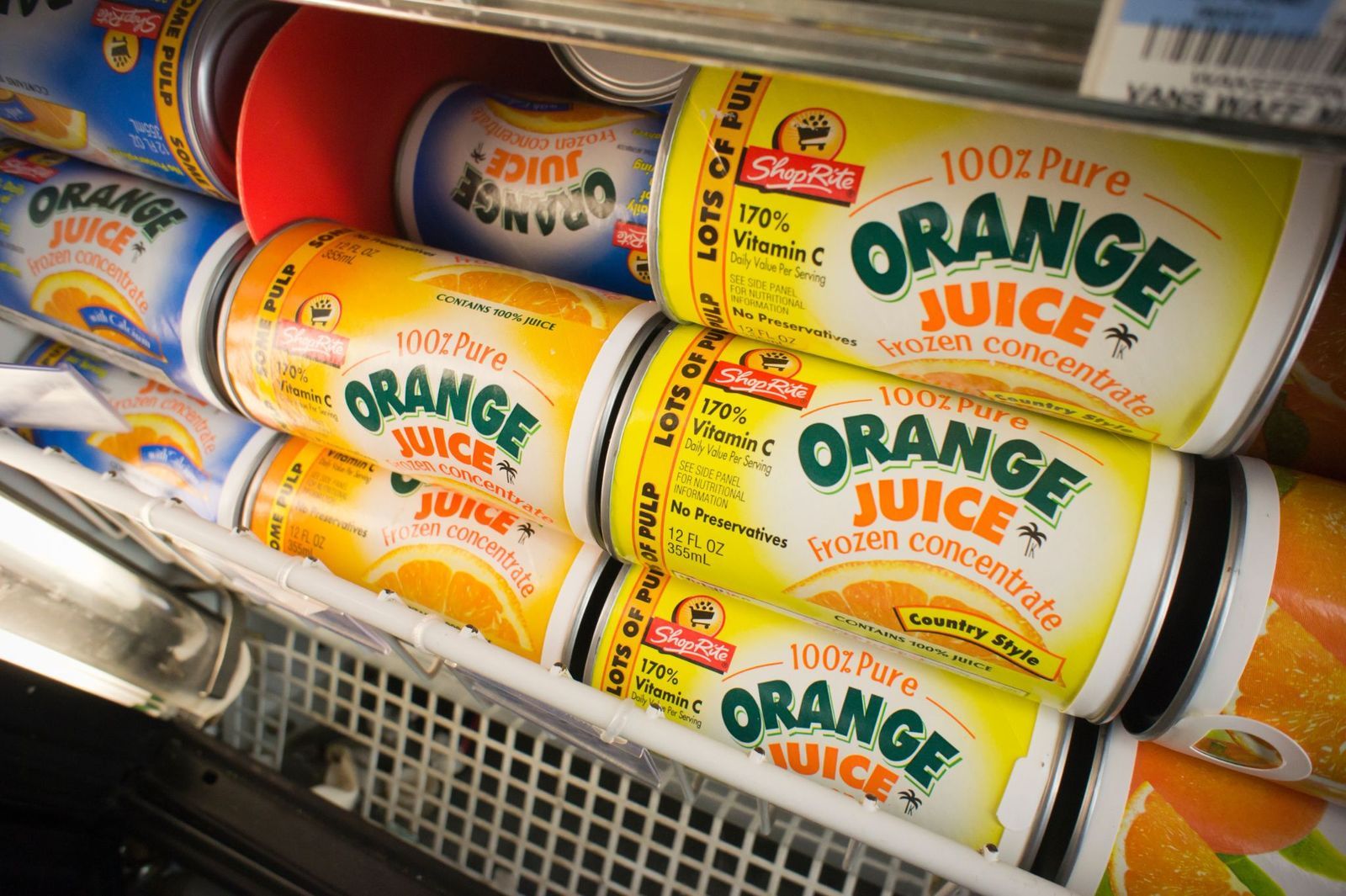
Orange juice provides vitamin C, which supports the immune system and helps the body heal wounds. During World War II, the military understandably needed to make sure troops received enough vitamin C. However, regular frozen juice lost its fresh taste during storage and transport, sometimes developing a flavor compared to turpentine. So in 1942, the Army asked researchers to create a frozen version that could travel without losing its flavor.

And by 1945, scientists of the Department of Agriculture removed water from fresh juice at low temperatures and then added a little fresh juice back into the concentrate. The process preserved the orange oils responsible for its familiar taste. The Army ordered 500,000 pounds, but the war ended before the product could be delivered. Instead, it reached American grocery stores in 1946 under the name Minute Maid and soon became a breakfast favorite.

8
Penicillin Became Widely Available Through U.S. Wartime Production

Image: Shutterstock

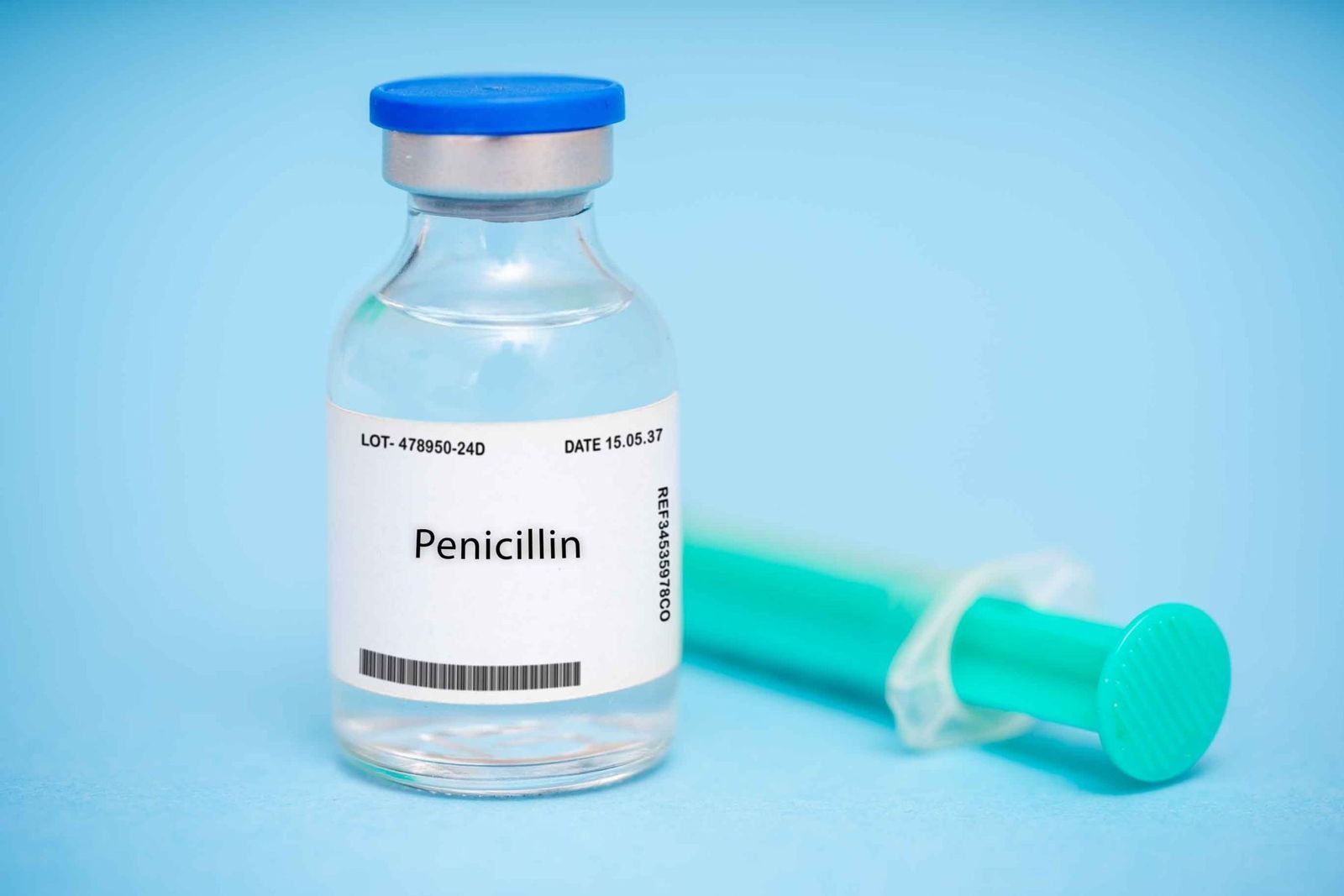
Penicillin offered a powerful solution to bacterial infections, which could otherwise turn a small wound deadly. But there was still one major problem: even a small amount took a lot of time and effort to produce. With thousands of wounded troops needing treatment during combat, the Allies had to find a way to produce much more of it.

British researchers brought their work to the United States, where government laboratories and drug companies took on the challenge. Scientists then found that growing the mold in deep tanks with a corn-based liquid produced much larger amounts . By 1944, American factories were making enough penicillin to treat Allied troops wounded during the D-Day invasion.

9
Aerosol Bug Spray Protected Soldiers From Insects

Image: Shutterstock

A mosquito bite wasn’t just annoying during war; it could literally take a soldier out of action. In tropical regions, mosquitoes carried malaria and other diseases that sickened lots of soldiers. An easy way to kill insects in tents and planes was needed, and large sprayers weren’t that practical.

Department of Agriculture researchers Lyle Goodhue and William Sullivan developed a small pressurized canister that released insecticide as a fine mist. Nicknamed the "bug bomb," it allowed troops to spray an entire space in seconds. It was patented in 1943, and more than 40 million cans were produced for military use during the war. It didn’t take long for that same technology to be used for home repellents.

10
Synthetic Rubber Kept American Vehicles Moving

Image: Shutterstock

A great number of wartime items needed natural rubber. — to make tires, hoses, engine belts, seals, life rafts, gas masks, and many other waterproof parts . But after Japan captured major rubber-producing areas in Southeast Asia, the U.S. lost access to most of its supply. Recycling and rationing efforts helped, but it wasn’t enough.

The government took action and brought oil, chemical, and tire companies together to build a synthetic-rubber industry at home. Made mostly from petroleum-based chemicals, the new material could do many of the same jobs as natural rubber. U.S. production grew from only 230 tons in 1941 to more than one million tons in 1945. Synthetic rubber kept military vehicles moving during the war and remained essential for tires and other everyday products afterward.

Explore more American facts

Choose your favorite category!

General
General

As American as apple pie—the very best America has to offer!

Culture
Culture

Delve into the astounding richness of American lore.

Geography
Geography

Hop in and explore vast and diverse American landscapes.

History
History

Discover the key moments that shaped the United States.