Geography Geography 3 min read

NYC uncovered

Which NYC building has a secret train platform beneath? Find out here!
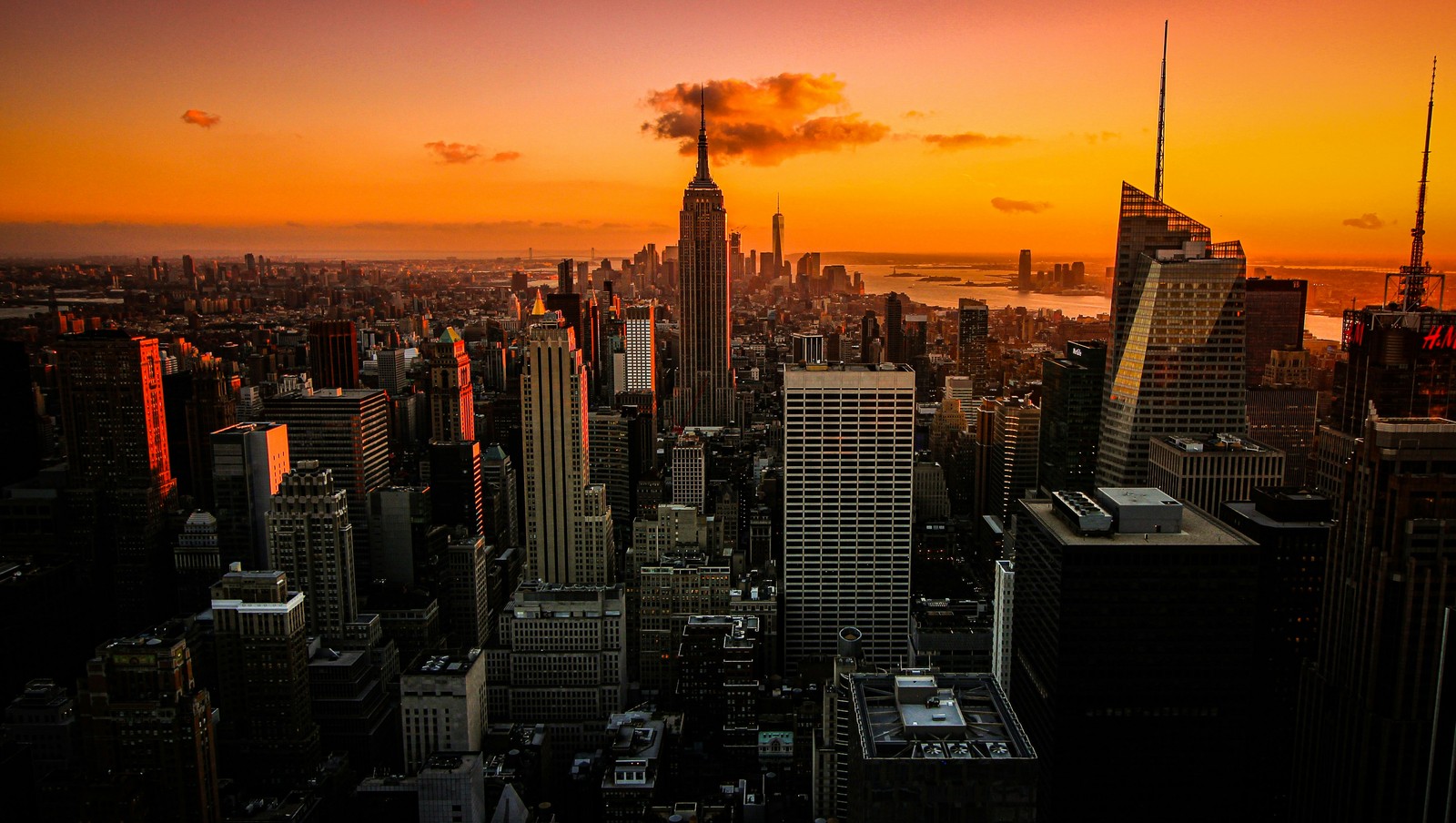
Image: Florian Wehde

New York City has been written about, filmed, sung about, and argued over for generations. Yet even people who love it and even live there are often surprised by what they do not know. Behind the busy streets and famous landmarks, lots of stories explain how this city grew, who shaped it, and why it continues to feel larger than life. Get ready to get the NYC facts right!

1
New York City population
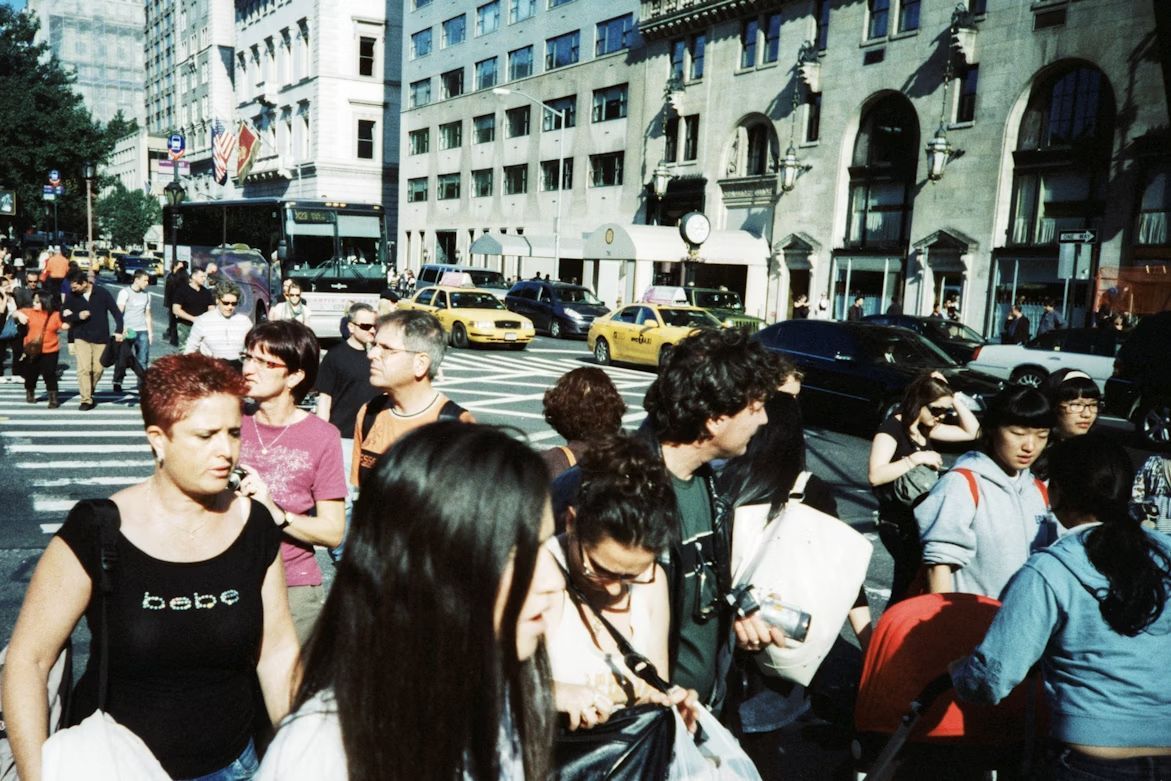
Image: Scott Evans

More than eight million people call New York City home. That means roughly one out of every 38 Americans lives within its five boroughs. It helps explain why the city feels endlessly busy and why every neighborhood seems to have its own rhythm, personality, and pace. The City that Never Sleeps feels like the right nickname, right?

2
Languages spoken
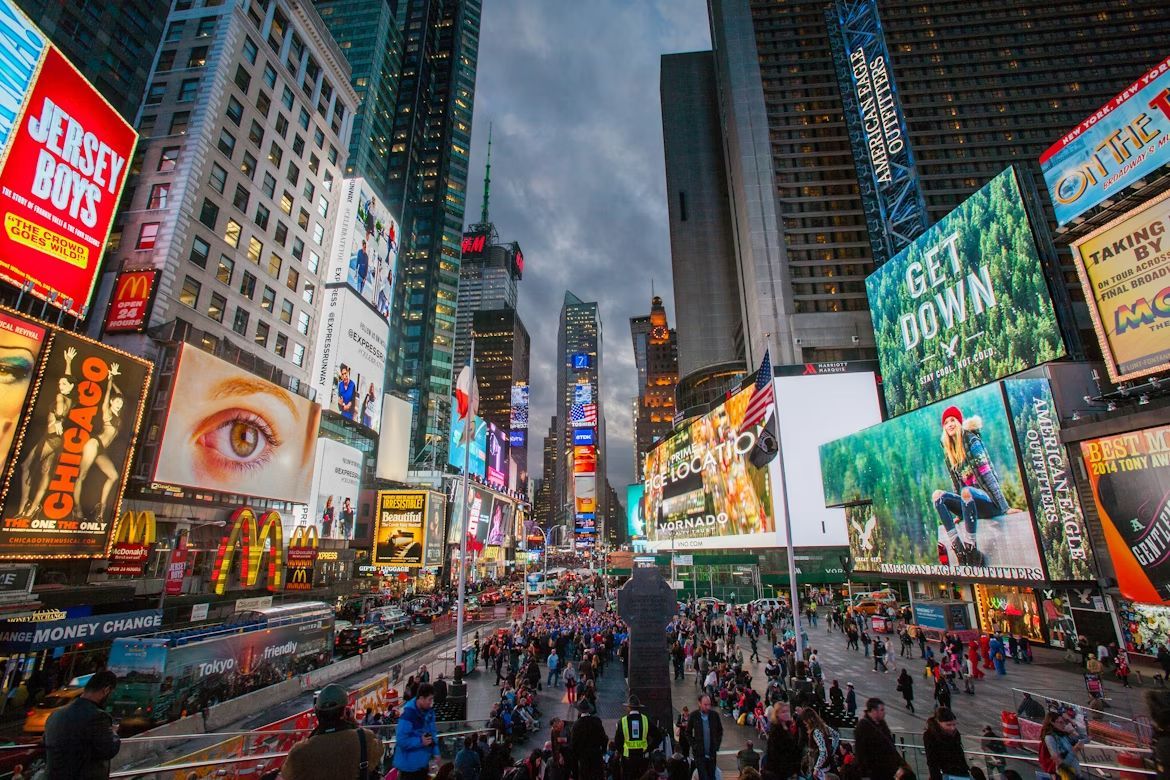
Image: James Ting

New York City is the most linguistically diverse city on Earth. More than 800 languages are spoken here, and about four in ten households use a language other than English at home. Wanna feel like you’ve travelled across every continent? Walk down a city block and you will!

3
Statue of Liberty
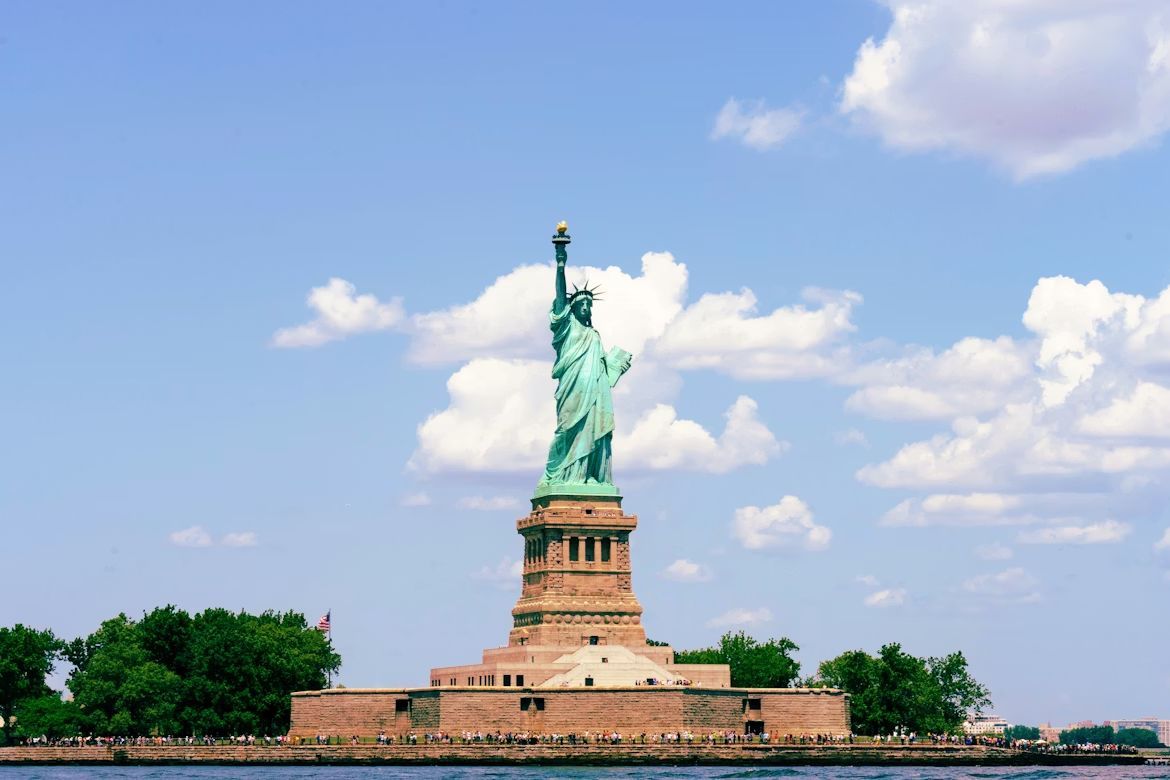
Image: Avi Werde

The Statue of Liberty arrived from France as a gift celebrating American independence. She did not come in one piece. Instead, the statue arrived in 214 crates, each containing 350 separate parts, and took four months to assembl e. Even symbols of freedom sometimes require instructions, you know?

4
Federal Reserve Bank gold vault
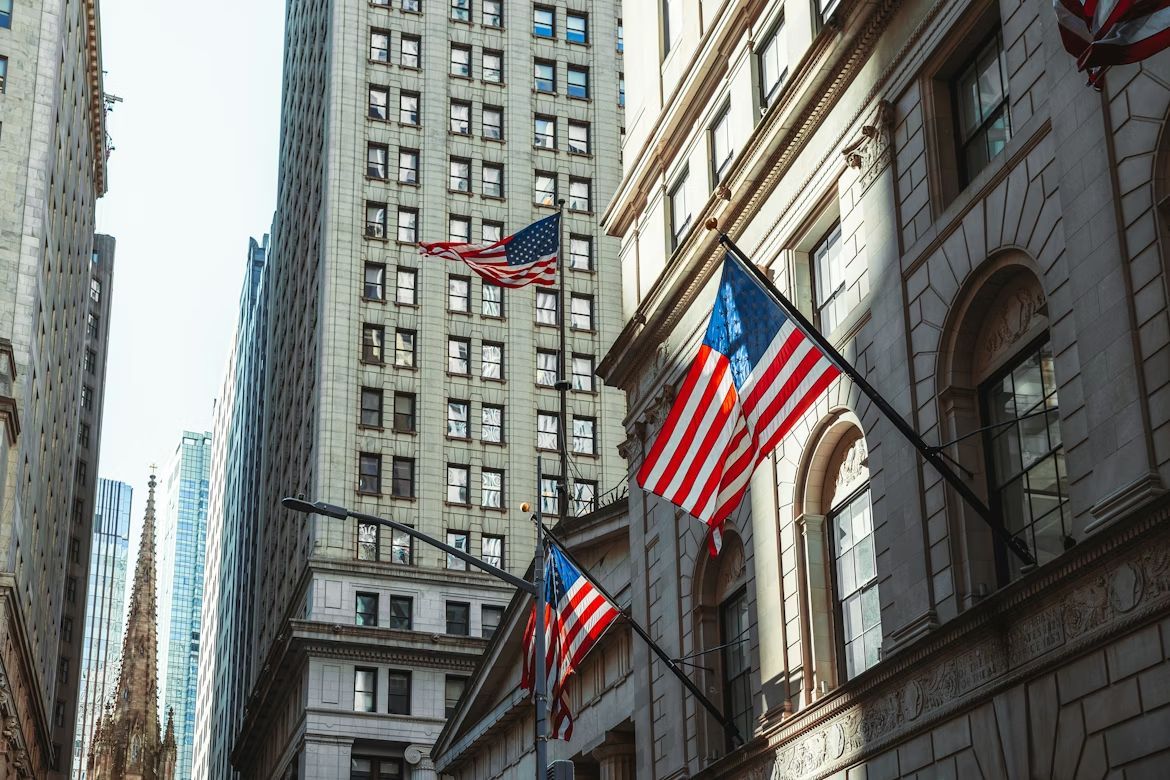
Image: Diane Picchiottino

Deep beneath the streets of Manhattan sits the largest gold storage vault in the world. Located 80 feet below street level, it holds about $90 billion worth of gold . Most visitors walk right over it without realizing they are passing above one of the most secure rooms on the planet.

5
New York Public Library
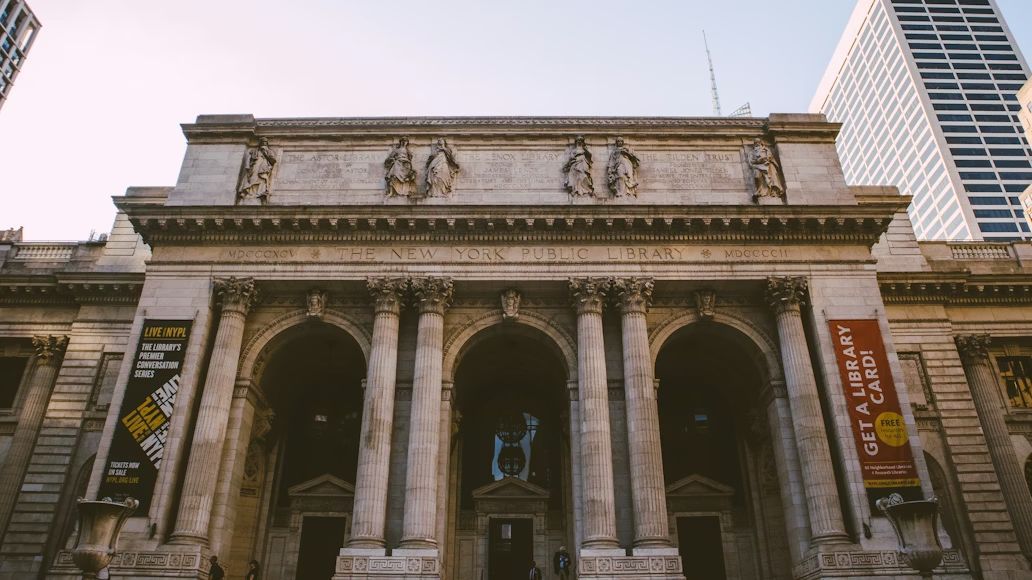
Image: Alejandro Barba

The New York Public Library system holds more than 50 million books and items. It is second in the United States, only to the Library of Congress, and ranks third worldwide . Those iconic lion statues guard far more than a quiet reading room. They watch over an astonishing archive of human knowledge. Have you ever visited it?

6
United Nations headquarters
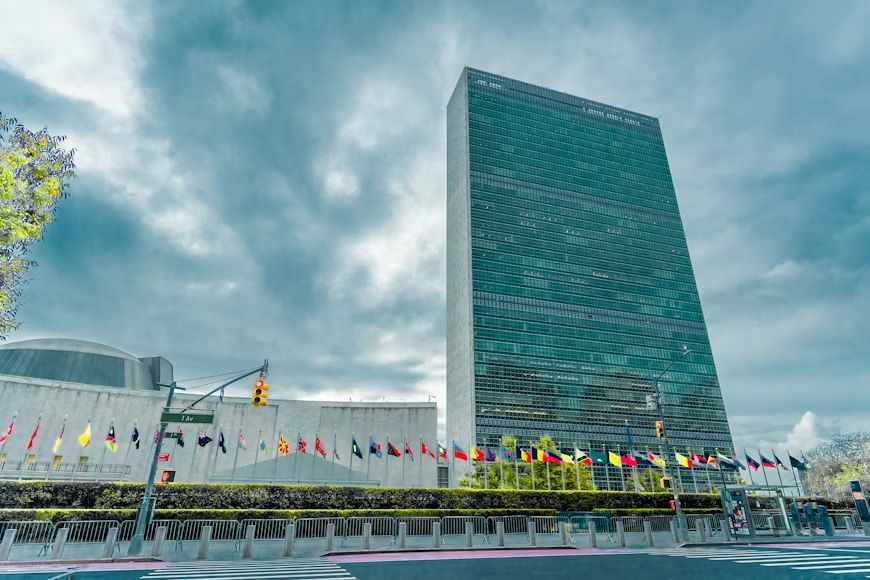
Image: Nils Huenerfuerst

The United Nations established its headquarters in New York City in 1952 following World War II. Since then, diplomats from nearly every country have gathered here to debate, negotiate, and occasionally argue. Few city blocks anywhere else host quite so many global decisions.

7
Brooklyn borough size
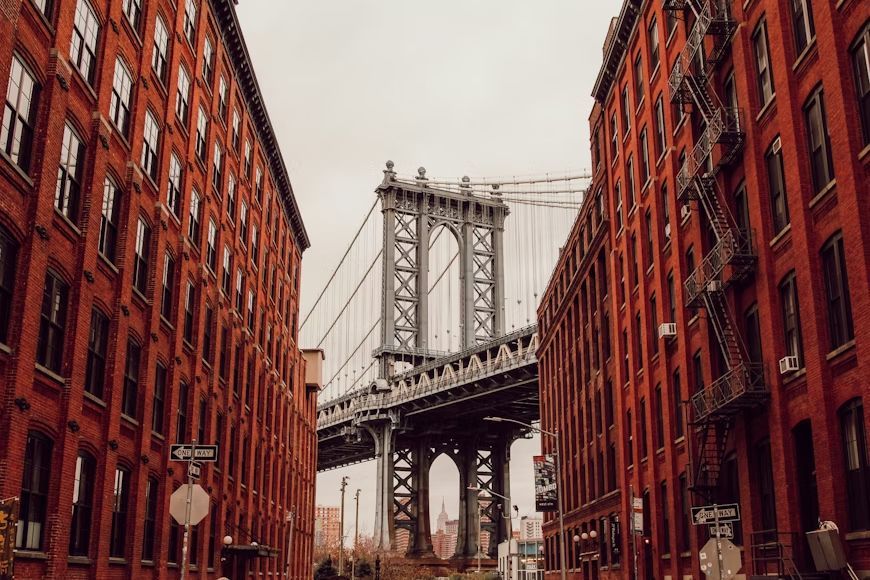
Image: Miltiadis Fragkidis

Brooklyn alone would rank as the fourth-largest city in the United States if it stood on its own. Queens would claim the same spot as well. Together, they show just how massive New York City really is, even when broken into boroughs.

8
Times Square naming
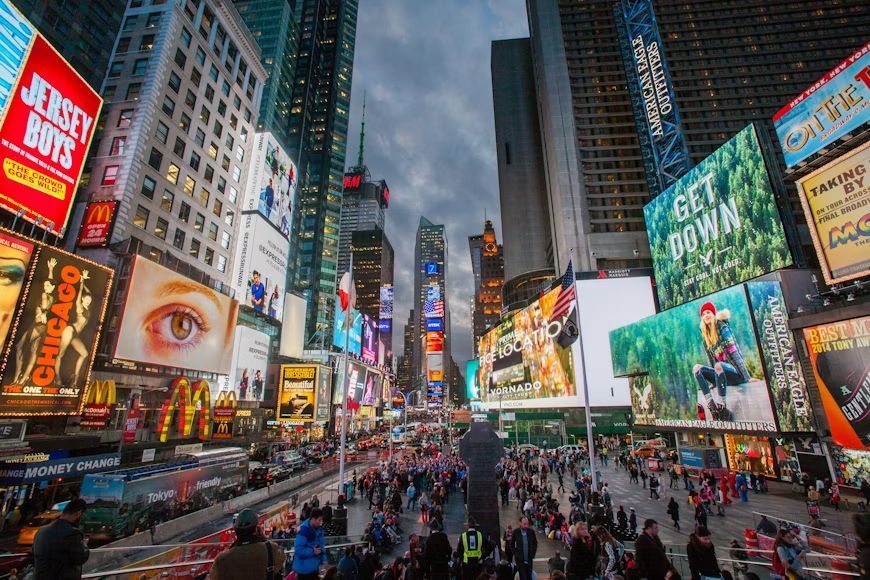
Image: James Ting

Times Square did not always have its famous name. It was once called Longacre Square until The New York Times moved its headquarters there in 1904. The name stuck, the lights followed, and the area became one of the most recognizable intersections in the world.

9
Chinatown population
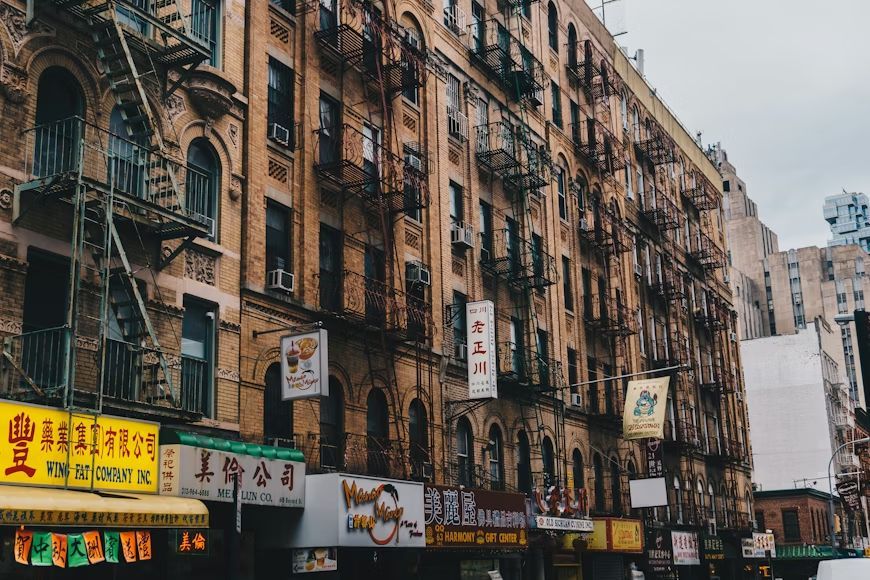
Image: Juan Di Nella

More Chinese people live in New York City than in any other city outside Asia. This influence shapes neighborhoods, food scenes, businesses, and traditions across the city. It is one more reason New York feels like many worlds packed into one place .

10
Pinball ban history

Image: Louie Castro-Garcia

Believe it or not, pinball machines were once against the law in New York City. Back in 1942, city leaders viewed the game as a form of gambling , and Mayor Fiorello LaGuardia ordered it banned. For more than 30 years, pinball disappeared from public view until the rule was finally lifted in 1976.

11
Secret train platform beneath the Waldorf Astoria
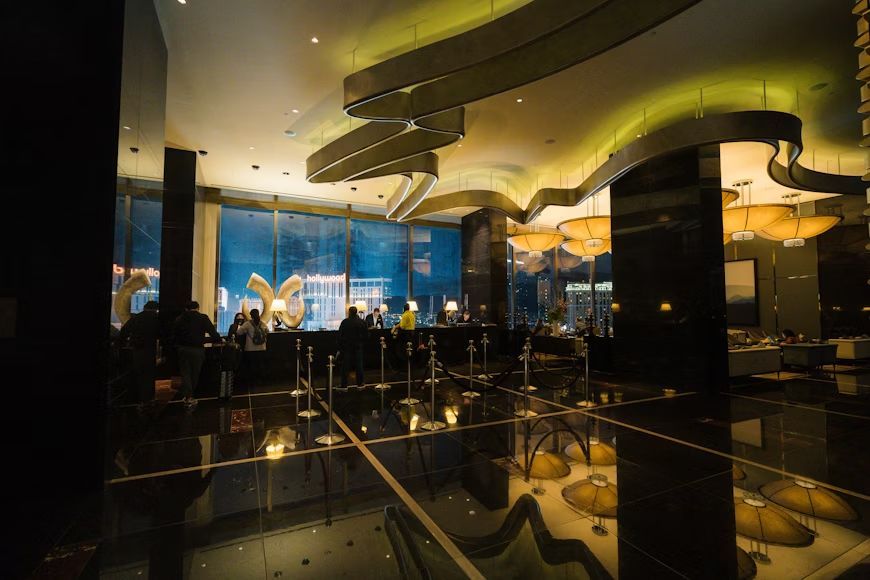
Image: Frugal Flyer

Hidden beneath the elegant Waldorf Astoria Hotel is a little-known train platform called Track 61. According to long-standing stories, President Franklin D. Roosevelt used it to arrive and leave discreetly, away from crowds and cameras. The platform is no longer active today , but knowing it exists adds a layer of mystery to an already legendary building.
General General 4 min read

Not all fun and games

Who were the least-liked presidents in the history of the US?

Image: Sora Shimazaki

Becoming President of the United States is a tremendous honor, but it's not always a bed of roses. For one reason or another, quite a few who made it to the Oval Office weren't exactly well-liked or left office with reputations that are, at best, debatable. Historians haven’t overlooked Herbert Hoover’s inaction during the Great Depression, just as the public hasn't forgotten Nixon's role in the Watergate scandal. Join us as we take a look at 10 presidents often considered among the least popular in American history!

1
Richard Nixon (1969–1974)

Image: History in HD

One of the most controversial presidents in US history, Richard Nixon, led the country from 1969 to 1974. Although it's true that Nixon was indeed popular for his foreign policy achievements before the Watergate scandal, his involvement in that unforgettable episode forced him to resign, making him the first and only US president to step down from office.

2
Herbert Hoover (1929–1933)

Image: Tomasz Zielonka

Judging a president goes beyond assessing their decisions: a lack of empathy for the people they serve can be just as damaging. Herbert Hoover was president when the Great Depression began, following the stock market crash of October 1929. He maintained a largely hands-off approach that was harshly criticized as inadequate and led many to see the president as out of touch with the suffering of Americans.

3
Ulysses S. Grant (1869–1877)

Image: Library of Congress

Ulysses S. Grant, the 18th US President, was a polarizing figure. As a Union general, he played a crucial role in securing victory during the Civil War. However, during his presidency, there were several scandals related to corruption that affected his image negatively, both during his time in office and for many years afterward.

4
Andrew Johnson (1865-1869)

Image: Library of Congress

After Abraham Lincoln's assassination, Andrew Johnson served as the US president from 1865 to 1869, just six weeks after becoming Lincoln's vice president. It was a critical period in American history, and he is remembered for opposing many Reconstruction efforts . He even vetoed several key congressional initiatives, including the Civil Rights Act of 1866, though Congress overrode many of his vetoes. In 1868, Johnson became the first US president to be impeached.

5
James Buchanan (1857-1861)

Image: Library of Congress

Often ranked among the least popular presidents, James Buchanan led the nation during a period of deep internal division, just before Abraham Lincoln took office. Despite the growing tensions, he chose to stay out of the conflict. He's most often criticized for his inaction as Southern states began seceding from the Union and making only minimal efforts to prevent the Civil War.

6
Chester A. Arthur (1881–1885)

Image: Library of Congress

Some presidents aren't necessarily considered unpopular because of any specific scandal or failure, but rather they simply went unnoticed. One such figure is Chester A. Arthur, who served as president from 1881 to 1885 after the assassination of James A. Garfield. Although many historians view him as a capable and reform-minded leader, Arthur remains one of the most overlooked presidents in US history.

7
Warren G. Harding (1921–1923)

Image: Library of Congress

Warren G. Harding, the 29th President of the United States, is often regarded by historians as an ineffective leader. Although Harding himself wasn't directly involved, corruption scandals implicating members of his administration along with his inaction in response to them–did the most damage to his reputation and legacy.

8
Millard Fillmore (1850–1853)

Image: Pixabay

Millard Fillmore, who served as US president from 1850 to 1853, is widely criticized for decisions that deepened national divisions , most notably his signing of the Fugitive Slave Act. The law inflamed tensions in an already fractured nation, pushing the country even closer to civil conflict.

9
John Tyler (1841–1845)

Image: Joanna Kosinska

In 1841, John Tyler became the first vice president to assume the presidency following the death of a sitting president. His assumption of office was unexpected even for himself–and his frequent clashes with Whig Party leaders didn't help his image among voters. In fact, he was expelled from the party while still in office. To make matters worse, years after his presidency, Tyler sided with the Confederacy during the Civil War.

10
Zachary Taylor (1849–1850)

Image: Library of Congress

Zachary Taylor became the 12th President of the United States in 1849, but his sudden death in July 1850 meant his time in office lasted only 16 months. While he isn't necessarily disliked, he's less remembered, partly because of his short time in office.

History History 4 min read

Feel old yet?

What brand was founded when Thomas Jefferson was president?

Image: @felirbe

From Converse footwear to Colgate toothpaste to Jell-O, millions of Americans use these brands every day without realizing how old they really are. Some were around before the Titanic sailed, while others were founded before the Civil War. Despite their modern marketing, updated logos, and constant reinvention, these companies have survived it all. Take a look at 11 brands that have quietly crossed the 100-year mark.

1
Converse (1908)

Image: pure julia

Converse was founded in 1908 by Marquis Mills Converse in Maiden, Massachusetts. The company originally made rubber footwear, including galoshes and winter boots , before expanding into athletic shoes. Its famous Converse All-Star basketball shoe debuted in 1917 and would later become one of the most recognizable sneakers in history.

The brand’s biggest boost came from basketball star Chuck Taylor, who joined the company as a salesman and ambassador. His signature was added to the shoe in 1932, creating the legendary Chuck Taylor All-Star. More than a century after its founding, Converse remains a global fashion staple.

2
Whirlpool (1911)

Image: Andriy Blokhin

Whirlpool traces its roots to 1911, when Louis Upton and his uncle Emory Upton founded the Upton Machine Company in Benton Harbor, Michigan. Their goal was simple but ambitious: add electric motors to washing machines and make household chores easier .

The company eventually evolved into Whirlpool Corporation and became one of the world’s largest appliance manufacturers. Over the decades, it introduced innovations ranging from automatic washing machines to appliances used in NASA’s Gemini and Apollo-era space programs.

3
Colgate (1806)

Image: Atikah Akhtar

Colgate’s story began in 1806 when English immigrant William Colgate started a starch, soap, and candle business in New York City . At the time, toothpaste in tubes did not even exist.

During the nineteenth century, the company expanded into oral-care products and eventually became one of the most recognized names in dental hygiene. Today, many consumers think of Colgate as a modern toothpaste brand, but its origins go back more than two centuries.

4
L.L. Bean (1912)

Image: Joseph Hendrickson

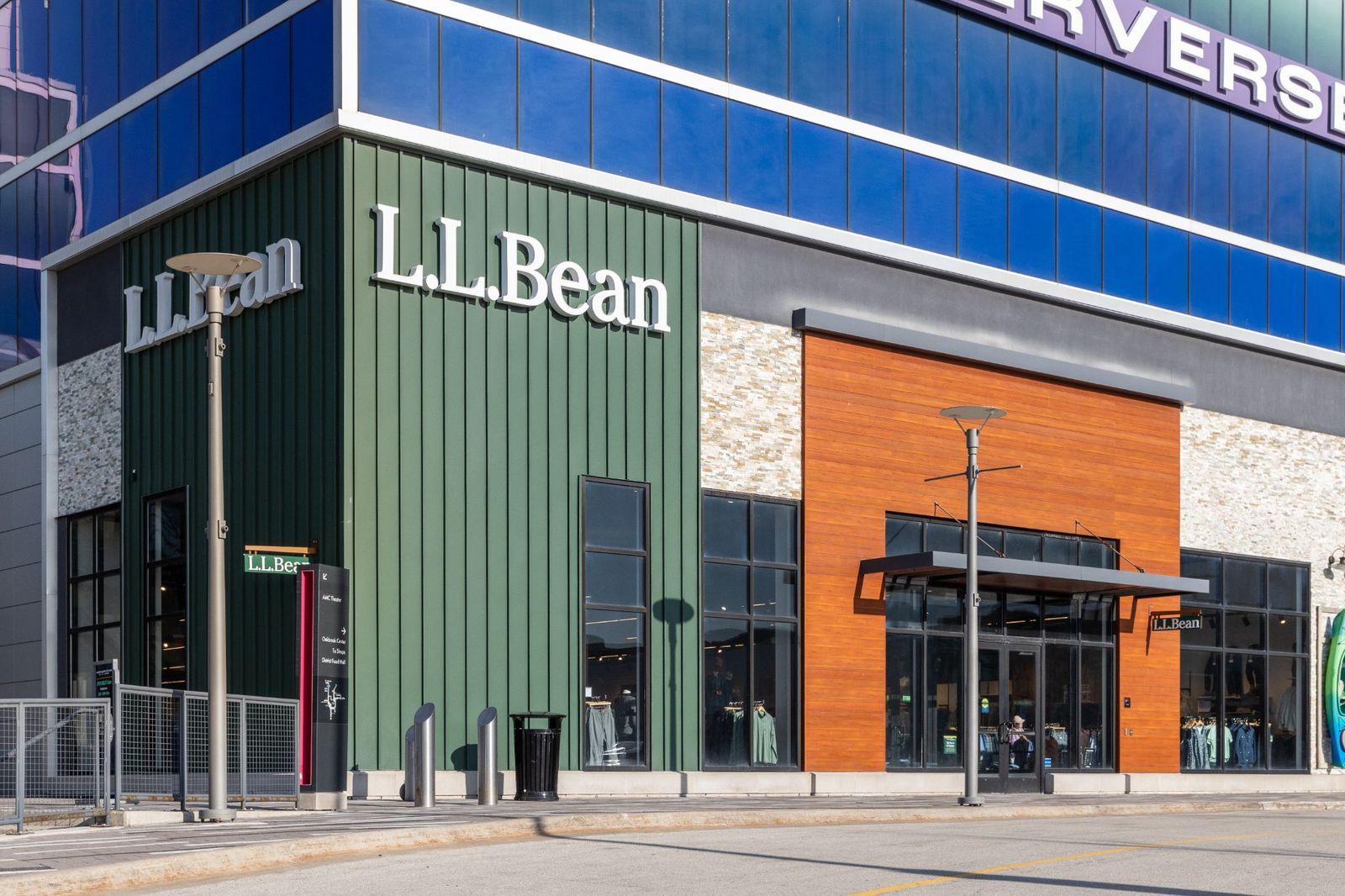
In 1912, Leon Leonwood Bean launched a mail-order business from Freeport, Maine. His first product was a hunting boot designed to keep outdoorsmen comfortable in wet conditions .

The original boot became known as the Maine Hunting Shoe and helped build a company famous for quality outdoor gear. L.L.Bean remains headquartered in Maine and continues to attract customers seeking durable products inspired by the outdoors.

5
3M (1902)

Image: Dimitri Karastelev

Today, 3M is known for everything from Post-It Notes to industrial products, but it started in 1902 as the Minnesota Mining and Manufacturing Company in Two Harbors, Minnesota . Ironically, its original mining venture failed.

Rather than disappear, the company reinvented itself by producing abrasives and sandpaper. That willingness to innovate eventually led to thousands of products and more than a century of inventions used in homes, offices, hospitals, and factories all around the world.

6
Red Wing Shoes (1905)

Image: Henry Saint John

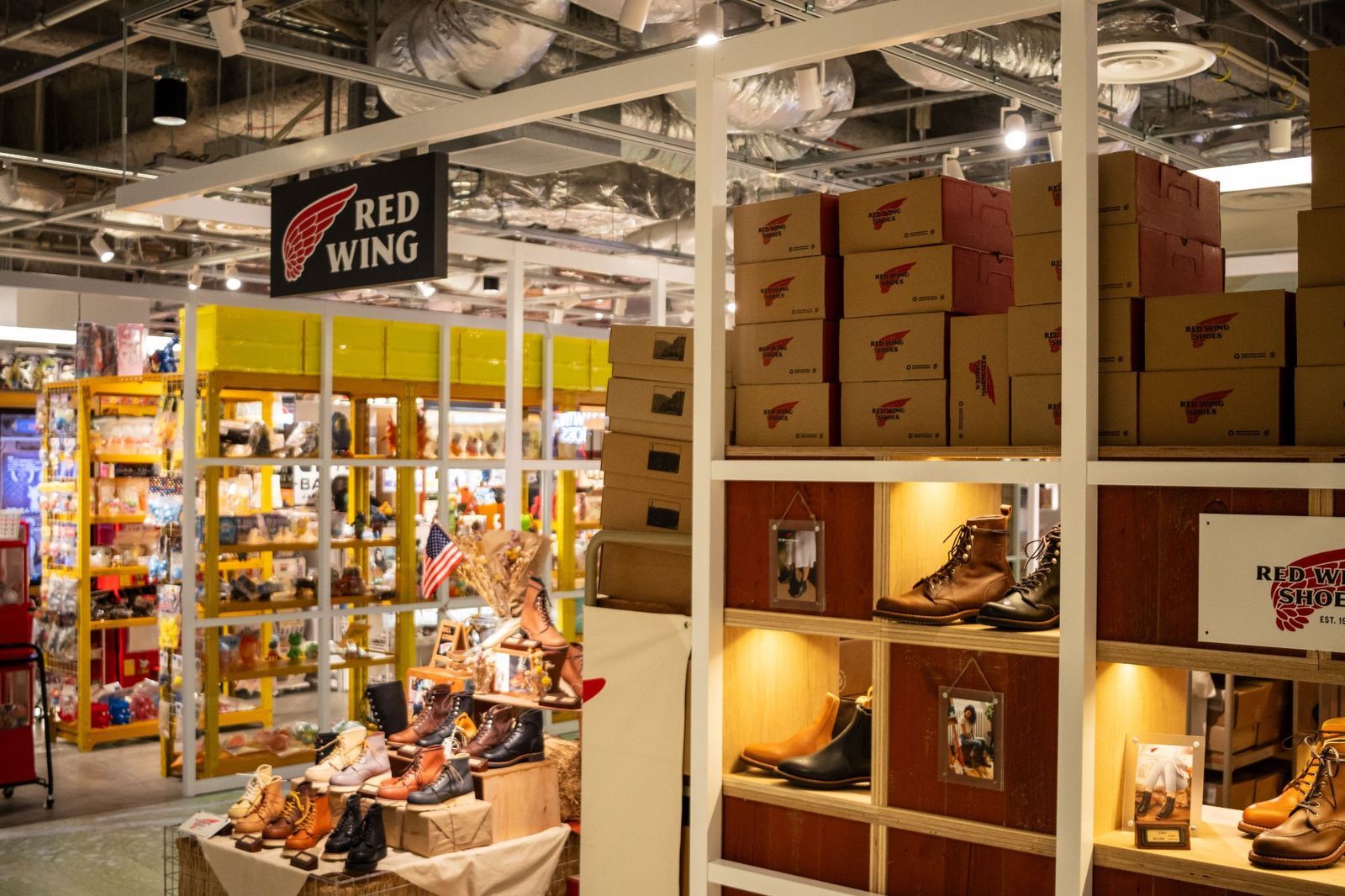
Red Wing Shoes was founded in 1905 in the Mississippi River town of Red Wing, Minnesota. The company specialized in rugged footwear for workers in demanding industries such as farming, mining, and construction .

Its reputation for durability has helped it survive dramatic changes in the American industry. More than a century later, Red Wing Boots remain popular among both workers and fashion enthusiasts who appreciate classic American craftsmanship.

7
Fruit of the Loom (1851)

Image: Lenscap Photography

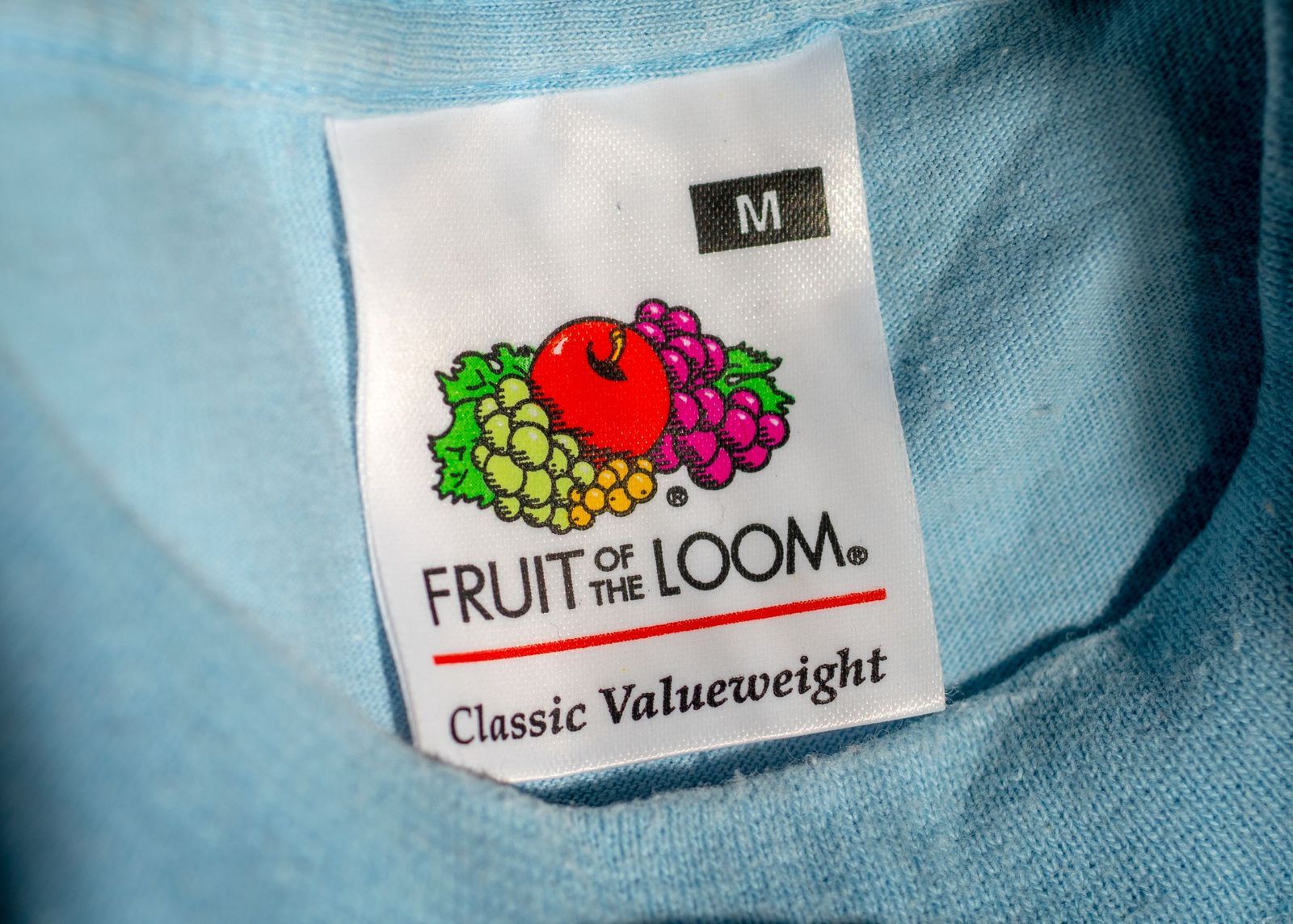
Fruit of the Loom traces its history to 1851, making it one of the oldest brands on this list. The company began as a textile manufacturer in Rhode Island during an era when the country was still expanding westward.

Its colorful fruit logo became one of the most recognizable trademarks in America. Although consumers usually associate the brand with T-shirts and underwear, its roots stretch back to the earliest days of America’s industrial manufacturing.

8
Gibson (1894)

Image: Gabriel Barletta

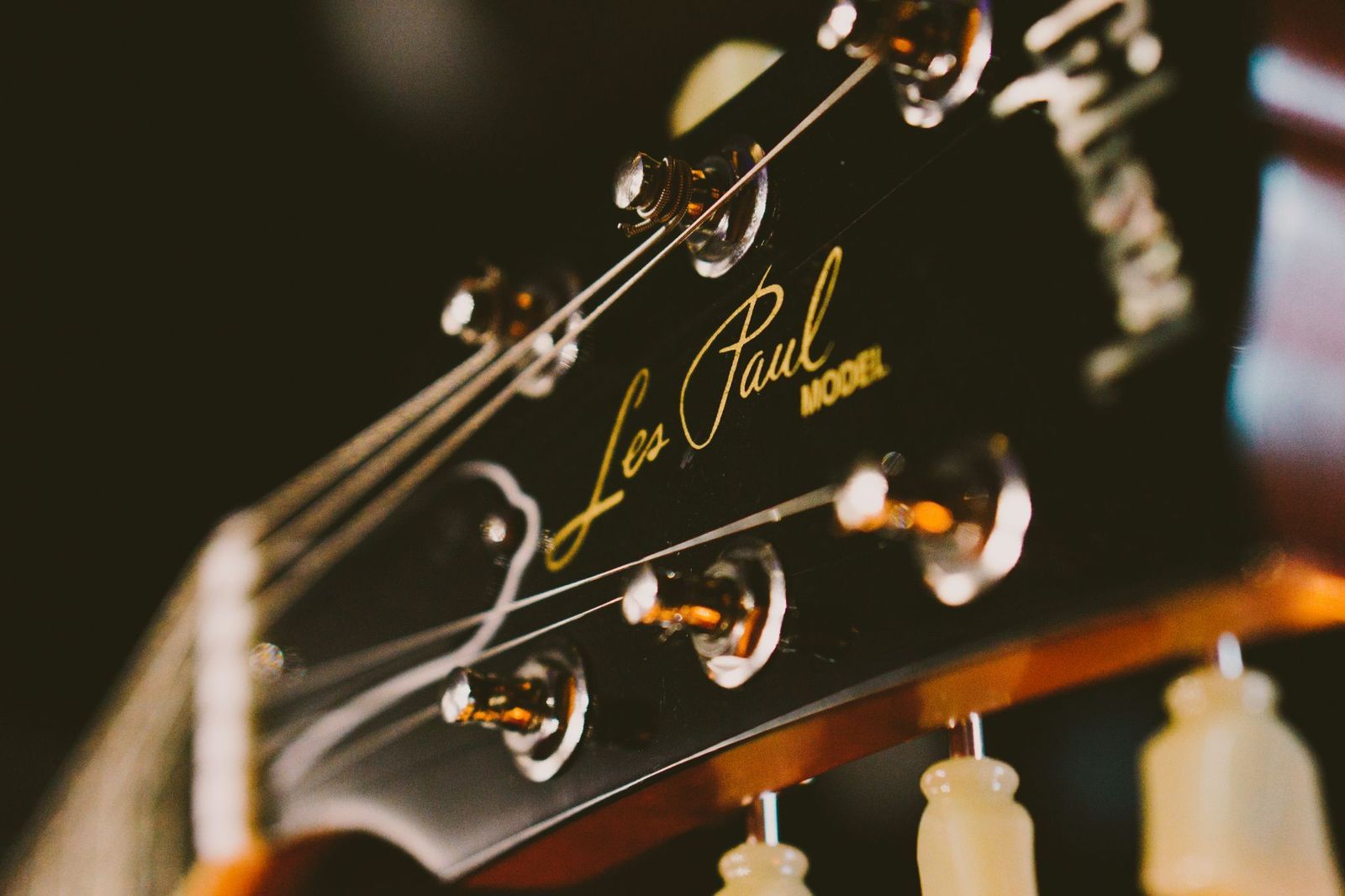
Founded in Kalamazoo, Michigan, in 1894 by Orville Gibson, this brand became one of the most influential guitar makers in music history. The company helped shape the sound of blues, jazz, country, and rock music .

Its instruments have been played by legendary musicians including B.B. King, Chuck Berry, Jimmy Page, and Slash, among many others. Despite being well over a century old, Gibson remains one of the most relevant and in-demand names in the guitar world.

9
Jell-O (1897)

Image: Girl with red hat

Jell-O began in 1897 when carpenter and cough-syrup manufacturer Pearle Bixby Wait developed a flavored gelatin dessert . His wife, May, suggested the catchy name that would become famous nationwide.

The dessert gained popularity through aggressive advertising and recipe campaigns in the early twentieth century. For generations, Jell-O has been a familiar part of family gatherings, school cafeterias, and holiday meals.

10
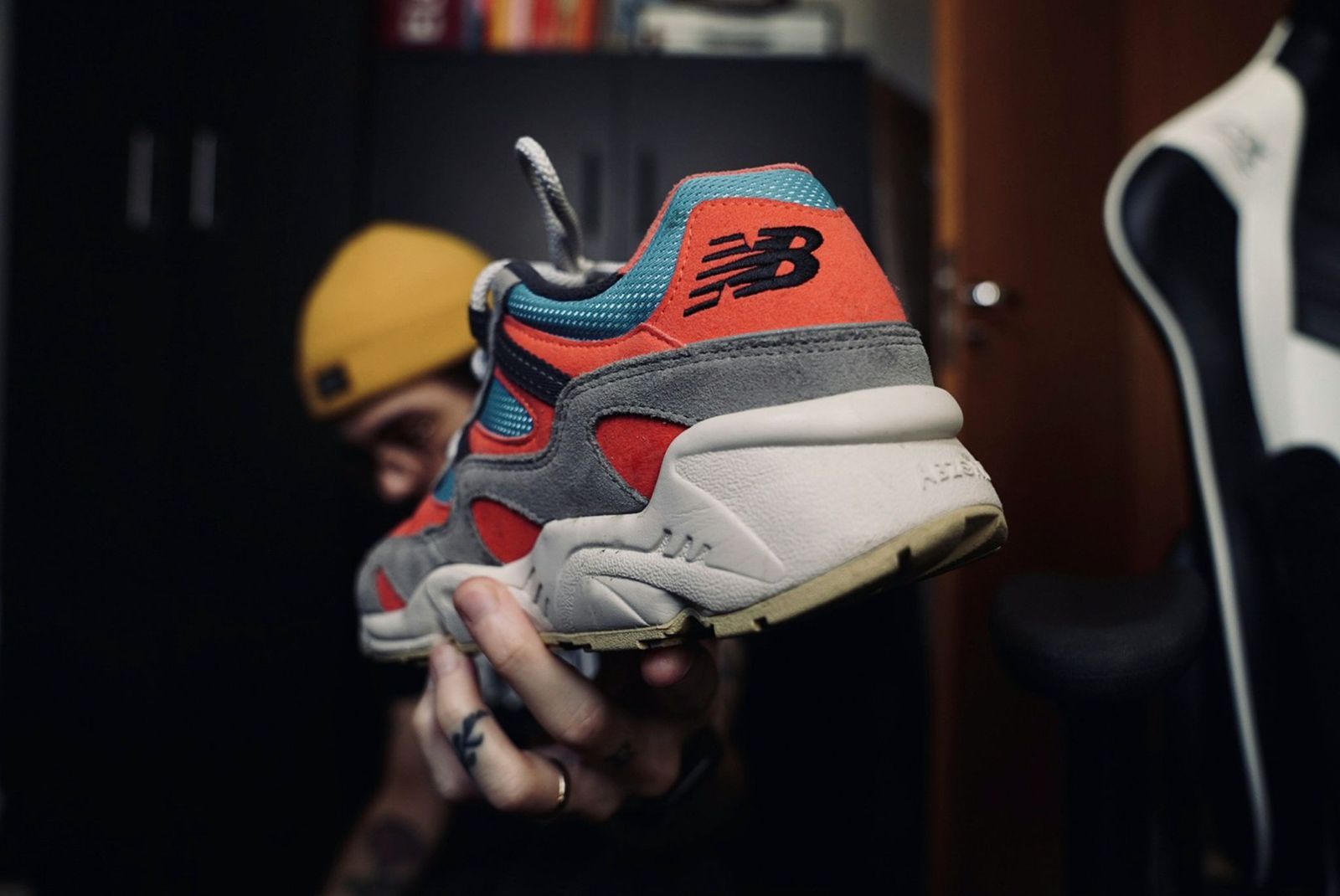
New Balance (1906)

Image: @felirbe

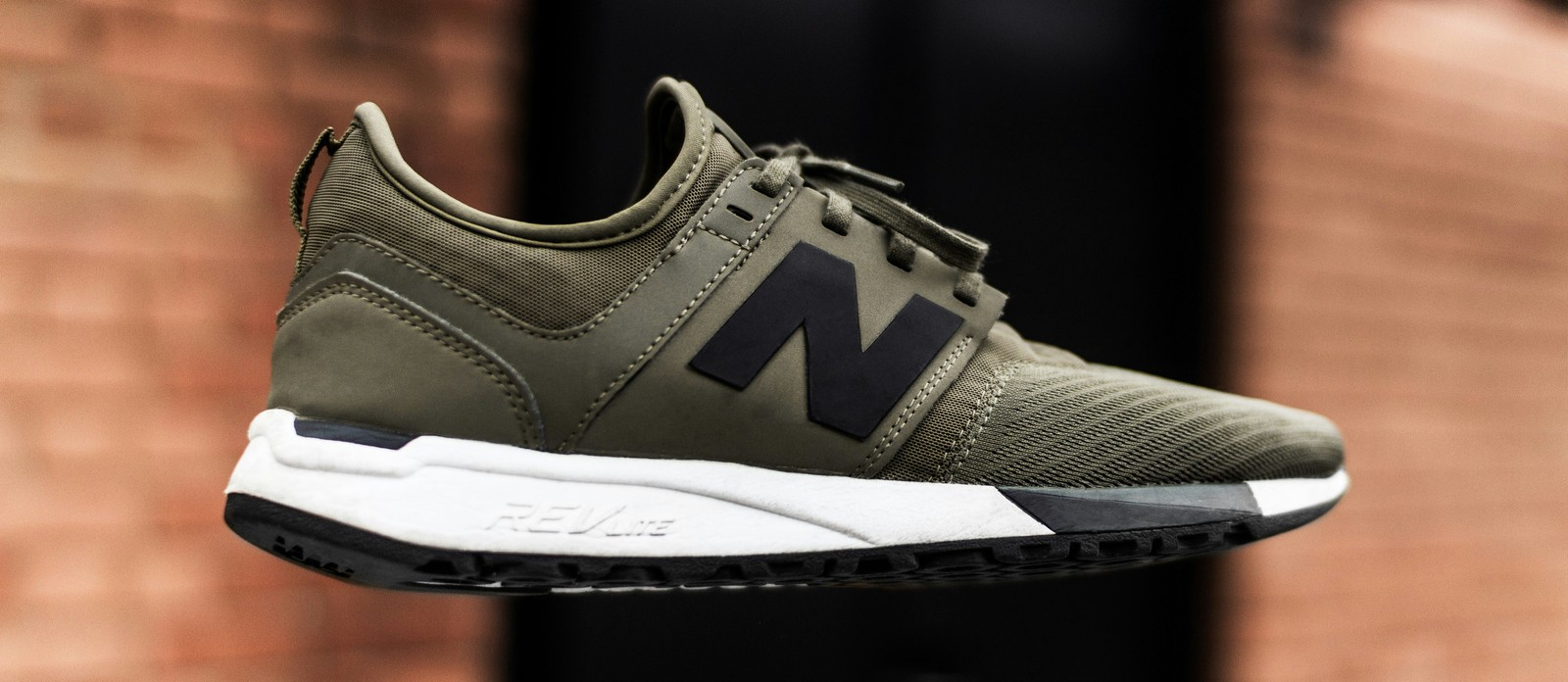
New Balance was founded in Boston in 1906 by William J. Riley. Interestingly, the company did not begin by making running shoes. Instead, it produced arch supports and orthopedic products designed to improve comfort and balance, hence the name .

The company later expanded into athletic footwear and became known for its emphasis on fit and performance. Today, New Balance competes with much younger sportswear giants while carrying more than a century of history behind it.

11
Stanley (1913)

Image: Shahrouz Nikpoush

Stanley was founded in 1913 when inventor William Stanley Jr. introduced an all-steel vacuum bottle . His innovation improved durability and helped popularize insulated drink containers.

For decades, Stanley products were associated with workers, campers, and outdoor enthusiasts. In recent years, the brand has experienced a surprising resurgence among younger consumers, proving that even a company founded before World War I can find new audiences.

Explore more American facts

Choose your favorite category!

General
General

As American as apple pie—the very best America has to offer!

Culture
Culture

Delve into the astounding richness of American lore.

Geography
Geography

Hop in and explore vast and diverse American landscapes.

History
History

Discover the key moments that shaped the United States.