History History 4 min read

Presidential legacies

Did you know a president's calm decision once avoided a nuclear crisis?
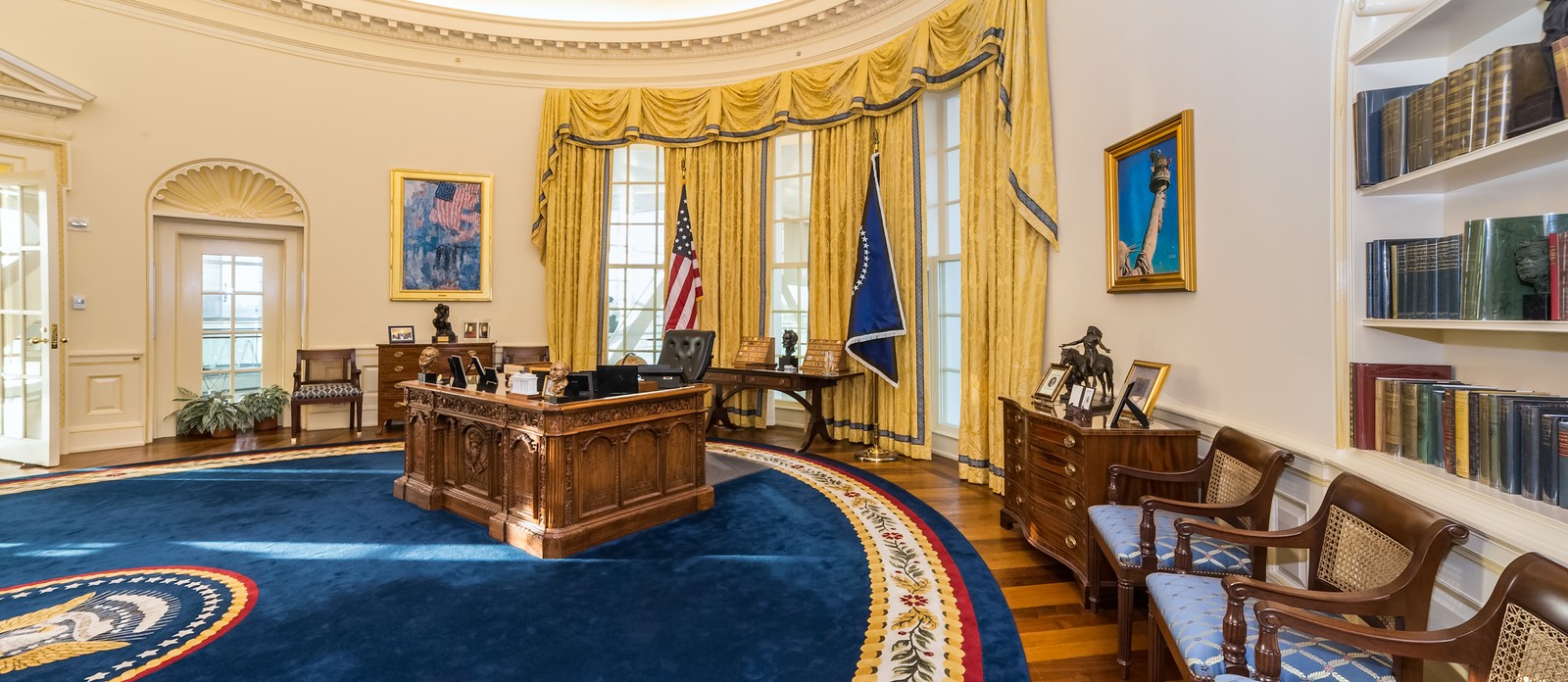
Image: amadeustx

Throughout American history, U.S. presidents have achieved many notable accomplishments that helped shape the nation. From facing down a nuclear standoff to setting our sights on the Moon, these moments have shaped the country we live in today and contributed to its overall well-being . Here are 10 presidential highlights worth remembering.

1
John F. Kennedy
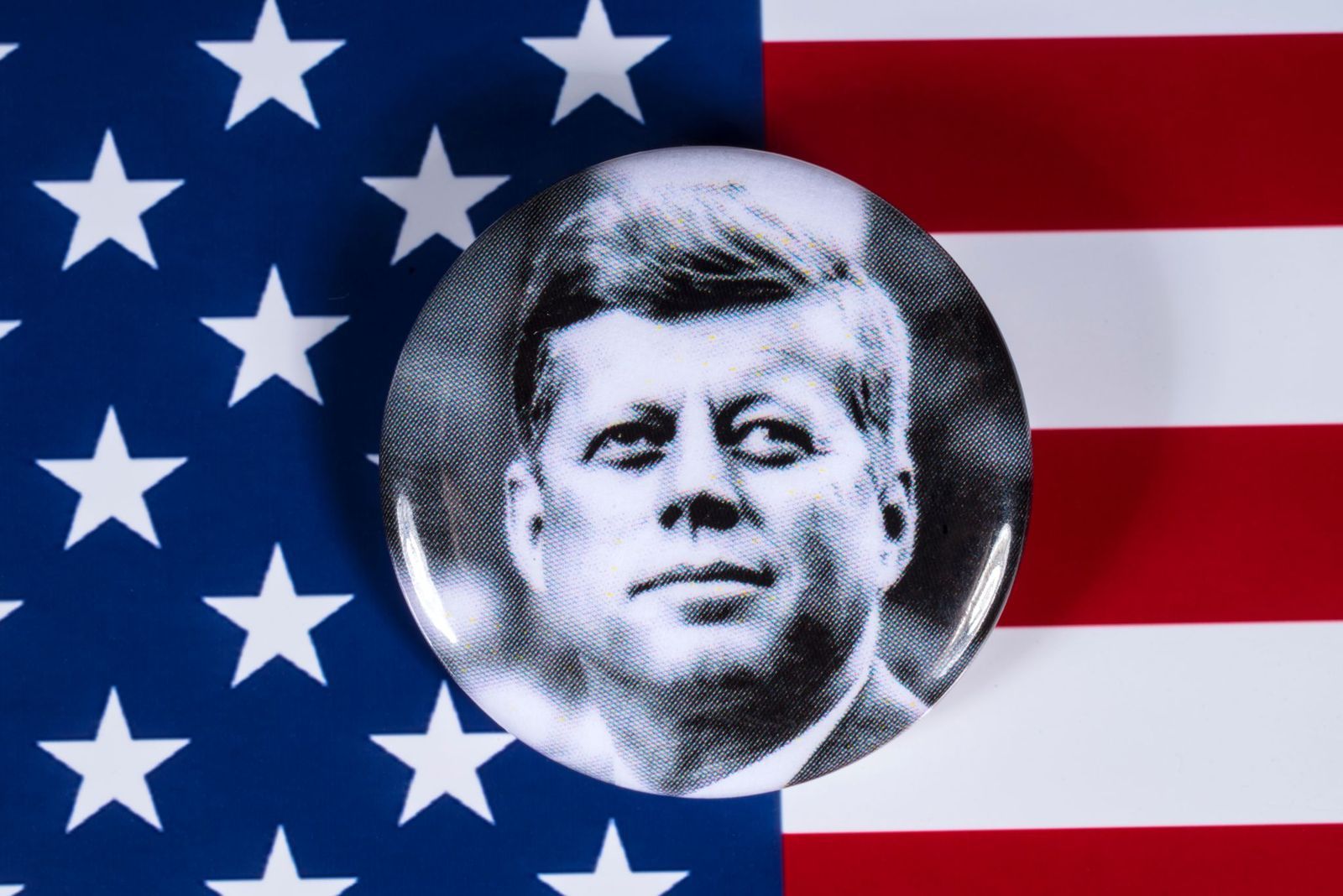
Image: chrisdorney

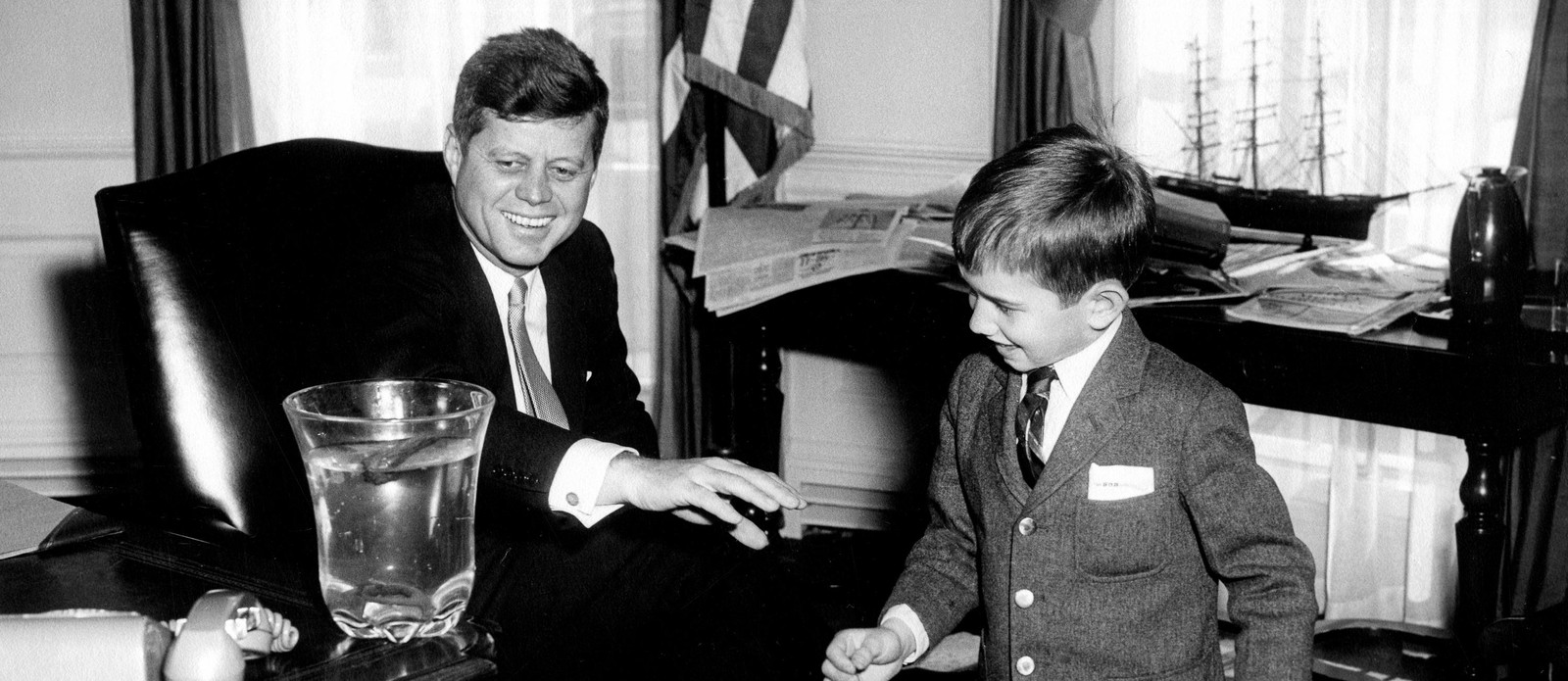
In October 1962, Kennedy faced the Cuban Missile Crisis, a tense standoff after the Soviet Union placed nuclear missiles just off U.S. shores. Rather than escalating things, he chose careful diplomacy and a naval blockade , and the crisis was resolved without conflict.

In that same era, Kennedy set a bold goal: landing a man on the Moon by the decade's end . Americans rallied behind the space race, and in 1969, Apollo 11 fulfilled its vision, giving the country a shared moment of pride and wonder.

2
Ronald Reagan
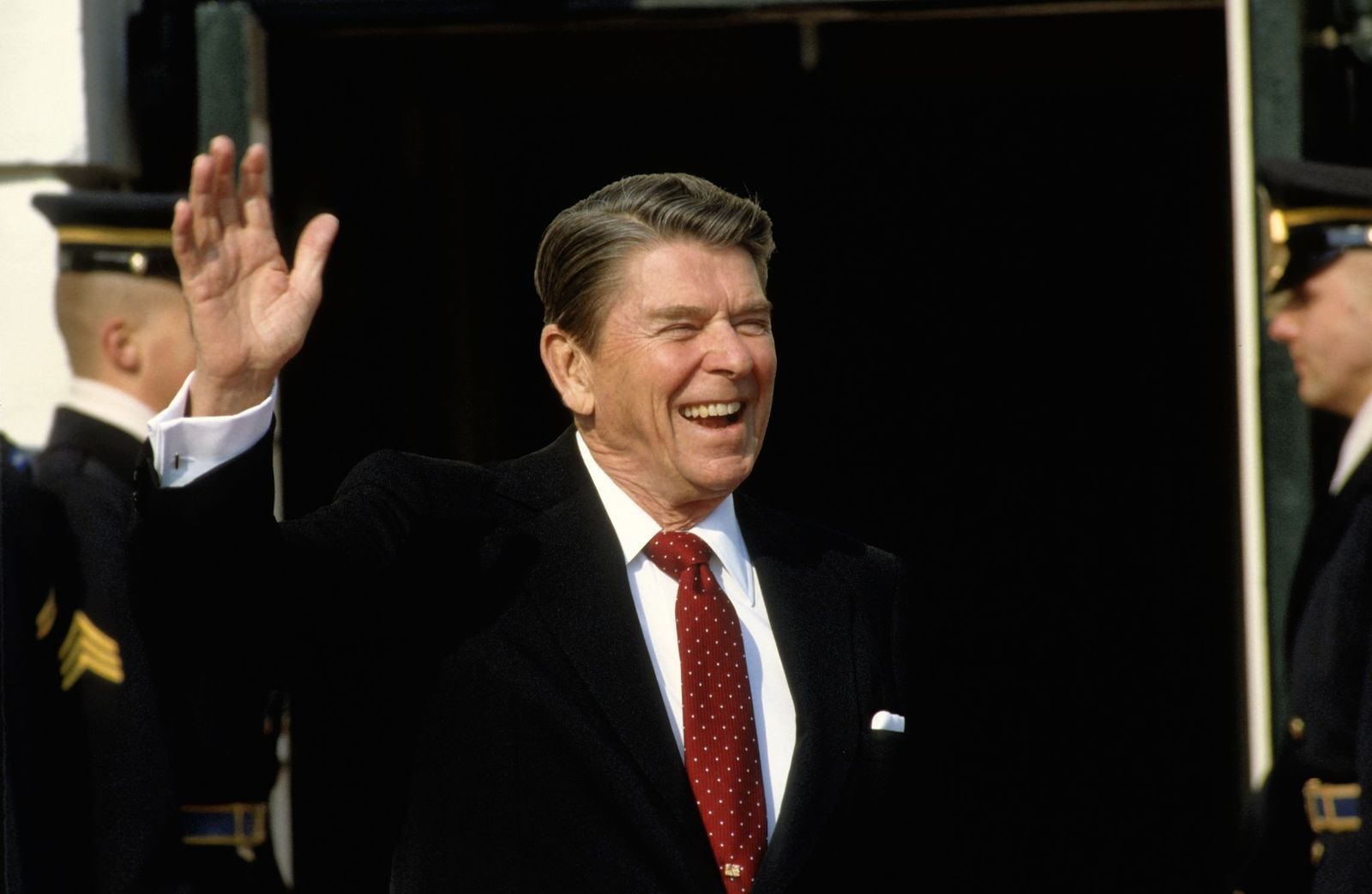
Image: mark reinstein

Throughout the 1980s, Reagan pursued a policy mixing firm diplomacy with a strong national defense, which helped ease tensions with the Soviet Union as the Cold War wound down. His approach is often credited with helping set the stage for its peaceful conclusion .

At home, Reagan pushed through major tax cuts and economic reforms aimed at boosting growth. Supporters felt renewed optimism about the economy, while the changes also sparked debate that still echoes in political conversations today.

3
Abraham Lincoln
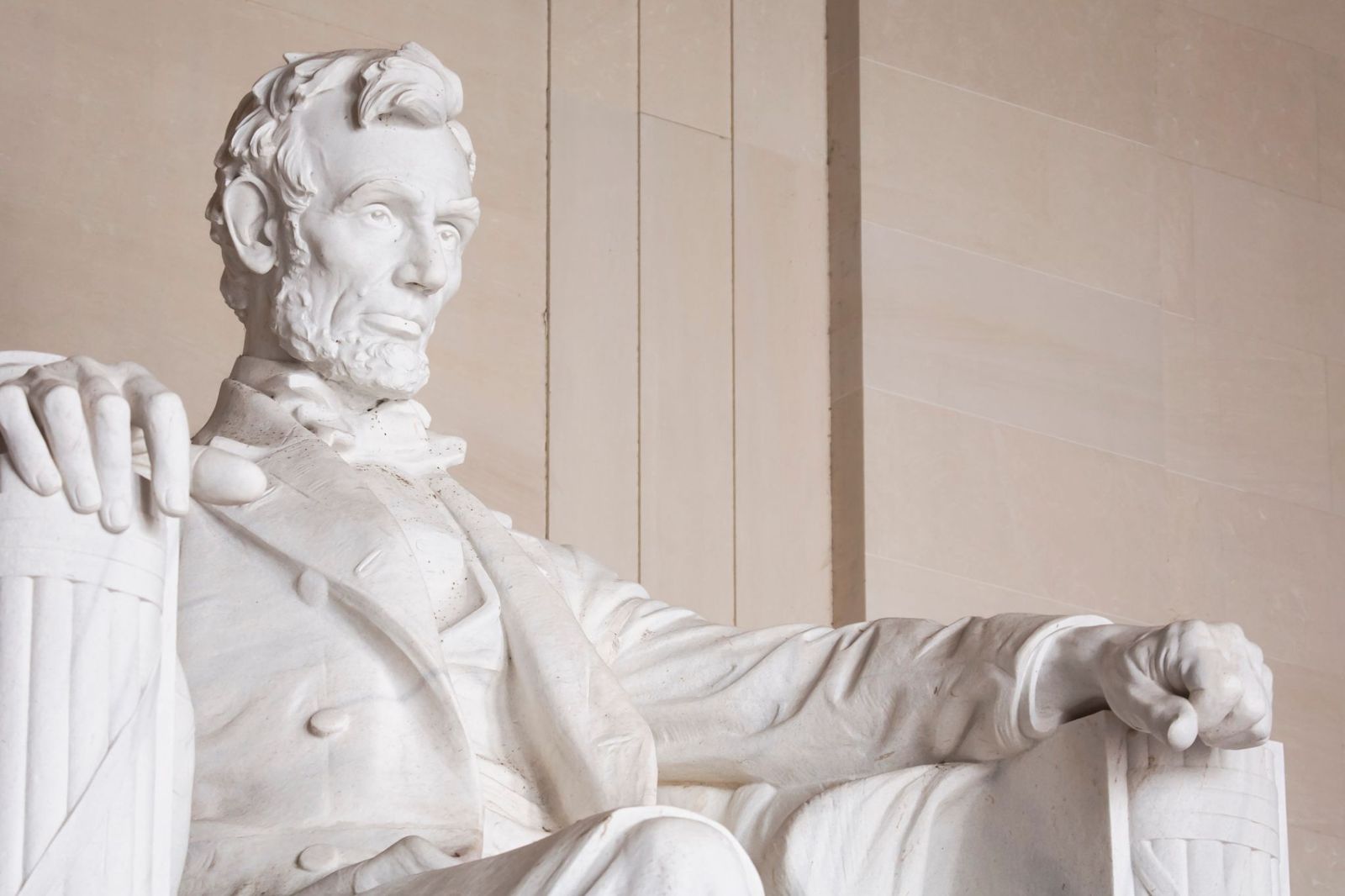
Image: Paul Maguire

During the 1860s, Lincoln worked to hold the nation together through one of its most difficult chapters. His steady leadership focused on preserving the Union at a time when the country's future felt genuinely uncertain.

In 1863, he issued the Emancipation Proclamation , declaring enslaved people in Confederate states free. It was a defining step toward a more just nation, and it remains one of the most celebrated moments in American history.

4
Richard Nixon
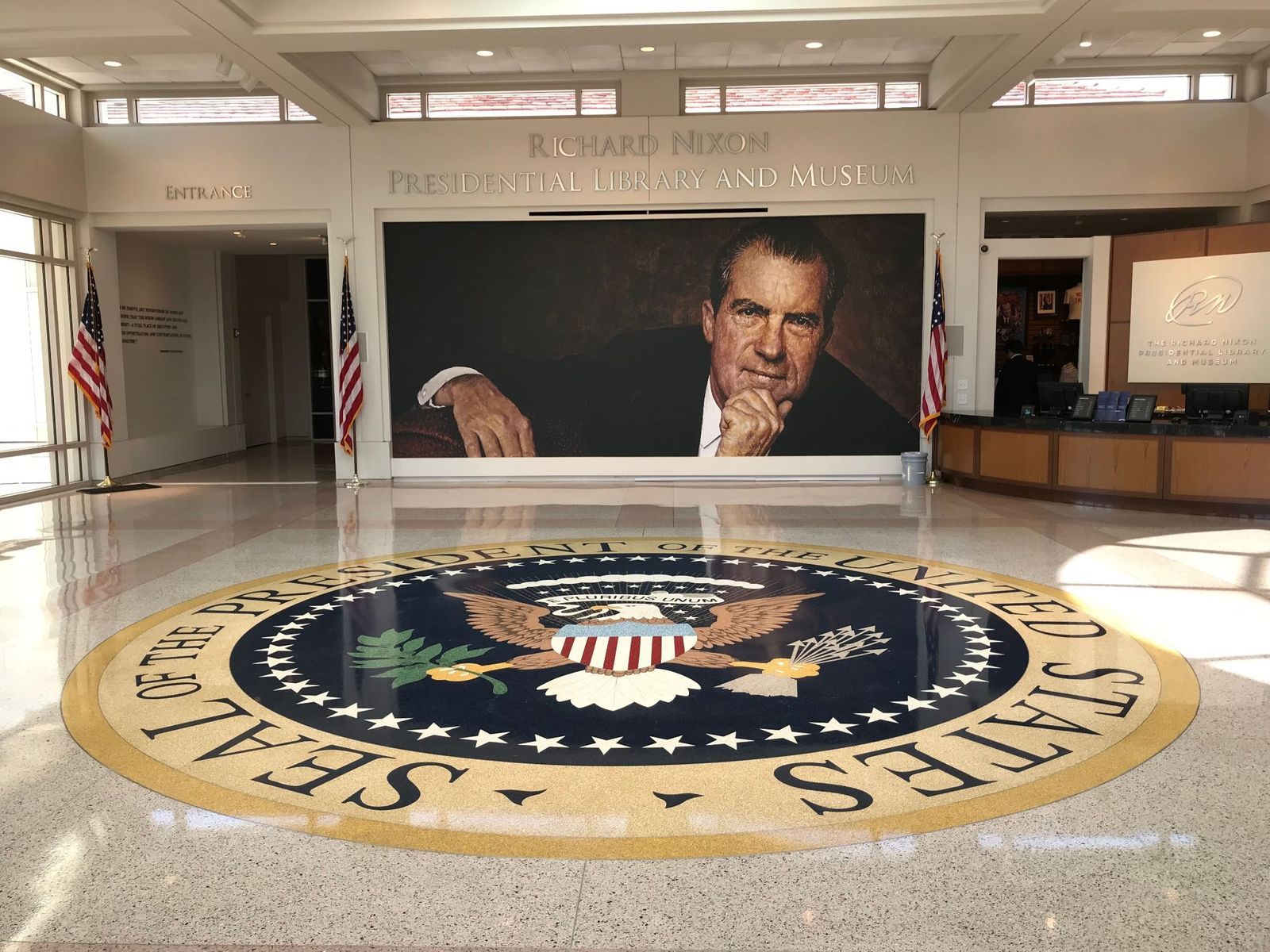
Image: Pamela Brick

In 1972, Nixon made a surprising move by traveling to China, opening diplomatic relations with a nation the U.S. had largely avoided for decades. It was a bold gesture that few expected from him.

The visit reshaped American foreign policy, and the diplomatic and trade ties it opened continue today, even as the relationship between the two countries has had its share of ups and downs over the years. At the time, many Americans were struck by the historic television images of Nixon walking along the Great Wall.

5
Franklin D. Roosevelt
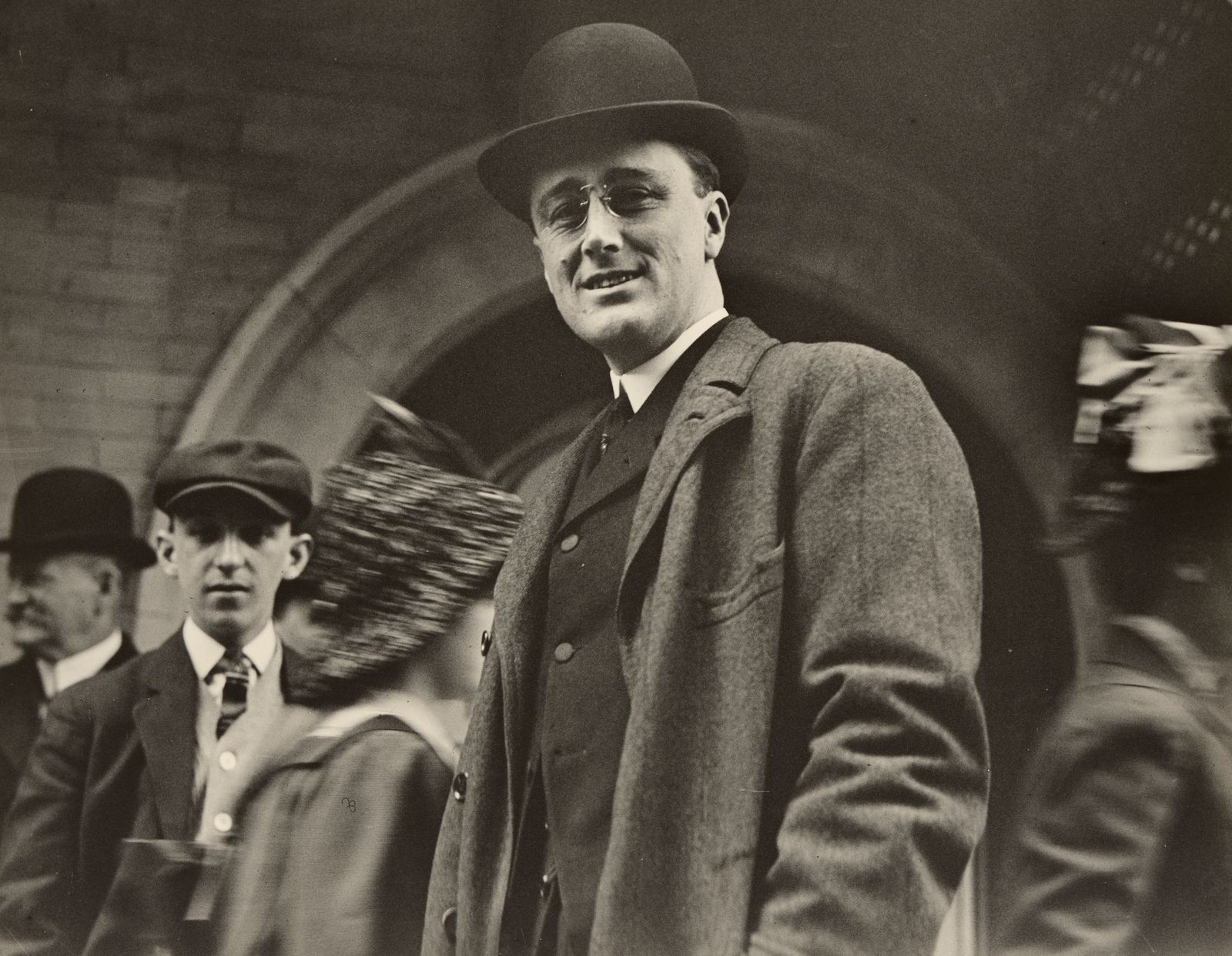
Image: Rawpixel.com

In the 1930s, facing the Great Depression, Roosevelt introduced the New Deal , a set of programs designed to create jobs and rebuild the economy. It gave many struggling families a renewed sense of hope.

He later guided the nation through most of World War II, providing steady leadership during a difficult stretch. Many Americans came to see him as a reassuring, fatherly figure during uncertain times.

6
George Washington
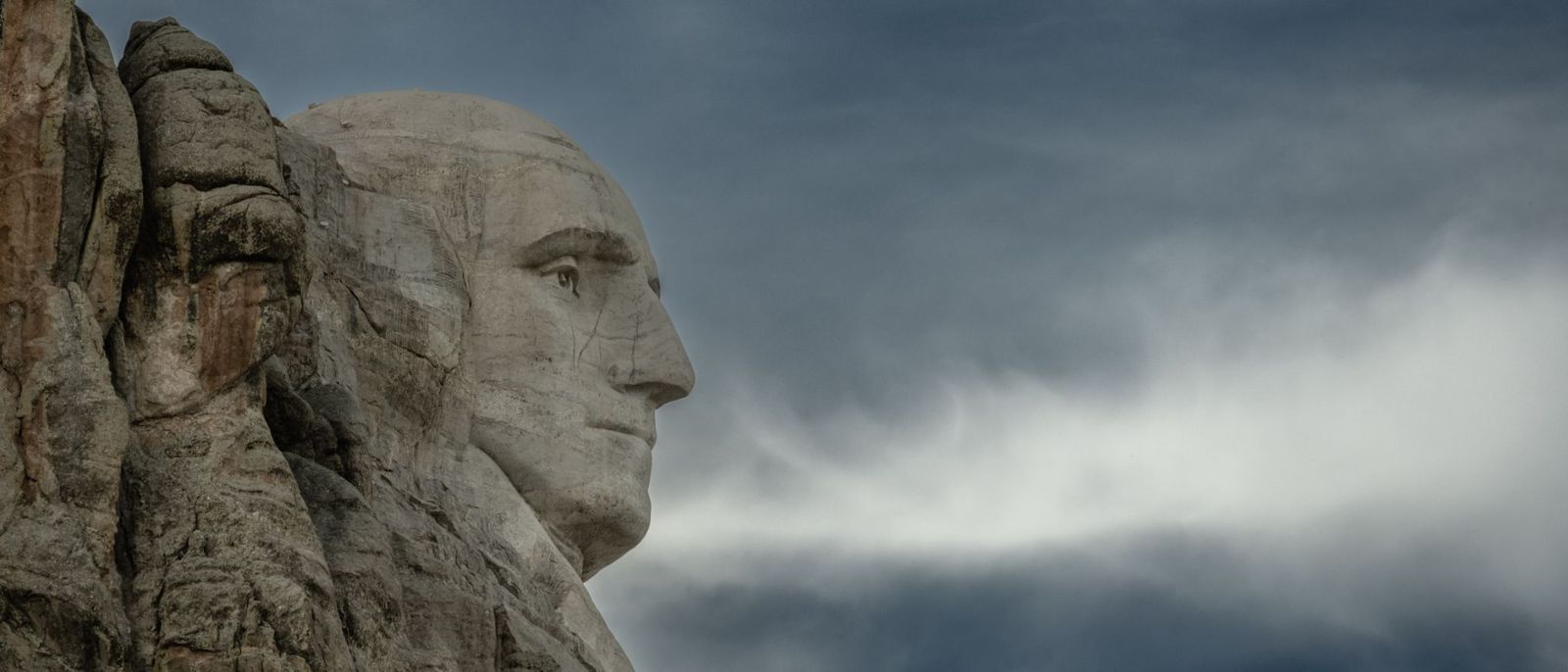
Image: Kelly vanDellen

As the nation's very first president, starting in 1789, Washington had no roadmap to follow. He had to figure out, from scratch, how the role should actually work.

He set lasting precedents, including the two-term tradition and a peaceful transfer of power. People admired his humility and restraint, and his example continues to shape how Americans think a president should lead .

7
Thomas Jefferson
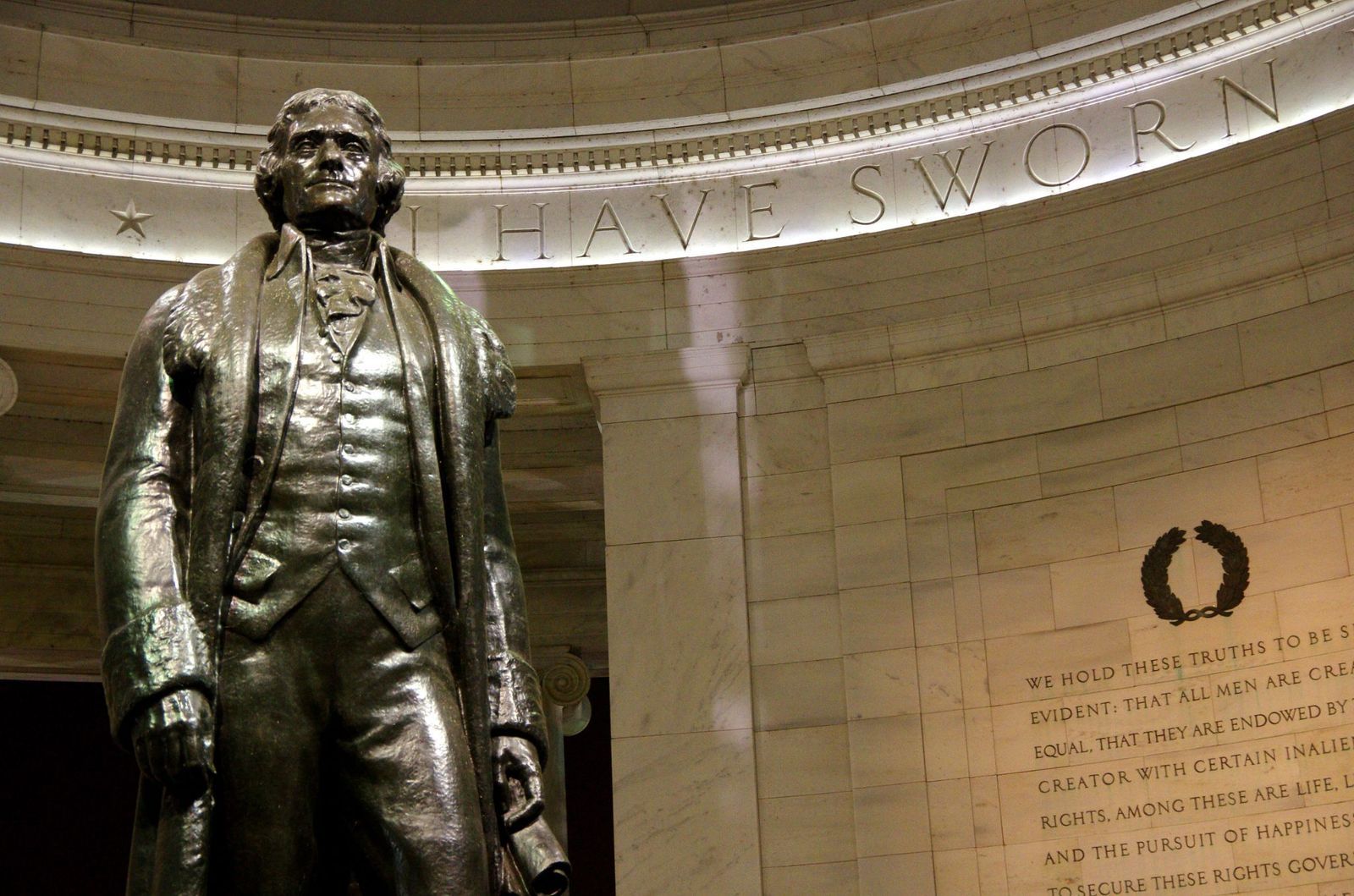
Image: LO Kin-hei

In 1803, Jefferson negotiated the Louisiana Purchase , buying a massive stretch of land from France for roughly three cents an acre. It was one of the best real estate deals in history.

The purchase doubled the size of the United States overnight, opening the door to westward expansion. Many Americans were thrilled by the sudden growth, though it also raised new questions about constitutional limits and how the growing nation would handle its new territory.

8
Harry S. Truman
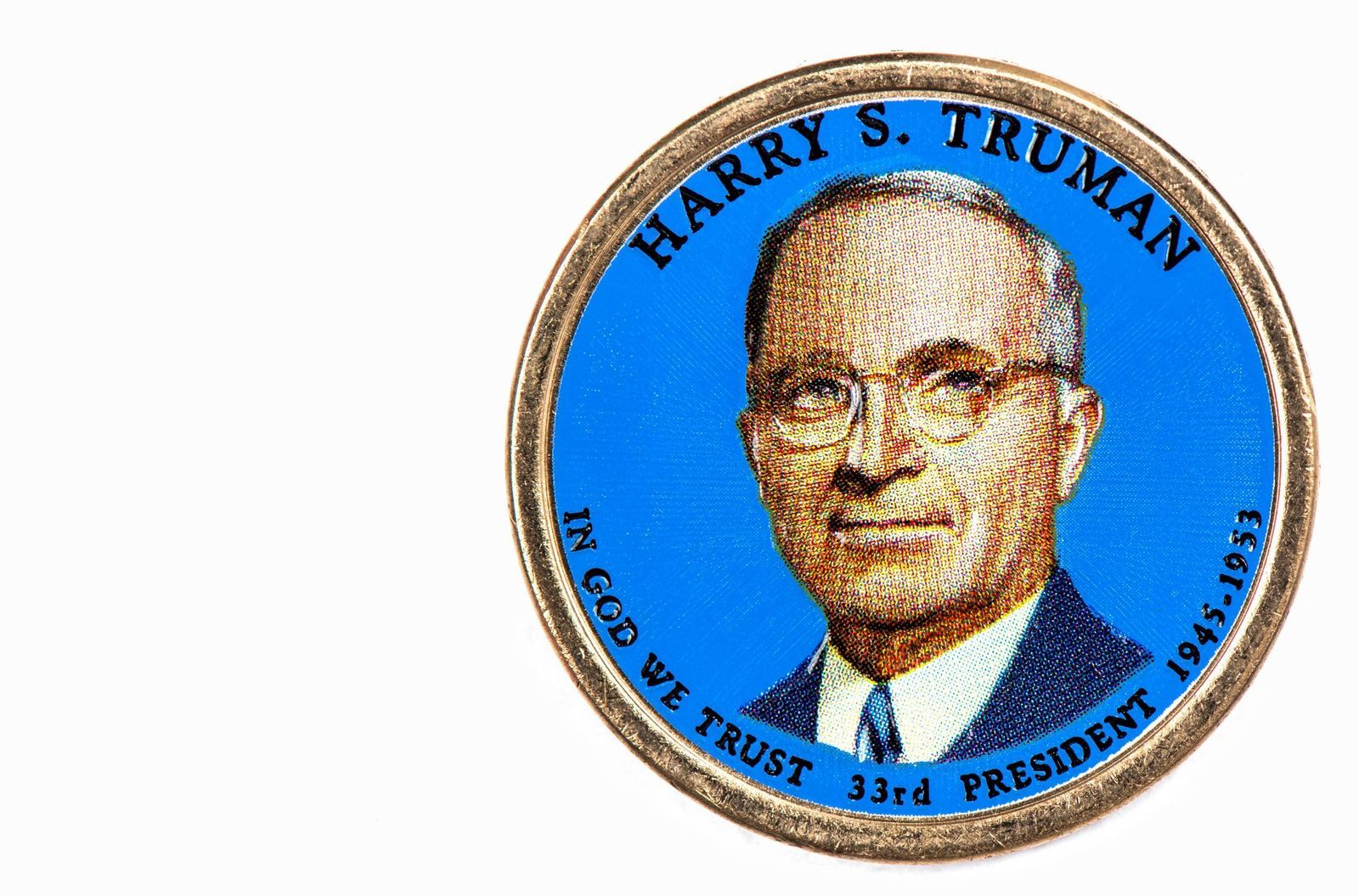
Image: Prachaya Roekdeethaweesab

As World War II wound down in 1945, Truman stepped into leadership during an enormous transition. He then turned his attention to helping Europe recover from years of hardship.

His Marshall Plan sent aid to rebuild European economies, a move widely seen as generous and forward-thinking. It helped foster goodwill abroad and positioned the U.S. as a steady partner on the world stage .

9
Dwight D. Eisenhower
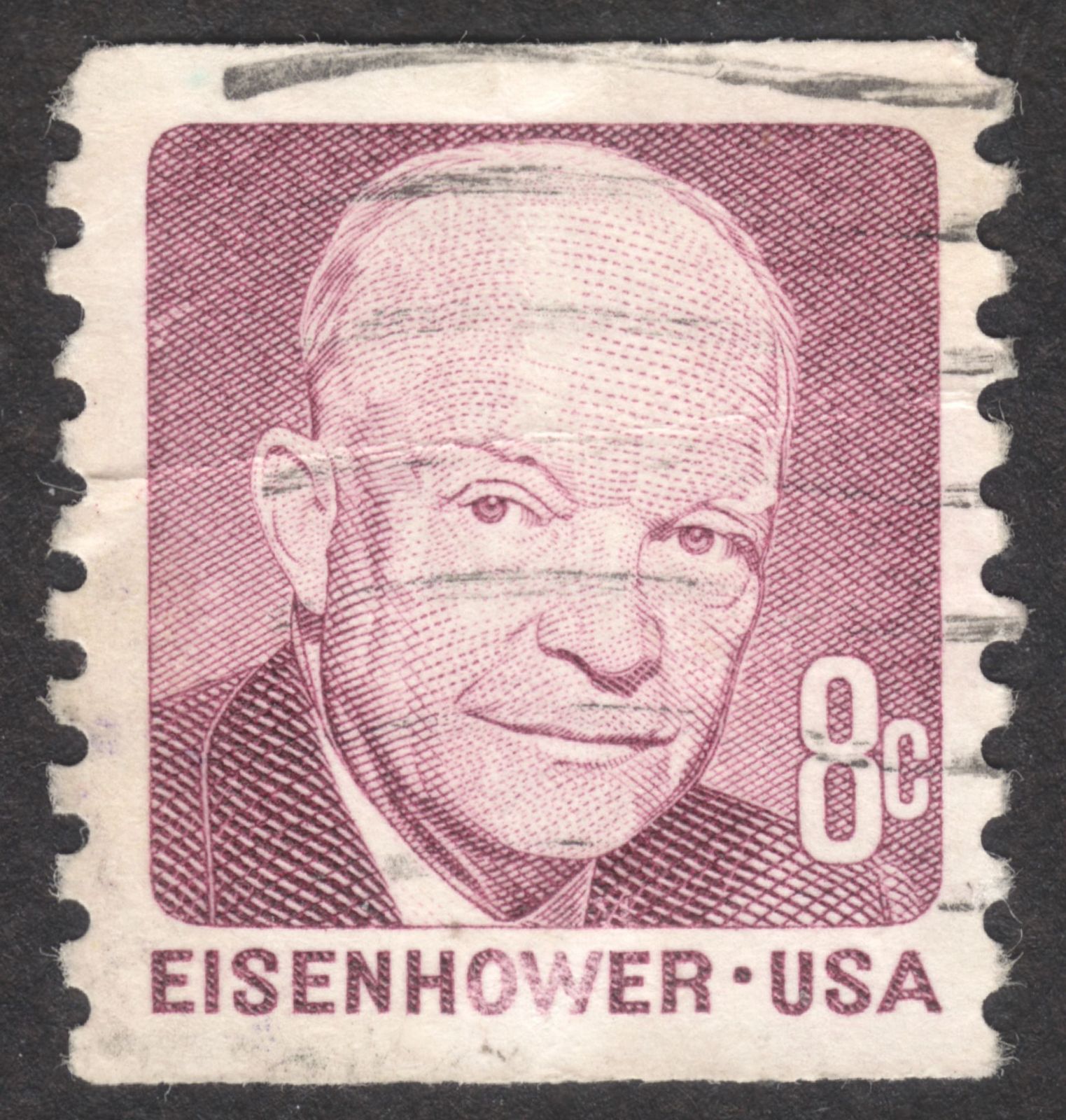
Image: Vitaly Raduntsev

In 1956, Eisenhower championed the creation of the Interstate Highway System , inspired partly by the efficient roadways he'd seen while serving in Europe years earlier. It was a massive undertaking.

The new highways transformed how Americans traveled, shipped goods, and even planned vacations. Road trips became a beloved pastime, and the system remains one of the most visible legacies of any president.

10
Theodore Roosevelt
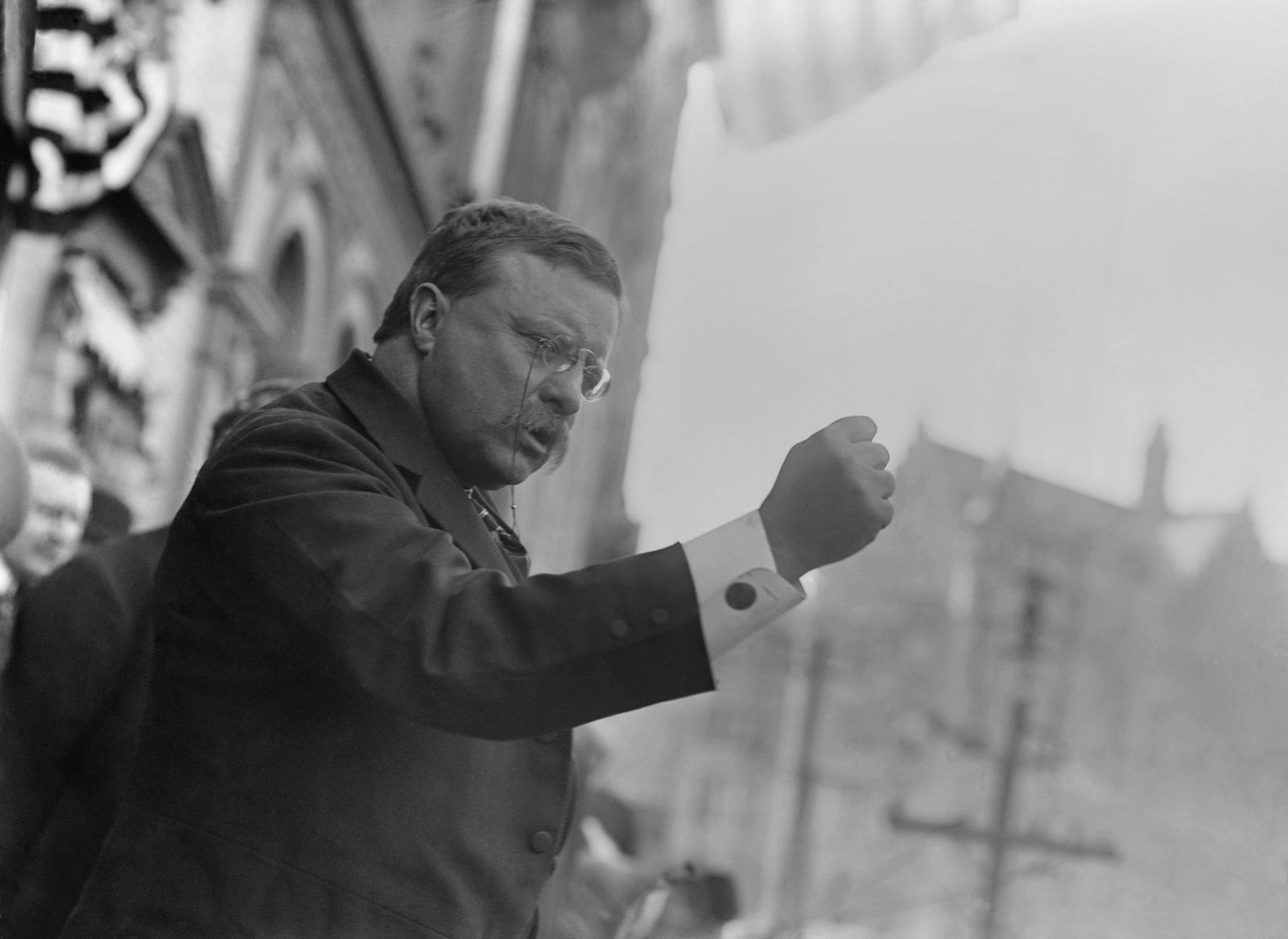
Image: Everett Collection

In the early 1900s, Roosevelt became a passionate champion of conservation, alarmed by how quickly natural landscapes were disappearing. He believed future generations deserved to enjoy them too.

He protected millions of acres, establishing national parks and forests still cherished today. Outdoor enthusiasts of his time praised him warmly, and his legacy lives on every time someone visits a national park.

General General 4 min read

10 things you won’t believe are banned in the U.S.

Image: Tara Winstead

America is famous for its love of freedom, yet a few peculiar and oddly specific rules survived in dusty town codes and old state books. Some were written to solve long-forgotten problems; others simply remained by accident. What they all have in common is that they are a reflection of our quirks and contradictions. From outlawed snowballs to forbidden confetti, these 10 real bans prove that, in the land of the free, common sense sometimes just goes and take a coffee break.

1
Snowball fights

Image: Arina Krasnikova

It may sound like the premise for a coming-of-age comedy film, but it’s absolutely true: in Wausau, Wisconsin, throwing a snowball is technically against the law. The city once grouped snowballs in the same category as "stones and missiles," as if every kid with a pair of mittens were a potential threat to public safety. Of course, local police don’t patrol sledding hills looking for offenders anymore. The rule mostly lives on as a charming reminder that even winter fun can end up in the law books.

2
Camel hunting

Image: Shaun Danny

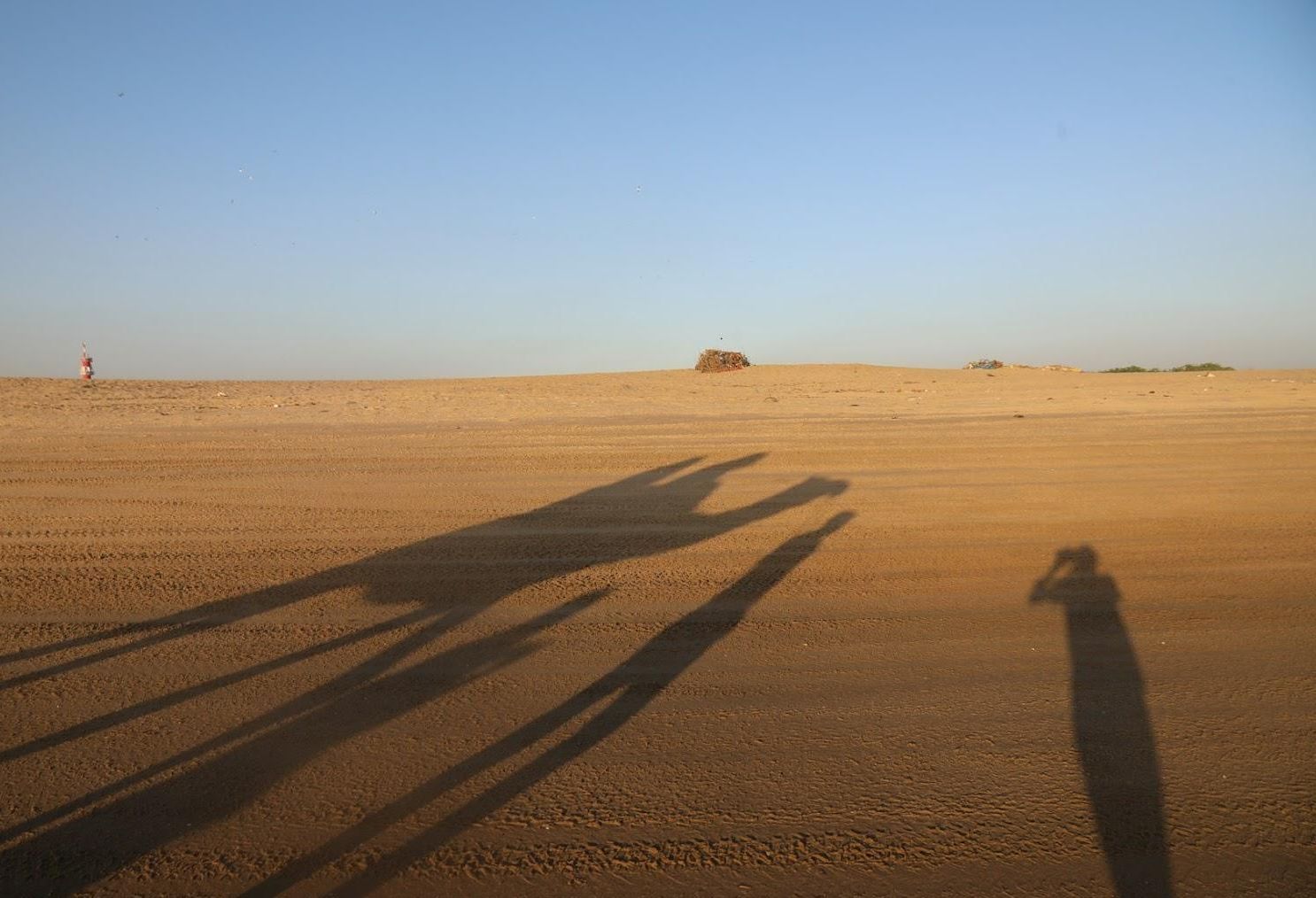
Camels in Arizona? Well, technically. Back in the mid-1800s, t he U.S. Army brought camels to the Southwest, hoping their strength and stamina would make them the perfect means for desert transport. The experiment didn’t last—soldiers preferred their mules—but the camels did, wandering off into the wild. To protect the survivors, the State of Arizona outlawed camel hunting, a law that still stands today. So if you ever spot one, grab your camera, not your hunting license!

3
Texting while walking

Image: Elizabeth Woolner

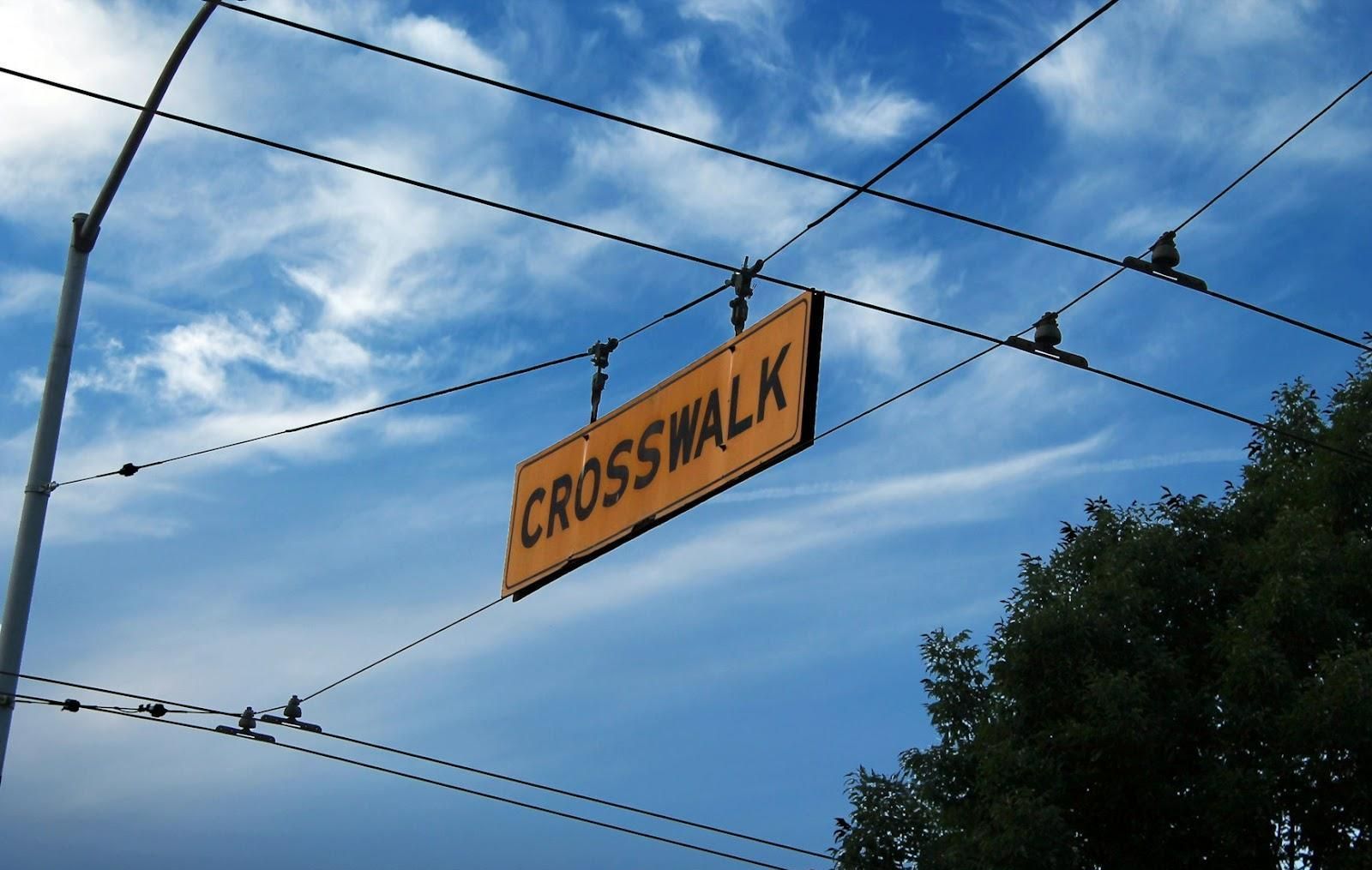
Crossing the street with your eyes glued to your phone is the 21st century’s twist on jaywalking. In Honolulu, Hawaii, that nasty habit can cost you up to $99, thanks to a local ordinance meant to curb "distracted walking." Officials say it’s about protecting pedestrians from accidents; residents jokingly call it "the eyes-up law." Whether you see it as common sense or overreach, the rule makes one thing clear: the text, meme, or emoji can wait until you’re safely on the other side.

4
Apple pie must come with ice cream

Image: Patrick Fore

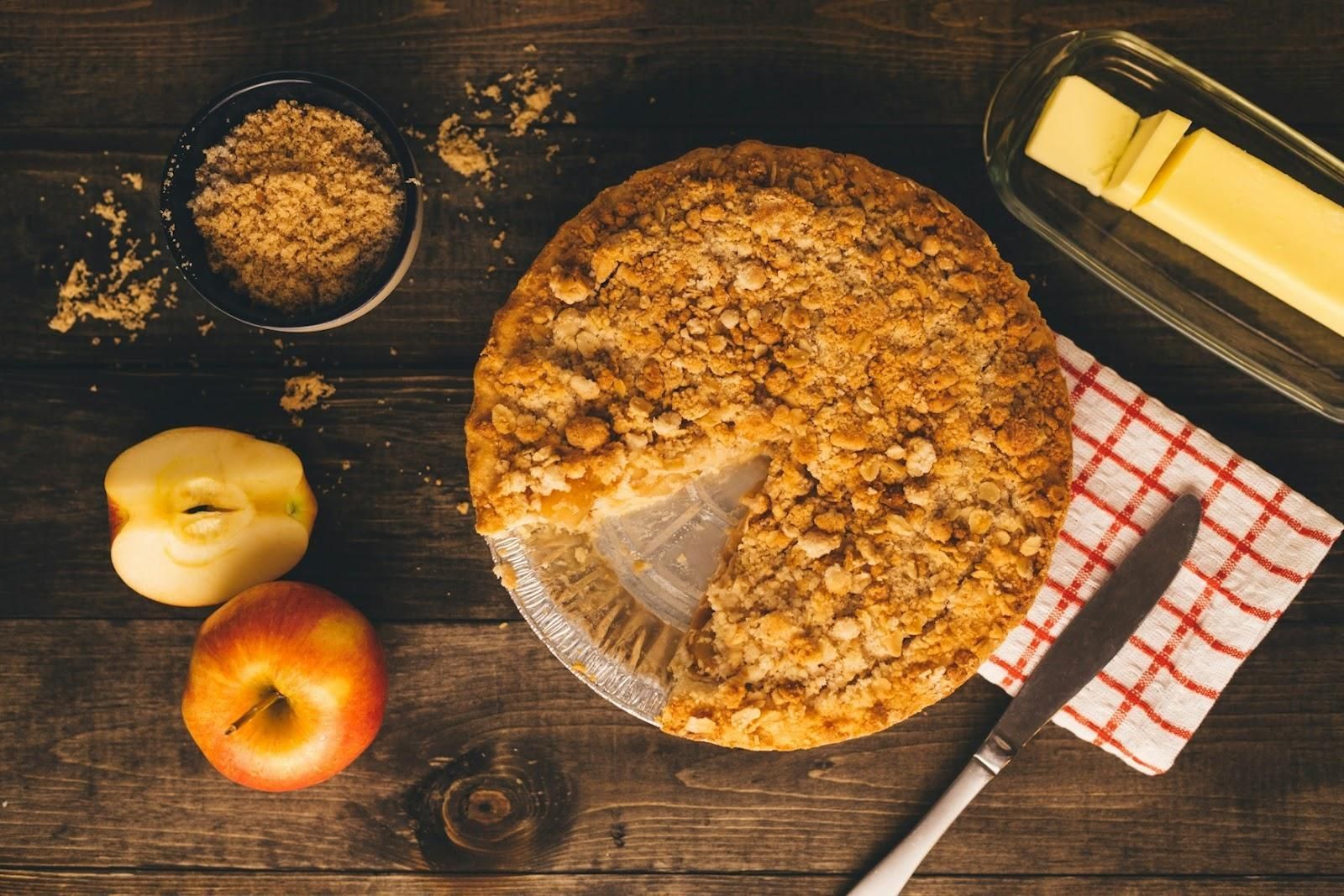
Here’s a rule everyone can get behind. Vermont, proud home of rolling orchards and autumn harvests, officially crowned apple pie as its state dessert. But lawmakers didn’t stop there; they added a charming twist, recommending that each slice be served "in good faith" with a scoop of vanilla ice cream, a piece of sharp cheddar, or a glass of cold milk. It’s less a regulation and more a warm invitation to enjoy a simple American treat. Yes, the law can sometimes be fun and downright delicious!

5
Bear wrestling

Image: Florian Schindler

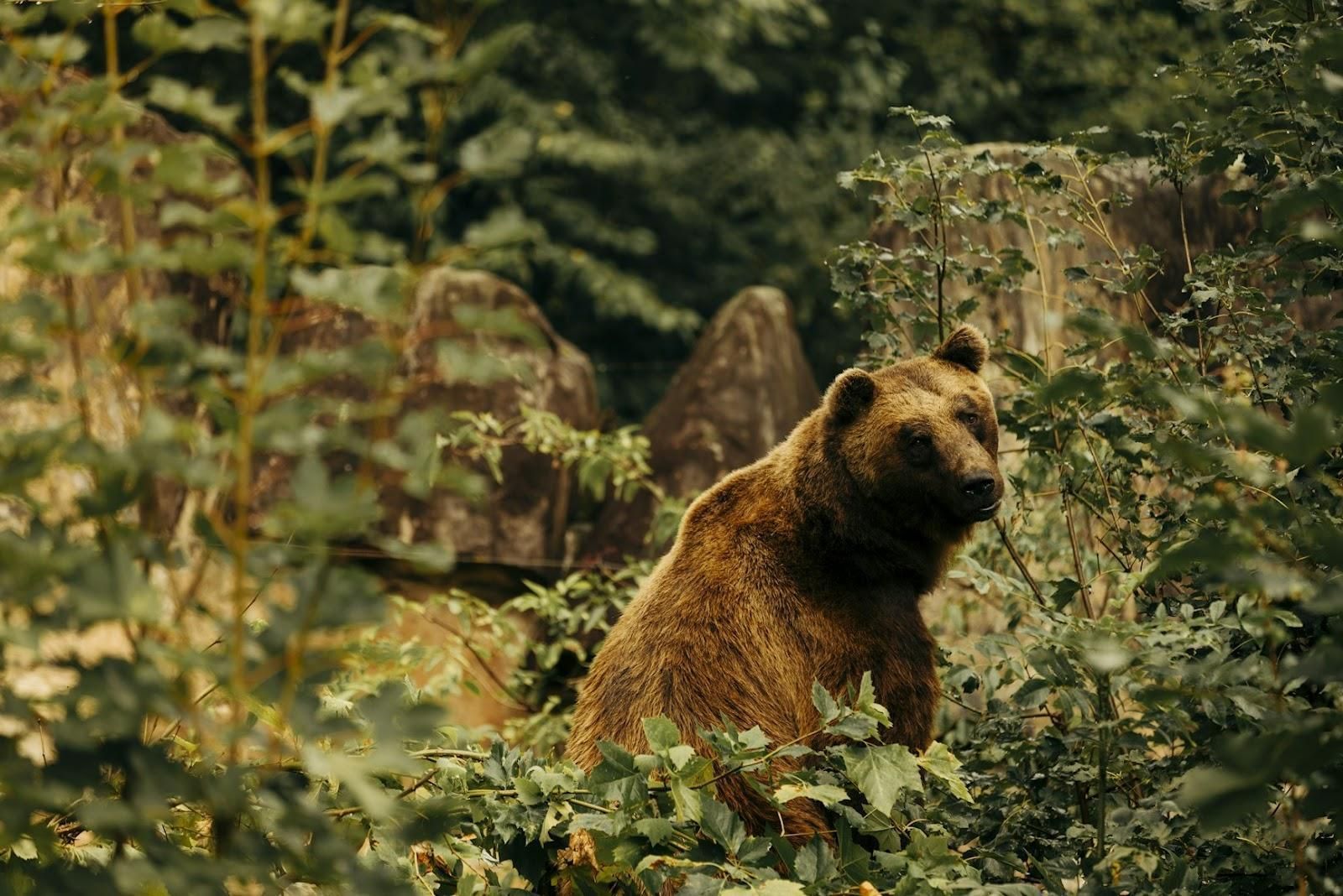
Believe it or not, there was a time when people thought wrestling a bear was a good idea. Traveling shows and roadside attractions once featured men squaring off against hulking bruins for cheers and pocket change. Eventually, Alabama decided it was a spectacle best to leave it in the past. In 1996, the state officially banned bear wrestling, making it illegal to train, promote, or even sell tickets to such events. Today, the law stands as a small but noble victory for animal welfare. As for the bears? They walked away undefeated, every single one of them.

6
Password sharing

Image: cottonbro studio

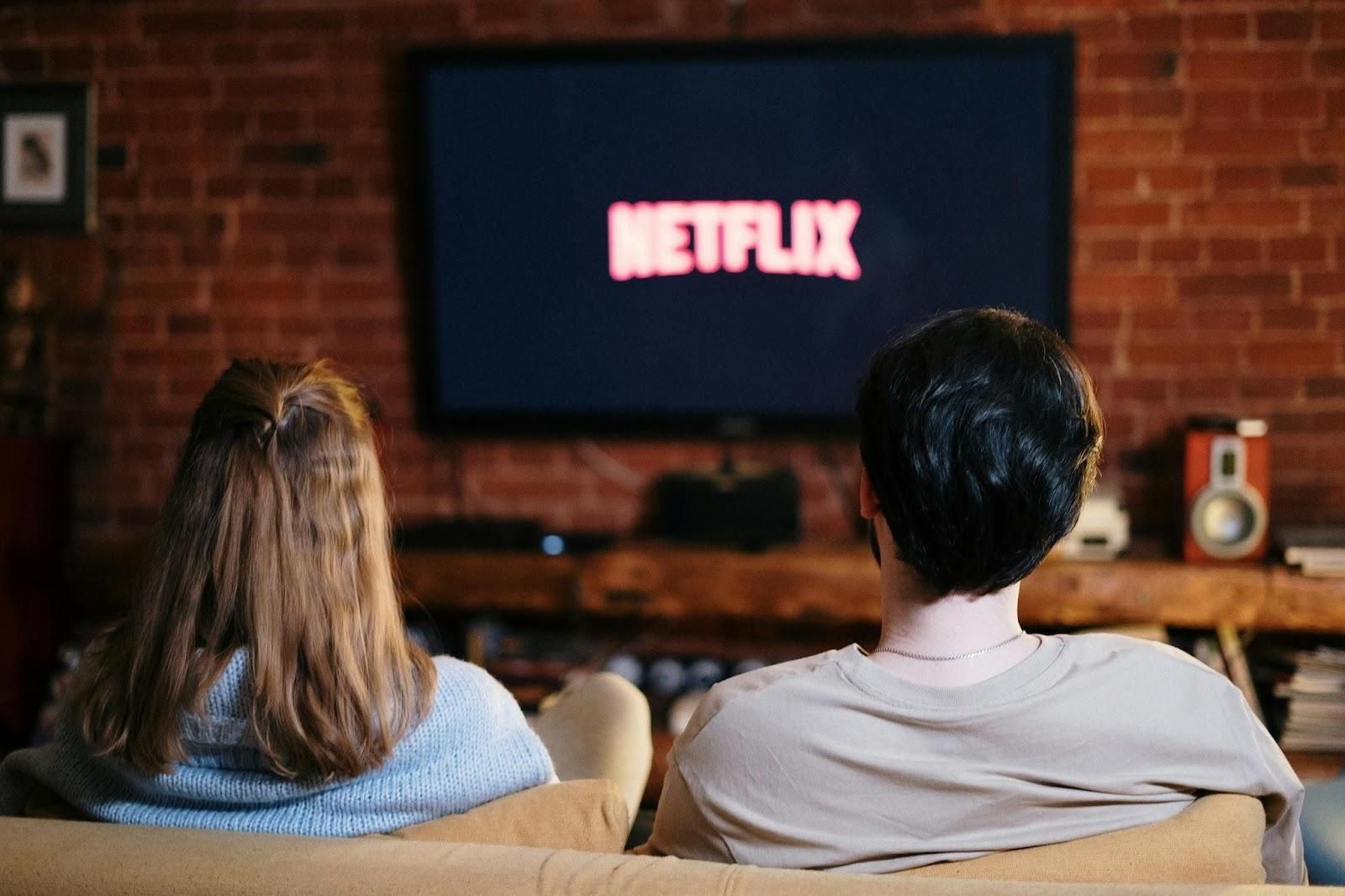
Before Netflix made it official, Tennessee was already ahead of the curve. Back in 2011, the state passed a law making it illegal to share passwords for paid streaming services. The rule was originally meant to stop hackers from selling stolen logins, but it ended up being a cautionary tale for the streaming wars to come. Technically, lending your password to a friend could cost you $2,500 and even land you a year in jail. What once seemed overcautious now feels oddly prophetic, almost like Tennessee read the fine print of the future.

7
Dueling

Image: Leon Kohle

If you’ve ever challenged someone to a duel—yes, the kind with pistols and a handshake at dawn—you can forget about running for office in West Virginia. The state’s constitution, written in the 1800s, includes a clause that permanently bars any duelist from holding public office. The idea was to keep gentlemen of "honor" from turning government into a shooting gallery. More than a century later, the law remains untouched, a relic of a time when reputations were defended at ten paces.

8
Roller-skating

Image: Harrison Haines

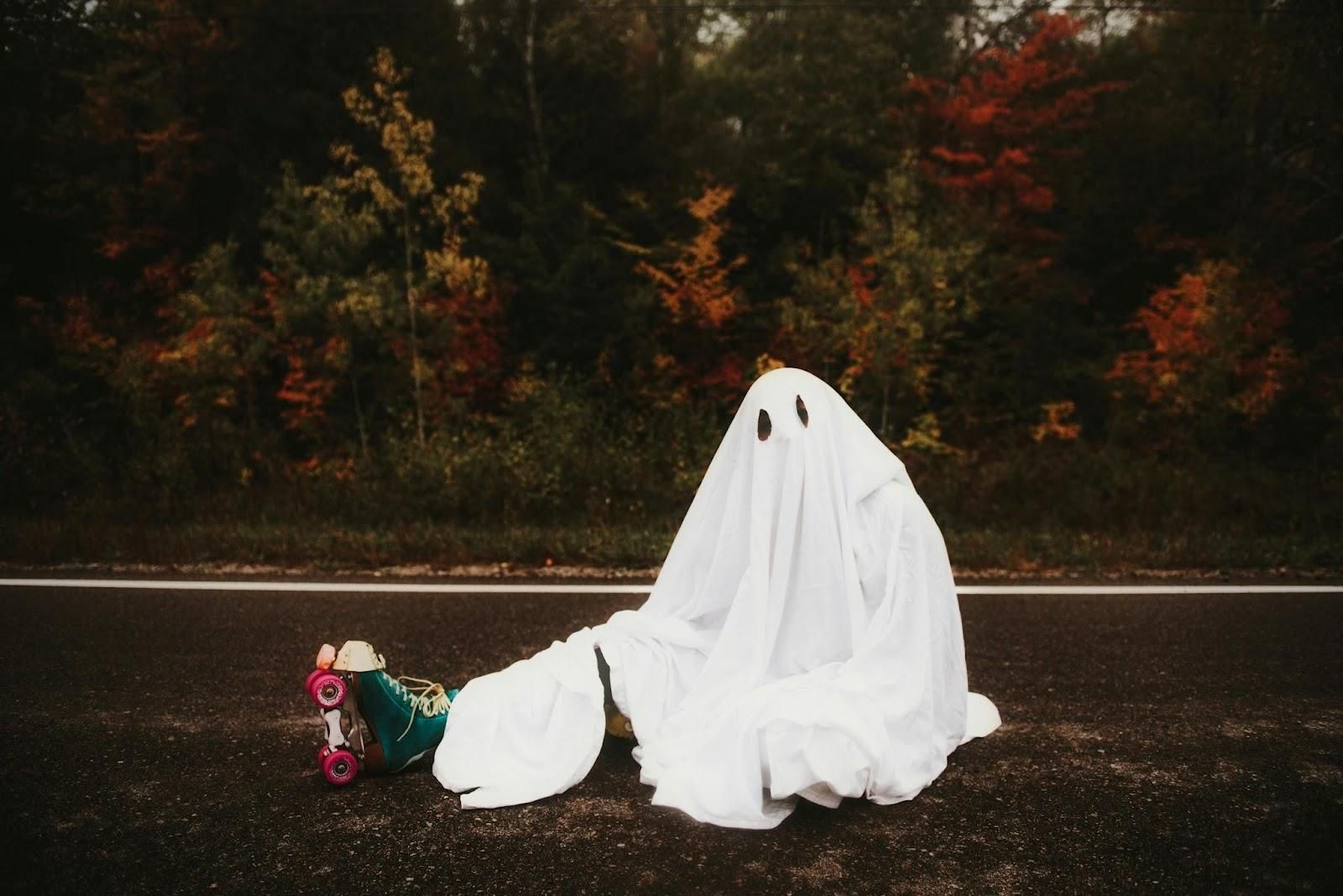
Can you imagine roller-skating being banned in your town? Back in the 1930s in Biddeford, Maine, sidewalks were sacred ground for Sunday strolls, not racetracks for daredevils on wheels. So, the city downright prohibited skating and biking on sidewalks. Believe it or not, the rule, established in a slower era when the biggest traffic hazard downtown wasn’t a speeding car, but a kid on skates, still lingers in the city code today.

9
Fishing with your hands

Image: Patti Black

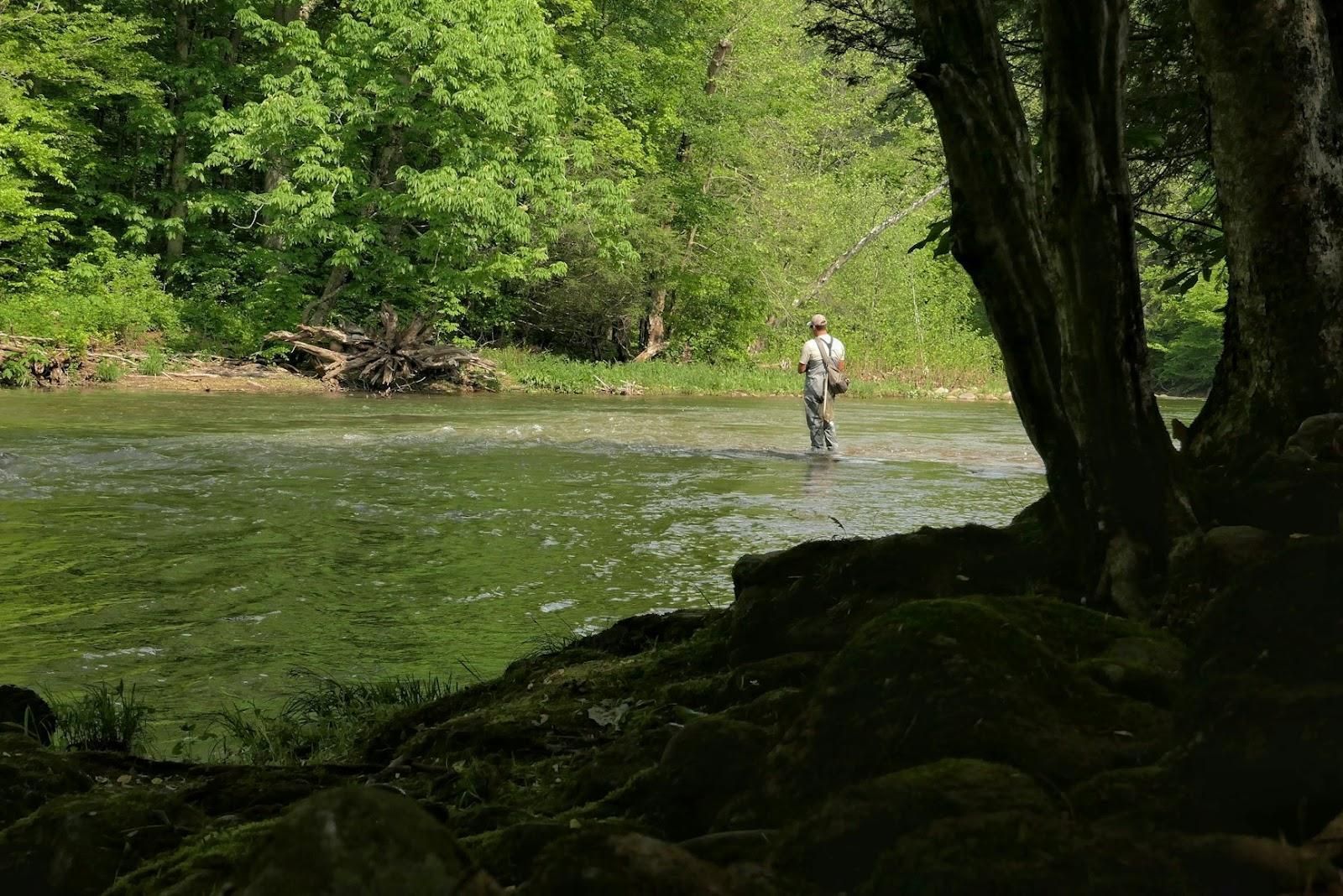
Think you’re tough enough to catch a catfish with your bare hands? In Indiana, that risky stunt—known as "noodling"—will earn you more than bragging rights; it could get you fined. The practice involves reaching into murky holes and hoping the fish bites, but lawmakers decided it was safer for everyone if they didn’t. The ban protects catfish during breeding season and probably saves a few bold fishermen’s lives. So, if you’re visiting Indiana and are feeling adventurous, bring a rod instead!

10
Confetti

Image: jameson wu

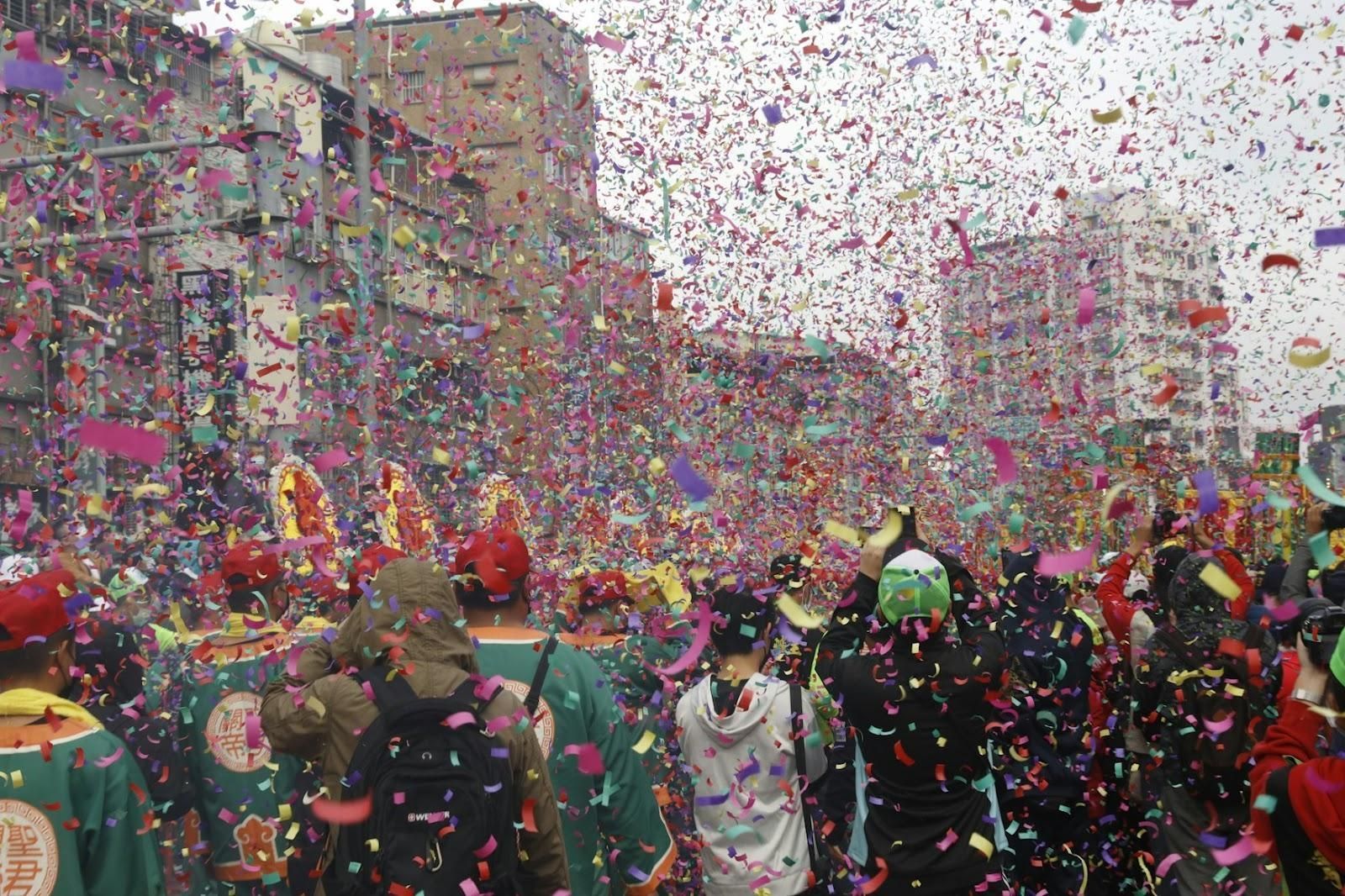
Mardi Gras in Mobile, Alabama, bursts with color, music, and flying beads, but there’s one thing you won’t see floating in the air: confetti or silly string. The city banned both to keep its historic streets clean after the celebrations. The rule might sound like a party pooper, but locals don’t mind. They’ve turned cleanup into an art form, celebrating with floats, jazz bands, and smiles instead of streamers. After all, the joy of Mardi Gras isn’t in what you toss but in the rhythm, the laughter, and the sparkle that doesn’t need sweeping up.

History History 7 min read

Hidden stories

The secret WWII project hidden beneath the White House

Image: Abbie Rowe. White House Photographs. John F. Kennedy Presidential Library and Museum, Boston, Public domain, via Wikimedia Commons

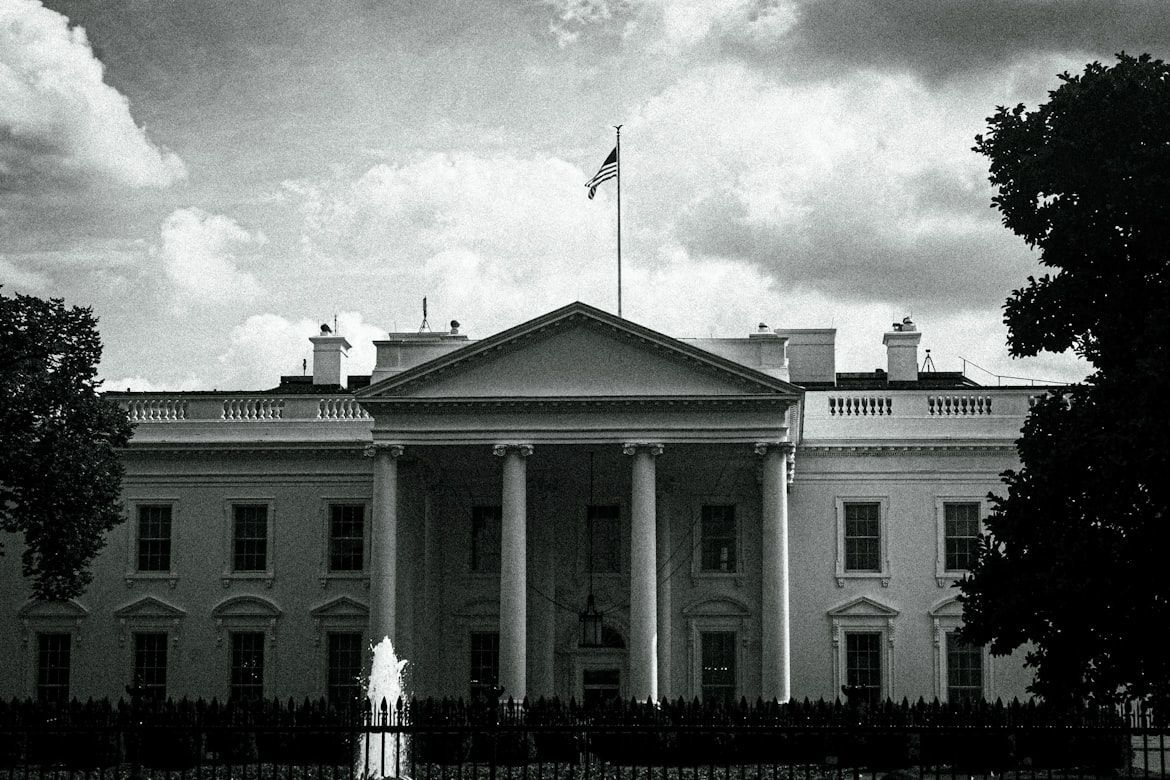
Did you know the White House wasn’t originally meant to be white? Or that hidden underground spaces were built beneath it? For more than 200 years, we have seen the White House in movies, on the news, in family photo albums from Washington trips, and during some of the biggest moments in our country’s history. But behind those famous walls are stories most have never heard. From fires and secret construction projects to strange traditions and forgotten moments, these are 10 surprising White House stories that most of us were never taught in school.

1
It was almost completely torn down

Image: Abbie Rowe, Public domain, via Wikimedia Commons

Did you know that very little of today’s White House interior is actually original? Looking at the building now, it’s hard to imagine that it was once so unstable that it was in danger of collapsing.

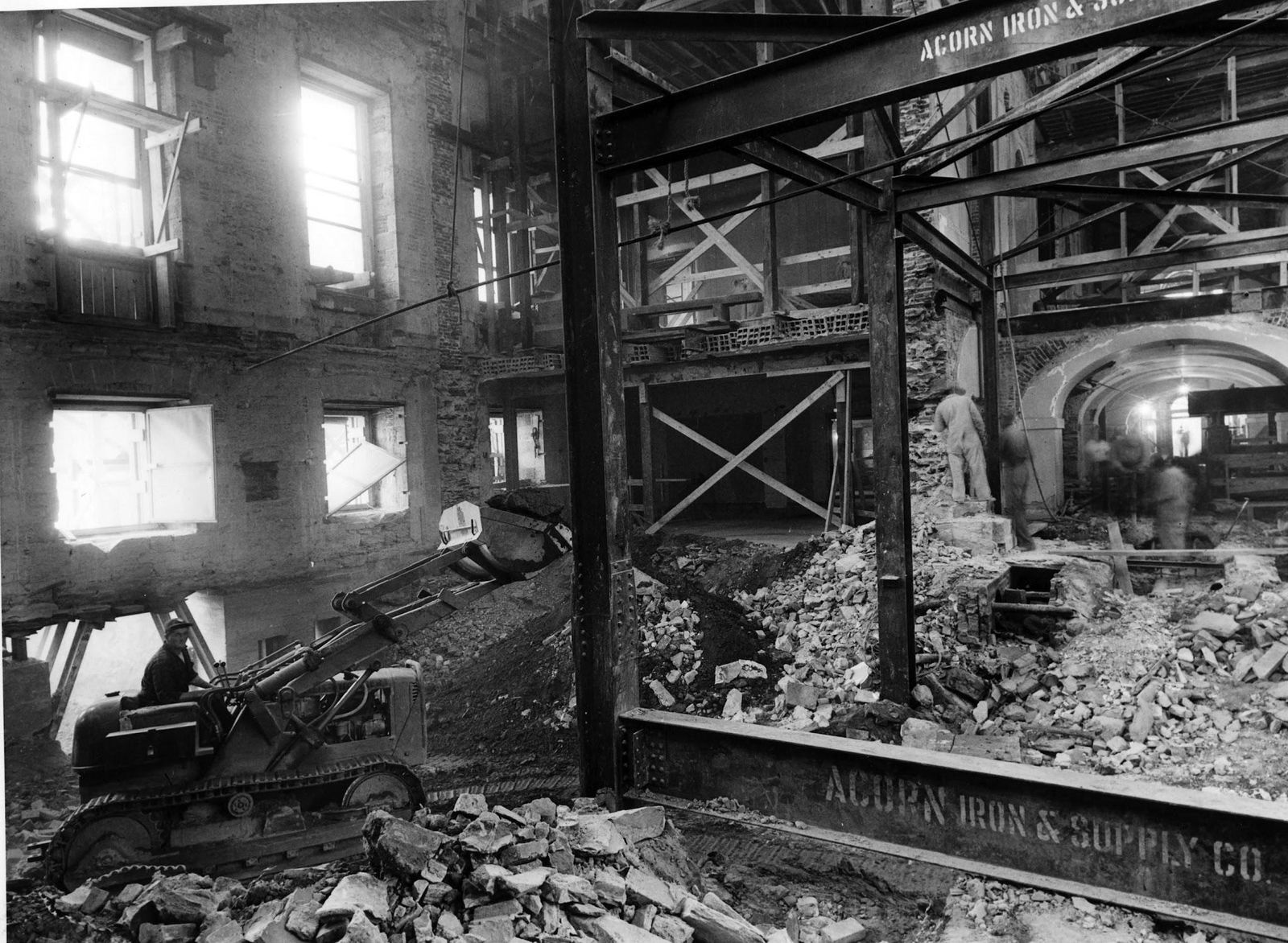
By 1948, after decades of heavy use, outdated wiring, poor structural supports, and years of renovations layered over one another, the White House had become unsafe. Floors and walls cracked, and parts of the residence were literally sinking. President Harry S. Truman even joked that the place felt haunted because it made so many strange noises. Rather than abandon it, Truman launched a massive reconstruction project with Congress. Between 1948 and 1952, nearly the entire interior was gutted and rebuilt while the original exterior walls were preserved, giving America a strong and reliable White House.

2
During WWII, they built an underground bunker

Image: rc.xyz NFT gallery

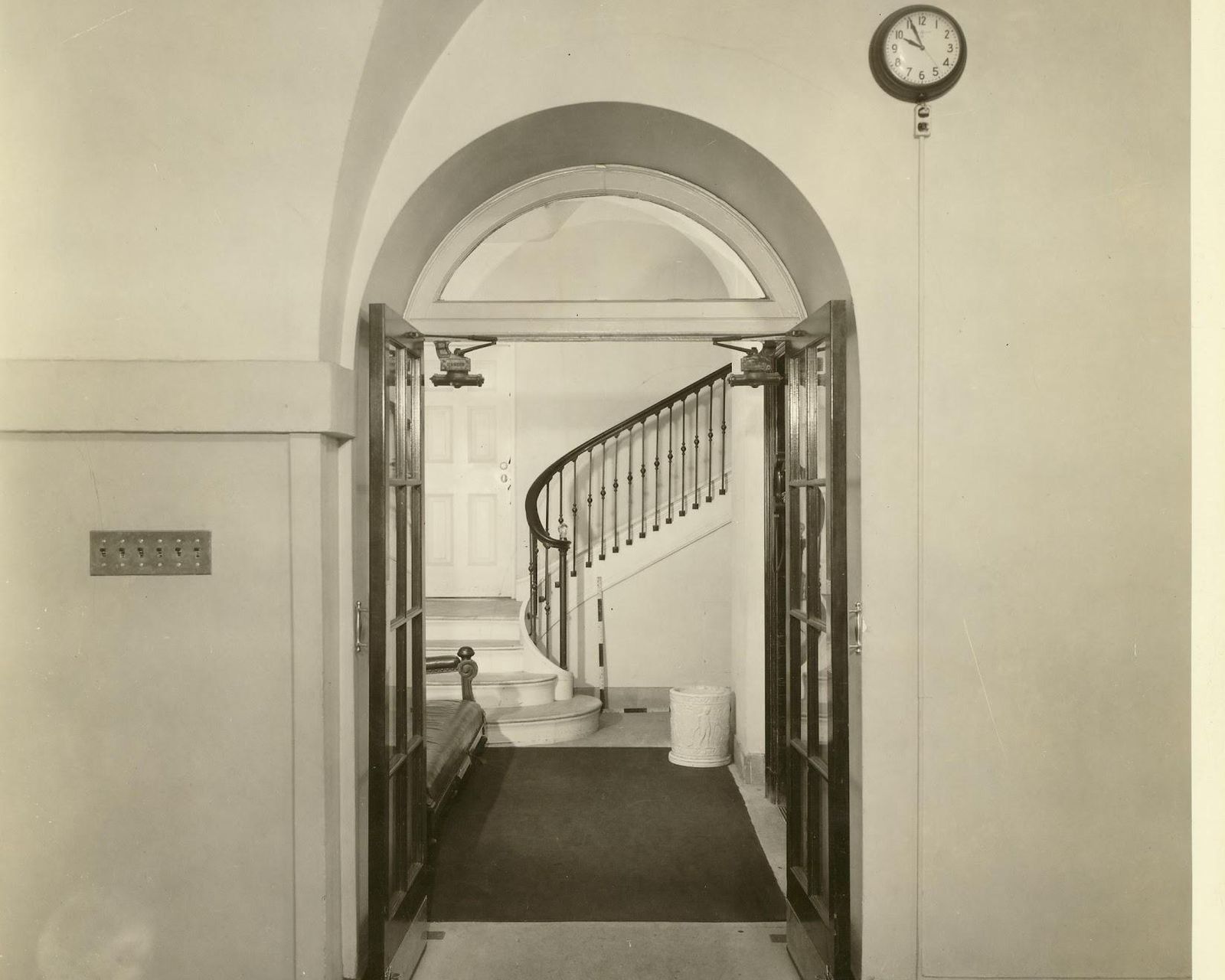
Did you know there’s a fortified bunker hidden beneath the White House? A couple of years before Truman’s famous renovation, another major project was quietly built beneath the presidential residence.

In 1942, during World War II, President Franklin D. Roosevelt ordered the construction of a secure underground shelter to protect government leaders in case Washington, D.C., came under attack. Built quickly and in great secrecy, the bunker was completed within months, though it was luckily never needed during the war. Today, the facility is known as the Presidential Emergency Operations Center, or PEOC, and it was famously used in 2001 by President George W. Bush and again in 2020 by Donald Trump.

3
It was not originally meant to be white

Image: Andriy Miyusov

Can you imagine if it were called "the Gray House"? Today, it’s impossible to picture America’s most famous home as anything other than bright white, but that wasn’t the original idea.

During construction in the 1790s, workers covered the exterior sandstone with a lime-based whitewash to protect it from moisture, cracking, and harsh winter weather. The coating gave the building a pale grayish appearance, not the brilliant white we recognize today. A long-standing myth claims the White House was painted white to hide the burn marks left after British troops set it on fire in 1814, but in reality, the building had already been whitewashed years earlier. Still, after the fire and reconstruction, the white exterior became permanent and eventually inspired the famous name "White House," though for many years people still called it the "President’s House."

4
10 people have died in the White House

Image: Woodrow Wilson Presidential Library Archives from Staunton, VA, No restrictions, via Wikimedia Commons

Many people have lived and worked in the White House over the centuries, but, according to the White House Historical Association, only 10 people are officially recorded as having died inside the presidential residence.

Among them were two U.S. presidents. William Henry Harrison died there at age 68 in 1841 after falling seriously ill, likely from contaminated water. Zachary Taylor died at age 65 in 1850 from a severe stomach illness after attending Fourth of July celebrations in extreme heat. Three First Ladies also passed away in the White House: Letitia Tyler in 1842, Caroline Harrison in 1892, and Ellen Axson Wilson in 1914. Other deaths included presidential relatives, aides, and staff members, among them Abraham Lincoln’s son, Willie Lincoln, whose death at the age of 11 in 1862 deeply affected the family and became one of the White House’s most heartbreaking stories.

5
Presidential whims

Not every White House renovation happened due to war, damage, or urgent repairs. Some changes came simply from the personal tastes and hobbies of the presidents who lived there, and over the years, there have been quite a few memorable ones.

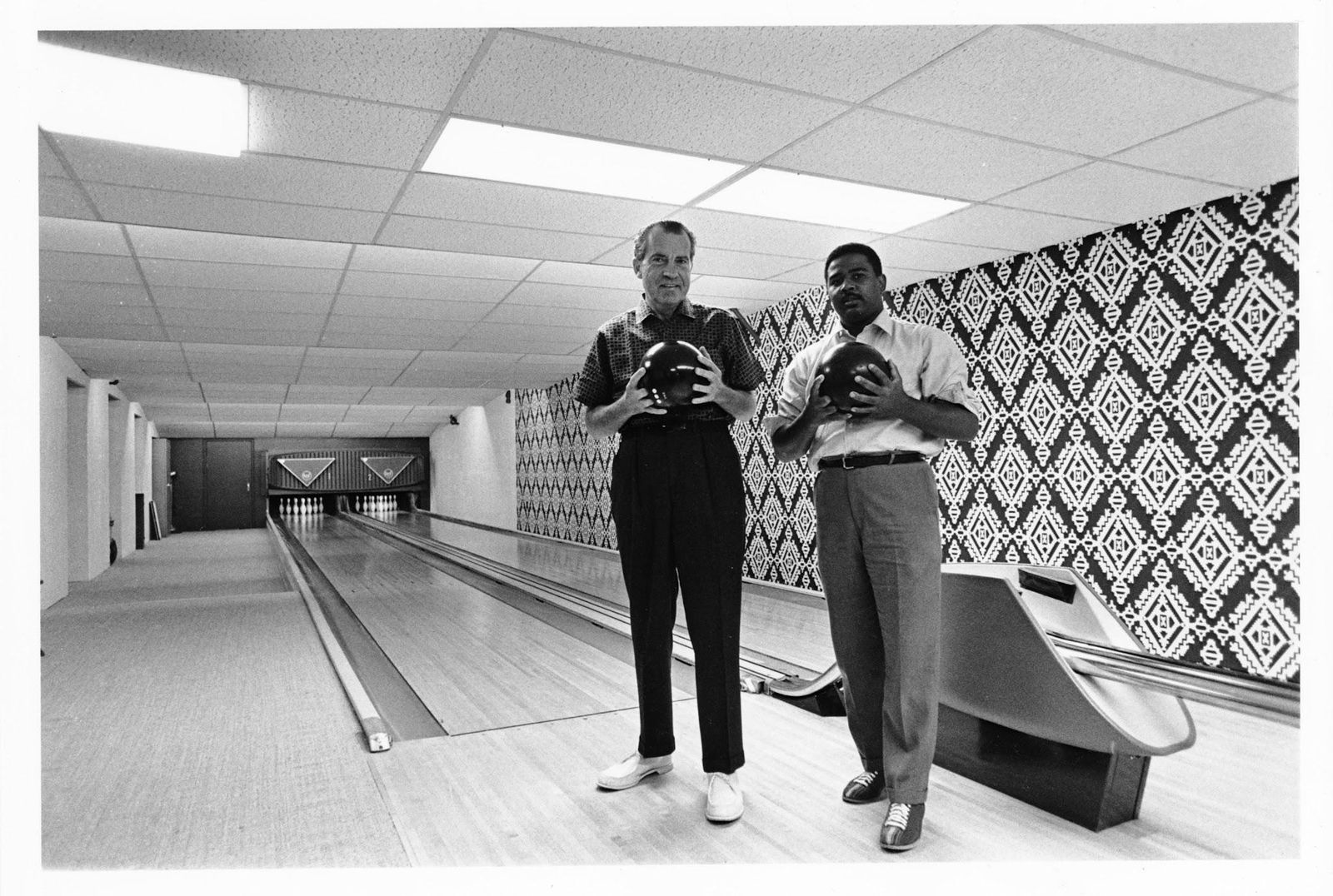
In 1973, Richard Nixon installed a one-lane bowling alley beneath the North Portico. Years later, in 1989, George H. W. Bush added a regulation horseshoe pit near the White House grounds, where he often relaxed and challenged visitors, including Queen Elizabeth II, to games. Then, in 2009, Barack Obama had the South Lawn tennis court modified so it could also be used for basketball, one of his favorite sports.

6
Jackie Kennedy's furniture

Image: Robert LeRoy Knudsen, Public domain, via Wikimedia Commons

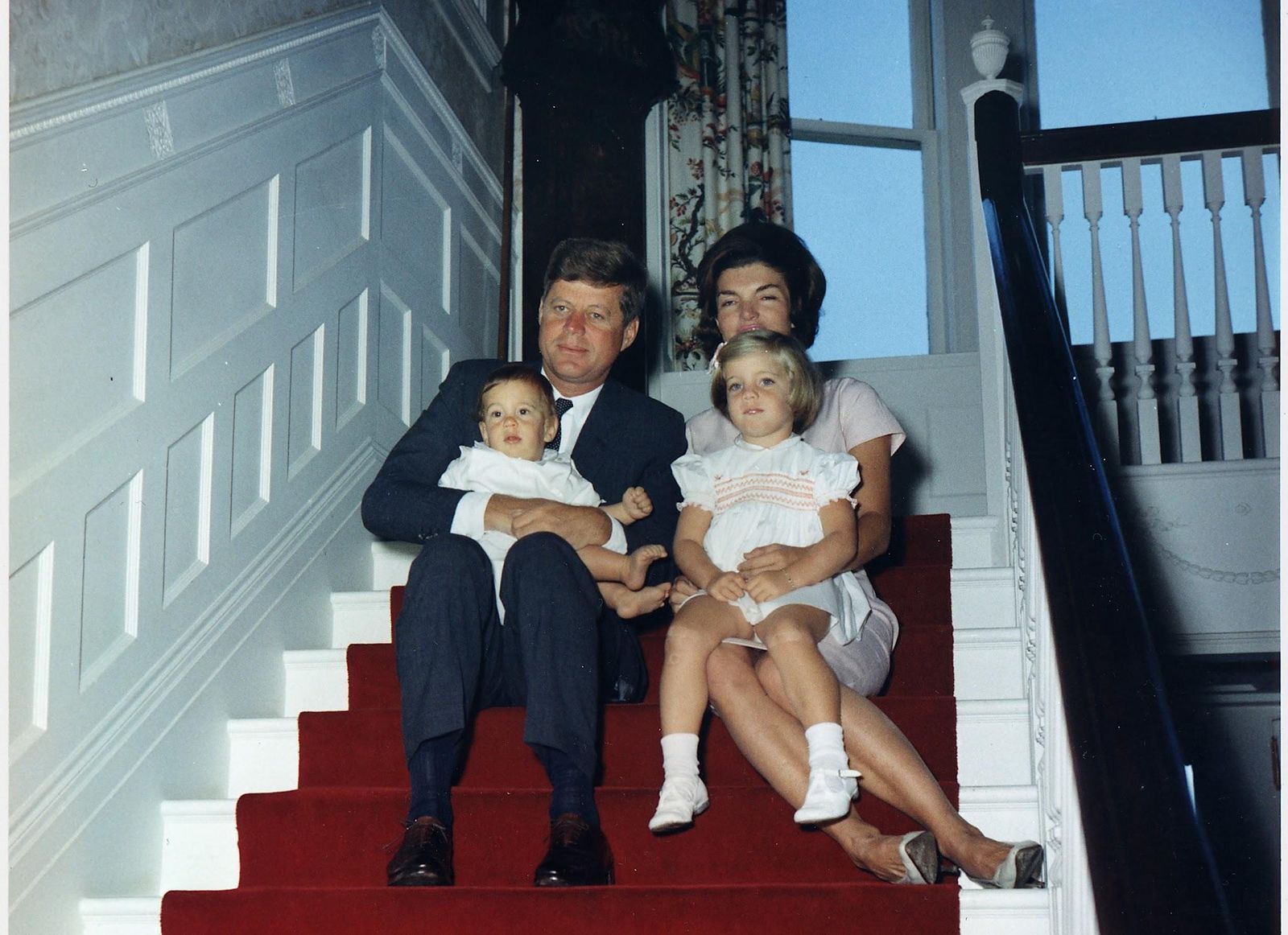
When the Kennedy family entered the White House in 1961, the first lady was disappointed to find that many of the historic rooms had lost much of their original character.

Determined to restore the White House’s history and elegance, Jackie Kennedy famously launched a massive restoration effort. She helped create the White House Fine Arts Committee, brought in historians and curators, and filled the residence with genuine antiques and historical pieces tied to past presidencies. On February 14, 1962, an estimated 46 to 56 million people tuned in to watch the First Lady’s televised tour of the White House, making it one of the most-watched programs of its era. She also supported a congressional act that made many of the White House’s historic furnishings official property of the nation, so future presidents could no longer sell, replace, or discard them.

7
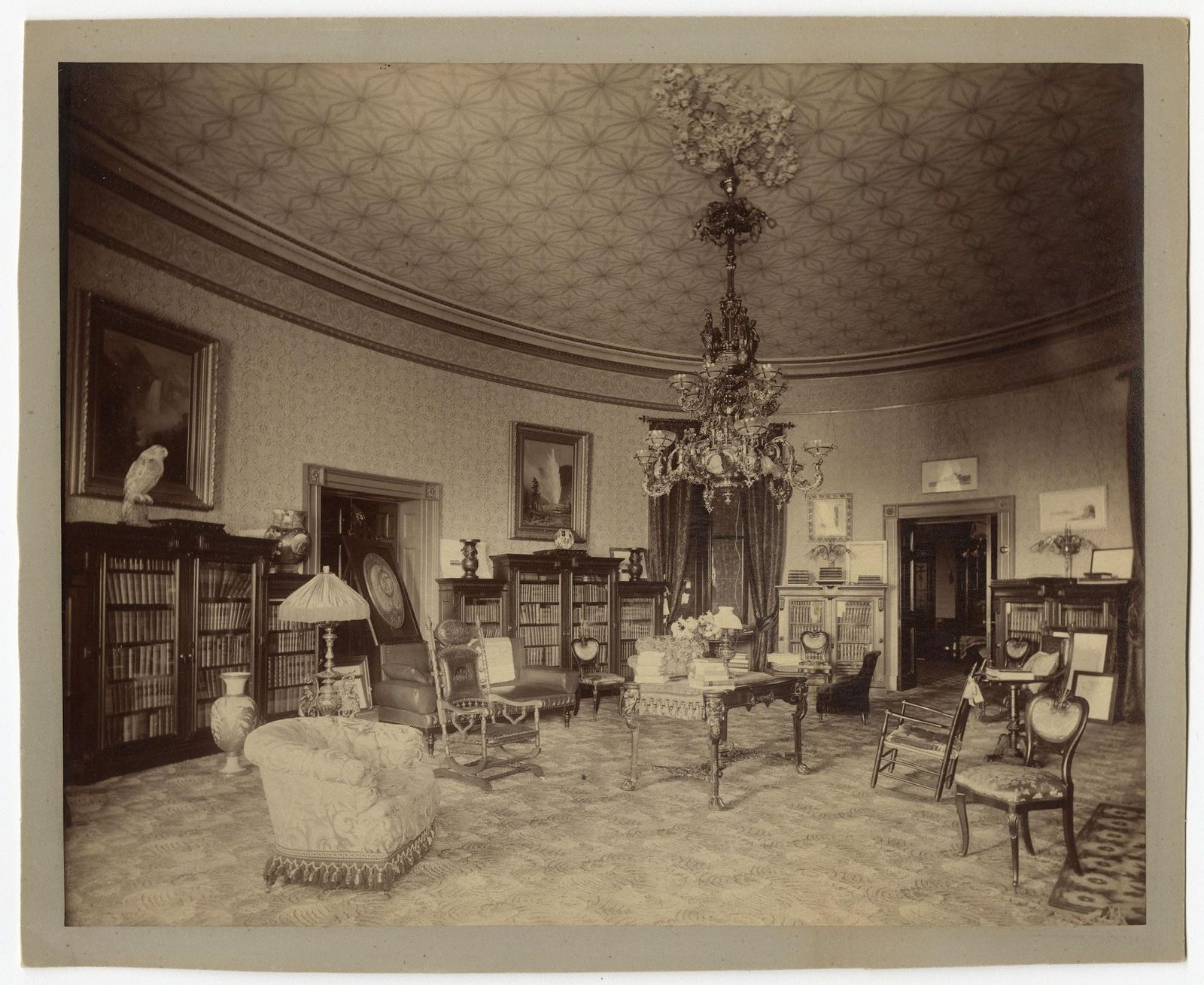
Official name changes

Image: Benjamin Harrison Presidential Site, Public domain, via Wikimedia Commons

As we mentioned, the building was not always white, and therefore was not always officially called the White House. For much of the 19th century, Americans usually referred to it as the "Executive Mansion" or the "President’s House." Even after its famous white exterior made the nickname popular, it still was not the building’s official name.

That finally changed in 1901, when Theodore Roosevelt began printing "The White House" on presidential stationery. According to official sources, Teddy Roosevelt preferred this name because it clearly separated the president’s residence from the many state "executive mansions" used by governors across the country.

8
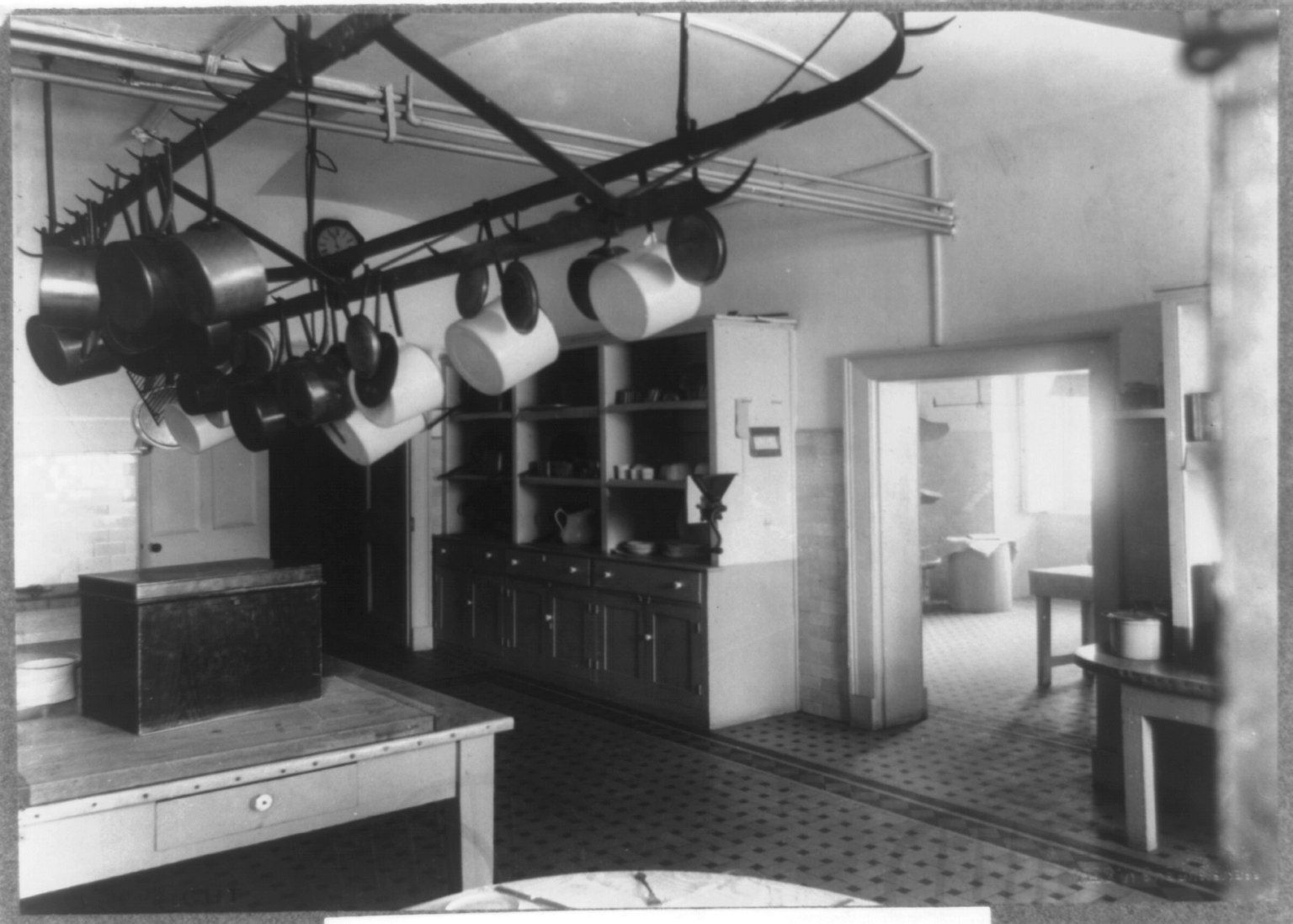
It was once America's largest house

Image: Miscellaneous Items in High Demand, PPOC, Library of Congress, Public domain, via Wikimedia Commons

There is one thing about the White House that no one can deny: it has always been huge, even in its early days.

When the White House was first occupied in 1800, it already contained more than 100 rooms spread across three floors, making it one of the grandest homes in the United States at the time. In a time when most Americans lived in modest houses or farms, the presidential residence was seen as a palace. Many historians even consider it the largest private residence in the country during its early years. Today, the White House covers about 55,000 square feet, though modern private buildings, like the Biltmore Estate in North Carolina, are now far larger.

9
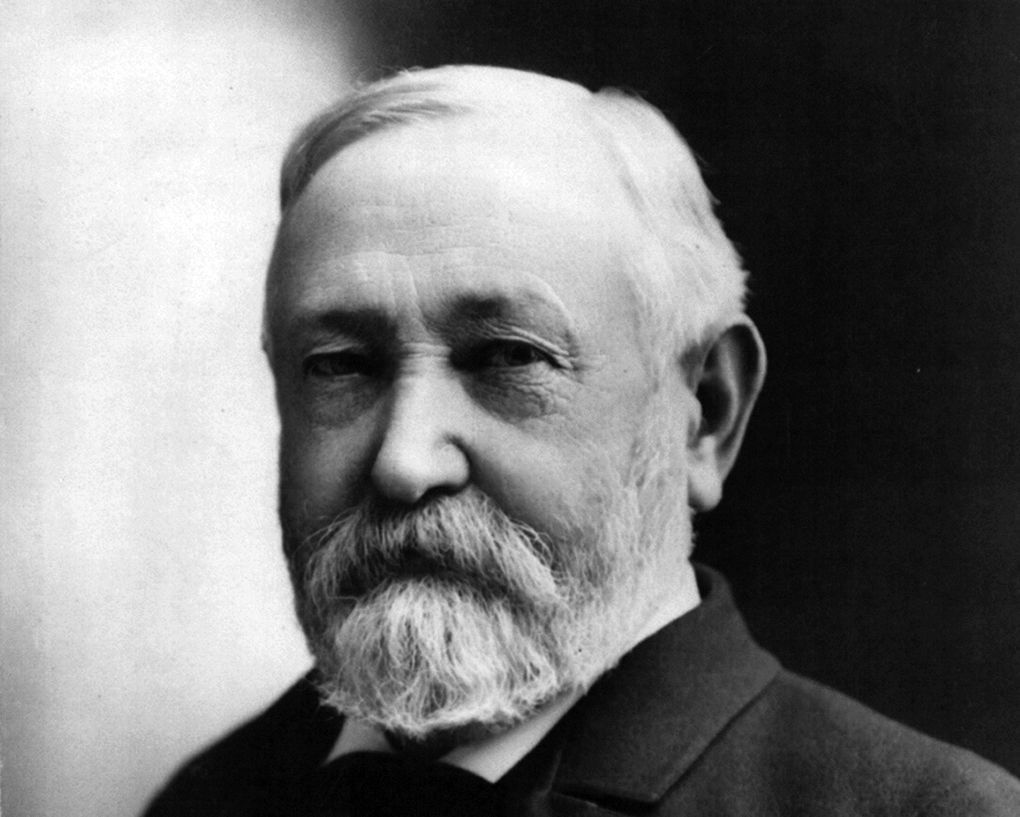
President Benjamin Harrison’s fear

Image: Joseph Gray Kitchell (1862–1945)[1], Public domain, via Wikimedia Commons

Among the many changes the White House has undergone over the years, few were as revolutionary as the arrival of electricity.

For nearly a century after it was built, the presidential residence relied on candles, oil lamps, and gas lighting. That finally changed in 1891, when electricity was installed during the presidency of Benjamin Harrison. But, like many families in that era, the Harrisons were not exactly thrilled by this modern invention. According to White House stories passed down over the years, President Harrison and First Lady Caroline Harrison were so nervous about the possibility of electric shock that they rarely touched the light switches themselves. Instead, they often asked the house staff to turn the lights on and off for them.

10
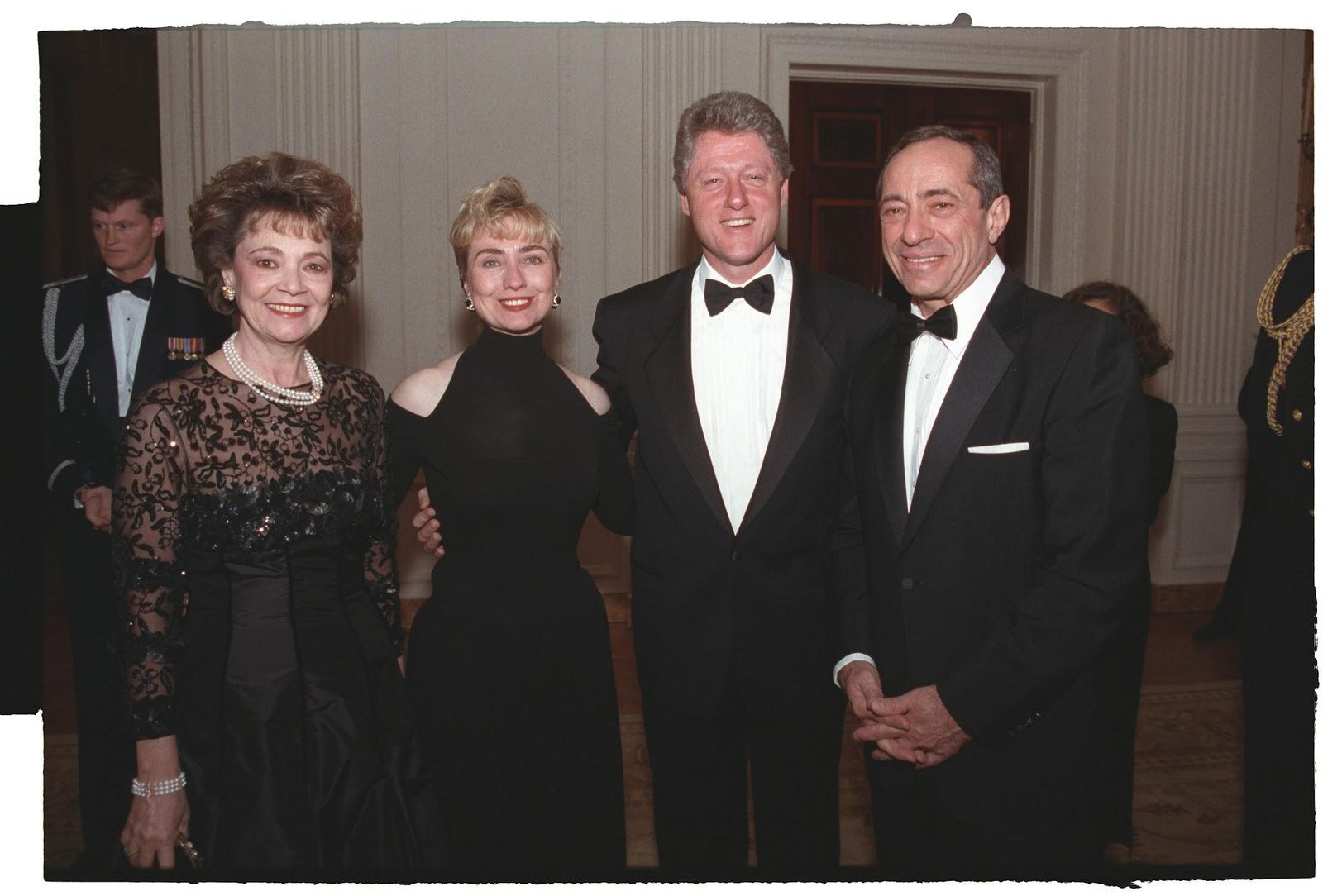
Hillary Clinton’s special gift

Image: Ralph Alswang, Public domain, via Wikimedia Commons

Of course, Jackie Kennedy wasn’t the only First Lady to leave her mark on the White House. Hillary Clinton added her own personal touch as well, this time as a gift for her husband.

In 1996, Hillary Clinton transformed a little-used room on the White House’s third floor into a private music room for President Bill Clinton. The gift came during the year of Bill Clinton’s 50th birthday and reflected one of his best-known passions: music. Complete with space for listening to records and playing his famous saxophone, the room gave the president a quiet retreat inside the White House.

Explore more American facts

Choose your favorite category!

General
General

As American as apple pie—the very best America has to offer!

Culture
Culture

Delve into the astounding richness of American lore.

Geography
Geography

Hop in and explore vast and diverse American landscapes.

History
History

Discover the key moments that shaped the United States.