General General 3 min read

Partners in mischief

Could you name these unforgettable sidekicks without their heroes?

Image: Joseph Pearson

Not everyone can be the main act, and that’s perfectly fine. Some of the most memorable moments in TV, film, and music come from the ones standing just off-center: The loyal, goofy, brave, or sometimes downright ridiculous sidekicks who make our favorite heroes shine. Let’s take a walk down memory lane and look back on a few of the best second figures who often stole the show.

1
Robin, Batman’s boy wonder
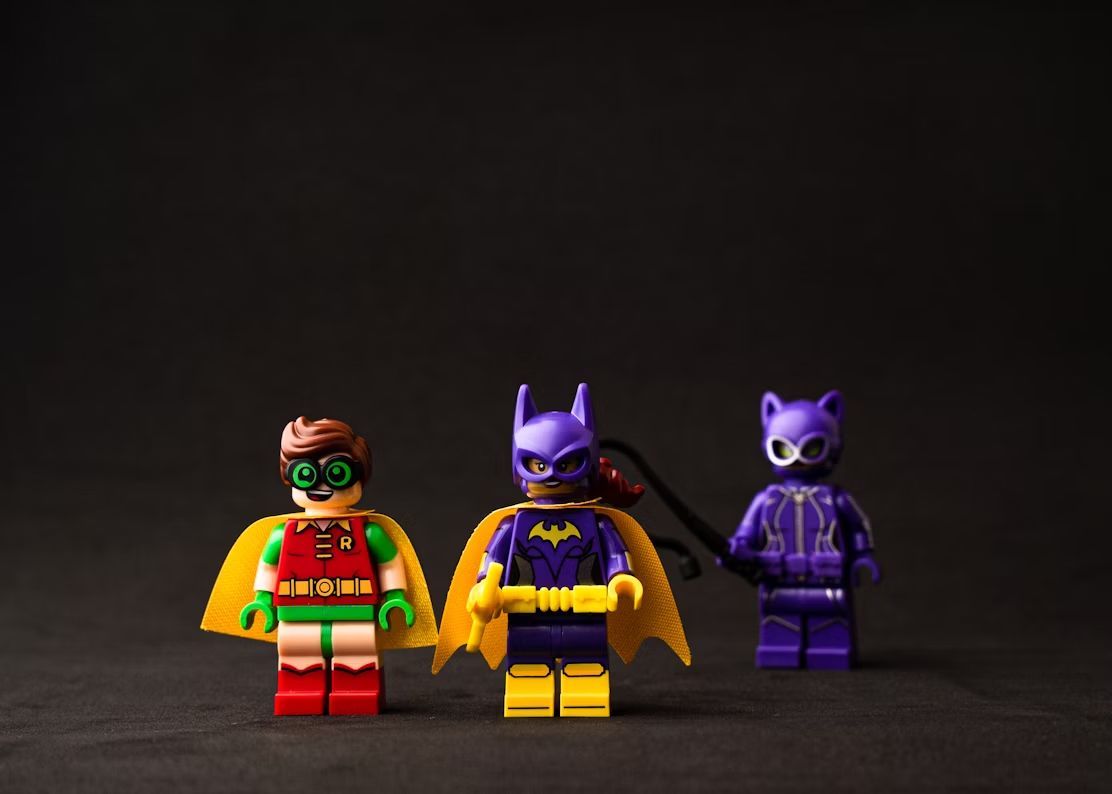
Image: Studbee

Holy teamwork! Since his first comic book appearance in 1940, Robin has been Batman’s dependable backup even when things got rough. Sure, he often found himself tied up by villains, but his bravery and quick wit always made him the perfect No. 2. Whether it’s Dick Grayson, Jason Todd, or any of the Robins since, the Boy Wonder brought heart to Gotham’s dark nights.

2
Tonto, The Lone Ranger’s trusted partner
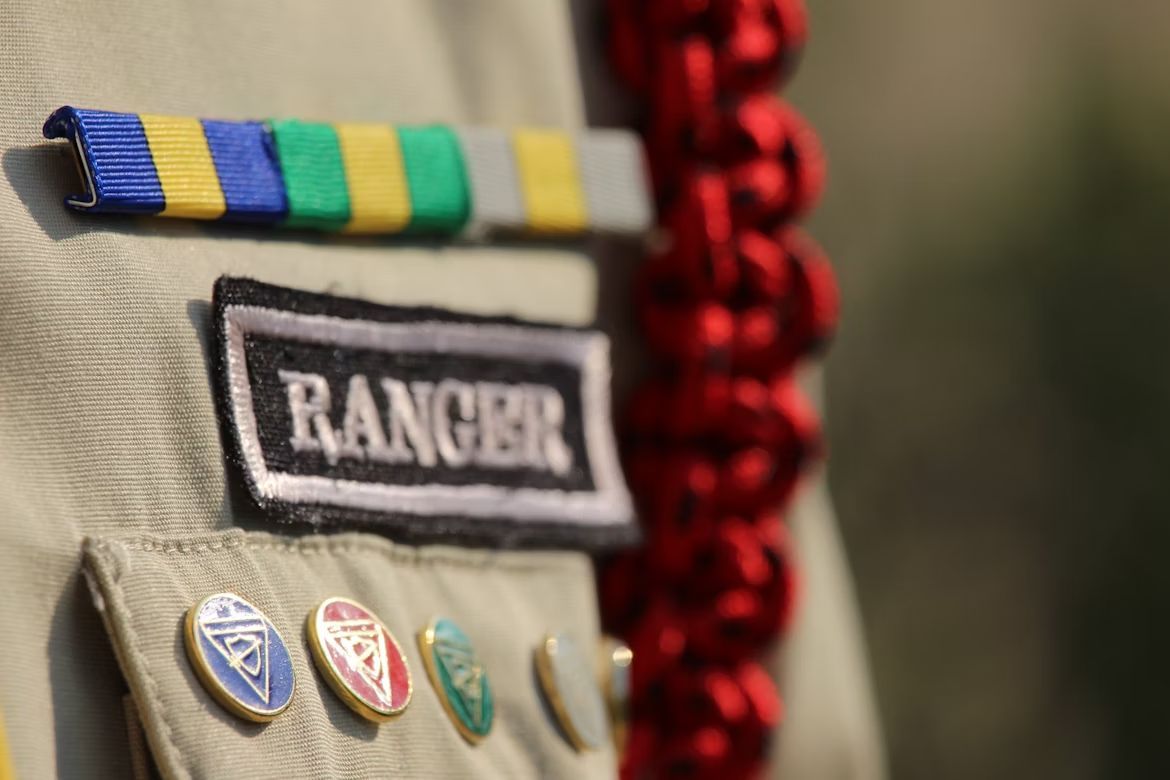
Image: V

Long before duos like Batman and Robin hit the screen, there was Tonto. Played by Jay Silverheels, this brave and loyal companion stood by the Lone Ranger through thick and thin. He didn’t just tag along; he was the Ranger’s conscience, guide, and moral compass. Without Tonto, the masked man would have been just another cowboy in the desert.

3
Ethel Mertz, Lucy’s partner in chaos
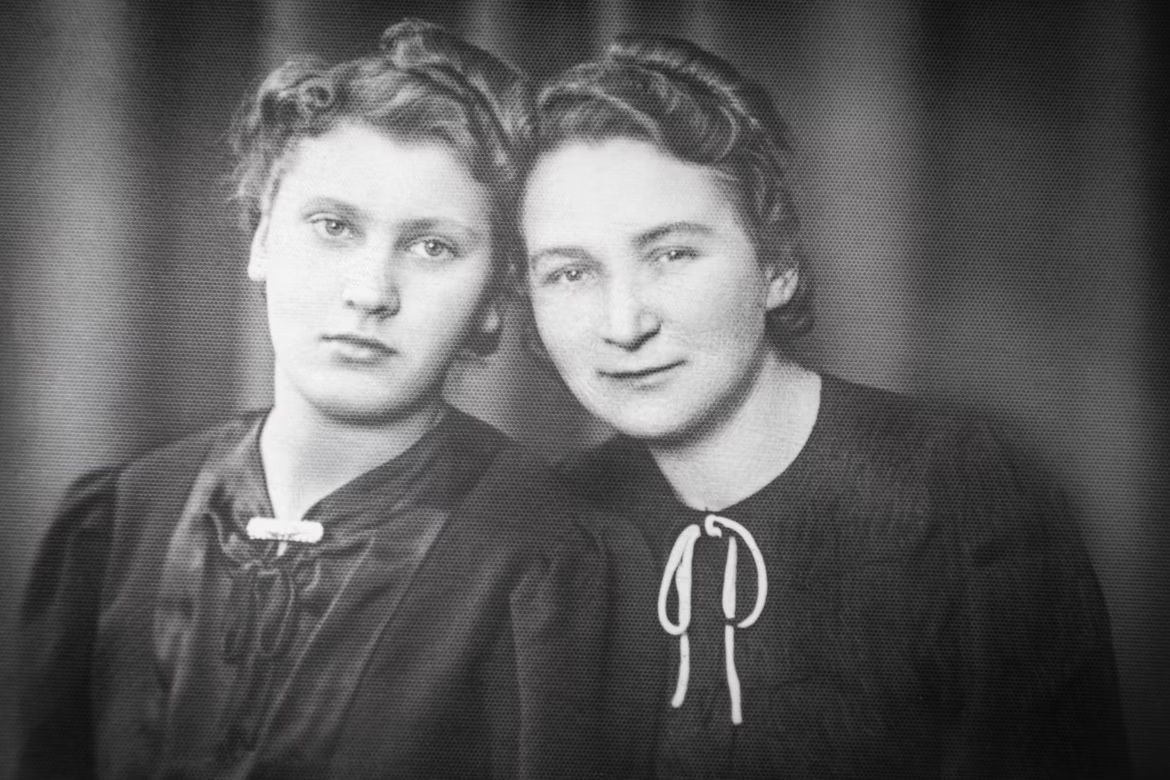
Image: Pawel Czerwinski

When it comes to classic comedy duos, Lucy and Ethel take the cake. Ethel Mertz was the level-headed neighbor every mischievous friend needs. She complained, she warned, and yet, she always joined in on Lucy’s hair-brained adventures. Let’s be honest, without Ethel, Lucy’s messes wouldn’t have been half as funny.

4
Piglet, small in size, big in heart
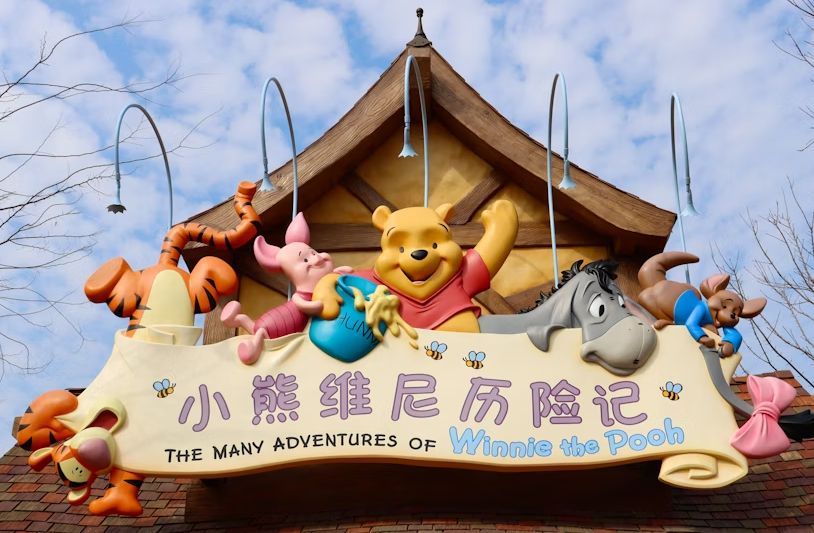
Image: Taha

In the Hundred Acre Wood, courage doesn’t come from being big or brave; it comes from being there. Piglet’s tiny voice and timid ways make him easy to overlook, but his loyalty to Winnie-the-Pooh is second to none. When he takes Pooh’s paw and says, "I just wanted to be sure of you," it melts every heart.

5
Ed Norton, Ralph Kramden’s comic counterpart
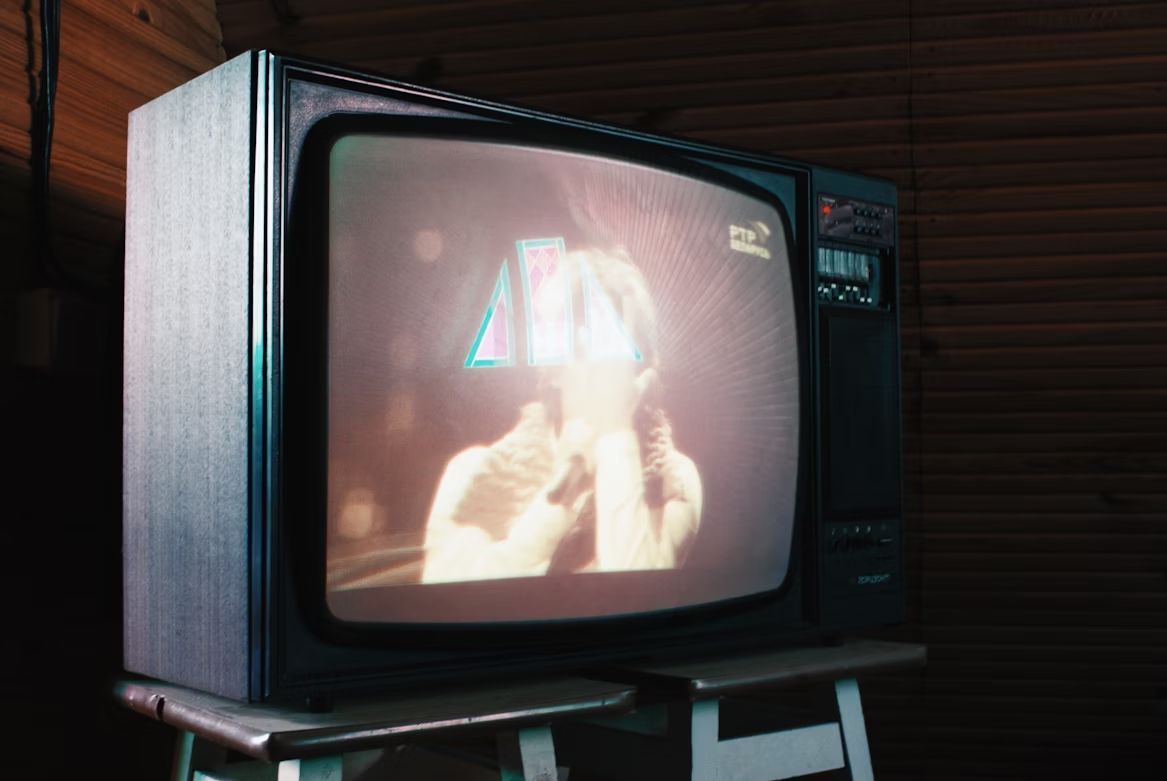
Image: Aleks Dorohovich

From The Honeymooners , Ed Norton was the easygoing neighbor who kept Ralph Kramden’s temper in check most of the time. Played by Art Carney, Norton’s goofy charm made him one of TV’s most lovable sidekicks. When Ralph barked, "Get out!" we all knew Ed would be back by breakfast.

6
Barney Fife, Mayberry’s greatest deputy
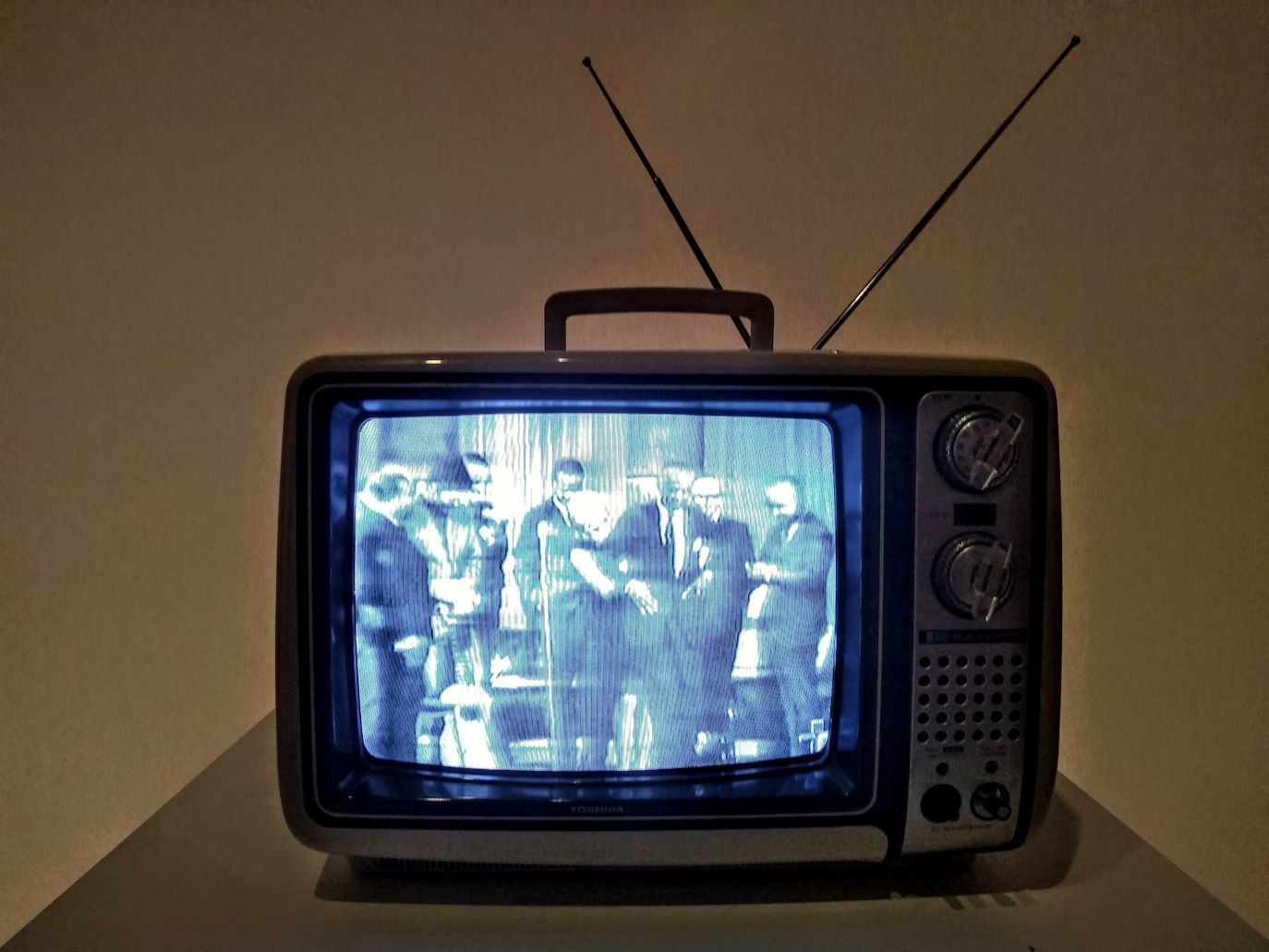
Image: Bruna Araujo

Every small town has that one guy who means well but causes chaos. For The Andy Griffith Show , that was Barney Fife. Don Knotts’ Barney turned bumbling into an art form: nervous, loyal, and always just one mistake away from disaster. Andy’s patience made for perfect chemistry, and together they gave us some of TV’s most wholesome laughs.

7
Art Garfunkel, the harmony behind the melody
Image: Marius Masalar

Paul Simon may have written most of the hits, but without Art Garfunkel’s golden voice, those songs wouldn’t have soared. Bridge Over Troubled Water still gives goosebumps thanks to Art’s heartfelt delivery. His harmonies gave Paul’s lyrics wings, and even though Simon got most of the credit, Garfunkel made sure the music had a soul.

8
George Costanza, Jerry Seinfeld’s lovable disaster
Image: freestocks

George Costanza was the friend you couldn’t live with or without. Selfish, neurotic, and hopelessly insecure, he somehow made Jerry appear to be the most well-adjusted man in New York. Jason Alexander turned George’s every meltdown into a comedy masterclass. As sidekicks go, he’s the one who proves misery really does love company.

9
Chewbacca, Han Solo’s fuzzy conscience
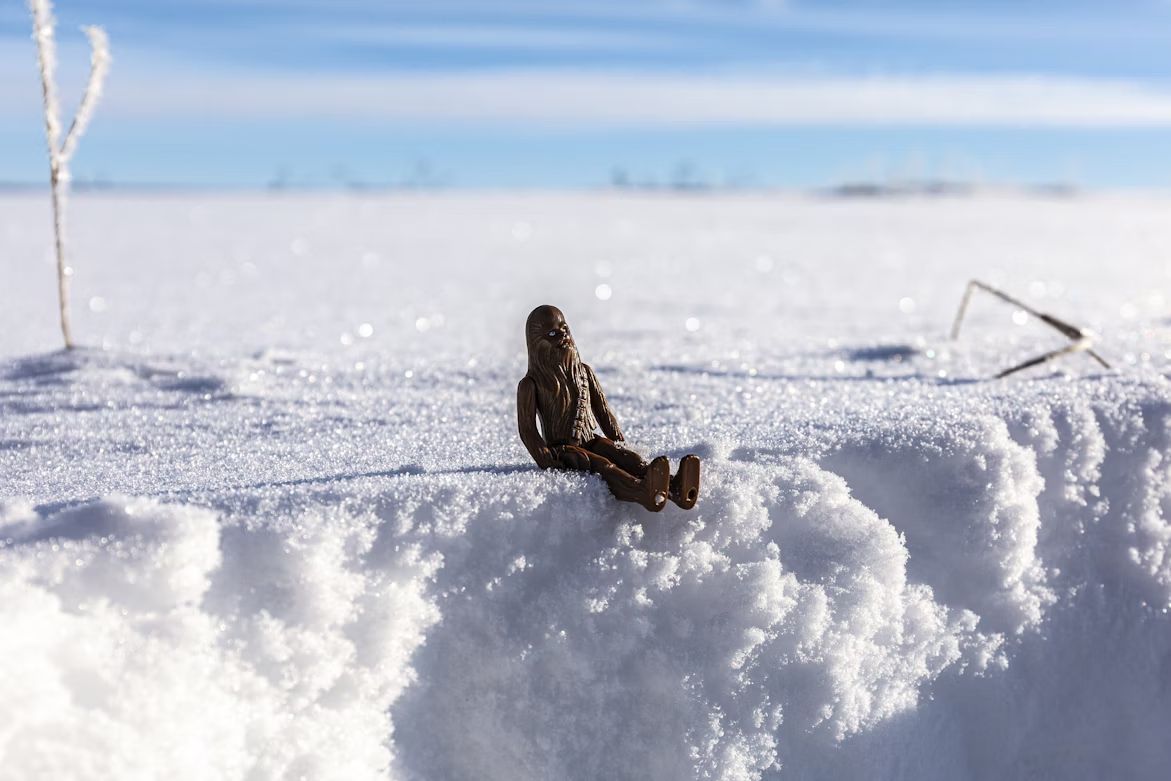
Image: Justin Wilkens

Who needs words when a growl says it all? Chewbacca was more than Han Solo’s co-pilot; he was his moral compass, mechanic, and best friend rolled into one very hairy package. Brave, loyal, and endlessly patient, Chewie made the galaxy far, far away feel a little more human.

10
Donkey, the heart of Shrek

Image: Dovydas Žilinskas

If there’s one friend who’ll stick with you no matter how grumpy you are, that’s Donkey. Voiced by Eddie Murphy, this chatterbox proves that friendship can melt even an ogre’s heart. He sang, he talked (a lot!), and he taught us that everyone deserves to be loved… How could we not love him?
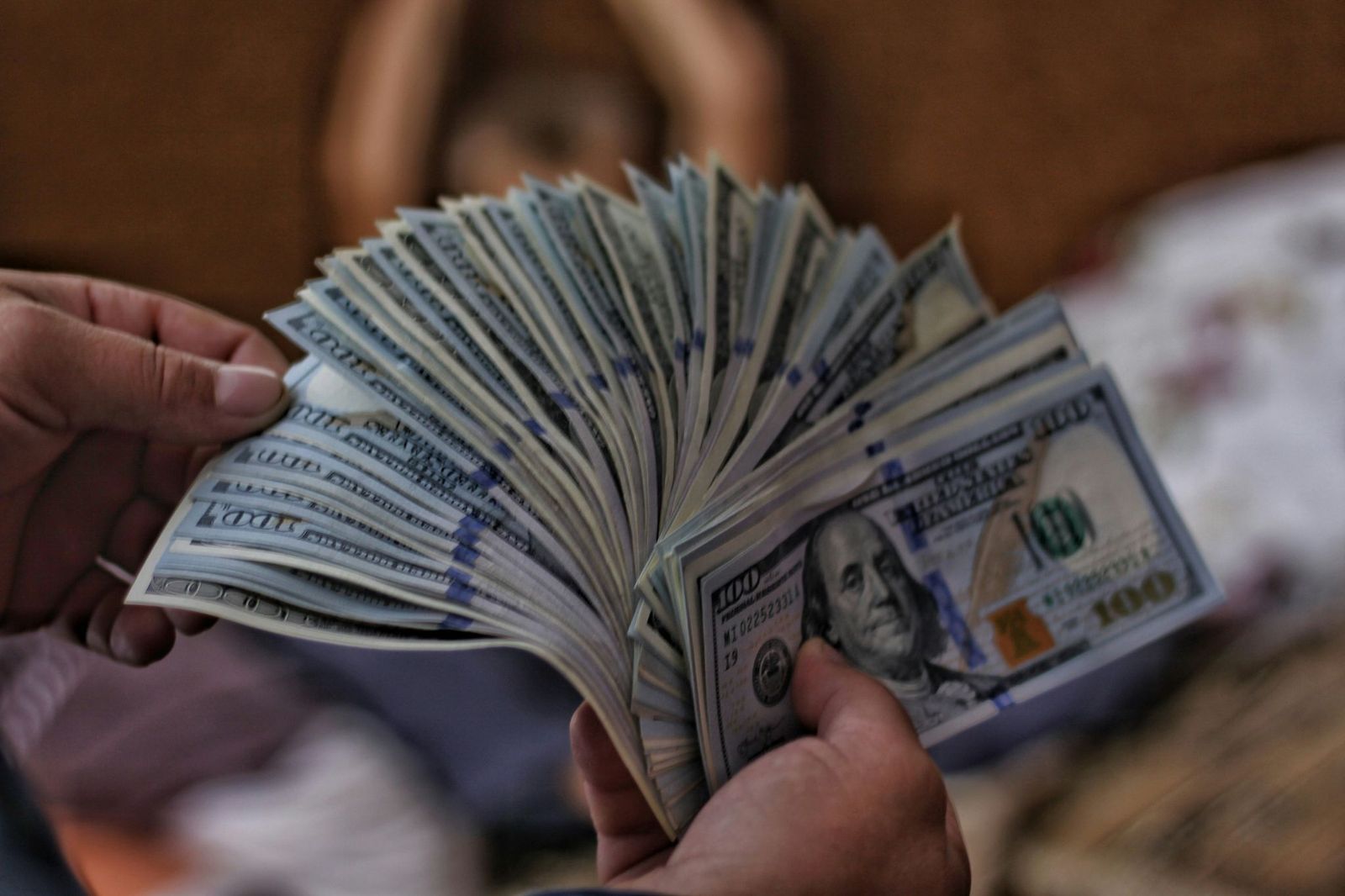
History History 4 min read

Even biz wizards fail sometimes

What brought Sears down? 10 mistakes from giant companies

Image: Melinda Gimpel

As Dr. House once said, mistakes are as serious as the results they cause. And, in the case of big companies, those mistakes can be just as big, often measured in terms of lost jobs and money. From poor marketing decisions to small mistakes that cause multi-million dollar losses, the types of blunders made by some of these companies and individuals are nothing short of breathtaking— and not in a good way. Take a look at the following 10 stories of failure. Did you know any of these?

1
$125 million for a Grade-school math error

Image: Aaron Lefler

Imagine losing a hugely expensive spacecraft due to a simple mix-up between English and metric measurements . That is exactly what happened to NASA in 1999 when a Mars orbiter designed by Lockheed Martin was lost in space.

The confusion caused a malfunction on the $125 million craft, resulting in the probe’s loss. Although it was unusual for Lockheed to use English measurements for a NASA design (since NASA had stipulated using metric measurements for many years), there were still several instances where the error should have been caught but wasn’t.

2
Toys ‘R’ Us blunder

Image: Taylor Heery

If you think an action figure of a drug dealer isn’t the best idea for a toy store , you’re not alone. Yet, for some reason, Toys "R" Us decided otherwise in October 2014, possibly hoping to cash in on the massive success of the Breaking Bad TV series.

Unsurprisingly, the giant toy retailer was forced to pull from its shelves four collectible dolls based on characters from the AMC hit show, each doll featuring a detachable sack of cash and a bag of meth.

3
Apple Maps' rocky beginnings

Image: CardMapr.nl

When Apple decided to launch its own map application on iOS devices after a conflict with Google in 2012, users quickly realized that the Apple app was not nearly as launch-ready as it should have been .

Locations were mislabeled, roads were missing, and it occasionally steered people in entirely the wrong direction. The problem was eventually, though largely, resolved, but it was an embarrassing misstep for a company known for never launching a product before it was as near-perfect as possible.

4
Bank of America debit card fee

Image: Ali Mkumbwa

Back in 2011, when the backlash against the banking industry had not yet reached its boiling point, Bank of America announced it would charge customers $5 per month to use their debit cards .

It was a bad business decision. More than 300,000 people signed an online petition, and Fox Business Network’s Gerri Willis cut up her debit card on air. The bank pointed to federal regulations as the reason for the charge but ultimately capitulated to consumer demand after a month before the fees went into effect.

5
$33 airline tickets from Toronto to Cyprus

Image: Miguel Ángel Sanz

If buying a business class ticket regularly priced at $2,558 for just $33 sounds too good to be true, it probably is. Except in 2006, when an Alitalia employee accidentally forgot to input two extra zeros when pricing business-class tickets from Toronto to Cyprus.

Due to the exchange rate on that day and the blunder, hundreds of buyers managed to snag fares for just $33. The airline honored those deals, accepting the heavily discounted price for the 509 people who purchased tickets before the error was detected.

6
A $70 million comma

Image: Nattipat Vesvarute

As the folks at NASA and Alitalia have shown us, small errors can lead to costly mistakes. The following blunder comes courtesy of Lockheed Martin , which issued a contract to a customer with a missing comma in the sale price .

The astute customer held the aerospace company to the contract, costing Lockheed Martin $70 million for a C-130J Hercules aircraft in June 1999.

7
Sears misses the ship

Image: Estefania Cortes

A retail giant that faced a situation similar to the one Kodak faced—embrace the new and unknown or cling to the old, successful recipe—Sears sold everything from socks to tires via mail order, shipping across the U.S.

Choosing to stick with the old method, the company ended its catalog and delivery business in 1993 . In 1994, Amazon was founded , filling the business void that Sears had just created. The rest is history.

8
Passing on Microsoft

Image: Jaime Marrero

$60 million might seem like a lot of money to us regular folks, but for someone with very deep pockets like Texas businessman and two-time U.S. presidential candidate Ross Perot, it wasn’t all that much.

In 1979, he was offered the chance to buy Microsoft for that sum. However, his final offer to the tech company was just $15 million, and as a result, the Texan missed out on the opportunity to own what would become one of the biggest companies in the world .

9
Blackberry sticks with the old

Image: Thai Nguyen

Another case of a brand sticking with the old instead of embracing the new, BlackBerry was all the rage at the start of the 21st century— until Steve Jobs came along with the Apple iPhone .

While BlackBerry Messenger was extremely popular, with over 80 million users worldwide, the device lacked the new touchscreen functionality and sleek design of the Apple product. From being a market leader, BlackBerry’s market share plummeted to 0.2% by 2016.

10
RadioShack’s downfall

Image: Jelleke Vanooteghem

Not so long ago, RadioShack was a familiar presence on the streets and the go-to place for buying batteries and electronics. But it was that same brick-and-mortar presence, coupled with a reluctance to embrace e-commerce , that ultimately led to its demise .

Eventually, poor profit margins on what they could sell, combined with a loan they couldn’t repay, brought down what was once the go-to place for electronics.

General General 4 min read

Not as common as you think

Aren’t doggy bags and tipping not the norm when dining abroad?

Image: Diane Picchiottino

Dining in the U.S. comes with its own set of unwritten rules. Many of these customs feel perfectly normal to Americans, but can surprise visitors from other parts of the world. From how meals are served to how bills are paid, there are many differences that we only notice when we visit other countries. Take a look at 12 of these habits you probably take for granted, but that are uncommon outside of the U.S.

1
Tipping is expected, not optional

Image: Sam Dan Truong

In the U.S., leaving a tip is considered part of the cost of the meal, not a bonus . Diners typically add 15 to 20 percent to the bill, especially in full-service restaurants.

This practice exists because many servers earn lower base wages and depend on tips. In many other countries, service charges are already included in the bill, making the American system feel unusual or even confusing.

2
Free refills are the norm

Image: Roman Kraft

Many American restaurants offer unlimited refills on soft drinks, iced tea, and coffee . Once you order a beverage, it often keeps coming at no extra cost.

Elsewhere, each drink is typically billed separately, and refills are rarely free. For visitors to the U.S., this can feel surprisingly generous compared to their dining experiences at home.

3
Ice comes with everything

Image: Giorgio Trovato

In the U.S., drinks are often served filled with ice, whether it’s soda, water, or even juice . It’s considered a refreshing standard, especially in warmer climates.

In many other countries, ice is used sparingly or avoided altogether. Some people prefer drinks at room temperature, making the American preference for ice stand out immediately.

4
Portions are huge

Image: Sanjip Kadel

American restaurant portions are known for their size. Many meals are large enough to serve more than one person or to provide leftovers for later .

In contrast, other countries tend to serve smaller, more balanced portions. The American approach reflects a culture of abundance, but it can be unexpected for first-time visitors.

5
Taking leftovers home is typical

Image: Roberto Catarinicchia

Asking for a take-home container, also known as a "doggy bag," is a normal part of dining in the U.S. Restaurants are prepared for it, and many people expect to leave with leftovers.

In some countries, this practice is less common or even discouraged. The American "doggy bag" reflects both larger portion sizes and a practical approach to reducing food waste.

6
Waiters check in frequently

Image: Negley Stockman

In the U.S., servers often return to the table several times during a meal . They may ask how everything tastes, refill drinks, or check whether anything else is needed.

While meant to be attentive, this can feel intrusive to foreign visitors. In many other cultures, less interruption is preferred, and diners typically signal the server only when necessary.

7
Customizing your order is normal

Image: Artur Tumasjan

In the U.S., it's common to request changes to a dish, such as removing ingredients or adding extras . Restaurants are usually flexible and expect these requests.

In other parts of the world, altering a menu item may be frowned upon. The American habit reflects a strong emphasis on personal choice and individual preferences.

8
Tap water is served automatically

Image: Sugarman Joe

In American restaurants, a glass of tap water is often brought to the table without being requested . It is typically free and refilled throughout the meal.

In many other countries, bottled water is the default and must be ordered separately.

9
Meals tend to move quickly

Image: Louis Hansel

Dining in the U.S. often follows a faster pace. Food arrives quickly, and the bill may be brought shortly after the meal is finished .

In contrast, in many other cultures, meals are meant to be long, relaxed experiences. The American approach reflects efficiency and a faster daily rhythm.

10
Splitting the bill is common

Image: Vitaly Gariev

In the U.S., restaurants commonly allow separate checks , making it easy for each person to pay their share. This is especially helpful in group settings.

In many other countries, splitting the bill can be more complicated or is actively discouraged. The American system emphasizes convenience and individual responsibility at the table.

11
Sweet foods are common at breakfast

Image: Brian J. Tromp

Breakfast in the U.S. often includes sweet items such as pancakes, waffles, pastries, or cereal, alongside eggs, bacon, and toast. Syrup and sugar are common additions at the start of the day.

In many other countries, breakfasts tend to be exclusively savory, featuring foods like bread, cheese, or eggs. The American preference for sweetness can feel like a treat to visitors.

12
Dining is generally casual

Image: Dan Gold

While there are many exceptions at five-star, fine dining establishments, American dining culture is typically relaxed, with fewer formal rules about dress or behavior . People often eat out in casual clothing and informal settings.

In other countries, meals, especially dinner, can be more formal events. The American style reflects a focus on comfort rather than tradition.

Explore more American facts

Choose your favorite category!

General
General

As American as apple pie—the very best America has to offer!

Culture
Culture

Delve into the astounding richness of American lore.

Geography
Geography

Hop in and explore vast and diverse American landscapes.

History
History

Discover the key moments that shaped the United States.