History History 7 min read

Hidden stories

Believe it or not: 10 shocking White House stories
Image: Abbie Rowe. White House Photographs. John F. Kennedy Presidential Library and Museum, Boston, Public domain, via Wikimedia Commons

Did you know the White House wasn’t originally meant to be white? Or that hidden underground spaces were built beneath it? For more than 200 years, we have seen the White House in movies, on the news, in family photo albums from Washington trips, and during some of the biggest moments in our country’s history. But behind those famous walls are stories most have never heard. From fires and secret construction projects to strange traditions and forgotten moments, these are 10 surprising White House stories that most of us were never taught in school.

1
It was almost completely torn down
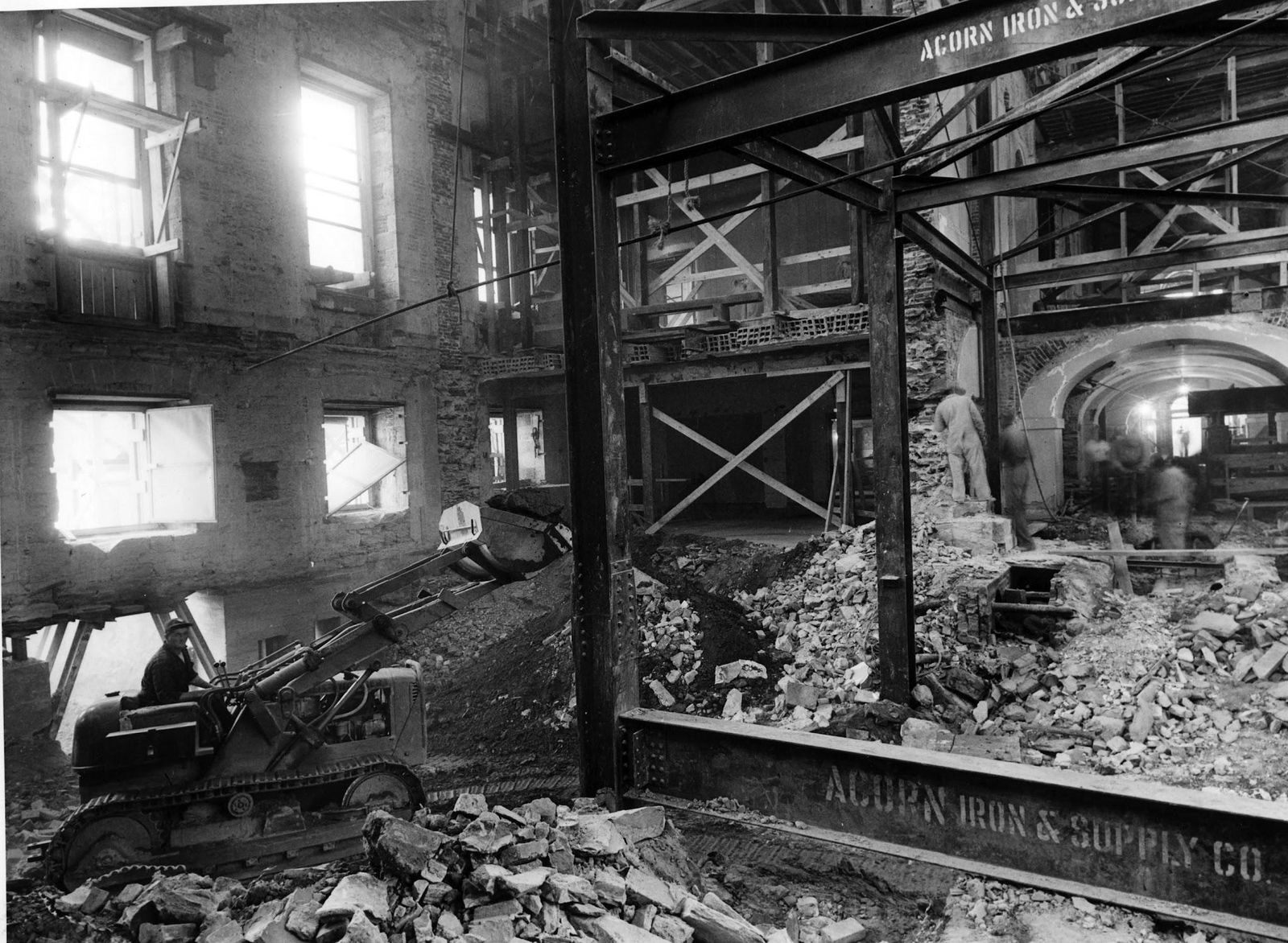
Image: Abbie Rowe, Public domain, via Wikimedia Commons

Did you know that very little of today’s White House interior is actually original? Looking at the building now, it’s hard to imagine that it was once so unstable that it was in danger of collapsing.

By 1948, after decades of heavy use, outdated wiring, poor structural supports, and years of renovations layered over one another, the White House had become unsafe. Floors and walls cracked, and parts of the residence were literally sinking. President Harry S. Truman even joked that the place felt haunted because it made so many strange noises. Rather than abandon it, Truman launched a massive reconstruction project with Congress. Between 1948 and 1952, nearly the entire interior was gutted and rebuilt while the original exterior walls were preserved, giving America a strong and reliable White House.

2
During WWII, they built an underground bunker
Image: rc.xyz NFT gallery

Did you know there’s a fortified bunker hidden beneath the White House? A couple of years before Truman’s famous renovation, another major project was quietly built beneath the presidential residence.

In 1942, during World War II, President Franklin D. Roosevelt ordered the construction of a secure underground shelter to protect government leaders in case Washington, D.C., came under attack. Built quickly and in great secrecy, the bunker was completed within months, though it was luckily never needed during the war. Today, the facility is known as the Presidential Emergency Operations Center, or PEOC, and it was famously used in 2001 by President George W. Bush and again in 2020 by Donald Trump.

3
It was not originally meant to be white
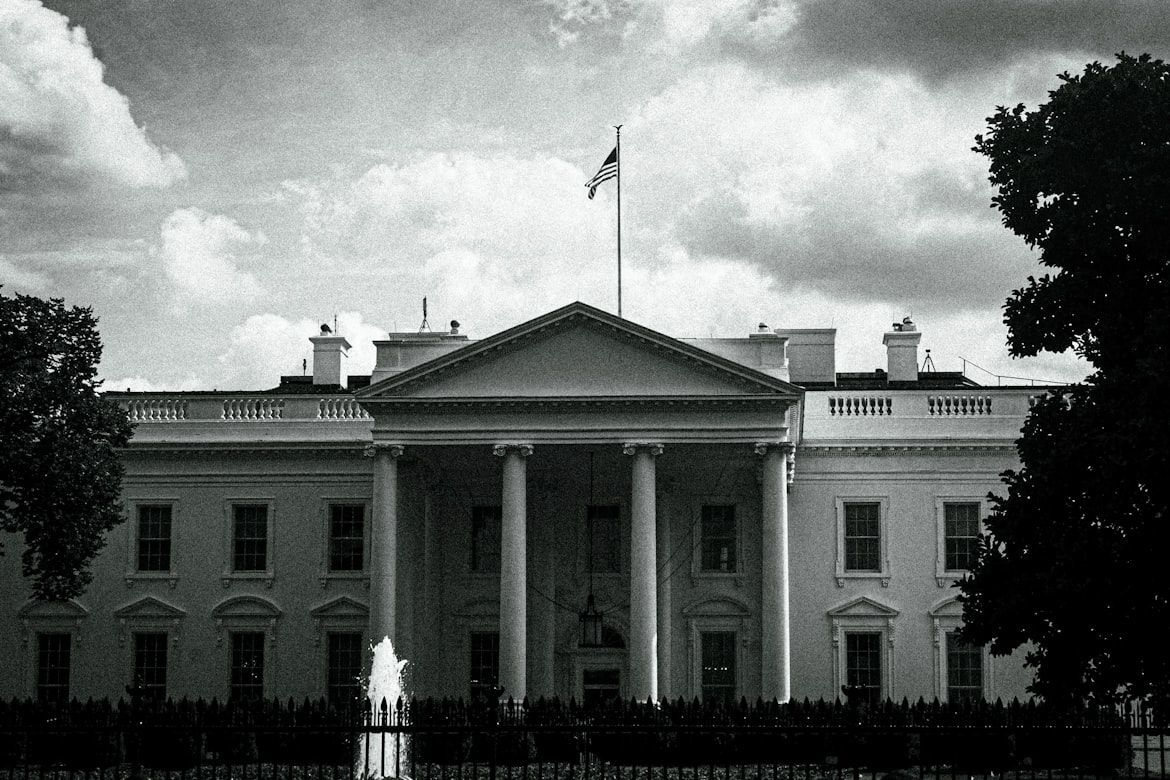
Image: Andriy Miyusov

Can you imagine if it were called "the Gray House"? Today, it’s impossible to picture America’s most famous home as anything other than bright white, but that wasn’t the original idea.

During construction in the 1790s, workers covered the exterior sandstone with a lime-based whitewash to protect it from moisture, cracking, and harsh winter weather. The coating gave the building a pale grayish appearance, not the brilliant white we recognize today. A long-standing myth claims the White House was painted white to hide the burn marks left after British troops set it on fire in 1814, but in reality, the building had already been whitewashed years earlier. Still, after the fire and reconstruction, the white exterior became permanent and eventually inspired the famous name "White House," though for many years people still called it the "President’s House."

4
10 people have died in the White House
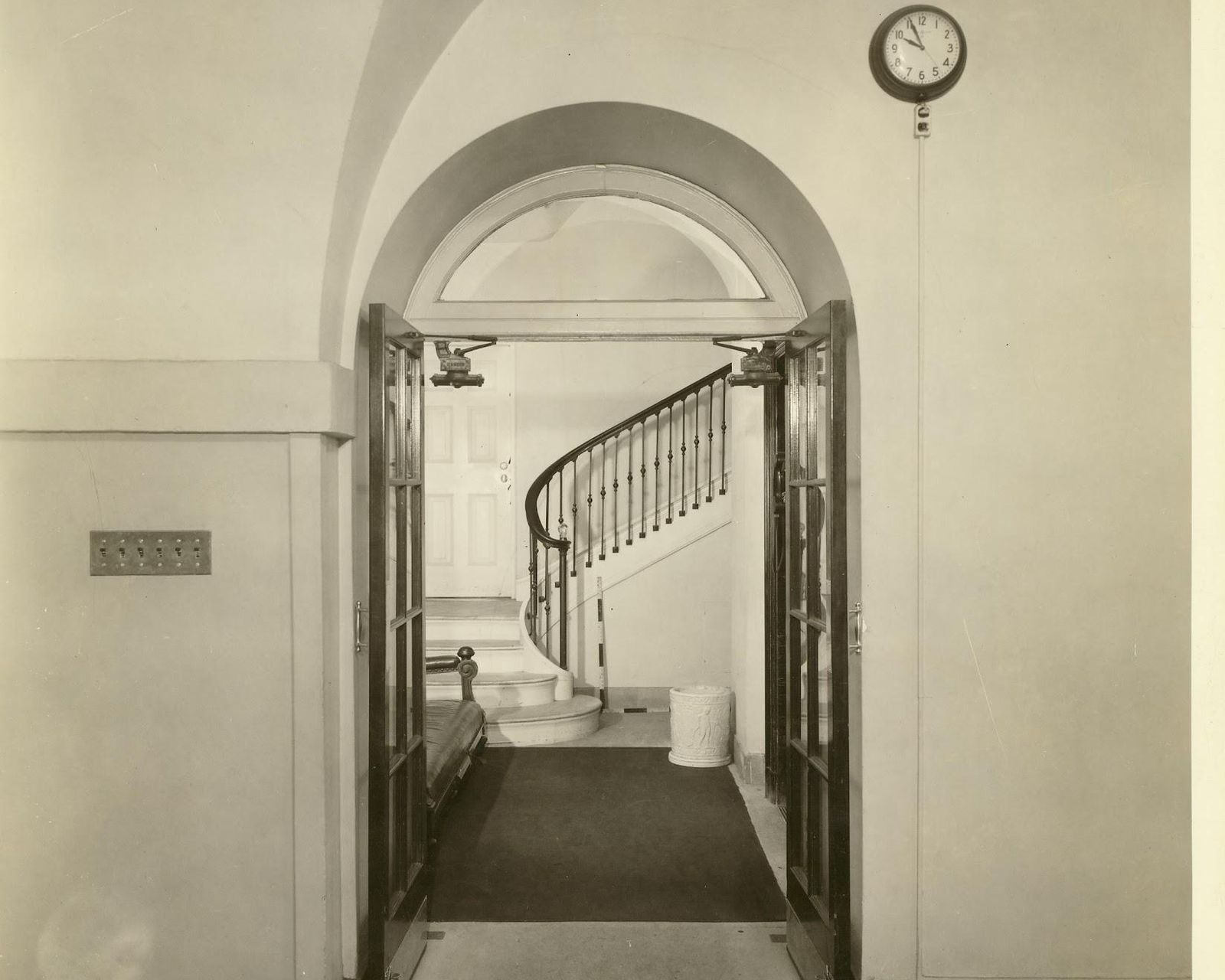
Image: Woodrow Wilson Presidential Library Archives from Staunton, VA, No restrictions, via Wikimedia Commons

Many people have lived and worked in the White House over the centuries, but, according to the White House Historical Association, only 10 people are officially recorded as having died inside the presidential residence.

Among them were two U.S. presidents. William Henry Harrison died there at age 68 in 1841 after falling seriously ill, likely from contaminated water. Zachary Taylor died at age 65 in 1850 from a severe stomach illness after attending Fourth of July celebrations in extreme heat. Three First Ladies also passed away in the White House: Letitia Tyler in 1842, Caroline Harrison in 1892, and Ellen Axson Wilson in 1914. Other deaths included presidential relatives, aides, and staff members, among them Abraham Lincoln’s son, Willie Lincoln, whose death at the age of 11 in 1862 deeply affected the family and became one of the White House’s most heartbreaking stories.

5
Presidential whims
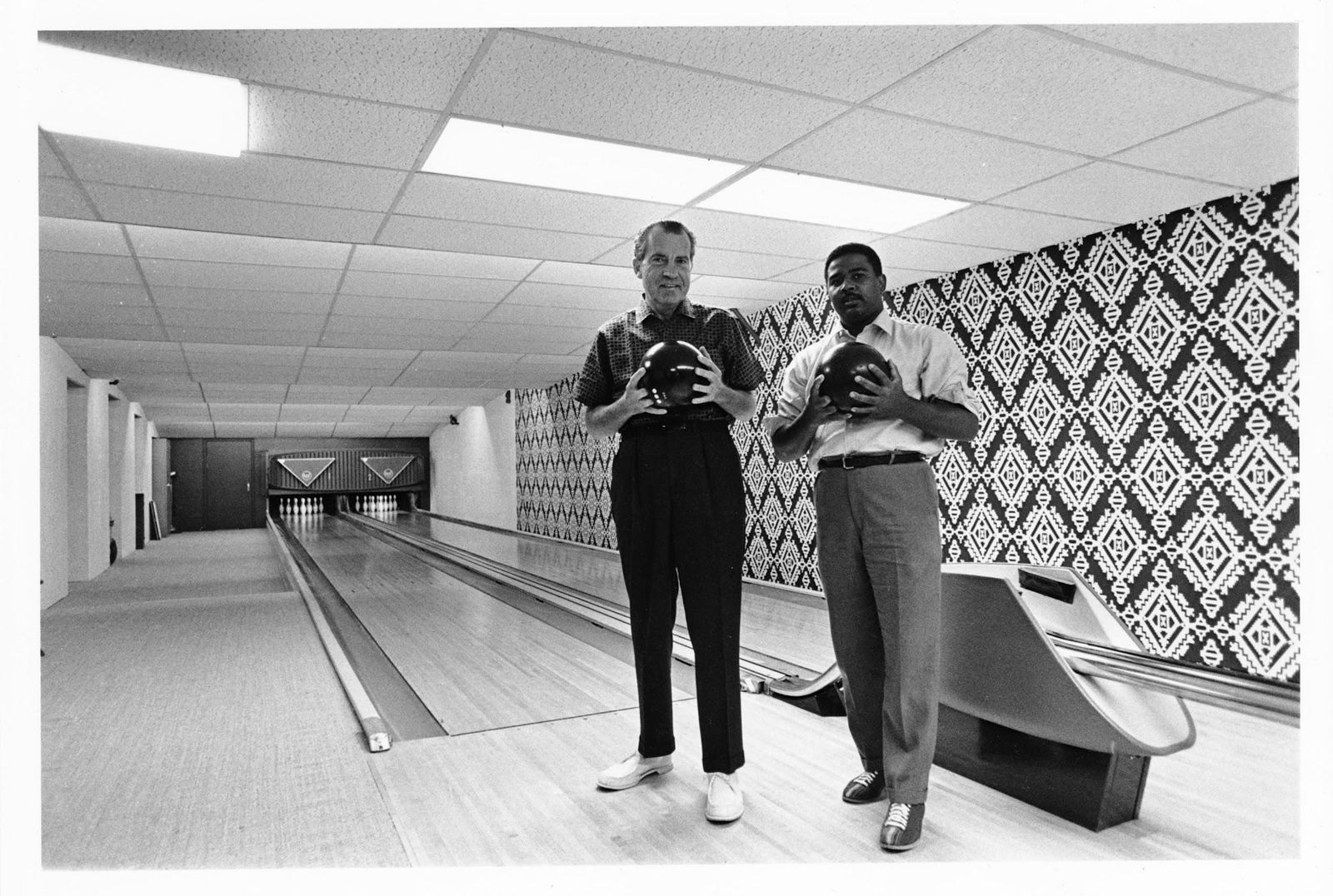
Not every White House renovation happened due to war, damage, or urgent repairs. Some changes came simply from the personal tastes and hobbies of the presidents who lived there, and over the years, there have been quite a few memorable ones.

In 1973, Richard Nixon installed a one-lane bowling alley beneath the North Portico. Years later, in 1989, George H. W. Bush added a regulation horseshoe pit near the White House grounds, where he often relaxed and challenged visitors, including Queen Elizabeth II, to games. Then, in 2009, Barack Obama had the South Lawn tennis court modified so it could also be used for basketball, one of his favorite sports.

6
Jackie Kennedy's furniture
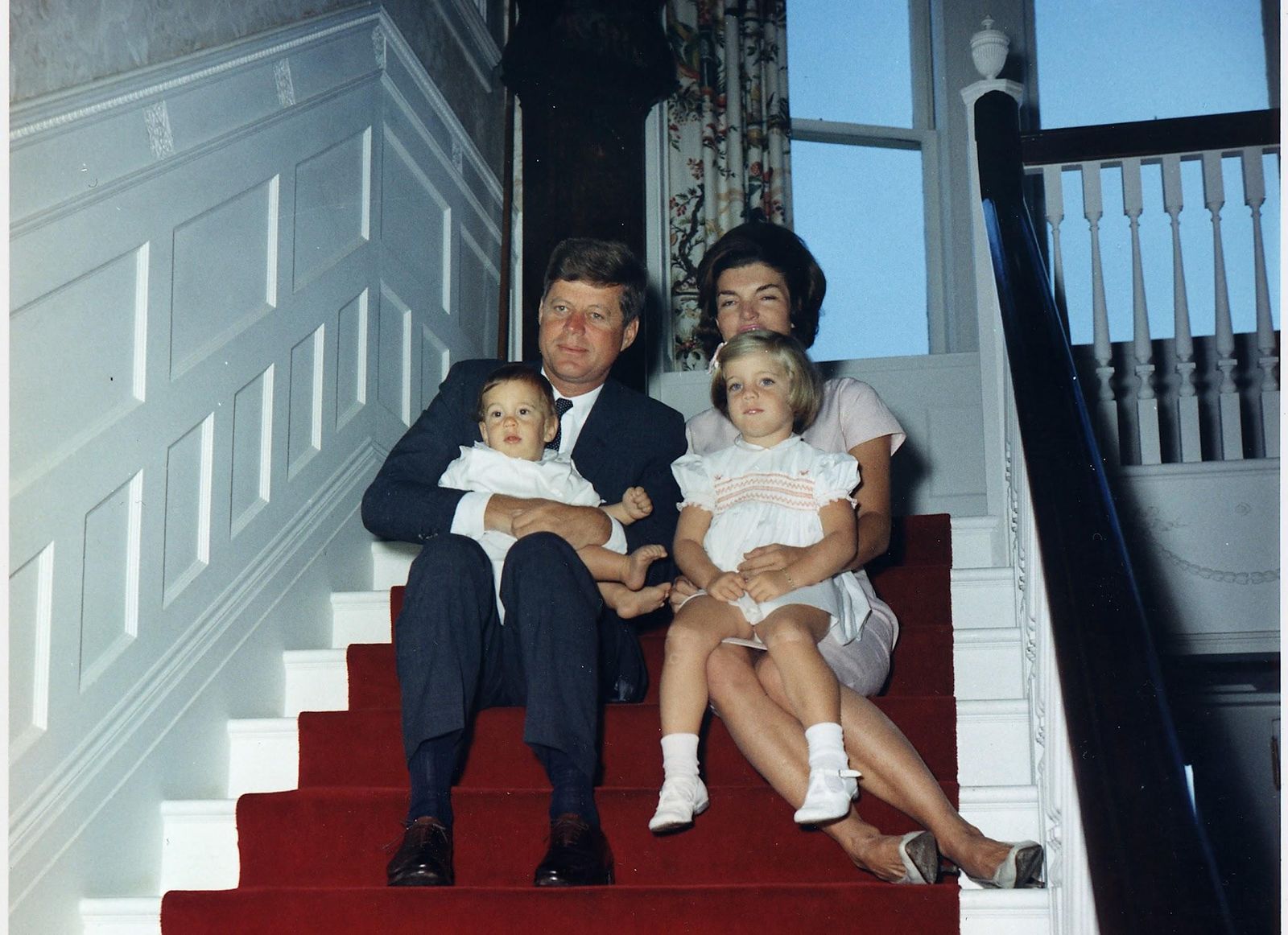
Image: Robert LeRoy Knudsen, Public domain, via Wikimedia Commons

When the Kennedy family entered the White House in 1961, the first lady was disappointed to find that many of the historic rooms had lost much of their original character.

Determined to restore the White House’s history and elegance, Jackie Kennedy famously launched a massive restoration effort. She helped create the White House Fine Arts Committee, brought in historians and curators, and filled the residence with genuine antiques and historical pieces tied to past presidencies. On February 14, 1962, an estimated 46 to 56 million people tuned in to watch the First Lady’s televised tour of the White House, making it one of the most-watched programs of its era. She also supported a congressional act that made many of the White House’s historic furnishings official property of the nation, so future presidents could no longer sell, replace, or discard them.

7
Official name changes
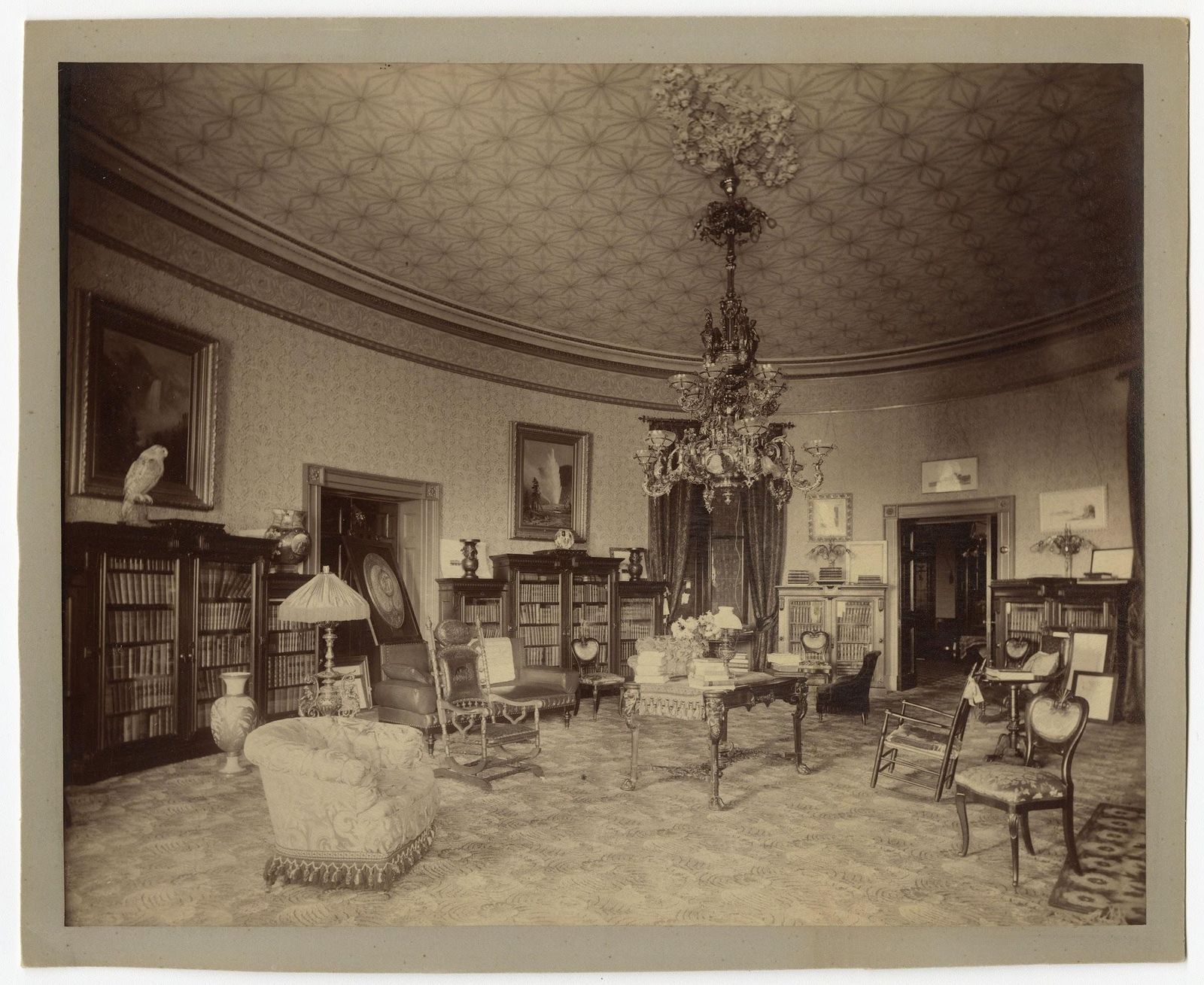
Image: Benjamin Harrison Presidential Site, Public domain, via Wikimedia Commons

As we mentioned, the building was not always white, and therefore was not always officially called the White House. For much of the 19th century, Americans usually referred to it as the "Executive Mansion" or the "President’s House." Even after its famous white exterior made the nickname popular, it still was not the building’s official name.

That finally changed in 1901, when Theodore Roosevelt began printing "The White House" on presidential stationery. According to official sources, Teddy Roosevelt preferred this name because it clearly separated the president’s residence from the many state "executive mansions" used by governors across the country.

8
It was once America's largest house
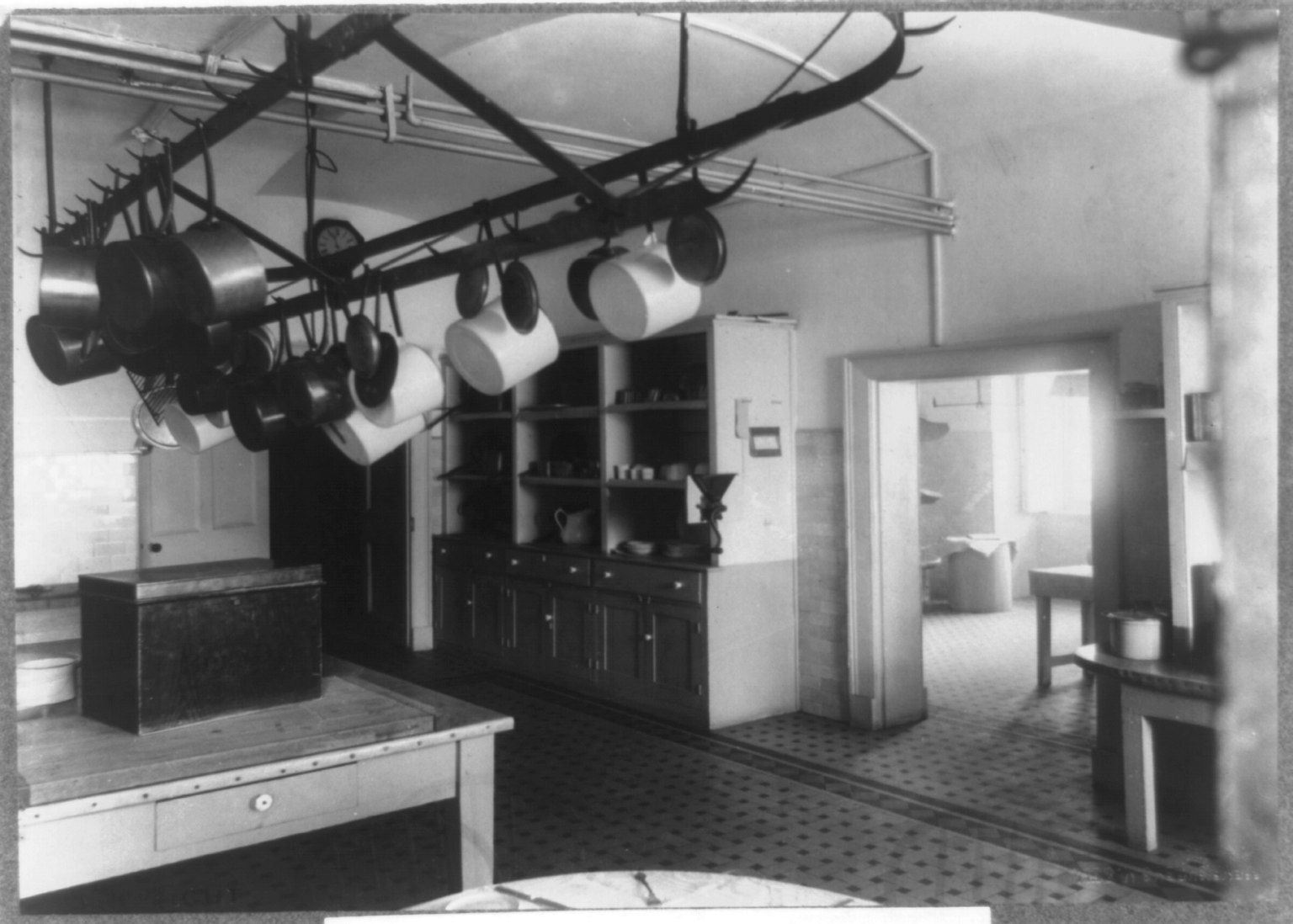
Image: Miscellaneous Items in High Demand, PPOC, Library of Congress, Public domain, via Wikimedia Commons

There is one thing about the White House that no one can deny: it has always been huge, even in its early days.

When the White House was first occupied in 1800, it already contained more than 100 rooms spread across three floors, making it one of the grandest homes in the United States at the time. In a time when most Americans lived in modest houses or farms, the presidential residence was seen as a palace. Many historians even consider it the largest private residence in the country during its early years. Today, the White House covers about 55,000 square feet, though modern private buildings, like the Biltmore Estate in North Carolina, are now far larger.

9
President Benjamin Harrison’s fear
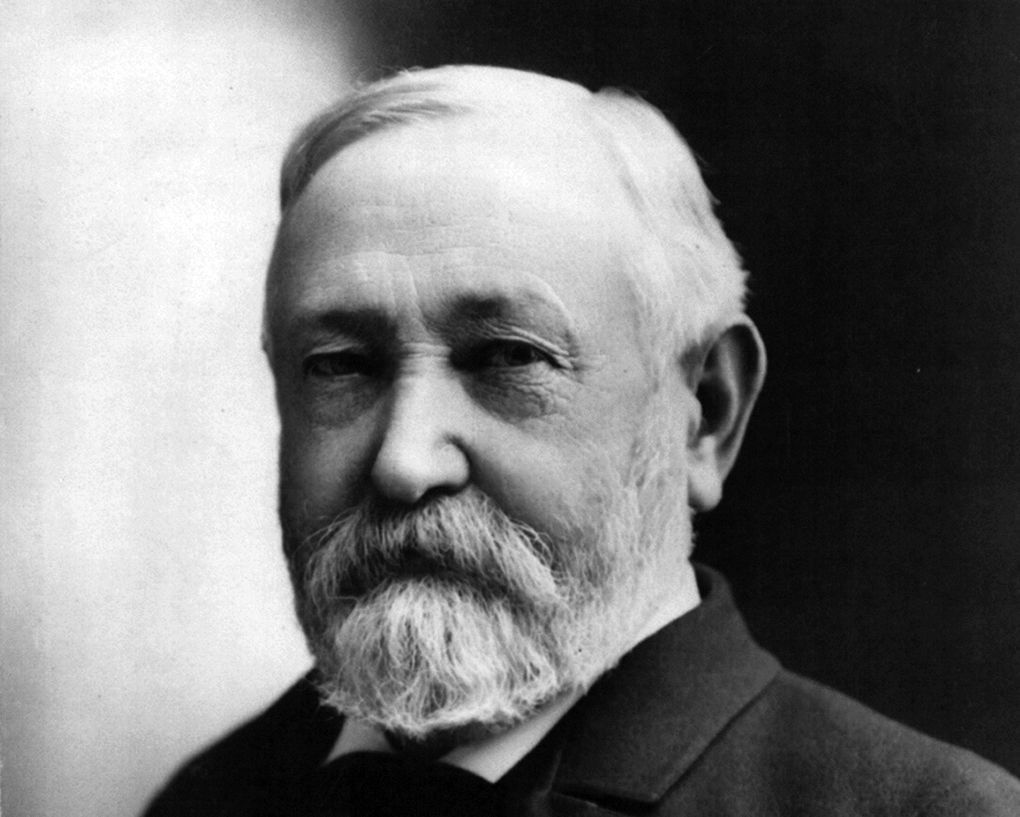
Image: Joseph Gray Kitchell (1862–1945)[1], Public domain, via Wikimedia Commons

Among the many changes the White House has undergone over the years, few were as revolutionary as the arrival of electricity.

For nearly a century after it was built, the presidential residence relied on candles, oil lamps, and gas lighting. That finally changed in 1891, when electricity was installed during the presidency of Benjamin Harrison. But, like many families in that era, the Harrisons were not exactly thrilled by this modern invention. According to White House stories passed down over the years, President Harrison and First Lady Caroline Harrison were so nervous about the possibility of electric shock that they rarely touched the light switches themselves. Instead, they often asked the house staff to turn the lights on and off for them.

10
Hillary Clinton’s special gift
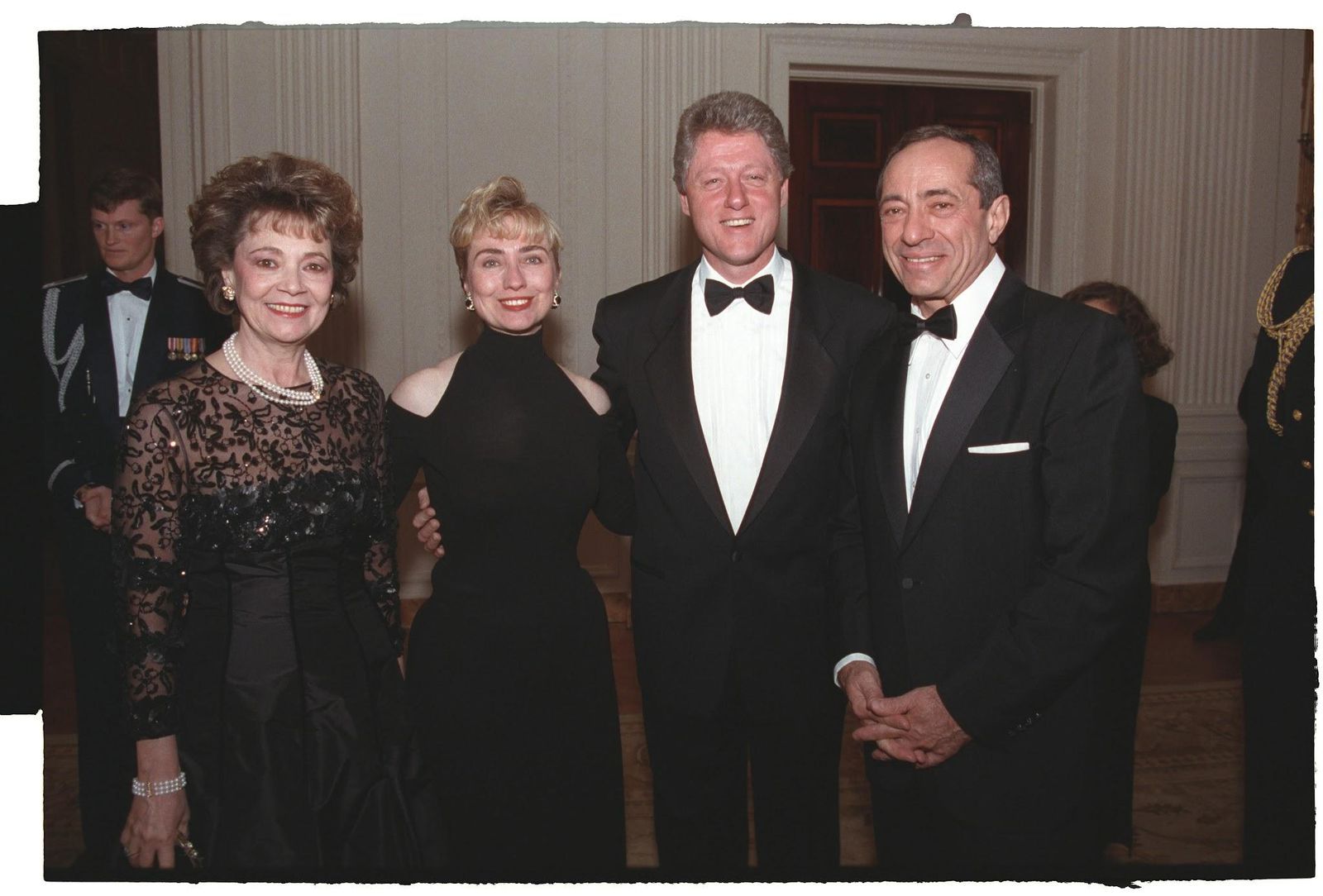
Image: Ralph Alswang, Public domain, via Wikimedia Commons

Of course, Jackie Kennedy wasn’t the only First Lady to leave her mark on the White House. Hillary Clinton added her own personal touch as well, this time as a gift for her husband.

In 1996, Hillary Clinton transformed a little-used room on the White House’s third floor into a private music room for President Bill Clinton. The gift came during the year of Bill Clinton’s 50th birthday and reflected one of his best-known passions: music. Complete with space for listening to records and playing his famous saxophone, the room gave the president a quiet retreat inside the White House.

General General 3 min read

License and registration, please!

Watch out where you drive! Learn about 12 weird traffic laws in America

Image: Diane Picchiottino

Many laws have been created in response to specific situations to prevent similar incidents from happening again. It’s hard not to imagine these 12 laws originating from such circumstances. At some point in history, someone in Massachusetts drove a car with a living gorilla in the backseat. Someone in Alabama drove blindfolded. Someone in Ohio circled the town square more than 100 times. These individuals are the reason we have these strange traffic laws today. Which one surprises you the most?

1
No blindfolded driving in Alabama

Image: Kirill Balobanov

As we said in the introduction, these situations are likely born out of real incidents. At some point, someone must have driven blindfolded in Alabama , and the consequences were serious enough for state legislators to enact a law preventing it from happening again—a reasonable measure if you ask us.

2
No driving with dogs on the roof

Image: Tadeusz Lakota

As terrible and infuriating as it may sound, there is a very real possibility that someone drove with a poor dog tied to the roof of a car in chilly Alaska . Thankfully, local legislators passed a law prohibiting this dangerous and cruel situation.

3
No reverse driving

Image: Hunter Wiseley

This law makes no sense, and we bet—or at the very least hope—that it’s no longer enforced. Otherwise, how would Arizonans back out of their driveways without breaking the law?

Believe it or not, traveling in reverse on an Arizona road is illegal .

4
No horn honking at the sandwich joint

Image: Simon Daoudi

While it can certainly be an annoyance to hear cars honking when you’re trying to enjoy a Croque Monsieur and a diet soda at your favorite spot, most of us wouldn’t expect a state law banning it.

But in Arkansas, it’s illegal to honk a horn after 9 p.m. outside an establishment that serves sandwiches and cold drinks .

5
No jumping out of the car at 65 mph or faster

Image: Mathias Arlund

This one seems more like common sense than anything else, but apparently, enough people attempted this stunt in California for state legislators to pass a law making it illegal to leap out of a moving vehicle traveling at 65 mph or faster .

6
No black vehicles on a Sunday

Image: Steven Erixon

But what if your car is black and you need to drive somewhere? Hopefully, this law is no longer enforced in Colorado. Yet, for some reason lost to time, it’s illegal in this state to drive a black vehicle on a Sunday .

7
No speeding tickets for politicians

Image: Sumeet Kapadia

This one is downright infuriating. In Georgia, it’s illegal to ticket a member of the assembly for speeding while the assembly is in session. It should come as no surprise—after all, those same assembly members are the ones responsible for this law.

8
No driving with a gorilla in the backseat

Image: MARIOLA GROBELSKA

People in Massachusetts don’t need a law to tell them that driving around with a living gorilla in the backseat is a bad idea—that’s just common sense. But just in case, there’s a state law explicitly prohibiting it.

9
No camel-ridding on the highway

Image: Oskars Sylwan

Camels are great for desert travel but not so much for highway traffic. And no US state is more certain of this than Nevada, where it’s illegal to ride a camel on a highway .

10
No driving around the town square

Image: Felix Mittermeier

Driving around the town square can be a popular Saturday night activity in some towns, but someone in Ohio must have taken it to the extreme. In this state, it’s illegal to circle the town square more than 100 times in a row .

11
No reading comic books while driving

Image: Erik Mclean

For public safety alone, reading while driving should be illegal everywhere. But in Oklahoma, it’s specifically illegal to read comic books while driving —not newspapers, not hardcover novels—just comic books.

12
No driving with intoxicated passengers

Image: Jamie Street

Driving under the influence of alcohol is highly dangerous and, fortunately, banned almost everywhere. But in Texas, legislators have taken it a step further, making it illegal to drive if any alcohol is within arm’s reach of the driver —including if that alcohol is in another person’s bloodstream.

Geography Geography 4 min read

The best is always inside

10 amazing spots to visit in the Midwest (if you haven’t already)

Image: Konrad Burdyn

The United States of America is such a huge country, with so many different regions, that it might sometimes feel overwhelming to choose one vacation spot beyond the usual favorites. Midwesterners know better and are savvy about the infinite possibilities offered by the region where they reside. But the rest of us could probably use a bit of guidance in this area. The following ten range from huge cities to small car-less spots, all equally fun. Have you ever been to any of these?

1
Waterpark Capital of the World, Wisconsin Dells

Image: Kenny Eliason

Waterparks are a funny thing. Adults go there almost exclusively to take their kids, but end up enjoying themselves, sometimes even more than the younger ones. Self-proclaimed as the " Waterpark Capital of the World ," Wisconsin Dells offers fun and adventure for kids and the aforementioned kids at heart.

Its multiple resorts include Noah’s Ark, the largest outdoor waterpark in the world, The Wilderness Resort, which has the largest indoor-outdoor combination, Bigfoot Ziplining, The Original Wisconsin Ducks, Devil’s Lake State Park, boat tours, spas, golf courses, casinos and much more.

2
City of Big Shoulders, Chicago

Image: Sawyer Bengtson

The Windy City needs no introduction but no Midwestern treasures list would be complete without mentioning it. As the Midwest's largest metropolitan area, Chicago is a popular option for a weekend getaway. It houses numerous parks, including ones with lakefront beaches, or iconic sculptures like "The Bean."

Its incredible architecture is best viewed from the water during a river cruise or while boating on Lake Michigan. Its virtually i nfinite food options , ranging from Greek to Mexican to Polish, and its world-class museums , make for a must-visit.

3
Museum City, Kansas City

Image: gilber franco

Sitting on the state line between Missouri and Kansas, the City of Fountains has a vast assembly of museums ready to be discovered by visitors from all over the world.

From local landmarks like the Nelson-Atkins Museum of Art, boasting an impressive collection of over 34,000 pieces and 5,000 years , the National WWI Museum and Memorial, The Negro Leagues Baseball Museum, to the newly renovated Harry S. Truman Presidential Library and Museum, this city has it all.

4
Ozarks Lake, Missouri

Image: K. Mitch Hodge

Long before the TV series of the same name, the Ozarks was a region famous for its natural beauties, entertainment opportunities, and multiple cuisine options. This expansive reservoir with more than 1,100 miles of shoreline has spots like Lake of the Ozarks State Park, Bridal Cave, and various restaurants and resorts.

And if the water activities are not your thing, you can visit the links at one of several golf courses or enjoy a day of wine tasting on the Lake of the Ozarks Wine Trail.

5
Wining and dining, Traverse City

Image: Pablo Merchán Montes

Traverse City may be famous for its slices of pie and tart cherries, which can be found at farm stands across the Up North region through late summer. But it has much more to offer its visitors.

Acres of wineries and orchards all along the Leelanau and Old Mission peninsulas' rolling hills are complimented by the Lake Michigan scenery and the nearby Sleeping Bear Dunes National Lakeshore. And, when the summer season is over, the Traverse City area also boasts enviable skiing terrain, fat-tire bike trails, and snowmobile routes , making it an attractive destination for winter recreation.

6
Hiking paradise, Duluth

Image: Tom Gainor

This Minnesotan city located on the shores of Lake Superior is an ideal spot for a weekend getaway. Visitors of the Canal Park area can bike or walk along the Lakeway , a nearly 8-mile path that follows the shoreline, take pictures of the Aerial Lift Bridge , and explore local art galleries .

Travelers can also tour all 39 rooms at Glensheen, a historic estate built in the early 1900s, or book a first-class ticket in a domed train car on the North Shore Scenic Railroad. And, when hunger strikes, Duluth boasts a generous selection of lakeside eateries and breweries.

7
Family trip favorite, Omaha

Image: Andrew Seaman

Whether you are into history, nature, arts, or the food scene, Omaha has it all. And, with attractions like the Omaha Children's Museum and the Henry Doorly Zoo and Aquarium , this city is a great choice for a family trip.

The Durham Museum is a great place for history buffs, the Lauritzen Gardens Botanical Center has an impressive collection of plants flowers, and trees, and its noteworthy restaurants and bars attract culinary visitors from around the world.

8
Black Hills National Forest, South Dakota

Image: Frank Thiemonge

The amazing Black Hills National Forest can be found at the western edge of South Dakota, where a small mountain range is surrounded by 1.2 million acres of protected wilderness, making it a haven for outdoor activities.

Visitors of the Black Hills can hike, bike, ride horses, rock climb, and visit the Mount Rushmore National Memorial , which features giant mountainside busts of four American presidents.

9
Small-town charm, Mackinac Island

Image: leah hetteberg

If you are looking for a holiday destination with no cars or chain hotels and, instead, horse-drawn carriages and bed and breakfast accommodations in family-owned hotels , Mackinac Island might be the place you are looking for. Located between Michigan's Upper and Lower peninsulas, this Lake Huron island beckons to visitors who want to relax and unwind.

Mackinac Island State Park occupies most of the island, providing visitors with countless opportunities to enjoy outdoor activities like hiking, biking, horseback riding , and a variety of eateries serving everything from American classics to its famous fudge.

10
Prince’s legendary Paisley Park Studios, Minneapolis

Image: DJ Johnson

The former home and recording studio of the "Purple Rain" composer is located outside of Minneapolis in Chanhassen, Minnesota. Prince built Paisley Park back in 1987 and lived here until he died in 2016.

His Royal Badness himself requested that his home be open to the public after his death and now fans can tour the complex and see the studio where he recorded some of his biggest hits and the soundstage where he rehearsed for tours.

Explore more American facts

Choose your favorite category!

General
General

As American as apple pie—the very best America has to offer!

Culture
Culture

Delve into the astounding richness of American lore.

Geography
Geography

Hop in and explore vast and diverse American landscapes.

History
History

Discover the key moments that shaped the United States.