General General 6 min read

Remember these?

There’s still hope: 12 hobbies that make people put down their phones

Image: Angel Santana Garcia

There was a time when many of these hobbies seemed destined for the attic. Why bother developing film when your phone takes thousands of photos? Why buy records when millions of songs fit in your pocket? Yet across the world, people are once again baking bread, building models, growing vegetables, and even hunting for mushrooms. Or, maybe, they just never stopped. Maybe convenience isn't everything. Here are 12 wonderfully analog hobbies finding new life in a digital world.

1
Vinyl records are spinning again
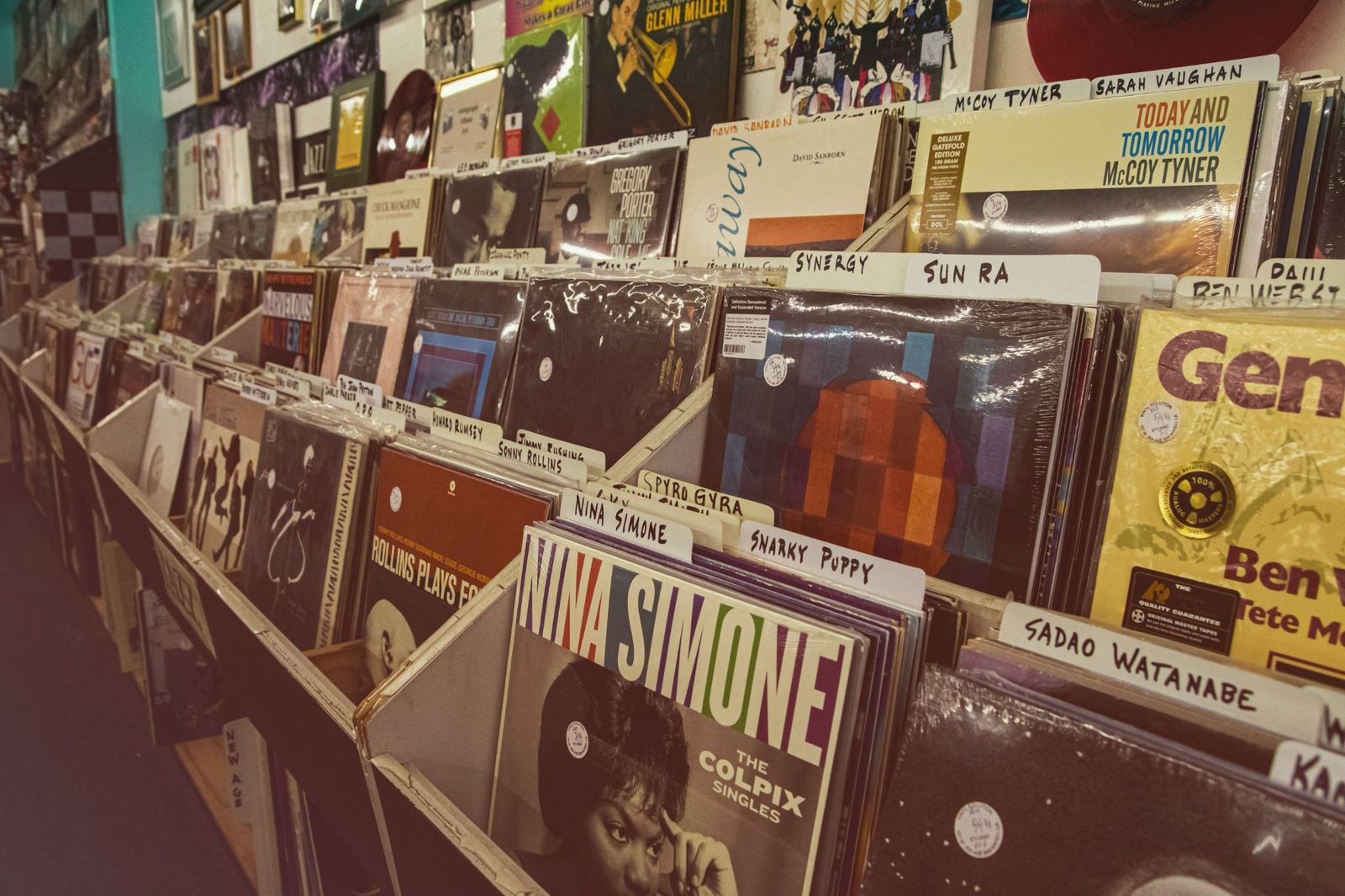
Image: Mick Haupt

For something declared obsolete decades ago, vinyl is doing remarkably well. According to the Recording Industry Association of America, U.S. vinyl revenue has now increased for 19 consecutive years. In 2025 alone, Americans bought 46.8 million vinyl albums, compared with 29.5 million CDs .

And this revival is happening in the age of streaming, not instead of it. Vinyl topped $1 billion in wholesale revenue in 2025, while streaming still dominated the music business. Apparently, plenty of listeners want both: instant access when convenient and a record they can hold, admire, drop a needle onto, and, yes, get up to flip halfway through.

2
Film photography gets another shot

Image: Mentor57

Digital cameras were supposed to send film the way of the floppy disk. Instead, a generation raised on smartphone cameras has discovered the novel-again pleasure of taking a picture without immediately seeing it . The comeback became difficult to dismiss when Ricoh introduced the Pentax 17, a brand-new 35mm film camera, in 2024.

The company specifically pointed to growing interest among younger photographers. Demand in Japan was so strong that Ricoh temporarily stopped accepting orders shortly after launch. Film hasn't disappeared from Hollywood, either: Kodak counted 33 film-shot productions at the 2024 Cannes Film Festival.

3
Game night isn’t over
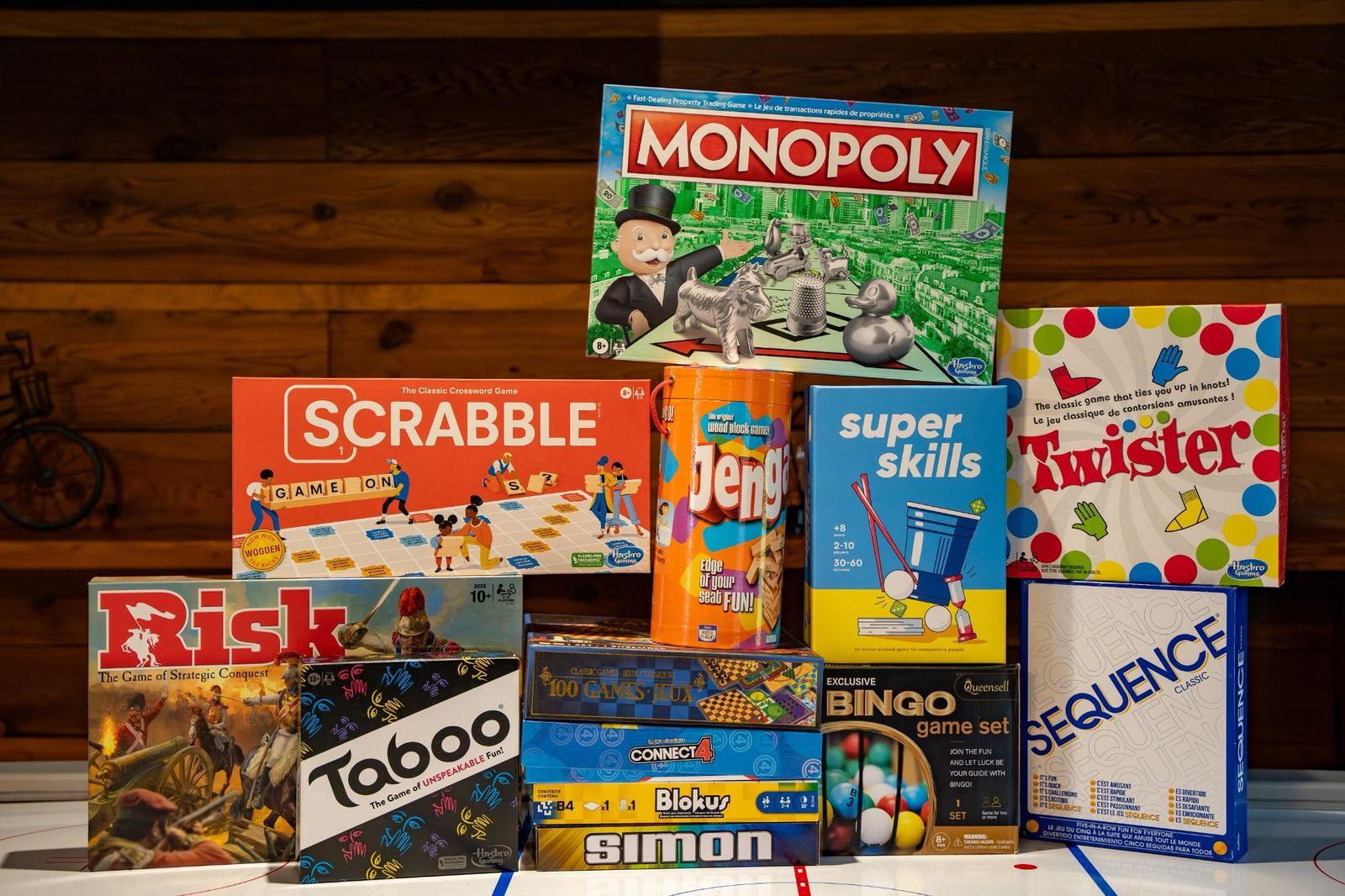
Image: Erman Gunes

Board games survived television, video games, and smartphones, and somehow came out cooler on the other side. Today's tabletop world extends far beyond Monopoly and Clue, with strategy games, role-playing adventures, collectibles, and board-game cafés turning an old family pastime into a thriving social hobby .

American spending reflects that enthusiasm. Circana reported that U.S. sales in the broader Games & Puzzles category jumped 37% in 2025 , although that figure also includes the booming Pokémon trading-card market. Adults are increasingly important customers, too.

4
Baking is back

Image: Ben Stein

Remember when everyone suddenly had a sourdough starter? The great bread-baking revival exploded during the pandemic spring of 2020, when homebound Americans transformed flour, yeast, water, and an abundance of spare time into homemade loaves.

King Arthur Baking shipped one million bags of flour to retailers in just two weeks in April 2020 . The company also found that 80% of previously infrequent bakers had started baking at least several times per month. The lockdowns ended; plenty of bread starters survived.

5
Birdwatching gains popularity

Image: FamVeld

Birdwatching may conjure images of binoculars, field guides, and extremely patient retirees, but modern American birding is much bigger than that stereotype. Maybe not NFL big, but still big. The U.S. Fish & Wildlife Service estimated that approximately 96 million Americans aged 16 and older participated in birdwatching in 2022: roughly 37% of that population .

Most didn't travel to remote forests. About 91 million watched birds around their homes, while 43 million ventured at least a mile away specifically to see them. Birders also spent billions on trips and equipment. Smartphones have unexpectedly helped the hobby, allowing beginners to identify calls and photograph unfamiliar species. Sometimes technology's best trick is getting us to look away from it.

6
Model kits build a new audience

Image: Kamil Zajaczkowski

Model building never completely vanished. Dedicated hobbyists kept assembling miniature cars, aircraft, ships, trains, and military vehicles while other generations moved toward digital entertainment. But the basic satisfaction of turning a box full of tiny pieces into something recognizable is finding fresh admirers.

The hobby has also become far more international . Japan's Gundam model kits, commonly called Gunpla, have become a global phenomenon, with manufacturer Bandai Namco reporting that overseas sales were approaching half of total model-kit sales in 2024 . Whether the finished product is a WWII fighter or a giant Japanese robot, the attraction remains wonderfully old-fashioned: patience, precision, paint, glue, and something real to put on the shelf afterward.

7
Knitting and crochet are cool again

Image: Marina Ermakova

Grandma may have been onto something. Knitting and crochet have joined a broader resurgence of so-called "grandma hobbies," with younger adults embracing needles, hooks, and yarn as a welcome alternative to endless scrolling. The pandemic gave fiber crafts an additional boost, but enthusiasm continued after people were free to leave their homes again.

The appeal isn't difficult to understand. A Craft Yarn Council survey of more than 5,000 knitters and crocheters found that enjoyment was the leading motivation, while stress relief, creativity, and gift-making were also common reasons. Unlike another hour spent online, an evening crocheting leaves behind physical evidence that you actually did something.

8
Canning makes a comeback
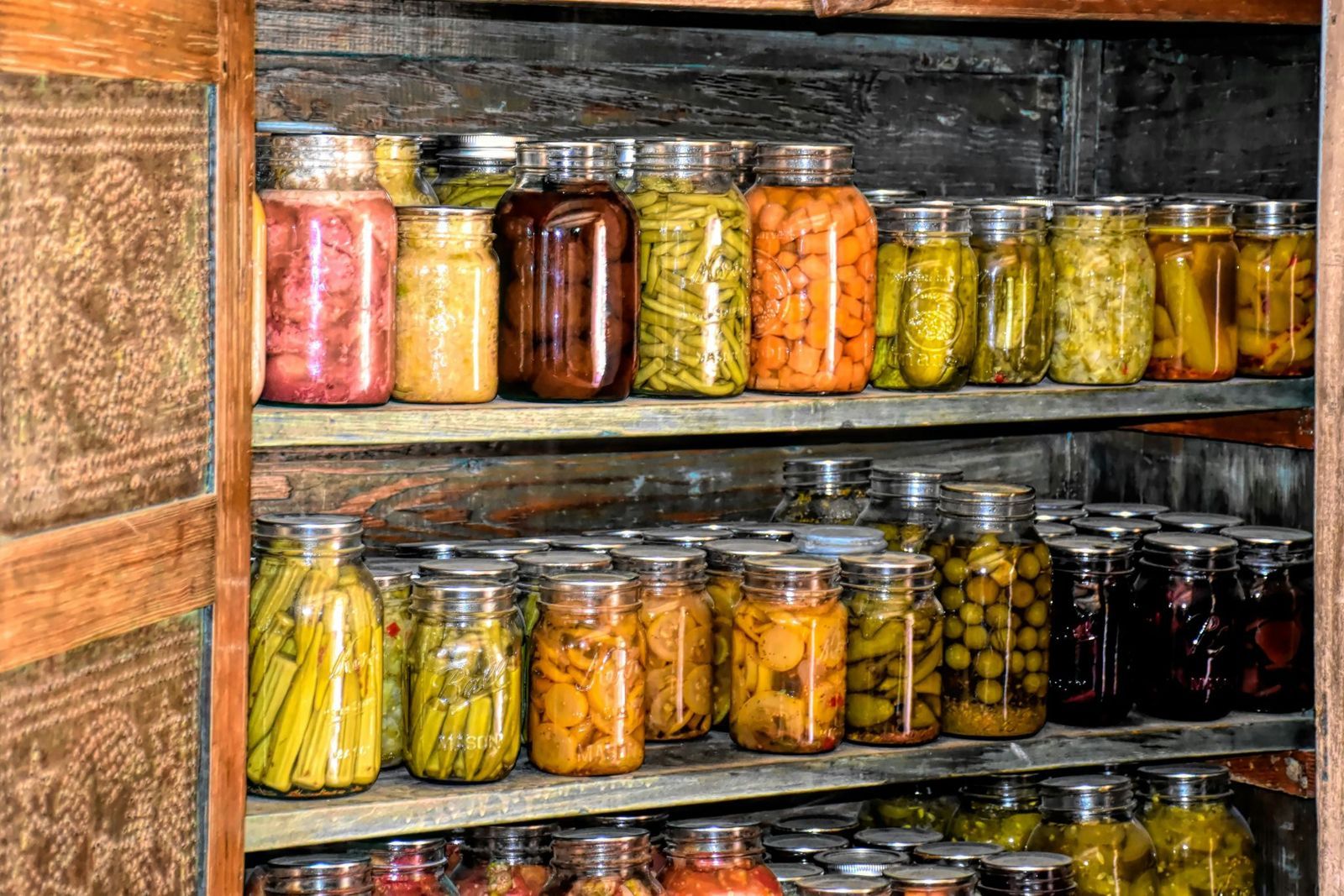
Image: Ray Shrewsberry

For generations of Americans, late summer meant turning a garden's excess tomatoes, cucumbers, and berries into shelves filled with jars. Supermarkets and freezers made home preservation less essential, but the practice never disappeared, and t he pandemic gave it an unexpected jolt .

The University of Minnesota Extension says interest in home food preservation surged during COVID-19 and remains popular, helped by gardening, farmers' markets, household budgets, and efforts to reduce food waste. Today's enthusiasts aren't limited to canned tomatoes, either: pickling, fermenting, drying, freezing, jams, and jellies are all part of the revival.

9
Book clubs are back too

Image: LightField Studios

A book club may be one of the simplest social technologies ever invented: read something, meet other humans, and talk about it. That formula still works remarkably well. Physical bookstores and libraries remain gathering places, while younger Americans haven't abandoned printed books nearly as completely as the arrival of e-readers once suggested.

The concept is evolving, too. Silent Book Club, founded in San Francisco in 2012, reverses the usual formula: members gather together but bring whatever book they happen to be reading. By 2025, the organization said it had more than 1,500 chapters around the world .

10
Painting becomes a night out

Image: Alfonso Soler

Paint-and-sip nights put a modern spin on an extremely analog activity. Instead of sitting alone with an easel, participants gather in studios, follow an instructor, socialize, and usually enjoy a drink while attempting to produce something vaguely resembling the example at the front of the room.

One of America's biggest paint-and-sip businesses grew from an unlikely place. Cathy Deano and Renee Maloney started what became Painting with a Twist in Louisiana in 2007, following Hurricane Katrina . Originally called Corks & Canvas, it offered residents a fun communal escape while the region recovered. The idea eventually expanded to roughly 300 franchise locations.

11
Home gardens are getting bigger

Image: Sandie Clarke

You don't need a farmhouse, or even a backyard, to grow food. Container gardening has brought an old American pastime onto balconies, patios, rooftops, and tiny urban spaces, where tomatoes, peppers, herbs, flowers, and even strawberries can thrive inside surprisingly modest pots.

Gardening's broader popularity remains enormous. The National Gardening Association estimated that 122.3 million U.S. households participated in some form of lawn or garden activity in 2024, including 51.8 million that grew vegetables . The idea isn't new: a predecessor of today's USDA was publishing advice about "The City and Suburban Vegetable Garden" back in 1918.

12
Foraging is cool
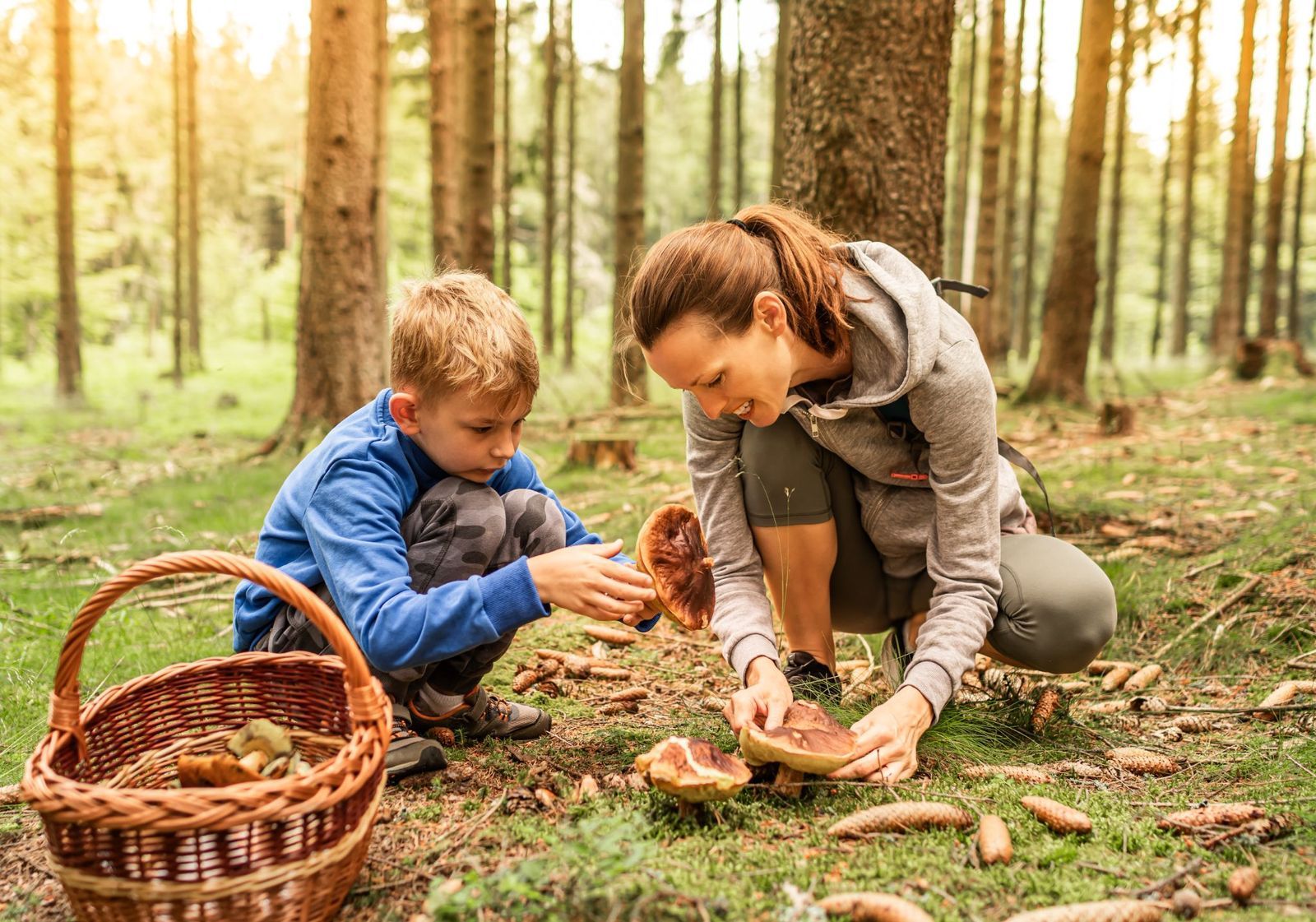
Image: KieferPix

Of all the hobbies on this list, foraging is undoubtedly the oldest. Long before supermarkets existed, knowing which plants, berries, nuts, and mushrooms were edible was simply part of staying alive. Today, Americans are voluntarily heading back into the woods to rediscover some of that forgotten knowledge.

Interest has become particularly noticeable among younger adults. Iowa State University Extension reported strong demand for mushroom-identification programs, including a two-year backlog of interested participants and classes regularly reaching their 30-person limit. Of course, this hobby requires more caution than knitting: a misidentified mushroom can be dangerous. Learning from experienced experts is essential.
Geography Geography 4 min read

Discovering America

What's the easternmost point of the US? If you say Maine, think again!

Image: Jon Sailer

We’ve all picked up "facts" about the fifty states somewhere along the way, but not all of them hold up. Some are half-truths passed around for generations , others are just plain wrong. So, in an attempt to set the record straight once and for all, we’ve gathered some fun truths that clear up the biggest mix-ups about our states.

1
Arizona skips Daylight Saving Time

Image: Christoph von Gellhorn

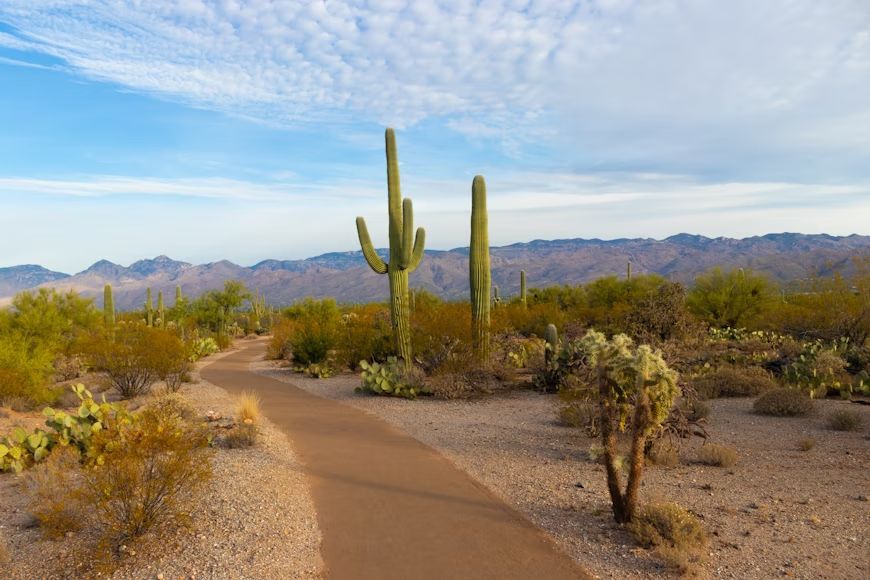
This is partly true because most of the state doesn’t bother with Daylight Saving Time . They stopped changing the clocks back in 1967. The exception is the Navajo Nation, which stretches into Utah and New Mexico and keeps DST so all its communities stay on the same schedule. Now, as for the smaller Hopi reservation, inside the Navajo Nation, it sticks with Arizona time… Yes, quite confusing if you’re not a local.

2
Georgia isn’t really the Peach State

Image: Jessica Furtney

Georgia loves its peaches, sure, but the state’s top fruit money-maker is actually blueberries . In recent years, blueberries have brought in several times more cash for farmers than peaches. Meanwhile, California grows far more peaches than Georgia ever has. The nickname stuck from the old days when Georgia peaches were famous for their flavor, not their volume. So while the pride is real, the peaches aren’t quite the powerhouse people may think.

3
Nevada didn’t record the hottest US temperature

Image: tommao wang

You probably think of Nevada’s desert heat as unmatched, but the all-time record belongs to California’s Death Valley . In July 1913, it hit a mind-melting 134 degrees Fahrenheit, the hottest temperature not only in America but the hottest ever recorded on Earth!

4
Minnesota doesn’t have the most lakes

Image: Tom Conway

Minnesota proudly calls itself the "Land of 10,000 Lakes," but that’s selling itself short… The real number is closer to 12,000. However, Alaska wins this battle . The state has more than 3 million lakes over five acres in size. In fact, Alaska contains over 40 percent of the nation’s surface water. If you love fishing, kayaking, or just staring at a quiet stretch of water, the true lake capital of America is far up north.

5
Pineapples aren’t native to Hawaii

Image: Christian Joudrey

Pineapples are everywhere in Hawaiian imagery, but the plant actually comes from South America , mainly Paraguay and southern Brazil. Spanish explorers likely brought them to Hawaii in the 1500s after spreading them across the Pacific to places like the Philippines and Guam. Hawaii’s climate turned out to be perfect for growing them and by the 1900s, the islands were producing so many pineapples that the fruit became a symbol of Hawaii itself.

6
Maine isn’t the country’s easternmost point

Image: Chris Henry

If you’re a Geography geek, you’ll love this one. You might picture Maine’s rocky coast as the eastern tip of America, but the actual easternmost point is thousands of miles away, on Alaska’s Semisopochnoi Island in the Aleutians. How is that possible? Well, that’s because it crosses the 180th meridian, putting it in the Eastern Hemisphere. That means part of Alaska technically sits farther east than anywhere in Maine.

7
The biggest US earthquake didn’t happen in California

Image: Lala Miklós

California has suffered some big earthquakes in its history, but the most powerful earthquake in America struck Alaska in 1964 . It hit Prince William Sound with a magnitude of 9.2. It was so strong it shook the ground for four and a half minutes and triggered massive tsunamis. In today’s dollars, the damage would total more than $2 billion. Alaska sits on a collision zone of tectonic plates, making it one of the world’s most seismically active regions.

8
The Everglades isn’t America’s biggest swamp

Image: Joshua J. Cotten

A lot of people picture the Florida Everglades when they think of swamps, but technically, the Everglades isn’t a swamp at all. The real title of the largest swamp in the United States goes to Louisiana’s Atchafalaya Basin , which spans about 1.4 million acres. This swamp has a vast mix of cypress forests, bayous, and marshes, and it’s more than twice as productive as the Everglades when it comes to wildlife and plant life.

9
Big cities aren’t always capitals

Image: Mackenzie Cruz

It surprises people how often the biggest city isn’t the state capital . New York City? Not the capital… Albany is. Chicago? Nope, that honor goes to Springfield. Pennsylvania’s capital isn’t Philly or Pittsburgh, it’s Harrisburg. Even California’s capital isn’t L.A. or San Francisco, it’s actually Sacramento. Out of fifty states, only seventeen have their most populous city as the capital.

10
Alaska isn’t divided into counties

Image: Rod Long

Alaska likes to do things its own way. Instead of counties, it’s split into boroughs , and a massive area known as the Unorganized Borough has no local government at all. People out there don’t pay property taxes, but that freedom comes with challenges, limited services, fewer job options, and tough living conditions.

General General 5 min read

What really happened to Woolworth’s?

Image: Shutterstock AI Generator

Remember grabbing school supplies or a milkshake at Woolworth’s ? Stopping by Blockbuster to rent a movie for the weekend? Or doing your grocery shopping at A&P ? What happened to these once-ubiquitous stores we thought we couldn't live without? Keep reading to find out why these beloved chains disappeared.

1
Woolworth’s

Image: ArDanMe

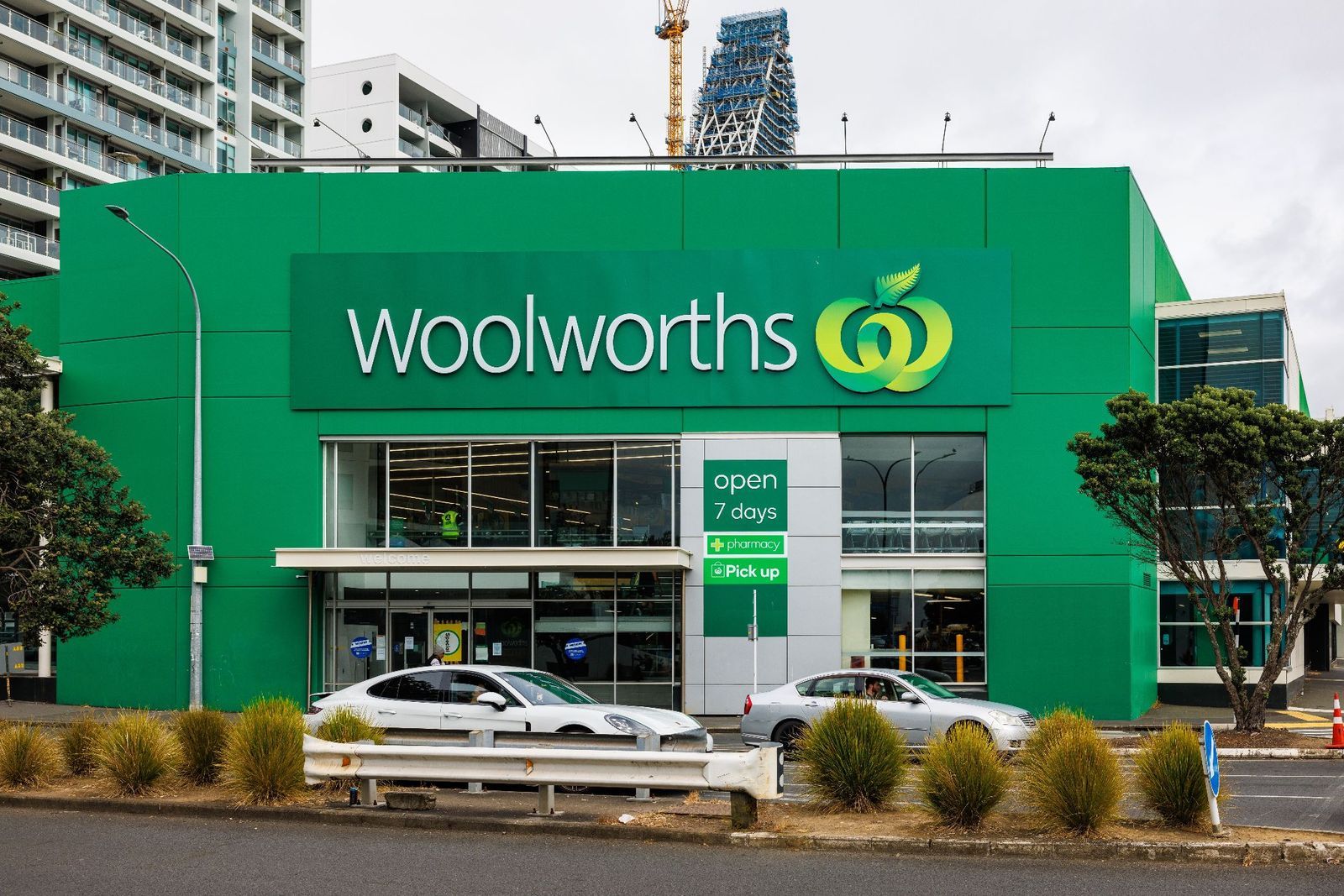
Woolworth’s was the place to buy everything from school supplies and toys to household goods and candy—or even to grab lunch. The first store opened its doors in Lancaster, Pennsylvania, in 1879. It was a five-and-dime shop, and the chain soon became one of America’s most recognizable retail names, with over 3,000 stores nationwide at its peak. So, why did it disappear?

With the steady rise of suburban shopping centers and large discount stores, Woolworth’s couldn’t keep up and began a slow decline in the 1960s that culminated in 1997, when it closed its final stores for good.

2
A&P

Image: Vladimka production

A&P used to be the spot to get everyday groceries. It began as a tea and coffee business in 1859 and later evolved into one of America’s biggest supermarkets with more than 16,000 stores in the country at its peak. But despite pioneering high-volume retailing, A&P couldn’t stick around.

Over the decades, newer competitors entered the market, and grocery shopping became more and more competitive. Walmart, Target, Aldi, Whole Foods—A&P failed to adapt and filed for bankruptcy twice, first in 2010 and again in 2015, and finally shut down in November 2015.

3
Blockbuster

Image: Jonathan Weiss

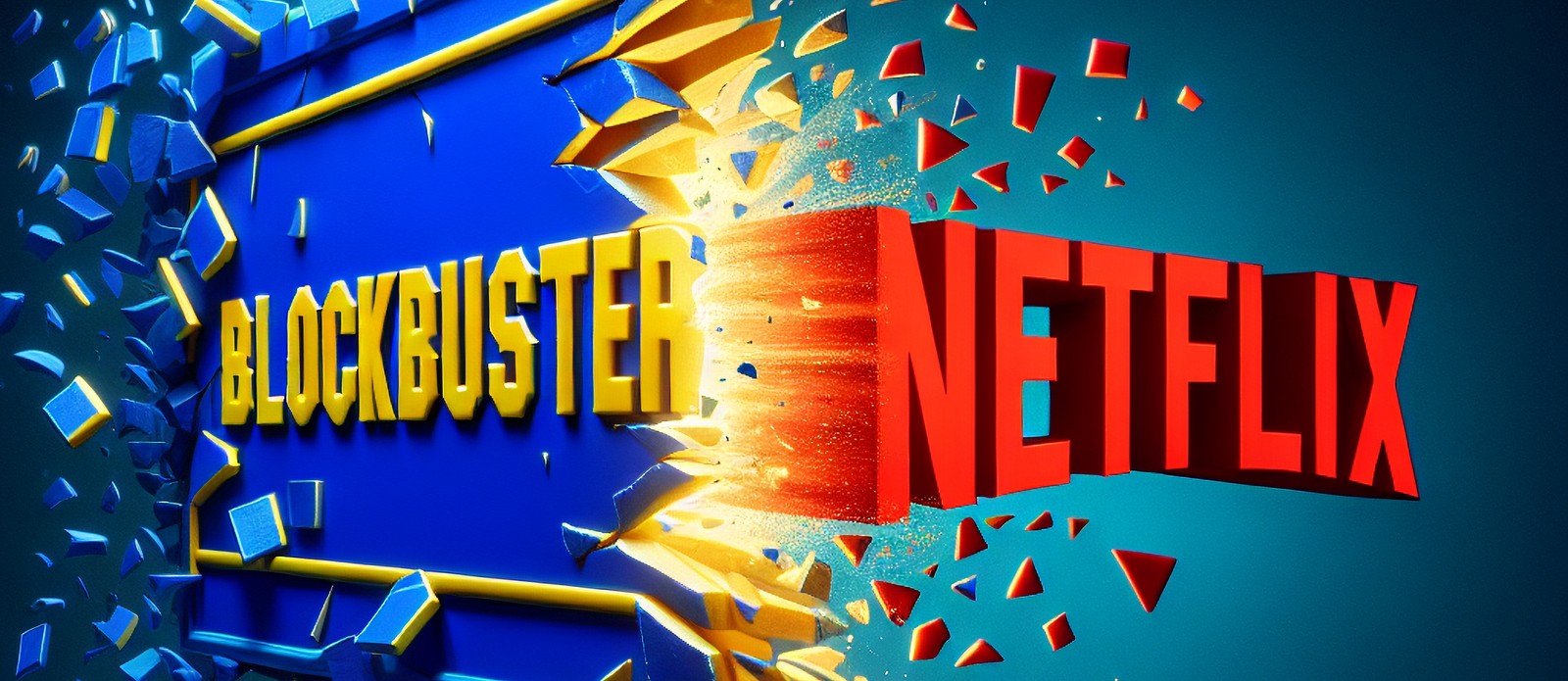
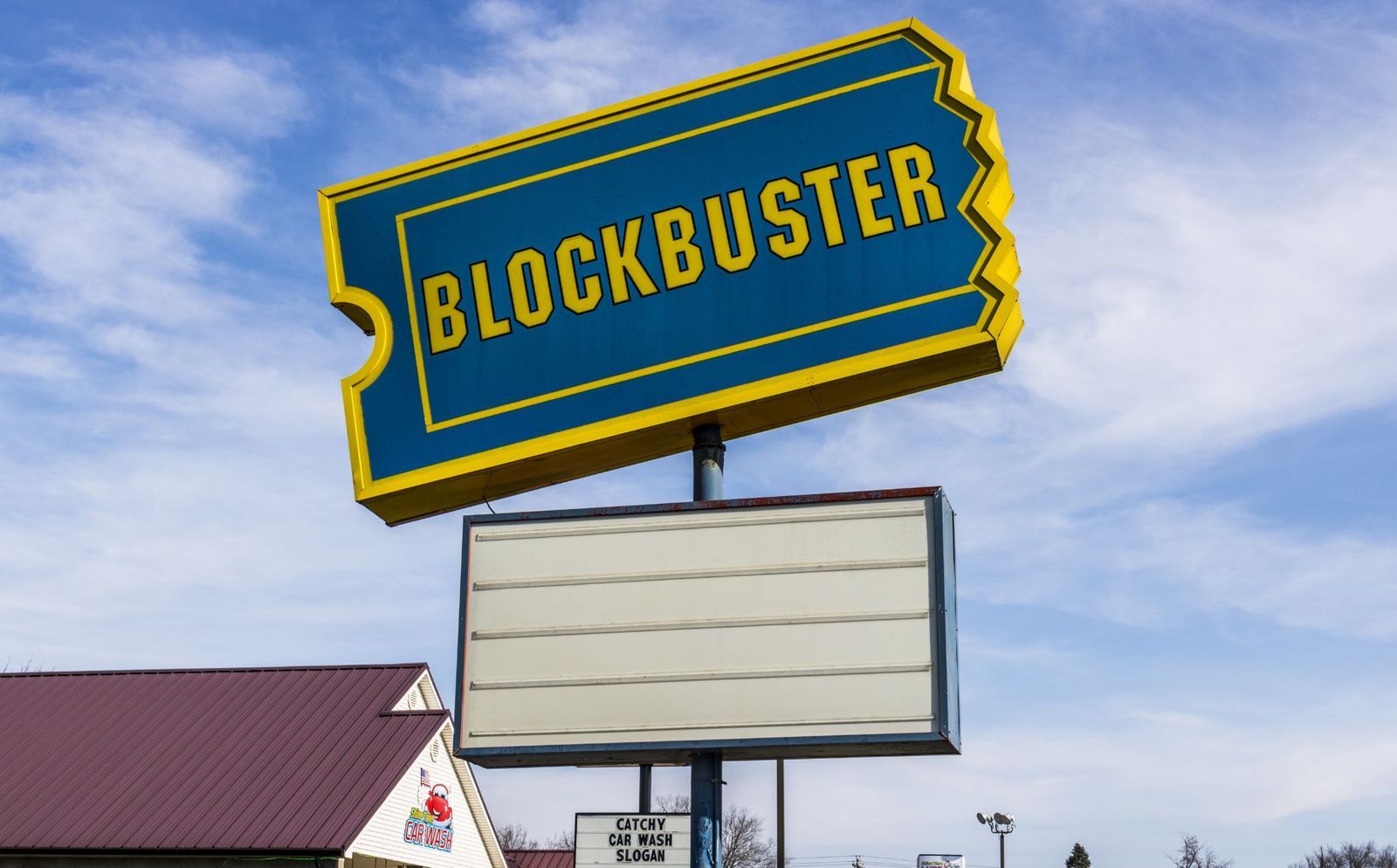
Blockbuster was the go-to for movie rentals . It dominated the market with 9,100 stores worldwide by 2004, about $6 billion in revenue, and thousands of movies to choose from—it was hard to imagine Blockbuster ever falling, but it did.

The rapid advancement of technology hit Blockbuster hard, with newer options like DVD-by-mail services, Redbox kiosks, and the final blow: streaming services like Netflix, Amazon Prime Video, Disney+, and more. All Blockbuster corporate-owned stores closed by January 2014; however, you can still visit one holdout location in Bend, Oregon.

4
Montgomery Ward

Image: Carmen K. Sisson

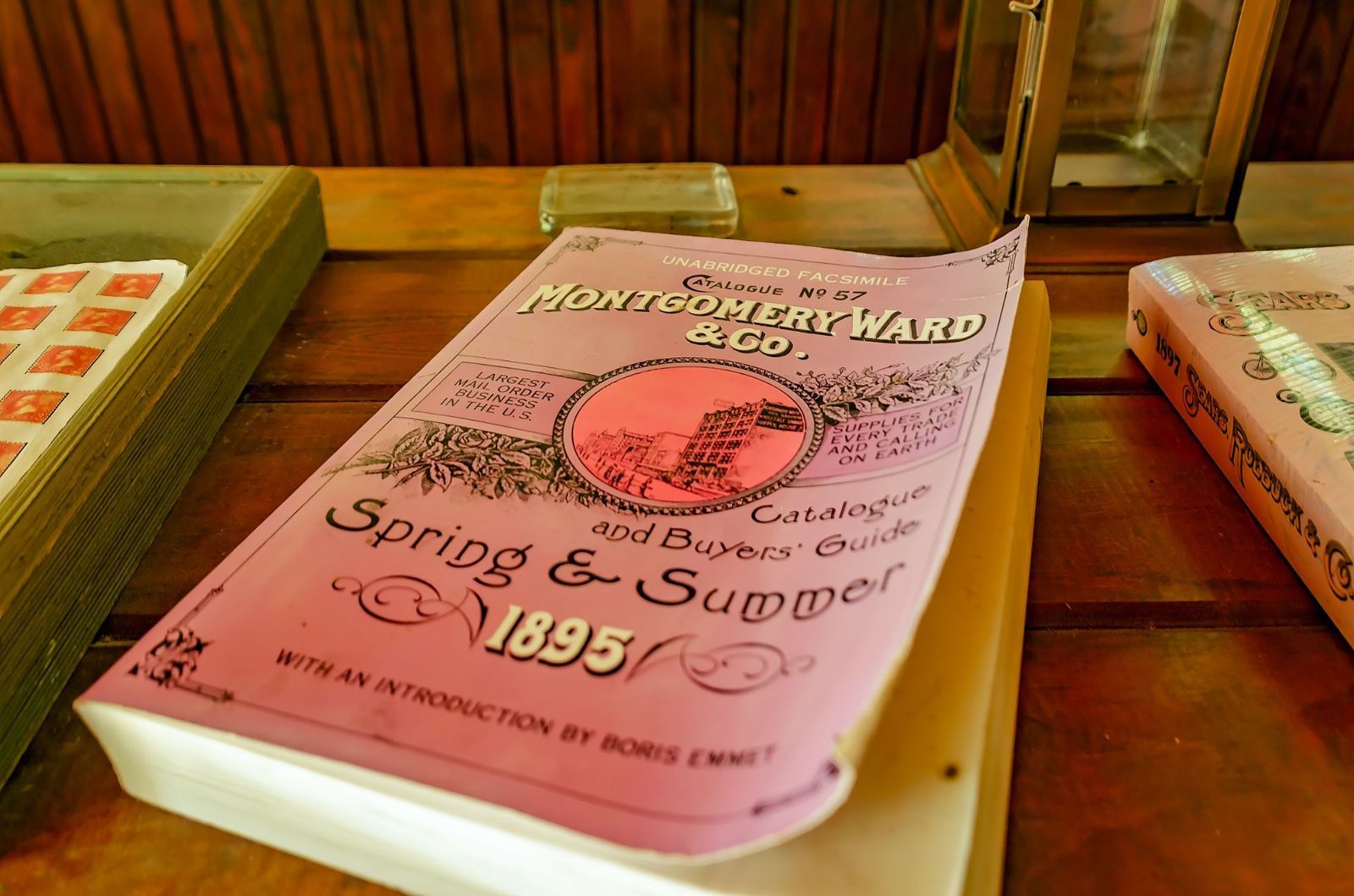
Long before Amazon, consumers could buy almost anything from Montgomery Ward from the comfort of their homes , and the company would ship it directly to them. It felt like online shopping before the internet. So why did it vanish?

To adapt to newer shopping habits, Montgomery Ward opened physical stores and started competing with brands like Sears; but once suburban malls and discount stores became widespread in the 1980s, Montgomery Ward couldn’t keep pace and eventually filed for bankruptcy in 1997 and again in 2001.

5
Circuit City

Image: LMPark Photos

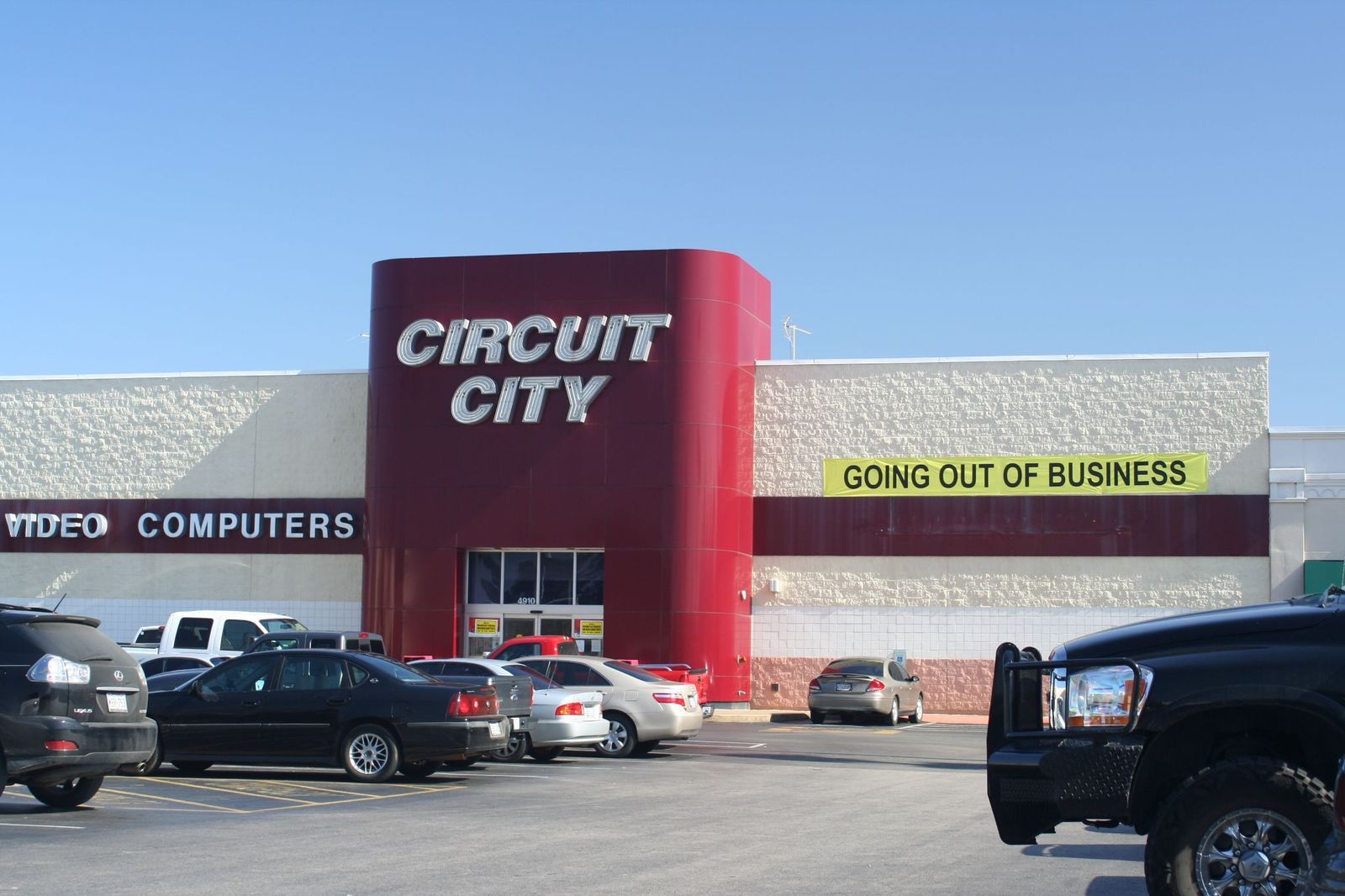
Circuit City started in 1949 and quickly became the source for TVs, stereos, VCRs, video games, and just about every kind of electronics , especially during the 1980s. The company continued growing by the early 2000s, expanding to more than 600 stores, though one controversial decision made it trip and fall.

Circuit City was already struggling to compete with Best Buy and Walmart. And in 2007, it replaced its commissioned sales staff with low-paid hourly workers, damaging customer service—often considered one of Circuit City’s biggest strategic mistakes. By March 2009, the chain was gone.

6
Caldor

Image: CC: 2.0 Ian Westcott

There was a time when one trip to Caldor could cover almost everything on your shopping list. Founded in 1951, it became a major one-stop discount department store . By the 1990s, it had grown to more than 150 stores across New York, Connecticut, New Jersey, and Massachusetts, but in 1995 it filed for bankruptcy. What happened in between?

Big box stores like Walmart and Target were expanding rapidly, and Caldor simply fell behind as people moved toward newer retail formats that combined department stores and supermarkets. Plus, the company took on a lot of debt in 1991, which only made things worse. Caldor finally closed for good in 1999.

7
Borders

Image: Raymond Vong Photography

Borders is a reminder of a time when buying a book was an experience, rather than just clicking a few buttons online. It opened in 1971 and set itself apart from other modern bookstores. At Borders, you could spend an entire afternoon browsing not just books, but music and DVDs or even grabbing a coffee.

Around 2003–2004, Borders had more than 1,200 stores worldwide , but it failed to adapt to an inevitable growing trend: online book sales. Amazon eventually took over, and Borders couldn’t stay in the game, closing its final location in September 2011.

8
G.C. Murphy

Image: Teresa Otto

Much like Woolworth’s, G.C. Murphy was a five-and-dime store that sold a little bit of everything and had lunch counters or snack bars where people would hang out. The company opened in 1906, and it operated more than 500 stores by 1976.

But once the traditional five-and-dime model came under pressure from discount giants, G.C. Murphy was forced to adapt. The chain did make some efforts and experimented with bigger stores and different formats, but it wasn’t enough, and G.C. Murphy filed for bankruptcy in 1985.

9
Zayre

Image: Click Americana, CC BY 2.0, via Wikimedia Commons

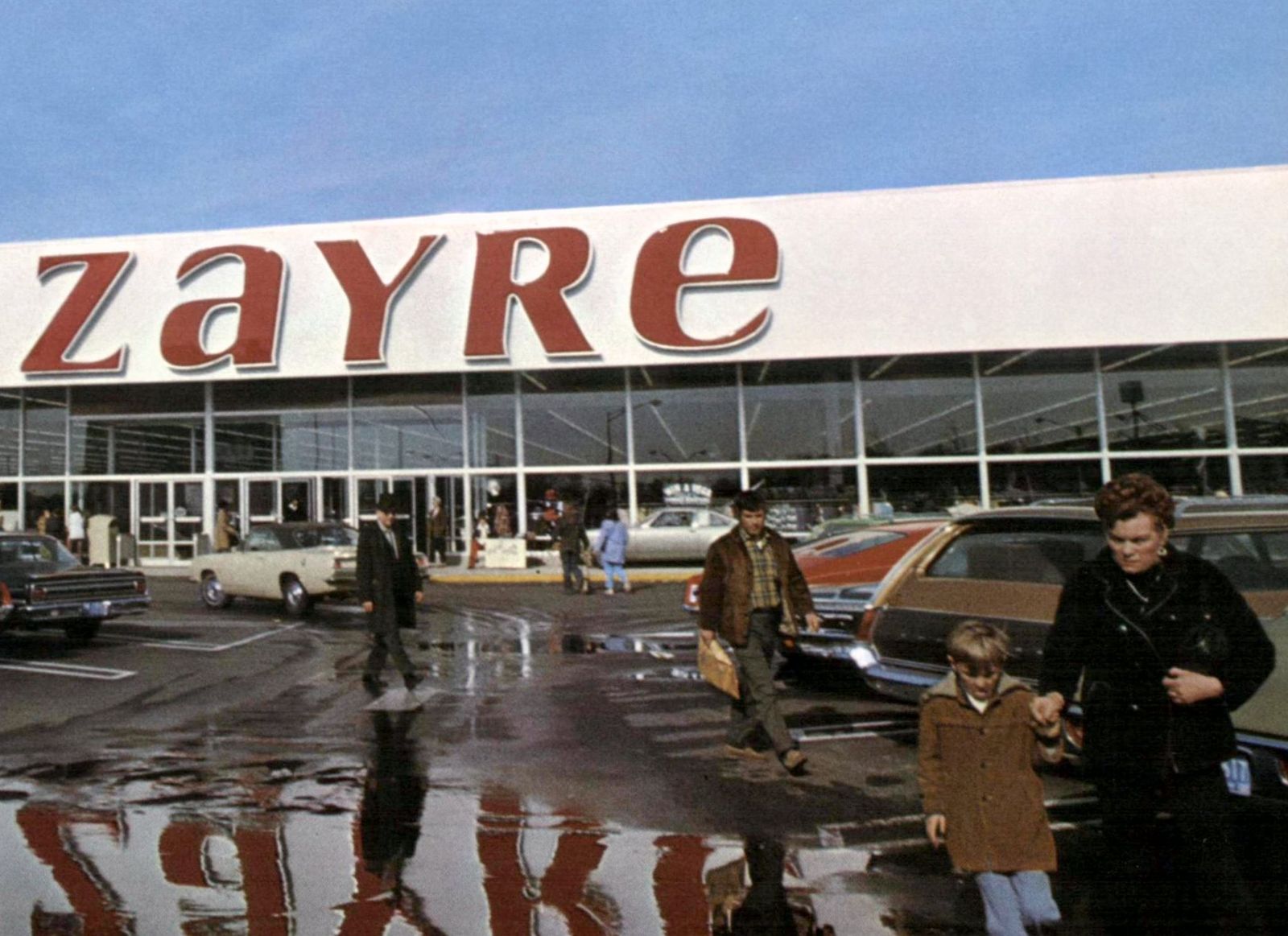
Zayre entered the market in 1956 as a classic discount department store that looked more like a warehouse . It was a no-frills, self-service shopping experience with massive stores, wide-open interiors, and exposed ceilings where you could find lots of everyday items like clothing, household goods, or appliances at low prices.

While it was pretty successful, especially across the Northeast and Midwest, Zayre struggled to keep up with giants like Target. It tried to reinvent itself by founding TJ Maxx in 1977, but eventually sold the remaining Zayre stores to Ames in 1988, and the Zayre name vanished by 1990.

10
Service Merchandise

Image: Service Merchandise, Public domain, via Wikimedia Commons

Service Merchandise was founded in 1934 and, unlike typical retail stores, it introduced a strange new concept called the " catalog showroom " in 1960, where display floors showcased single working samples of products, and the actual inventory was stored in an adjacent backroom warehouse. Customers would look at a catalog, place an order, and an employee would bring it to them.

The concept proved successful, and Service Merchandise operated more than 400 showrooms by the mid-1990s. But Service Merchandise’s model meant longer waiting times, and traditional discount stores began offering a faster and easier shopping experience. The company tried to modernize by introducing electronic inventory systems, but it didn’t work out. By 2002, Service Merchandise was gone.

Explore more American facts

Choose your favorite category!

General
General

As American as apple pie—the very best America has to offer!

Culture
Culture

Delve into the astounding richness of American lore.

Geography
Geography

Hop in and explore vast and diverse American landscapes.

History
History

Discover the key moments that shaped the United States.