History History 5 min read

Mass hysteria, anyone?

Did you fall for any of these 10 outrageous fads?
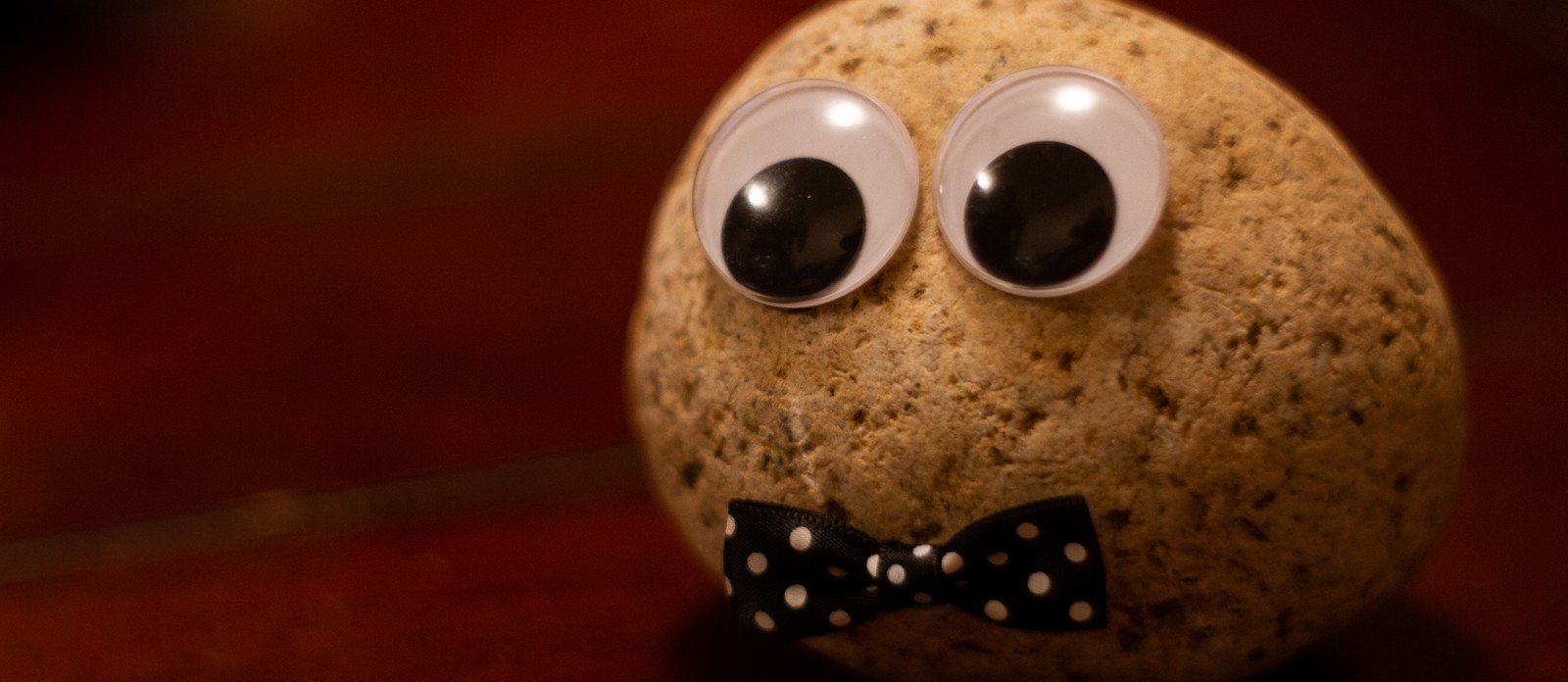
Image: txking

Every generation leaves behind a few trends that make the next one wonder what they were possibly thinking. You probably can think of one or two from your childhood. Long before viral challenges, folks climbed flagpoles, fought over dolls, bought rocks as pets, and turned playground games into miniature economies. Some of these crazes lasted for years, while others disappeared almost overnight. Yet for one strange moment, each of them was enormously popular.

1
People spent weeks sitting on flagpoles
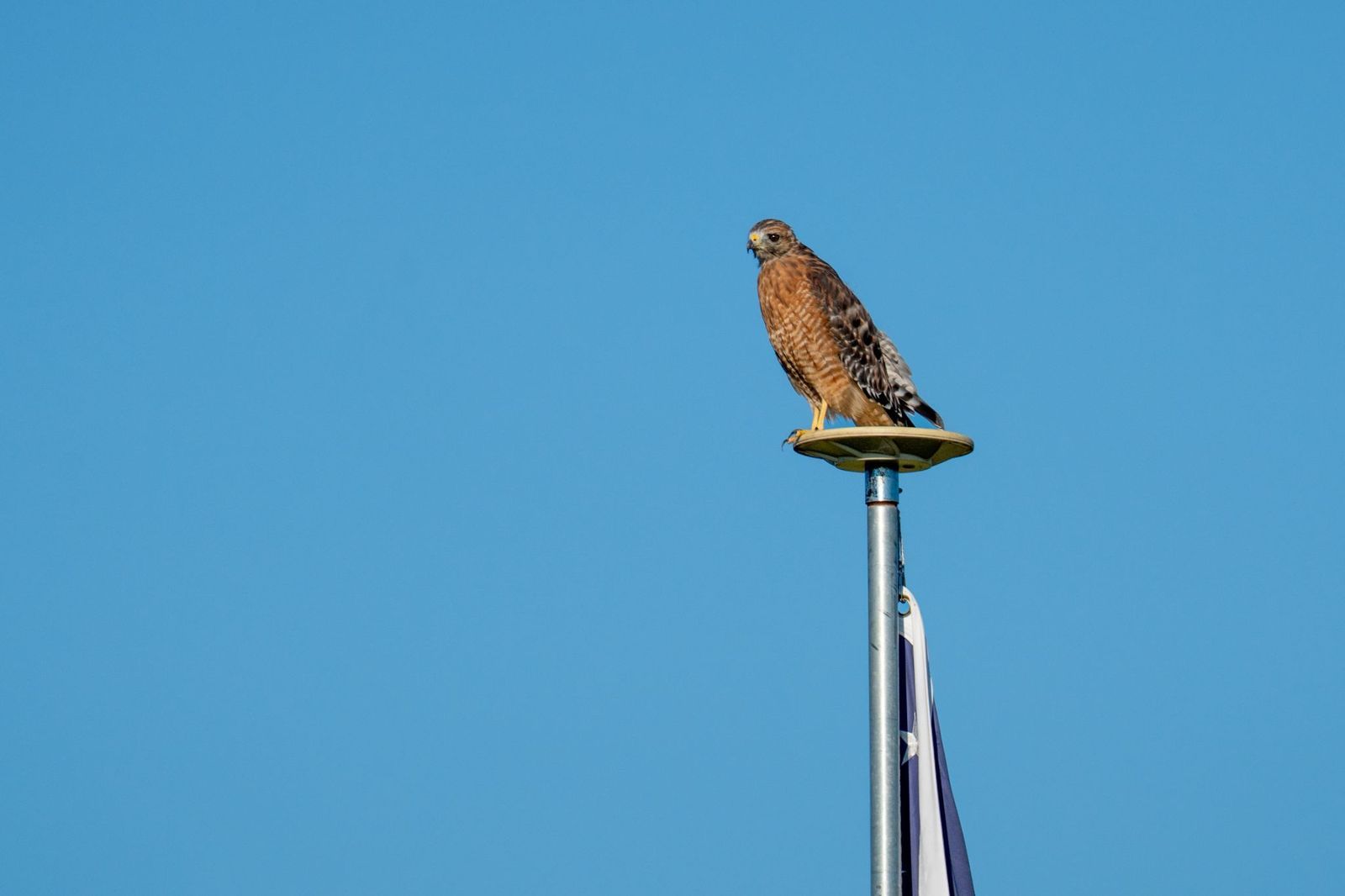
Image: The Camera Dad

In the 1920s, sitting still became a spectator sport —as long as the seat was on top of a flagpole. Stuntman Alvin "Shipwreck" Kelly, from New York City, helped launch the craze in 1924 by remaining aloft for 13 hours and 13 minutes. Soon, imitators across the country were competing to stay up longer.

Kelly kept raising the bar. He spent seven days on a pole in St. Louis, 23 days in Baltimore, and 49 days and one hour above Atlantic City’s Steel Pier in 1930 . He ate, shaved, and even slept on his perch before the Great Depression helped bring the strange craze back down to earth.

2
College students crammed themselves into telephone booths
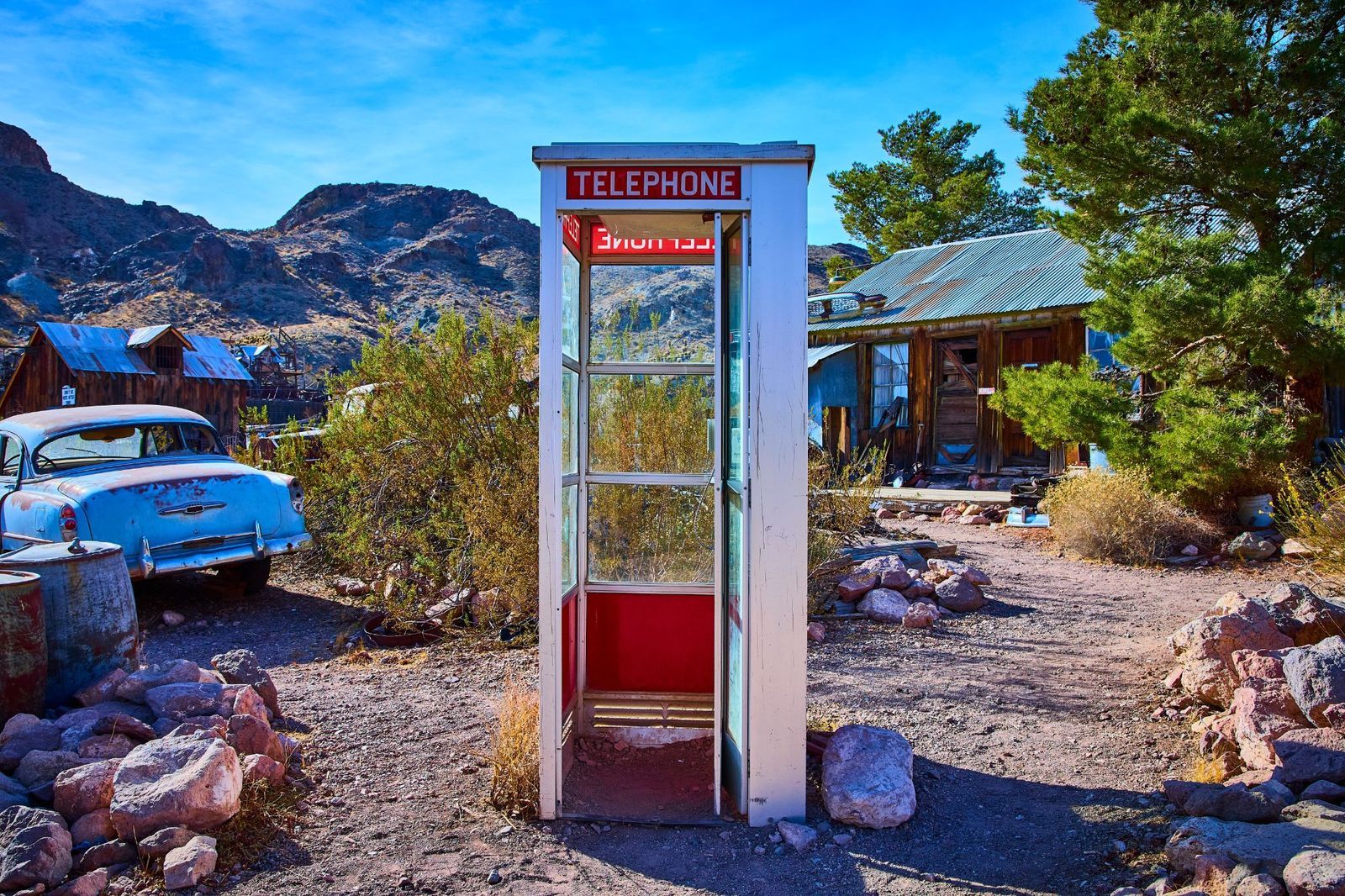
Image: Nicholas J Klein

In 1959, American college students embraced a wonderfully pointless challenge: stuffing as many people as possible into a telephone booth . The fad had already appeared overseas, including a 25-student attempt in Durban, South Africa, before spreading rapidly across U.S. campuses.

At Saint Mary’s College in Moraga, California, 22 students squeezed into one upright booth , producing one of the craze’s most famous photos. Arguments soon broke out over rules: Did feet have to fit? Could the booth lie sideways? By the end of 1959, the fad was already giving way to the next campus novelty.

3
Pet Rocks were a thing
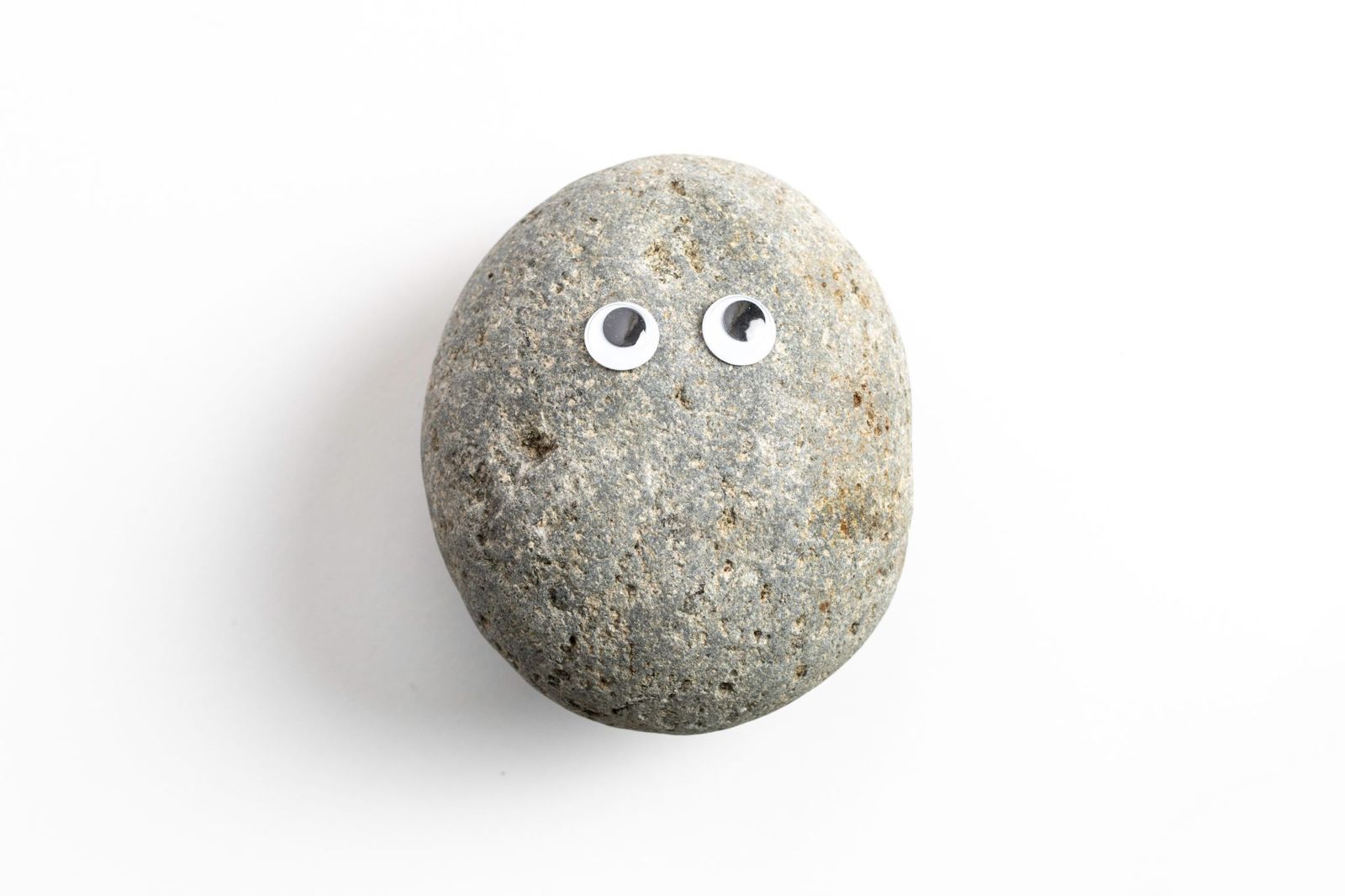
Image: Duntrune Studios

In 1975, advertising executive Gary Dahl came up with the perfect low-maintenance pet: a rock. For about $4, buyers received a smooth Mexican beach stone in a cardboard carrier with straw, air holes, and a tongue-in-cheek manual explaining how to "train" and care for it .

The joke became a genuine business sensation. Dahl later estimated that about 1.5 million Pet Rocks were sold, especially during the 1975 holiday season, making him a millionaire. The craze faded almost immediately afterward, but it proved that clever packaging could turn an ordinary stone into a national phenomenon.

4
Raccoon coats became a college status symbol
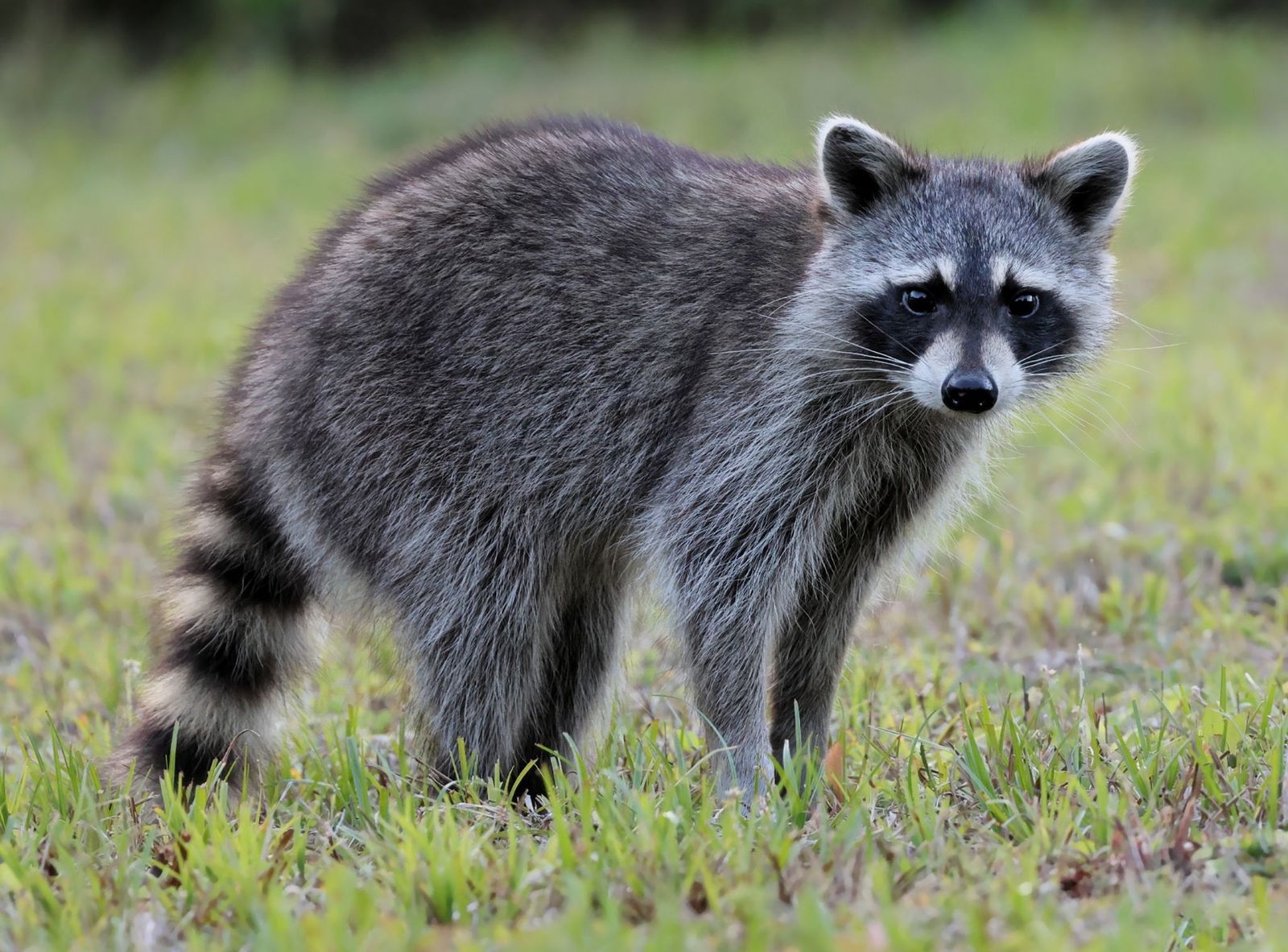
Image: Jean Blom

During the Roaring Twenties, enormous raccoon-fur coats became a fashionable badge of college life . Princeton’s student newspaper reported in 1923 that the coats were "as thick as flies" on campus. They were warm enough for chilly open cars, but they also signaled money and status .

They were expensive, too: typical prices reportedly ranged from $350 to $500 in the 1920s (worth about $5,840 to $8,350 today). Football star Red Grange and movie heartthrob Rudolph Valentino helped popularize the look , and the 1928 song "Doin’ the Raccoon" celebrated the fad. After the 1929 crash, however, such extravagant outerwear lost much of its appeal.

5
Troll dolls were everywhere
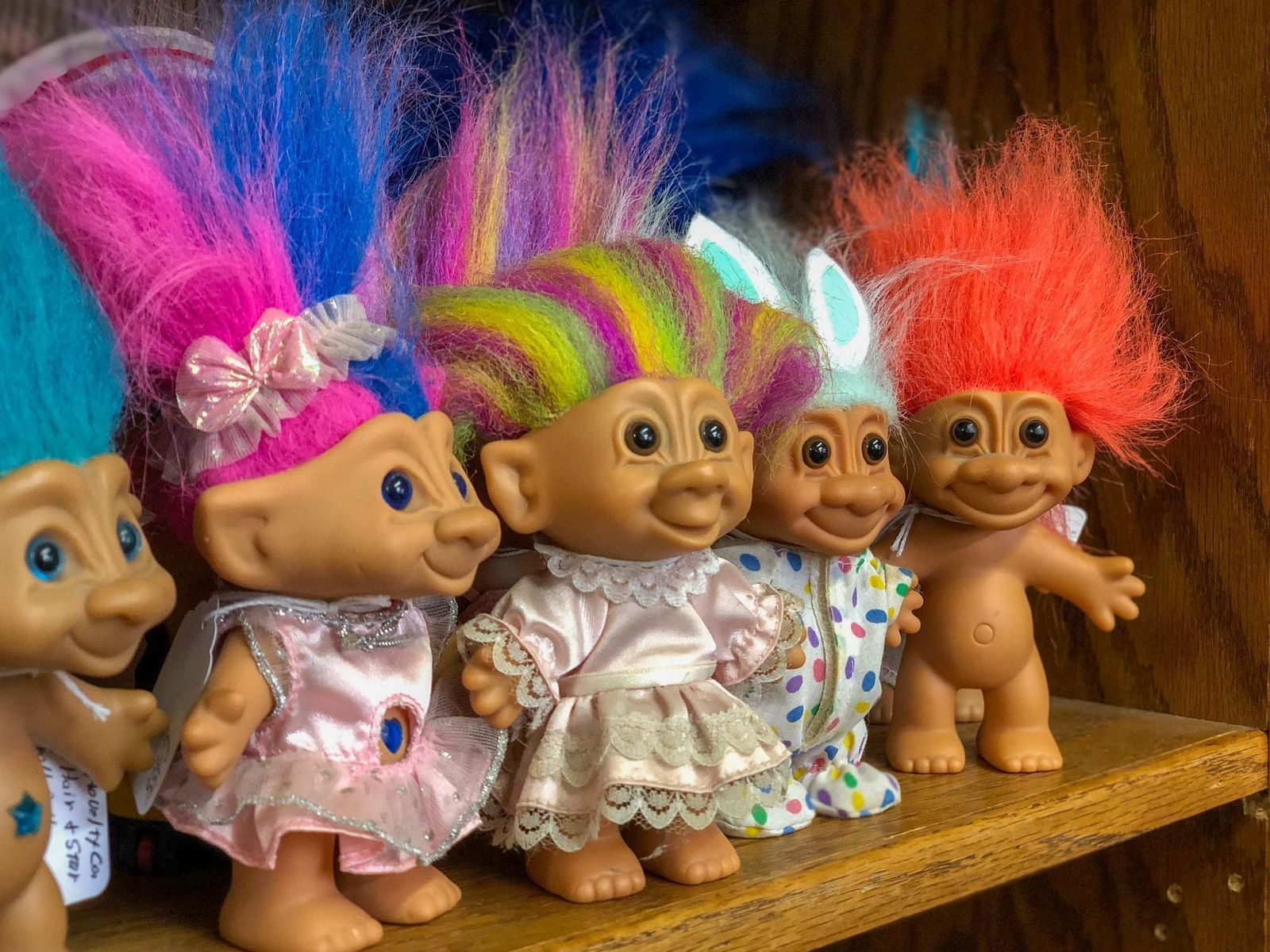
Image: Rex K. Williams

With potbellies, oversized heads, wild hair, and faces that were more odd than cute, troll dolls somehow became a huge American toy craze. Danish creator Thomas Dam developed them in the 1950s, and by the 1960s the strange little figures had become enormously popular in the country .

Americans bought more than one million genuine Dam trolls in 1964 alone. Demand for their distinctive hair reportedly grew so large that Dam’s company bought Iceland’s entire sheepskin harvest. The popular dolls had a revival of sorts in the late 80s and early 90s, but nowhere near their first wave.

6
Cabbage Patch Kids caused shopping mayhem

Image: Del Harper

Cabbage Patch Kids turned holiday shopping into chaos in 1983. The dolls, based on creations by Georgia artist Xavier Roberts, came with names, birth certificates, and adoption papers. When Coleco mass-produced them, demand quickly overwhelmed supply across the country.

At a Hills store in Charleston, West Virginia, about 5,000 shoppers reportedly crowded in during one sale. Elsewhere, customers camped outside, grabbed dolls from carts, and even suffered injuries in the rush . More than 2.5 million dolls (not counting the black market versions that preyed on the craze) were sold in their first year, with a price tag ranging from $18 to $35 depending on location.

7
Pogs took over playgrounds
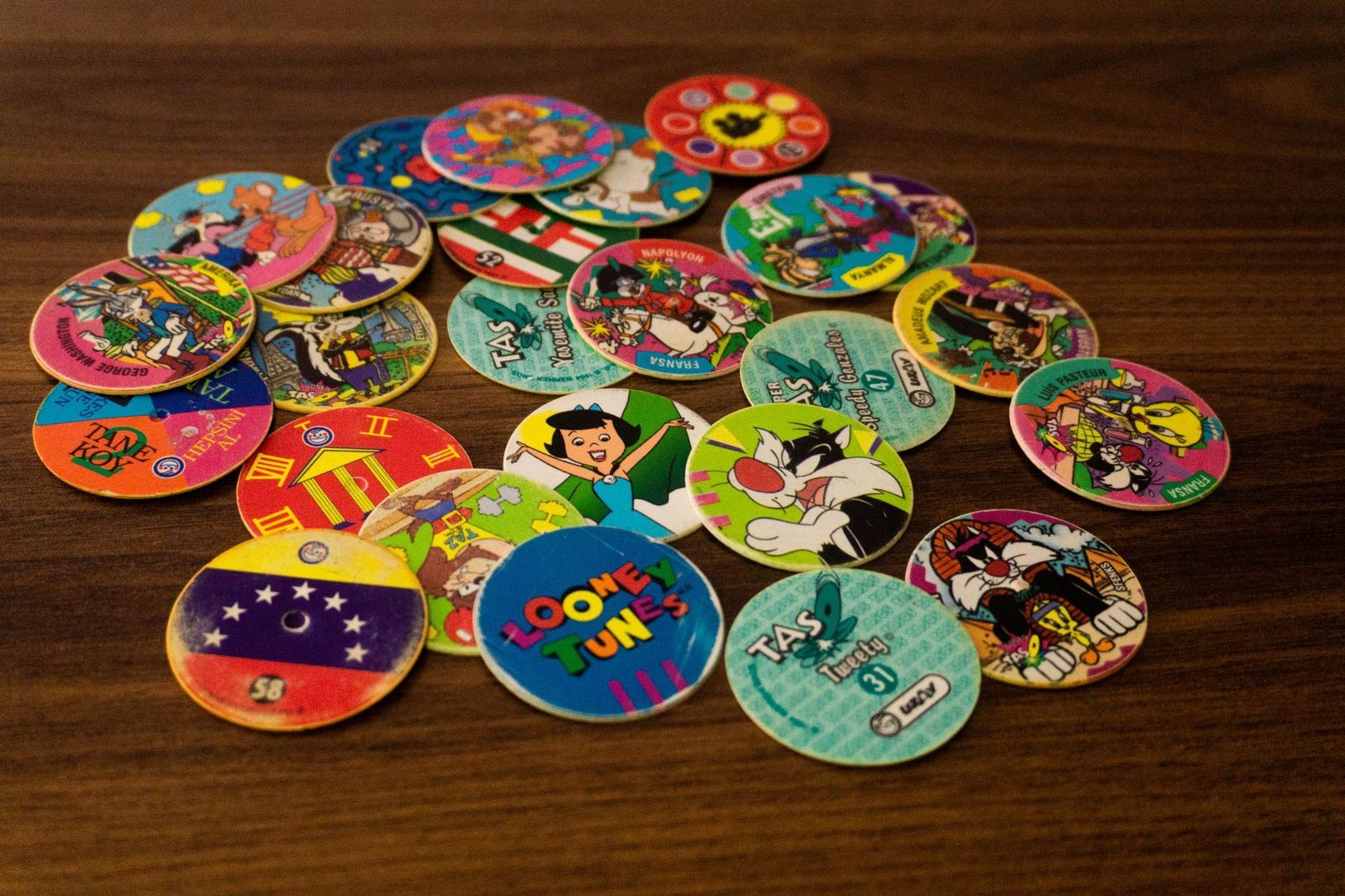
Image: Emre Turkan

For a brief stretch in the 1990s, colorful cardboard discs became serious playground currency. Pogs grew from a Hawaiian milk-cap game revived by teacher Blossom Galbiso around 1991. Players stacked the discs and struck them with a heavier "slammer," trying to flip them over .

The trouble came when children played "for keeps," taking any Pogs they flipped. Arguments, theft, distractions, and concerns about gambling led many schools to ban or restrict the game.

8
Dance marathons lasted weeks

Image: Master1305

Dance marathons began as a 1920s endurance craze and became far harsher during the Great Depression. In 1923, New York instructor Alma Cummings danced for 27 hours, inspiring imitators . Promoters soon turned marathon dancing into paid entertainment watched by large crowds.

Contestants could be required to remain in motion for 45 minutes of every hour, day and night, with only brief rest periods. Some events lasted for weeks: a 1935 marathon in Wenatchee, Washington, ran for 1,492 hours . Cities increasingly objected to the grueling conditions, and Seattle banned the contests in 1928. The bleak Depression-era extremes of the fad were dramatized in the 1969 film They Shoot Horses, Don’t They? starring Jane Fonda.

9
The Davy Crockett caps craze

Image: Phovoir

When Disney aired its Davy Crockett television adventures beginning in late 1954, actor Fess Parker helped turn the frontiersman into a national sensation. Children suddenly wanted the hero’s trademark coonskin cap, complete with a furry tail hanging down the back .

At the height of the craze, about 5,000 children’s caps were reportedly selling each day. "Polly Crockett" versions were even marketed to girls. By May 1955, TIME estimated that Americans had bought about $100 million in Crockett merchandise.

10
More than 20 million Hula Hoops sold in four months
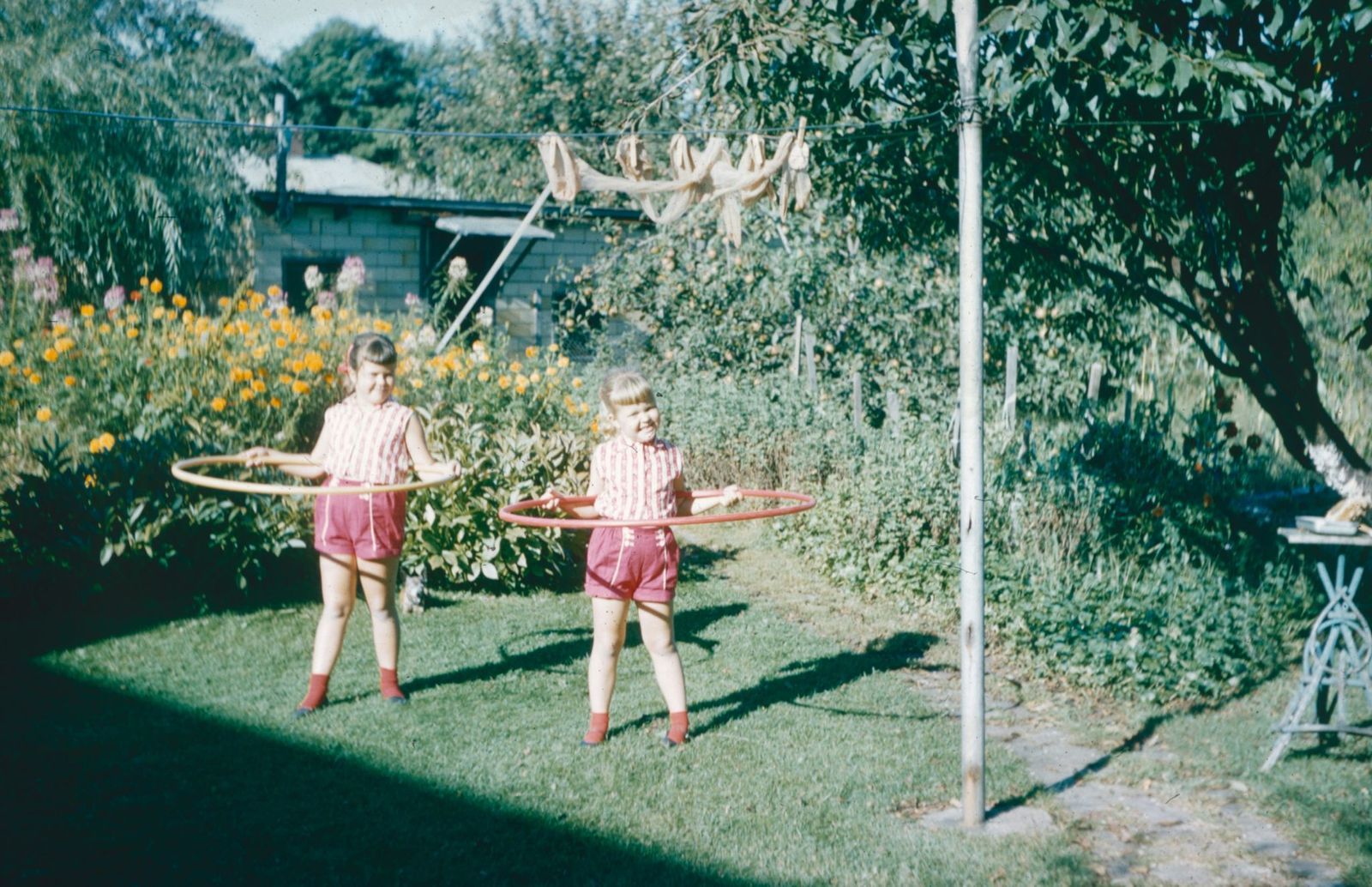
Image: Annie Spratt

When Wham-O introduced the Hula Hoop in 1958, the toy became one of the fastest-moving crazes in American history. Founders Richard Knerr and Arthur "Spud" Melin were inspired by hoops used by Australian children and developed a lightweight plastic version for the local market.

The company promoted the toy directly to schoolchildren, and the strategy worked spectacularly . More than 20 million Hula Hoops were sold in the country within four months. Wham-O was reportedly producing around 20,000 a day as competitors rushed in, before the mania faded almost as quickly as it had begun. Nowadays, Hula Hoops are still popular, but nowhere near their heyday.
Geography Geography 6 min read

Take note: These 12 US bridges are road trip worth it!

Image: Joseph Corl

Bridges aren’t just structures of stone and steel—they’re storytellers in their own right. Each one holds a legend, whether of a nation’s earliest days or a bold leap in engineering. Some rise like monuments that mark the passage of time, while others capture the imagination with elegance or daring design. From quiet covered spans in New England to soaring marvels out West, every bridge reveals a chapter of America’s journey. Let’s explore 12 structures that stand out for their legacy and grandeur.

1
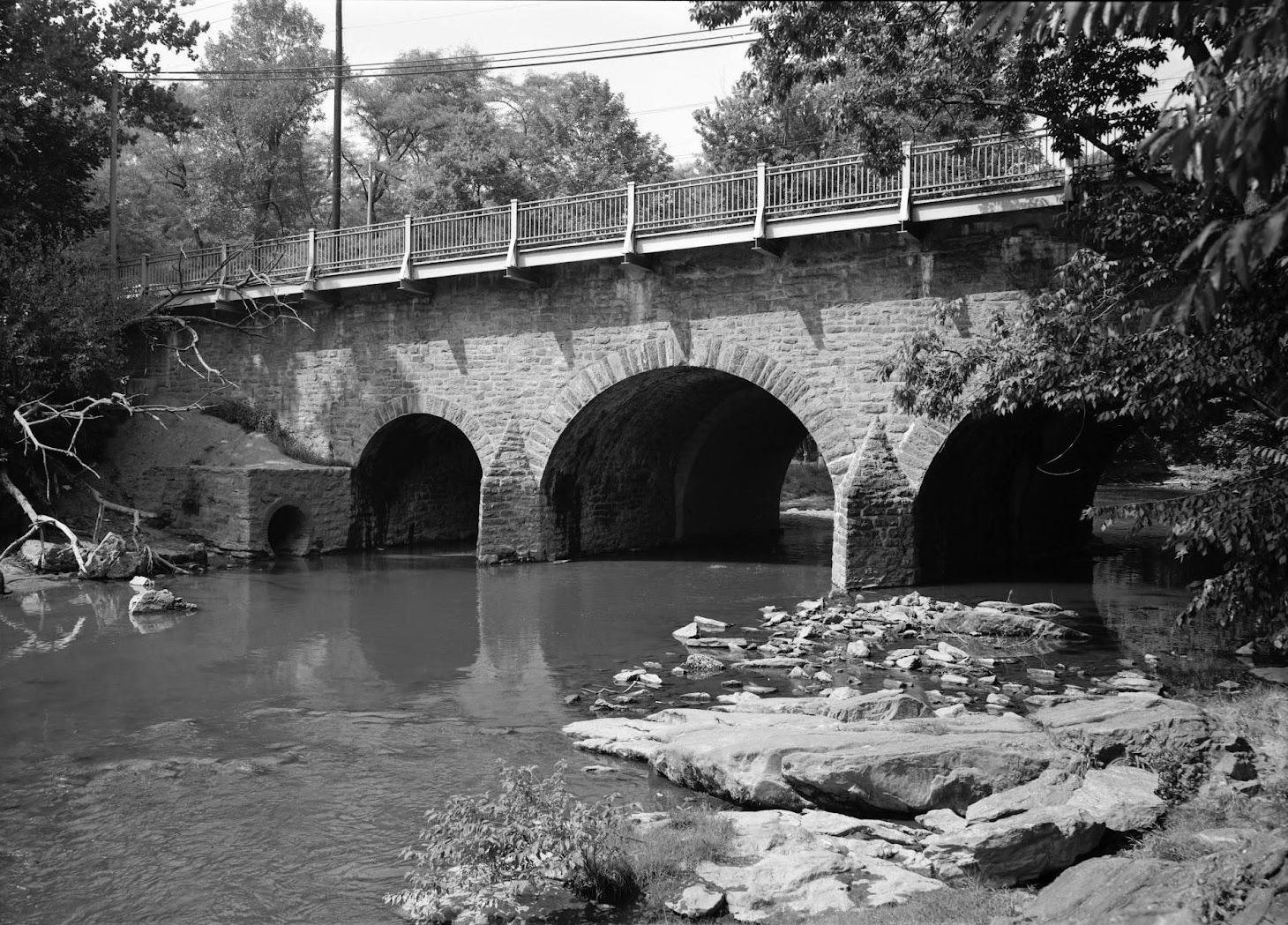
Frankford Avenue Bridge, Philadelphia, Pennsylvania

Image: See page for author, Public domain, via Wikimedia Commons

Long before America declared independence, a bridge was already standing strong in Philadelphia. Built in 1697, the Frankford Avenue Bridge holds the title of the oldest bridge still in use in the United States. Picture stagecoaches rattling across its stone arches, carrying passengers between Philadelphia and New York. Today, cars hum across the same path, hardly noticing they’re rolling over a structure that has endured for more than three centuries —a quiet survivor of colonial times still woven into modern city life.

2
Golden Gate Bridge, San Francisco, California

Image: Maarten van den Heuvel

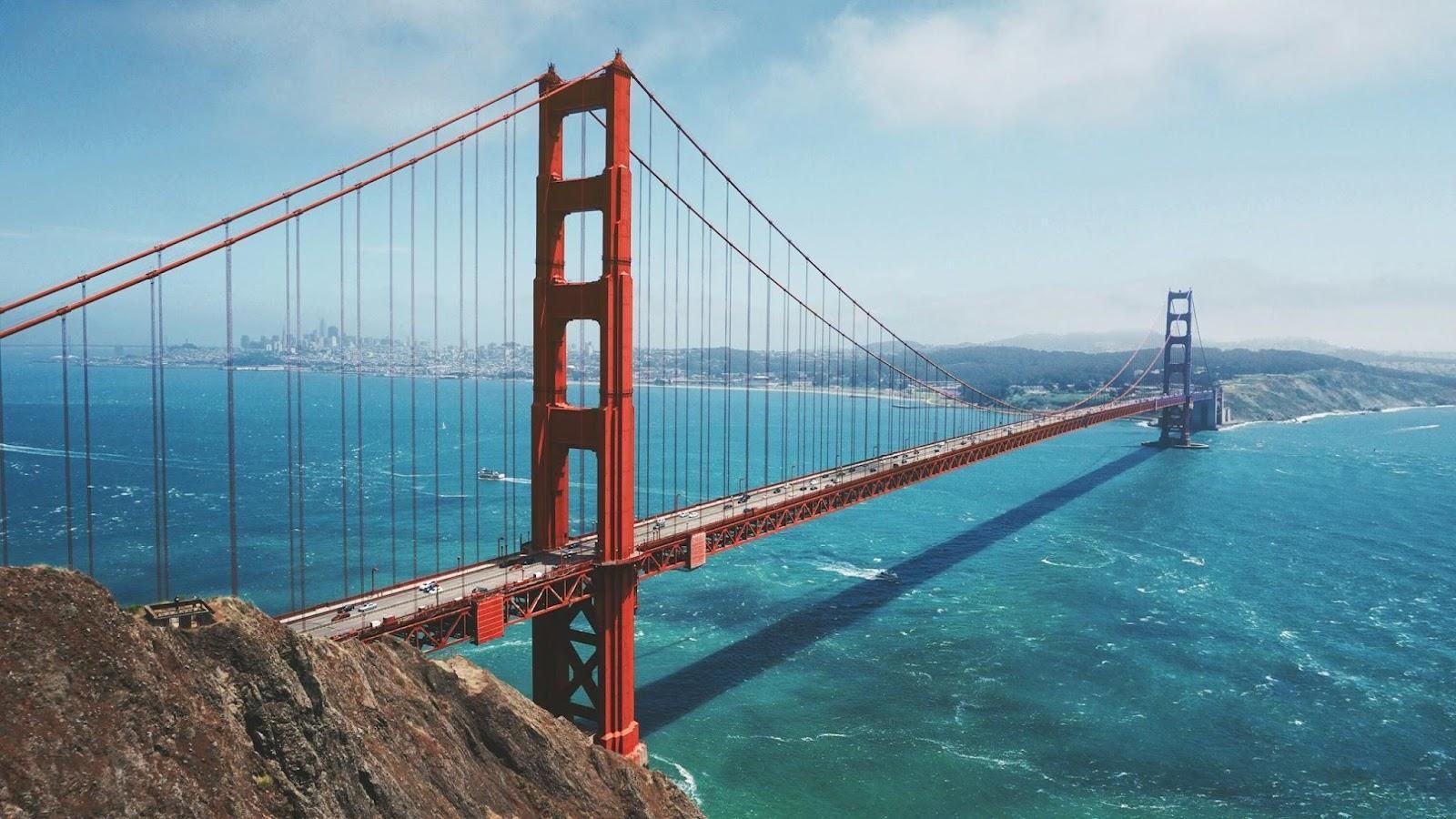
What if we told you that a bridge once called "impossible" now defines an entire city? When it opened in 1937, the Golden Gate spanned an incredible 4,200 feet, a record that stunned engineers across the globe. Its sweeping cables and graceful towers are much more than just steel —it’s poetry over water. Painted in its famous "international orange," this bridge doesn’t just stand tall against the fog, it glows through it, serving as both a practical crossing and a proud emblem of San Francisco’s scenic location.

3
Sunshine Skyway Bridge, Tampa Bay, Florida

Image: Joseph Corl

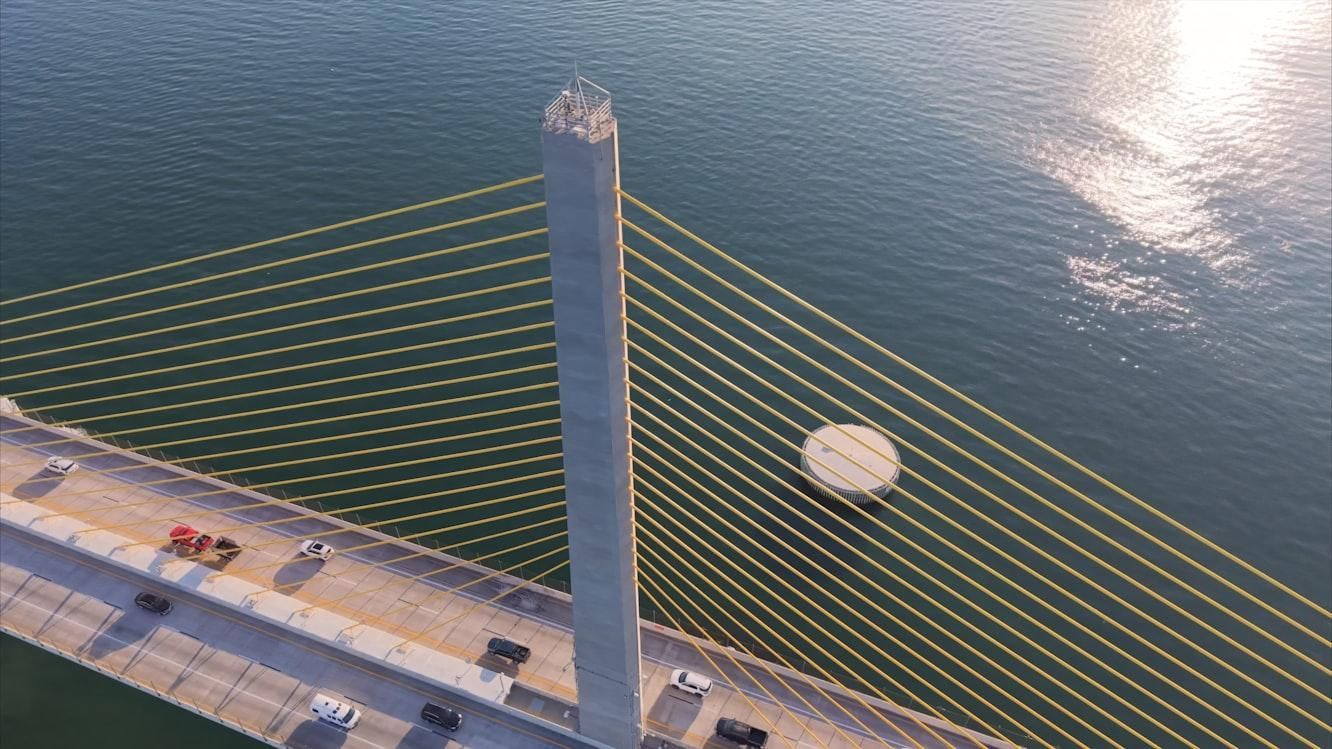
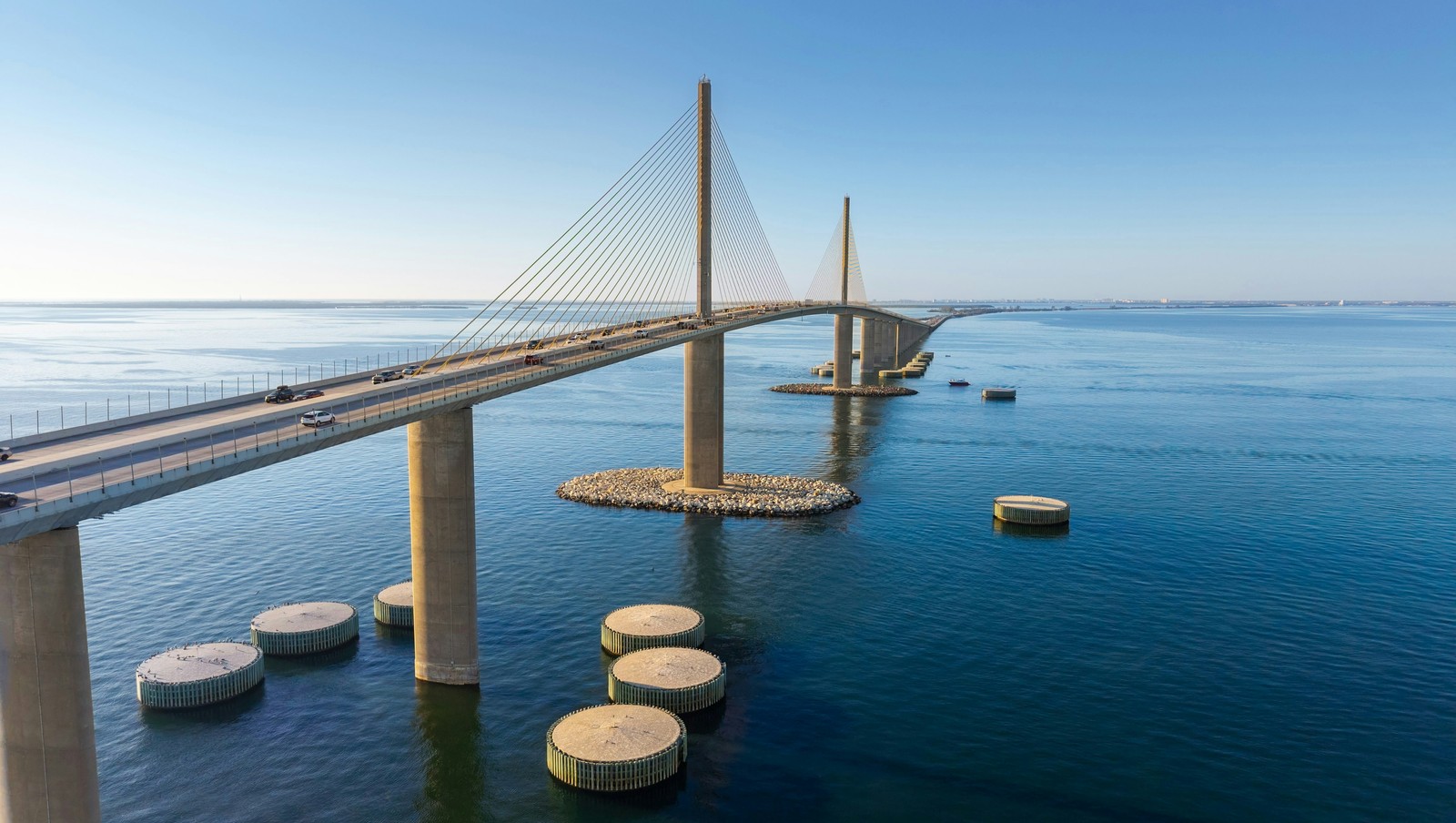
Reaching gracefully across 4.1 miles of Tampa Bay, the Sunshine Skyway Bridge rises like a fleet of white sails frozen in motion. Finished in 1987, it was designed to do more than just connect two shores—it was built to inspire. Its towering piers and broad cables give it the look of a ship setting out to sea, a fitting image for Florida’s sunlit coast. On bright days, motorists often describe the drive as more than a commute; it feels like gliding above the Gulf itself, where the horizon stretches endlessly and the water sparkles below like glass.

4
Brooklyn Bridge, New York, New York

Image: Alexander Rotker

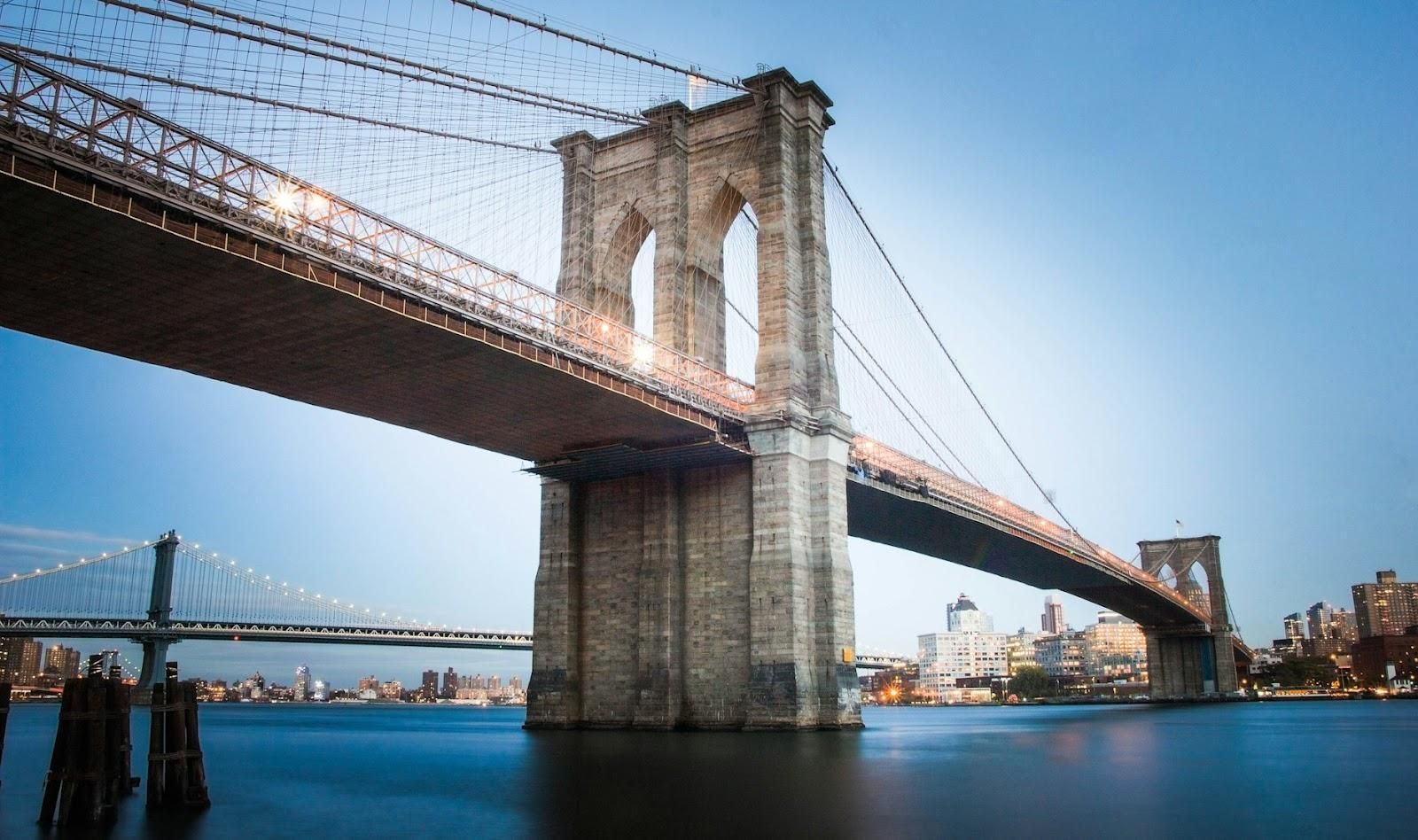
Here’s a tale worth telling: when the Brooklyn Bridge first opened in 1883, many New Yorkers doubted its strength. To calm their fears, showman P. T. Barnum led 21 elephants across the span, proving once and for all that the monumental structure could hold far more than horse-drawn carriages. With its stone Gothic towers rising like cathedrals and its web of cables fanning out in graceful arcs, the Brooklyn Bridge is both an engineering triumph and a work of art. More than a century later, it still stands as a symbol of American ingenuity.

5
Memorial Bridge, Washington, D.C.

Image: Devansh Bajaj

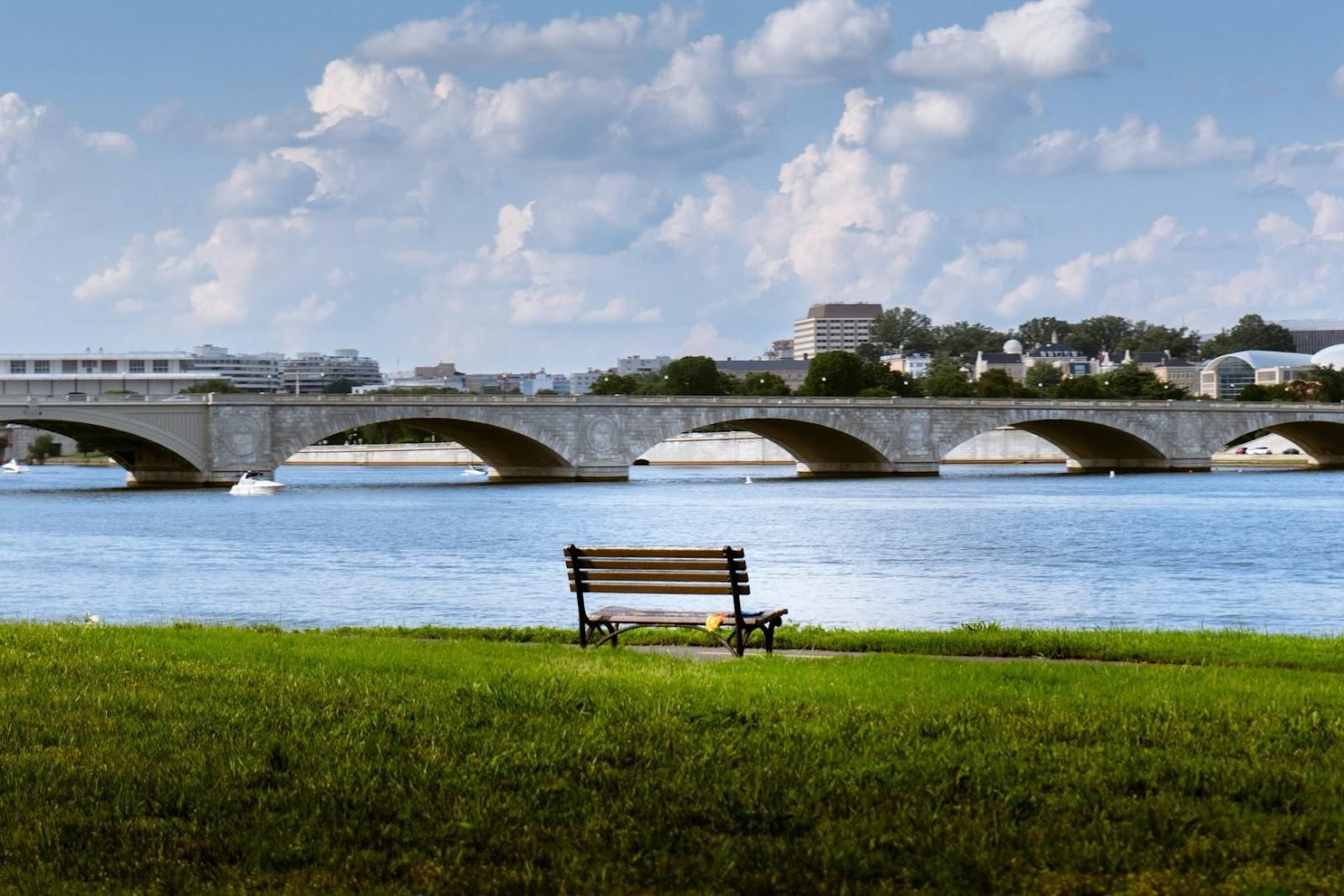
Picture this: a bridge that doesn’t just link two shores, but two chapters of American history. The Arlington Memorial Bridge, completed in 1932, was designed to align the Lincoln Memorial with Arlington House, symbolizing a nation healing after the Civil War. Its central span works like an enormous see-saw—an elegant bascule that tips upward, heavy as a freight train, to open the way for ships on the Potomac. More than steel and stone, it’s a gesture of reconciliation and remembrance.

6
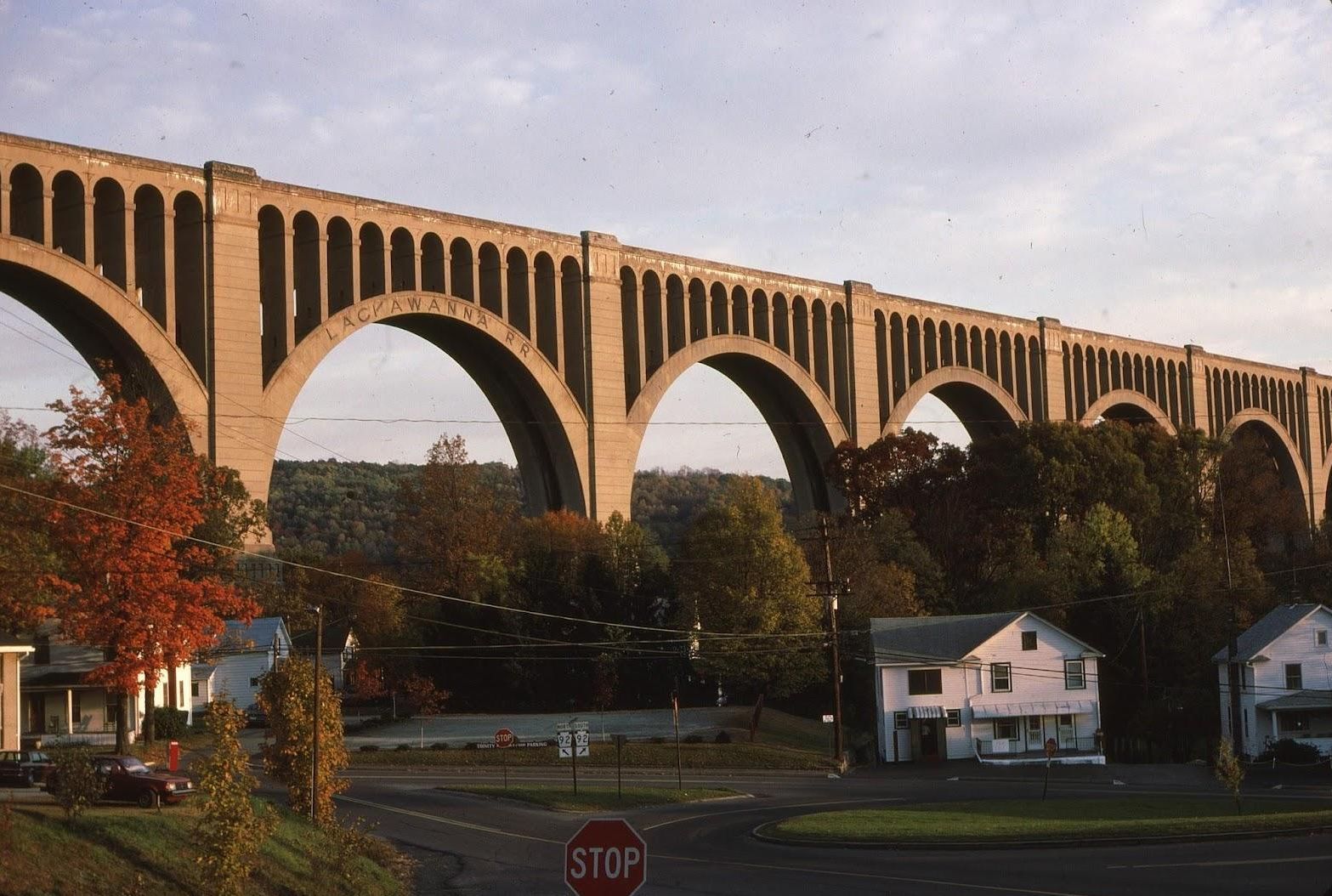
Tunkhannock Creek Viaduct, Nicholson, Pennsylvania

Image: WallyFromColumbia at English Wikipedia, Public domain, via Wikimedia Commons

Imagine standing at the foot of a concrete wall as high as a 20-story tower, stretching farther than the eye expects a bridge could go. That’s what people experienced in 1915 when the Tunkhannock Creek Viaduct—better known as the Nicholson Bridge—first appeared on the Pennsylvania landscape. Spanning 2,375 feet with arches rising 240 feet above the valley, it was the largest concrete bridge in the world at its completion. More than a century later, trains still roll across its 12 arches, looking like miniature toys against the bridge’s sheer immensity.

7
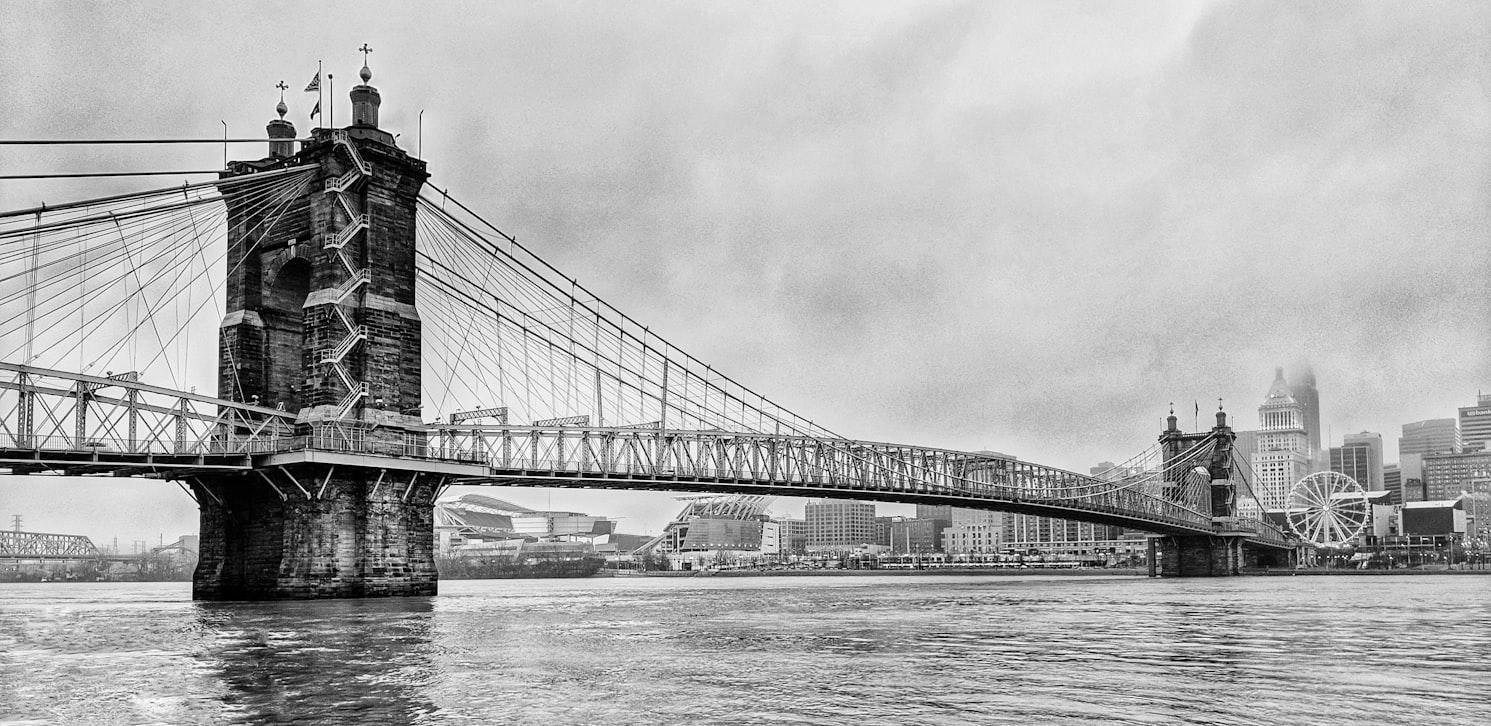
Roebling Suspension Bridge, Cincinnati, Ohio

Image: Thomas Rupp

If the Brooklyn Bridge impressed you, the Roebling Suspension Bridge in Ohio will blow your mind, as it was built years earlier by the same man. When it opened in 1867, it set a world record as the longest suspension bridge, stretching an impressive 1,057 feet across the Ohio River. It was John A. Roebling’s first marvel, only overtaken by his own later New York landmark. For the people of Cincinnati, the bridge was proof that American engineering could rival anything in the world, a daring leap that linked two cities and paved the way for future icons.

8
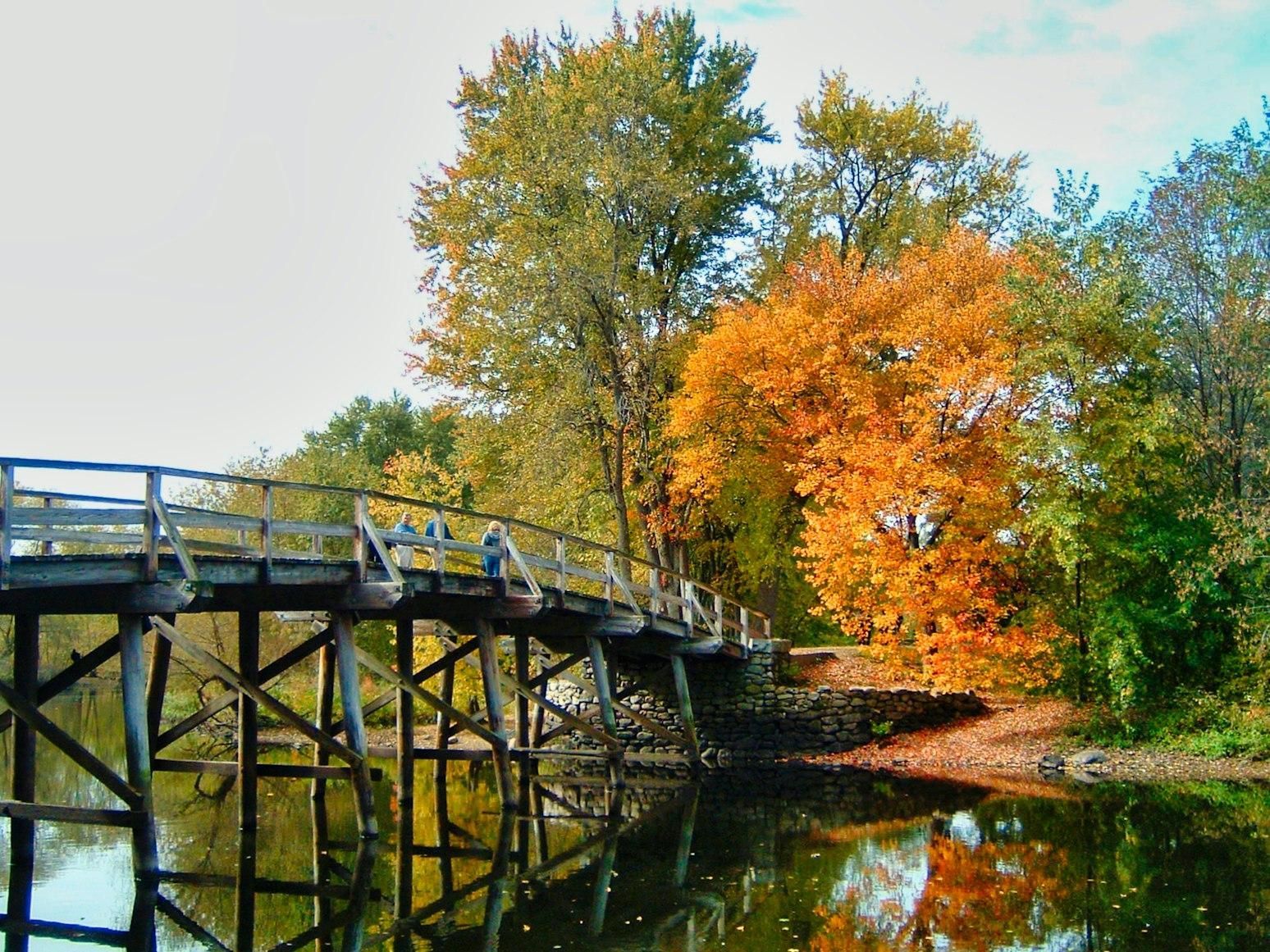
North Bridge, Concord, Massachusetts

Image: Christopher Ryan

Set foot on the North Bridge in Concord and you’re not just crossing the Concord River—you’re walking into the pages of history. It was in this exact place that, in April 1775, a musket fire rang out, sparking the first battle of the American Revolution and changing the course of a nation forever. The bridge visitors see today is a careful 1956 reconstruction, built to honor the original. Yet, the setting remains almost the same: the quiet river below, the fields beyond, and the sense that this unassuming wooden span still carries the echoes of liberty’s first call.

9
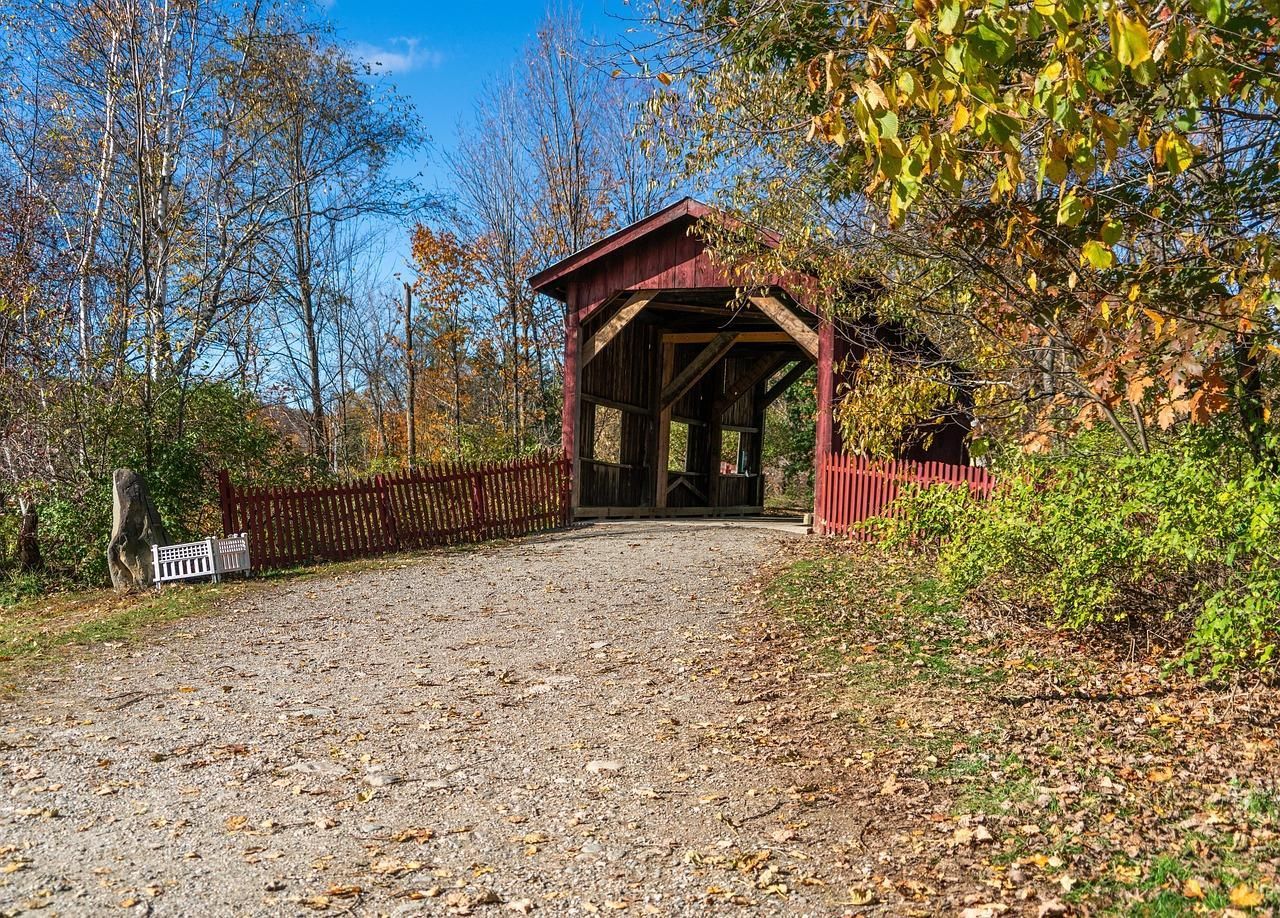
Middle Covered Bridge, Woodstock, Vermont

Image: Michelle_Pitzel

There’s a certain mystique about covered bridges, and Woodstock’s Middle Bridge feels like it was lifted straight from a storybook. Though built in 1969, it was crafted with traditional techniques, giving it the spirit of a much older landmark. Stretching 135 feet across the Ottauquechee River, its peaked wooden roof frames a perfect New England scene —red barns, rolling hills, and the steady flow of water beneath. Beyond its whimsical charm, the roof serves a purpose: protecting the bridge’s sturdy timbers from Vermont’s long, snowy winters so it can stand strong for generations.

10
New River Gorge Bridge, Fayetteville, West Virginia

Image: Ian Pearthree

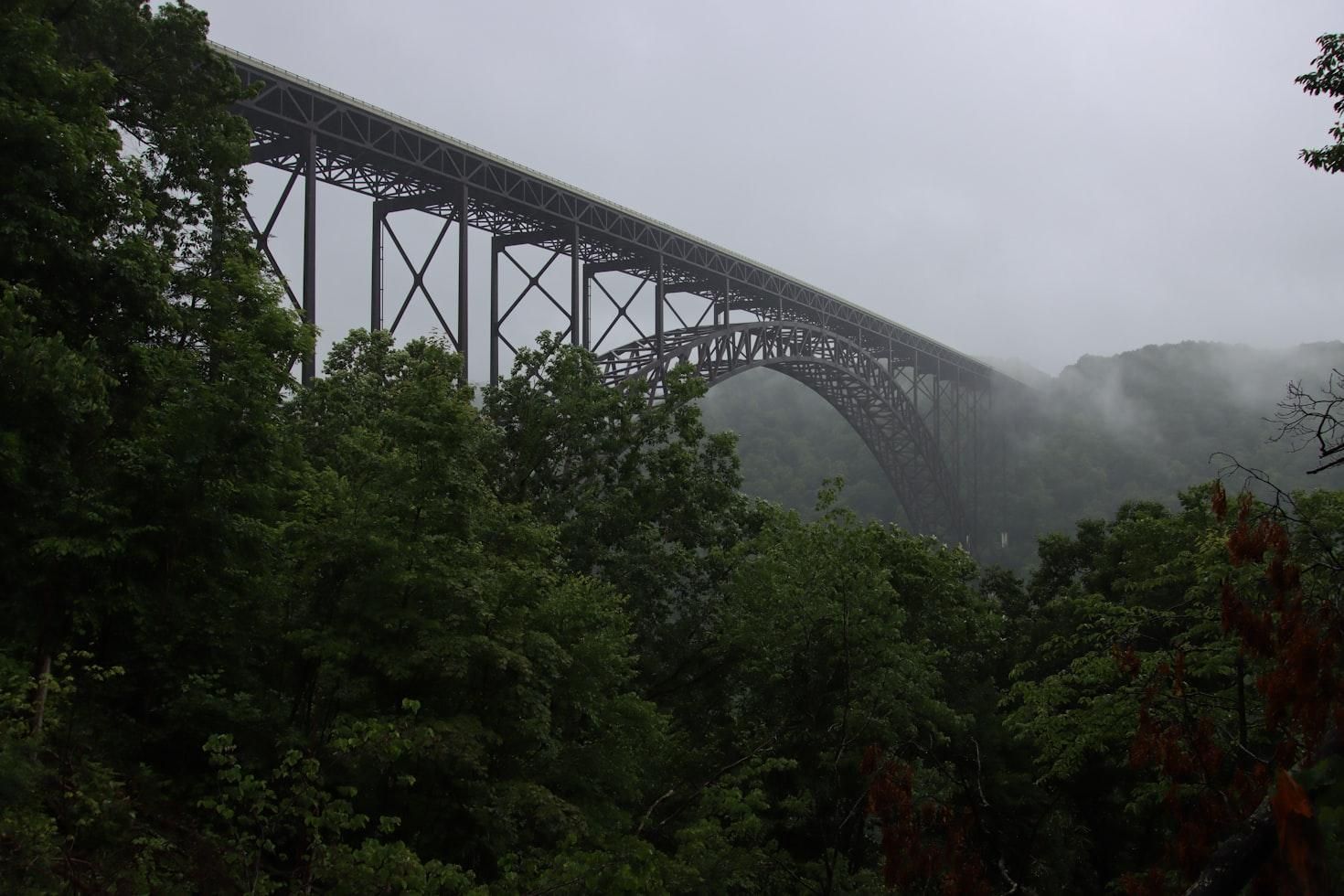
From a distance, the New River Gorge Bridge might seem like any other stretch of highway. But step onto it, and it’s a different story. Opened in 1977, this steel arch rises 876 feet above the rushing waters below—higher than stacking two Statues of Liberty end to end. It is a symbol of West Virginia’s rugged beauty, celebrated each October during "Bridge Day," when traffic halts, and the bridge transforms into a stage for daring jumps, local crafts, and awe-struck visitors soaking in one of the most breathtaking views in America.

11
Bow Bridge, Central Park, New York, New York

Image: Pierre Blaché

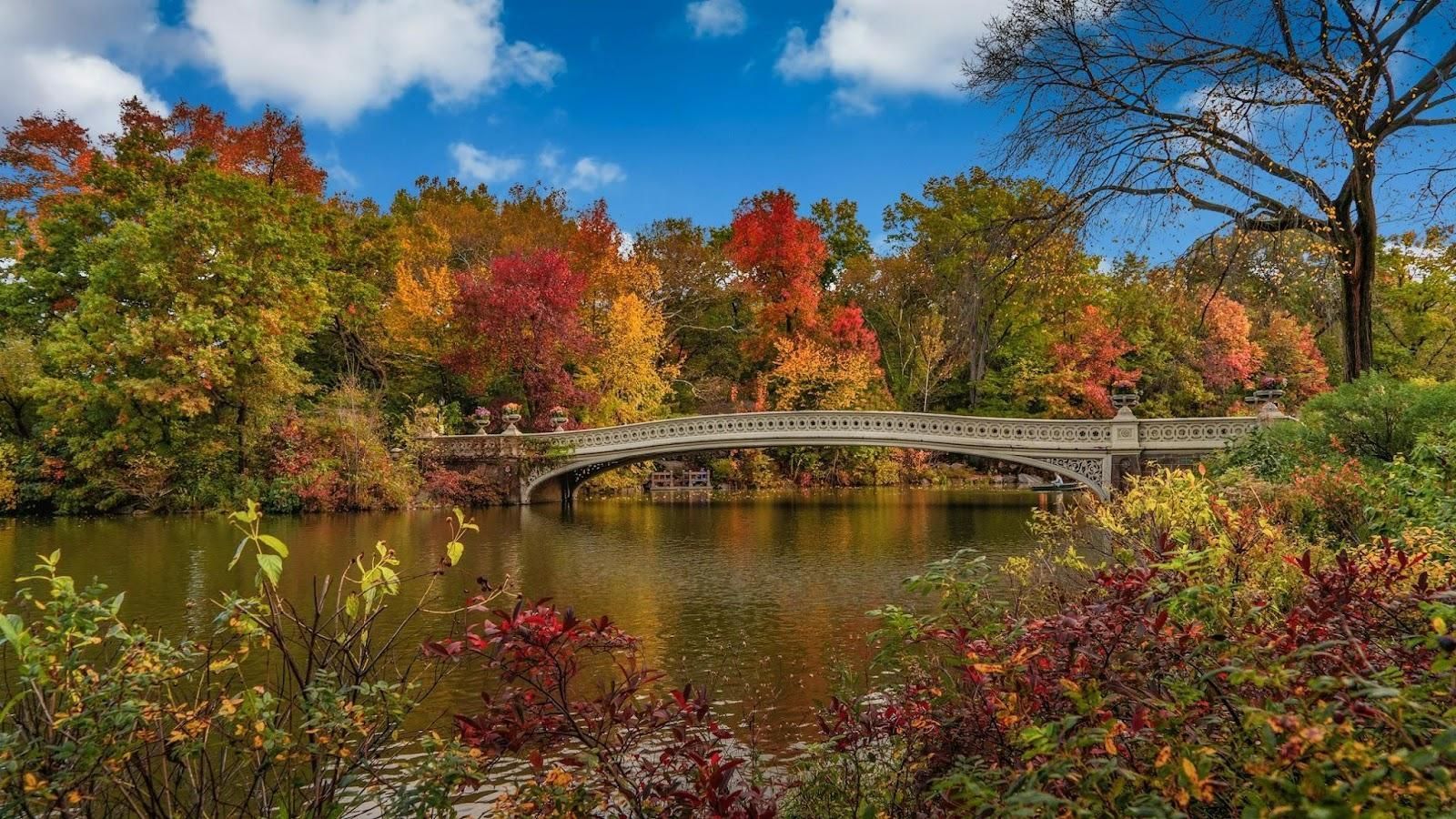
As light as lace yet forged from iron, Bow Bridge sweeps in a gentle curve across Central Park’s shimmering lake. Completed in 1862, it quickly became more than a passage—it turned into a stage for the city’s daily rhythms. Artists set up easels to capture its elegance, photographers frame it against the water, and couples linger at its railings, savoring the view. Street musicians often fill the air with music, while beyond the trees, New York’s skyline stretches high. Amid the steel and stone of the metropolis, Bow Bridge endures as a quiet piece of poetry shaped in metal.

12
Harbor Bridge, Corpus Christi, Texas

Image: Vladislav Osterman

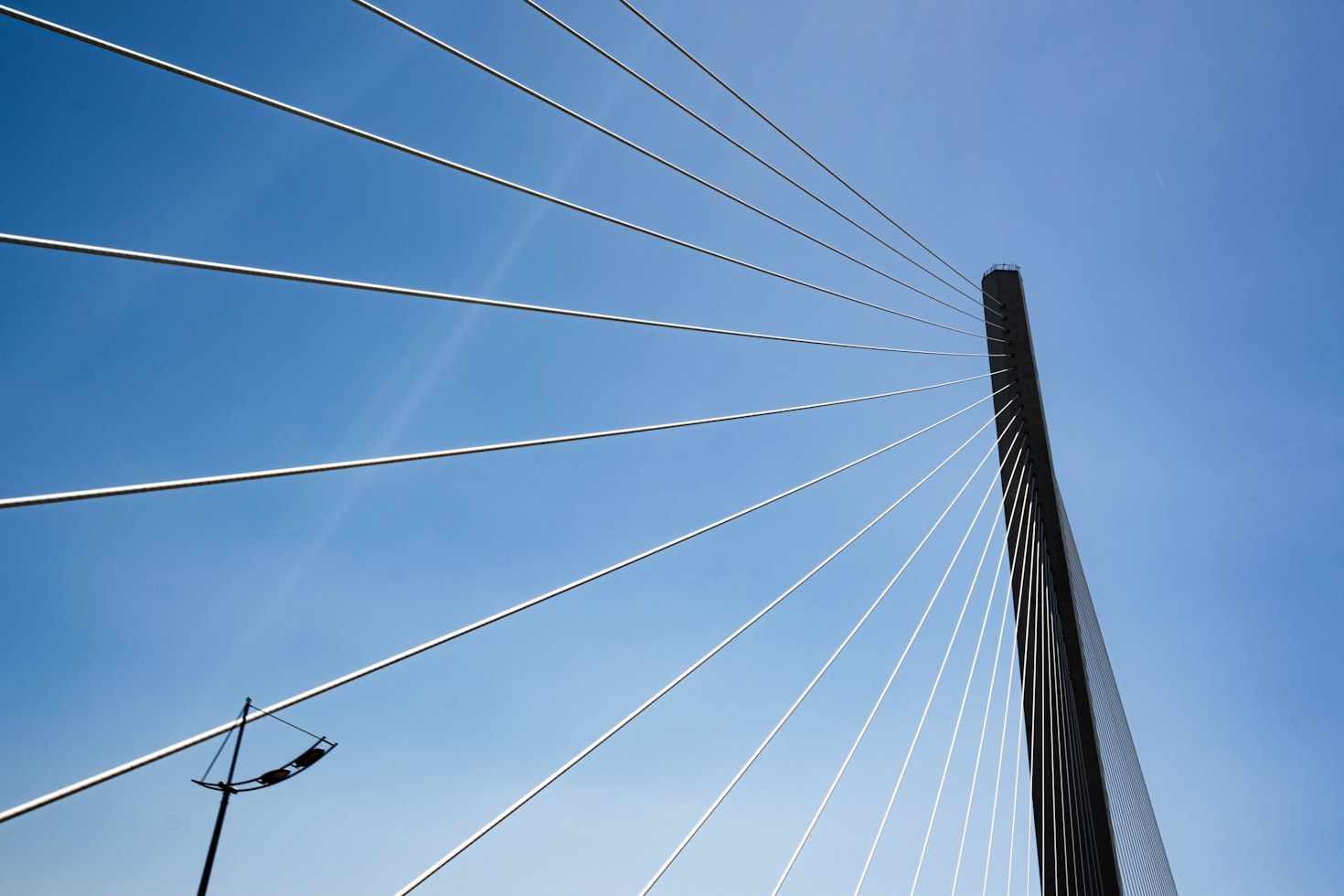
You now know what the oldest bridge in America is, but what about the newest? Unveiled in 2025, the new Harbor Bridge in Texas was designed to last up to 170 years. Its sleek towers and graceful cables rise 205 feet above the water, high enough for massive cargo ships to glide underneath without pause. By day, it’s a marvel of modern engineering, but when night falls, it completely transforms. A sophisticated computer system of LED lights ripples across its frame, painting Corpus Christi’s shoreline in vivid colors. More than a crossing, it’s a staple of economic growth.

General General 4 min read

Everything sweet!

Bake, slice, repeat: Discover some of the best American pies!

Image: congerdesign

Few things are as American as apple pie, right? But that's not the only dessert; there’s much more to the American dessert table. From regionally inspired treats to creative twists on classic flavors, the pies and cakes enjoyed across our nation are a significant part of our culinary culture and identity. Do you prefer fruity fillings, creamy custards, or rich cakes? Whatever you choose, there’s an option for you, and we’ve gathered 12 of them in this article! Just don’t blame me if you get hungry halfway through!

1
Apple pie

Image: Priscilla Du Preez 🇨🇦

You can’t talk about traditional American desserts without mentioning apple pie, so let’s kick off this article with it! While its roots trace back to Europe, apple pie has become a symbol of American pride.

It’s the perfect combination of buttery crust, sweet apples, and warm spices like cinnamon. Of course, like any traditional dish, there are several variations. But isn’t it great to go back to the basics? If there’s one pie everyone loves, this is it!

2
Brown Derby cake

Image: amirali mirhashemian

The Brown Derby Cake isn’t your typical pie, but its story is worth savoring. It was created in 1927 by caterer Harry Baker in Los Angeles.

You might be wondering about the name’s origin—it comes from its domed shape, which resembles a derby hat. Made famous by the iconic Brown Derby restaurant, this cake combines rich chocolate layers with airy whipped cream and fruit for a delicious finish. If you’re feeling fancy, this is the treat to try!

3
Cranberry pie

Image: Food Photographer | Jennifer Pallian

Do you know how some feelings can be tasted? Well, if you want to taste autumn, have a slice of cranberry pie.

This tangy treat is a favorite during the holiday season, thanks to its beautiful red hue and bold flavor. Made with fresh or dried cranberries, sugar, and a hint of orange zest, it perfectly balances sweetness and tartness. Serve it at Thanksgiving and watch it quickly become the star of the show.

4
Sour Cream Rhubarb Pie

Image: Maximilian Zahn

If you’ve never tried sour cream rhubarb pie, you’re in for a treat. The tartness of the rhubarb is mellowed by a creamy custard filling made with sour cream, creating a dessert that is both tangy and luxurious.

Often topped with a crumbly streusel, this pie is a Midwest favorite that feels both rustic and indulgent. Give rhubarb a chance—in a pie, it’s a superstar!

5
Pecan pie

Image: nikohoshi

Speaking of classics, pecan pie is the king of Southern desserts—and for good reason, we might say! With a gooey filling made of sugar, butter, and eggs, topped with toasted pecans, it’s as rich as it gets.

Traditionally served during Thanksgiving, this pie has a caramel-like sweetness that pairs perfectly with whipped cream. And the crunch of the pecans? It’s dessert perfection in every bite!

6
Lemon tart

Image: Ira Ushak

Okay, this isn’t technically a pie, but a lemon tart deserves a spot in this article, don’t you think? This tangy dessert features a velvety lemon custard nestled in a buttery crust.

It’s like sunshine on a plate—bright, bold, and just the right amount of sweetness! Lemon tarts are refreshing compared to heavier desserts, there’s not a specific season for them, making them perfect year-round. It’s a must-try for citrus lovers!

7
Squash Custard Pie

Image: Natalia Y.

This one might come as a surprise to you, but it’s a delicious nod to fall flavors, and if you like pumpkin pie, you’ll like this one too. Made with sweetened pureed squash, eggs, cream, and warm spices, it offers a fun and unique twist, right?

Squash pies have been part of American cuisine since colonial times, showcasing the resourcefulness of early cooks. It’s a cozy, comforting dessert that’s perfect for sweater weather.

8
Oregon’s Marionberry Pie

Image: micheile henderson

Oregon takes pride in many things, and one of them is marionberry pie—as it should! Marionberries, a cross between two types of blackberries, are sweet, juicy, and perfect for a pie. Native to Oregon, these berries create a filling that’s rich and slightly tart. The pie is a regional treasure, it's as Oregonian as rainy days and coffee shops.

9
Coca-Cola cake

Image: Toa Heftiba

No, we’re not kidding. Coca-Cola cake was born in the South, and it is as uniquely American as its namesake soda.

In case you were wondering, yes, Cola is a key ingredient, and it gives the rich, moist chocolate cake a subtle caramel flavor. It’s often topped with a fudgy glaze, and if you’re a Coca-Cola fan, you simply must try a slice of this one!

10
Carrot cake

Image: Sharon Chen

As you can see, using vegetables as key ingredients in pies is quite common—and successful! Carrot cake is a moist, spiced cake studded with grated carrots and often walnuts or raisins. As if that weren’t enough, we can’t forget about the cream cheese frosting, which made it quite popular among Americans. Do you like this one?

Explore more American facts

Choose your favorite category!

General
General

As American as apple pie—the very best America has to offer!

Culture
Culture

Delve into the astounding richness of American lore.

Geography
Geography

Hop in and explore vast and diverse American landscapes.

History
History

Discover the key moments that shaped the United States.