History History 4 min read

Fur, feathers, and fame

The first pets: The surprising, funny, and furry side of history!
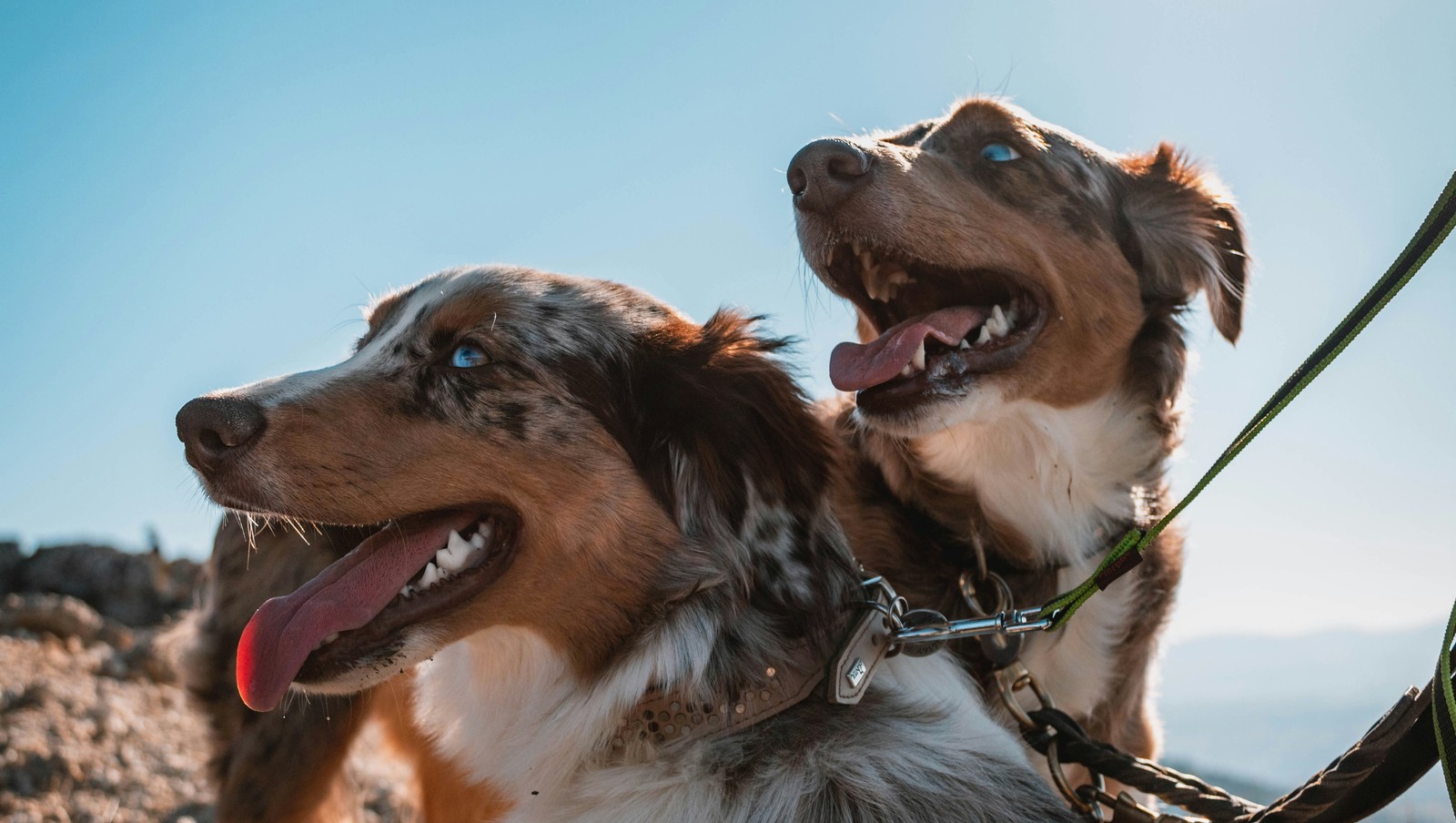
Image: Sara Kurfeß

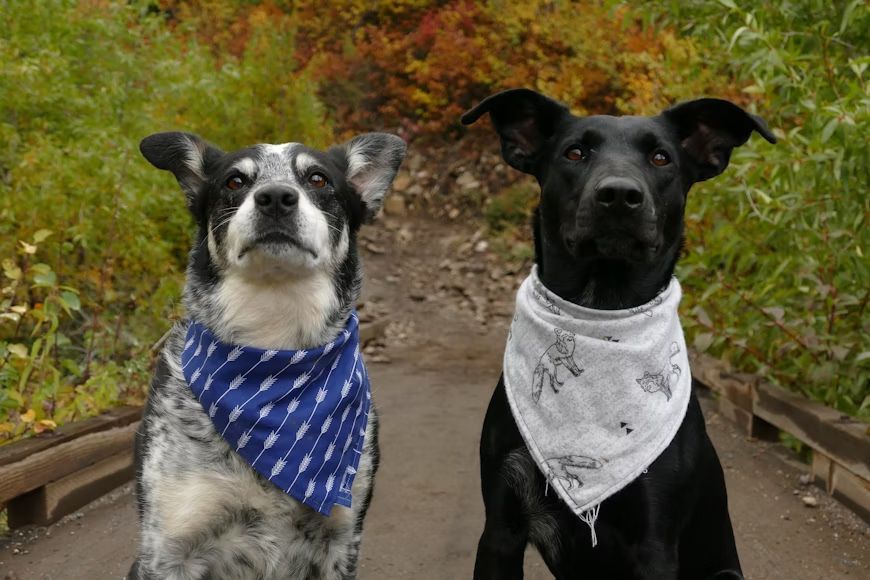
Before social media and spin doctors, some of the most beloved figures in Washington had four legs or wings. From dogs to horses, rabbits, and even raccoons, presidents have shared the White House with a colorful parade of creatures. These pets weren’t just sidekicks; they were family, confidants, and sometimes even headline-makers.

1
George Washington’s hungry hound

Image: Mitchell Orr

George Washington didn’t just lead a new nation; he also led a lively pack of dogs . His favorite, Vulcan, became a bit of a legend after sneaking into the kitchen and stealing a ham right before a fancy dinner party. Washington’s home was full of animals, from hounds with names like Sweet Lips and Madam Moose to strong horses such as Nelson and Blueskin, who carried him through the Revolution. The father of our country clearly had a soft spot for man’s best friend.

2
Thomas Jefferson’s exotic companions
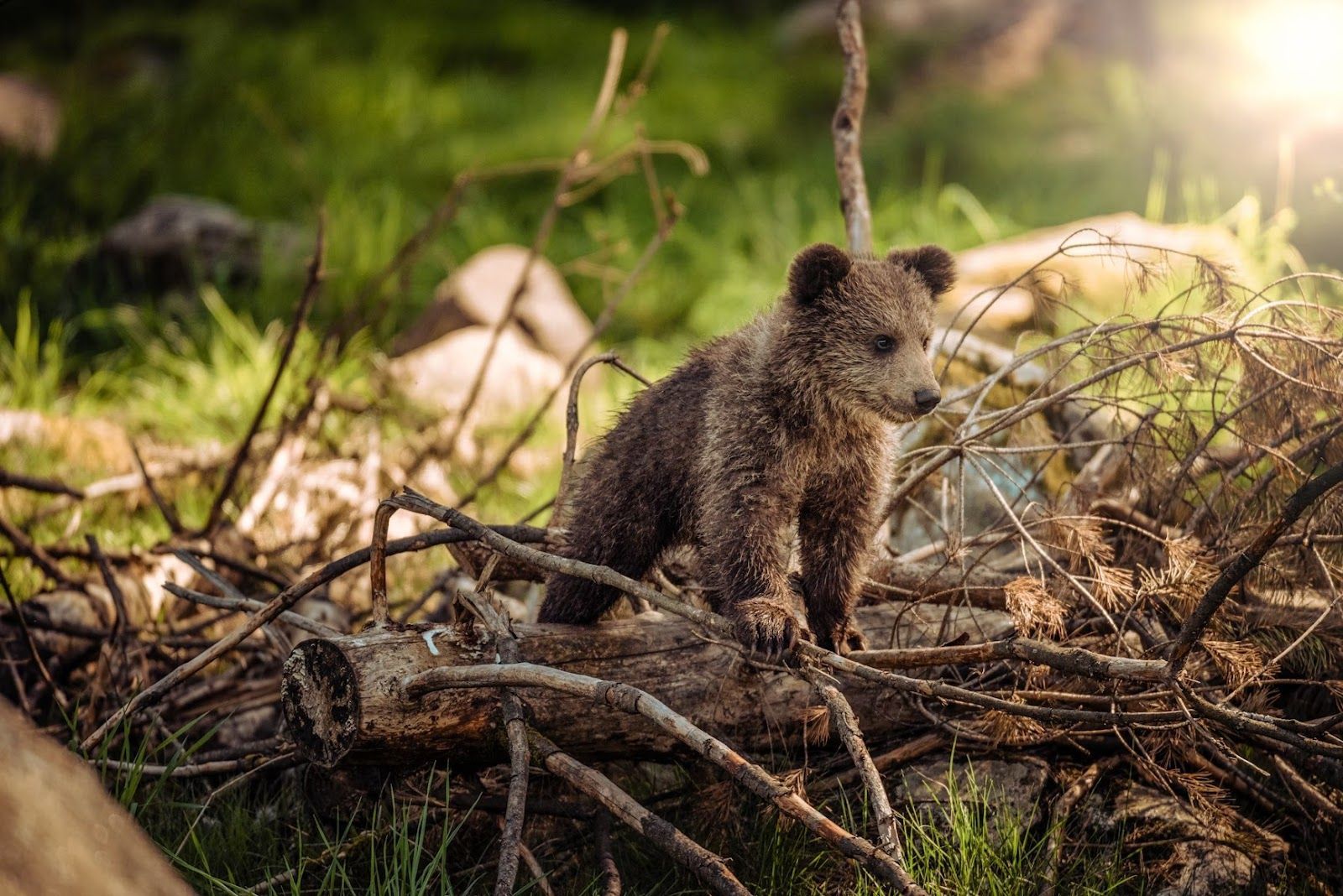
Image: 🇸🇮 Janko Ferlič

When Thomas Jefferson returned from France, he brought back more than political ideas. He also brought home a dog named Bergere, who had puppies during the voyage. Later, explorers Lewis and Clark sent him two bear cubs that lived for a time at Monticello. Jefferson also kept birds, which showed a curious and gentle side to the man remembered for serious debates and historic documents.

3
Abraham Lincoln’s family menagerie
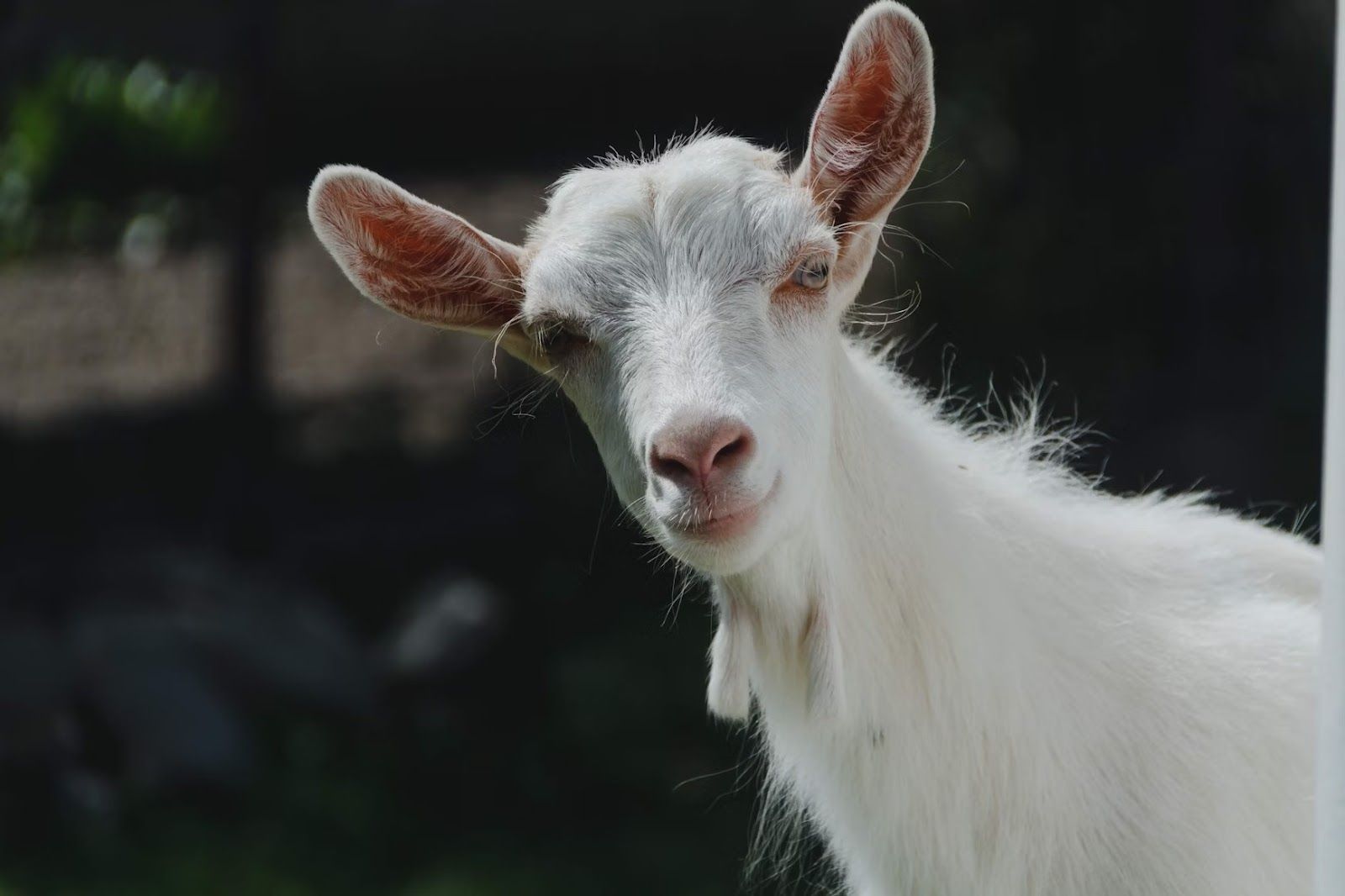
Image: Sergiu Vălenaș

Abraham Lincoln’s household was full of affection, laughter, and animals. His loyal dog, Fido, stayed behind in Springfield when the family moved to Washington, but Lincoln made sure he was cared for. The White House soon filled up with two playful goats named Nanny and Nanko , horses, cats named Tabby and Dixie, and even a few rabbits. Lincoln’s kindness toward animals mirrored his compassion for people.

4
Theodore Roosevelt’s White House zoo

Image: Jaroslaw Slodkiewicz

Theodore Roosevelt didn’t just bring energy to politics; he brought it to pet ownership too. His home was a whirlwind of fur, feathers, and scales. Alongside horses and dogs, there were guinea pigs, a macaw, a badger, a snake named Emily Spinach, and even a bear called Jonathan Edwards. Roosevelt’s six kids were always introducing new creatures, turning the White House into a joyful, unpredictable zoo.

5
Woodrow Wilson’s tobacco-chewing ram
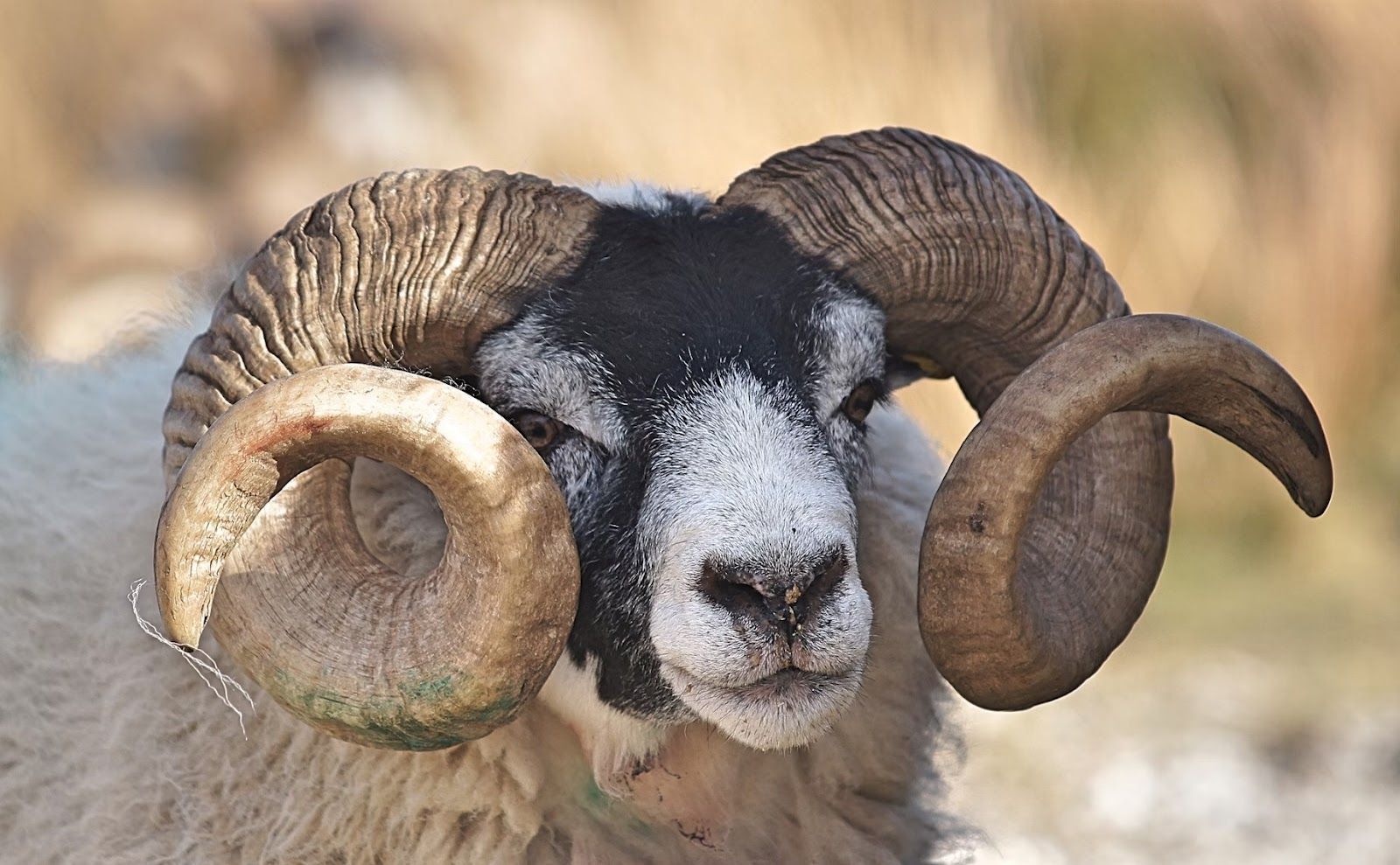
Image: Livin4wheel

Woodrow Wilson’s presidency wasn’t all about policy and world affairs. He also had a ram named Old Ike, who was known for chewing on cigars . Wilson kept a flock of sheep on the White House lawn during World War I to help raise money for the Red Cross by selling their wool. Along with dogs, birds, and a cat named Puffins, the Wilson White House looked more like a small farm than a seat of government.

6
Calvin Coolidge’s cheerful chaos
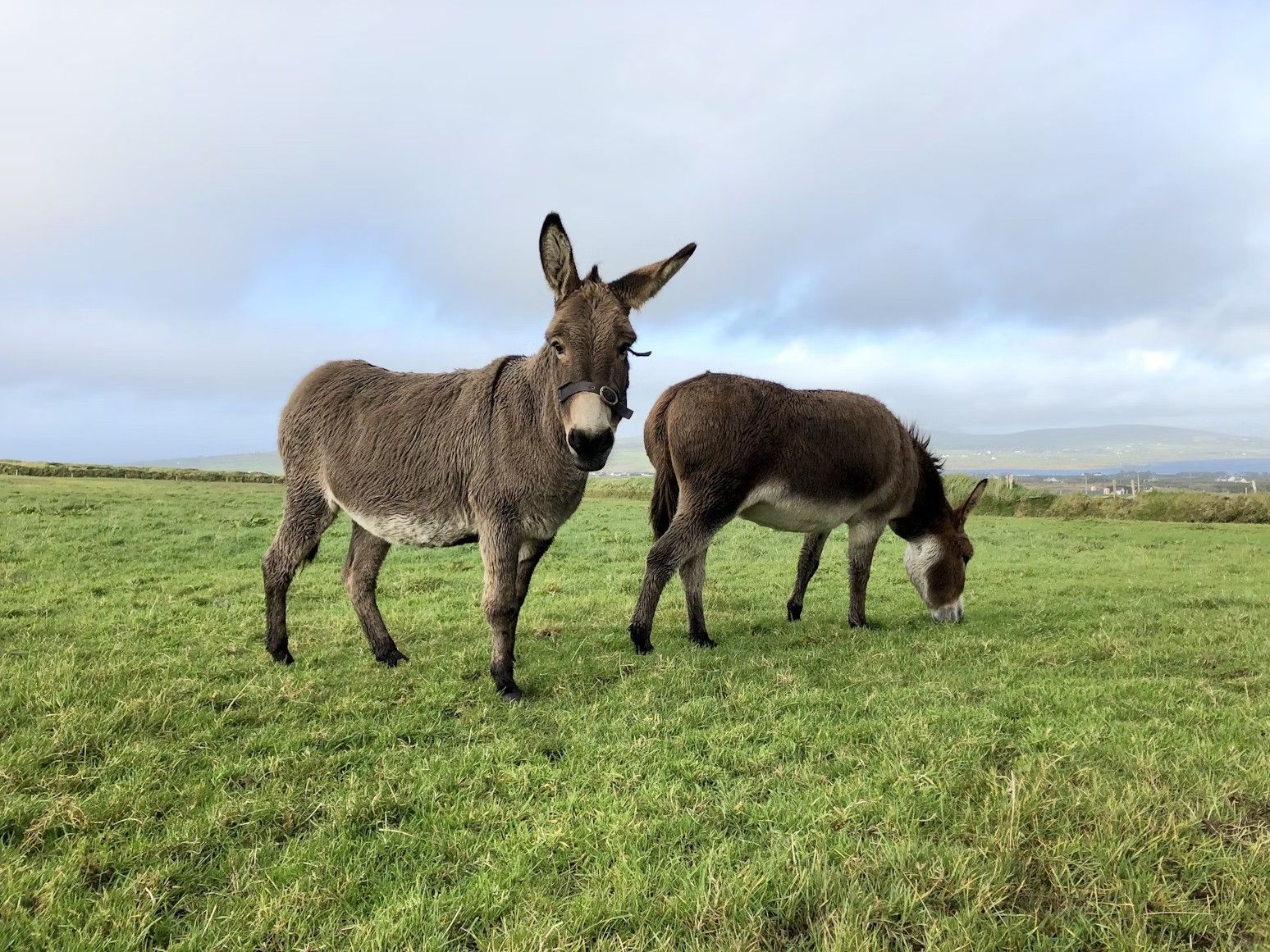
Image: Christian Hess Araya

If anyone rivaled Roosevelt’s menagerie, it was Calvin Coolidge. He and his wife, Grace, were devoted animal lovers. Their White House included twelve dogs, two cats, seven birds, a donkey named Ebenezer, two raccoons called Reuben and Rebecca, and even a bobcat named Smoky. Rob Roy, their white collie, was so beloved that he appeared in Grace Coolidge’s official portrait. With so many paws and claws around, quiet moments were rare, but laughter was constant.

7
Franklin D. Roosevelt’s loyal Fala
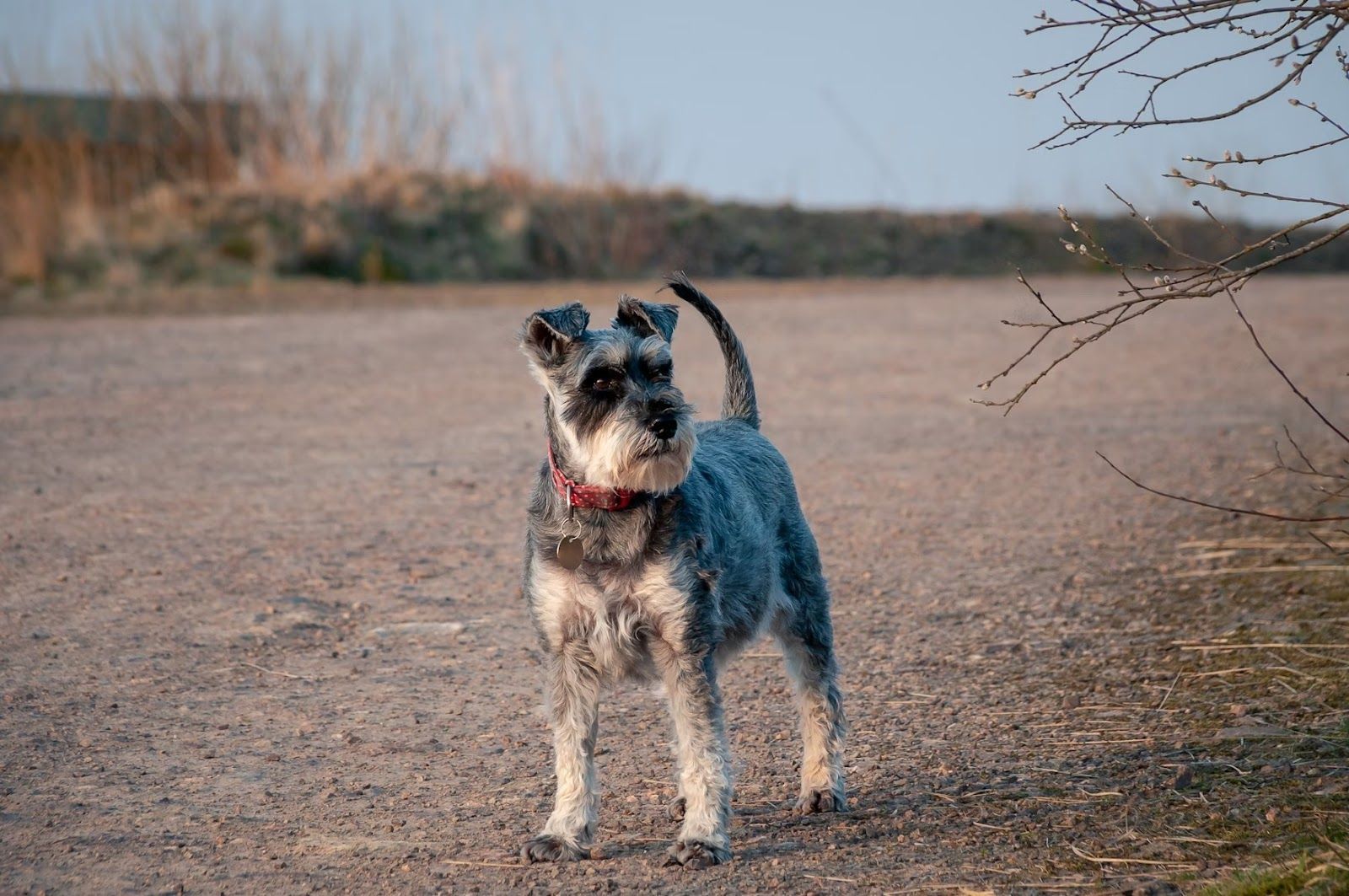
Image: Chris Arthur-Collins

Few pets have reached celebrity status quite like Franklin Roosevelt’s Scottish terrier, Fala . The little dog went everywhere with the president and even had his own fan club. When critics accused Roosevelt of forgetting Fala during a trip to Alaska, the president jokingly denied it in a speech that won over the crowd. Fala stayed faithfully by his side through good times and bad, a symbol of loyalty during some of the nation’s hardest years.

8
John F. Kennedy’s household of charm

Image: Gary Bendig

The Kennedys filled the White House with laughter and animals. Their pets included Pushinka, a gift from Soviet leader Nikita Khrushchev, who had puppies with the family’s dog, Charlie. The Kennedys gave the puppies to children who wrote to them. They also had horses, cats, birds, hamsters, and even a rabbit named Zsa Zsa . Caroline’s pony, Macaroni, became a favorite of photographers and fans, perfectly matching the family’s youthful, warm image.

9
Lyndon B. Johnson’s famous beagles

Image: Doğan Alpaslan DEMİR

Lyndon B. Johnson’s dogs, Him and Her, became almost as well known as their owner. Johnson once caused a stir by lifting one of them by the ears for a photo, but he truly loved his pets. He kept several dogs, along with birds and hamsters that entertained his family. Johnson was the last president to keep anything beyond the usual cats and dogs at the White House, marking the end of a particularly lively era for presidential pets.

10
Ronald Reagan’s ranch companions
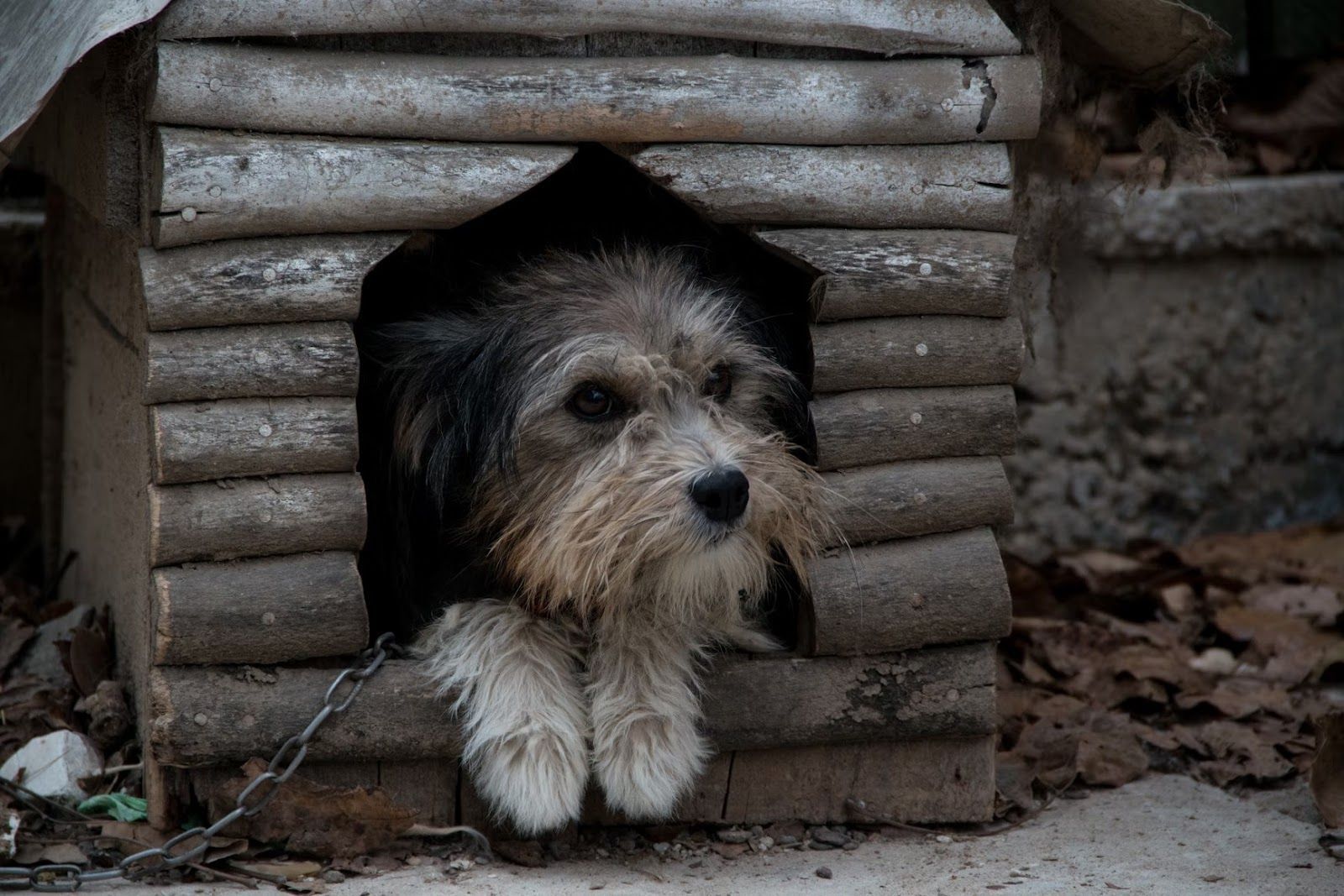
Image: Florin Palamarciuc

For Ronald Reagan, animals were part of the good life. His dogs, Lucky and Rex, often joined him at the family ranch, where he could ride horses and enjoy the open air away from Washington. Rex even had his own miniature White House doghouse . The Reagans saw their pets as family and often talked about how much joy they brought to their lives, proof that even presidents need a wagging tail to make a house feel like home.

History History 5 min read

Would you survive these situations?

Many people don’t believe these 10 real survival stories. Do you?

Image: Yaroslava Borz

True survival tales make for the best motivational stories. Realizing the kind of challenges that a human being can withstand while continuing to persevere is both captivating and inspiring. The women, children, and men we are about to mention managed to pull off incredible feats and save their lives under terrible circumstances. Do you think you have what is necessary to survive in these situations?

1
Skydiving accident survivor

Image: Eun-Kwang Bae

Jordan Hatmaker was not an expert, but she had done enough skydiving jumps to recognize when something was wrong. On November 14, 2021, she jumped from a height of 4,100 meters and deployed her parachute. But a series of unfortunate malfunctions led to the chutes opening at the very last moment—and in a disastrous way—causing her to crash land.

Although Jordan survived, she suffered a spinal injury, broke her shin, completely shattered her ankle, and was paralyzed from the waist down. The doctors couldn’t tell if she would ever walk again. Yet, just three months after the accident, she defied expectations and began walking. Since then, she’s even climbed Mount Everest base camp.

2
Survived being frozen for 6 hours

Image: Jared Erondu

Imagine being frozen solid for a full six hours. Almost anybody who has been in a similar situation, even for a much shorter time, has experienced serious consequences or even death. But not Jean Hilliard, who slipped in the ice in the harsh Minnesota winter, knocked herself unconscious and remained frozen for six hours until a friend discovered her.

After her friend took her to the hospital, doctors had trouble inserting an IV cannula because her arm was frozen solid. But, after thawing her with heat pads, Jean came back to life and her body returned to its normal state. Her extremities took a bit longer to come around; her toes, especially, were numb for some time. Remarkably, Jean recovered quickly and has experienced no lasting physical effects from that fateful December night frozen in the ice.

3
Survived a self-amputation

Image: Justin Luebke

If you have seen the film 127 Hours then you’ll recognize this story: Aron Ralston was hiking in a remote Utah canyon when a boulder fell, trapping his arm . With no one around to hear his cries for help and his water supply dwindling, Aron made the excruciating decision to sever his arm below the elbow using a dull multitool.

After freeing himself, Ralston rappelled down a 65-foot cliff and hiked several miles through the rugged terrain before being discovered by a search and rescue helicopter.

4
Military jet crash survivor

Image: Albert Stoynov

David Steeves, a U.S. Air Force lieutenant, was ordered to fly a Lockheed T-33A trainer jet from an Air Force base near San Francisco to Craig Air Force Base near Selma, Alabama, on May 9, 1957. Shortly after takeoff, Steeves and the jet disappeared without a trace, and he was declared dead after an extensive search yielded no results. After the incident, during the height of the Cold War, Steeves faced unfounded accusations of defecting and giving the trainer jet to the USSR.

However, Steeves appeared out of the Sierra Nevada the following July. He claimed that after an explosion in the jet, he had ejected and parachuted to safety. For two weeks, he survived without food until he discovered a ranger’s cabin in Kings Canyon National Park, where he found fishhooks, beans, and a canned ham to sustain himself.

5
Rode off a cliff in her vehicle

Image: Fabian Quintero

In a scene straight out of a movie, Angela Hernandez swerved to avoid hitting a small animal on the road and accidentally drove her SUV off a cliff. Her vehicle tumbled about 200 feet to a desolate, rocky beach.

Despite suffering a brain hemorrhage, fractured ribs, a broken collarbone, ruptured blood vessels in both eyes, and a collapsed lung, Hernandez managed to pull herself out of the sinking car. She walked for days until hikers stumbled across her wrecked Jeep and scoured the beach. Eventually, they found Hernandez crumpled up, sleeping on some rocks. After surviving seven harrowing days, she was finally rescued.

6
Three-year-old survives 2 days in the wilderness

Image: Jeremy McKnight

Three-year-old Ryker Webb was playing with his dog when he decided to take a walk on his own and wandered off. After his disappearance, a massive search was launched, and for two days the search team made no progress. Then, a family visiting their remote cabin in the middle of the wilderness heard the faint cries of a little boy coming from behind a shed.

Ryker was found tucked into a lawnmower bag. He was dressed in a light blue onesie that had been covered in dirt. After they called the police, the family was shocked to learn about the massive search that had been going on. The little boy survived two days in Montana wilderness, in near-freezing temperatures in an area, that according to locals, is heavily populated with bears and mountain lions.

7
Saved his family from a plane crash

Image: Gianluca Bei

Saving oneself from a plane crash is an extraordinary feat in itself. But saving an entire family as well is exponentially harder. On August 13, 2011, Donald Evans and his family were flying to their new home in Anvik, Alaska, aboard a Cessna plane when tragedy struck. The plane crashed into the mountains, killing the pilot and another passenger, and leaving Donald and his family— including his pregnant wife—badly injured .

Despite his own injuries, Donald managed to keep his family alive until the National Guard arrived by helicopter to rescue them. Amazingly, every member of the family survived, including their unborn daughter.

8
Quicksand survivor

Image: Sumner Mahaffey

Quicksand is a threat much more present in child stories than in real life but it does exist, as Ryan Osmun discovered in the worst possible way. While hiking in Utah’s Zion National Park he and his girlfriend tried to cross an innocent-looking pond that turned out to be quicksand.

After managing to save his girlfriend, Ryan sank into the sandy bottom to no avail. He had to wait for long hours until help arrived at the scene, just in time to save his life with a pulley system to yank him out of the ordeal.

9
Surviving the Desert

Image: Max Templeton

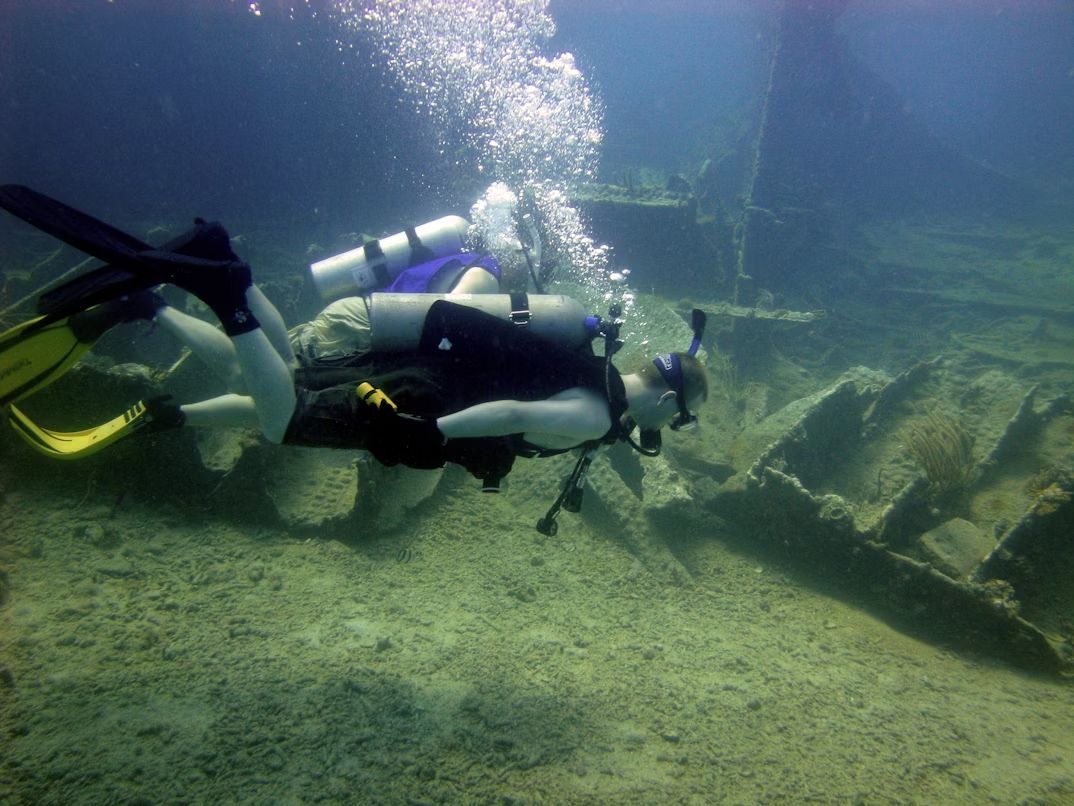
At 72 years old, Ann Rodgers spent nine days lost in the Arizona desert keeping herself alive thanks to skills acquired at a survival course and her own knowledge of nature. After getting lost on a distant dirt road and running out of gas, she left her car and started wandering the desert.

Had she stayed in her car, police would have found her 3 days later. Despite this misstep, Ann managed to survive. After 9 days, a helicopter found her thanks to a large "HELP" sign she had crafted out of rocks and took her to the hospital, where she made a full recovery.

10
Lost in the woods with poor eyesight

Image: Jeremy Bishop

Being lost in the woods is a bad thing as it is. But being lost in the woods with very bad eyesight and no glasses is much worse. This is exactly what happened to Marcus Mazzaferri at Yosemite National Park when he tried to traverse a river by foot, slipped on a rock, and was pulled by the rapids.

Marcus was able to reach a river bank and wandered through the woods, challenged by cold and darkness, without his much-needed glasses. He hiked using deer tracks, which he was barely able to see, as his only guide. Eventually, he was able to contact a plow crew near the river and was saved.

Geography Geography 3 min read

Rediscovering our land

Ghostly caves, surreal swamps, and other US natural oddities

Image: Drahomír Hugo Posteby-Mach

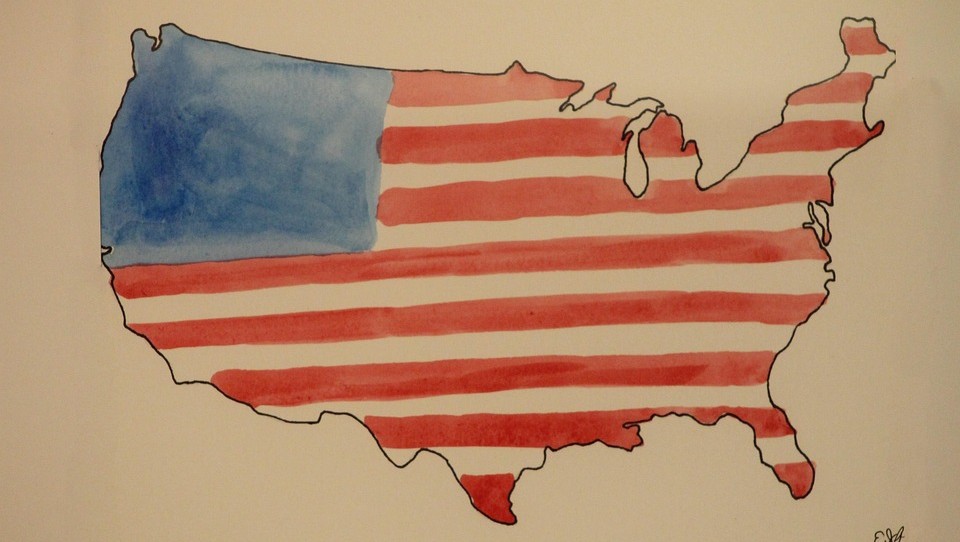
America is as vast as it is diverse, so it's no wonder that you'll find every kind of scenic marvel here, from the ordinary to the truly surreal. Ever heard of a national park filled with volcanoes, where glowing lava flows across the land and pours straight into the ocean? If you’re ready to discover 10 natural wonders in the US that will blow your mind, keep reading!

1
Hawaii Volcanoes National Park, Hawaii

Image: Mandy Beerley

If you've ever imagined what hell might look like, Hawaii Volcanoes National Park could come close—not because it’s a place of suffering (you'll actually witness some of the most incredible views on Earth), but because it's full of glowing, molten, menacing lava. The lava flows from Kīlauea, one of the most active volcanoes in the world. But not everything here burns; this national park is also home to unique flora and fauna.

2
Grand Prismatic Spring, Wyoming

Image: Dan Meyers

What you're looking at might resemble a weather forecast map, but it's not. It's the Grand Prismatic Spring, Yellowstone's most famous hot spring. With its brilliant blue, orange, yellow, and green hues, it looks like a surrealist painting. Although it might look small in pictures, the Grand Prismatic Spring is huge—about 370 feet in diameter and 160 feet deep. That makes it the largest hot spring in the US and the third largest in the world!

3
Antelope Canyon, Arizona

Image: Fudo Jahic

If you want to feel like you're walking through a giant red stone maze, Antelope Canyon near Page, in northern Arizona, is the perfect spot. Carved over thousands of years by flash floods and erosion, its towering walls allow sunlight to stream in from above, creating an unforgettable experience for visitors.

4
Painted Hills, Oregon

Image: Ashley Bard

If an artist were to paint a series of enormous hills in vibrant colors, it would probably look a lot like Oregon's stunning Painted Hills. Located within the John Day Fossil Beds National Monument, these hills display stripes of red, yellow, gold, and black. But that's not all! The colors shift with the seasons and change throughout the day, creating a breathtaking, ever-changing landscape.

5
Mendenhall Glacier Ice Caves, Alaska

Image: Salomé Guruli

Exploring caves can be risky and terrifying for many, but imagine a cave system made entirely of ice! It sounds like something from a fantasy movie, but it really exists—and it's in Alaska. The stunning Mendenhall Glacier Ice Caves lie beneath the glacier of the same name, formed by meltwater carving tunnels and chambers deep within the ice.

6
Turnip Rock, Michigan

Image: Maria Teneva

Turnip Rock, located in the famous Lake Huron in Michigan, is as fascinating as it is mysterious. What makes this rock so special? Standing about 20 feet tall, it has a turnip-like shape—its narrow base supports a much wider top—giving it a perfectly balanced appearance that amazes all who see it.

7
Hubbard Glacier, Alaska

Image: Peter Hansen

The Mendenhall Glacier Ice Caves are just one of Alaska's many spectacular sights. Another must-see is the incredible Hubbard Glacier in southeastern Alaska, one of the largest and most active tidewater glaciers in North America. Trust us— its sheer size and dramatic ice cliffs will absolutely blow your mind!

8
Bisti/De-Na-Zin Wilderness, New Mexico

Image: Robert Harkness

When it comes to surreal landscapes, New Mexico's Bisti/De-Na-Zin Wilderness can't be left out. Its towering rock formations, blending shades of white, gray, red, and orange, were shaped by erosion and look like something straight out of another planet!

9
Mammoth Cave, Kentucky

Image: Adrien Tanic

A cave doesn't always have to be a small, cramped space. Mammoth Cave stands out with its enormous underground chambers, filled with impressive rock formations in both shape and size. In fact, it's the world's longest-known cave system—and it's right here in the state of Kentucky!

10
Atchafalaya Basin, Louisiana

Image: Carlo Lisa

If you're easily spooked, Louisiana's Atchafalaya Basin might not be your idea of a fun trip, especially at night! It's the largest swamp and wetland area in the US, packed with twisting bayous, spooky cypress trees, and massive alligators lurking around.

Explore more American facts

Choose your favorite category!

General
General

As American as apple pie—the very best America has to offer!

Culture
Culture

Delve into the astounding richness of American lore.

Geography
Geography

Hop in and explore vast and diverse American landscapes.

History
History

Discover the key moments that shaped the United States.