Culture Culture 5 min read

Unexpected juxtapositions

10 films you didn't know that take place at roughly the same time

Image: konstantinrotkevich

Period pieces aim to portray specific historical events, customs, and characters. But every year, all sorts of different events happen around the world. What to cut and what to show in a historical film is an artist's main job, and the result will depend on his or her particular point of view. From Titanic and The Music Man to Grease and Malcolm X , in this article, we're going to explore 10 pairs of films that take place in the same year but couldn't be more different. Can you think of any others?

1
Titanic & The Music Man
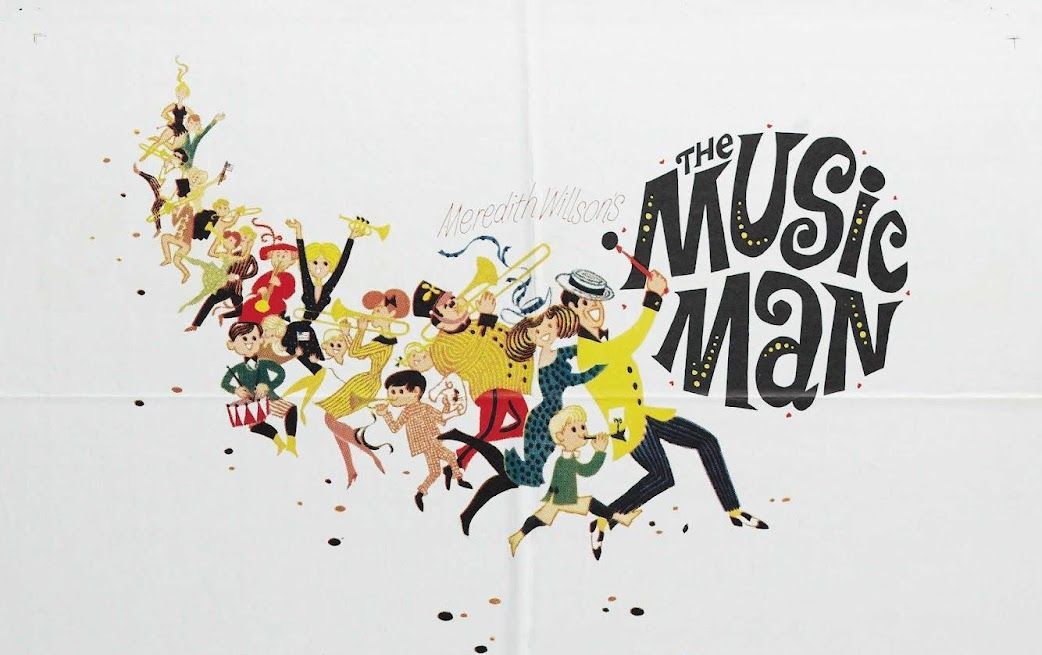
Image: Copyright © 1962 Warner Bros. Pictures Distributing Corporation - Public domain, via Wikimedia Commons

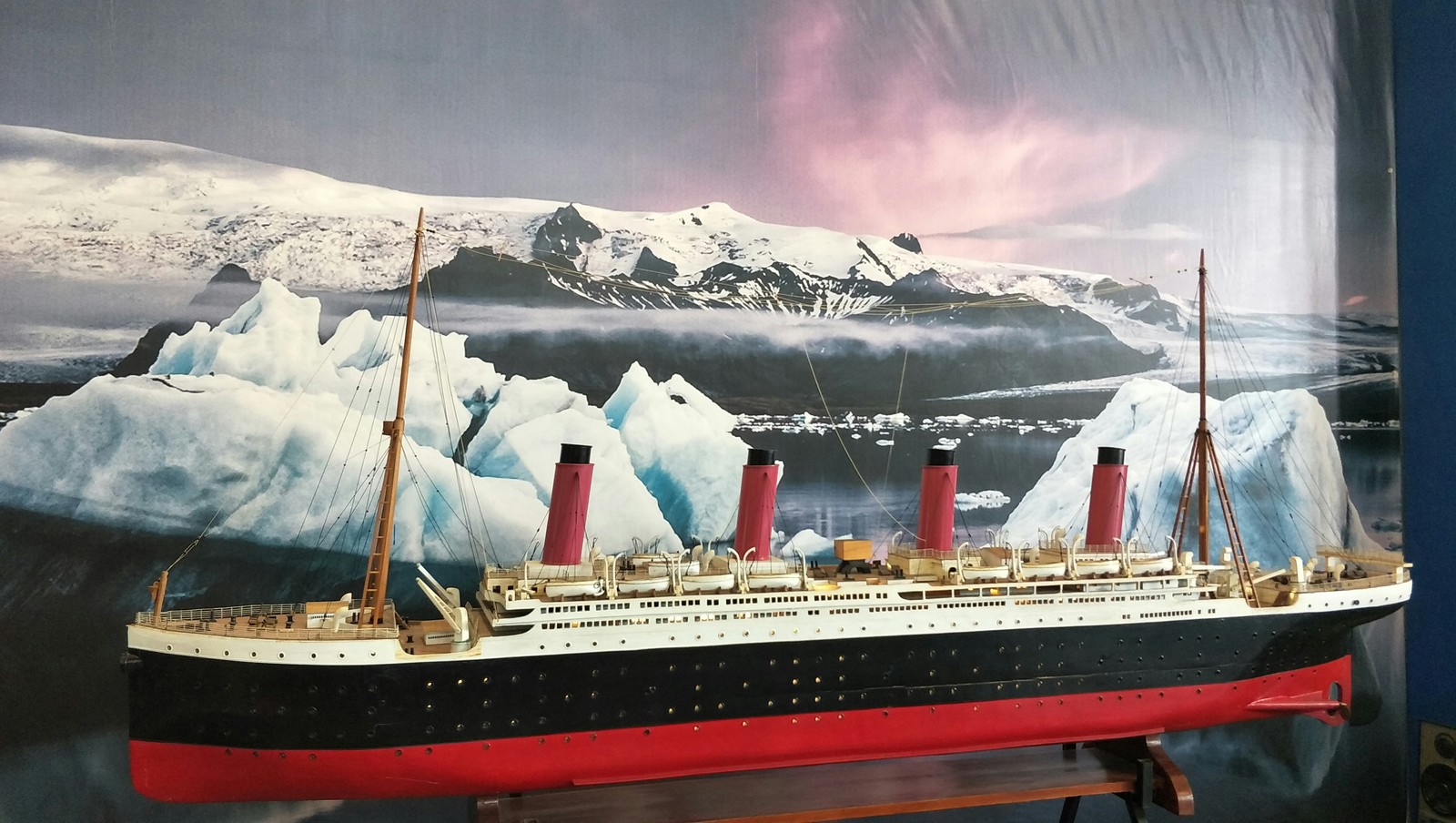
It is common knowledge that Titanic (1997), starring Leonardo DiCaprio and Kate Winslet, fictionalizes the true story of the sinking of the British ocean liner that collided with an iceberg in the North Atlantic.

The Music Man (1962), on the other hand, is a musical that tells the story of a salesman who tries to convince the residents of a small town in Iowa to start a musical band. Although the two films are set miles apart and their characters are very different, they both take place in the same year: 1912. Fascinating, don't you think?

2
Mary Poppins & The Wild Bunch
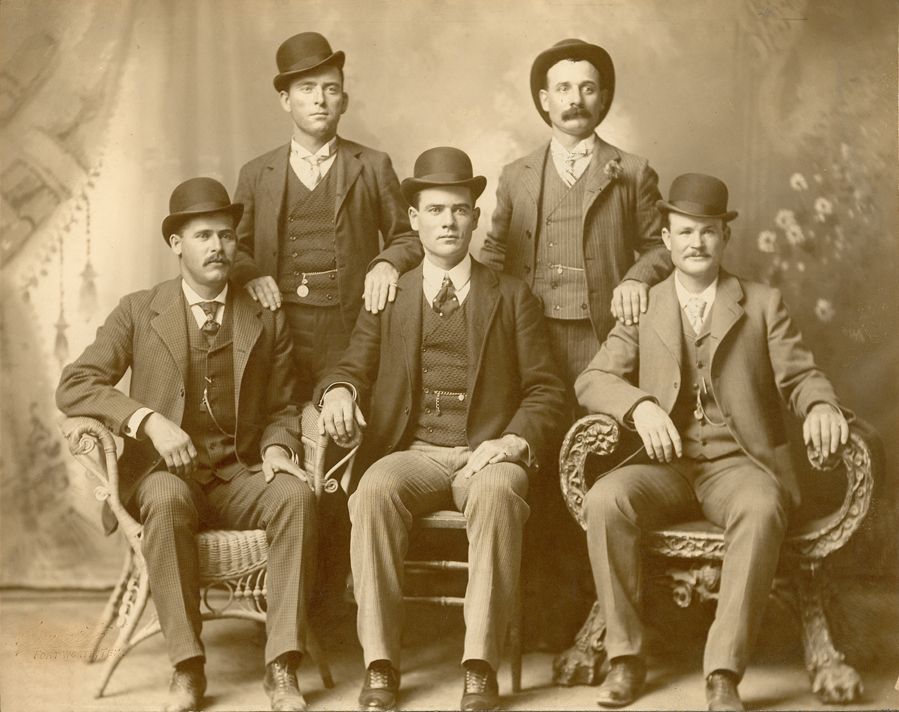
Image: From the studio of John Schwartz., Public domain, via Wikimedia Commons

Early twentieth-century London, a vibrant, sprawling city, has almost nothing in common with the wild U.S.-Mexico frontier of the same era. Yet the tender Mary Poppins (1964) and the epic revisionist Western The Wild Bunch (1969) take place during virtually the same years. Despite being vastly different stories, the two films share a similar theme: the concept of outsiders navigating a world of change and challenges.

3
There Will Be Blood & Meet Me in St. Louis
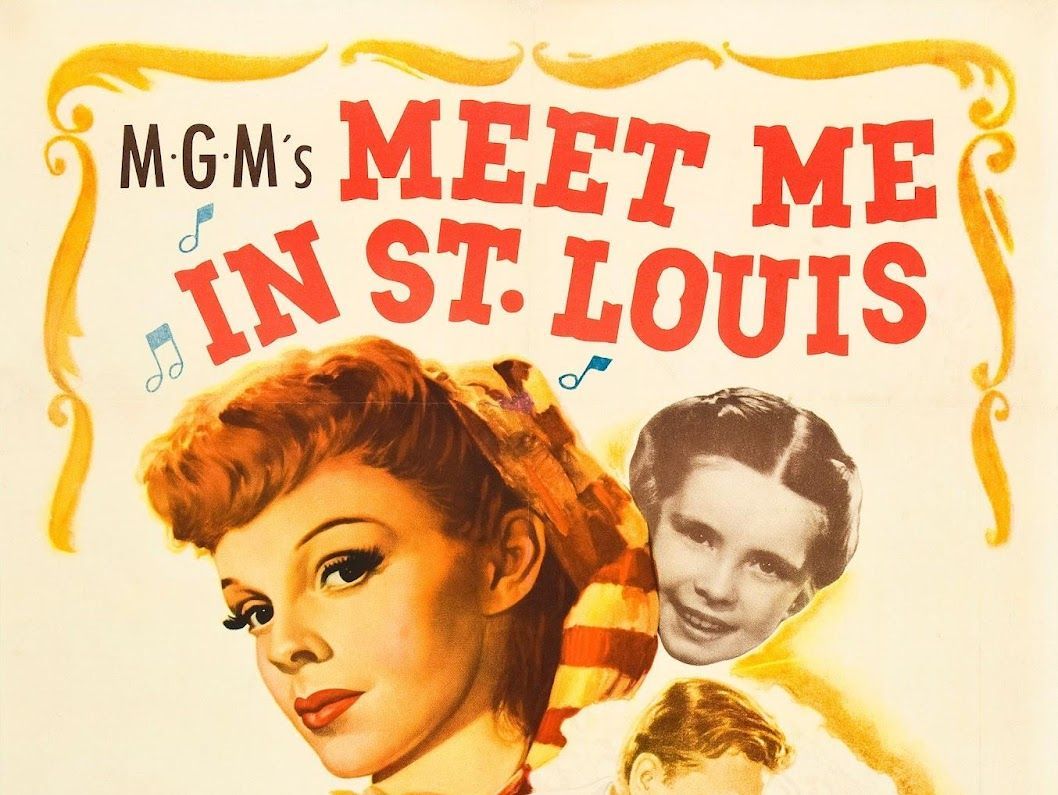
Image: Metro-Goldwyn-Mayer (Loew's Inc.), Public domain, via Wikimedia Commons

What do a Christmas musical from 1944 and a 2007 drama film have in common? They both portray the early years of the 20th century!

While There Will Be Blood is a dark film that focuses on the California oil rush, Meet Me in St. Louis , starring the iconic Judy Garland, portrays the well-to-do life of an upper-middle-class Missouri family. Watching these two films truly paints a picture of what America was like at this time in its history.

4
Grease & Malcolm X
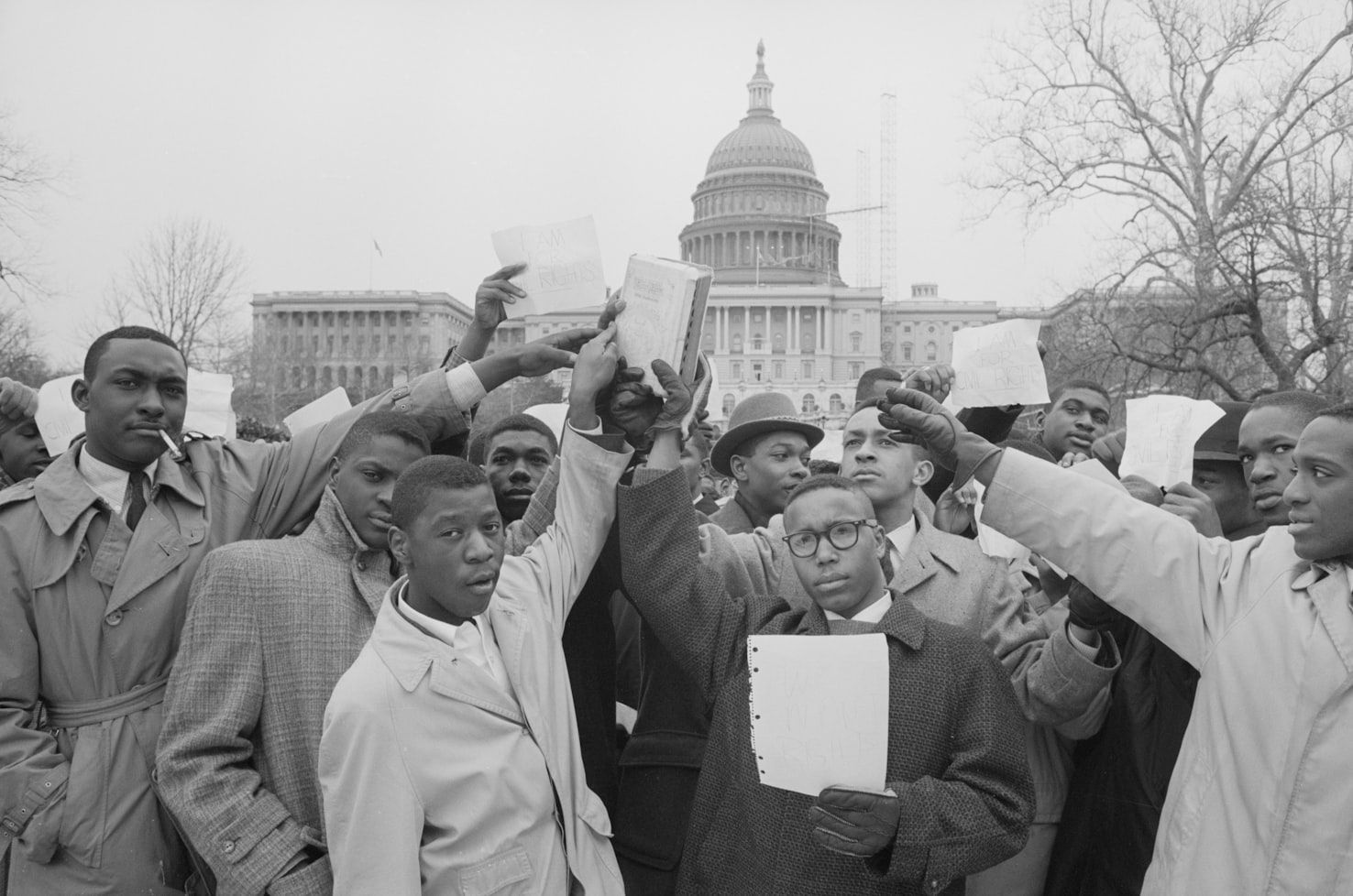
Image: Library of Congress

Two other films that offer their version of American life during a specific era are Grease (1978) and Malcolm X (1992). Both take place around 1958, but couldn't be more different.

Grease , a romantic musical with gelled hairdos and poodle skirts, portrays a group of teenagers more concerned with leather jackets, rock and roll, and fashionable cars than anything else. Malcom X , on the contrary, is based on the biography of the famous African-American activist, and dives deep into the history of the civil rights movement.

5
Barry Lyndon & Pirates of the Caribbean
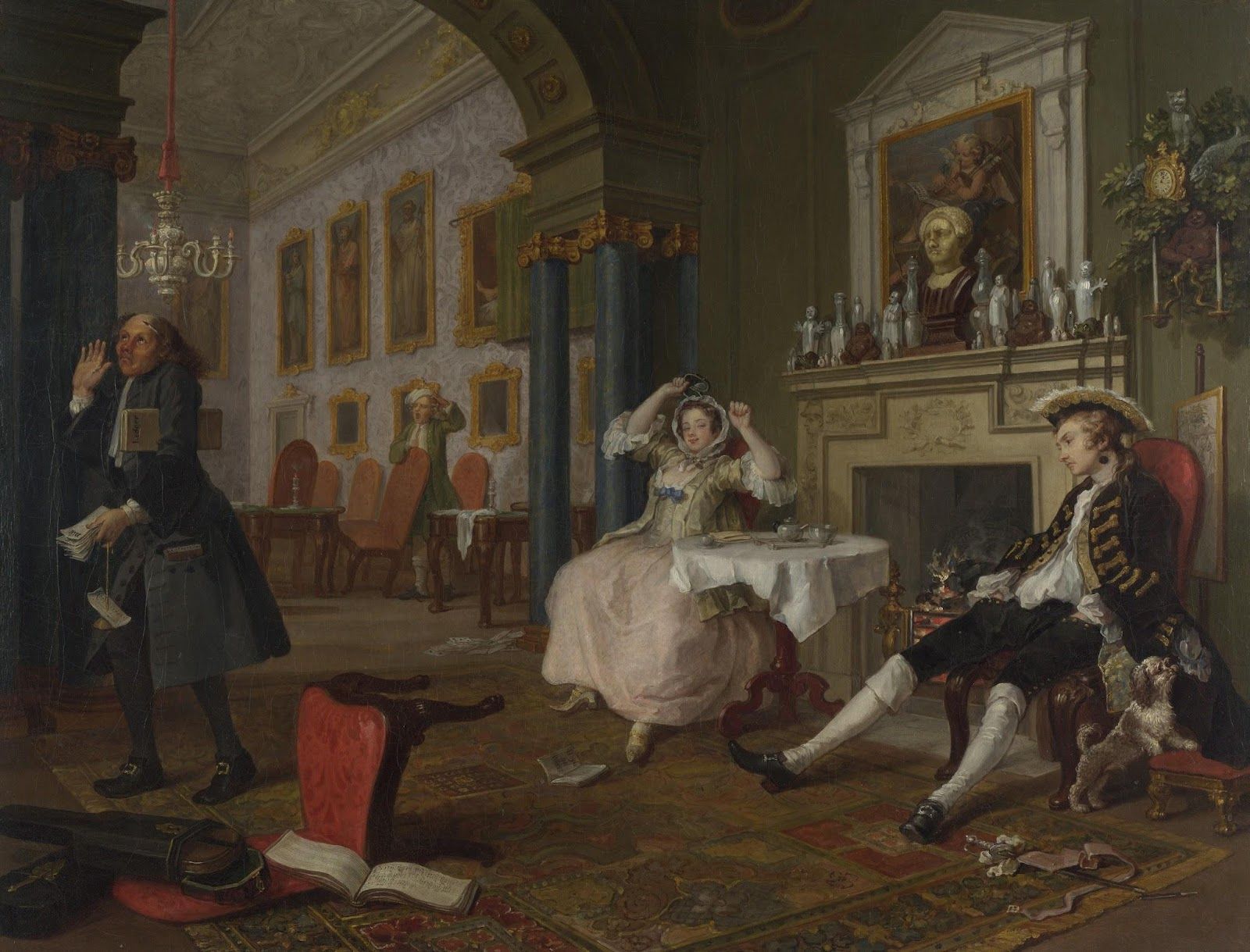
Image: William Hogarth, Public domain, via Wikimedia Commons

The story of a young Irishman trying to climb the ladder of British high society can't be too different from that of a pirate sailing through dangerous waters. However, although Barry Lyndon (1975) and Pirates of the Caribbean: On Stranger Tides (2011) take place in the 1750s, they are very dissimilar films.

While Pirates of the Caribbean is a fantasy adventure franchise chronicling the adventures of the endearing Jack Sparrow, the historic drama directed by Stanley Kubrick won four Academy Awards and is considered one of the greatest films ever made.

6
The Godfather: Part II & 1917
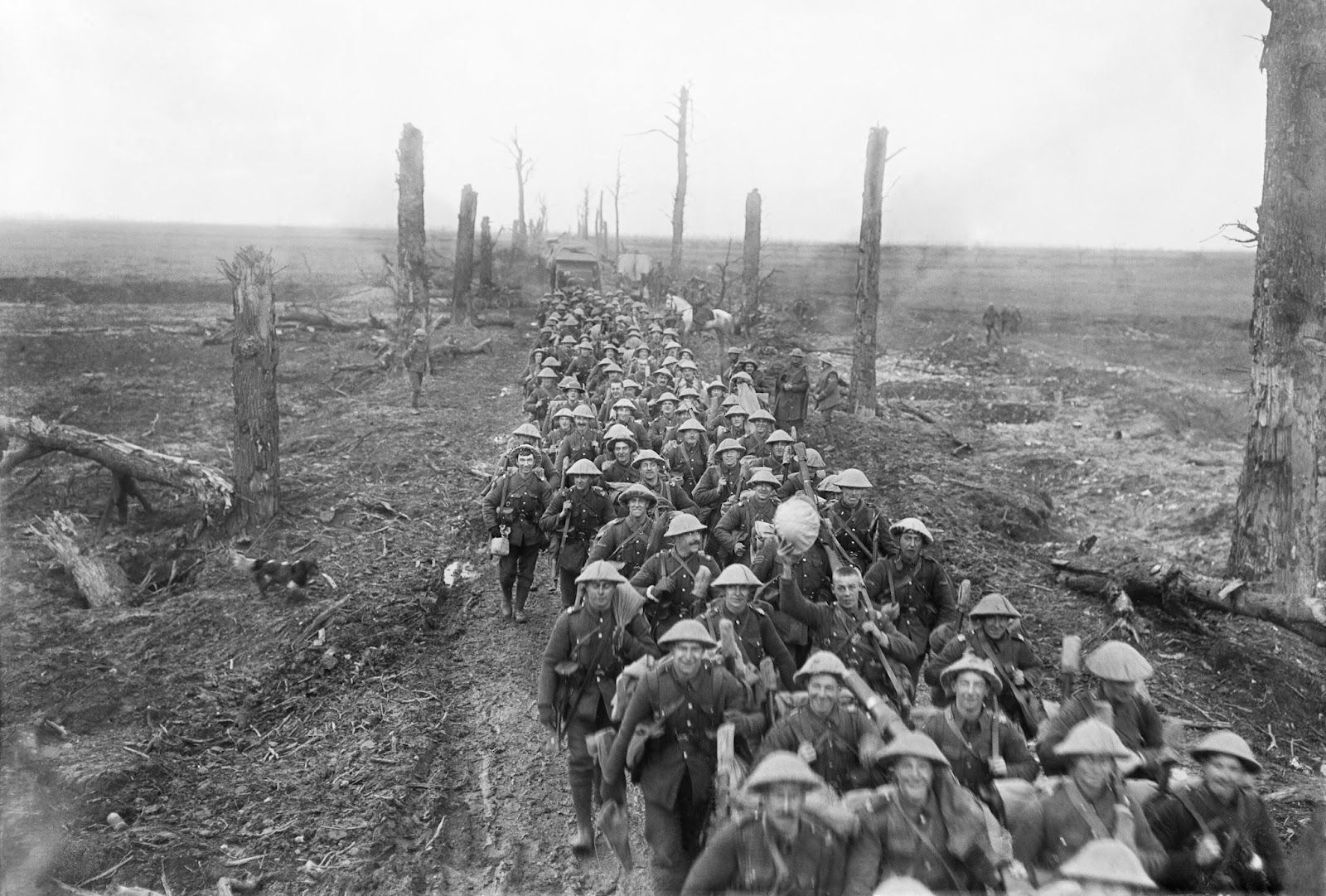
Image: Ernest Brooks, Public domain, via Wikimedia Commons

The year is 1917, and a young Vito Corleone takes his first steps in the criminal world in his native Sicily. Meanwhile, in northern France, a young British soldier is sent on a mission to save his brother.

1917 (2019) is inspired by the true story of World War I battles, and The Godfather: Part II (1974) is based on the fictional story written by Mario Puzo about a gangster family. Both films, however, portray the same period of European history, an era that had a huge impact on American society.

7
Jobs & 2001: A Space Odyssey
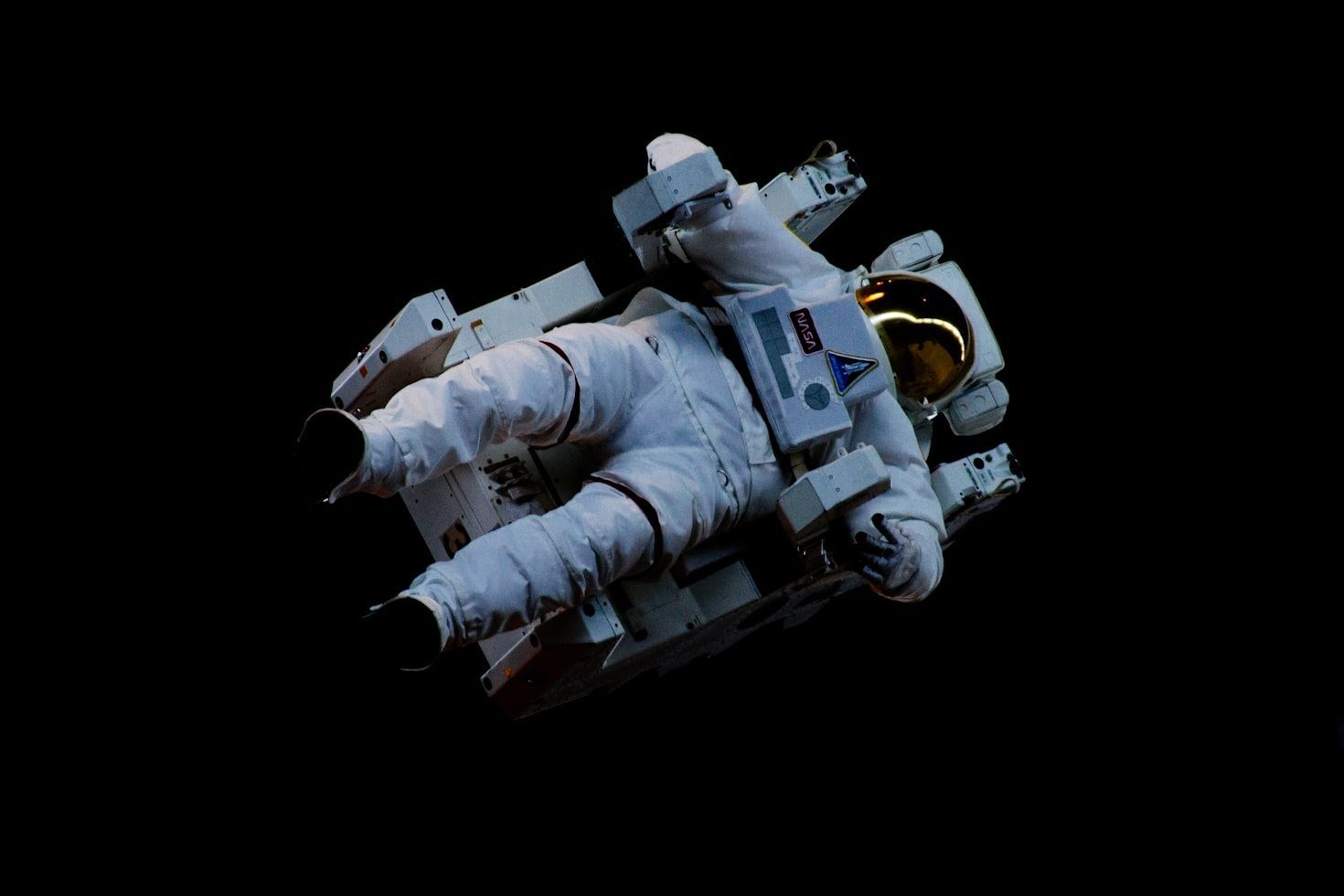
Image: Niketh Vellanki

Surely, when Stanley Kubrick directed 2001: A Space Odyssey, he was envisioning a more advanced future. But the truth is that the real 2001 was marked, among other things, by the launch of Apple's iPod.

The film Jobs (2013) begins precisely with Steve Jobs' presentation of the device that would forever change the way we listen to music. Intergalactic travel as a common currency will have to wait a few more years. Yet, to be fair, HAL 9000 is pretty much like the artificial intelligences we have today —let's just hope they don't betray us!

8
The sound of music & Harlem Nights
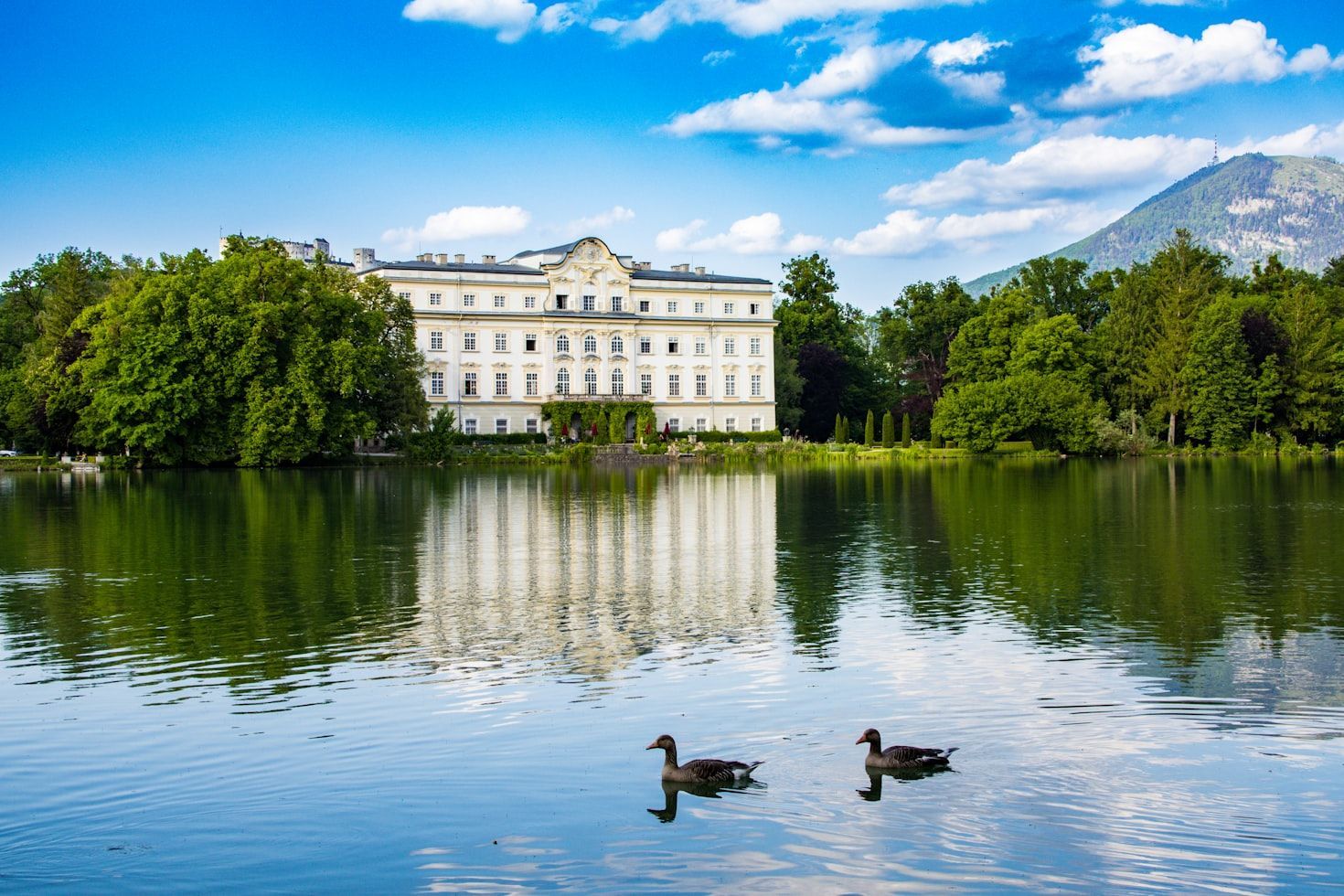
Image: Sanja Lazic

While a young governess falls in love with Captain von Trapp with the Austrian Alps as a backdrop, on the other side of the Atlantic, a nightclub owner in Harlem must face powerful gangsters to stay in business.

Although they may seem like two incompatible plots, The Sound of Music (1965) and Harlem Nights (1989) both take place in 1938, when the United States was recovering from the Great Depression and Europe was at the dawn of the Second World War. Two opposite views of the world.

9
13 Going on 30 & The Wolf of Wall Street

Image: engin akyurt

One is an innocent romantic comedy full of '80s pop culture references, and the other is a dark, full of foul language and racy scenes, portrait of the years when yuppies and stockbrokers dominated the New York scene. Yet, both 13 Going on 30 (2004) and The Wolf of Wall Street (2013) take place in 1987. Have you ever thought about it?

10
Hairspray & The Shape of Water

Image: Larissa Megale

The interesting thing about these two films is that they not only take place in the same year—1962—, but also in the same ‘place’: Baltimore, Maryland.

Hairspray (1988), a cult comedy directed by John Waters, tells the story of young Tracy Turnbland's quest to be taken seriously in an audition for a popular show for young dancers. The Shape of Water , on the other hand, is a fantasy film that portrays the love story between a mute woman and a humanoid amphibian. Two very different plots that offer a glimpse of what life was like in America during the Cold War.
Culture Culture 5 min read

Unexpected juxtapositions

10 films you didn't know that take place at roughly the same time

Image: konstantinrotkevich

Period pieces aim to portray specific historical events, customs, and characters. But every year, all sorts of different events happen around the world. What to cut and what to show in a historical film is an artist's main job, and the result will depend on his or her particular point of view. From Titanic and The Music Man to Grease and Malcolm X , in this article, we're going to explore 10 pairs of films that take place in the same year but couldn't be more different. Can you think of any others?

1
Titanic & The Music Man

Image: Copyright © 1962 Warner Bros. Pictures Distributing Corporation - Public domain, via Wikimedia Commons

It is common knowledge that Titanic (1997), starring Leonardo DiCaprio and Kate Winslet, fictionalizes the true story of the sinking of the British ocean liner that collided with an iceberg in the North Atlantic.

The Music Man (1962), on the other hand, is a musical that tells the story of a salesman who tries to convince the residents of a small town in Iowa to start a musical band. Although the two films are set miles apart and their characters are very different, they both take place in the same year: 1912. Fascinating, don't you think?

2
Mary Poppins & The Wild Bunch

Image: From the studio of John Schwartz., Public domain, via Wikimedia Commons

Early twentieth-century London, a vibrant, sprawling city, has almost nothing in common with the wild U.S.-Mexico frontier of the same era. Yet the tender Mary Poppins (1964) and the epic revisionist Western The Wild Bunch (1969) take place during virtually the same years. Despite being vastly different stories, the two films share a similar theme: the concept of outsiders navigating a world of change and challenges.

3
There Will Be Blood & Meet Me in St. Louis

Image: Metro-Goldwyn-Mayer (Loew's Inc.), Public domain, via Wikimedia Commons

What do a Christmas musical from 1944 and a 2007 drama film have in common? They both portray the early years of the 20th century!

While There Will Be Blood is a dark film that focuses on the California oil rush, Meet Me in St. Louis , starring the iconic Judy Garland, portrays the well-to-do life of an upper-middle-class Missouri family. Watching these two films truly paints a picture of what America was like at this time in its history.

4
Grease & Malcolm X

Image: Library of Congress

Two other films that offer their version of American life during a specific era are Grease (1978) and Malcolm X (1992). Both take place around 1958, but couldn't be more different.

Grease , a romantic musical with gelled hairdos and poodle skirts, portrays a group of teenagers more concerned with leather jackets, rock and roll, and fashionable cars than anything else. Malcom X , on the contrary, is based on the biography of the famous African-American activist, and dives deep into the history of the civil rights movement.

5
Barry Lyndon & Pirates of the Caribbean

Image: William Hogarth, Public domain, via Wikimedia Commons

The story of a young Irishman trying to climb the ladder of British high society can't be too different from that of a pirate sailing through dangerous waters. However, although Barry Lyndon (1975) and Pirates of the Caribbean: On Stranger Tides (2011) take place in the 1750s, they are very dissimilar films.

While Pirates of the Caribbean is a fantasy adventure franchise chronicling the adventures of the endearing Jack Sparrow, the historic drama directed by Stanley Kubrick won four Academy Awards and is considered one of the greatest films ever made.

6
The Godfather: Part II & 1917

Image: Ernest Brooks, Public domain, via Wikimedia Commons

The year is 1917, and a young Vito Corleone takes his first steps in the criminal world in his native Sicily. Meanwhile, in northern France, a young British soldier is sent on a mission to save his brother.

1917 (2019) is inspired by the true story of World War I battles, and The Godfather: Part II (1974) is based on the fictional story written by Mario Puzo about a gangster family. Both films, however, portray the same period of European history, an era that had a huge impact on American society.

7
Jobs & 2001: A Space Odyssey

Image: Niketh Vellanki

Surely, when Stanley Kubrick directed 2001: A Space Odyssey, he was envisioning a more advanced future. But the truth is that the real 2001 was marked, among other things, by the launch of Apple's iPod.

The film Jobs (2013) begins precisely with Steve Jobs' presentation of the device that would forever change the way we listen to music. Intergalactic travel as a common currency will have to wait a few more years. Yet, to be fair, HAL 9000 is pretty much like the artificial intelligences we have today —let's just hope they don't betray us!

8
The sound of music & Harlem Nights

Image: Sanja Lazic

While a young governess falls in love with Captain von Trapp with the Austrian Alps as a backdrop, on the other side of the Atlantic, a nightclub owner in Harlem must face powerful gangsters to stay in business.

Although they may seem like two incompatible plots, The Sound of Music (1965) and Harlem Nights (1989) both take place in 1938, when the United States was recovering from the Great Depression and Europe was at the dawn of the Second World War. Two opposite views of the world.

9
13 Going on 30 & The Wolf of Wall Street

Image: engin akyurt

One is an innocent romantic comedy full of '80s pop culture references, and the other is a dark, full of foul language and racy scenes, portrait of the years when yuppies and stockbrokers dominated the New York scene. Yet, both 13 Going on 30 (2004) and The Wolf of Wall Street (2013) take place in 1987. Have you ever thought about it?

10
Hairspray & The Shape of Water

Image: Larissa Megale

The interesting thing about these two films is that they not only take place in the same year—1962—, but also in the same ‘place’: Baltimore, Maryland.

Hairspray (1988), a cult comedy directed by John Waters, tells the story of young Tracy Turnbland's quest to be taken seriously in an audition for a popular show for young dancers. The Shape of Water , on the other hand, is a fantasy film that portrays the love story between a mute woman and a humanoid amphibian. Two very different plots that offer a glimpse of what life was like in America during the Cold War.

Geography Geography 5 min read

Weird American geography

Travel through the 10 strangest town names in the US!

Image: Leah Newhouse

The name of a town or a city often reflects its proud history. For instance, the city of Houston pays homage to Sam Houston, the first President of the Republic of Texas. In that sense, one can’t help but wonder what stories towns like Money, Mississippi, or Friendship, Maine, hide behind their unusual names. With that in mind, get ready to go on a wacky road trip with our selection of 10 of the most unusual names of American towns and cities. Enjoy!

1
Accident, Maryland

Image: Chiara Guercio

We’ll begin this article by quoting the great Bob Ross: "We don’t make mistakes; we make happy accidents". In that sense, a certain small town located in Garrett County, Maryland, is a living testament to the wonderful nature of accidents: Certainly, the town of Accident could use this Bob Ross quote as a town motto.

Nobody really knows where this unusual name comes from, but a popular theory states that when two men were conducting separate surveys in the area, one of them claimed land owned by the other "by accident". While we might never be sure if this story is true or not, people from Accident (or, as they like to be called, "Accidentals") definitively take pride in their weirdly named town.

2
Boring, Oregon

Image: charlesdeluvio

At first glance, the town of Boring, Oregon, seems to encapsulate the slow living of many American towns. While many disgruntled teenagers might call this peaceful lifestyle boring, we choose to consider it "peaceful". In any case, the name of this unincorporated community comes from a rather flashy geographical feature: a lava field.

If this unusual name makes you feel sorry about this town, don’t be: It has found a rather extraordinary group of sister cities. Boring, Oregon, is a proud member of a group known as "Trinity of Tedium", which includes the village of Dull, Scotland, as well as Bland, Australia.

3
Cucumber, West Virginia

Image: Harshal S. Hirve

The cucumber is definitively the star of many delicious salads. This versatile vegetable provides a fresh and unique taste to any dish. You would think that all the 74 residents of Cucumber, West Virginia, are big fans of this green delicacy, but in fact, the naming of this town seems to be in reference to entirely different reasons.

This mining-centered community was named after either Cucumber Creek, which is in the town’s proximity, or after the abundant cucumber trees in the area (which sadly don’t produce the green vegetables we know and love).

4
Mexican Hat, Utah

Image: Melanie Rosillo Galvan

With a population of only 31, the town of Mexican Hat in Utah is named after a peculiarly shaped landmark. A strange rock overlooks the northeast side of town, shaped just like an upside-down sombrero . This rock has 2 different climbing routes that ascend it, in case you want to take a trip and see this hat-shaped landmark in all its magnificence.

Mexican Hat was founded in 1908 by E.L. Goodridge, a man seeking oil in the area. While his efforts were unsuccessful, this settlement would eventually result in one of the most oddly named towns in America.

5
Chicken, Alaska

Image: Stephen Mierendorf

There’s no denying that America loves chicken: After all, we are the country that consumes the most chicken in the world. In that sense, it stands to reason that one of our many towns chose to celebrate our favorite domesticated bird. However, the history behind the naming of Chicken, Alaska, actually tells a different story.

This town was settled in the 19th century by gold miners rushing to Alaska during this state’s gold rush. When, in 1902, the site established a post office, it required a community name, and the settlers decided to name the newly-formed town after a type of game bird called ptarmigan. However, since no one was able to spell "ptarmigan" correctly, they ultimately settled on the much more spellable "Chicken".

6
Hot Coffee, Mississippi

Image: Alex Padurariu

Don’t you agree that thanking coffee for everything it does for us should be enough reason for this homage? The small community of Hot Coffee, Mississippi, pays a warm tribute to that miraculous drink that helps millions start their day right.

The community was established in the 19th century, located at the crossroads between two major travel routes. Logically, an inn was built to house weary travelers. A local man called L.J. Davis built a store and hung a sign designed to attract out-of-town customers that simply read: "the best hot coffee around". Davis’ store became a local landmark, and his excellent coffee soon became such a staple that it would eventually become the town’s name.

7
Truth or Consequences, New Mexico

Image: Photography Maghradze PH

On a certain day in March 1950, the city of Hot Springs, New Mexico, heard a weird yet exciting pitch on the radio: Ralph Edwards, the host of the popular NBC show "Truth or Consequences" , announced that he would broadcast a 10-year anniversary show from the first American town that chose to rename itself after the show.

By the end of that month, Hot Springs had collectively chosen to change its name, renaming itself "Truth or Consequence". Edwards not only held his end of the bargain, broadcasting the special show from the town, but also remained a lifelong friend of this city. He visited the town during the first weekend of May for the next 50 years, in an event that turned into a local Fiesta still celebrated today.

8
Nothing, Arizona

Image: Marta Nogueira

We get it: Naming a town must be difficult. Having said that, we think the founders of this now-abandoned town probably just winged it. Nothing, Arizona, was founded in the late 70s as an extremely small settlement: At its height, it had a population of 4.

While small and only comprising a small convenience store and a gas station, Nothing quickly became a popular tourist attraction. The town sign famously included the following phrase: "Thru-the-years-these dedicated people had faith in Nothing, hoped for Nothing, worked at Nothing, for Nothing."

9
No Name, Colorado

Image: Valentin Antonucci

Apparently, the name "placeholder" was already taken when it came time to name this small Colorado town. Located in Garfield County, No Name has a population of 117. Contrary to popular belief, this town’s name is not a result of a lack of creativity but rather a reference to the No Name Creek and the No Name Canyon, which are nearby. And in fact, both the town and these landmarks pay homage to an event in Colorado’s history.

In 1869, John Wesley Powell set out on an expedition to map out the Colorado River. Powell’s expedition included several boats, which featured names like "Emma Dean" and "Maid of the Canyon". Among them was the "No-Name", a boat that proved that even the most inconspicuous names can leave a huge mark.

10
Friendship, Maine

Image: Duy Pham

What’s life without friends? If there’s someone that can attest to that it’s the residents of Friendship, Maine . After all, they decided to name their town after one of the most important things in life.

You might be familiar with Friendship from the many examples of popular culture that feature this town. For instance, the 1995 film "Casper" takes place entirely in Friendship (which seems only fitting, since Casper is known as "the friendly ghost"). Also, many American authors have written about the town in their stories. Most notably, the short story "The Run of Yourself" by Richard Ford is set in Friendship.

Explore more American facts

Choose your favorite category!

General
General

As American as apple pie—the very best America has to offer!

Culture
Culture

Delve into the astounding richness of American lore.

Geography
Geography

Hop in and explore vast and diverse American landscapes.

History
History

Discover the key moments that shaped the United States.