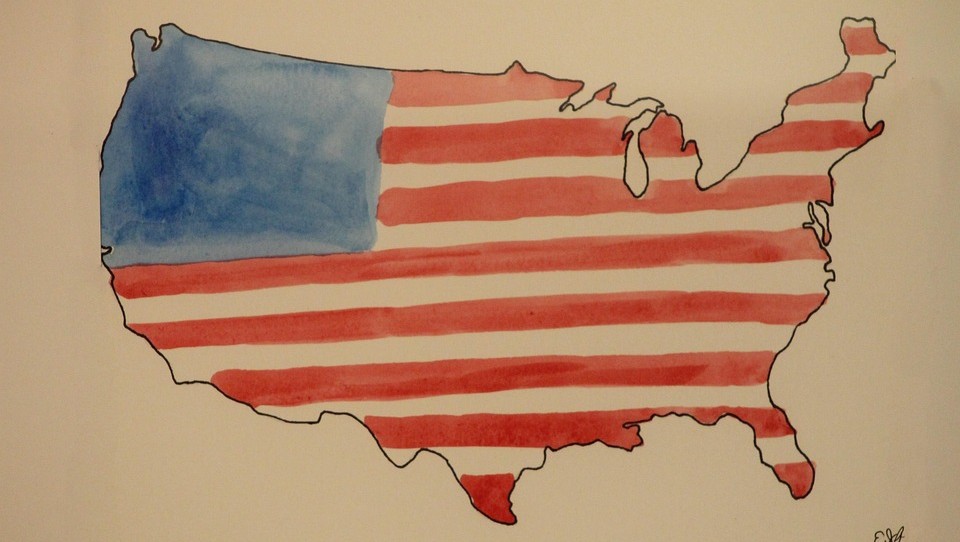
Is the customer always right?
These 11 golden rules of customer service are slowly dying, and it’s sad

Image: Frankie Cordoba
Before apps, chatbots, and self-checkout lanes, American customer service followed a quiet code. These unwritten rules shaped how stores, diners, hotels, and service counters operated for decades. Many of these rules aren’t posted on walls or included in training manuals, but customers expect them all the same. Many older Americans still remember a time when good service felt personal, patient, and proudly human.
1
Every customer deserves a warm greeting

Image: Fotos
It might sound strange these days, but there was a time when walking into a store without acknowledgment was once considered bad service . Clerks were expected to smile, make eye contact, and greet customers promptly.
That greeting also set expectations. It told customers help was available and that their presence mattered. For many Americans, being welcomed was just as important as the product itself.
2
Anticipating needs before being asked
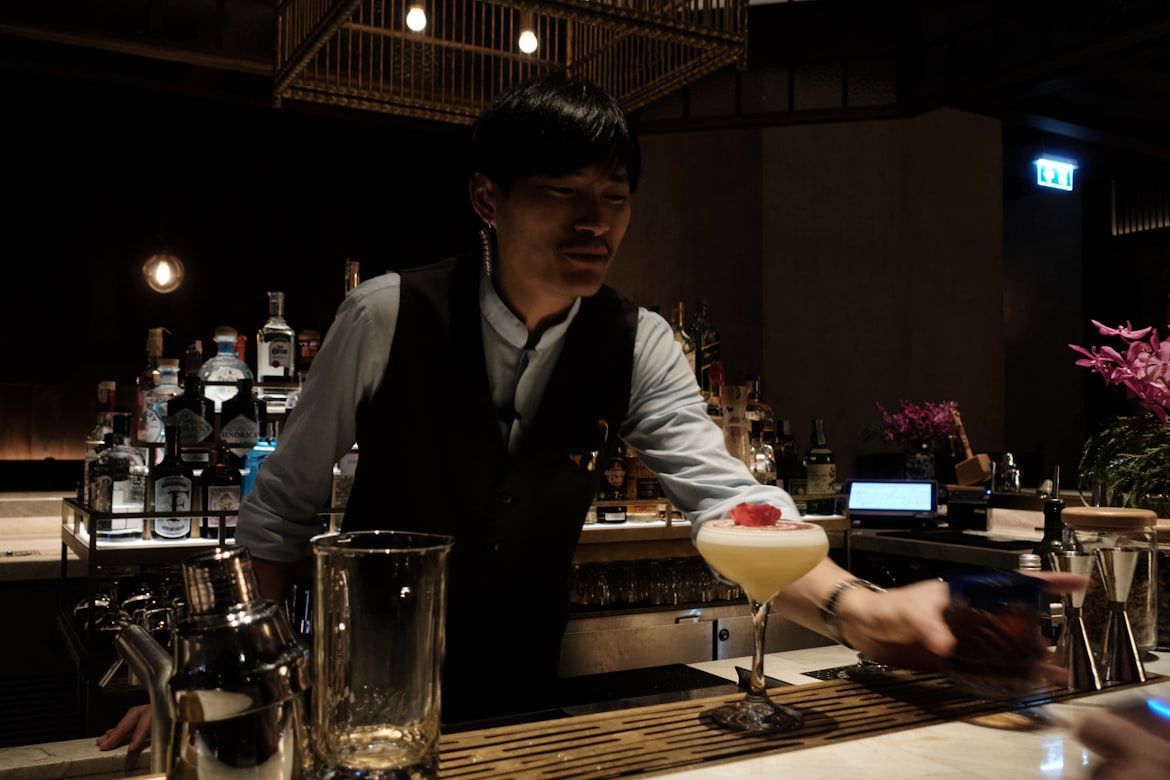
Image: SERGEI BEZZUBOV
Good service meant paying attention. A waiter refilled the water before the glasses were empty. A clerk offered assistance before confusion set in. Anticipation showed experience and pride in the job, not pushiness .
Customers noticed these small gestures. They made interactions smoother and more personal, creating the feeling that service was thoughtful rather than reactive or scripted.
3
Quick service shows respect for time

Image: Brad Rucker
Old-school service emphasized quick acknowledgement, even if immediate help wasn’t possible. Letting customers wait without explanation was considered rude . A simple "I’ll be right with you" went a long way.
Speed mattered, but calm mattered more. The goal was efficiency without rushing, making customers feel valued rather than hurried through an interaction.
4
Courtesy is non-negotiable

Image: Vitaly Gariev
"Please" and "thank you" were mandatory words in customer service. These phrases weren’t optional politeness, they were expected standards that showed mutual respect between employee and customer.
Their absence was noticeable. Courtesy made transactions feel human and cooperative, reminding customers they were being served by people and not being processed by a system.
5
Eye contact means attention

Image: Petr Sevcovic
Maintaining eye contact was a core part of service etiquette. It showed that the employee was listening and engaged , not distracted or indifferent. Customers felt acknowledged simply by being looked at.
Avoiding eye contact suggested boredom or disinterest. In traditional service culture, body language carried as much weight as spoken words.
6
Know the product by heart

Image: Lefteris kallergis
Employees were expected to know their products or menus thoroughly. Having to constantly check references or ask others weakened customer confidence and slowed service.
Product knowledge signaled competence and pride . Customers trusted businesses more when employees spoke clearly and confidently about what they sold.
7
Personal conversations stay private

Image: Vitaly Gariev
Chatting about personal matters within earshot of customers was strongly discouraged. Service time belonged to the customer, not coworkers’ off-duty lives .
This rule reinforced focus and professionalism. Customers expected attention, not background noise that suggested distraction or disinterest.
8
Complaints are handled calmly

Image: Amir mohammad jafari
Arguing with customers was seen as a failure of service. Employees were trained to listen first, apologize when appropriate, and resolve issues without defensiveness .
Even when customers were wrong, maintaining calm preserved dignity of both sides. The goal was always resolution, never confrontation.
9
Regular customers are remembered

Image: Vitaly Gariev
Recognizing repeat customers by name or preference was common practice . It made people feel valued and turned routine visits into familiar experiences.
This personal recognition built loyalty long before reward cards existed. Customers returned because they felt known, not tracked.
10
Cleanliness is godliness

Image: Alexander Mils
A clean counter or dining area signaled care and attention. Customers assumed that if visible areas were clean, unseen operations were handled in the same manner .
Cleanliness wasn’t just decorative, it was reassuring. It quietly communicated reliability and professionalism.
11
Customer privacy is sacred
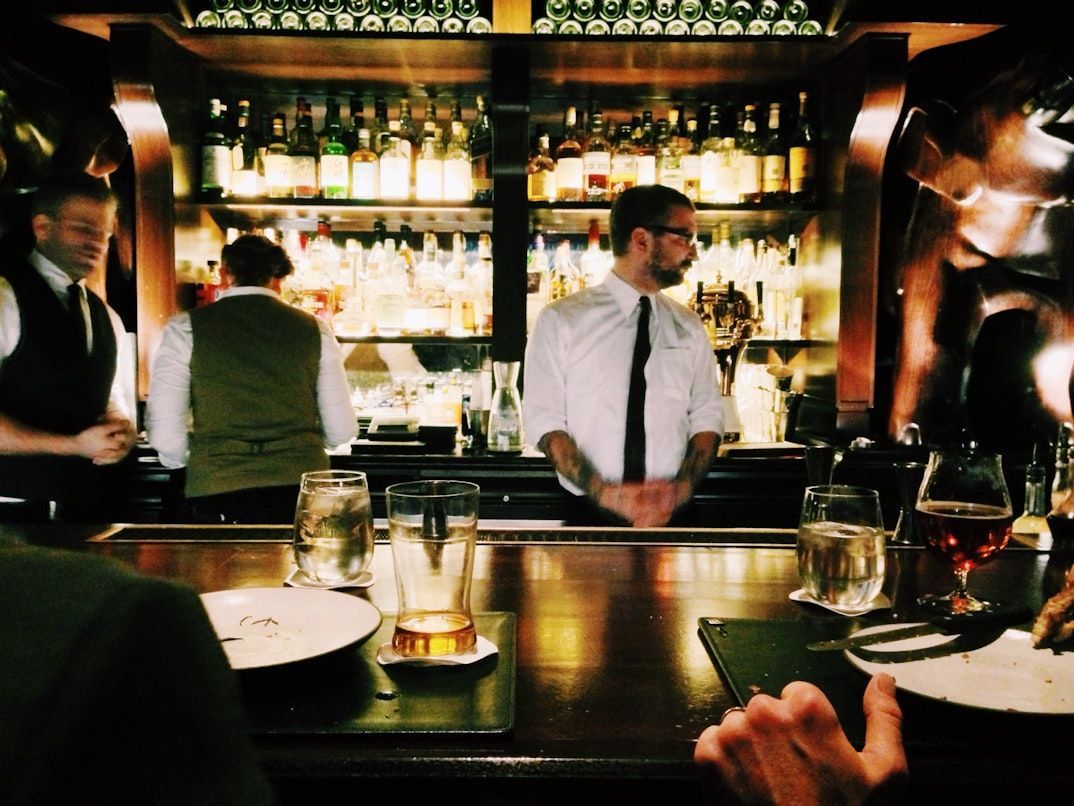
Image: Taylor Davidson
What happened during a transaction stayed there . Discussing customers outside the interaction was considered extremely unprofessional and disrespectful.
Trust was part of the service experience. Customers expected discretion, especially in smaller communities where word traveled quickly.