History History 3 min read

Words that made history

Yes, they really said that: 10 presidential quotes we can't forget

Image: Charly Álvarez

There's no doubt that words are powerful, and some have changed the world. For better or worse, some quotes by US presidents are forever inscribed in history books and the citizens' memory. From George Washington to JFK, join us in exploring 10 unforgettable quotes from our nation's leaders.

1
"The only thing we have to fear is fear itself"
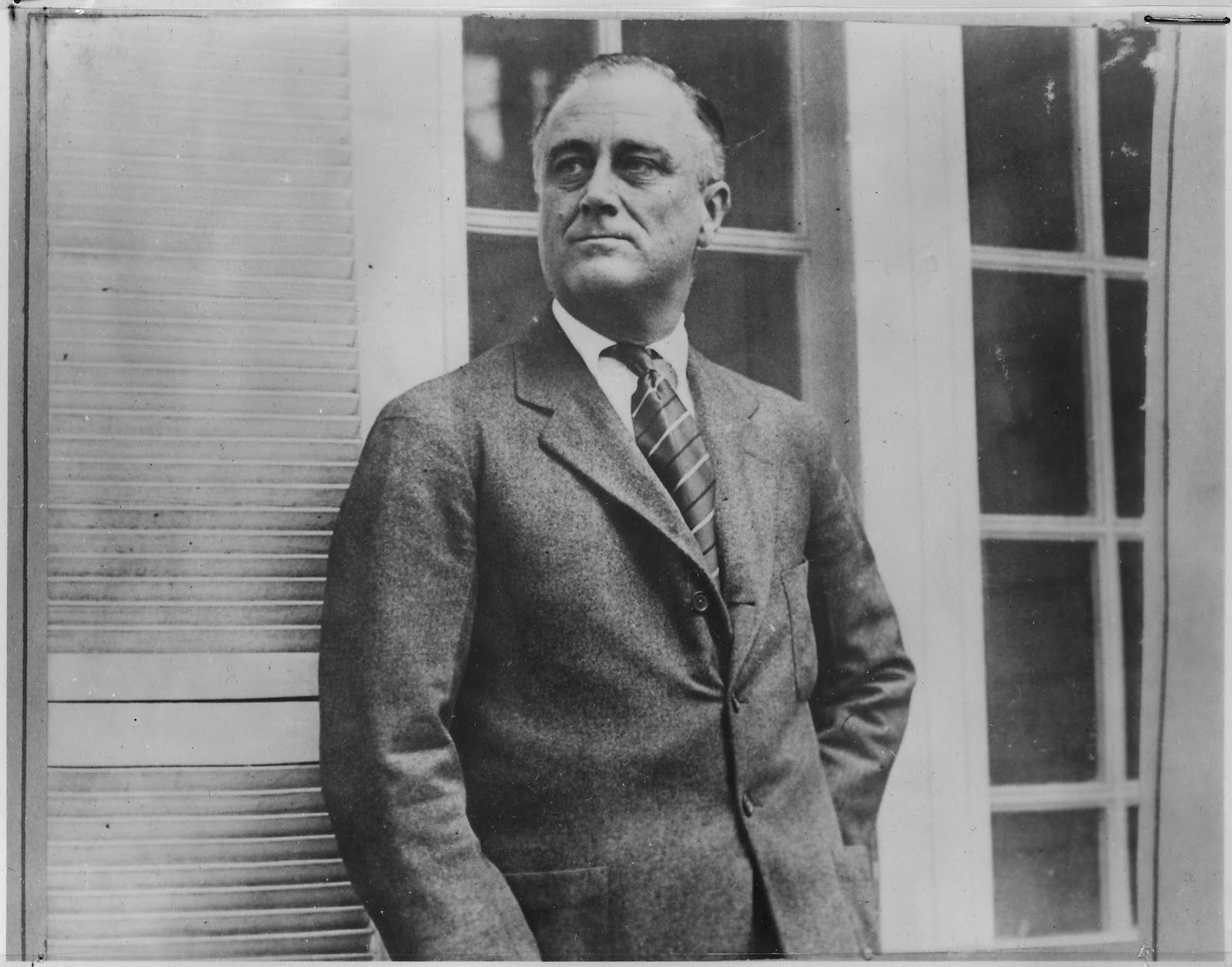
Image: National Archives and Records Administration, Public domain, via Wikimedia Commons

Franklin D. Roosevelt, the 32nd president of the United States, delivered a phrase in his first inaugural address that would be remembered forever. On March 4, 1933, at the height of the Great Depression, he proclaimed, "The only thing we have to fear is fear itself," with the aim of inspiring a nation in crisis to embrace courage and hope.

2
"Ask not what your country can do for you…"
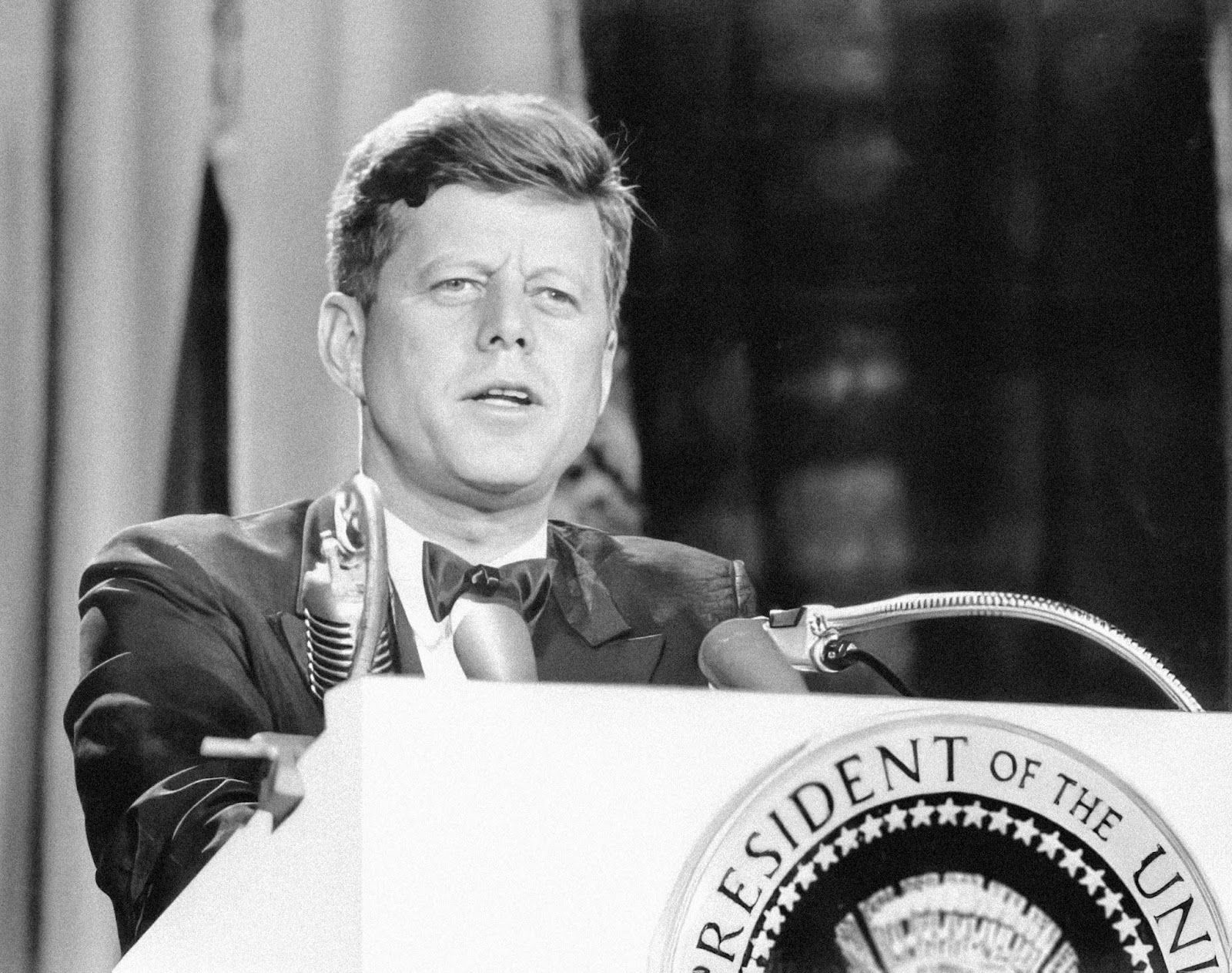
Image: Florida Memory

The Cold War, international tensions, and civil rights struggles were shaking the nation when John F. Kennedy delivered his unforgettable inaugural address on January 20, 1961. Calling on Americans to take personal responsibility and contribute actively to the nation, he gave one of the most famous lines in American history: "Ask not what your country can do for you—ask what you can do for your country."

3
"Speak softly and carry a big stick…"
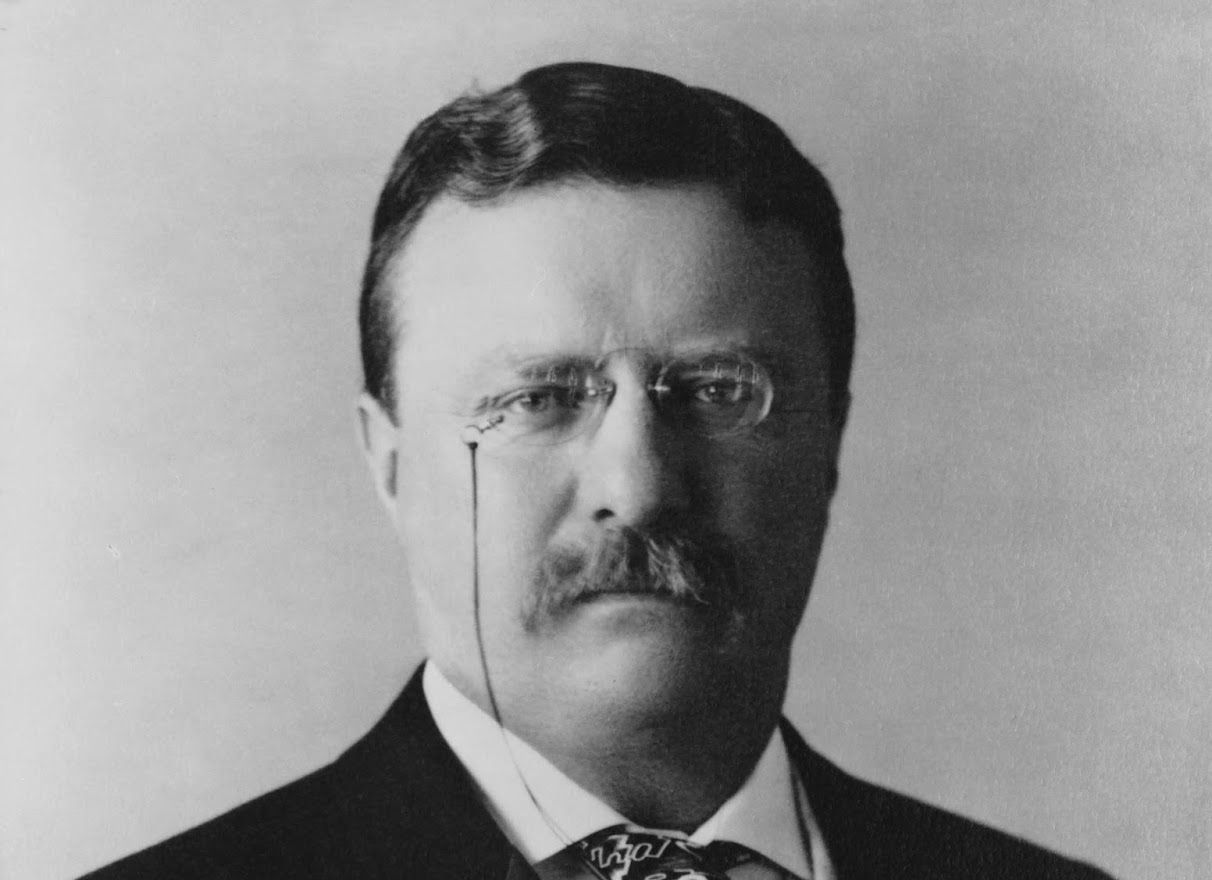
Image: Pach Brothers, Public domain, via Wikimedia Commons

F.D. wasn't the only Roosevelt with memorable quotes. Before him, Teddy Roosevelt made his mark, but he was a bit blunter. The 26th president first said, "Speak softly and carry a big stick; you will go far" in a public speech in 1901. With that line, he described his approach to foreign policy, which later became known as "Big Stick diplomacy."

4
"A house divided against itself cannot stand"
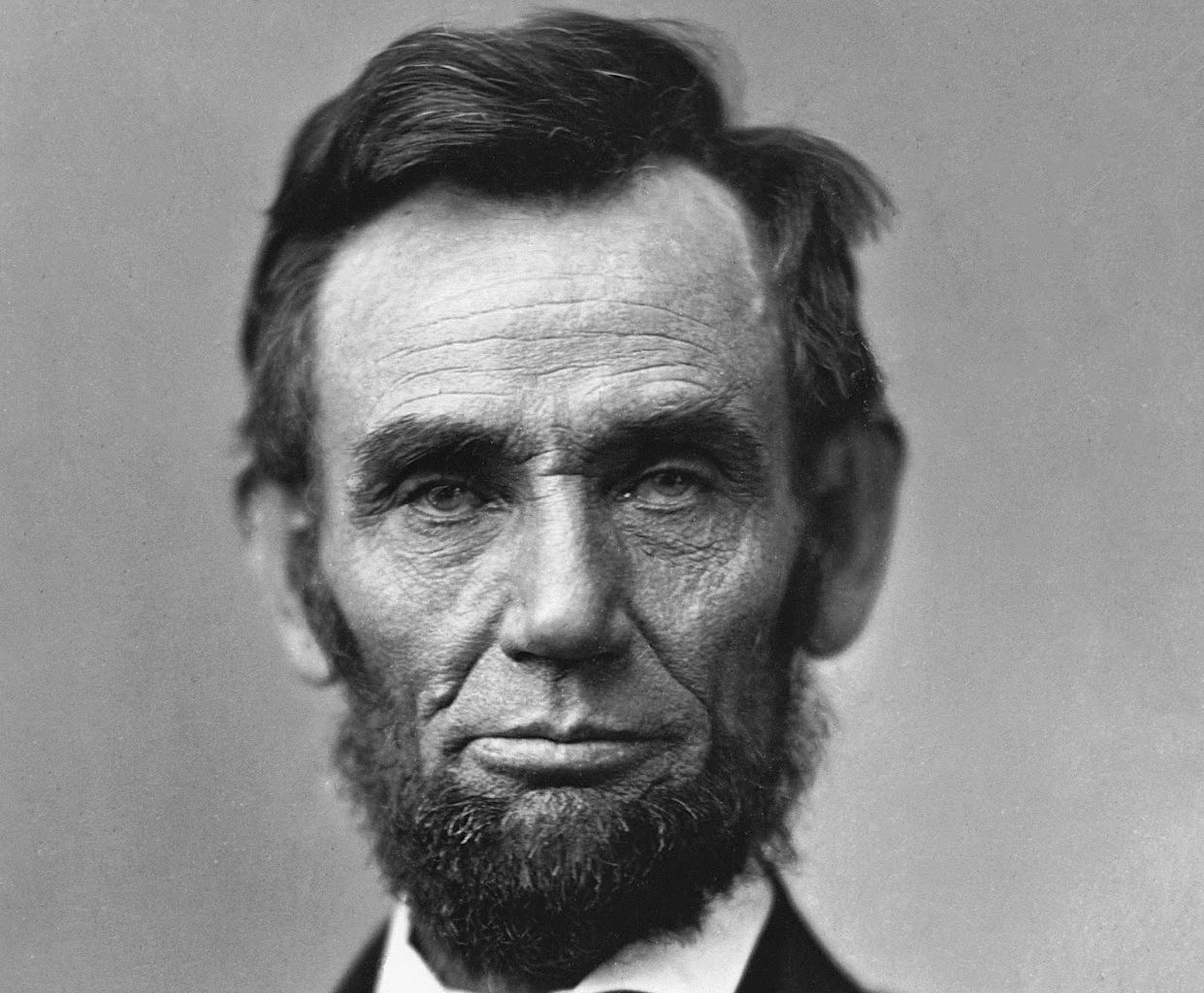
Image: Alexander Gardner, Public domain, via Wikimedia Commons

Abraham Lincoln gave us iconic words even before becoming president. In 1858, while accepting the Illinois Republican Party's nomination for the US Senate, he declared, "A house divided against itself cannot stand." The Civil War had not yet begun, but the nation was already deeply divided. This powerful line helped elevate Lincoln's reputation, paving the way for his election as president in 1860.

5
"We choose to go to the Moon"
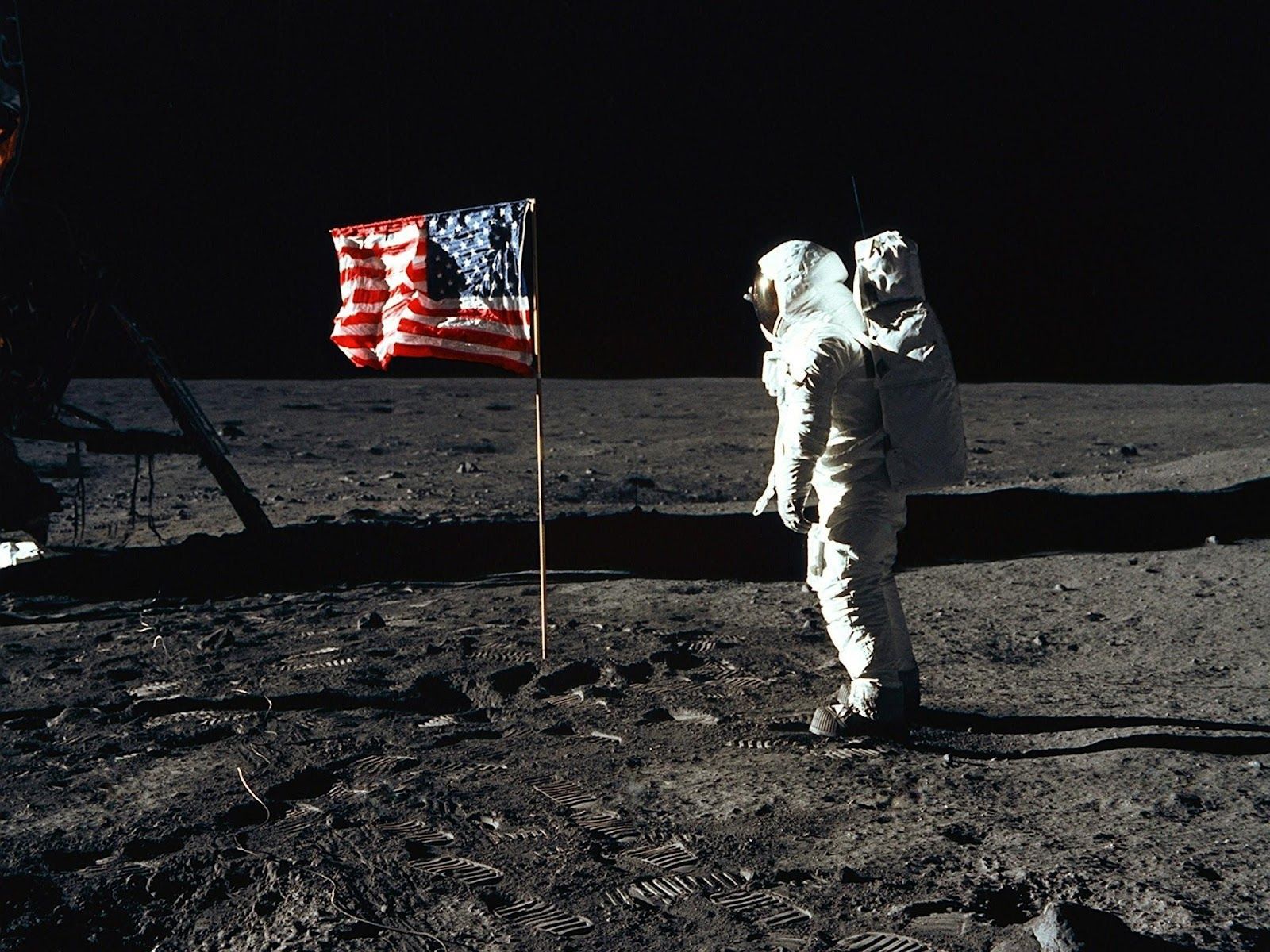
Image: NASA

As expected, John F. Kennedy appears more than once on this list. This time, with a phrase that would kick off one of the greatest achievements in US and human history: the moon landing. During a speech at Rice University on September 12, 1962, in Houston, Texas, he said: "We choose to go to the Moon in this decade and do the other things, not because they are easy, but because they are hard." And history proved him right.

6
"Mr. Gorbachev, tear down this wall!"
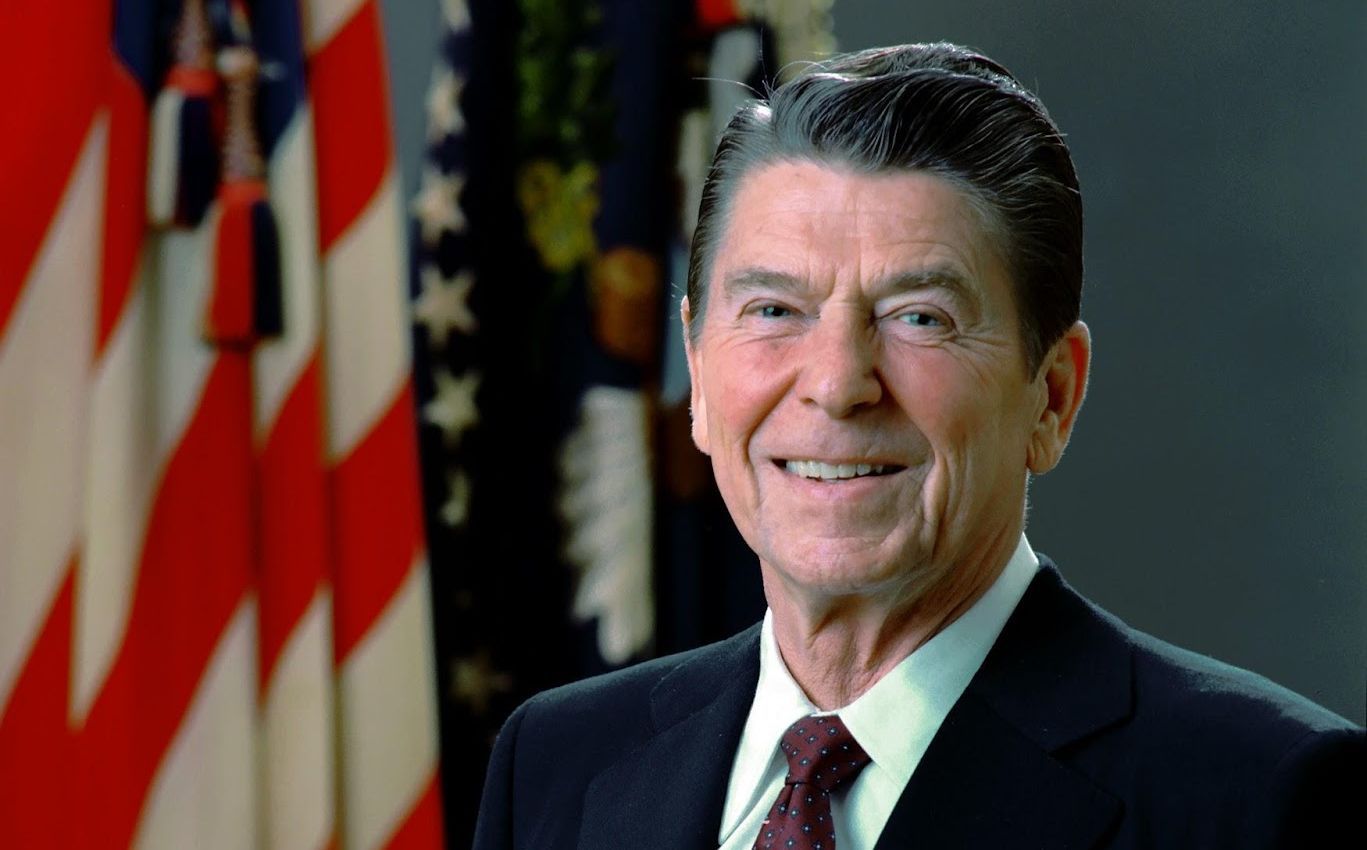
Image: Michael Evans, Public domain, via Wikimedia Commons

Ronald Reagan also gave the world memorable quotes, including this famous one addressed to Soviet leader Mikhail Gorbachev during a speech at the Brandenburg Gate in West Berlin on June 12, 1987. Two years later, the Berlin Wall was brought down by the citizens themselves.

7
"The buck stops here"
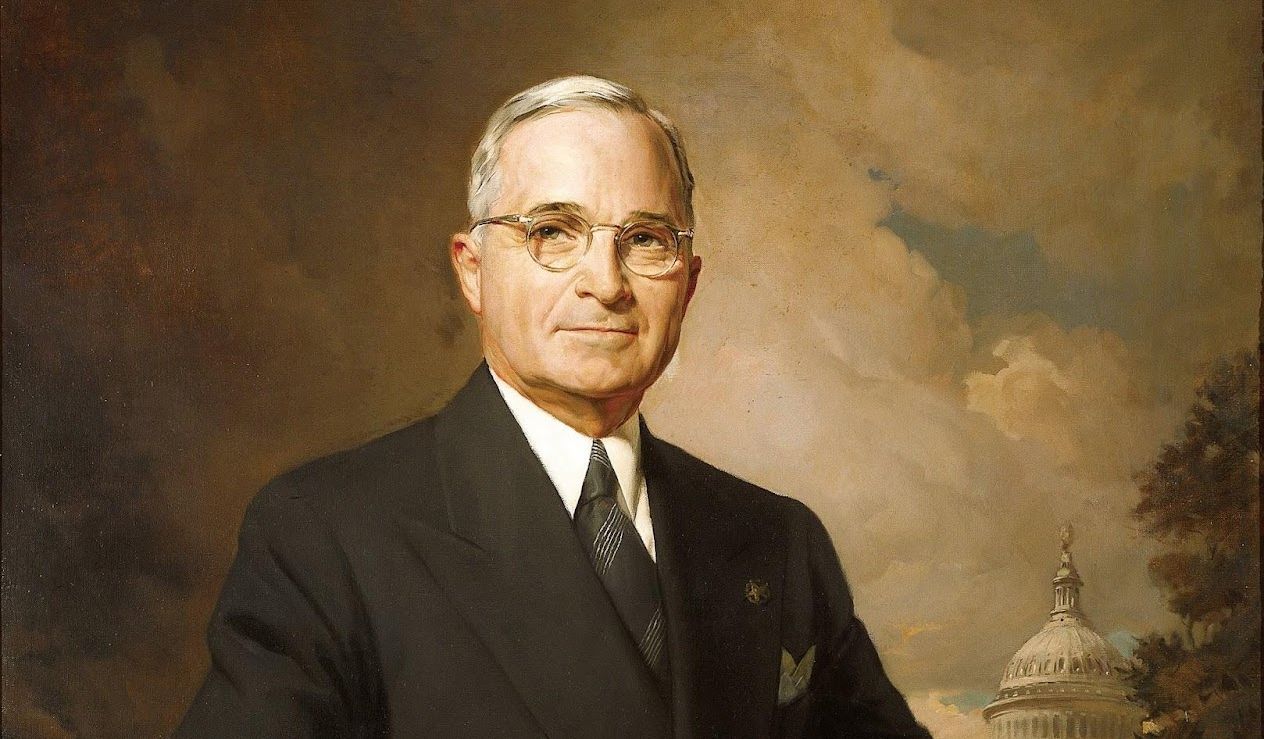
Image: Greta Kempton, Public domain, via Wikimedia Commons

Displayed in his office, Harry S. Truman had the phrase: "The buck stops here." After assuming the presidency following Franklin D. Roosevelt's death, Truman had to face critical decisions at the end of World War II. The famous line reflected his belief in taking personal responsibility for decisions rather than shifting blame.

8
"Liberty, when it begins to take root…"
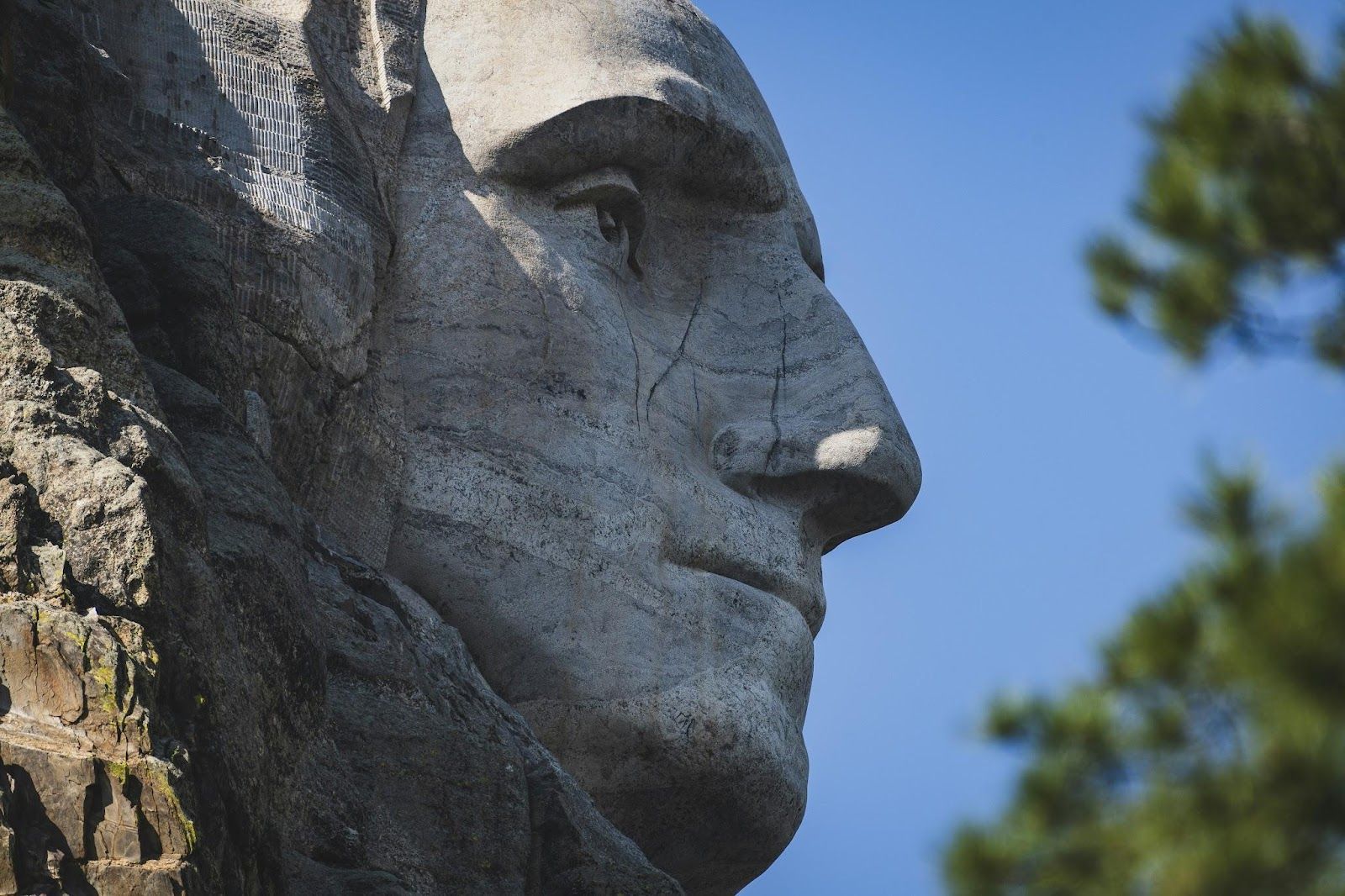
Image: Jon Sailer

Washington shared this idea in 1785 in a letter to Alexander Hamilton, shortly after the end of the American Revolutionary War. In it, he clearly expressed his vision for the young nation, whose principles would be rooted in the power of liberty and freedom.

9
"If your actions inspire others to dream more…"
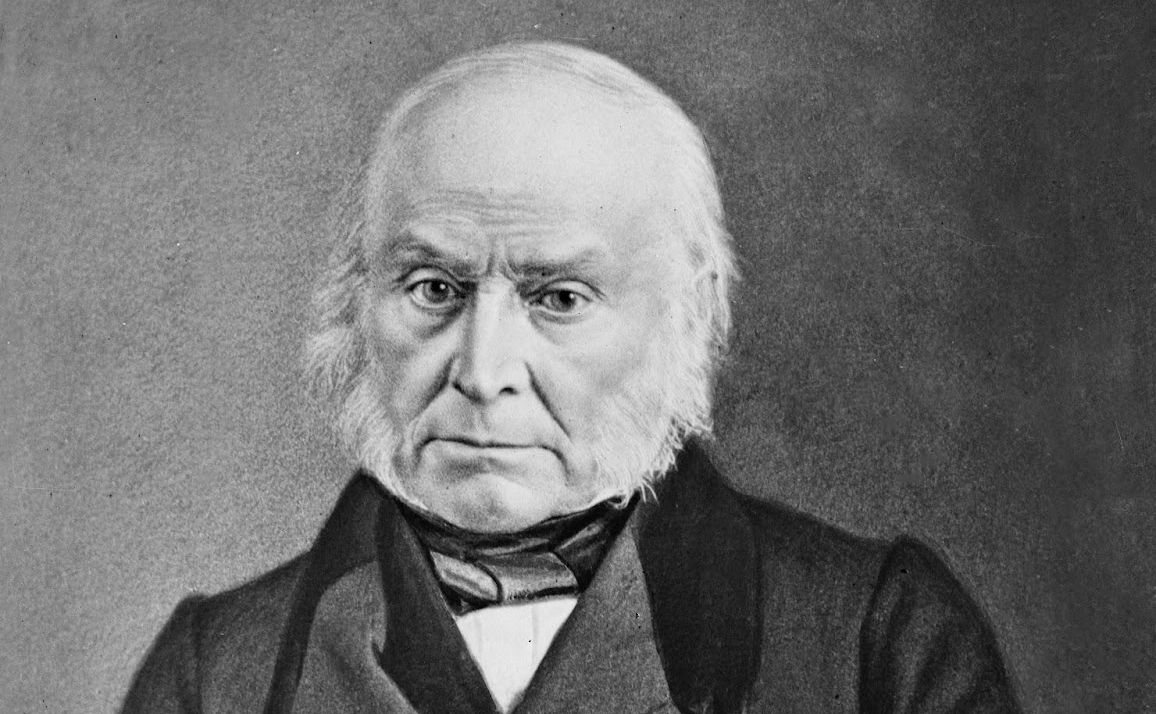
Image: Julielangford, Public domain, via Wikimedia Commons

John Quincy Adams, the 6th President of the United States, gave us one of the most inspiring quotes: "If your actions inspire others to dream more, learn more, do more, and become more, then you are a leader." Thus, he defined leadership as a moral responsibility, one that motivates and uplifts others.

10
"Happiness and moral duty are inseparably connected"
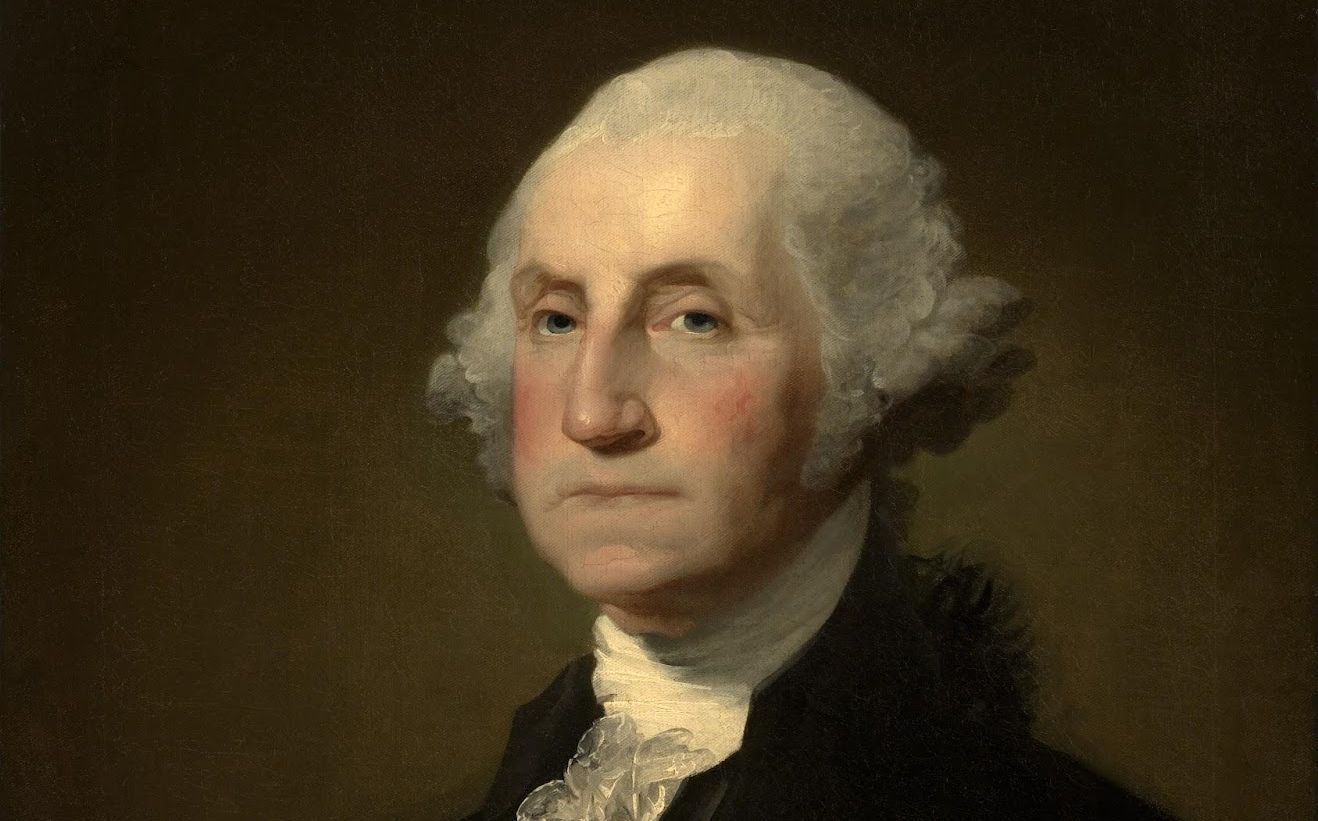
Image: Gilbert Stuart, Public domain, via Wikimedia Commons

In his 1796 Farewell Address, George Washington captured the guiding principles of his presidency with this phrase. For the first US president, fulfilling moral duties and, above all, acting with integrity were inseparable from true happiness.
Culture Culture 5 min read

LEGENDS OF THE ROAD

Let's Check Out 10 of America's Most Iconic Cars!

American cars have an unquestionable charm that's difficult to put into words. But it is worth trying! Whether you're a car fan captivated by engines or someone who simply appreciates the overwhelming beauty of legends like the Ford Model T or the powerful Dodge Charger , you'll enjoy this article, as the history and features of these cars are deeply linked with American culture. Join us on this road trip through these 10 iconic American car models that have shaped automotive history. Some might agree with our choice for the tenth spot, while others may not ; we want to hear your opinion!

1
Ford Mustang

Image: VizAforMemories

Often referred to simply as "the Mustang ," this series manufactured by Ford is one of the quintessential American automobiles.

The Mustang was born in 1964 and has been in production ever since (with the Mustang II being produced from 1974 to 1978), as its popularity transcends borders. Its smart, sporty design has evolved over the years, but it has never lost its pony car label.

Loved by many for its wide range of engine options and powerful performance, the Mustang is more than just a car; it's an icon of American automotive culture. Remember the Mustang GT 390 in the 1968 movie Bullitt ?

2
Chevrolet Corvette

Image: Abdul Bakar

With its iconic two-seater design and a very rich history, the Corvette is a legend that could not be left out of this list.

The Corvette was introduced by Chevrolet in 1953 , some 70 years ago! However, it has aged like fine wine. Far from being out of style, this classic remains a top choice for car enthusiasts worldwide, blending performance, design, heritage, and status.

And as if all that wasn't enough, the Corvette has multiple victories in prestigious endurance races such as the American Le Mans Series .

Fun fact: the Corvette gets its name from a small, fast type of warship!

3
Jeep Wrangler

Image: cody lannom

Famous for its off-road prowess, the Jeep Wrangler is definitely an icon.

The origin of this car perfectly explains its capacity. The Jeep Wrangler has its roots in the Willys MB , a military vehicle used during WWII, renowned for its rugged durability. Of course, the Wrangler has evolved into the version we know today, blending practicality and durability, and displaying features like removable doors .

The Jeep Wrangler's off-road expertise has earned it a global reputation that is hard to beat. As you might already know, a rugged Jeep Wrangler YJ appears in the iconic Jurassic Park . After all, no other car could handle dinosaurs!

4
Ford Model T

Image: Philip Schroeder

Who could forget the iconic Ford Model T ? A car instantly recognizable to everyone, whether you're a car lover or not.

Ford began producing the Model T in 1908 and ceased production in 1927. But in less than 20 years, over 15 million units were made! This incredible feat makes the Model T one of the best-selling cars in history.

As if its beauty wasn't enough, the T was also renowned for its durability and affordability , specifically designed to be accessible to the average American. Do you want to know how much the "Tin Lizzie" cost when it started revolutionizing the streets in the early 20th century? Initially, it was priced at around $850 , but its price even dropped in the years that followed!

5
Cadillac Escalade

Image: Craig Marolf

When Cadillac decided to enter the SUV market, it did so in a big way. In 1998 , the brand released one of its most acclaimed models: the Cadillac Escalade . Imposing from every angle, this SUV has a luxurious design both inside and out, with the quality and style that characterizes the brand.

Beyond its powerful performance, the Escalade distinguishes itself with leading technology . This includes multiple USB ports, high-quality sound systems, and advanced driver assistance systems.

With all these advantages, the Escalade became one of Cadillac's best-sellers and also a popular choice in the luxury SUV market!

6
Ford Thunderbird

Image: Maxim Simonov

In 1955 , Ford spiced up the car scene with their Ford Thunderbird , a stylish two-seat sports car. Quickly becoming an icon, this model was Ford's answer to Chevrolet's Corvette.

The " T-Bird ," as it came to be known, evolved over its production run. In 1961, a significant transformation occurred: it became a four-seat model. With its new sleek design, the Thunderbird earned a new nickname and became the " Bullet Bird ."

Over the years, Ford produced 11 generations of the Thunderbird, each with unique features. Unfortunately, Ford decided to stop production of the T-Bird in 2005 due to declining sales. However, its exceptional qualities and profound impact have made it one of America's classics.

7
Dodge Charger

Image: Tim Meyer

A legendary American muscle car , the Dodge Charger appeared in 1966 , right amid the dynamic 60s and 70s era.

You probably remember the first-generation Dodge Charger, which featured hidden headlights , something quite remarkable in its time! Its V8 engines and high-performance capacities also made it a star in the TV series " The Dukes of Hazzard ."

With many variations over the years, Dodge continues to produce the model to this day, always updating its technology but maintaining some of the main features of its iconic design. Are you among the many fans of this amazing model?

8
Pontiac GTO

Image: Vitali Adutskevich

If we talk about muscle cars , we cannot forget the Pontiac GTO . Born in 1963 , it became an instant hit, produced for eleven years until 1974 . It also made a comeback from 2004 to 2006, creating a new chapter in its history.

Considered by many as the perfect muscle car, the Pontiac GTO stood out for its powerful V8 front engine and its attractive design, which included dual exhausts and hood scoops. It was also available in a wide range of colors.

If you're wondering about its name, the abbreviation "GTO" stands for "Gran Turismo Omologato," Italian for "Grand Touring Homologated."

9
Chevrolet Camaro

Image: Tim Meyer

Classified as a pony car , the Camaro appeared in 1966 as Chevrolet's card to compete with the Ford Mustang. While maintaining its efficiency, speed, and powerful performance , the Chevrolet Camaro has seen its engines evolve across generations, ranging from V6s to V8s.

According to the legend surrounding its creation, the name of this famous model was conceived by Chevrolet's merchandising manager, Bob Lund. While flipping through an English-French dictionary, he found the French word c amaro , which translates as "friend, pal, or comrade." And that was exactly what the brand was looking for in its new pony car: to be a reliable companion for its owner.

10
Tesla Model S

Image: Jp Valery

Despite being a relatively new brand, Tesla has proven that it's more than capable of creating iconic cars.

A good example is the Tesla Model S , an all- electric luxury car that's relatively young, debuting in 2012 . Upon its introduction, it caused a sensation with its spectacular design and technology .

One of the most unique features of this model is its incredible speed. It can accelerate from 0 to 60 mph in 2.3 seconds! That's the definition of fast. It is also capable of traveling up to 370 miles on a single charge , highlighting its efficiency among electric cars. Of course, the vehicle's functions are controlled through an elegant touchscreen display. Can you imagine yourself driving this model?

General General 5 min read

What are the most essential traditional folk songs? 10 contenders

Image: Metropolitan Museum of Art, CC0, via Wikimedia Commons

Traditional folk music, with its origins deeply rooted in American history and tradition, is a treasure that has endured through the centuries. This form of musical expression has left an indelible mark on our culture, and its legacy is evident in a wide variety of modern musical genres. In this article, we bring back 10 traditional folk songs that not only influenced great artists such as Bob Dylan but also continue to inspire listeners today.

1
John Henry

Image: Ylanite Koppens

John Henry is one of the greatest heroes of American folklore, so it is not surprising that several songs celebrate his deeds. The legend of his battle with the steam drill symbolizes humanity’s struggle against automation and technological change, inspiring countless tunes.

There are many musical versions of John Henry’s story: some are ballads, while others are "hammer songs" (a type of song related to railroad work). Whatever the genre, all of these traditional songs are so good that the best American musicians have recorded them multiple times over the years.

2
Oh My Darling, Clementine

Image: Angshu Purkait

There are multiple variations of this song, but it is believed to have been written by Percy Montrose in 1883. The melody may be older and possibly inspired by a Spanish ballad , while the lyrics likely emerged sometime after the Gold Rush era.

Over the years, several verses were added and numerous versions were recorded, such as Bing Crosby's in the 1940s and Bobby Darin's in the 1960s. Despite its age, "Clementine" remains a popular song for group singing all across America.

3
In the Pines

Image: Priscilla Du Preez

Like numerous other folk songs, the lyrics and melody of "In the Pines" were passed down orally from generation to generation, and its original author remains unknown. What we do know is that it dates back to at least the 1870s and likely originated in the Southern Appalachian region.

The structure of this unique, moody, blues-style song, as we know it today, has mutated over the years, merging with other tunes. The important thing is that "In the Pines" has become a staple of American music, being recorded by numerous artists, including Bill Monroe, Lead Belly, and even grunge band Nirvana.

4
Worried Man Blues

Image: LunarSeaArt

When hillbilly singers came into contact with African American blues, songs like "Worried Man Blues" began to emerge. The verses were likely inspired by the story of someone sentenced to work on a chain gang.

The song may have roots in a 19th-century African American spiritual , but it became widely known after the Carter Family recorded it in the 1930s, giving it a strong foothold in the country and early bluegrass repertoire. Decades later, folk revivalists adopted the tune, ensuring its place as a classic of American folk music.

5
Oh Shenandoah

Image: Matheus Ferrero

Although the exact origin of this folk song is uncertain, we know that it was sung as a river shanty in the 19th century, especially by American and Canadian fur traders traveling down the Missouri River.

The word Shenandoah is connected to the Shenandoah Valley in Virginia, though its precise meaning is debated. Some suggest it derives from an Iroquois word meaning "land of big mountains" or "daughter of the stars." Some versions of the song tell the story of a redskin chief, Shenandoah, and his beautiful daughter. According to the legend, a white trader eloped with the maiden after silencing the chief with firewater.

6
Oh! Susanna

Image: ClickerHappy

"Oh! Susanna" is often considered the first big hit in American popular music. It became especially famous among the '49ers during the California Gold Rush and became an emblem of the conquest of the West.

With influences from European polka music and earlier traditional folk songs, "Oh! Susanna" was published in 1848 by Stephen Foster, later nicknamed the "Father of American Music." Many artists recorded different versions over the years, including The Big 3, The Byrds, and James Taylor.

7
Red River Valley

Image: Priscilla Du Preez

It is common for folk songs to be adapted to different regions , and this tune is no exception. Over the years, it has been named and renamed for many different valleys and locales. Most 20th-century versions use the title "Red River Valley" and, by implication, place it along the Red River that forms part of the boundary between Texas and Oklahoma.

However, some evidence suggests that the original version actually dates to around 1870 in Canada, near the Red River that flows into Lake Winnipeg. In that version, the lyrics tell of a French-Indian maiden lamenting the departure of a soldier who had come, stayed briefly, and then left. For Americans, though, the song is most closely associated with cowboys and the Red River of the South.

8
Man of Constant Sorrow

Image: Wilawan Pantukang

The origin of this southern mountain song is somewhat obscure. It is absent from most of the major standard collections, but some experts believe it might have been inspired by the 19th-century hymn "I Am a Poor Pilgrim of Sorrow."

Although numerous versions with different names and lyrics have circulated since at least the early 20th century, "Man of Constant Sorrow" was popularized by the Stanley Brothers in the 1950s. Soon after, musicians such as Bob Dylan, Joan Baez, and Judy Collins recorded their own interpretations, helping to cement its place as a classic of American folk music.

9
Home on the Range

Image: Jeremy Bishop

One of the best-known cowboy and Western songs, "Home on the Range," has long been the subject of disputes regarding its authorship. The most widely held theory is that it was inspired by a poem called "My Western Home," written by Dr. Brewster Higley in the 1870s. The well-known American composer David W. Guion claimed to have composed the music, stating that he wrote it at the age of 16, influenced by his life in West Texas.

"Home on the Range" enjoyed great popularity in the 1930s through radio broadcasts and recordings during the cowboy-song fad. Since 1947, it has been Kansas’s official state song.

10
Michael, Row the Boat Ashore

Image: Blind Rhino Media

Folk song revivalists discovered "Michael, Row the Boat Ashore" in the Georgia Sea Islands and passed it around widely and fervently. The tune blends spiritual, calypso, and sea-song styles, and it likely originated as both a spiritual and a work song sung by enslaved crews on plantation riverboats.

The name Michael refers to the Archangel Michael, and the song was likely used when the load was heavy or the boat was going against the tide. In the 1960s, it was popularized by folk band The Highwaymen and was also recorded by other artists such as Pete Seeger, Bob Gibson, and Harry Belafonte, among others.

Explore more American facts

Choose your favorite category!

General
General

As American as apple pie—the very best America has to offer!

Culture
Culture

Delve into the astounding richness of American lore.

Geography
Geography

Hop in and explore vast and diverse American landscapes.

History
History

Discover the key moments that shaped the United States.