General General 5 min read

A taste of home

How a fisherman's breakfast became South Carolina's official dish
Image: Nico Smit

Every state has its pride, and sometimes that pride comes on a plate. From Baltimore's legendary crab cakes—held together with just enough filler and seasoned with Old Bay—to Boston's creamy clam chowder, unchanged since 1826, America's most iconic state foods tell stories of heritage, geography, and good old-fashioned comfort . Let's take a delicious road trip through 10 states and discover where the locals go to get the real deal!

1
Maryland: Crab Cakes
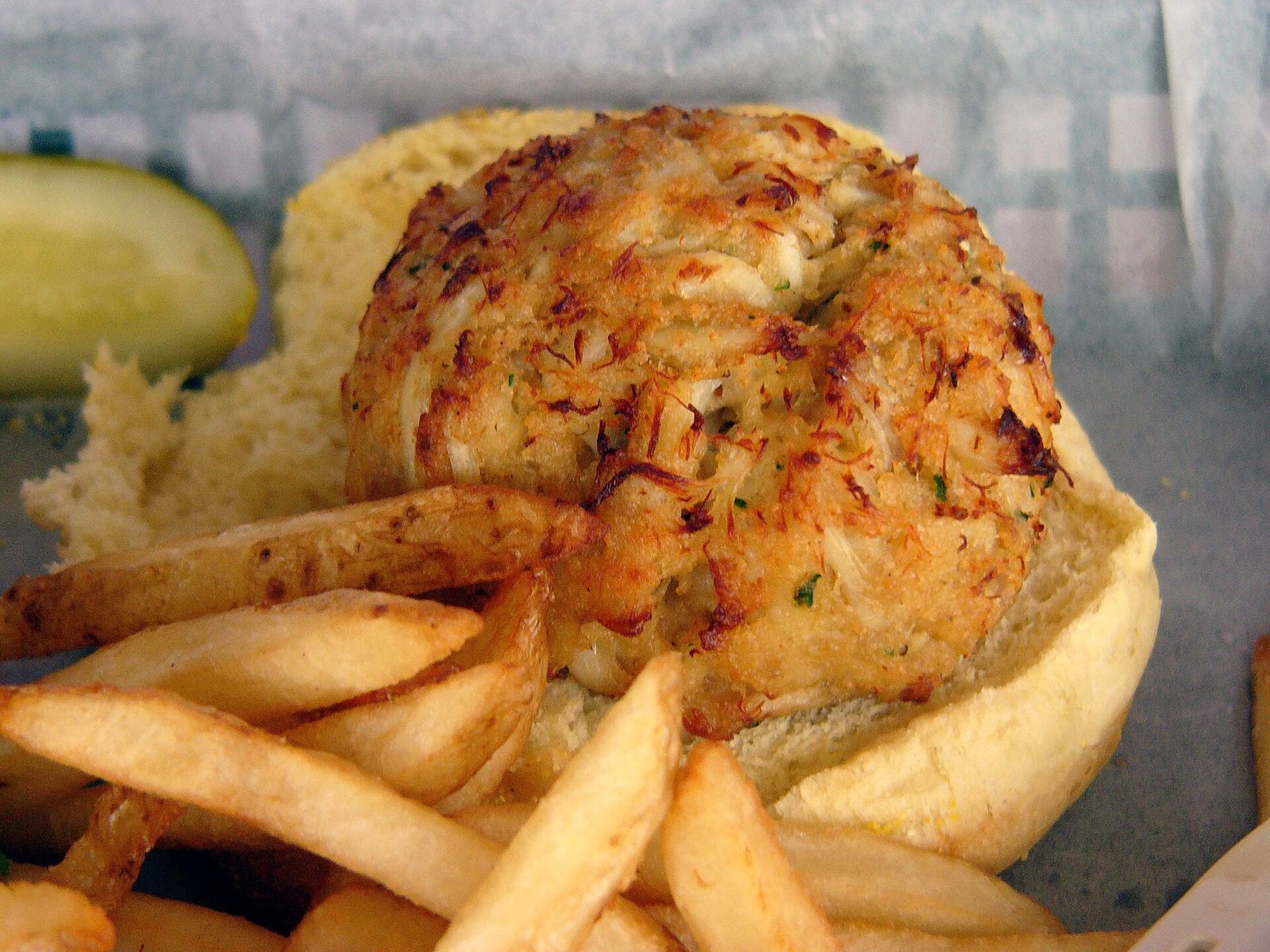
Image: Kathleen Conklin, CC BY 2.0, via Wikimedia Commons

Maryland designated the blue crab as its official state crustacean . The Chesapeake Bay is by now synonymous with blue crabs, and these legendary cakes are a point of pride for the state. A proper Maryland crab cake should contain lump meat held together with just enough filler to keep it from falling apart, seasoned with Old Bay.

Head to Faidley's Seafood in Baltimore's Lexington Market, where they've been serving them since 1886.

2
Louisiana: Gumbo
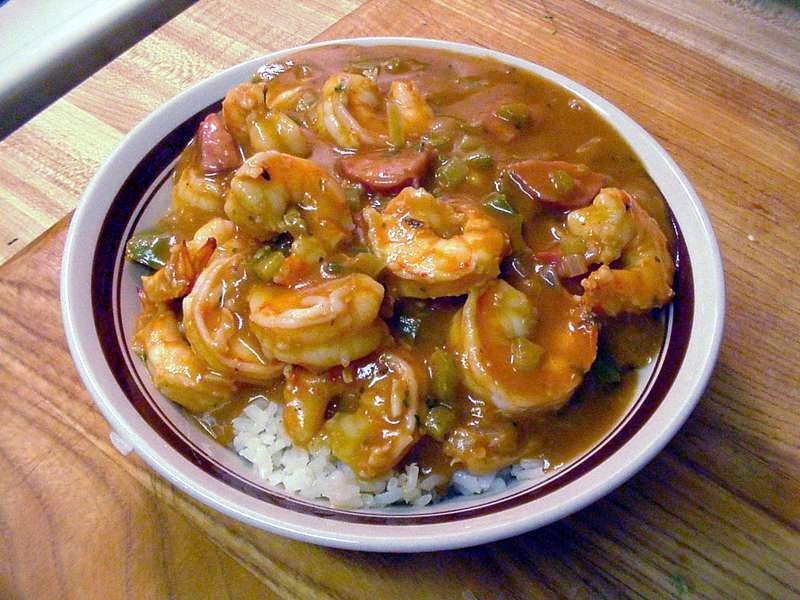
Image: jons2 at pdphoto.org, Public domain, via Wikimedia Commons

Gumbo is widely recognized as one of Louisiana’s emblematic dishes, and for good reason. This rich, soul-warming stew was born in the melting pot of 18th-century Louisiana, where enslaved Africans, French colonists, and Native American communities lived in close proximity and blended their culinary traditions into one. Whether you prefer it with chicken and sausage or loaded with seafood, the dark roux is non-negotiable.

For the authentic experience, locals head to Dooky Chase's Restaurant in New Orleans, where Leah Chase served her legendary gumbo for decades.

3
South Carolina: Shrimp and Grits
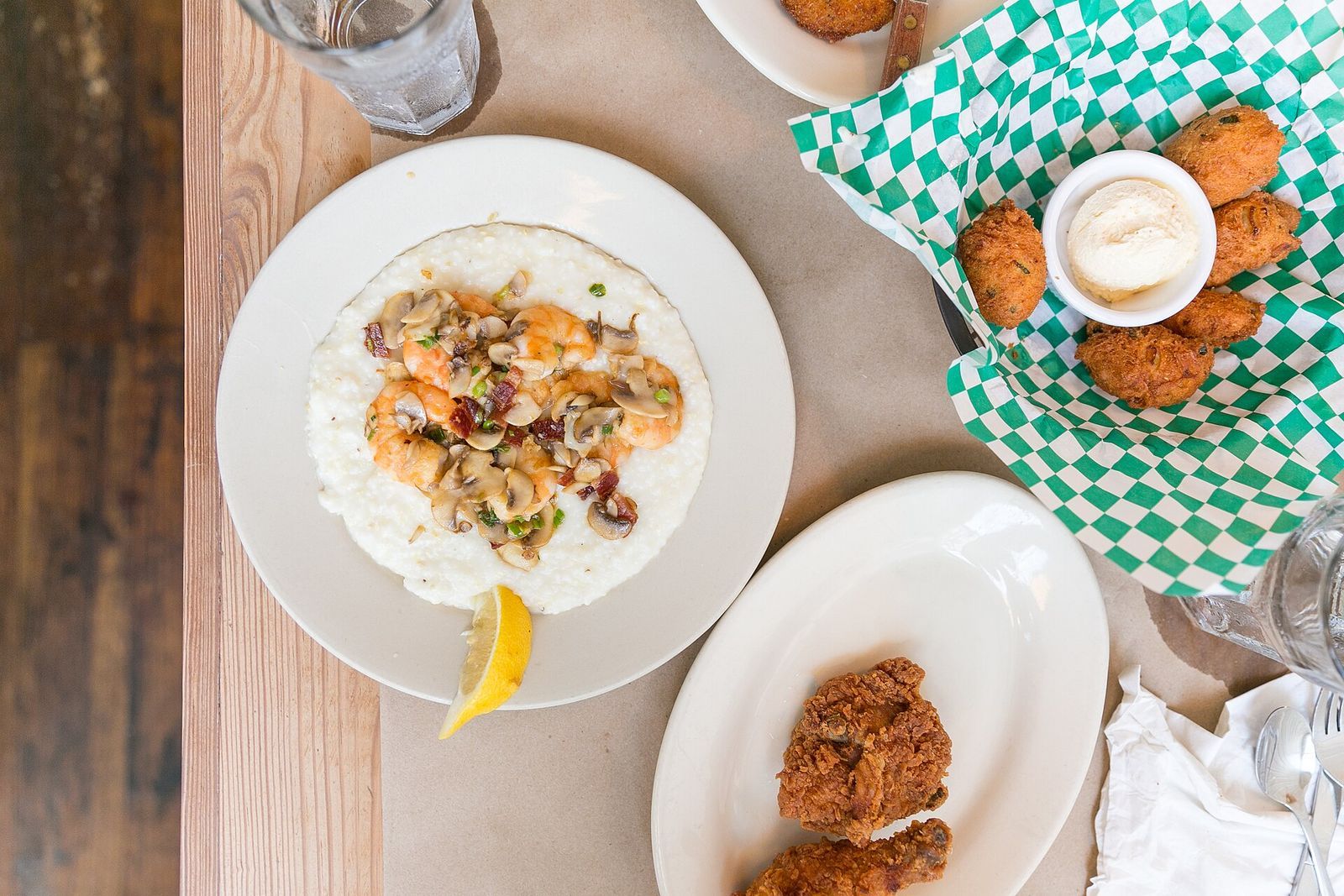
Image: City Foodsters, CC BY 2.0, via Wikimedia Commons

What started as a humble breakfast for Lowcountry fishermen has become South Carolina's staple dish. Creamy stone-ground grits topped with plump shrimp in a savory sauce: it's simple Southern comfort elevated to an art form.

Charleston's Hominy Grill perfected the combination throughout 24 years before closing in 2019, but the torch has been passed to spots like Slightly North of Broad, where locals still gather for their take on this classic.

4
New Mexico: Chile
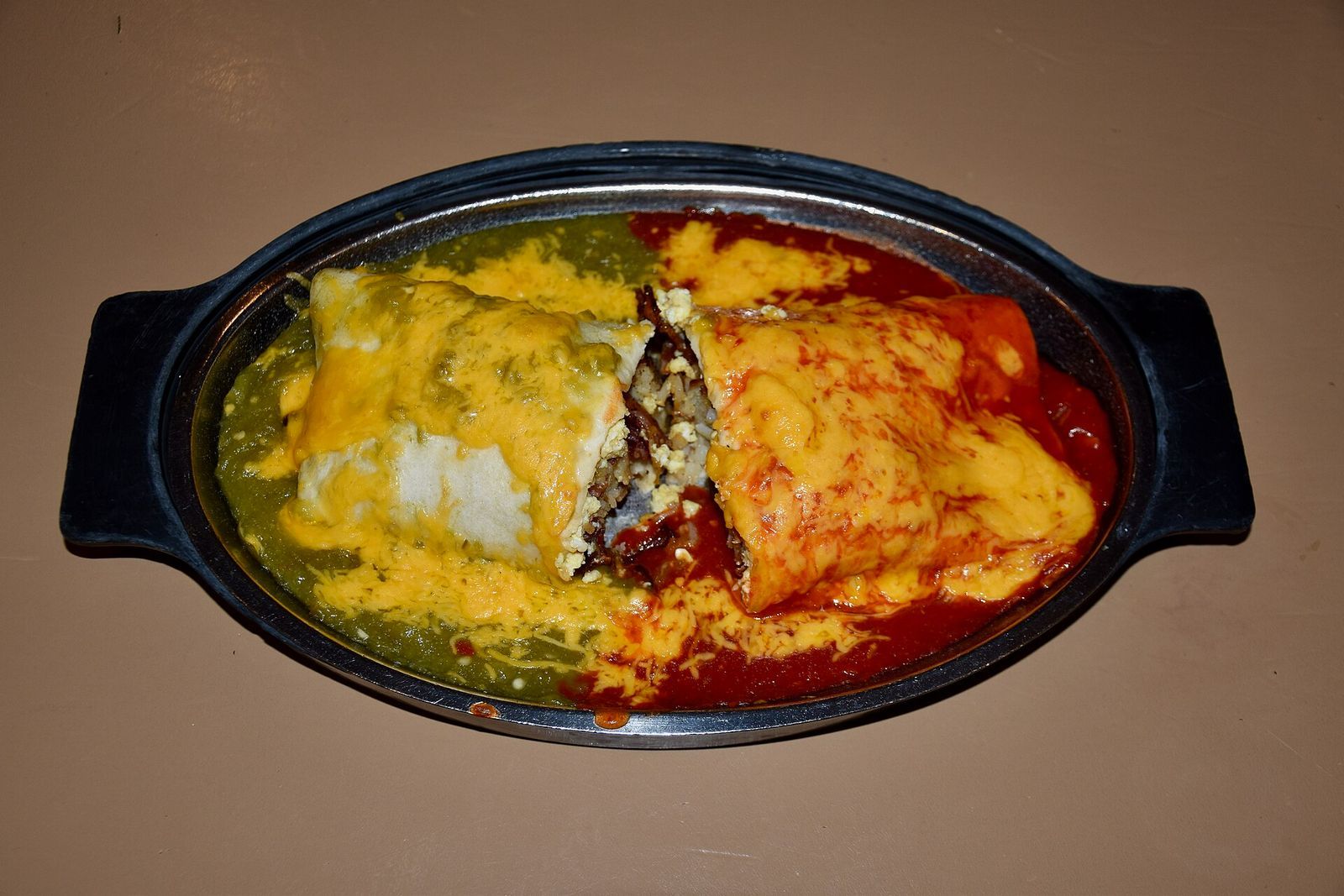
Image: Nurban, CC BY-SA 4.0, via Wikimedia Commons

New Mexico is so serious about chile that it's both the official state vegetable and the official state question: "Red or green?" refers to which chile sauce you want on everything from enchiladas to burgers.

The Shed in Santa Fe has been serving traditional New Mexican cuisine since 1953, and their red and green chile sauces are legendary.

5
Texas: Chili con carne
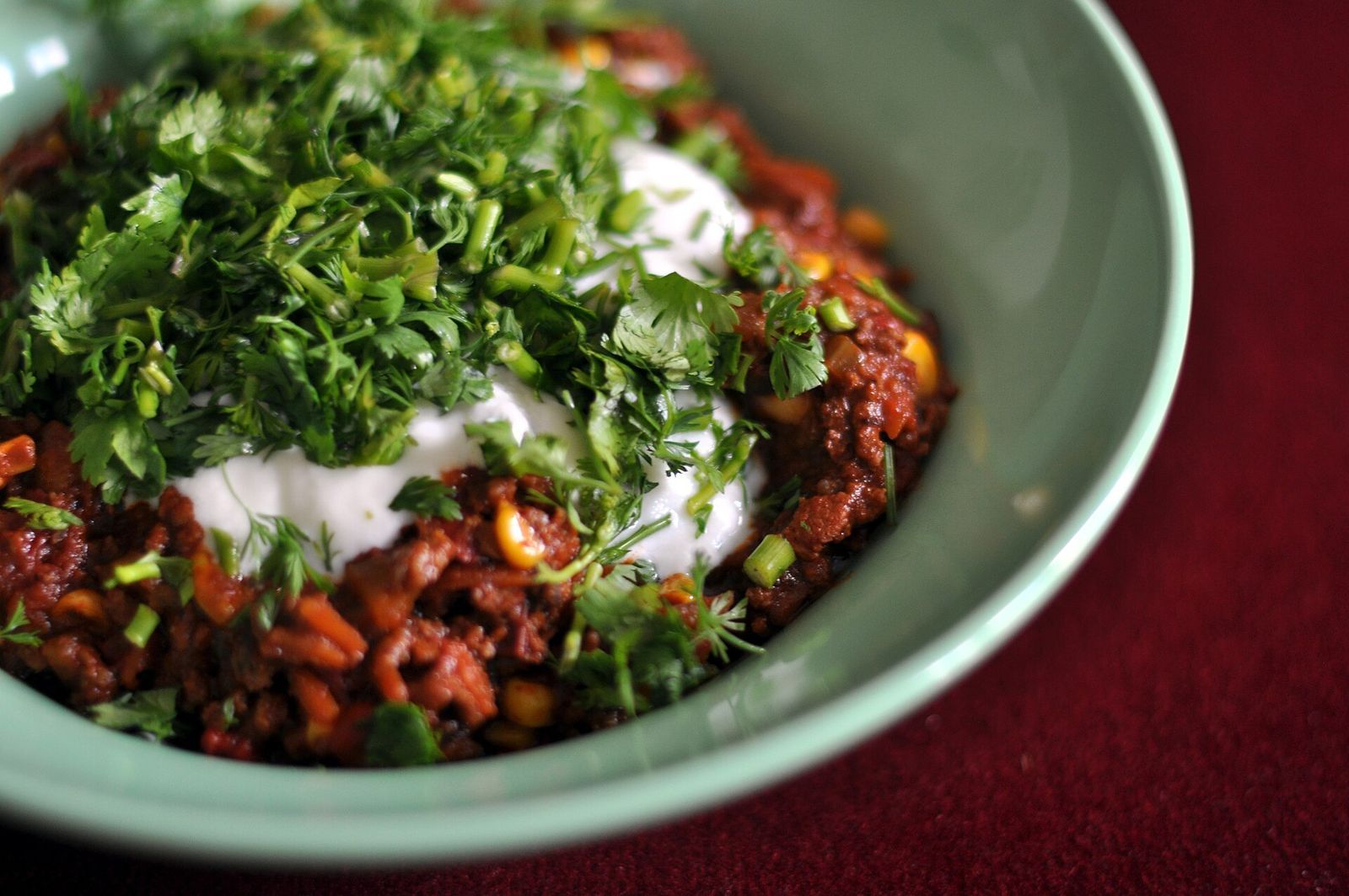
Image: cyclonebill from Copenhagen, Denmark, CC BY-SA 2.0, via Wikimedia Commons

Texas doesn't mess around when it comes to chili; there are no beans allowed in the official state dish. Dating back to the 19th century, Texas chili is believed to have originated among cattle drivers and frontier cooks along the famous chili trail , who relied on dried chilies and tough cuts of meat to fuel long drives. Real Texas chili is all about the meat, the chilies, and the spices, slow-cooked until everything melds into something magical.

Austin's Texas Chili Parlor has been dishing it out since 1976, with regulars debating the merits of X-fire versus their milder options. The walls covered in license plates and the no-nonsense attitude make it quintessentially Texan.

6
Massachusetts: Boston Clam Chowder
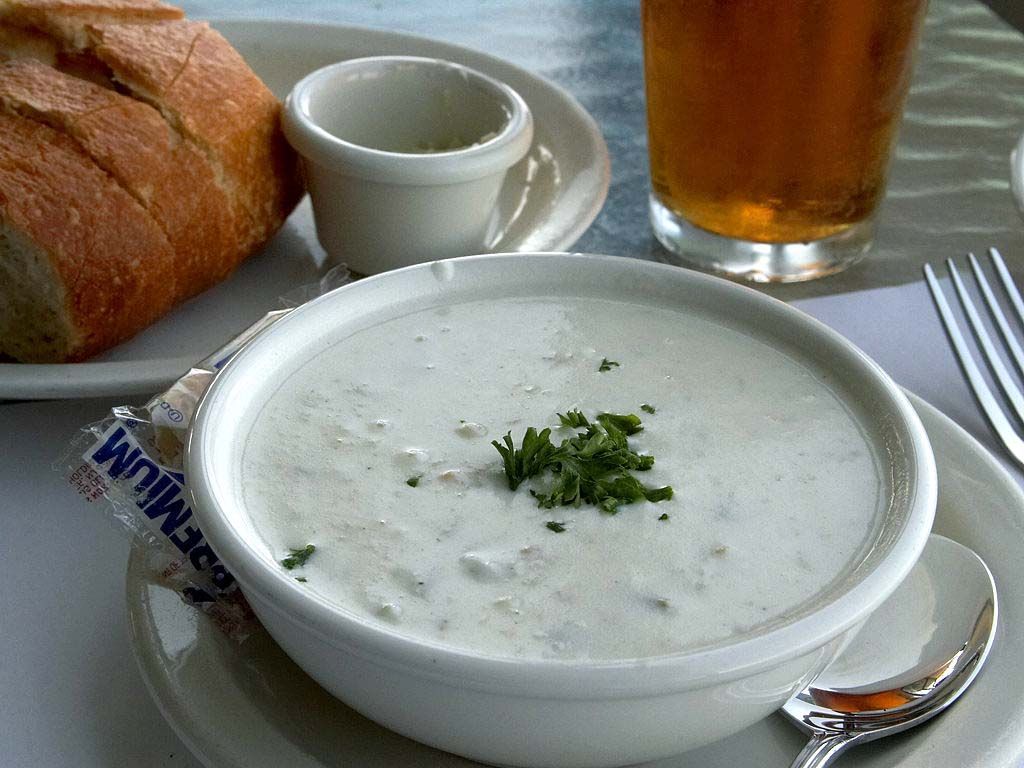
Image: Jon SullivanThe original uploader was Y6y6y6 at English Wikipedia., Public domain, via Wikimedia Commons

At Boston's Union Oyster House, America's oldest continuously operating restaurant, the clam chowder recipe hasn't changed much since 1826 , and one spoonful tells you why. While every New England state has its own take on this creamy, thick, clam-and-potato stew—Maine keeps it simple, Rhode Island goes clear-broth, and Connecticut prefers a milky base—Boston's version has become the gold standard, beloved for its richness and depth.

The debate over who makes it best has fueled friendly regional rivalries for generations — though Legal Sea Foods makes a strong case, having served its chowder at multiple presidential inaugurations.

7
Illinois: Popcorn

Image: Charles Chen

Illinois is one of the top popcorn producers in the US—and in 2003, it became the official state snack, thanks to an unlikely group of advocates: a class of elementary school students from Joliet, a Chicago suburb, who made it their class project to lobby lawmakers for the designation . Governor Rod Blagojevich signed the bill into law, and popcorn joined the cardinal and the bluegill as official state symbols.

Garrett Popcorn Shops in Chicago have been making people wait in line since 1949. Their "Chicago Mix" combines buttery caramel corn with sharp cheddar cheese popcorn, and locals know to grab a bag whenever they're downtown.

8
Vermont: Apple Pie

Image: Kavya P K

Vermont made apple pie its official state pie in 1999, celebrating the state's apple orchards and New England baking traditions. A proper Vermont apple pie should feature tart local apples, a flaky crust, and maybe a slice of cheddar on the side .

The Blue Benn Diner in Bennington serves classic homemade apple pie that locals have been driving out of their way for since 1948.

9
Oklahoma: Fried Okra
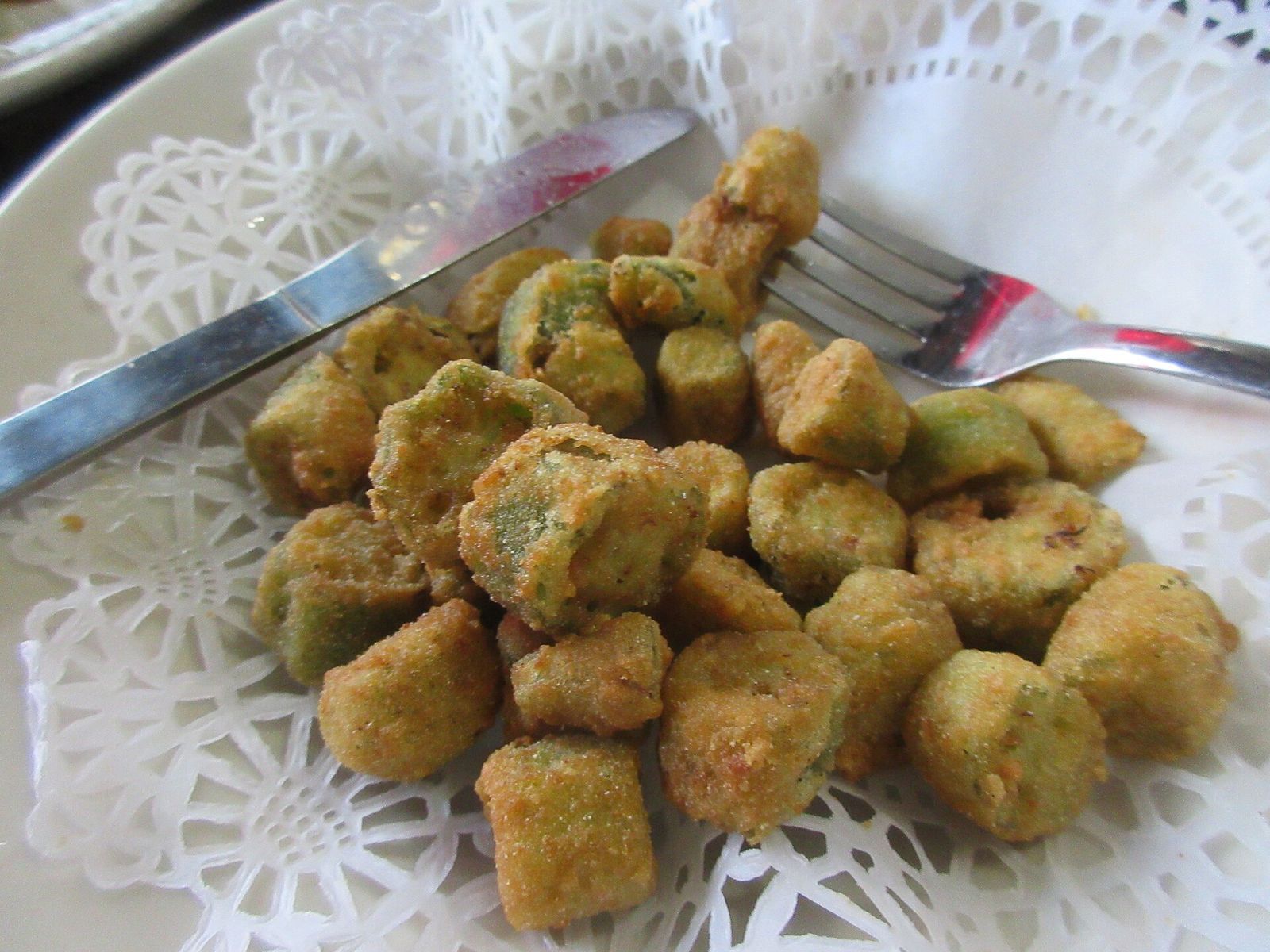
Image: Infrogmation of New Orleans, CC BY-SA 4.0, via Wikimedia Commons

Few vegetables are as deeply tied to Oklahoma's identity as okra. It was brought to the American South by enslaved Africans, who carried the seeds with them and wove the crop into the region's culinary fabric. Over generations, it became a cornerstone of Southern cooking.

Coated in cornmeal and fried to golden, crispy perfection, it's a staple at family gatherings and church potlucks across the state . Eischen's Bar in Okarche, Oklahoma's oldest bar, serves fried okra alongside their famous fried chicken.

10
Rhode Island: Clam Cakes and Chowder
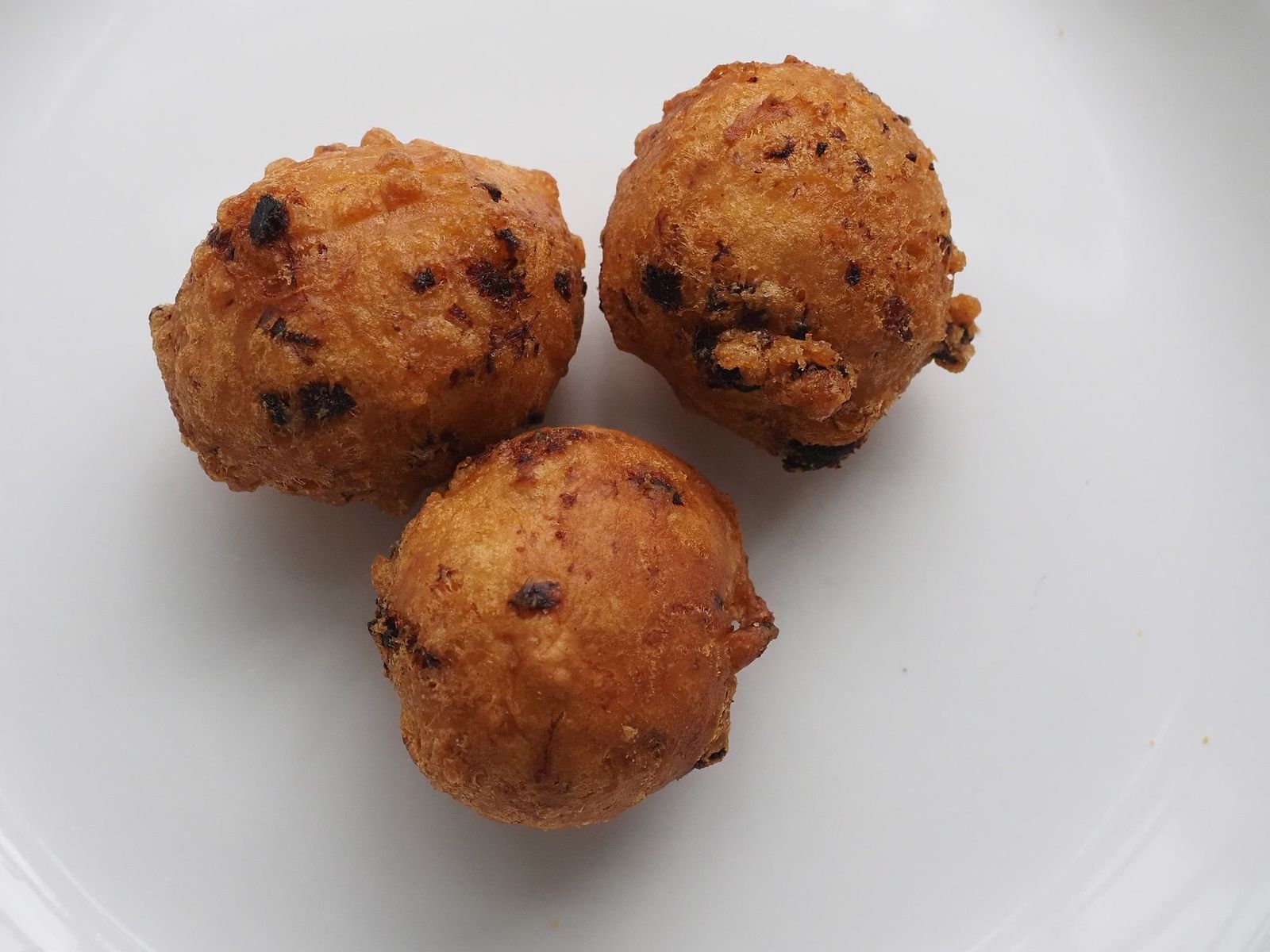
Image: ajay_suresh, CC BY 2.0, via Wikimedia Commons

One of Rhode Island's favorite appetizers is actually a dynamic duo: clam cakes (fried dough balls studded with chopped clams) paired with their distinctive clear clam chowder . Unlike Massachusetts' creamy version, Rhode Island keeps it brothy, more like a seafood soup without dairy (like the Boston-style one) or tomato (like the Manhattan-style one).

Iggy's Doughboys and Chowder House in Narragansett has been a beachside institution since 1924. Order at the window, grab a picnic table, and watch the ocean while you eat.

Geography Geography 5 min read

Time for a road trip!

Let’s hit the road and journey through the American West Coast!

Image: Dino Reichmuth / Clément Proust

America is undoubtedly the perfect country for a road trip, isn’t it? This beautiful country of ours is filled to the brim with gorgeous landscapes, breathtaking scenery, and well-maintained highways that seamlessly connect all 50 states. However, it shouldn’t come as a surprise that the United States is massive, and a road trip covering the entire country would be a huge (albeit rewarding) endeavor. With that in mind, we have selected 10 of the most amazing stops you should definitely include whenever you’re planning an unforgettable trip through the West Coast states. Enjoy!

1
Pacific Coast Highway

Image: Lance Anderson

We’ll begin this hypothetical trip of ours in California, and "The Golden State" offers an equally convenient and panoramic way to travel along its stunning coastlines. California State Route 1 is known by many names, such as Cabrillo Highway, Shoreline Highway, or Coast Highway, but it is perhaps best recognized as the "Pacific Coast Highway."

This state route crosses many iconic and gorgeous locations in California, including Big Sur, the San Francisco Bay Area, and the Monterey Bay Area. Beyond its scenic beauty, the Highway is a pop culture icon in its own right, referenced in songs by bands like the Beach Boys and the Decemberists.

2
Yosemite

Image: Jordi Vich Navarro

Yosemite truly needs no introduction. This iconic national park spans 759,620 acres across four California counties, with nearly 95% of its total area designated as wilderness.

From its stunning giant sequoia trees to its breathtaking waterfalls, granite cliffs, and pristine streams, the park offers something for everyone. Yosemite is a quintessential example of the natural beauty America has to offer.

3
Red Rock Canyon State Park

Image: Kristen P

Since we’re still on the California portion of our fictional road trip, let’s make a quick stop at another natural treasure. Red Rock Canyon State Park is renowned worldwide for its stunning rock formations and its arid yet strikingly beautiful scenery.

While the weather is definitively drier than in other parts of California, don’t think for a moment that nature is absent in Red Rock Canyon. In fact, this park is home to the rare Red Rock Canyon monkeyflower, a unique flower found exclusively in this region.

4
California’s Lost Coast

Image: Paulius Dragunas

Last but certainly not least on the California leg of our trip is the stunning region known as the "Lost Coast." Situated in Humboldt and Mendocino counties, this area earned its name because it remains largely natural and undeveloped, the product of a surge in depopulation in the 1930s.

While the inaccessibility of the area is definitively a hurdle—its steep terrain makes establishing roads difficult—we highly recommend it to those adventurous enough to explore on foot. Its pristine, unspoiled landscapes are truly a sight to behold.

5
Willamette Valley

Image: Dan Meyers

Let’s now step into the wonderful state of Oregon to continue our fictional journey. What better place to start our tour through the "Beaver State" than through the beauty of Willamette Valley ? While this region is undeniably vast—stretching 150 miles and encompassing Oregon’s five largest cities—we’d like to highlight a few features that truly make this valley a beautiful area.

Driving through this predominantly agricultural landscape, publicized in the 1820s as a "promised land of flowing milk and honey," means running across rather scenic and bountiful sights. Trust us: watching the golden grapevines shimmer in the autumn sun is just one of the many experiences that make Willamette Valley so magical.

6
Oregon Coast

Image: Kevin Butz

The Oregon Coast not only offers unparalleled and gorgeous sights of the Pacific Ocean, but it's also a unique and massive area that encompasses more than 25 cities, lush landscapes, and a rich variety of birds, marine life, and other wildlife.

As you would expect, the many wonders of this area make the Oregon Coast a popular tourist destination. Those looking for adrenaline-fueled activities may be interested in surfing or sandboarding, while some history buffs might find intrigue in historic landmarks such as Fort Clatsop, Battle Rock, and Oregon’s many lighthouses.

7
Olympic National Park

Image: Georg Eiermann

Now that the route has taken us to the state of Washington, why not visit Olympic National Park and its gorgeous sights? Originally designated as Mount Olympus National Monument by President Theodore Roosevelt, this park is divided into four distinct regions, each hosting three unique ecosystems.

Due to its amazing variety, a single entry could never encompass all the natural wonders this park has to offer. However, we can highlight a few favorites: for instance, Mount Olympus, the tallest peak in the Olympic Mountains, or the Hoh Rainforest, renowned for its stunning Bigleaf maples.

8
The San Juan Islands

Image: David Lang

The San Juan Islands is a four-island archipelago at the border between Washington State and the Canadian province of British Columbia. The Islands are considered the go-to place for birdwatching enthusiasts, boasting the highest concentration of bald eagles in the contiguous United States.

If bird-watching is not your thing, don’t worry—there’s plenty more to see and do on these breathtaking islands. Several ferry tours offer access to some of the best panoramic views of the region, which, as you might imagine, are nothing short of stunning.

9
Denali National Park

Image: Bryson Beaver

We’ve now arrived in the final state of our West Coast road trip. In that sense, what better place to conclude our journey than the "Last Frontier"? With that in mind, let’s begin our exploration of Alaska with what many consider to be the state’s crown jewel: Denali National Park.

Denali holds the distinction of being the highest peak in North America, and while this is truly no small feat, that’s not what makes this area so special. This mountain’s immense size is rivaled only by its breathtaking magnificence. Denali is renowned for its stunning glaciers, lush forests, and diverse wildlife, which includes brown bears, beavers, and Arctic foxes.

10
Kenai Fjords National Park

Image: Kedar Gadge

Kenai Fjords National Park’s beauty is as stunning as it is diverse. Its landscapes are marked by truly unique and stunning features, such as glaciers, islands, and fjords. In addition to its remarkable terrain, the park is home to a wide variety of wildlife, including bald eagles, black bears, and sea otters.

Designated by President Carter in 1978, the park is primarily visited by cruise ships and tour boats. Thousands of visitors are awestruck each day by the grandeur of Kenai Fjords, including the famous Exit Glacier, which is located at the end of the park’s only road.

General General 4 min read

We do it our way

10 American conventions that shock the rest of the world

Image: Luke Michael

Have you ever travelled abroad and felt that some things you thought were completely normal are not the standard elsewhere? Or maybe a foreign friend comes to America for a visit and keeps getting surprised by random things like sales taxes, drink refills, or dollar bills? Customs naturally change from country to country, but some American customs can be shocking to others, even if they are completely natural for us. Here are ten American conventions that set us apart from the rest of the world.

1
Unlimited drink refills

Image: Jonas Jacobsson

The only thing better than a tall glass of iced tea on a hot day is knowing that you can get up and get a refill as many times as you want. This is nothing new for Americans, but it’s one of the most surprising things for foreign tourists. While American restaurants see unlimited refills as a way to keep customers happy at extremely low prices, in most other countries, you usually pay for each drink separately.

2
The measuring system

Image: William Warby

America follows the U.S. customary units system, which includes elements derived from the old Imperial System used in the United Kingdom. Why is it so difficult for foreigners from other English-speaking countries to understand the American system, then? Although countries like Canada or the UK use Imperial units for things like body weight or distances, they also use metric units for other areas, while non-English-speaking countries, as well as Australia and New Zealand, rely entirely on the metric system.

3
Sales taxes

Image: Alexander Faé

How do you know if you have enough money to buy anything at a store? You look at the price and calculate the sales tax that will be added at checkout —unless you are in one of the five states that don’t charge sales taxes. If you travel abroad, however, you don’t have to worry about calculations; you just have to look at the price tag. It’s not that sales taxes don’t exist elsewhere, but that they are already included in the advertised tag.

4
Measuring temperature

Image: Jarosław Kwoczała

If foreigners are confused about the American measuring system, they are definitely baffled by the way we measure temperature. The Fahrenheit scale was developed following scientific parameters, but also considering human body temperature: 0°F is really cold weather, and 100°F is really hot weather. The Celsius scale, however, is based on water: at 0°C, water freezes, and at 100°C, water boils. The range difference often results in foreigners being confused at the high temperature numbers.

5
Entrees

Image: Hyoshin Choi

The topic of American portion sizes being bigger than portion sizes elsewhere is nothing new, but is not the only important difference when it comes to eating out. In a standard American menu, the Entree section will include dishes that are considered main courses, while the Appetizer section will have snacks or finger foods typically eaten before the main course. Why is this confusing for non-Americans? The word ‘entree’ originally referred to appetizers, and is still used with that sense in most countries, especially in Europe and Latin America.

6
Dollar bills

Image: Lukasz Radziejewski

American dollar bills are easily recognizable all around the world, not only because they are often used as an international currency, but also because dollar bills are somewhat unique. Firstly, they are made of a special cotton and linen blend that gives them a unique texture and makes them extremely durable. They are also the same size and color, no matter the value, while other countries tie the size or color of the bill to the different values.

7
Decimals and thousands separators

Image: Mika Baumeister

This is less of a U.S. and more of an English-speaking countries issue, but one that confuses foreigners nonetheless. All around the world, we learn that big numbers are grouped in threes: once we go from nine hundred and ninety-nine to a thousand, we have to use a comma. Or is it a period? While English speakers use a comma for the thousands, non-English speakers use a period. When it comes to decimals, the symbols are also swapped: in English, decimals are separated by a period, but for the rest of the world they are separated by a comma.

8
Citizen-based taxation

Image: Olga DeLawrence

Foreigners often find the American taxing system confusing, but this particular instance can also surprise many American citizens who realize that they have to pay taxes even if they live abroad and don’t do business or have properties in America. The U.S is one of two countries in the world that uses citizenship (and not residence) as a taxing basis. The only other country that uses this system is Eritrea, located in East Africa.

9
Political colors

Image: Clay Banks

The history of political colors in the U.S. is fairly recent —the red-blue dichotomy was formally established during the 2000 presidential election— but no less important or symbolic. It does, however, stand out from the political use of color in other parts of the world where —leaving specific color associations aside— red is often tied to left-wing ideologies, and yellow (not blue) is the color associated with liberalism.

10
Football

Image: Dave Adamson

Why is America the only country that uses the name football for a sport that is not soccer? The English are to blame here. In the 19th century, football was used for many different sports, among them Rugby football, Association football, and Gridiron football. Association football, also called assoccer (and later, soccer), became extremely popular in England, while Gridiron became popular in America. While the English ultimately decided to use football for Association football, Americans had already identified that word with Gridiron football, so they adopted soccer as the alternative.

Explore more American facts

Choose your favorite category!

General
General

As American as apple pie—the very best America has to offer!

Culture
Culture

Delve into the astounding richness of American lore.

Geography
Geography

Hop in and explore vast and diverse American landscapes.

History
History

Discover the key moments that shaped the United States.