History History 3 min read

Have you experienced any coincidences?

11 incredible coincidences in American history
Image: Library of Congress

A coincidence is a remarkable concurrence of events or circumstances without an apparent causal connection. Most of us experience coincidences regularly, but they tend to be more ordinary—like discovering you’re wearing the same sweater as someone else in the room. The following 12 examples are much more extreme, and some even seem unbelievable, even though they are true. Read on and prepare to be amazed!

1
A Presidential curse

Image: David Everett Strickler

For almost 140 years, U.S. presidents elected in years ending in zero died while in office. It happened to William Henry Harrison (elected in 1840, died in 1841), Abraham Lincoln (elected in 1860, died in 1865), James A. Garfield (elected in 1880, died in 1881), William McKinley (re-elected in 1900, died in 1901), Warren G. Harding (elected in 1920, died in 1923), Franklin D. Roosevelt (elected to a third term in 1940 and a fourth in 1944, died in 1945), and John F. Kennedy (elected in 1960, died in 1963). Ronald Reagan, elected in 1980, broke the curse by surviving an assassination attempt.

2
Mark Twain and Halley’s Comet
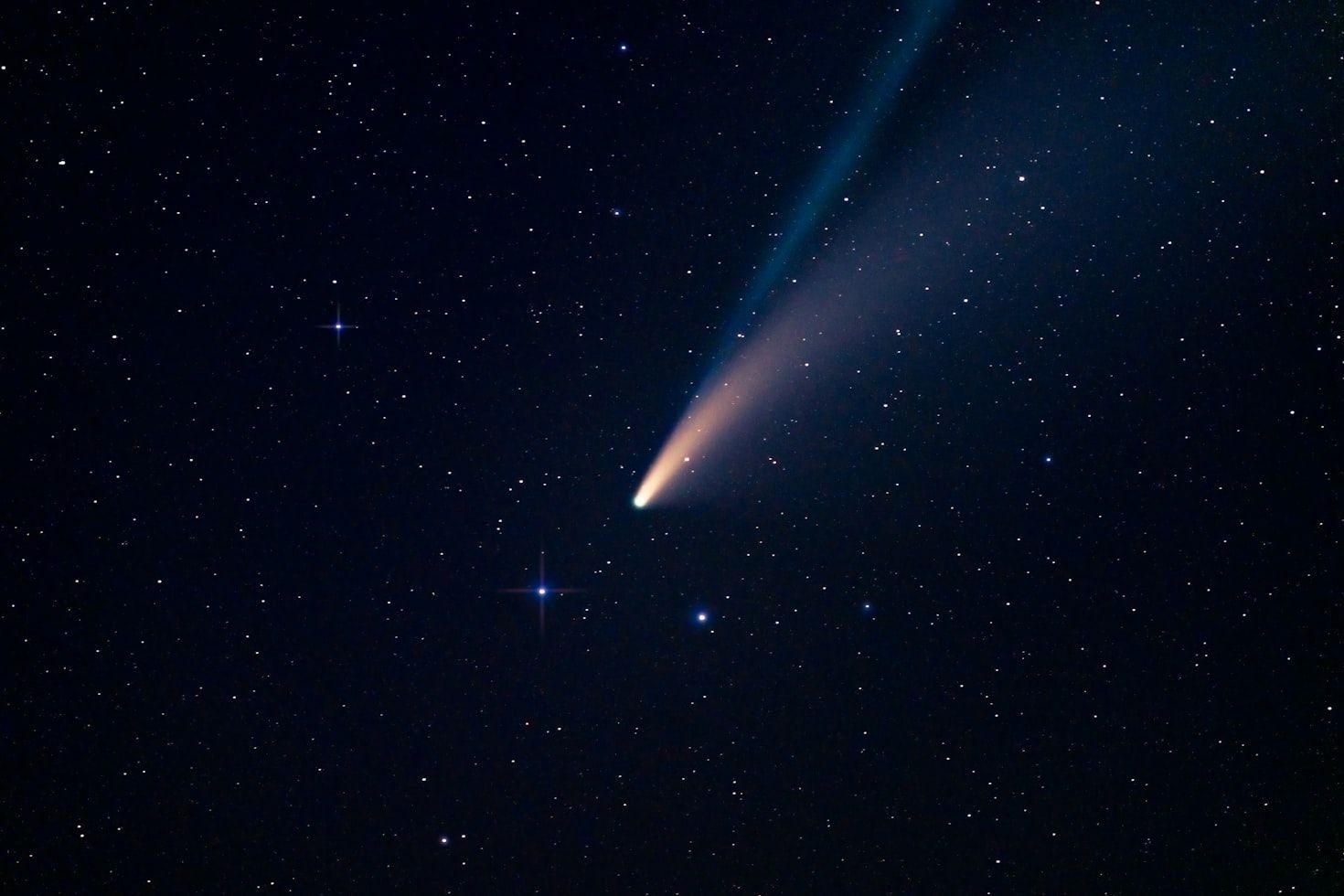
Image: Justin Wolff

In the year Mark Twain was born, 1835, Halley’s Comet passed by Earth. The great writer famously predicted he’d "go out with it" as well . Indeed, he passed away in 1910, the next time the comet appeared.

3
Jefferson and Adams
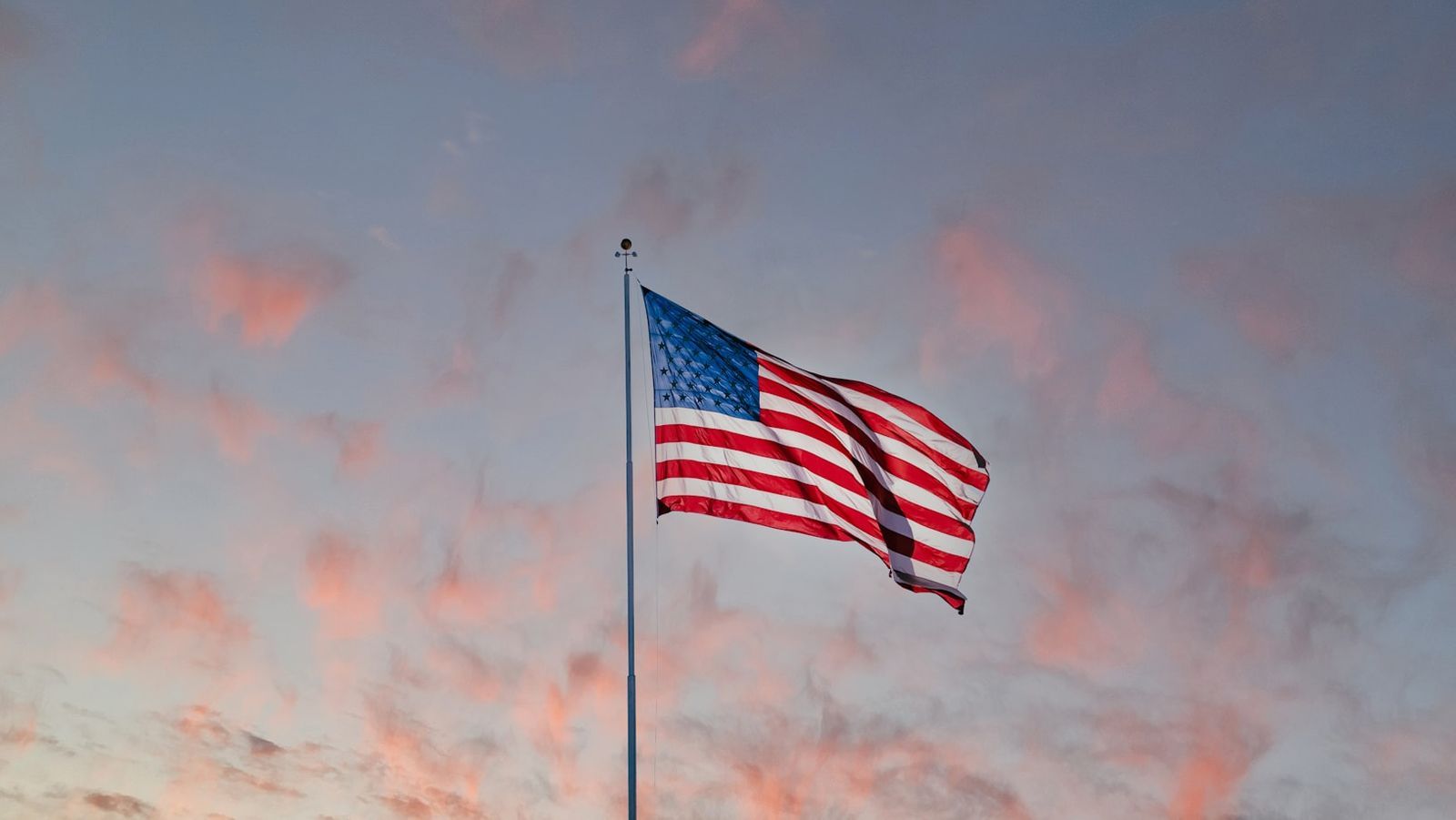
Image: iStrfry , Marcus

A patriotic yet somber coincidence, indeed. John Adams and Thomas Jefferson, the second and third U.S. presidents, both died on July 4, 1826 —exactly 50 years after the signing of the Declaration of Independence.

4
Hoover Dam’s first and last casualties
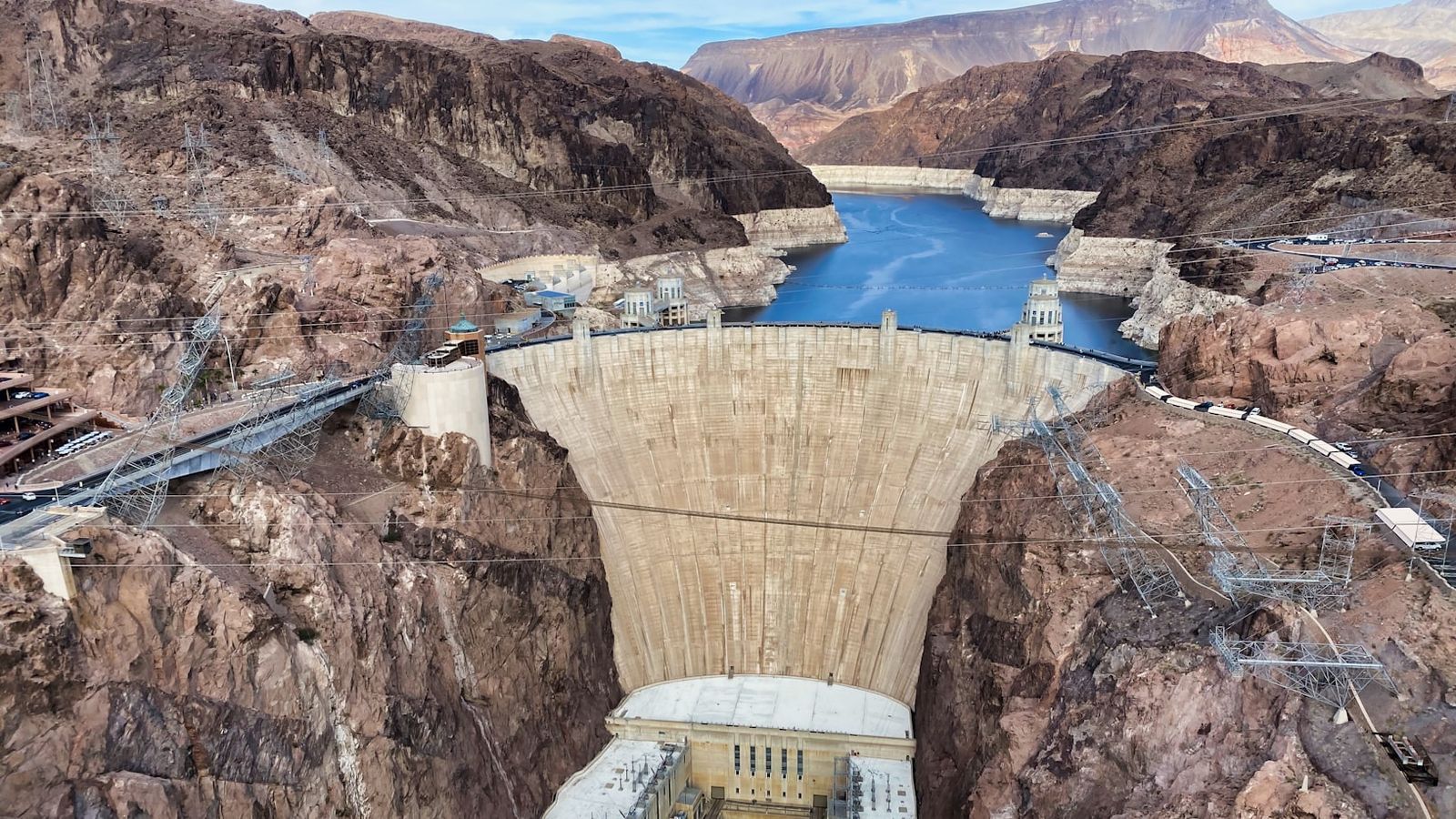
Image: Ryan Thorpe

The construction of the Hoover Dam was a long and difficult process, claiming over 100 lives. The first person to die was J.G. Tierney , and the last recorded death was his son , Patrick Tierney.

5
Lincoln and Kennedy
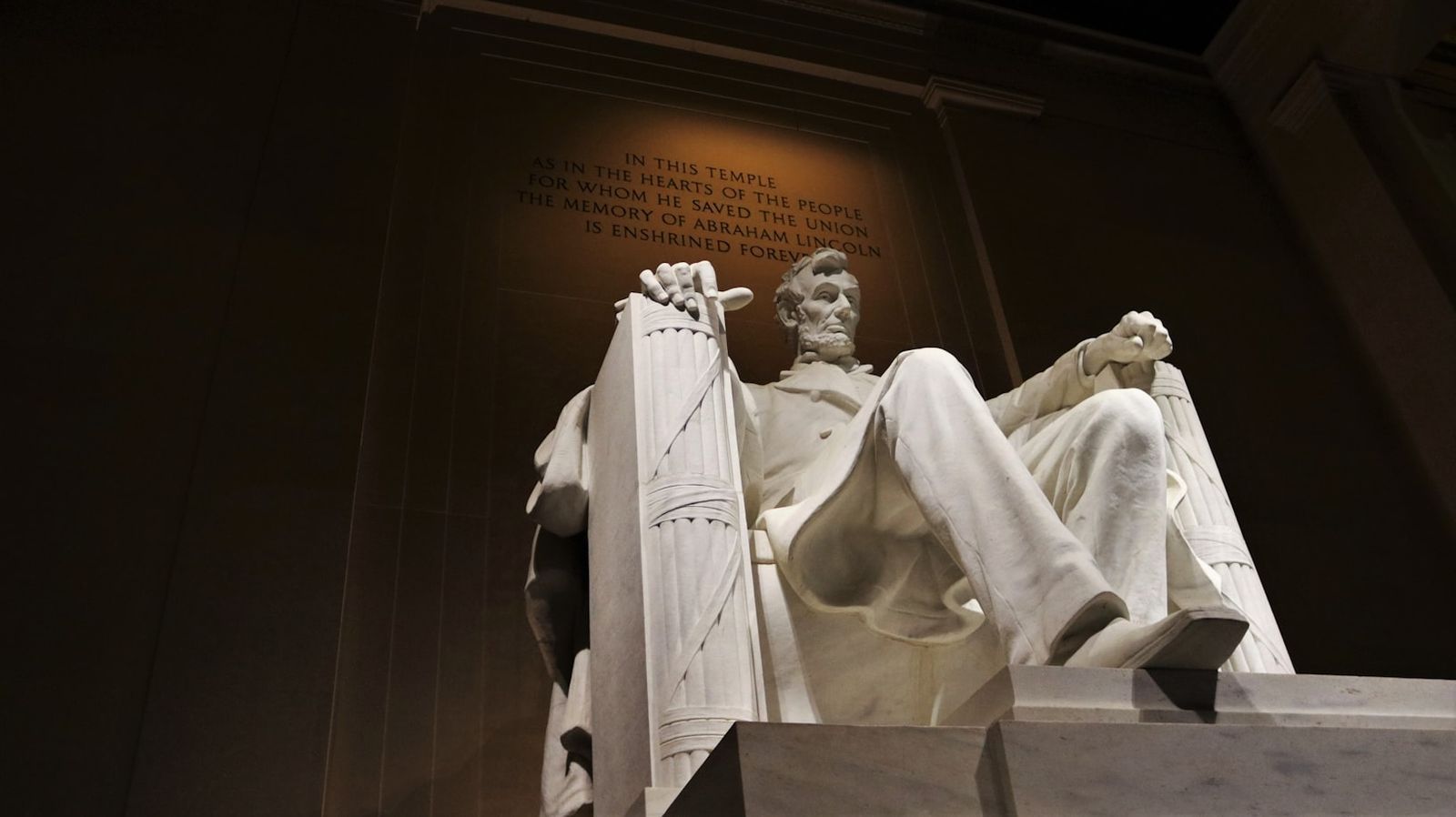
Image: Kelli Dougal

Abraham Lincoln and John F. Kennedy were elected 100 years apart (1860 and 1960). Both suffered fatal head wounds and were succeeded by presidents named Johnson. Their assassins each had three names: John Wilkes Booth and Lee Harvey Oswald. Both were assassinated on a Friday while sitting next to their wives at the time that it happened.

6
The Titanic coincidence
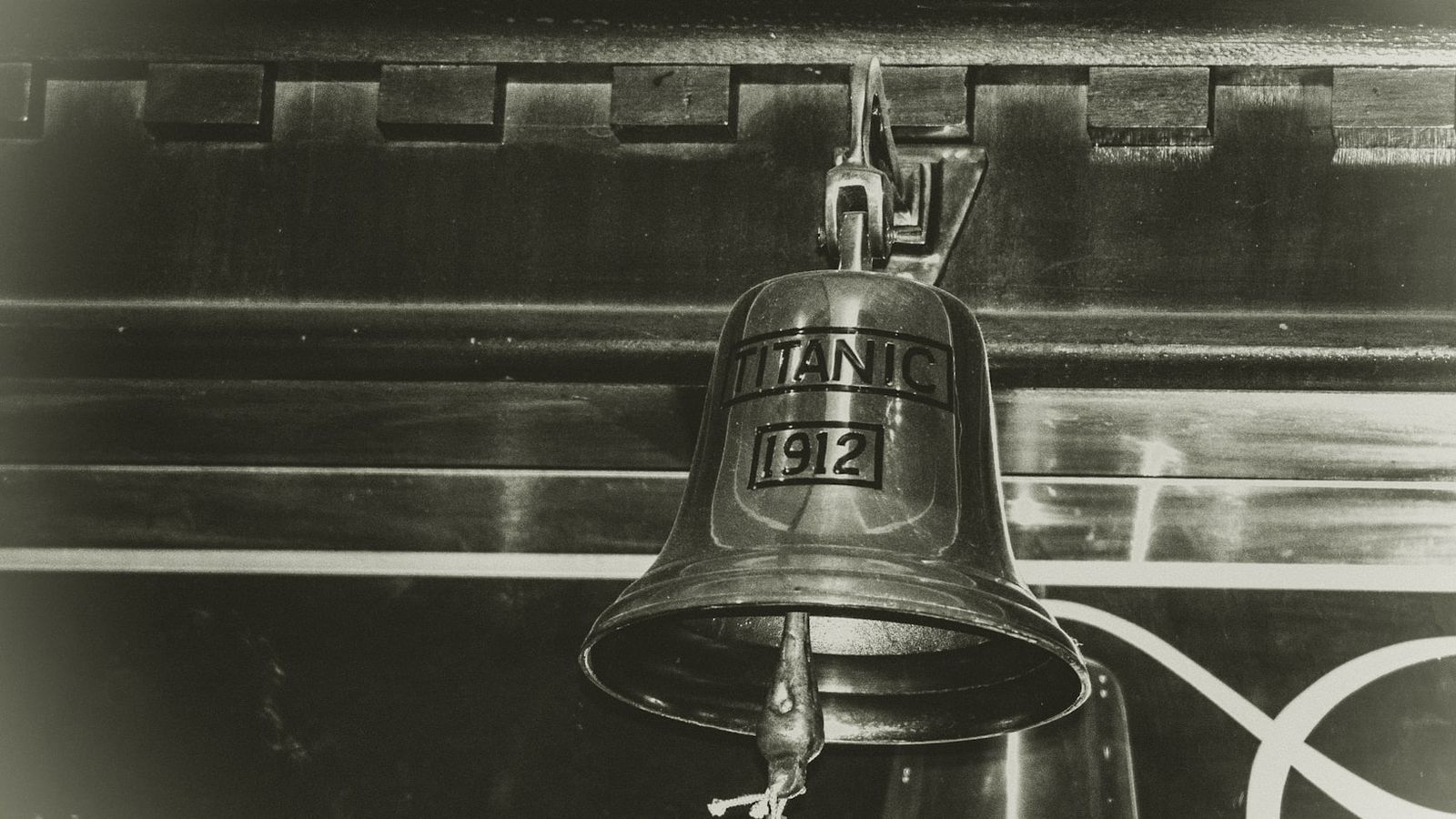
Image: K. Mitch Hodge

A few years before the Titanic sank, Morgan Robertson wrote a short book called Futility , about a massive "unsinkable" ship called the Titan that hit an iceberg and sank. The tale describes a ship with a similar size and a similar lack of lifeboats to the famous vessel.

7
Dennis the Menace
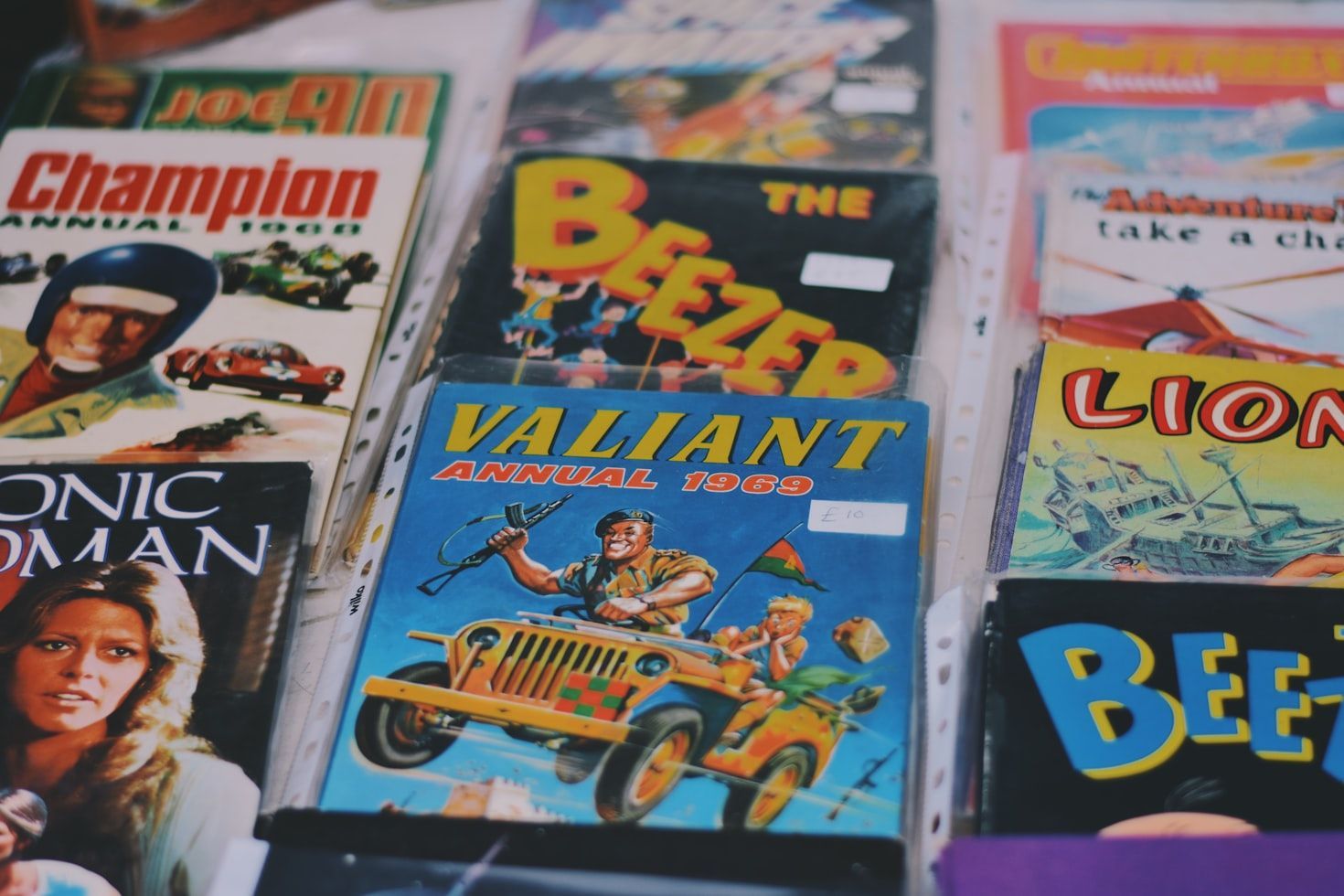
Image: Mitch Rosen

Two comic strips featuring a character named Dennis the Menace debuted in British and American outlets, respectively, on March 12, 1961—only a few hours apart. However, the two creators did not know each other and had no idea of the other’s work.

8
Jim Lewis and Jim Springer

Image: Vidar Nordli-Mathisen

Identical twin brothers separated at birth , Jim Lewis and Jim Springer, were reunited at age 39 and discovered many coincidences: both married women named Linda , divorced, and then remarried women named Betty. Both had dogs named Toy and drove the same model of car. Both grew up with an adopted brother named Larry and had sons whom they named James Allan.

9
Disney magic

Image: PAN XIAOZHEN

A soon-to-be-married couple, Alex and Donna , were looking through old photos to include in their wedding video. They found one photo of Donna posing on a childhood trip to Disney World in 1980. And in the background, they spotted Alex being pushed in a stroller by his father.

10
Moped meets taxi, twice
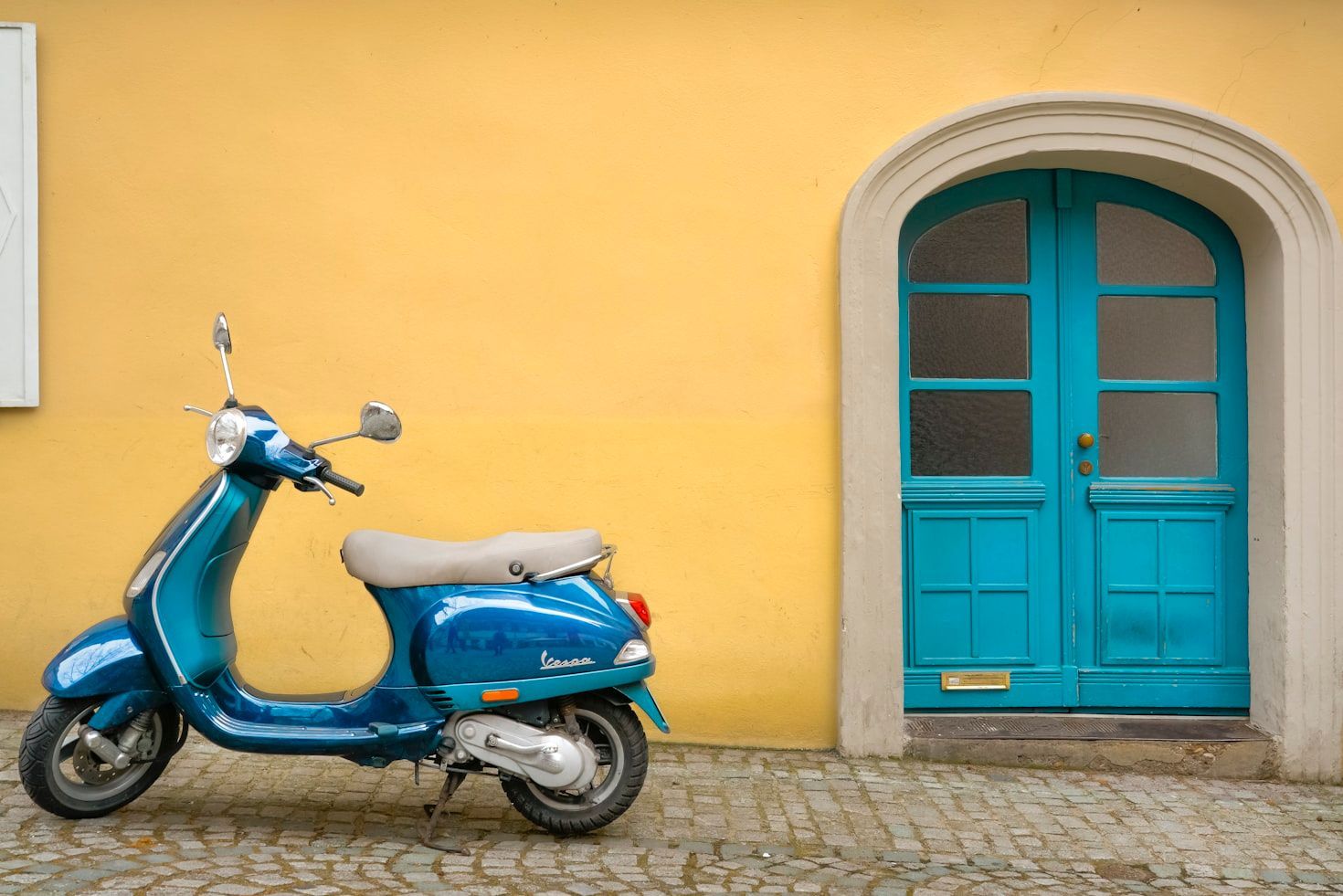
Image: Ruslan Bardash

In 1975, 17-year-old Erskine Lawrence Ebbin was struck by a taxi in Bermuda while riding his moped. A year later, his brother Neville , also 17 at the time, was riding the same moped when he was struck by the same taxi —with the same passenger—on the same street.

11
Lightning strike survivor
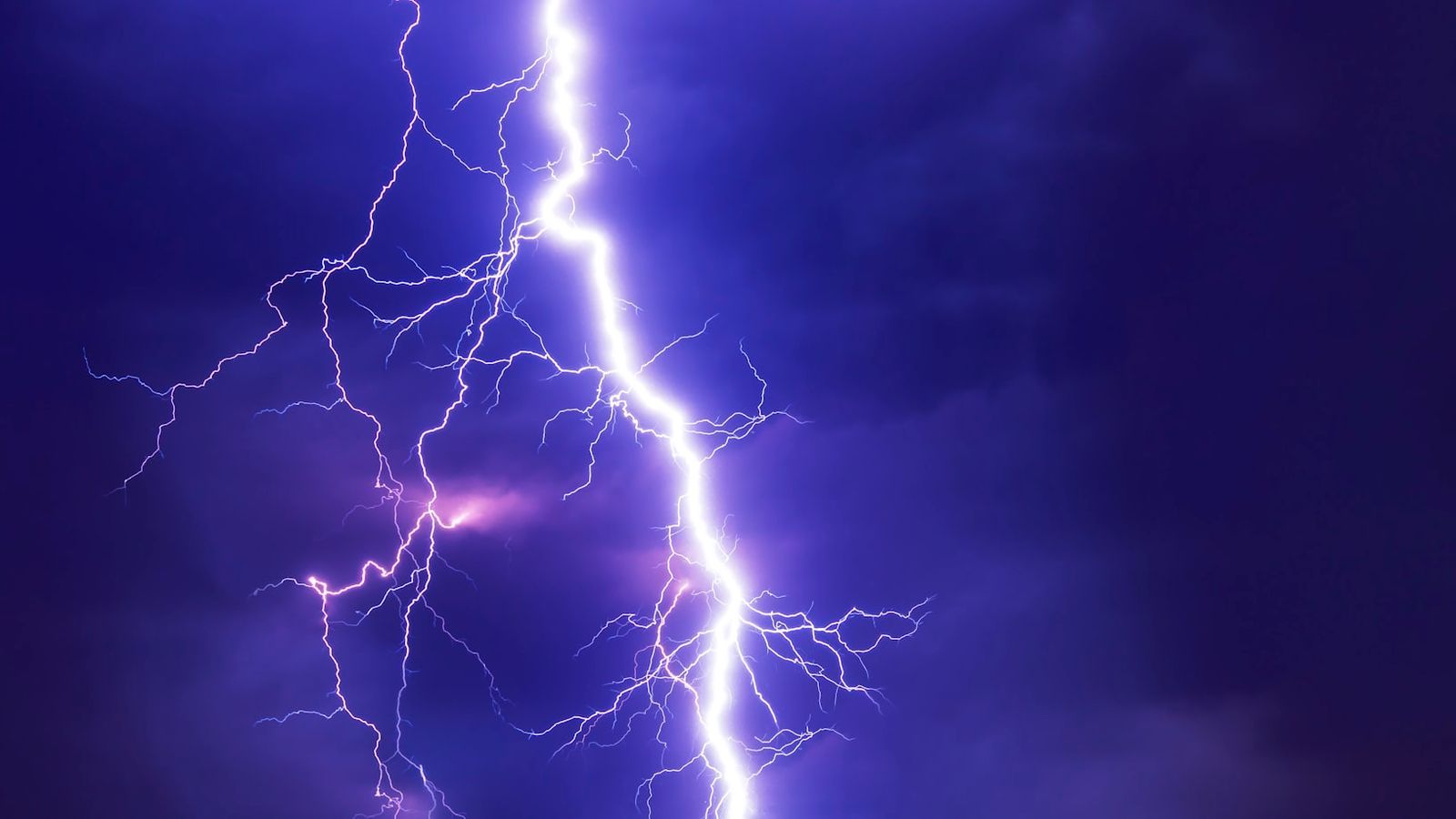
Image: Felix Mittermeier

Being hit by lightning is an extremely rare occurrence. Park ranger Roy Sullivan was struck not once, but seven times between 1942 and 1977 —and survived them all. The strikes hit him in a fire tower, in his truck, in his yard, while patrolling, and more. His unusual record earned him the nickname "Human Lightning Rod."
Culture Culture 3 min read

What’s going on?

The name changes on these songs saved them from oblivion

Image: Mick Haupt

It’s hard to believe now, but some of the most famous hit songs in pop music history began with completely different titles.

Whether they would’ve had the same success with those alternate names, we’ll never know, but these shifts transformed a good idea into a timeless anthem. Take a look at these 11 musical backstories and see what could’ve been.

1
"Born to Run" (1975) - Bruce Springsteen

Image: Mick Haupt

The list’s opener is a Springsteen anthem of escape that was not immediately destined to carry its famous title. In early drafts, the Boss called it "Wings for Wheels" . As the song evolved, the chorus took on a new intensity.

Switching to "Born to Run" sharpened the message, capturing the concept of youth that is expressed in the song.

2
"Hotel California" (1976) - Eagles

Image: Mick Haupt

Before becoming a haunting allegory of excess, the track carried the placeholder name "Mexican Reggae." The band used that phrase to describe the unusual rhythm and guitar feel they had stumbled upon in rehearsal.

But when Don Henley and Glenn Frey shaped the lyrics, the story became much larger, and the now-classic title stuck.

3
"Good Vibrations" (1966) - The Beach Boys

Image: Mick Haupt

Brian Wilson envisioned his experimental pop masterpiece under the simpler working title "Good Vibes." The phrase matched the psychedelic optimism of the era, but it didn’t quite sing.

By expanding to "Good Vibrations," Wilson captured the idea of mystical, almost spiritual energy.

4
"Free Fallin’" (1989) - Tom Petty

Image: Sean Benesh

This timeless ballad started life with the less evocative title "It’s a Long Day," borrowed directly from the opening lyric of the second verse. The phrase, while descriptive, lacked the lyrical punch Petty wanted for a chorus.

As the song took shape, "Free Fallin’ " emerged as the hook that defined the track.

5
"Superstition" (1972)- Stevie Wonder

Image: Mick Haupt

Stevie Wonder’s funk classic nearly went to press as "Very Superstitious. " That title echoed the first line and emphasized the theme, but it felt slightly clunky when repeated.

Stripping it down to "Superstition" lent the track greater impact. With it, the song became one of Wonder’s defining masterpieces.

6
"Respect" (1967) - Aretha Franklin

Image: Clay Banks

Aretha’s most famous song was nearly titled "Take Care, TCB," highlighting her famous line about "Taking Care of Business."

In the end, keeping it simply "Respect" made the track timeless. The title embodied empowerment and self-worth.

7
"What’s Going On" (1971) - Marvin Gaye

Image: Clem Onojeghuo

When Marvin Gaye began work on his masterpiece, the track carried the working name "What’s Happenin’ Brother." That phrase later became the title of a different song on the same album.

By renaming it "What’s Going On," Gaye gave the song broader resonance.

8
"Blowin’ in the Wind" (1962) - Bob Dylan

Image: Brett Jordan

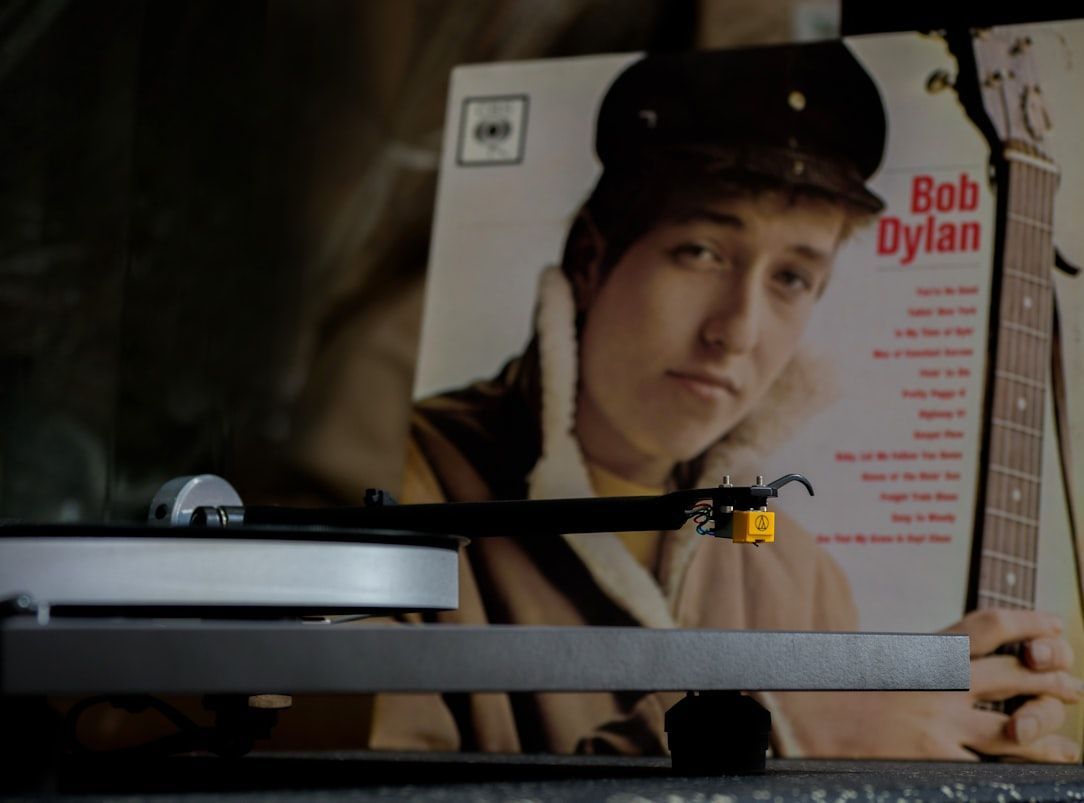
Bob Dylan’s folk anthem once had a far more literal title in mind: "Answer, My Friend." The phrase came from the chorus line that would become the song’s most quoted passage.

Choosing "Blowin’ in the Wind" turned a straightforward lyric into a metaphor for freedom and justice.

9
"Crazy" (1961) - Patsy Cline

Image: Florencia Viadana

Willie Nelson originally drafted this ballad under the blunt title "Stupid." Though catchy, it didn’t capture the tenderness he wanted for the song.

Delivered with Patsy Cline’s aching vocals, "Crazy" became a country standard and one of the most recorded ballads of its era.

10
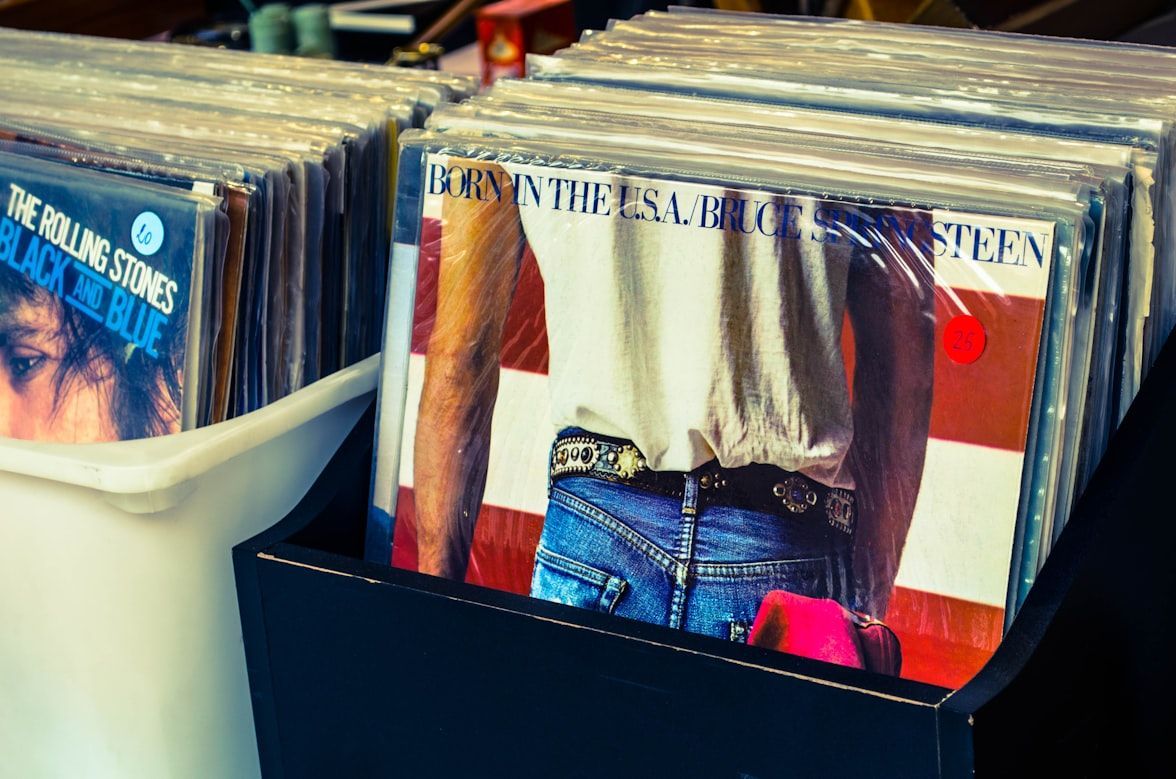
"Born in the U.S.A." (1984) - Bruce Springsteen

Image: Jose Antonio Gallego Vázquez

This track was first conceived under the stark working title "Vietnam." Its focus was originally narrower, highlighting the struggles of veterans returning home from war.

By renaming it "Born in the U.S.A.," Springsteen expanded the scope. The patriotic-sounding title created a powerful contrast with the song’s harsh lyrics.

11
"Material Girl" (1985) - Madonna

Image: Sebastian

Written by Peter Brown and Robert Rans, the pop hit almost debuted as "Living in a Material World." The longer phrase fit the chorus but lacked the commercial hook they wanted.

Shortening it to "Material Girl" made all the difference. The title captured Madonna’s persona — a moniker that stuck with her for the duration of her legendary career — and helped define an era.

Geography Geography 3 min read

Carved in stone

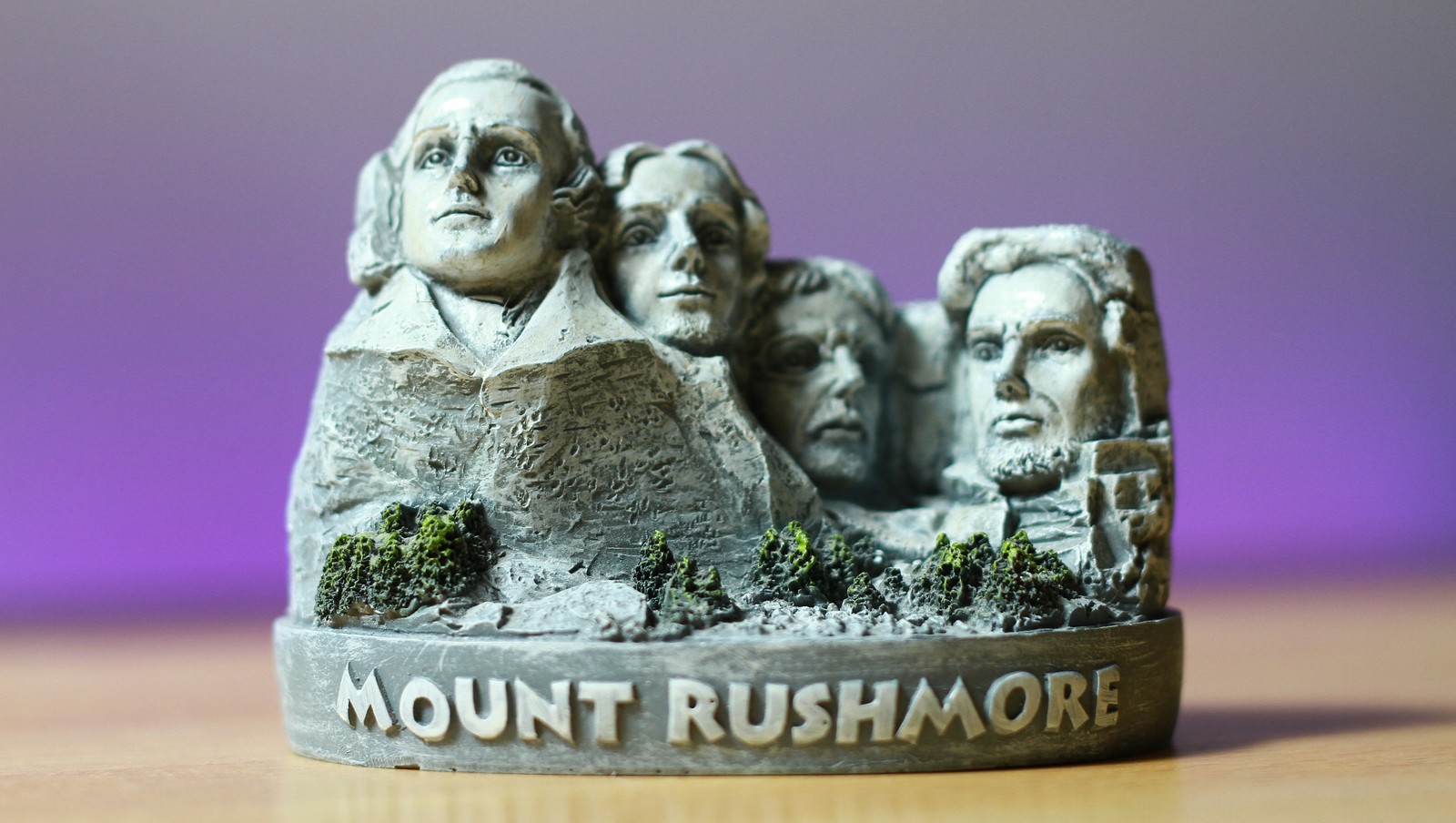
The Secret Room and 10 Secrets about Mount Rushmore

Image: Takefreebies

We've all seen Mount Rushmore, whether in person or on screen. But this monumental landmark is more than just four giant heads carved into granite. If you want to discover some surprising facts they don't teach in schools, read on!

1
A tough decision

Image: Spencer James Lucas

While the first three figures —Washington, Jefferson, and Lincoln— were almost unanimously agreed upon, there was some debate over who should be the fourth face on Mount Rushmore. Gutzon Borglum, the sculptor, advocated for Theodore Roosevelt, but others believed Woodrow Wilson should be included. In the end, Borglum stuck with his original choice, and that's why today we see Teddy Roosevelt up there on America's Shrine of Democracy.

2
The original plan

Image: Jon Sailer

While it's hard to picture the Black Hills without the iconic faces of Washington, Jefferson, Roosevelt, and Lincoln, the original idea for Mount Rushmore was actually quite different. At first, Sculptor Gutzon Borglum envisioned a more complex job (yes, even more complicated than it already is!) In his original plan, he imagined not just the presidents' heads but their upper bodies as well! There was even talk of including other key figures from American history, like explorers Lewis and Clark.

3
14 long years

Image: piotr sawejko

We can assume that carving the giant heads of 4 presidents into the granite was no easy task. But do you know how long it took to complete the monument we see today? 14 years! That's right; 14 years of hard work, 400 men, and a whole lot of dynamite went into bringing this colossal project to life.

4
The first

Image: Spencer James Lucas

As the first President of the United States and widely known as the "Father of His Country," George Washington was a must for this incredible monument. In fact, his face was the first to be completed and was officially dedicated in a grand ceremony. In addition, as part of the powerful symbolism behind the work, Washington's sculpture is also the most prominent.

5
Starting over

Image: Raimund Schlager

One of the many unexpected construction challenges involved the placement of Thomas Jefferson's sculpture.

The original plan was to place Jefferson's face to the left of Washington. However, when the dynamiting process began, they found quartz beneath the surface, which made it impossible to continue carving in that spot. After 18 months of work, they "erased" (yes, again, with dynamite) what they had of Jefferson and started over to the right of Washington, where it is today.

6
The secret door

Image: Tommy Bond

Did you know there's a secret room hidden behind the 60-foot-tall heads on Mount Rushmore? The sculptor had big plans for the monument, including a Hall of Records carved into the mountain to store important national documents like the Constitution. And he started to build it! However, when Congress found out that part of the budget was set aside for the Hall of Records, they asked Borglum to focus solely on carving the heads.

7
The last one

Image: caleb weiner

After Washington's, the other faces followed: Jefferson's was dedicated second, and Lincoln's was officially unveiled in 1937. So, which one came last? That's right! The last to be completed was Theodore Roosevelt's, with his iconic mustache included! Of course, members of the Roosevelt family attended the big ceremony.

8
The legacy

Image: Ashim D’Silva

Building Mount Rushmore took many years. Unfortunately, Gutzon Borglum, the mind behind the project, didn't get to see it fully completed, as he passed away just a few months before the work officially ended. However, it was his son Lincoln who stepped in to complete the great work his father had started.

9
An extra foot

Image: Andrew Ling

Borglum believed this monument should stand the test of time, built to inspire and be admired for thousands of years to come. So, how did he achieve that? Some historical sources suggest one of Borglum's techniques was adding extra material to certain angled areas of the sculpture, like Washington's nose, for example. That's right! It's believed that the author added an extra foot to George Washington's nose to help it better withstand erosion over time.

10
The man behind the name

Image: Pamela Huber

Long before the presidents were carved into the Black Hills, a New York lawyer paid a visit to the area, and that visit wouldn't go unnoticed. In 1885, attorney Charles E. Rushmore was at the site for business, and he asked for the name of a particular peak. When they told him it didn't have a name, he jokingly suggested they could call it "Rushmore Peak." Charles E. Rushmore was actually the first person to make a private donation to get the project started: $5,000! And so it was that his name stuck.

Explore more American facts

Choose your favorite category!

General
General

As American as apple pie—the very best America has to offer!

Culture
Culture

Delve into the astounding richness of American lore.

Geography
Geography

Hop in and explore vast and diverse American landscapes.

History
History

Discover the key moments that shaped the United States.