Geography Geography 3 min read

Michigander, Michigoose?

10 unofficial American demonyms (that should be official)
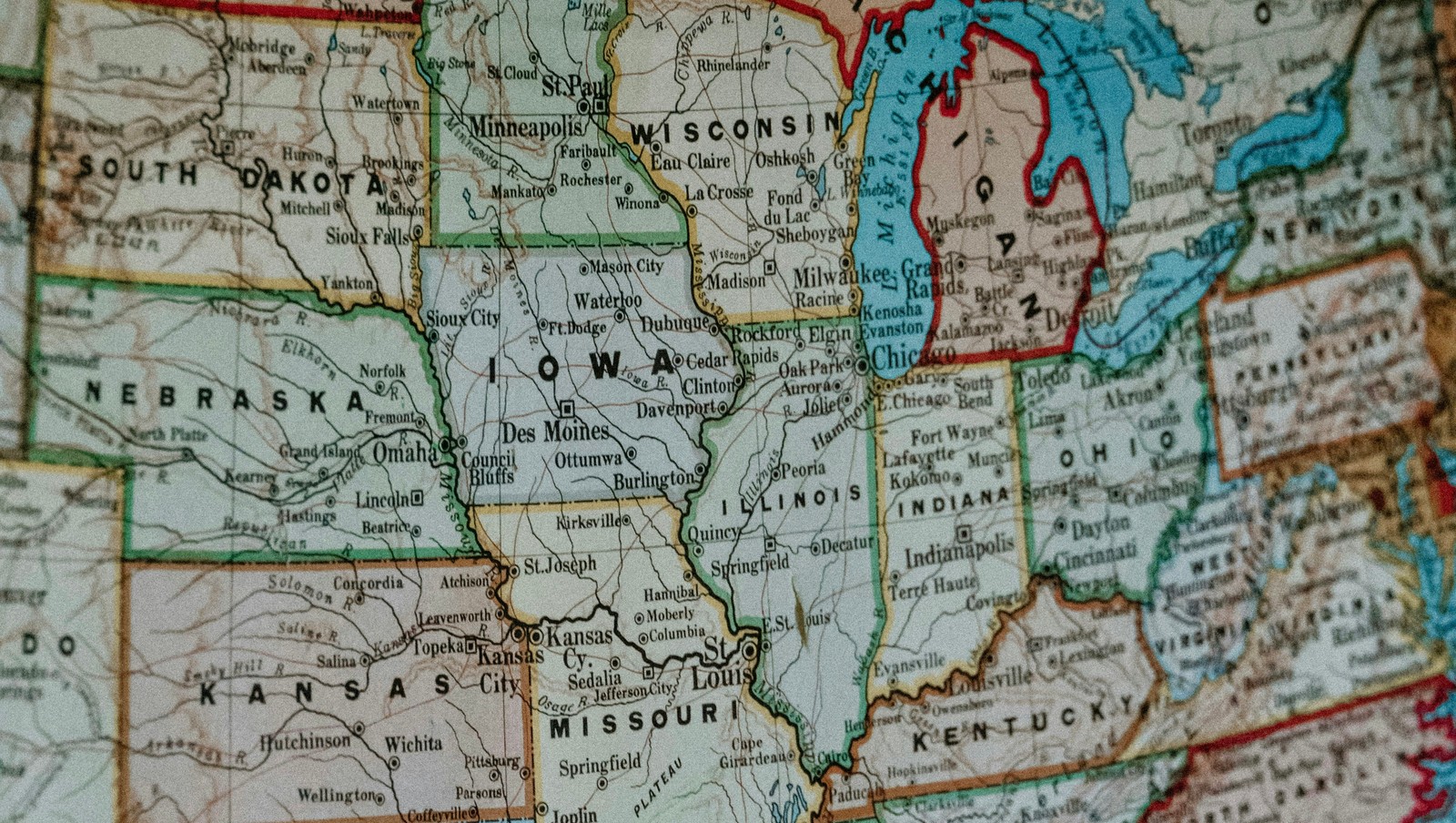
Image: Hans

Demonyms, or the names that identify your place of origin, can be tricky. In the United States, some demonyms have an official status —those of states, for example—while others are a product of use and tradition. Unofficial demonyms or nicknames are also common, and sometimes more widely used than the official version. Let’s have a look at some of them!

1
Hoosier
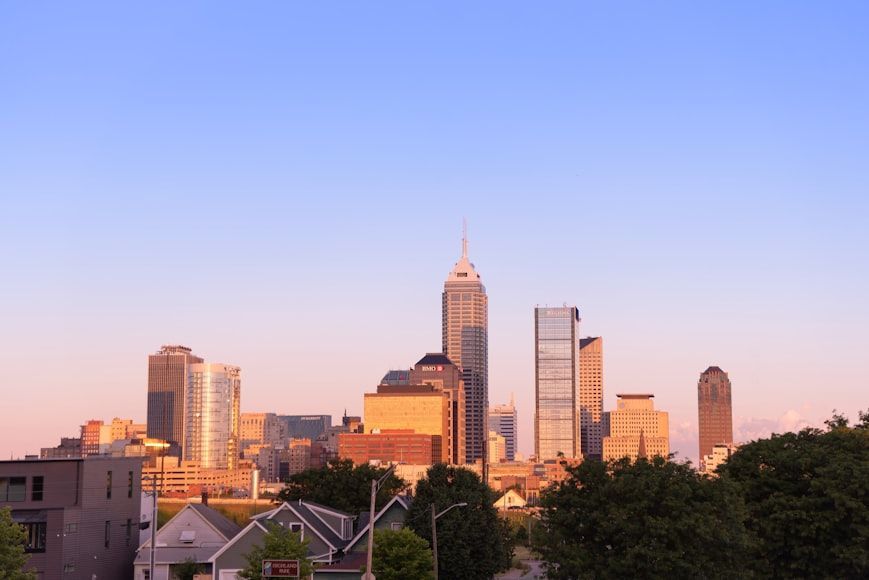
Image: Corbin Mathias

Until recently, the United States Government Publishing Office (or USGPO) still recommended Indianian as the demonym for the state of Indiana, but its residents have been calling themselves Hoosiers for nearly two centuries. While no one really knows where the term originated, it was popularized by John Finley’s poem "The Hoosier's Nest", and Indiana has long been known as "The Hoosier State".

2
Bay Stater
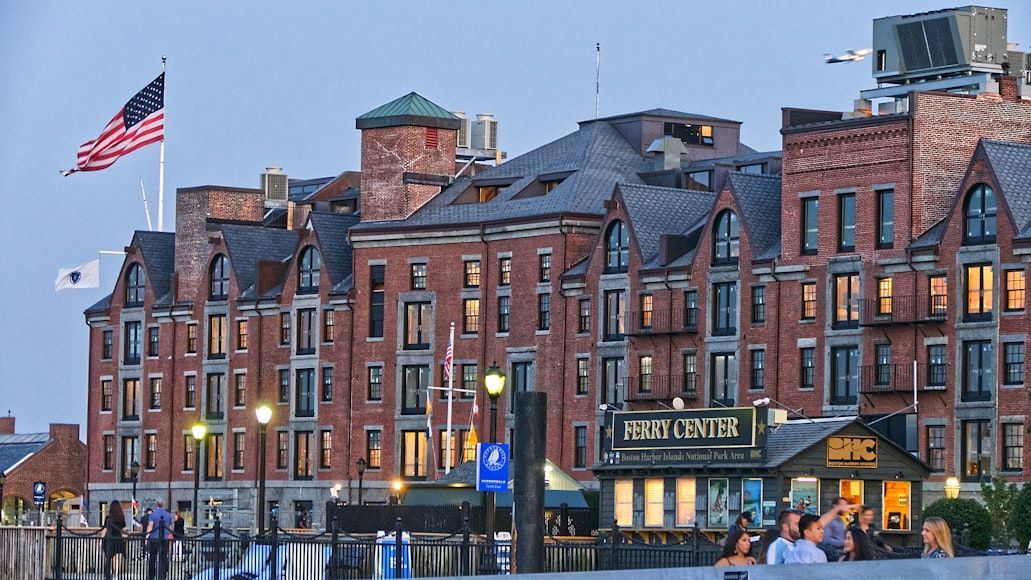
Image: Pascal Bernardon

The USGPO might recommend the use of Massachusettsan , but the people of Massachussets strongly disagree. State laws and regulations officially refer to its residents as Bay Staters , after a common nickname for the state. Given that Massachusetts is formally a Commonwealth, the law also uses the phrase Citizen of the Commonwealth , but it's kind of a mouthful for everyday purposes. We’ll stick with Bay Stater.

3
Accidental
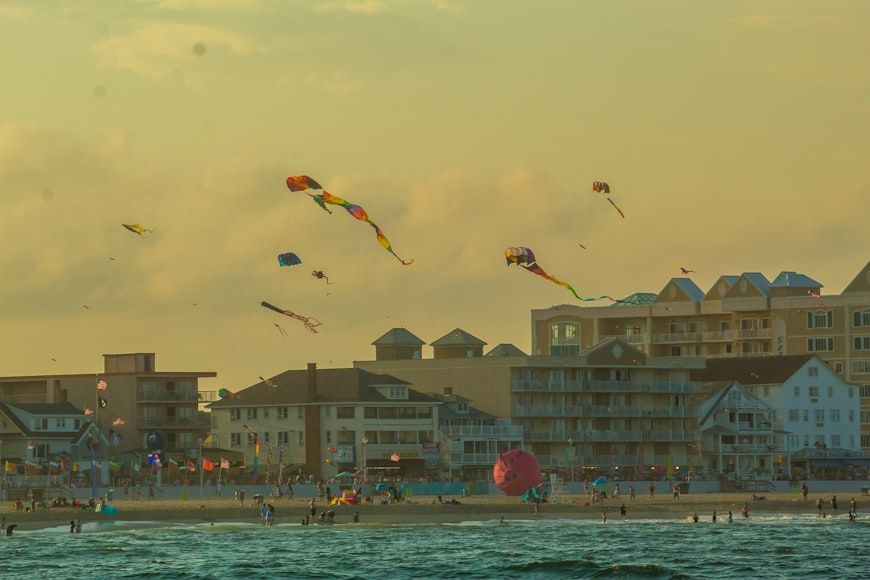
Image: Jeff McLain

One of the earliest settlements in Maryland, the town of Accident is not very big, but it makes up for it with its peculiar name. Naturally, the corresponding demonym for its residents is Accidental , though some sources also claim that the citizens of Accident are to be called Accidents .

4
Granite Stater
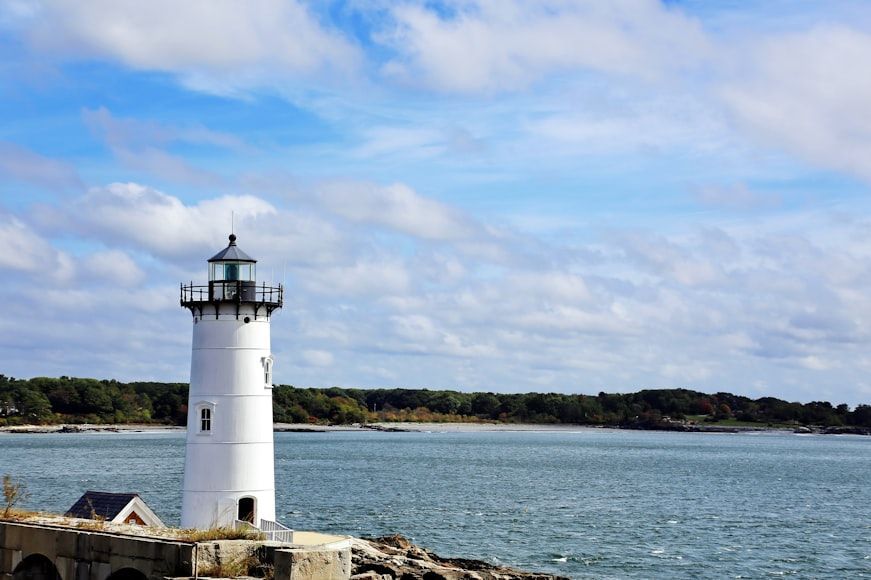
Image: Mark König

Much like Bay Staters, the residents of New Hampshire tend to disagree with the USGPO when it comes to their demonym. The official version is New Hampshirite (for the Federal Government, at least ), but locals favor the term Granite Stater , derived from New Hampshire’s nickname, "The Granite State".

5
Truth-or-Consequencesan
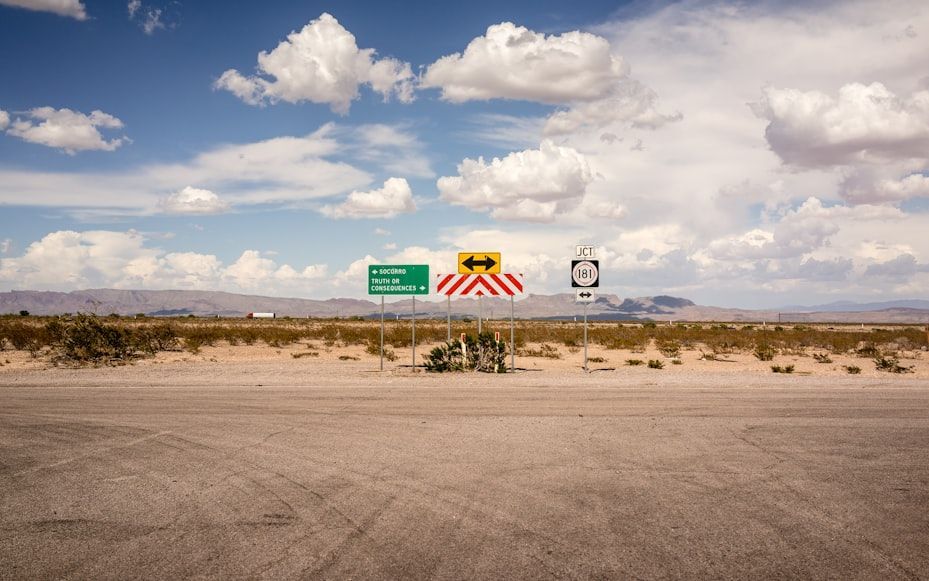
Image: Lachlan Donald

When the town of Hot Springs, New Mexico, decided to change its name to Truth or Consequences for a radio show contest, they either forgot to consider their new demonym or didn’t really care. While they are technically Truth-or-Consequencesans , they refer to the town as T or C, so they say that they are Residents of T or C .

6
Phoenician
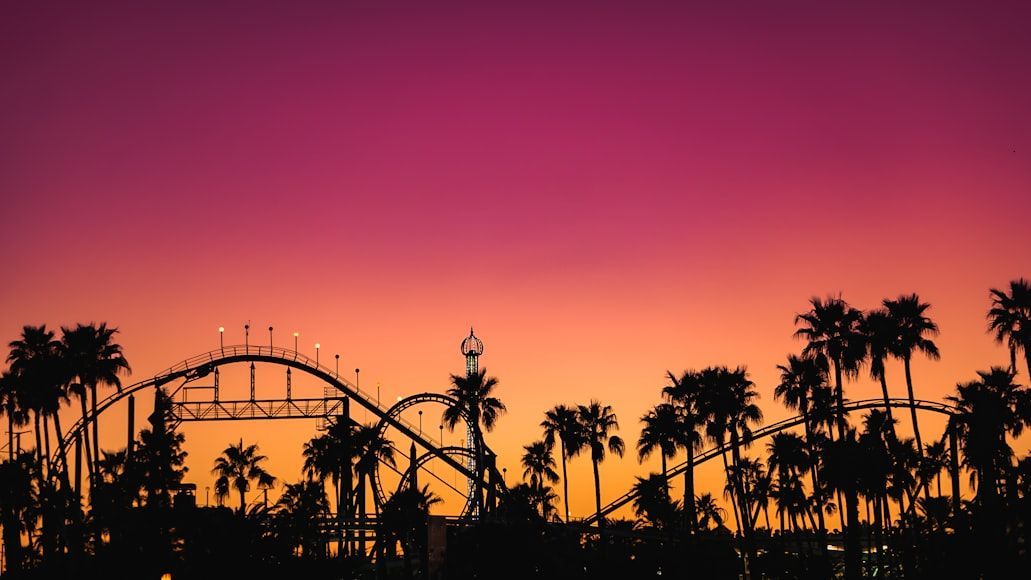
Image: iStrfry , Marcus

Weren’t the Phoenicians an ancient civilization that created the earliest form of our alphabet? Yes, but those lived in ancient Phoenicia. The Phoenicians we are talking about are the residents of Phoenix, Arizona. Some claim that Zoner and Zonan are also common nicknames, but those could be used for any Arizona resident.

7
Nutmegger
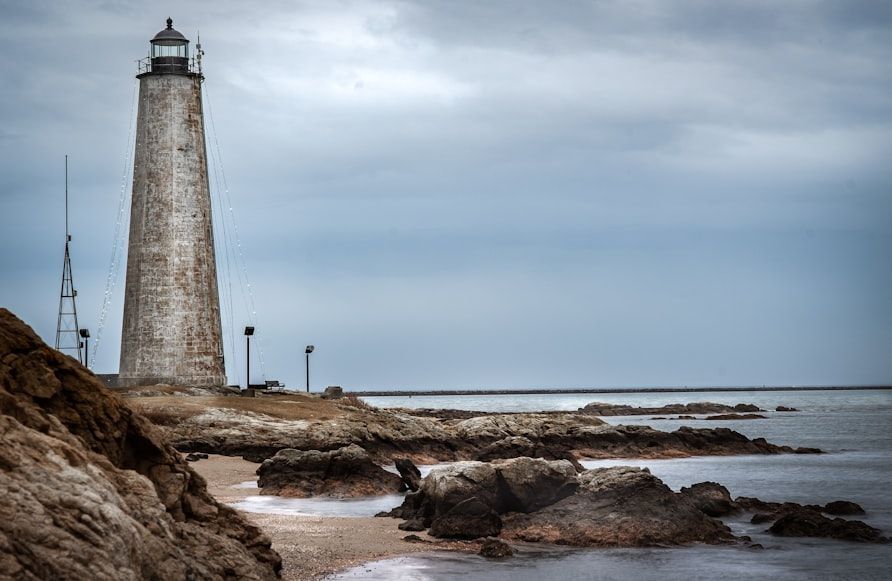
Image: julio angel berroa

Connecticut might be officially known as "The Constitution State", but it’s also called "The Nutmeg State". The origin of this nickname varies according to the sources, but most point to a common scam where Connecticut peddlers would sell wooden nutmegs as the real thing. No matter the story, many Connecticut residents favor the demonym Nutmegger over the USGPO-recommended Connecticuter .

8
Yoopers
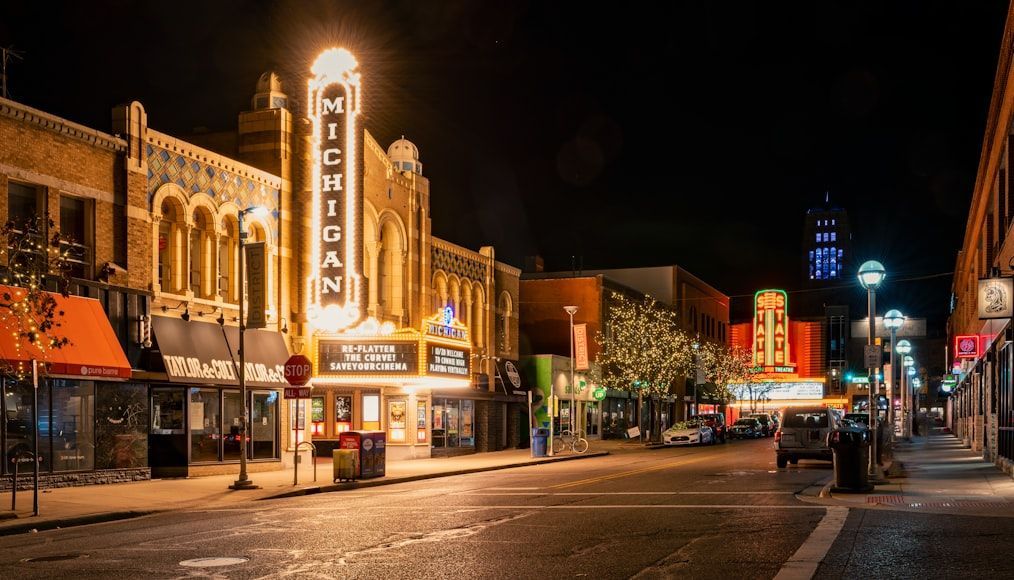
Image: Brad Switzer

Let’s be frank, some of the less-used variants for Michigan’s demonym sound really funny: think Michiganese , Michigine , and Michigoose (as a female version for Michi_gander_). But official names aside, residents of Michigan’s Upper Peninsula commonly refer to themselves as Yoopers , a derivative of U.P. (Upper Peninsula). Rumor has it that they call those from the Lower Peninsula Trolls , because they live ‘under the bridge’, but we can’t attest to this being true.

9
Jayhawk
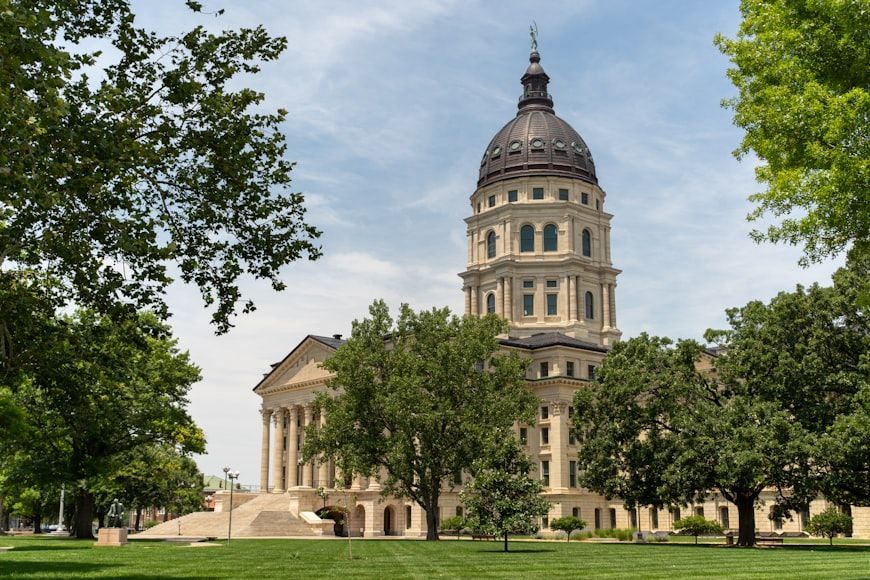
Image: Nils Huenerfuerst

Nowadays, Jayhawk is a common way to refer to residents from Kansas, but this term didn’t always have a positive connotation. Its original form, Jayhawker, used to refer to thieves, and was used derogatively by Confederates to talk about the anty-slavery militias from Kansas. After the Civil War, Kansans appropriated the term as a memento of their state’s contributions to the war.

10
Lanstronaut
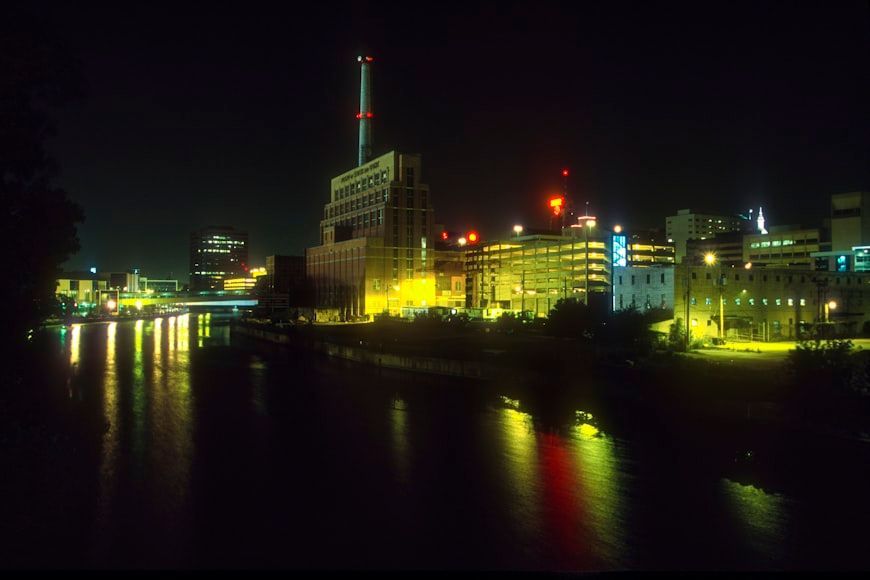
Image: Mick Haupt

Officially, if you live in Lansing, Michigan, you are a Lansingite . However, many Lansing residents have taken to using the term Lanstronaut in recent years, despite Lansing having more to do with the car industry than with space.
General General 6 min read

Timeless inventions

12 amazing American patents that shaped technology and culture

Image: Markus Winkler

The United States Patent and Trademark Office has issued over 12 million patents since its establishment in 1836. Many of the inventors who applied for these patents are well known—such as Elisha Graves Otis or Orville and Wilbur Wright —while others may come as a complete surprise, like President Abraham Lincoln . Some of the patents listed in this article are grandiose; others are smaller and seemingly insignificant. However, they all have something in common: they were invented in our country and changed the course of history. Wondering what they might be? Read on to find out!

1
Locomotive steam-engine for rail (Patent #1)

Image: National Archives at College Park - Textual Reference, Public domain, via Wikimedia Commons

Between 1790 and 1836, the United States granted 9,802 patents that were not awarded on their merits and didn’t have an identification number. The Patent Act of 1836, which established the official Patent Office, aimed to make the system more transparent. Among other reforms, it introduced a numbering system for easier identification.

This system started on July 13, 1836, and remains in effect today. United States Patent No. 1 was issued to John Ruggles —an inventor, attorney, and senator from Maine—for improvements in locomotive traction.

2
Anesthesia (Patent #4,848)

Image: National Library of Medicine

How did patients endure surgery before anesthesia? Before the discovery of an effective anesthetic, surgery was synonymous with excruciating pain. Many large hospitals placed their operating rooms in isolated and remote sections of the hospitals so patients’ screams couldn’t be heard. Alcohol, opium, and even hypnotism were tried as methods of pain relief, but these had little effect.

Fortunately, we no longer have to endure such experiences, thanks to a Boston dentist named William T. G. Morton, who—along with Charles T. Jackson—received the first United States patent for an anesthetic in November 1846.

3
Buoying vessels over shoals (Patent #6,469)

Image: invented by Abraham Lincoln. Issued by United States government Patent Office, Public domain, via Wikimedia Commons

This may be the most unique patent ever issued by the United States Patent Office: it is the first and only U.S. patent granted to an inventor who later became president. Although at least three presidents—George Washington, Thomas Jefferson, and Abraham Lincoln—were inventors, Lincoln is the only one who formally applied for and received a patent .

In 1849, he was awarded Patent No. 6,469 for a flotation device designed to lift boats over shoals and other obstacles in the water. While the invention itself had little bearing on his election, Lincoln’s inventive mindset and mechanical curiosity served him well during his presidency. Although the device was never commercially produced, his appreciation for innovation helped shape the nation's future.

4
Beehive (Patent #9,300)

Image: Bianca Ackermann

Beekeeping arrived in America with the early settlers, and by the end of the 18th century, bee colonies were widespread. However, early efforts met with only partial success.

The first U.S. patent for a practical and effective movable-frame beehive—which revolutionized traditional methods of beekeeping—was granted to American apiarist, clergyman, and teacher Lorenzo Lorraine Langstroth on October 5, 1852. His invention of the "bee space" laid the foundation for all modern beekeeping and hive management.

5
Elevator (Patent #31,128)

Image: Copie de gravure ancienne, Public domain, via Wikimedia Commons

The New York skyline would look very different today had it not been for the invention of the elevator. The man responsible for the forerunner of the modern elevator was American industrialist Elisha Graves Otis , who, on January 15, 1861, received the first U.S. patent for a safety-type passenger elevator.

The concept of vertical travel was not new. However, the first successful passenger safety elevator was installed in 1857 by Otis in the E. V. Haughwout & Company building, a department store in Manhattan. Otis also held patents for other inventions, including railroad trucks and brakes, a steam plow, and a bake oven. But it was the elevator with its safety feature that brought him fame and his sons great fortune.

6
Lock (Patent #31,278)

Image: Parastoo Maleki

The idea of the lock probably stems from the time man first acquired goods he wanted to safeguard from others. However, the first commercially successful modern lock and key system was invented by American mechanical engineer and metalsmith Linus Yale Jr., who received a U.S. patent in 1861.

Yale developed several types of locks, including the Yale Double Treasury Bank Lock, created at the request of the U.S. government. These designs brought him nationwide recognition, but the invention that made him truly famous was the pin-tumbler cylinder lock . Yale died just a few years after receiving his patent. However, every lock and key produced by the Yale & Towne Lock Company since then has proudly carried the Yale name.

7
Barbed wire (Patent #157,124)

Image: Lexis Chadwick

In an age of video surveillance, barbed wire might seem obsolete. Yet it was crucial to the settlement of the American plains in the late 19th century—and it remains widely used around the world today .

On November 24, 1874, Joseph F. Glidden, a farmer from Illinois, received a U.S. patent for the first commercially successful barbed wire . While several earlier patents had been granted for wire fencing, it was Glidden’s design that proved durable, affordable, and easy to mass-produce—making it the dominant form of fencing on the frontier**.**

8
Air conditioner (Patent #808,897)

Image: Prasopchok

On those hot and humid days of summer, we should all be thankful for the work of Willis Haviland Carrier, often called the father of air conditioning. For his efforts, he received the first U.S. patent for a modern air conditioning system on January 2, 1906.

Air conditioning is a complex process that involves refrigeration, dehumidification, air purification, and circulation. Before Carrier’s invention, various individuals had worked on these individual components. But it was Carrier, an American engineer, who successfully integrated them —focusing on the crucial relationship between temperature and humidity.

9
Airplane (Patent #821,393)

Image: John T. Daniels, Public domain, via Wikimedia Commons

Orville and Wilbur Wright are credited with achieving the first controlled, manned flight in history. For their pioneering work, they received the first U.S. patent for an airplane, issued on May 22, 1906.

Many had been intrigued by the idea of human flight before them. However, it was the Wright brothers who succeeded in building, flying, and promoting the world's first successful airplane —an invention that revolutionized transportation.

10
Bakelite (Patent #942,809)

Image: Call Me Fred

The modern plastics industry wouldn’t exist without Belgian-American chemist Leo Hendrik Baekeland , who received the first U.S. patent for a thermosetting plastic in 1909. Before him, others had attempted to produce synthetic resins but were unsuccessful.

Baekeland corrected his predecessors’ mistakes. The result was the first thermosetting resin —one that, once set, would not soften under heat. Bakelite was the first in a long series of resins that shaped the U.S. economy, paving the way for materials such as cellophane, acetate, vinyl, Plexiglas, acrylic, Formica, and polyester.

11
Frozen food (Patent #1,773,080)

Image: United States Patent Office (Clarence Birdseye, inventor)., Public domain, via Wikimedia Commons

Do you know where the name Birds Eye Frozen Food comes from? From its inventor! In 1930, American entrepreneur Clarence Birdseye received the first U.S. patent for this type of product.

Food preservation has been a concern since the beginning of time. Techniques such as salting, pickling, smoking, curing, canning, and later inventions like the icebox and home refrigerator have all contributed to preserving food.

However, one of the most successful methods was developed and commercialized by Birdseye. His process involved quick-freezing meat, seafood, vegetables, and fruit in convenient packages without altering their original taste. Birdseye’s name became a household word, and his innovation created a multibillion-dollar industry.

12
Instant photography (Patent #2,543,181)

Image: Missouri Historical Society, Public domain, via Wikimedia Commons

When we think of instant photography, Polaroid is often the first name that comes to mind. But how much do we know about the man behind the company? American scientist, inventor, and co-founder of the Polaroid Corporation, Edwin Herbert Land , was granted the first U.S. patent for a one-step photographic process in 1951.

While on vacation with his family, Land conceived the idea for a camera and film that could produce an immediate photograph. In 1948, the first Polaroid Land Camera went on sale, though without much public approval. Polaroid continued to improve the Land Camera and, in 1965, introduced the affordable Swinger model , which became an immediate success. Throughout his life, Land was granted more than 533 patents, was inducted into the National Inventors Hall of Fame, and received the Presidential Medal of Freedom.

Geography Geography 4 min read

Road trip time

Off the beaten path: 12 bizarre roadside wonders across the U.S.

Image: RDNE Stock project

Picture this: You’re on a road trip and stumble across something so odd you have to pull over and snap a photo. Has that ever happened to you? It probably has—because that’s the magic of the American roadside attraction. It’s part charm, part mystery, and entirely unforgettable. Our highways are full of creative (and often head-scratching) stops that are well worth stretching your legs for. Here’s a look at some of the most bizarre places you’ll ever visit.

1
Carhenge – Alliance, Nebraska

Image: John Dame

Imagine driving through the Great Plains and stumbling across Stonehenge—only this version is made entirely of old cars. That’s Carhenge. Built in 1987 by artist Jim Reinders, this auto-art installation mirrors the original monument’s dimensions using vintage American cars, all painted gray. It’s history with a humorous twist, you know!

2
Salvation Mountain – Niland, California

Image: Megan Ellis

Located near the edge of the desert, Salvation Mountain is a wonder filled with color and faith. Leonard Knight spent decades slathering adobe and straw with thick coats of paint, spreading a message of love through hand-lettered Bible verses. You don’t have to be religious to appreciate the heart behind this monument—it’s pure passion on display.

3
The Enchanted Highway – Regent, North Dakota

Image: Carol Highsmith's America

This isn’t your average country drive. The Enchanted Highway is a 32-mile stretch of open road lined with enormous metal sculptures—everything from geese in flight to grasshoppers the size of RVs. Created by Gary Greff, a small-town schoolteacher turned roadside visionary, this whimsical parade of artwork proves that a little welding—and a lot of heart—can turn even the quietest town into a road trip highlight.

4
The Paper House – Rockport, Massachusetts

Image: Unlimited Access

If you’ve ever wondered what to do with old newspapers, how about building a house? In the 1920s, engineer Elis Stenman did just that. The walls, furniture—even the curtains—are made from varnished newspapers. It’s cozy, clever, and surprisingly sturdy. Part architecture, part recycling marvel, this little New England oddity is well worth the detour.

5
The Museum of Bad Art – Boston, Massachusetts

Image: Marishka Tsiklauri

Some artwork takes your breath away. Other pieces make you laugh out loud—and that’s exactly the goal at the Museum of Bad Art. This small but mighty gallery celebrates delightfully terrible creations. It’s not about mocking; quite the opposite. It’s about finding joy in the offbeat and honoring artists who dared to create something totally different. Trust us—you’ll leave smiling.

6
The Unclaimed Baggage Center – Scottsboro, Alabama

Image: Raquel Brepohl

Ever wonder where your missing suitcase ended up? Chances are, it’s here. The Unclaimed Baggage Center is part retail store, part treasure hunt. Spread across 40,000 square feet, it sells items left behind at airports—from clothes and gadgets to the occasional surprise oddity. If you enjoy thrifting, this is a must-stop on your trip.

7
The Wigwam Motel – Holbrook, Arizona

Image: Johnathan Ciarrocca

Nothing screams classic Americana like Route 66, and the Wigwam Motel delivers. Here, you’ll sleep in your very own concrete teepee. It’s one of only three surviving "Wigwam Villages" from the 1950s. It’s kitschy, it’s cozy, and it’s a nostalgic nod to the road trips of yesteryear. Want a bonus? Check out the vintage cars parked out front.

8
The House on the Rock – Spring Green, Wisconsin

Image: Cristina Glebova

Imagine a mansion crossed with a carnival funhouse—that’s The House on the Rock. Started in the 1940s by Alex Jordan Jr., this labyrinth of rooms features bizarre collections, from a giant carousel to self-playing orchestras and a hall filled with model ships. It’s overwhelming, wonderful, and completely unforgettable—a place where your inner child will be wide-eyed the entire time.

9
The Grotto of the Redemption – West Bend, Iowa

Image: Mustafa akın

Part spiritual sanctuary, part geological marvel, the Grotto of the Redemption is made of millions of stones, gems, and fossils. Started by Father Paul Dobberstein in 1912, this labor of love took over 40 years to complete. The result? A jaw-dropping series of religious scenes and structures that glitter in the sunlight. Bring your sunglasses—you’re in for a dazzling experience.

10
The UFO Watchtower – Hooper, Colorado

Image: Gabriel Tovar

For those who believe in aliens—or just love a good alien yarn—the UFO Watchtower is a must-see. Located in the San Luis Valley, a hotspot for sightings, this quirky site offers 360-degree views of the sky, a garden filled with visitor trinkets, and plenty of stories. Try it out—what if you spot a flying saucer? Let’s face it, we’re all a little curious about what’s out there.

11
The World’s Largest Ball of Twine – Cawker City, Kansas

Image: Amie Bell

It started small. Then the neighbors added to it. Then visitors joined in. Now, it’s a Midwest legend. The World’s Largest Ball of Twine keeps growing, with a yearly "twine-a-thon" that invites everyone to contribute. It’s quirky, community-powered, and a great example of how something ordinary can become roadside-worthy.

12
The World’s Largest Collection of the World’s Smallest Versions of the World’s Largest Things – Lucas, Kansas

Image: Nik

Yes, that’s the real name. And yes, it’s every bit as whimsical as it sounds. Artist Erika Nelson created this traveling museum of tiny replicas, honoring America’s obsession with "world’s largest" attractions. It’s part satire, part celebration, and completely charming.

Explore more American facts

Choose your favorite category!

General
General

As American as apple pie—the very best America has to offer!

Culture
Culture

Delve into the astounding richness of American lore.

Geography
Geography

Hop in and explore vast and diverse American landscapes.

History
History

Discover the key moments that shaped the United States.