Culture Culture 5 min read

Are we talking about the same thing?

Regional menu: American classics that go by different names
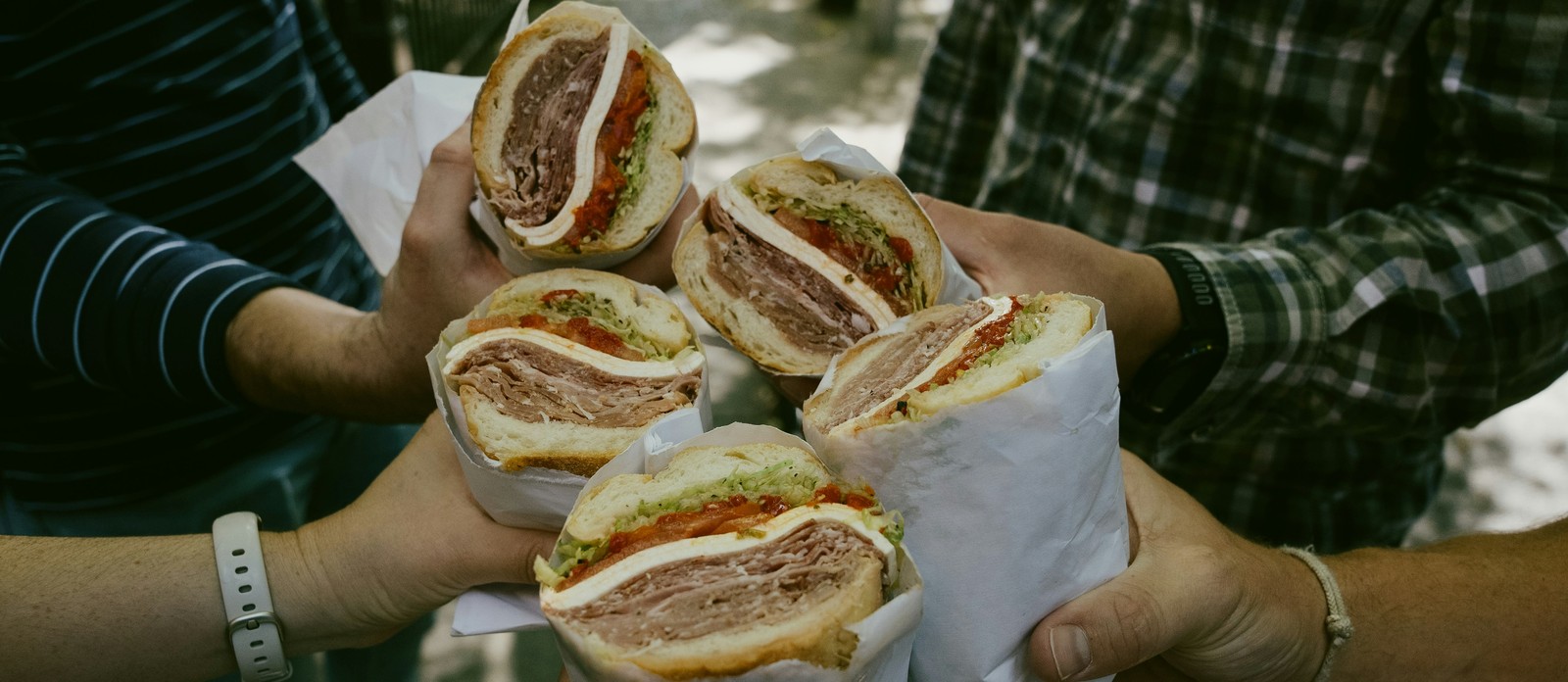
Image: Stephen Han

Ever sat down at a diner during a road trip, picked up the menu, and thought, "I don’t know what half of these things are" ? A hero? A bismarck? A flapjack? They’re usually all things that you know — they just go by another name.

Sandwiches, donuts, pancakes; what you call them probably depends on where you were raised , because their names might differ from state to state, or from region to region. Keep on reading to find out under what names you can find your favorite treat.

1
Soft drinks
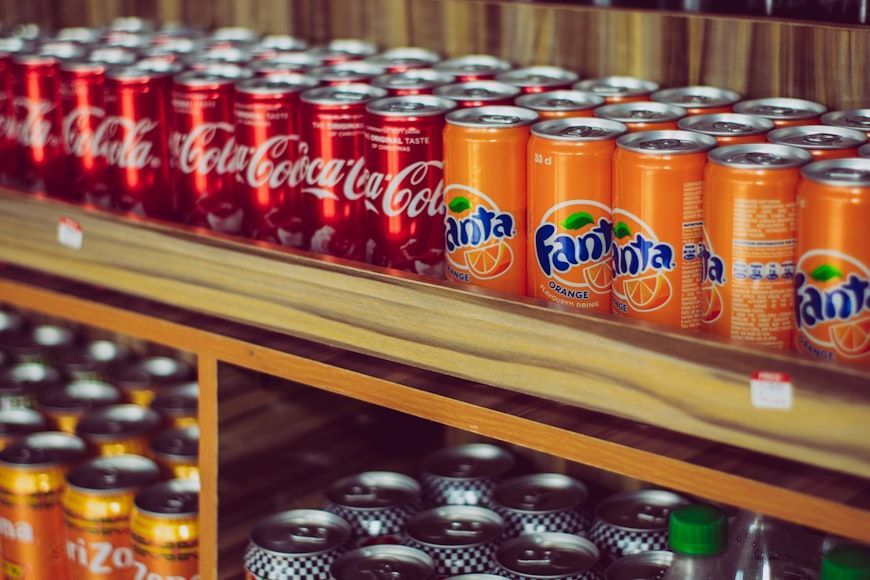
Image: Emmanuel Edward

People on the East and West Coasts might butt heads a lot of times, but they are united when it comes to the name of soft drinks. For them, it’s a soda . Midwesterners differ and will ask for a pop , while across the Southern U.S. coke has become a generic name for any soft carbonated drink. If you ask for a Coke in the South, they might bring you a Sprite or an Orange Fanta.

2
Long sandwiches
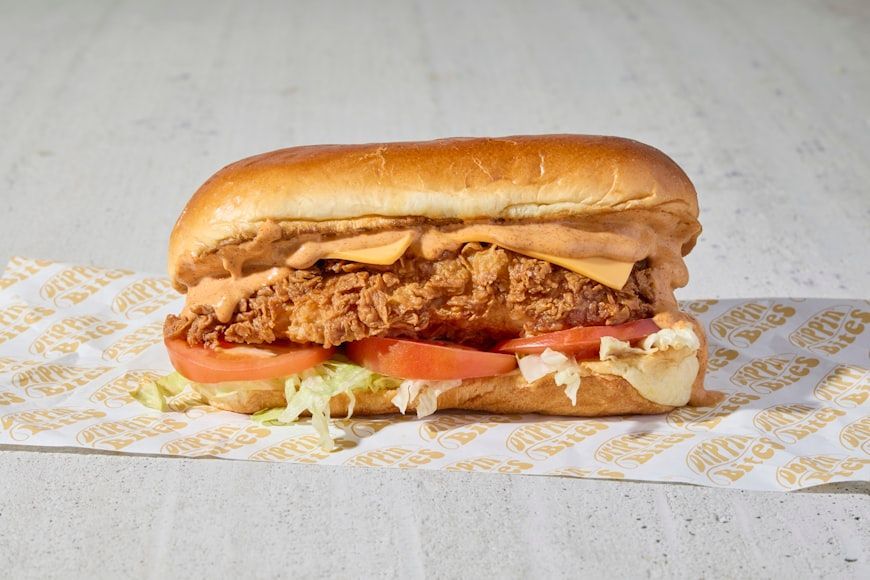
Image: Bilal Rana

If an extra-hearty sandwich (with substantial fillings, often on a long roll) is your lunch of choice, you need to be aware of the regional varieties and names that exist across America. Because asking for a hoagie in New England will get you a few weird stares and no sandwich. While sub is the most widespread term, it’s not the only one. People from South Jersey and the Philadelphia area will use the name hoagie , while New Yorkers will call it a hero if it's filled with cold cuts, cheese, and veggies. Upstate New York follows the New England tradition of the grinder , while Louisiana and the Gulf Coast prefer the Po’Boys , typically made with French bread and filled with seafood. The terms wedgie , spuckie , and torpedo are less common, but if you come across them, now you know what they are.

3
Stuffing or dressing?
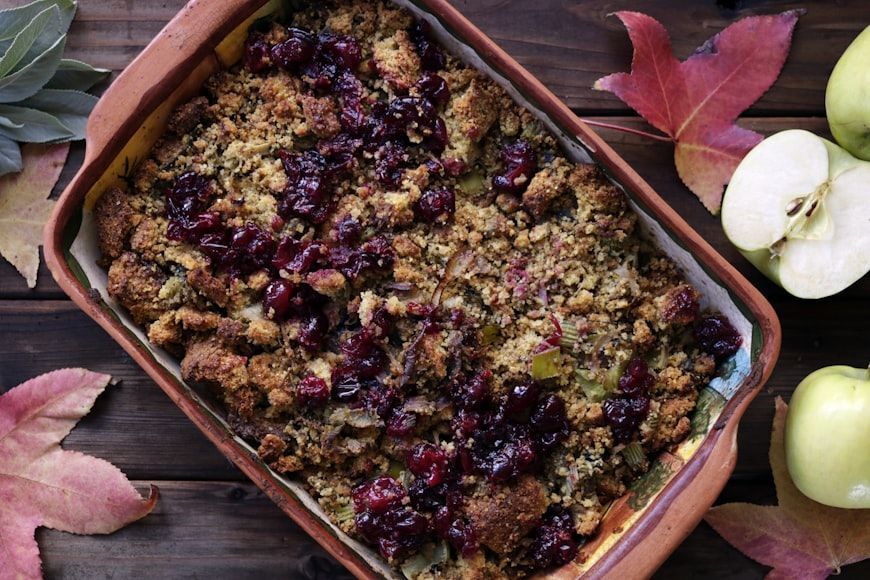
Image: Chelsea shapouri

Does your family’s Thanksgiving table feature stuffing or dressing? There is a lot of debate about the proper name of this dish, but the answer is that they are two different, though similar, dishes, which leads to the names being considered interchangeable. Stuffing is typically cooked inside the turkey, allowing it to absorb the juices, while dressing is cooked in a dishpan, and it’s usually crispier and crunchier. Folks in the Northeast and Midwest, along with the West Coast, tend to use the term stuffing, even when they cook it in a separate pan, while Southern cuisine calls it dressing and, unlike other areas, mainly uses cornbread instead of white bread.

4
Donuts
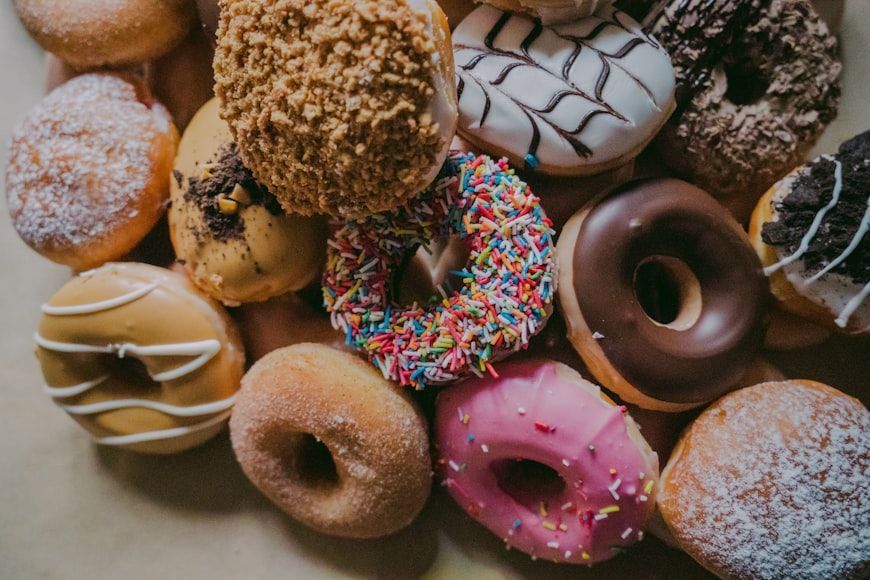
Image: Rod Long

Do you spell it donut or doughnut ? In the end, it doesn’t really matter because there are many other names for it. Besides the classic ring-shaped donut , you can find the Midwestern long john (sometimes called eclair donut in the Mid-Atlantic or Southern U.S., and donut bar in the West Coast), the round bismarck or berliner (filled with jelly in the Midwest and with cream in the Northeast), the Louisiana beignet , or the New England twisted cruller .

5
Pancakes
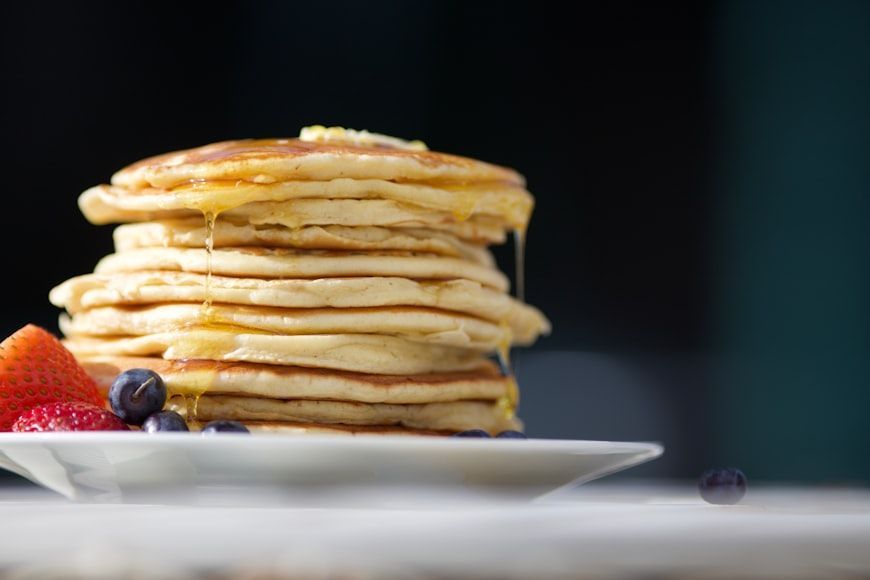
Image: Luke Pennystan

We can agree that pancake is a pretty universal term for this breakfast staple, but that doesn’t mean that regional names aren’t still alive and thriving. The terms griddle cake and hotcake are heavily used in the South, with hotcake having been made popular across the country thanks to the McDonald’s breakfast menu. The name flapjack is common in the Southeast, while part of New England uses johnycake —originally a corn flatbread— for buttermilk pancakes. For miniature pancakes, the term silver dollars is also widely used in different regions of the country..

6
Gravy or sauce?
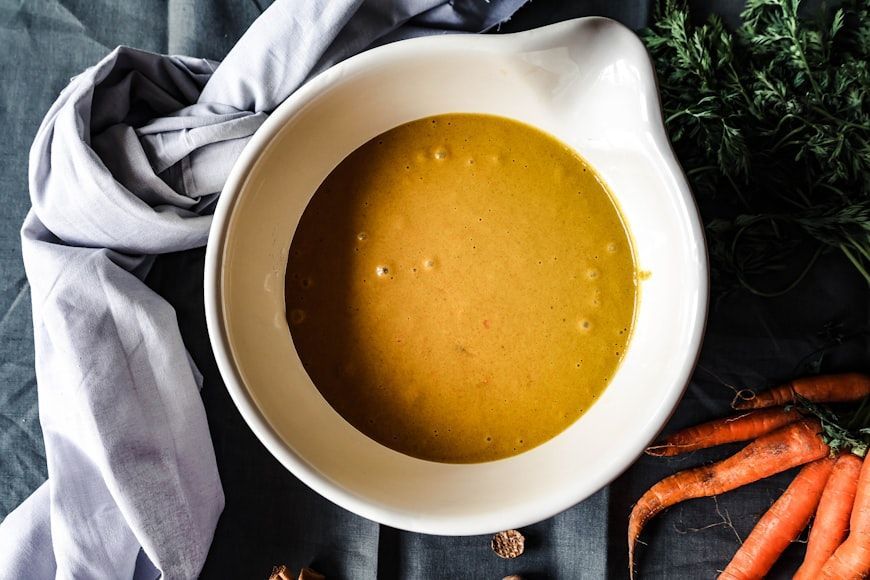
Image: victoria.

We find ourselves again discussing a technicality. All gravies are technically sauces , but sauce is a much wider concept than gravy. Why is there a debate, then? Italian immigrants, upon arriving in America, noticed that gravy was used in English for meat-infused liquids, so they adopted the name to refer to tomato sauces that included meatballs, sausage, or pork. While these are technically sauces, they are still called gravy by many Italian-Americans, especially in the Northeast.

7
Milkshake
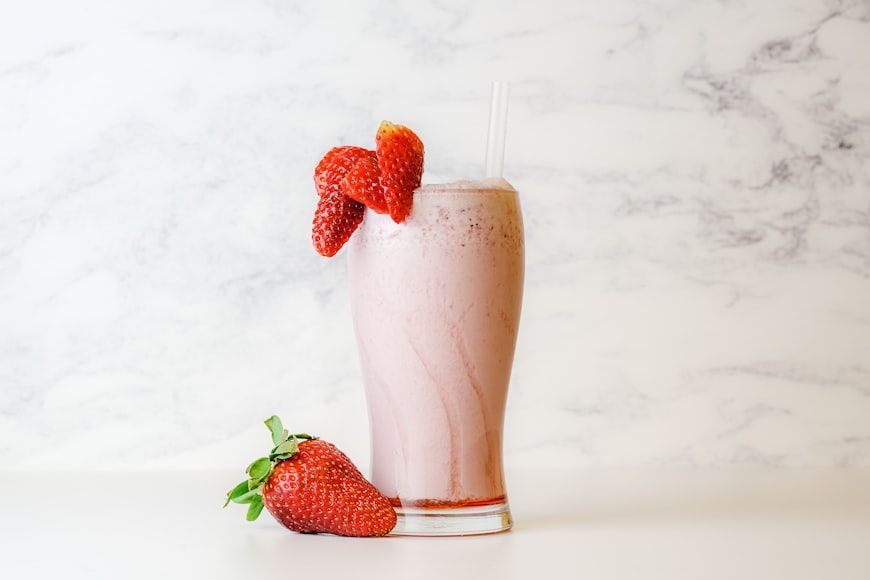
Image: Sebastian Coman Photography

Although it's usually called just a shake in many parts of America, some regions have their own names for a blended drink of milk and ice cream. In New England, asking for a milkshake will get you milk with syrup, while for the ice cream version, you have to ask for a frappe (pronounced frap ). In Rhode Island and Southeastern Massachusetts, asking for a cabinet will get you a coffee-flavored milkshake, and many Midwestern chains offer thicker milkshakes under the name thick shakes or concretes . The malt , another popular version, includes malt powder in its formulation.

8
Sprinkles or jimmies?
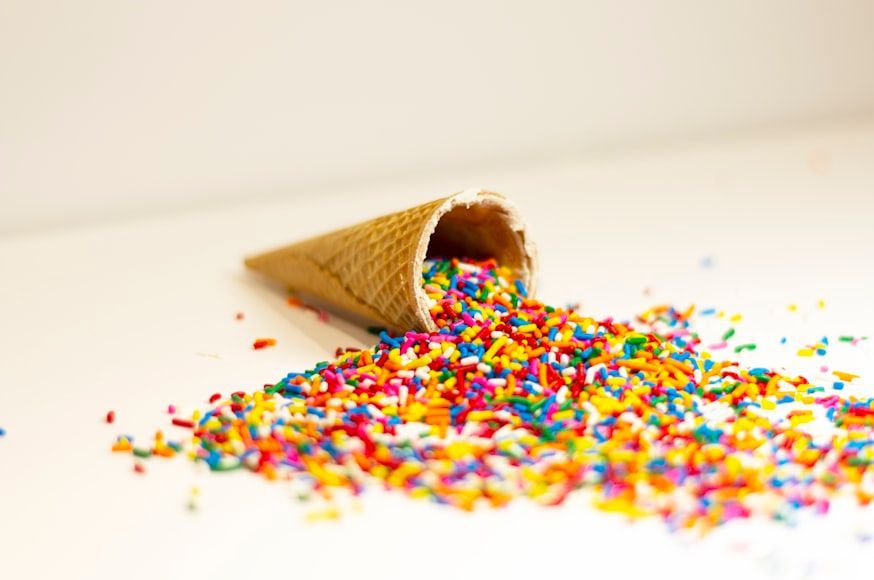
Image: Josephina Kolpachnikof

This debate is very local to a particular area of New England and the Mid-Atlantic. The overwhelming majority of Americans uses the word sprinkles for the small, colorful sugar confectionery used for decorating baked goods. That is, unless they are from Boston, Philadelphia, or some areas of New Jersey, where the name jimmies is more commonly used. Some claim that jimmies specifically refers to the chocolate version of sprinkles, but the name is also widely used for the multicolored version, so the jury is still out on that.

9
Frosting or icing?
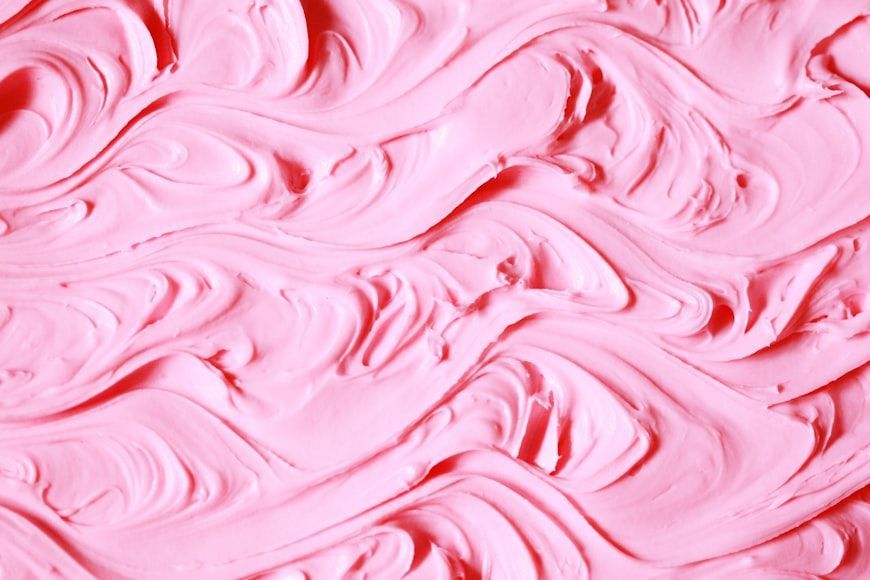
Image: Alexander Grey

Again, two different things with a similar purpose that became synonymous. While both are used to cover and decorate cakes and baked goods, frosting is fat-based and has a thicker and fluffier consistency. On the other hand, icing is a mix of water and sugar, so it’s naturally more liquid. Where does the confusion stem from? Icing is often used as an umbrella term for cake and baked goods toppings —including frosting— which can lead to the idea that they are the same thing.

10
Casserole or hot dish?
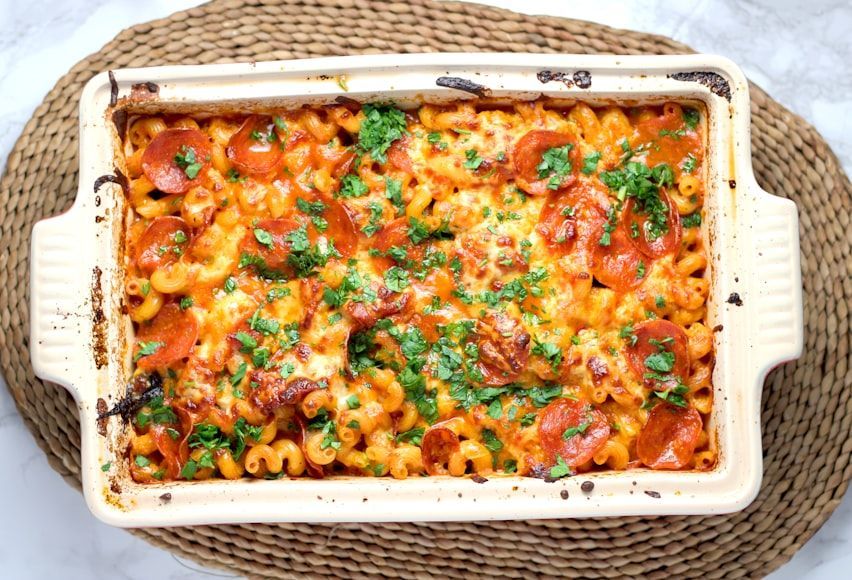
Image: sheri silver

First of all, what identifies a casserole ? It’s a meal baked in a deep pan, usually including protein, vegetables, starches, and a binding liquid. Following that logic, the Midwestern hot dish is a type of casserole, but there is an important distinction. While casserole is a wide term that includes both sides and main dishes, Midwestern hot dishes are a main course on their own.

11
Last piece of bread
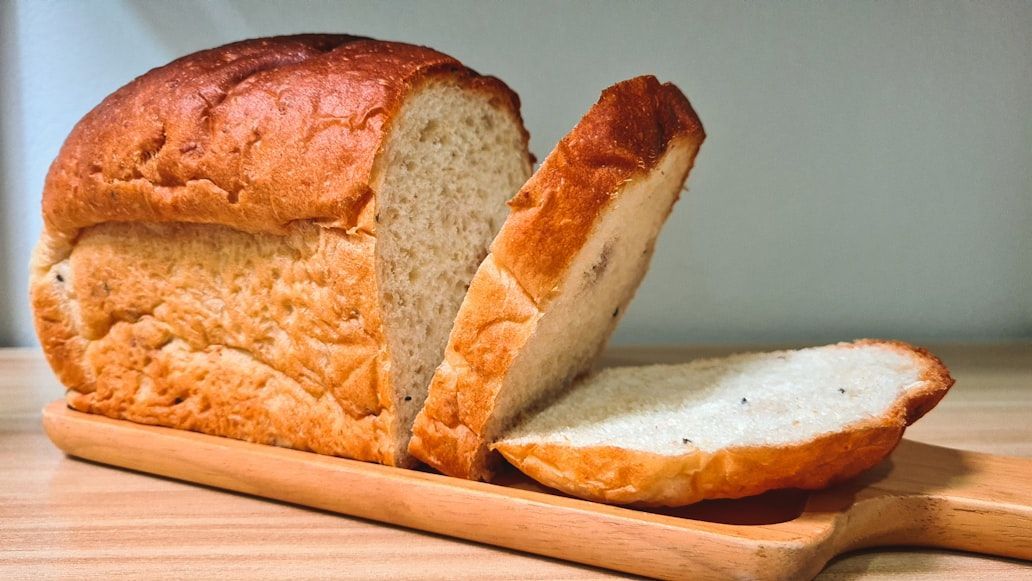
Image: Perry Stevens

The end of a loaf of bread can create strong emotions. People either love it or hate it, so it’s only fitting that it has unique regional names. The end piece or the heel seems to be the most widespread name for it, though butt is commonly used across the Midwest and the South. Knobby is a common name for it in New England, but it is used in combination with other terms, while it is sometimes called the booty in the African-American vernacular.

General General 3 min read

Absurd laws still on the books

You’re probably breaking these laws and you don’t even know it!

Image: Tingey Injury Law Firm

Yes, we know that laws are meant to keep society running smoothly, but some of them are really puzzling. Across the US, you’ll find laws that ban everything from dancing on Sundays to stealing crawfish. Even if many of these laws are outdated , quirky, or just bizarre, they’re still technically on the books. So, if you’re planning a road trip, you might want to brush up on these strange state laws, just in case!

1
Georgia: No eating fried chicken with utensils

Image: Shourav Sheikh

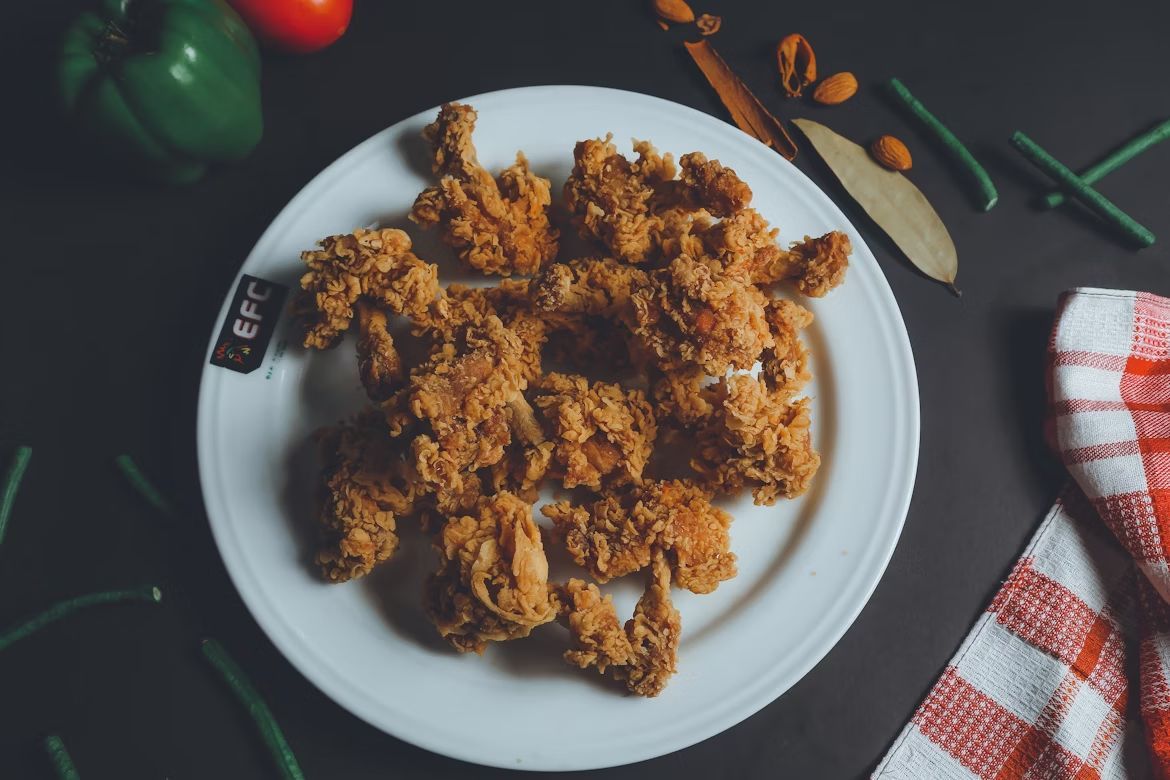
In Gainesville, Georgia, it’s i llegal to eat fried chicken with a fork . This law, passed in 1961, was meant as a publicity stunt to promote the city’s status as the "poultry capital of the world."

While no one’s actually getting arrested for improper chicken consumption, a tourist was once jokingly "arrested" for breaking this law in 2009. If you visit Gainesville, just remember, fingers only!

2
Alabama: No stink bombs or confetti

Image: Damiano Lingauri

If you love a good prank or enjoy tossing confetti at celebrations, Mobile, Alabama, is not the place for you. The city has made it illegal to possess or use stink bombs , "funk balls," and anything designed to create unpleasant odors.

That’s not all, confetti and spray string are also outlawed, so don’t plan any glittery parades. Mobile prefers its air fresh and its sidewalks clean. We cannot blame them!

3
Arizona: No spitting in public

Image: Pete F

In Goodyear, Arizona, it’s not just bad manners to spit in public, it’s illegal. The law specifically bans spitting on sidewalks, roads, parks, and public buildings, and if you’re caught doing it, you could face a $2,500 fine or even six months in jail.

So, if you have a bad habit of spitting on the sidewalk , you might want to think twice before visiting Goodyear. Besides, it’s just gross!

4
Louisiana: No crawfish theft

Image: Rasmus Gundorff Sæderup

Think stealing crawfish is a minor offense? Not in Louisiana! Swiping someone’s crawfish , especially if the value exceeds $1,500, is taken so seriously that it can lead to a $3,000 fine or up to ten years in prison.

So, next time you’re enjoying a seafood boil in the Bayou State, make sure you’re not swiping from someone else’s plate!

5
Massachusetts: No dancing to the National Anthem

Image: Jeffrey F Lin

Patriotism is important, but nobody gets it like Massachusetts! In this state, a 1917 law makes it illegal to dance to the national anthem , though enforcing it would likely be a First Amendment nightmare.

It’s unclear why lawmakers felt the need to crack down on patriotic grooves, but to be safe, keep your hand over your heart and save the dancing for later!

6
South Carolina: No working (or dancing!) on Sundays

Image: Jess Bailey

Did you know that in South Carolina, you may technically have an excuse to skip work on Sundays?

An old law still on the books prohibits working on Sundays , though it’s rarely enforced. Strangely enough, dancing is also banned on Sundays. If you were hoping for a weekend filled with productivity and footloose fun, you might have to sit this one out!

7
North Dakota: No late-night fireworks

Image: Ray Hennessy

In Devil’s Lake, North Dakota, you can buy fireworks between December 26th and January 1st, but you can’t set them off after 11 p.m. What?

Let us explain: This law was originally passed for the millennium celebrations in 1999, but it’s still on the books today. Are you planning to ring in the New Year with a bang? Make sure you light those fireworks early or risk breaking the law!

8
Montana: No "folf" allowed

Image: Oskar Kadaksoo

Montana’s wide-open spaces might seem perfect for throwing a Frisbee, but in Helena, playing Frisbee golf (also known as "folf") outside of designated areas is illegal.

If you get caught, you could face a $500 fine or even six months in jail. Where are all these weird laws coming from, anyway?

9
Indiana: Black cats must wear bells on Friday the 13th

Image: Andreea Popa

Are you superstitious? You’ll love this one. In French Lick Springs, located in Indiana, black cats must wear bells around their necks on Friday the 13th.

This law was introduced in 1939 as a "war measure" to reduce stress among the public. While it’s unlikely anyone enforces this rule today, it’s still an amusing nod to old-school superstitions!

10
Hawaii: No billboards allowed

Image: Dennis Maliepaard

Ever notice that Hawaii’s landscapes are free of massive billboards ? That’s because billboards are banned statewide! The law, dating back to 1927, is part of an effort to preserve the state’s natural beauty.

Hawaii is one of the few places in the US where advertisements don’t compete with breathtaking ocean views. Now, that’s a law we can all enjoy!

History History 6 min read

Behind the everyday

Brilliant minds that changed our lives: check 10 American creations!

Image: Bruno Cervera

Let’s be real, American inventors have given us some pretty amazing stuff over the years. Consider how the Walker Method was a blessing for black women’s hair, or how praised the Kodak camera was and still is. All these things made America what it is. And the best part? Many of these creations have become so much a part of our daily routines that we don’t even stop to think about where they came from! So, grab your favorite drink, kick back, and let’s take a look at 10 American inventors whose brilliant ideas have changed the game in ways no one saw coming!

1
The Walker Method by Madame C. J. Walker

Image: TopSphere Media

It was Einstein who said that in the midst of every crisis lies an opportunity, and if he said so, it must have been for good reason. Or so thought Madam C.J. Walker, born Sarah Breedlove, who turned her personal hair loss struggles into a revolutionary business.

Do you know how hair is different for everyone? Well, she created a specialized hair care system for Black women that included pomade, a specific brushing technique, and heated combs. She called it the "Walker Method," and it was all about creating confidence while taking care of hair. Walker’s products became wildly popular because she also empowered others by training saleswomen and teaching them entrepreneurial skills.

2
Portable fridge by Frederick Jones

Image: Eric Prouzet

Frederick Jones’ brilliance lies in his ability to solve real-world problems—like the need to transport perishable goods safely (or keeping our soda cold at the beach).

During World War II, he developed portable refrigeration units, developed during World War II, made it possible to transport food, blood, and medicine to soldiers on the frontlines. This invention didn’t just change the war effort; it revolutionized how we transport essentials today.

A self-taught engineer, Jones received over 60 patents, many related to refrigeration but also to X-ray machines and engines. His cooling technologies still affect our daily lives, from grocery stores to hospital supplies. With his work, Jones quietly transformed modern logistics. He showed us that staying cool under pressure can lead to incredible things!

3
Ironing board by Sarah Boone

Image: Eric Vö

We get so used to certain everyday objects, that we usually forget (or not even think about) who was the brilliant mind behind them. Take the ironing board, for example, have you ever wondered who made ironing a little easier?

Well, the creator was Sarah Boone, a dressmaker who improved the basic ironing board design.

In the late 1800s, ironing clothes meant laying them flat on a wooden plank which was, ultimately, awkward and inefficient. Boone improved it with a design of a curved, padded board that fit better inside dresses and allowed for easier pressing.

It was collapsible for storage, a feature we still appreciate today. Boone’s 1892 patent made her one of the first Black women in America to secure such recognition. Thanks to her, ironing boards became a must in every home and, ironing, an easier task for everyone!

4
Electronic television by Philo T. Farnsworth

Image: Muhammed ÖÇAL

Philo T. Farnsworth might not be a household name, but his creation certainly is. Farnsworth is responsible for the first electronic television. As a young boy, Farnsworth’s dream was to transmit images electronically, and in 1927, that is exactly what he did.

Life was not fair with him so, although much of his career was spent in legal battles defending his invention, his technology paved the way for modern broadcasting. Beyond television, Farnsworth also contributed to radar and nuclear fusion research. While RCA eventually marketed the first home televisions, Farnsworth’s work was the true foundation of it all. So, turn your modern TV on and cheer to Philo!

5
Super Soaker by Lonnie Johnson

Image: Michael Starkie

Not all inventions are created in a lab, some of them happen by accident, like Lonnie Johnson’s Super Soaker! While working on a heat pump for NASA, Johnson came up with a new idea in his bathroom. When a powerful jet of water shot out of his experimental device, he realized he had a potential toy in his hands.

After tweaking the design, he sold it to the Larami Corporation in 1989, and the Super Soaker became a backyard sensation. Ever since, millions of kids (and adults, don’t deny it!) have enjoyed epic water fights thanks to this fun twist of fate.

6
Kodak Moments: George Eastman’s Picture-Perfect Idea

Image: britt gaiser

Photography wasn’t always as simple as point-and-shoot, but George Eastman changed that forever. In the late 1800s, he invented the Kodak camera and made it affordable and easy for the average person to snap photos. His invention included a roll-holder device and a new type of flexible film, which made cameras lighter and more portable. Before Eastman, photography was a complicated process reserved for professionals, as you can imagine.

But by 1900, with the launch of the Brownie camera, every man and woman could document their everyday lives. Eastman’s vision of making photography "as convenient as the pencil", as he put it, became a reality. Now, every selfie we take can be traced back to his work.

7
Handy pencil sharpener by John Lee Love

Image: Detmold

Next time you sharpen a pencil, thank John Lee Love for making it a whole lot easier. This talented carpenter and inventor patented a portable pencil sharpener that was rather similar to the ones we use today.

Originally known as the "Love Sharpener," his design was simple, yet genius: The main benefit was it could fit in your hand and didn’t require much effort. Before his invention, sharpening a pencil meant dealing with large, bulky devices. He fully understood it’s the small details that make life easier and more effective so, his invention was, as we can see today, highly popular!

8
Sewing machine by Isaac Singer

Image: Claudio Schwarz

Don’t we all have a mother or grandmother who wouldn’t just put away their Singer machine? Well, the name Singer is nothing less than its creator’s last name. Isaac Singer’s sewing machine invention didn’t just change fashion, it changed the whole industry.

His design from 1850 included a presser foot and could sew 900 stitches per minute, a huge improvement compared to previous models. Singer’s machine was versatile too, able to sew curves, not just straight lines, making it easier to tackle a wide range of garments. Now, about the company, that was the result of his connection with Edward Clark, together they turned the invention into a household name.

9
Model T by Henry Ford

Image: Nadine E

Some creations are popular worldwide, but they started in our country and no article about our inventions would be complete without mentioning the assembly line by Henry Ford. Ford invented the car, that’s right, and thanks to it he put the whole country on wheels with the Model T. This car represented the first affordable vehicle for the everyday American.

As if that wasn’t enough, Ford’s biggest breakthrough came five years later, in 1913 with the moving assembly line, which cut production time and reduced the cost of manufacturing. This meant more Americans could own cars, changing life as we knew it. Before Ford, cars were luxury items for the rich, but the Model T and the way it was manufactured made personal transportation accessible.

10
Apple computer by Steve Jobs

Image: Tetsuya Tomomatsu

Sadly, Steve Jobs was not the inventor of the first computer ever. However, alongside Steve Wozniak, they brought computers out of laboratories and into our homes.

Up until this moment, computers were not an everyday object and even if that wasn’t until later, the path’s first steps were taken by this dynamic duo.

In 1976, they started Apple Computers in Jobs’ family garage. They created machines that were more affordable and user-friendly than anything else at the time. Their first major hit was the Apple II, which helped define the personal computer market.

Jobs left the company and came back a few years later but, the rest, from the Mac, to the iPod, to the iPad and every cellphone every year, is simply history!

Explore more American facts

Choose your favorite category!

General
General

As American as apple pie—the very best America has to offer!

Culture
Culture

Delve into the astounding richness of American lore.

Geography
Geography

Hop in and explore vast and diverse American landscapes.

History
History

Discover the key moments that shaped the United States.