General General 4 min read

Unusual local laws

Ten small towns where the law gets downright weird
Image: Tingey Injury Law Firm

Ever wonder what happens when old laws never get repealed? America's small towns are treasure troves of bizarre legislation that'll make you scratch your head and chuckle. These aren't urban legends— these are real laws that somehow made it onto the books and stayed there, defying all logic and modern sensibility . So buckle up for a tour of ten small towns where following the law means navigating some seriously strange rules and regulations.

1
1. Gainesville, Georgia - Chicken Capital Chaos
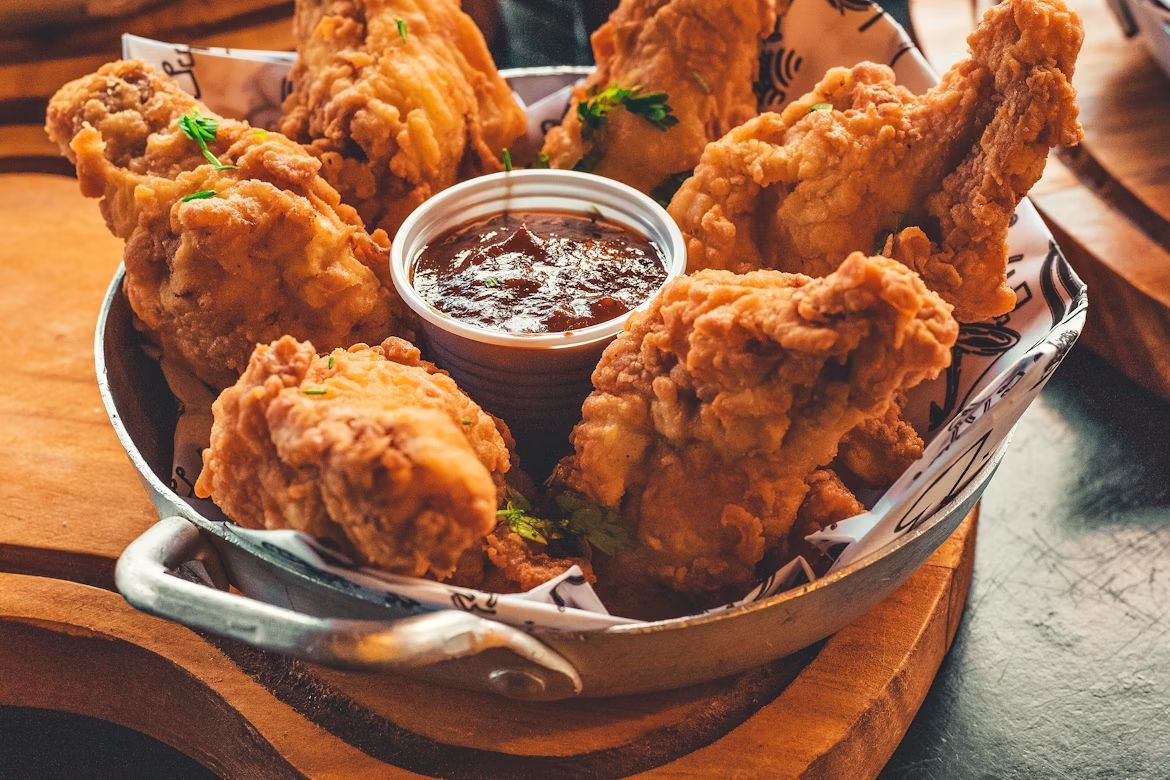
Image: Lucas Andrade

In Gainesville, the self-proclaimed "Poultry Capital of the World," you'd better not even think about using a fork to eat fried chicken. That's right— this town passed a law in 1961 making it illegal to consume chicken with anything other than your bare hands . The ordinance was originally a publicity stunt to promote the town's poultry industry, but it's technically still enforceable today.

2
2. Wilbur, Washington - Riding Ugly Horses Prohibited
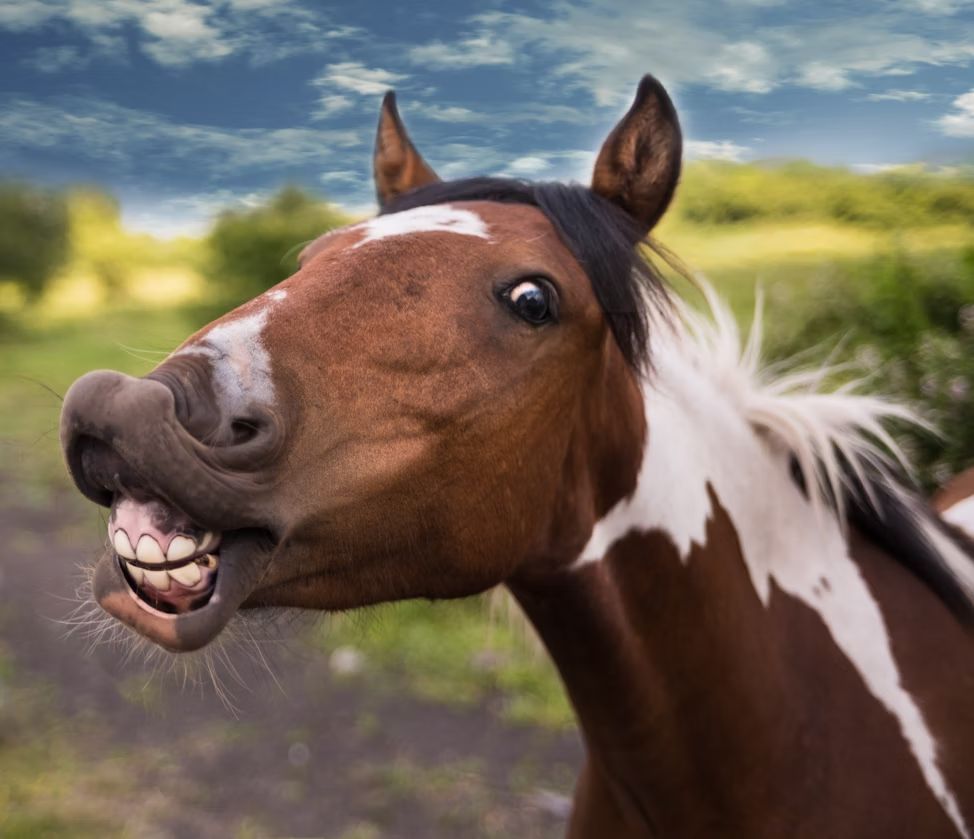
Image: Magdalena Smolnicka

The tiny town of Wilbur takes civic beauty seriously—so seriously that they've outlawed riding an ugly horse down the street . The big question, of course: who gets to decide what constitutes an ugly horse? There's no official equine beauty standard outlined in the ordinance, leaving enforcement entirely up to interpretation.

3
3. Pocatello, Idaho - Smiling is Mandatory

Image: Allef Vinicius

Feeling grumpy? Don't bring that frown to Pocatello, Idaho, where a 1948 ordinance made it illegal not to smile in public . The law was passed during a time when city leaders wanted to promote a more positive, welcoming atmosphere in their community. Technically, walking around with a scowl on your face could get you in trouble with the law, though enforcement has been, shall we say, lax.

4
4. Carmel, California - High Heels Require a Permit

Image: Amanda Vick

Fashionistas beware: in the upscale coastal town of Carmel-by-the-Sea, wearing high heels over two inches tall requires a permit . The law, which dates back to the 1920s, was actually created to protect the city from liability lawsuits. Carmel's charming streets are notoriously uneven and filled with quirky design features, making twisted ankles a real hazard for heel-wearers. Rather than fix the streets, city officials decided to require permits for anyone wanting to wear stilettos around town.

5
5. Blythe, California - Must Own Cows
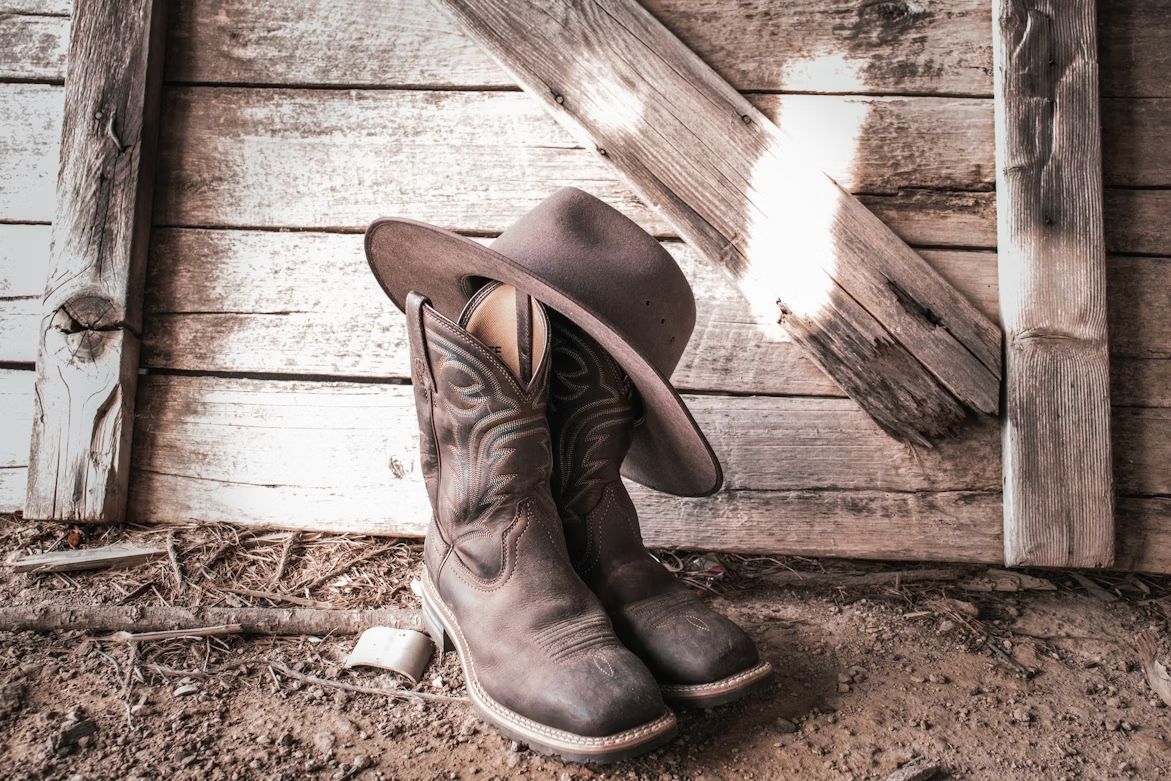
Image: Brice Cooper

In Blythe, a small desert town along the California-Arizona border, you're required by law to own at least two cows before you can wear cowboy boots in public . This head-scratching ordinance apparently aimed to prevent city slickers from appropriating authentic cowboy culture without earning the right. The logic seems to be that cowboy boots are functional workwear for actual cowboys, not a fashion statement for posers.

The reality is that nobody in Blythe enforces this law, and you'll see plenty of people strutting around in cowboy boots without a single cow to their name. The ordinance has become more of a conversation starter than actual legislation

6
6. Marshalltown, Iowa - No Horse Eating Fire Hydrants
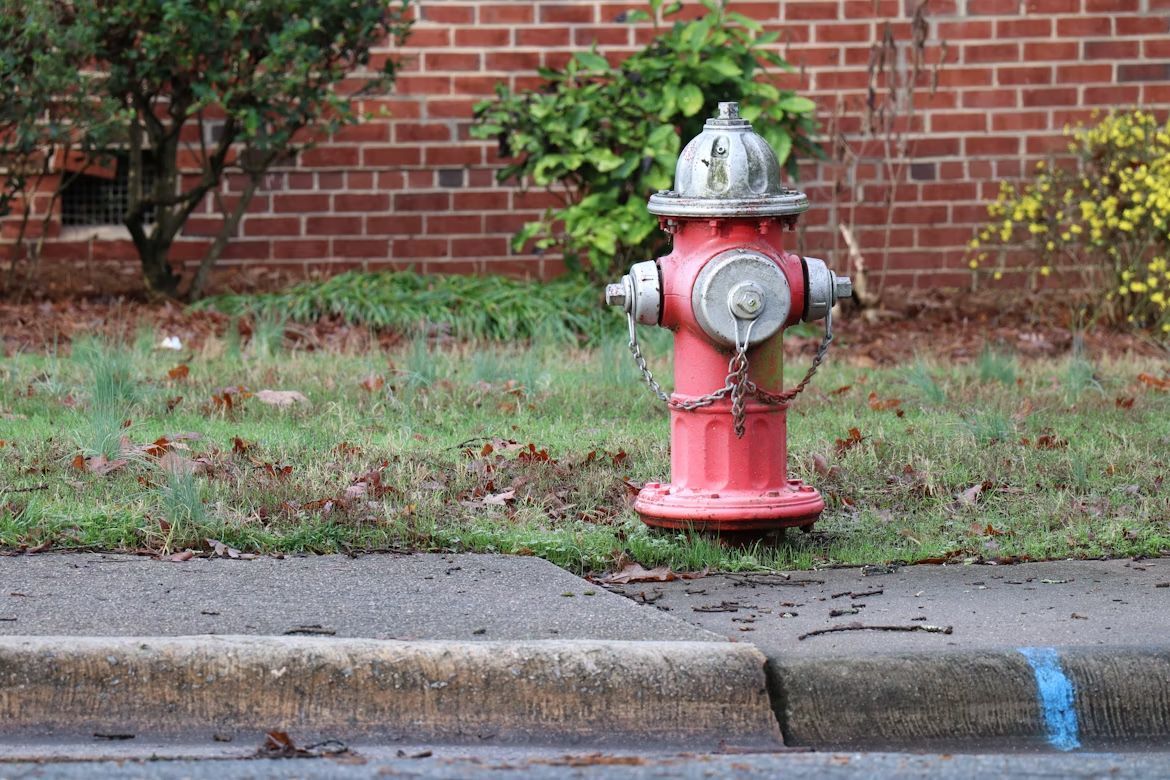
Image: Justin Meckes

Marshalltown takes fire safety seriously, which is why they've made it illegal for horses to eat fire hydrants . This bizarre law presumably dates from the days when horses were the primary mode of transportation, though exactly what equine-hydrant-munching incident prompted this legislation remains a mystery.

7
7. Yamhill, Oregon - Fortune Telling Forbidden
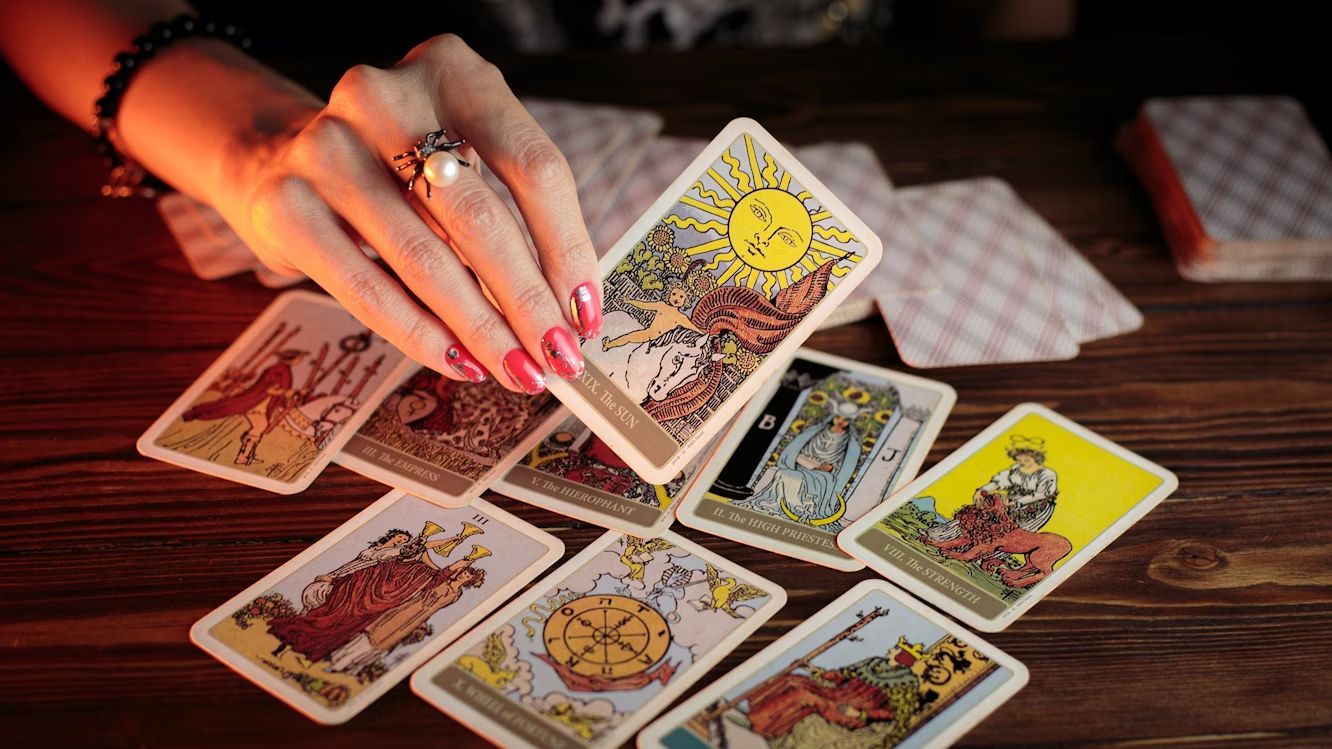
Image: petr sidorov

In Yamhill, Oregon, predicting the future is not just frowned upon—it's illegal . This small town of fewer than 1,200 residents has a law explicitly banning fortune telling, palmistry, and other mystic arts. The ordinance dates back to the early 20th century, when such laws were common across America, designed to protect citizens from scam artists and charlatans.

8
8. Cicero, Illinois - Humming Banned on Sundays
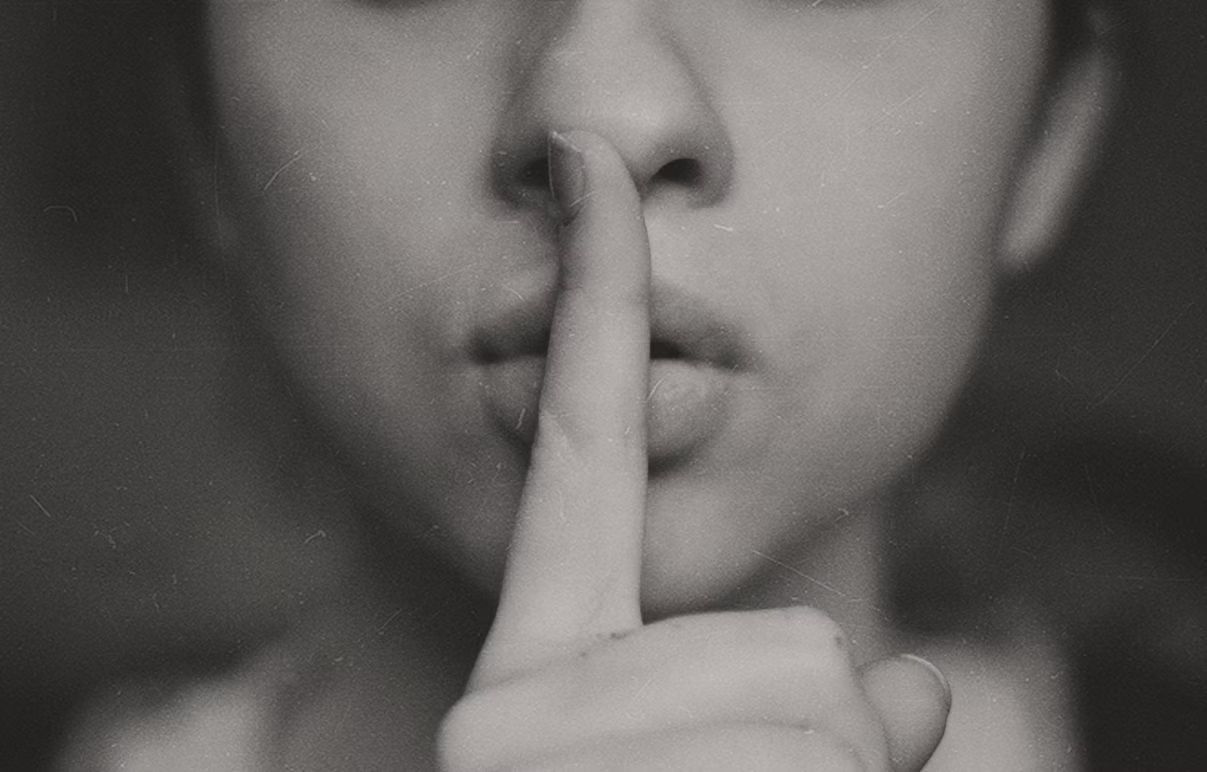
Image: Kristina Flour

This town has an ordinance that prohibits humming on public streets on Sundays . The law likely originated during a more puritanical era, when Sundays were strictly reserved for quiet contemplation and religious observance. Any form of frivolous noise was considered disrespectful to the Sabbath.

9
9. Paulding, Ohio - No Cop-on-Dog Biting Allowed
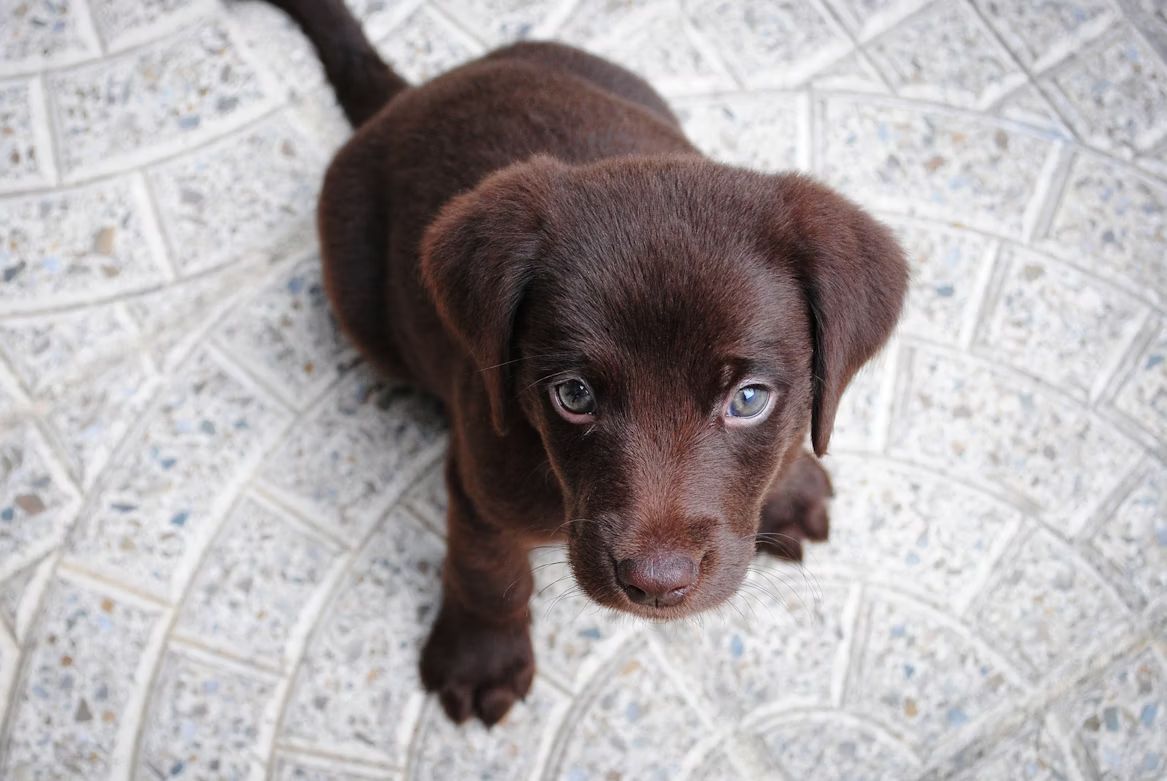
Image: Jairo Alzate

In the small town of Paulding, there's a law that addresses a very specific workplace hazard: it's illegal for a police officer to bite a dog , even in self-defense. Most towns have laws protecting people from dog bites, but Paulding flipped the script and decided dogs needed protection from over-enthusiastic law enforcement.

10
10. San Antonio, Texas - Flirting Forbidden

Image: Elist Nguyen

In San Antonio, using your eyes to catch someone's attention romantically is technically against the law. The city has an ordinance that prohibits flirtation and "offensive ogling" in public places . This Victorian-era law was meant to protect people (particularly women) from unwanted attention and harassment before modern sexual harassment laws existed. The rule specifically mentions making eyes at someone or using hands to communicate romantic interest.
Culture Culture 2 min read

American vocabulary

Words borrowed from Native Americans (and you say them daily)

Image: Andreas Wagner

English is full of words borrowed from Native American languages. From foods to places, these terms carry centuries of history and culture, quietly blending into everyday speech. Here are 11 words you use every day without realizing their origins.

1
Chili

Image: Steve Johnson

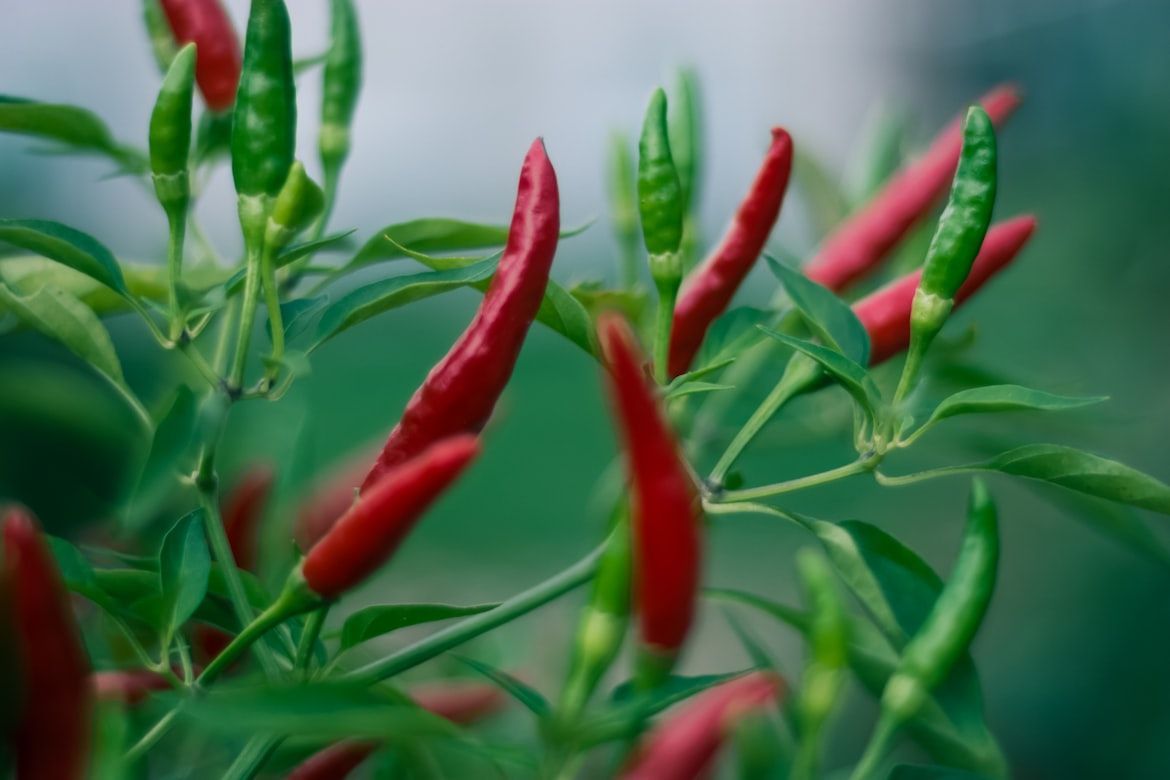
From Nahuatl chīlli , referring to the hot pepper central to Mesoamerican cuisine.

Chili peppers shaped food traditions across the Americas. The word—and the plant—spread globally, influencing flavors from Asia to Europe.

2
Chocolate

Image: Towfiqu barbhuiya

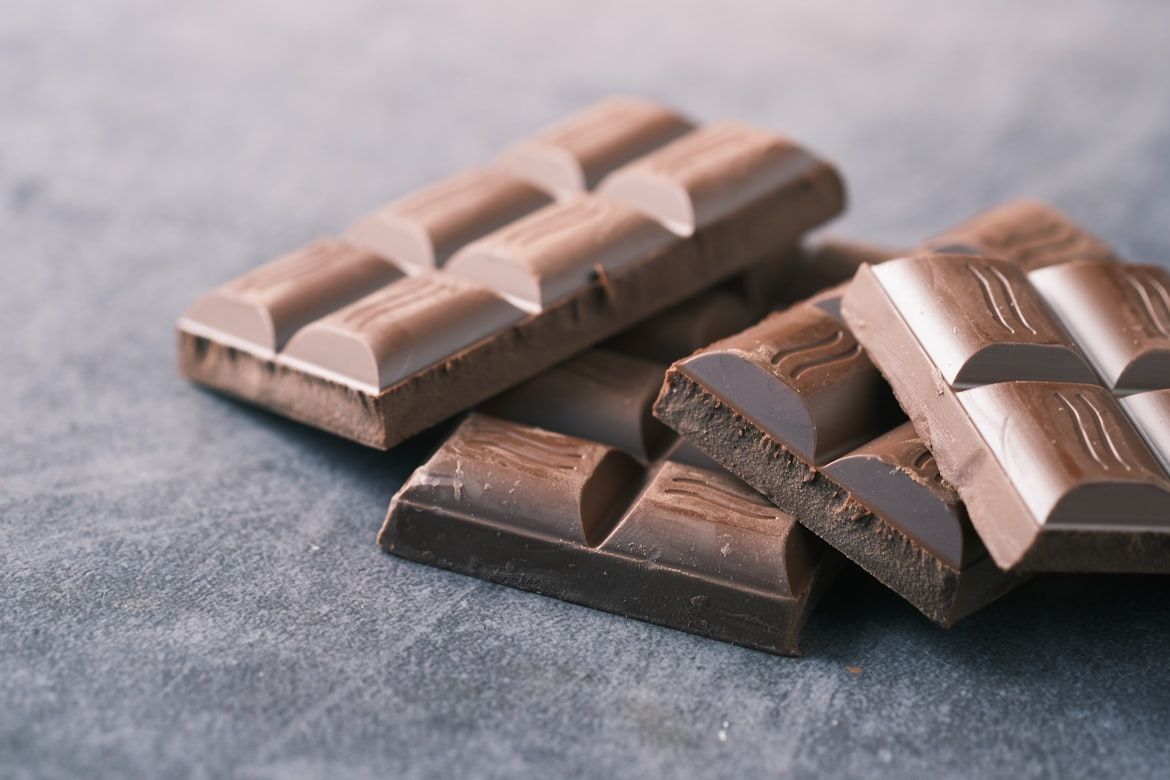
"Chocolate" comes from the Nahuatl word xocolātl , used by the Aztecs for a bitter cacao drink.

Cacao was central to Mesoamerican culture, used in rituals, trade, and even as currency. Europeans adapted it—sweetening it and spreading it worldwide. Today, chocolate is a global industry worth billions.

3
Canoe

Image: Michael Niessl

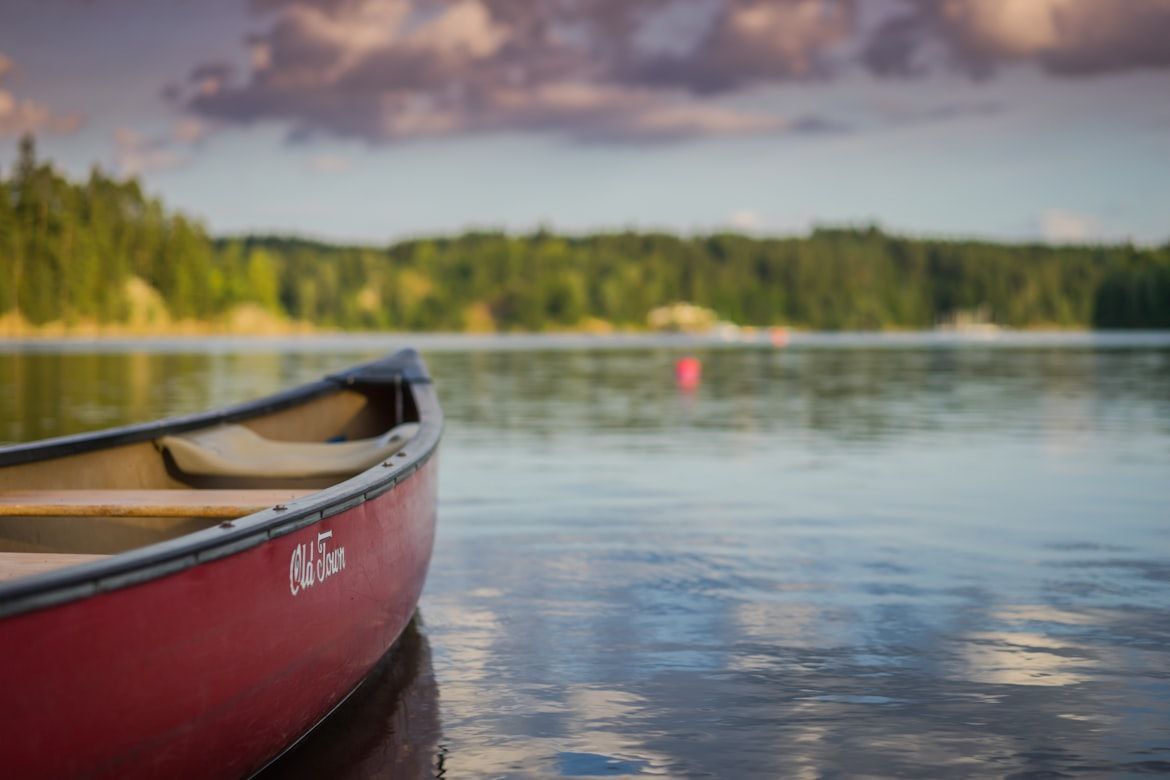
From the Carib kana:wa , "canoe" described small, lightweight boats used by Indigenous peoples across the Americas.

European explorers borrowed both the vessel and the word for river and coastal navigation. Today, "canoeing" is a popular recreational activity worldwide.

4
Hurricane

Image: Thomas Dewey

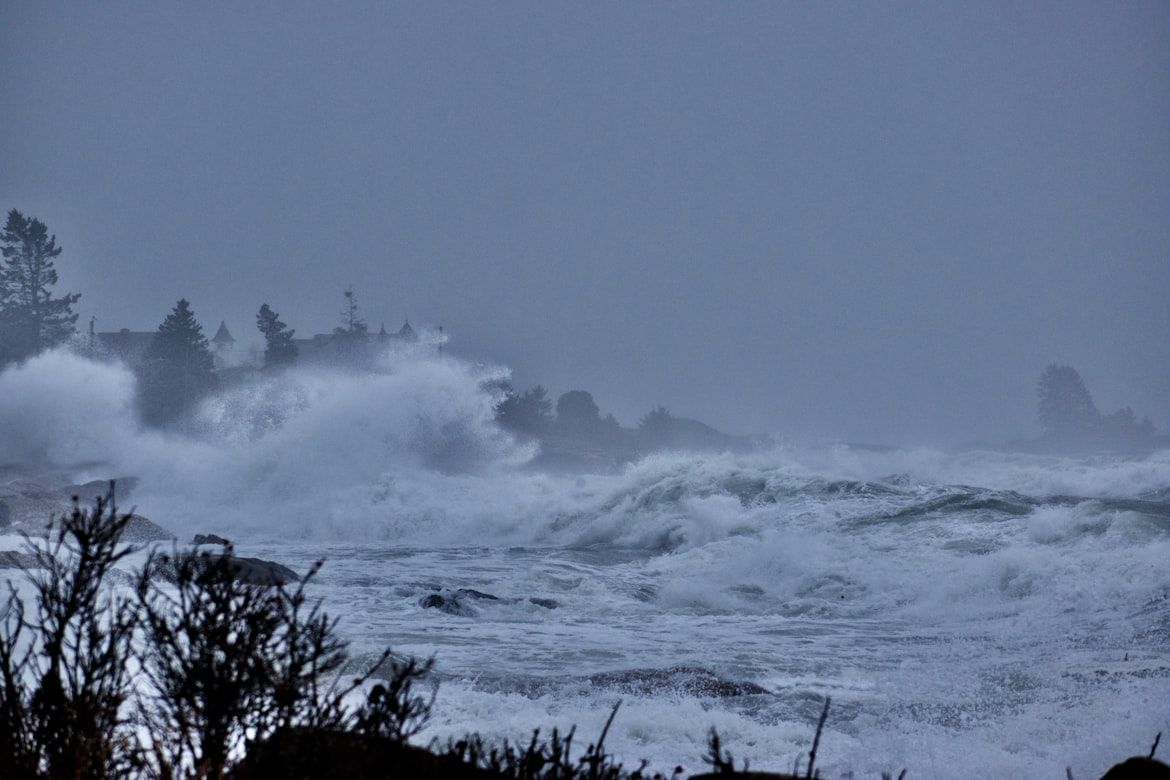
From the Taíno hurakán , meaning "god of the storm," the word was adopted by Spanish explorers.

Hurricanes shaped Caribbean history, influencing trade, settlement, and agriculture. English speakers retained the term, giving rise to a scientific and meteorological vocabulary.

5
Barbecue

Image: Evan Wise

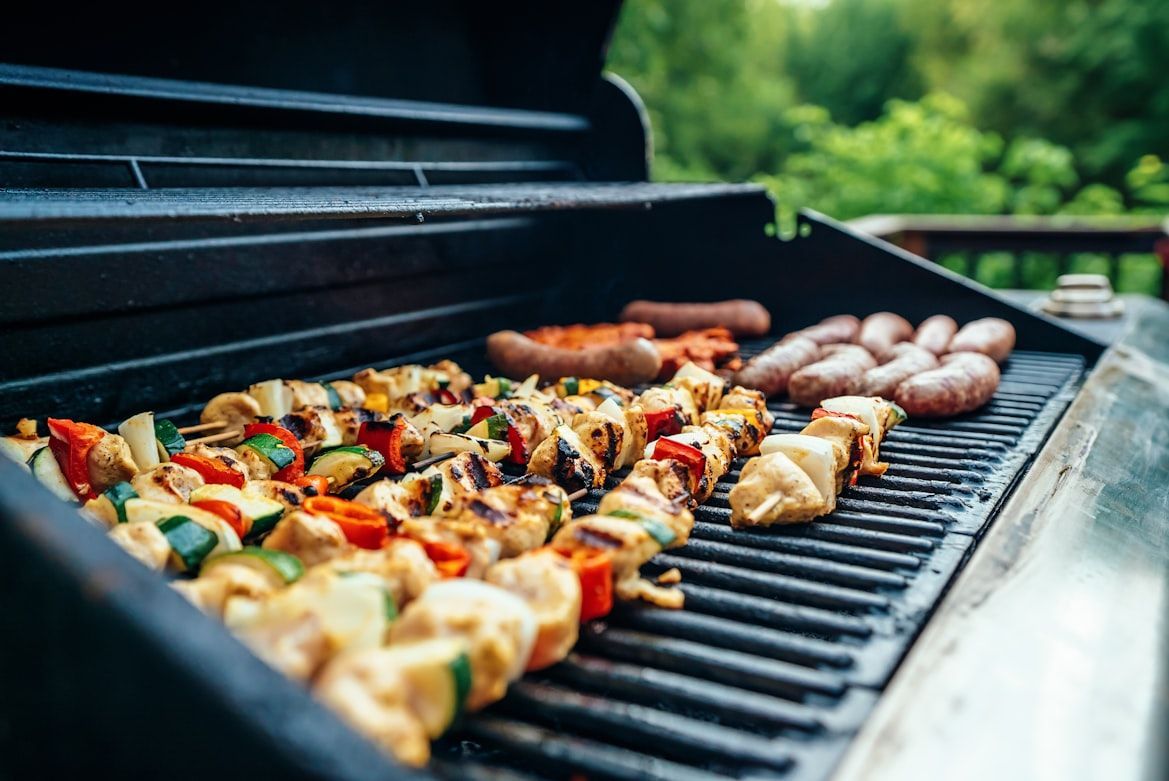
From the Taíno barbacoa , describing a framework for slow-cooking meat over fire.

Barbacoa influenced American culinary traditions, evolving into the modern barbecue. The word traveled with colonists, preserving its Indigenous culinary roots.

6
Opossum

Image: Khải Đồng

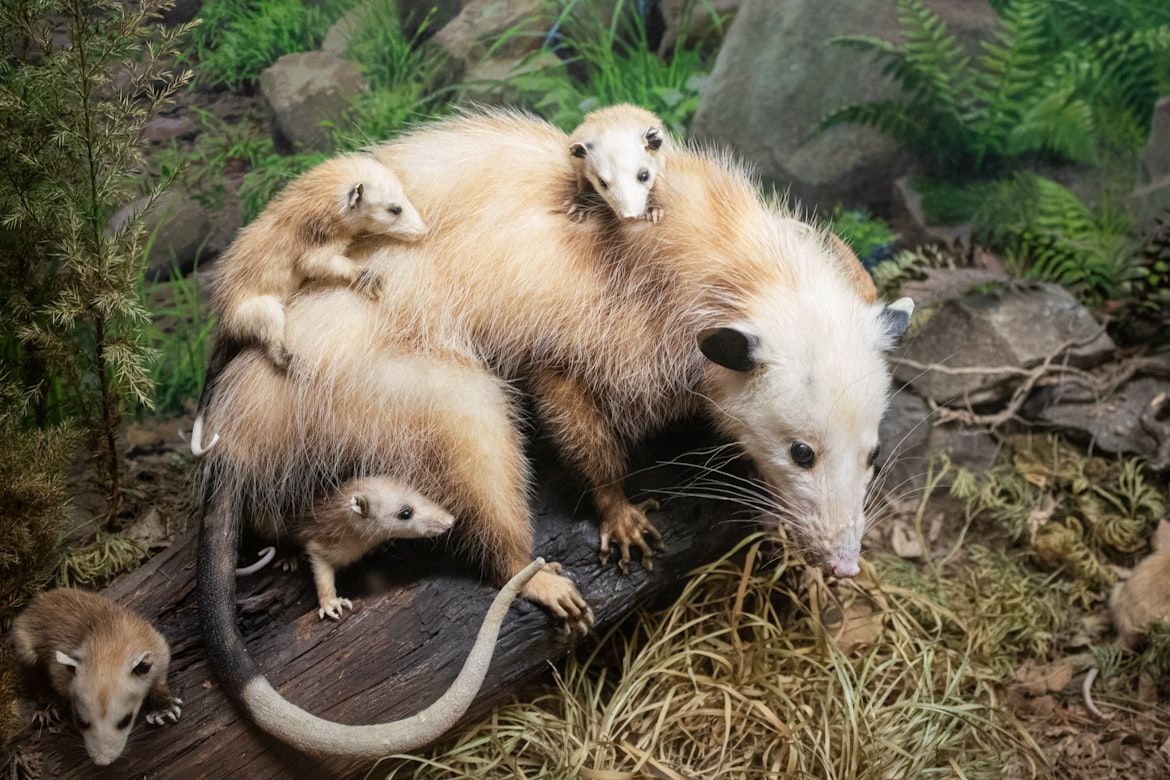
From the Powhatan apasum , meaning "white animal," early colonists mispronounced it as "opossum."

North American opossums became part of colonial diets and local ecosystems. The word also illustrates how Indigenous terms influenced wildlife terminology in English.

7
Pecan

Image: Or Hakim

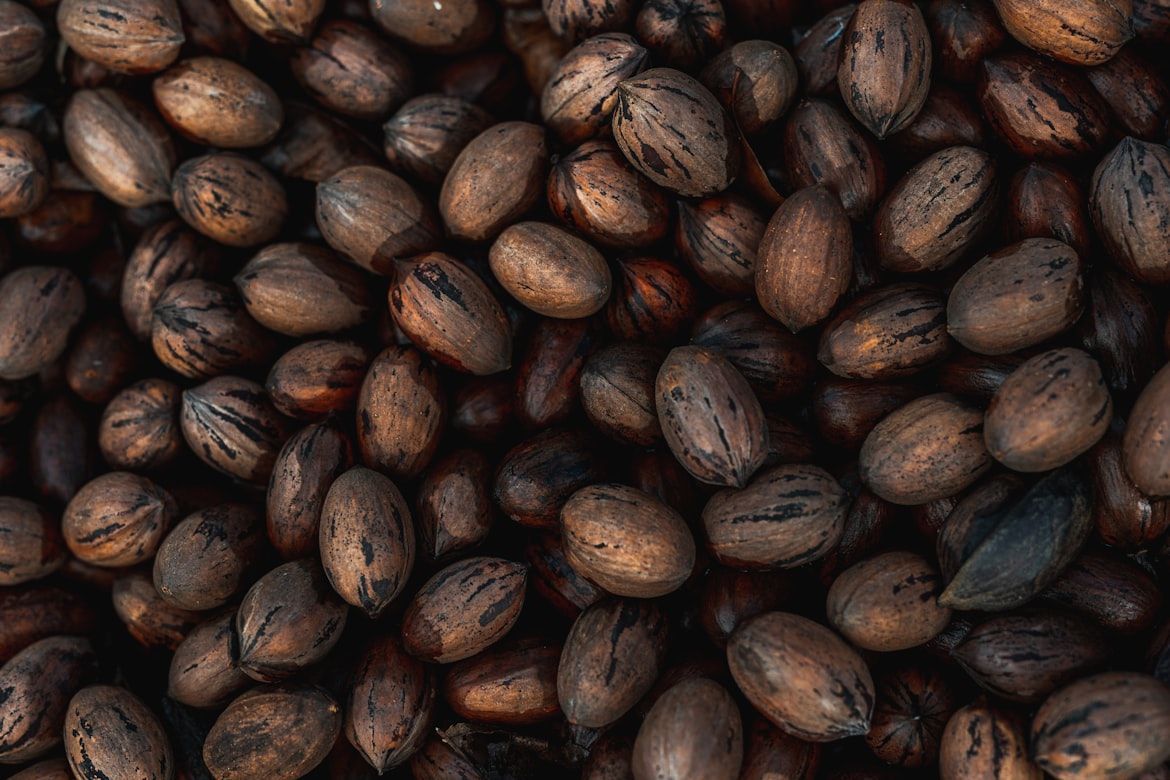
From Algonquian pakan , meaning "nuts requiring a stone to crack."

Pecans were staple foods for Indigenous peoples, and European settlers adopted both the nut and its name. Today, pecans are central to American desserts like pies and pralines.

8
Squash

Image: Melanie Hughes

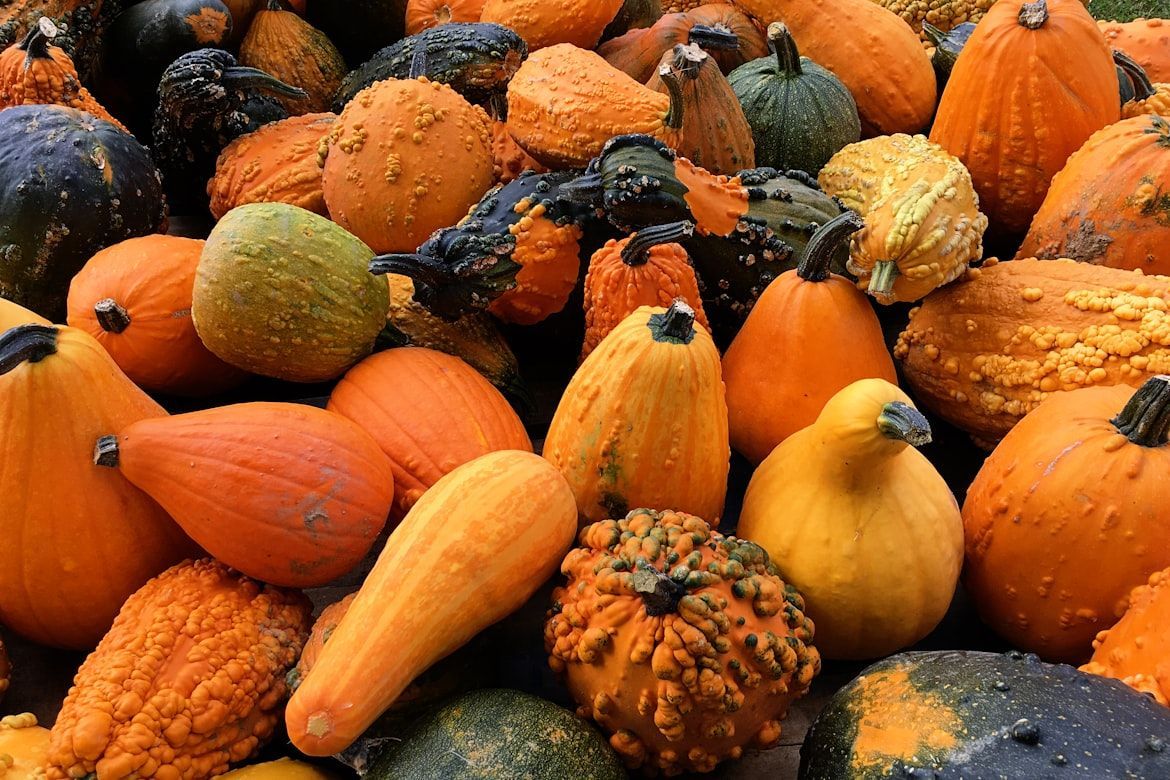
From Narragansett askutasquash , meaning "eaten raw or uncooked."

Squash was a foundational crop in the "Three Sisters" agricultural system alongside maize and beans. Europeans embraced the plant, retaining the Indigenous name.

9
Chipmunk

Image: Annegret Kammer

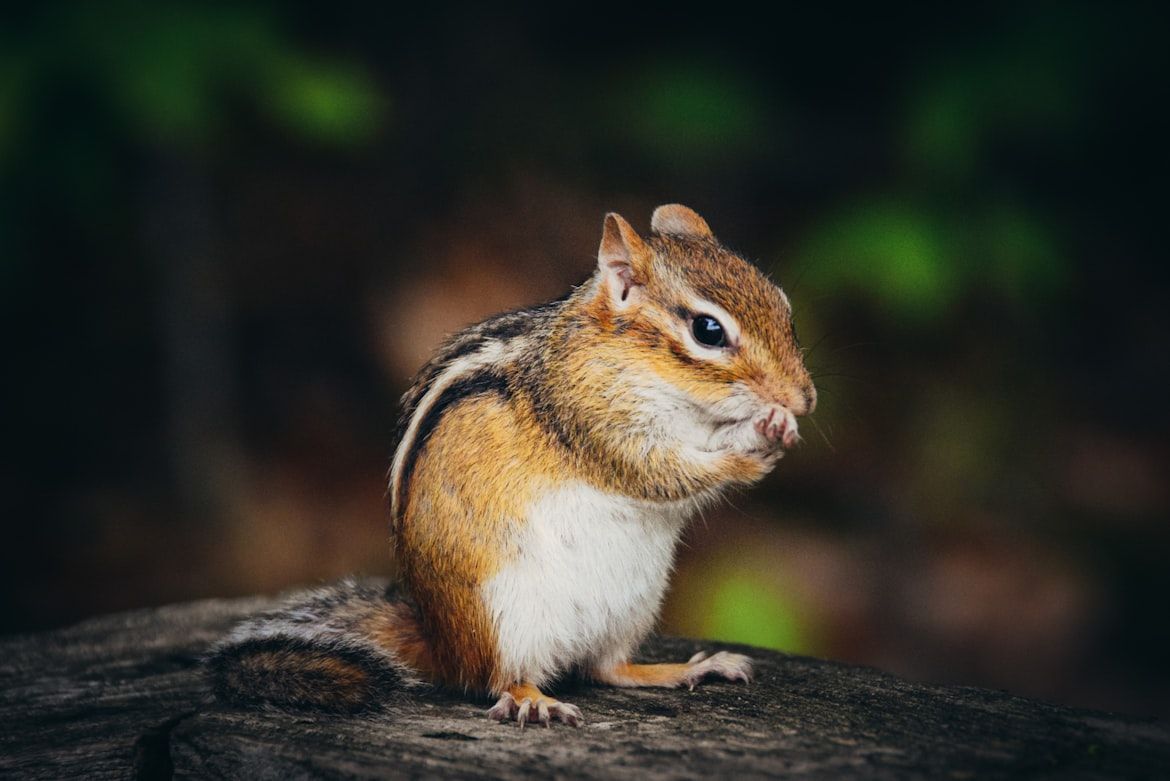
From Ojibwe ajidamoo , meaning "one who descends trees headfirst."

Colonists adapted both the word and the animal’s name, preserving the Ojibwe reference. Today, chipmunks are iconic North American wildlife.

10
Tomahawk

Image: Anne Nygård

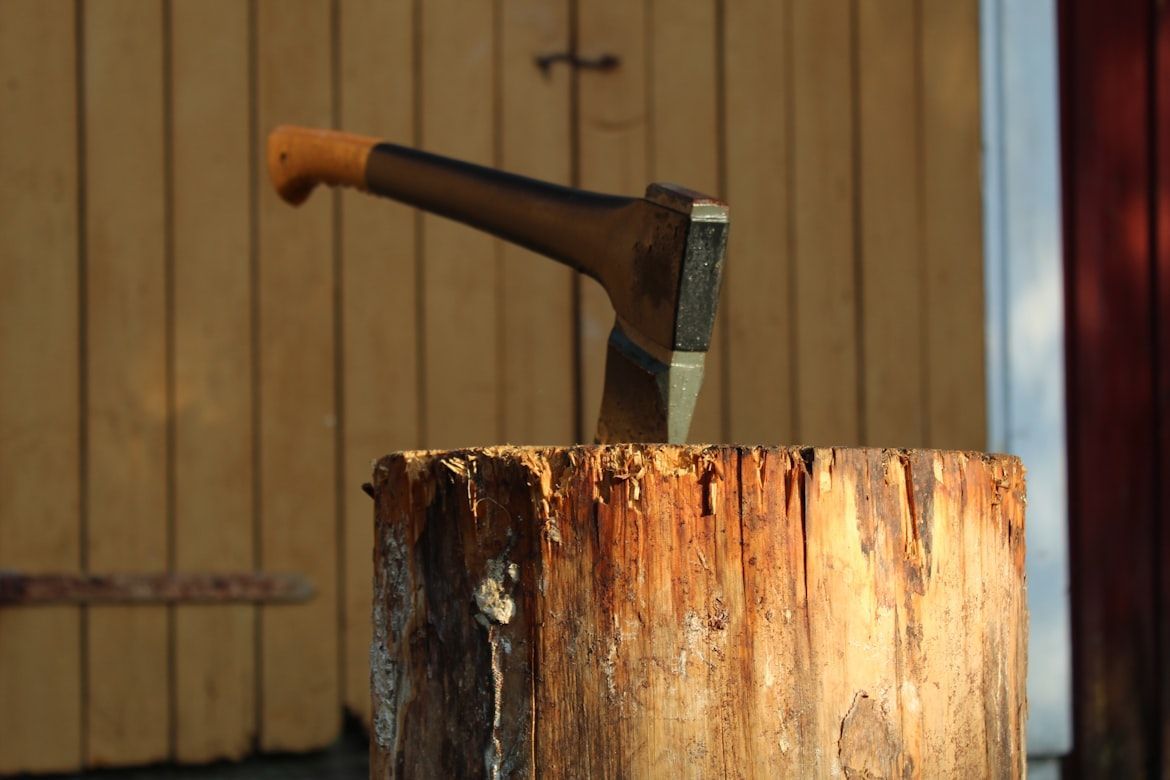
From Powhatan tamahak , describing a small axe used for hunting and combat.

European colonists adopted both the tool and the word, which became iconic in North American frontier history. Today, tomahawks are primarily ceremonial or sporting tools.

11
Coyote

Image: Dylan Ferreira

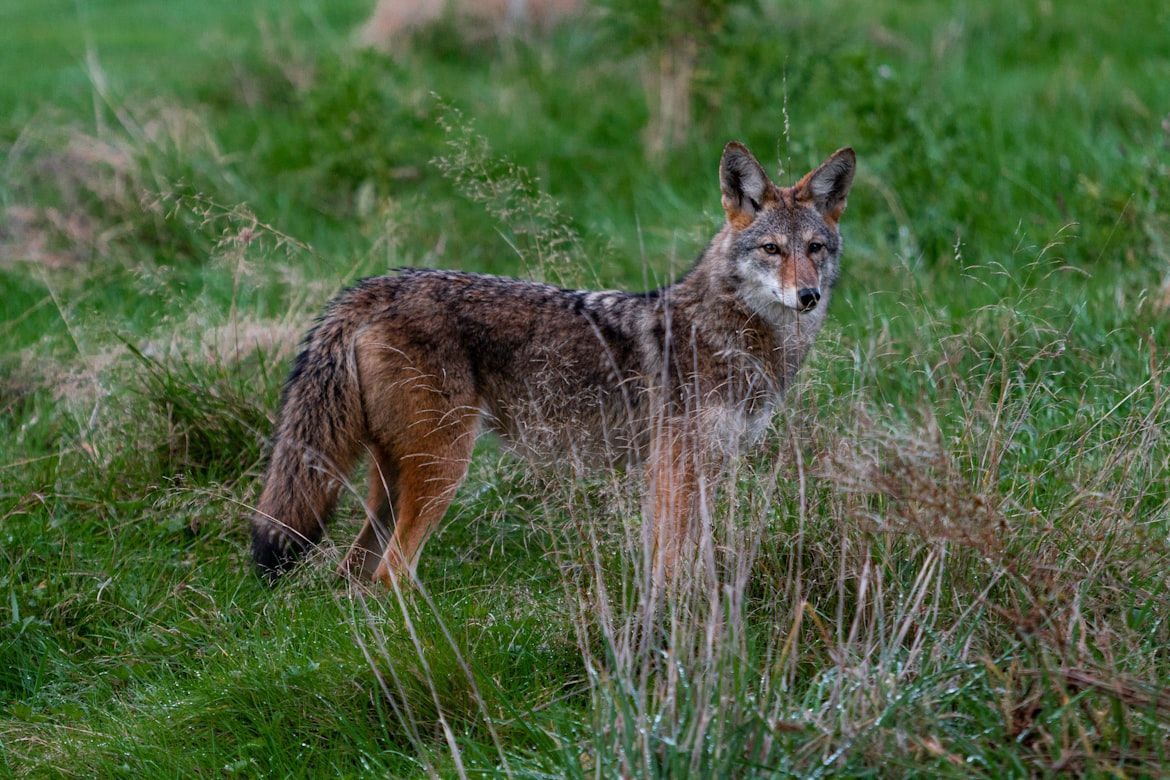
From Nahuatl coyotl , describing a canid known for its adaptability and cunning.

Coyotes thrive in both urban and rural environments. The word entered English through Spanish, reflecting both biological and cultural observation.

Culture Culture 3 min read

The American way

10 Old-school American traditions that are slowly disappearing

Image: frank mckenna

Time leaves its mark everywhere, even on the things we thought would last forever. From playful prank calls to charming greeting cards, many customs from our childhood are becoming rare treasures. Today, we’ve put together a list of 10; how many others can you name?

1
Prank calls

Image: Happysurd Photography

With smartphones taking over, the classic prank call is slowly fading away. Back in the day, dialing a random number to play a harmless joke and share a laugh with friends was a common pastime. Today, with caller ID and mobile phones everywhere, executing those little tricks has become more complicated.

2
Block parties

Image: Yifan Gu

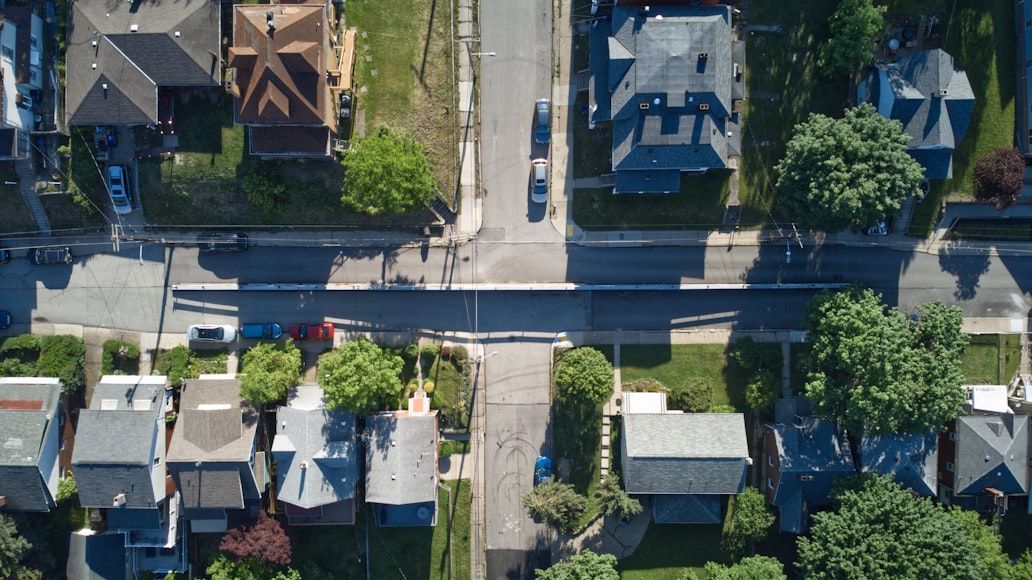
We used to know all our neighbors, and that sense of community was deep. Today, things have changed. With growing cities and people moving more often, your neighbors might be gone before you even learn their names. On top of that, our lives are busier than ever, and closing off a street for a party isn’t as simple as it once was. With these new dynamics, the once-beloved block party has become a rare thing, mostly surviving in small towns or communities. Remember the last time you went to one?

3
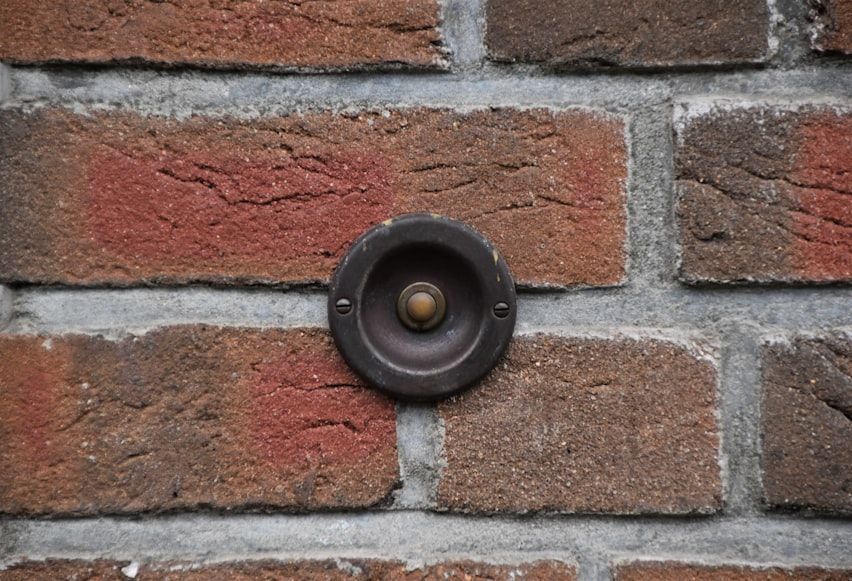
Ding-dong ditch

Image: Waldemar Brandt

Remember when kids could safely roam the streets for hours? The good old days! Wandering around your neighborhood or even a different one, there was always someone who came up with the idea: ringing a doorbell and running away. It might have been a little annoying for the person who opened the door, but it was all in good fun.

4
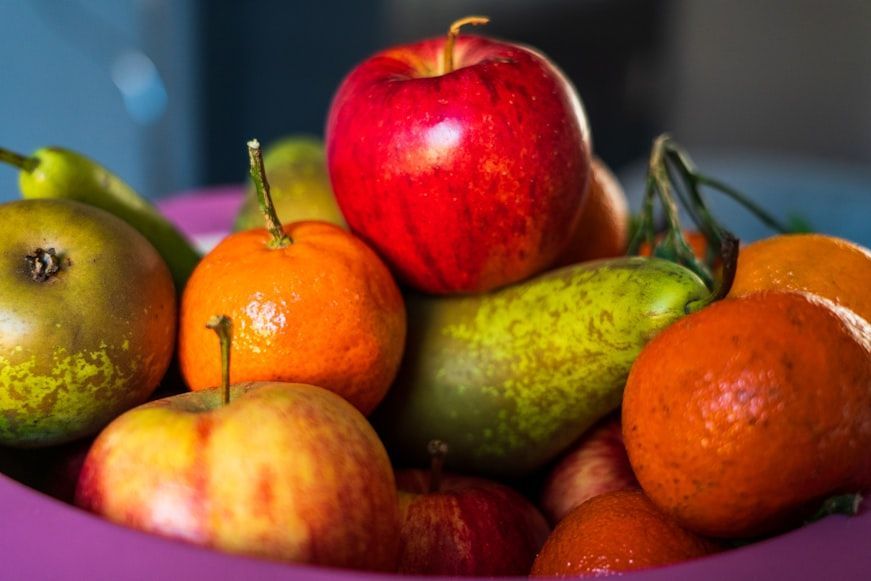
Fruit baskets

Image: Nick Fewings

Our mothers and grandmothers knew that when it came to celebrations, anniversaries, holidays, or any special occasion, a beautifully arranged fruit basket was always a thoughtful gift. This simple gesture showed care and dedication, but today, it’s slowly disappearing. Why? The convenience of online shopping and the trend toward more personalized presents have made this classic gift increasingly rare.

5
Christmas cards

Image: Richard Bell

If you’re like us and just love greeting cards, you’ve probably noticed that fewer people are taking the time to go to the store, pick the perfect card, write a message, and send it off. While traditional greeting cards and Christmas cards are slowly being replaced by digital alternatives, there will always be those of us who appreciate this lovely ritual.

6
School reunions

Image: RUT MIIT

Reunions with former classmates tend to divide people: some look forward to them with excitement, while others would rather skip them altogether. We won’t ask which side you’re on, but there’s no denying that these gatherings are becoming rarer. While a few devoted groups still make an effort to keep it alive year after year, this custom doesn’t seem to be among the younger generations’ priorities.

7
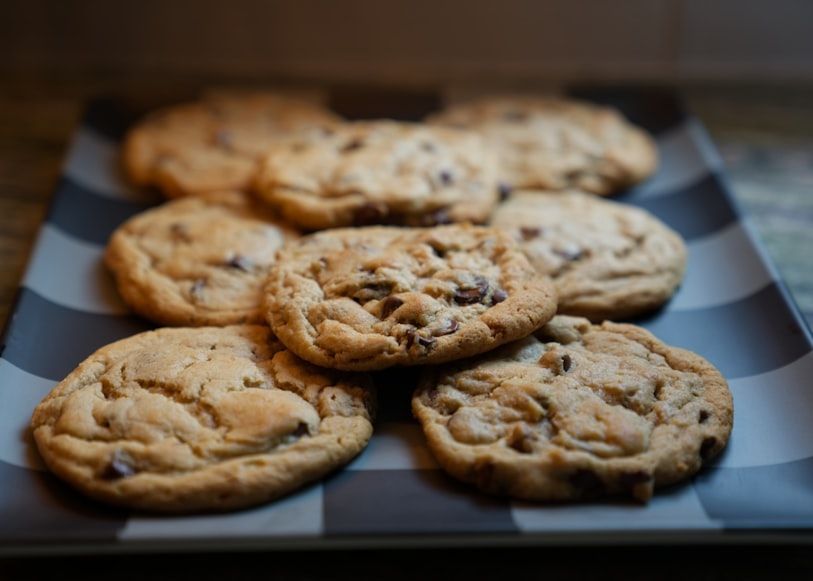
Bake sales

Image: John Dancy

Whether at school, church, or in the neighborhood, who didn’t take part in a bake sale as a kid? However, in today’s fast-paced world, finding time to bake delicious cookies has become a rare treat. This classic way of raising money for a shared cause hasn’t vanished, but it’s definitely losing steam. With virtual wallets and social media, fundraising looks very different today.

8
Black Friday

Image: Markus Spiske

Black Friday, as we once knew it, is evolving into something new. Those endless lines outside stores are now much shorter, thanks to the rise of online shopping. In addition, with the increase in per capita consumption, Black Friday is no longer confined to the day after Thanksgiving; it now stretches across the entire week, and in many cases, the whole month.

9
Appointment TV

Image: Vitaly Gariev

We’ve all gotten used to on-demand content, which lets us watch, rewind, and replay whenever we like. While this convenience is great, it has slowly replaced the old habit of appointment TV, those moments when families or neighbors would gather in their living rooms at a set time to watch a big game, a premiere, or the season finale, sharing a sense of community that’s not so common today.

10
Private fireworks

Image: Leo Okuyama

As the years have passed, we’ve learned more about the risks of fireworks: How they can frighten pets, harm the environment, and cause serious injuries in both children and adults. We can’t deny that lighting fireworks in the backyard with the family is a magical moment, but these days, that tradition has mostly moved to large events in stadiums or music festivals, where trained professionals handle the show.

Explore more American facts

Choose your favorite category!

General
General

As American as apple pie—the very best America has to offer!

Culture
Culture

Delve into the astounding richness of American lore.

Geography
Geography

Hop in and explore vast and diverse American landscapes.

History
History

Discover the key moments that shaped the United States.