History History 9 min read

From crisis to action

11 crises that changed American history
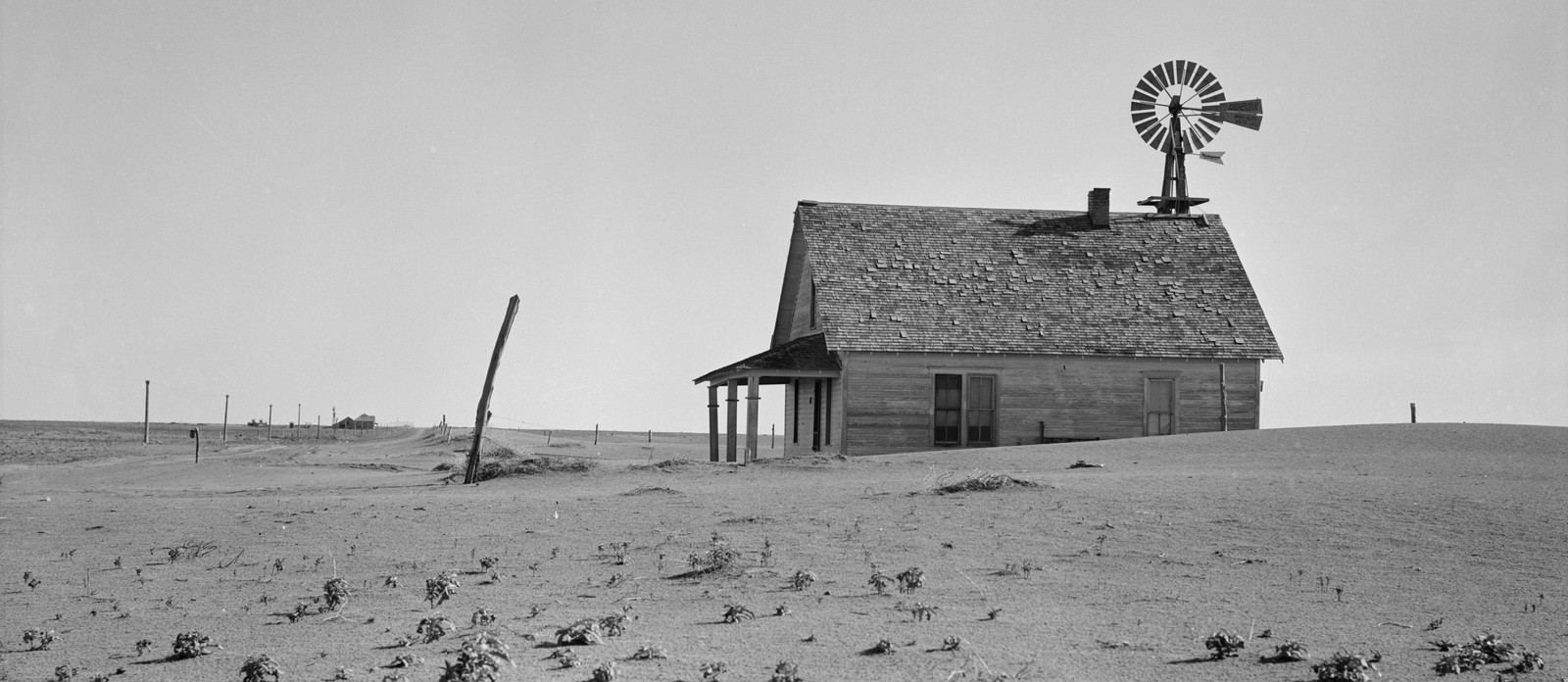
Image: Dorothea Lange, Public domain, via Wikimedia Commons

Nowadays, we take many sanitary, economic and safety standards for granted. Food should be unadulterated, drinking water should be fit for consumption, and the government should have a series of preventions in place. But this was not always the case. Many of these systems and laws are relatively new, and some of our worst crises have led the U.S. government to devise systems to ensure these events would not happen again. Here are 11 crises in American history that led to change.

1
World War II (1939–1945)
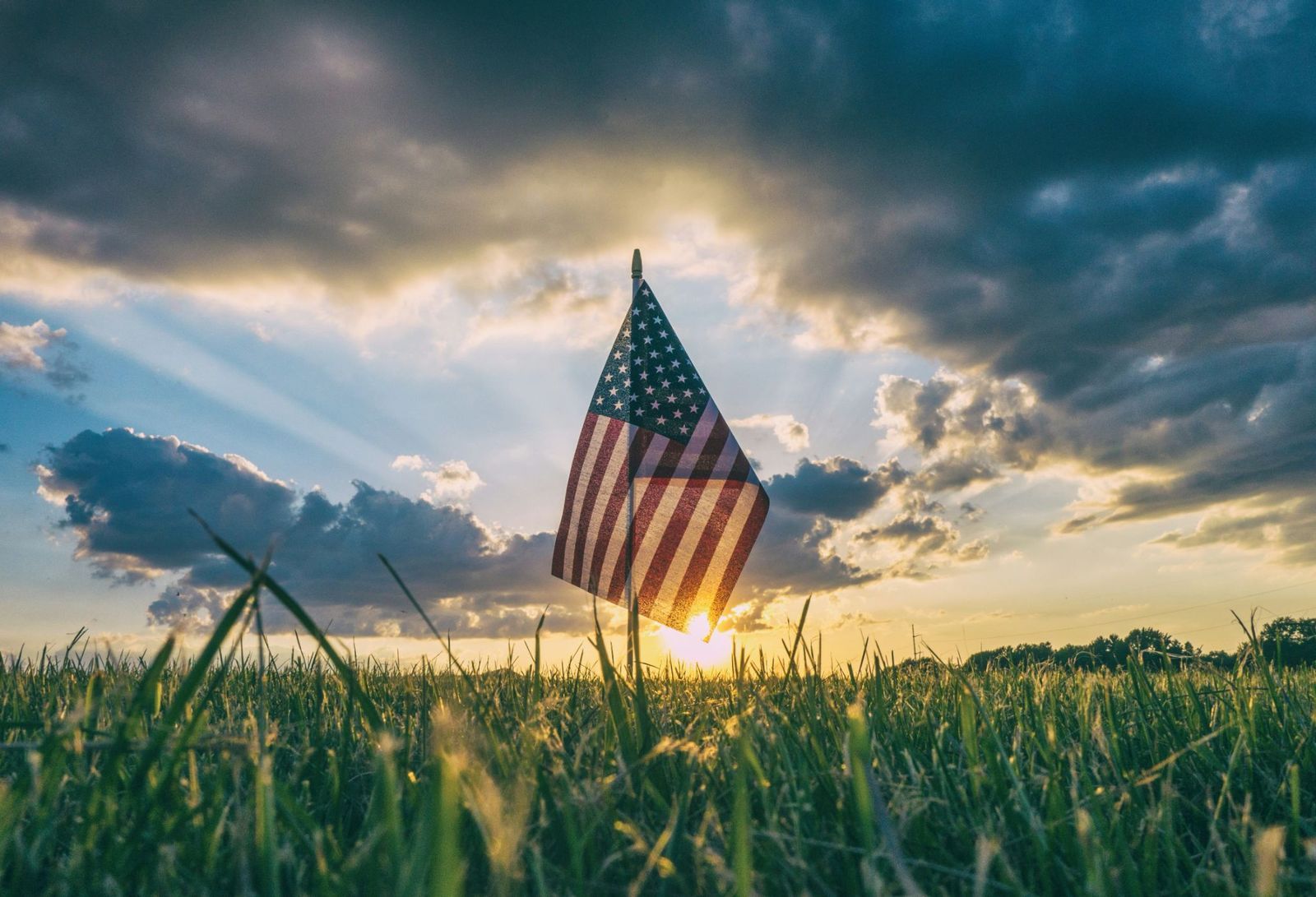
Image: Aaron Burden

American veteran soldiers are entitled to several benefits as recognition for their service on behalf of the country, but this was not always the case. Before 1944, war veterans received pensions and disability-related medical care, but that was it. WWI veterans had received bonuses for their service, but these were not redeemable until 1945, which led to protests and turmoil during the Great Depression.

To avoid a similar situation with soldiers serving in WWII, a set of laws, popularly known as the "G.I. Bill", was passed in 1944. These laws guaranteed that, in addition to pensions and medical assistance, veterans were entitled to financial help towards education or training, low-cost loans, unemployment benefits, and job-search assistance . Since then, additional "G.I. Bills" have been passed, ensuring that veterans are looked after once their service is complete.

2
The Great Depression (1929–1939)
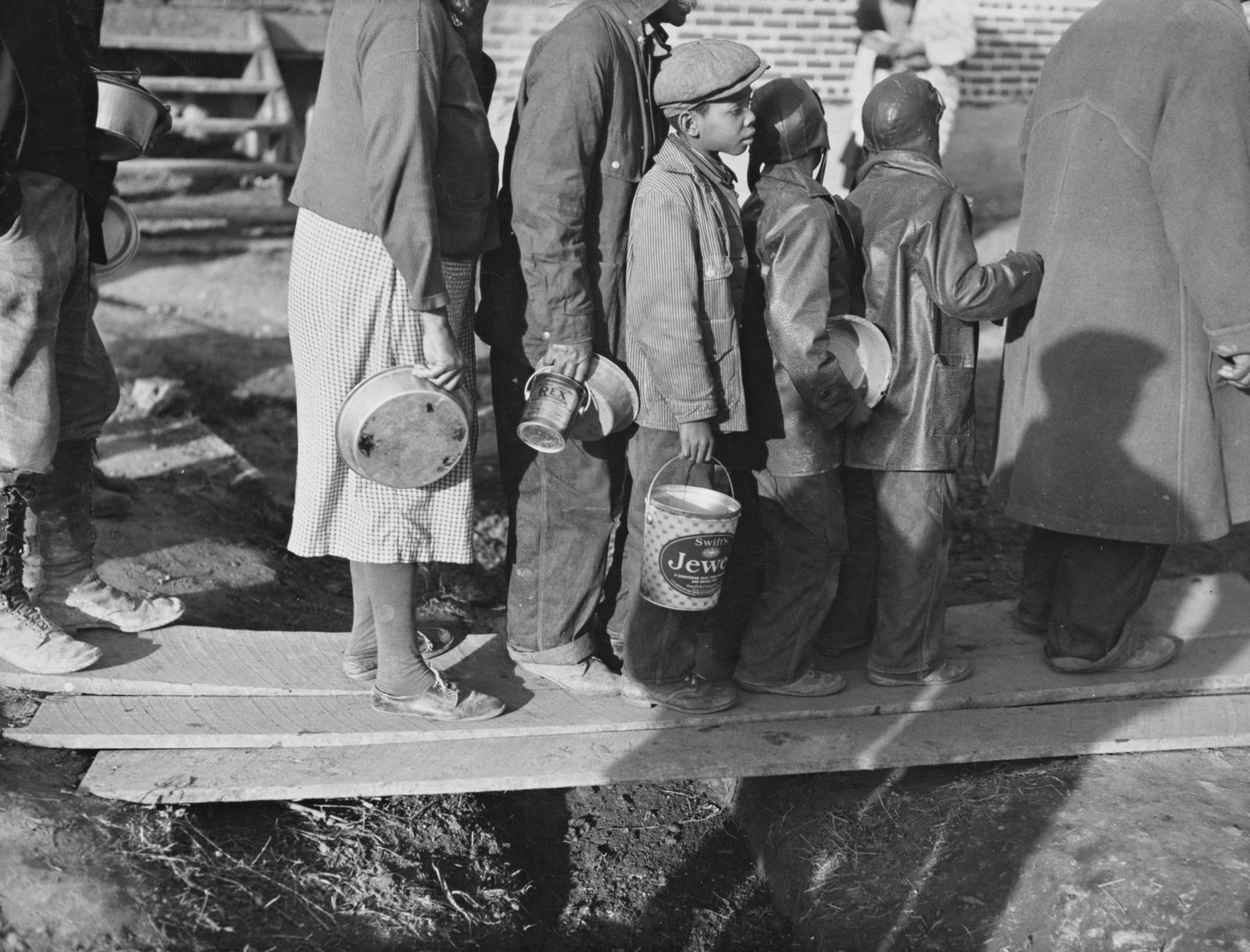
Image: The New York Public Library

Historians agree that, despite President Roosevelt’s best efforts, the Great Depression was effectively ended by the industrial mobilization caused by WWII. America’s biggest economic crisis to date had been brought on by several factors , many of them related to reckless market speculation, inefficient monetary policies, lack of social security, and massive bank withdrawals made by panicked citizens.

While F.D.R.’s "New Deal" policies were insufficient to overcome the crisis, they successfully set up a system to prevent a similar economic collapse in the future . As a result of financial and banking reform, personal accounts were federally insured —which prevented future massive withdrawals that would deplete savings, commercial and investment banking were separated, and commissions were set up to regulate trading and prevent fraud. Additionally, social and welfare laws established pensions, work insurance, and unemployment compensation, and protected unions that allowed workers to collectively bargain with their employers.

3
The Great Chicago Fire (1871)
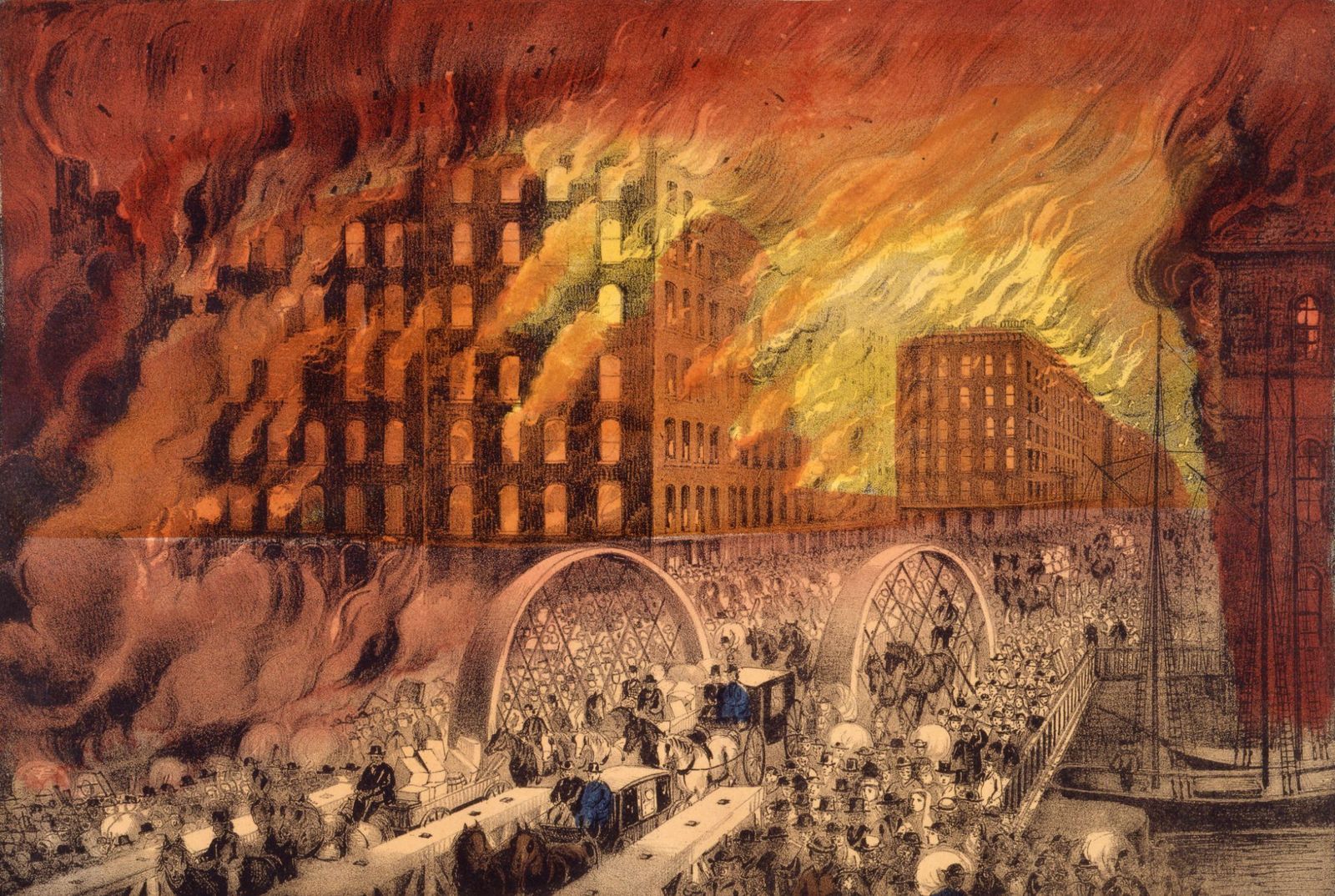
Image: Currier and Ives, Public domain, via Wikimedia Commons

On October 8, 1871, a fire started on DeKoven Street, Chicago, and it burned for three days, destroying 17,450 buildings and leaving 300 casualties and thousands of people homeless. According to legend, the fire was started by a cow (owned by a woman named Mrs. O’Leary), although this was never confirmed; it was the wooden buildings, the strong wind, and the dry weather that turned an accident into a catastrophe.

Americans from all over the country rallied behind the relief effort, donating money, food, clothing, and more, but the tragedy also forced authorities to review their own municipal safety codes. New fire and building safety codes were implemented, banning wood buildings and requiring fire-safe materials such as brick, stone, or marble, as well as fireproof staircases, exit signs, and outward-opening doors. A new fire academy was founded to properly train firefighters, which put Chicago at the lead of America’s firefighting force.

4
Yellow Fever (1793)
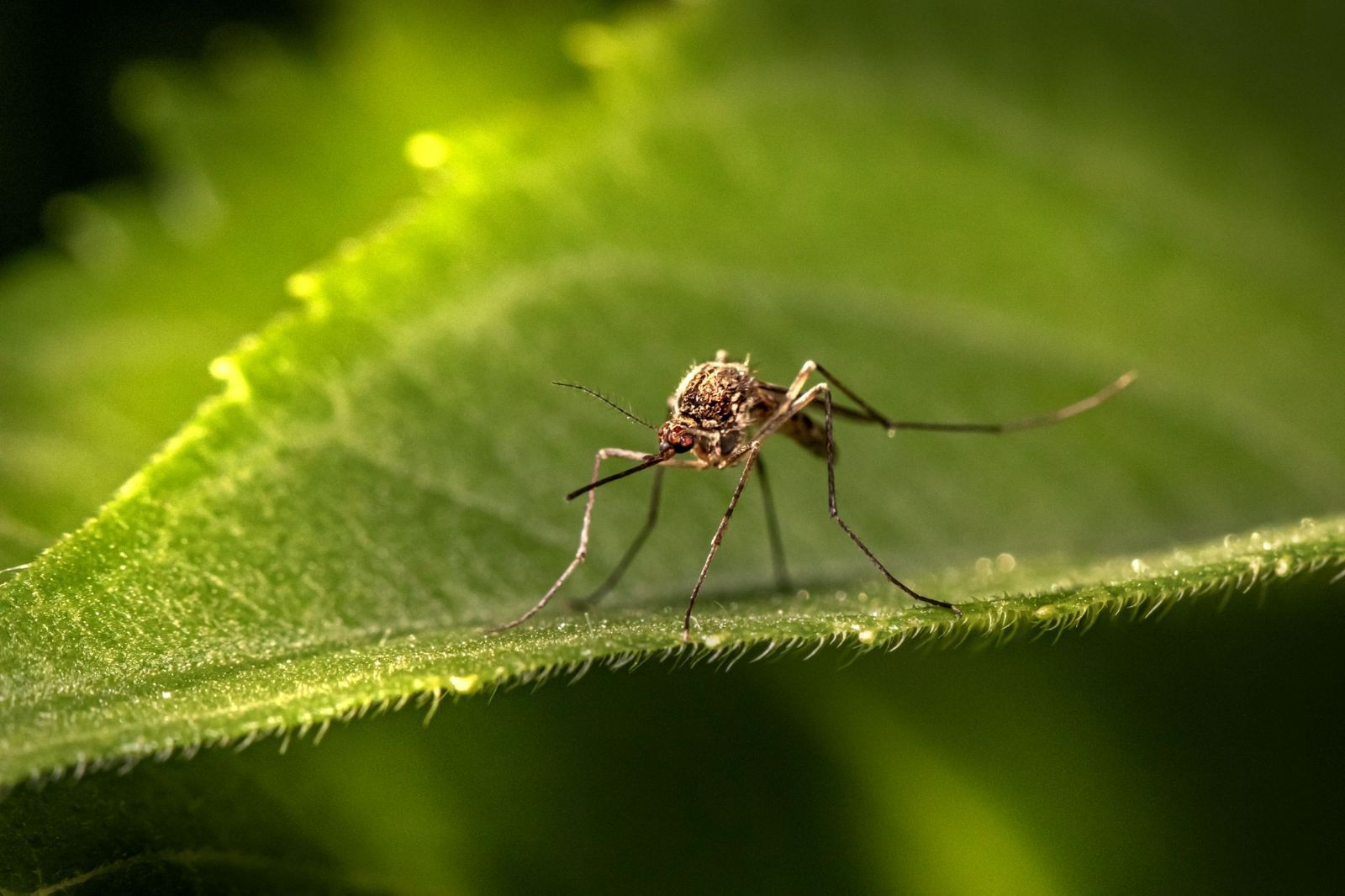
Image: Erik Karits

In 1793, the city of Philadelphia received cargo ships from Saint-Domingue (modern-day Haiti), and with them, an epidemic that lasted for half a year. Among the cargo from the Caribbean, there were yellow fever-carrying mosquitoes, which thrived in the crowded docks and in the humid spring and summer weather. The open sewers, poor waste management, and general ignorance about the disease worsened the situation, which only let up with the cold fall weather, with 5,000 people, about 10% of the population, as casualties.

Although the widely believed cause of the spread of the epidemic —foul "miasma" or bad air— was incorrect, it did lead to proper infrastructure changes to prevent a similar situation. The city targeted polluted waterways and rotten waste, exposing severely contaminated wells. Municipal water systems to provide clean drinking water were created, and paved streets with proper gutters and sewers reduced the amount of stagnant water . Additionally, the crisis led to the establishment of municipal health boards, proper quarantine facilities for incoming ships, and municipal hospitals all across the country.

5
The Triangle Shirtwaist Factory Fire (1911)
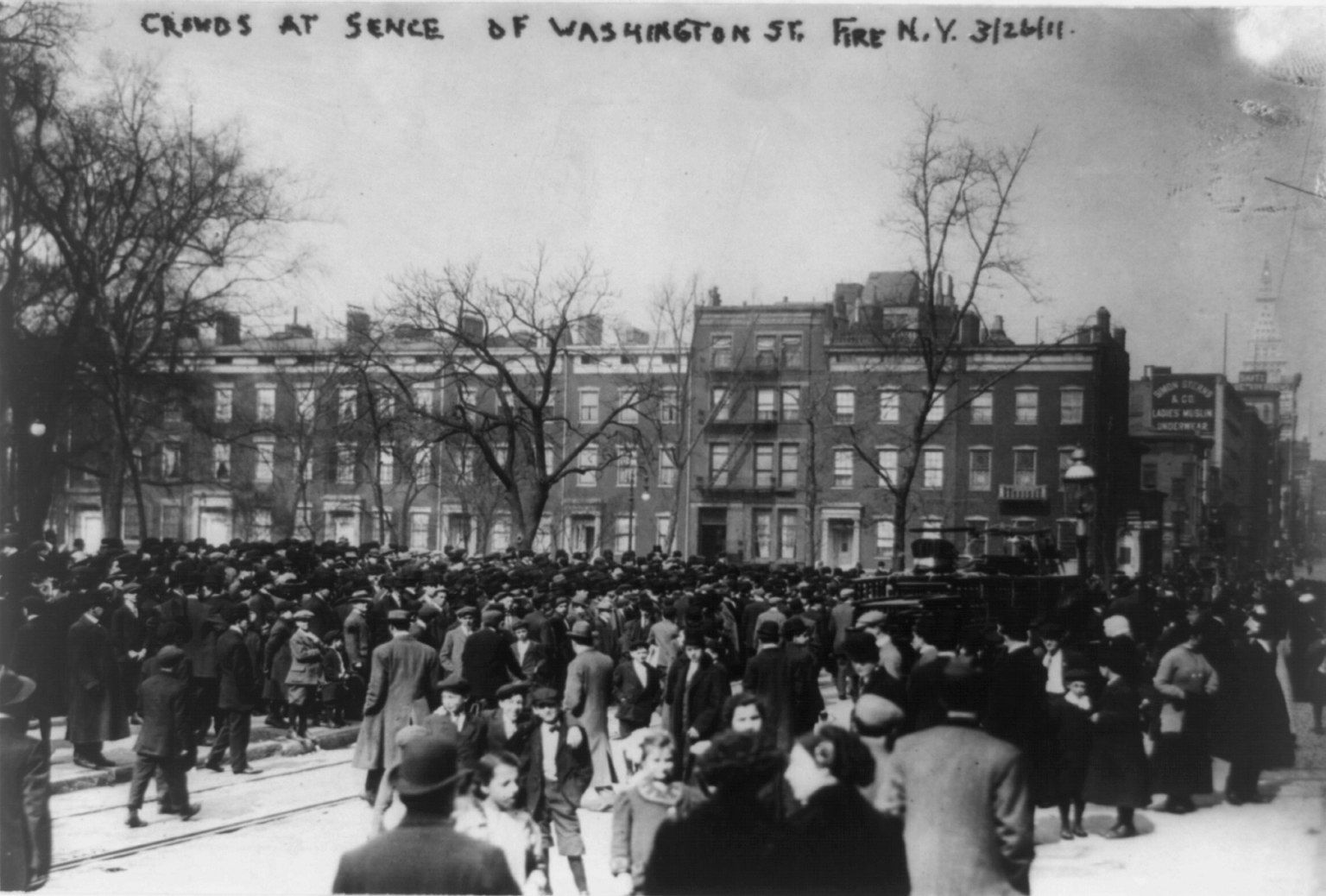
Image: George Grantham Bain Collection, Public domain, via Wikimedia Commons

Nowadays we expect any factory or building to have proper fire and safety systems in place, but not so long ago safe working conditions were not a given. Places like the Triangle Shirtwaist Factory in New York not only lacked fire alarms, sprinklers, and fire escapes, but also locked their doors during work hours to prevent unauthorized breaks and workers' union gatherings . On March 25, 1911, when a pile of rags caught fire, the single fire escape collapsed and, with firefighters' ladders only able to reach six of the ten floors, the factory became a deadly trap that took the lives of 146 workers.

New Yorkers were outraged by the conditions that led to the tragedy, and public pressure led to the establishment of an investigating commission. As a result, more than 30 safety laws were passed , making fire drills, sprinklers, fire escapes, and emergency exits mandatory, among other measures, all of which set a precedent for federal safety codes and protections. The event also strengthened labor unions all across the country, who pushed for better working conditions.

6
The Dust Bowl (1930s)
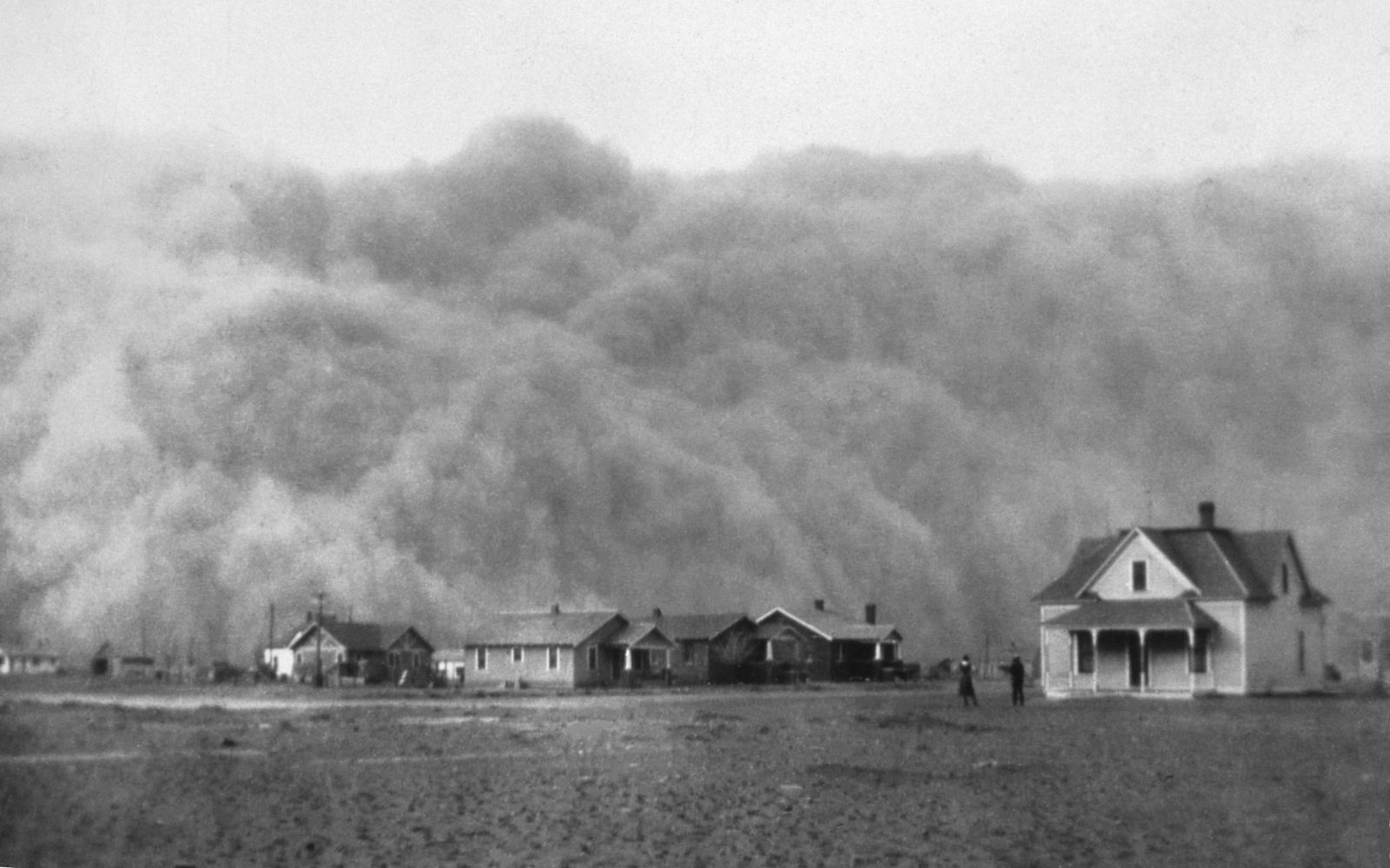
Image: George Everett Marsh Jr., Public domain, via Wikimedia Commons

The 1929 Wall Street Crash had already kickstarted the Great Depression, but the American crisis was still deepening. By the start of the 1930s, years of severe drought had hit the Great Plains (comprising ten states in the Midwest and Rocky Mountain regions) and had worsened an environment already depleted by human intervention. Native grasses that protected the topsoil had been eradicated through plowing, leaving the land vulnerable to wind erosion, while intensive cultivation of single crops had depleted the land. All this caused severe dust storms that hit the plains, further eroding the fields and suffocating the crops. In an agricultural recession, thousands of families migrated West looking for work.

The government’s response had diverse approaches. The Soil Conservation Service focused on changing detrimental agricultural practices through educating farmers on contour plowing, crop rotation, and shelterbelt tree planting. FDR’s "New Deal" plan established subsidies for farmers, requiring landowners to distribute a percentage of the subsidy to their laborers, and thousands of cattle were acquired, butchered, and distributed by the government to the affected population. Ultimately, the return of rain in the 1940s ended the drought and helped restore the soil, but the education, conservation, and relief mechanisms implemented by the government ensured that the Great Plains would not be as severely affected by drought in the future.

7
The Cold War (1945-1991)
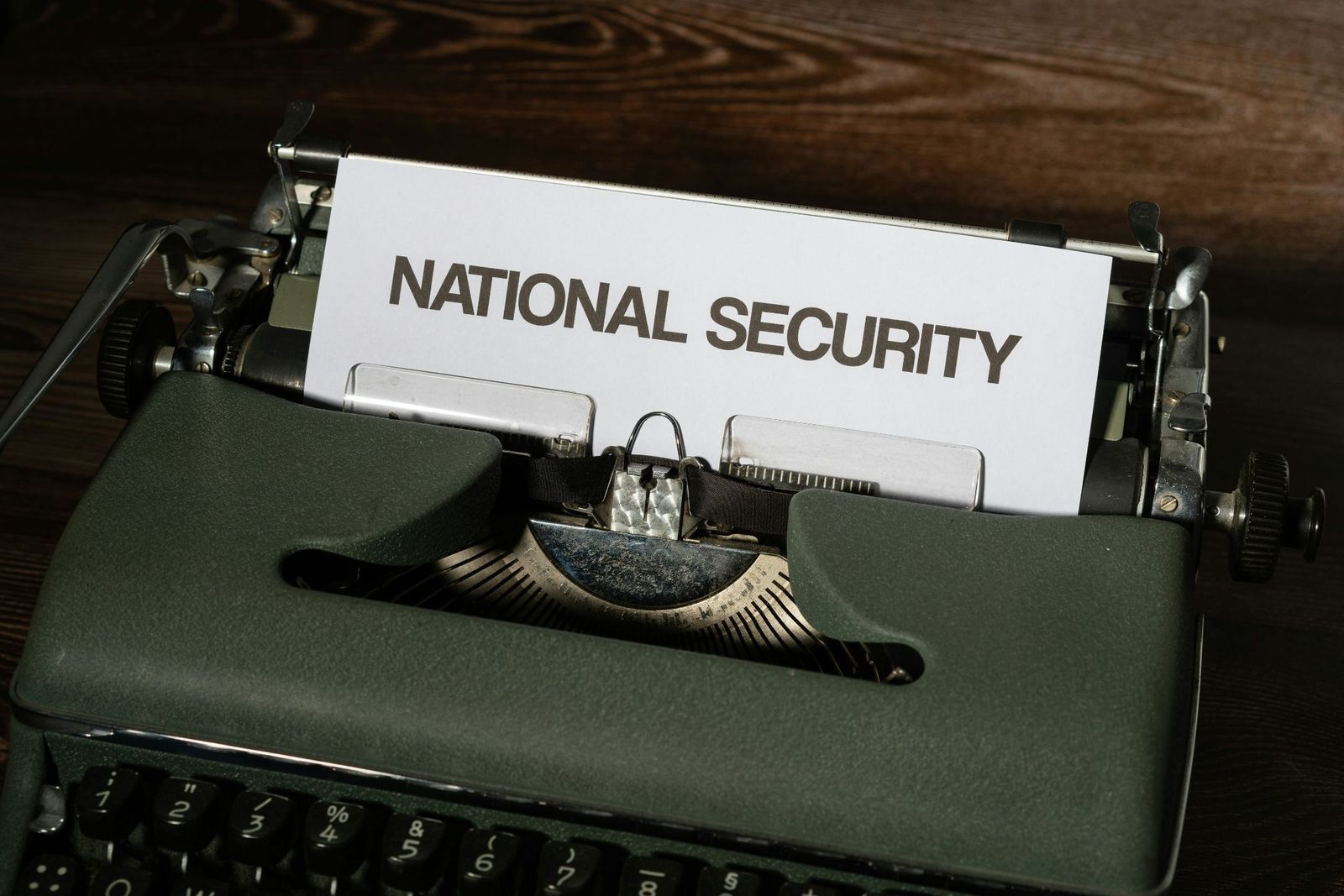
Image: Markus Winkler

The euphoria of the WWII victory in American politics was short-lived, as the climate quickly shifted to a new threat: communism. The Cold War deeply affected domestic American life, and the paranoia of the Red Scare prompted the government to invest thousands of dollars in defense , infrastructure, political propaganda, and counter-espionage. Sadly, this paranoia also allowed government officials and politicians, like Senator Joseph McCarthy, to persecute and blacklist thousands of suspected communist sympathizers without solid evidence.

While the desire to beat the USSR in public achievements resulted in the government funding the military industry, science education and research, and sports programs, espionage and propaganda were targeted through the creation of federal agencies —among them the CIA, the NSC, and the NSA— that managed domestic security, international intelligence, information, and propaganda.

8
The Revolutionary War Smallpox Epidemic (1775–1782)
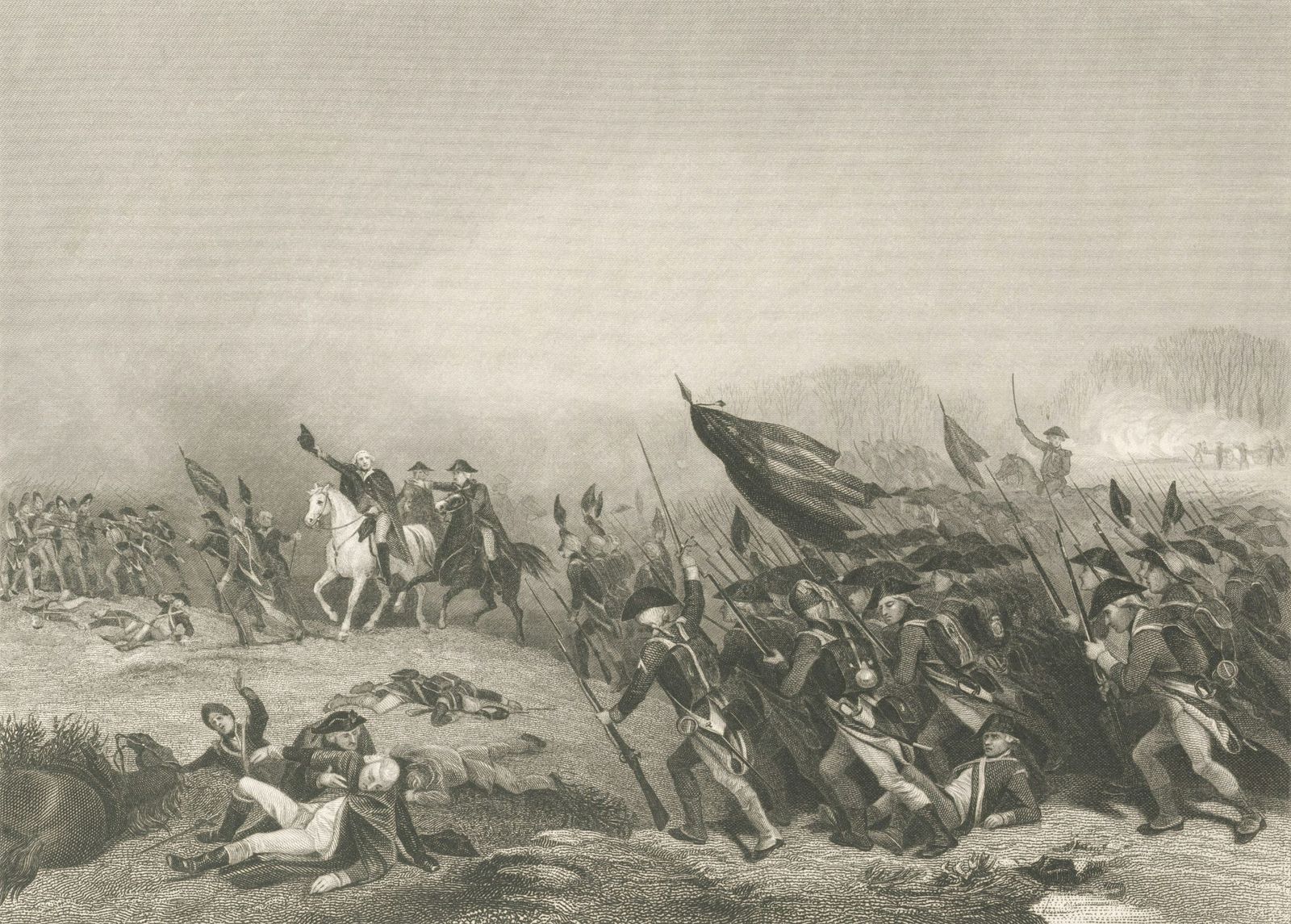
Image: The New York Public Library

The 1775 North American Smallpox epidemic lasted for nearly a decade, well beyond the Revolutionary War, but the military leaders of the Revolution were the ones to put in the efforts to contain it and prevent further spreading of the disease. In 1775, smallpox was a rampant disease in the American colonies, and a big part of the population had not been exposed to it due to isolation. This meant that, when colonists from rural areas joined the Continental Army, overcrowded military camps became a hotspot of contagion. It is estimated that smallpox caused more casualties than the fighting itself.

While smallpox decimated the Revolutionary Army, the British, who had been traditionally exposed to the disease, were immune to it. Recognizing the need to stop the spread of the disease, George Washington ordered a secret mass immunization of the troops in 1777 , a measure that drastically lowered the mortality rates among the army. While several founding fathers were in favor of mass inoculations and better public health policies, most of the colonists were distrustful of vaccinations and of government-mandated health policies. The success of Washington’s mass inoculation showed that public health policies could make the difference, and paved the way for later policies and health systems.

9
The Cholera Waves (1832–1866)
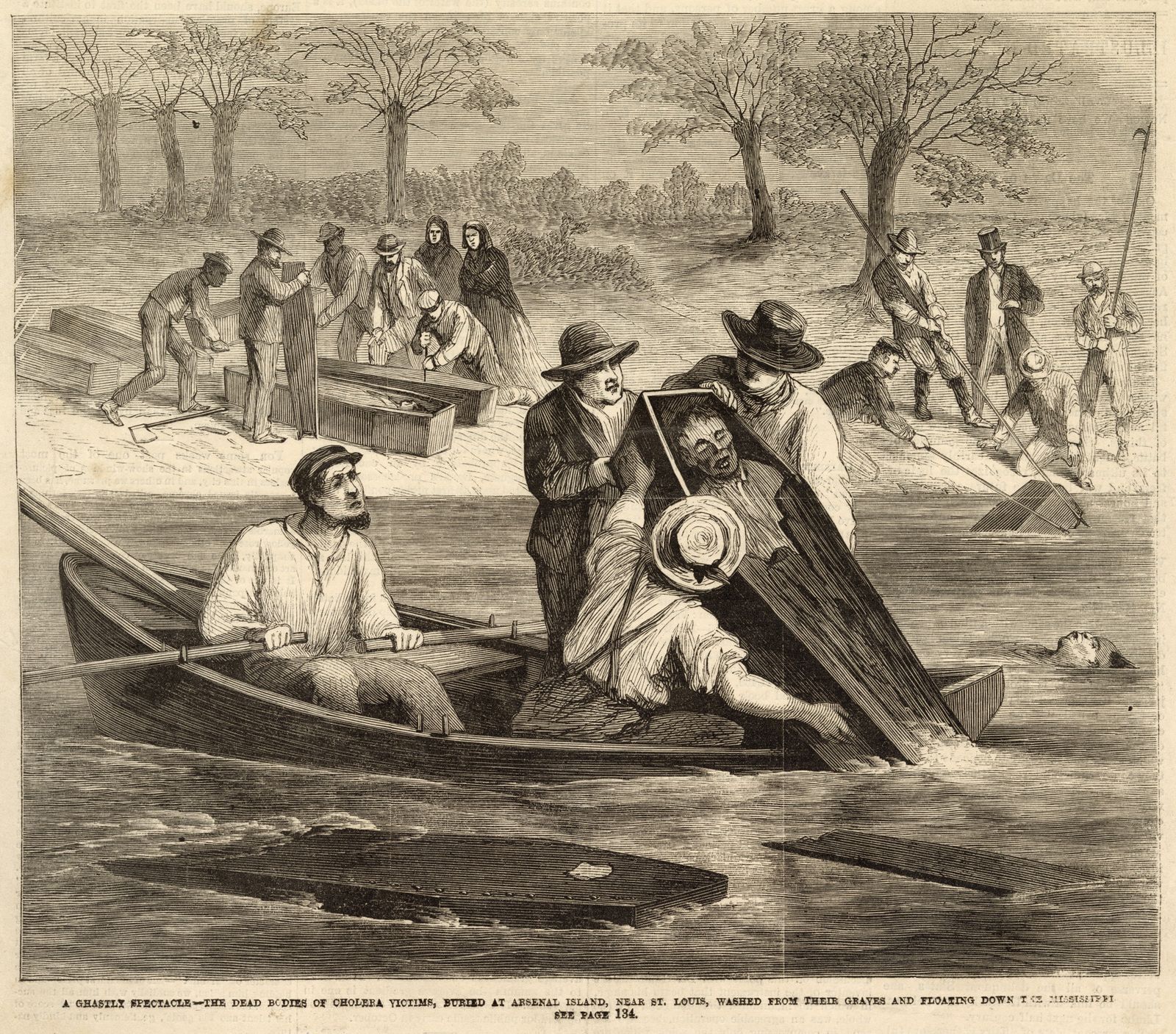
Image: Missouri Historical Society, No restrictions, via Wikimedia Commons

The U.S. went through three major cholera waves in 1832, 1849, and 1866, with tens of thousands of casualties, economic crises, and mass panic. Rapidly growing cities lacked proper sewage, and rancid water accumulated in the unpaved streets, while overcrowding and poor living conditions furthered the contagion. New travel methods such as the railroad helped introduce the disease to different regions, while doctors blamed the epidemic on "bad air" or a divine punishment.

It was not until the 1866 wave that city governments decided to change their approach to the health crisis. New York was the first city to establish a Metropolitan Board of Health, which focused on improving sanitary conditions and reforming the hospital system. Police forces encouraged (or forced) residents to clean their yards and remove manure and rotten waste, while the city strived to maintain clean streets and build sewage systems. By the time the third cholera wave hit New York, the city was prepared, and the number of casualties was much lower. Following its example, other major cities established their own permanent boards of health, implemented municipal health codes, improved their hospitals, and constructed underground sewers.

10
The Smoking and Lung Cancer Crisis (1960s)
Image: Pascal Meier

Although tobacco had been popular for decades, the 20th century saw a rise in consumption thanks to aggressive cigarette marketing campaigns in print, radio and television. Smoking was allowed everywhere, and it was portrayed as stylish and smart in movies and magazines. There was a lack of education about the addictive properties of nicotine and the chemicals present in commercial cigarettes , a fact that the tobacco industry was eager to keep concealed. By the 1960s, lung cancer and heart disease numbers had risen dramatically, forcing the government to address the situation.

The 1964 Surgeon General’s report was the first to publicly link lung cancer and heart disease with tobacco consumption. Following several reports by other specialists , public opinion about cigarettes drastically shifted, despite the efforts of the tobacco industry . In 1965, Congress passed a law requiring mandatory health warning labels on cigarette packaging, and in 1971, cigarette radio and TV ads were outlawed. As a result, from the 1960s to the 2010s, cigarette consumption decreased by nearly 50%.

11
The Pure Food and Drugs Act (1906)

Image: Arno Senoner

If you are the kind of person who religiously scans the ingredient list on food and medicine labels, you might not know that these labels exist thanks to a novel (and several journalists' investigations). In the late 19th century, increased food and medicine demands led manufacturers to sell tainted or unsafe products with false labels and filled with unsafe preservatives. Factory sanitary conditions were also subpar, which led many journalists to write about the issue. In 1906, Upton Sinclair’s novel The Jungle described the meat-packing industry practices in a graphic and revolting way, which caused mass outrage.

The Pure Food and Drugs Act of 1906 was the first of a series of laws passed by Congress to address the issue. It created a federal agency (now called the FDA) responsible for overseeing food and drug manufacturing , banned a series of commonly used substances and active ingredients, outlawed the sale of spoiled or contaminated food, set an inspection system for factories, and acted as a baseline for future consumer protection laws.

History History 4 min read

Is a slap really a feud?

Was the Will Smith-Chris Rock slap scripted? 12 famous feuds

Image: Andrew Le

Hollywood isn’t always glitz and glam—sometimes it’s full-on drama. From shady tweets to onstage outbursts and headline-making slaps, celebrity feuds have a way of stealing the spotlight just as much as any blockbuster. You probably know about some of these incidents, but a few will surprise you!

1
Joan Crawford vs. Bette Davis

Image: Shubham Panwar

The feud between Joan Crawford and Bette Davis began in 1935 when Bette fell for her co-star Franchot Tone, only for Joan to marry him soon after filming ended .

Their rivalry peaked during the tense 1962 shoot of What Ever Happened to Baby Jane? The tension never eased, and the two reportedly never reconciled before their deaths.

2
Kim Cattrall vs. Sarah Jessica Parker

Image: Erhan Çoban

On Sex and the City , Kim Cattrall and Sarah Jessica Parker played close friends, but off-screen their relationship was far from warm . Tensions reportedly surfaced when Kim declined to join a third Sex and the City movie.

In 2018, things worsened after Sarah publicly offered condolences over the death of Kim’s brother. Kim responded sharply on Instagram, writing, "You are not my friend. You are not my family.

3
David Letterman vs. Jay Leno

Image: Diogo Cardoso

The biggest late-night feud kicked off in 1992 when Johnny Carson retired from The Tonight Show . Many expected David Letterman to take over, but NBC chose Jay Leno instead.

Letterman left for CBS to launch The Late Show , going head-to-head with Leno. Their rivalry, known as the "Late-Night Wars," lasted for years as both battled for ratings before eventually retiring .

4
Gwyneth Paltrow vs. Martha Stewart

Image: Lesya Tyutrina Andrey Biyanov

The feud between Gwyneth Paltrow and Martha Stewart began in 2014, when Martha criticized Gwyneth’s lifestyle brand , saying she should stick to acting.

Things escalated with cheeky recipe jabs—Martha’s "Conscious Coupling" and Gwyneth’s "Jailbird Cake," a nod to Martha’s past prison time.

5
Vin Diesel vs. Dwayne "The Rock" Johnson

Image: Ayu Anggraini

The rivalry between Dwayne "The Rock" Johnson and Vin Diesel began during the filming of The Fate of the Furious in 2016, when The Rock called out unnamed co-stars for unprofessional behavior on social media .

Fans quickly guessed he was referring to Vin, especially after The Rock thanked the cast and crew in a post, but noticeably left out Vin Diesel.

6
Elton John vs. Madonna

Image: Mélody P

Elton John and Madonna’s feud began in 2002, when Elton slammed her Bond theme, calling it "the worst of all time." He later accused her of lip-syncing during live shows.

Things heated up again in 2012, when both were nominated for a Golden Globe. Elton claimed Madonna had "no chance"—but she won. Backstage, Madonna said she adored him and hoped he’d win another award.

7
Elizabeth Taylor vs. Debbie Reynolds

Image: Venti Views

The drama between Debbie Reynolds and Elizabeth Taylor began when Debbie's husband, Eddie Fisher, left her for Elizabeth, who was her close friend at the time.

Their affair began after Eddie comforted Elizabeth following the death of her husband, Mike Todd, in 1958. Years later, after Elizabeth and Eddie split, Debbie and Elizabeth reconciled and remained friends until Taylor’s death.

8
Frank Sinatra vs. Marlon Brando

Image: David Clode

Frank Sinatra and Marlon Brando clashed while filming Guys and Dolls (1955), thanks to their huge egos and very different acting styles .

Sinatra gave Brando rude nicknames, while Brando deliberately ruined takes during a cheesecake scene, forcing Sinatra to eat far more than he wanted.

9
Dean Martin vs. Jerry Lewis

Image: Akbar Nemati

Dean Martin and Jerry Lewis were a wildly popular comedy duo from 1946 to 1956, dominating film, radio, and television. But behind the scenes, tensions grew.

Martin felt Lewis was taking over the act , leading to their split in 1956. Though both went on to solo success, their friendship suffered for years. They finally reconciled in 1976, thanks in part to Frank Sinatra.

10
Angelina Jolie vs. Jon Voight

Image: Daniil Komov

Family ties don’t always guarantee harmony in Hollywood. The feud between Jon Voight and Angelina Jolie largely stems from Voight’s infidelity toward Jolie’s mother , Marcheline Bertrand.

Though they’ve had brief periods of reconciliation, their relationship has repeatedly broken down over the years, making their feud long-lasting and complicated.

11
Will Smith vs. Chris Rock

Image: Frida Lannerström

Will Smith and Chris Rock’s feud exploded publicly at the 94th Academy Awards in 2022, when Will slapped Chris after a joke about Jada Pinkett Smith . The slap was not scripted and took everyone—especially Rock—by surprise.

The incident went viral and had major consequences for Smith. Despite the fallout, there are hints that the two might eventually repair their friendship.

12
Johnny Carson vs. Joan Rivers

Image: Long Ma

The legendary Johnny Carson often featured Joan Rivers as a guest and occasional guest host on The Tonight Show. But when Rivers launched her own late-night show without telling Carson , he saw it as a major betrayal.

Carson never forgave her, and their feud lasted until his death. Sadly, Rivers’ show struggled and never quite matched his success.

History History 5 min read

Would you survive these situations?

Many people don’t believe these 10 real survival stories. Do you?

Image: Yaroslava Borz

True survival tales make for the best motivational stories. Realizing the kind of challenges that a human being can withstand while continuing to persevere is both captivating and inspiring. The women, children, and men we are about to mention managed to pull off incredible feats and save their lives under terrible circumstances. Do you think you have what is necessary to survive in these situations?

1
Skydiving accident survivor

Image: Eun-Kwang Bae

Jordan Hatmaker was not an expert, but she had done enough skydiving jumps to recognize when something was wrong. On November 14, 2021, she jumped from a height of 4,100 meters and deployed her parachute. But a series of unfortunate malfunctions led to the chutes opening at the very last moment—and in a disastrous way—causing her to crash land.

Although Jordan survived, she suffered a spinal injury, broke her shin, completely shattered her ankle, and was paralyzed from the waist down. The doctors couldn’t tell if she would ever walk again. Yet, just three months after the accident, she defied expectations and began walking. Since then, she’s even climbed Mount Everest base camp.

2
Survived being frozen for 6 hours

Image: Jared Erondu

Imagine being frozen solid for a full six hours. Almost anybody who has been in a similar situation, even for a much shorter time, has experienced serious consequences or even death. But not Jean Hilliard, who slipped in the ice in the harsh Minnesota winter, knocked herself unconscious and remained frozen for six hours until a friend discovered her.

After her friend took her to the hospital, doctors had trouble inserting an IV cannula because her arm was frozen solid. But, after thawing her with heat pads, Jean came back to life and her body returned to its normal state. Her extremities took a bit longer to come around; her toes, especially, were numb for some time. Remarkably, Jean recovered quickly and has experienced no lasting physical effects from that fateful December night frozen in the ice.

3
Survived a self-amputation

Image: Justin Luebke

If you have seen the film 127 Hours then you’ll recognize this story: Aron Ralston was hiking in a remote Utah canyon when a boulder fell, trapping his arm . With no one around to hear his cries for help and his water supply dwindling, Aron made the excruciating decision to sever his arm below the elbow using a dull multitool.

After freeing himself, Ralston rappelled down a 65-foot cliff and hiked several miles through the rugged terrain before being discovered by a search and rescue helicopter.

4
Military jet crash survivor

Image: Albert Stoynov

David Steeves, a U.S. Air Force lieutenant, was ordered to fly a Lockheed T-33A trainer jet from an Air Force base near San Francisco to Craig Air Force Base near Selma, Alabama, on May 9, 1957. Shortly after takeoff, Steeves and the jet disappeared without a trace, and he was declared dead after an extensive search yielded no results. After the incident, during the height of the Cold War, Steeves faced unfounded accusations of defecting and giving the trainer jet to the USSR.

However, Steeves appeared out of the Sierra Nevada the following July. He claimed that after an explosion in the jet, he had ejected and parachuted to safety. For two weeks, he survived without food until he discovered a ranger’s cabin in Kings Canyon National Park, where he found fishhooks, beans, and a canned ham to sustain himself.

5
Rode off a cliff in her vehicle

Image: Fabian Quintero

In a scene straight out of a movie, Angela Hernandez swerved to avoid hitting a small animal on the road and accidentally drove her SUV off a cliff. Her vehicle tumbled about 200 feet to a desolate, rocky beach.

Despite suffering a brain hemorrhage, fractured ribs, a broken collarbone, ruptured blood vessels in both eyes, and a collapsed lung, Hernandez managed to pull herself out of the sinking car. She walked for days until hikers stumbled across her wrecked Jeep and scoured the beach. Eventually, they found Hernandez crumpled up, sleeping on some rocks. After surviving seven harrowing days, she was finally rescued.

6
Three-year-old survives 2 days in the wilderness

Image: Jeremy McKnight

Three-year-old Ryker Webb was playing with his dog when he decided to take a walk on his own and wandered off. After his disappearance, a massive search was launched, and for two days the search team made no progress. Then, a family visiting their remote cabin in the middle of the wilderness heard the faint cries of a little boy coming from behind a shed.

Ryker was found tucked into a lawnmower bag. He was dressed in a light blue onesie that had been covered in dirt. After they called the police, the family was shocked to learn about the massive search that had been going on. The little boy survived two days in Montana wilderness, in near-freezing temperatures in an area, that according to locals, is heavily populated with bears and mountain lions.

7
Saved his family from a plane crash

Image: Gianluca Bei

Saving oneself from a plane crash is an extraordinary feat in itself. But saving an entire family as well is exponentially harder. On August 13, 2011, Donald Evans and his family were flying to their new home in Anvik, Alaska, aboard a Cessna plane when tragedy struck. The plane crashed into the mountains, killing the pilot and another passenger, and leaving Donald and his family— including his pregnant wife—badly injured .

Despite his own injuries, Donald managed to keep his family alive until the National Guard arrived by helicopter to rescue them. Amazingly, every member of the family survived, including their unborn daughter.

8
Quicksand survivor

Image: Sumner Mahaffey

Quicksand is a threat much more present in child stories than in real life but it does exist, as Ryan Osmun discovered in the worst possible way. While hiking in Utah’s Zion National Park he and his girlfriend tried to cross an innocent-looking pond that turned out to be quicksand.

After managing to save his girlfriend, Ryan sank into the sandy bottom to no avail. He had to wait for long hours until help arrived at the scene, just in time to save his life with a pulley system to yank him out of the ordeal.

9
Surviving the Desert

Image: Max Templeton

At 72 years old, Ann Rodgers spent nine days lost in the Arizona desert keeping herself alive thanks to skills acquired at a survival course and her own knowledge of nature. After getting lost on a distant dirt road and running out of gas, she left her car and started wandering the desert.

Had she stayed in her car, police would have found her 3 days later. Despite this misstep, Ann managed to survive. After 9 days, a helicopter found her thanks to a large "HELP" sign she had crafted out of rocks and took her to the hospital, where she made a full recovery.

10
Lost in the woods with poor eyesight

Image: Jeremy Bishop

Being lost in the woods is a bad thing as it is. But being lost in the woods with very bad eyesight and no glasses is much worse. This is exactly what happened to Marcus Mazzaferri at Yosemite National Park when he tried to traverse a river by foot, slipped on a rock, and was pulled by the rapids.

Marcus was able to reach a river bank and wandered through the woods, challenged by cold and darkness, without his much-needed glasses. He hiked using deer tracks, which he was barely able to see, as his only guide. Eventually, he was able to contact a plow crew near the river and was saved.

Explore more American facts

Choose your favorite category!

General
General

As American as apple pie—the very best America has to offer!

Culture
Culture

Delve into the astounding richness of American lore.

Geography
Geography

Hop in and explore vast and diverse American landscapes.

History
History

Discover the key moments that shaped the United States.