General General 5 min read

Say cheese!

Did you know American cheese is not actually cheese?
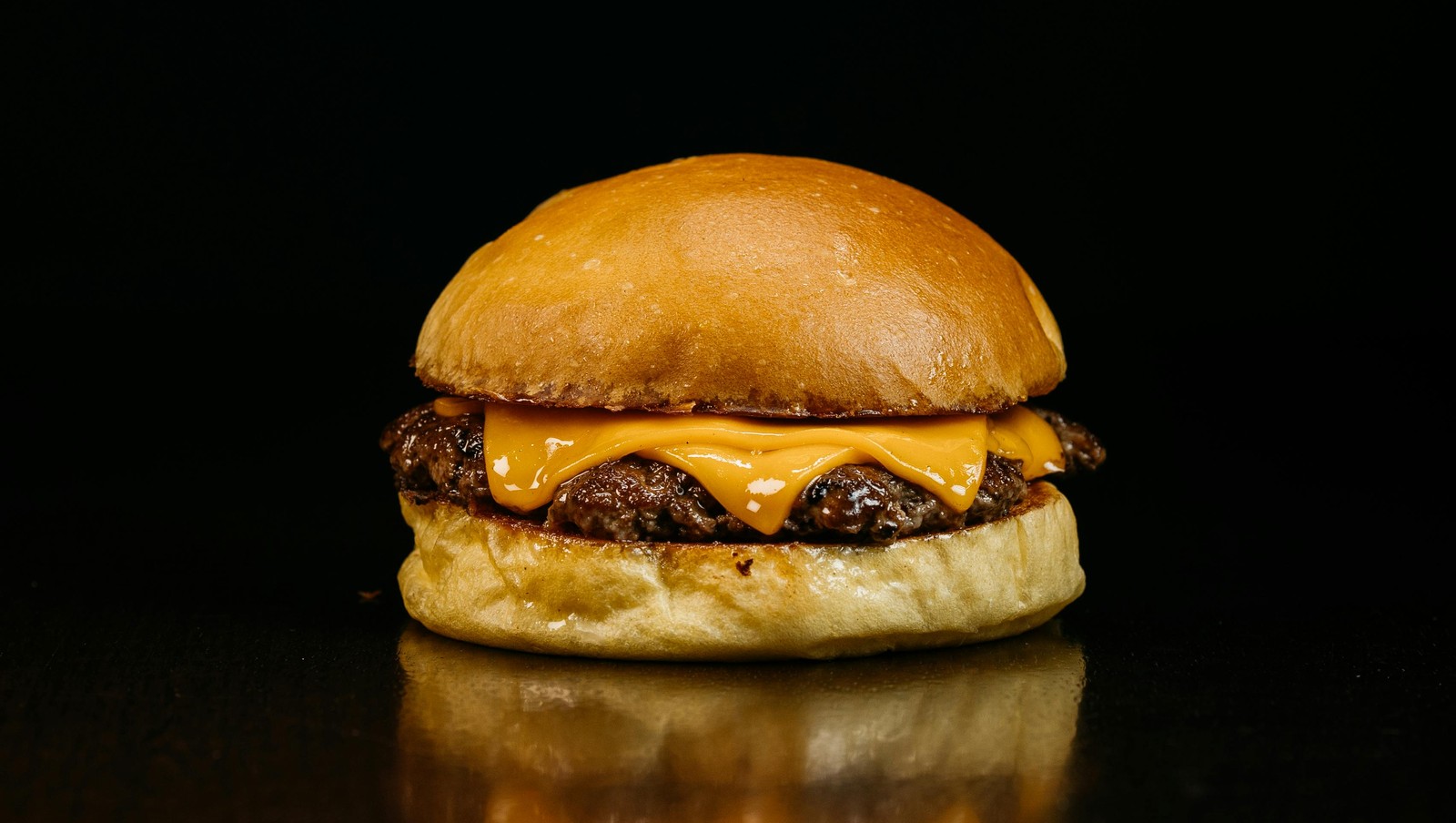
Image: Jonathan Borba

Few foods trigger as much heated debate as the neon-orange, perfectly square slice of American cheese. To culinary purists, it’s an industrial piece of rubber. But to the backyard grill master and the late-night grilled cheese enthusiast, it is a scientific masterpiece of consistency and meltability. The truth is, American cheese has been both witness and party to U.S. history, from World War I to Apollo missions. Before you peel back the wrapper on your next slice, let’s dive into 10 mind-melting facts that prove American cheese is one of the most fascinating—and misunderstood—innovations in food history.

1
It was invented in Switzerland
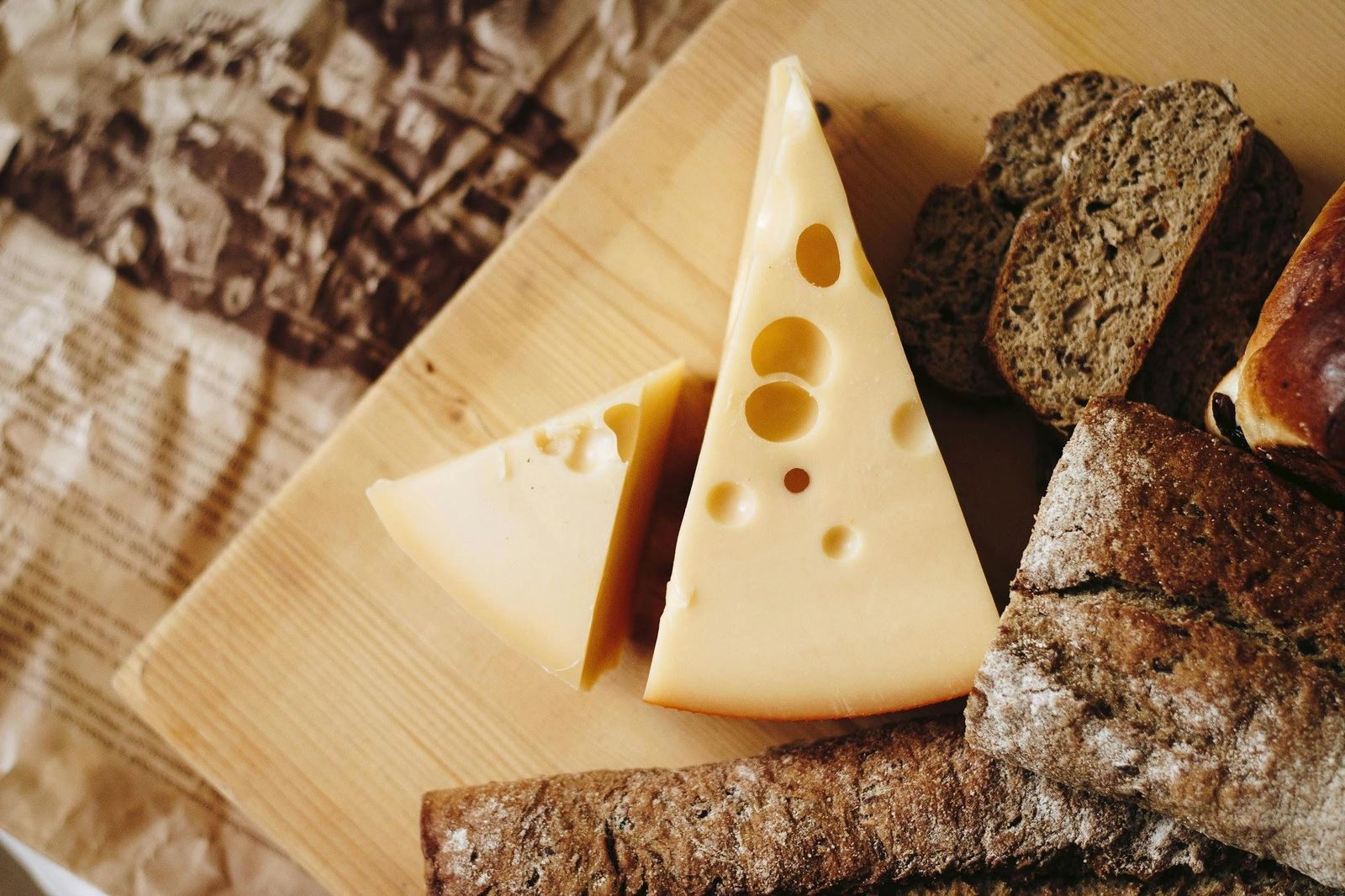
Image: NastyaSensei

While the name suggests a US origin, the technology that created American cheese actually began in the heart of the Alps. It was developed in 1911 by Swiss researchers Walter Gerber and Fritz Stettler, who were looking for a way to extend the shelf life of their country’s famous Emmental cheese.

The problem with traditional cheese is that it eventually dries out, molds, or separates into a greasy mess when heated. By shredding the cheese, adding sodium citrate, and heating it, the Swiss duo discovered they could create a stable, smooth product that didn't separate. While they weren't trying to create "American" cheese as we know it today, their emulsification process laid the foundational science for every single-wrapped slice produced today.

2
It was popularized by a Canadian
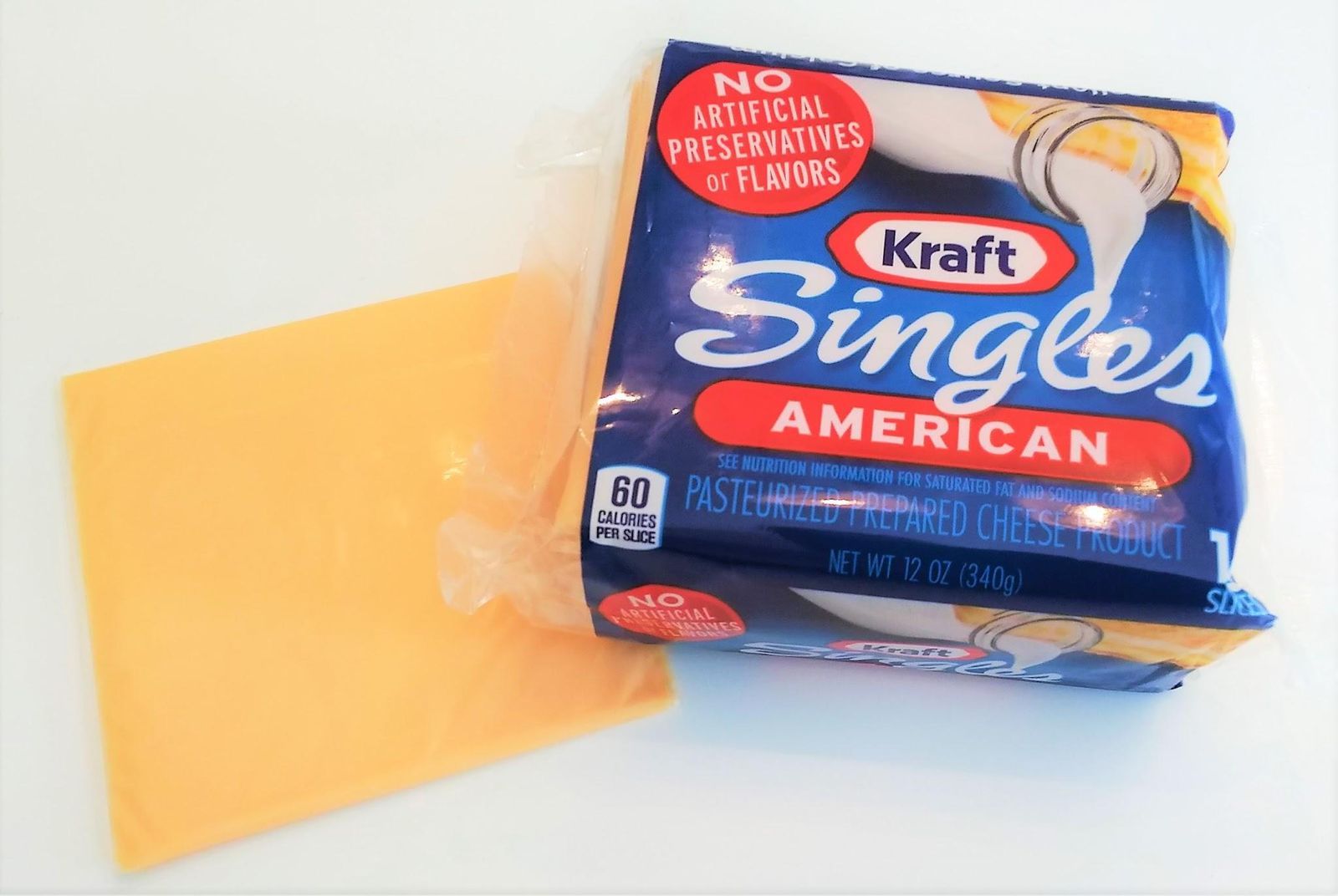
Image: Martylunsford, CC BY-SA 4.0, via Wikimedia Commons

The man responsible for the global dominance of American cheese was James L. Kraft. Ring any bells? Kraft was a Canadian immigrant who moved to Chicago in 1903. While he didn't invent the concept of processed cheese, he perfected the industrial scale of its production and marketing.

Kraft noticed that retailers struggled with cheese spoilage; if a wheel of cheddar didn't sell quickly, it was a total loss. He experimented with various methods of heating and blending cheese until he found a formula that could be canned and shipped long distances without spoiling. In 1916, he received a patent for his "processed cheese," and during World War I, the U.S. government purchased millions of pounds of it for soldiers, cementing its privileged place in the American diet.

3
It was almost called "Embalmed Cheese"
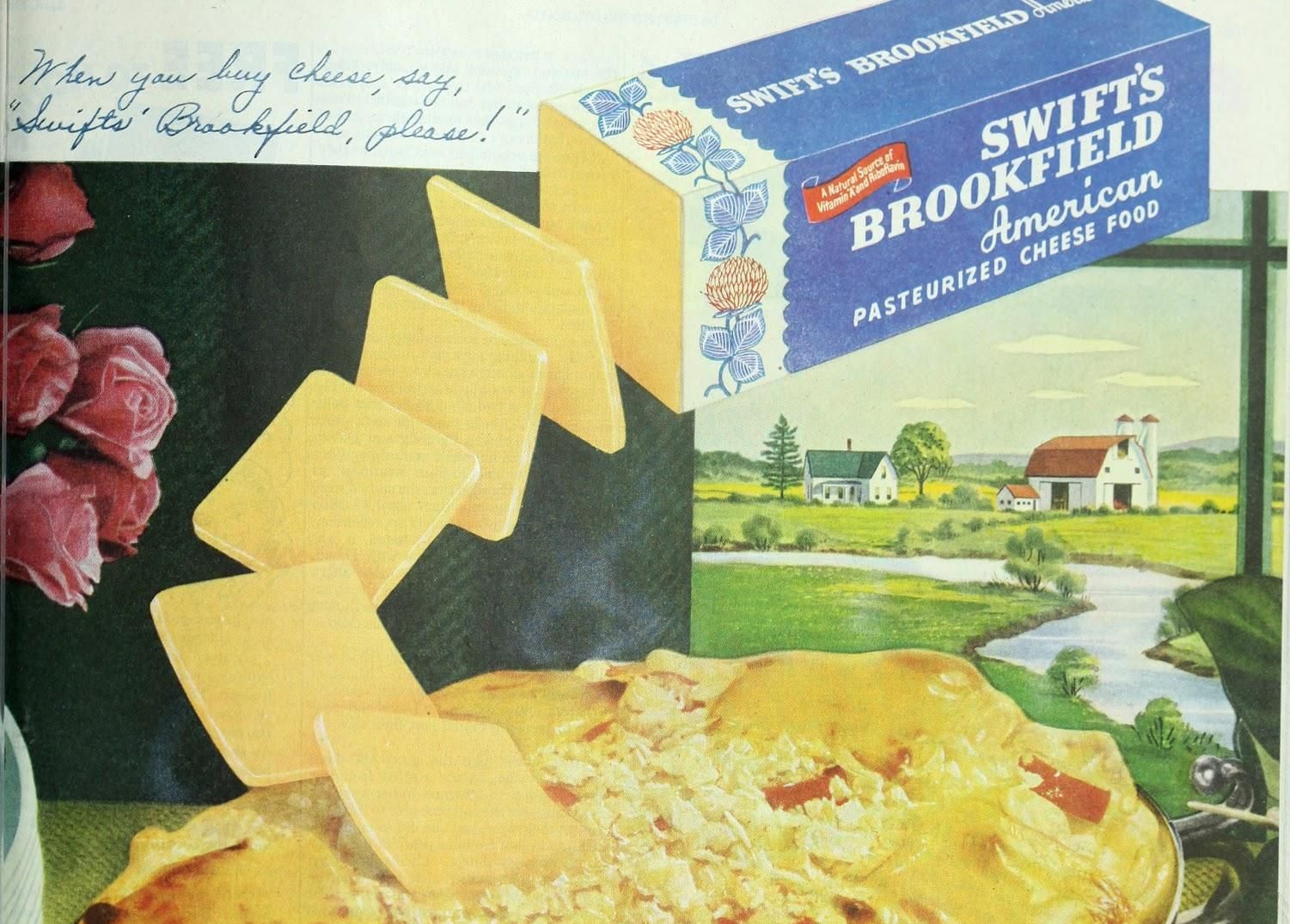
Image: Internet Archive Book Images, No restrictions, via Wikimedia Commons

When processed cheese first hit the market, it had its detractors. Traditional cheesemakers were horrified, and so were pure food advocates. These critics argued that the product shouldn't even be called cheese. They’ve even gone so far as to call it "embalmed cheese" because of its unnaturally long shelf life and the chemical emulsifiers used to keep it stable. Yet, Kraft’s marketing prowess and the sheer convenience of the product ultimately won the naming battle. At least in the court of public opinion.

4
Technically, it isn’t cheese
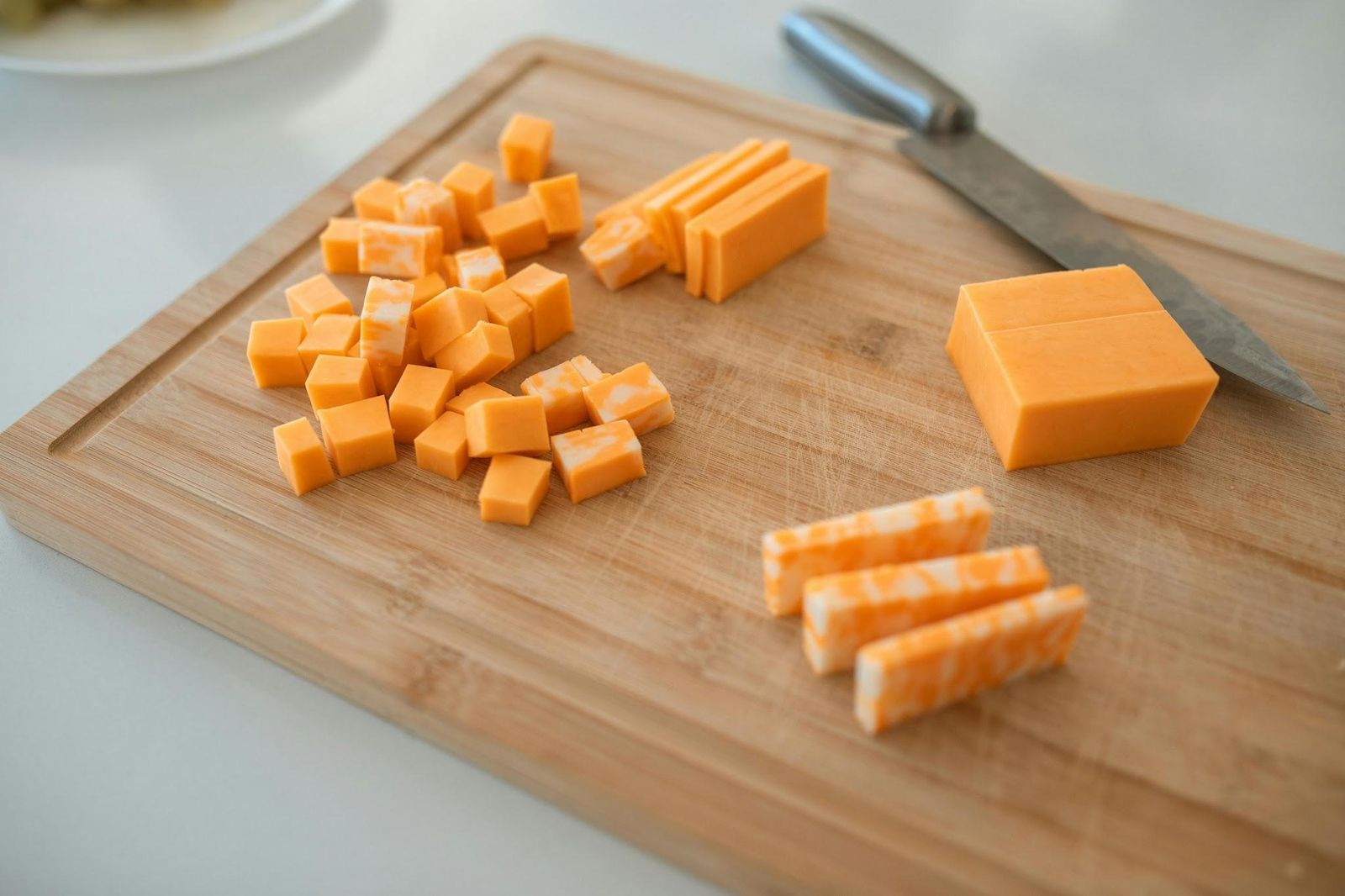
Image: RDNE Stock project

Kraft may have won the battle among the people, but legally, American cheese is not considered cheese. If you look closely at the packaging, you will rarely see the word "cheese" on its own. Because of strict FDA regulations, most varieties are legally classified as "Pasteurized Process Cheese Product" or "Pasteurized Process American Cheese Food."

To be labeled "cheese," a product must be made primarily of milk, salt, and enzymes. Processed American cheese, however, is made by blending real cheese—usually cheddar or Colby—with emulsifying salts, whey, and sometimes extra milk or fats.

5
Any cheese can be made into American cheese
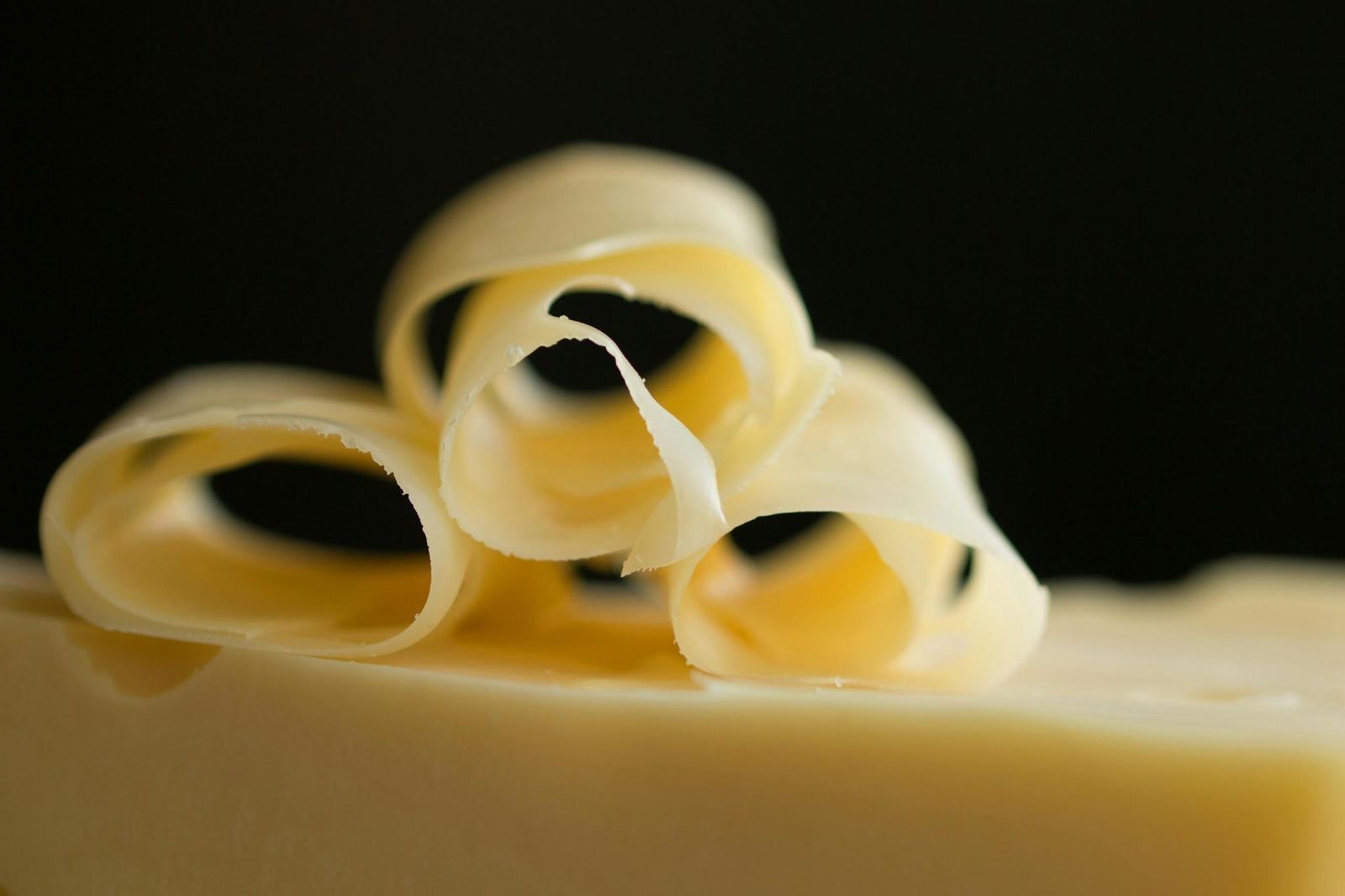
Image: Edita Brus

The term "American cheese" refers more to a process than a specific flavor. In theory, you could make "American-style" brie, blue cheese, or parmesan. The defining characteristic is the addition of an emulsifier, which breaks down the proteins and allows the fats and water to stay together.

In fact, some high-end chefs now make their own artisanal American cheese with aged cheddars processed with sodium citrate to create a slice that has the complex flavor of an expensive block but the melting point of a Kraft Single.

6
It isn’t naturally yellow
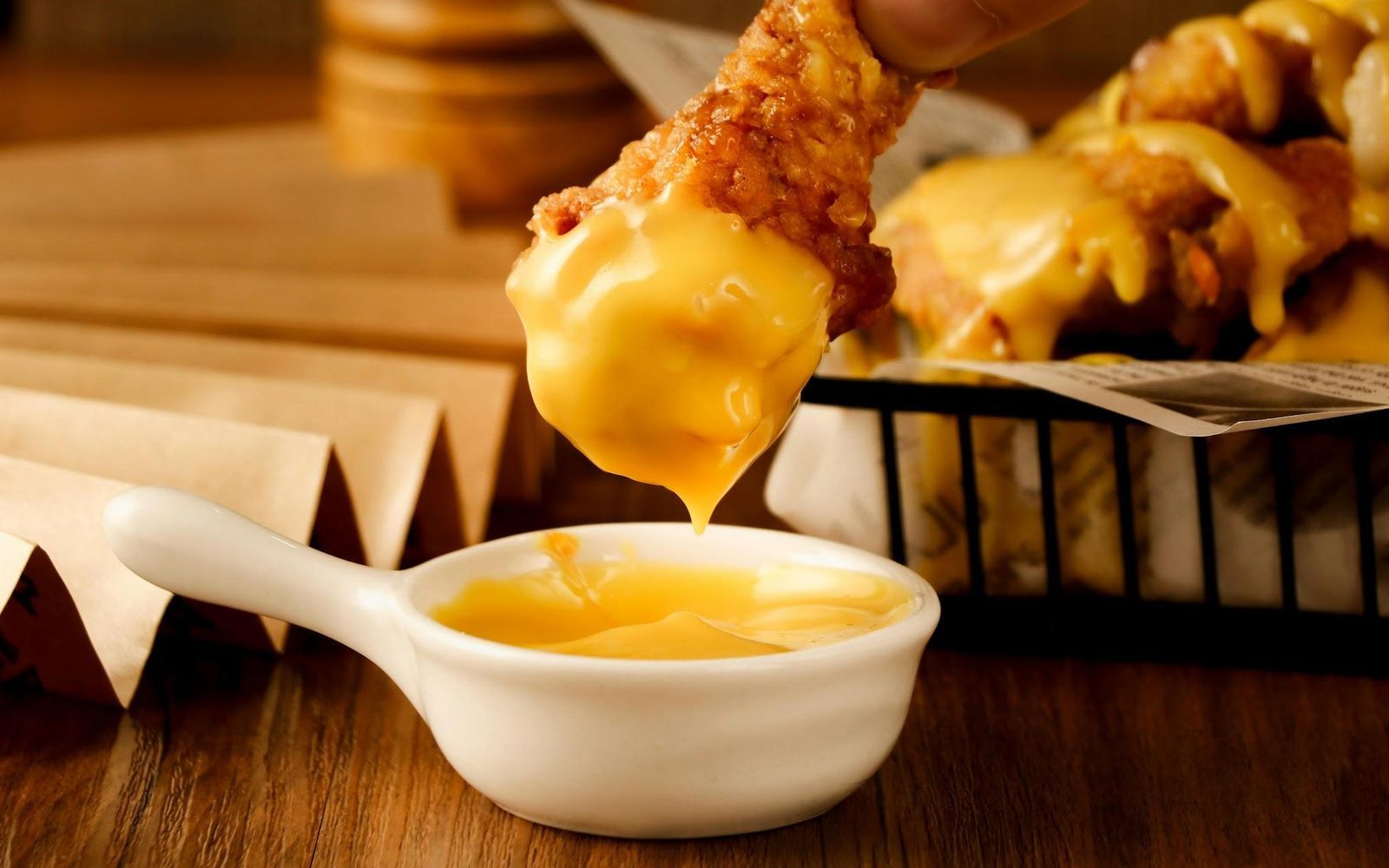
Image: jianwei zhu

The vibrant orange-yellow hue of American cheese is entirely a cosmetic choice. Traditionally, cheese color varied by the season; when cows ate fresh grass in the summer, their milk contained more beta-carotene, leading to a naturally yellowish cheese. To make their cheese look high-quality all year round, cheesemakers began adding dyes.

American cheese takes this tradition to the extreme. It is typically colored with annatto, a seed from the achiote tree. Without this dye, American cheese would be a pale, creamy white, which is how it is sold in many delis as "White American". Yes, that’s right, there is no flavor difference between the white and yellow versions.

7
It has an extremely low melting point
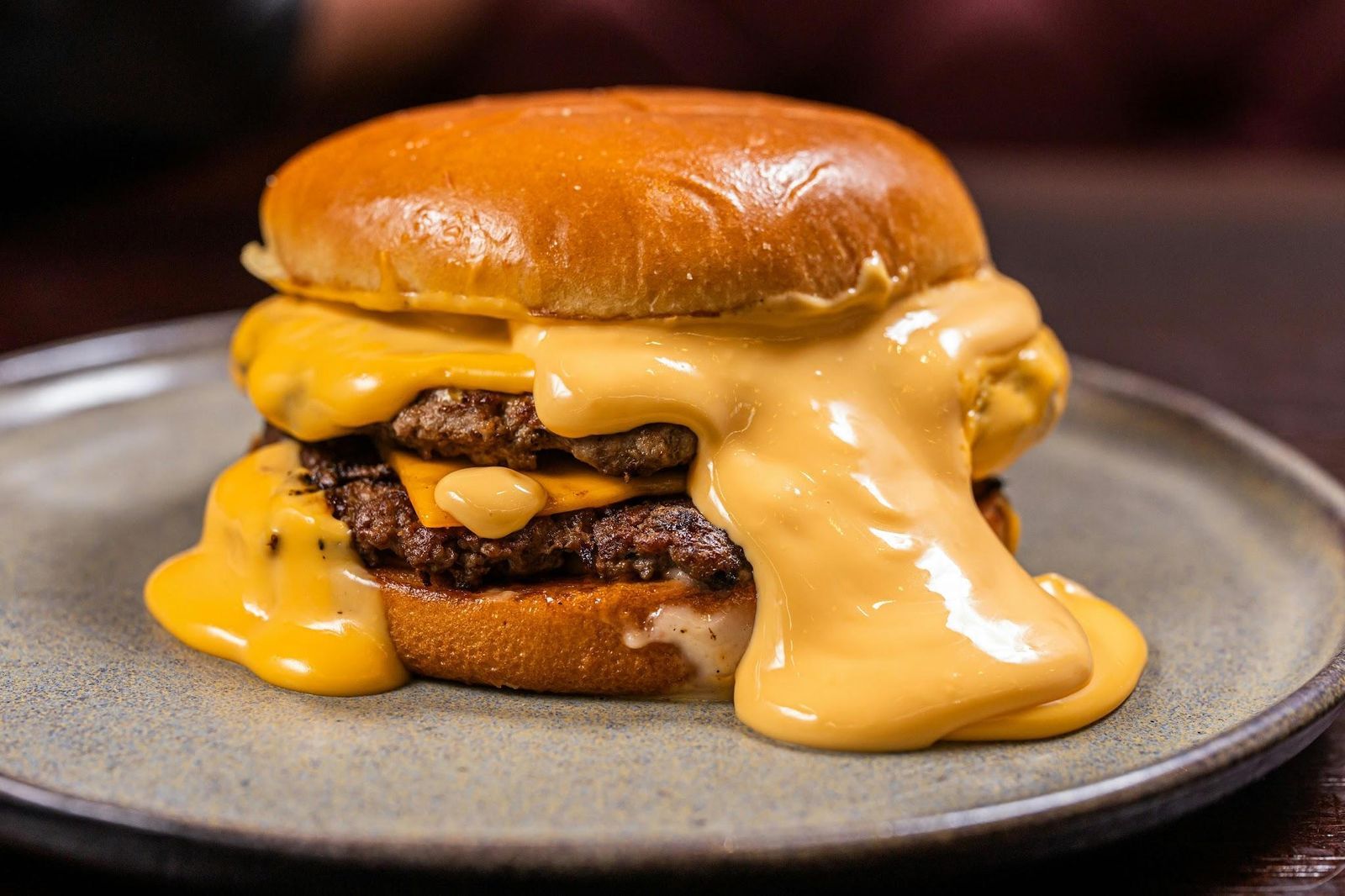
Image: Vinícius Caricatte

The scientific superpower of American cheese is its meltability. Traditional cheeses have a protein structure that tightens when heated, which is why a slice of aged cheddar on a burger often results in an oily puddle and a rubbery clump.

Because of the emulsifying salts, the proteins in American cheese can withstand heat without clumping together. This gives it an incredibly low and stable melting point, transforming the slice into a silky sauce. This is why it remains the undisputed king of grilled cheese sandwiches.

8
It’s been in space
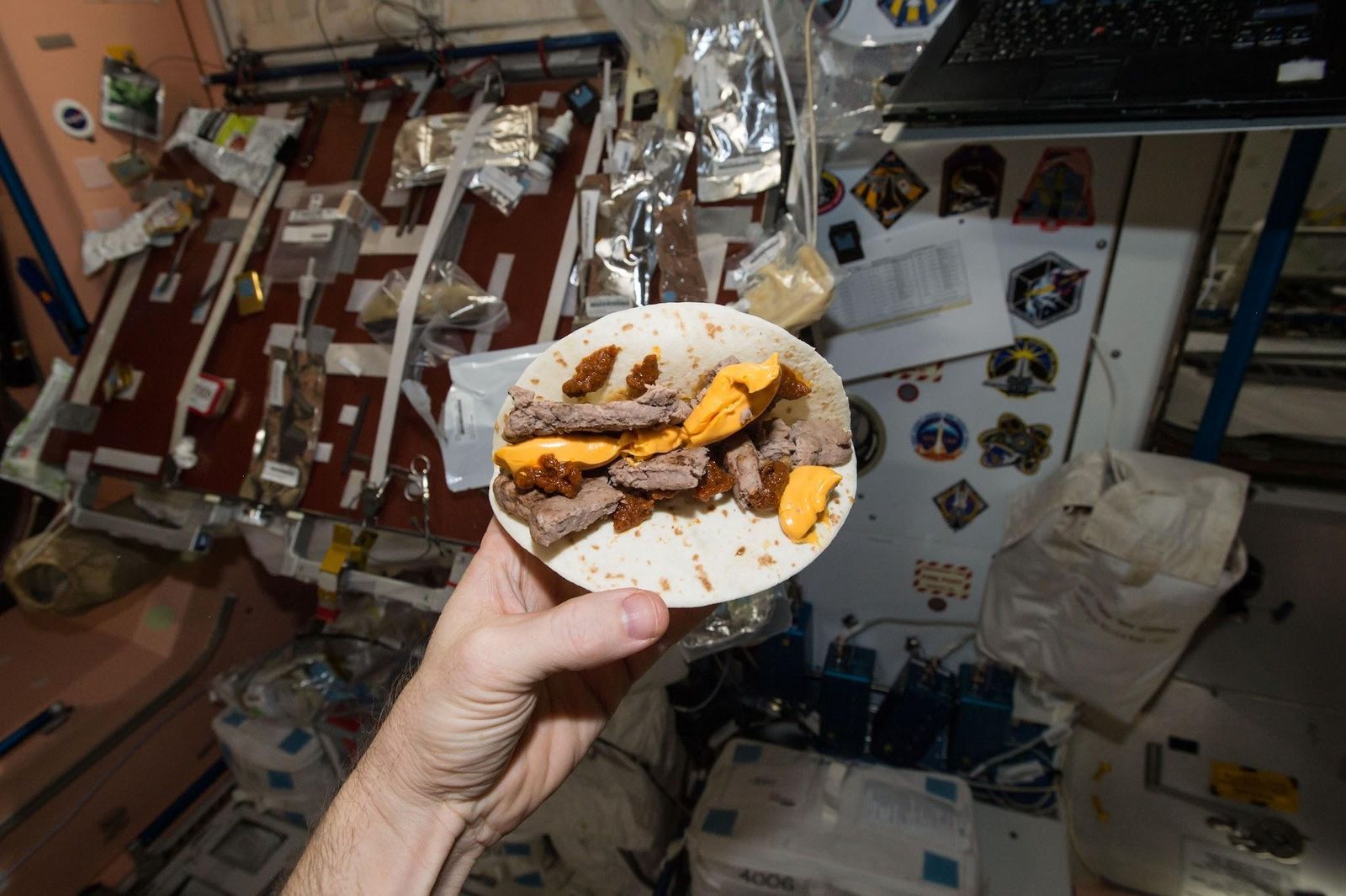
Image: NASA, Public domain, via Wikimedia Commons

When you're hurtling through orbit in a cramped capsule, you need food that is stable, easy to eat, and won't crumble into thousands of tiny, electronics-clogging pieces. American cheese fit the bill perfectly for early NASA missions.

Processed cheese in tubes or cubes was a staple of the Apollo missions. Because it doesn't separate or sweat oil in varying temperatures and pressures, it was one of the few dairy products that could reliably provide flavor and calcium to astronauts.

9
It helped bring cheese to the masses
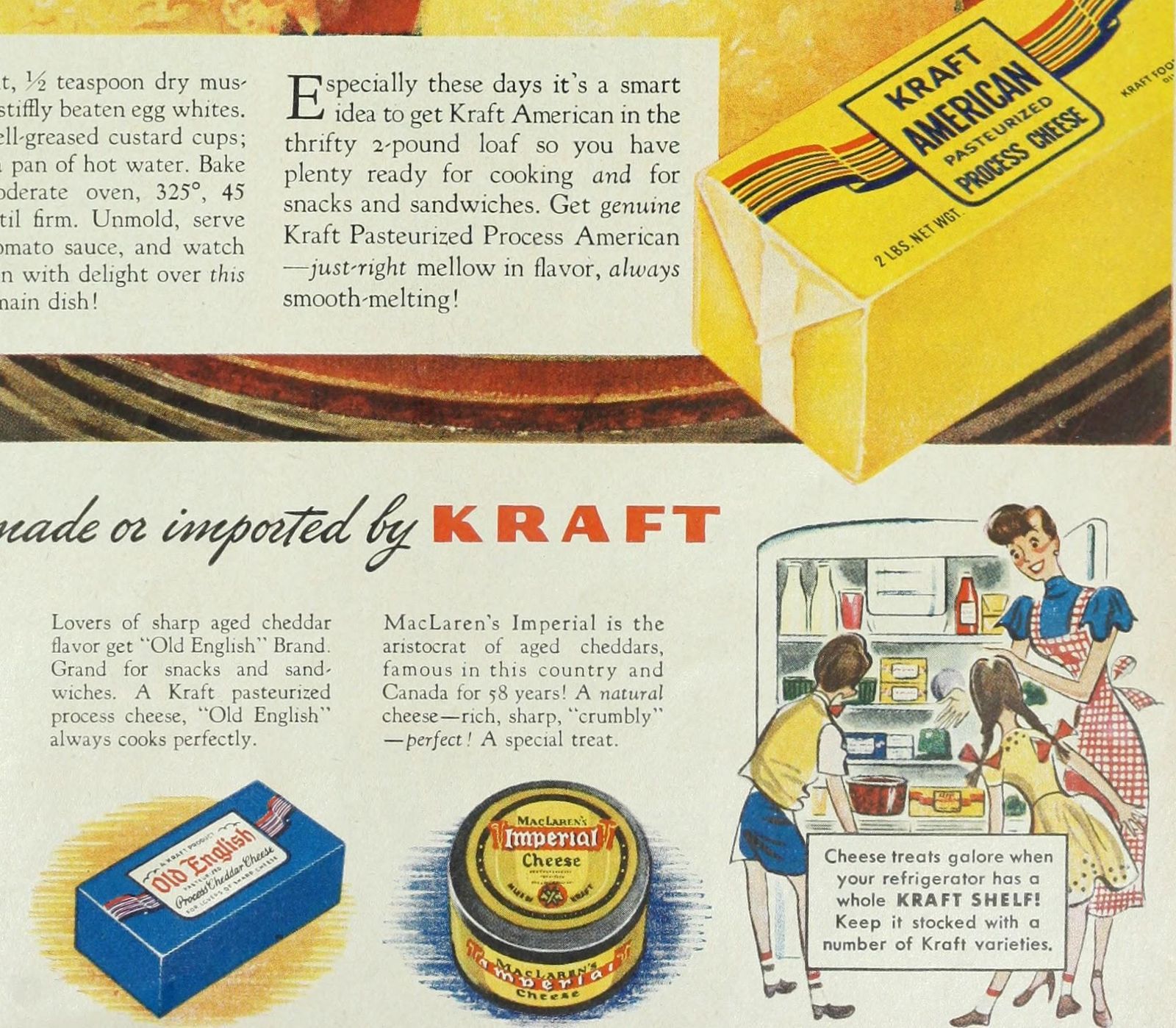
Image: Internet Archive Book Images, No restrictions, via Wikimedia Commons

Before the advent of processed cheese, cheese was often a seasonal luxury. It was difficult to transport, expensive to store, and highly variable in quality. James L. Kraft’s invention changed that. By creating a product that was uniform in flavor and shelf-stable, he made cheese affordable and accessible to every corner of the United States.

10
The U.S. Government once gave it out
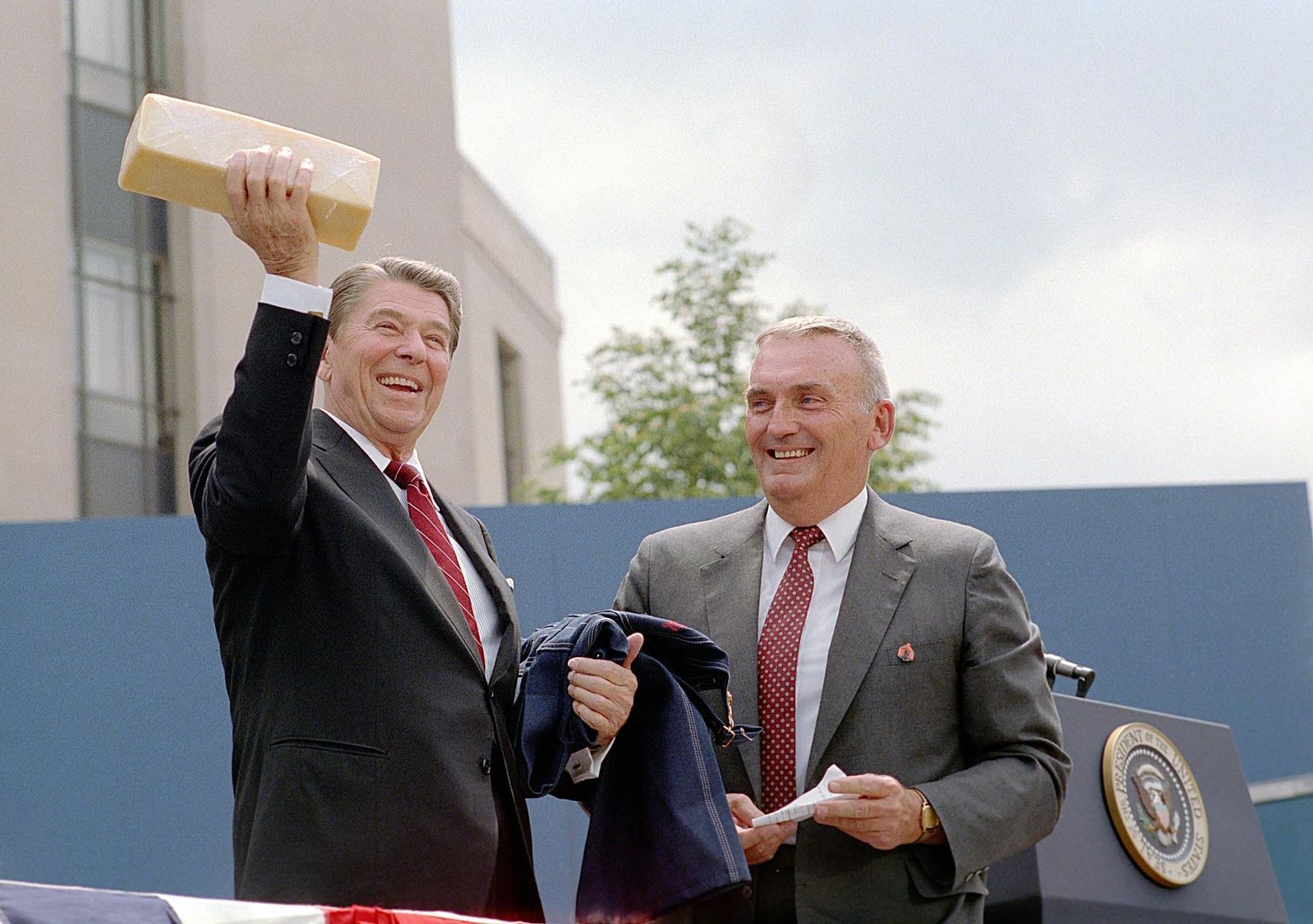
The U.S. government not only bought tons of American cheese during World War I. In the 1980s, the term "government cheese" became a thing. During a period of dairy surpluses, the government bought millions of pounds of cheese to prop up prices for struggling farmers.

To avoid letting it rot, the Reagan administration began distributing five-pound blocks of cheese to low-income families, seniors, and schools. For many who grew up in that era, that pale orange processed cheese was a lifesaver.
History History 5 min read

Political trailblazers: 10 inspiring women who shaped America

Image: Mikhail Nilov

From dusty prairie towns to marble halls in Washington, American women have inched, marched, and leaped their way into places they were once told they didn’t belong. Each milestone was more a crack in the wall for others to walk through than a personal triumph. With a mix of courage, persistence, and perfect timing, the stories of these 10 trailblazing women prove that anything’s possible in life and politics.

1
First presidential candidate: Victoria Woodhull

Image: Daria Kraplak

In 1870, a publisher and stockbroker on Wall Street, Victoria Woodhull, stepped up to do something no woman had ever done before. In a letter to the New York Herald, she announced her intention to run for president of the United States. Some laughed, others scoffed, but Woodhull never flinched.

Her message was revolutionary for its time: equal rights for women, fair pay for workers, and an end to hypocrisy in politics. No electoral votes went her way, but that wasn’t the point. By daring to run, she opened the door for future generations and secured her place as the first woman bold enough to chase the presidency, long before the law recognized her right to vote.

2
First member of Congress: Jeannette Rankin

Image: C. T. Chapman, Public domain, via Wikimedia Commons

In 1916, Montana elected a woman to Congress for the first time. Jeannette Rankin was a suffragist who had already helped secure voting rights for women in her state before most of the nation even dreamed of it. When she arrived at the Capitol to take her seat, the gallery overflowed with onlookers buzzing with curiosity and disbelief. Rankin, calm and resolute, didn’t shout to be heard; she spoke with the steady conviction of someone who knew she belonged. Her presence proved that a woman’s reasoning could command the same respect as any man’s voice, and once heard, it could never again be silenced.

3
First U.S. senator: Hattie Caraway

Image: Stephen Walker

She started out almost unnoticed. In 1931, when Arkansas senator Thaddeus Caraway died, his widow, Hattie, was appointed to fill his seat, a move many assumed was merely symbolic. But Hattie had no interest in being a placeholder. The following year, she launched her own campaign, traveling dusty southern roads and shaking hands with quiet confidence.

Against all odds, she won, becoming the first woman ever elected to the U.S. Senate. Dubbed "Silent Hattie" for her reserved manner, she wasn’t known for fiery speeches or flashy gestures. Through persistence and integrity, she proved that results, not rhetoric, are what truly echo in the chambers of power.

4
First woman mayor: Susanna Salter

Image: LSE Library

This is the story of a prank going sideways. In 1887, a group of men in a tiny Kansas town slipped the name of 27-year-old Susanna Salter onto the mayoral ballot in Argonia, confident that voters would laugh her off. To their dismay, when the ballots were counted, Salter had won.

Overnight, she became the first woman mayor in U.S. history. Far from feeling overwhelmed, Salter handled her duties with grace and sharp practicality, earning the respect of the same townsmen who tried to embarrass her. By the end of her term, she’d turned a bad joke into a precedent.

5
First state governor: Nellie Tayloe Ross

Image: Roman Manshin

Wyoming’s nickname, the Equality State, seems well deserved. When voters chose Nellie Tayloe Ross as governor in 1925, the nation watched as a woman stepped into a role no one of her gender had ever held before. She wasn’t the fiery campaign type; her strength came from quiet precision and an unwavering sense of duty.

Ross believed that leadership meant doing the work well, not making noise about it. Her calm authority and financial prudence won over even the most skeptical. Years later, as the first female director of the U.S. Mint, she literally shaped the nation’s currency, an apt legacy for a woman who always knew the worth of patience, persistence, and steady hands.

6
First cabinet member: Frances Perkins

Image: The New York Public Library

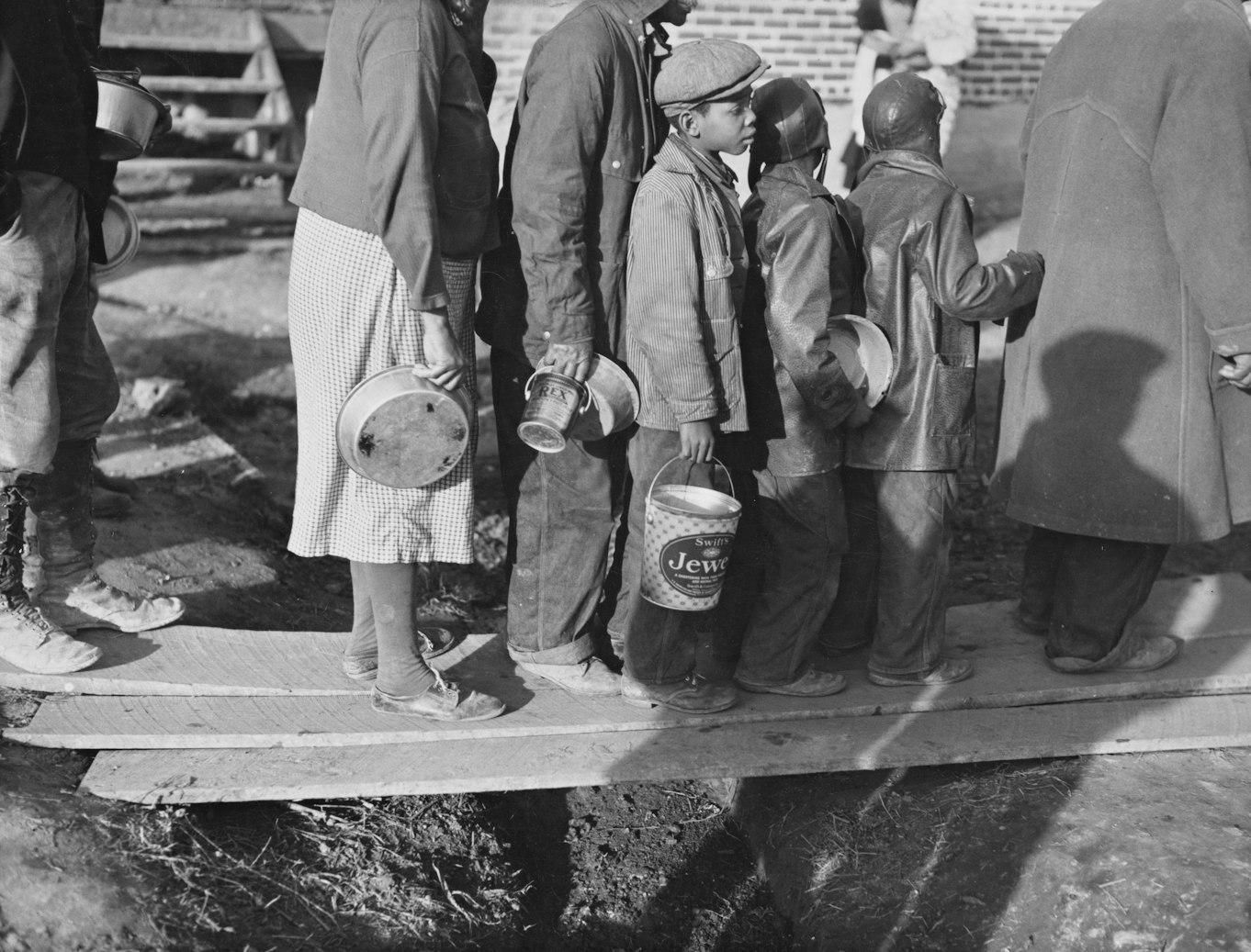
At the beginning of the 1930s, when breadlines stretched around city blocks and hope felt like a luxury, a female labor leader and consumer advocate came to the rescue. President Franklin D. Roosevelt saw in Frances Perkins not just a reformer, but a force of nature. As Secretary of Labor —and first woman ever to hold a Cabinet post—Perkins walked into the men-filled halls of power and quietly redrew the map of American work.

She championed fair wages, safer conditions, and limits on child labor, all while helping craft the Social Security system that still anchors millions of lives today. Decades later, her influence lingers in every pay stub, every pension, and every law that insists work should come with dignity.

7
First Supreme Court justice: Sandra Day O’Connor

Image: Stephanie Rhee

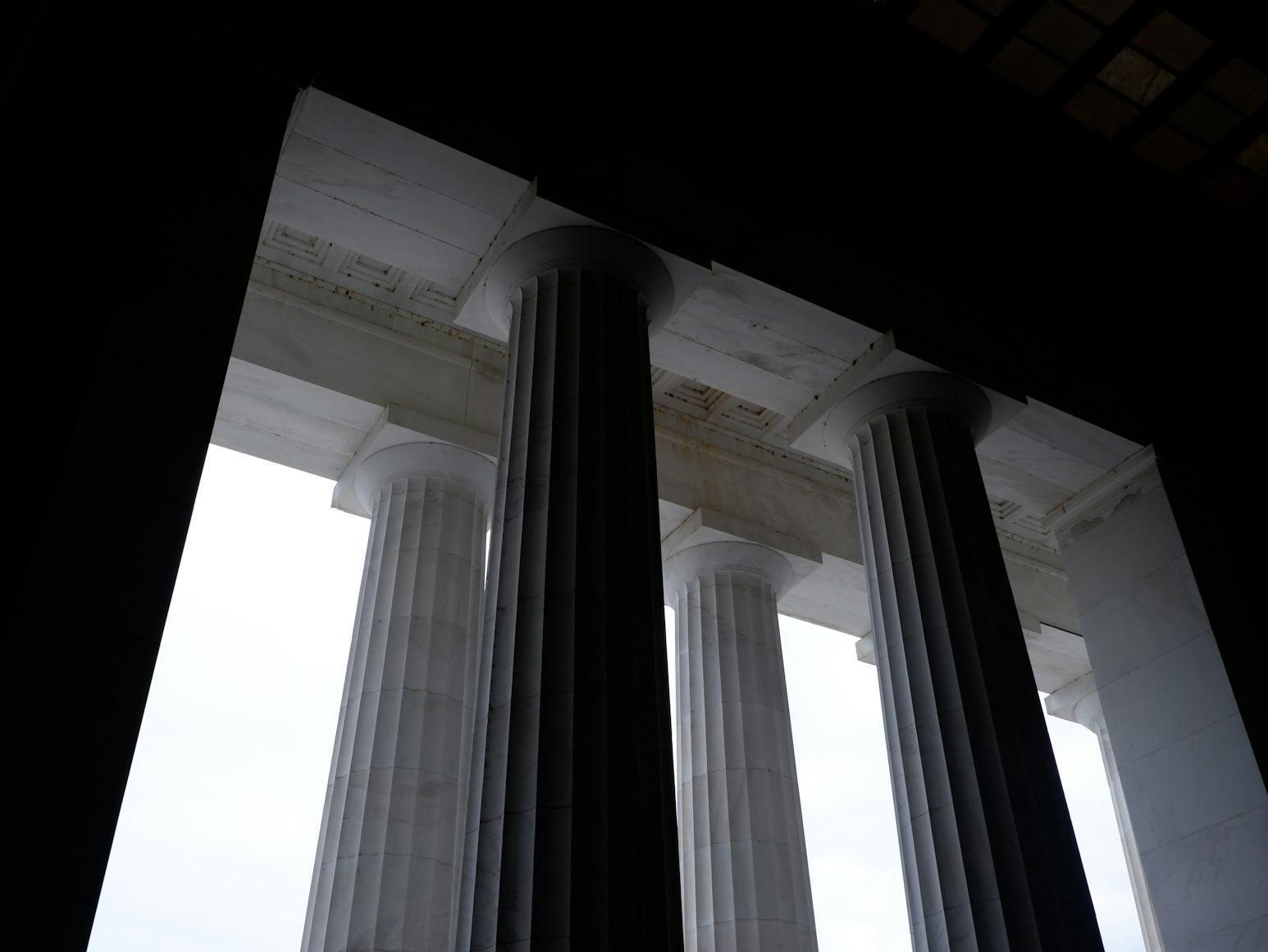
It’s hard to picture the dusty plains of Arizona leading to the marble halls of the Supreme Court, yet that’s exactly where Sandra Day O’Connor’s story began. Raised on a remote cattle ranch miles from the nearest town, she learned the value of hard work, clear thinking, and a level head. All these qualities would serve her well when, in 1981, President Ronald Reagan nominated her as the first woman justice in U.S. history.

O’Connor brought that same frontier pragmatism to Washington, preferring reason over rhetoric and humor over ego. "I’m just trying to do the right thing, one case at a time," she once said. For a quarter century, her voice became the Court’s steady center, proving that fairness stretches farther than politics.

8
First U.S. Secretary of State: Madeleine K. Albright

Image: sohail shaikh

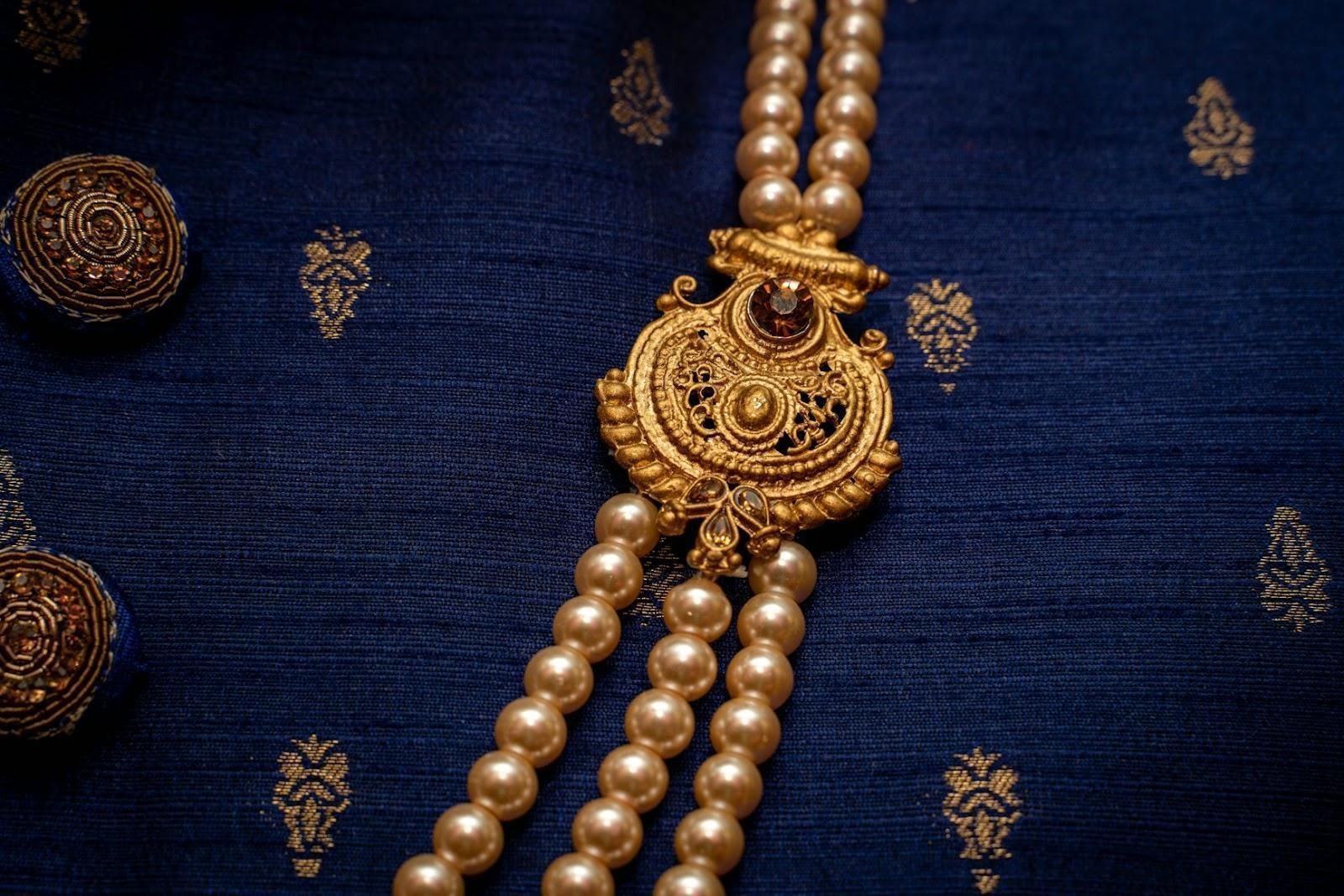
Madeleine Albright, born in Czechoslovakia and raised on the idea that words alone could shape nations, found a clever way to make hers sparkle beyond her famous brooches. She could easily become a spider when negotiations grew tense, and a gentle dove when peace was within reach.

Albright believed diplomacy could be both art and strategy. When she became the first woman to serve as U.S. Secretary of State in 1997, she blended intellect with unmistakable flair, commanding global respect. She showed that courage, conviction, and strength can coexist with a warm personality occasionally sparkling from a lapel.

9
First major party’s presidential nominee: Hillary Rodham Clinton

Image: Gage Skidmore from Peoria, AZ, United States of America, CC BY-SA 2.0, via Wikimedia Commons

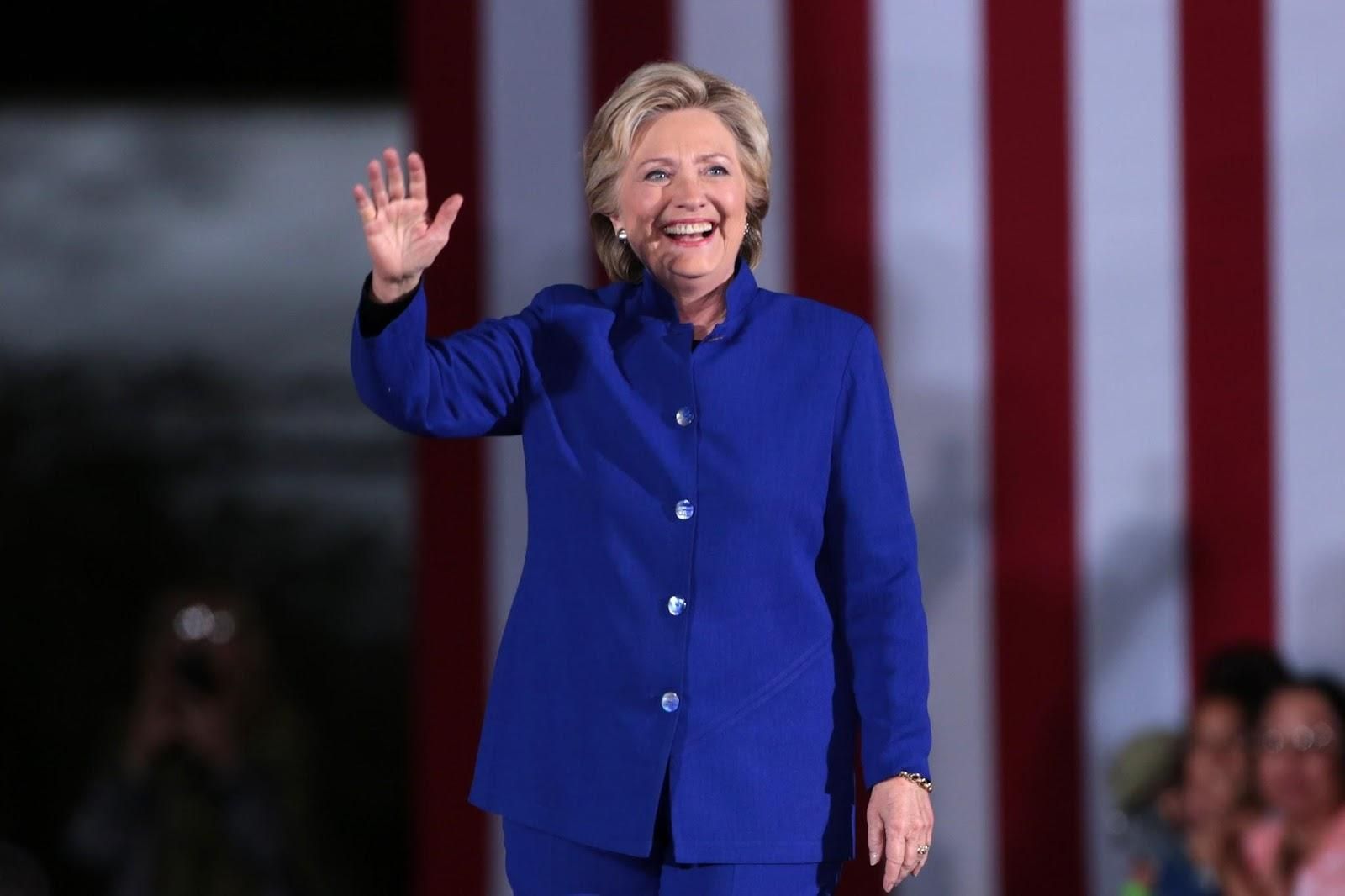
It took nearly a century and a half after Victoria Woodhull’s daring run for president before another woman would stand beneath the spotlights of a major party convention. In 2016, Hillary Rodham Clinton walked onto the stage with the spirit of the suffragists who had paved her path.

That night meant history was catching up. Smiling at the crowd, she declared, "We’ve reached a milestone, but we still have glass to break." Whether she won or lost mattered less than the fact that she stood there at all. Clinton’s campaign turned a dream whispered for generations into something tangible.

10
First elected vice president: Kamala Harris

Image: Manny Becerra

Fast-forward to 2020. A California senator steps up to the microphone, smiles, and thanks "the women who paved the way." Kamala Harris is the daughter of immigrants, a former prosecutor, and now the first woman ever elected Vice President of the United States.

Her voice carried the weight of generations who’d been told to wait their turn. Echoing the suffragists who once marched so she could stand there, Harris reminded America that progress is a relay, not a sprint. Her message rang clear and timeless: dream boldly, even when the trail ahead is foggy.

General General 5 min read

CUSTOM BEHAVIOR

Are You a Fan Of Tailgating? 10 American Traditions You Probably Follow!

Image: frank mckenna

Traditions are important as they serve as a testament to one’s culture and heritage. Despite the diverse nations and cultures coexisting within our country, American traditions are quite strong and challenging to evade.

Have you ever had a backyard barbecue or eagerly anticipated the Thanksgiving parade sitting on your couch next to your loved ones? This is evidence of your deep-rooted American identity and here we are to see ten of those customs that make us who we are . Are you ready?

1
Backyard Barbecues

Image: Maude Frédérique Lavoie

You say American, you smell a barbecue, isn’t that right? Backyard barbecues are probably one of the most American traditions there is and it is all about that summer fun we all love!

Casual gatherings on a hot summer day to grill some meat is a favorite pastime for all. Adults chat while grilling some burgers or hot dogs, and the kids play. Everyone has fun!

This tradition, like many others, is about good food, good company, and having a great day outdoors.

2
Gameday Tailgating

Image: Scott Madore

Pre-game events? Isn’t the game enough? A tailgate party is a social event held on and around the open tailgate of a vehicle. Tailgating often involves consuming alcoholic beverages and grilling food.

Hours before kickoff, fans tailgatein the parking lot with burgers on the grill and a football to toss. It is a fan gathering, a get-together to celebrate your team and get you in high spirits for the game ahead!

3
Family Game Nights

Image: Stephen Harlan

All it takes are those simple traditions, and sometimes they are the best traditions. A night of family games is an ideal opportunity to spend a few hours around the table having quality time with the ones you love.

Board games, card games, or even video games! It all comes down to bonding, some good-natured rivalry, and some potentially-not-very-serious debates on how to interpret the rules.

4
Turkeys Pardon

Image: Claudio Schwarz

If you don’t comply with many national traditions, this is one you definitely can’t evade. Thanksgiving has many rituals surrounding the holiday, but probably the most bizarre one is the ceremony by means of which the president officially grants a live turkey their pardon.

This is exactly as it sounds, traditionally, the president is gifted a turkey whose life is spared from the stove. The origins of this tradition are disputed but, regardless of who was the first to do so, this tradition continues today and it is one of the things that make Thanksgiving an amazing holiday!

5
Black Friday Shopping

Image: CardMapr.nl

The end of the year can easily become a chaotic time with all the gifts one has to get ready. Just as thousands of turkeys go unpardoned by the president, many shoppers take time to find the right Christmas gifts for their loved ones. The national weekend shopping kicks off with Black Friday, a day in which sales are high and shoppers are on alert . This shopping spree continues with Small Business Saturday and ends with Cyber Monday.

However this is one tradition that can escalate rather quickly, haven’t we all witnessed deadly stampedes or frantic arguments to get that one item?

6
Baby Showers

Image: Ajeet Singh

Celebrating a new child is customary in many cultures. All over the world babies to come are honored in many ways, but the American way is something else.

Baby showers are the traditional way to celebrate the mother and the child. They are gatherings in which friends and family "shower" the mother with gifts for the baby to come. It is worth noting that this tradition has evolved and it includes gender reveals now too.

Thanks to social media and the quick spread of news, baby showers have become a tradition in many countries now, but it all started in America!

7
Supersized Food

Image: Visual Karsa

You’ve surely been to McDonalds or Starbucks, have you ever stopped and thought about how they offer you different sizes of food and cups ? Why is that?

Well, this is already embedded in the American DNA. In our country, fast food or takeaway orders come in different sizes. And that is not all, the smaller size is not small at all; a nd the biggest is exactly as the title says, supersized.

This practice can be traced to the 70s when marketing directors saw a way to sell more for lower prices. This tradition became customary in many countries too, but each nation adapted their sizes to their customers.

8
Trick-Or-Treating

Image: Nick Fewings

Halloween is a festive time, customs come out and decorations get put up. Many cultures follow these traditions, but America is different in that children in our country go on a door-to-door hunt for candy. But that is not all, the practice is not complete until a child says "Trick or treat!"

Lovely as they are to see, the magic words are a requirement to get those precious pieces of candy they will later enjoy with their friends and family . They only have to hope the giver doesn’t require a trick from them!

9
Display Of National Symbols

Image: Serena T

If you are one to watch movies often, we have a challenge for you: try and spot the American flag in the movie you’re watching. No, we don’t work in the film industry, we know for a fact that American pride is shown in many ways, and displaying the American flag is probably the most common one.

Houses all over the country display a flag, American movies have at least one scene in which you can spot it, and the colors dress thousands of objects in all kinds of celebrations . Is there a flag in your front yard?

10
Road Trips

Image: Raphaël LR

Americans are hard workers, but like everyone else, they await those well-deserved holidays to get their feet up and chill out. Regardless of the available budget, which may vary from family to family, road trips are highly popular in our nation and they are not so common in other countries.

Mostly because of how vast the American territory is , road trips are the perfect way to travel and see all the wonders the United States has to offer. True Americans go on at least one road trip in their life, have you done it already?

Explore more American facts

Choose your favorite category!

General
General

As American as apple pie—the very best America has to offer!

Culture
Culture

Delve into the astounding richness of American lore.

Geography
Geography

Hop in and explore vast and diverse American landscapes.

History
History

Discover the key moments that shaped the United States.