History History 5 min read

We all have secrets

10 historical figures with secrets very few knew about
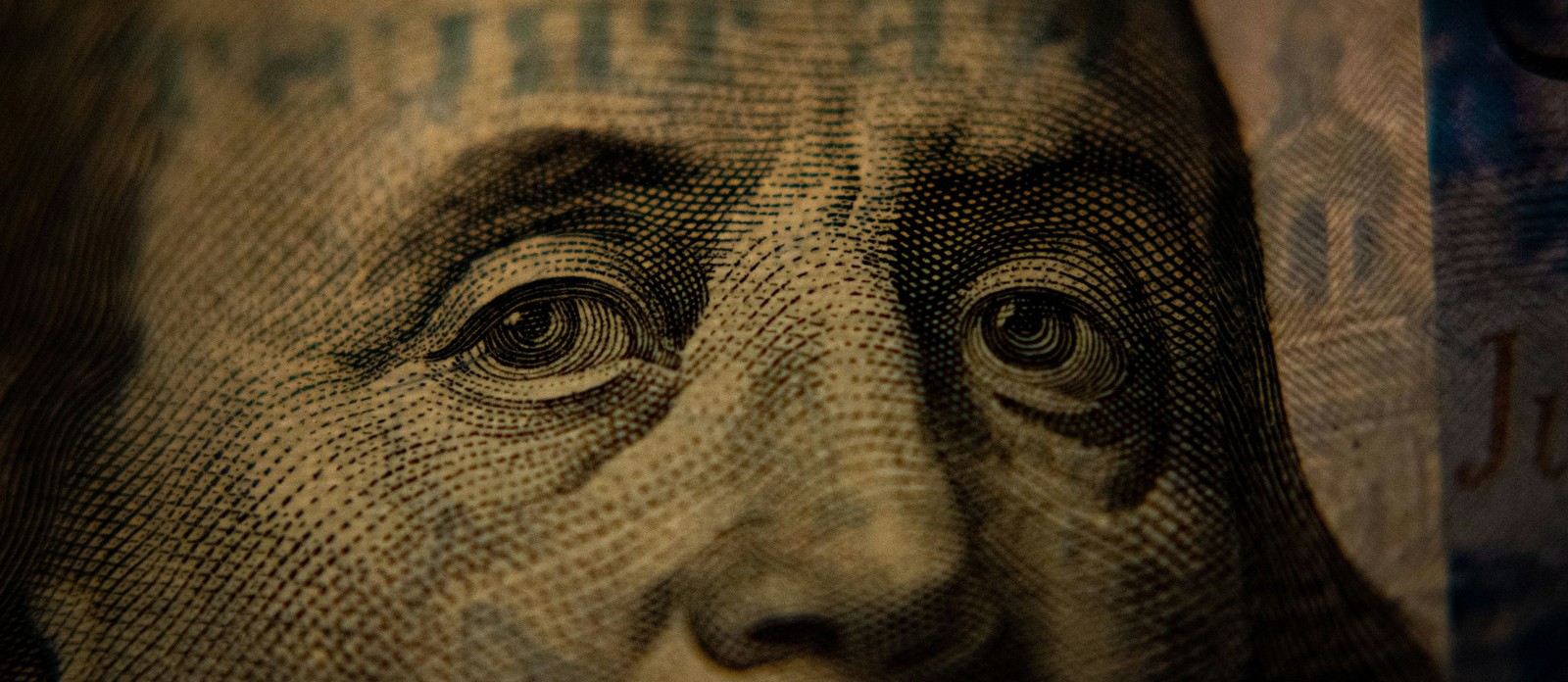
Image: Adam Nir

Some of America’s most famous figures led lives far more surprising than the history books suggest. Behind the public image of authors, athletes, inventors, and activists were hidden careers, secret missions, and little-known accomplishments. Some worked for intelligence agencies, others concealed entire identities, and a few quietly changed history without telling anyone.

1
Harriet Tubman secretly worked as a Union spy
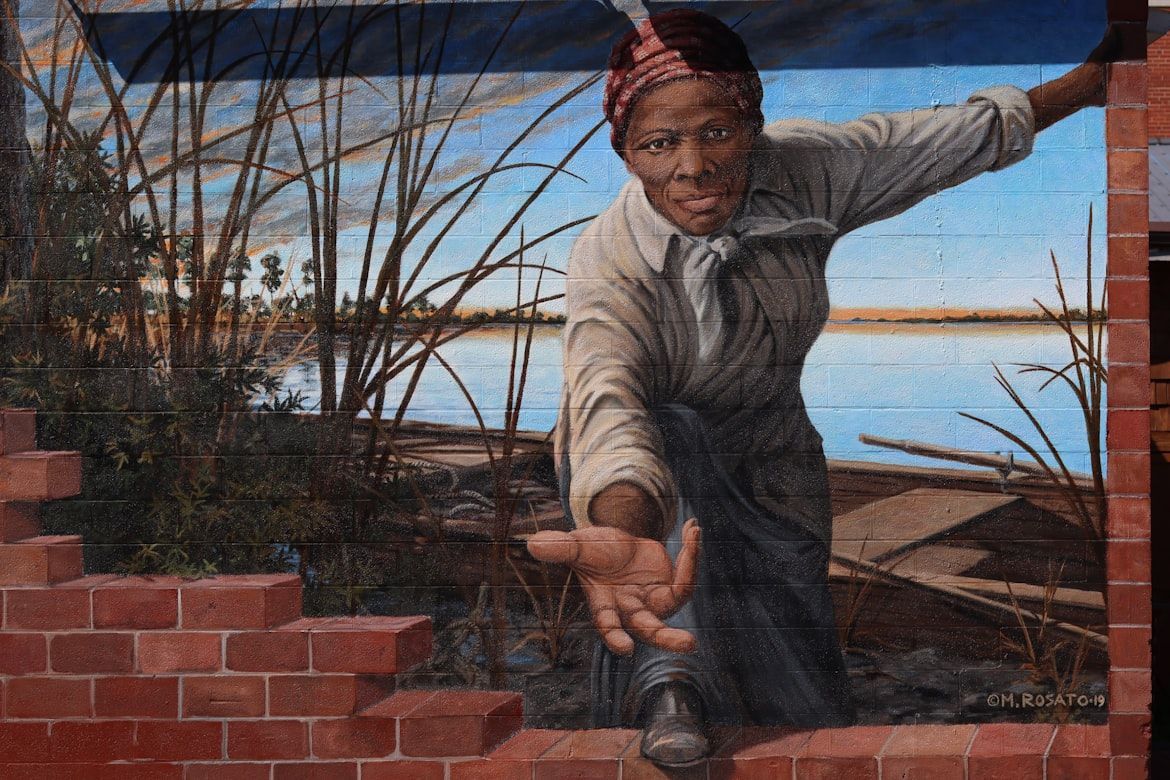
Image: Kirt Morris

Most Americans know Harriet Tubman for her leadership of the Underground Railroad, but during the Civil War, she also became a Union scout and spy in South Carolina. Working with Colonel James Montgomery, Tubman gathered intelligence from enslaved people living behind Confederate lines near the Combahee River .

In June 1863, Tubman helped lead the Combahee River Raid, guiding Union gunboats through Confederate waters filled with hidden mines. The operation freed more than 700 enslaved people and made Tubman the first woman known to lead a major U.S. military mission.

2
Julia Child worked for the U.S. intelligence agency
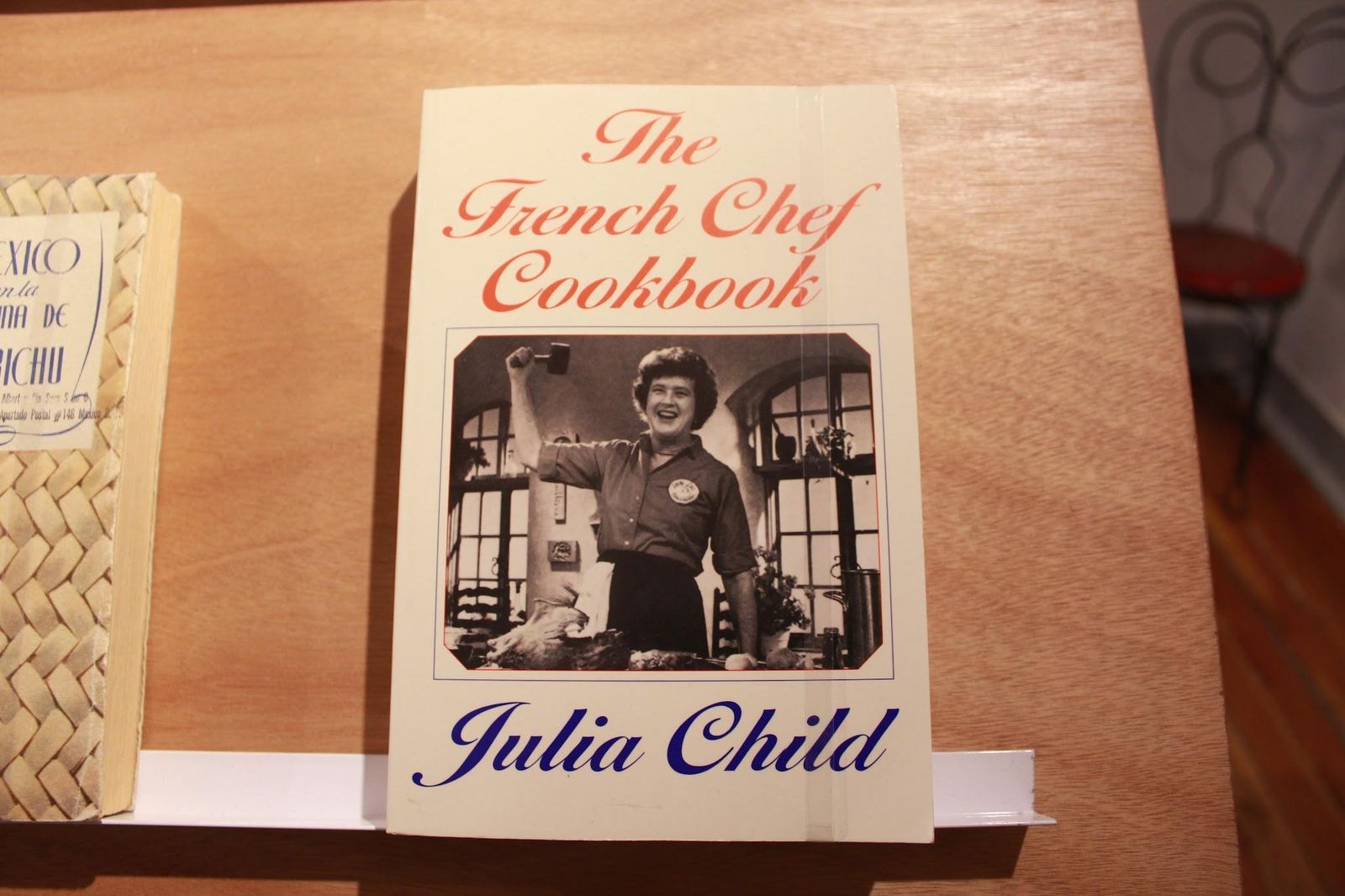
Image: FerEstrada, CC BY-SA 4.0, via Wikimedia Commons

Before becoming television’s most famous chef, Julia Child joined the Office of Strategic Services, or OSS, in 1942 during World War II. The OSS later evolved into the CIA. Too tall to enlist in the Women’s Army Corps, Child instead classified files and overseas communications in Asia.

One of her strangest assignments involved helping researchers develop shark repellent for Navy explosives and emergency rescue kits . The repellent used copper acetate and black dye to create an odor similar to a dead shark.

3
Benjamin Franklin conducted unofficial spy work in Europe
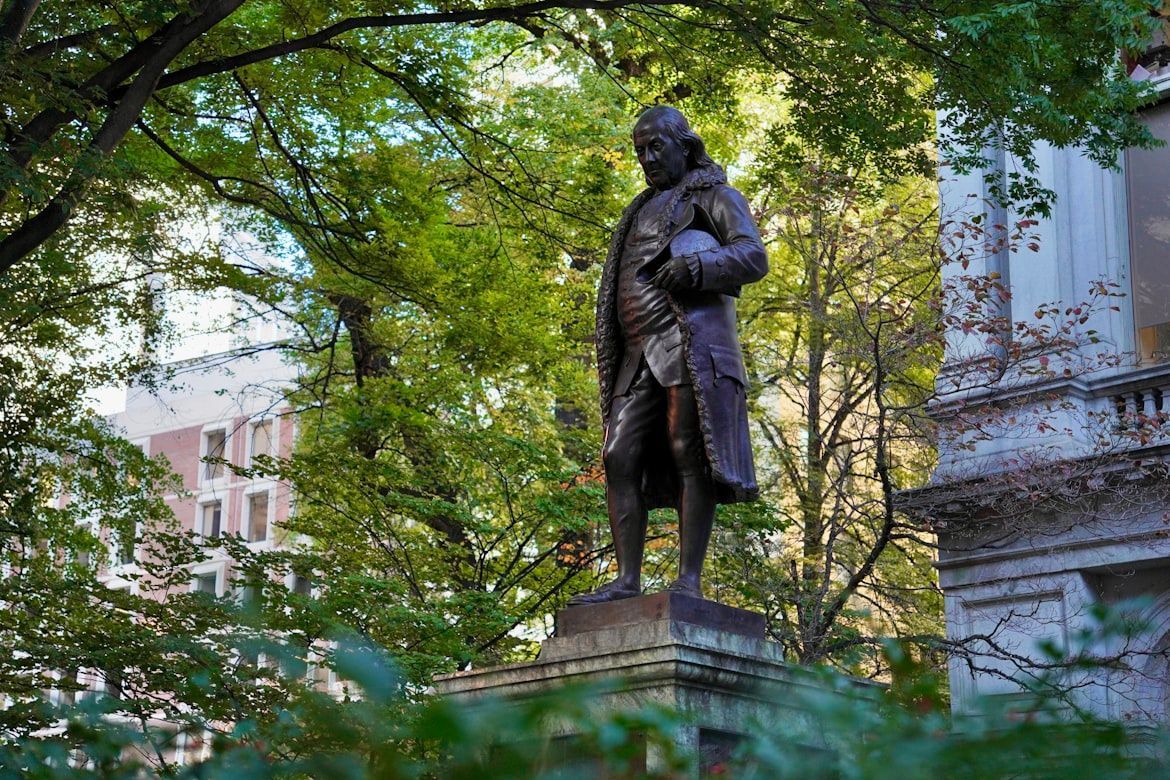
Image: Brett Wharton

Benjamin Franklin was more than a scientist and Founding Father. During the American Revolution, he quietly acted as an intelligence organizer while serving as ambassador to France beginning in 1776 . Franklin cultivated secret alliances, intercepted information, and used coded correspondence to support the colonies’ fight against Britain.

Operating from Paris, Franklin built relationships with French officials and helped persuade France to support the American cause with money, troops, and naval power. Historians consider his diplomatic intelligence efforts essential to the American victory at Yorktown in 1781 and eventual independence.

4
Louisa May Alcott published thrillers under another name
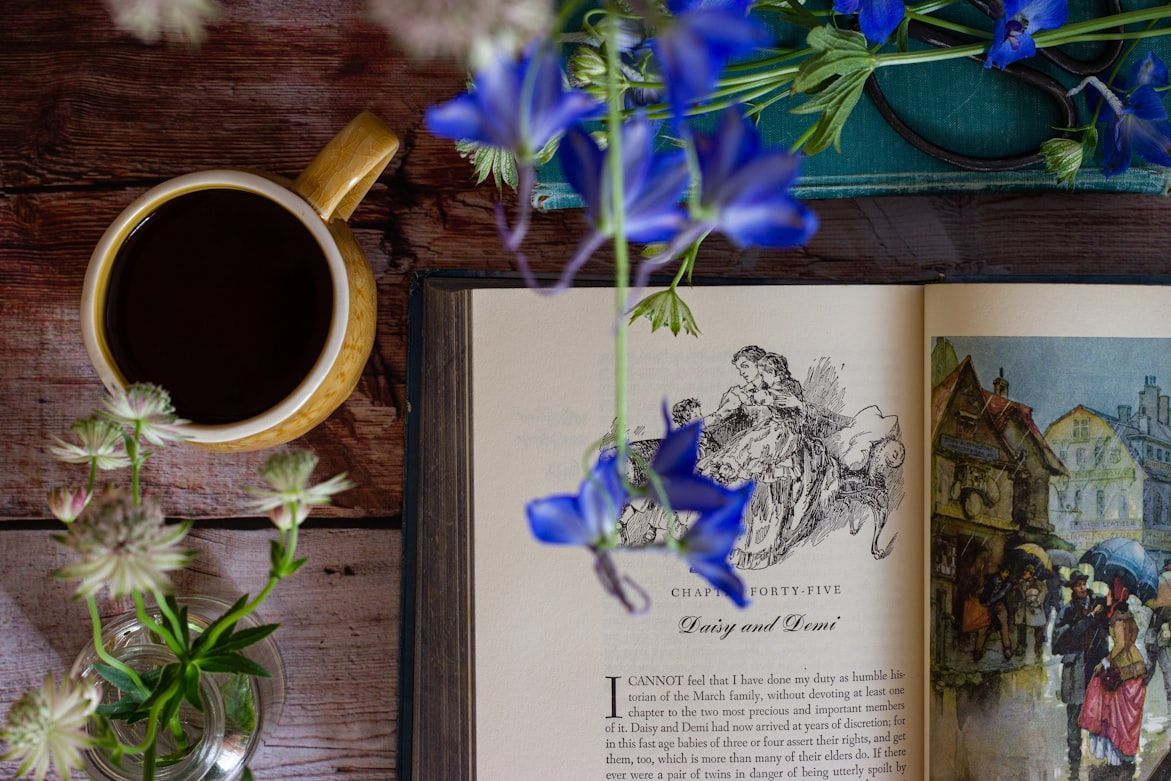
Image: micheile henderson

Louisa May Alcott became a literary icon after publishing Little Women in 1868, but few readers knew that she had already written sensational thrillers under the pen name "A.M. Barnard." These stories featured revenge, hidden identities, forbidden romance, and dramatic crime plots that shocked Victorian audiences.

Alcott used a pseudonym because publishers often expected women writers to produce respectable domestic fiction. Many of her darker stories remained forgotten until scholars rediscovered them in the 1940s. Today, titles like Behind a Mask reveal a far more rebellious side of the beloved author.

5
Maya Angelou worked as San Francisco’s first black female cable car conductor
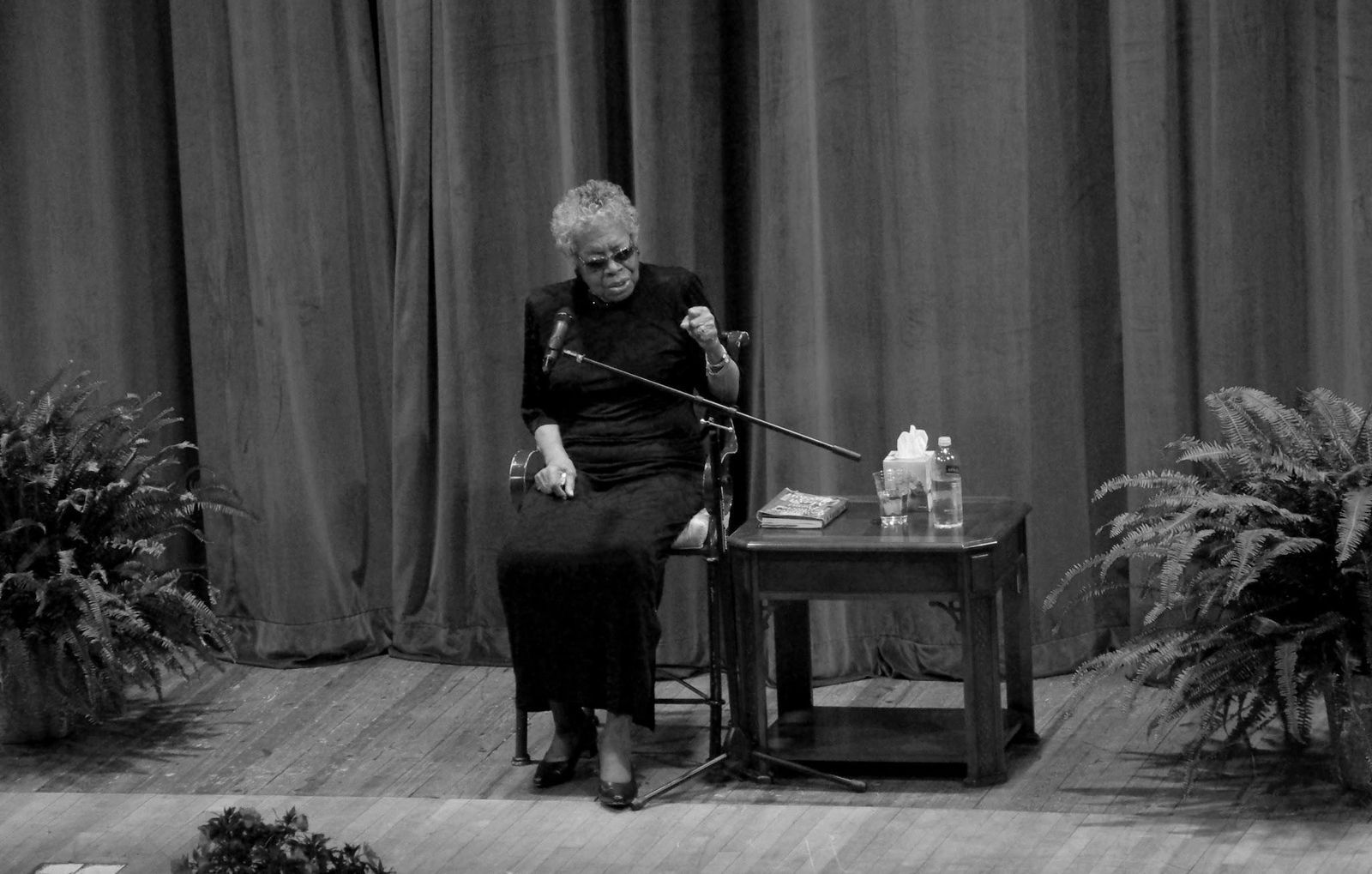
Image: Brian Stansberry (photographer), CC BY 3.0, via Wikimedia Commons

Long before becoming a celebrated poet and author, Maya Angelou made history in San Francisco during the 1940s. At only 16 years old, she applied repeatedly for a conductor job on the city’s cable cars after seeing an advertisement that excluded Black applicants .

Angelou refused to give up despite repeated rejection. She eventually became San Francisco’s first Black female cable car conductor in 1944. Years later, she described proudly wearing the blue uniform while working long shifts across the city before launching her writing and civil rights careers.

6
Dr. Seuss created classified wartime propaganda films
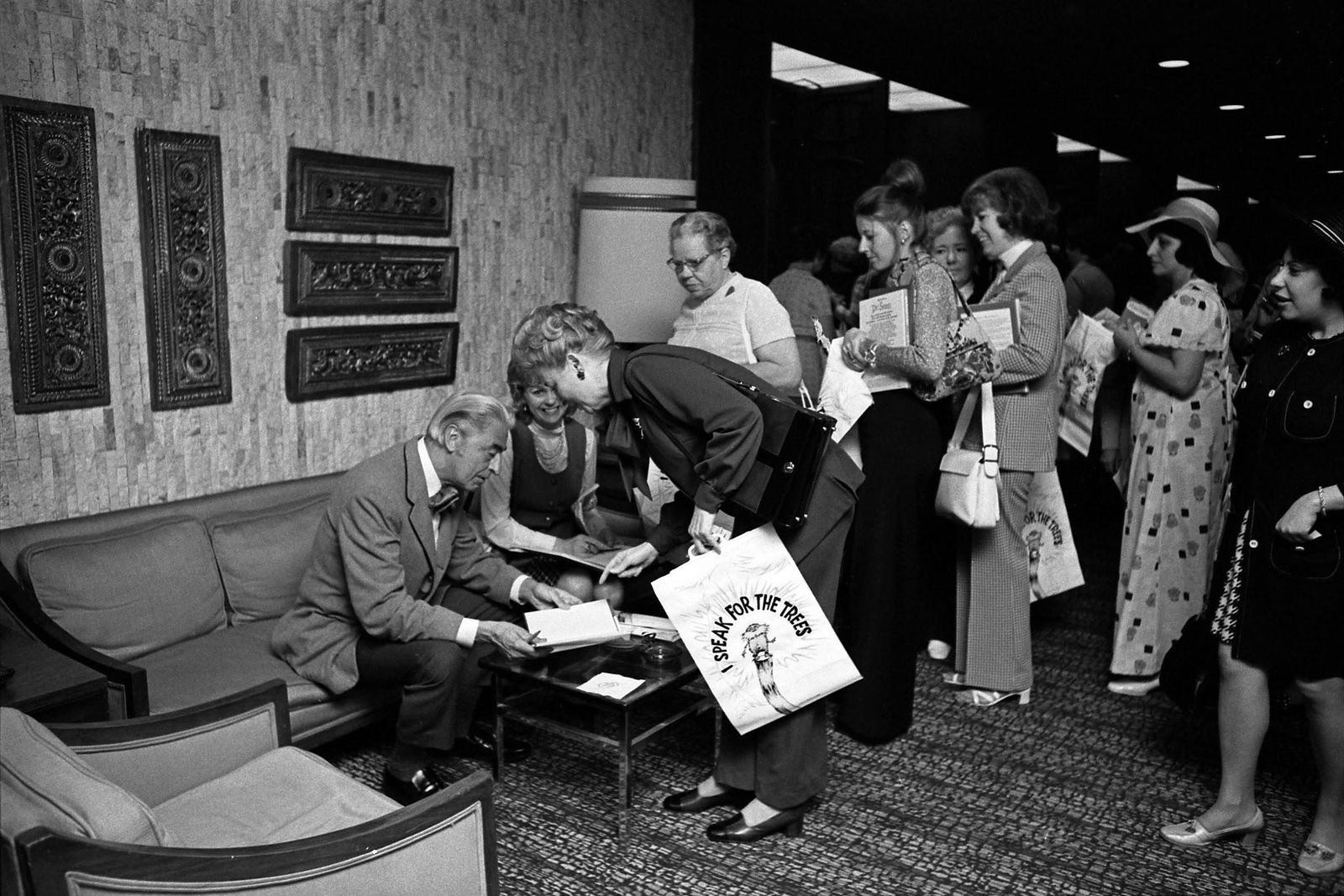
Image: Larry Bessel, Los Angeles Times, CC BY 4.0, via Wikimedia Commons

Before writing Green Eggs and Ham and The Cat in the Hat , Theodor Geisel, better known as Dr. Seuss, worked on wartime propaganda during World War II. Between 1943 and 1945, he joined director Frank Capra’s Signal Corps unit to produce military training films for American soldiers .

Geisel also drew political cartoons supporting the Allied war effort and criticizing fascism. Some of his films were classified during the war because they contained military training material. His animated work helped explain battlefield strategy and morale issues to thousands of U.S. troops overseas.

7
Babe Ruth once played an entire game with a fever over 102 degrees
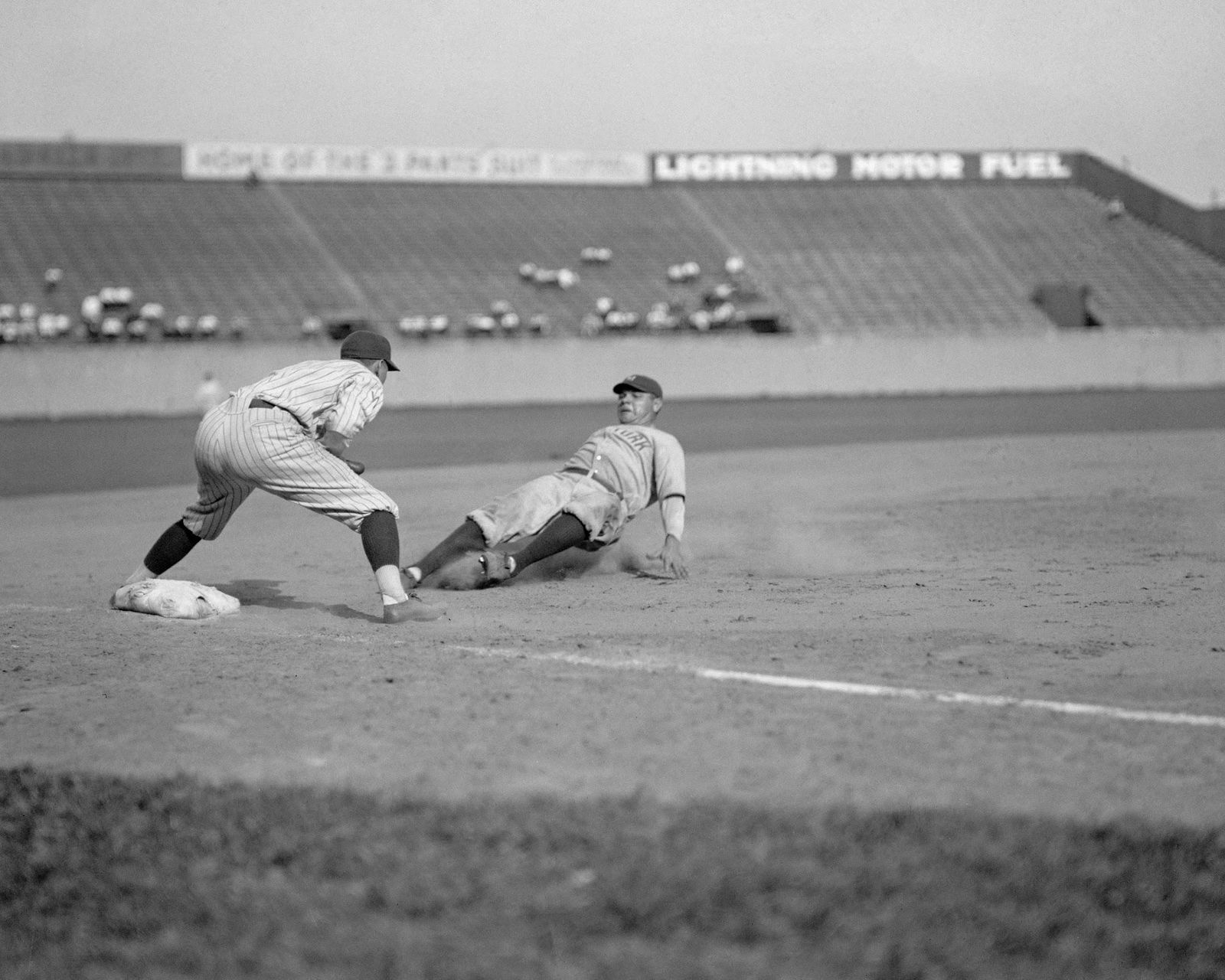
Image: National Photo Company, Public domain, via Wikimedia Commons

In 1925, Babe Ruth became seriously ill during spring training and collapsed while traveling by train . Newspapers nicknamed the incident "the bellyache heard around the world." Reports from the time described Ruth suffering from a fever above 102 degrees while still insisting on returning to baseball activities.

Despite his condition, Ruth’s determination became part of baseball legend. The illness hurt his performance during the 1925 season, when the New York Yankees finished seventh in the American League. Even so, Ruth rebounded quickly and helped lead the Yankees to championships in later years.

8
Harry Houdini worked with police departments
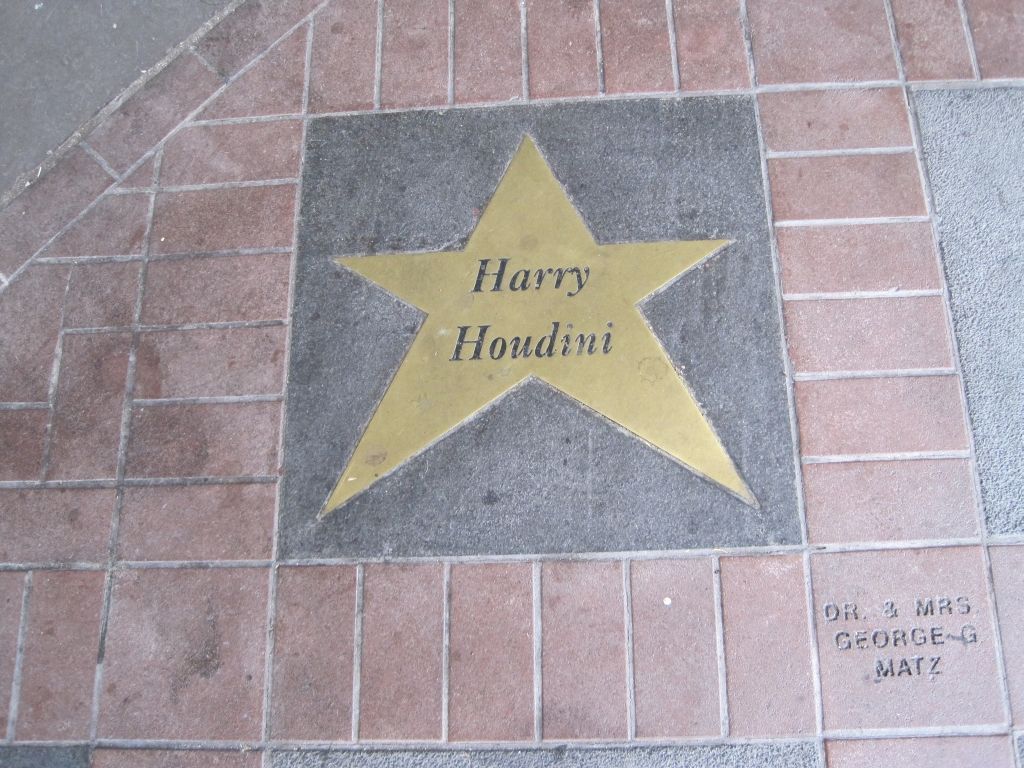
Image: Thomas R Machnitzki, CC BY 3.0, via Wikimedia Commons

Harry Houdini’s famous escape acts fascinated police departments across America and Europe in the early 1900s. Officers regularly challenged him to escape from handcuffs, prison wagons, and locked jail cells. Houdini often invited local police to inspect restraints before his performances began.

Beyond entertainment, Houdini also worked closely with law enforcement to expose fraudulent mediums and fake spiritualists during the 1920s . Using his knowledge of locks, hidden compartments, and deception, he publicly demonstrated how many supposed supernatural tricks were actually carefully staged illusions.

9
Frank Lloyd Wright hid a private apartment inside one of his buildings
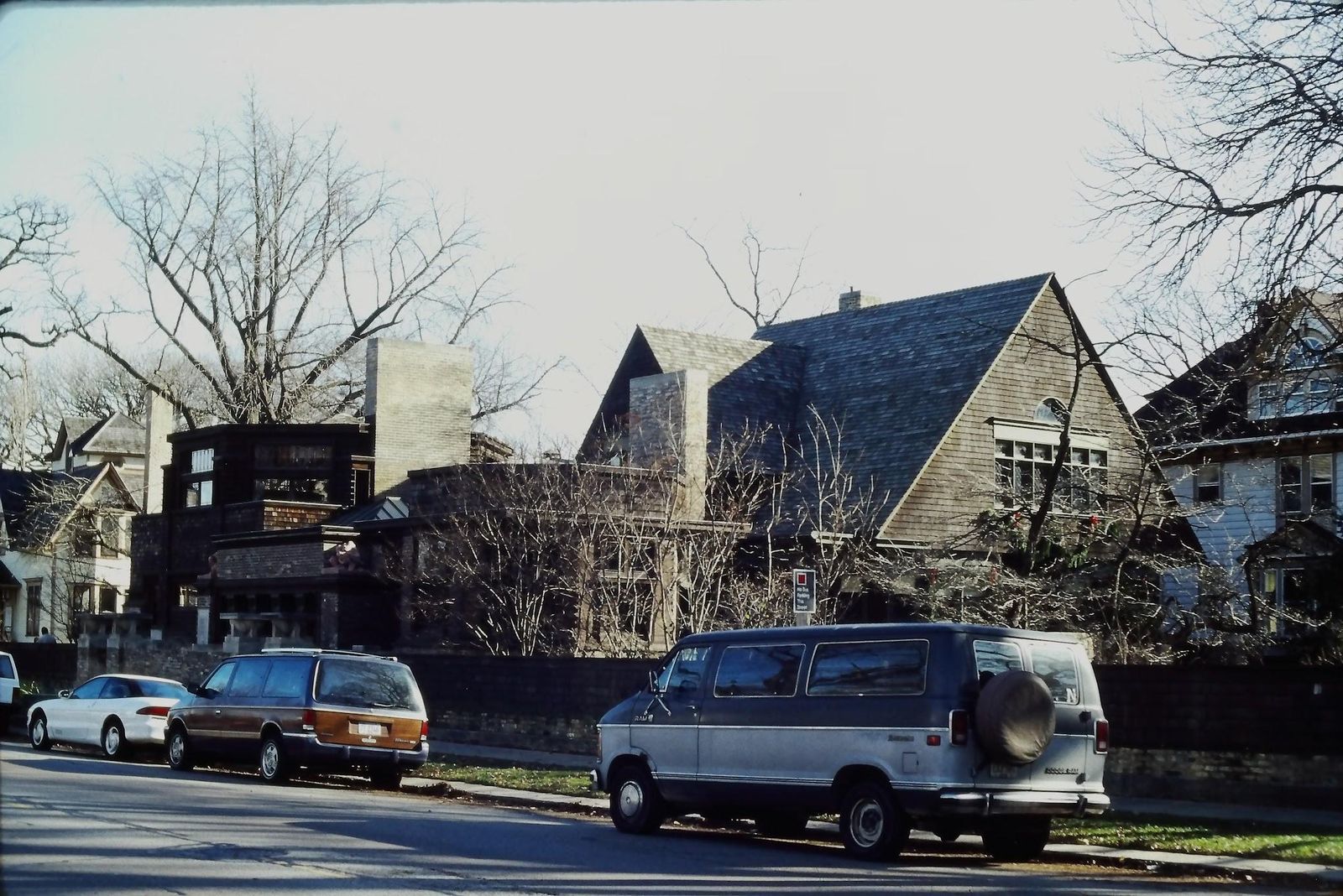
Image: Bmzuckerman, CC BY 4.0, via Wikimedia Commons

Architect Frank Lloyd Wright secretly maintained a private apartment inside his famous Oak Park Studio near Chicago, Illinois. Built in the 1890s, the studio served as both his workplace and personal retreat while he designed many of his early Prairie-style homes across the Midwest.

The hidden living quarters allowed Wright to work late into the night and host select guests away from public attention. The building itself became one of the most important centers of American architecture, producing groundbreaking residential designs that influenced modern architecture around the world.

10
Muhammad Ali quietly funded humanitarian causes for years
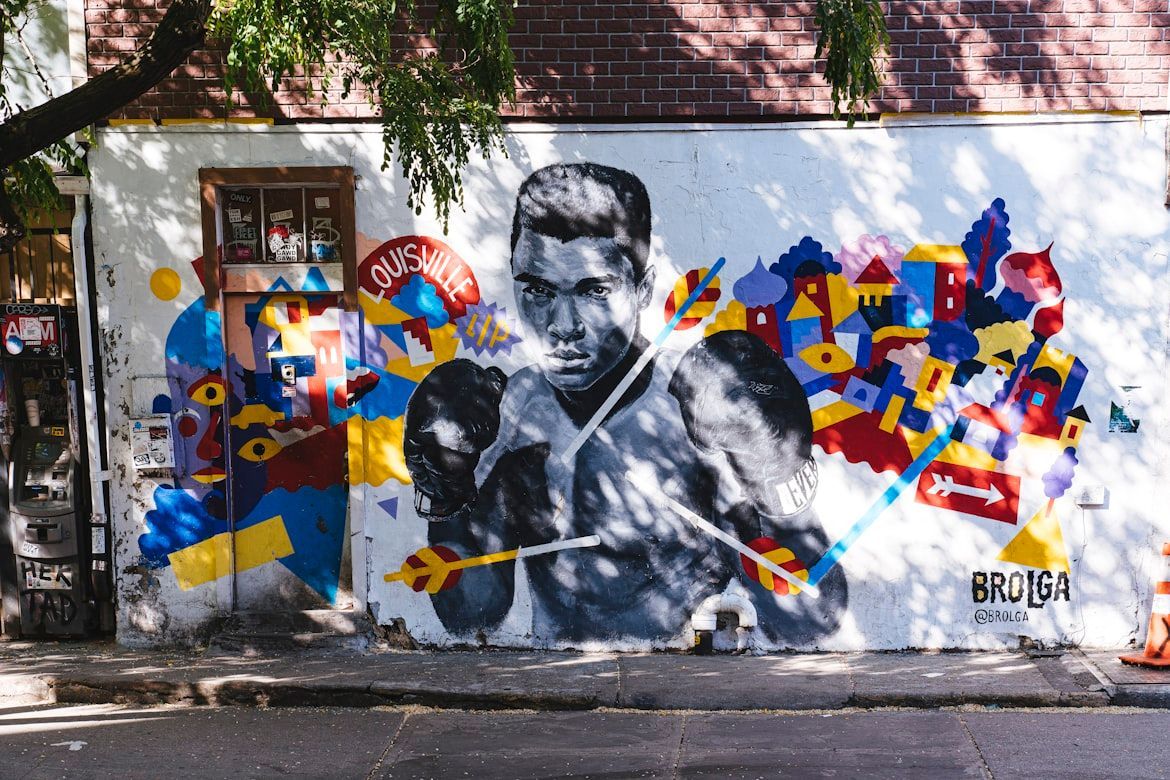
Image: Nelson Ndongala

Muhammad Ali’s boxing fame often overshadowed his enormous charitable work. For decades, Ali quietly donated money to hospitals, food programs, children’s charities, and international humanitarian efforts . Friends and family later revealed that many of his contributions were intentionally kept private.

In 1990, Ali traveled to Iraq during tensions leading up to the Gulf War and helped secure the release of 15 American hostages. He also supported global relief organizations and Parkinson’s disease research after his own diagnosis. In 2005, President George W. Bush awarded Ali the Presidential Medal of Freedom.

Geography Geography 6 min read

Gotham secrets revealed

Start spreadin' the news: 10 fun facts about New York City

Image: Roberto Vivancos

Welcome to New York, a city as bustling as it is fascinating. From towering skyscrapers and breathtaking parks to delicious food and riveting culture, New York City boasts such a rich history that it would be impossible to capture its essence in just one article. Therefore, this time around, we have selected 10 curious facts about the Big Apple that you may not know about. Join us!

1
New York’s many names…

Image: ian dooley

Did you know that New York has had several names throughout its history? The first documented European visit to New York Harbor was in 1524 by Giovanni da Verrazzano, an Italian explorer who claimed the area for France and named it Nouvelle Angoulême (New Angoulême), after the French city located on the banks of the Charente River.

Almost a century later, English explorer Henry Hudson rediscovered New York and claimed it for the Dutch East India Company, who christened Manhattan Island as Nieuw Amsterdam (New Amsterdam). In 1664, due to the war between The Netherlands and the United Kingdom, the British took over the area and renamed it New York , as a tribute to King Charles II's brother, James, Duke of York.

2
…and nicknames

Image: Artem Zhukov

In addition to its various official names, New York City has earned a good number of nicknames over the years. For example, Canvas Town, The Empire City, The City of Churches, Second City of the World, The Melting Pot, The City that Never Sleeps, The Center of the Universe, The City So Nice They Named It Twice, The Five Boroughs, and Metropolis, among many others.

But perhaps the most iconic New York City monikers are Gotham —coined by writer Washington Irving in 1807— and, of course, The Big Apple . In May 1921, sportswriter John Joseph Fitz Gerald of the New York Morning Telegraph first used The Big Apple in a feature on horse racing. As he later explained, that was the way New Orleans grooms' referred to New York City. Later, in the 1970s, an advertising campaign revived the nickname, and the rest is history.

3
National capital

Image: Cornelius Tiebout, artist and engraver of the original; this copy engraved by Hatch & Smillie and printed by J. &. G. Neale., Public domain, via Wikimedia Commons

Given its cultural, political, and financial richness, it's curious that New York is not the capital of the United States. However, although it was only for five years, at one point in history it became a reality. Between January 11, 1785, and August 12, 1790, The Empire City served as the last capital under the Articles of Confederation and the first capital under the U.S. Constitution .

While the capital resided in New York, the representatives of Congress met in Federal Hall, a building located close to the current site of the Wall Street Stock Exchange. In fact, this is where George Washington was sworn in as president in 1789. However, a year later the Residence Act established the temporary seat of government in Philadelphia until the construction of the new capital, Washington, DC, was completed. Congress met for the first time in its new and current location on November 17, 1800.

4
Linguistically diverse

Image: Dan Gold

Did you know that New York is one of the most linguistically diverse places in the world? It’s like a modern-day Tower of Babel, which is no surprise given its nickname, The Melting Pot . It is estimated that up to 700 different languages are currently spoken in New York, many of them endangered. For example, in Queens, there is a small community that speaks Tagalog, the language on which Filipino is based. In the Bronx, on the other hand, several families still speak Laotian at home.

Alongside these lesser-known dialects, other more widespread languages such as Spanish, Chinese, Arabic, Hebrew, Russian, and Italian, are spoken daily by communities that migrated to New York from their native countries. And that today, after several generations, still have a relevant representation in the most cosmopolitan city on the planet.

5
First pizza

Image: Jon Tyson

Not surprisingly, the first pizzeria in the United States is located in New York. The Italian immigrants who arrived in the city at the end of the 19th century brought with them their language, customs, and of course, their delicious food. One of these immigrants, Gennaro Lombardi, used leftover dough from the bread he sold in his Little Italy grocery store to make "tomato pies," following his Neapolitan family's recipe.

This pizza was so successful that in 1905, Lombardi converted his store into a pizza place. Little by little, he adapted his pizza to American ingredients and tastes, and lo and behold in a short time he had created what we now know as New York-style pizza. Lombardi's Pizza, today one of the most legendary pizzerias in New York, is the oldest in the United States. Be sure to grab a slice next time you visit The Big Apple — you won’t regret it!

6
Golden city

Image: Zlaťáky.cz

A city of firsts and mosts, New York is also home to the world's largest known depository of monetary gold. Buried 80 feet below street level, on the bedrock of Manhattan Island, hides an incredible treasure. Established in 1924, the vault of the main building of the Federal Reserve Bank of New York, located in the Financial District, stores more gold than The United States Bullion Depository, better known as Fort Knox.

As of 2024, it houses approximately 507,000 gold bars. This reserve is enclosed in a 140-ton steel-and-concrete frame protected by a state-of-the-art security system. About 98% of the gold belongs to foreign governments, while the rest is owned by the U.S. government and other financial institutions, such as the International Monetary Fund.

7
Unique ZIP codes

Image: William Wachter

Apart from being home to major companies, the most photographed building in the world, and getting struck by lightning about 25 times a year, the Empire State Building is also notable for having its own ZIP code: 10118.

Although located in South Midtown, the building is so large that the U.S. Postal Service needed to assign it a unique zone improvement plan—ZIP for short—to handle its high volume of mail more accurately and efficiently. To be fair, other buildings in New York also have their own ZIP codes , including 30 Rockefeller Plaza, the Chrysler Building, The Pavilion, Park Avenue Plaza, and the Pennsylvania Building, among others.

8
Birding paradise

Image: Laila Zouaki

New York has something for everyone, but wildlife? Who would have thought! When it comes to fauna, New York is much more than just rats, squirrels, and cockroaches. In fact, this concrete jungle has had animals at its heart since the beginning: two beavers adorn the official city seal. But not many New Yorkers know that Central Park is one of the nation's top spots for bird-watching.

The city is located at a concentration point on the Atlantic Flyway bird migration route, making it possible to observe birds year-round. In 1886, the park's first official bird census counted 121 species. Since then, 282 have been observed, including cuckoos, warblers, sparrows, owls, gulls, and Peregrine Falcons, among many others. Some of the best places in Central Park for birding are North Woods, The Ramble, Hallett Nature Sanctuary, and The Pond.

9
Times Square

Image: graphicsdays1989

The busiest street in the Big Apple owes its current name to a newspaper . Formed by the junction of Broadway, Seventh Avenue, and 42nd Street, this area is now a spectacle of lights, screens, neon signs, theaters, and hordes of people. However, it was once the center of New York's horse carriage industry. For this reason, in the late 19th century it was known as Longacre Square.

In the early 20th century, The New York Times moved its offices to a skyscraper on 42nd Street. A new subway station soon followed and the area was given the name we know it by today, Times Square. Although the newspaper moved out a few years later, that building is still famous for the Times Square Ball drop on its roof every New Year's Eve.

10
Film mecca

Image: Marta Wave

Declared a National Historic Landmark, Central Park is a staple of New York City. It’s no wonder that this area, in addition to its natural beauty, is a world cultural icon. Central Park is, in fact, the most-filmed location in the world , having been featured in movies as far back as 1908.

With silver screen classics like An Affair to Remember or Breakfast at Tiffany's and modern films including Home Alone and The Avengers , more than 300 productions have chosen this 843-acre park in the heart of the bustling city to film some of the most iconic scenes in movie history. Have you ever spotted Central Park in a film or TV show? Now you won't stop seeing it everywhere!

General General 6 min read

Borrowed anthems

The songs you always loved weren't written by who you think

Image: Rawpixel.com

You're at a barbecue, and someone puts on "Hound Dog." Everyone loves it, and everyone assumes it's pure Elvis. Then someone says, "You know he didn't write that, right?" Or maybe you're at a summer party and "Livin' on a Prayer" comes on. Everyone screams the chorus, and nobody stops to think: who actually wrote this thing? A lot of the songs we sang in the car or danced to at parties were handed off, sold, recorded by someone else, and became massive hits under a different name . Let's take a look at 10 of the most famous examples.

1
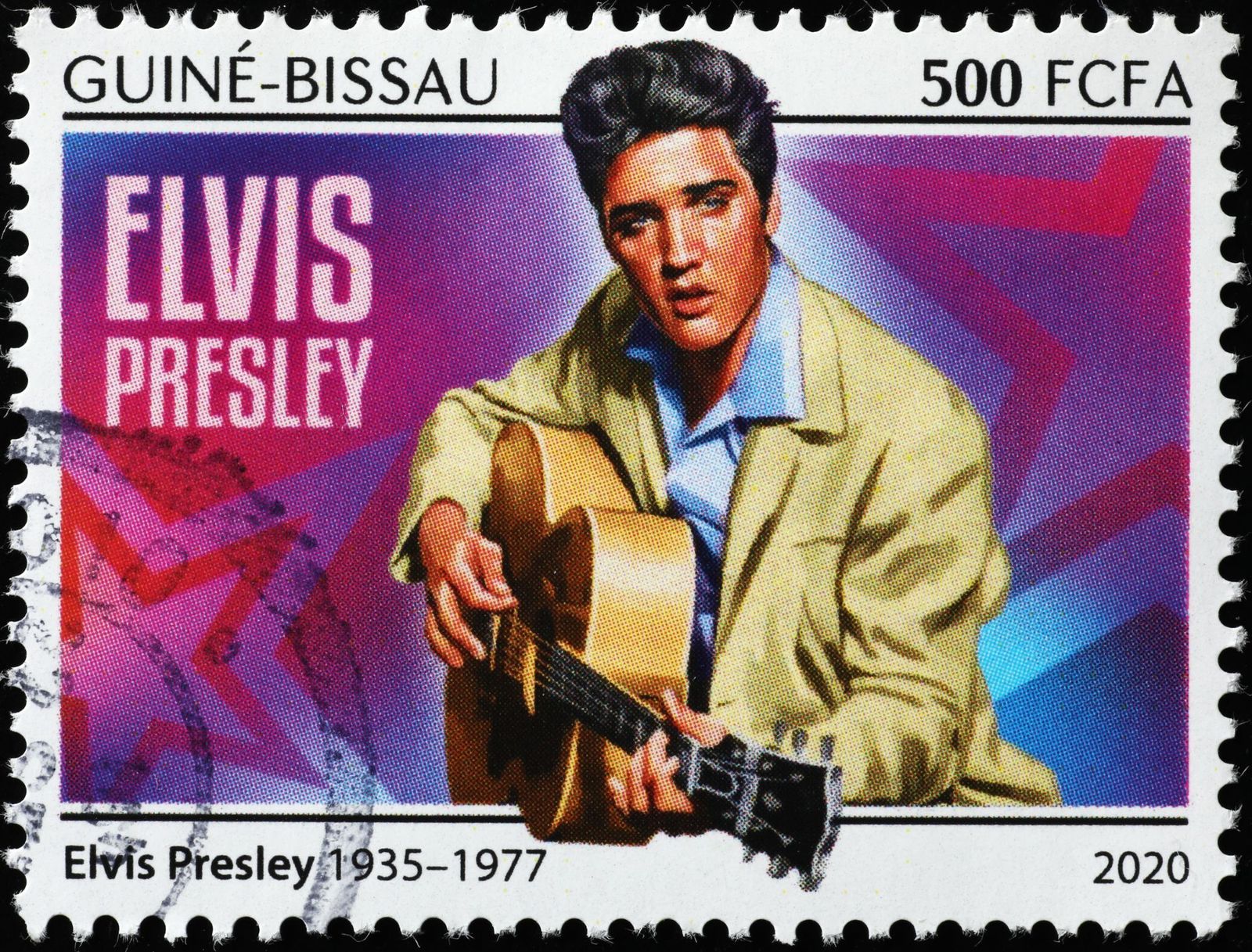
"Hound Dog" , Elvis Presley

Image: spatuletail

Elvis made this song his signature, and it's hard to imagine it belonging to anyone else. But "Hound Dog" was written in 1952 by Jerry Leiber and Mike Stoller, and was first recorded by Big Mama Thornton, a blues singer from Alabama. Her version was a raw, powerful blues track, and it was a genuine hit.

Elvis recorded his version in 1956 and turned it into something faster, rockabilly, electrifying . For anyone who grew up in the '50s or '60s, it probably takes you right back to a specific moment: a sock hop, a drive-in, a transistor radio on a summer night. It carries a kind of pure rock-and-roll energy: rebellious, playful, unstoppable.

2
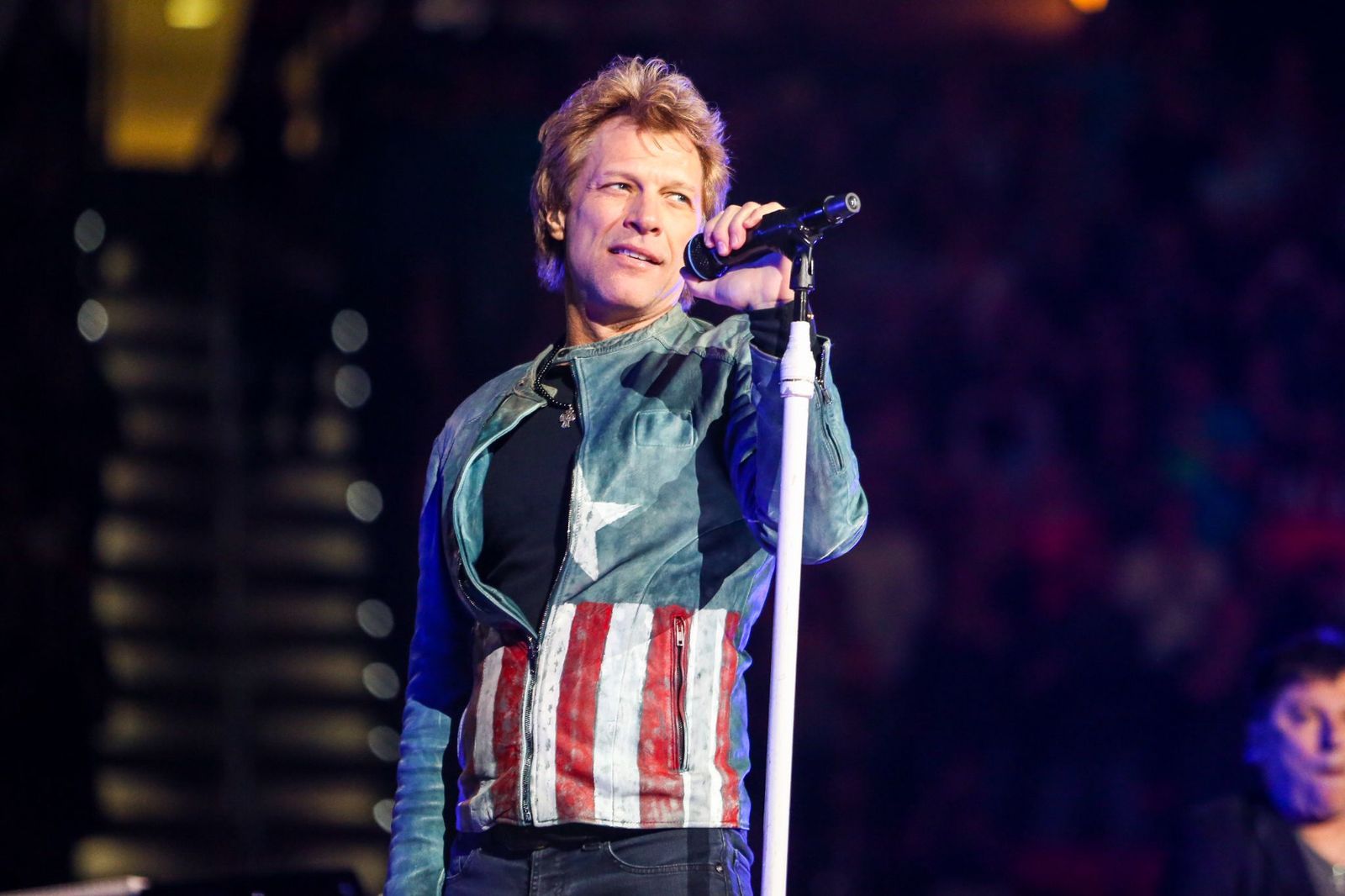
"Livin' on a Prayer" , Bon Jovi

Image: Steve Sykes

Pumping fists, packed arenas, everyone screaming "Whooooa, we're halfway there!", it's the kind of energy that doesn't age. Jon Bon Jovi and Richie Sambora wrote it together in 1986, along with songwriter Desmond Child , pulling inspiration from the working-class New Jersey world around them.

The song hit number one in the U.S. and became an anthem for anyone who's ever had to scrape by and stay hopeful. It brings out something almost joyful in people: this defiant, communal "we're going to make it" spirit.

3
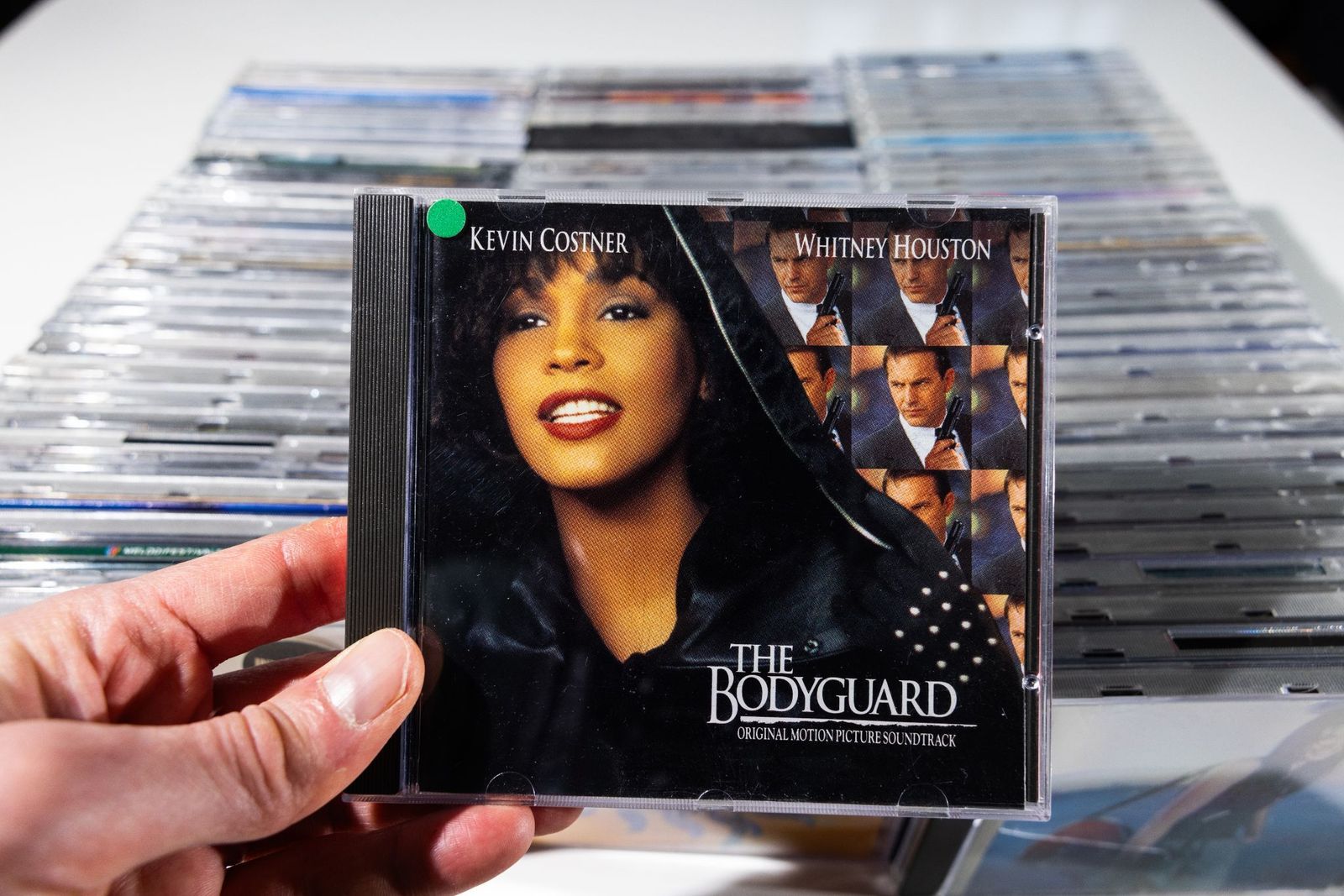
"I Will Always Love You" , Whitney Houston

Image: Jeppe Gustafsson

Most people under 50 think this is a Whitney Houston song, but Dolly Parton wrote it back in 1973, sitting in Nashville. She was leaving her mentor and business partner, Porter Wagoner, to go solo, and the song was her way of saying goodbye: with love, but firmly.

Then Whitney came along in 1992 for The Bodyguard soundtrack and turned it into a stadium-sized emotional explosion. Where Dolly's version was warm and heartfelt, Whitney's was pure power. It connects to just about everyone, but especially to people who've ever had to let someone go. Which version do you like best?

4
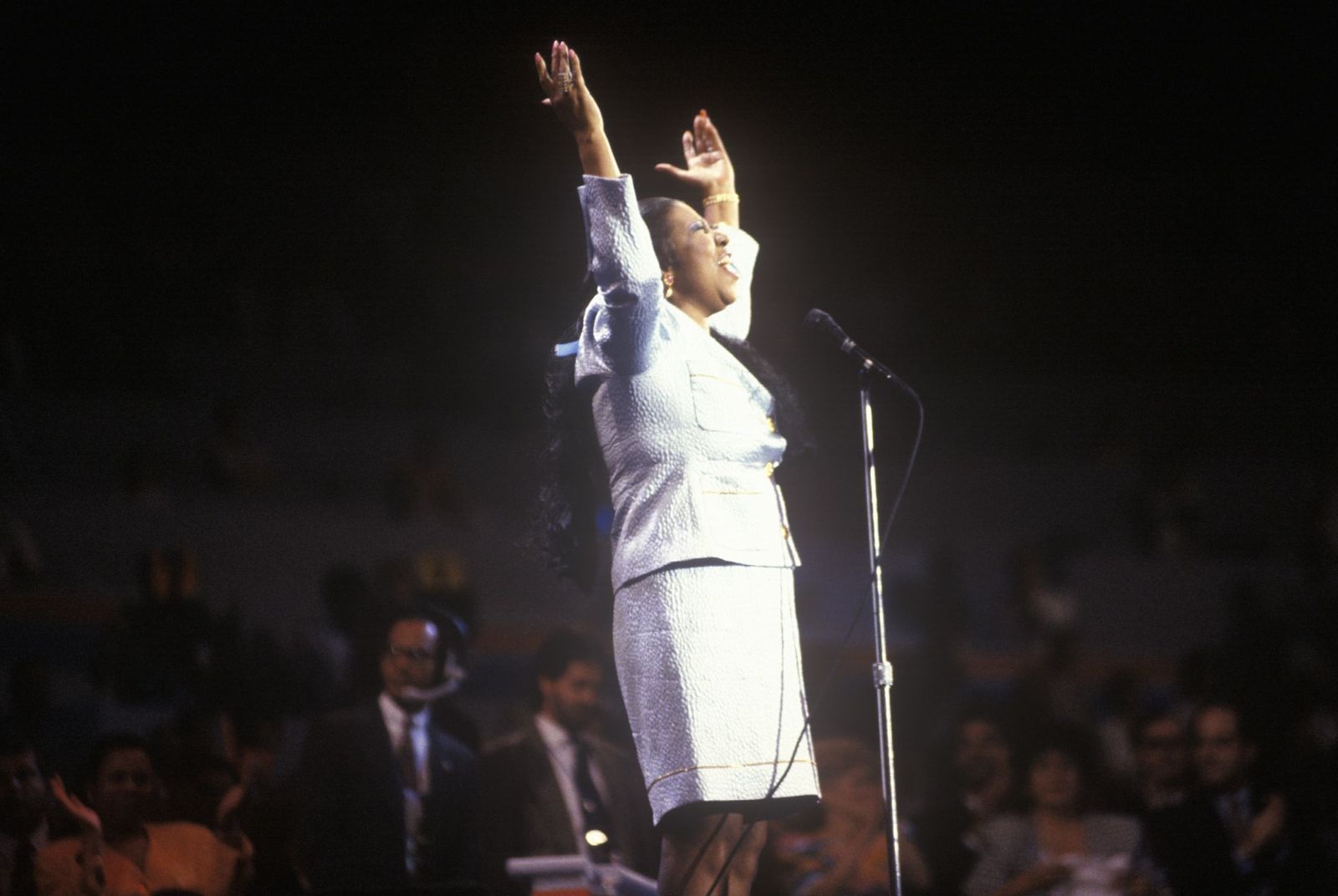
"Respect" , Aretha Franklin

Image: Joseph Sohm

This is one of those cases where the cover so thoroughly eclipses the original that most people don't even know an original exists. Otis Redding wrote and recorded "Respect" in 1965, and it was a decent soul hit for him; a man asking his woman for a little respect when he comes home.

Then Aretha Franklin got hold of it in 1967, rewrote parts of it, added that now-iconic spelling-out of the word, and completely flipped the meaning . Suddenly, it was a woman demanding respect from men, from society, from everyone. It became an anthem of the civil rights movement, the women's movement, and basically every movement that involved people standing up and saying enough.

5
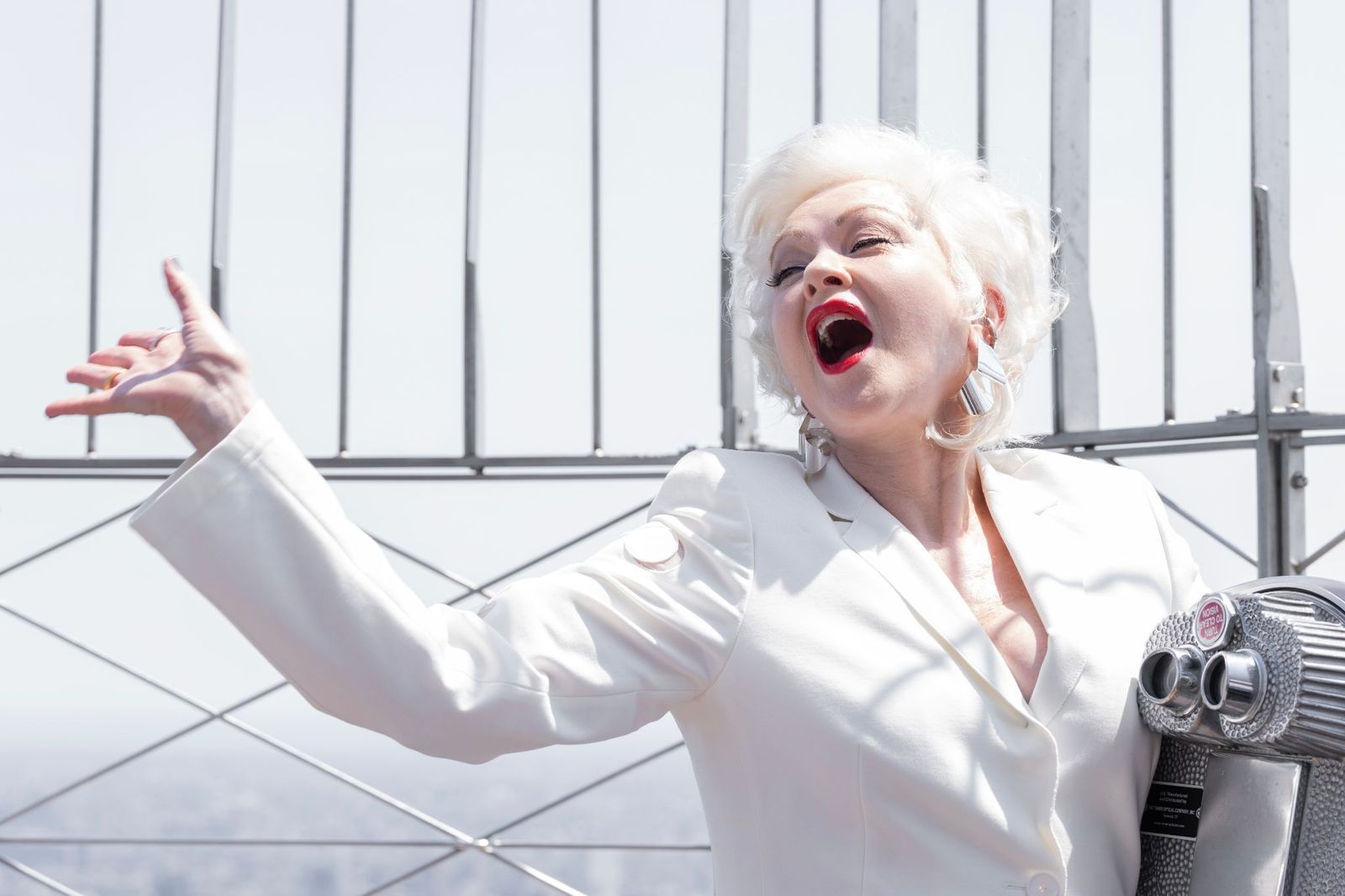
"Girls Just Want to Have Fun" , Cyndi Lauper

Image: lev radin

Cyndi Lauper made this song her own so completely that it's almost shocking to learn she didn't write it. Robert Hazard, a Philadelphia-based musician, wrote it around 1979 as a kind of tongue-in-cheek song from a man's point of view, about his own desire to just have fun without commitment.

When Cyndi recorded it in 1983, she completely reframed it: it became a declaration of independence for young women who just wanted to live their lives on their own terms . If you had a daughter, a niece, or any teenage girl in your life in the '80s, you heard this song approximately ten thousand times.

6
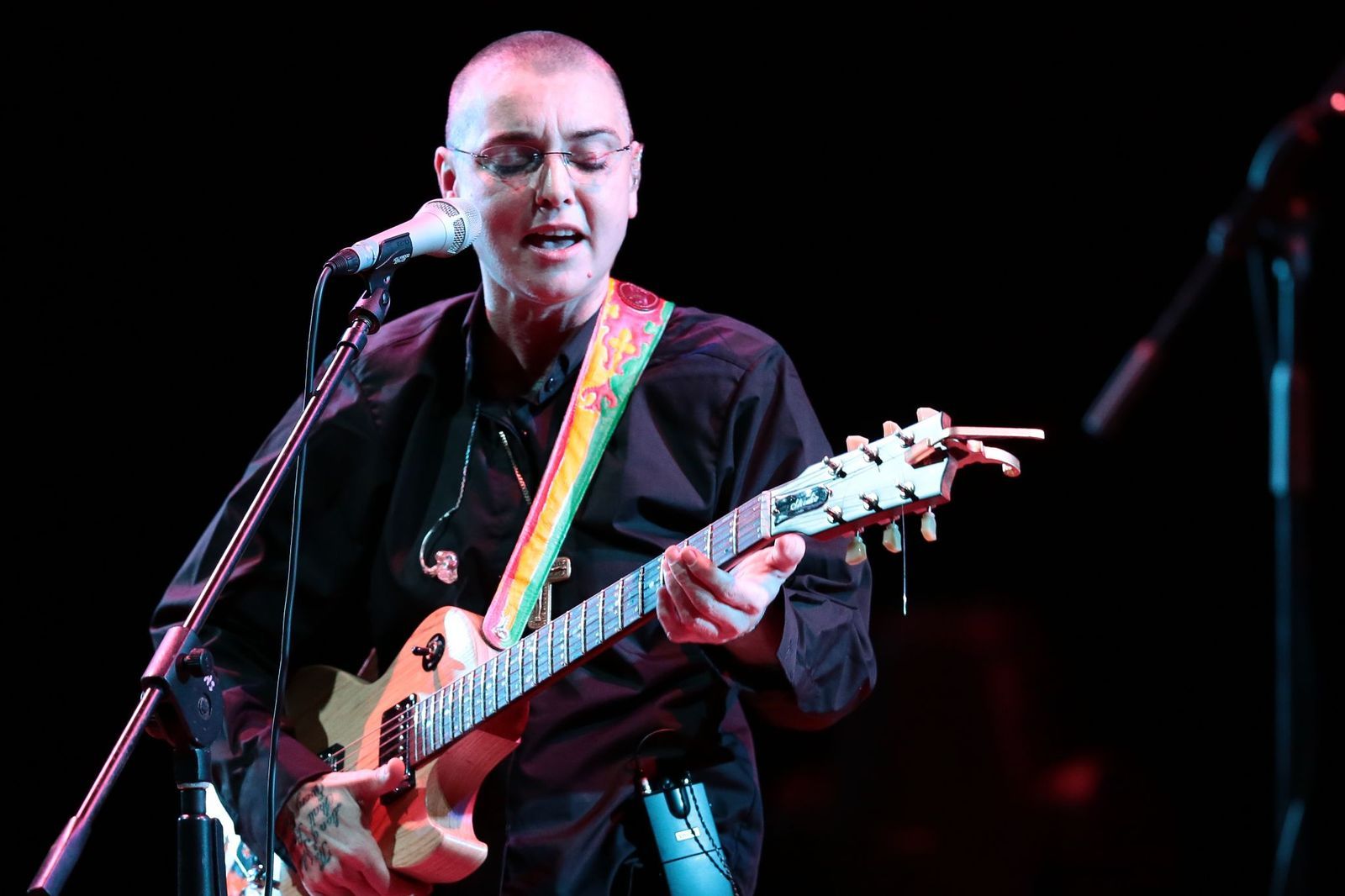
"Nothing Compares 2 U" , Sinead O'Connor

Image: Matteo Chinellato

Few music videos have hit people as hard as Sinead O'Connor, alone on screen, tears streaming down her face, singing this song in 1990. It felt impossibly raw and personal. But the song was written by Prince back in 1984, and was first recorded by a side project of his called The Family.

Sinead stripped it down and made it devastating. It became one of the most emotionally powerful recordings of the decade . You probably heard it on adult contemporary radio, or remember exactly where you were the first time you really listened to it. It's a song about grief and absence and not being able to fill a void someone left behind.

7
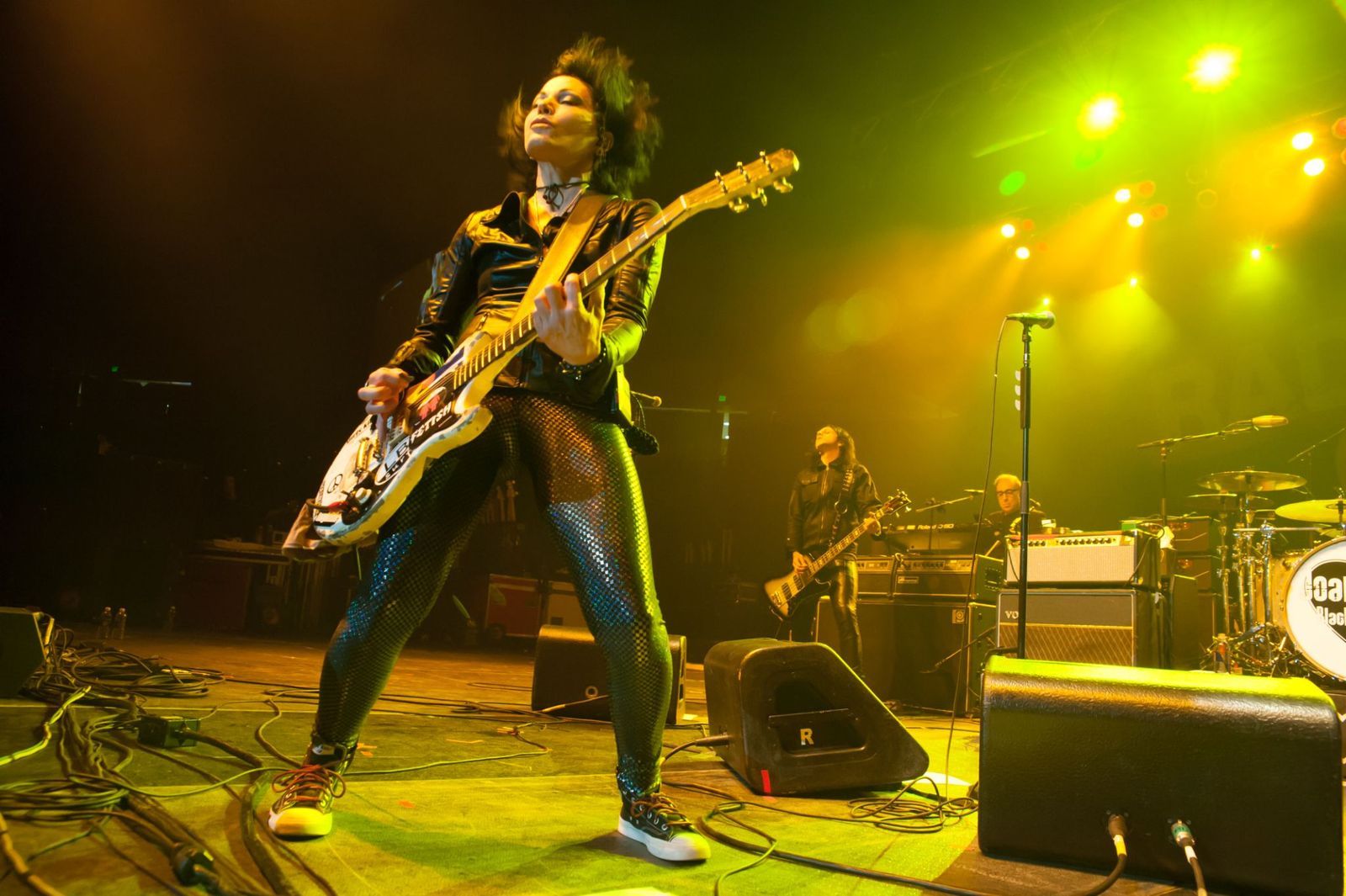
"I Love Rock 'n' Roll", Joan Jett & the Blackhearts

Image: Randy Miramontez

Few songs scream pure, unapologetic rock and roll like this one. But Joan Jett didn't write it: a British glam rock band called The Arrows did, back in 1975, in London. Lead singer Alan Merrill said he wrote it as a direct response to the Rolling Stones' "It's Only Rock 'n Roll," which he felt was a little too apologetic about loving the music.

Joan Jett saw The Arrows perform it on British TV in 1976 while touring the UK with The Runaways, and the song stuck with her . She recorded it in 1981, and it rocketed to number one, sitting there for seven weeks. You've heard it blasting from jukeboxes, at sports events, in movie montages, at pretty much every party where someone wanted to get the energy up fast.

8
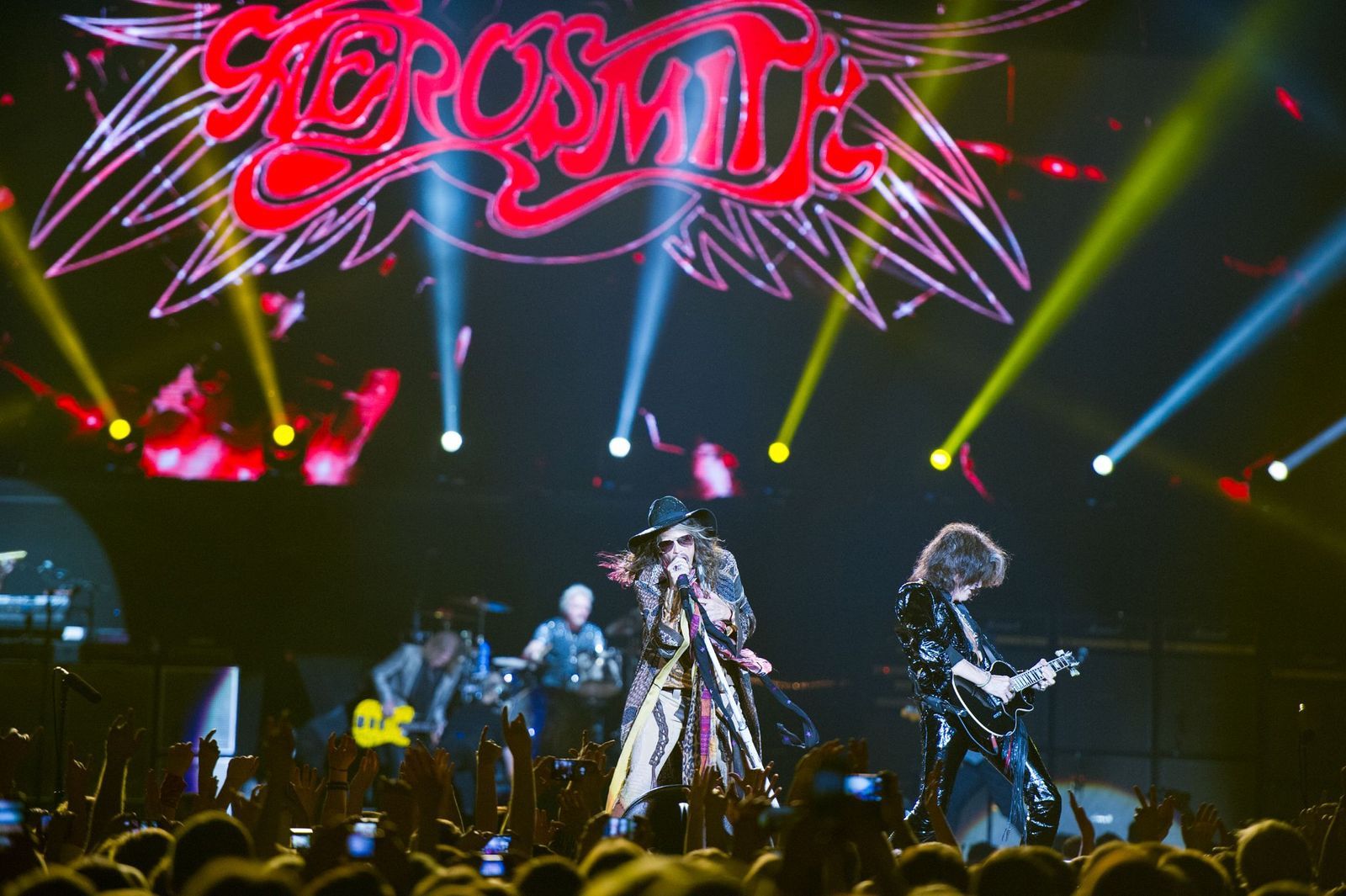
"I Don't Want to Miss a Thing" , Aerosmith

Image: JuliusKielaitis

Tyler belting it out, that unmistakable raspy voice: it feels so Aerosmith. But the song was actually written by Diane Warren, one of the most prolific and successful songwriters in pop history , who penned it in 1998 specifically for the movie Armageddon. Warren has said she wrote it while watching her boyfriend sleep, thinking about not wanting to miss a single moment with someone you love.

Aerosmith recorded it, and it became their first number-one pop hit. It hits hard for anyone who's ever been deeply in love, or who's lost someone and wishes they'd paid more attention while they had the chance.

9
"Bette Davis Eyes", Kim Carnes

Image: IgorVer

This was the biggest song in America in 1981, and it spent nine weeks straight at number one on the Billboard Hot 100 . Kim Carnes' raspy, smoky delivery made it feel completely hers. But the song was written in 1974 by Jackie DeShannon and Donna Weiss, both inspired by a classic old Hollywood film . DeShannon recorded her own version, but it barely registered.

Seven years later, Carnes took it into a Los Angeles studio, added a driving synth arrangement that was pure early MTV, and transformed it into the sound of an era. The real-life Bette Davis, then 73 years old, wrote personal letters to the songwriters and to Carnes to thank them for making her "a part of modern times." The song connected with anyone who'd ever been dazzled by someone they couldn't quite figure out, which is pretty much everyone.

10
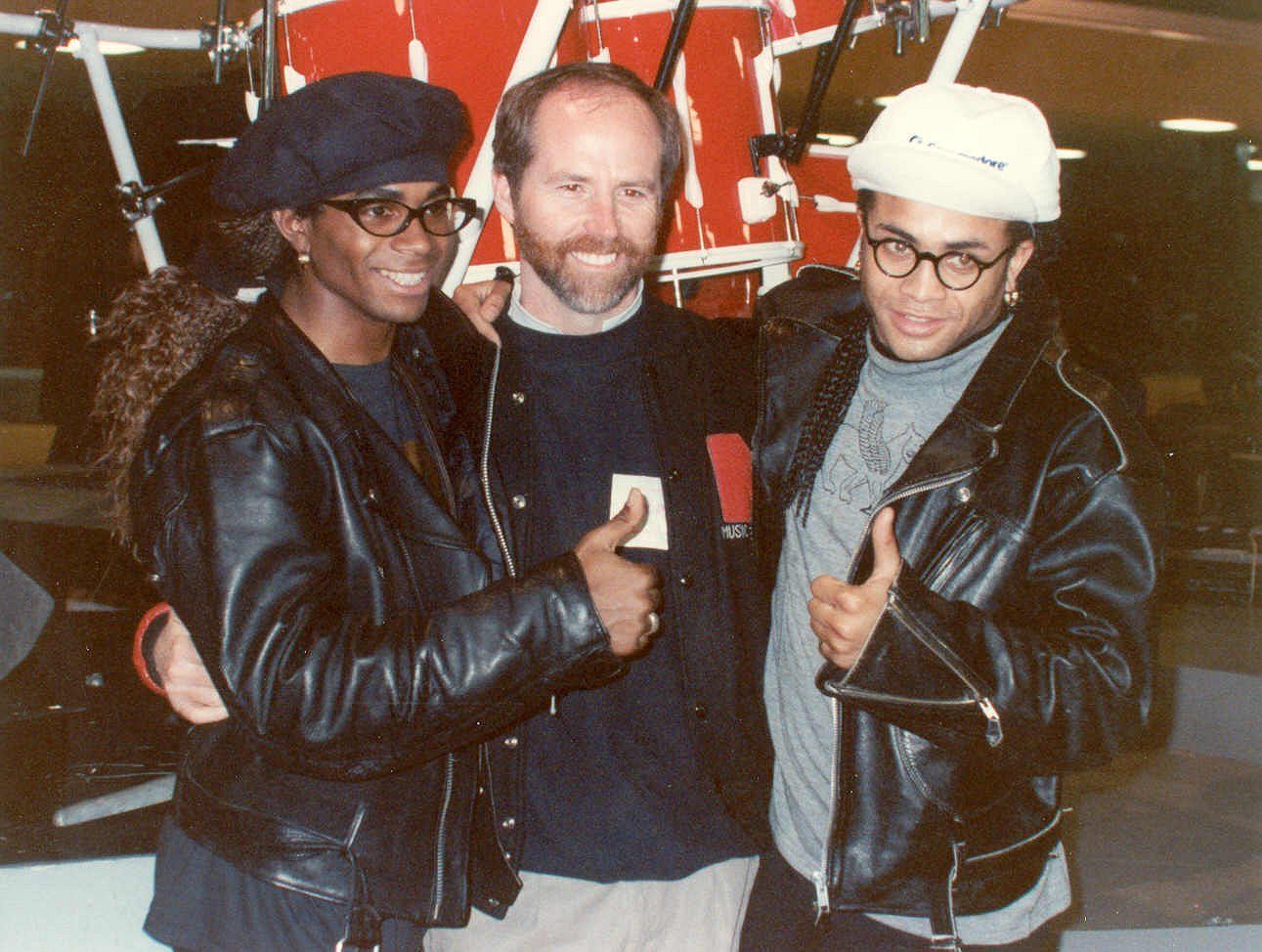
"Blame It on the Rain" , Milli Vanilli

Image: photo by Alan Light, CC BY 2.0, via Wikimedia Commons

You probably remember the Milli Vanilli scandal: in 1990, it came out that Fab Morvan and Rob Pilatus, the two beautiful, dreadlocked faces of the duo, hadn't actually sung a single note on their records . The real vocals were by studio singers. Their Grammy was revoked. It was a whole thing.

But before all that exploded, "Blame It on the Rain" was a legit #1 pop hit in 1989. It was written by Diane Warren (yes, the same woman who wrote "I Don't Want to Miss a Thing"), and it's a smooth, sweet ballad about blaming the weather for a relationship going wrong. You probably heard it on pop radio, maybe slow-danced to it without knowing what you were slow-dancing to.

Explore more American facts

Choose your favorite category!

General
General

As American as apple pie—the very best America has to offer!

Culture
Culture

Delve into the astounding richness of American lore.

Geography
Geography

Hop in and explore vast and diverse American landscapes.

History
History

Discover the key moments that shaped the United States.