Geography Geography 4 min read

New identities

Rebranded: 10 US cities that changed their names and the reasons why!
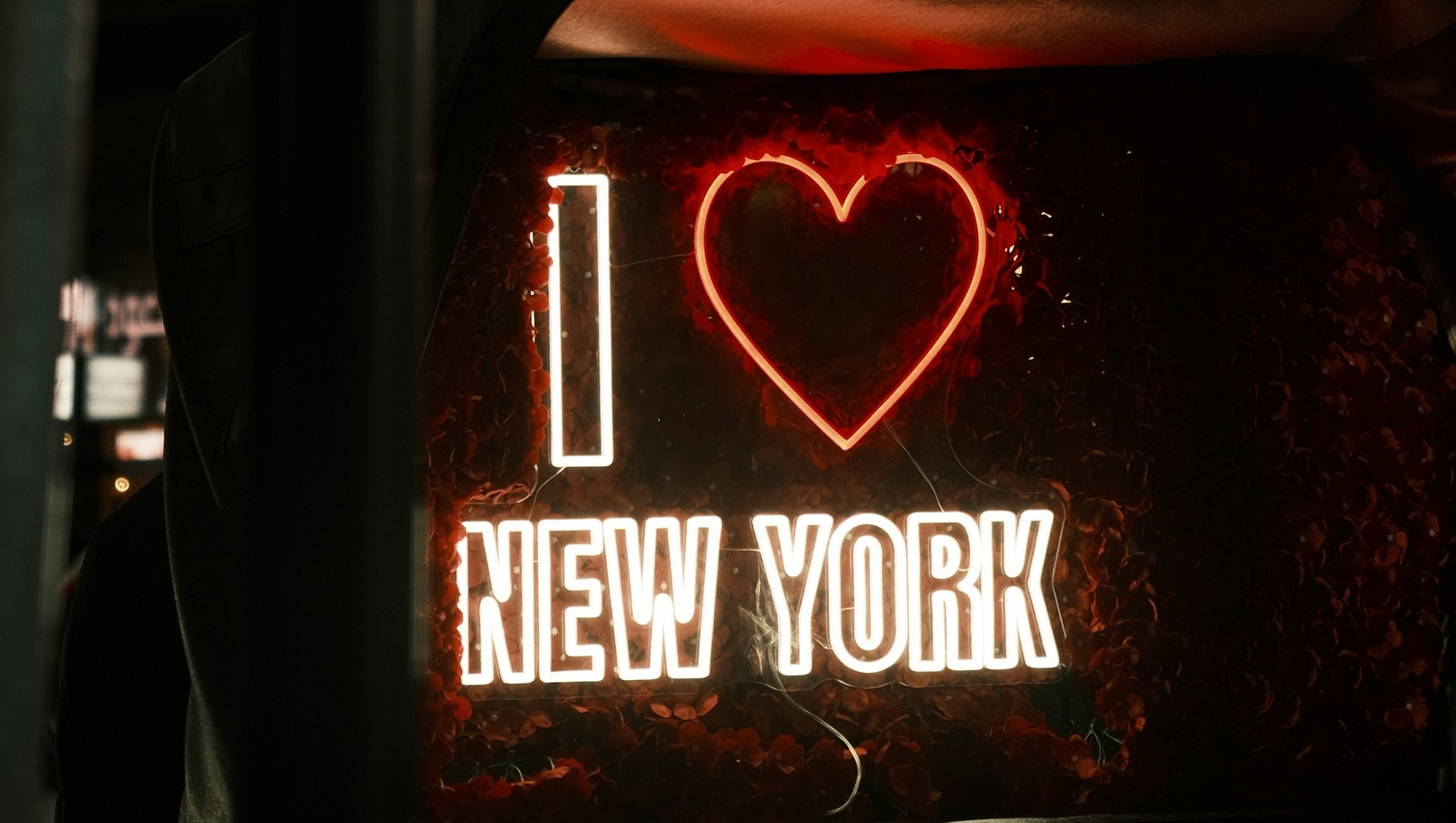
Image: Jon Tyson

Can you picture cheering for the New Amsterdam Giants or the Jernigan Magic ? We can’t either! Cities like New York, Orlando, and Los Angeles are staples of American identity—we can’t imagine the country without them. But believe it or not, some of these cities had different names in the past! Join us as we explore 10 US cities that once went by different names and discover the reasons behind their transformations.

1
Los Angeles, California

Image: Venti Views

The Spanish settlers who arrived in the area in the 18th century originally named it El Pueblo de Nuestra Señora la Reina de los Ángeles , which translates to "The Town of Our Lady the Queen of the Angels." Elegant, but kind of a mouthful for a town name! Over time, the Spanish name stuck, but it was shortened to the more practical "Los Angeles." The city officially adopted this name when it was incorporated in 1850, the same year California became a state.

2
New York City, New York

Image: Colton Duke

Before becoming the one and only New York we know today, the city went by a different name. In the 17th century, the Dutch settlers who arrived in the area called it New Amsterdam . However, when the English seized control in 1664, they renamed it New York in honor of the Duke of York.

3
Seattle, Washington

Image: Michael Discenza

Seattle is more than its iconic Space Needle; it has a long history that shaped the city we know today. When European settlers arrived in the area in 1851, they named their settlement New York and added the Chinook word Alki , meaning "by and by," "someday," or "later," suggesting it would one day become as big as New York City. However, in 1852, they changed the settlement’s name to Seattle in honor of Chief Sealth, a Duwamish and Suquamish leader.

4
Portland, Oregon

Image: Zack Spear

Early settlers referred to the area as The Clearing because it stood out from the dense forests typical of the Pacific Northwest. But in 1845, an event occurred that would change everything. Portland’s two founders, Asa Lovejoy from Boston, Massachusetts, and Francis W. Pettygrove from Portland , Maine, each wanted to name the new settlement after their hometown. So how did they decide? Simple: they flipped a coin . Of course, you know who won!

5
Kansas City, Missouri

Image: Farhodjon Chinberdiev

Kansas City was originally founded as the Town of Kansas in 1850, named for its location near the Kansas River. As it quickly grew, it was reincorporated just three years later as the City of Kansas . Finally, in 1889, it officially became Kansas City.

Fun fact: Kansas City, Missouri, was actually founded before the state of Kansas!

6
Charleston, South Carolina

Image: Tyrone Sanders

Before it became the city we know today, Charleston had another name, though not so different. When it was first settled in 1670, the English named it Charles Town in honor of King Charles II. However, over time, the name gradually evolved in pronunciation to Charleston. In 1783, after the Revolutionary War, the city was officially renamed Charleston.

7
San Diego, California

Image: Sean Mullowney

San Diego was the first site on the US West Coast settled by Europeans, which is why it's often called "the Birthplace of California." When Spanish explorers arrived in the area in 1542, they named the bay after a different saint: San Miguel . But years later, in 1602, explorer Sebastián Vizcaíno renamed it San Diego, in honor of San Diego de Alcalá (Saint Didacus of Alcalá).

8
Orlando, Florida

Image: Aditya Vyas

In 1840, the first settlers arrived in what we know today as Orlando. They were the Jernigan family, who named the place after themselves. A post office with that name was even established in 1850. However, about 6 years later, Jernigan officially changed to Orlando. Although the exact reason isn't entirely clear, there are several theories. A popular one claims it was named after Orlando Reeves, a soldier who may have died in the area during the Seminole Wars. Another well-known theory suggests the name came from Orlando , a character in Shakespeare’s As You Like It .

9
Cincinnati, Ohio

Image: Matt Koffel

In the 1780s, the first settlement in this area was called Losantiville , a name created from a mix of words meaning "The town opposite the mouth of the Licking River." But in 1790, the first governor of the Northwest Territory, who was also a member of the Society of the Cincinnati (named in honor of the Roman general Lucius Quinctius Cincinnatus), disliked Losantiville and decided to change it to its present name.

10
Atlanta, Georgia

Image: Christopher Alvarenga

Atlanta didn't just have one or two names; it had three! By the mid-19th century, the area where the city stands today had become a transportation hub where several railroad lines converged. Because of this, in 1837, the area was called Terminus , meaning "the end of the line." Then, in 1843, the name was changed to Marthasville , in honor of Martha, the daughter of Georgia Governor Wilson Lumpkin. Finally, just two years later, the city was renamed Atlanta. This name is believed to be a shortened form of "Atlantic," referring to the Western and Atlantic Railroad.
General General 4 min read

Slippery, spotty, and surprising

These local amphibians can regrow limbs, release toxins, and much more!

Image: Pixabay

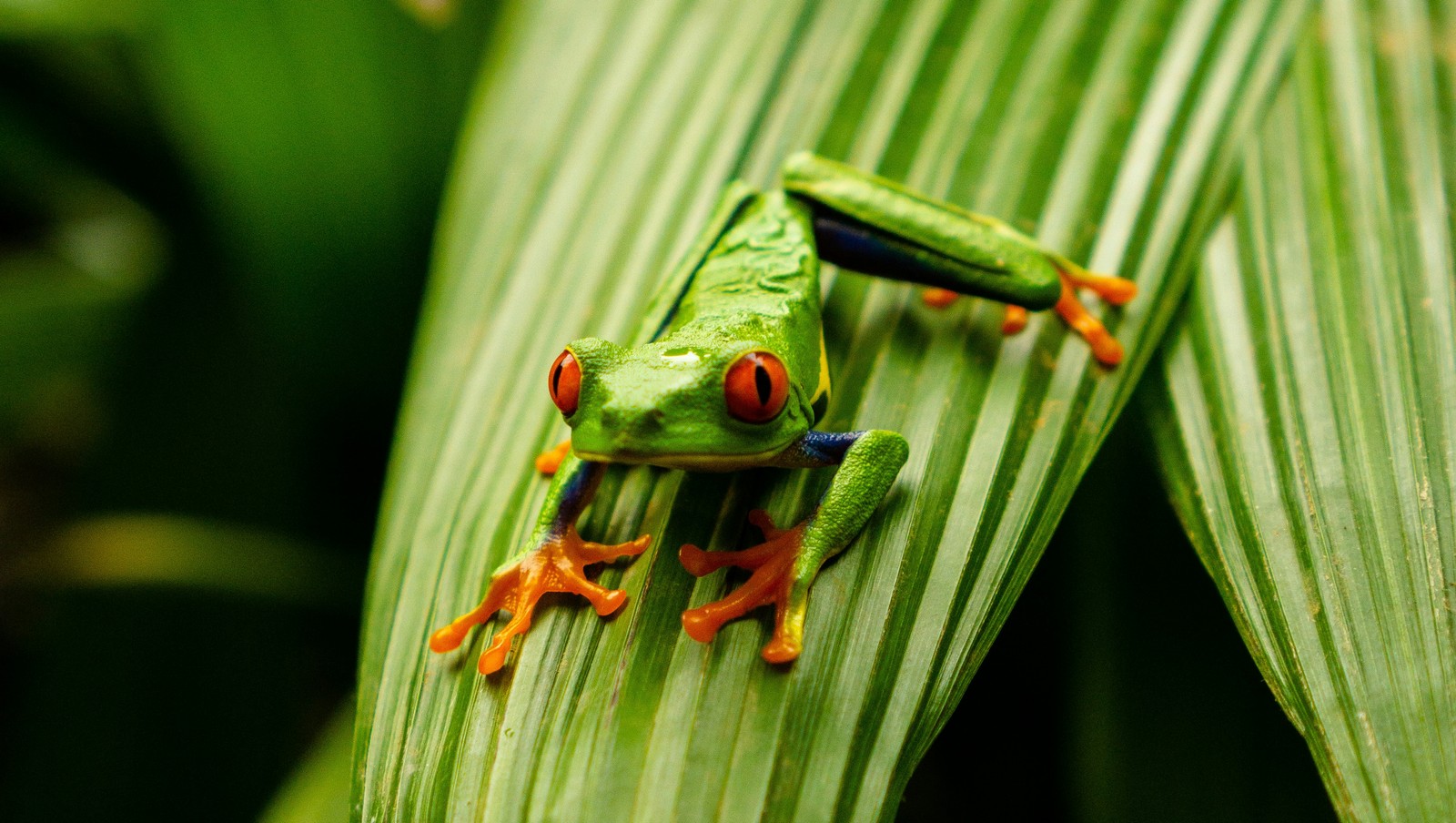
Given America's vast territory and rich biodiversity, our land holds a wide variety of mammals, reptiles, and birds—but let's not forget the amphibians! The United States is home to a great and extravagant range of amphibians that are far more fascinating than just regrowing tails: Some well-known and others that you'll definitely want to discover. Join us as we explore the unique traits of these 10 incredible amphibians found across the US!

1
Tiger salamander

Image: Anastasia Pirri

Meet the tiger salamander—one of the largest terrestrial salamanders in North America. While its size is certainly impressive, the tiger salamander also has other traits that make it stand out. Take its appearance, for example: its dark brown body with bright yellow blotches resembles tiger stripes, which is why it has such a peculiar name. But there's more! Unlike many other salamanders, this one spends much of its time underground, using its large, powerful limbs to dig.

Fun fact: Some states, like Colorado and Kansas, have named it their official state amphibian!

2
Eastern Hellbender

Image: laura adai

Although the tiger salamander is impressively large, another salamander stands out for its huge size: the Eastern Hellbender.

Cryptobranchus alleganiensis alleganiensis is its scientific name (quite a mouthful, right?). It holds the title of the largest salamander in North America. In fact, it's sometimes nicknamed "snot otter" due to its large body and the slippery texture of its skin.

3
Amphiuma

Image: Wolfgang Hasselmann

When you first see this creature, you might mistake it for a snake or an eel. But it's actually an amphibian—more specifically, an aquatic salamander known as the amphiuma. Its appearance, let’s just say, isn’t exactly what most would call "cute."

This unusual amphibian can grow up to 3 feet long! And while not immediately noticeable, it has tiny legs with only one, two, or three toes, depending on the species. Its limbs aren't very useful, but they do make the amphiuma look just a bit creepier.

4
Colorado River Toad

Image: Crystal McClernon

The Colorado River Toad may not be the cutest or most dazzling creature out there, but it's certainly one of the most fascinating. Native to the southwestern United States, this amphibian is one of the largest toads in North America, but what sets it apart isn't its size. So, while it may look slow and harmless, this toad is capable of releasing a dangerous, highly psychoactive toxin that acts as a defense mechanism and can be fatal to many species, including dogs.

5
Common Mudpuppy

Image: Tommy Bond

Now, it's time for an amphibian whose cuteness is one of its most distinctive features; even its name reflects that! We're talking about the Common Mudpuppy, an aquatic salamander that inhabits streams, rivers, ponds, and lakes. It's also one of the few salamanders that remain fully aquatic throughout their entire life. And that’s precisely why it sports a pair of large, red external gills on the sides of its head, giving it an almost 16th-century European look!

6
Gray Tree Frog

Image: Aurora K

The small Gray Tree Frog inhabits the forests and woodlands of the eastern United States. And while it's true you might find it on trees and plants, its nickname isn't entirely accurate when it comes to color. Yes, it can be gray, but this amphibian has the ability to change its color to blend in with its surroundings! It also has another superpower: the ability to survive freezing temperatures. By producing a natural antifreeze, it protects its organs during cold conditions that most of us couldn’t begin to handle.

7
Spotted Salamander

Image: Kristina Kutleša

As its name suggests, what distinguishes the Spotted Salamander is its shocking look. But beware, its mottled appearance isn't just for show. It also acts as a warning to ward off predators! If you've ever seen one in the wild, consider yourself lucky because although it’s fairly widespread, this salamander spends most of its time underground.

8
Pacific Giant Salamander

Image: wallace Henry

If you venture into the mountainous regions of the Pacific Northwest, you might come face-to-face with the Pacific Giant Salamander, one of the largest terrestrial salamanders in North America.

Reaching up to 14 inches in length, this amphibian is striking to see—but it’s even more surprising when you hear it. That’s right: unlike most of its kind, the Pacific giant salamander can make audible barking sounds!

9
Barking Tree Frog

Image: José M. Alarcón

We have a contestant that could go head-to-head with the Pacific Giant Salamander in a barking contest: the aptly named Barking Tree Frog.

Let’s just say the frog’s striking features are perfectly summed up by its name. In states like Florida, Georgia, and South Carolina, you can find this little amphibian calling from the treetops or near freshwater shores.

10
Dusky Gopher Frog

Image: Geraldine Dukes

Finally, we have the most mysterious and elusive of all: the Dusky Gopher Frog. As one of the rarest frog species in the U.S., the Dusky Gopher Frog is incredibly elusive and critically endangered, with fewer than 200 individuals left in the wild. The dusky frog spends most of its life hidden underground and only comes out during the mating season.

Geography Geography 5 min read

Southern charm

Howdy y’all! 10 fascinating facts about the American South

Image: Blake Emge

It would be impossible to capture the essence of American culture without considering its Southern states. With a rich history and breathtaking landscapes, the South is a cornerstone of America’s identity , no matter where you call home. And, as the birthplace of some of the most influential trends in American music, as well as the setting for many historical milestones, few regions have contributed this much to our nation’s heritage. Join us on a fun road trip as we explore 10 intriguing facts about the American South —from blues music to rocket science!

1
Musical roots

Image: Ahmed Rizkhaan

The American South is the birthplace of some of the most influential music genres in history, including blues and jazz. The blues, which originated in the Mississippi Delta in the late 19th century, captured the deep emotional and social experiences of African Americans in the post-Reconstruction South.

As the blues spread throughout the country, its rhythms and melodies laid the groundwork for jazz, which emerged in the vibrant streets of New Orleans in the early 20th century. These new sounds created a new musical language that favored improvisation and complex rhythms. By the 1920s, jazz had become a defining feature of American culture, solidifying the South's role as a cradle of American music.

2
The Lone Star state

Image: Perry Merrity II

Before joining the United States, Texas was an independent nation known as the Republic of Texas. After winning its independence from Mexico in 1836, Texas existed as a sovereign state for nearly a decade, with its own president, currency, and military.

The Lone Star flag, first adopted during this period, symbolized Texas's independent spirit and remains a proud emblem of the state today. Although the Republic of Texas was short-lived, with Texas officially becoming the 28th state of the Union in 1845, its legacy endures in the fierce yet friendly spirit of its inhabitants.

3
First successful powered flight

Image: History in HD

Although the Wright brothers were native Ohioans, the first successful powered flight took place in North Carolina on December 17, 1903. The historic flight occurred in the sand dunes of Kitty Hawk, where the Wright brothers chose to test their aircraft due to the area's steady winds and soft landing surfaces.

The achievement marked a pivotal moment in aviation history, proving that controlled, powered flight was possible. The site of this groundbreaking event is now commemorated by the Wright Brothers National Memorial.

4
Southern hospitality

Image: Aleks Marinkovic

Southern hospitality is more than just a stereotype—it's a deeply rooted tradition that has shaped the culture of the American South for centuries. This ethos of politeness, generosity, and warmth towards guests can be traced back to the region’s agrarian past, where communities were often isolated and people relied on one another for support.

This tradition was further reinforced over time by particular social customs, such as the importance of entertaining visitors with elaborate meals and ensuring that guests feel like part of the family. Southern hospitality is so integral to the region's identity that it’s become a hallmark of the South.

5
Mississippi River

Image: Mathew Benoit

Spanning over 2,300 miles, the Mississippi River is the second-longest river in the United States and plays a critical role in the nation’s geography and economy. Flowing from its source in Minnesota to the Gulf of Mexico, it traverses ten states, including several Southern states like Louisiana, Mississippi, and Arkansas.

A vital artery for transportation and commerce since the early days of American history, the Mississippi also played a crucial role during the Civil War, with control of the river being a strategic priority for both Union and Confederate forces. To this day, the river continues to be a key waterway, supporting local industries and remaining a central part of the cultural and ecological identity of the region.

6
Oldest city in America

Image: Michael J. Vega

St. Augustine, Florida, holds the title of the oldest continuously occupied city of European origin in the United States. Founded in 1565 by Spanish explorer Pedro Menéndez de Avilés, St. Augustine predates the founding of Jamestown and Plymouth by several decades.

As a strategic outpost for the Spanish Empire, the city played a crucial role in defending Spain’s claims to the New World, particularly against British and French incursions. The Castillo de San Marcos, a massive stone fortress completed in 1695, still stands as a testament to the region's rich history.

7
Southern delights

Image: Alex Haney

Southern cuisine, known for dishes like fried chicken, barbecue, and biscuits, is considered a cornerstone of American food culture. In fact, the popularity of Southern food has spread nationwide, with restaurants and festivals celebrating these flavors from coast to coast.

A true melting pot of cultures, the region’s beloved cuisine has a rich history with roots that can be traced back to Native American, African, and European influences. The ingredients reflect the region’s agricultural history, with many recipes using corn or corn-derived products. Southern cuisine also includes iconic dishes like jambalaya and gumbo from Louisiana, which highlight the region’s French and Creole influences.

8
Space pioneers

Image: Brian McGowan

NASA’s southern centers have been pivotal in shaping the U.S. space program. The Marshall Space Flight Center in Huntsville, Alabama, was crucial in developing the Saturn V rocket that made the moon landing possible. The Johnson Space Center in Houston, Texas, is the hub for astronaut training and mission control, and the Kennedy Space Center in Florida has been the launch site for every manned mission since 1968.

To this day, the South’s importance in space and scientific endeavors remains uncontested: NASA centers in the region lead astronaut training and are essential for rocket launches, maintaining their status as pioneers of space exploration.

9
Bourbon & Moonshine

Image: Jeff Frank

Bourbon, often considered America's native spirit, has deep roots in the South, particularly in Kentucky, where it is produced under stringent guidelines. To be classified as bourbon, the whiskey must be made from a mash bill of at least 51% corn and aged in new charred oak barrels. This specific process, along with Kentucky’s unique limestone water, gives bourbon its distinctive flavor and character.

But the tradition extends way beyond just bourbon. The craft of homebrewing various types of alcoholic beverages has long been a vital part of the region’s cultural heritage. For example, during Prohibition, the South became notorious for its moonshine —illegally brewed, high-proof spirits (essentially clear, unaged whiskey)—which were smuggled across the country.

10
Southern Drawl

Image: Joe Lavigne

The Southern accent, often referred to as the "Southern drawl," is one of the most recognizable in the United States. This unique dialect evolved from a mix of British, Irish, and African influences during the early settlement of the region.

The drawl's elongated vowels and slow cadence might even reflect the South's agricultural origins, where life moved at a more leisurely pace. The accent has evolved over centuries and is now recognized as a defining feature of Southern identity, often evoking a sense of charm and regional pride.

Explore more American facts

Choose your favorite category!

General
General

As American as apple pie—the very best America has to offer!

Culture
Culture

Delve into the astounding richness of American lore.

Geography
Geography

Hop in and explore vast and diverse American landscapes.

History
History

Discover the key moments that shaped the United States.