Culture Culture 5 min read

Double feature

10 times movies with identical plots were released at the same time

Image: cottonbro studio

After years of cinema history, it's hard to find a narrative that's a hundred percent original. Everything seems to take inspiration from something that's come before, but sometimes Hollywood takes this to the extreme. Twin films —two feature films with a striking resemblance and released at roughly the same time— are a fascinating cinematic phenomenon. Sometimes, both movies do relatively well at the box office; other times, one film completely buries the other. In this article, we have compiled 10 pairs of cinematic doppelgangers that offer two compelling versions of the same story. Can you think of other examples?

1
Elvis & Priscilla
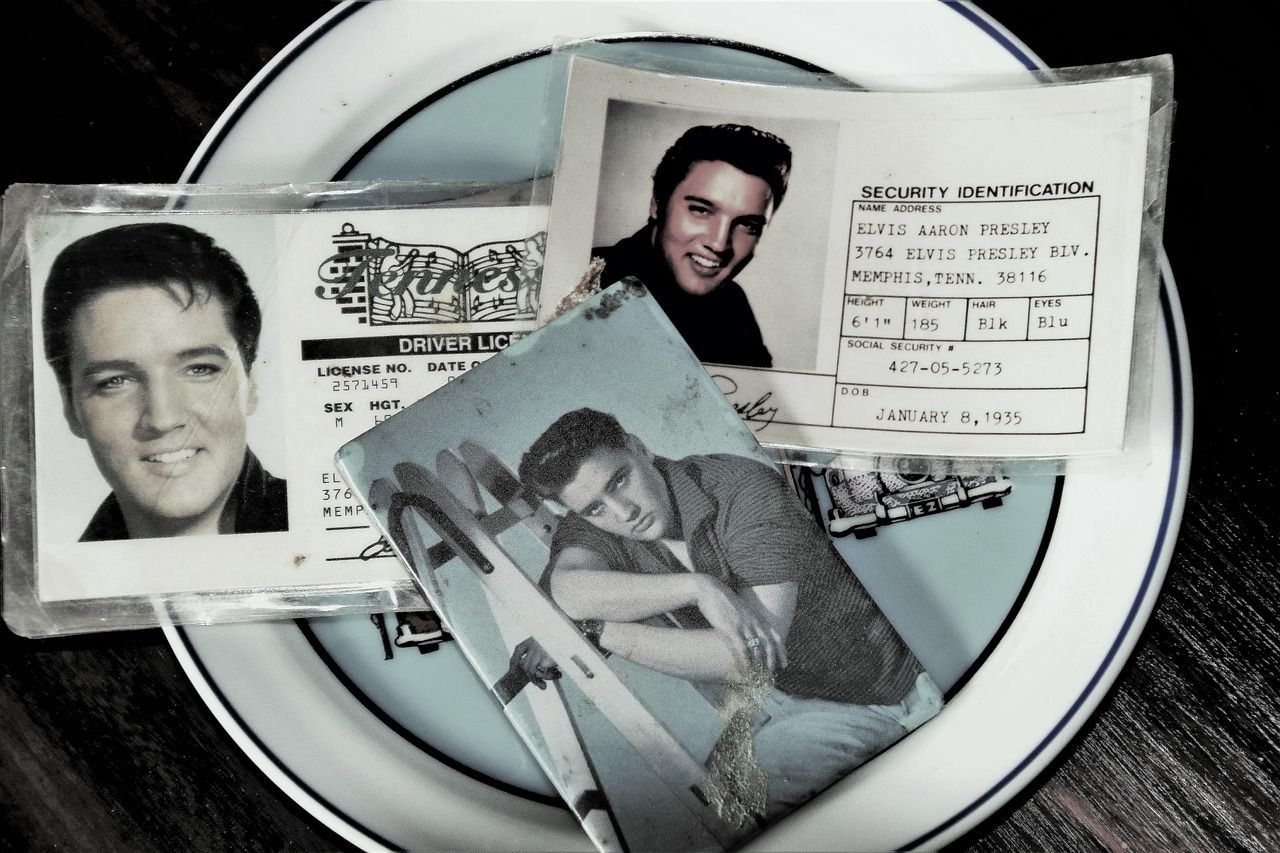
Image: pasja1000

Elvis (2022) is an original script based on the life of Elvis Presley, directed by Baz Luhrmann, starring Austin Butler and Tom Hanks. On the other hand, Priscilla (2023) is based on the autobiography Elvis and Me, written by Priscilla Presley and directed by Sofia Coppola.

Although based on the life of the same public figure, the two films have their unique tone, extremely distinct executions, and different goals in mind. While Elvis focuses on the King of Rock and Roll himself and covers a lot more ground, Priscilla is much more intimate and has his wife and her experience at the center of the plot.

2
Top Gun & Iron Eagle
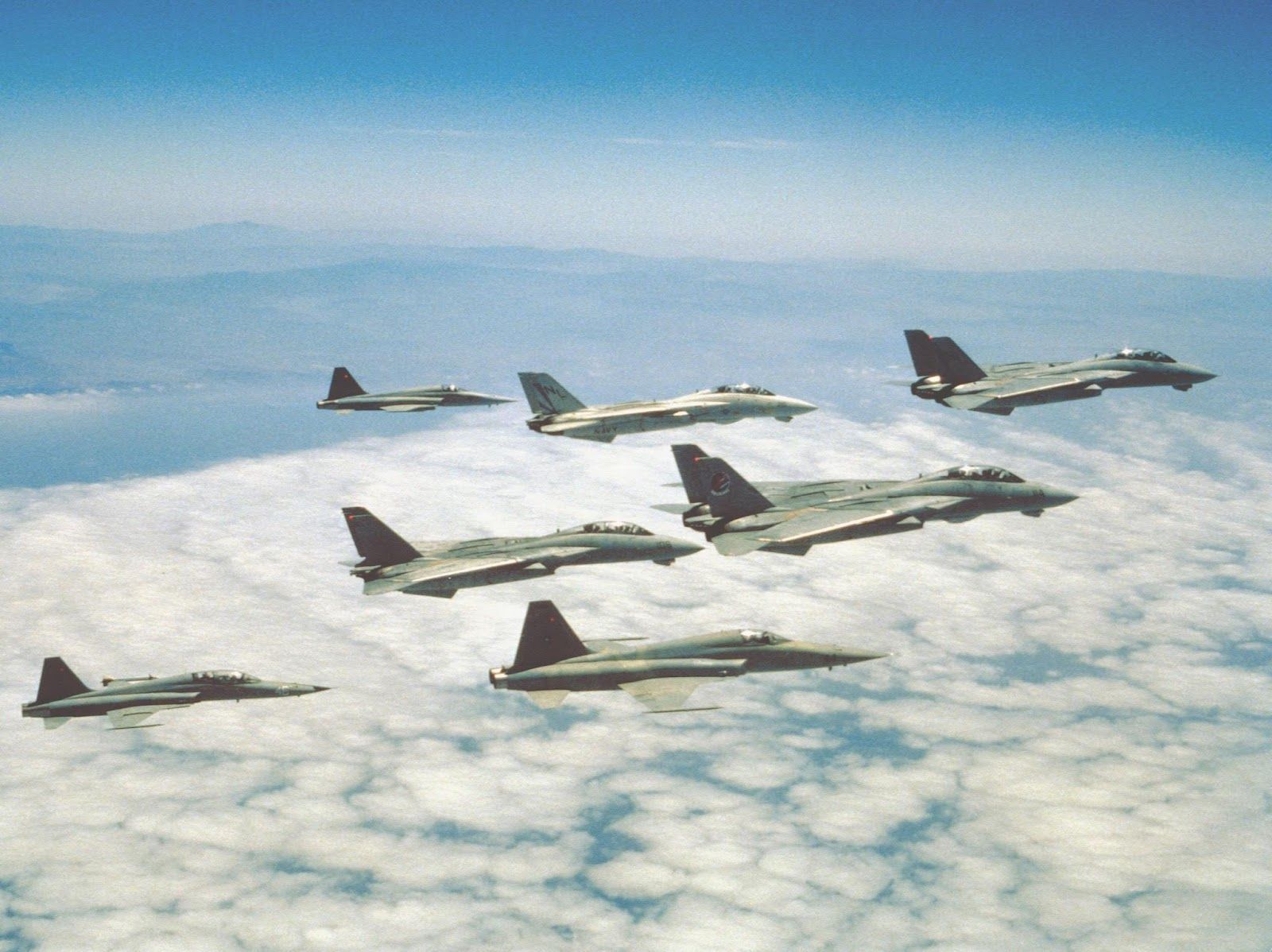
Image: LCdr. David Baranek, U.S. Navy, Public domain, via Wikimedia Commons

You've almost certainly seen Top Gun at some point. The 1986 hit that launched a young Tom Cruise to stardom as naval aviator Pete "Maverick" Mitchell was the highest-grossing title of that year, even though it was not only competing with a very similar film but wasn't even the first to be released.

Four months earlier, Iron Eagle , the story of brave fighter pilots battling in the skies, had been premiered. Although the Jason Gedrick-starring film had three sequels, none came close to the $1 billion mark that Top Gun grossed.

3
The Truman Show & EDtv
Image: Nathy dog

The Truman Show (1998) and EDtv (1999), both about a man whose life is filmed 24 hours a day for a TV show, were inspired by the then-emerging reality television.

While Truman is unaware that his life has been broadcast since he was a baby, Ed Pekurny is fully willing to air his daily life on TV —at least at first. Perhaps that lack of mystery, combined with a premiere just a few months after The Truman Show , meant that EDtv couldn't win over the audience. Would it be more popular if it had premiered earlier? Maybe, but it's hard to deny that The Truman Show is a masterpiece that will go down in cinema history.

4
Capote & Infamous

Image: Eric Koch for Anefo, CC0, via Wikimedia Commons

Truman Capote was a seminal writer in American literature. His life is full of exciting stories, so it's not surprising that his biography inspired several movies and TV series. Yet, in the case of Capote (2005) and Infamous (2006), this happened almost simultaneously.

Even more unusual, both films chose to tell the author's process that led him to interview the killers of the Clutter family and that would later become his most successful work, In Cold Blood . Capote stars Philip Seymour Hoffman and Toby Jones gives an excellent performance in Infamous . Which was your favorite?

5
Deep Impact & Armageddon
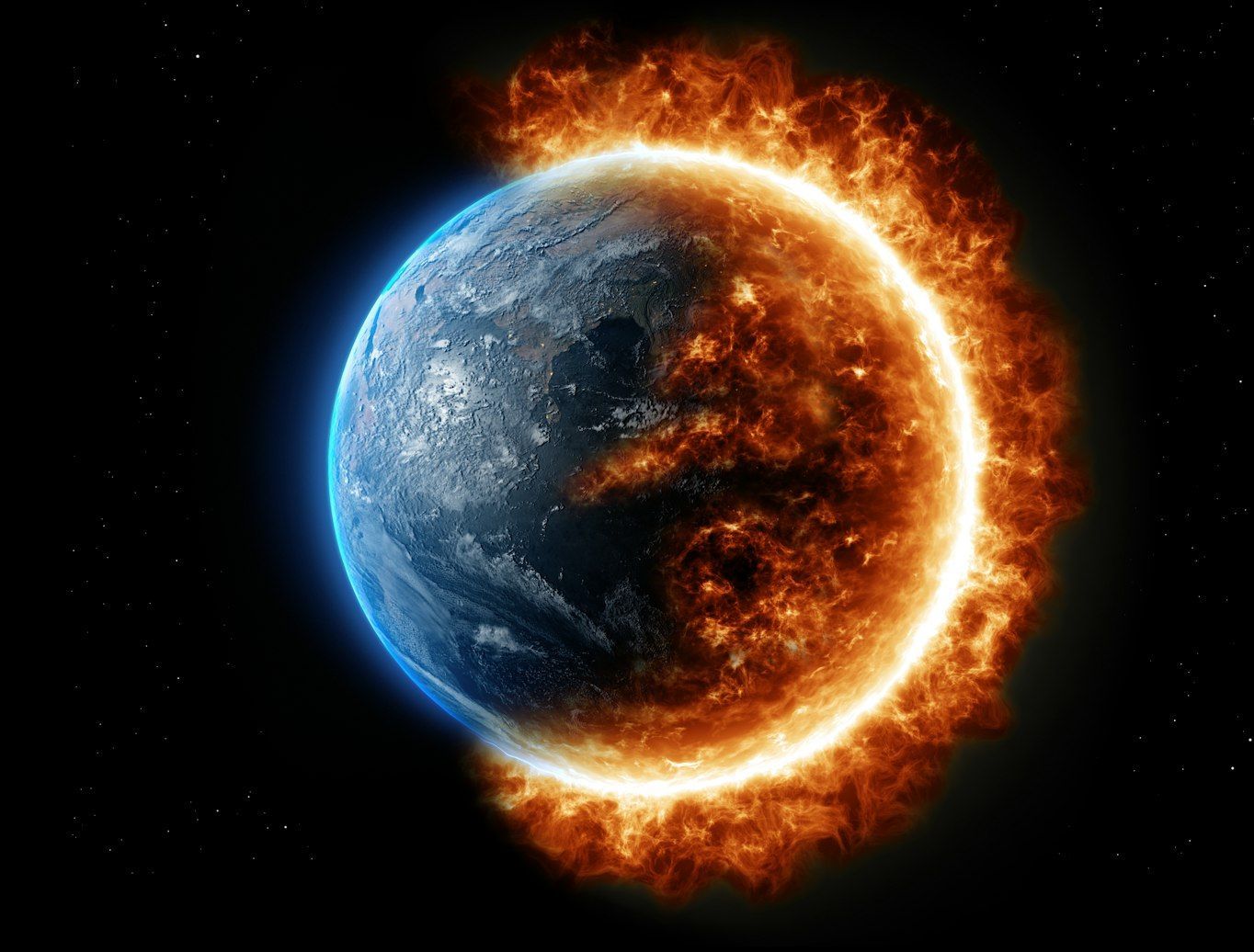
Image: Javier Miranda

In the summer of 1998, Deep Impact hit the cinemas, and just a few months later, Armageddon was released. Since both movies have similar plots —basically a comet or asteroid threatens to destroy the Earth—we can focus on which one had the better cast. On one side, you have Robert Duvall, Elijah Wood, Tia Leone, and Morgan Freeman. On the other, Bruce Willis, Ben Affleck, Billy Bob Thornton, Steve Buscemi, and Liv Tyler team up to save the world.

Looking at the box office returns, however, it's clear which one reigned supreme. Armageddon became the highest-grossing film that year, even though it received mostly negative reviews and was criticized for its scientific inaccuracies. All that said, Armageddon and Deep Impact are the pairing to go with if you're ever in the mood for a double feature.

6
Saving Private Ryan & The Thin Red Line
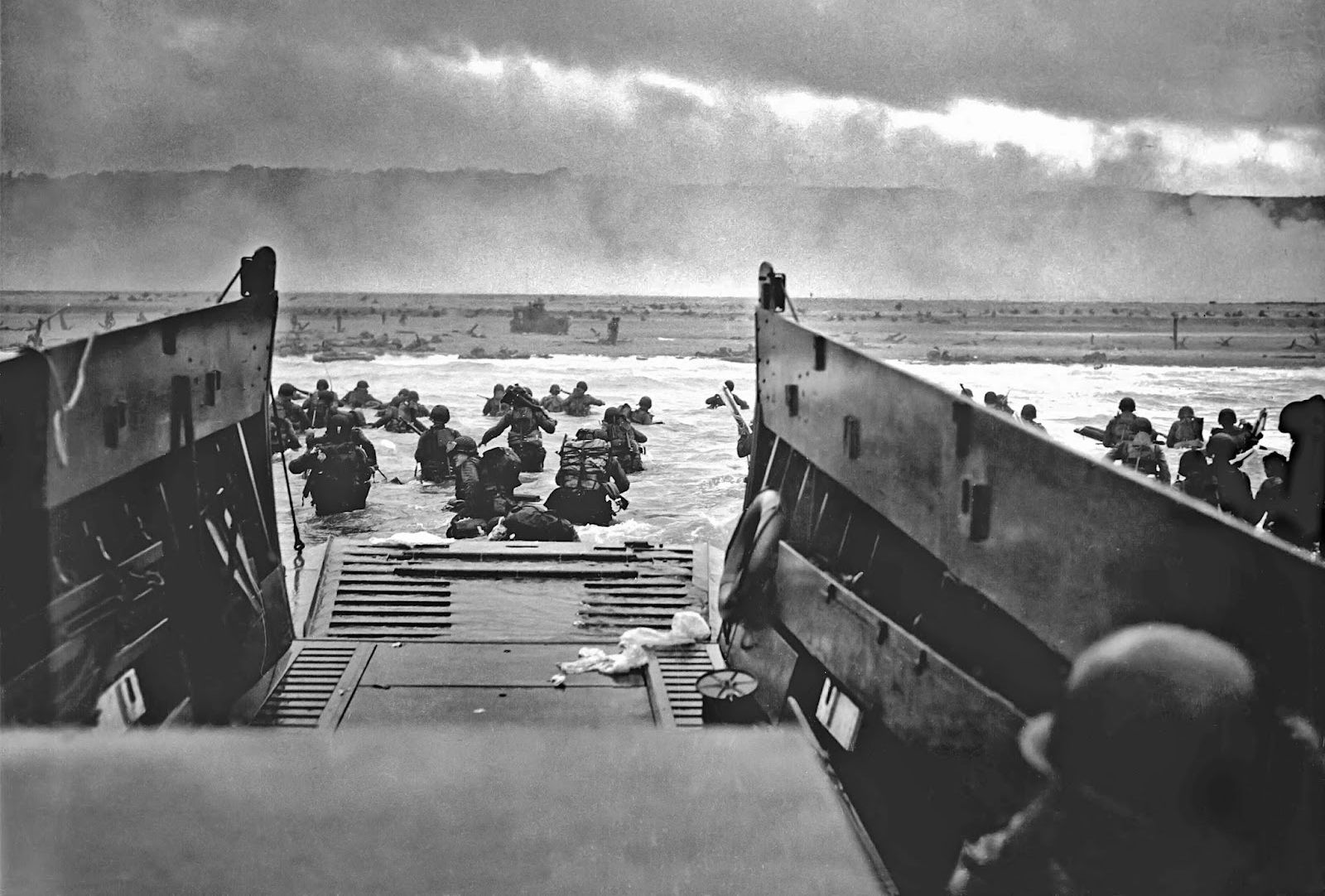
Image: Chief Photographer's Mate (CPHOM) Robert F. Sargent, U.S. Coast Guard, Public domain, via Wikimedia Commons

In 1998, Saving Private Ryan was one of the defining films of the year and captivated audiences with its heart-wrenching story and realistic portrayal of World War II. Shortly after making a fortune at the box office and scoring 11 Oscar nominations, The Thin Red Line hit the cinemas.

Both films feature similar themes and setups, but while Steven Spielberg’s take is a bit commercial and has a more straightforward narrative, the nearly three-hour-long version of Terrence Malick is more on the artistic side. That said, and despite the unfortunate coincidence, both movies are worth seeing if you like crude, realistic depictions of war.

7
The Prestige & The Illusionist
Image: jasper benning

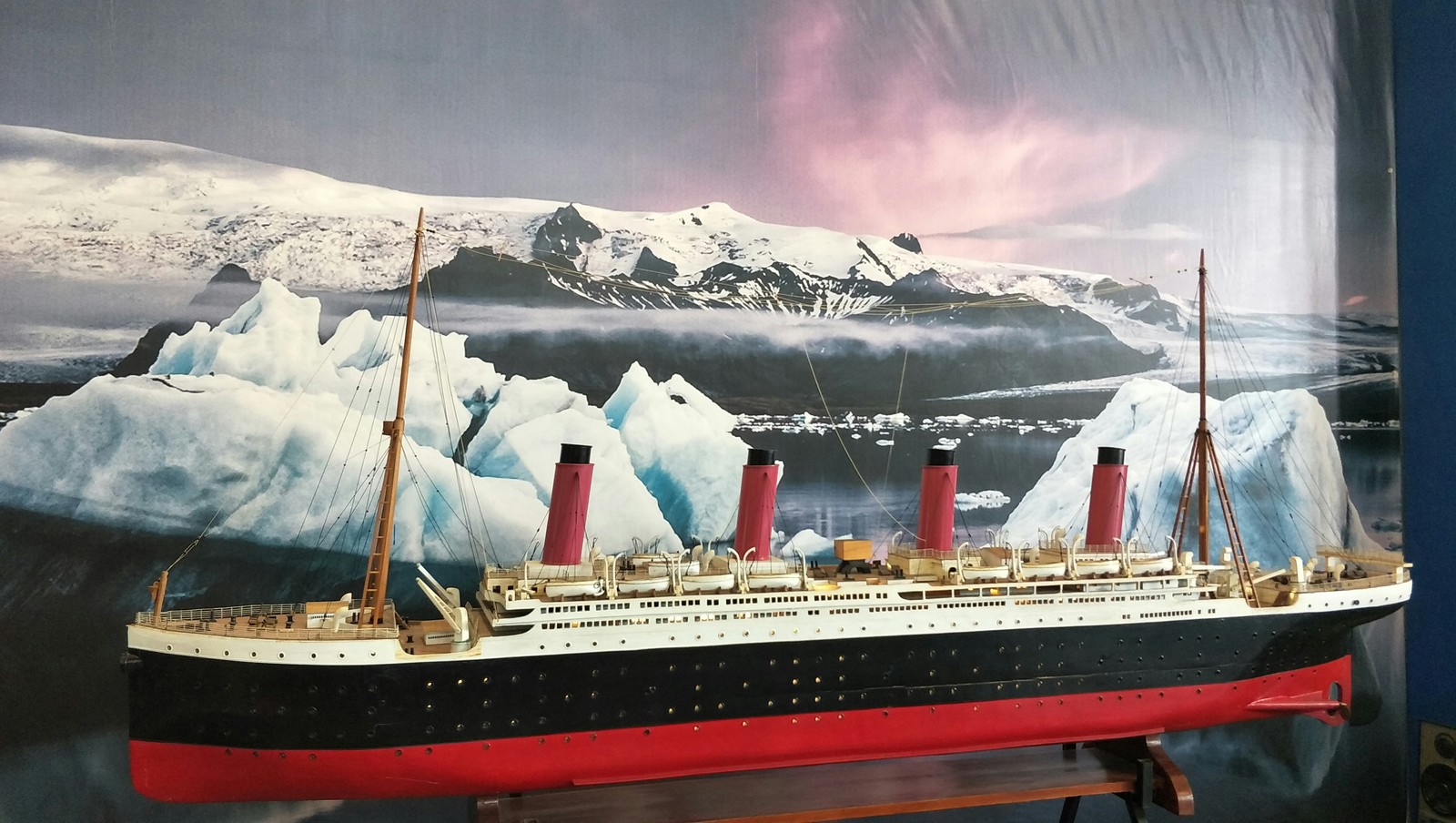
For some reason, magic, a centuries-old form of entertainment, had its revival at the beginning of the 21st century thanks to cinema. While The Illusionist (2006) tells the story of Eisenheim, a Viennese magician who must confront Prince Leopold to avoid being discredited, The Prestige (2006) focuses on two rival magicians competing to win over late 19th-century London audiences. The two films, though different in style and tone, are excellent for any magic enthusiast.

8
Churchill & Darkest Hour

Image: Barthelemy de Mazenod

England's most famous Prime Minister, Winston Churchill, is one of the most revered leaders of World War II. Proof of that are the biographical films Churchill and Darkest Hour , released in 2017. Although both follow the same historical figure, they are very different in style, tone, and setting.

Churchill , starring Brian Cox, focuses on the last period of his wartime career, before the Normandy invasion. Released later but set earlier in time, Darkest Hour portrays Winston Churchill, played by Gary Oldman, as he holds the fate of Western Europe at the beginning of the war. The latter film turned out to be the more successful of the two, even winning an Academy Award for best actor.

9
K-9 & Turner and Hooch

Image: Martin Podsiad

In 1989, there were not one but two films that portrayed police officers teaming up with a dog to fight crime. The first was K-9 , starring Jim Belushi as the angry police detective Michael Dooley. Instead of taking a human partner, Dooley decides to get a German Shepherd named Jerry Lee. From there, all kinds of antics ensue.

Just a few months later, Tom Hanks played a meticulous police investigator who's forced to take a troublesome dog who's the only witness to a horrible crime in Turner and Hooch . Obviously, a lot of the humor from both of these movies stems from the erratic behaviors of their titular canines. So, if you are into dog jokes, then you'll probably find something to like here.

10
No Strings Attached & Friends with Benefits

Image: cottonbro studio

In 2011, two romantic comedies were released centered around the idea of friends casually hooking up to end up realizing they were in love. No Strings Attached had Natalie Portman and Ashton Kutcher in the leading roles, while Friends with Benefits starred Mila Kunis and Justin Timberlake.

Although they are practically the same movie, they had some success. Both of them made about 150 million at the box office. However, if you have a problem telling them apart, don't worry, you are not alone!
Geography Geography 5 min read

Extraordinary secrets about the capitals of the United States

The only state capital without a McDonald's and 11 other fun facts

Image: AmericanBenchCraft

Can you guess which is the only U.S. capital built on top of an extinct volcano? What about which is the oldest state capital, the least populated, or the one with the coldest temperature? If you're dying to know the answers to these questions, read on to discover 12 fun facts about our state capitals that you probably didn't know!

1
Jackson, Mississippi

Image: Engineers' office, department of Tennessee, Public domain, via Wikimedia Commons

Did you know Jackson, Mississippi, is named after the 7th U.S. President, Andrew Jackson? It is one of the four state capitals named after American presidents —the other three are Jefferson City (Missouri), Lincoln (Nebraska), and Madison (Wisconsin).

Jackson is the only U.S. capital built on top of an extinct volcano. Interestingly, during the Civil War, the city was burned by Union troops, giving it the nickname "Chimneyville". In addition, Jackson is best known for being the center of the civil rights movement during the 1950s and 1960s.

2
Santa Fe, New Mexico

Image: Wendy Shervington

In 1610, Spanish settlers established Santa Fe as the capital of New Mexico, making it the oldest state capital in the country. But that's not the only peculiarity of this quaint city with a temperate climate and a unique historical and cultural richness. At 7,000 feet above sea level, Santa Fe is also the highest U.S. capital.

3
Honolulu, Hawaii

Image: Daniel Lee

Known for its spectacular beaches and rich cultural heritage, Honolulu is the only state capital not on the North American mainland. Considered the birthplace of modern surfing, it also has the highest average annual temperature of any U.S. state capital.

But those aren't the only interesting facts about Hawaii's capital. Here are a few equally (or more) crazy ones: it hosts the only royal palace in the United States (Iolani Palace), the island is made up of volcanic soil, and it houses the world's largest open-air shopping mall (Ala Moana Center).

4
Annapolis, Maryland

Image: Terry Granger

Annapolis is a historic city on the shores of the Chesapeake Bay, known for its colonial architecture, nautical tradition, and academic value. But did you know it is also the smallest U.S. capital by land size? Just 6.7 square miles!

Annapolis was also one of the nine capitals the United States has had throughout its history. For nine months during the Revolutionary War, Maryland's current state capital served as the seat of the Confederation Congress.

5
Bismarck, North Dakota

Image: NASA Astronaut, Public domain, via Wikimedia Commons

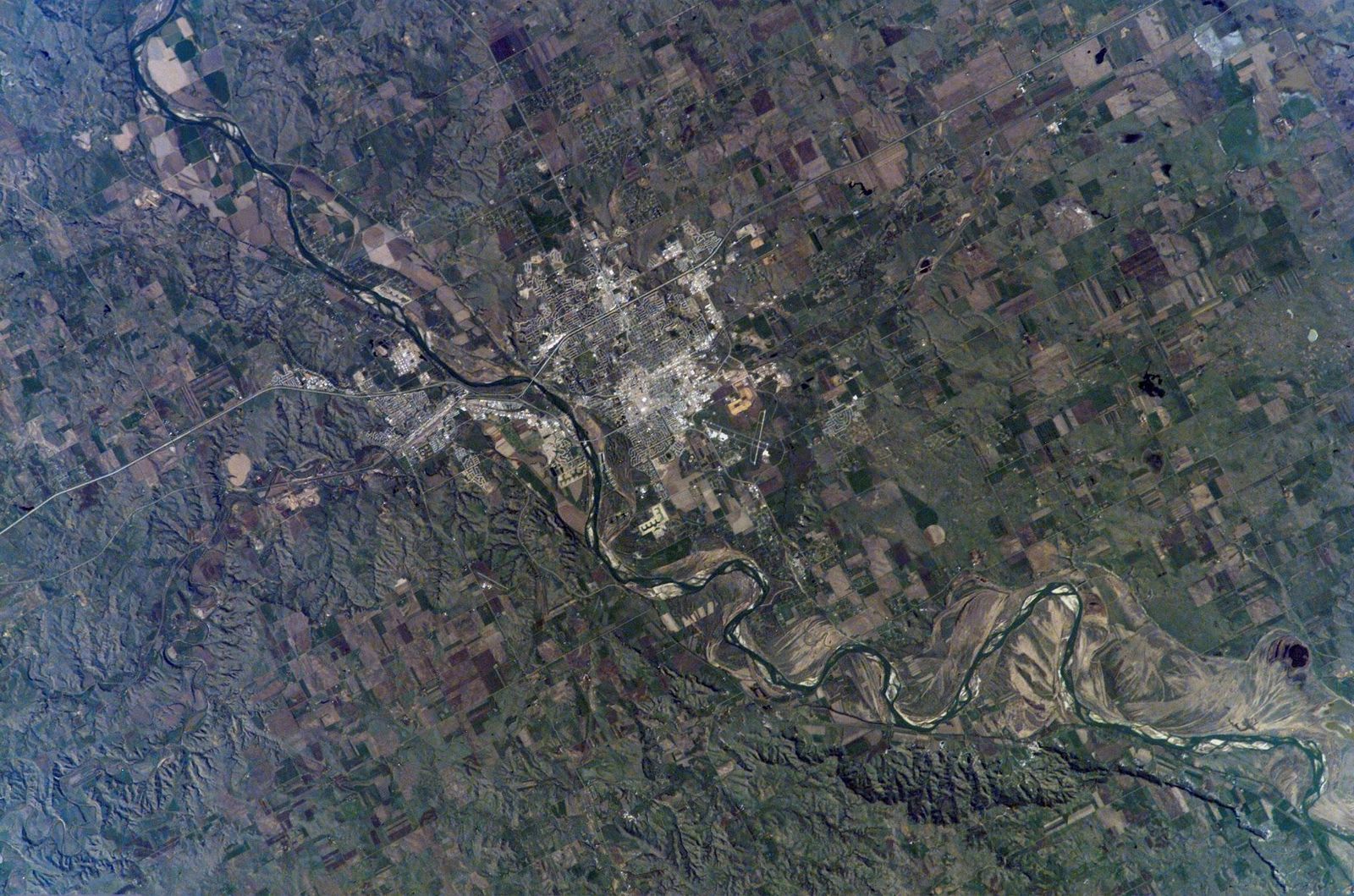
If you thought Juneau, Alaska, had the lowest average winter temperature of all state capitals, think again! It's actually Bismarck, North Dakota, where the coldest temperature ever recorded was -45°F. Imagine that!

Bismarck was founded in 1872 on the banks of the Missouri River. The city was named after Otto von Bismarck, the chancellor of Germany, to attract German investors. Another fun fact? In 1930, Bismarck and Fargo had a dispute, known as the "Capitol Tower War," over which city should be the state capital.

6
Charleston, West Virginia

Image: Carol M. Highsmith, Public domain, via Wikimedia Commons

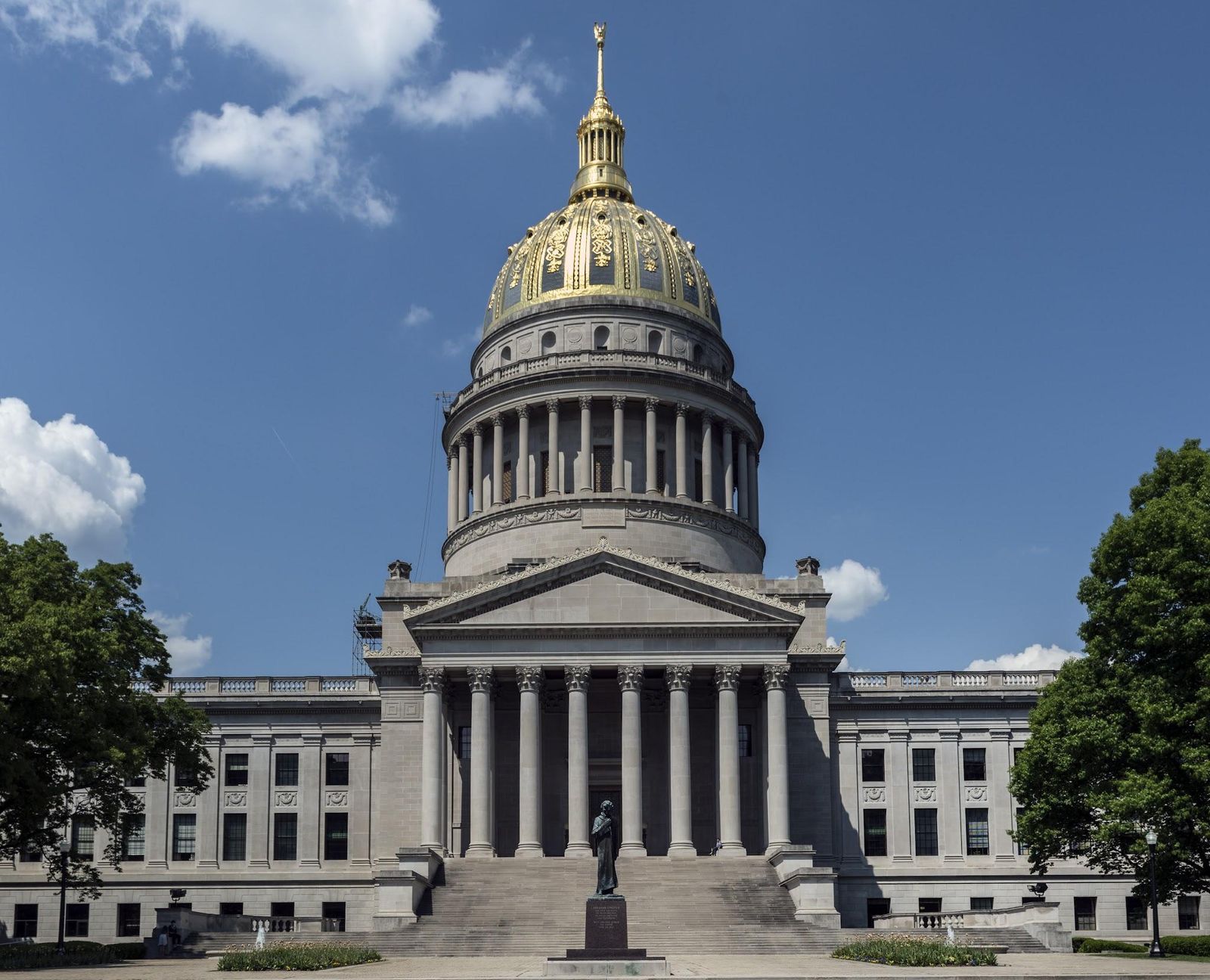
Did you know that the original name of West Virginia's capital was Charles Town in honor of the father of Colonel George Clendenin, one of the first settlers?

Charleston is best known for offering a unique combination of history, culture, and outdoor adventure.

7
Hartford, Connecticut

Image: Balazs Busznyak

Founded in 1635, Connecticut's capital is one of the oldest cities in the U.S. Hartford is known for being a key cultural center in New England. It was the home of writer Mark Twain and is home to historic sites such as the State Capitol, the Harriet Beecher Stowe House, and Bushnell Park, the oldest public park in the country.

Hartford is also called the "insurance capital of the world" due to the presence of major insurance companies. But the city's most curious fact is that it was where Teddy Roosevelt, aboard the Columbia Electric Victoria Phaeton, took the first presidential automobile ride in history!

8
Harrisburg, Pennsylvania

Image: Katherine McAdoo

Pennsylvania's capital city is best known for its role in the Civil War and the Underground Railroad. Located on the banks of the Susquehanna River, Harrisburg has been an important center of transportation and commerce. Today, it is known for its historic architecture, museums, and special events.

Harrisburg is also home to the longest stone arch bridge in the world, the Rockville Bridge, built in 1902. Oh, and in 1979, it came close to a nuclear disaster due to the accident at the Three Mile Island plant, the worst in U.S. history —but that's a longer story for another article!

9
Olympia, Washington

Image: Peter Robbins

Located at the southern tip of Puget Bay, Washington's state capital is known for its natural beauty and vibrant culture. But did you know Olympia is the northernmost state capital in the contiguous U.S.?

Oh, and it's also a great place to try some of the best craft beer in the country!

10
Salt Lake City, Utah

Image: Cong Wang

Utah's state capital is popular for being one of the best places to ski in the United States. But that's not all! Salt Lake City is also the only state capital with three words in its name. Have you ever thought about that?

It has the largest Mormon population in the country and is the world headquarters of the Church of Jesus Christ of Latter-day Saints. Another fun fact? Salt Lake City is home to more plastic surgeons per capita than any other state capital!

11
Montpelier, Vermont

Image: John Holm

Named after the French city of the same name, Montpelier is the least populated state capital, with a population of just 7,900. Probably for that reason, Vermont's capital prides itself on its small local businesses: it is the only state capital that doesn't have a McDonald's or a Starbucks. Could you live without these fast food chains? It doesn't have a Walmart store either!

12
Topeka, Kansas

Image: Nils Huenerfuerst

Topeka, Kansas’s state capital, has several interesting tidbits. For example, did you know its name, of Native American origin, means "a good place to dig potatoes"? Interesting, don’t you think?

In 2010, Topeka temporarily changed its name to "Google, Kansas" to attract the attention of the internet giant and become the capital city of fiber optics. Frivolous facts aside, Topeka was also very important in the history of the civil rights movement.

Geography Geography 4 min read

Discovering America

What's the easternmost point of the US? If you say Maine, think again!

Image: Jon Sailer

We’ve all picked up "facts" about the fifty states somewhere along the way, but not all of them hold up. Some are half-truths passed around for generations , others are just plain wrong. So, in an attempt to set the record straight once and for all, we’ve gathered some fun truths that clear up the biggest mix-ups about our states.

1
Arizona skips Daylight Saving Time

Image: Christoph von Gellhorn

This is partly true because most of the state doesn’t bother with Daylight Saving Time . They stopped changing the clocks back in 1967. The exception is the Navajo Nation, which stretches into Utah and New Mexico and keeps DST so all its communities stay on the same schedule. Now, as for the smaller Hopi reservation, inside the Navajo Nation, it sticks with Arizona time… Yes, quite confusing if you’re not a local.

2
Georgia isn’t really the Peach State

Image: Jessica Furtney

Georgia loves its peaches, sure, but the state’s top fruit money-maker is actually blueberries . In recent years, blueberries have brought in several times more cash for farmers than peaches. Meanwhile, California grows far more peaches than Georgia ever has. The nickname stuck from the old days when Georgia peaches were famous for their flavor, not their volume. So while the pride is real, the peaches aren’t quite the powerhouse people may think.

3
Nevada didn’t record the hottest US temperature

Image: tommao wang

You probably think of Nevada’s desert heat as unmatched, but the all-time record belongs to California’s Death Valley . In July 1913, it hit a mind-melting 134 degrees Fahrenheit, the hottest temperature not only in America but the hottest ever recorded on Earth!

4
Minnesota doesn’t have the most lakes

Image: Tom Conway

Minnesota proudly calls itself the "Land of 10,000 Lakes," but that’s selling itself short… The real number is closer to 12,000. However, Alaska wins this battle . The state has more than 3 million lakes over five acres in size. In fact, Alaska contains over 40 percent of the nation’s surface water. If you love fishing, kayaking, or just staring at a quiet stretch of water, the true lake capital of America is far up north.

5
Pineapples aren’t native to Hawaii

Image: Christian Joudrey

Pineapples are everywhere in Hawaiian imagery, but the plant actually comes from South America , mainly Paraguay and southern Brazil. Spanish explorers likely brought them to Hawaii in the 1500s after spreading them across the Pacific to places like the Philippines and Guam. Hawaii’s climate turned out to be perfect for growing them and by the 1900s, the islands were producing so many pineapples that the fruit became a symbol of Hawaii itself.

6
Maine isn’t the country’s easternmost point

Image: Chris Henry

If you’re a Geography geek, you’ll love this one. You might picture Maine’s rocky coast as the eastern tip of America, but the actual easternmost point is thousands of miles away, on Alaska’s Semisopochnoi Island in the Aleutians. How is that possible? Well, that’s because it crosses the 180th meridian, putting it in the Eastern Hemisphere. That means part of Alaska technically sits farther east than anywhere in Maine.

7
The biggest US earthquake didn’t happen in California

Image: Lala Miklós

California has suffered some big earthquakes in its history, but the most powerful earthquake in America struck Alaska in 1964 . It hit Prince William Sound with a magnitude of 9.2. It was so strong it shook the ground for four and a half minutes and triggered massive tsunamis. In today’s dollars, the damage would total more than $2 billion. Alaska sits on a collision zone of tectonic plates, making it one of the world’s most seismically active regions.

8
The Everglades isn’t America’s biggest swamp

Image: Joshua J. Cotten

A lot of people picture the Florida Everglades when they think of swamps, but technically, the Everglades isn’t a swamp at all. The real title of the largest swamp in the United States goes to Louisiana’s Atchafalaya Basin , which spans about 1.4 million acres. This swamp has a vast mix of cypress forests, bayous, and marshes, and it’s more than twice as productive as the Everglades when it comes to wildlife and plant life.

9
Big cities aren’t always capitals

Image: Mackenzie Cruz

It surprises people how often the biggest city isn’t the state capital . New York City? Not the capital… Albany is. Chicago? Nope, that honor goes to Springfield. Pennsylvania’s capital isn’t Philly or Pittsburgh, it’s Harrisburg. Even California’s capital isn’t L.A. or San Francisco, it’s actually Sacramento. Out of fifty states, only seventeen have their most populous city as the capital.

10
Alaska isn’t divided into counties

Image: Rod Long

Alaska likes to do things its own way. Instead of counties, it’s split into boroughs , and a massive area known as the Unorganized Borough has no local government at all. People out there don’t pay property taxes, but that freedom comes with challenges, limited services, fewer job options, and tough living conditions.

Explore more American facts

Choose your favorite category!

General
General

As American as apple pie—the very best America has to offer!

Culture
Culture

Delve into the astounding richness of American lore.

Geography
Geography

Hop in and explore vast and diverse American landscapes.

History
History

Discover the key moments that shaped the United States.