Culture Culture 7 min read

The Crossroads of the World

From "Satan's Circus" to 50 million visitors: 10 Times Square secrets
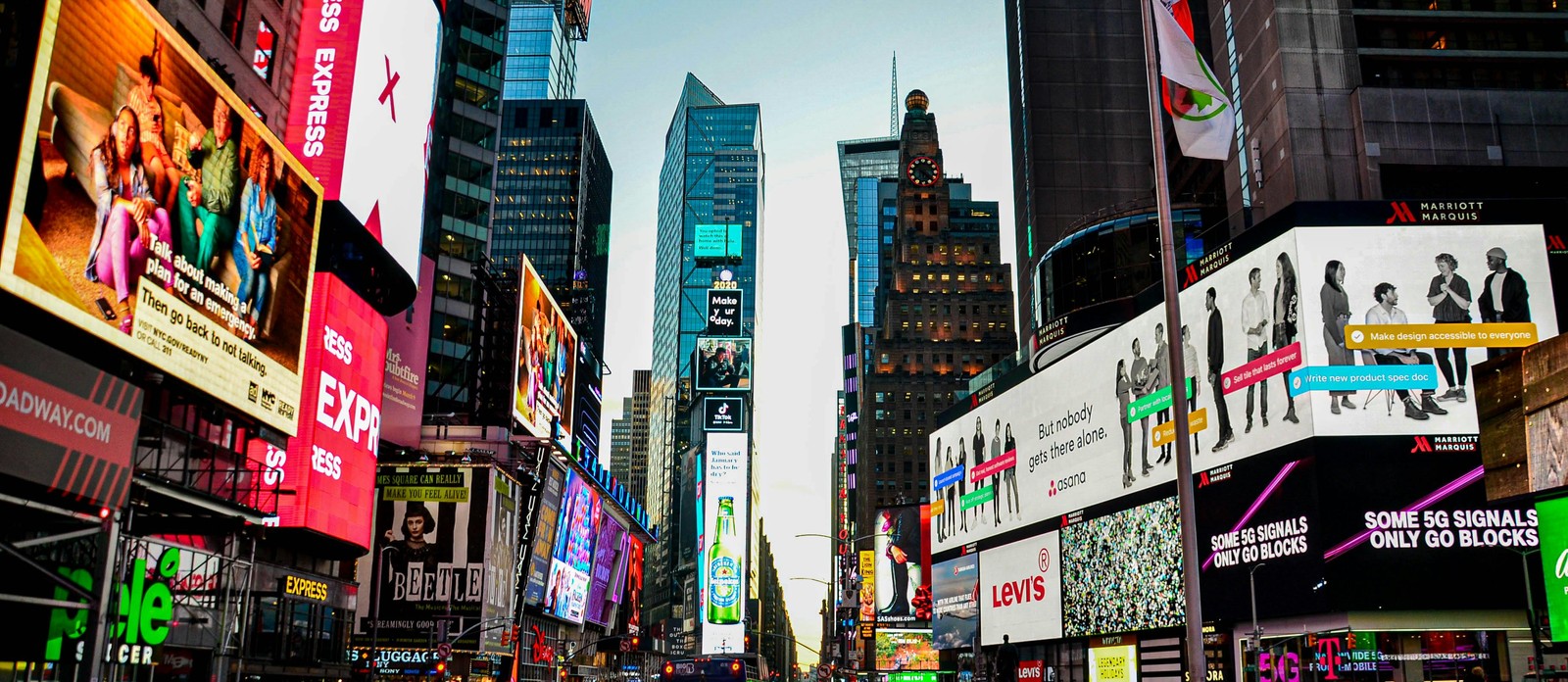
Image: Roberto M.

You've seen Times Square on TV a thousand times. You may have even stood there. But there are plenty of secrets about the site that most people don’t know. For example, the building that the world watches every New Year's Eve is almost empty inside. The red stairs everyone poses on are actually a roof. The ball only exists because the city banned fireworks in 1907. And before any of that, the neighborhood was so vice-ridden that locals called it "Satan's Circus." Here are 10 facts about the most visited place in America.

1
The ball drop only exists because the city banned fireworks
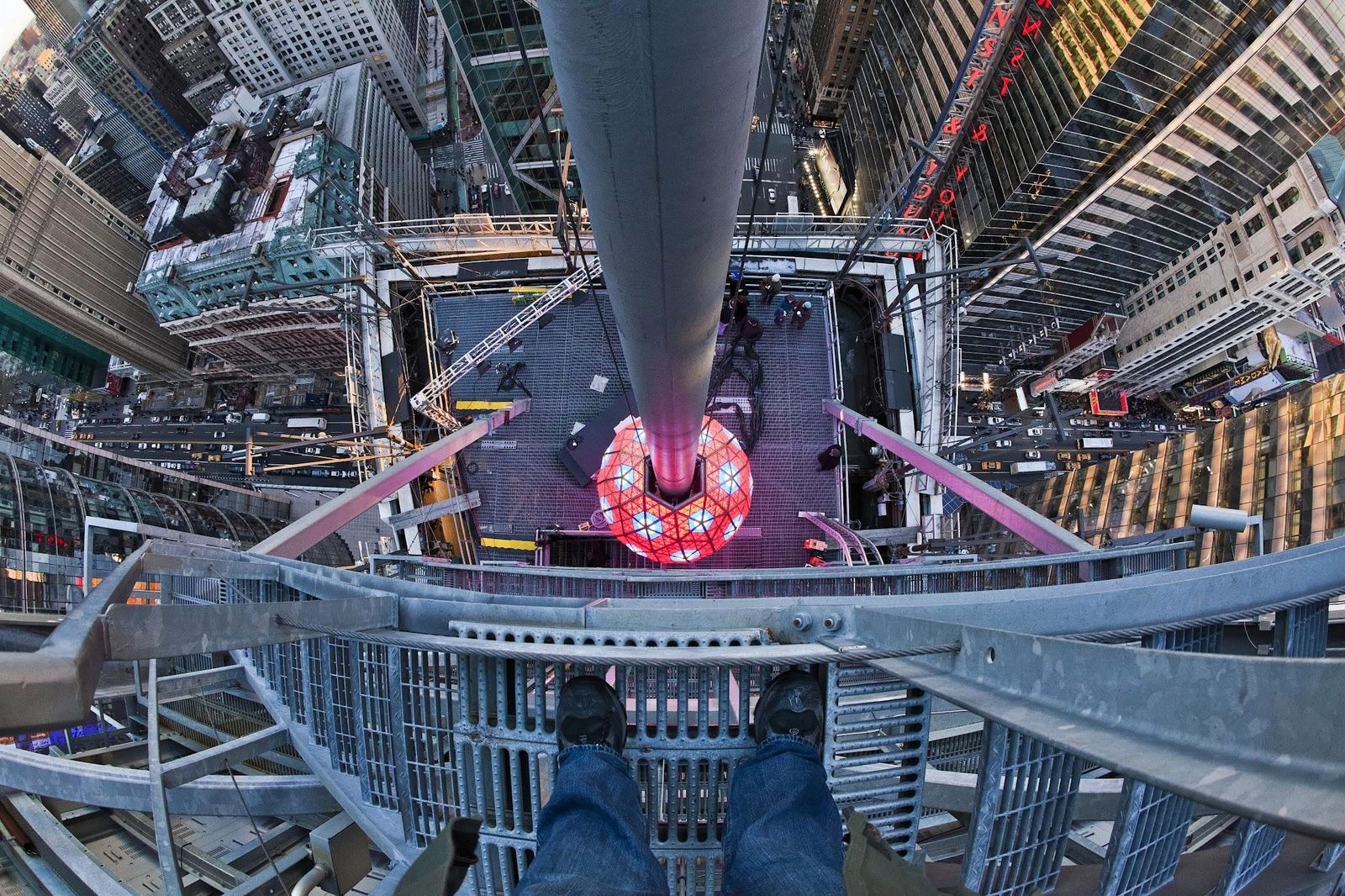
Image: Anthony Quintano, CC BY 2.0, via Wikimedia Commons

New Year’s Eve celebrations began in Times Square as early as 1904. That year, New York Times owner Adolph Ochs threw an extravagant fireworks party to christen the paper’s new headquarters.

Two years later, the city banned fireworks over fire hazard concerns. Ochs’ chief electrician, Walter Palmer, proposed a "time-ball" to replace the pyrotechnics. This would imitate a navigational device used by ships. So, on December 31, 1907, a 700-pound iron-and-wood ball, five feet in diameter, lit by 100 twenty-five-watt bulbs, made its first descent from the flagpole atop One Times Square.

The tradition has continued every year since, except in the wartime dimouts of 1942 and 1943. Today’s ball is the ninth version and is the largest ever: 12.5 feet wide, weighing 12,350 pounds, and covered in 5,280 handcrafted Waterford crystal discs.

2
It used to be called "Satan’s Circus"
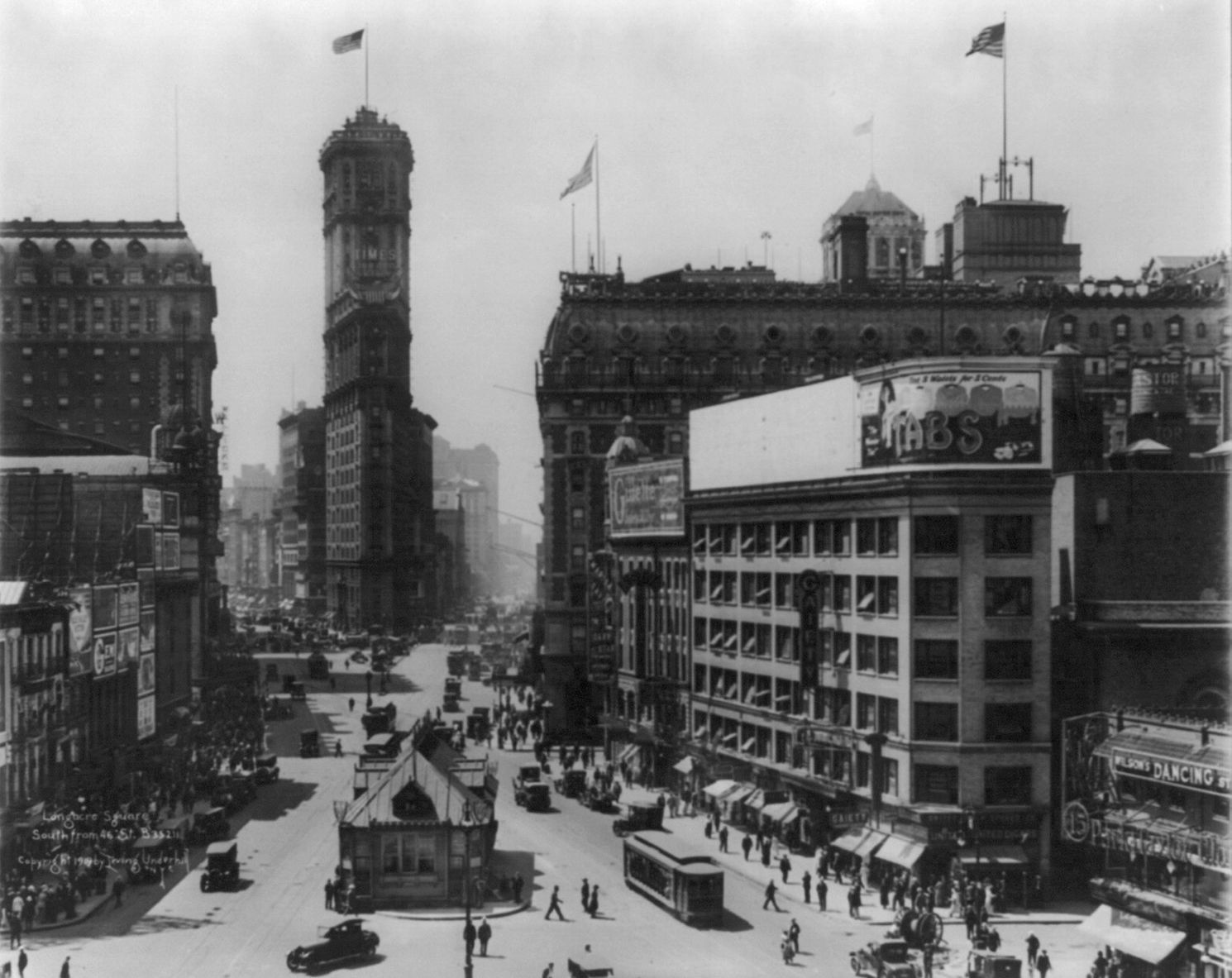
Image: Miscellaneous Items in High Demand, PPOC, Library of Congress, Public domain, via Wikimedia Commons

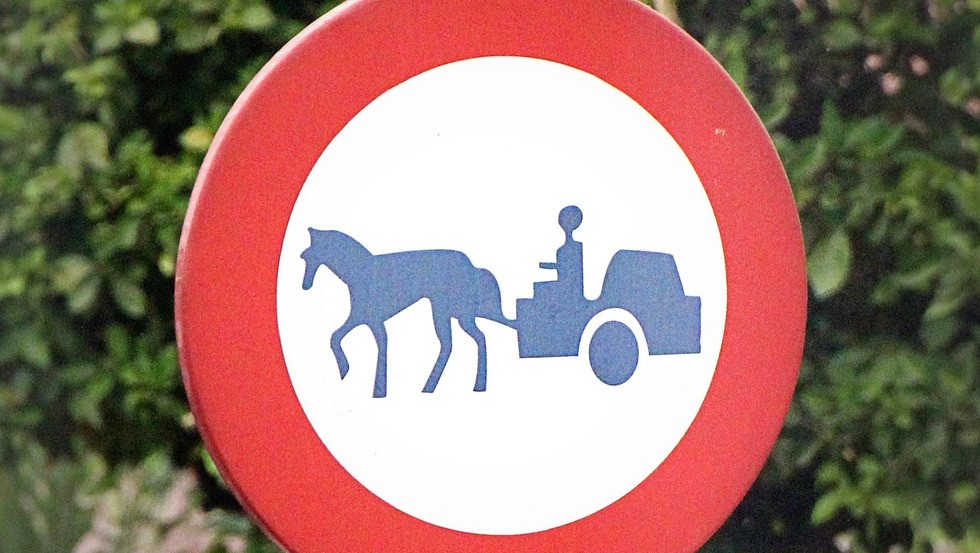
The area was once called Longacre Square, named after London’s carriage district, because the neighborhood was the center of New York City’s horse carriage industry. It was also one of the most vice-ridden corners of Manhattan. In 1901, the surrounding blocks contained 132 brothels and at least as many saloons. Police called the area "the Tenderloin." Locals called it "Satan’s Circus."

The transformation began when the New York Times decided to build its new headquarters there, betting on the city’s first subway line, which was already planned to run beneath the block. In 1904, the area was officially renamed Times Square in a public ceremony. Later that year, the newspaper moved into its gleaming new tower, then the city’s second-tallest building. The Times only stayed there for 9 years before relocating to larger offices on West 43rd Street. But the name it left behind proved permanent.

3
It was once one of the most dangerous blocks in America
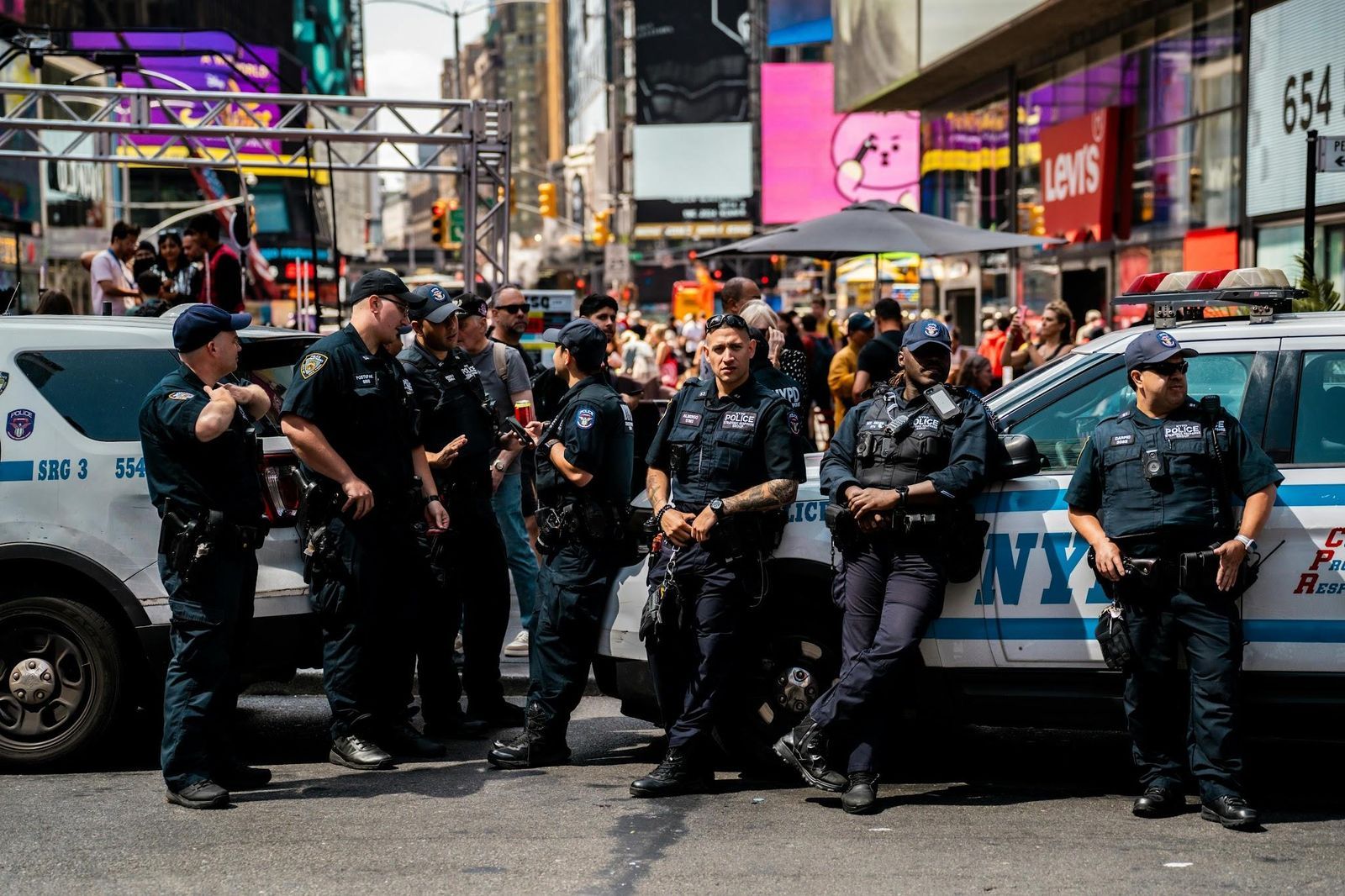
Image: Charles A. Pickup

While it lost its "Satan’s Circus" nickname long ago, the tourist-friendly Times Square most visitors know today is almost unrecognizable from what it was just four decades ago. By 1984, more than 2,300 crimes were being committed every year within a single-block radius.

The streets were dominated by drug dealers, street crime, porn and peep show theaters, and open prostitution. The TKTS discount theater ticket booth, opened in 1973, was conceived as an emergency measure, an attempt to pull foot traffic back into a neighborhood that businesses had abandoned. The City of New York and the State of New York, as well as private investors and the non-profit Times Square Alliance, collaborated to reduce the crime rate and welcome the commerce and brands that eventually turned Times Square into a tourist hub.

By 2001, major felony offenses had fallen 62.3% from their 1993 peak. Today, Times Square is one of the most policed and most surveilled public spaces in the United States, with a dedicated NYPD substation on the premises. The same block that was America’s most notorious danger zone now draws 50 million visitors a year.

4
The TKTS red stairs are actually a roof
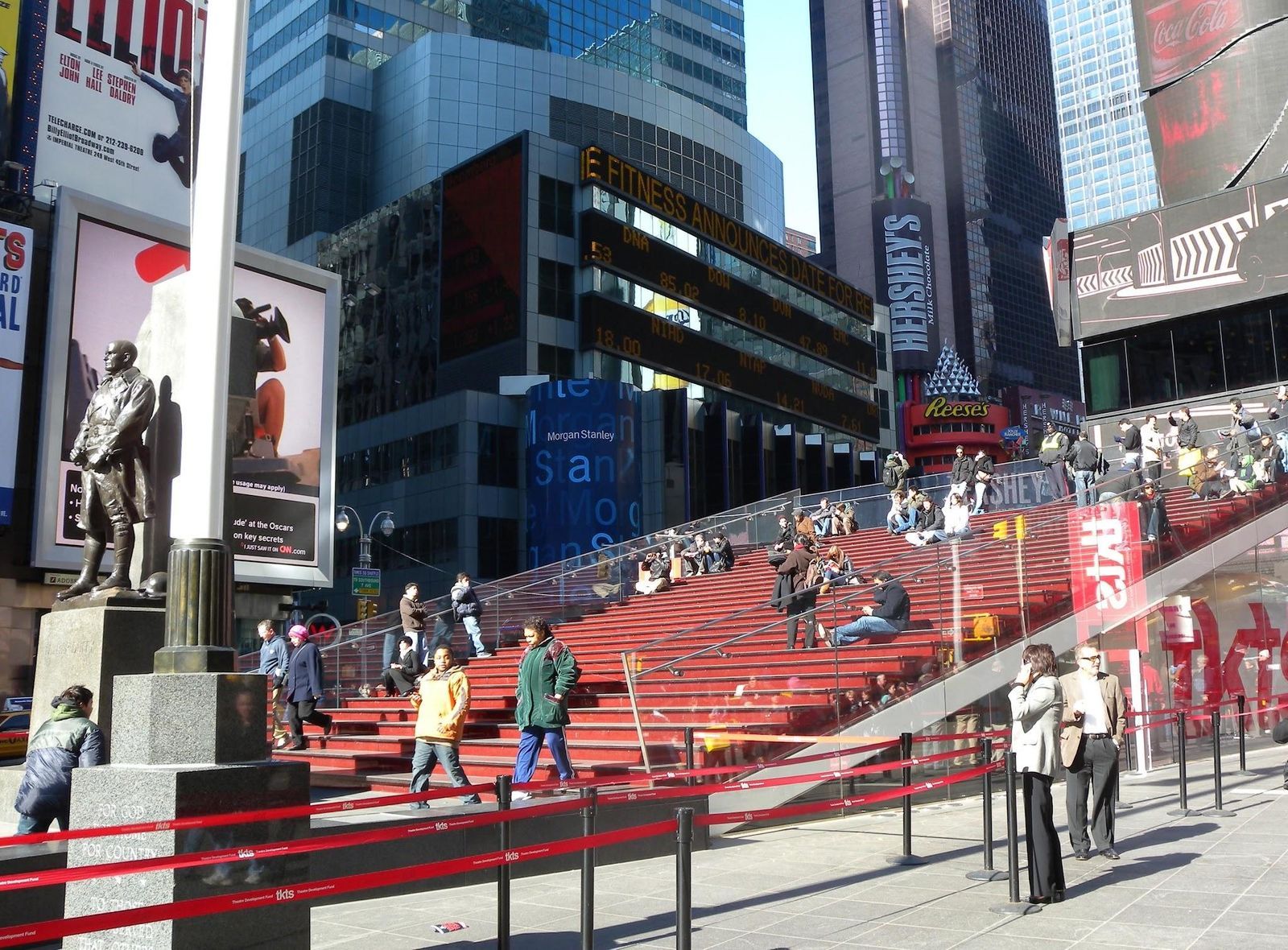
Image: Jim.henderson, Public domain, via Wikimedia Commons

Most of the millions of tourists who climb the famous ruby-red stairs in Times Square assume they’re just a viewing platform. In fact, they’re a roof. Underneath the 27 steps sits the TKTS booth, operated by the Theatre Development Fund, where theatergoers can buy same-day Broadway and off-Broadway tickets at discounts of up to 50%.

In 1999, a design competition was held for a permanent replacement. The winning concept proposed building the new booth’s roof as a public staircase. It would be a bleacher-style ascent that would give visitors an elevated vantage point over the square. The structure was completed in October 2008. It glows red at night because it is lit entirely from below. About 13,000 people walk past it every day.

5
New York City law requires the lights to stay on
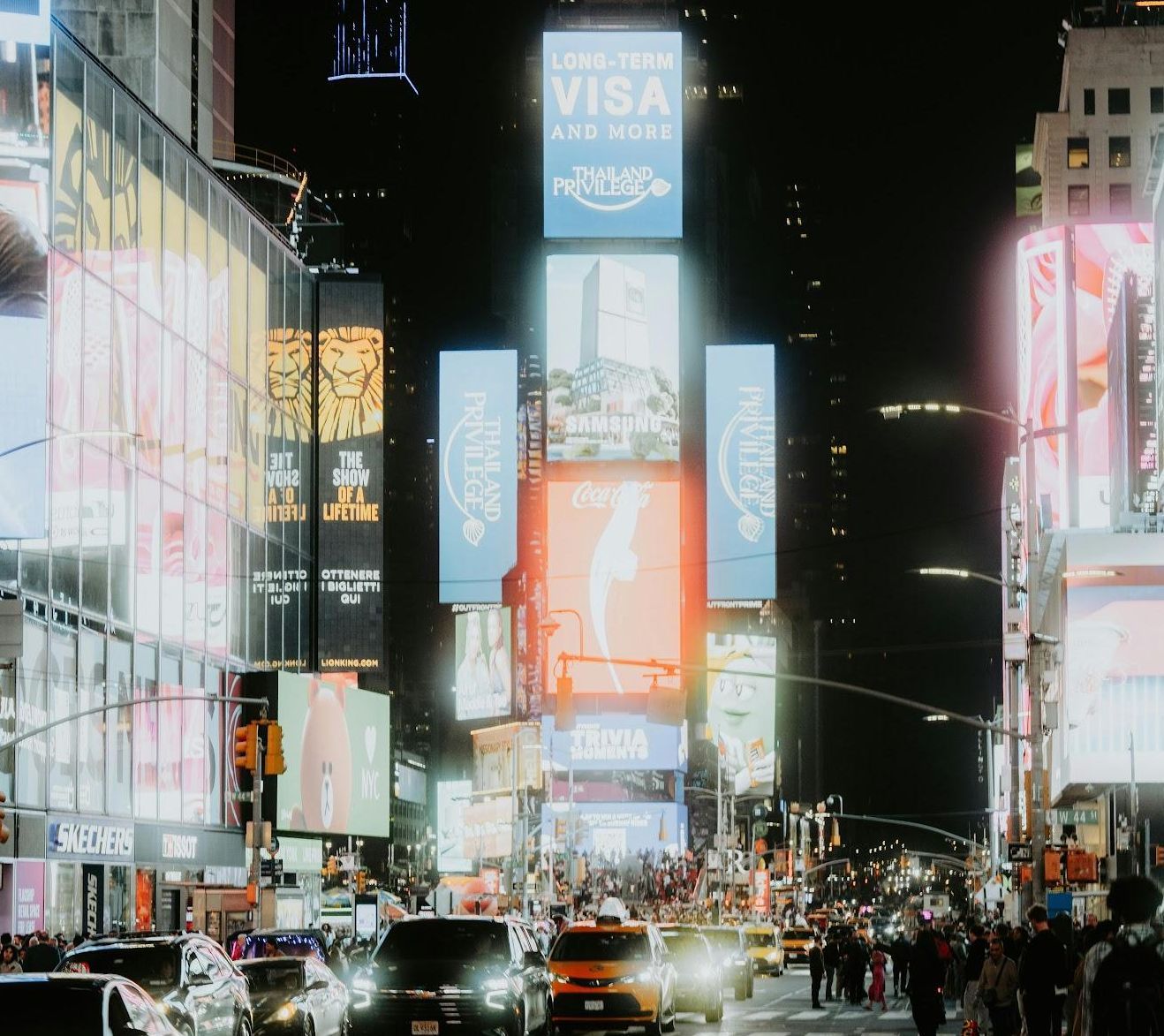
Image: Luke Miller

Did you know that Times Square stays aglow by law? A 1987 New York City zoning ordinance requires all new developments and major enlargements on blocks in the area, with frontage on Seventh Avenue or Broadway, to include large-scale illuminated signage.

The regulation was introduced to protect the district’s visual character after years of blank-faced modernist towers had dulled its energy. Buildings are legally required to display a minimum illuminated surface area, and signage must remain lit during designated hours.

6
The most famous building there is almost empty
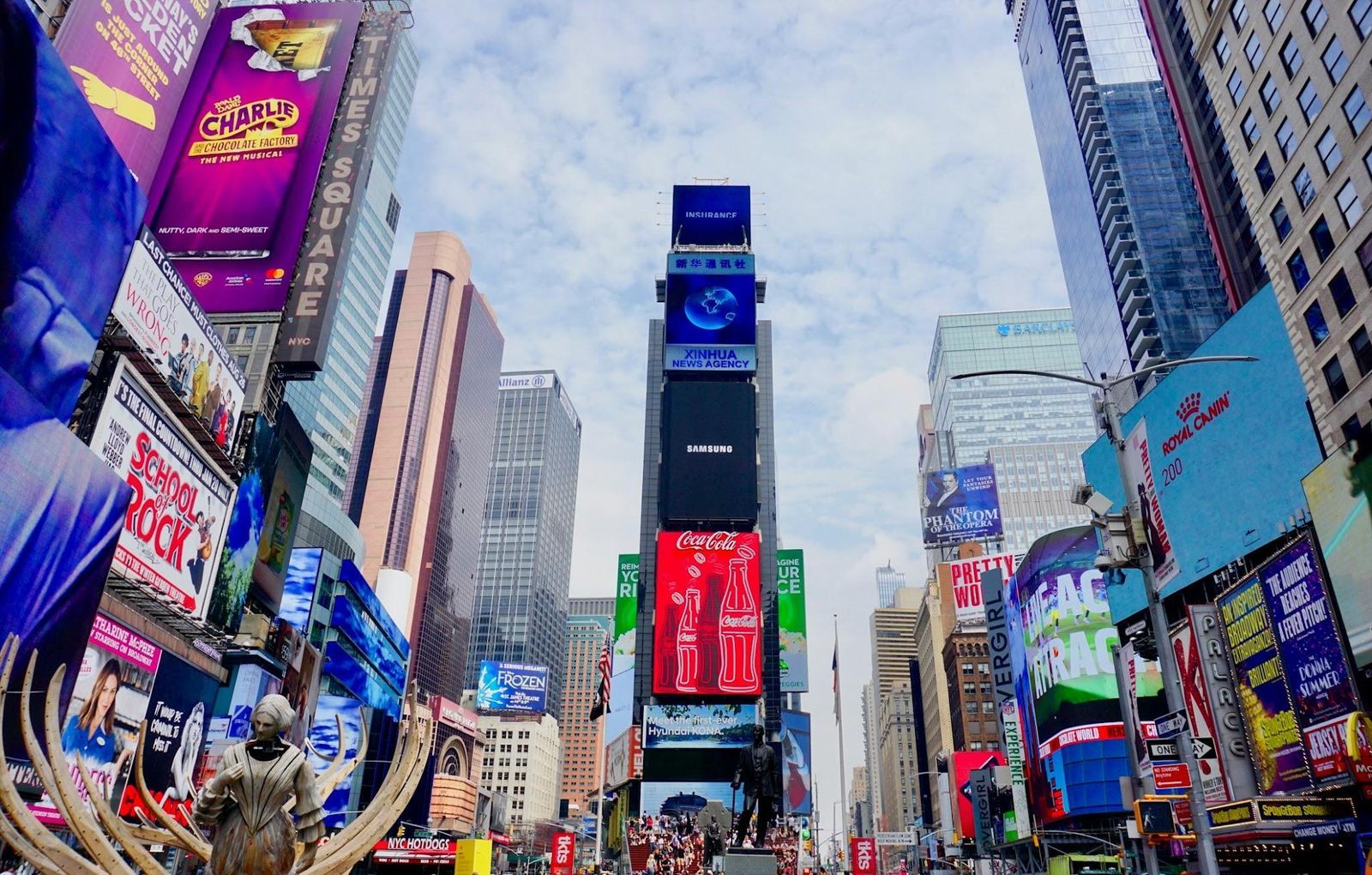
Image: Quick PS

One Times Square building is famous; the whole world watches the ball drop from it every New Year's Eve. But few people know that it’s all but empty inside. It has no regular office tenants. Its upper floors are largely unused.

When the New York Times vacated in 1913, the building passed through several owners and eventually became what it is today: a structure whose primary economic purpose is its skin. Still, the billboard faces on its exterior generate millions of dollars per year — a single advertising slot can command upwards of $4 million annually. In effect, One Times Square is a 25-story billboard dressed as a skyscraper.

7
50 million people visit every year, more than all Disney Parks combined
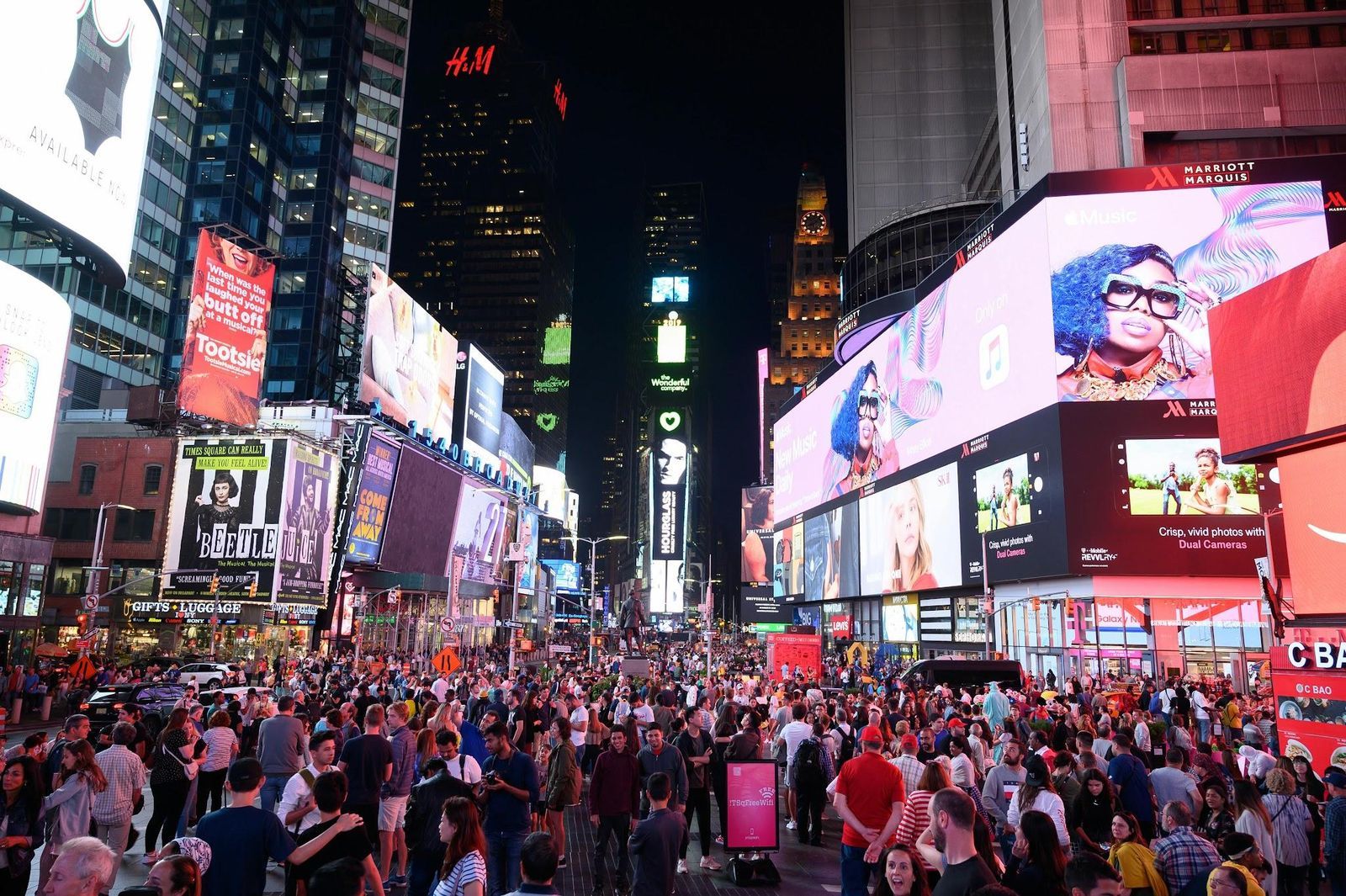
Image: Benoit Dujardin

Times Square draws an estimated 50 million visitors annually —more than all Disney theme parks worldwide combined. On a typical day, approximately 330,000 people pass through. On peak days, that number exceeds 460,000.

Its official website notes that more people walk through Times Square each year than live in the entire country of Iceland. Visitor spending totals roughly $4.8 billion per year, and for every dollar a tourist spends anywhere in New York City, approximately 22 cents are spent within Times Square’s few blocks.

After a dip during the pandemic, tourism to New York City has rebounded strongly, with the city welcoming over 65 million visitors in 2025 and projecting 67 million in 2027. Times Square remains the single biggest draw within the city, accounting for a disproportionate share of that spending.

8
It’s not actually a square; it’s two triangles
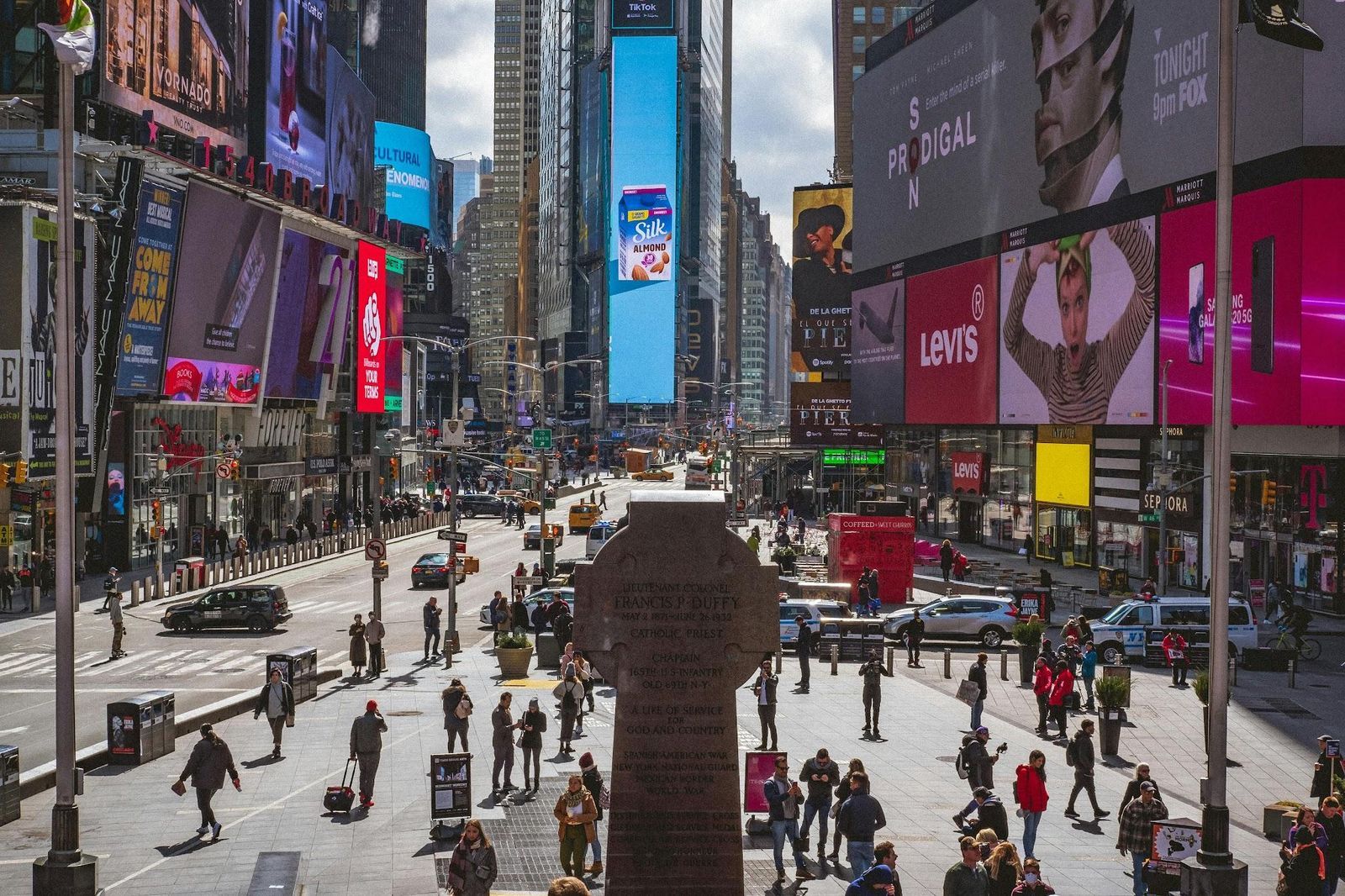
Image: Cesar Done

Geometrically speaking, Times Square is not a square. It’s more like a bowtie; two elongated triangles formed where Broadway, a diagonal road that predates the Manhattan street grid by centuries, cuts across Seventh Avenue.

The city’s famous grid was laid out by the Commissioners’ Plan of 1811. Broadway, an ancient Indigenous trade route that became a colonial road, was already there and simply too important to straighten. Every point where it crosses a major avenue creates an irregular intersection, and Times Square is the most famous of them.

9
It has witnessed incredible moments in American history
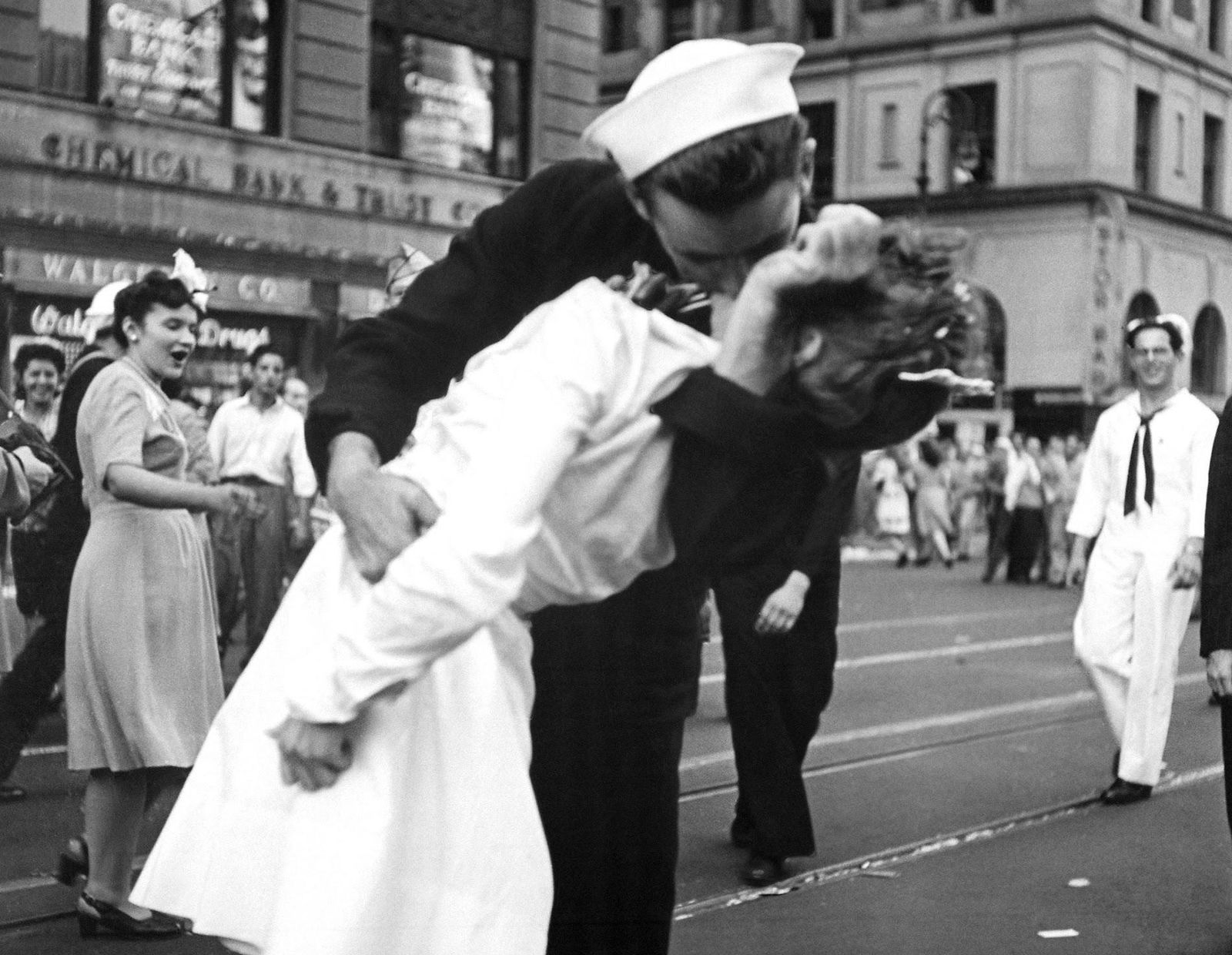
Image: Victor Jorgensen, Public domain, via Wikimedia Commons

Times Square has functioned, again and again, as the place where Americans gather when history breaks. On May 8, 1945, a.k.a. V-E Day, crowds flooded the streets to celebrate the end of the war in Europe. Three months later, on August 14, 1945, a.k.a. V-J Day, the moment Japan’s surrender was announced, ending World War II entirely, the square erupted again.

Life magazine photographer Alfred Eisenstaedt was in the crowd and photographed a sailor spontaneously grabbing a nurse in white uniform and kissing her, an image published in the magazine. Also, on December 31, 1999, the world watched Times Square’s ball drop as the year 2000 arrived and Y2K fears proved unfounded.

10
Buildings are required by law to display bright signage
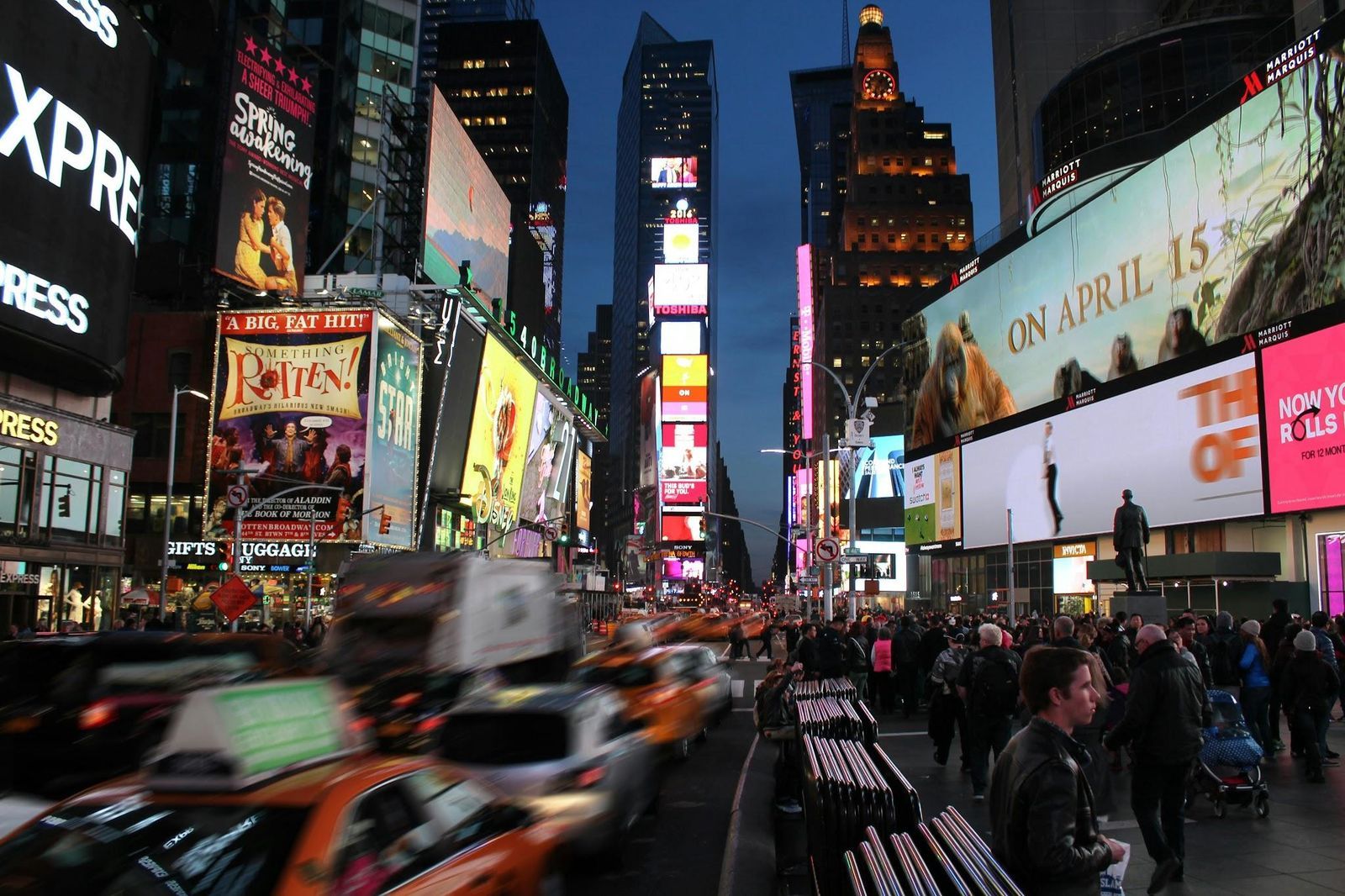
Image: Owen Barker

The exterior of a Times Square building generates more revenue per square foot than almost any interior use could. Running a single billboard requires no HVAC, no tenant improvements, no elevator maintenance, no building management. It requires a screen and electricity. The result is a district where the most valuable real estate in America is literally the surface of things.

Building owners sometimes spend tens of millions of dollars on facade renovations not to improve the building but to improve the view of the building.

General General 4 min read

State treasures

Did you know Kool-Aid is a state symbol? You won’t believe the rest!

Image: Marek Studzinski

We all know about state birds and flowers, but have you ever wondered who comes up with those "official state symbols" we hear about from time to time? Who made jousting an official sport? How many states chose milk as their official beverage? These symbols often have fascinating histories, some going back centuries, of course. Whether they’re strange, funny, or just oddly specific, they all have a story to tell. And we’ve gathered some here!

1
Kool-Aid

Image: Aibek Skakov

Nebraska takes pride in its sweetest invention : Kool-Aid. Created in 1927 in Hastings, the fruity drink became a household favorite. In 1998, Nebraska made it the official state soft drink, much to the delight of nostalgia lovers.

Every August, Hastings hosts the Kool-Aid Days Festival, complete with giant pitchers and endless flavors. The "Kool-Aid Man" himself even made an appearance at the declaration ceremony! Despite some pushback from health advocates, the sugary drink remains an iconic American beverage.

2
Gusty the Cartoon

Image: Afif Ramdhasuma

Oklahoma’s state cartoon character is Gusty , a little weather-forecasting doodle, do you know him? Created by a Tulsa weatherman in the 1950s, Gusty reflected the day’s forecast, holding an umbrella, bracing for tornadoes, or sweating in the heat.

His hand-drawn charm lasted for decades, earning him a place in the Smithsonian. In 2005, Oklahoma made Gusty the official state cartoon character. For Oklahomans, he’s as much a part of the forecast as the storm warnings!

3
Whoopie Pie

Image: Holly Spangler

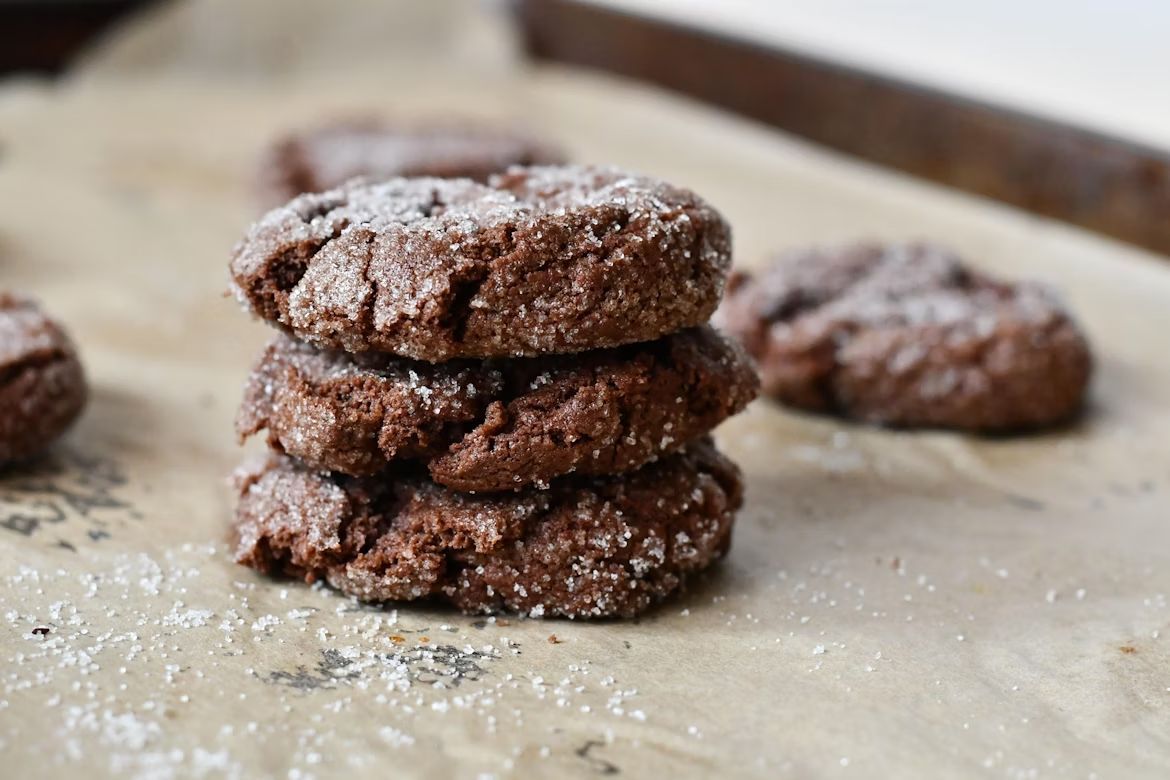
Maine takes its desserts seriously. So seriously that in 2011, the state named the whoopie pie its official treat . This fluffy confection consists of two chocolate cake rounds sandwiching a creamy white filling.

It’s been a local favorite since the 1920s, though Pennsylvania also claims to have invented it. Maine, however, celebrates its whoopie pie heritage with an annual festival featuring the world’s largest whoopie pie. The origins of the name are debated, but regardless, it’s a nostalgic, delicious bite of history. And yes, it pairs perfectly with a cup of coffee!

4
Tully Monster

Image: Jacqueline Martinez

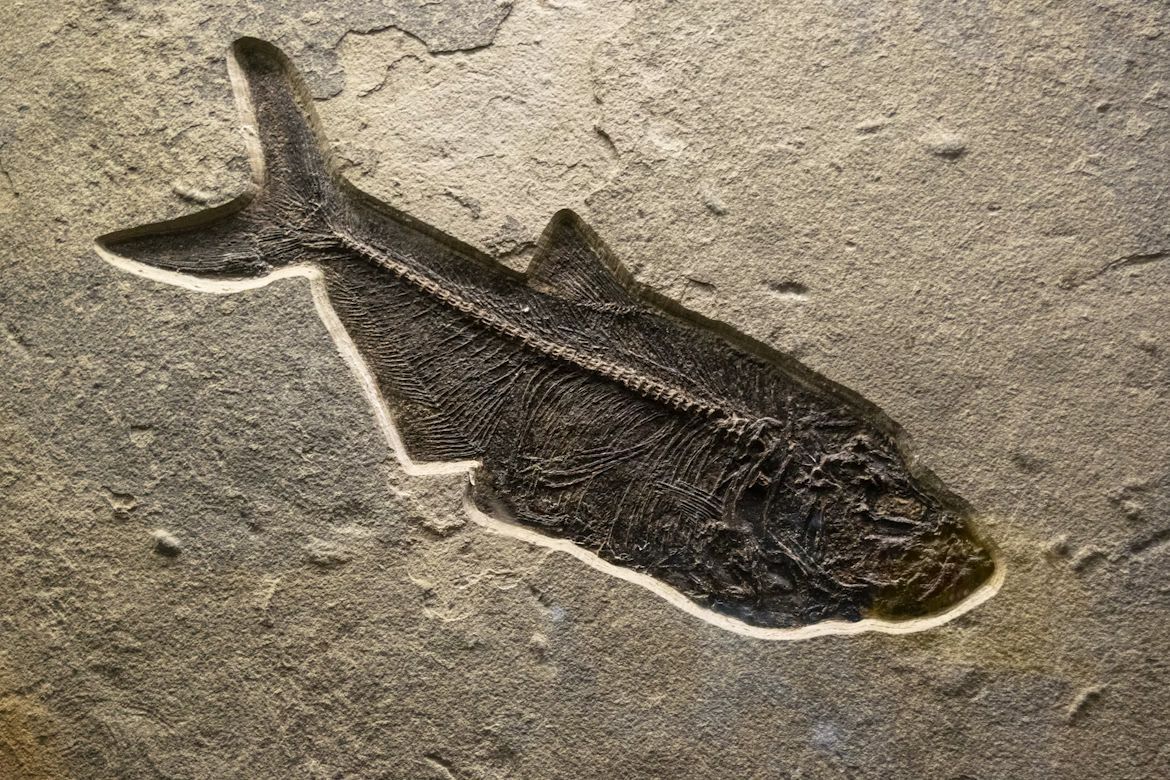
Illinois’ state fossil sounds like something out of a sci-fi movie: the Tully Monster. This strange, ancient sea creature swam in Illinois’ prehistoric waters about 300 million years ago. Discovered in 1958, its worm-like body, stalked eyes, and pincer-like mouth left scientists scratching their heads for decades.

It wasn’t until 2016 that researchers finally identified it as a vertebrate, possibly related to lampreys, a fish. Named after its discoverer, Francis Tully, this oddball fossil became Illinois’ official state fossil in 1989. How weird is that?

5
Clogging

Image: Ahmad Odeh

Forget the square dance, North Carolina’s official folk dance is clogging , and it’s as energetic as it sounds. This fast-paced footwork evolved from Appalachian traditions and is often performed to bluegrass music.

Clog dancers wear special shoes with taps to create a percussive beat while they move. The style has roots in Irish, English, and African dance, blending cultures into a wonderful American tradition. If you ever visit a North Carolina festival, you’ll likely see folks kicking up their heels to some lively fiddle tunes.

6
Brewer’s Yeast

Image: National Institute of Allergy and Infectious Diseases

Oregon took a microscopic approach to state symbols when it named brewer’s yeast its official microbe in 2013. This tiny fungus, scientifically called Saccharomyces cerevisiae , is the secret behind beer and bread. You like it now, huh?

It ferments sugars, producing alcohol and carbon dioxide, making it essential to Oregon’s craft beer scene. The decision wasn’t just for fun; it’s also that beer contributes billions to the state’s economy. Just to follow the trend, Illinois later named a mold used in penicillin production as its own state microbe. Apparently, microbes deserve their moment in the spotlight, too!

7
Jousting

Image: Casper Johansson

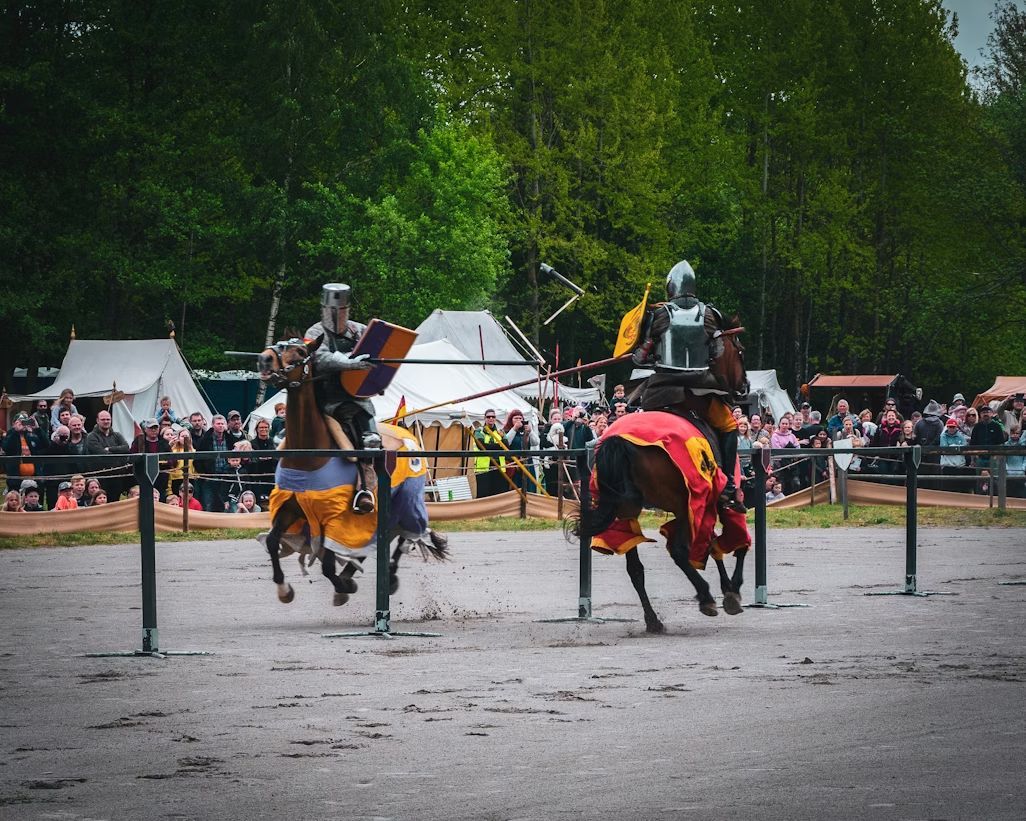
In a move straight out of the Middle Ages, Maryland named jousting its official state sport in 1962. Yes, that jousting you’re thinking of, knights on horseback charging at each other with lances.

While modern jousting is more about precision than knocking opponents off their steeds, it still draws a crowd. Today’s version involves riders aiming to spear small rings while galloping at full speed. Don’t worry, in 2004, lacrosse also became the state’s official team sport, but jousting still holds its title.

8
The Teddy Bear

Image: Izabelly Marques

Mississippi’s official state toy, the teddy bear, has an adorable backstory. It all began in 1902 when President Theodore Roosevelt refused to shoot a bear during a hunting trip. A political cartoon about the event went viral (for its time), inspiring a Brooklyn couple to create "Teddy’s Bear."

The stuffed animal became a national sensation, and the name stuck. A century later, Mississippi made it official, naming the teddy bear its state toy in 2002. It’s a rare example of a state symbol with a direct presidential connection. But cute anyways!

9
Milk

Image: Anita Jankovic

Believe it or not, 22 states claim milk as their official beverage . But it has nothing to do with keeping the bones strong! This dairy dominance started in the 1980s when milk industry lobbyists pushed for recognition.

While it’s a wholesome, calcium-packed choice, it’s not the most exciting. Some states, like Rhode Island (coffee milk) and Alabama (whiskey), took a more unique approach to the state beverage. Now, whether you drink it or not, milk has certainly made its mark on state symbols. And hey, at least it pairs well with cookies!

10
Natchitoches Meat Pie

Image: Patryk Pastewski

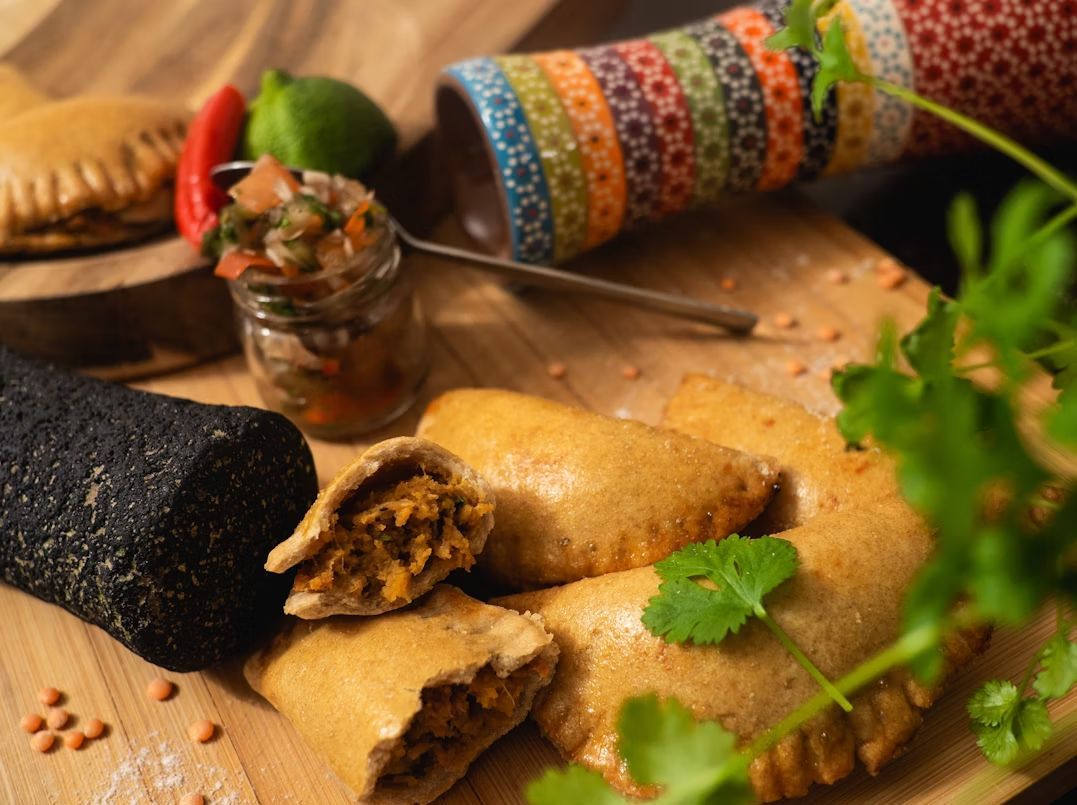
When you think of Louisiana cuisine, you probably think of gumbo or jambalaya, but did you know the state also has an official meat pie ? The Natchitoches meat pie is a deep-fried delight filled with seasoned pork and beef.

It dates back to the late 1700s, and it was named after the local Natchitoches Indian tribe. Declared a state symbol in 2003, it’s celebrated every September at the Natchitoches Meat Pie Festival. The festival features music, cooking competitions, and, of course, a meat pie eating contest!

Culture Culture 5 min read

Relive the classics

How did these 10 TV lines become more famous than their shows?

Image: TopSphere Media

Some TV lines and catchphrases are so famous that even people who’ve never seen the show know them well. Though they were created decades ago, one thing is certain: just reading these quotes will bring back all those memories. From "What’chu talkin’ ’bout, Willis?" to "Here’s Johnny!", we’re revisiting 10 unforgettable TV lines that are part of pop culture history.

1
"Here’s Johnny!" - The Tonight Show Starring Johnny Carson

Image: Carl Lender, CC BY 2.0, via Wikimedia Commons

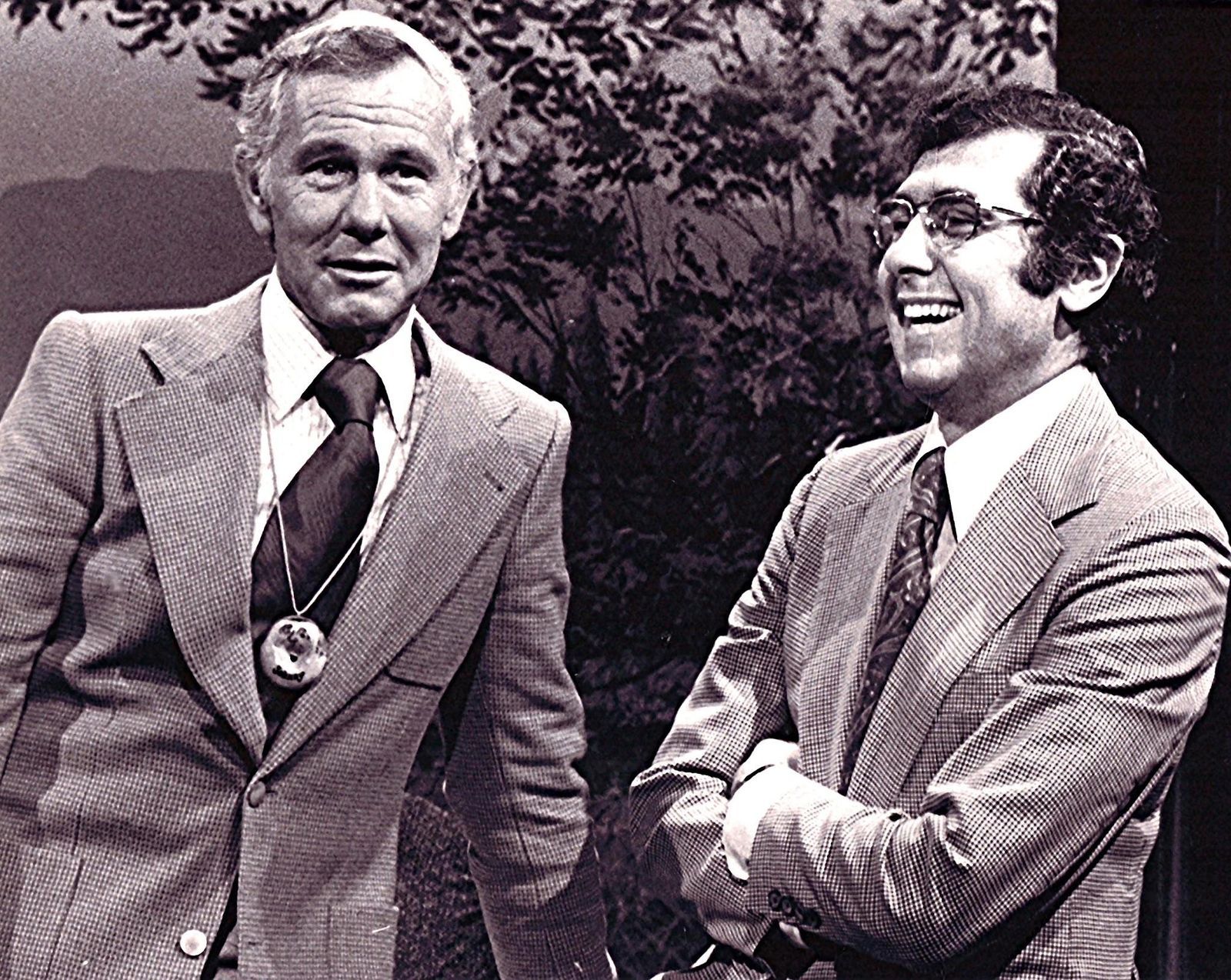
The Tonight Show is one of the longest-running and most influential programs in television history. The late-night show premiered in 1954, but Johnny Carson took over in 1962 and became the face of the show for three decades. It was Ed McMahon, Carson’s longtime sidekick and announcer, who gave birth to the iconic introduction: "Heeeeeere’s Johnny!" The phrase took hold so firmly in American culture that it was referenced endlessly across other shows and media, most famously parodied to terrifying effect by Jack Nicholson in Stanley Kubrick’s The Shining (1980).

2
"What’chu talkin’ ’bout, Willis?" - Diff’rent Strokes

Image: Louise Palanker, CC BY-SA 2.0, via Wikimedia Commons

It’s impossible not to picture Gary Coleman’s face when you hear "What’chu talkin’ ’bout, Willis?" The line, uttered by Arnold (Coleman) to older brother Willis (Todd Bridges), became so famous that it’s still used today to express confusion, even by young people around the world who don’t know it comes from the NBC sitcom Diff’rent Strokes (1978–1985). The catchphrase helped catapult Coleman to international fame, but it was repeated so often that, by the later seasons, he admitted he sometimes refused to say it.

3
"Ayyyyyy!" - Happy Days

Image: ABC, Public domain, via Wikimedia Commons

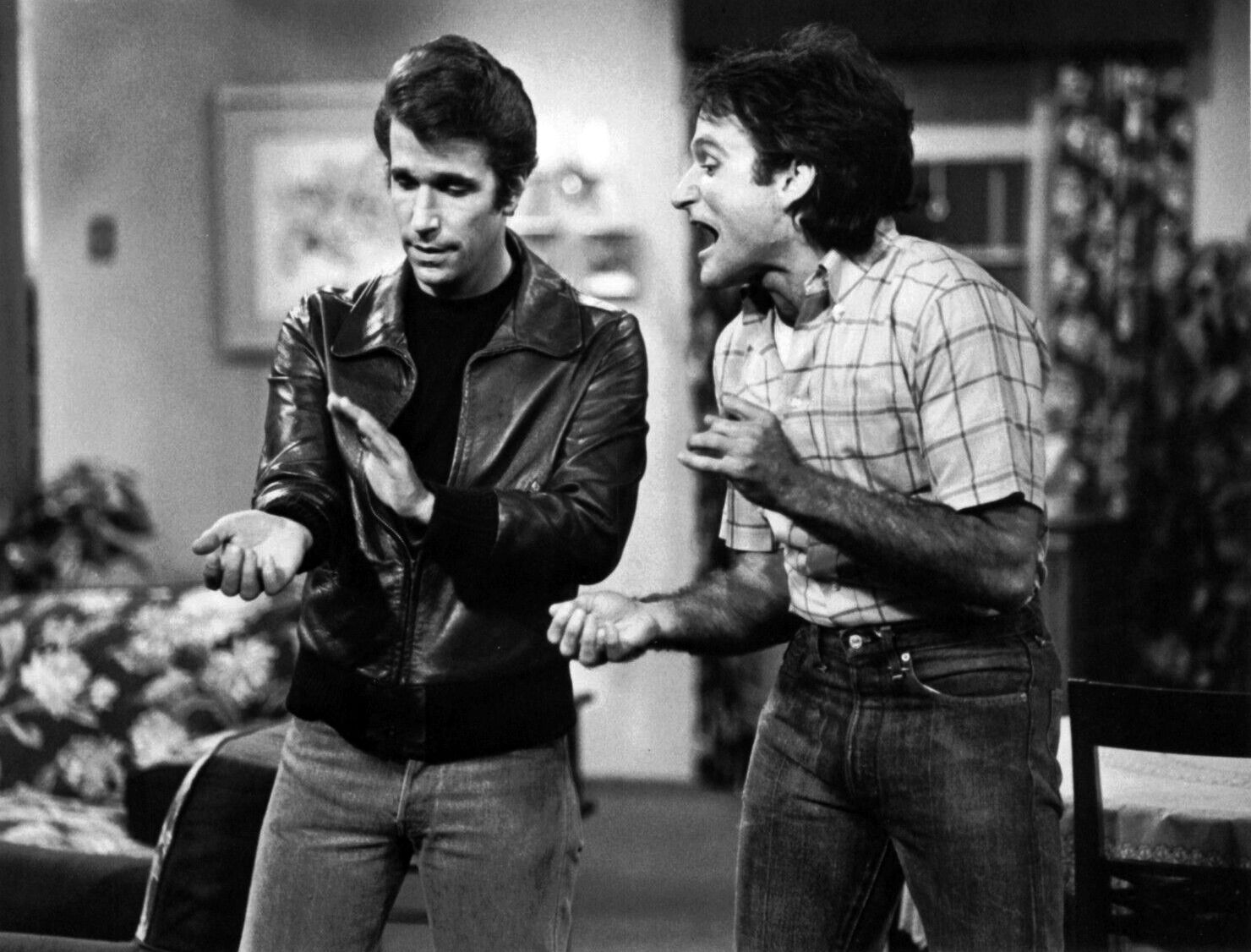
Yes, the power of a catchphrase can be so strong that some of the most memorable ones are just one consonant-free syllable. A perfect example is the signature line of Arthur Fonzarelli, A.K.A. Fonzie, or "The Fonz," from Happy Days (1974–1984). Played by Henry Winkler, Fonzie was the coolest guy on TV, so all it took was a leather jacket, a thumbs-up, and an "Ayyyyy!" to make him immortal.

4
"Dy-no-mite!" - Good Times

Image: Aleks Dorohovich

Actor Jimmie Walker rose to fame playing J.J. Evans on the American sitcom Good Times (1974–1979). His clever and energetic character had a trademark: "Dy-no-mite!", his exclamation of excitement, approval, or surprise. The line became so famous that it appeared everywhere, from T-shirts to posters, and for many viewers, it’s the thing they most remember about the show.

Although the line was undeniably a hit, the actor admitted in later interviews that he wasn’t entirely sure it would take off. Who could have predicted what was coming?

5
"I love it when a plan comes together!"- The A-Team

Image: Fotopersbureau De Boer, CC0, via Wikimedia Commons

"I love it when a plan comes together!" was the iconic catchphrase delivered by George Peppard’s character in The A-Team (1983–1987). At the end of many episodes of the action series, Lieutenant Colonel John "Hannibal" Smith would light or just hold his cigar as he delivered the line, signaling that his plans (usually elaborate, risky, and a little over the top) had worked out perfectly. Over time, the phrase became part of popular culture and is still used today whenever everything falls into place.

6
"Book 'em, Danno" - Hawaii Five-O

Image: CBS Television, Public domain, via Wikimedia Commons

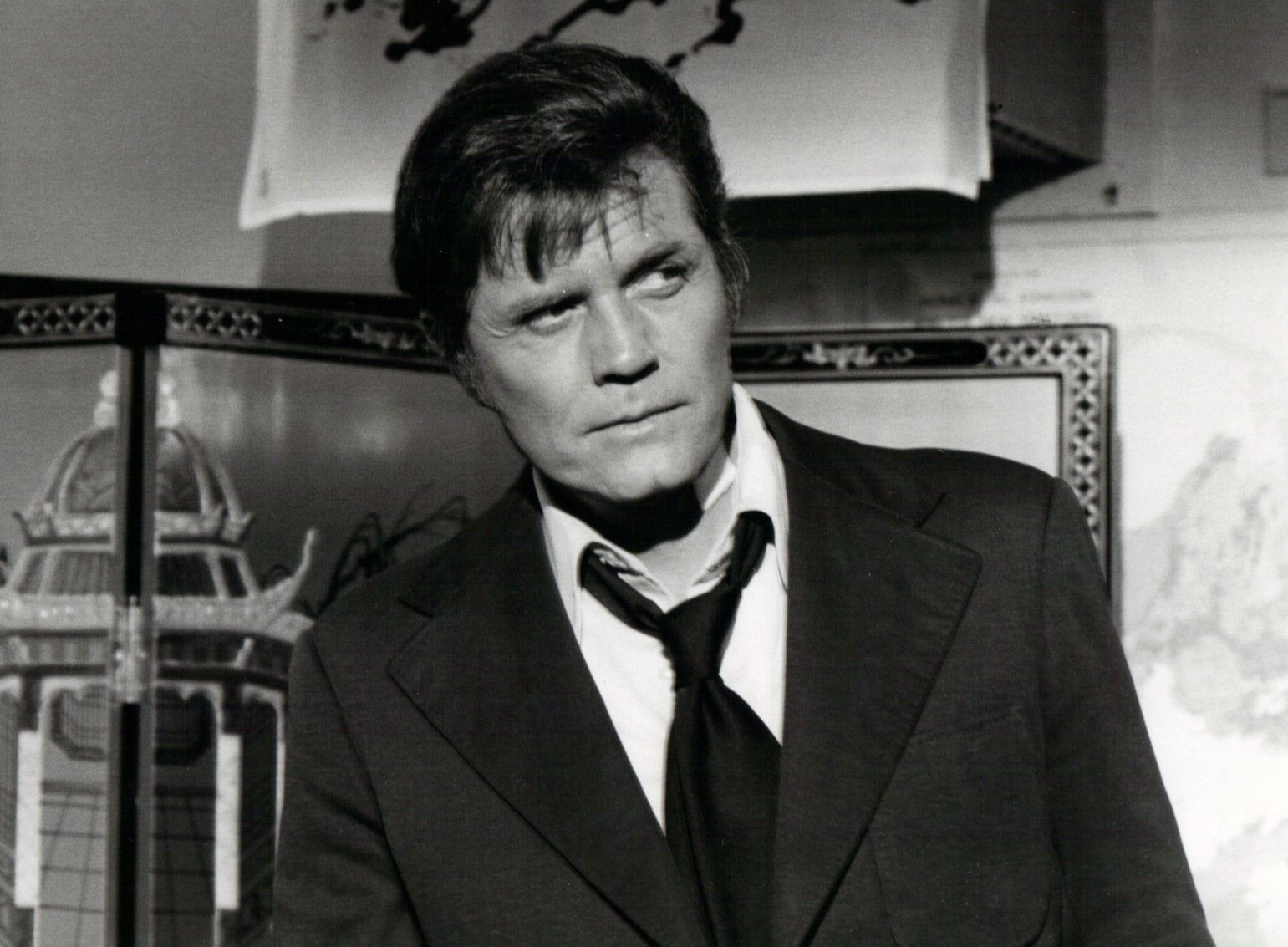
"Book ’em, Danno" was the iconic line delivered by Jack Lord’s character, Detective Steve McGarrett, to his partner Danny "Danno" Williams (played by James MacArthur) on Hawaii Five-O (1968–1980). The utterance often came at the end of an episode when the bad guy had finally been caught. It became hugely popular and turned into a cultural shorthand for "case closed" in the 1970s.

7
"Lucy, you got some 'splaining to do!"- I Love Lucy

Image: TV Guide, Public domain, via Wikimedia Commons

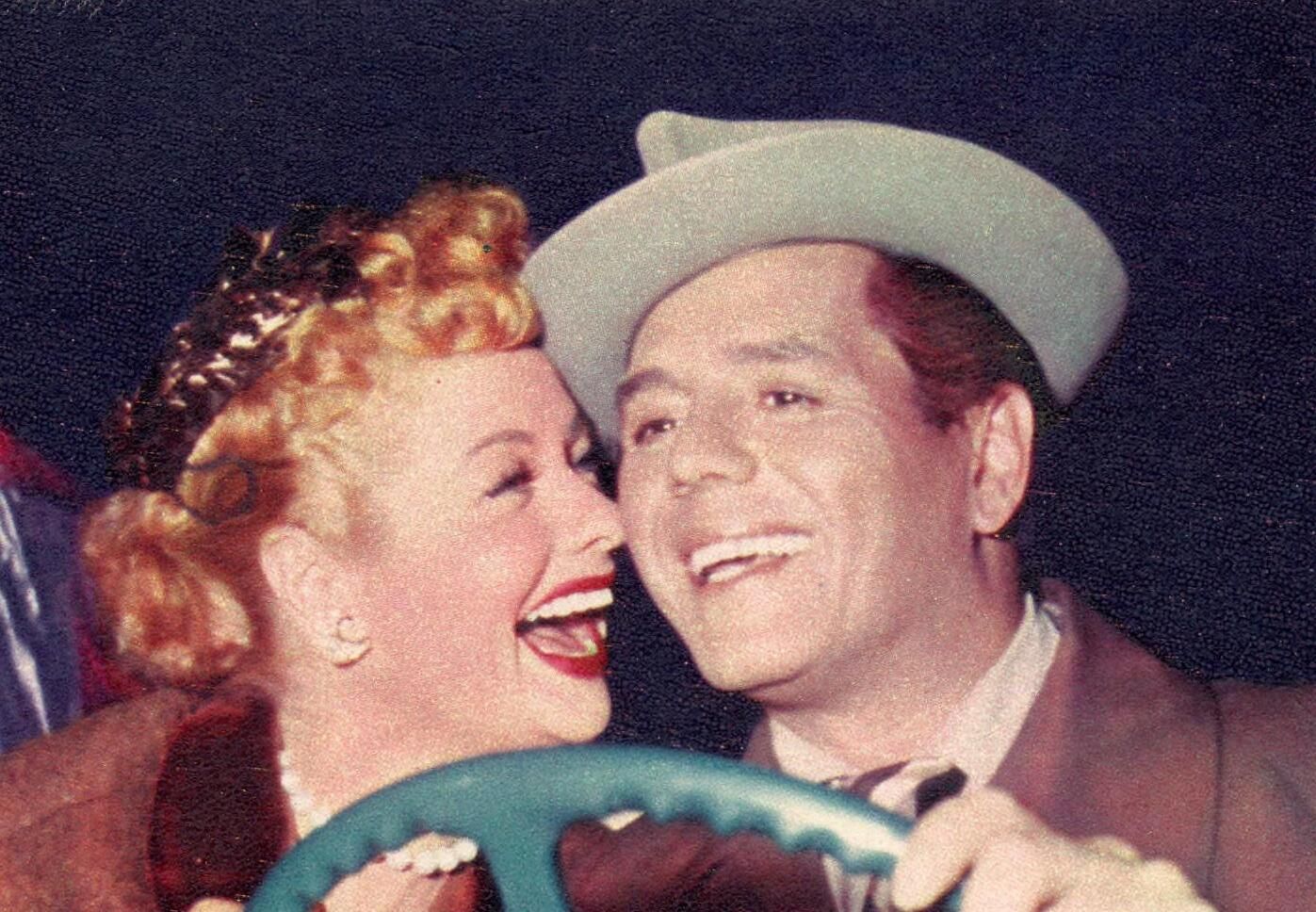
Desi Arnaz and Lucille Ball played the ultimate sitcom couple, Ricky and Lucy Ricardo, on I Love Lucy (1951–1957). Whenever Lucy got caught up in one of her classic schemes or hilarious misunderstandings, Ricky would step in to deliver some version of "Lucy, you got some ‘splaining’ to do!"

Even though the line was never delivered exactly the same way, Ricky would always demand an explanation in similar terms, with variations like "Lucy, something needs ‘splaining’" or "What needs ’splainin’?"

8
"Is that your final answer?" - Who Wants to Be a Millionaire?

Image: Idea SV, CC BY-SA 3.0, via Wikimedia Commons

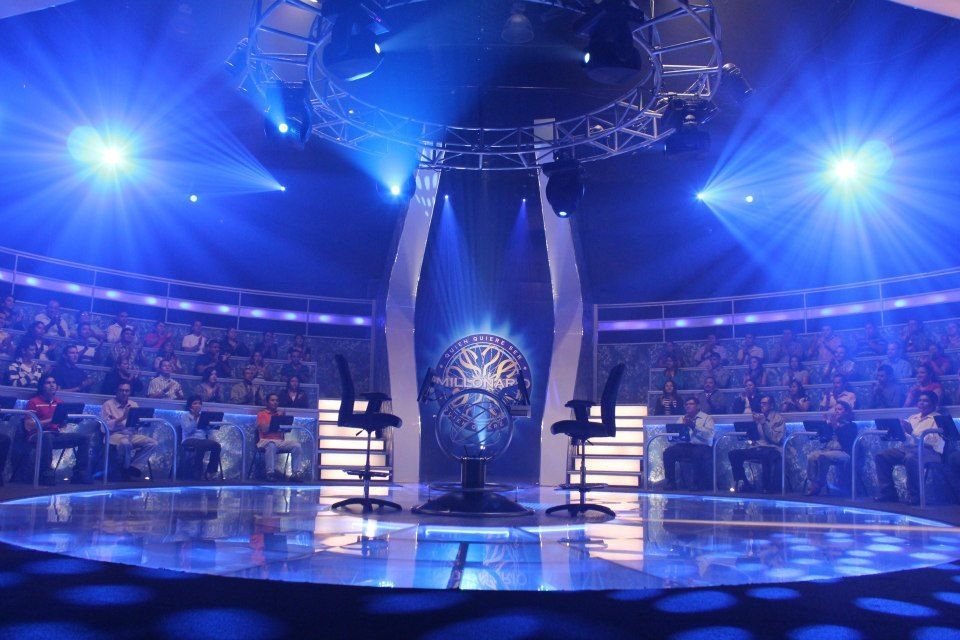
Maybe it’s just nostalgia, but it’s hard not to feel the tension when you hear "Is that your final answer?" That classic line from Who Wants to Be a Millionaire? originated with Chris Tarrant, the original host of the British version, which debuted in 1998. But it was Regis Philbin, host of the American version (which premiered in 1999), who helped the phrase achieve worldwide fame.

The question added a moment of suspense, often making contestants second-guess themselves. Over time, its impact went far beyond the game, becoming an indisputable part of the cultural lexicon

9
"Live long and prosper" - Star Trek

Image: NBC Television, Public domain, via Wikimedia Commons

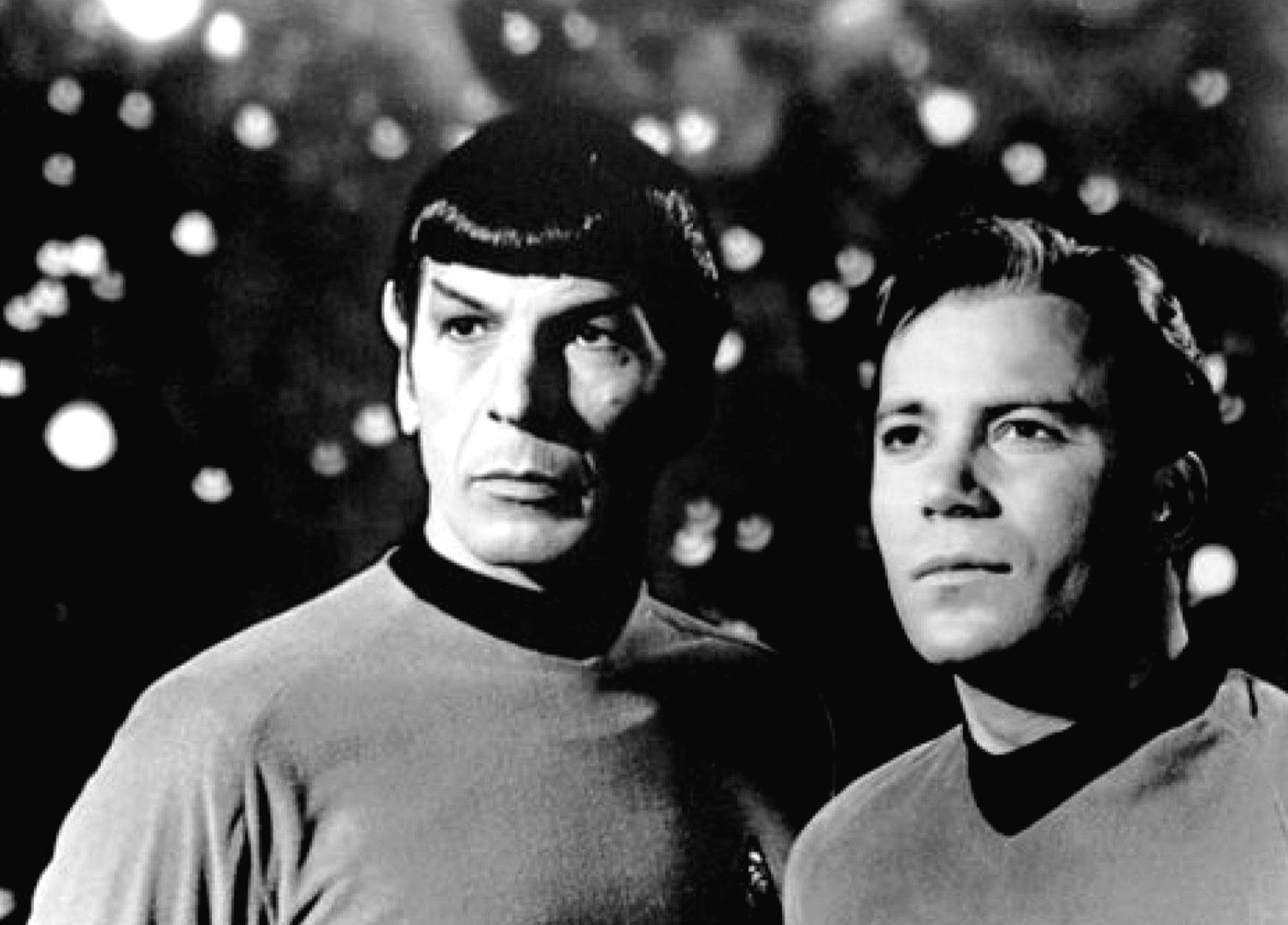
You may remember Leonard Nimoy’s voice as Spock delivering his signature "Live long and prosper" in the original Star Trek (1966–1969). As a traditional Vulcan greeting, the line was often paired with the iconic hand gesture, where the fingers split to form a "V" shape. The phrase went on to transcend generations, which makes it even more surprising that it wasn’t part of the original script; it was Nimoy who came up with both the gesture and the phrase for the show.

10
"Norm!" - Cheers

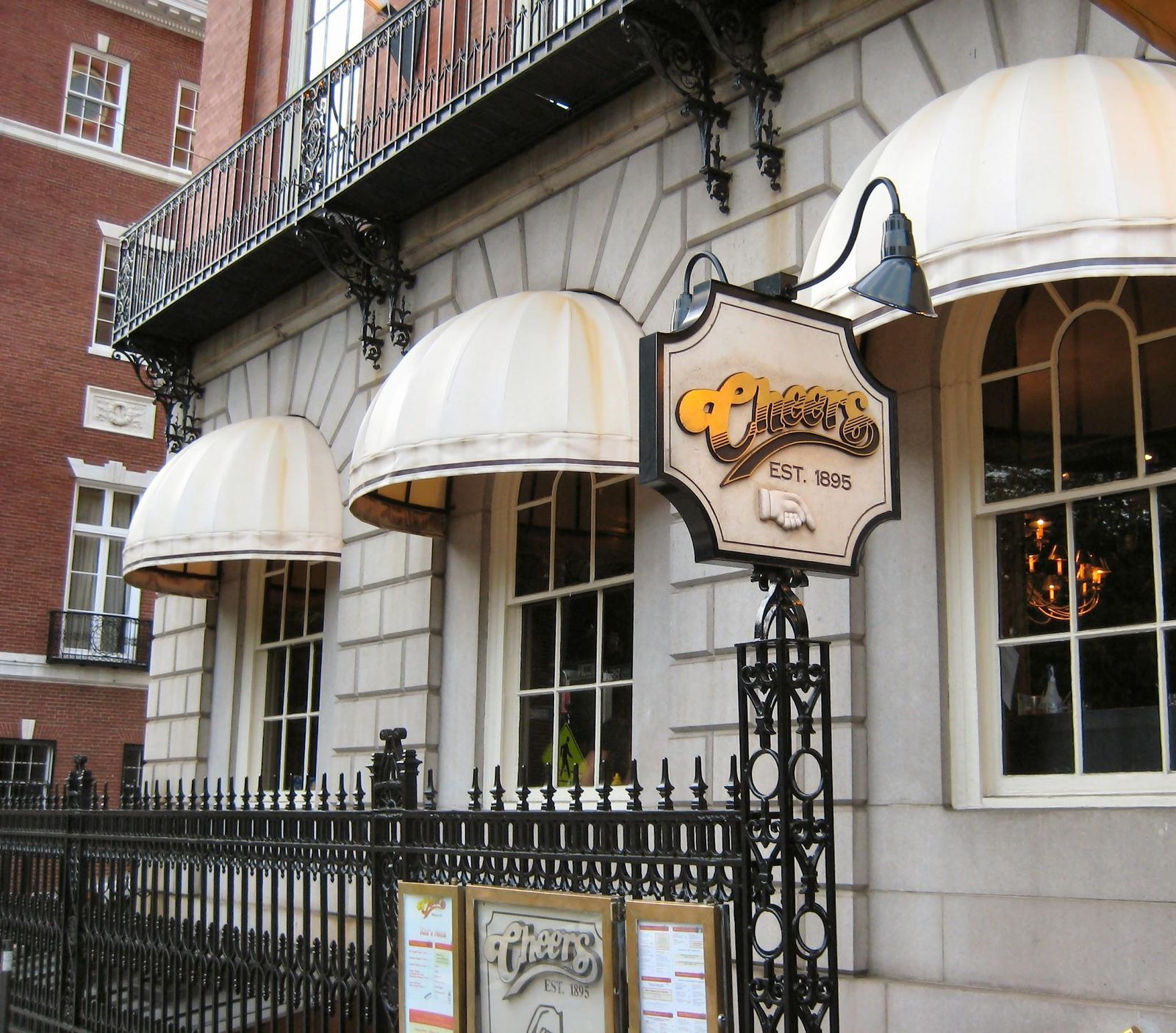
Cheers (1982–1993) is one of those shows that’s hard to forget, and anyone who’s seen it will instantly remember the shout of "Norm!" This was the familiar greeting from the bar’s staff and regulars every time Norm Peterson, played by George Wendt, walked through the door. Norm is one of the few characters to appear in all 275 episodes of the series, so that moment became a beloved and frequent (very frequent) ritual.

Explore more American facts

Choose your favorite category!

General
General

As American as apple pie—the very best America has to offer!

Culture
Culture

Delve into the astounding richness of American lore.

Geography
Geography

Hop in and explore vast and diverse American landscapes.

History
History

Discover the key moments that shaped the United States.