Culture Culture 4 min read

Did you know?

What does "R2-D2" mean? Surprising facts about movies we've all seen
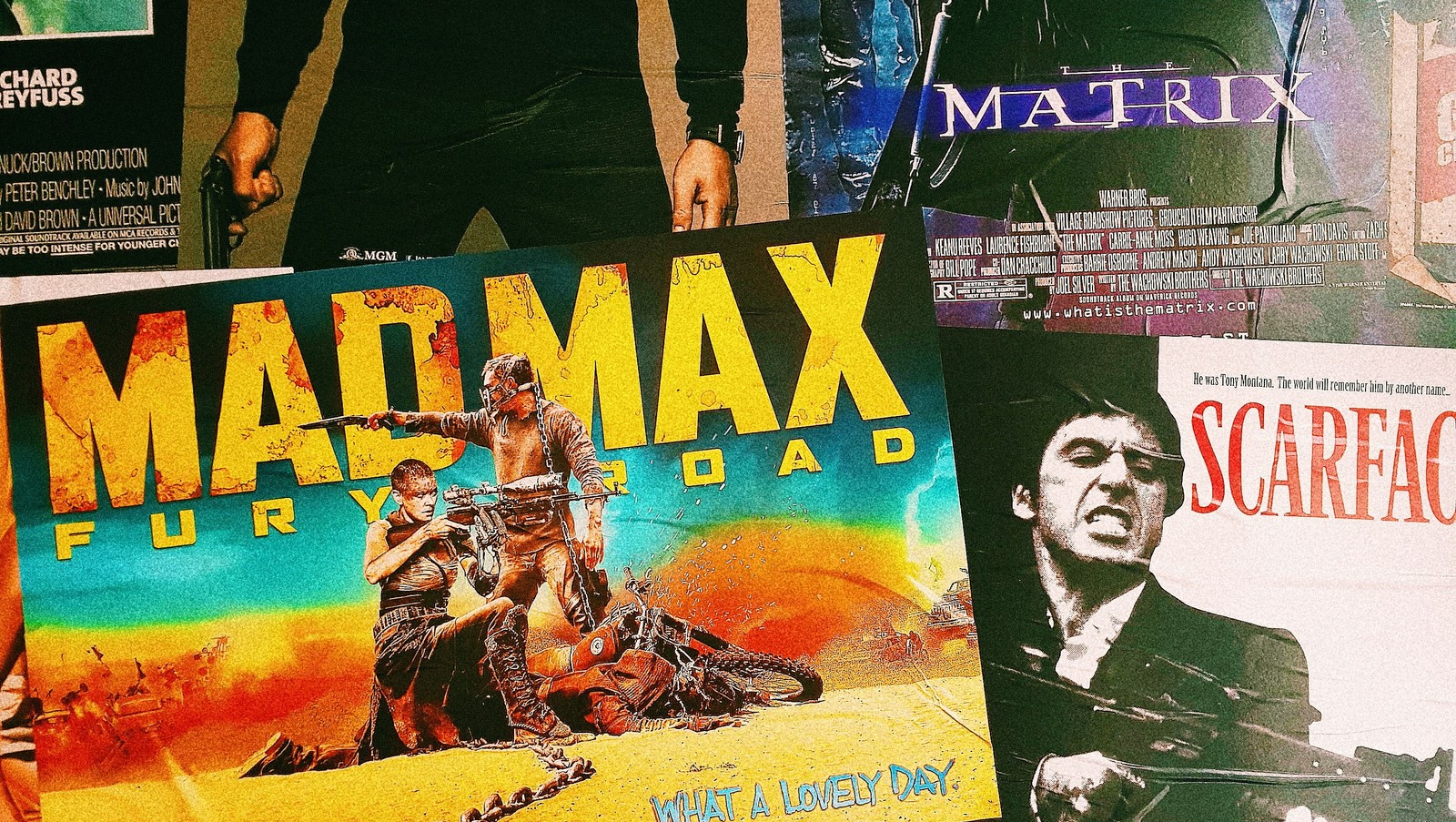
Image: Samuel Regan-Asante

What did Martin Scorsese first think about Scarface ? What does R2-D2 mean, exactly? And what type of toy was Woody the Sheriff supposed to be, at first? The answers to these questions are some lesser-known stories behind some of Hollywood’s most memorable titles. Read on to learn a tale or two about movies we’ve all watched.

1
X-Men (2000)

Image: Alex Green

Remember the scene when Magneto and Professor X play a tense, symbolic game of chess? Well, the actors certainly do. Here’s why: Neither Patrick Stewart nor Ian McKellen knew how to play chess before filming.

So, director Bryan Singer brought in a Canadian chess Grandmaster to help design the game the two men would share by choreographing each piece's movement based on the high-strung dialogue they were having —Professor X needed to win.

2
E.T. the Extra-Terrestrial (1982)
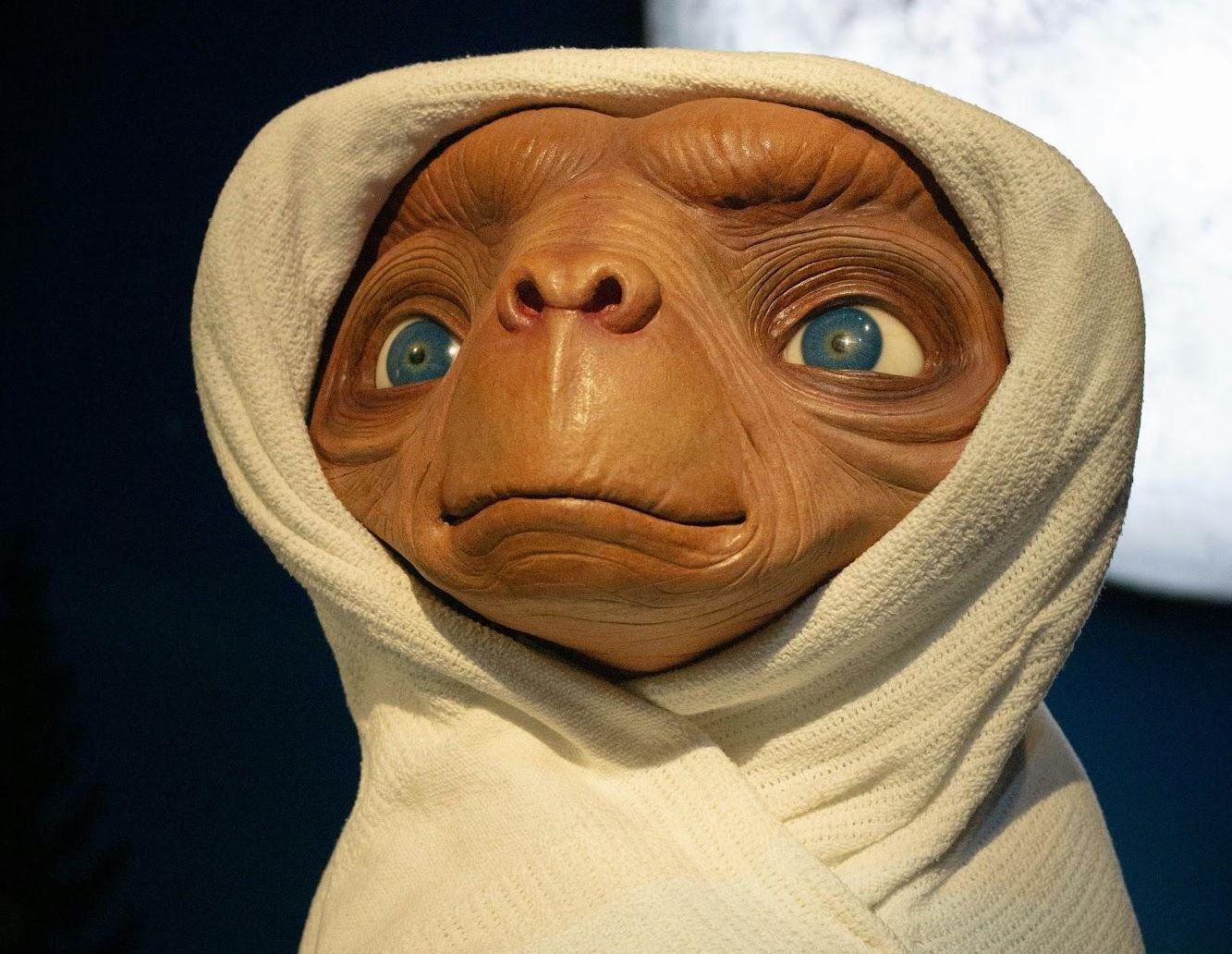
Image: Sreevishnu Nair

Did you know that E.T., the beloved extraterrestrial who wanted to phone home, was intentionally designed to have no specified gender ?

Director Steven Spielberg expressed that his intention was to define E.T. as a "plant-like" creature, neither male nor female, and that this was explicitly explained in earlier versions of the script.

However, in the film, young Elliott insists that he knows the gender of his newfound friend: "He’s a boy," he explains to his sister when she asks. The audience went along with Elliott’s interpretation, and hence E.T. is considered to be male.

3
How the Grinch Stole Christmas (2000)

Image: Alex Stone

Jim Carrey loathed the process of becoming The Grinch. Though the Dr. Seuss character was fun to play, sitting for hours and hours for makeup and costume until the green look was perfected, he said, was exhausting.

So, he was shocked one day when he arrived on set, only to find yet another Grinch ready there before him. It was none other than director Ron Howard, who had been up since 3:30 am, getting into full costume in solidarity with him.

4
The Nightmare Before Christmas (1993)

Image: Elin Melaas

Watching Tim Burton’s The Nightmare Before Christmas, one might take for granted that the stop-motion marvel took years of painstaking effort. Around 227 puppets were built for the production because each character had multiple duplicates to allow shooting on many sets simultaneously.

The protagonist Jack Skellington alone needed nearly 400 different heads to capture enough facial expressions.

5
Toy Story (1995)
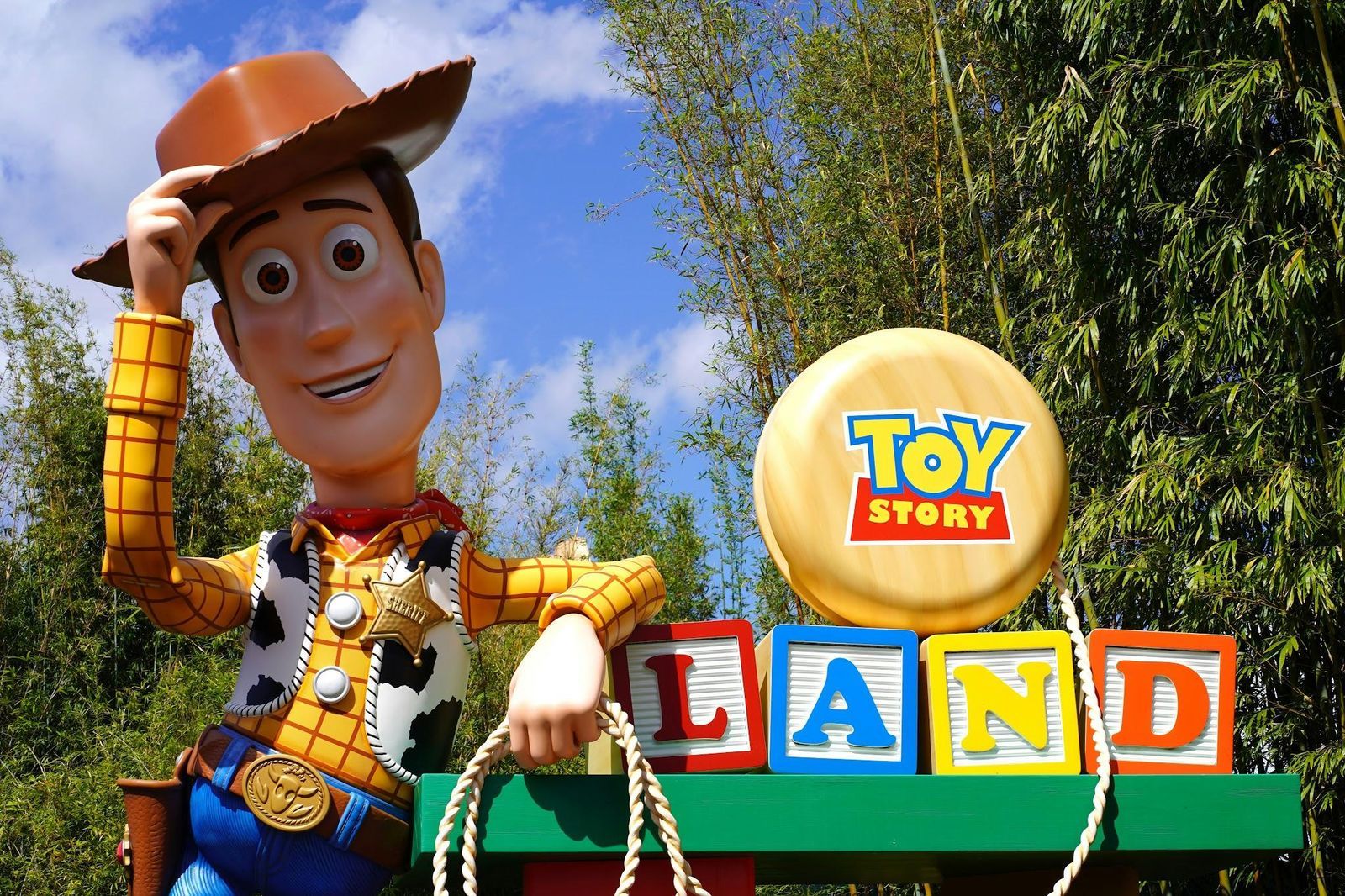
Image: Stone Hood

Even though we all recognize Woody the Cowboy, there was a time when the leading character of Toy Story was going to be… quite different.

Sheriff Woody was at first conceived as a ventriloquist dummy . But the Pixar creators thought that a softer cowboy toy would be a little bit friendlier. What do you think?

6
Star Wars: A New Hope (1977)

Image: Christian Maass

We all know the loyal little robot of the Star Wars world. But R2-D2’s name came about unintentionally. While filming a previous film, George Lucas had liked an abbreviation he heard his sound editor shout one day: "R2, D2".

It referred to "Reel 2, Dialogue Track 2" . But the expression sparked Lucas’s imagination.

7
Home Alone (1990)

Image: Liubomyr Vovchak

Yes, Kevin is nine years old in the movie. But most of his "dangerous" moments were handled by a 30-year-old stuntman in kid-sized clothes!

Still, some injuries were inevitable. And they didn’t come from hanging from a zipline or sliding downstairs: No, young Macauley Culkin got a scar from Joe Pesci accidentally biting his fingers too hard in one scene.

8
Interstellar (2014)
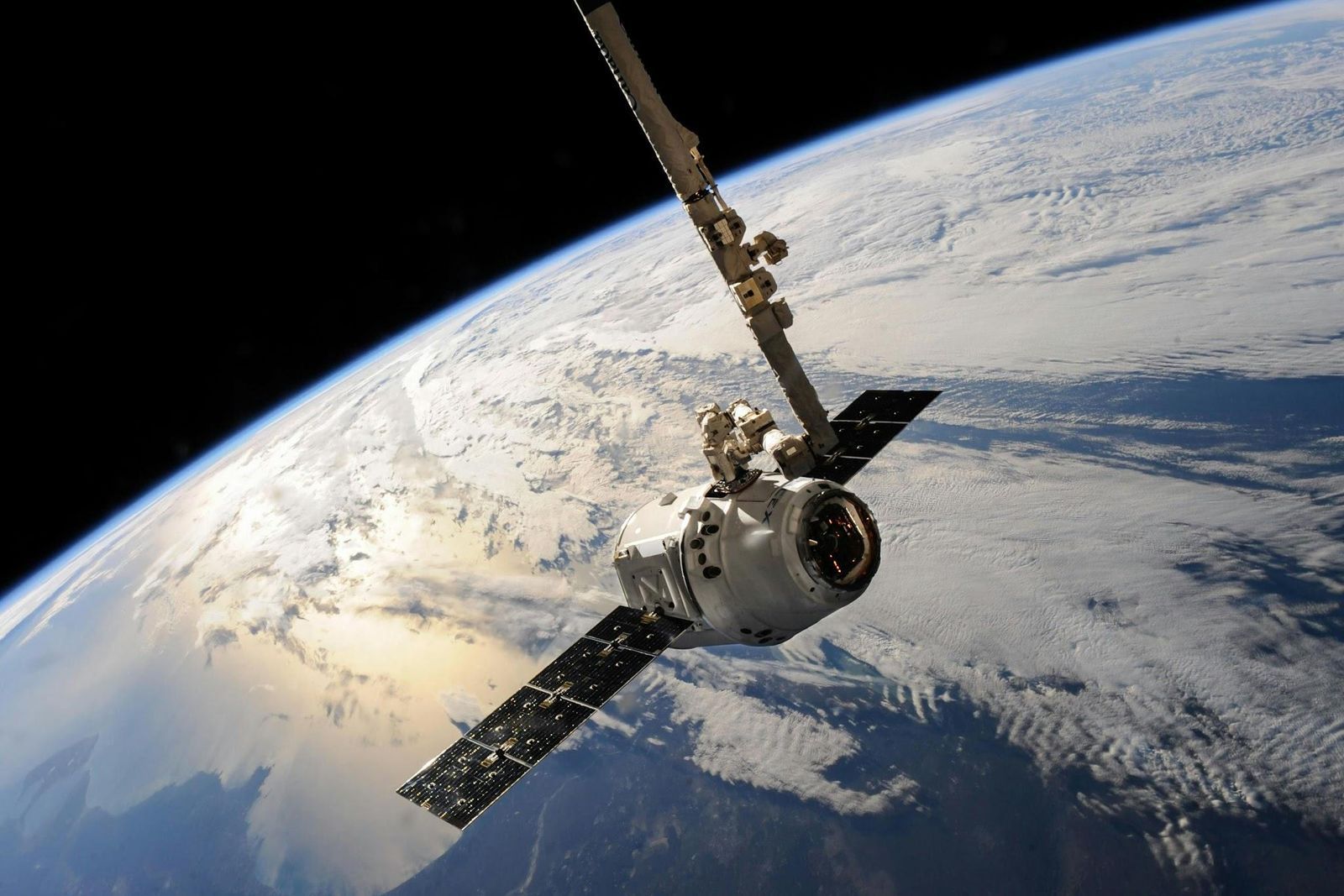
Image: SpaceX

Christopher Nolan’s Interstellar is well known for its ambitious science fiction vision. But Nolan went above and beyond with details. For example, the robot TARS wasn’t a CGI creation: it was physically built (a kind of "puppet-robot").

Plus, the space suits the actors wore were designed with functioning oxygen units and cooling tubes! Needless to say, though, all scenes were filmed on Earth.

9
The Matrix (1999)

Image: Markus Spiske

Did you know that Johnny Depp was the first choice to play Neo for The Matrix ? As an up-and-coming actor in the 90s, the writers had considered him perfect for the role. However, fate decided Keanu Reeves would take the part, and the rest was history.

Reeves didn’t have it easy, though: the Wachowskis had him read philosophical books like Simulacra and Simulation by Jean Baudrillard, Out of Control by Kevin Kelly, and Introducing Evolutionary Psychology by Dylan Evans.

10
Scarface (1983)
Image: Bryant's Juarez

After Martin Scorsese saw Brian De Palma’s Scarface, he reportedly told actor Steven Bauer: "It’s great… but they’re going to hate it ."

He wasn’t wrong. Critics did hate it, at first. They called it vulgar, excessive, hysterical, and violent. Scorsese himself had been criticized for the violence in his own work, so he recognized the pattern instantly. However, as we know, audiences eventually made it a cult classic.
Culture Culture 5 min read

10 unforgettable times patriotism conquered pop culture

Image: STILLFX

Pop culture has always been a mirror of society, but few forces shape it as much as patriotism. From the birth of a new nation to the geopolitical tensions of the Cold War and the grief of a post-9/11 world, our national identity has spilled over into fashion, film, music, and television. Here is a look at 10 iconic moments when patriotism both captured and influenced the pop culture landscape.

1
Rocky IV

Image: Bryan Littel

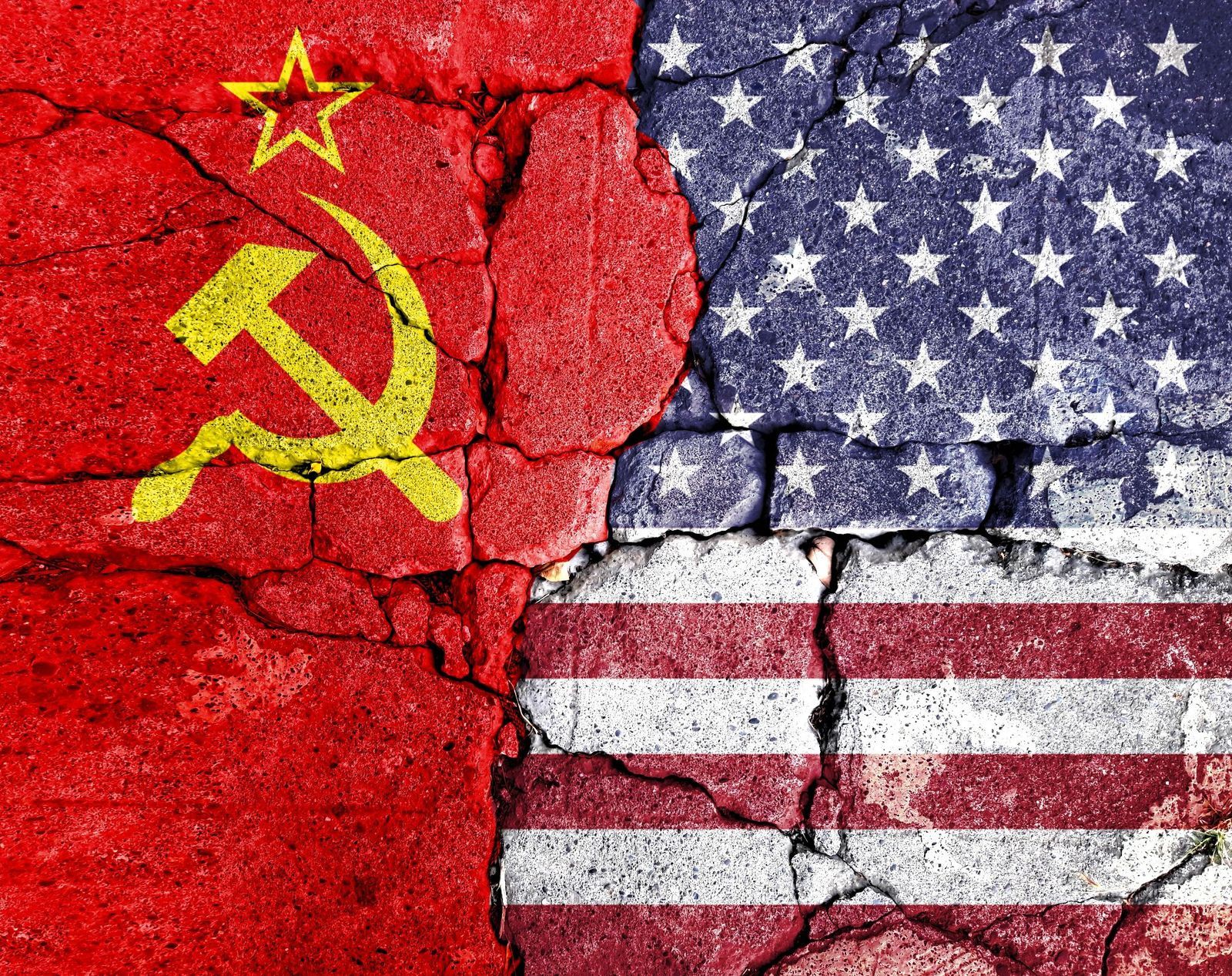
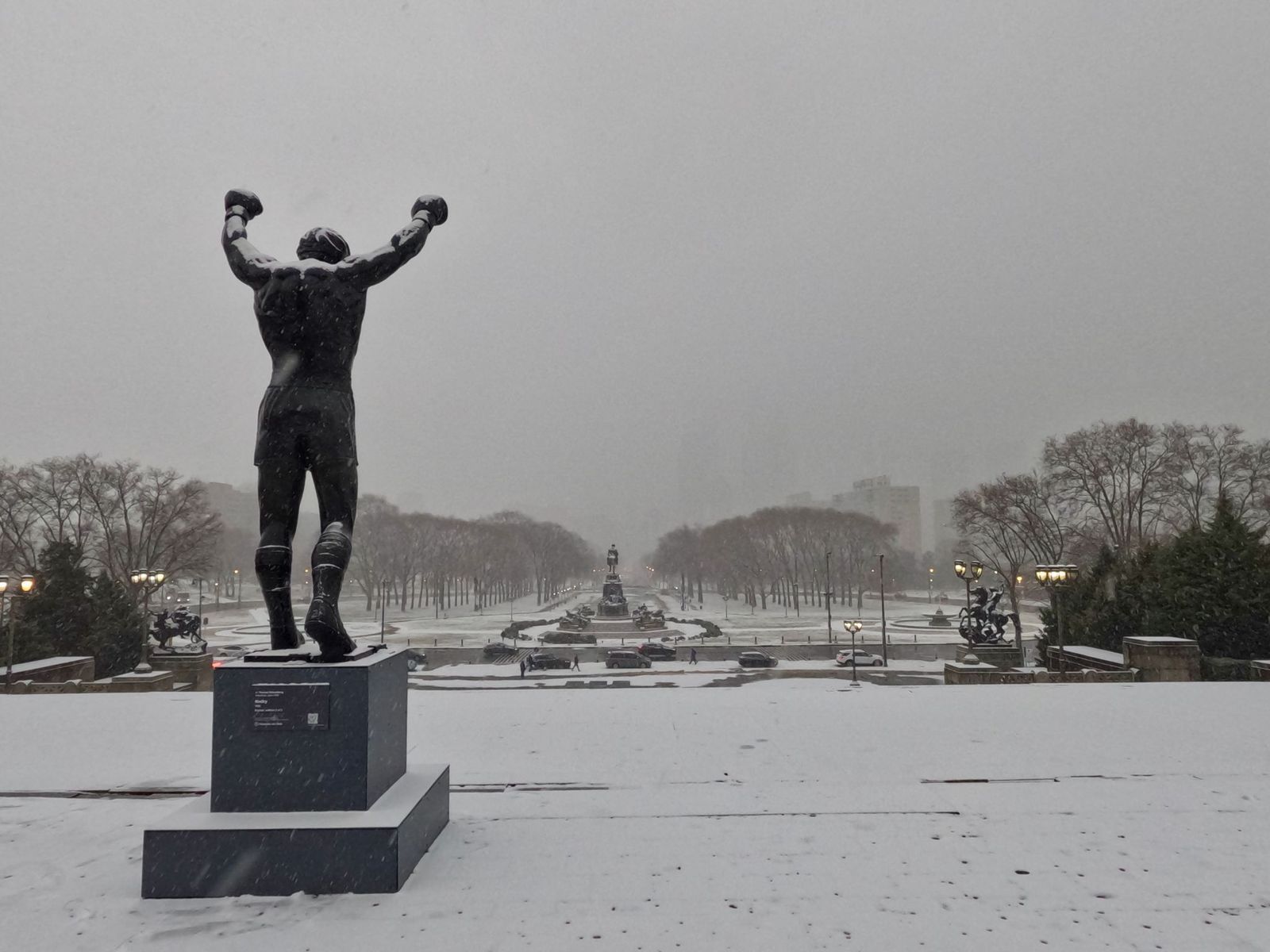
If you want to see late Cold War patriotism condensed into a two-hour blockbuster, look no further than Rocky IV . Written, directed by, and starring Sylvester Stallone, the 1985 sequel details the rivalry between self-made American underdog Rocky Balboa and Ivan Drago (Dolph Lundgren), a state-sponsored Soviet boxer.

The film serves as an allegory for the geopolitical tensions between the USA and the USSR. With Rocky stepping into the Moscow ring wearing the late Apollo Creed's iconic stars-and-stripes trunks, his eventual victory symbolizes a triumphant win of Western individualism over Soviet collectivism.

2
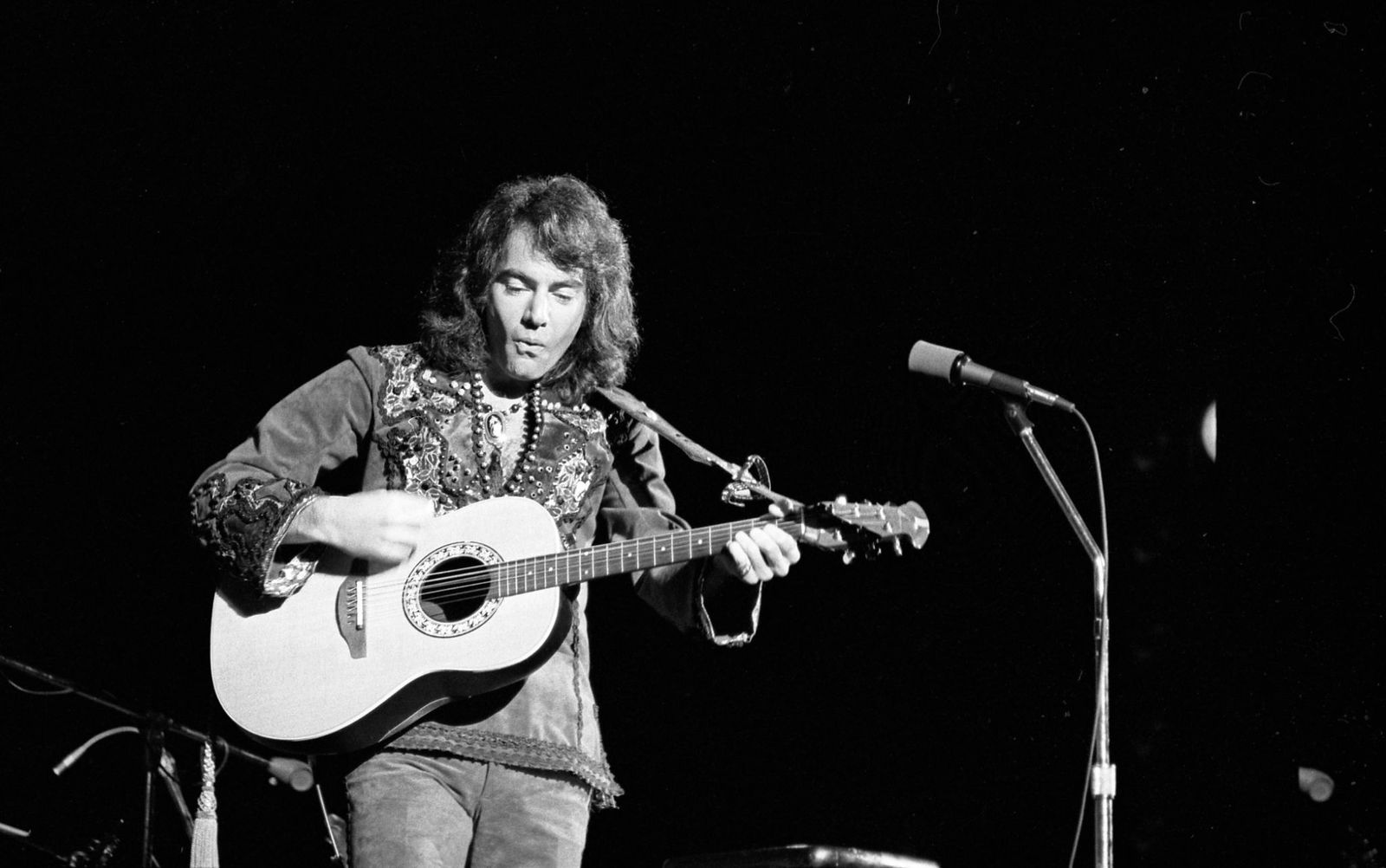
Neil Diamond's "America"

Image: Larry Bessel, Los Angeles Times, CC BY 4.0, via Wikimedia Commons

Patriotism is not just about defending borders, it’s also about celebrating our country’s diverse mosaic of people. Neil Diamond proved it with his 1980 hit "America", written for The Jazz Singer soundtrack.

With its optimistic beat and soaring chorus, the track serves as an anthem celebrating the immigrant experience. Diamond's lyrics honor the millions of people who braved the seas to find freedom and opportunity, and has become a constant at political rallies, naturalization ceremonies, and sporting events.

3
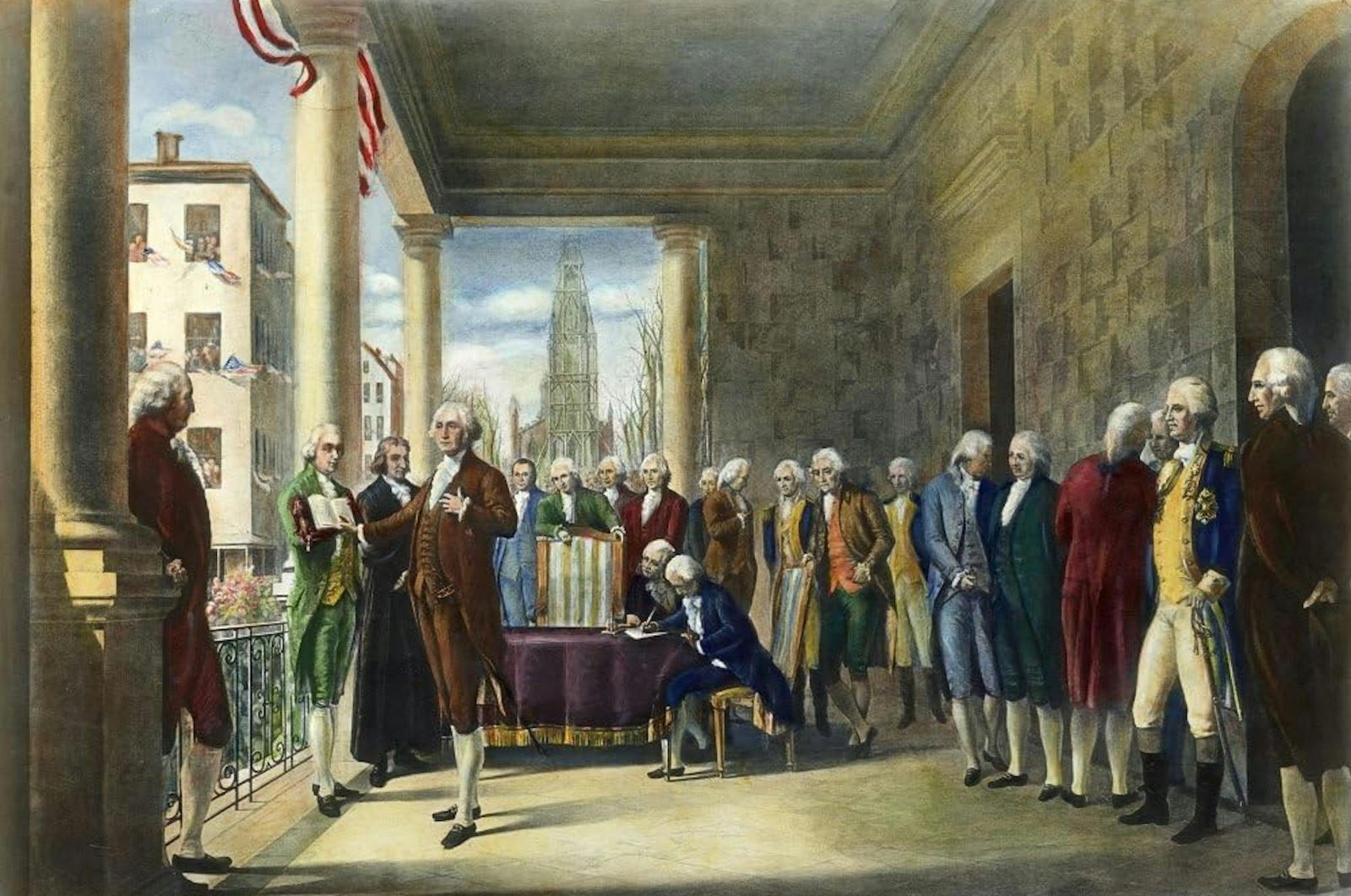
George Washington’s suit

Image: Ramon Elorriaga, Public domain, via Wikimedia Commons

Did you know America’s very first president used his attire to send a message of national independence? For his 1789 inauguration, George Washington rejected the luxurious, imported silks favored by the European aristocracy. Instead, he arrived wearing a simple, American-made brown broadcloth suit crafted from wool produced at the Hartford Woolen Manufactory in Connecticut.

Featuring custom metal buttons engraved with the Great Seal of the United States, Washington's suit was an intentional statement meant to promote domestic industry, reject European economic dominance, and symbolize democratic equality.

4
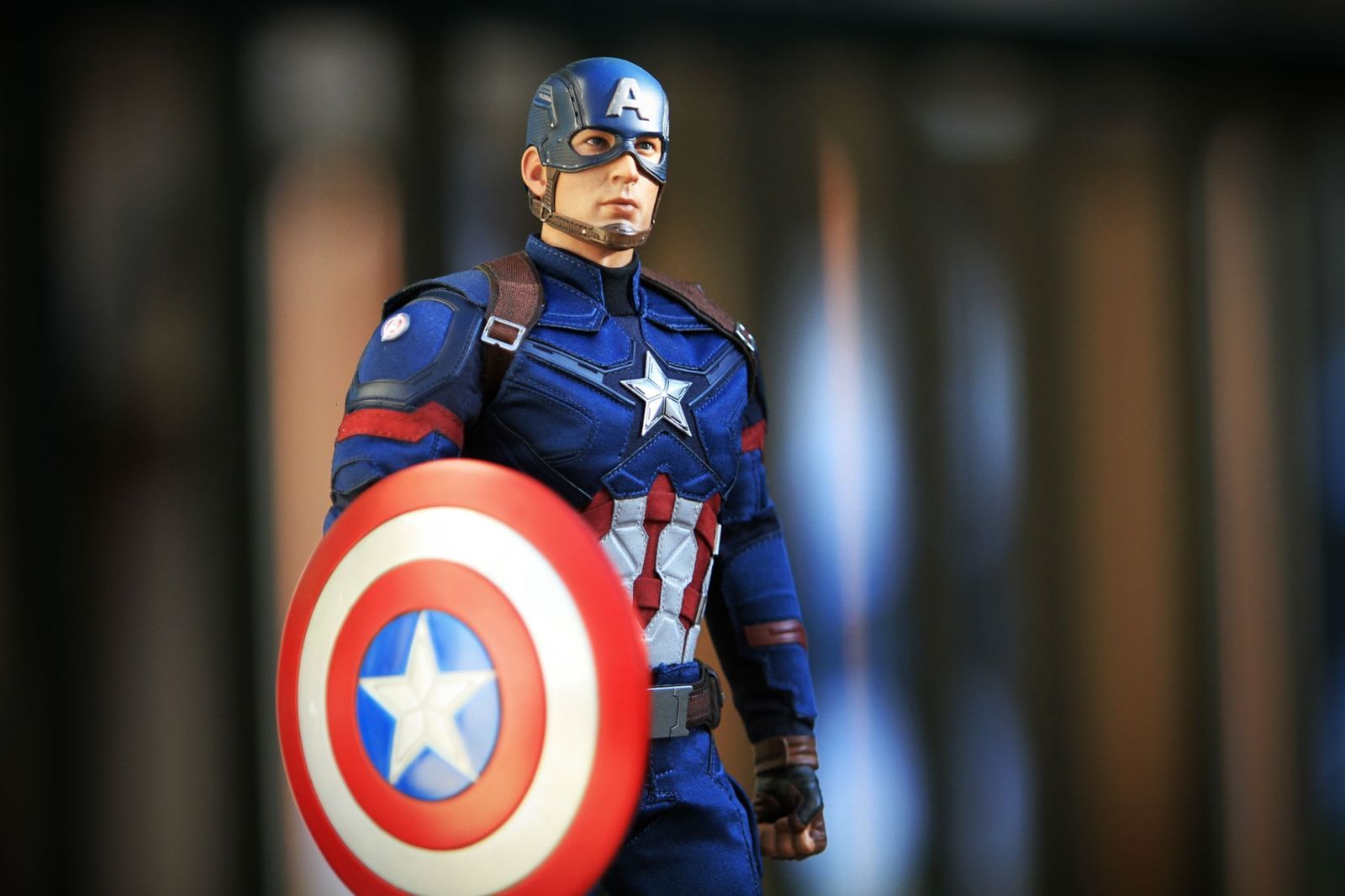
Captain America

Image: phol_66

Comic books have long relied on patriotic superheroes to protect the innocent, but none achieved the legendary status of Steve Rogers. Created by Joe Simon and Jack Kirby, Captain America made his debut in March 1941, nearly a year before the United States officially entered World War II.

The iconic cover of Captain America Comics #1 featured the star-spangled hero delivering a right hook straight to Adolf Hitler’s jaw. Representing the ultimate underdog story, Captain America became an enduring symbol of anti-fascist determination that remains a multi-billion-dollar cinematic powerhouse today.

5
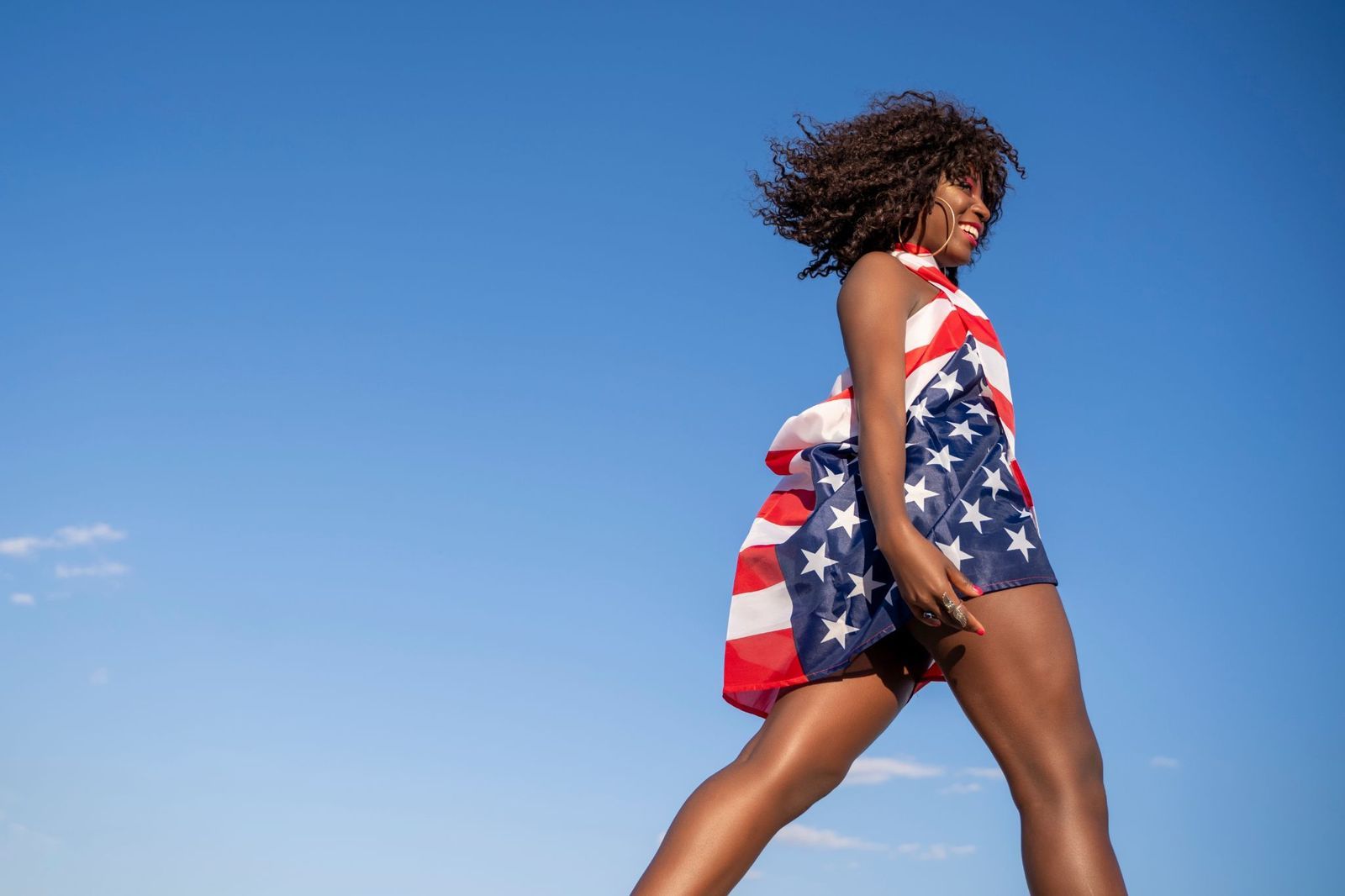
Catherine Malandrino's "Stars and Stripes" dress

Image: Carrastock

Fashion and patriotism collided at the dawn of the 21st century. Following the tragic events of September 11, 2001, the American flag evolved from a standard national symbol into an emblem of resilience and unity. French designer Catherine Malandrino captured this cultural shift perfectly with her flag-print chiffon shirtdress.

Originally debuted by Halle Berry just days before 9/11 at a movie premiere, the "Stars and Stripes Dress" quickly became a post-tragedy uniform for Hollywood's elite. It was worn by icons like Julia Roberts, Sharon Stone, and Madonna to signal solidarity, hope, and patriotism on the red carpet.

6
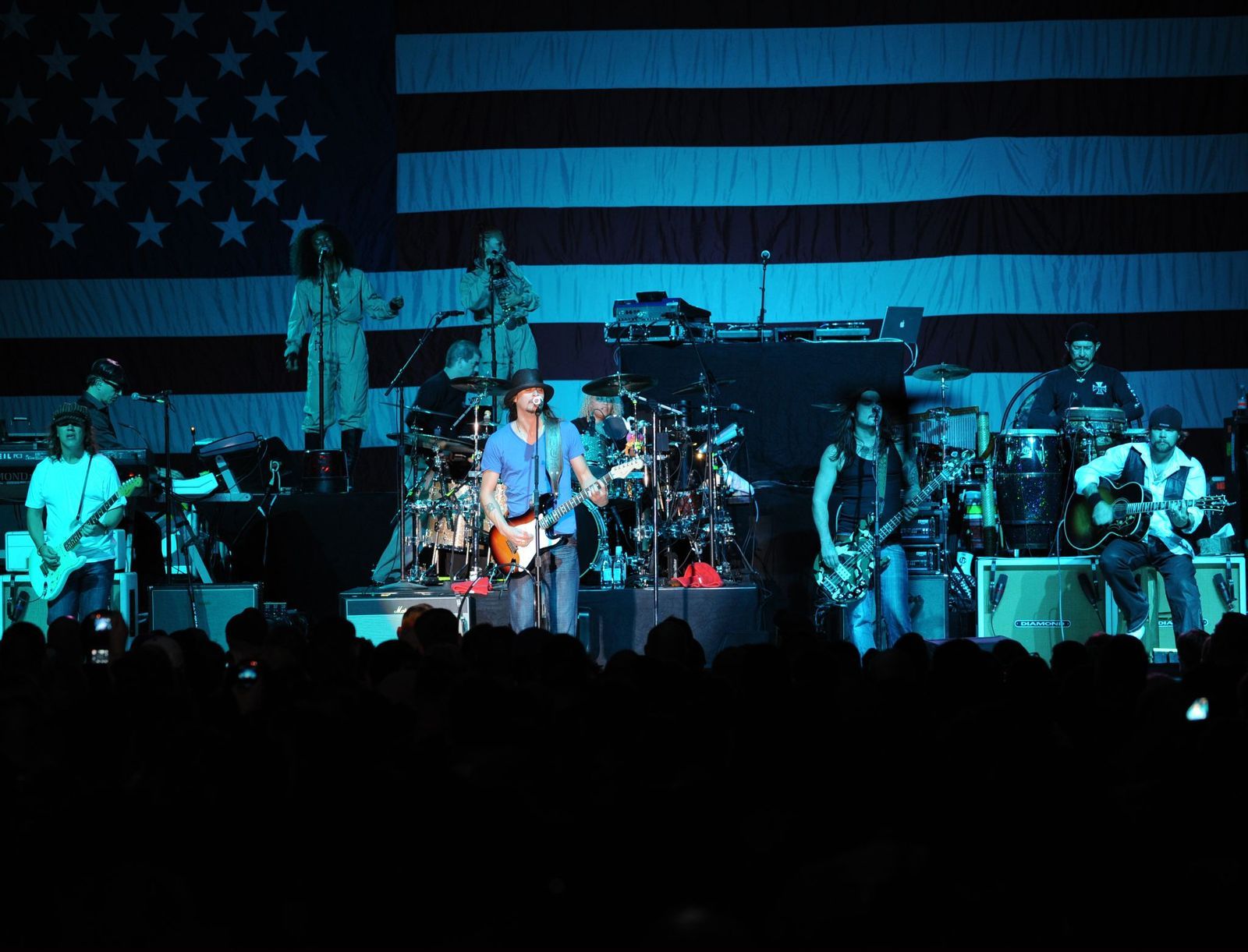
Kid Rock's "Born Free"

Image: U.S. Air Force photo by Airman 1st Class Caleb Pierce, Public domain, via Wikimedia Commons

Kid Rock’s 2010 single "Born Free" brought a raw energy to patriotic music. Blending elements of southern rock, country, and blues, the track was inspired by Kid Rock’s travels playing for American troops stationed overseas.

The musician has said that he penned the song as a tribute to liberty and personal freedom. The tune has been played at major sporting events, auto commercials, and has been adopted as a political campaign anthem.

7
The Americans

Image: Andy.LIU

Instead of waving the flag openly, the critically acclaimed drama The Americans (2013-2018) examined American patriotism from a different perspective. The series follows Philip (Matthew Rhys) and Elizabeth Jennings (Keri Russell), two undercover KGB spies living as a typical American family in suburban Virginia during the 1980s. As Philip increasingly finds himself seduced by the genuine freedom and lifestyle of the "American way", the series serves as an endorsement of democratic values.

8
Patton

Image: Office of War Information, Public domain, via Wikimedia Commons

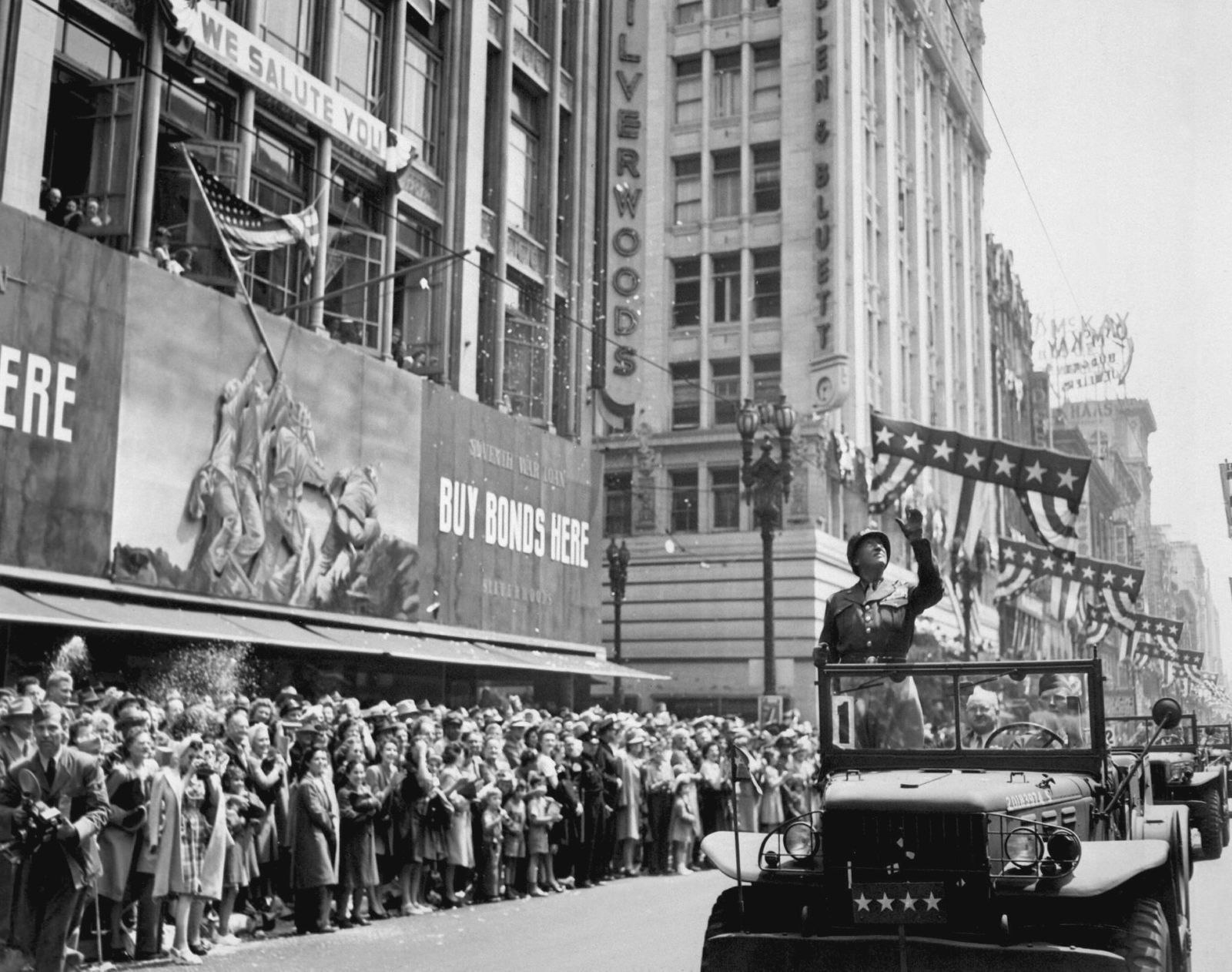
Biographical films often examine patriotism through a complex lens, and the 1970 masterpiece Patton is proof. Starring George C. Scott as General George S. Patton, the film opens with a legendary, six-minute monologue delivered in front of a colossal American flag.

The film, directed by Franklin J. Schaffner and written by Francis Ford Coppola and Edmund H. North, perfectly captures Patton's fierce love for his country alongside his military genius. Released during the height of the divisive Vietnam War, Patton managed to resonate across the entire political spectrum, even becoming a favorite of President Richard Nixon, who watched it repeatedly before making critical military decisions.

9
Toby Keith's "Courtesy of the Red, White and Blue"

Image: U.S. Navy photo by Journalist 2nd Class Brandan W. Schulze, Public domain, via Wikimedia Commons

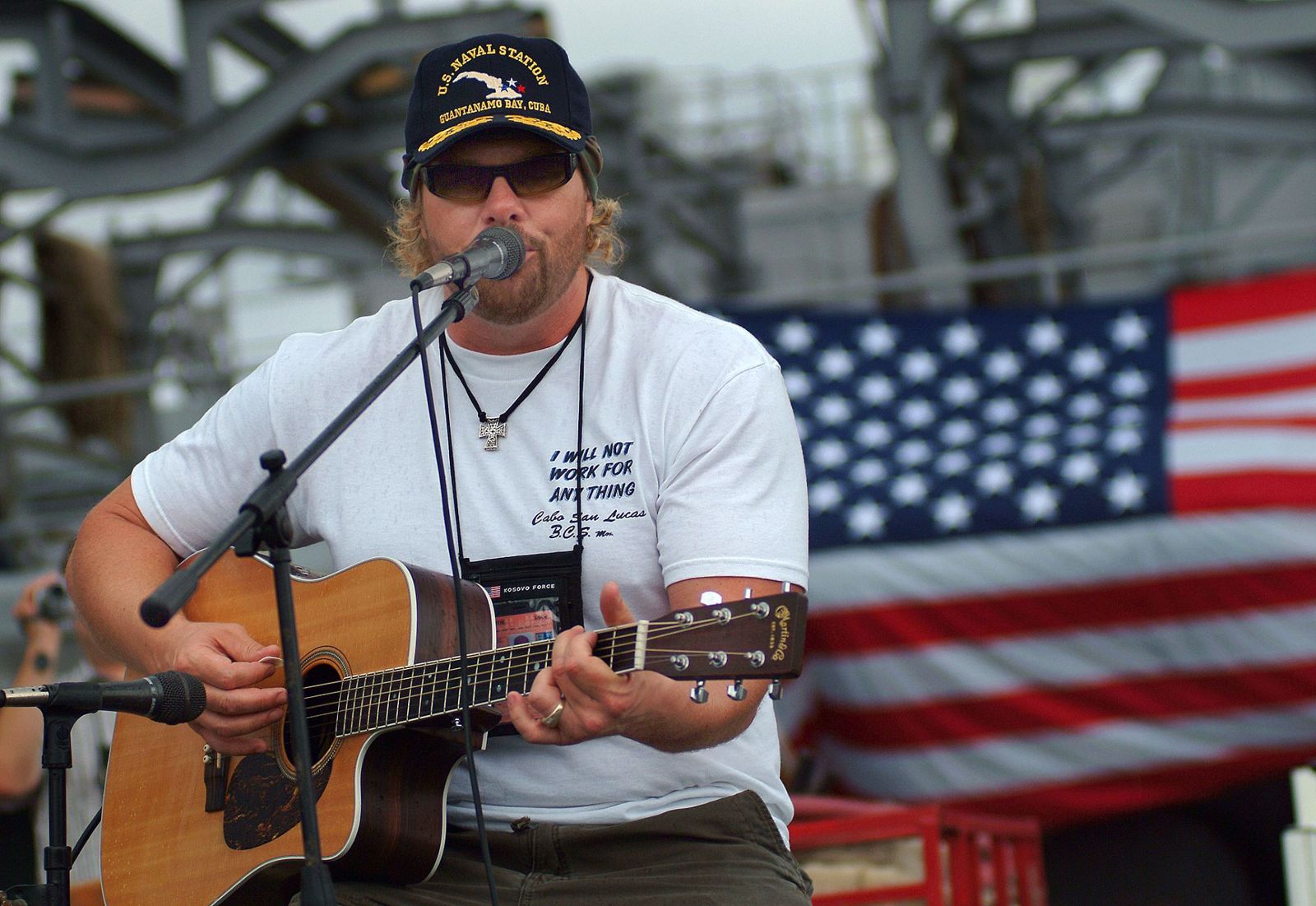
In 2002, Toby Keith aptly captured the raw emotion of the post-9/11 era with his "Courtesy of the Red, White and Blue." Written in a burst of intense emotion following the terrorist attacks and the recent passing of his military veteran father, the song became a patriotic anthem.

With its lines promising that America would "put a boot in your ass," the song resonated deeply with a grieving public. It dominated the country charts, fueled troops overseas, and cemented its place as one of the most defining musical examples of early 2000s nationalism.

10
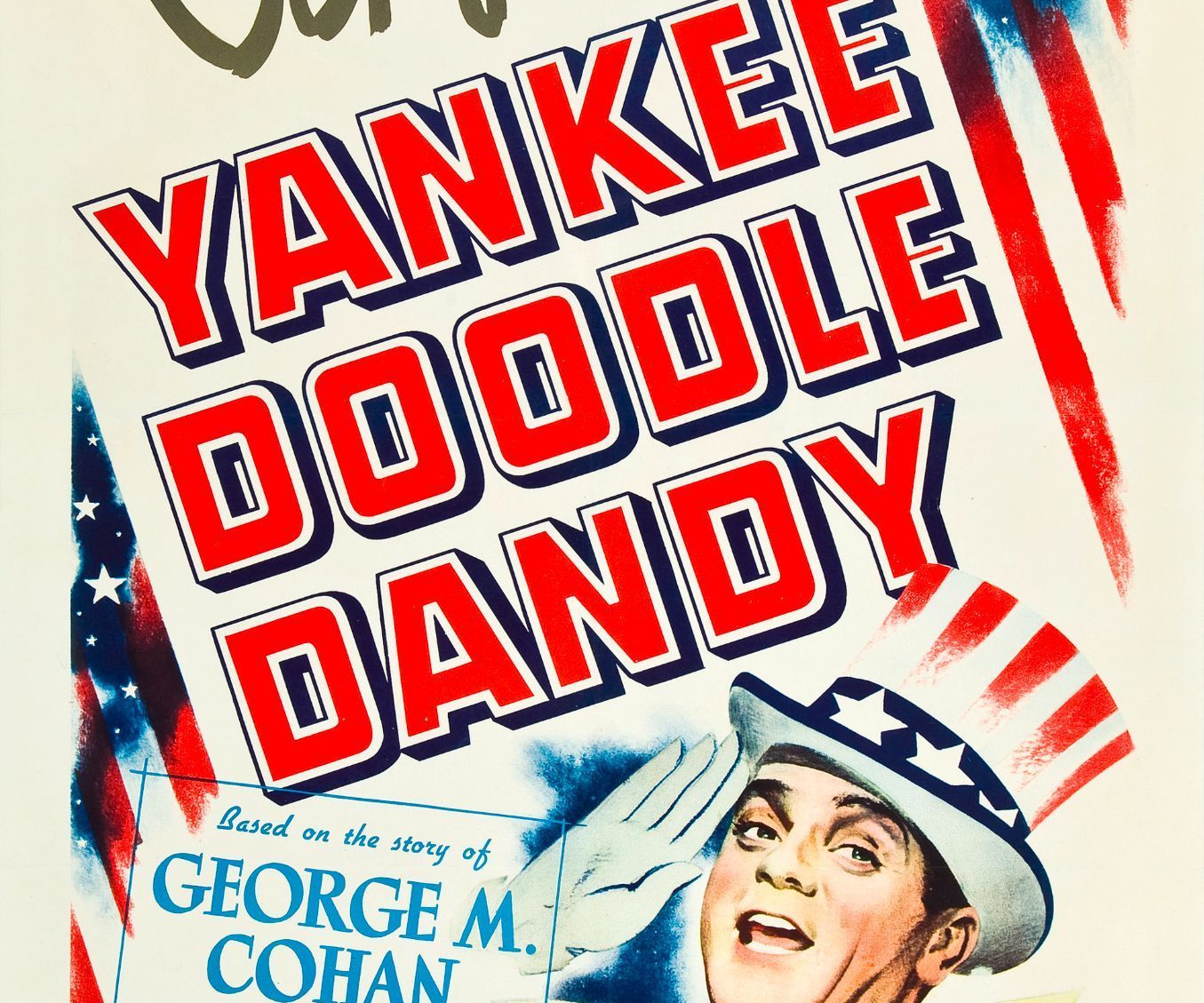
Yankee Doodle Dandy

Image: Bill Gold, Public domain, via Wikimedia Commons

During the uncertain early days of World War II, Hollywood became a critical tool for boosting national morale. No film captured this era's patriotic fervor quite like Yankee Doodle Dandy , a 1942 biographical musical drama directed by Michael Curtiz.

Starring James Cagney in his Oscar-winning role as vaudeville legend George M. Cohan, the film celebrates the life of the patriotic showman who penned iconic wartime anthems like "Over There" and "The Yankee Doodle Boy". Released just months after the attack on Pearl Harbor, the film's tunes and celebration of American resilience served as a perfect cinematic cry for a nation entering a massive global conflict.

History History 3 min read

High data

Millions, secret floors, & survivors: 10 Empire State Building stories!

Image: Kit Suman / Ofuss

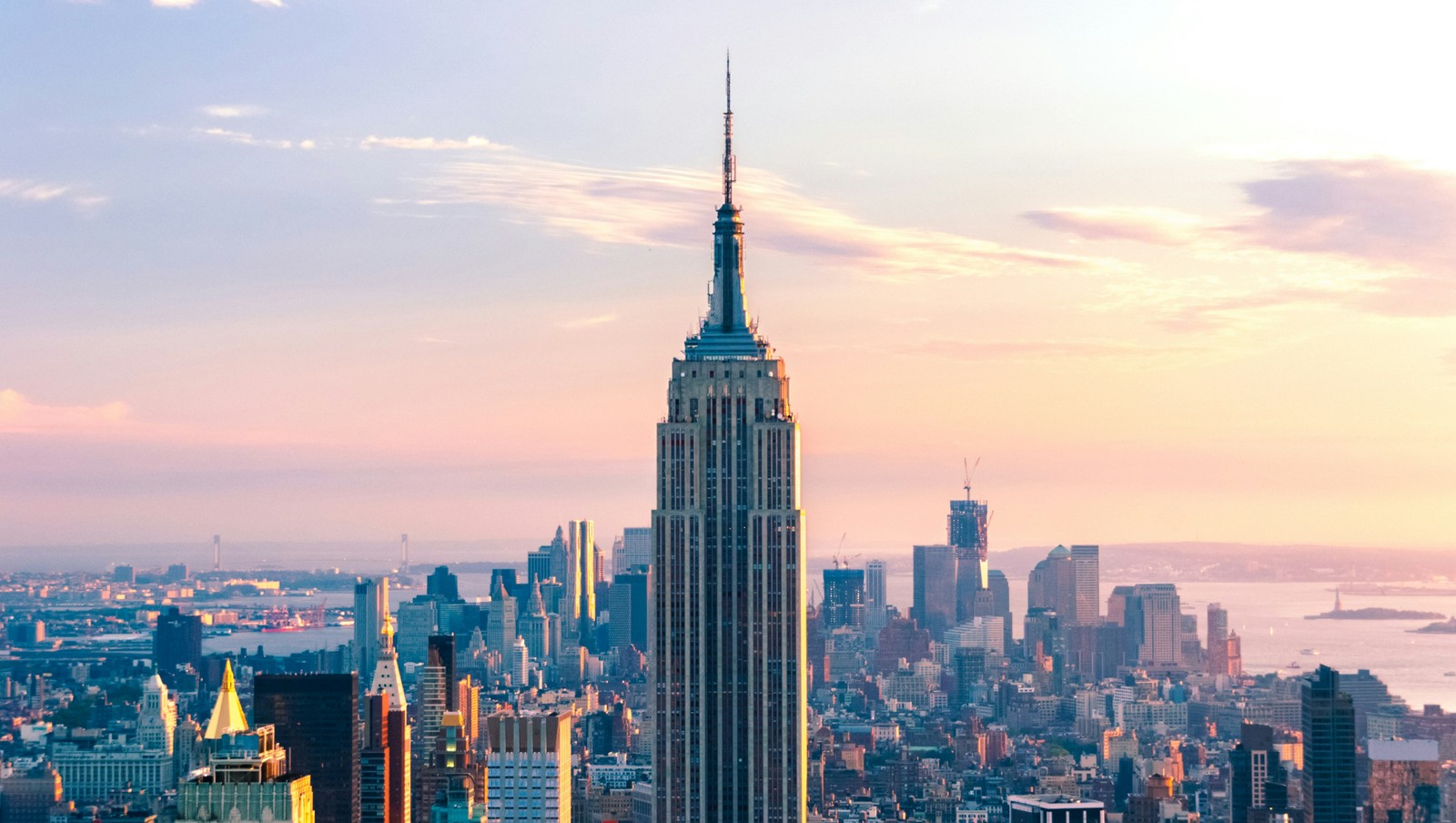
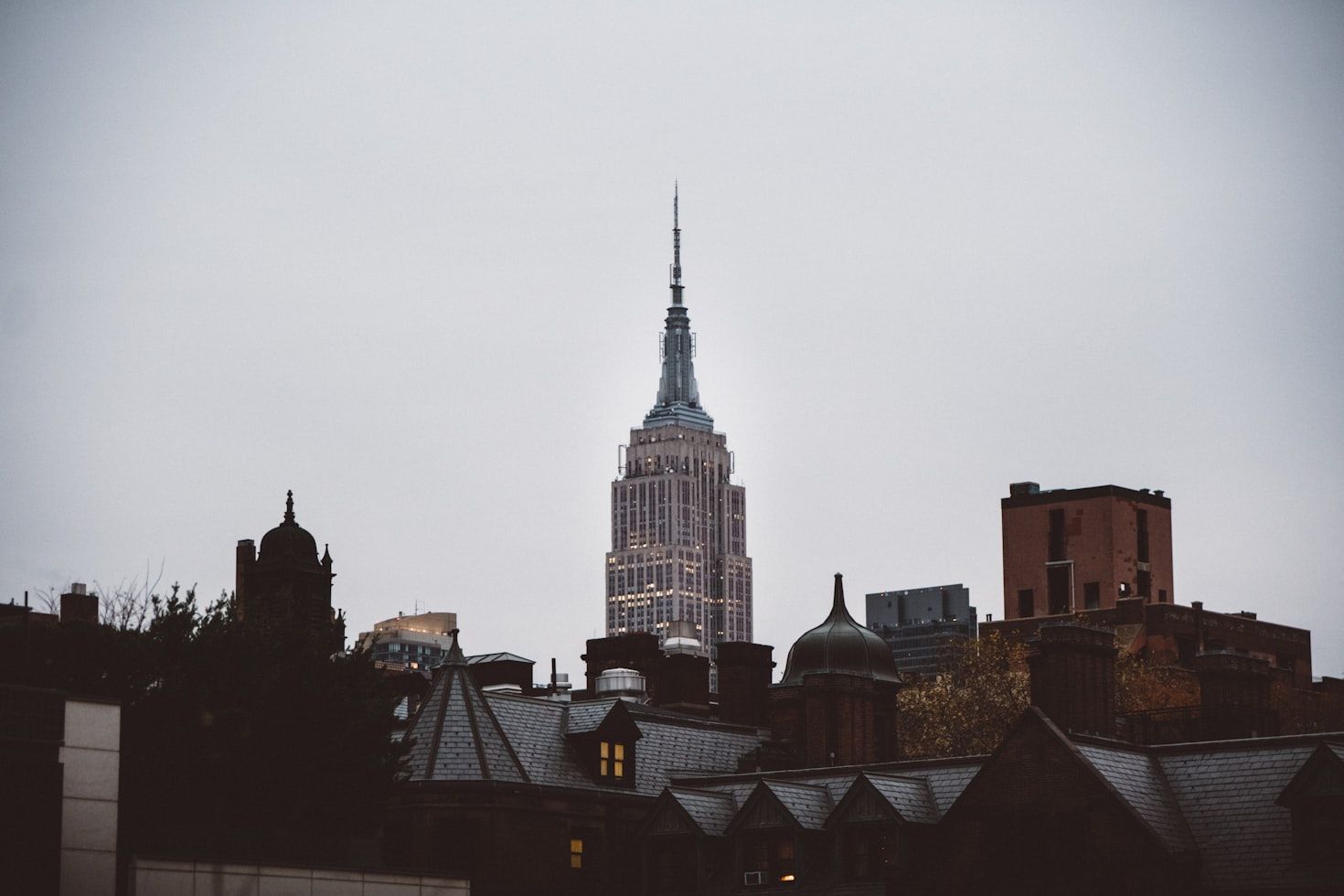
The Empire State Building may be an immense structure that's hard to miss, but its history holds events, quirks, and surprising facts that most people have never heard! From lightning constantly striking it to water invading from below, let's uncover 10 things no one ever told you about this iconic American skyscraper.

1
25 times a year

Image: Johannes Plenio

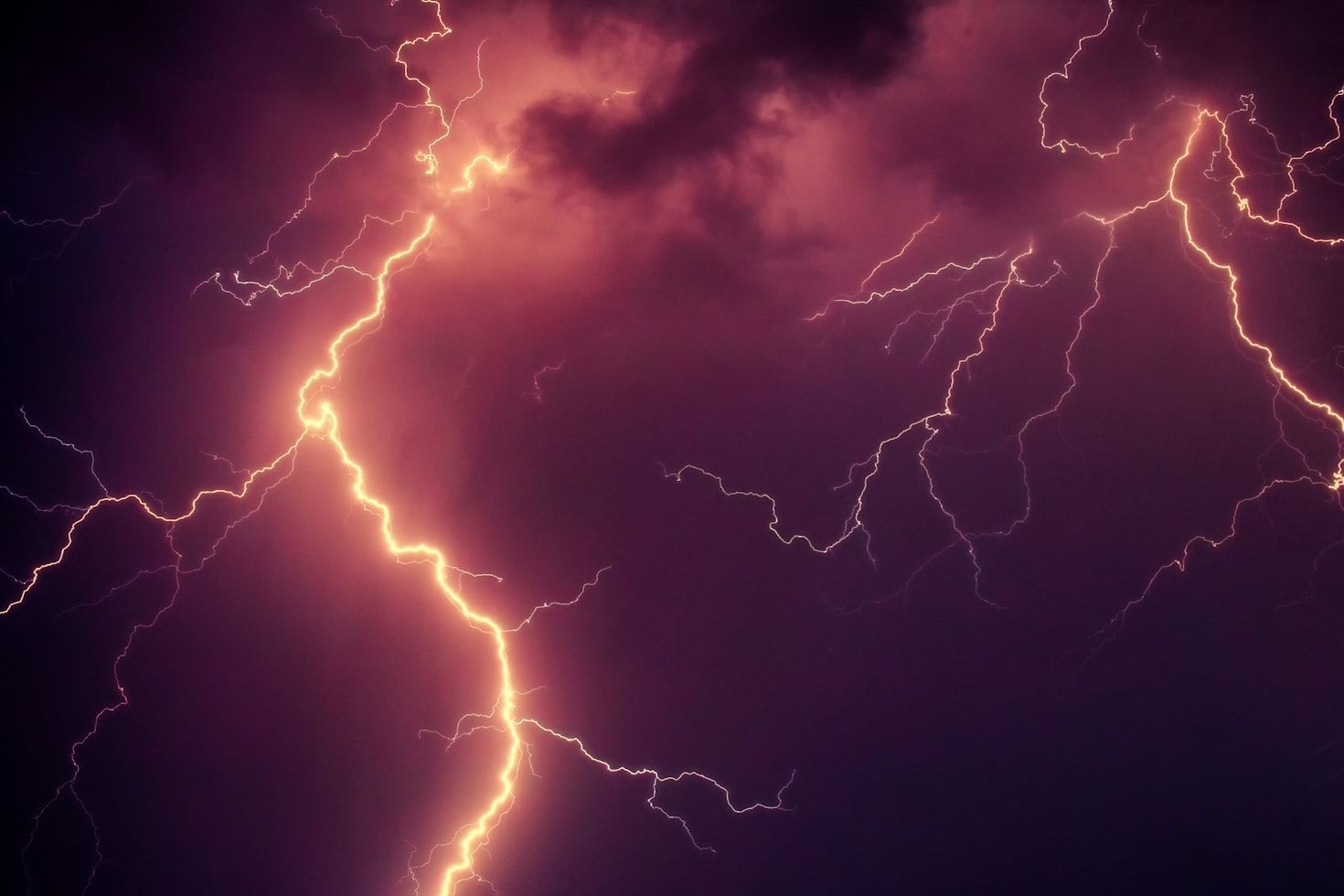
Its tall, elegant steel structure is definitely captivating; no wonder thousands of photographers, painters, and filmmakers have chosen the Empire State Building as the backdrop for their work. However, that imposing height comes with something a little scary: it's estimated that the building is struck by lightning about 25 times a year! Fortunately, it was designed to handle these strikes, so it's completely safe.

2
Really fast

Image: Guilherme Cunha

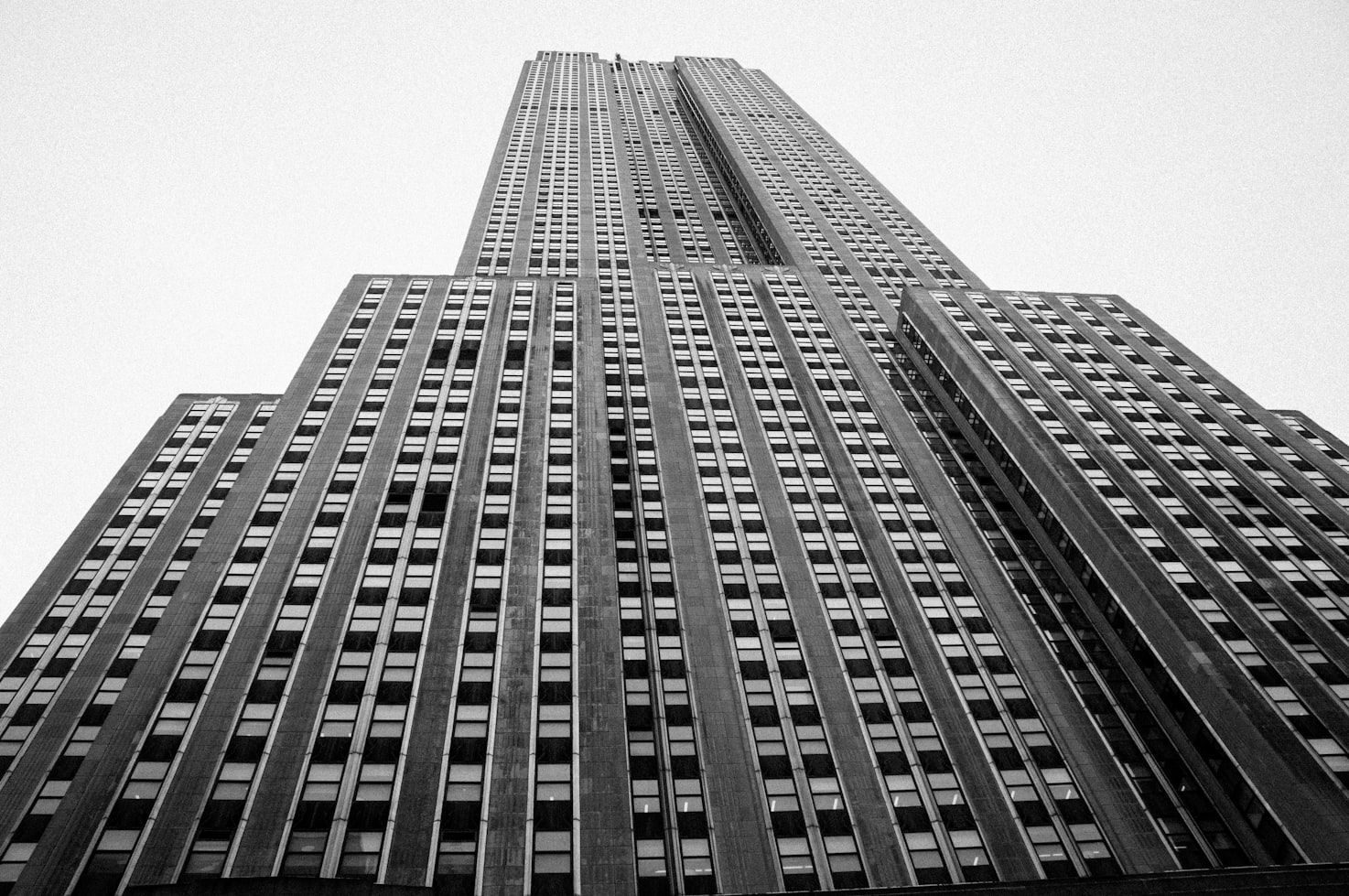
There are buildings that took decades to complete. But this is not the case with the Empire State Building. In fact, this is one of the fastest skyscrapers ever built: It took only one year and 45 days to erect such an architectural masterpiece. That means it was built at a rate of an incredible 4.5 floors per week!

3
Unlikely survivor

Image: Melanie Dretvic

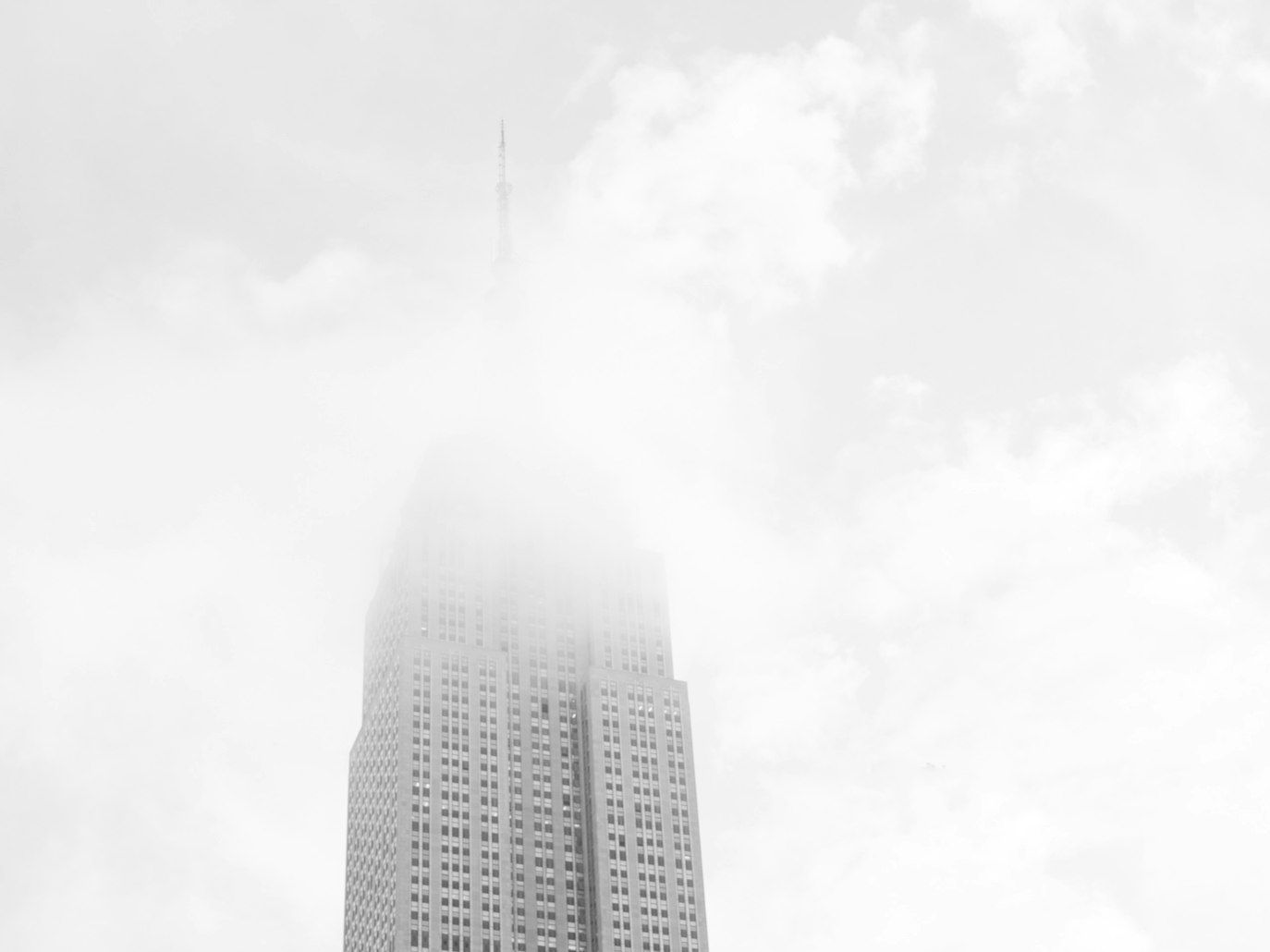
It was 1945 when the Empire State Building was accidentally struck by a B-25 Mitchell bomber due to the thick fog that covered NYC. A worker named Betty Lou Oliver was on the 80th floor when the plane crashed into the 79th. She was severely injured, but incredibly, she survived. Hours later, while being rescued in an elevator, the damaged cables gave way, and Betty fell 75 floors to the basement. She survived that too!

4
40 million dollars

Image: Pepi Stojanovski

A tremendous building like the Empire State couldn't be built on a shoestring budget. When it was constructed —in the midst of the Great Depression, no less— it cost about $41 million . That's a hefty sum, even today! Adjusted for inflation, that would be around $600 to $700 million in 2025. Wow!

5
Secret floor

Image: roemer overdiep

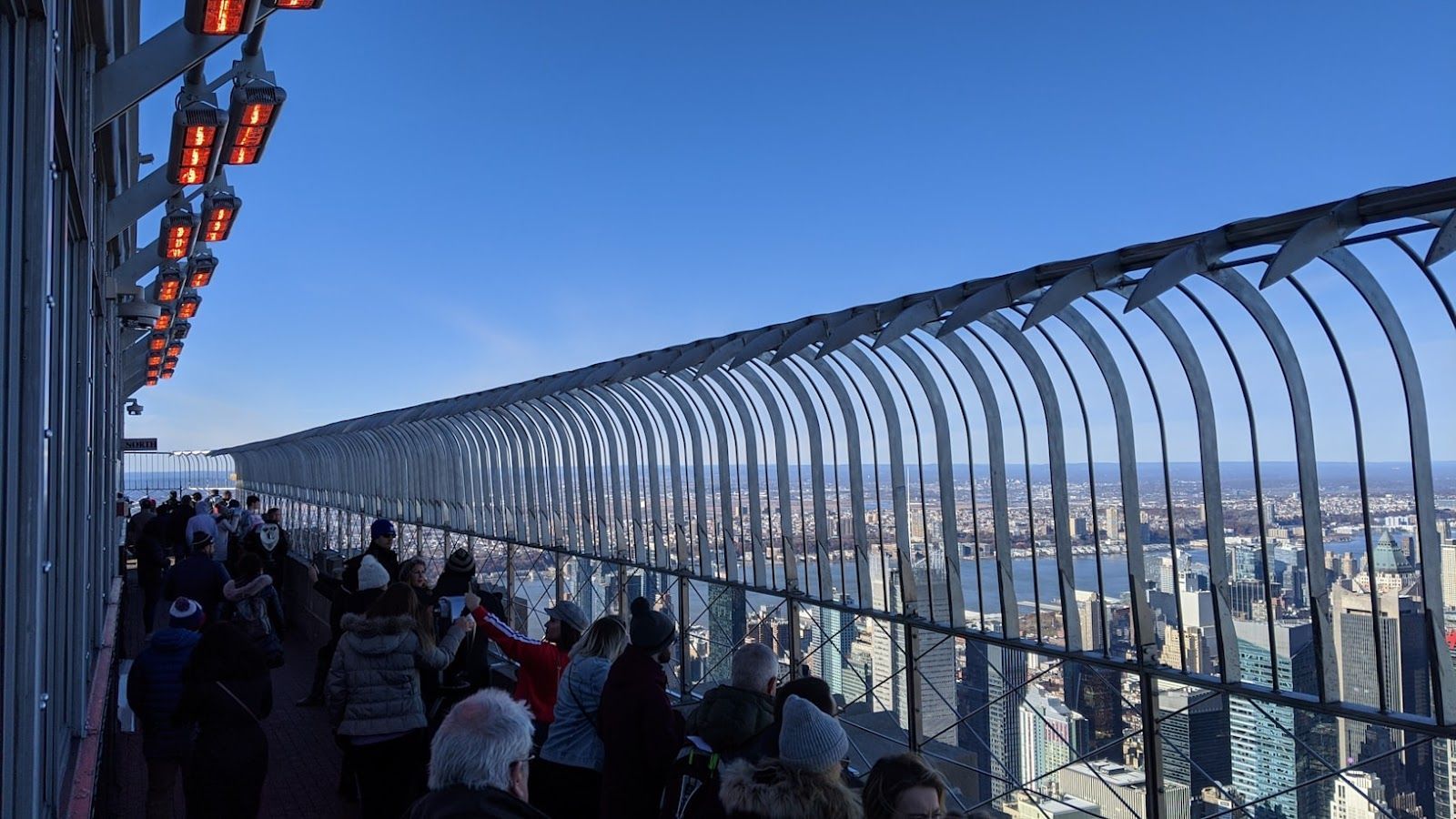
If you are afraid of heights, be prepared: the Empire State Building has two public observation decks, one on the 86th floor and another on the 102nd. But there's another one, and it's even higher! It's located on the 103rd floor, but it's not open to the public and is mostly used for VIPs or special occasions.

6
High security

Image: Pawel Czerwinski

Although an incredible 4 million people visit the building each year on average, getting in isn't easy. Many visitors say it feels like going through airport security, with X-ray machines and metal detectors everywhere. Visitors must also pass through a security checkpoint before reaching the observation decks, and the building is constantly monitored by cameras and security guards.

7
King Kong

Image: Simon Ray

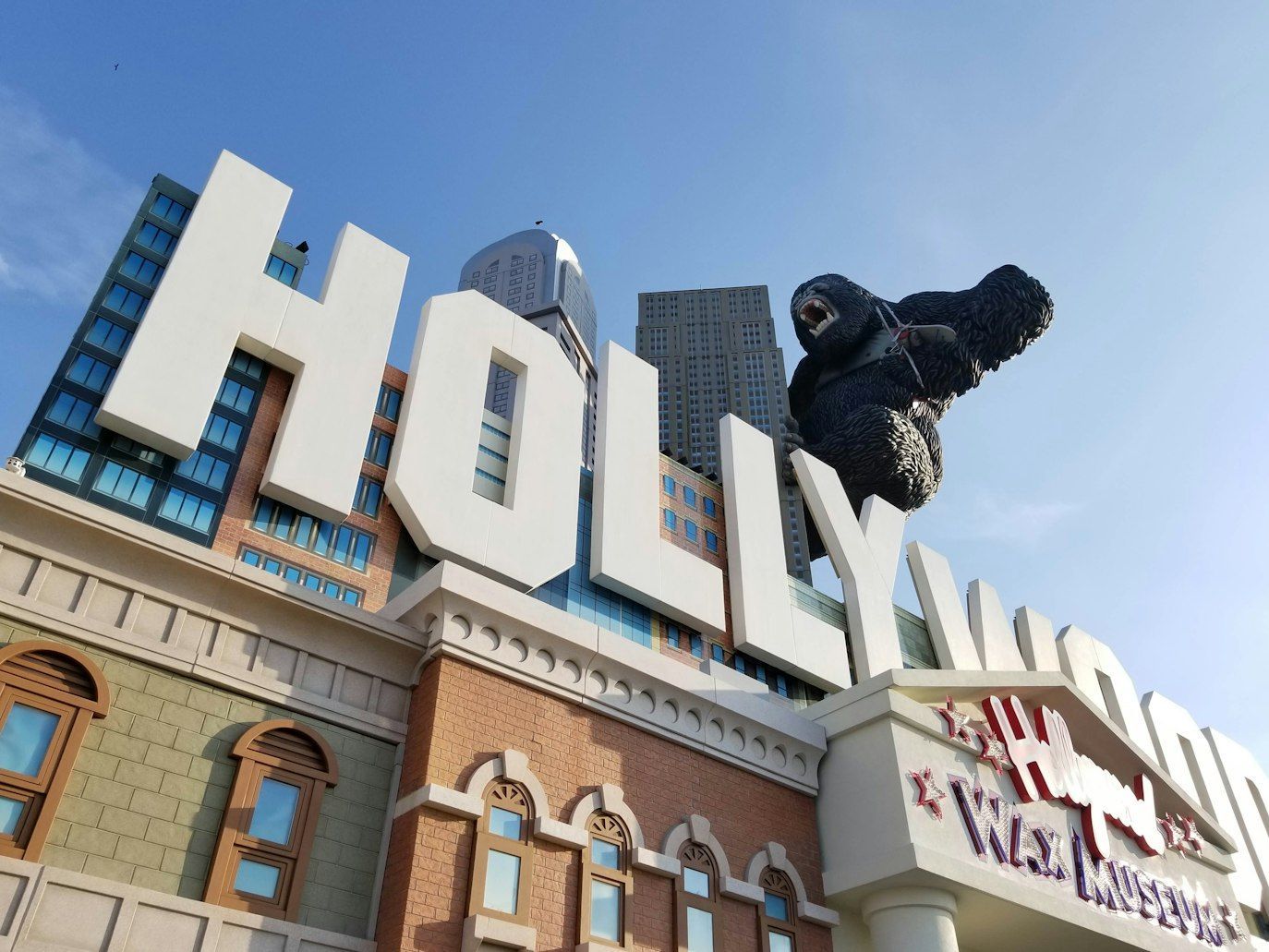
We all remember the iconic scene of the imposing King Kong climbing the towering mast of the Empire State Building. And while that image lives on in our minds, there's one detail many people overlook: When the original King Kong movie premiered in 1933, the Empire State Building was less than two years old! Plus, at the time, the building still held the title of tallest in the world, making King Kong's climb even more epic.

8
Underground waterways

Image: Evgeniy Smersh

Beneath what is now NYC, there was a network of streams and rivers that flowed freely before Manhattan and other boroughs covered them. The land below the Empire State Building is no exception, and these old underground waterways still occasionally cause complications. For example, during heavy rains, water can rise and seep into the building's wind tunnels, sometimes flooding areas with up to two feet of water.

9
The original plans

Image: Jaunt and Joy

The Empire State Building was originally supposed to have a dirigible anchor! That's right; the mast at the top of the building was meant to serve as a mooring post for dirigibles, with a docking platform and a door for passengers to disembark. However, due to the extreme height, high winds, and overall potential danger, the idea was discarded. Today, the mast is used for antennas and other communications equipment.

10
Green building

Image: Chris Ladouceur

This iconic building that defines New York's skyline is considered a "green building." And no, it has nothing to do with the color of its walls; it's about something much more meaningful. The sustainability modifications that the Empire State has undergone over the years have made it one of the most energy-efficient buildings of its size, minimizing its environmental impact and earning it the title of "green building."

Explore more American facts

Choose your favorite category!

General
General

As American as apple pie—the very best America has to offer!

Culture
Culture

Delve into the astounding richness of American lore.

Geography
Geography

Hop in and explore vast and diverse American landscapes.

History
History

Discover the key moments that shaped the United States.