General General 3 min read

Organized living is always better

Most Americans store these 10 items incorrectly. How about you?
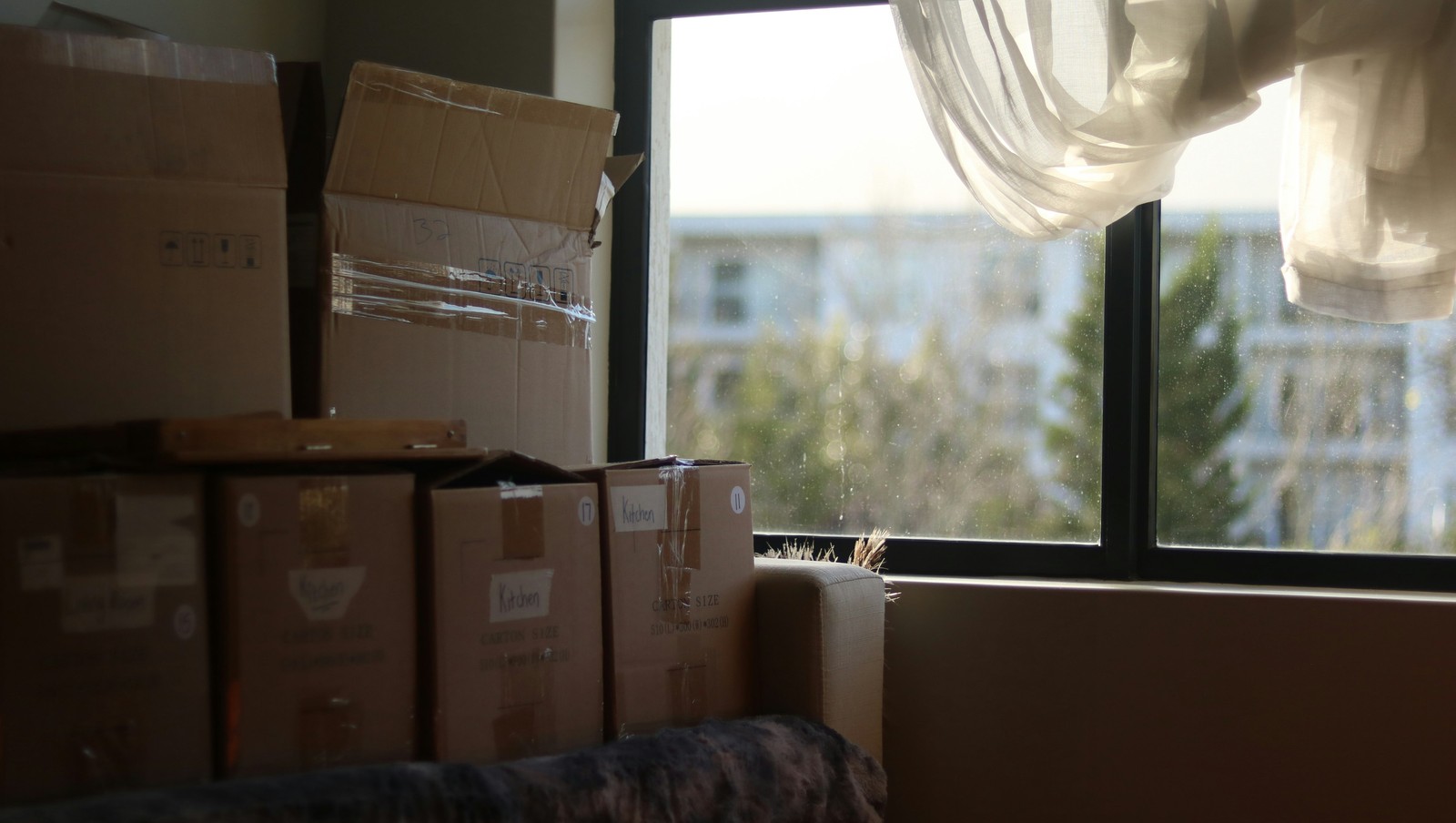
Image: Alicia Christin Gerald

Most Americans store household items wherever they seem convenient. Of course they do, why wouldn’t they, right? But as it turns out, over time, heat, humidity, and clutter can quietly shorten an object’s lifespan or make it harder to use. Organizing experts say many common habits are actually working against us. The good news is that small storage changes can make everyday items last longer. Here are some of the most commonly misplaced ones.

1
Books
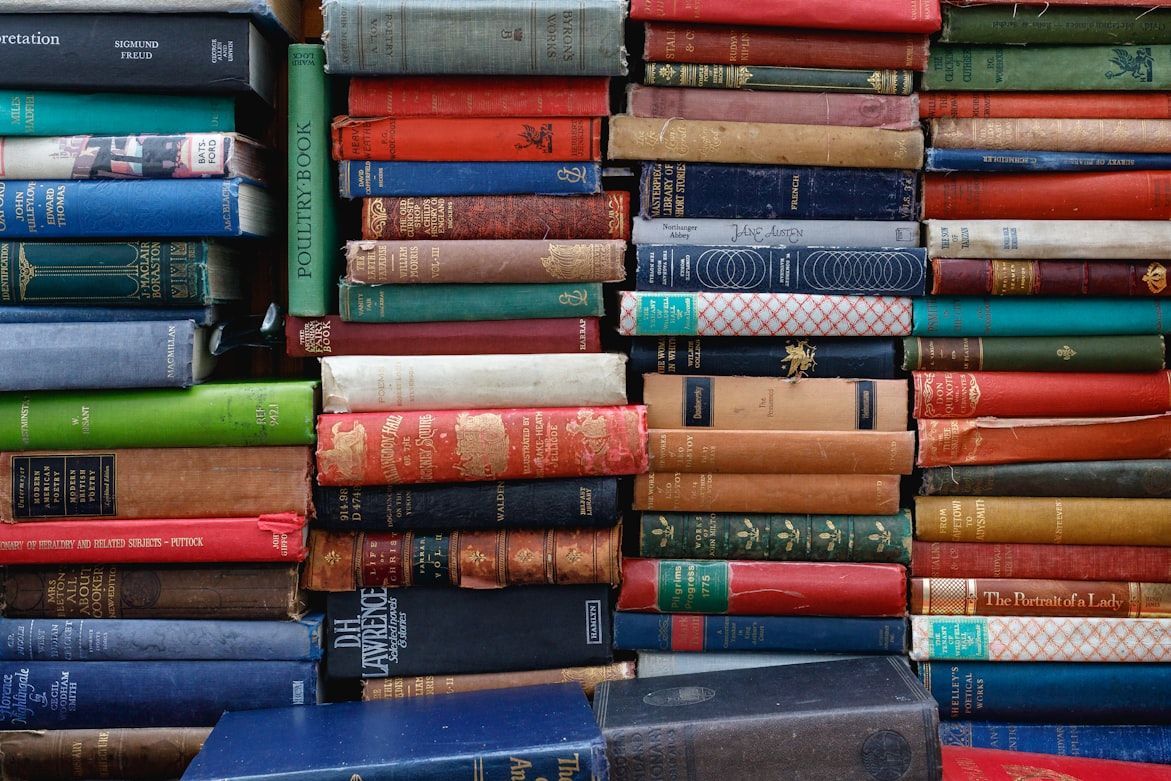
Image: Ed Robertson

Many of us stash books in closets or basements to save space , but these areas often trap moisture. Over time, humidity can warp covers, yellow pages, and encourage mold growth, especially in older homes.

A better option is open shelving in a living area where air can circulate freely. Keeping books visible not only helps protect them but also encourages reading and makes it easier to enjoy them regularly.

2
Medicine
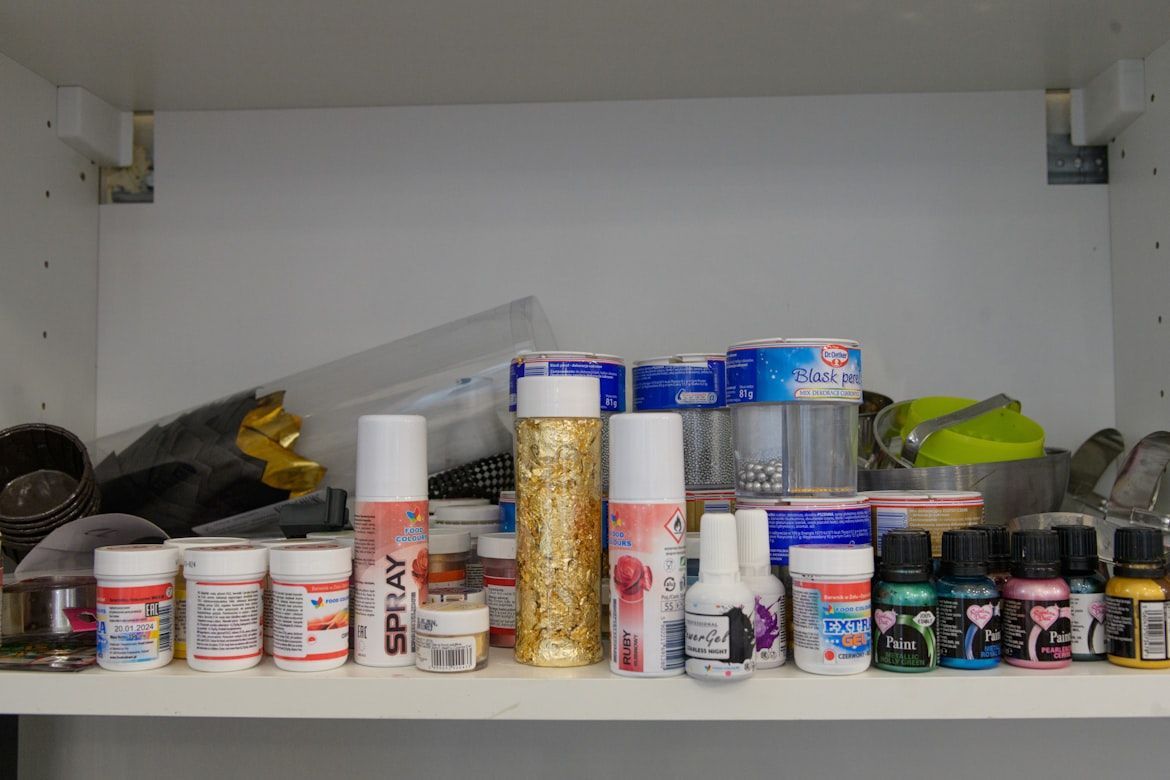
Image: Joanna Stołowicz

Bathrooms are the most common place Americans store medication, yet heat and steam can reduce a drug’s effectiveness over time . Moisture can also cause pills to break down faster or labels to peel off.

A cool, dry place like a bedroom drawer or hallway cabinet is generally safer. Keeping medication out of the bathroom helps preserve its potency and makes expiration dates easier to track.

3
Important documents
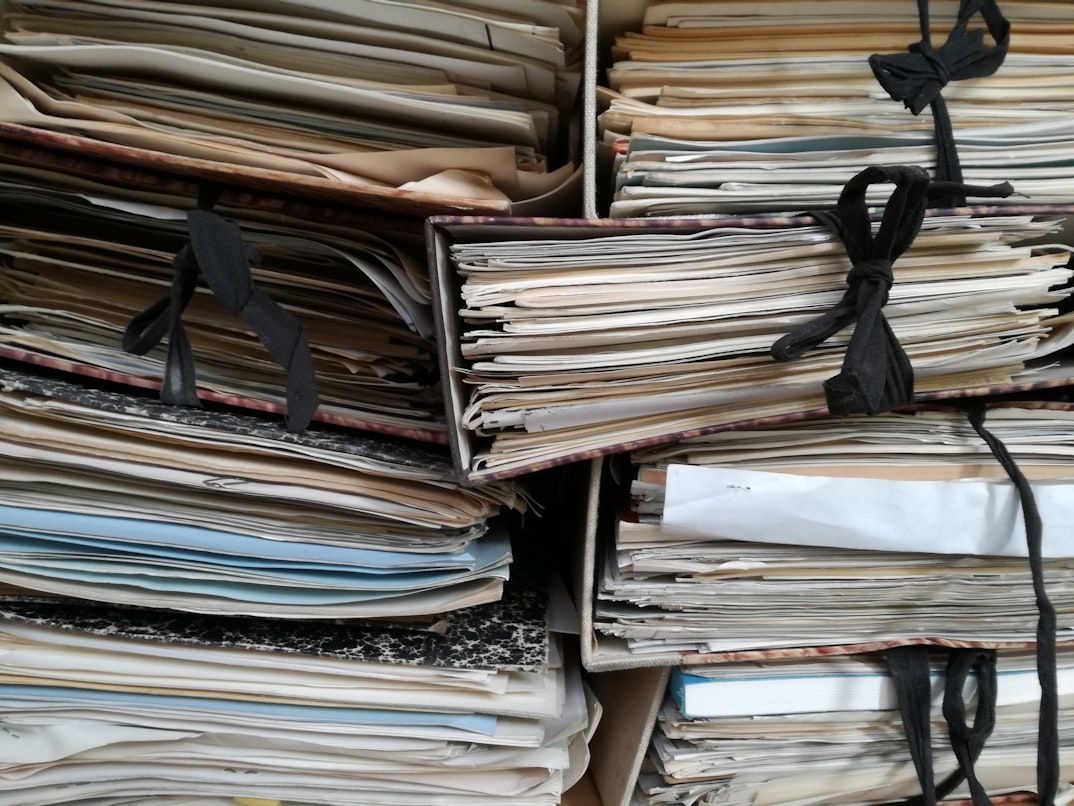
Image: Sear Greyson

Birth certificates, insurance policies, and property deeds are frequently scattered across drawers or stacked in filing piles . This makes them hard to find during emergencies and leaves them vulnerable to damage.

Experts suggest using a dedicated fire-resistant file or document box kept in a consistent location. Centralizing paperwork saves time and reduces stress when documents are suddenly needed.

4
Photo albums and loose photographs
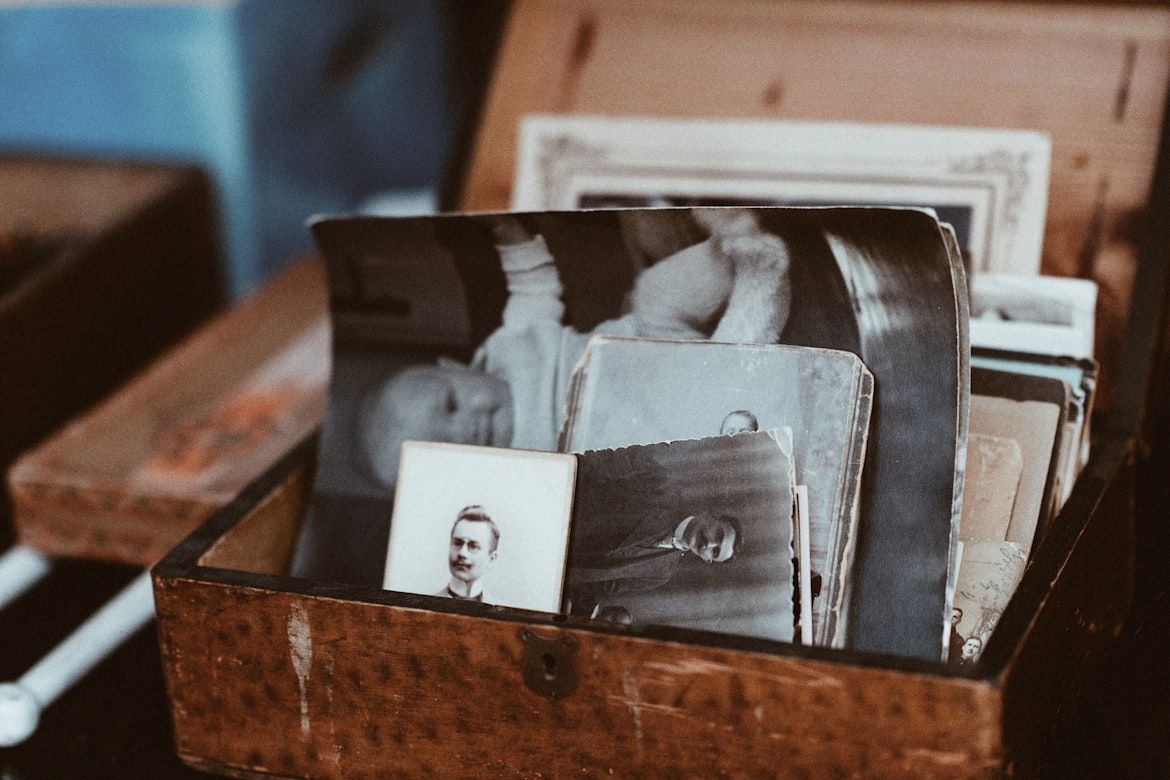
Image: Roman Kraft

Many families store photos in garages or basements, where temperature swings and moisture can cause fading and curling . Once damaged, photographs are often difficult or impossible to restore.

Photos last longest when stored in acid-free boxes kept in interior closets. Proper storage preserves memories and ensures future generations can enjoy family history without deteriorating.

5
Olive oil
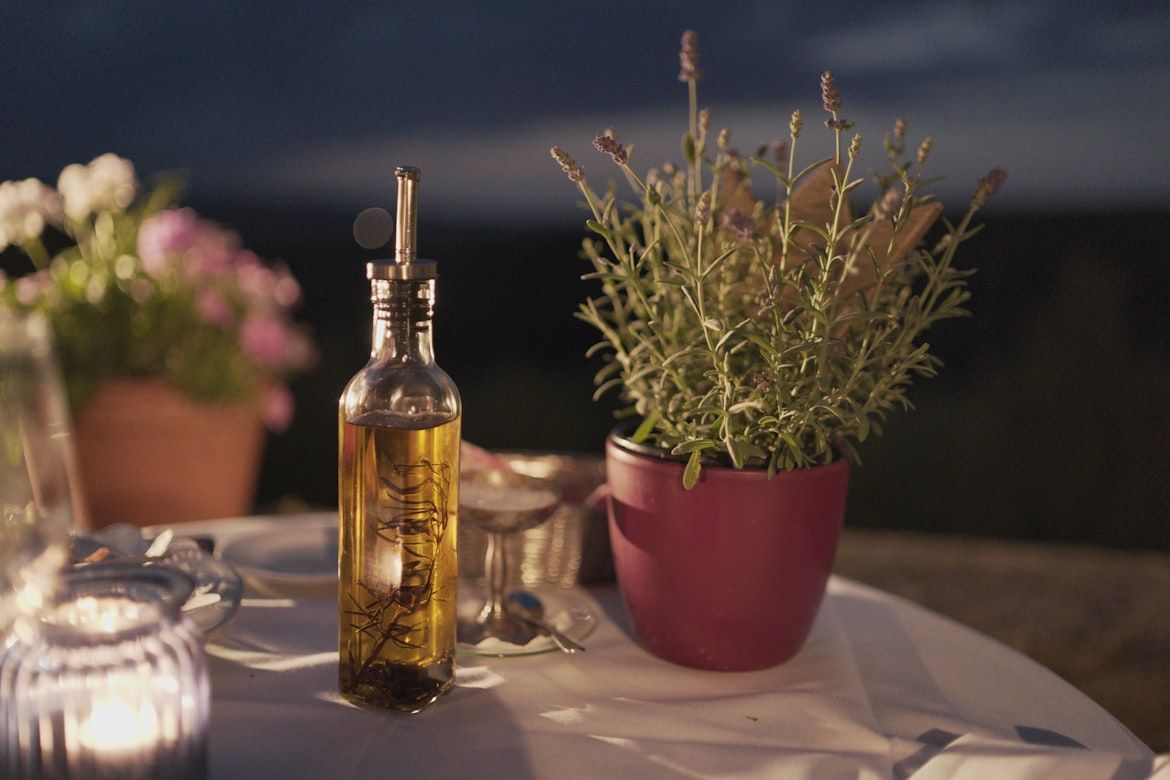
Image: Dimitri Karastelev

Many Americans keep olive oil next to the stove for convenience. Unfortunately, exposure to heat, light, and air causes oil to turn rancid faster , affecting flavor and nutritional value.

A cool, dark cabinet away from appliances is ideal. Storing olive oil in a tightly sealed, opaque container further slows degradation. Proper storage helps olive oil retain its taste longer and prevents waste caused by premature spoilage.

6
Coffee
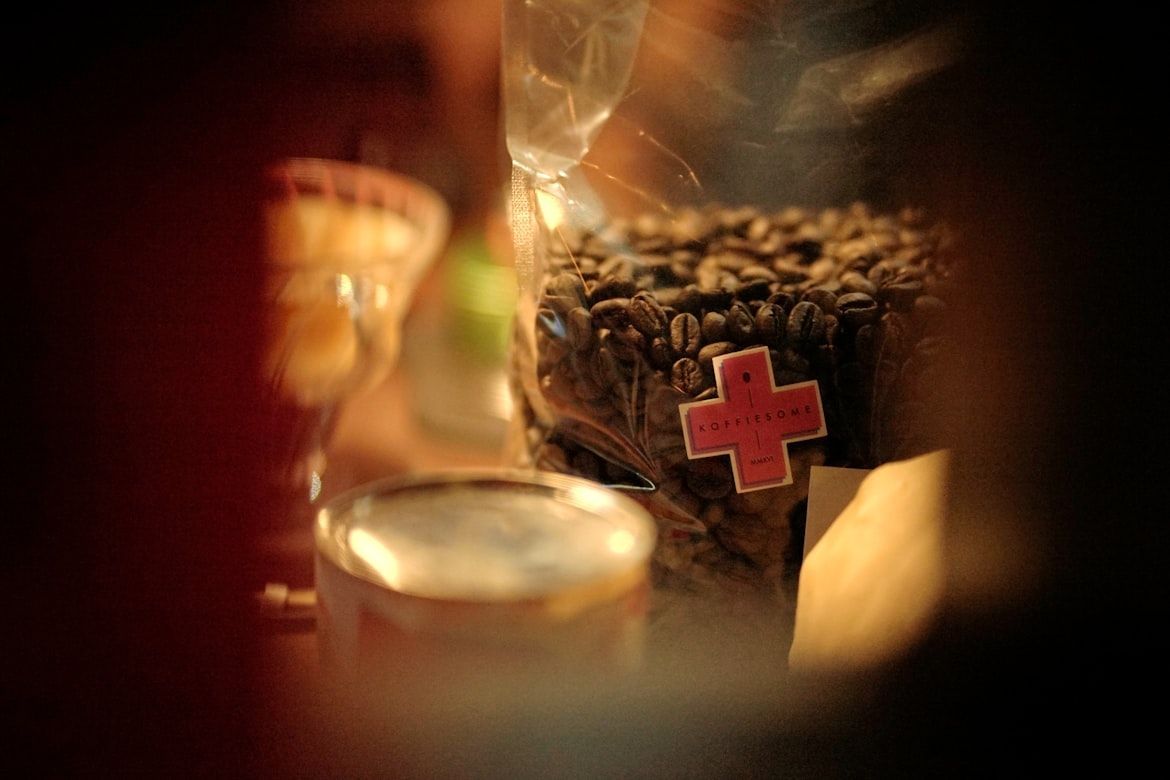
Image: Aldino Hartan Putra

Coffee is often kept in its original bag on the counter or in the pantry. Exposure to air, light, heat, and moisture gradually degrades its aromatic compounds, dulling its flavor , even if the beans are freshly roasted.

An airtight container stored in a cool, dark place is generally best for preserving aroma and taste. This simple change keeps coffee fresher and makes each cup more enjoyable.

7
Bread
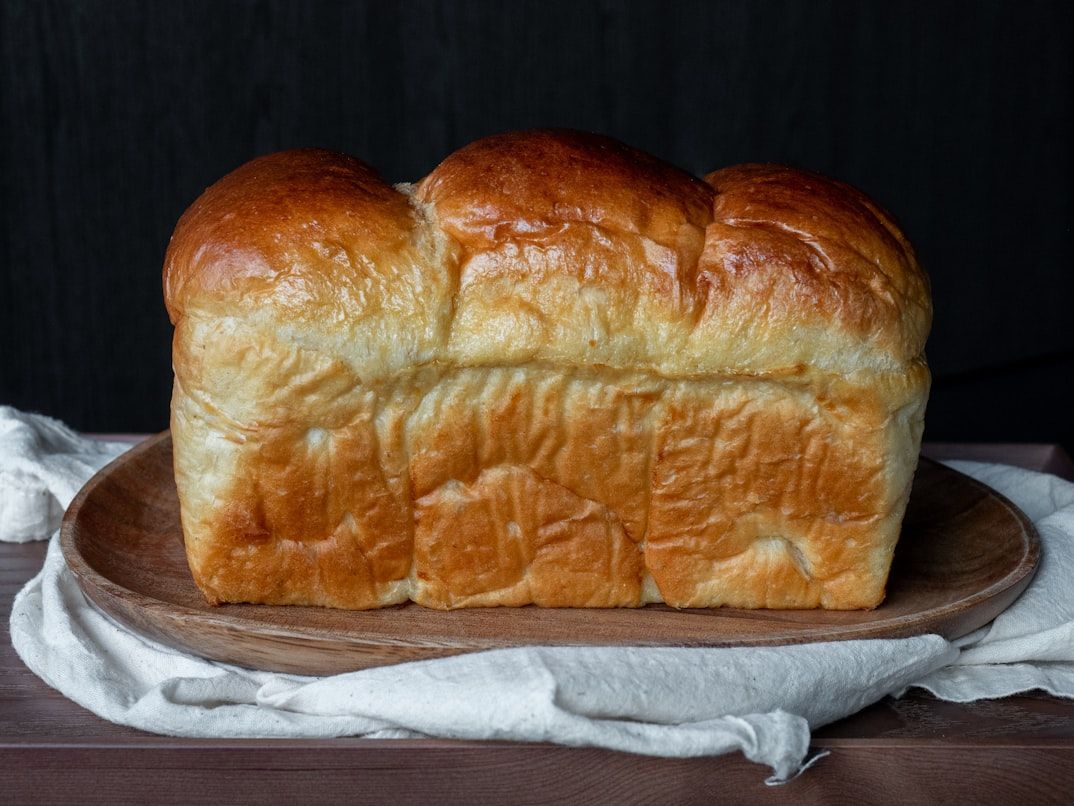
Image: Vicky Ng

Many people refrigerate bread to keep it fresh, but cold temperatures actually dry it out faster . The result is a dry, stale texture and often unnecessary food waste.

Freezing bread preserves freshness far more effectively. When wrapped tightly to prevent freezer burn, sliced loaves can be toasted straight from the freezer, extending shelf life without sacrificing quality.

8
Spices
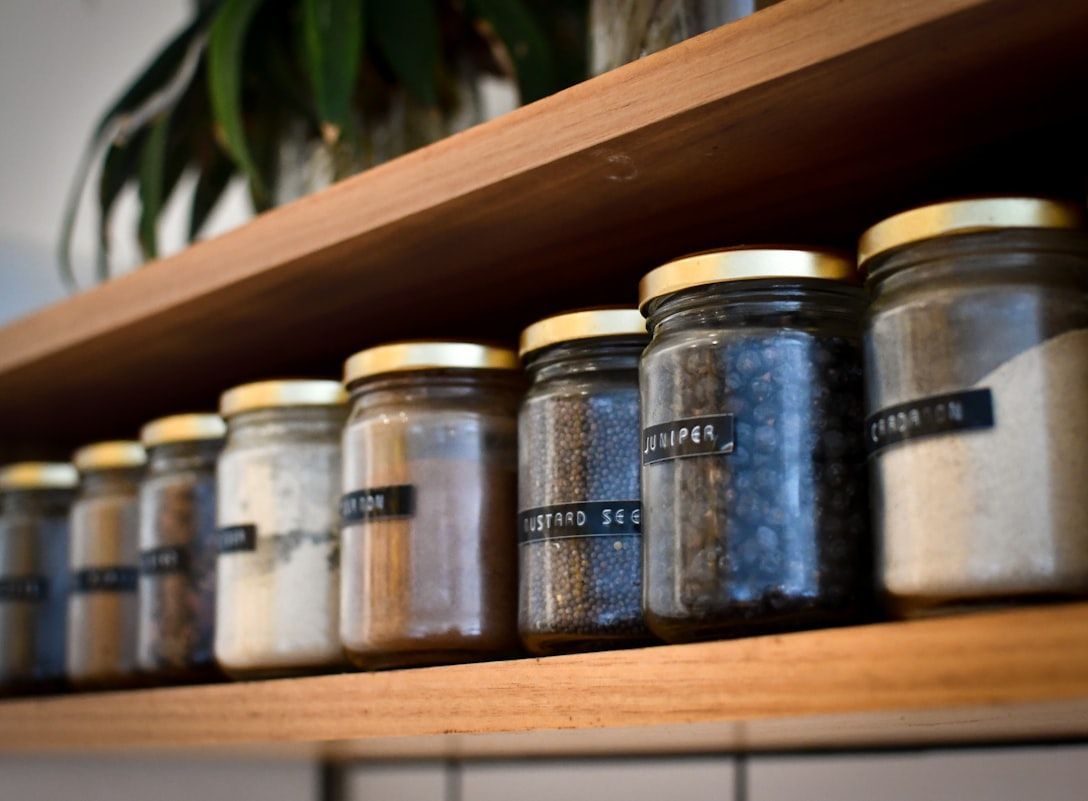
Image: Heather McKean

Spice racks near the stove are common, but heat and steam weaken flavors over time . Spices may still look fine while losing much of their potency and taste.

A drawer or cool cabinet away from heat helps spices last longer. Keeping containers tightly sealed further protects against moisture and oxidation. Better storage keeps meals flavorful and reduces how often spices need replacing.

9
Toothbrushes
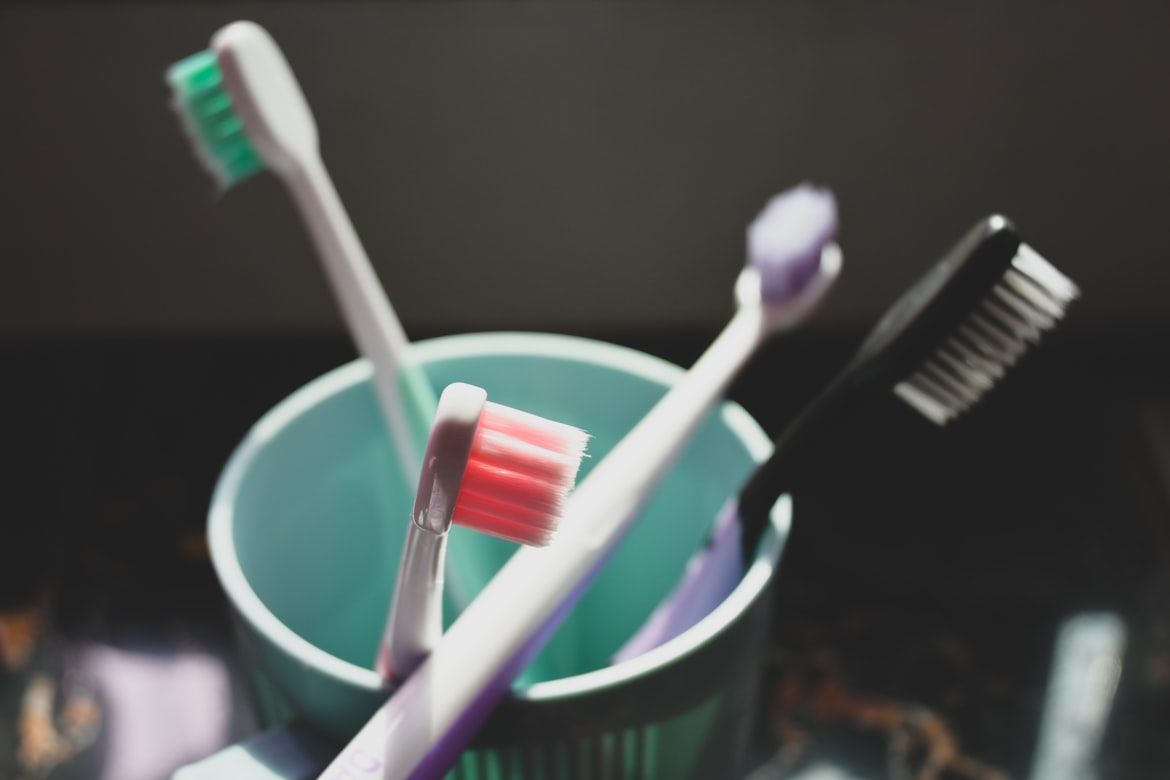
Image: Peng Liu

Left uncovered near sinks or toilets, toothbrushes are exposed to moisture and airborne bacteria . This can lead to hygiene issues and faster wear.

Storing brushes upright in a well-ventilated holder that allows them to air-dry completely is generally recommended. Cleaner storage improves longevity and supports better personal hygiene.

10
Batteries
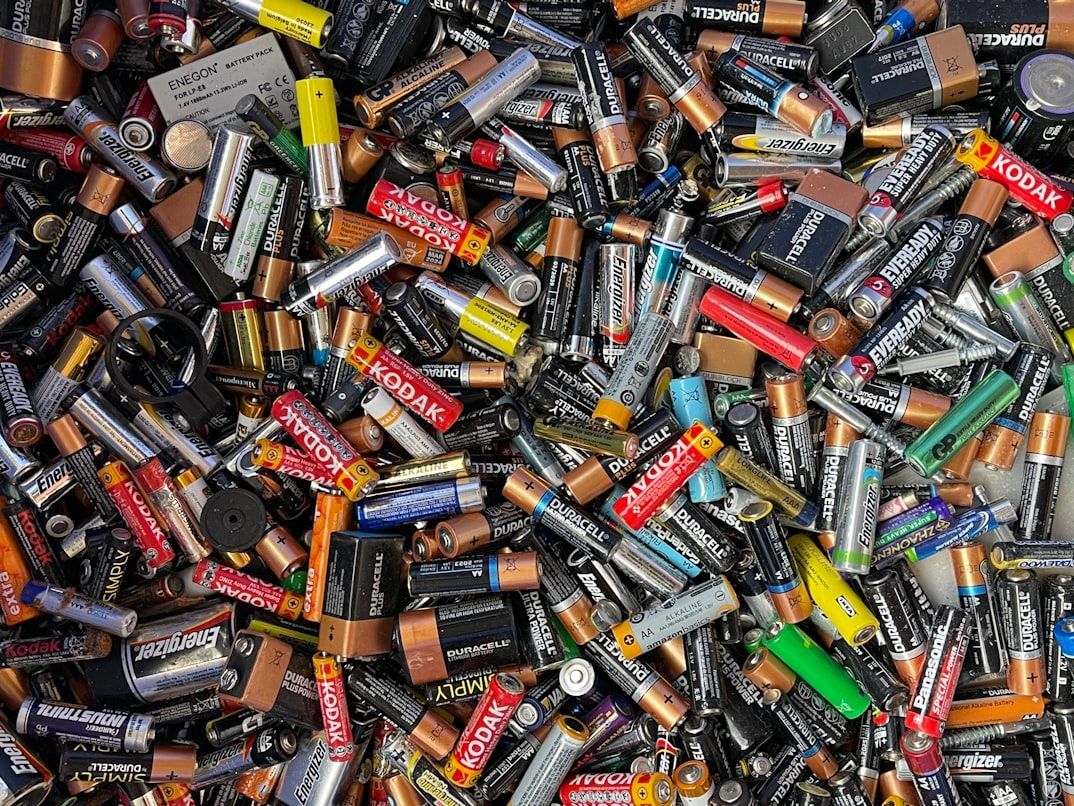
Image: John Cameron

Loose batteries tossed into junk drawers can rub against metal objects such as coins or paper clips, potentially causing short circuits, leaks, or loss of charge . Damaged batteries may ruin devices later.

Keeping batteries stored by type in a labeled container prevents contact issues. Organized storage extends battery life and makes replacements easy to find.
Culture Culture 5 min read

Why do these 10 magnificent American estates now stand in ruins?

Image: Tama66

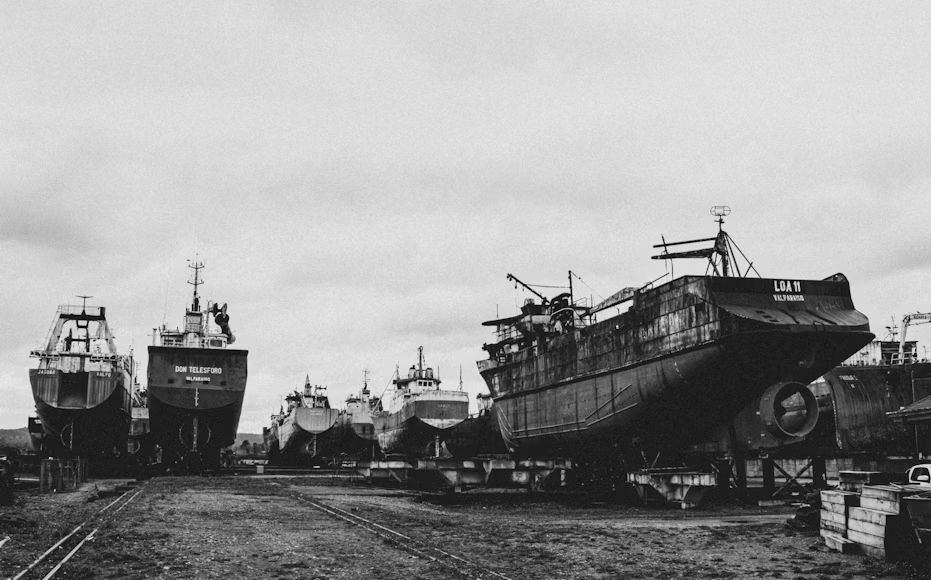
Beyond the manicured lawns of modern suburbs and the gleaming glass of city centers lie the skeletal remains of America’s Gilded Age and eccentric architectural dreams. These abandoned mansions, once symbols of immense wealth or unbridled ambition, now serve as monuments to the passage of time. Whether they were built for defense, ego, or artistic expression, these 10 sites stand as beautiful reminders of the people who once dared to dream about eternity. Would you like to know more? Continue reading!

1
Dundas Castle, Roscoe, New York

Image: Annie Spratt

Also known as Craig-e-Clair, this castle was built by Ralph Dundas in the early 20th century. It is an architectural marvel of stone and copper.

Dundas died before the castle was completed, and his wife was reportedly committed to a sanitarium shortly after. Consequently, no member of the Dundas family ever actually lived in the mansion. This has led to the "Ghost of Dundas Castle" legends, with locals claiming to see a woman in white wandering the unfinished halls, waiting for a housewarming party that never happened.

2
Rockwell House, Milledgeville, Georgia

Image: Clem Geiss

Built in 1838, the Rockwell House is a stunning example of Federal-style architecture, but its beauty is shadowed by a dark past. It was originally built for Colonel Samuel Rockwell, a prominent lawyer.

Local lore whispers about the "Rockwell Ghost," believed to be a young girl who died during a yellow fever outbreak. However, the house’s most tangible secret lies in its survival; it has endured multiple fires and periods of extreme neglect. In recent years, it has become a focal point for preservationists who uncovered hidden structural reinforcements that suggest the house was built to be an impenetrable fortress of its era.

3
Elda Castle, Ossining, New York

Image: Nitrogel

If the name David Abercrombie sounds familiar, it’s because he co-founded the clothing company Abercrombie & Fitch . But in the 1920s, he also built this granite castle, named Elda (an acronym of his children’s names), as a secluded retreat.

The castle features a network of spiral staircases and open-air porches designed to blend the indoors with the rugged wild. Its abandonment, however, is a sheer tragedy. After the family moved out, the castle was used as a research facility and later fell victim to vandals. Legend has it that a fire in the 1940s was started by squatters, leaving behind a charred stone husk that resembles a medieval ruin more than a 20th-century home.

4
Mongo's Castle, Memphis, Tennessee

Image: Denny MĂĽller

A stark contrast to the classical mansions of the South, Mongo’s Castle was the passion project of Mongo Bebe, a man who built his home out of scrap stone, Ashlar blocks, and found materials.

The house is a maze of folk-art eccentricity. The builder intended it to be a community center and a symbol of African-American heritage and self-reliance. It stands today as a decaying puzzle, with many neighbors still unsure of the structural logic behind its towering, uneven walls.

5
Bannerman's Castle, Pollepel Island, New York

Image: Leonard G., Public domain, via Wikimedia Commons

Rising from the Hudson River, this castle was never intended to be a home; it was a giant advertisement and warehouse for Francis Bannerman VI’s military surplus empire.

In 1920, 200 tons of gunpowder and shells exploded in the castle’s powder house, blowing out a significant portion of the walls. The ground is still considered unstable due to the remnants of military munitions, and the inscriptions on the walls are actually warnings and advertisements for the Bannerman business. Do you dare visit this mansion?

6
Castle Mont Rouge, Rougemont, North Carolina

Image: Florian Delée

This whimsical, onion-domed castle looks like it belongs in the Russian countryside rather than the North Carolina woods. It was designed by sculptor Robert Mihaly, but he ended up abandoning the project in the early 2000s following a personal tragedy and financial hurdles.

The castle remains an "empty sculpture," filled with intricate marble work and unfinished turrets. The bizarre architectural fusion lacks a standard floor plan, making it nearly impossible to convert into a functional residence without destroying its artistic integrity.

7
Ha Ha Tonka Castle, Camdenton, Missouri

Image: Hannah McBride

Robert Snyder, a wealthy Kansas City businessman, began building this European-style castle in 1905. He wanted a retreat that overlooked the breathtaking Ha Ha Tonka Spring.

Yet, Snyder never got to see his dream finished; he was killed in one of Missouri’s first recorded automobile accidents just a year after construction began. His sons finished the castle, but it was gutted by a fire in 1942. There’s a hidden network of caves beneath the castle, which were rumored to be used by outlaws and later as a natural "refrigerator" for the estate’s kitchen.

8
Carleton Island Villa, Cape Vincent, New York

Image: Tama66

This once-magnificent villa was built for William Wyckoff, who made a fortune with the Remington Typewriter Company.

The Secret: Wyckoff’s dream turned into a nightmare on the very first night he stayed in the house. He suffered a massive heart attack and died in his sleep. His wife had passed away a month prior, leaving the villa to a son who had no interest in it. The house has stood empty for over 70 years, its secret being the tragic "cursed" timing that prevented it from ever functioning as a family home.

9
Dicksonia Plantation, Lowndesboro, Alabama

Image: Theo Bickel

Dicksonia was a quintessential antebellum mansion, featuring the massive columns and wrap-around porches synonymous with the Old South.

Unlike many plantations that were destroyed during the Civil War, Dicksonia survived the conflict only to be destroyed by a mysterious fire in 1939. Its "ghost pillars," however, remained standing long after the wooden house burned away. These towering brick columns became a haunting landmark , representing the structural skeletons of a forgotten social order.

10
Wyndcliffe, Rhinebeck, New York

Image: Peter Herrmann

This house is the literal origin of the phrase "Keeping up with the Joneses." Though often referred to as a "Mystery Mansion" by urban explorers, this is the ruin of Wyndcliffe, the estate of Elizabeth Schermerhorn Jones.

Elizabeth’s mansion was so grand and intimidating that it prompted her neighbors—including the Astors—to build even larger homes to compete. The secret of Wyndcliffe is the psychological impact of its architecture; it was built to inspire envy, and its current state of absolute decay is a poetic commentary on the fleeting nature of social status.

History History 4 min read

Forgotten Titanic facts

It wasn’t just humans on the Titanic! 10 incredible facts you didn’t know

Image: Edwin Petrus

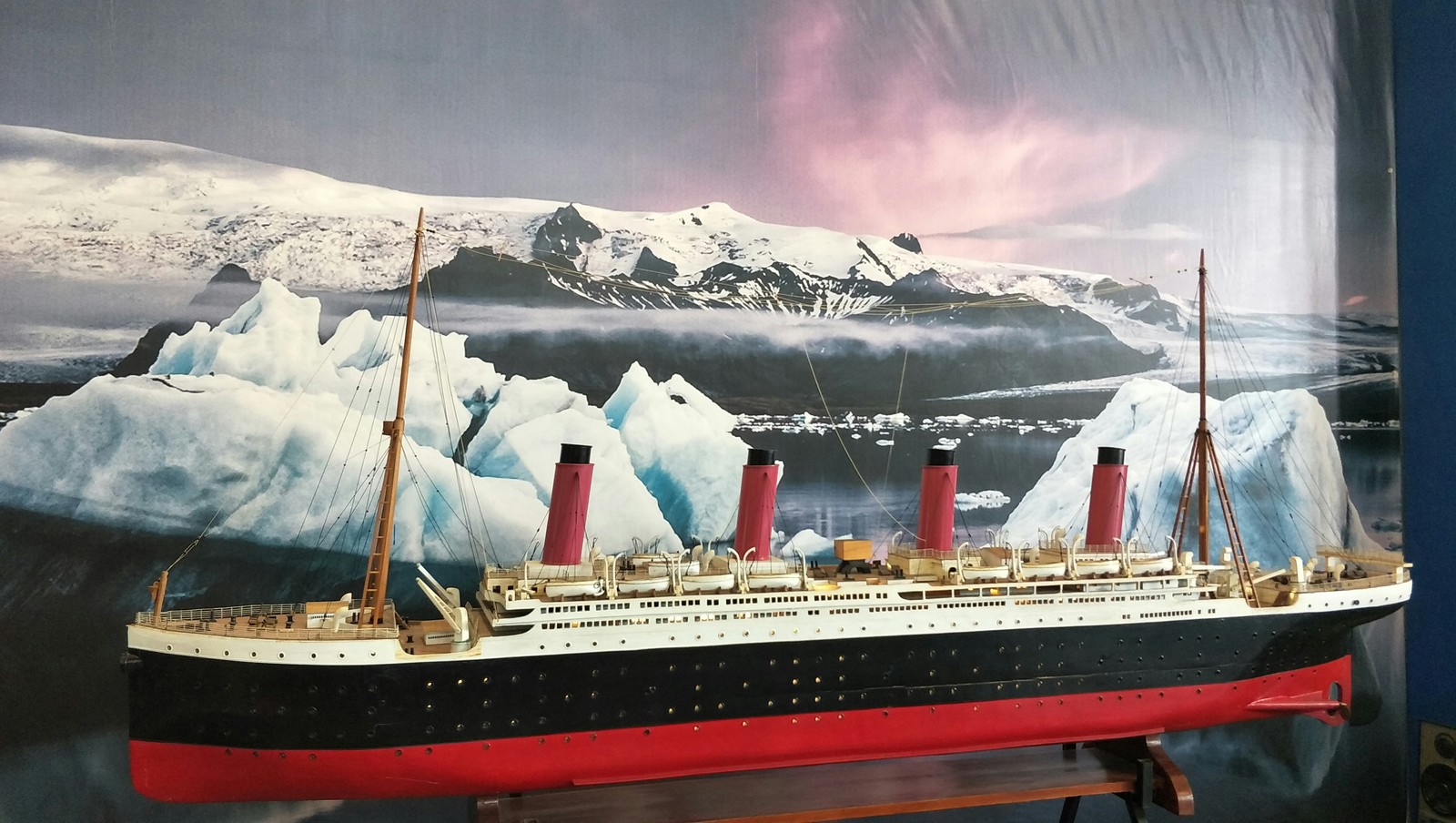
We all know the tragic story behind the Titanic, that "unsinkable" ship that didn’t make it past its first voyage. But besides the tragedy and the Hollywood movie, there are some surprising facts that never made the front page. From pups that survived and pocket watches, to hidden submarines and a tipsy worker who beat the odds, here are 12 curious facts that might just shock you.

1
Construction costs that’d make your wallet faint

Image: Jaime Labra

Back in 1912, the Titanic cost $7.5 million to build, and if you're wondering what that’d be today, it’d be over $400 million. That’s more than some sports stadiums! It took nearly three years to complete and was one of the most extravagant ships ever made.

2
Yes, there were dogs

Image: Yuki Dog

As it turns out, the Titanic wasn’t just for people. At least 12 dogs came along for the ride , lounging in a special first-class kennel. There was even a dog show scheduled for the morning of April 15. Sadly, only three tiny dogs survived, all small enough to sneak onto lifeboats tucked in coats or handbags.

3
The band really did play on

Image: Parizan Studio

Wallace Hartley, the bandleader, went down in history, and with his violin! His group kept playing as chaos unfolded around them, trying to calm passengers with music, just like the movie portrays. He didn’t make it, but his violin was found intact and later sold at an auction for $1.7 million!

4
A pocket watch frozen in time

Image: Otto Hyytiälä

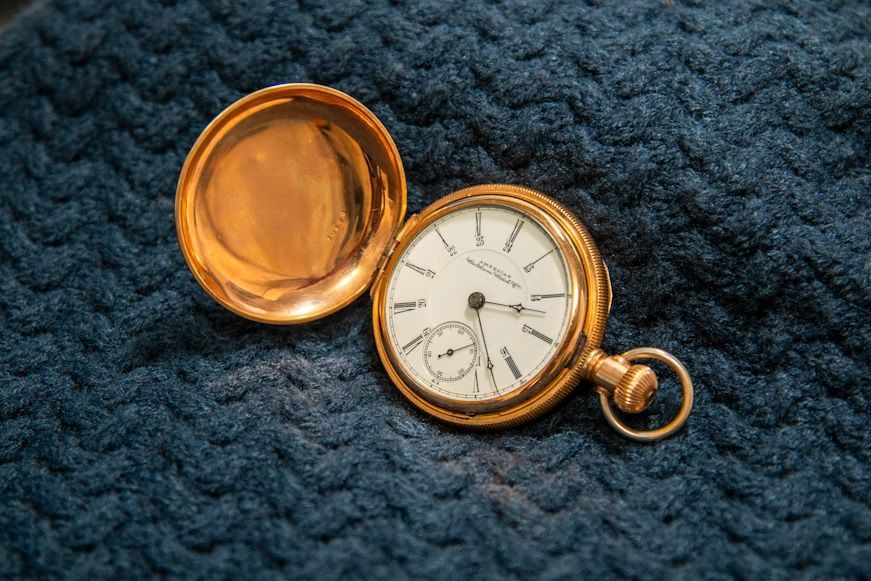
The violin was not the only treasure found. Sidney Sedunary was a young steward whose pocket watch stopped ticking at exactly 1:50 a.m. , just before the ship went under. He was last seen handing out lifejackets to third-class passengers. That same watch, rusted but intact, still tells his story.

5
A survivor with frostbitten legs and Olympic dreams

Image: Shep McAllister

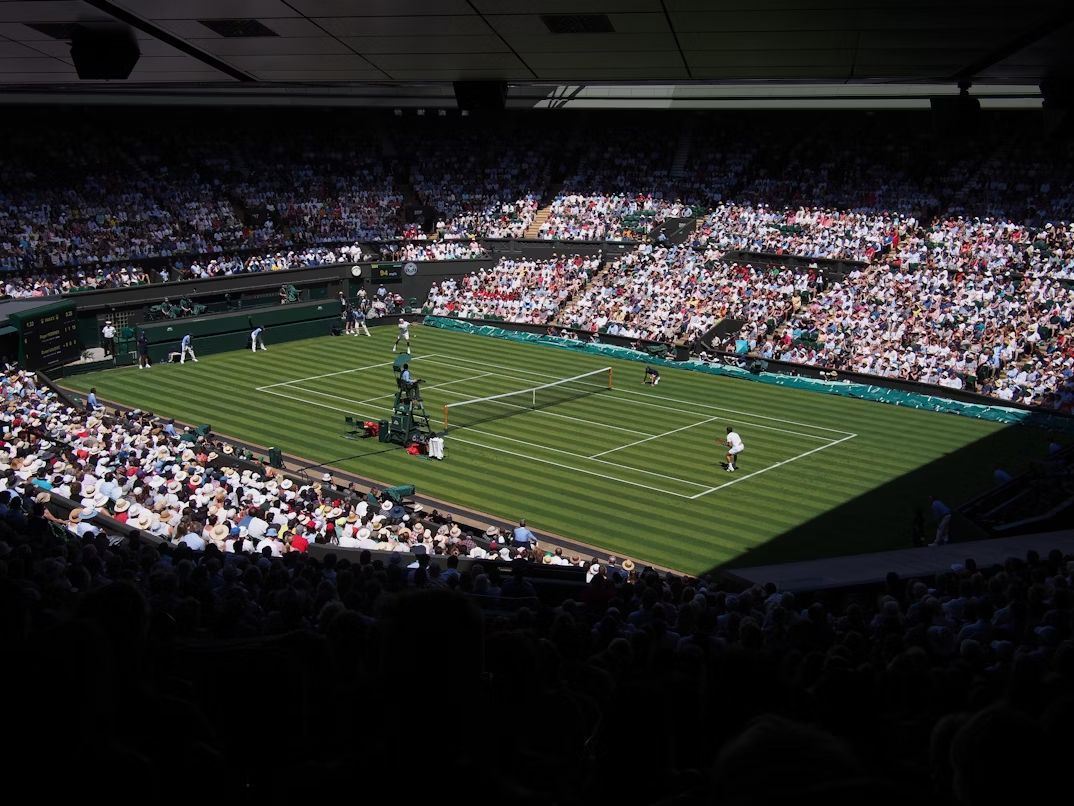
Richard Norris Williams spent six hours in icy water, and doctors on the rescue ship wanted to amputate his legs. He refused . And you may think he was crazy to do so, but thank God he did! He went on to win a Wimbledon title and an Olympic gold medal. How crazy is that?

6
Finding the Titanic by accident

Image: Karl Callwood

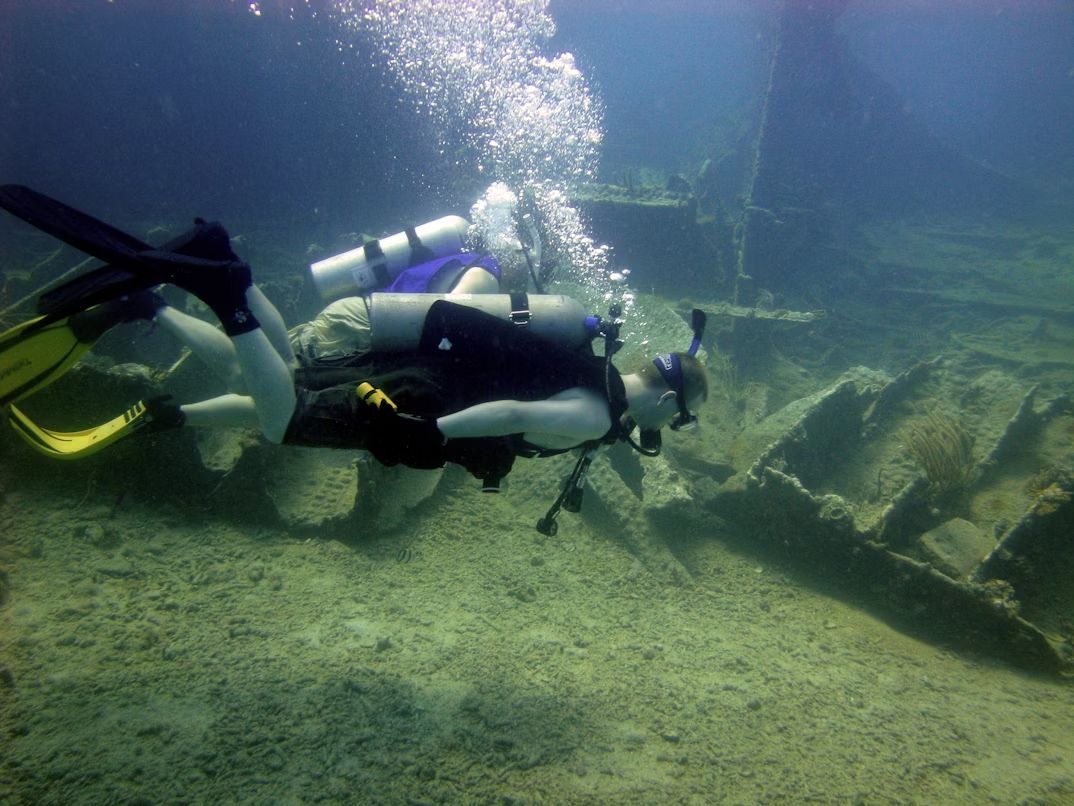
In 1985, oceanographer Robert Ballard found the Titanic wreck. But that was just an accident ; he was actually sent by the Navy to look for two lost nuclear submarines and used the Titanic as a cover story.

7
Dishes still stacked neatly on the ocean floor

Image: Jannet Serhan

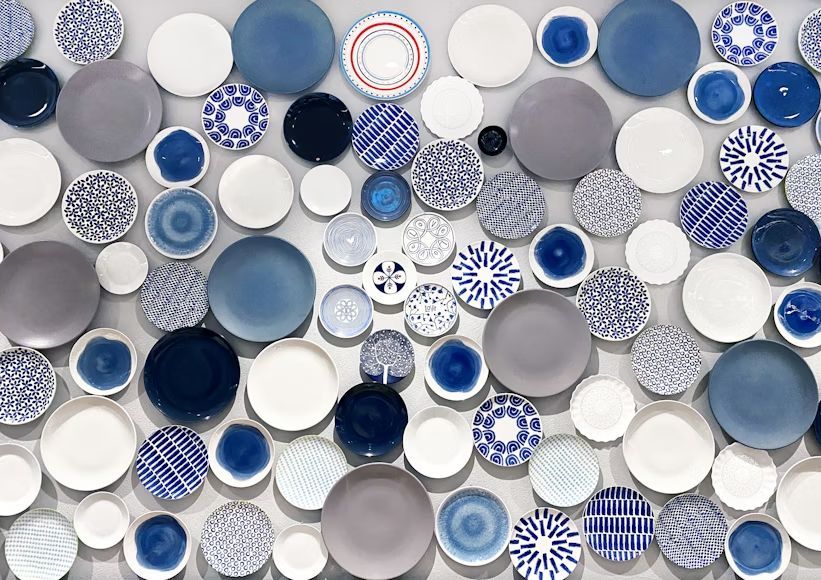
When explorers visited the Titanic wreck in 1986, they found plates still stacked like someone had just finished doing the dishes. Turns out, the wooden cabinet they were in rotted away , leaving the china perfectly arranged on the sea floor. It’s as eerie as fascinating, considering the many years that passed.

8
The ship is rusting away

Image: NOAA

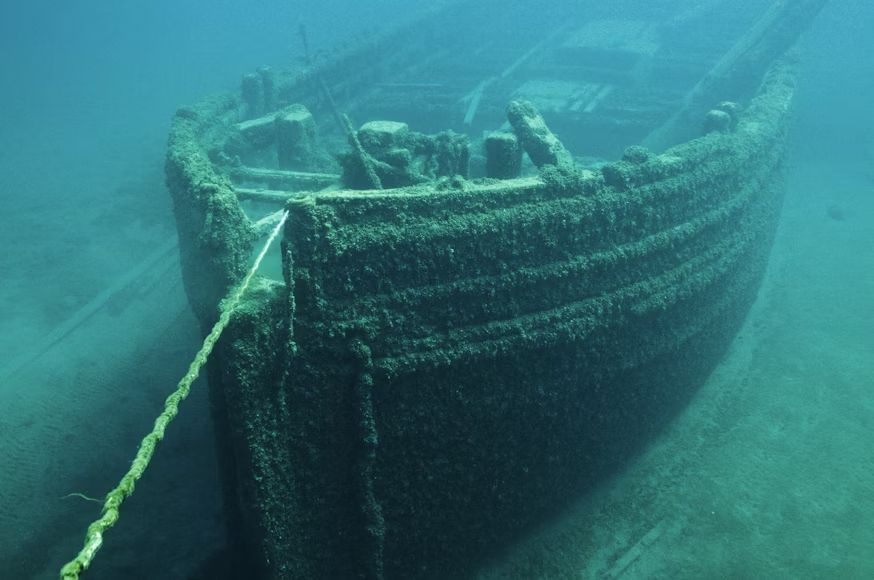
And speaking of the amount of time the Titanic has been underwater, we have to say that nature is reclaiming the Titanic bit by bit. A newly discovered bacterium is literally eating the ship. Scientists estimate it could disappear completely in 20 to 30 years. The latest expeditions have already shown evidence that pieces that were previously there are gone. So… the clock's ticking.

9
No photos of the grand staircase?

Image: Maria Orlova

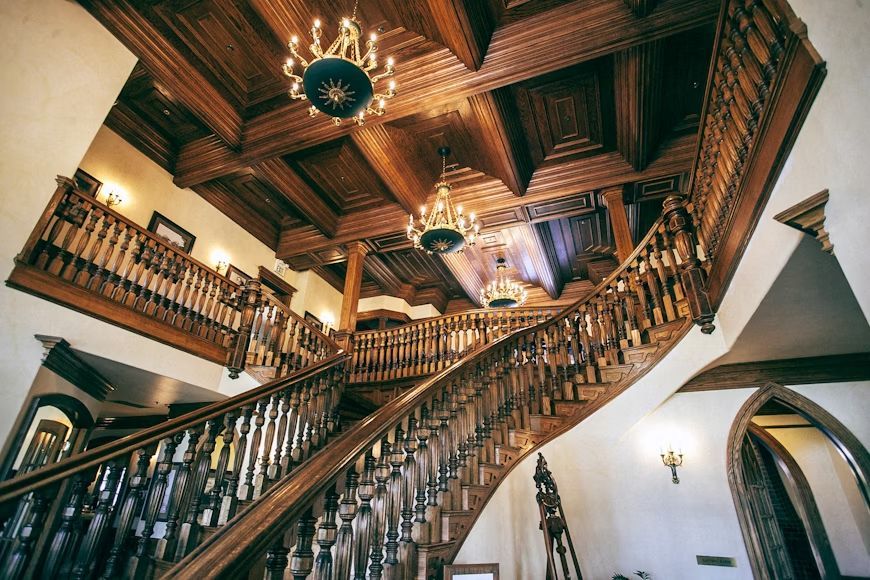
You’ve probably seen images of the Titanic’s beautiful grand staircase. We’re sorry to disappoint, but they’re not of the Titanic . They’re from her sister ship, the Olympic. No one thought to take a picture of the real deal before the maiden voyage. And they definitely didn’t think of doing it while it happened!

10
Milton Hershey almost boarded

Image: Janne Simoes

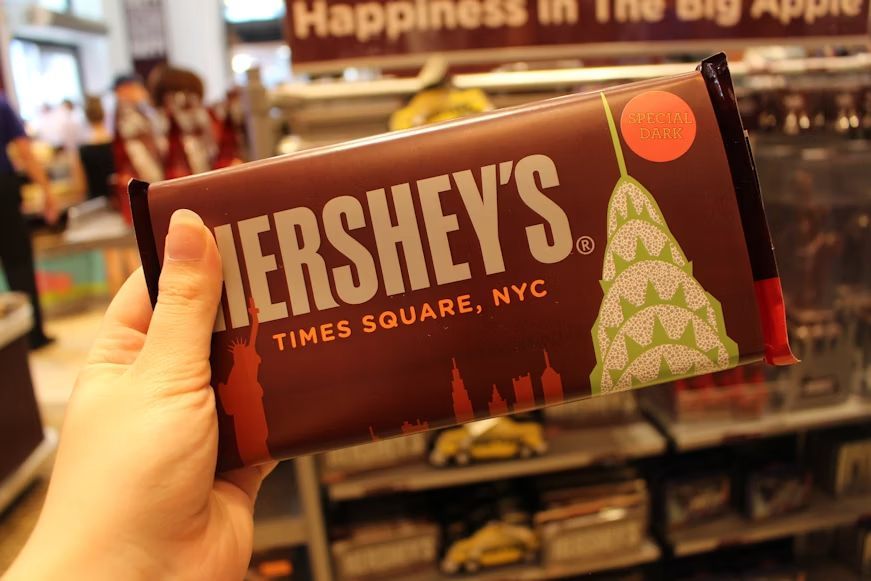
If the name rings a bell, that’s because it’s the same Hershey from the chocolate you love. The man behind Hershey’s chocolate bars almost booked a room on the Titanic . He even wrote a $300 deposit check (big money back then!). But business delayed him, and he skipped the trip. Who do we thank for that?

11
The baker who survived two hours in icy water

Image: Maxim Hopman

Here’s a fascinating fact: Charles Joughin, the Titanic’s chief baker, survived one of the worst parts of the sinking: the freezing Atlantic water. He was reportedly treading water for two hours before rescue. Wanna know how he made it? He had been sipping whiskey to face his fate, and the alcohol in his blood kept him warm enough to survive.

12
The last lunch menu went for a tasty sum

Image: Zoshua Colah

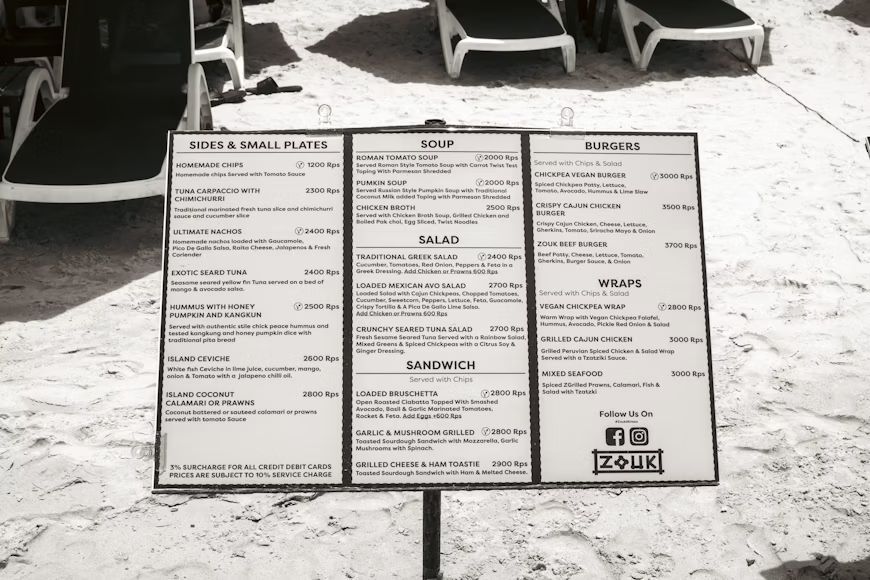
In 2015, a copy of Titanic’s last first-class lunch menu sold for $88,000 . That’s one pricey memento. The menu included grilled mutton chops, chicken à la Maryland, and corned ox tongue. Safe to say lunch on the Titanic wasn’t your average sandwich and chips.

Explore more American facts

Choose your favorite category!

General
General

As American as apple pie—the very best America has to offer!

Culture
Culture

Delve into the astounding richness of American lore.

Geography
Geography

Hop in and explore vast and diverse American landscapes.

History
History

Discover the key moments that shaped the United States.