General General 4 min read

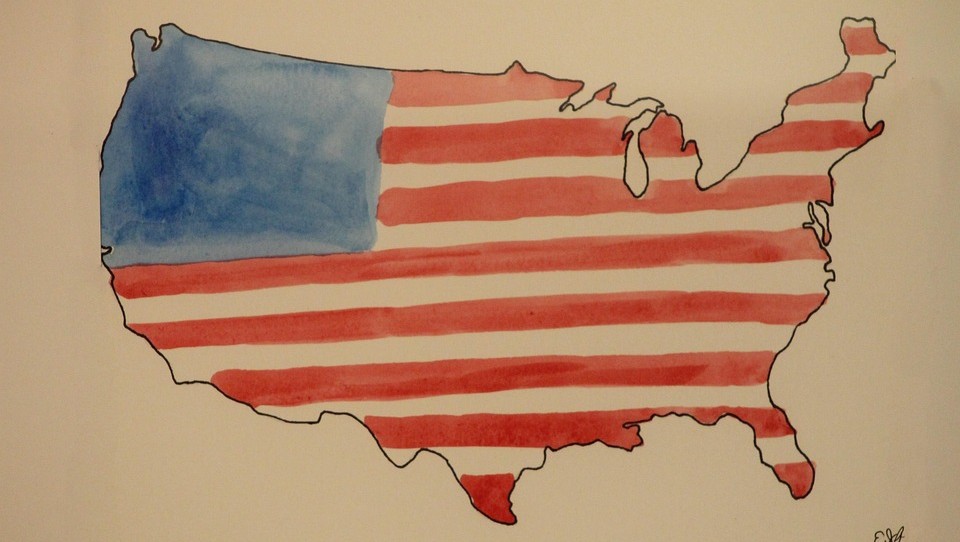
A map of weirdness

From Bigfoot to the Jersey Devil, discover these American mysteries!
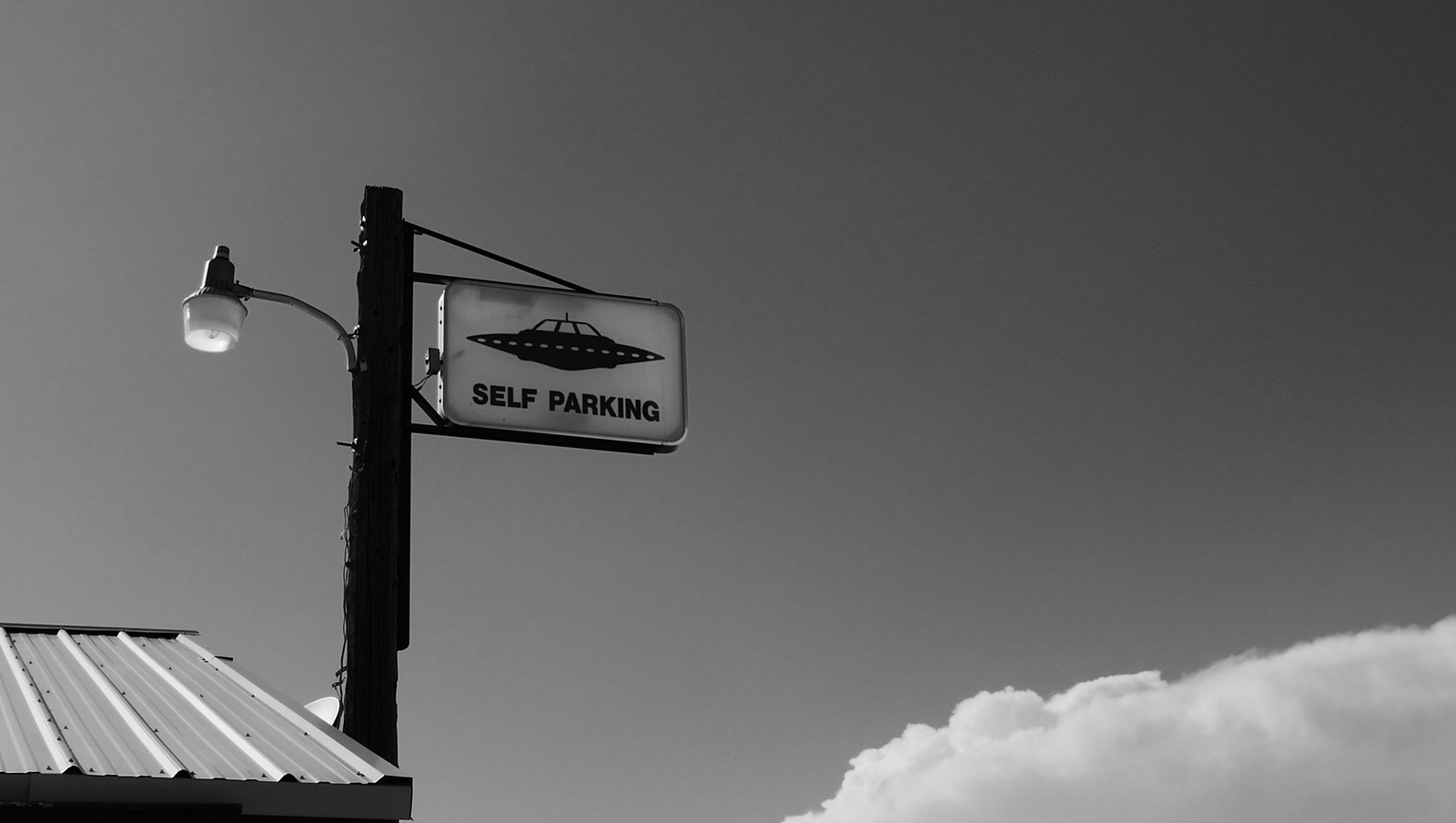
Image: Michael Herren

America is undoubtedly a vast country, and this great land of ours certainly holds its fair share of mysteries. From coast to coast, you’ll encounter fascinating, enchanting, and sometimes chilling secrets hidden across all 50 states. With that in mind, we’ve selected 10 of the most captivating American mysteries, hoping to inspire the adventurer hiding in all of us. Enjoy!

1
Bigfoot
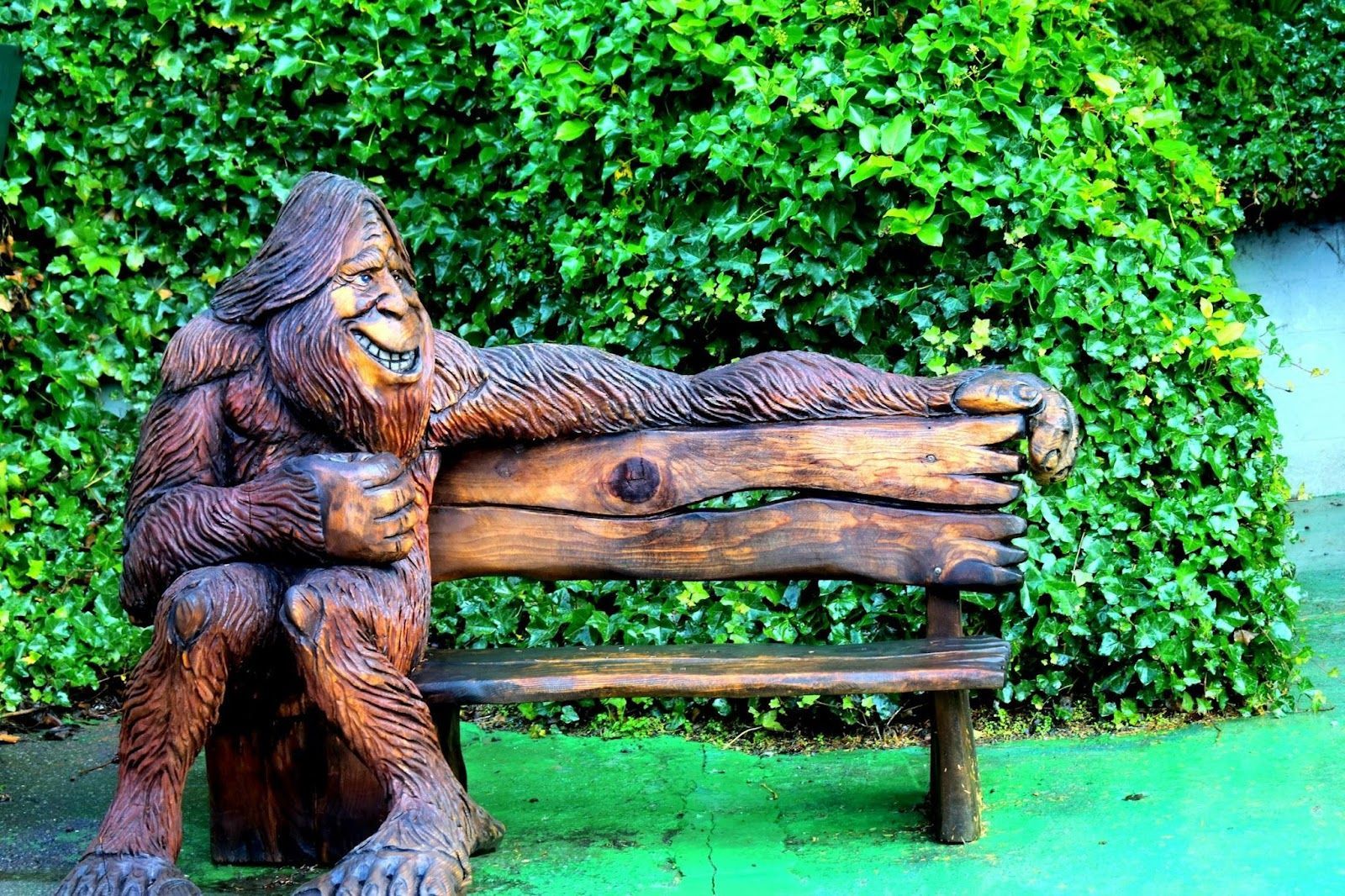
Image: Mandy Bourke

We’ll start with a classic. For many Americans, Bigfoot is the quintessential mystery —a fantastical creature that has fascinated generations. Also known as Sasquatch, Bigfoot is described as a large, hairy, ape-like being that supposedly roams the forests of North America, evading hikers and adventurers. Some believe most sightings result from misidentifying large mammals like black bears, but true believers continue their relentless search for this mythical creature.

2
Area 51
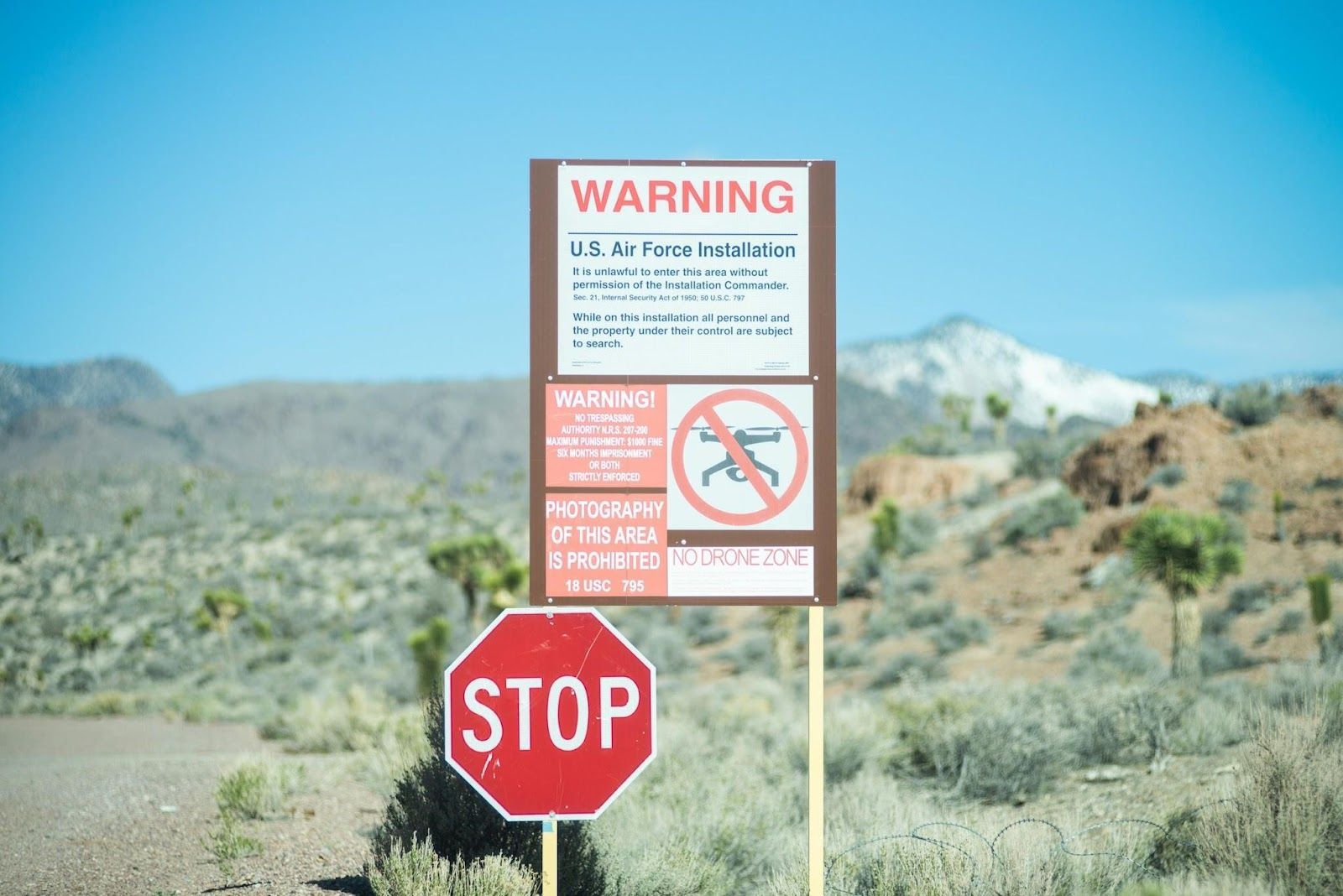
Image: Oliver Pacas

Who would have thought that a number could become synonymous with aliens and mystery? There’s no doubt that Area 51 exists—it is a real and highly classified United States Air Force facility in Nevada. However, most of us know it for the intrigue surrounding it. According to some sources, Area 51 houses crashed spaceships and alien life forms . Of course, the government denies these claims, but to quote the classic TV show The X-Files , some theorists "choose to believe."

3
Amelia Earhart
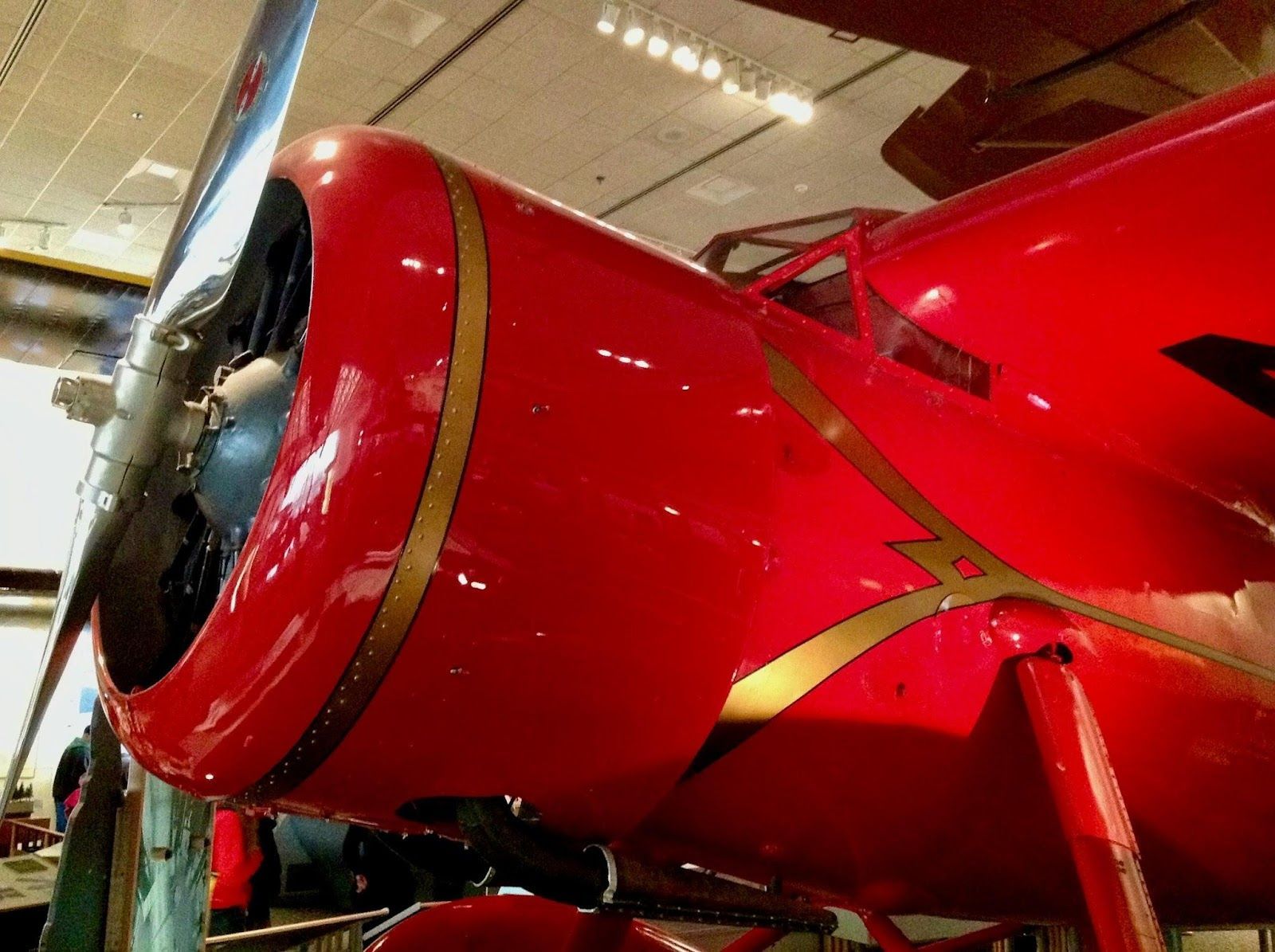
Image: Tomas Martinez

Amelia Earhart's life was one filled with adventure. She became the first female pilot to fly solo nonstop across the Atlantic Ocean, among many other feats. Beyond her achievements, her magnetic personality and best-selling books made her an international icon, forever cemented as an American cultural icon. Her mysterious disappearance only deepens the intrigue surrounding her: While attempting to become the first female pilot to circumnavigate the globe, Earhart’s plane vanished over the Pacific Ocean —no wreckage or remains were ever found.

4
Mothman
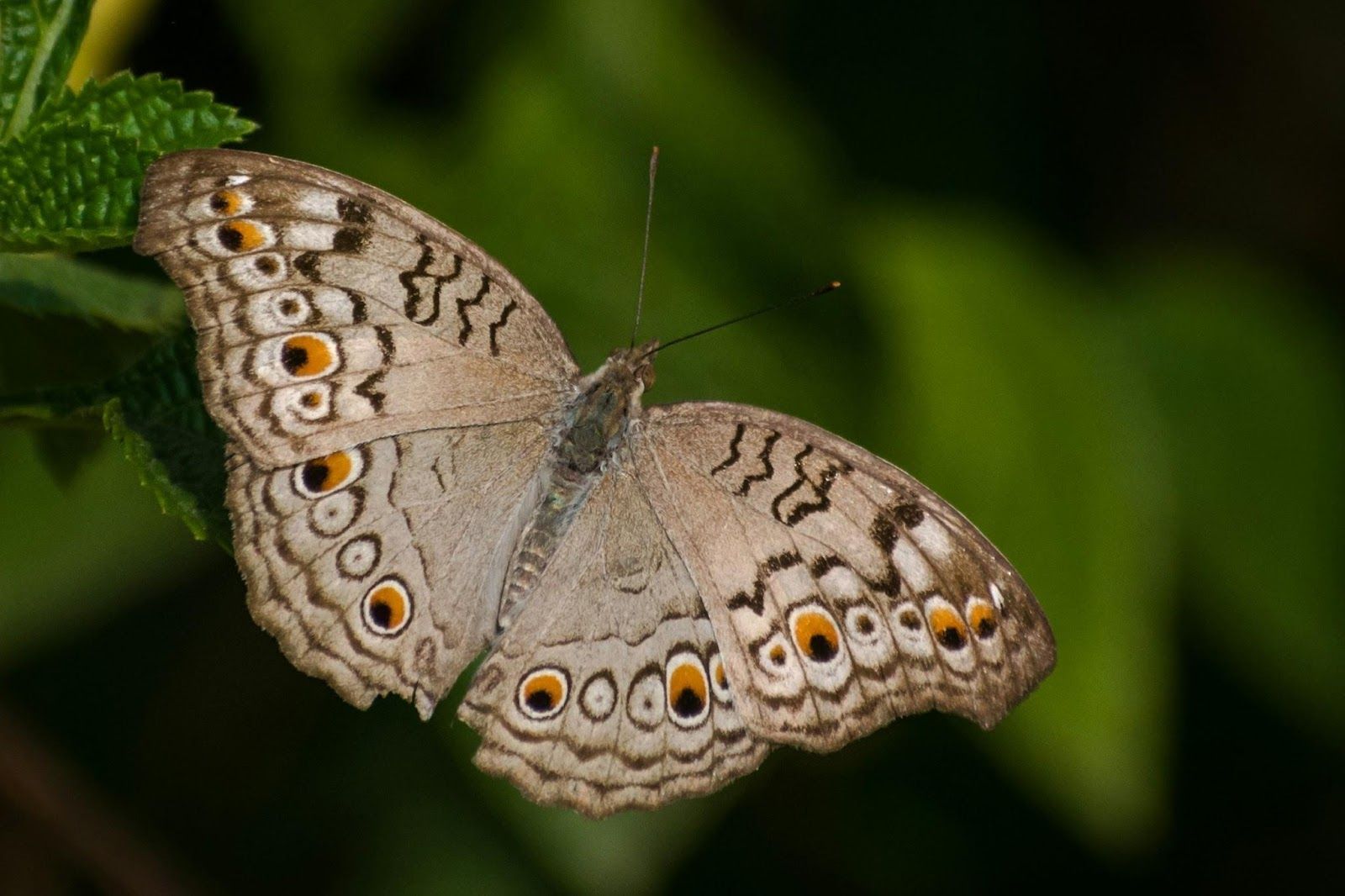
Image: Sonika Agarwal

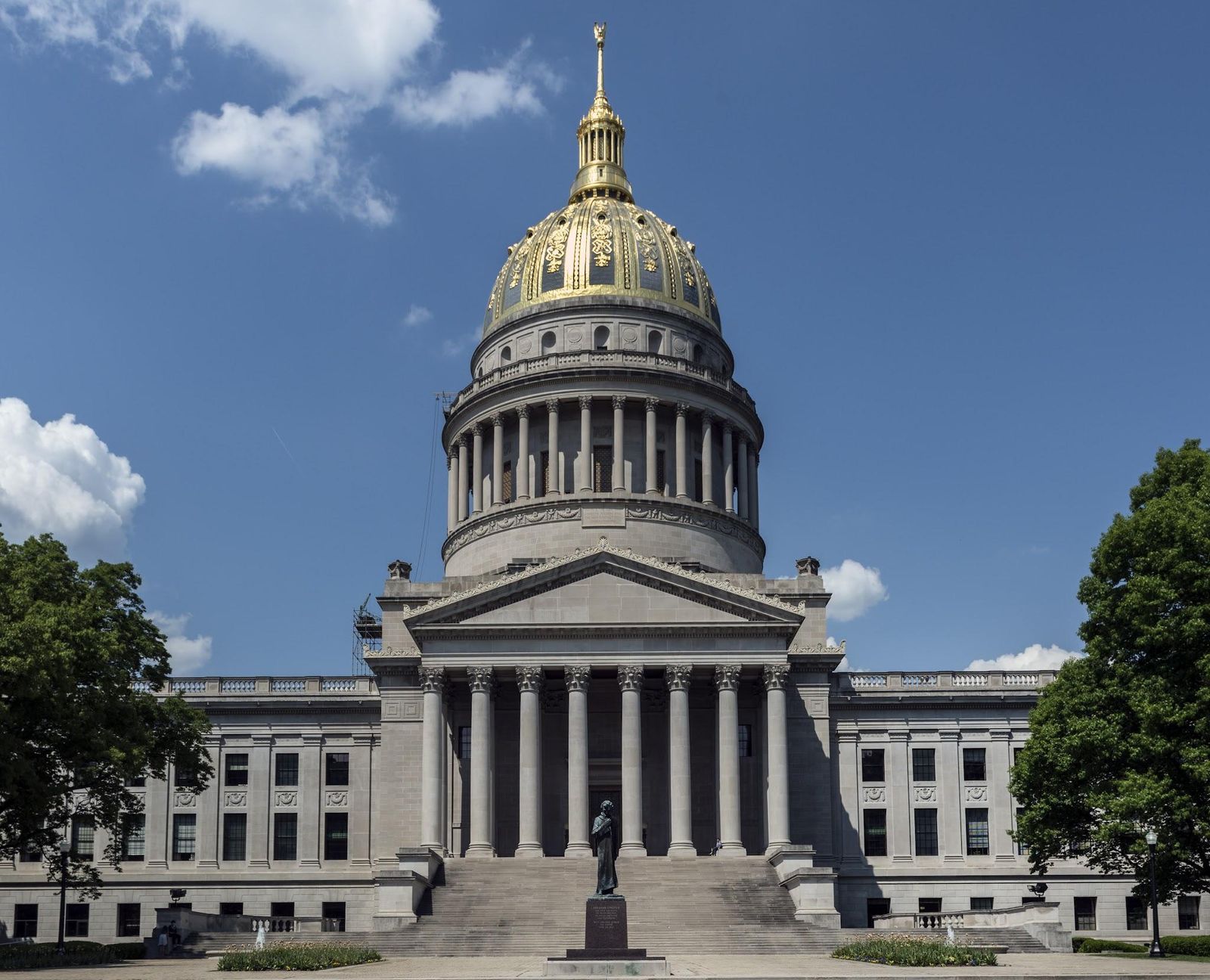
Moths are sadly often given a bad reputation. Though they are close cousins to the beloved, colorful butterflies, some people find them slightly unnerving. For the people of West Virginia , there’s an even greater reason to find moths scary: The "Mountain State" is home to one of America’s most famous cryptids— the Mothman . According to legend, this eerie creature resembles a man , stands about seven feet tall , and has large white wings and glowing red eyes .

5
Jersey Devil
Image: Tech Nick

If you ever visit South Jersey’s Pine Barrens, be on the lookout for an oddly shaped creature often described as a cross between a kangaroo and a winged beast . If luck (or misfortune) is on your side, you might encounter the fabled Jersey Devil . Many legends surround this creature, but the most popular tells of the cursed thirteenth child of a Pine Barrens resident, forever cursed to haunt this region.

6
UFO Sightings
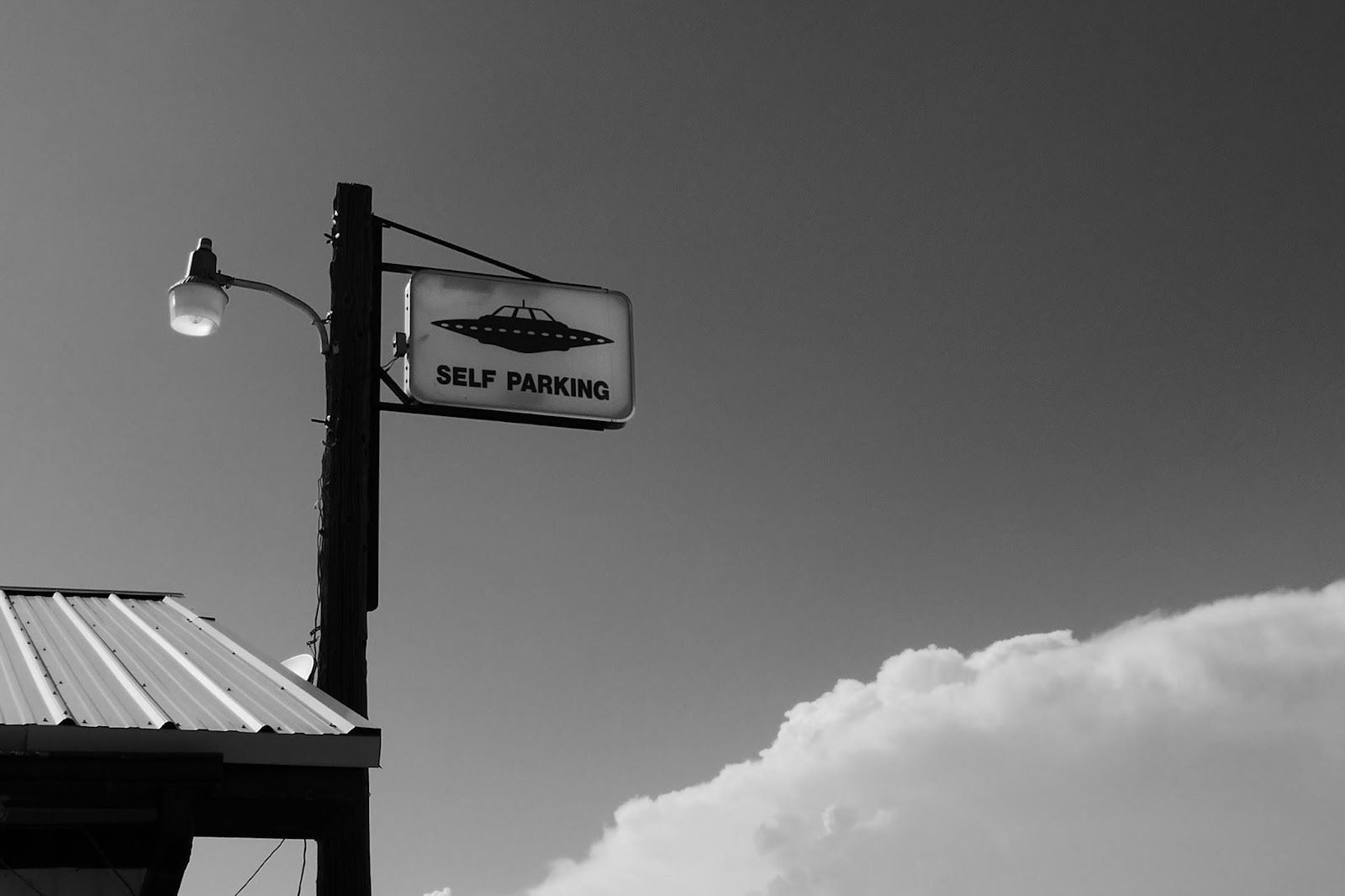
Image: Michael Herren

UFO sightings are the bread and butter of paranormal enthusiasts. Thousands of Americans have reported seeing flashing lights in the sky , unable to explain their origin. In that regard, we’ll focus on what is perhaps the most famous UFO sighting in this article: In 1947 , residents of the town of Roswell, New Mexico , claimed to have seen a UFO crash into the desert.

7
Haunted houses
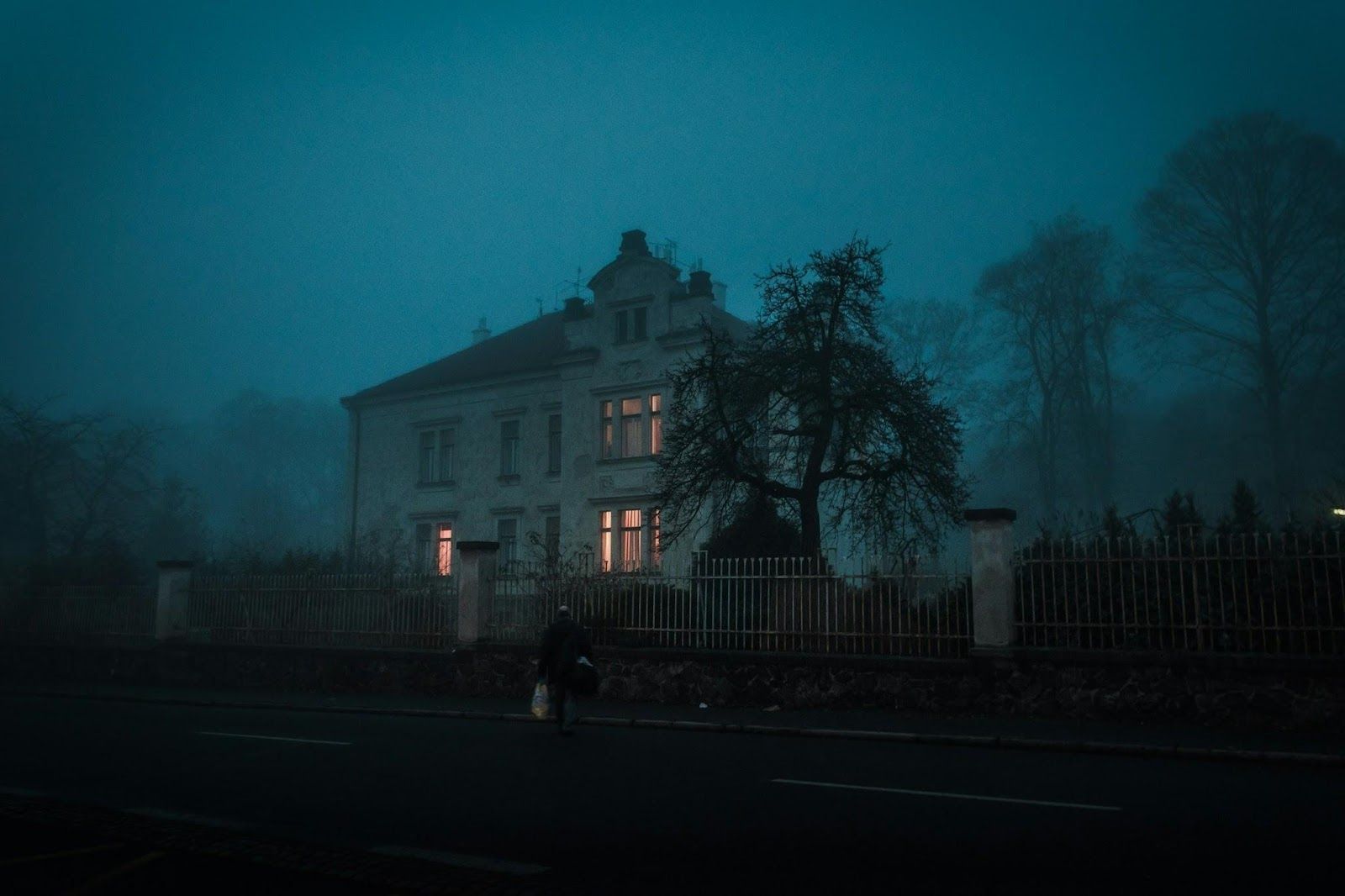
Image: Ján Jakub Naništa

As soon as October comes around, hundreds of excited families transform their garages into spooky, fun haunted houses. It’s a thrilling activity that brings neighborhoods together, but let’s face it—these aren’t the haunted houses we’re talking about. From the LaLaurie Mansion in New Orleans to the Winchester Mystery House in San Jose , America is home to some of the world’s most terrifying haunted houses—locations definitely not suitable for the faint of heart.

8
Chupacabra
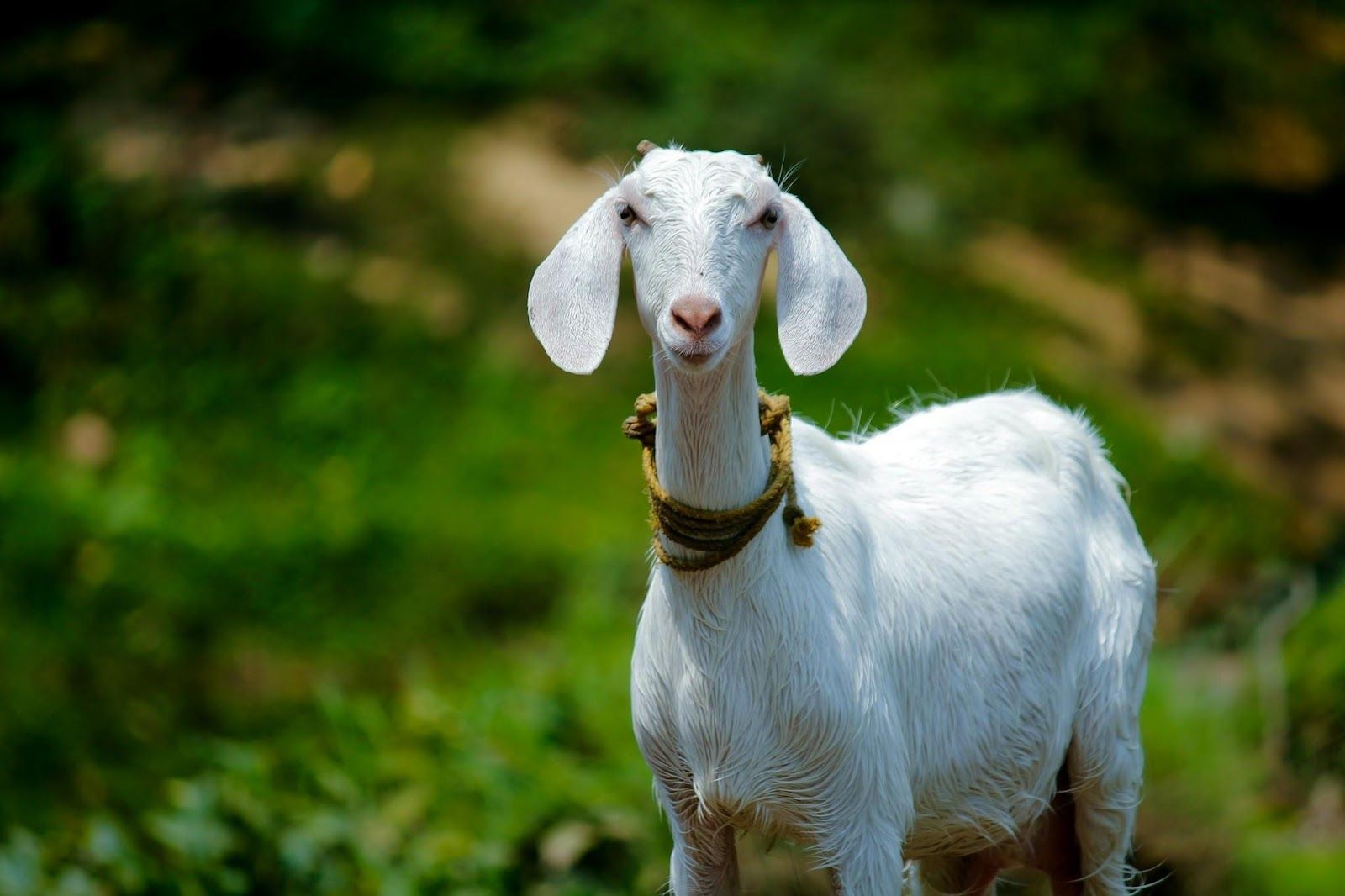
Image: Nandhu Kumar

For such a terrifying creature, the English translation of " Chupacabra "—literally " goat-sucker "—somewhat diminishes its mystique. However, don’t let the name fool you. According to legend, this cryptid is a foul beast that preys on livestock , draining their blood. Descriptions of its appearance vary: In Puerto Rico , it is depicted as an alien-like creature , while in the Southwestern United States , it is described as more dog- or wolf-like .

9
Marfa lights
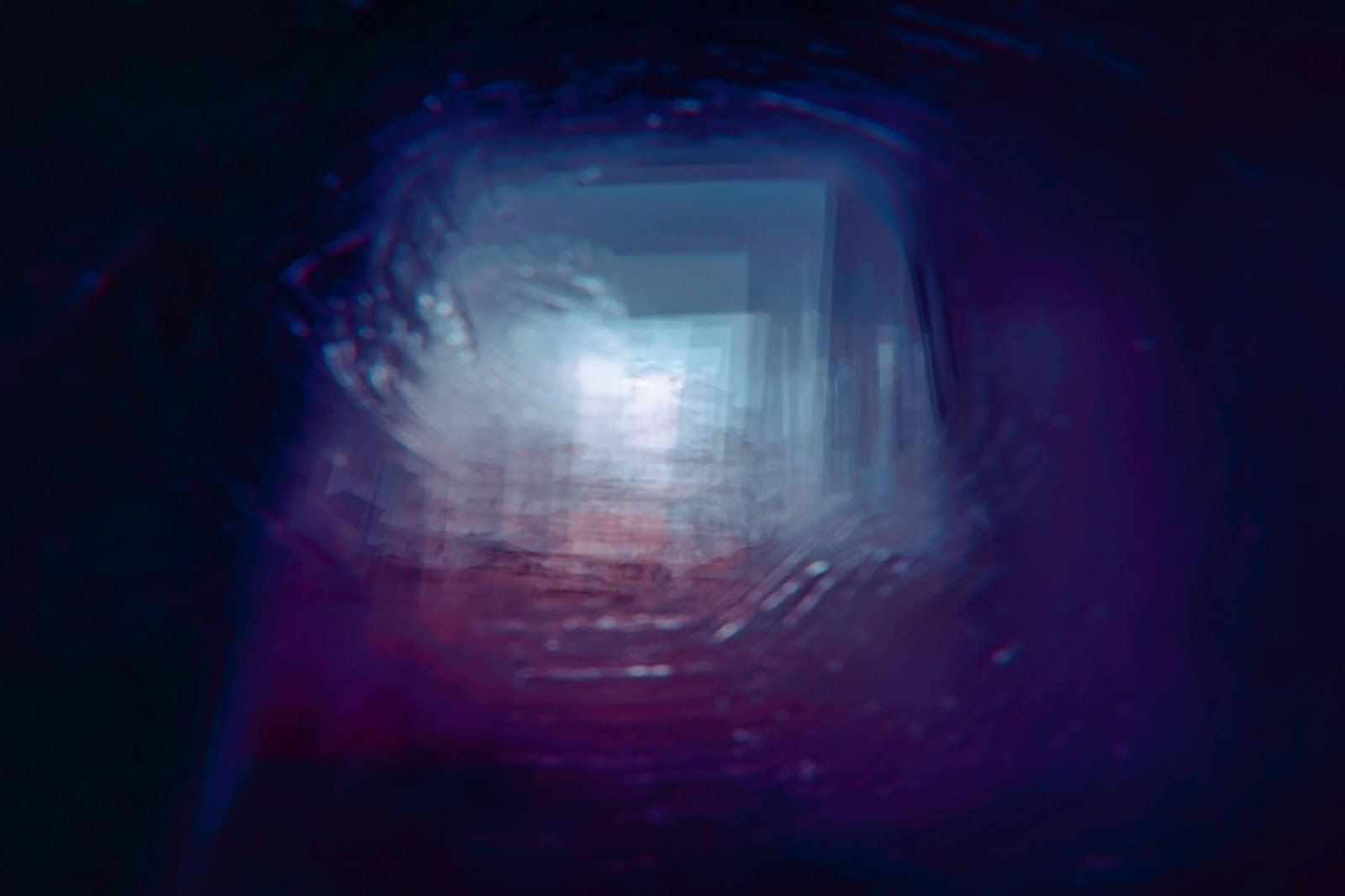
Image: Jr Korpa

Many cultures around the world have legends about mysterious lights appearing before wary travelers at night. In our case, the city of Marfa, Texas , is home to a strange phenomenon known as the Marfa Ghost Lights . While scientists suggest a rational explanation—claiming they result from automobile headlights distorted by warm desert air—some still believe the lights have a paranormal origin.

10
Chimayó, New Mexico – Land of Healing

Image: Lina Trochez

We’ve covered some dark and gruesome mysteries in this article, so why not end on a lighter note? In New Mexico’s Rio Arriba and Santa Fe counties, Chimayó is home to a remarkable site . Some believers claim that El Santuario de Chimayó , a Roman Catholic church, possesses mysterious healing powers —particularly the "holy dirt" found in a small well at the back of the church.

History History 5 min read

Myth-busting America

Fact vs. fiction: 10 myths that shaped American history

Image: Markus Spiske

American history is loaded with stories—some true, some half-true, and many others pure myth. Despite historians' best efforts, a few tales have been repeated so often they’ve become almost inseparable from real events. Today, we’re separating fact from fiction with a look at 10 of the most common myths and misconceptions in American history. From young Washington's cherry tree to the actual date of the Declaration of Independence, the truth behind these historical myths may surprise you. But wouldn’t the Founding Fathers say that the truth is always worth knowing?

1
The first Thanksgiving feast

Image: Claudio Schwarz

The story of the first Thanksgiving is often heavily romanticized, but it was largely rooted in political and survival needs. Wampanoag leader Ousamequin reached out to the English at Plymouth not out of inherent friendship, but because his people had been devastated by epidemic disease and needed allies.

Moreover, English Thanksgivings were originally solemn occasions of fasting and prayer —quite different from today’s feasts of abundance and celebration. The truth is that around the 1760s, Pilgrim descendants in Plymouth, concerned about their declining cultural influence, began promoting the idea that the original Pilgrims were America’s founding fathers. The notion of a holiday symbolizing unity and friendship between colonists and natives gained traction, eventually shaping the Thanksgiving tradition we know today.

2
Paul Revere’s "Midnight Ride"

Image: Priscilla Du Preez

Though "The Midnight Ride of Paul Revere" is legendary, Revere certainly didn’t act alone. The famous silversmith was only one of several riders, including William Dawes and Samuel Prescott, who warned of the British army’s approach. To be fair, much of the well-known story was fabled by Henry Wadsworth Longfellow’s poem "Paul Revere’s Ride," which is far from a historically accurate account.

Additionally, Revere would have never shouted "The British are coming!"—that wouldn’t have made much sense, as most Massachusetts colonists still identified as British. The actual alert was closer to "The Regulars are coming," referring to British troops.

3
The frontier was lawless

Image: Idean Azad

Popular culture paints the American West as a wild, lawless frontier, but crime was actually lower in many Western towns than in Eastern cities at the time. Local codes, vigilante groups, and early forms of law enforcement helped keep order, even in the most remote pioneer towns.

Many towns established designated areas where firearms were off-limits, requiring visitors to put away their weapons before entering. Of course, cities like Dodge City and Tombstone had their rowdy moments, but local communities established governance quickly. In many cases, justice in the West was rough but effective, and it helped establish America’s early legal backbone.

4
Washington chopped down a cherry tree

Image: Terence Starkey

Though it’s deeply etched in American memory, the story of young George Washington confessing to chopping down a cherry tree is entirely fictional. This tale was fabricated by Parson Weems, Washington’s biographer, to depict him as morally upright and honest from an early age.

While the story is charming and has contributed to America’s sense of ethos, it underscores the tendency in early American history to create heroic, almost mythical personas for its leaders. Yet, Washington’s legacy hardly needs fabricated childhood anecdotes to shine; his real courage and dedication to his country speak for themselves.

5
The Liberty Bell rang on Independence Day

Image: Dan Mall

The story of the Liberty Bell ringing for independence traces back to a fictional tale by George Lippard in an 1847 issue of The Saturday Courier. In this story, an elderly bellman in the State House steeple anxiously awaited news of Congress’s decision. Doubting their resolve, he suddenly heard his grandson’s triumphant shout: "Ring, Grandfather! Ring!"

This story captivated the public and cemented the Liberty Bell’s association with the Declaration of Independence. However, historians now doubt that the bell actually rang in 1776; at the time the State House steeple was reportedly in poor condition, and the bell may not have been in use. Though many bells rang throughout Philadelphia on July 8 to celebrate the Declaration, whether the Liberty Bell itself rang remains uncertain due to a lack of contemporary accounts.

6
Betsy Ross made the first American flag

Image: Luke Michael

The story of Betsy Ross sewing the first American flag is one of America’s favorite tales, but the sad truth is that there’s no historical evidence to support it. The story only emerged nearly a century after the Revolution, when her grandson published the account in a paper for the Historical Society of Pennsylvania in 1870.

While the Continental Congress did approve a flag design in 1777, it’s unclear who actually made it. However, despite historians' doubts, the early flag design with 13 stars in a circle is still popularly known as "the Betsy Ross flag."

7
Orson Welles’ broadcast induced mass panic

Image: Muhammed ÖÇAL

It’s widely believed that Orson Welles’ 1938 radio adaptation of The War of the Worlds caused widespread panic across the United States, with listeners mistaking it for real news of an alien invasion. However, the actual extent of the panic was greatly exaggerated by newspapers looking to discredit radio as a rival news source.

While the broadcast did unsettle some listeners, most of the audience knew it was a dramatic performance. Reports of mass hysteria were largely fabricated, and ironically, the media’s reaction to the broadcast may be a greater testament to its power than Welles’ fictional invasion ever could be.

8
Cowboys wore big, flashy hats

Image: Brice Cooper

While movies and TV shows often show cowboys wearing wide-brimmed, flashy hats, most cowboys actually wore bowler or derby hats until the late 19th century. These hats were more practical and better suited for riding. Men also wore flat wool caps, Mexican sombreros, or even old Civil War hats like the kepi.

The wide-brimmed "cowboy hat" only became popular later and evolved into a cultural icon thanks to cinematic depictions of the Wild West. As with most things, in truth practicality ruled the range, and the stereotype of the cowboy hat developed more from fiction than reality.

9
Benjamin Franklin discovered electricity

Image: Felix Mittermeier

Benjamin Franklin’s famous kite experiment didn’t really "discover" electricity but rather demonstrated that lightning was a form of electrical energy. In fact, historians aren’t even sure whether he performed the famous experiment himself. At the time, scientists in Europe had been experimenting with electricity for decades.

That being said, Franklin’s findings did help advance science, and laid the groundwork for future innovations. His research not only led to the practical study of electricity, but his invention of the lightning rod also helped save both people and structures. In any case, Franklin never patented any of his inventions, believing that "products of the human imagination belonged to no one person," so he likely wouldn’t have wanted credit as the discoverer of electricity either.

10
The Fourth of July marks the signing of the Declaration

Image: Trent Yarnell

The Declaration of Independence is celebrated on July 4th, but the actual timeline of events is a bit more complex. Independence was formally approved by Congress on July 2, 1776, through the Virginia resolution, which officially severed ties with Britain. However, the text of the Declaration was subjected to intense debate and revisions before Congress approved the wording on July 4.

Further complicating things, the Declaration wasn't publicly read until July 8, and it took several more weeks before all signers had added their names. While some Founding Fathers, like John Adams, initially advocated for celebrating on July 2, the public ultimately gravitated toward July 4—the date displayed on the final document.

Geography Geography 4 min read

Only for true locals!

Wait, which city is “Charm City”?! Bet you’ll be surprised

Image: Erika Wittlieb

Think you know your US cities? Let’s put your nickname knowledge to the test! You probably know "The Big Apple" or "The Windy City," but there are many more out there. From crab cakes to cowboy hats, some of these monikers make perfect sense, others… Well, not so much. But all of them come with a story. So sit back, read on, and see if you can guess which city is hiding behind each funny nickname.

1
Charm City

Image: Girish Dalvi

Even with this nickname, this coastal spot wasn’t always known for its good looks . In fact, back in the '70s, it was struggling with a bit of an image problem. For that reason, a creative PR campaign worked some magic and gave it a nickname that stuck. Now it’s known for its iconic seafood and working-class roots. Oh, and locals are seriously proud of their blue crab dishes. This nickname has a certain sparkle to it, don’t you think?

2
The Bayou City

Image: Nicole Herrero

Think steamy summers, sprawling highways, and a whole lot of swampy waterways. This nickname may sound like it belongs in Louisiana, but don’t be fooled. It’s a nod to the bayous that weave through this massive southern city. It’s also a hub for space travel, energy, and some top-notch food. If you know the South, this one should ring a bell. Have you guessed it already?

3
The Big D

Image: JosephHershMedia

Everything’s bigger in Texas, and this city wears its size with swagger. The nickname itself is bold and simple: Just one big letter. It brings up images of cowboy boots, shiny buildings, and football fever. This place is known for business, barbecue, and a whole lot of bravado. You know the state, but do you know which Texas titan we’re talking about?

4
The Golden City

Image: IRa Kang

Between the shimmering water, a world-famous structure, and a "bright" past, this place practically glows. Its nickname is short and shiny, much like the hills it rests upon. Known for quirky charm and tech power, it’s a city where history and innovation collide. And yes, the fog does roll in, but somehow it just adds to the magic. Got it yet?

5
Rip City

Image: Edgar Chaparro

This one’s a bit of a curveball… Yes, we’re referencing basketball here because this nickname started as a throwaway comment during a basketball game in the '70s, but it stuck like glue. Now you’ll see it on jerseys, bumper stickers, and maybe even a tattoo or two. It doesn’t make a lot of sense, but that’s part of the charm. Sports fans, this one’s for you!

6
Beantown

Image: Xuancong Meng

Baked beans might not sound glamorous, but they sure helped this historic place earn a nickname. That and a long list of American "firsts," this city is wonderful. It’s also been known to call itself the "Hub of the Universe." Has anyone seen modest? History buffs and chowder lovers, you’re probably already picturing cobblestone streets, aren’t you?

7
Baltimore

Image: Brendan Beale

Yep, Charm City is Baltimore! That catchy name was cooked up to shine a brighter light on the city’s best features. And guess what? It worked! Baltimore’s got a rich mix of culture, grit, and pride, plus some of the best crab cakes you’ll ever taste. Not bad for a city once overlooked, right?

8
Houston

Image: Carlos Delgado

Say hello to The Bayou City: Houston! Its unique geography inspired the nickname, and the city’s grown into a powerhouse of space exploration, culture, and business. Between NASA connections and a killer food scene, Houston has more going for it than just the heat. And yes, those bayous are still winding through it all.

9
Dallas

Image: Gabriel Tovar

That big old D? Dallas, of course. This city isn’t shy about its size or influence, and the nickname says it all. From skyscrapers to stadiums, Dallas lives large and wild. Add the cowboy flair, and you’ve got a Texas city that owns its identity. We love it!

10
San Francisco

Image: Alexey Komissarov

The Golden City? None other than San Francisco, what else could it be? With its iconic Golden Gate Bridge and a history rooted in gold rush dreams, it’s an easy one to guess. But even beyond the sparkle, the city has got a heart of tech and a soul of protest. Yes, the fog is quite the character, but this city shines bright anyway.

11
Portland

Image: Zack Spear

If you guessed Rip City was Portland, you guessed right! The name came out of a Trail Blazers game and somehow became a token of pride. That’s Portland for you: a little weird, totally charming, and full of surprises.

12
Boston

Image: todd kent

You guessed it: Beantown is Boston. The beans are just the beginning—Boston is packed with revolutionary charm, Ivy League brains, and a sports scene like no other. And if you hear someone call it "The Hub," now you know what they mean. It might just be the center of the universe after all.

Explore more American facts

Choose your favorite category!

General
General

As American as apple pie—the very best America has to offer!

Culture
Culture

Delve into the astounding richness of American lore.

Geography
Geography

Hop in and explore vast and diverse American landscapes.

History
History

Discover the key moments that shaped the United States.