Culture Culture 3 min read

TV Legends

From Sitcoms to Dramas: The 10 most beloved characters in TV history
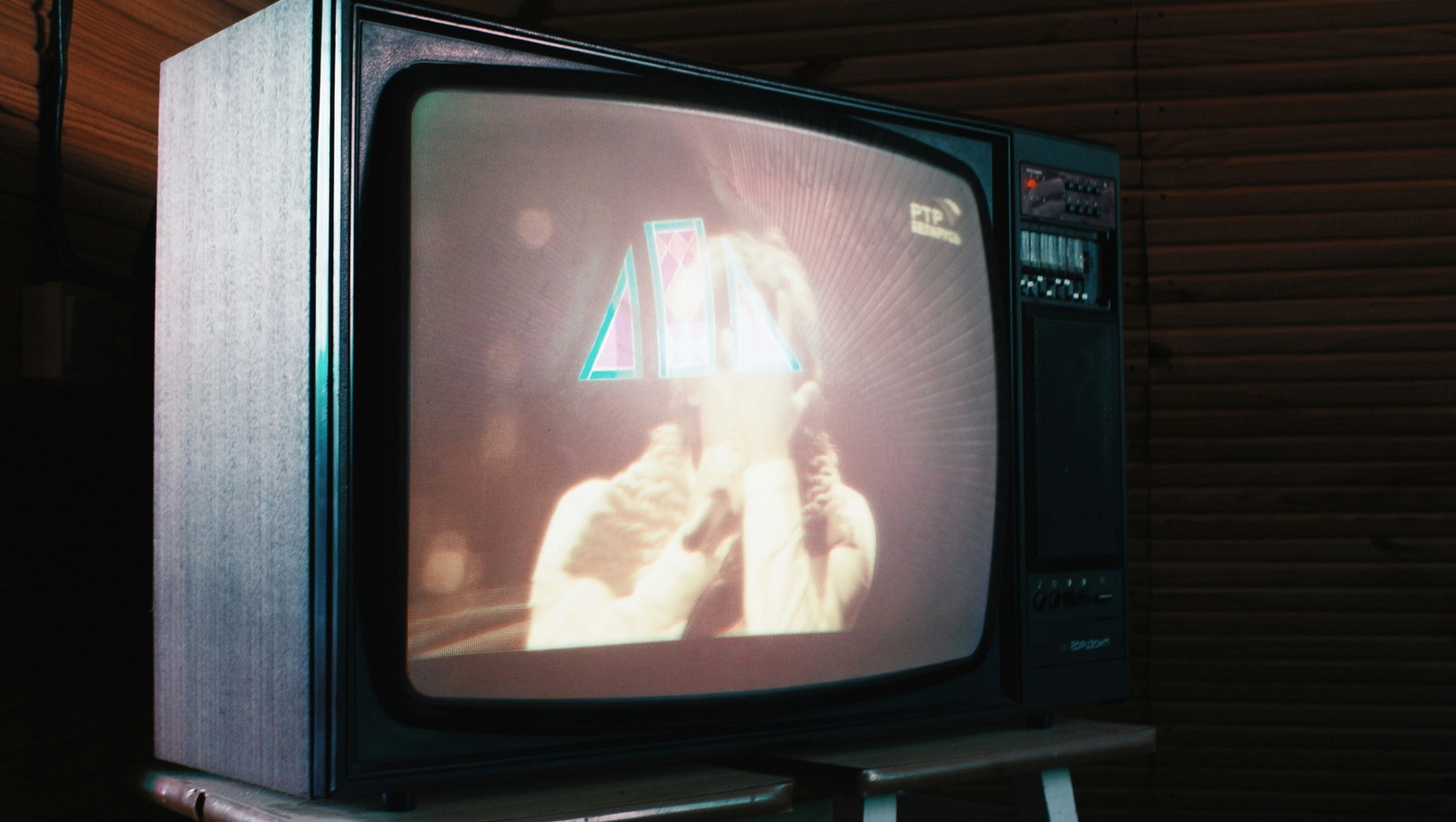
Image: Aleks Dorohovich

Over the years, TV fiction has given us countless moments of entertainment, laughter, tension, and even love and sadness. Some of the characters who stuck with us season after season left a mark we still feel today. From the unforgettable Lucy Ricardo to the mysterious Mr Spock and the chaotic Michael Scott, today we’re looking back at 10 characters who’ve been living in our hearts rent-free.

1
Lucy Ricardo ( I Love Lucy )
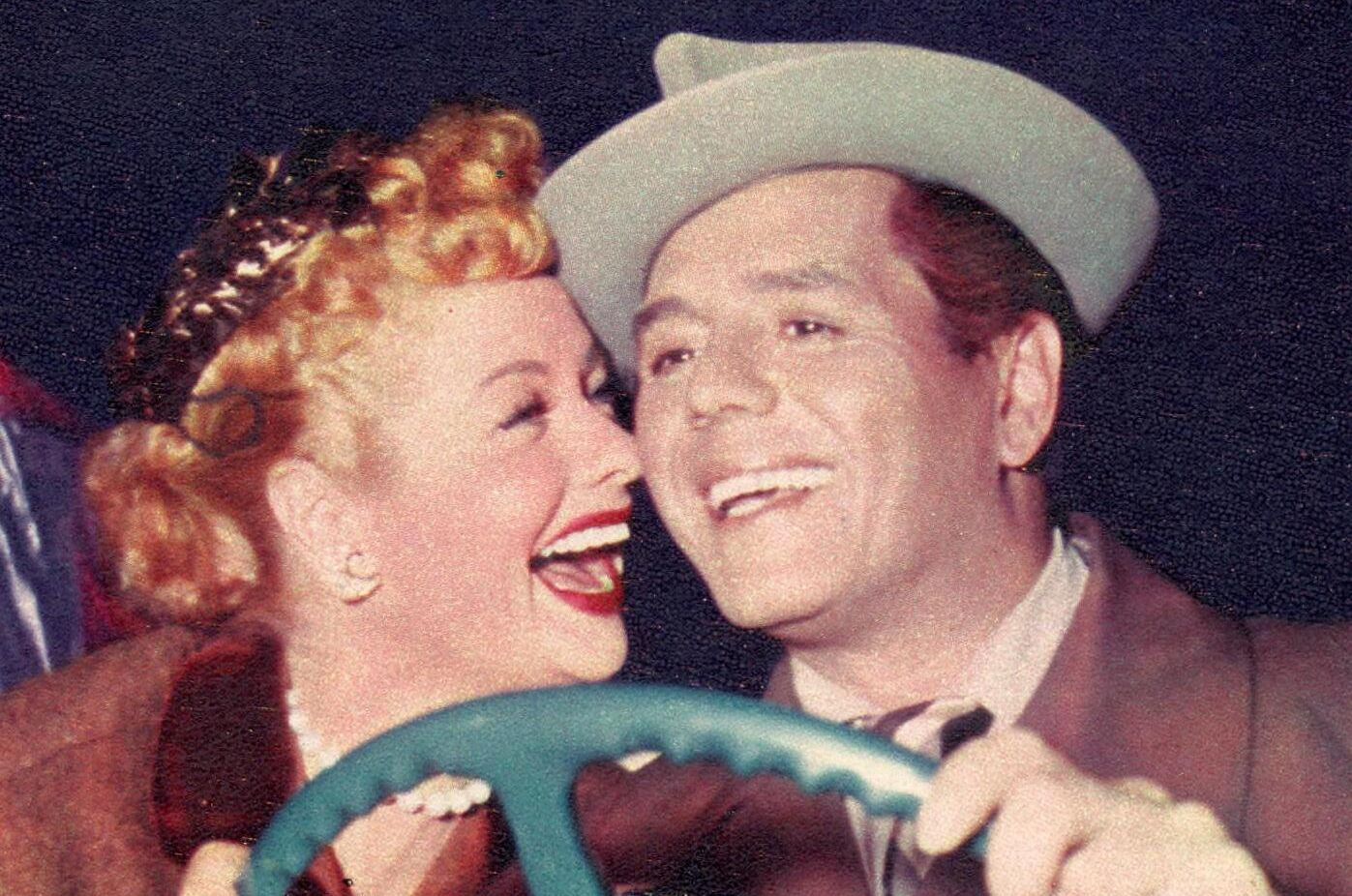
Image: TV Guide, Public domain, via Wikimedia Commons

Despite being a series from the 1950s, I Love Lucy made such a strong impact on American culture that it’s still remembered and referenced today. And it’s impossible to forget Lucy Ricardo, the lovable protagonist who was always chasing "a little more" out of life through daring and hilarious adventures with her husband and neighbors. The familiarity of the characters and the way they connected with viewers turned the show into a success that totally transcended its time.

2
Spock ( Star Trek )
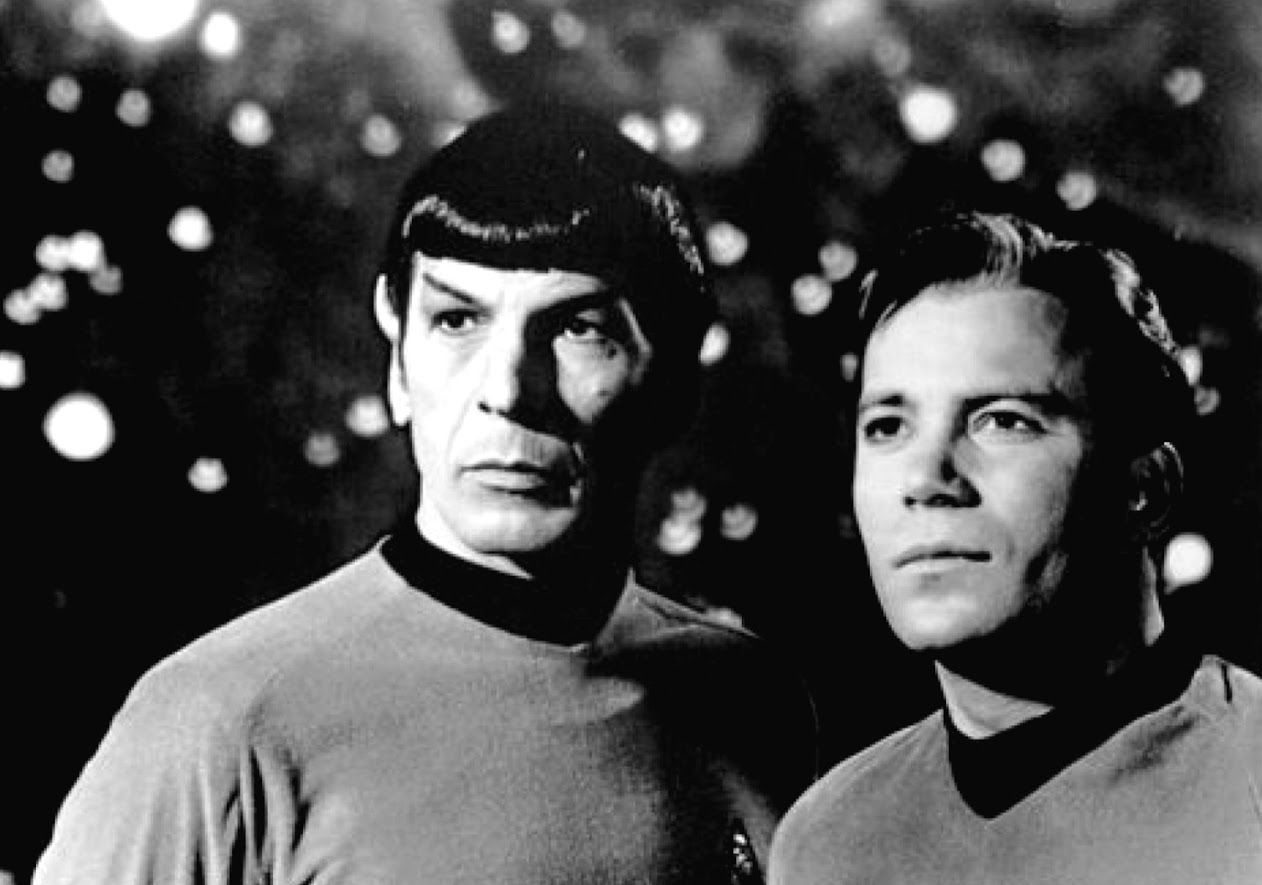
Image: NBC Television, Public domain, via Wikimedia Commons

This pair of pointed ears is really hard to forget. Mr. Spock, played by Leonard Nimoy in Star Trek , is easily one of the most memorable characters on TV, and we get why. His particular appearance and his calm, controlled demeanor made him irresistible to almost everyone in the audience. Alongside his discipline, strong values, and quiet reserve, his warm and empathetic human side would occasionally shine through, making him one of our favorites.

3
Fonzie "The Fonz" ( Happy Days )
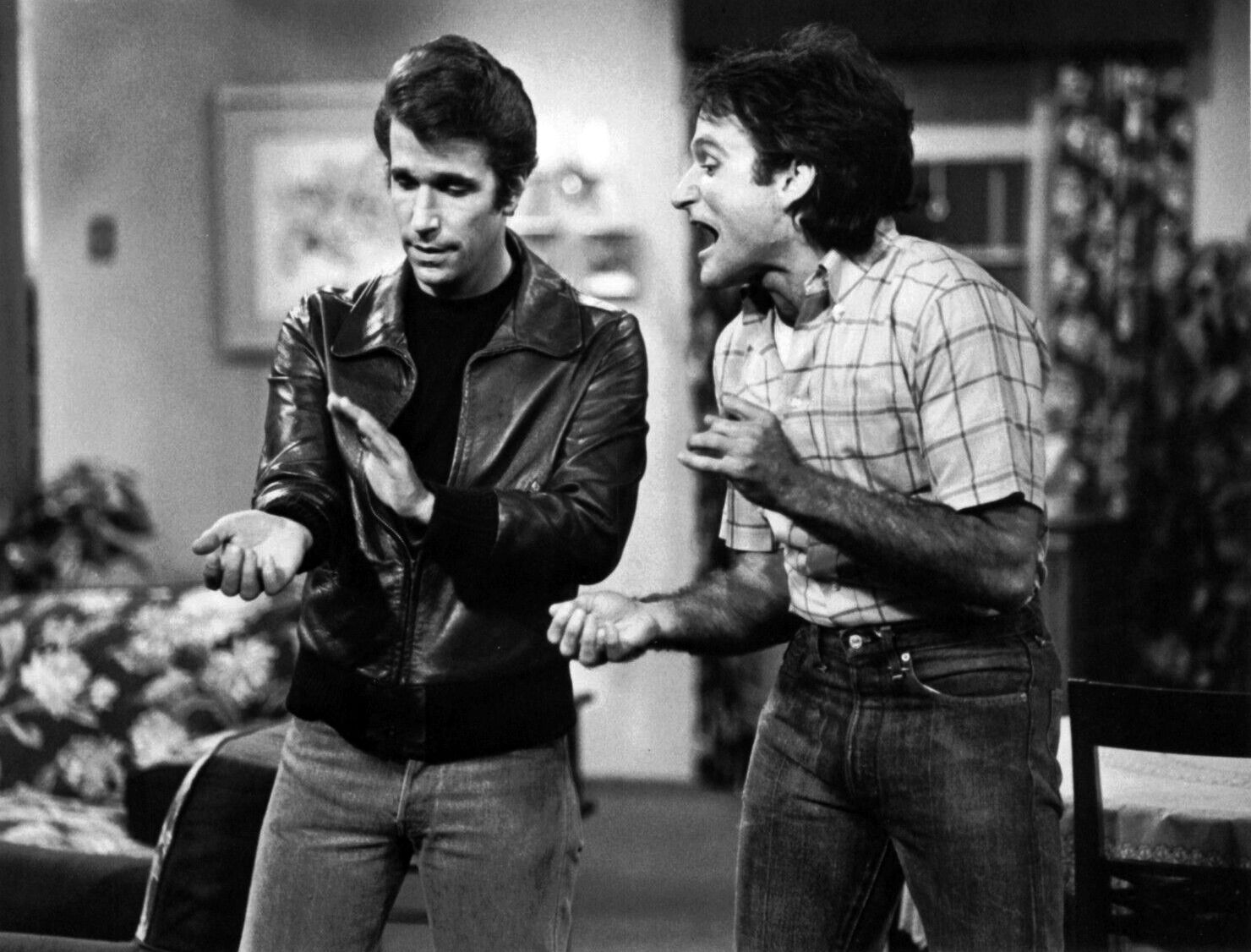
Image: ABC, Public domain, via Wikimedia Commons

Fonzarelli, Fonzie, the Fonz: three names for everyone’s favorite character from Happy Days . Fonzie wasn’t just the epitome of cool; he also had a loyal, charismatic, and genuinely warm personality that made him impossible not to love.

4
Samantha Stephens ( Bewitched )
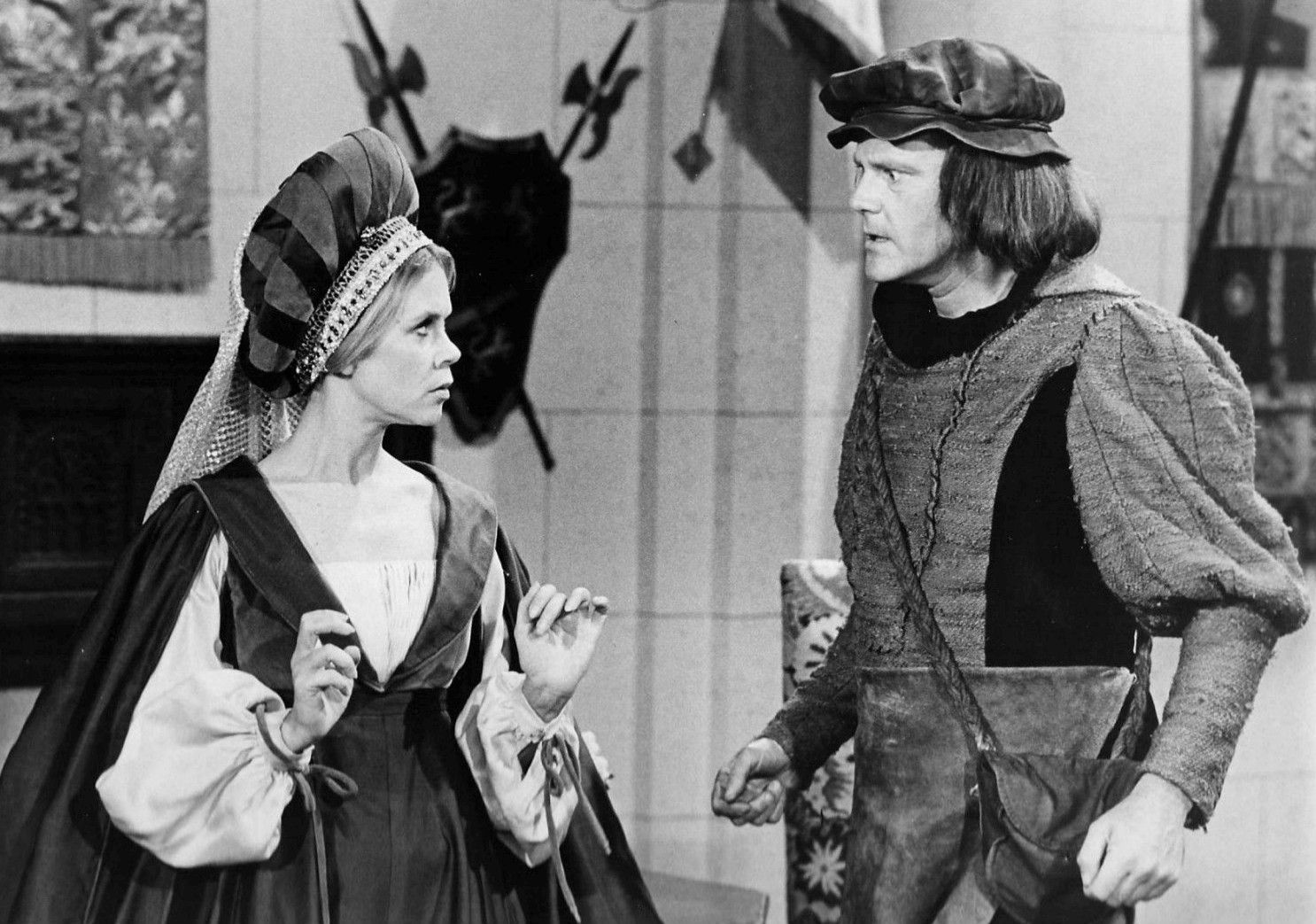
Image: ABC Television, Public domain, via Wikimedia Commons

If you had magical powers, your life would probably resemble that of Samantha Stephens, the lovable star of Bewitched , and that's probably what made this series such a success. Samantha’s warm personality and intelligence (along with her powers, of course) allowed her to balance her magical world and her human life. And along the way, she gives us some really funny adventures!

5
Michael Scott ( The Office )

Image: Steve_Carell_with_wife_Nancy_Walls_@_2010_Academy_Awards.jpg: Photo by Sgt. Michael Connorsderivative work: RanZag, Public domain, via Wikimedia Commons

Michael Scott may not seem like the nicest character ever, but it’s precisely his quirkiness and his desperate need to be liked that make us end up loving him so much. Well-intentioned but socially awkward, this character is so funny that no matter what he does, we can’t help but adore him.

6
Kermit the Frog ( Sesame Street/The Muppet Show )
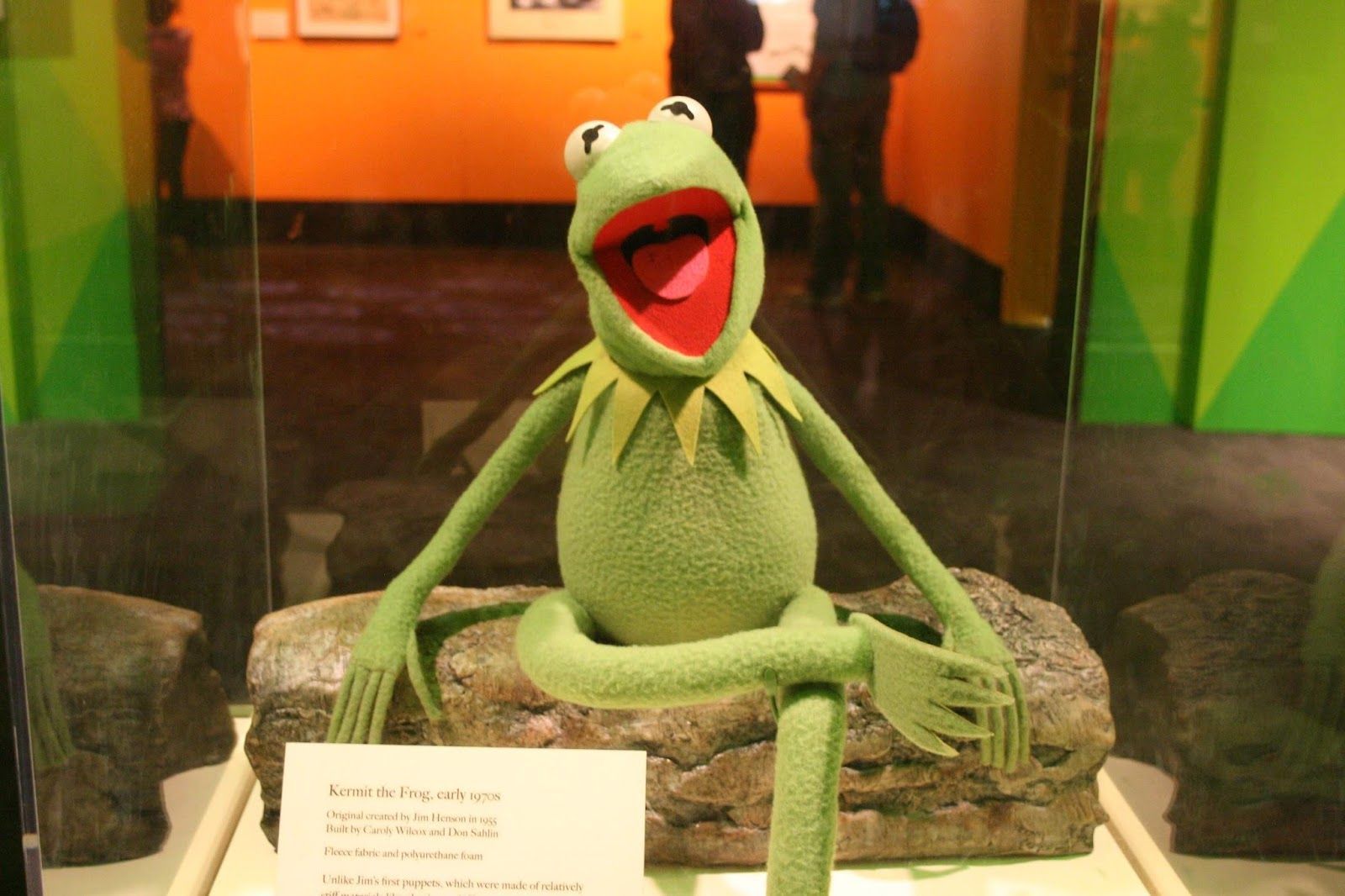
Image: Pattie, Public domain, via Wikimedia Commons

Who said all the characters on this list had to be human? No one would have guessed that a puppet could become a total celebrity, right? Well, that’s exactly what happened with Kermit, the most famous frog of all. The best part is that you don’t have to be a child to appreciate the optimism, warmth, and humor that make us all love dear Kermit.

7
Chandler Bing ( Friends )
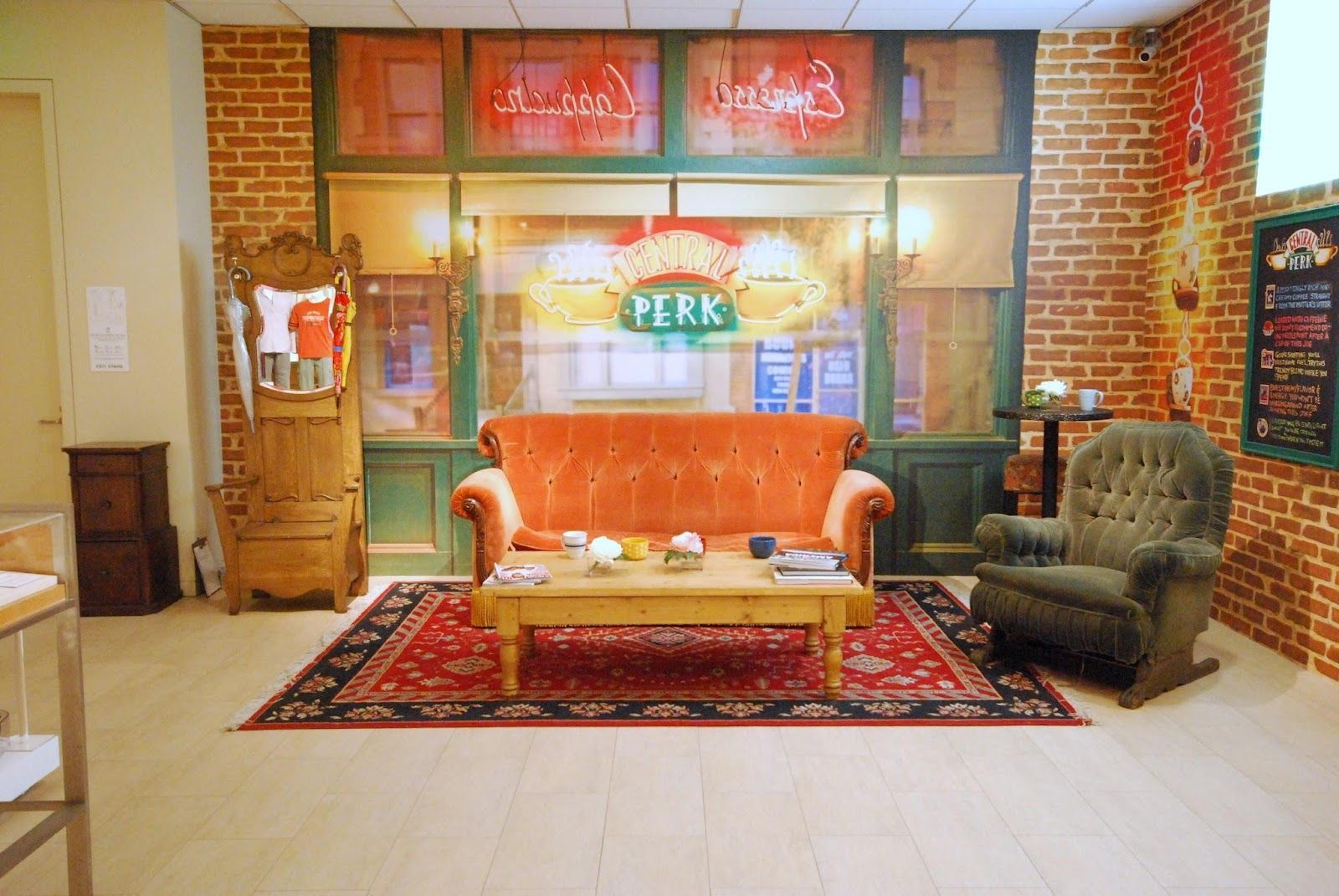
Image: Tracie Hall from Orange County, us, CC BY-SA 2.0 <https://creativecommons.org/licenses/by-sa/2.0>, via Wikimedia Commons

Each one of the six main characters of Friends has a strong fan base, but one stands out: Chandler Bing. Undoubtedly one of the most beloved, Chandler won us over with his humble heart, his awkwardness in understanding and managing emotions, and, of course, his silly jokes that came out even at the most inappropriate moments.

8
Mulder & Scully ( The X-Files )
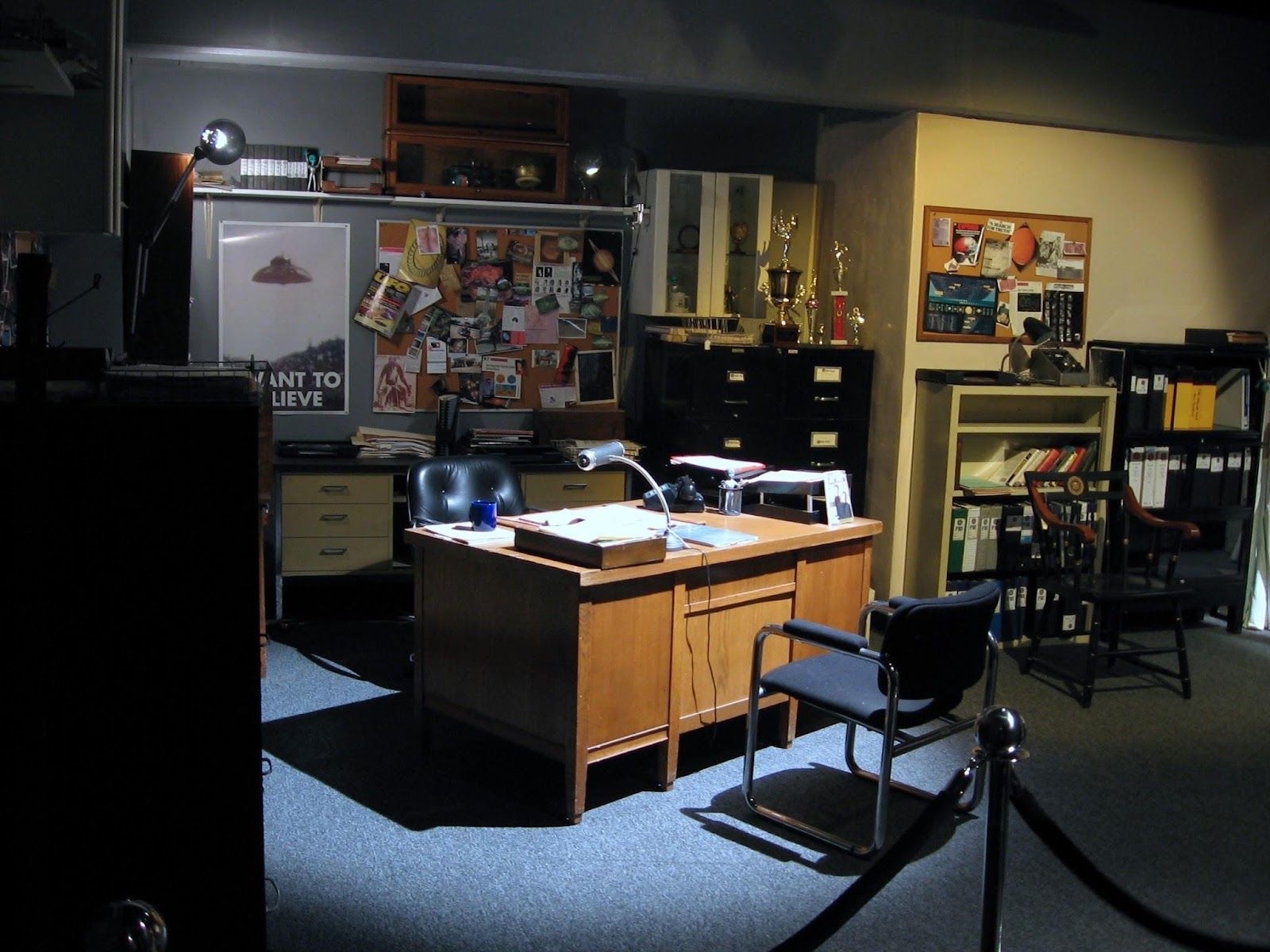
Image: Marcin Wichary from San Francisco, U.S.A., CC BY 2.0 <https://creativecommons.org/licenses/by/2.0>, via Wikimedia Commons

We had to pick one, but we just couldn’t: Mulder and Scully are inseparable. Though very different, the two main characters of The X-Files won over audiences equally. Mulder, the believer and passionate investigator, and Scully, the skeptical but determined scientist, come together to complement each other in the most perfect way.

9
Sheriff Andy Taylor ( The Andy Griffith Show )
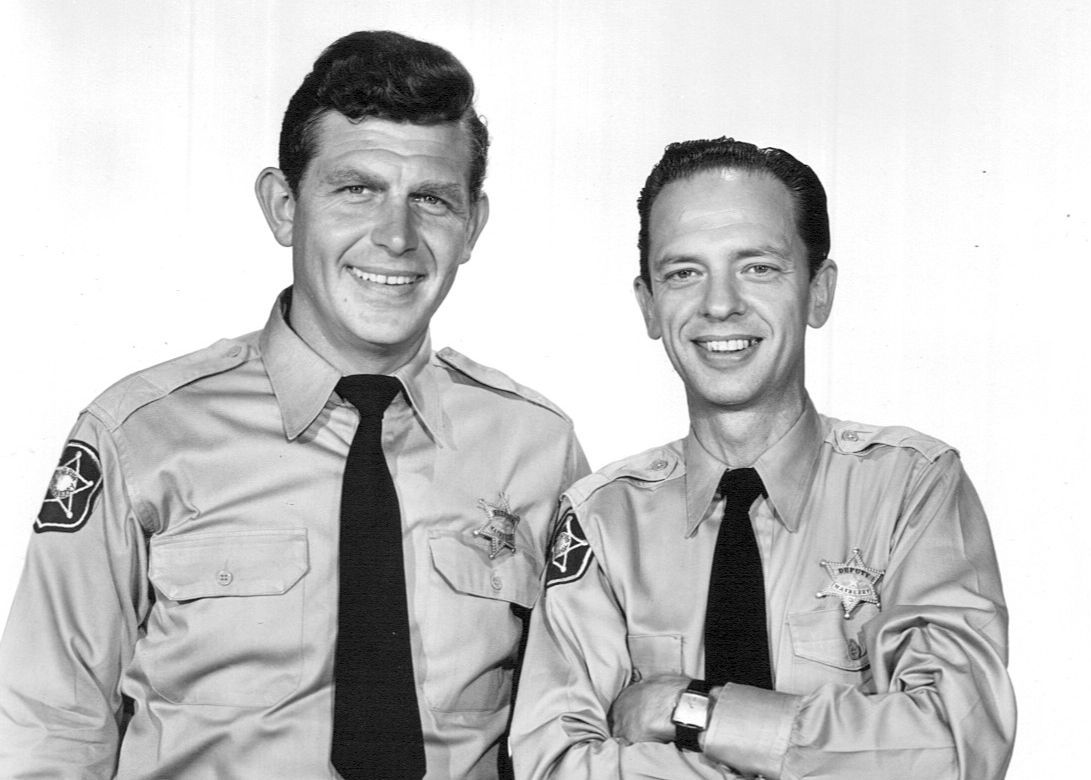
Image: Rogers & Cowan, Beverly Hills-publicity agency, Public domain, via Wikimedia Commons

That kind face was enough to win our hearts, but Sheriff Andy Taylor offers so much more: kindness, good intentions, and a calm demeanor, along with humor and intelligence. Often serving as the moral compass in The Andy Griffith Show , he became a familiar and trusted presence for audiences of all ages.

10
Sheldon Cooper ( The Big Bang Theory )

Image: MelodyJSandoval, CC BY 2.0 <https://creativecommons.org/licenses/by/2.0>, via Wikimedia Commons

His enormous intelligence and sharp logic make him stand out in the academic world, but his struggles with social connections complicate his personal life. This is Sheldon Cooper, one of TV’s most beloved "brainiacs." Despite his difficulty with sarcasm, his cold and distant demeanor, and his unbearably pragmatic nature, Sheldon has a certain charm that makes him impossible not to love.

Culture Culture 5 min read

Why do these 10 magnificent American estates now stand in ruins?

Image: Tama66

Beyond the manicured lawns of modern suburbs and the gleaming glass of city centers lie the skeletal remains of America’s Gilded Age and eccentric architectural dreams. These abandoned mansions, once symbols of immense wealth or unbridled ambition, now serve as monuments to the passage of time. Whether they were built for defense, ego, or artistic expression, these 10 sites stand as beautiful reminders of the people who once dared to dream about eternity. Would you like to know more? Continue reading!

1
Dundas Castle, Roscoe, New York

Image: Annie Spratt

Also known as Craig-e-Clair, this castle was built by Ralph Dundas in the early 20th century. It is an architectural marvel of stone and copper.

Dundas died before the castle was completed, and his wife was reportedly committed to a sanitarium shortly after. Consequently, no member of the Dundas family ever actually lived in the mansion. This has led to the "Ghost of Dundas Castle" legends, with locals claiming to see a woman in white wandering the unfinished halls, waiting for a housewarming party that never happened.

2
Rockwell House, Milledgeville, Georgia

Image: Clem Geiss

Built in 1838, the Rockwell House is a stunning example of Federal-style architecture, but its beauty is shadowed by a dark past. It was originally built for Colonel Samuel Rockwell, a prominent lawyer.

Local lore whispers about the "Rockwell Ghost," believed to be a young girl who died during a yellow fever outbreak. However, the house’s most tangible secret lies in its survival; it has endured multiple fires and periods of extreme neglect. In recent years, it has become a focal point for preservationists who uncovered hidden structural reinforcements that suggest the house was built to be an impenetrable fortress of its era.

3
Elda Castle, Ossining, New York

Image: Nitrogel

If the name David Abercrombie sounds familiar, it’s because he co-founded the clothing company Abercrombie & Fitch . But in the 1920s, he also built this granite castle, named Elda (an acronym of his children’s names), as a secluded retreat.

The castle features a network of spiral staircases and open-air porches designed to blend the indoors with the rugged wild. Its abandonment, however, is a sheer tragedy. After the family moved out, the castle was used as a research facility and later fell victim to vandals. Legend has it that a fire in the 1940s was started by squatters, leaving behind a charred stone husk that resembles a medieval ruin more than a 20th-century home.

4
Mongo's Castle, Memphis, Tennessee

Image: Denny Müller

A stark contrast to the classical mansions of the South, Mongo’s Castle was the passion project of Mongo Bebe, a man who built his home out of scrap stone, Ashlar blocks, and found materials.

The house is a maze of folk-art eccentricity. The builder intended it to be a community center and a symbol of African-American heritage and self-reliance. It stands today as a decaying puzzle, with many neighbors still unsure of the structural logic behind its towering, uneven walls.

5
Bannerman's Castle, Pollepel Island, New York

Image: Leonard G., Public domain, via Wikimedia Commons

Rising from the Hudson River, this castle was never intended to be a home; it was a giant advertisement and warehouse for Francis Bannerman VI’s military surplus empire.

In 1920, 200 tons of gunpowder and shells exploded in the castle’s powder house, blowing out a significant portion of the walls. The ground is still considered unstable due to the remnants of military munitions, and the inscriptions on the walls are actually warnings and advertisements for the Bannerman business. Do you dare visit this mansion?

6
Castle Mont Rouge, Rougemont, North Carolina

Image: Florian Delée

This whimsical, onion-domed castle looks like it belongs in the Russian countryside rather than the North Carolina woods. It was designed by sculptor Robert Mihaly, but he ended up abandoning the project in the early 2000s following a personal tragedy and financial hurdles.

The castle remains an "empty sculpture," filled with intricate marble work and unfinished turrets. The bizarre architectural fusion lacks a standard floor plan, making it nearly impossible to convert into a functional residence without destroying its artistic integrity.

7
Ha Ha Tonka Castle, Camdenton, Missouri

Image: Hannah McBride

Robert Snyder, a wealthy Kansas City businessman, began building this European-style castle in 1905. He wanted a retreat that overlooked the breathtaking Ha Ha Tonka Spring.

Yet, Snyder never got to see his dream finished; he was killed in one of Missouri’s first recorded automobile accidents just a year after construction began. His sons finished the castle, but it was gutted by a fire in 1942. There’s a hidden network of caves beneath the castle, which were rumored to be used by outlaws and later as a natural "refrigerator" for the estate’s kitchen.

8
Carleton Island Villa, Cape Vincent, New York

Image: Tama66

This once-magnificent villa was built for William Wyckoff, who made a fortune with the Remington Typewriter Company.

The Secret: Wyckoff’s dream turned into a nightmare on the very first night he stayed in the house. He suffered a massive heart attack and died in his sleep. His wife had passed away a month prior, leaving the villa to a son who had no interest in it. The house has stood empty for over 70 years, its secret being the tragic "cursed" timing that prevented it from ever functioning as a family home.

9
Dicksonia Plantation, Lowndesboro, Alabama

Image: Theo Bickel

Dicksonia was a quintessential antebellum mansion, featuring the massive columns and wrap-around porches synonymous with the Old South.

Unlike many plantations that were destroyed during the Civil War, Dicksonia survived the conflict only to be destroyed by a mysterious fire in 1939. Its "ghost pillars," however, remained standing long after the wooden house burned away. These towering brick columns became a haunting landmark , representing the structural skeletons of a forgotten social order.

10
Wyndcliffe, Rhinebeck, New York

Image: Peter Herrmann

This house is the literal origin of the phrase "Keeping up with the Joneses." Though often referred to as a "Mystery Mansion" by urban explorers, this is the ruin of Wyndcliffe, the estate of Elizabeth Schermerhorn Jones.

Elizabeth’s mansion was so grand and intimidating that it prompted her neighbors—including the Astors—to build even larger homes to compete. The secret of Wyndcliffe is the psychological impact of its architecture; it was built to inspire envy, and its current state of absolute decay is a poetic commentary on the fleeting nature of social status.

History History 3 min read

Homebrewed ingenuity

The weirdest things Americans once thought were great ideas

Image: Johnny Briggs

From genuine problem-solving to baffling overengineering, American inventors have produced some truly strange creations. From electric spoons to fragile glass instruments, many of these bold designs were patented, tested, or even briefly sold. Below are 10 inventions that prove innovation isn’t always a hit—even when it comes from brilliant minds.

1
The horse diaper

Image: Lucia Macedo

Designed to catch manure in crowded cities—a problem once so severe that it shaped public infrastructure as well as the entrances to houses—the horse diaper was an invention meant to be strapped beneath working horses pulling carts and carriages.

The idea was to reduce disease and street filth during the horse-powered urban era. While the device saw limited use before automobiles rapidly replaced horses, similar designs are still occasionally used in modern veterinary practice.

2
The baby cage

Image: Taylor Flowe

Built as wire cages attached to apartment windows, so-called "baby cages" allowed infants to get fresh air when outdoor space was unavailable. Some models were guaranteed to safely hold over 30 pounds.

While alarming today and ultimately abandoned due to obvious safety concerns, the designs likely inspired some of the baby-proofing nets used today.

3
The pneumatic subway

Image: Eddi Aguirre

In the late 1860s, American entrepreneur and inventor Alfred Ely Beach set out to prove the feasibility of a human-sized pneumatic subway system beneath New York City, capable of moving both people and cargo using nothing more than air pressure.

The prototype was set up as a public attraction and carried passengers along a tunnel just over 300 feet long, from a station to a dead end. Despite its initial success, bureaucratic obstacles and high costs halted expansion, leaving it as a functional but largely forgotten underground experiment.

4
The mechanical horse

Image: Gabriel Tovar

Created for exercise and riding practice, the mechanical horse used a system of gears, cranks, and pedals to simulate walking and trotting motions while the rider sat in a saddle-like seat. It was marketed to urban riders and cavalry trainees who lacked access to stables or live horses.

Though bulky and impractical for widespread use, the device anticipated modern fitness machines by replicating real-world movements for conditioning and skill retention, rather than simple repetitive exercise.

5
The first metal detector

Image: Fer Troulik

After a failed assassination attempt on President James Garfield, Alexander Graham Bell hastily built an early metal detector in an effort to locate the bullet lodged in his body. The device functioned as intended, but it was unable to find the bullet because metal bed springs interfered with the signal.

Despite this setback, Bell’s early design proved the concept and directly influenced the development of modern metal detectors.

6
The pet-powered butter churn

Image: Matt Bero

In an inventive twist on animal-powered machinery, some 19th-century American farmers rigged small treadwheels for dogs, cats, or even goats to generate kinetic energy for churning butter. The animal ran inside the wheel, turning a rope or pulley connected to the churn.

While technically functional, the system was limited by the animal's willingness to cooperate and the small amount of power it generated.

7
The umbrella hat

Image: Claudio Schwarz

Robert W. Patten, often called the "Umbrella Man," patented one of the first commercially successful hands-free umbrella hats. It strapped a small umbrella directly to the wearer’s head, providing both sun and rain protection while keeping the hands free for work or walking.

His original design even included a mosquito net attached to the canopy. Patten didn’t enjoy much commercial success but became somewhat of an eccentric and comical popular figure, partly due to a series of comics that were inspired by his unusual invention.

8
The one-wheel motorcycle

Image: CJ Toscano

In 1971, American inventor Kerry McLean built and refined a monowheel—a one‑wheeled motorized vehicle in which the rider and engine sit inside the wheel’s circumference.

Since then, various attempts have been made to build on his original design, but it remains a niche vehicle used primarily for entertainment rather than practicality, as riders must be highly skilled simply to turn or even stay upright.

9
The first talking doll

Image: Holly Ward

In 1890, Thomas Edison embedded miniature versions of one of his most popular inventions —the phonograph—inside dolls so they could recite nursery rhymes.

While the idea was innovative, the technology was not yet there. The recordings were fragile, distorted, and often failed to work properly. The dolls were pulled from the market within weeks due to customer complaints, making it one of Edison’s rare commercial failures.

10
The glass harmonica

Image: Francesco Bovolin

Faithful to his eccentricity and inventive spirit, Benjamin Franklin redesigned the existing glass harp into a rotating spindle of glass bowls, played by touching the spinning rims with wet fingers, which he called the "glass harmonica."

The instrument produced eerie, sustained tones unlike anything else of its era. However, its fragile nature made it somewhat impractical, and the rotating mechanism posed a potential danger to the player if anything went wrong.

Explore more American facts

Choose your favorite category!

General
General

As American as apple pie—the very best America has to offer!

Culture
Culture

Delve into the astounding richness of American lore.

Geography
Geography

Hop in and explore vast and diverse American landscapes.

History
History

Discover the key moments that shaped the United States.