General General 3 min read

All about the Great White Way

Why is Broadway called the Great White Way?
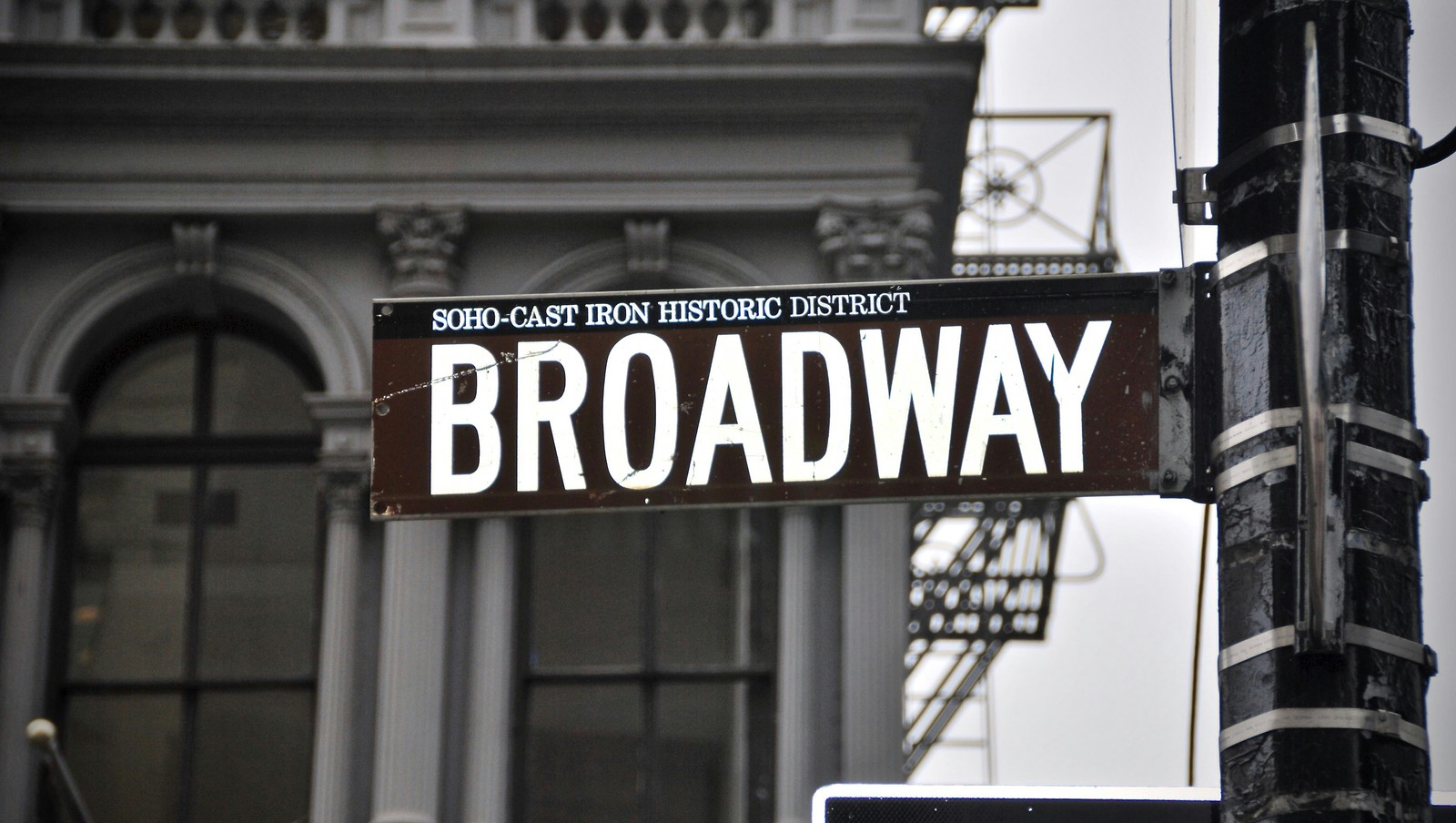
Image: Jordhan Madec

You say Broadway, and all the marquees and red curtains come to mind. But behind them, you’ll also find history, facts, and interesting records you probably didn’t know about. Drama happens both onstage and offstage in this particular place of our beloved country. So, here are some gems for you!

1
From trail to theater capital

Image: Christian Lendl

Before Broadway was packed with theaters, it was a Native American trail cutting across Manhattan. The Dutch later called it "the Gentlemen’s Street," and eventually the name "Broadway" stuck because of its unusual width. Did you know that?

2
Theater superstitions
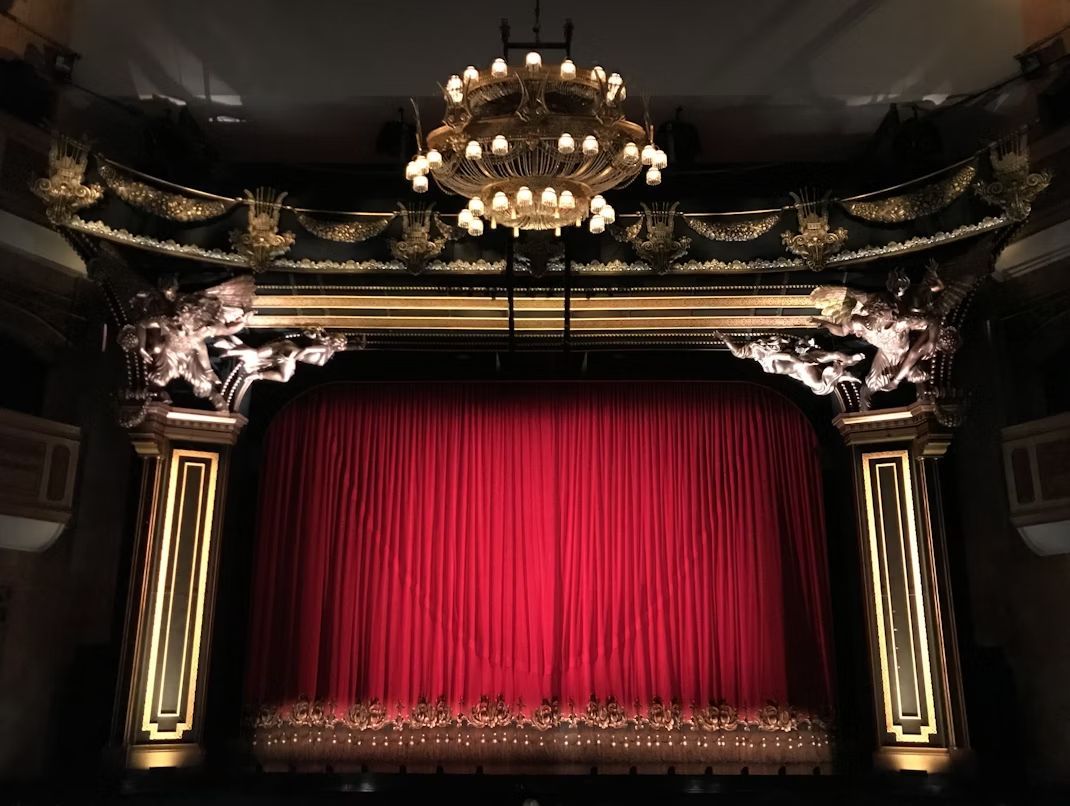
Image: Gwen King

Broadway has its own share of taboos. For example, whistling backstage was once a no-no, since stagehands used whistles as signals. Saying the word "Macbeth" inside a theater is also believed to bring bad luck , so actors usually call it "the Scottish Play." Even in modern times, performers still keep these superstitions alive—just in case.

3
Why it’s called the Great White Way

Image: Martin Sanchez

All those glowing signs around Times Square gave Broadway its sparkling nickname. Starting in the early 1900s, electric lights lit up the blocks between 41st and 53rd Streets, dazzling visitors and creating the famous "Great White Way." Today, it’s still one of the brightest spots in New York City.

4
The first Broadway musical
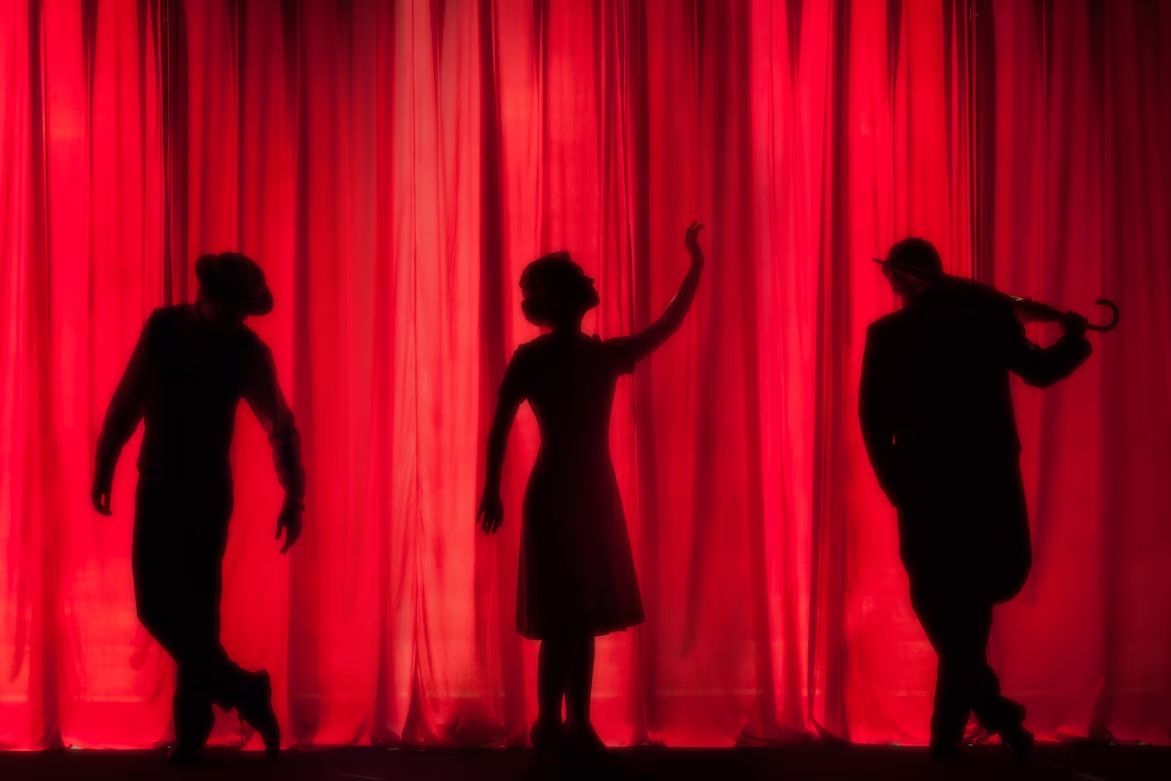
Image: Kyle Head

In 1866, a play called The Black Crook made history. After a fire destroyed another theater, producers combined a ballet and a melodrama , creating a six-hour spectacle of music, dancing, and over-the-top staging. It became a runaway success and is often called the very first Broadway musical.

5
What counts as "on Broadway"
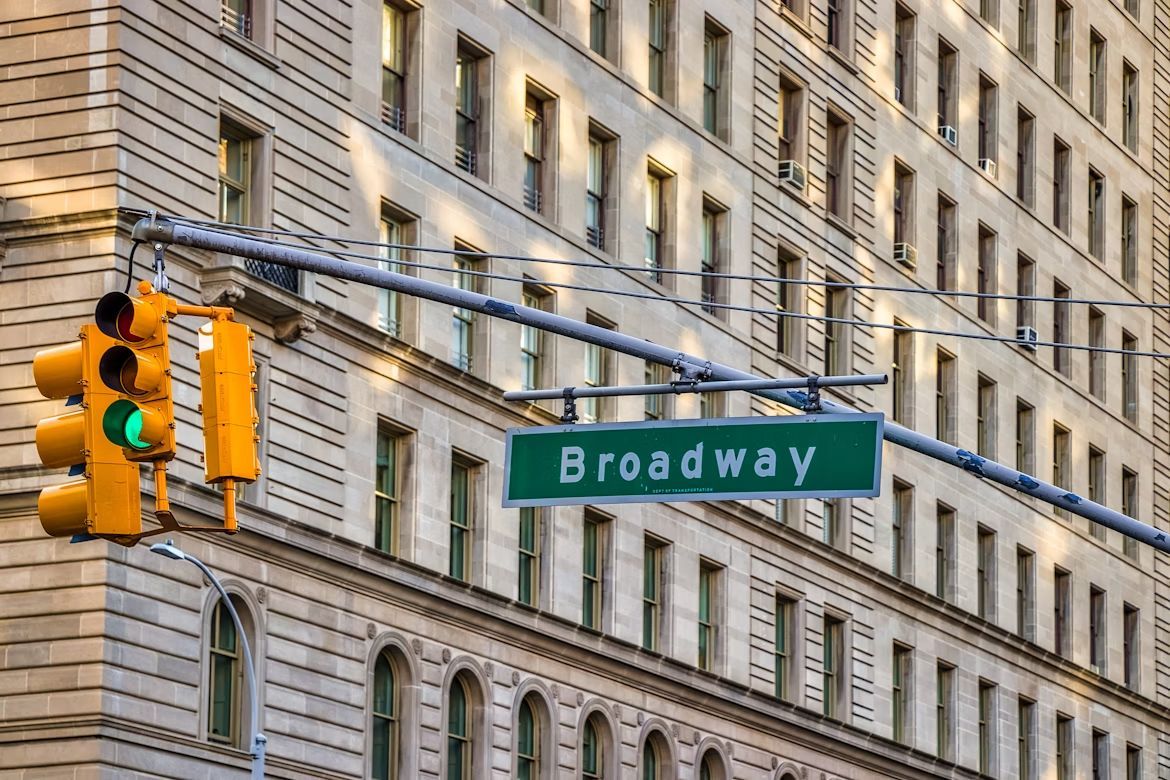
Image: Andreas M

People often think "on Broadway" just means any theater on that street, but it’s actually trickier than that . A show is considered Broadway if the theater has 500 or more seats and meets certain contract rules. Only a handful of actual Broadway theaters are physically on Broadway itself, which can be confusing for first-time visitors.

6
Phantom holds the record
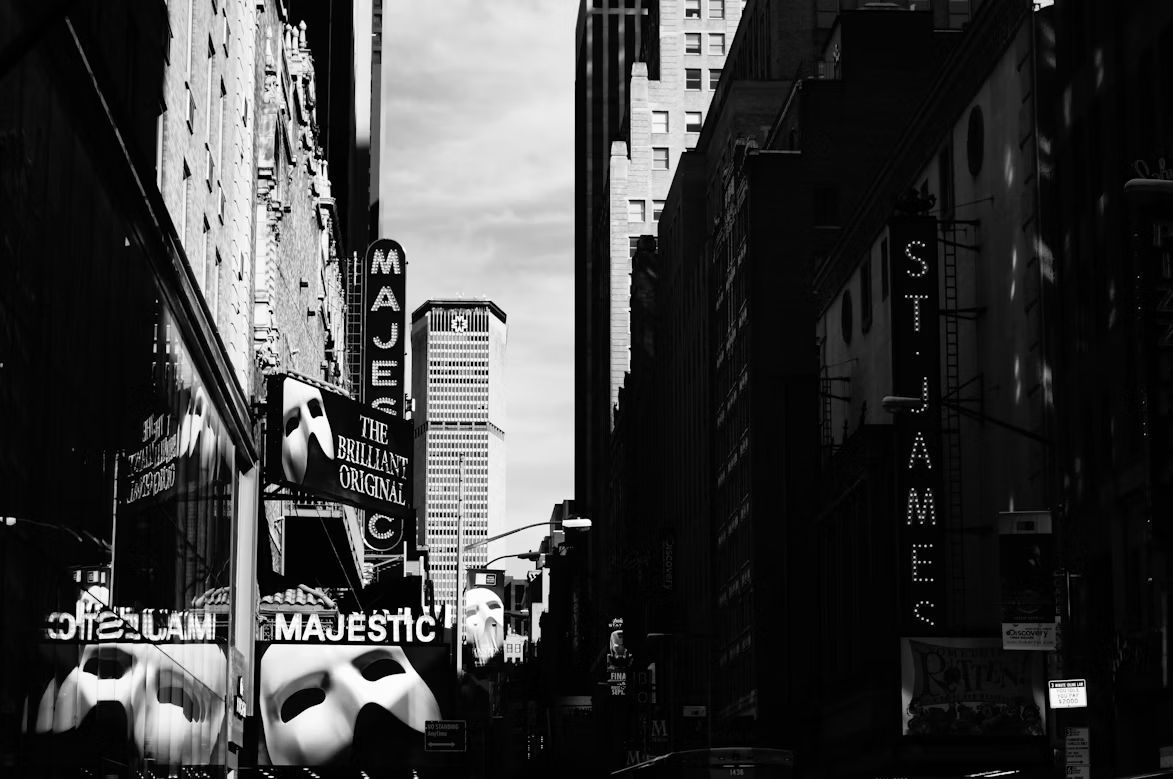
Image: Rodrigo dos Santos

Andrew Lloyd Webber’s The Phantom of the Opera holds the crown as Broadway’s longest-running show. With more than 13,000 performances , it kept audiences hooked for decades. Some orchestra members even played the same music eight times a week for years, perfecting their own unique coping routines. Can you imagine doing that?

7
Cats and its mountain of yak hair

Image: Roman Suslov

During its long run, Cats became famous for something other than the catchy songs. The costume crew went through over 3,200 pounds of yak hair for wigs alone . It certainly paid off, as the play also became one of the biggest shows in Broadway’s history. Talk about commitment to authenticity.

8
The Lion King roars the loudest at the box office

Image: Iván Díaz

Since its 1997 debut, The Lion King has been Broadway’s biggest earner , pulling in over a billion dollars in ticket sales. With its breathtaking puppetry and Elton John’s music, it managed to win over both theatergoers and families who grew up with the movie.

9
Carrie, the musical failure
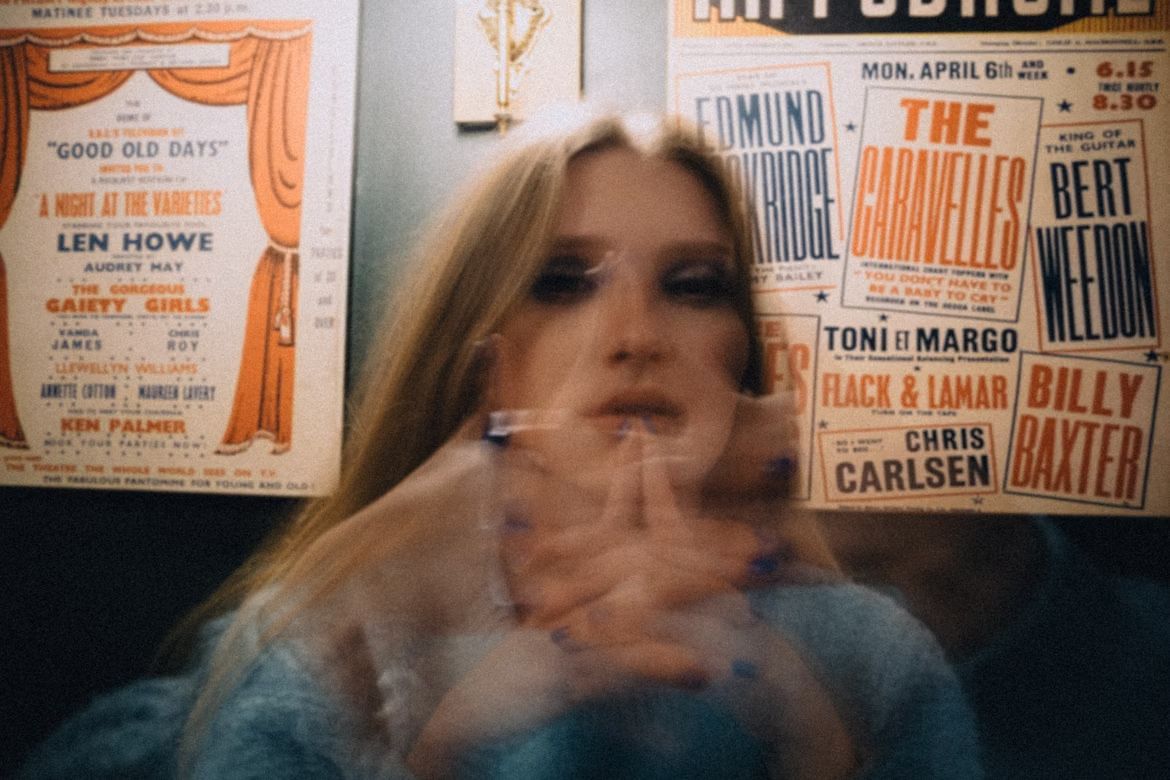
Image: Samuel Regan-Asante

Even if we’ve mentioned the greatest on Broadway, we must say not every show becomes a hit . In 1988, Broadway tried to turn Stephen King’s horror novel Carrie into a musical. Let’s just say it didn’t land, and if you’ve read the book, you can imagine why. Critics compared it to disasters of epic scale, and it closed after only five performances. One thing is for sure: Even the flops are big on Broadway.

10
Chicago’s real inspirations
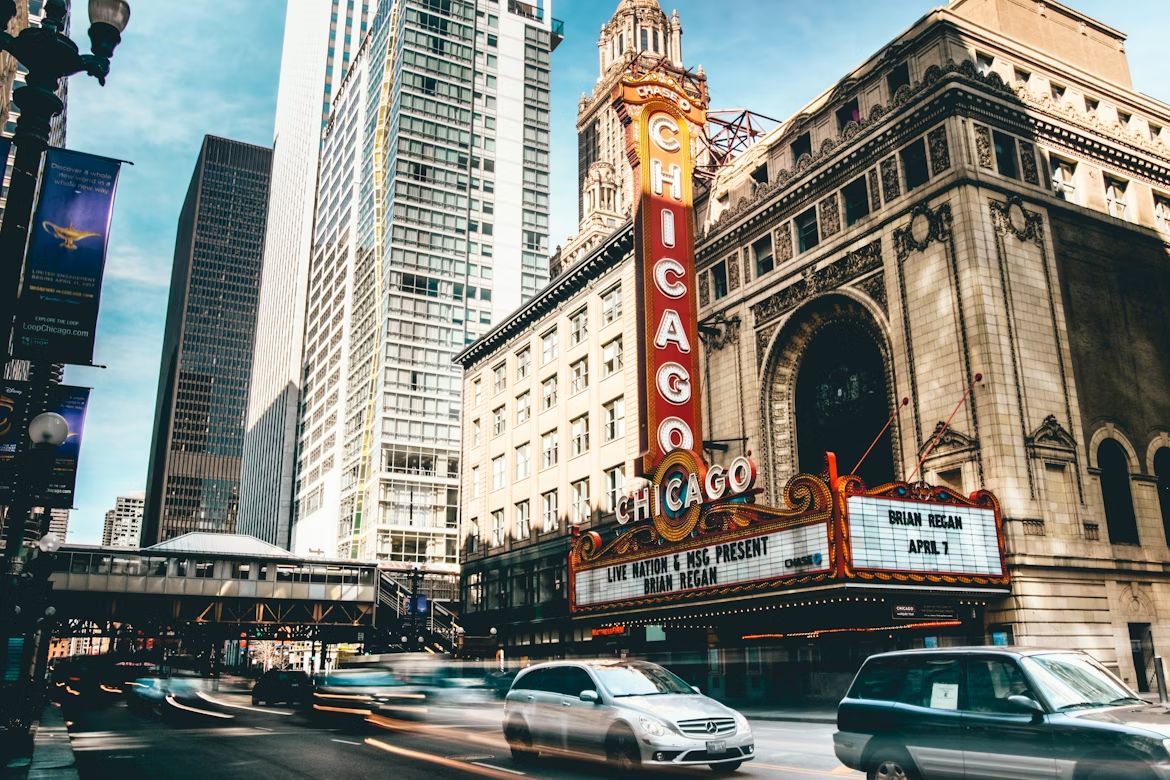
Image: Sawyer Bengtson

The hit musical Chicago may feel like pure entertainment, but its leading ladies were inspired by real 1920s women accused of murder. Beulah Annan and Belva Gaertner were both acquitted after trials that captured the public’s imagination. Their stories of crime, fame, and scandal became the backbone of the show.

11
Why theaters skip row I
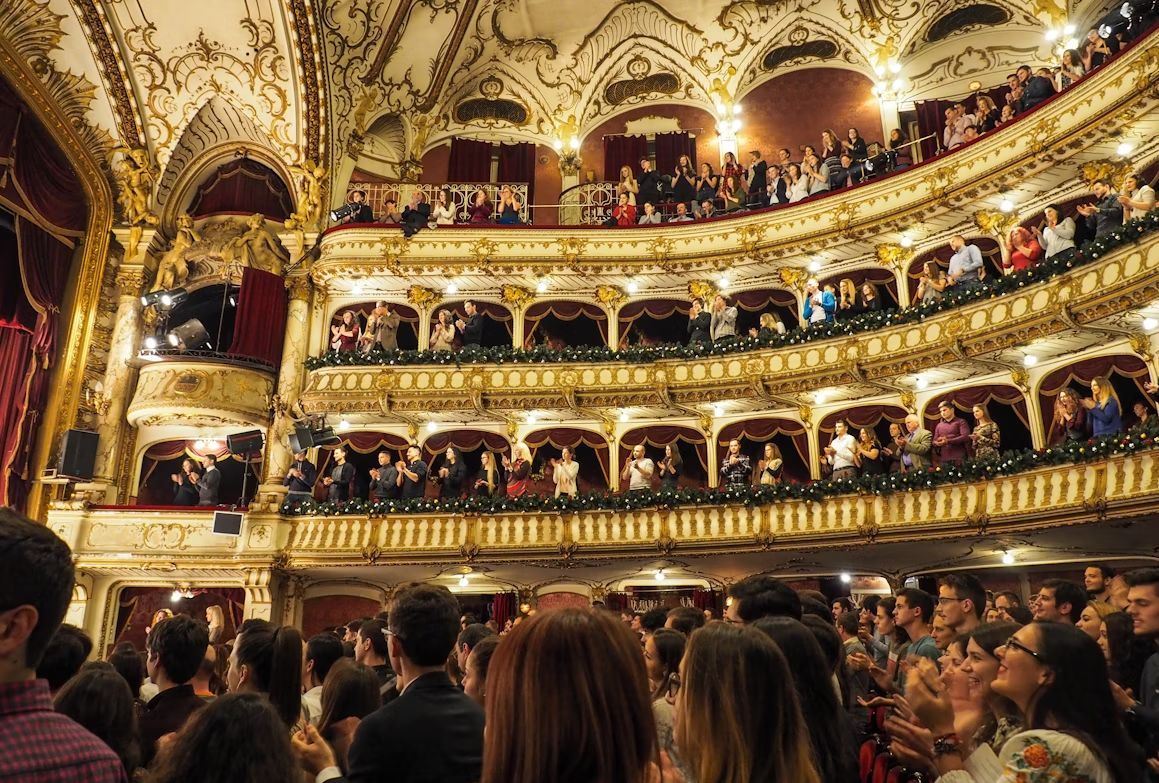
Image: Vlah Dumitru

Maybe you’ve never noticed, but many theaters go from row H to J, and that’s not because of superstition. The reason is that the letter I looks too much like the number 1 , which can make ticketing confusing in dimly lit theaters. Some places also skip O or Q for similar reasons. It’s all about keeping the seating simple for audiences. Do you agree with this policy?

General General 6 min read

Happiness in a bowl

What’s your favorite cereal? The top 10 most popular brands in America

Image: DS stories

On any given day, one out of every two Americans starts his or her morning with a bowl of cereal. Altogether, Americans consume roughly 2.7 billion boxes every year. Although the story of cereal began around 10,000 years ago with the advent of agriculture, cold breakfast cereals are a more recent and decidedly American development that quickly expanded to the rest of the world. Whether you prefer Corn Flakes or Froot Loops over Cheerios and Lucky Charms, you'll likely find your favorite cereal in this article. Join us as we look back on 10 of America's most popular breakfast brands!

1
Corn Flakes

Image: Sten Ritterfeld

Who hasn't started their day with a bowl of Corn Flakes at least once? While Corn Flakes weren't exactly the first packaged cold cereal product sold in America, they are undoubtedly the most iconic. As early as 1902, William Keith Kellogg began mass production of his first cereal after proving its efficacy and popularity with patients at the Battle Creek Sanitarium, where he worked alongside his prestigious doctor brother.

The Kellogg brothers were focused on offering a healthier alternative to the traditional pork-and-beef heavy English-style breakfasts that most Americans were eating at the end of the 19th century. Therefore, they developed a process that allowed them to transform thin slices of cereal into small toasted flakes of wheat or corn. Since then, Corn Flakes, combined with fresh milk, have been one of the most popular breakfasts among Americans, young and old.

2
Cheerios

Image: Deena Englard

Did you know that a one-ounce serving of Cheerios contains nearly 250 individual "O's."? Crazy, right? Introduced in 1941 by the American company General Mills, Cheerios is one of the first oat-based ready-to-eat cereals and remains one of the most widely consumed in the United States.

Back in the 1930s, General Mills engineers tested more than 500 formulas and experimented with 10 different shapes and sizes before perfecting the now-iconic "O." They finally came up with the delicious cereal that offers the nutrients of 4 cereals: oats, corn, wheat, and rice. Today, there are about 20 different flavors of Cheerios available in the U.S., including Honey Nut, Chocolate, and Apple Cinnamon. Which one is your favorite?

3
Rice Krispies

Image: Lisa Fotios

Kellogg’s is one of the most influential breakfast cereal companies in the United States and the world, and we have them to thank not only for Corn Flakes but also for our beloved Rice Krispies. This breakfast cereal made from crispy rice first appeared on the shelves in 1928. It was revolutionary at the time because the company used a new patented process called "oven-popping" to manufacture them.

Rice Krispies’ success may have been due to its claim that the cereal would remain floating even after 2 hours in milk. The brand's classic slogan honoring this unique quality—"Snap! Crackle! Pop!"—was introduced around 1939 and is still used on packaging today. For decades, Rice Krispies has been one of the most popular cereals among consumers, so much so that even the Rolling Stones recorded a short song for a television commercial promoting the brand in 1964. Do you remember the catchy tune?

4
Cap'n Crunch

Image: Samantha Gades

Cap'n Crunch cereal, a combination of corn and oats, was developed in the early 1960s by Pamela Low, a flavorist who was inspired by a brown sugar and buttered rice recipe from her grandmother. Since its debut, additional flavors have been introduced, including Berries, Peanut Butter, and Chocolate.

But did you know that Cap'n Crunch’s full name is Horatio Magellan Crunch ? The iconic cartoon mascot was developed for the Quaker Oats Company by Allan Burns, a screenwriter and television producer who later co-created popular shows like The Munsters and The Mary Tyler Moore Show . Since its introduction in 1963, the late 18th-century naval captain, born on Crunch Island—a magical land in the Sea of Milk—has won the hearts (and bowls) of countless consumers across America.

5
Trix

Image: Sascha Bosshard

General Mills introduced Trix in 1954 as the first fruit-flavored cereal. Initially, it wasn’t marketed exclusively for kids, but because of the bright colors, it soon became a favorite among the little ones. When Trix was first launched, it featured round cereal balls in three flavors: "Raspberry Red," "Orange Orange," and "Lemony Yellow." It wasn't until 1991 that Trix became the first fruit-shaped breakfast cereal.

But as with other brands on this list, Trix is best remembered for its mascot rather than the cereal itself. In fact, the Trix Rabbit is one of the single longest-running ad campaigns in television history. Since the 1960s, the brand has kept the same character, the same slogan—"Trix are for kids!"—and the same storyline: the rabbit’s endlessly thwarted attempts to steal a box of cereal.

6
Frosted Flakes

Image: Engin Akyurt

If we talk about the sweetest cereals on the market, we cannot fail to mention Frosted Flakes. The concept and technology of a "frosted" cereal was developed in 1939 by Jim Rex, a salesman from Philadelphia who unfortunately didn’t have much success with his product Ranger Joe Wheat Honnies. The idea, though, was soon adopted by the breakfast cereal industry, and by 1952, Kellogg introduced Sugar Frosted Flakes to its lineup.

That same year, Kellogg launched a campaign featuring Tony the Tiger, Frosted Flakes’ famous mascot, who proudly declared, "Sugar Frosted Flakes are Grrr-reat! The slogan and the character became so popular in the United States that it's probably more quintessential than the cereal itself.

7
Lucky Charms

Image: Céline Druguet

The mini marshmallows found in Lucky Charms, whose technical and copyrighted name is Marbits , were invented, along with the cereal, by General Mills product developer John Holahan in 1963. One morning, he cut up a few orange marshmallow Circus Peanuts, mixed them into a bowl of Cheerios, and was delighted with the result. The rest, as they say, is history.

Lucky Charms is inspired by Irish culture. Its mascot, Lucky the Leprechaun debuted on St. Patrick's Day in 1964. The successful combination of this endearing character, delicious shaped oat pieces, and colorful little marshmallows was quickly embraced by children around the world. Tasty, crunchy, and fun, this cereal has undeniably revolutionized American breakfasts forever.

8
Froot Loops

Image: Yusuf Timur Çelik

Toucan Sam has been a part of our lives for more than 60 years now. Kellogg’s iconic mascot—a blue, anthropomorphic toucan with the ability to smell Froot Loops from great distances—was introduced alongside the O-shaped cereal in 1963.

Froot Loops were developed after Kellogg attempted to displace General Mills' Cheerios from the market. The idea of introducing fruity flavors proved to be a success, even though, years later, the company admitted that the different colors did not correspond to unique fruit flavors. In recent years, Froot Loops have faced criticism for their use of artificial colorings and high sugar content. Yet, they still have plenty of fans and they remain one of the best-selling cereal brands in America.

9
Cinnamon Toast Crunch

Image: Francisco Jacquier

Another popular breakfast cereal created by General Mills is Cinnamon Toast Crunch. In fact, the company sells over 100 million boxes a year of this brand alone, putting it just behind Cheerios and Frosted Flakes in sales. How about you—do you have a box of Cinnamon Toast Crunch waiting in your pantry?

These delicious little squares of whole wheat and rice, topped with cinnamon and sugar, were first launched in 1984 and were an instant hit. And it makes sense, given that, in a way, they were invented by a child. Cinnamon Toast Crunch was developed by General Mills scientists and product managers after an unnamed child suggested the idea of a cinnamon toast-flavored cereal during a radio contest. Since then, it has remained one of America's favorite cereals and we don't expect its popularity to wane any time soon.

10
Life

Image: Binyamin Mellish

More than 60 years after its creation, Life remains one of the top 10 best-selling cereal brands in the United States. Introduced on the market in 1961 by the Quaker Oats Company under the slogan "The most useful protein ever in a ready-to-eat cereal," Life is a multigrain cereal enjoyed by millions of family households across the country.

Like its competitor Trix, Life has also made history in marketing and advertising. A famous Life commercial featuring Little Mikey, a hard-to-please four-year-old boy, aired nationally from 1972 to 1984, making it the longest-running commercial in television history . Have you seen it? We bet you have!

Culture Culture 5 min read

HOLLYWOOD REGRETS

What If: 10 Actors Who Turned Down Big Roles

Image: Shlag / Kal Visuals

Forrest Gump played by an actor other than Tom Hanks? What would "Gone with the Wind" be like with Cary Grant in the lead role? Or the blockbuster "Titanic" without Kate Winslet as Rose? Characters become classics mostly thanks to the actors who bring them to life. Hollywood history is full of examples in which incredibly famous characters came close to being played by someone else . In this article, we present 10 stars who, for various reasons, dropped iconic roles that ended up being played by other actors who knew exactly how to make the most of them.

1
Sean Connery, The Lord of the Rings

Image: Thomas Schweighofer

One of the actors who has turned down the most iconic roles in cinema history is probably Sean Connery. For example, he passed on to interpret the evil cannibal in "The Silence of the Lambs", which later earned Sir Anthony Hopkins an Academy Award for Best Actor.

But perhaps the most curious decision of his career was to refuse the role of Gandalf in the 2001 adaptation of "The Lord of the Rings". The producers went so far as to offer him up to ten million dollars and 15% of the film's profits, which would have amounted to around 400 million dollars. Years later the actor declared that he didn’t understand the script and that he didn’t find Tolkien's work attractive enough. Go figure!

2
Gwyneth Paltrow, Titanic

Image: David_Do

More than 25 years after its premiere, we can’t imagine any actress other than Kate Winslet playing the young socialite Rose Bukater in Titanic . However, the director's first choice for the role was American actress Gwyneth Paltrow . After reading the text, Paltrow told her agents that she found the story too corny and ended up turning down the role.

James Cameron's film was a box-office success and Winslet was nominated for an Oscar for her work . But there was another plot twist: a year later, in 1988, the British actress turned down the "Shakespeare in Love" project for which Paltrow won the golden statuette.

3
Al Pacino, Star Wars

Image: Saksham Gangwar

Al Pacino, who starred in great films such as "The Godfather" and "Scent of a Woman", admitted that he was offered the role of Han Solo in "Star Wars", but didn’t accept it because he didn’t understand George Lucas' script .

Recently, he said at an event: "They offered me so much money. I don't understand it.... So I said I couldn't do it. I gave Harrison Ford a career." Truth be told, other actors like Christopher Walken didn't trust the project either . Perhaps in the mid-1970s, no one could have imagined that this fantasy saga would become a multi-million franchise still widely revered by audiences to this day.

4
Marilyn Monroe, Breakfast at Tiffany’s

Image: pure julia

Starring an iconic Audrey Hepburn, "Breakfast at Tiffany’s" was released in 1961. That role marked a turning point in Hepburn’s career, consolidating her as a serious actress. However, Truman Capote, author of the original novel, was totally against her being the protagonist .

Apparently, he wrote the story with Marilyn Monroe as the carefree Holly Golightly in mind . As it turns out, Monroe's acting coach rejected the idea because she didn't want the actress to play "a lady of the night." Capote was never happy with the result and even said, "It is the most miscast film I've ever seen. It made me want to throw up."

5
Gary Cooper, Gone with the Wind

Image: Ian Wagg

Producer David O. Selznick's first choice for the role of Rhett Butler in "Gone With the Wind" was the great Gary Cooper. However, the actor from "The Virginian" didn't want it, and he showed it quite strongly. Cooper reportedly predicted that the film would be the biggest flop in Hollywood history . He allegedly said, "I'm just glad it'll be Clark Gable who's falling on his face and not Gary Cooper."

Of course, he couldn't have been more wrong. Not only is the film considered one of cinema's greatest masterpieces, but it also earned Clark Gable an Oscar nomination for Best Actor and made him one of the most iconic actors of the 20th century. Did Cooper regret it later?

6
Kim Basinger, Basic Instinct

Image: Vlad Deep

Sharon Stone's name will always be associated with the thriller "Basic Instinct" and that famous leg-crossing scene. Although it was the role that made her famous, she got it because other actresses such as Julia Roberts, Michelle Pfeiffer, Geena Davis, Kathleen Turner, and Meg Ryan had previously rejected it.

In the beginning, the film's leading man, Michael Douglas, had recommended Kim Basinger , who had already starred in the erotic romantic drama "9½ Weeks" in 1986. However, Basinger considered Paul Verhoeven's film too extreme for her and chose not to do it. In the end, "Basic Instinct" was one of the highest-grossing films of 1992, although not without controversy.

7
John Travolta, Forrest Gump

Image: Yosuke Ota

The producers' first choice to play the lead role in "Forrest Gump" was John Travolta . The "Grease" and "Saturday Night Fever" actor turned down the role that would later earn Tom Hanks his second Academy Award.

With hindsight, however, we know that Travolta did the right thing . Besides the fact that we couldn't imagine anyone else playing the tender, naïve Forrest, Travolta said no because he had another project in the works. That other film ended up giving him the best character of his entire career: Vince Vega in Pulp Fiction —probably also Quentin Tarantino's best film.

8
Molly Ringwald, Pretty Woman

Image: Look Studio

Vivian Ward's character in "Pretty Woman", which made Julia Roberts a star and for which she won a Golden Globe, had been previously offered to Molly Ringwald . At just twenty years old, Ringwald was already an icon and a reference for the girls of her generation and one of the most sought-after and best-positioned actresses in Hollywood. However, she decided to turn down the offer and go to Paris.

Around that time, she also didn't land roles in "The Silence of the Lambs" and "Working Girl". Those decisions cost her dearly and although she tried to resume her career in the United States years later, it was not easy for her to regain the star status she had had during the 80s.

9
Leonardo DiCaprio, Boogie Nights

Image: Regina Valetova

Leonardo DiCaprio as charismatic porn star Dirk Diggler? Believe it or not, it could have happened. However, at the time DiCaprio felt that director Paul Thomas Anderson didn't have much experience and turned down the lead role in "Boogie Nights" to make "Titanic".

Years later, Di Caprio said in an interview that the 1997 period drama was a film he would have loved to make. "Boogie Nights" is certainly both an audience and critics favorite and the one that catapulted Mark Wahlberg to fame. But if Di Caprio hadn't starred in "Titanic", would he have the career he has today? Luckily, we'll never know!

10
Bette Midler, Sister Act

Image: cottonbro studio

The lead character in "Sister Act" had originally been written for Bette Midler . However, the actress, singer, and comedian was hesitant because she was worried that her fans would not want to see her play a nun.

Producers pestered her for several weeks but Midler felt she could wear anything but a nun's costume and ended up not accepting it. The job eventually went to Oscar winner Whoopi Goldberg who, due to the film's huge success, returned for a sequel in 1992.

Explore more American facts

Choose your favorite category!

General
General

As American as apple pie—the very best America has to offer!

Culture
Culture

Delve into the astounding richness of American lore.

Geography
Geography

Hop in and explore vast and diverse American landscapes.

History
History

Discover the key moments that shaped the United States.