Culture Culture 2 min read

Wild words

Hold your horses! 10 phrases born on the American frontier
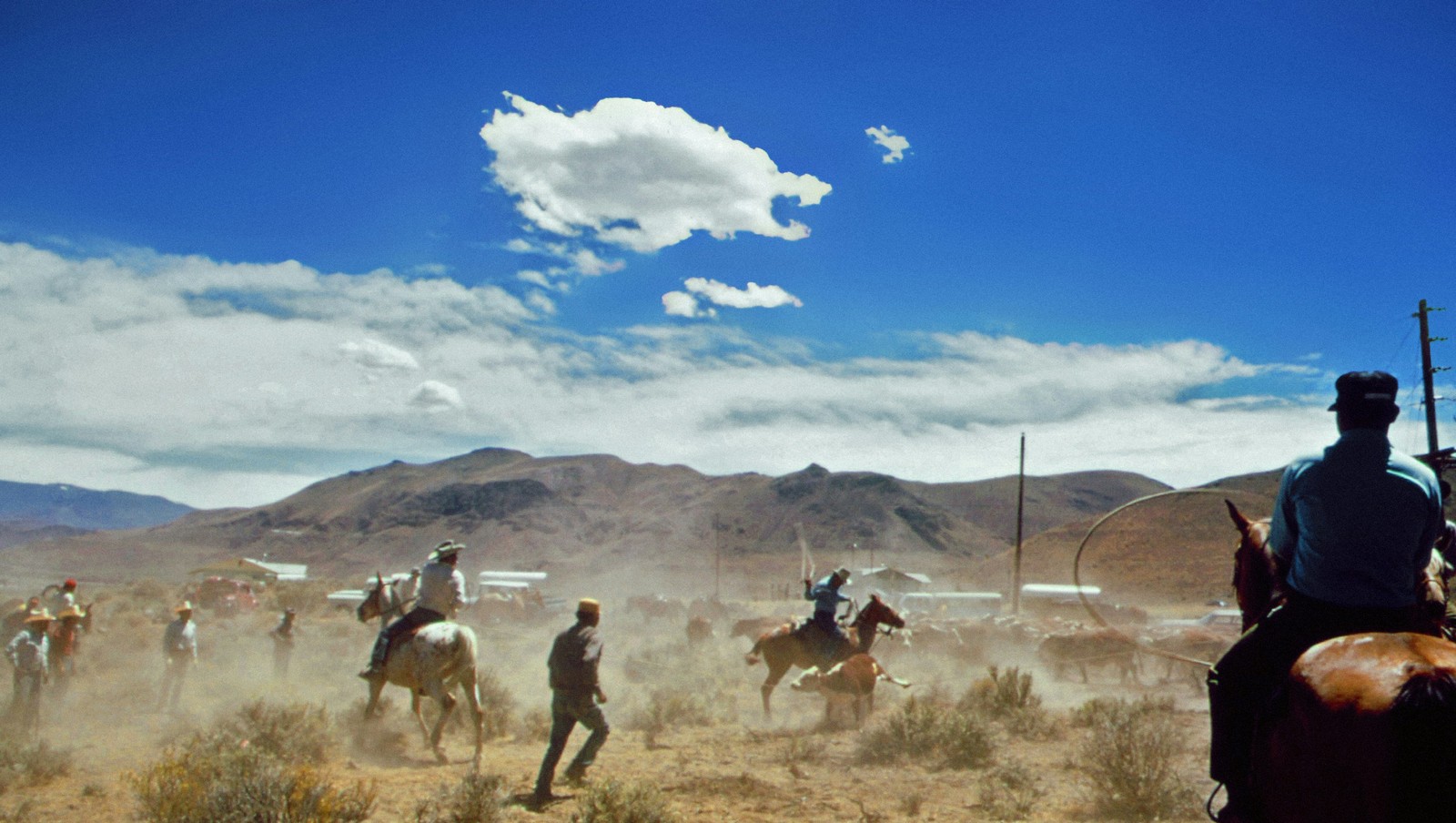
Image: Documerica

The American frontier shaped more than just maps—it shaped the way people talked. From cattle trails to mining camps, settlers coined many blunt and vivid expressions that have stuck. These everyday phrases still carry the grit of survival, the humor of hardship, and the improvisation of a world built fast. Here are 10 common sayings whose roots run straight into frontier soil.

1
Circle the wagons
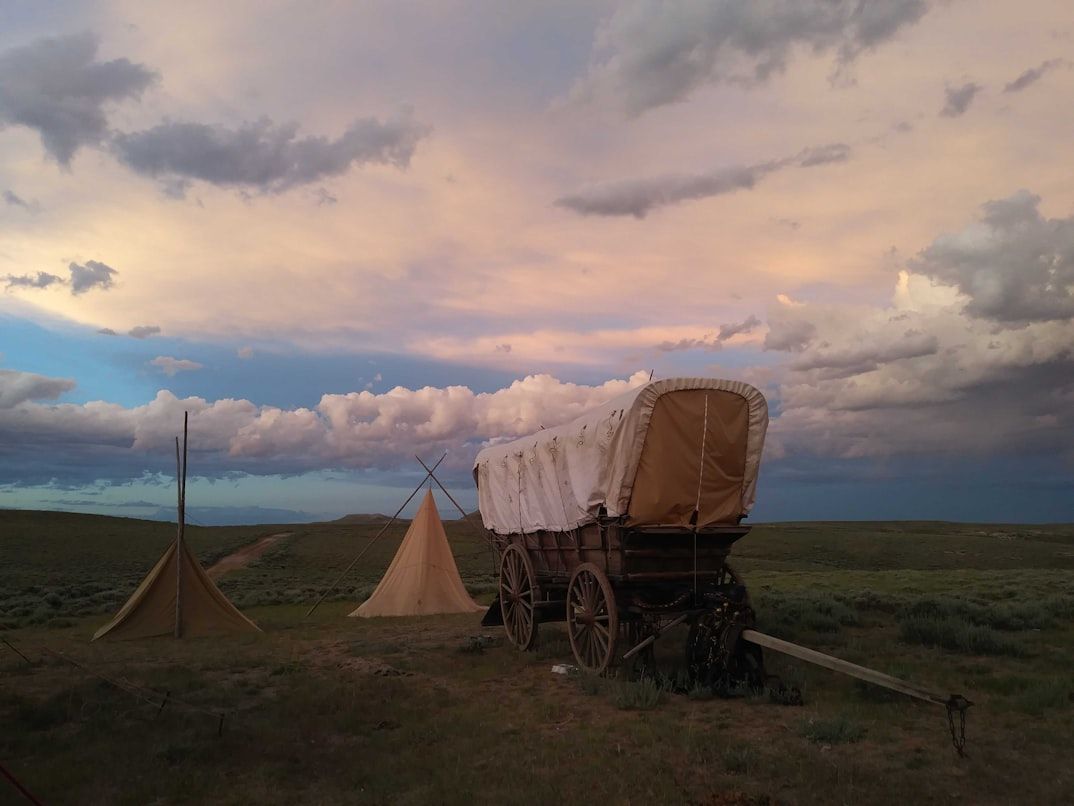
Image: Dana Davis

Pioneer wagon trains literally circled their wagons at night for protection.

Creating a closed ring helped shield families, livestock, and supplies from raids, wild animals, and harsh weather—and the formation later evolved into a metaphor for any type of unified, defensive action.

2
Hold your horses
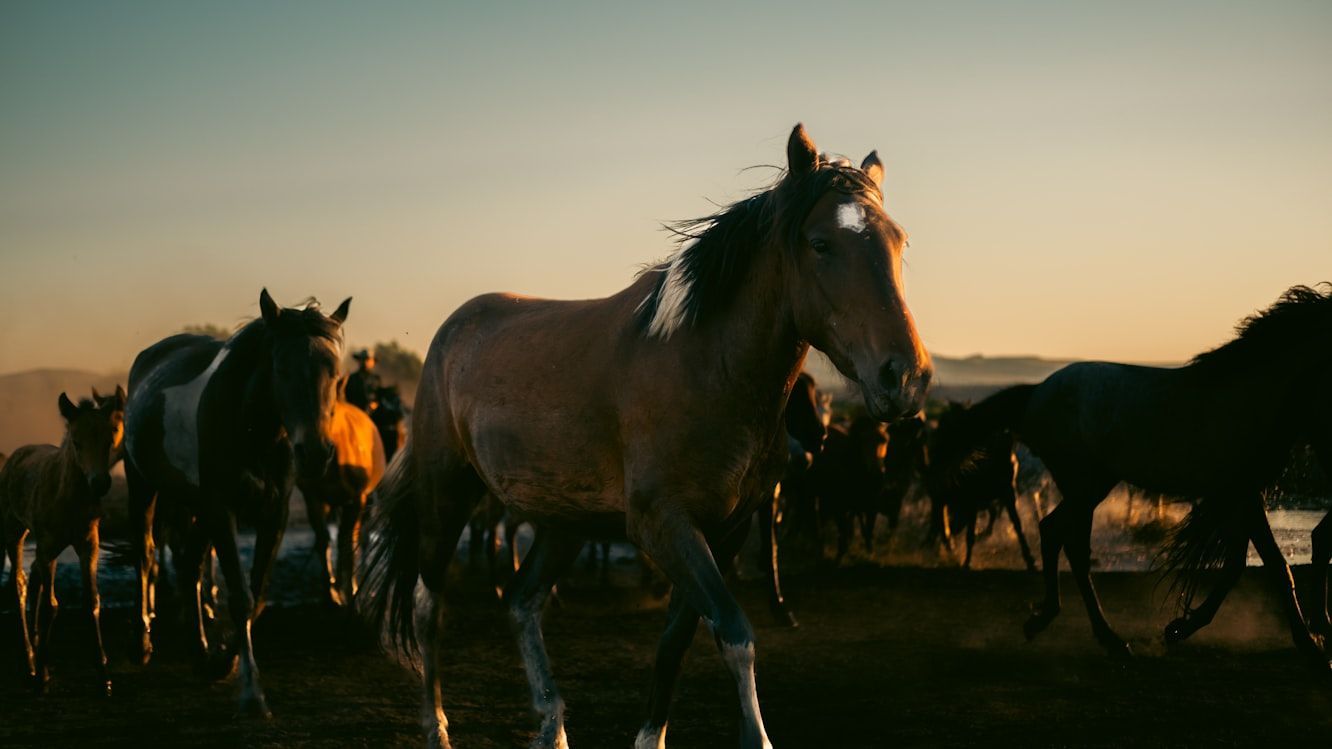
Image: Cemrecan Yurtman

Frontier riders needed to keep horses steady at all times, but particularly in chaotic and potentially dangerous settings like stage stops and river crossings.

By the mid-1800s, the phrase became a common command, later evolving into a figurative call for patience.

3
On the warpath
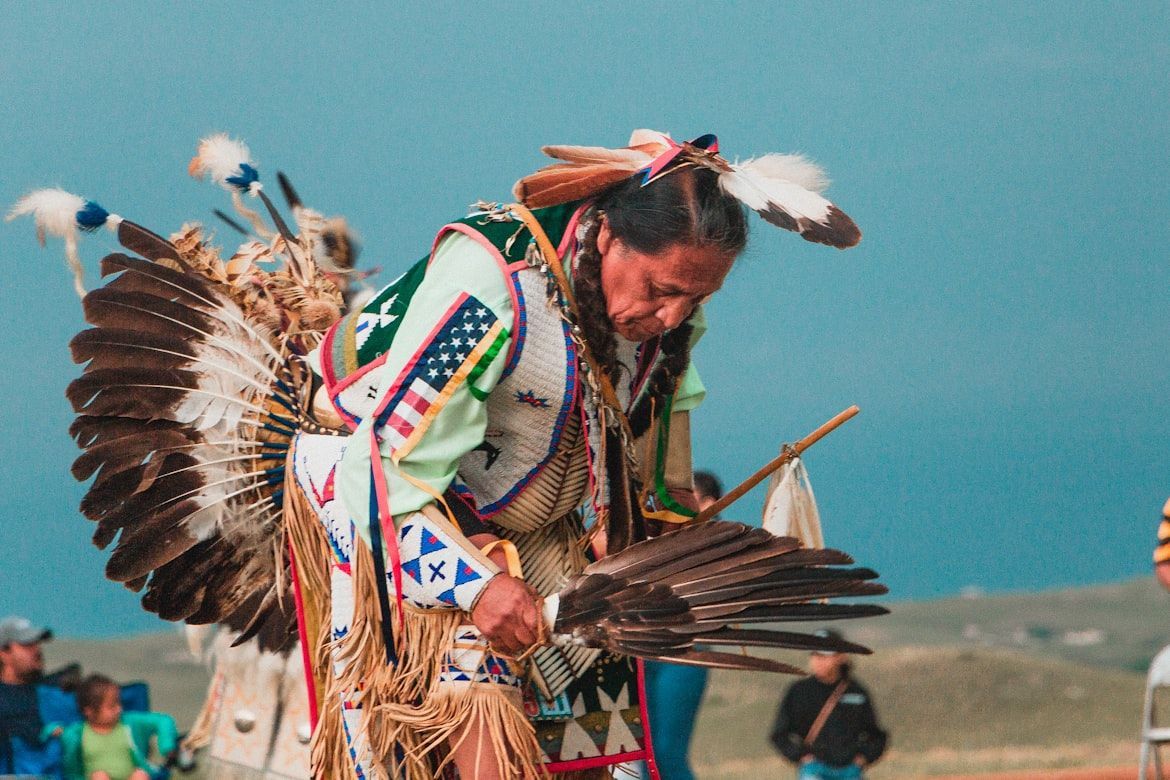
Image: Andrew James

This term originated as an English rendering of a Native American expression for wartime mobilization—specifically the route or course taken toward an impending conflict.

Euro-American settlers later adopted the phrase, and by the late 19th, century newspapers were using it metaphorically to describe anyone behaving aggressively or angrily.

4
Branding iron
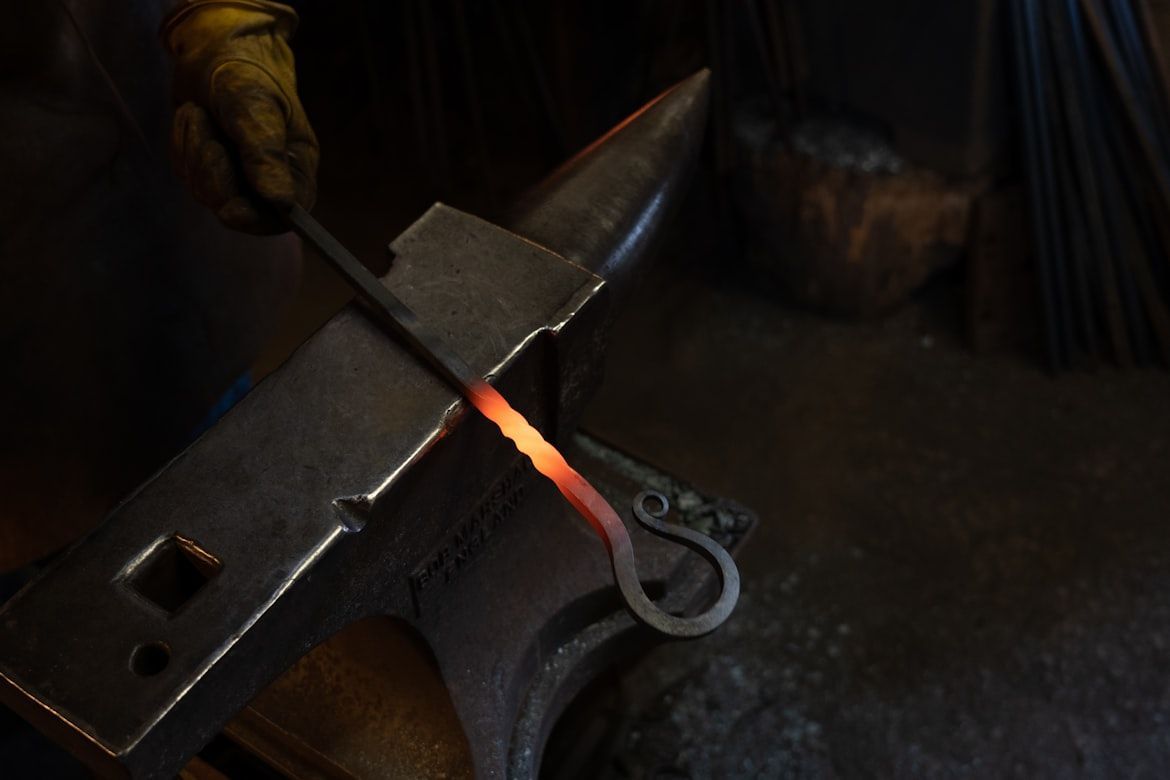
Image: Jonny Gios

Ever wonder where the term "brand name" comes from? Frontier ranchers used heated irons to mark ownership on their cattle.

The idea of a distinctive identifying mark later moved into the commercial world, where "brand name" came to signify a recognizable product or company identity.

5
Come hell or high water
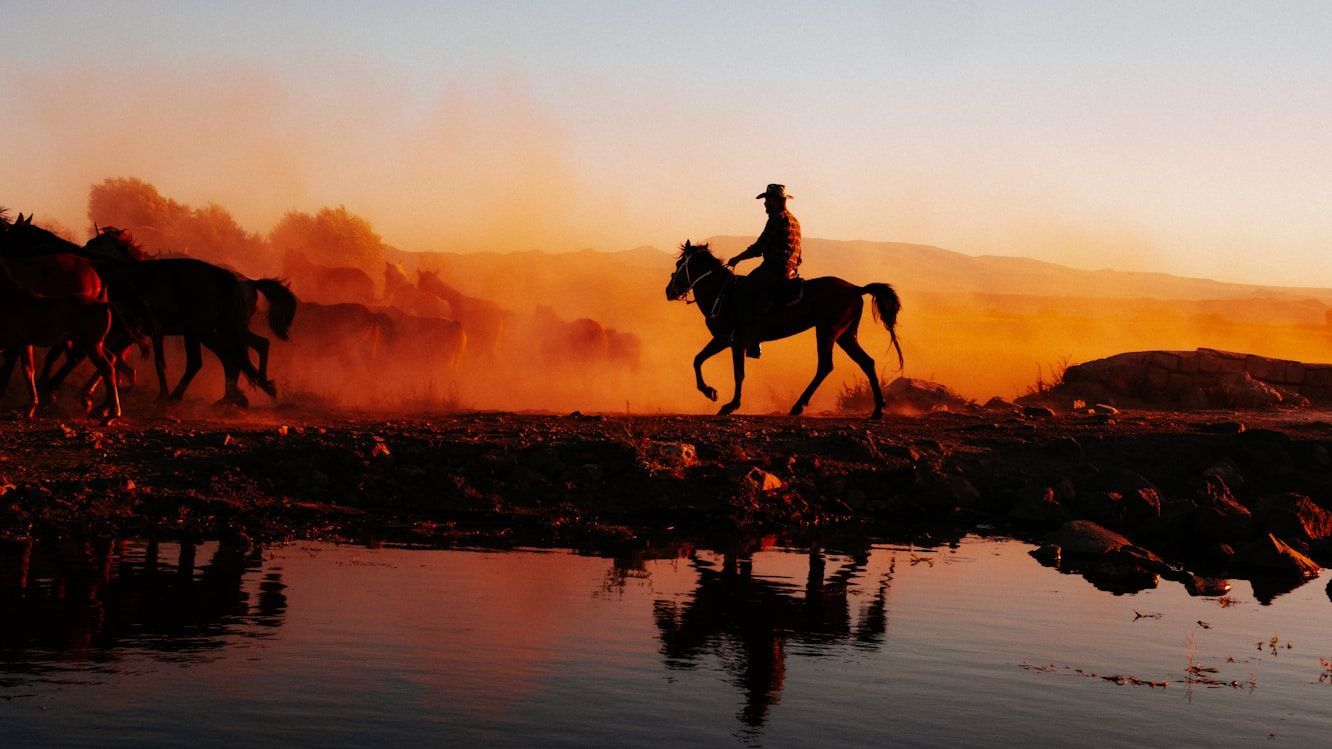
Image: Furkan Elveren

Ranchers driving cattle across rough terrain used this phrase to signal determination despite floods, storms, conflict, and whatever else the wild frontier could throw at them.

The earliest known printed use appears in an 1882 issue of The Burlington Weekly Hawk Eye, an Iowa newspaper. Railroads later adopted it in contracts requiring delivery despite natural obstacles.

6
Riding shotgun
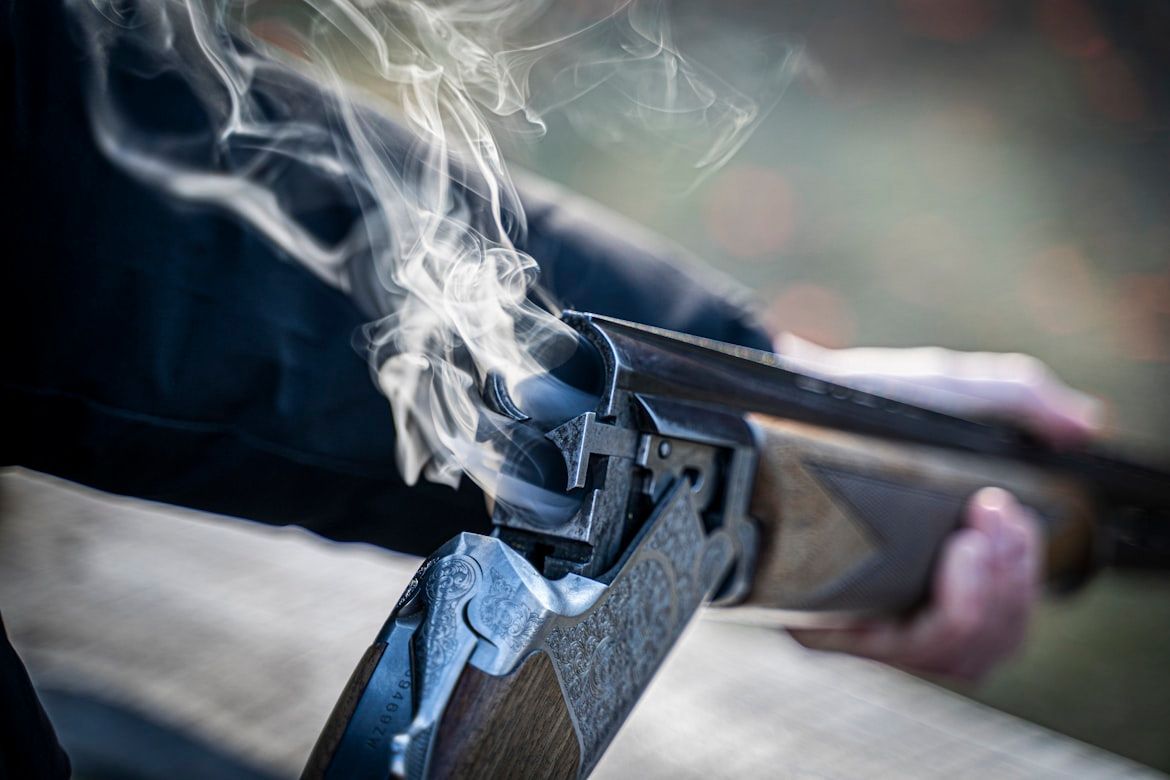
Image: Paul Einerhand

In Wyatt Earp’s era, the seat beside a stagecoach driver was reserved for an armed guard carrying a shotgun to deter bandits.

By the early 20th century, the job had vanished, but the expression endured as a casual claim for the front passenger seat.

7
Belly up to the bar
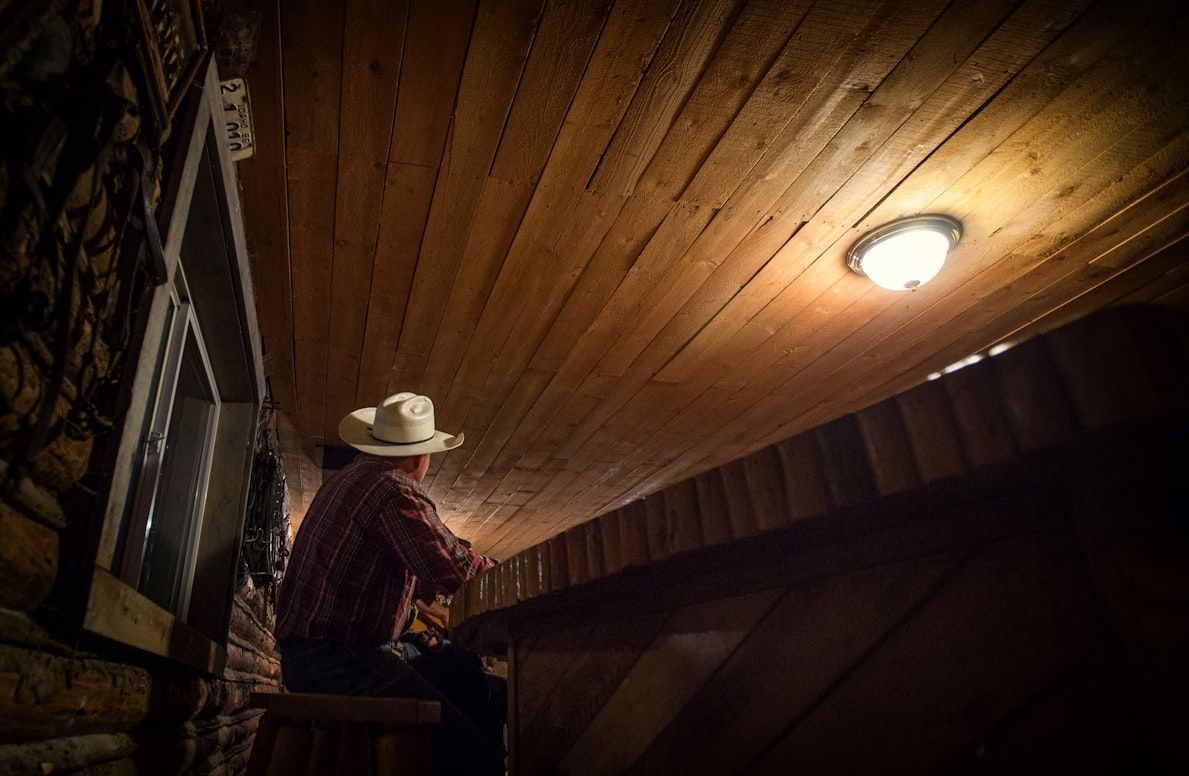
Image: Vidar Nordli-Mathisen

Saloon bars on the frontier often lacked stools, so patrons had to stand and lean their bellies directly against the counter.

The phrase soon came to mean approaching something boldly, whether at a bar or any other challenge.

8
Kick the bucket
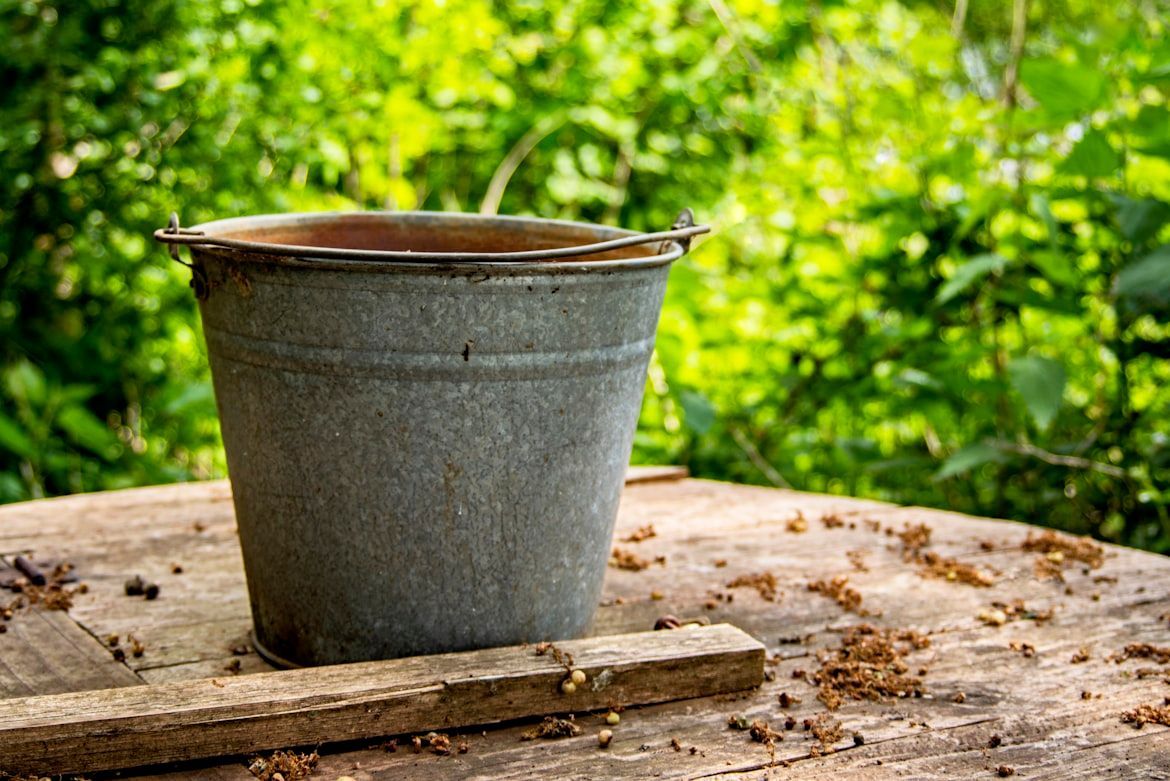
Image: Lucas van Oort

Rural butchers often suspended animals from a beam called a "bucket," and they sometimes kicked during slaughter.

The phrase was popular on farms and frontier towns, eventually becoming a euphemism for dying.

9
Dead ringer
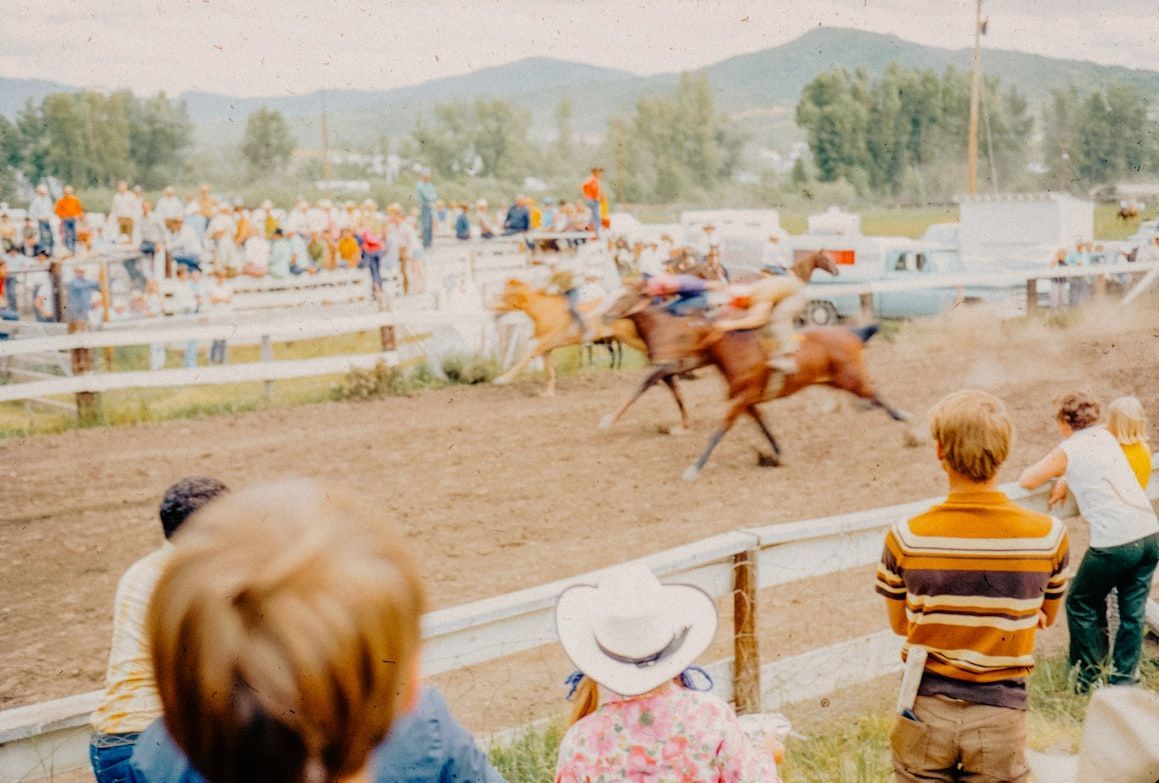
Image: Annie Spratt

Frontier horse racers engaged in plenty of shady practices—and one of the most common was substituting a horse with a look-alike, a "ringer," to scam bets.

When the substitute was an exceptionally close match, it was called a "dead ringer," emphasizing its perfect likeness.

10
High noon
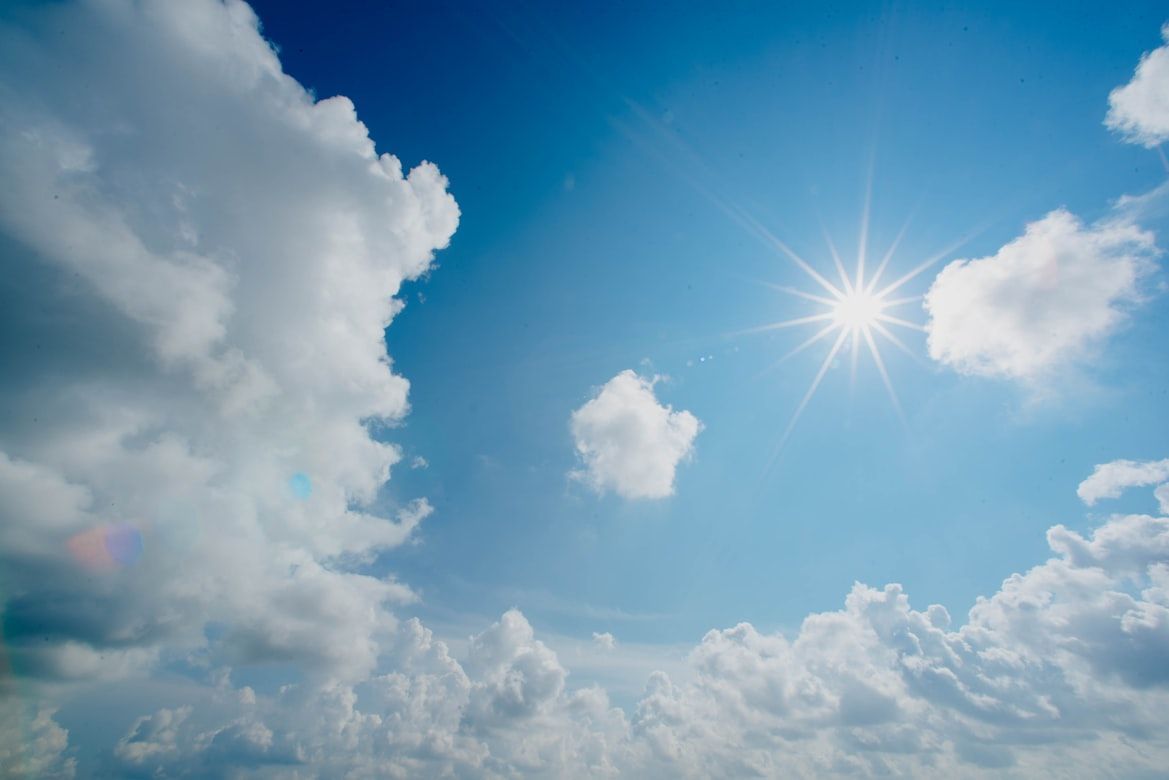
Image: CHUTTERSNAP

Before standardized clocks or reliable rail schedules, "high noon" was an easy way to tell time by noting the sun at its highest point.

It also became associated with showdowns and other events because midday offered the clearest visibility.

General General 4 min read

Behind the scenes

Can you really buy an Oscar for a dollar? Little-known facts about awards

Image: RDNE Stock project

America must really love handing out awards if we have a full season devoted to it. You’ve watched it on your TV a thousand times, but did you know the winners can sell their Oscars? And what about the fact that the Golden Globes are not actually a hundred percent gold? Here’s all we know about award season . Put that dress and suit on, and walk down the red carpet of our site to get all the details!

1
The Golden Globe: Lighter than it looks

Image: MUILLU

Despite its prestigious reputation, the Golden Globe is one of the lightest major awards, it weighs just 7.8 pounds. That’s about the same as a small bag of sugar. Not exactly a workout for the winners, right?

While it may not be as heavy as an Oscar or a SAG Award, it’s still one of the most recognizable trophies in Hollywood.

2
A golden glow-up in 2009

Image: Kier in Sight Archives

The Golden Globe has been around since 1944, but in 2009, the award got a makeover . Its base was updated and they reinforced the top for a more durable design.

The refresh made sure this little trophy could withstand the excitement (and maybe the occasional after-party mishap). The new design kept its classic golden charm while making it sturdier for future winners.

3
Golden Globe: What’s it made of?

Image: Zlaťáky.cz

Now, let’s talk materials: Did you think the Golden Globe is all gold? Not quite! Up to 2019, the trophy was coated in 24-carat gold , sitting on an exotic marble base. However, the new design is made of zinc, brass, and bronze. Goodbye, marble!

That mix of materials makes it both elegant and solid, though it’s still one of the lighter awards out there.

4
The SAG Award: Hollywood’s heaviest trophy

Image: Venti Views

If you’ve ever bowled a strike, you’ve lifted something as heavy as a SAG Award. This trophy called "The Actor" is the bulkiest of the bunch, with a hefty 12 pounds .

Contrary to Golden Globe winners, SAG Award winners need a little arm strength to hoist it up for their acceptance speeches. But hey, considering how much actors work out for movie roles, a little extra weight shouldn’t be a problem!

5
A trophy with a military past

Image: Scott Webb

The SAG Award isn’t just heavy, it’s made of solid bronze originally developed for the US Navy.

The same material used in World War II for ship propellers and shell casings is now used to honor Hollywood’s finest, how about that?

6
The SAG Award: The baby of the group

Image: Tim Wildsmith

Compared to other long-standing awards, The Actor is still the new kid on the awards block. The SAG Awards are only 30 years old , they are the youngest of the major Hollywood trophies.

However, they’ve quickly become one of the most respected honors in the industry. They acknowledge and reward actors and crews from TV shows and they are highly valued among artists.

7
The Grammy’s original name: The Eddie?

Image: Clem Onojeghuo

The Grammy Award almost had a very different name. Originally, the National Academy of Recording Arts and Sciences considered calling it "The Eddie," after Thomas Edison, the inventor of the phonograph.

That’s clever, but eventually, they settled on "Grammy," inspired by the gramophone, an early record player.

8
Handcrafted with care in Colorado

Image: Randy Fath

Unlike mass-produced trophies, each Grammy is handmade by John Billings and his small team in Ridgeway, Colorado.

It takes 15 hours to craft just one , making each award a true work of art. With only a few people in charge of making them, and only a few people in the world who can win it, there’s a special touch to every trophy.

9
Why the Grammys use fake trophies on stage

Image: Markus Spiske

Ever noticed how winners don’t immediately have their names on their Grammy Awards? That’s because they’re handed blank fake trophies during the ceremony!

After the show, Billings’ wife, Robin Meiklejohn, carefully engraves the real nameplates . That way, winners get their correctly labeled awards without any last-minute surprises. We bet you’ll be double-checking next time you watch it!

10
Oscar nameplates: Everyone gets one, just in case

Image: Serge Le Strat

Unlike the Grammy Awards, where nameplates are engraved after the winners are announced, the Academy Awards prepare nameplates for every nominee ahead of time. That means each nominee’s name is already printed and waiting backstage, ready to be attached. The losers’ nameplates? Well, let’s just say they don’t make it onto the trophies

11
The Oscar: More gold than any other award

Image: Samuel Ramos

Hollywood’s most coveted trophy isn’t just tall, it’s loaded with gold . The Academy Award has more gold than any other major trophy. So, to keep it shiny, the polishing work will require a little time!

It takes an hour of careful work to make sure each Oscar gleams on awards night. Because let’s face it, under those bright Hollywood lights, who wants a dull statue?

12
What’s with the Oscar’s base?

Image: Carol Highsmith's America

Have you ever wondered why the Oscar statue has a unique look? The base is designed as a five-section film reel , representing the Academy’s five core branches: actors, writers, directors, producers, and technicians.

It’s a nod to the many different talents that make a great film possible. A meaningful detail on Hollywood’s biggest prize, don’t you think?

13
Why you can’t sell an Oscar for more than $1

Image: Ilya Chunin

Think an Oscar could get one a fortune? Think again! Since 1950, every Oscar winner must agree to offer the trophy back to the Academy for just $1 before selling it.

This rule prevents an underground market for Hollywood’s highest honor, naturally. So if you’re dreaming of buying one, you might need to win it the old-fashioned way: By making a great movie!

14
Why is it called "Oscar"?

Image: Mirko Fabian

The name "Oscar" has a fun origin story. Legend has it that Margaret Herrick, a former Academy librarian, thought the statue looked like her Uncle Oscar , and the name just stuck! Maybe that’s not the real story, but it’s certainly better than calling it "The Academy Award of Merit."

General General 5 min read

From coast to coast

You probably haven't heard of these 10 fascinating facts about America!

The United States is one of the largest, most famous, and most diverse countries in the world. But beyond the well-known facts and features of America, there are many surprising details that even some of us may not know. If you want to learn interesting things, such as the number of versions of the American flag, which famous landmark has a controversial addition, or which state has the fastest-speaking population, keep reading! Today, we're discovering 10 fun facts about our country that you may have never heard before.

1
World's largest office building

Image: Clem Onojeghuo

Among its many record-breaking achievements, America has one lesser-known record that also deserves attention.

Our country is home to the largest office building in the world. Want to know which one? The world's largest office building by floor area is the United States Department of Defense, also known as the Pentagon.

Ok, but how big is it? Located in Arlington, Virginia, and famous not only for its size but also for its distinctive five-sided design, the building has a total floor area of approximately 6.5 million square feet.

2
People in New York

Image: Nicolai Berntsen

We all know that New York City is packed with people. In fact, it's the most populous city in our country. But how many live there?

As of 2024, around 8.8 million people call NYC their home. That's a huge number on its own, but it might be even more impressive when you consider that NYC's population surpasses that of 40 US states, including Montana, New Hampshire, and Mississippi, to name a few. In other words, NYC has more residents than each of those 40 states individually.

After all, New York City is famously known as "the city that never sleeps" for a reason!

3
Many versions of the flag

Image: Chris Hardy

The US flag is one of our most beautiful and beloved symbols and also one of the most recognized worldwide. With its distinctive stripes, stars, and classic red, white, and blue colors, it is an unmistakable icon. But did you know it has undergone several changes over the years?

The US flag has not just had 1, 2, or 3 versions; in fact, there have been 27 official versions! Each of these versions served an important purpose, reflecting some key changes throughout our history. For example, whenever a new state joined the Union, an additional star was added. This is how we arrived at the 50 white stars you see in the upper left corner of our beautiful flag. The current version was made official on July 4, 1960.

4
No official language

Image: Ben Duchac

While English is the most widely spoken language in the United States, the country does not have an official language at the federal level.

This might surprise some people, given that English is the primary language for most Americans and is used for government and legal purposes.

On the other hand, many other languages are spoken here as well. For instance, Spanish is the second most spoken language, though it is used considerably less than English. And that's not all; Chinese, Filipino, and French also have a notable number of speakers in the US!

5
The fastest-speaking states

Image: Chris Liverani

We all have that friend who speaks so fast it's hard to keep up, even if you know them well. Would you like to know how fast Americans speak?

Fortunately, there's not just data on the languages we use but also on how quickly we speak in our daily lives. And it turns out that a few states lead the pack in this speed race.

According to the Smithsonian Institution, Oregon, Minnesota, and Massachusetts are the states where residents speak the fastest . So, if you know someone from those states, why not give it a try and see if you can keep up with their speedy conversations?

6
Most airports in the world

Image: Alex Underwood

Americans seem to love air travel, and there's a good reason for that: the US holds the record for the most airports in the world!

This isn't just a coincidence. The vast size of our territory— yes, we're one of the largest countries in the world—requires fast, safe, and efficient ways to travel to all corners.

With thousands of airports of all kinds spread across the country, it's no wonder that so many movies feature airport scenes or are even filmed inside airplanes, right?

7
Alaska's price

Image: Joris Beugels

We have the great advantage of having the gorgeous state of Alaska as one of the 50 states. Beyond its natural beauty, it holds another impressive distinction: it's the largest state by area, covering approximately 663,300 square miles.

As you may know, Alaska was purchased in 1867 when US Secretary of State William H. Seward sealed a deal with Russia to acquire the territory. However, what some people may not know is just how affordable it was: the purchase cost $7.2 million, which means we acquired Alaska for about 2 cents per acre! To put it in perspective, adjusted for inflation, that $7.2 million would be equivalent to about $140 million today.

8
The first national park in the world

Image: Nicolasintravel

The United States is home to some of the most spectacular and diverse national parks in the world. And not only that, but we also have the honor of being the country that established the world's very first national park.

Inaugurated on March 1, 1872, Yellowstone National Park became the Earth's first national park. This event marked a turning point, leading to the creation of many other national parks and protected areas both in America and around the globe.

The incredible Yellowstone spans approximately 3,472 square miles , primarily in Wyoming, with portions extending into Montana and Idaho. Have you had the chance to visit it?

9
A special feature on Washington National Cathedral

Image: Ryan Arnst

The Washington National Cathedral offers many attractions for visitors, starting with its beautiful Gothic-style architecture. However, it also holds some secrets and fun facts within its walls.

Construction began in 1907 and took 83 years to complete. The wait was well worth it, as the Washington National Cathedral is now the sixth-largest in the world! And here's a fun fact: its famous Space Window features a real piece of moon rock at its center. Amazing!

Additionally, there's also a quirky feature that some visitors overlook: on the Cathedral's façade, there's a gargoyle with the face of none other than Darth Vader! This Star Wars character was added to the building's northwest tower in the 1980s after a children's design competition. A curious touch, isn't it?

10
Miles of bookshelves

Image: Roman Kraft

The Library of Congress is much more than a beautiful complex of buildings. Located on Capitol Hill in Washington, D.C., this famous landmark was established over 200 years ago in 1800 . Since then, it has preserved and protected countless documents, treaties, and books that reflect and constitute our nation's history.

Adding to our list of world records, the Library of Congress holds the title of the largest library in the world. It boasts an incredible 164 million items, which translates to 838 miles of bookshelves. That's enough to cover the distance from Atlanta, GA, to New York City, NY!

Explore more American facts

Choose your favorite category!

General
General

As American as apple pie—the very best America has to offer!

Culture
Culture

Delve into the astounding richness of American lore.

Geography
Geography

Hop in and explore vast and diverse American landscapes.

History
History

Discover the key moments that shaped the United States.