Geography Geography 5 min read

10 State nicknames that tell a story
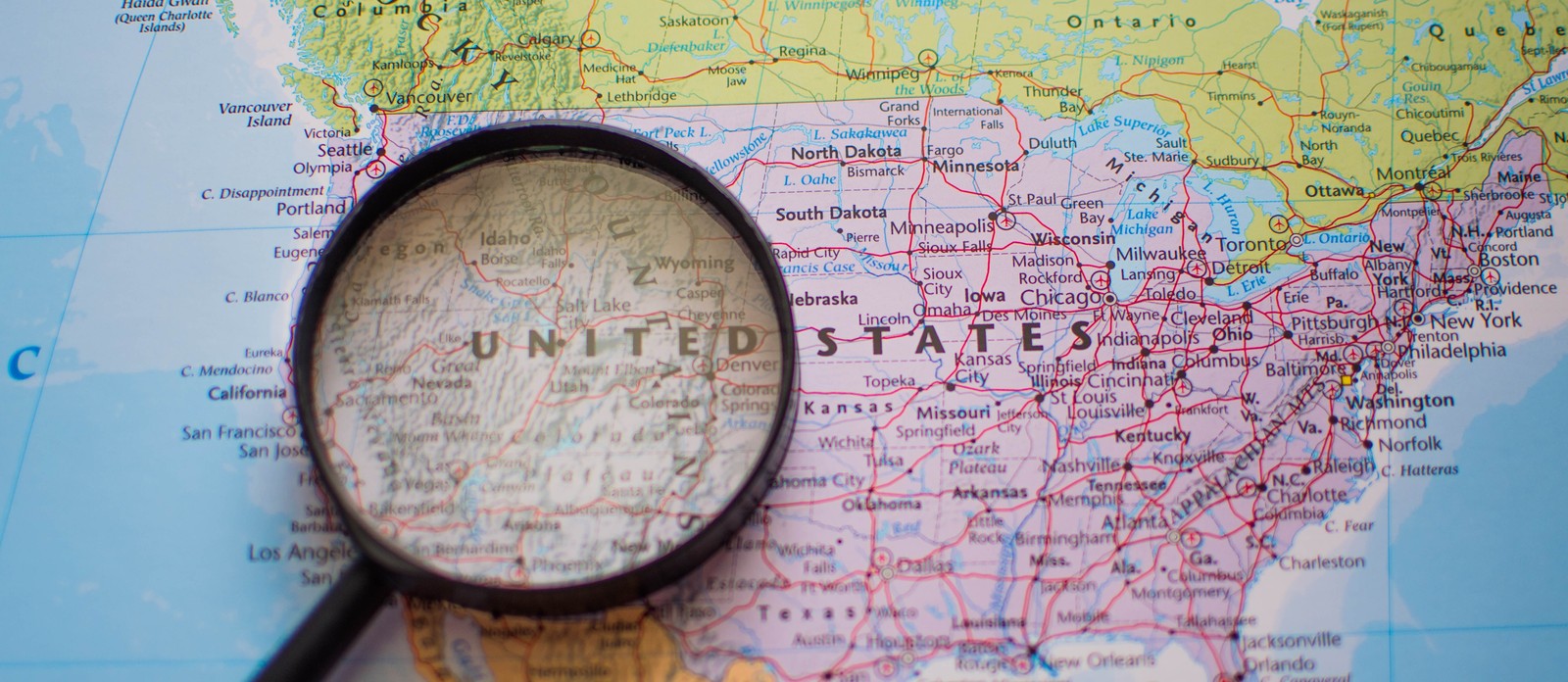
Image: Neuiiza

Ever wondered why Alaska is known as the Final Frontier? Why do we call Florida the Sunshine State (although other regions average more sunshine)? And what does it mean that Pennsylvania is called the Keystone State ? Today, we dive deep into the stories of some of our favorite regions and their pet names that reflect a bit more of what America is all about.

1
California – The Golden State
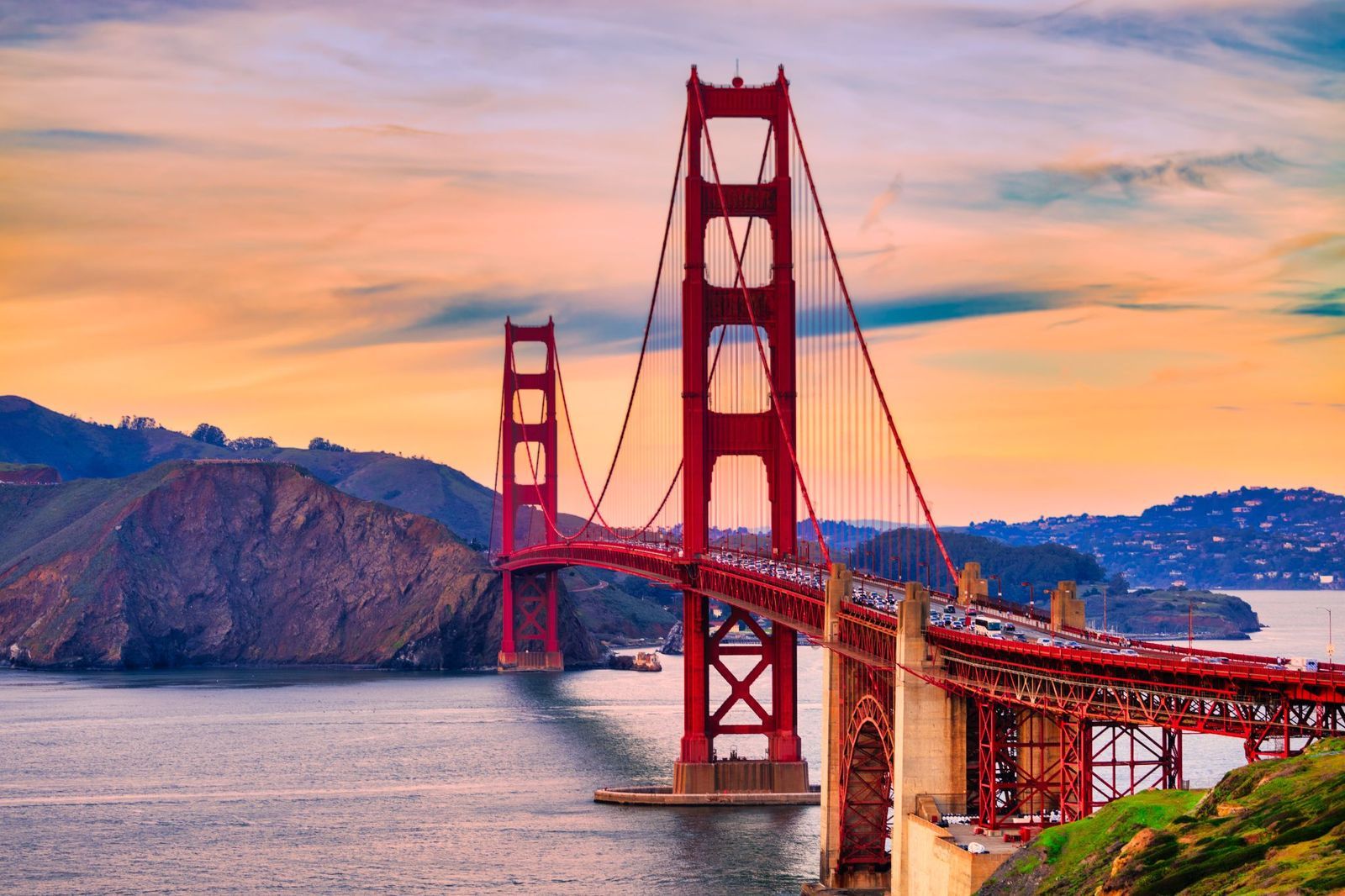
Image: UVL

California has been known as The Golden State since 1968, although the story behind why dates back to the 19th century, for three reasons: The first and main motive for this nickname is the Gold Rush, which followed the discovery of gold at Sutter’s Mill in 1848 , resulting in hundreds of thousands of Forty-Niners heading over, forever changing the economic, cultural, and social landscape.

The second explanation is the gold poppy, the state's official flower, which decorates the hills and landscape with a bright yellow hue that can sometimes be seen from the ocean. And finally, the third reason for this nickname is the state's sun-drenched climate, making it a radiant location from the inside out.

2
Texas – The Lone Star State
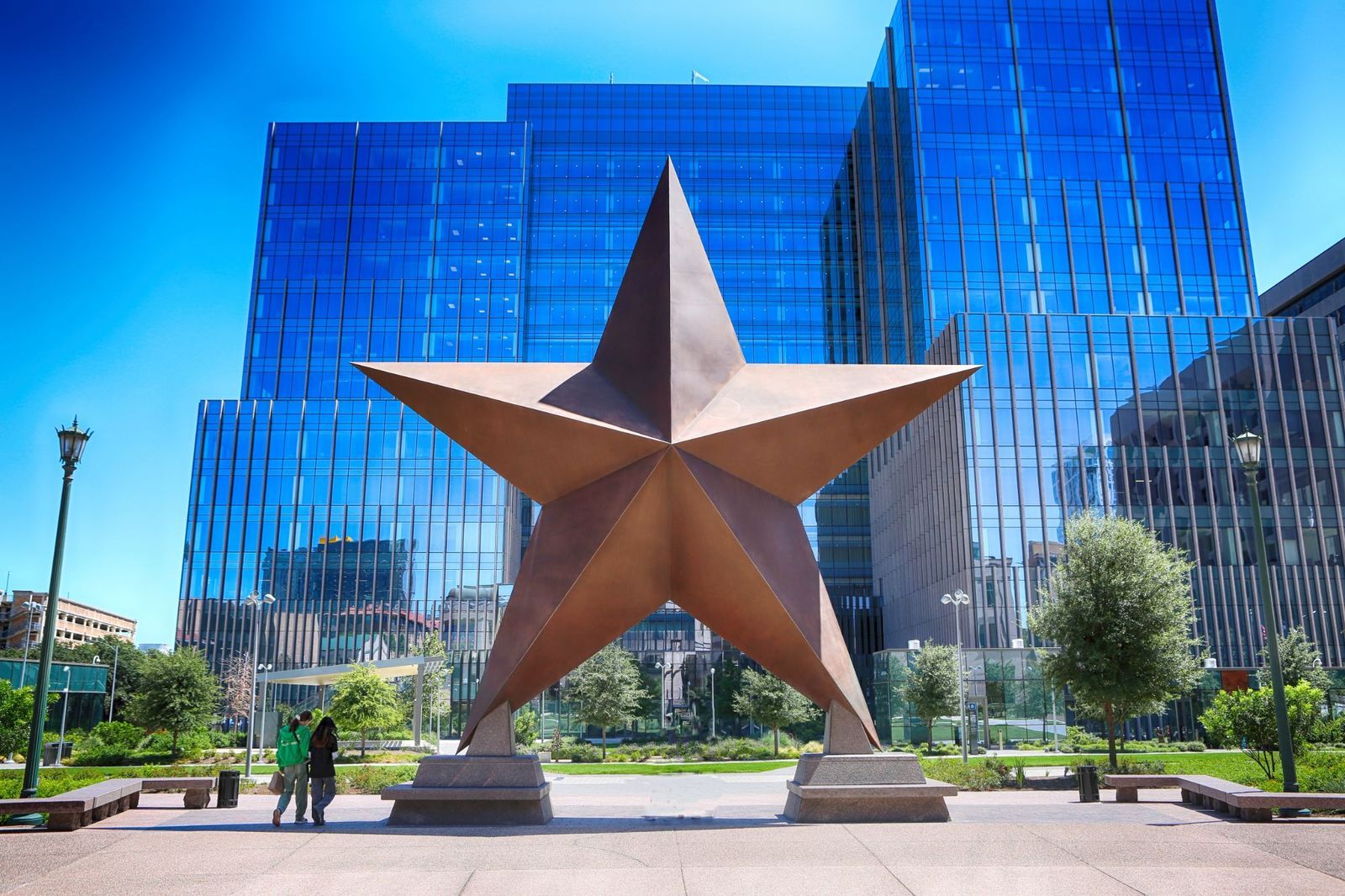
Image: GSPhotography

Texas’s alternate name is The Lone Star State because of the state’s flag, which has one big white star on its left-hand side, symbolizing the region’s fierce independence and honoring its treacherous journey to freedom from Mexico.

Not only that, but did you know that after gaining independence, Texas was actually a foreign state for almost a decade (from 1836 to 1845) ? Therefore, having the star also represents Texan’s hard work, their defiant identity, and the importance of sovereignty.

3
Florida – The Sunshine State
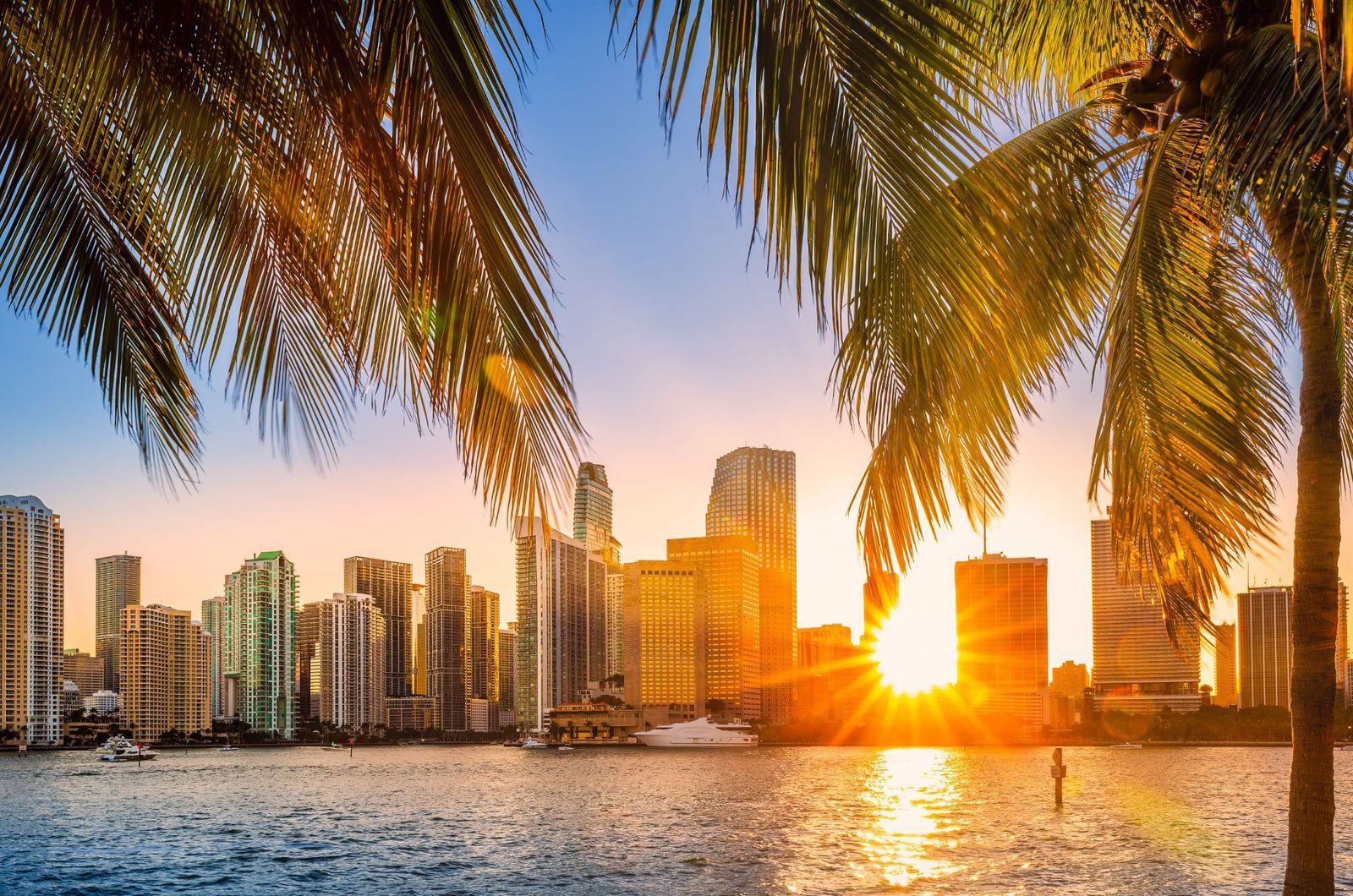
Image: Mihai_Andritoiu

Florida’s whimsical nickname was officially adopted by the legislature in 1970. It refers to the state’s amazing climate, which offers between 230 and 250 sunny days a year, due to its enviable tropical weather.

During the late 19th century and early 20th century, before marketing and tourism were as common as they are today, Florida was heavily promoted with this shiny catchphrase. The objective was to attract as many vacationers and investors as possible, and even though states such as Arizona, New Mexico, and Nevada are statistically sunnier , it worked!

4
New York – The Empire State
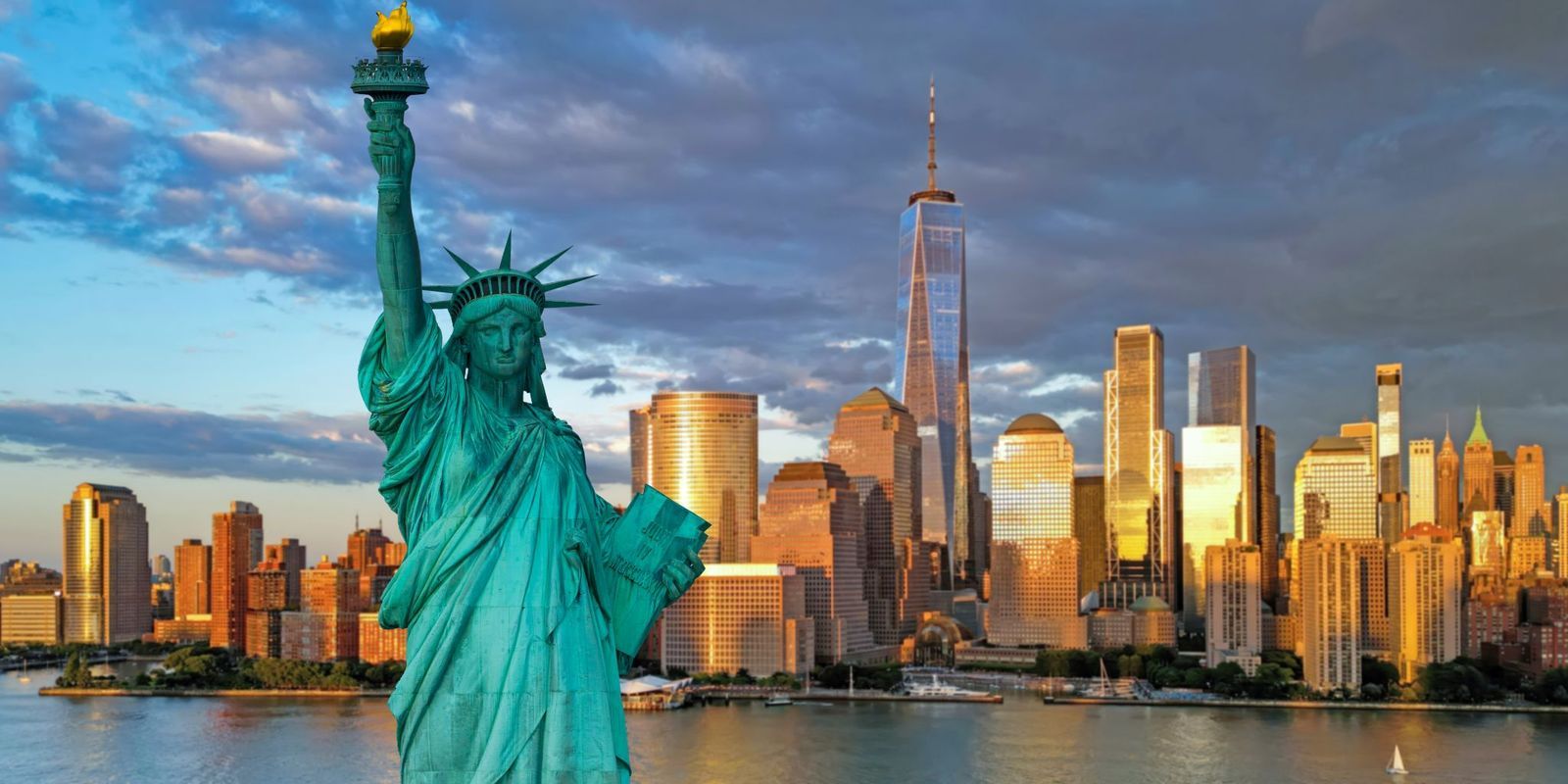
Image: Volodymyr TVERDOKHLIB

New York’s moniker is The Empire State. This powerful slogan references the unmatched ambition, wealth, and business dominance this state has over all others.

The story of how it came to be dates back to 1785, to a letter written by George Washington to the New York Common Council, describing the region as " The State of the Empire ." Later on, this reference became officially used by all in the 1800s, when, after the development of the Erie Canal, New York’s powerhouse status was solidified even further.

5
Illinois – The Prairie State
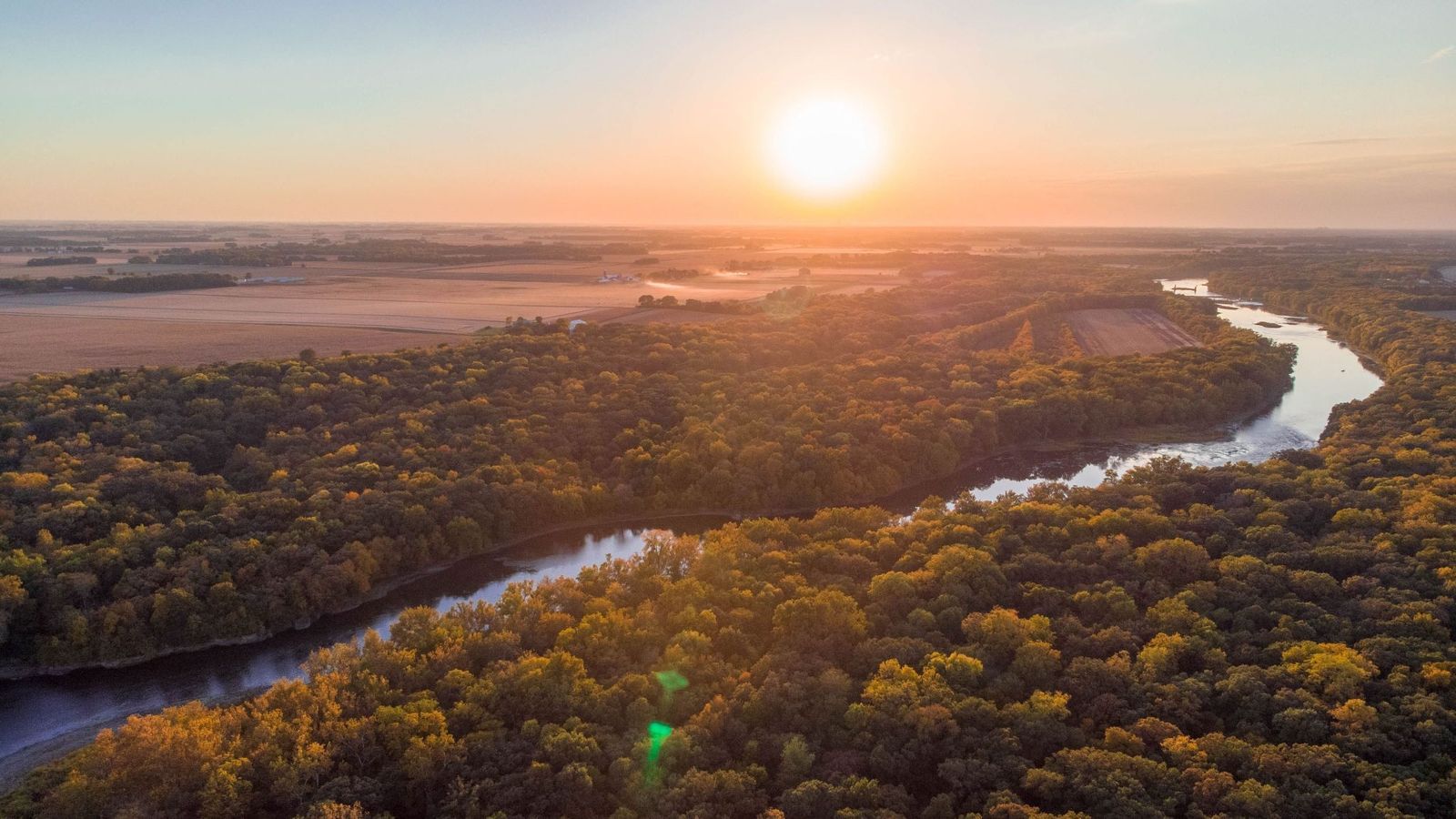
Image: David Hutton

Illinois’ nickname, The Prairie State, undoubtedly refers to its emblematic landscape of vast grasslands covering almost 22 million acres. This ecosystem, framed under stunning blue skies, has made the state a symbolic painting.

Early settlers were amazed by the immensity of the wild grasses and wild flowers. Over time, much of the area has been converted into farmland. Nowadays, only a fraction of the original prairie is intact, but the memory of its beginnings forever remains.

6
Nevada – The Silver State
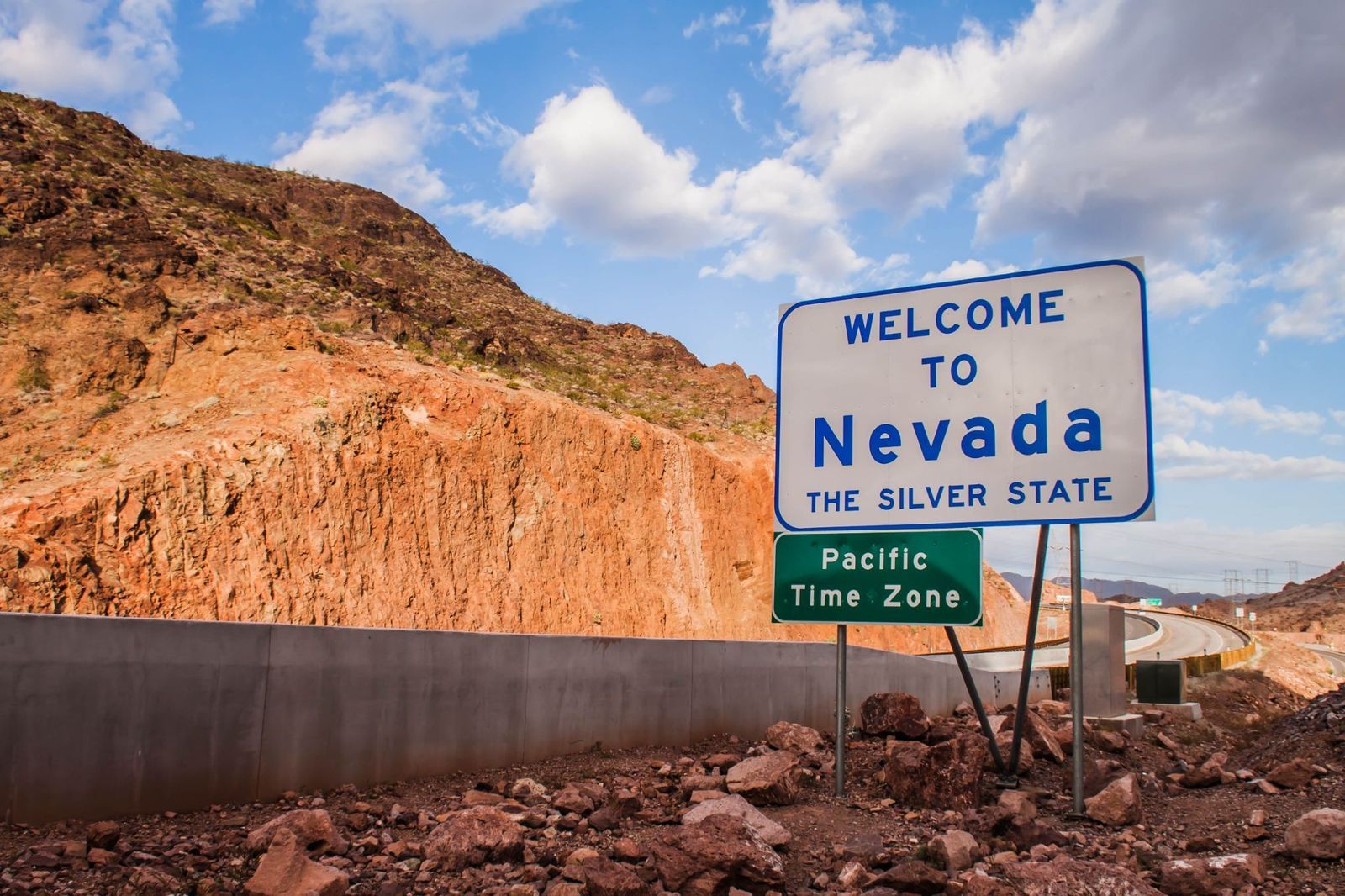
Image: Danny Thomas

Nevada's most notable nickname, The Silver State , dates back to 1859 when the Comstock Lode was uncovered. The immense discovery of so much silver led to an unimaginable mining boom, putting the area on the map.

In fact, this accelerated Nevada’s path to becoming a state in the first place and made it a defining bastion of America’s West. Other nicknames Nevada has been known for include T he Battle-Born State, The Sagebrush State, and, understandably, The Mining State.

7
Pennsylvania – The Keystone State
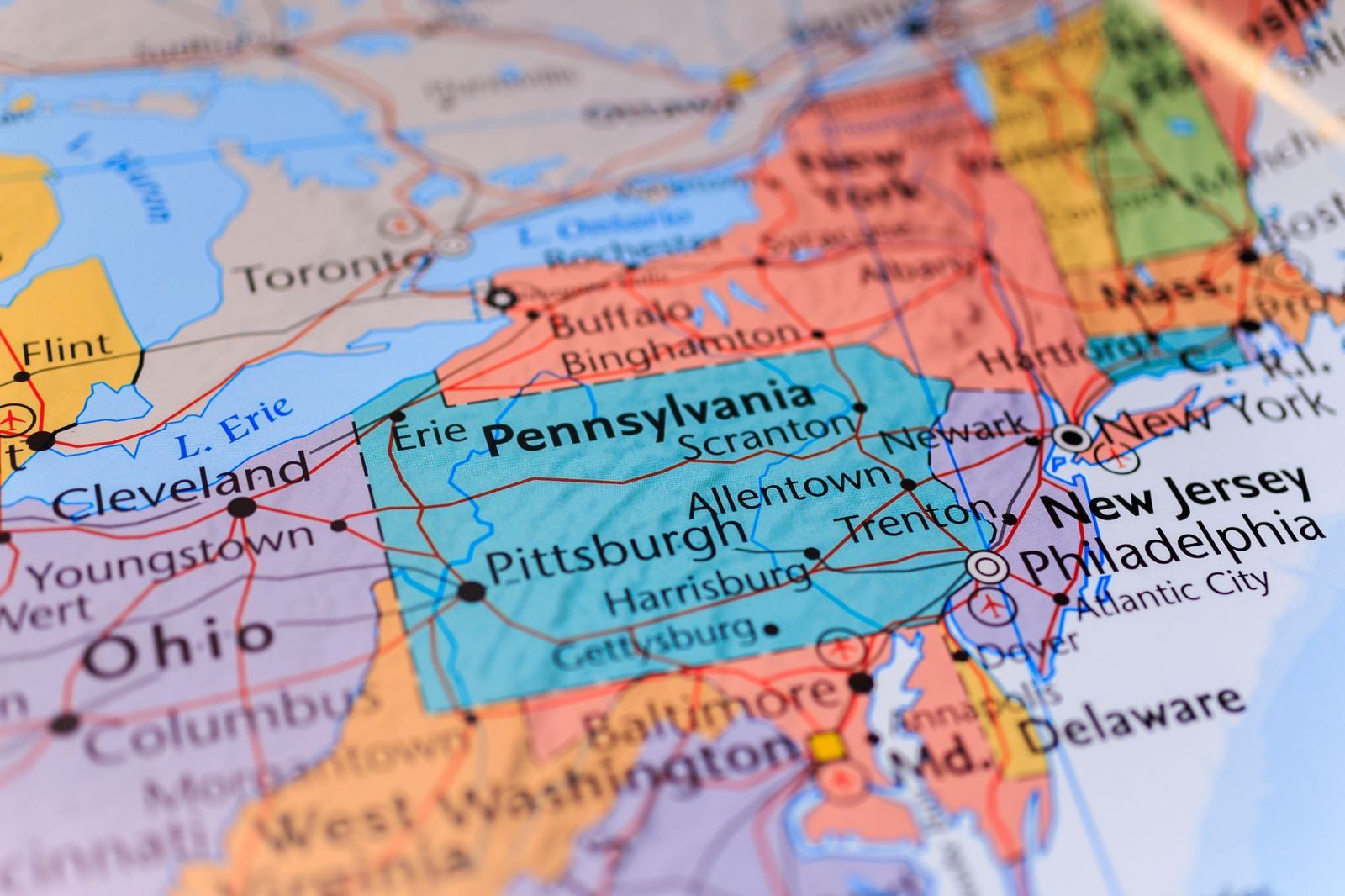
Image: Alexander Lukatskiy

Pennsylvania is famously known as The Keystone State . This derives from the architectural symbolism of a keystone, a wedge-shaped stone located at the top of an arch that locks all other pieces into place.

This reference highlights the geographic centrality of the region and the fundamental role Pennsylvania has historically played in keeping the surrounding areas connected, having held the early American Republic together .

8
Massachusetts – The Bay State
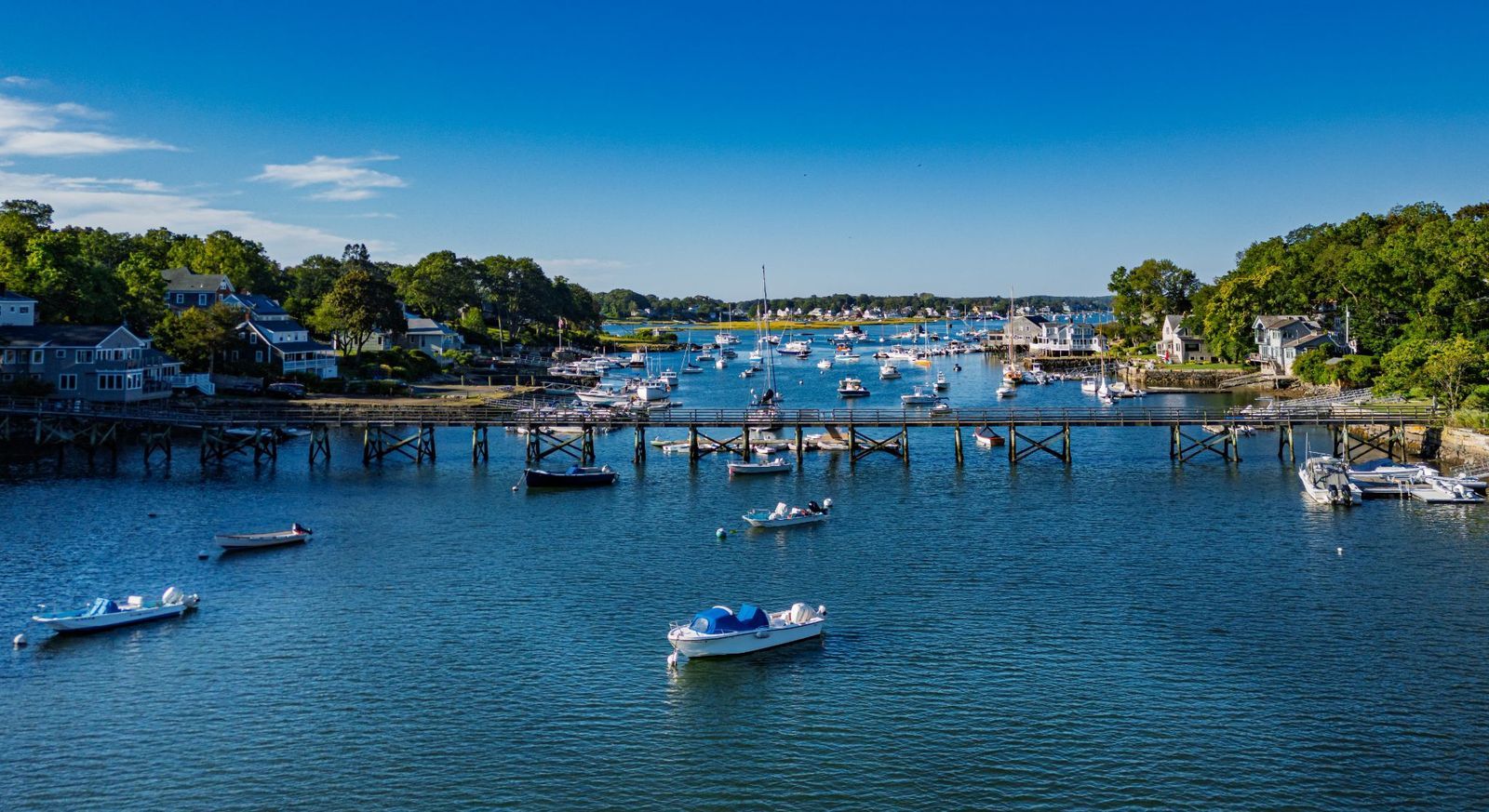
Image: Capt' Tom

Massachusetts' moniker, The Bay State , refers to the area's deep, foundational relationship with the Atlantic Ocean , tied to early colonial survival. Back in 1630, the region was known as the Massachusetts Bay Colony, defined by its hustling and bustling maritime harbor that served as a lifeline for early pioneers.

In addition, since 1990, the Massachusetts legislature has officially adopted the moniker Bay Staters as the official designation for the state’s residents.

9
Arizona – The Grand Canyon State
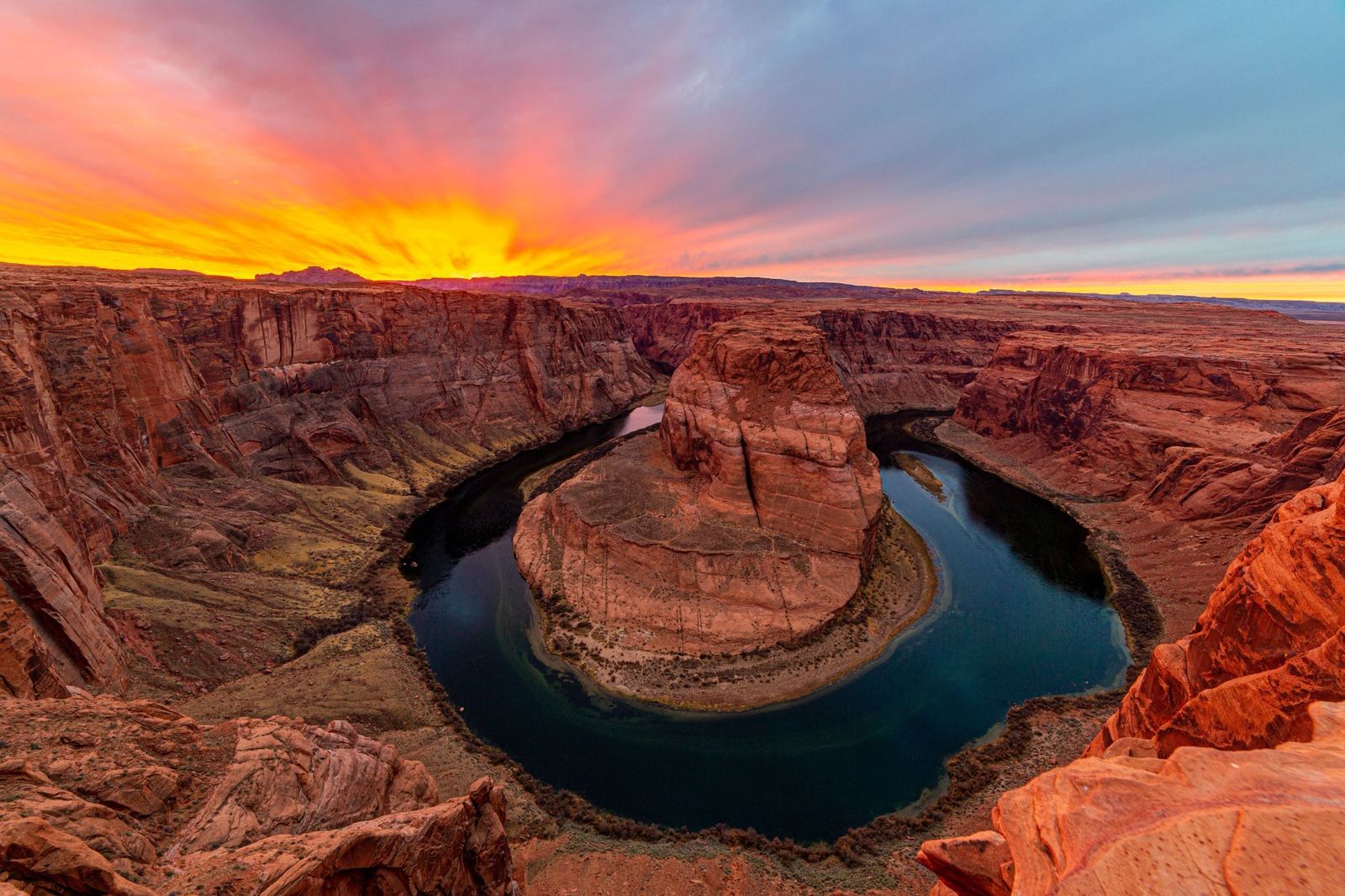
Image: Wirestock Creators

Arizona’s nickname, The Grand Canyon State, refers to its most iconic natural feature . It’s an incredible geographic wonder that has established the region as a tourism destination dreamed of by people around the country, and around the globe.

All the same, over the years, Arizona has also sparked other monikers such as The Baby State, The Valentine State, and The Copper State.

10
Alaska – The Last Frontier
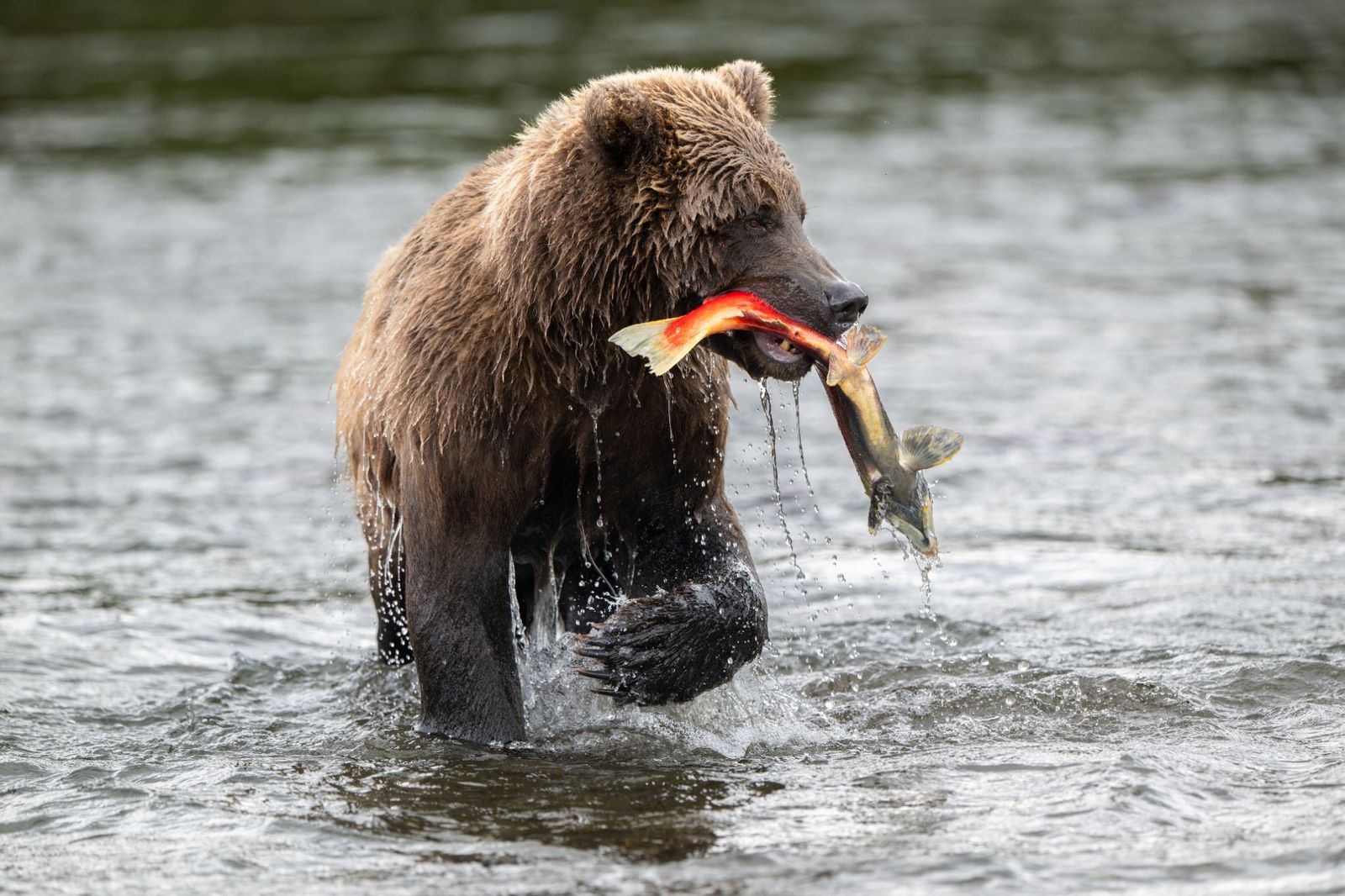
Image: Tony Campbell

Alaska's poetic nickname, The Last Frontier_,_ refers to its geography and extreme isolation . Known for its raw, pristine wilderness, it also holds historic status as the last untamed expansion in U.S. history, having joined the Union in 1959 as the 49th state.

Only about one-third of the region is organized into boroughs, leaving the majority of the massive landmass (over 660 thousand square miles) as it was: undisturbed glaciers and mountains, resulting in relentlessly extreme climatic conditions.
Culture Culture 4 min read

Primetime treasures

From "Frasier" to "I Love Lucy" here are 11 of the best American sitcoms!

Image: Haberdoedas II

Sitcoms hold a special place in the hearts of TV viewers everywhere. They are not only funny and comforting, but they also occasionally tackle heavy subjects. American TV has produced a myriad of endearing and unforgettable characters who have provided us with countless laughs throughout the history of the medium. With that in mind, we have selected some of the most iconic American sitcoms from every decade, hoping to pay tribute to the shows that made TV time a little more special. Enjoy!

1
Friends

Image: David Vives

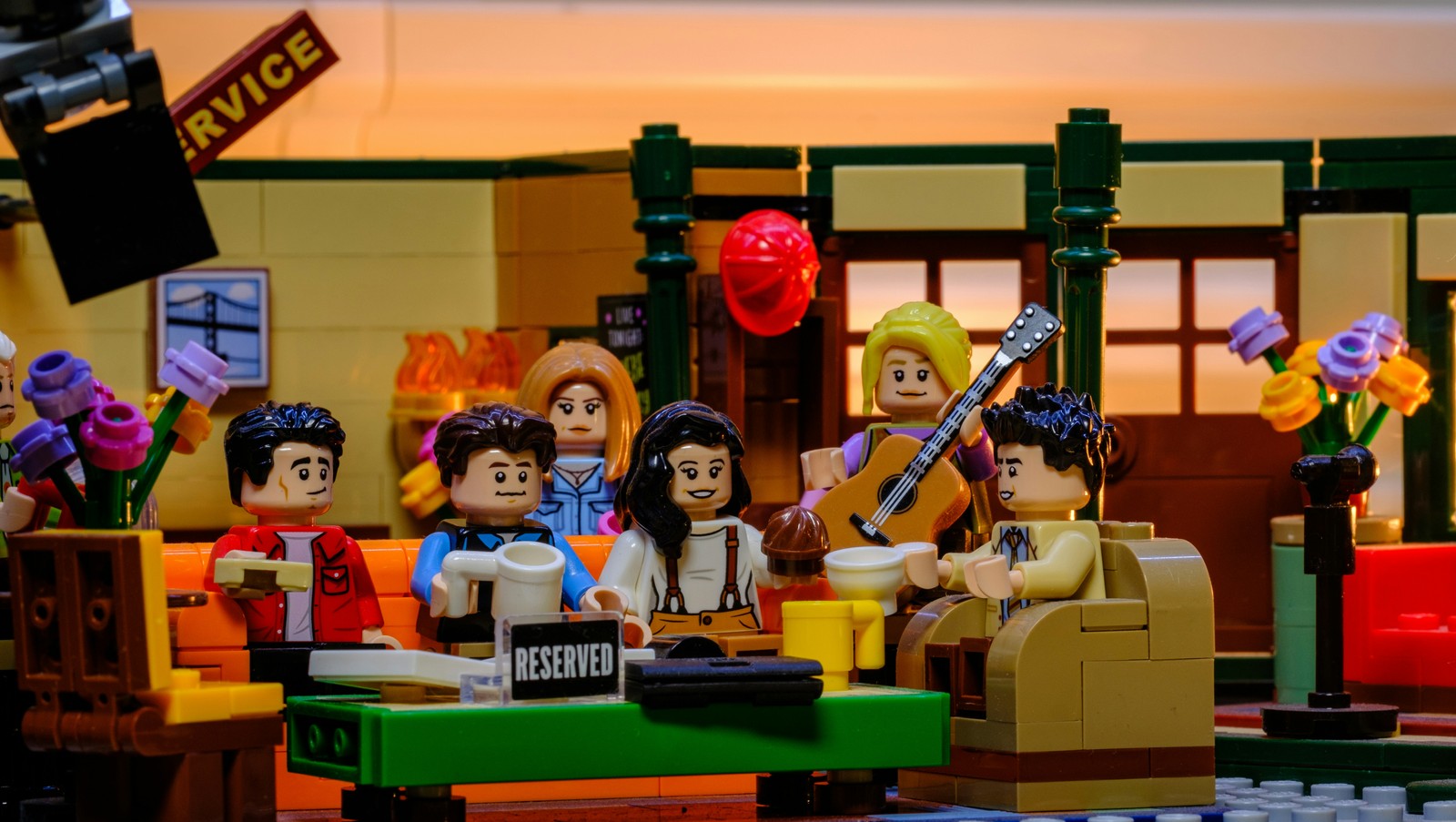
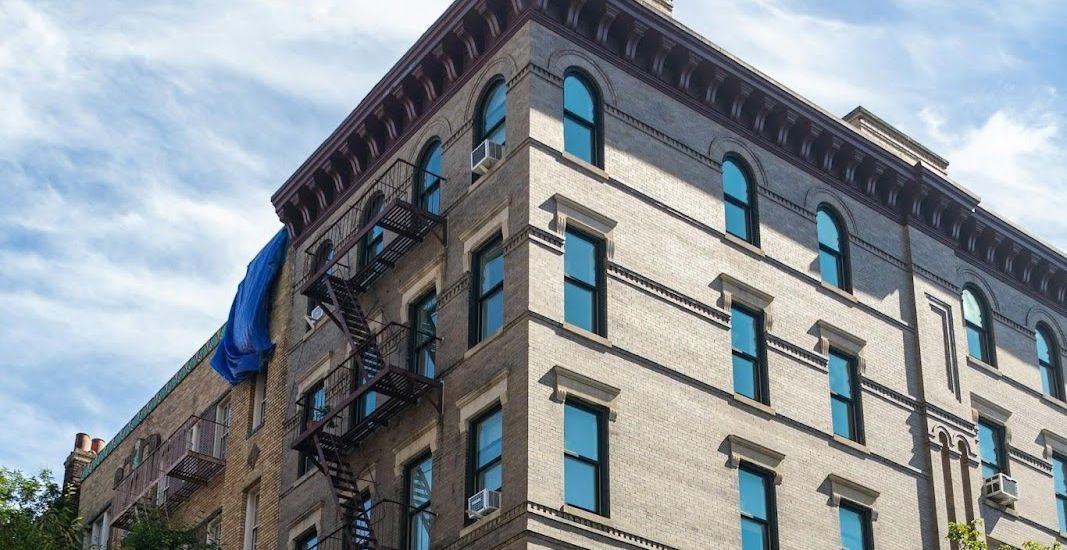
We’ll start with what many consider to be the quintessential sitcom. Debuting in 1994, Friends followed the varied and whimsical lives of six New Yorkers —Chandler, Joey, Ross, Monica, Rachel, and Phoebe—and the everyday adventures they found themselves in. Throughout its 10-year run, Friends received acclaim from both critics and viewers alike and is now considered one of the most successful and highest-grossing television shows of all time.

2
Seinfeld

Image: photo by Alan Light, CC BY 2.0

You might think that a sitcom describing itself as " a show about nothing " wouldn’t be particularly successful—let alone one of the most iconic shows of all time. And yet, Seinfeld remains one of the most influential shows in history, praised for its sharp writing and incredibly talented cast. The series follows comedian Jerry Seinfeld and his three eccentric friends—Elaine, George, and Kramer—as they navigate the often absurd minutiae of daily life.

3
Mad About You

Image: Mandy von Stahl

While sitcom settings may vary greatly, most tend to revolve around subjects that resonate with audiences—love, the workplace, or family life, for example. In that sense, the 1992 sitcom Mad About You seemed to embrace the phrase "if it ain’t broke, don’t fix it" as its mantra. The show centered on a young married couple (played by Paul Reiser and Helen Hunt) living in New York City. As simple as the premise might sound, the series’ stellar performances and insightful writing earned it numerous awards, including 12 Emmys and 4 Golden Globes.

4
The Big Bang Theory

Image: Ben Griffiths

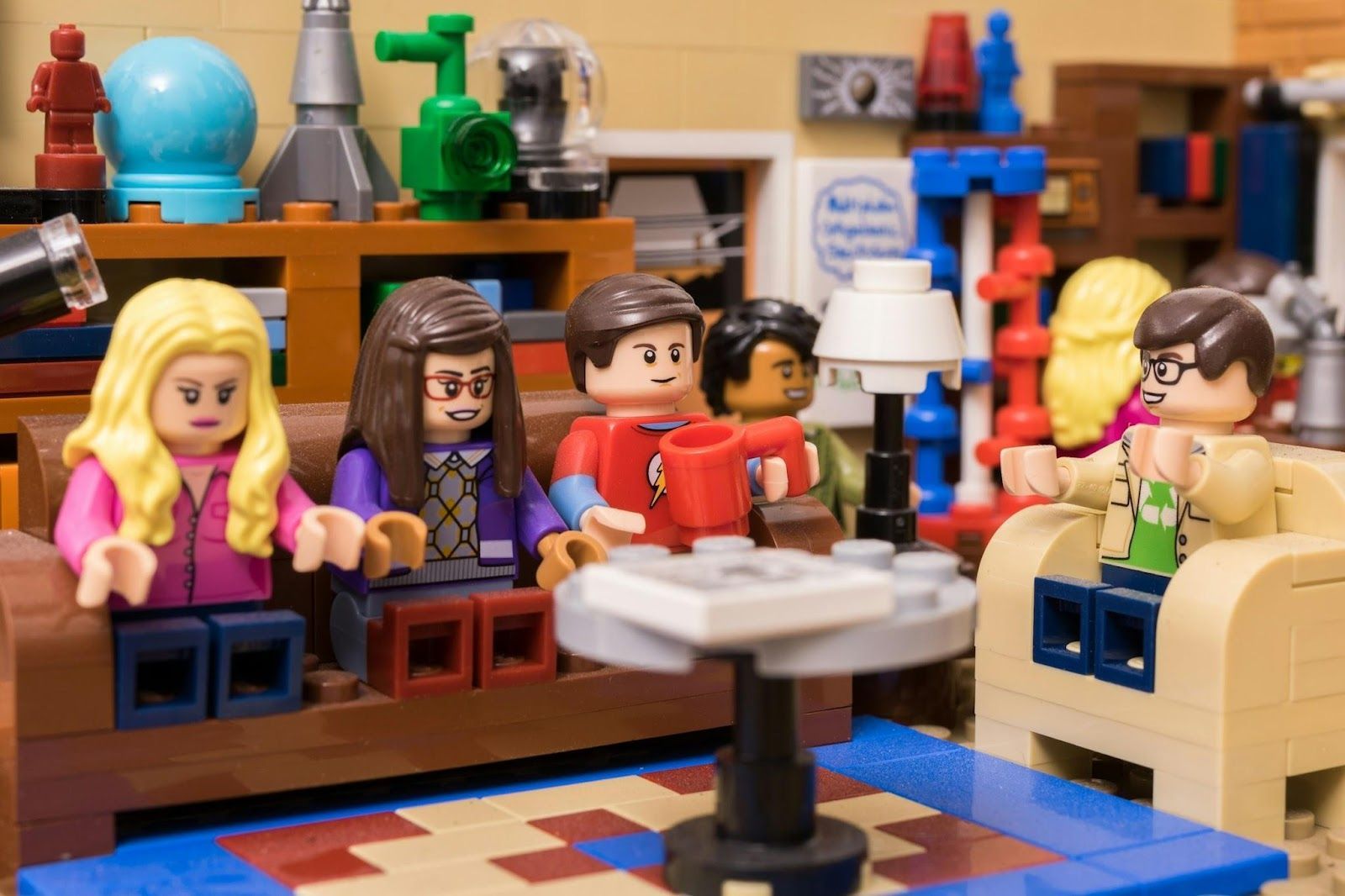
The Big Bang Theory faced the difficult task of making the world of science fun and accessible . Luckily, it had an extremely lovable and talented cast that rose to the occasion. The first episode introduces us to Leonard and Sheldon, two physicists whose lives take an unexpected turn when they meet their new next-door neighbor, Penny.

5
Modern Family

Image: Peabody Awards, CC BY 2.0

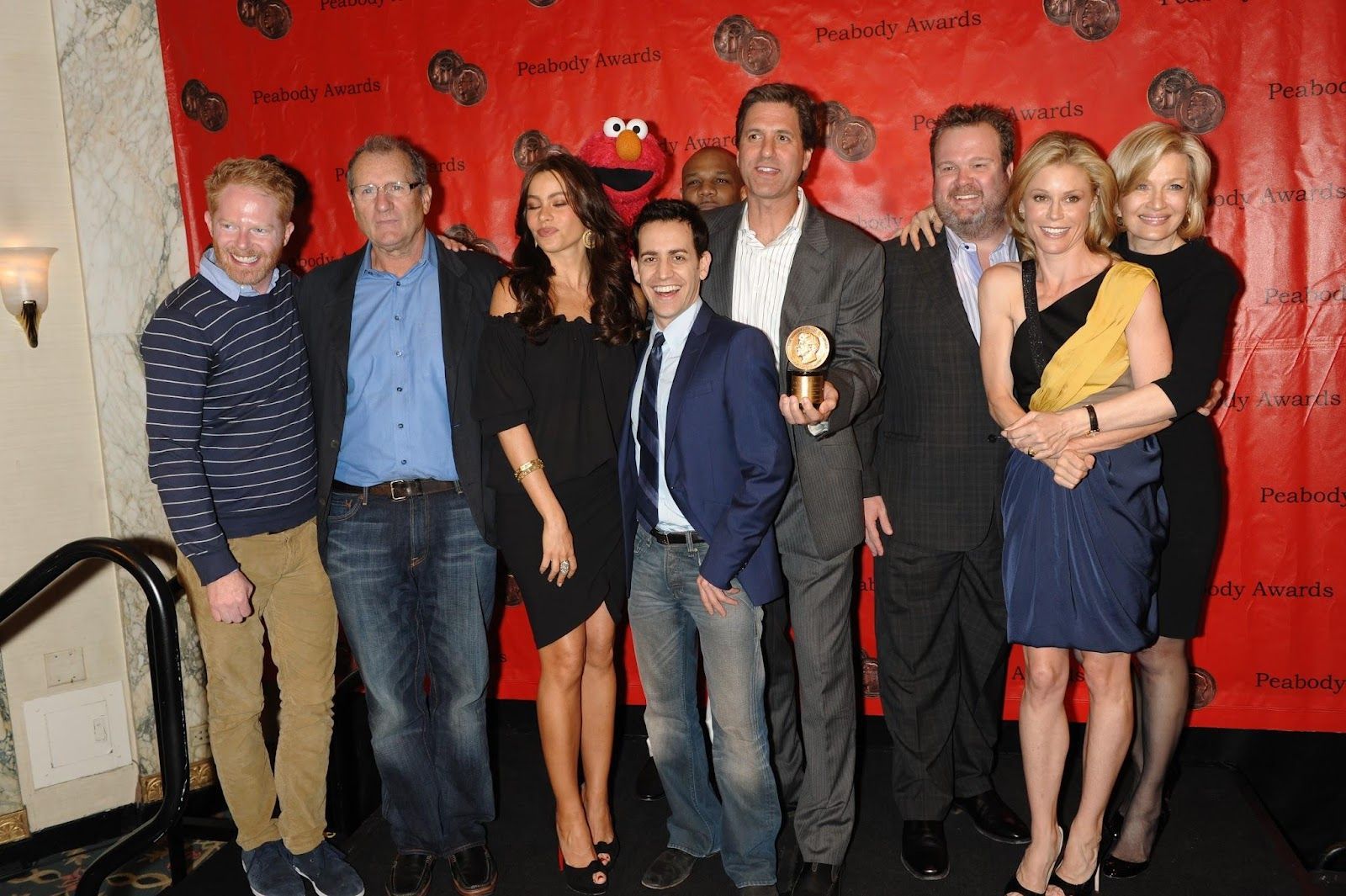
As we mentioned earlier, family life is a recurring theme in many sitcoms. However, the 2009 show Modern Family put a fresh spin on this concept by focusing on three separate yet interconnected families. The series not only featured an exceptionally talented cast but also placed its many characters in both hilarious and heartfelt situations.

6
The Honeymooners

Image: Lauren Richmond

First aired in 1955, The Honeymooners revolves around New York City bus driver Ralph Kramden and his wife, Alice (wonderfully portrayed by Jackie Gleason and Audrey Meadows). Gleason’s quick wit, combined with the show’s many catchphrases ("Bang, zoom, straight to the Moon!" and "Homina, homina!", to name a few), quickly cemented the series in American pop culture. Not only that, many timeless shows, such as The Flintstones , were inspired by The Honeymooners .

7
Cheers

Image: Yutacar

Like many Americans, you might frequent a local "watering hole"—a small bar or tavern where you can unwind and enjoy a drink or two with friends. In that sense, the 1982 sitcom Cheers perfectly captured that feeling from the very start, with its iconic theme song praising a magical place " where everybody knows your name ." The sitcom was so successful that it inspired Frasier , a spin-off centered around one of Cheers’ most popular characters.

8
Community

Image: Unseen Studio

In case you didn’t know, the term "sitcom" is short for "situational comedy." As you might expect, the setting in which these situations unfold is an essential component. With that in mind, showrunner Dan Harmon devised a unique premise for his 2009 show Community . Inspired by the community college he attended in his youth, he created a series centered around a group of quirky misfits studying Spanish at the fictional Greendale Community College.

9
Full House

Image: Ross Joyner

For such a lighthearted sitcom , Full House had a surprisingly somber premise : a recently widowed father (played by Bob Saget) enlists the help of his best friend and brother-in-law to raise his three daughters. Nevertheless, the show quickly became a beloved classic, running for eight seasons and earning several awards along the way.

10
All in the Family

Image: Simon Berger

Few names command as much respect and admiration in comedy writing circles as Norman Lear . This legendary screenwriter and producer was responsible for some of the most iconic shows in television history, including The Jeffersons , Sanford and Son , and One Day at a Time . With that in mind, choosing his best show is no easy task, but we believe All in the Family is the strongest contender. Not only was this 1971 sitcom hilarious and sharp-witted , but it also tackled major issues such as religion and the Vietnam War.

11
I Love Lucy

Image: Mayur Gala

We’ll end this article with what many consider to be the sitcom that started it all . Starring Lucille Ball and her husband, Desi Arnaz, the 1951 show I Love Lucy follows Lucy Ricardo, a New York City housewife determined to break into show business. Soon after its premiere, it became the most-watched show in the United States and went on to win five Emmy Awards. To this day, it remains one of the most influential television shows in history.

History History 4 min read

Sip back in time

Ombibulous times: Talking the talk of prohibition

Image: Moussa Idrissi

Back in the 1920s, when alcohol was outlawed but far from out of reach, people got creative—not just with cocktails, but with their lingo, too. From secret bars to shady drinks and sly lawmen, the Prohibition era brewed up a whole dictionary of clever slang. Some of these phrases are still with us today, while others sound like something out of an old gangster flick. Let’s raise a (legal) glass and dive into the wild vocabulary of the dry years!

1
Giggle water

Image: Tristan Gassert

Sounds fun, doesn’t it? "Giggle water" was slang for champagne, but later came to mean any kind of alcoholic drink that made you feel good.

The term popped up around 1910 and hung around well into the ’20s. Lighthearted and cheeky, it captured the mood of a tipsy good time. It was all laughs—until the next morning.

2
Blind pig

Image: Annie Spratt

A "blind pig" was code for an underground bar, or speakeasy, where patrons paid to see an "exotic animal" and conveniently received a cocktail with the show. This ruse was an early attempt to skirt the law. The term dates back to the 1800s and had a cousin in crime: the "blind tiger." No matter the name, nobody was there to admire animals—they came for the booze.

3
Juice joint

Image: John Hernandez

At first glance, this might sound like a fruit stand. But during the 1920s, a "juice joint" was slang for a speakeasy—especially the more modest ones. However humble, they had it all: music, dancing, and definitely drinks, legal or not.

The name originally referred to soda stands, but it didn’t take long before it meant something much stronger. If you were thirsty during the dry years, this was a must-stop.

4
Jake walk

Image: Ve al perfil de Andreas M Andreas M

Here’s a sobering one. "Jake" was shorthand for Jamaican ginger extract, a legal tonic with high alcohol content. But manufacturers altered it to skirt regulations—and the results were tragic. Drinkers developed a distinct limp from nerve damage, called the "Jake walk" or "Jake leg." Thousands were affected, especially in the South. It became both a medical crisis and a dark symbol of the risks people took to sneak a drink.

5
Ombibulous

Image: Kelsey Chance

Writer H.L. Mencken had a way with words—and a taste for booze. In 1920, he dubbed himself "ombibulous," meaning he happily drank anything alcoholic, no matter what. He was also known for calling bootleggers "booticians," always with a wink. A strong critic of Prohibition, Mencken turned his drinking habits into witty declarations.

6
Needle beer

Image: Wil Stewart

You know the drill: desperate times, desperate measures. Some barkeeps took regular beer, injected it with alcohol via a syringe through the cork, and served it up as the real deal. This DIY hack became known as "needle beer." It was risky and often poorly mixed, but in an era when options were slim, creativity was all people had. Probably not the safest pint you ever drank, though.

7
Brick of wine

Image: Kym Ellis

Yes, really! You could buy a block of grape concentrate, add water, and wait—voilà, wine! These "bricks" came with an ironic warning not to store them in a cool, dark place (wink, wink), or they might "accidentally" ferment. For wine lovers who craved a glass during the dry years, this was a sly workaround. Just add water, patience, and a sense of humor, of course!

8
Bathtub gin

Image: Bjarne Vijfvinkel

Not a flavor—a method. "Bathtub gin" referred to homemade hooch often mixed in, you guessed it, a bathtub. Tall bottles didn’t fit under sink taps, so a larger space was needed. We’ve said it before, and we’ll say it again: how creative could they get?

The quality varied wildly, and safety wasn’t exactly guaranteed. However, it became the generic term for all sorts of homebrewed booze.

9
Teetotaler

Image: Jessica Smith

This word originated before Prohibition but got plenty of use during it. A "teetotaler" is someone who avoids alcohol entirely. The term comes from the emphatic "T" in "total abstinence." It gained popularity thanks to temperance movements in the 1800s, long before the ban was official. While others were sneaking into blind pigs, teetotalers were proudly saying, "Thanks, but no thanks."

10
Dry

Image: engin akyurt

If you were "dry," you were all in on Prohibition. Drys supported the ban, and dry counties banned alcohol completely. Agents who enforced the law were often called "dry agents." The term became both a political and cultural identifier. You were either dry or...

11
Wet

Image: CHUTTERSNAP

...you were wet. A "wet" person supported legal alcohol sales, plain and simple. Wet cities and counties allowed booze to flow, and many Americans never bought into the dry movement. The wet/dry divide wasn’t just about drinks—it represented a much larger cultural clash. And as we know now, the wets eventually won.

12
Whale

Image: Todd Cravens

Not a sea creature, but someone who could drink like a fish. A "whale" was a heavy drinker, often the life of the party and the last one standing. Whether at a juice joint or speakeasy, whales had reputations to uphold. The term lives on today in gambling circles, too—but back then, it was all about your booze tolerance.

Explore more American facts

Choose your favorite category!

General
General

As American as apple pie—the very best America has to offer!

Culture
Culture

Delve into the astounding richness of American lore.

Geography
Geography

Hop in and explore vast and diverse American landscapes.

History
History

Discover the key moments that shaped the United States.