Culture Culture 6 min read

Bad blood

Did you know these celebrities were declared rivals?
Image: Thea Hdc

Hollywood is not just about glitz and glamour. Sometimes, behind the cameras, famous stars clash in ways that are mysterious, amusing, or simply unforgettable. From bitter arguments on set to long-lasting rivalries, these legendary feuds tend to leave a mark on pop culture history. Here are 12 famous celebrity disputes fans can’t stop talking about.

1
Robert De Niro vs Mickey Rourke

Image: Vitruvian Badr

At first glance, it was the typical 1980s film set. But when Robert De Niro and Mickey Rourke worked together in Angel Heart , their differences in style weren’t just noticeable; they were combustible. De Niro, famous for disappearing into his roles with a strict Method approach, didn’t always mesh well with Rourke’s more unpredictable, improvisational take.

According to lore, all hell broke loose when Rourke decided to ignore De Niro’s suggestions for a scene. What was supposed to be a straightforward shoot turned into multiple takes, frustrating not just the two stars but the entire crew. The altercation quickly became Hollywood gossip, with insiders saying it was a classic case of two strong personalities refusing to give in.

2
David Letterman vs Jay Leno

Image: John-Mark Smith

Who deserved the late-night crown , Letterman or Leno? For years, Americans were unable to settle the debate. On screen, both comedians exchanged polite words and even jokes, but behind the curtain, the situation was a little more complicated.

Reporters loved to stir the pot, writing headline after headline about which funnyman truly deserved the throne. Viewers, meanwhile, treated it almost like a sporting match, tuning in to see who would come out on top. In truth, much of the "feud" was blown out of proportion, yet the friendly jabs and constant comparisons managed to keep audiences entertained.

3
Dean Martin vs Jerry Lewis
Image: anncapictures

On stage, there were only gags, music, and applause. But behind the scenes, Dean Martin and Jerry Lewis were falling apart. Martin often felt stuck playing the calm, serious foil while Lewis stole all the laughs with his wild, over-the-top routines.

Over time, that imbalance created real tension. After starring in 16 hit films together, the famous duo finally called it quits. Their split was so final that they didn’t exchange a word for two full decades. Fans were stunned when they eventually patched things up later in life, a reminder that even the biggest comedy legends aren’t immune to bruised egos and long silences.

4
Olivia de Havilland vs Joan Fontaine
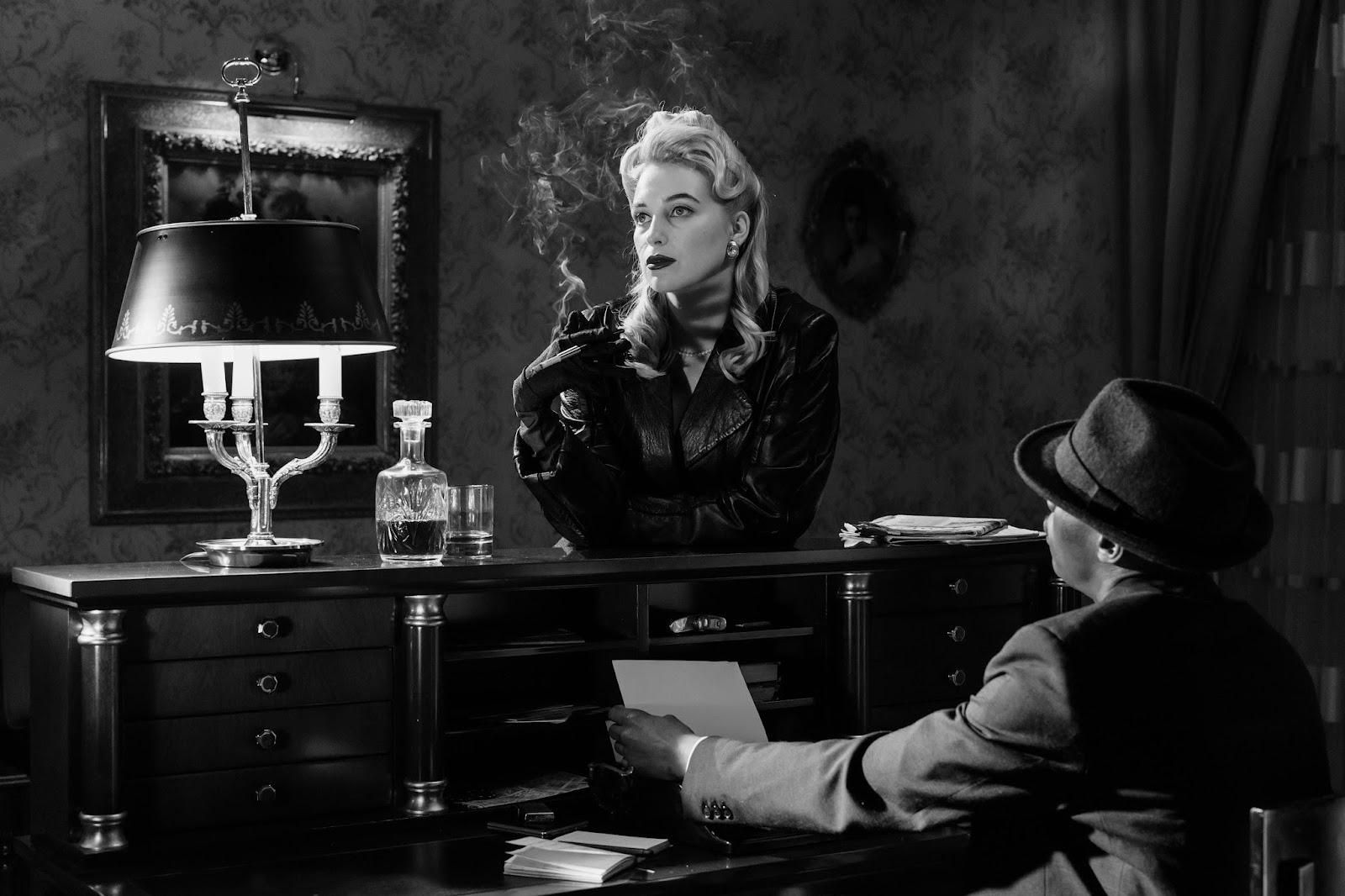
Image: cottonbro studio

Few family feuds reached the heights of Olivia de Havilland and Joan Fontaine’s legendary rivalry. The sisters were competitive long before the bright lights of Hollywood, each vying for their mother’s attention. Once both became movie stars, the bad blood only grew stronger.

In 1942, the two actresses were even nominated for Academy Awards in the same category. Fontaine ended up winning and later claimed her older sister pulled her hair during the ceremony. That incident became one of Hollywood’s most talked-about snubs. Their quarrel stretched on for decades, marked by jealousy, pride, and the kind of family drama that the public can’t get enough of.

5
Elton John vs Madonna
Image: HubertPhotographer

It may sound like sensational news, but Elton John once declared Madonna’s Bond theme "the worst ever." From that point on, the two megastars exchanged sharp words through the press, with Elton poking fun at her performances and Madonna brushing off the criticism with icy charm.

Reporters loved every jab, turning their spat into tabloid gold. Though they occasionally patched things up, the rivalry lingered. Even music royalty can squabble just like the rest of us!

6
Marilyn Monroe vs Jayne Mansfield
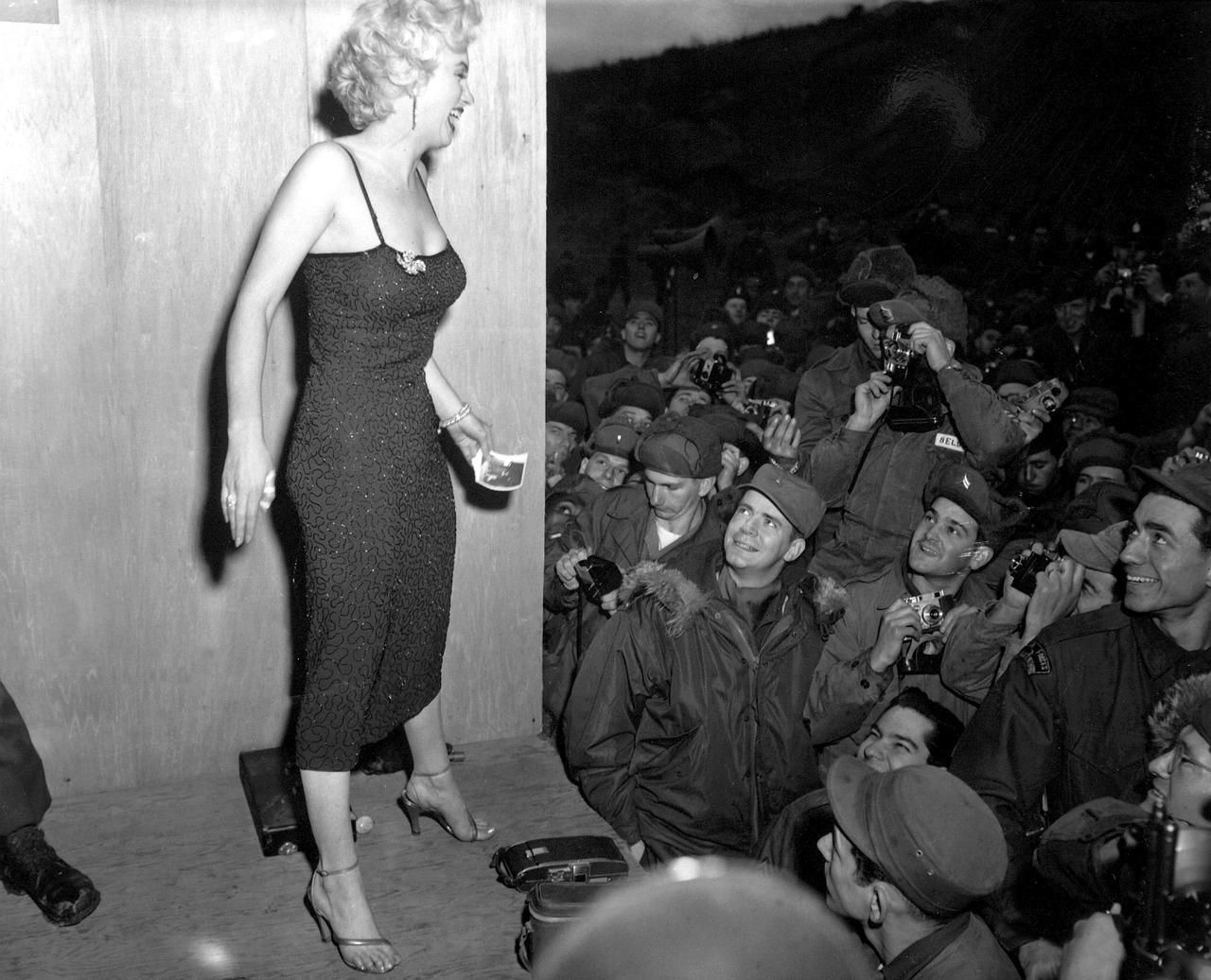
Image: WikiImages

In the 1950s, Hollywood had room for only so many platinum blondes, and Marilyn Monroe was already the reigning queen. When Jayne Mansfield came to light with her hourglass figure and playful charm, the press quickly dubbed her "the next Monroe."

Marilyn, who guarded her image carefully, bristled at the idea of a copycat stealing her thunder. Meanwhile, Mansfield leaned into the comparisons, showing up at events in daring outfits and orchestrating photo ops that guaranteed headlines. The result was a highly public rivalry that fascinated fans, turning every red carpet into a showdown.

7
Johnny Carson vs Joan Rivers
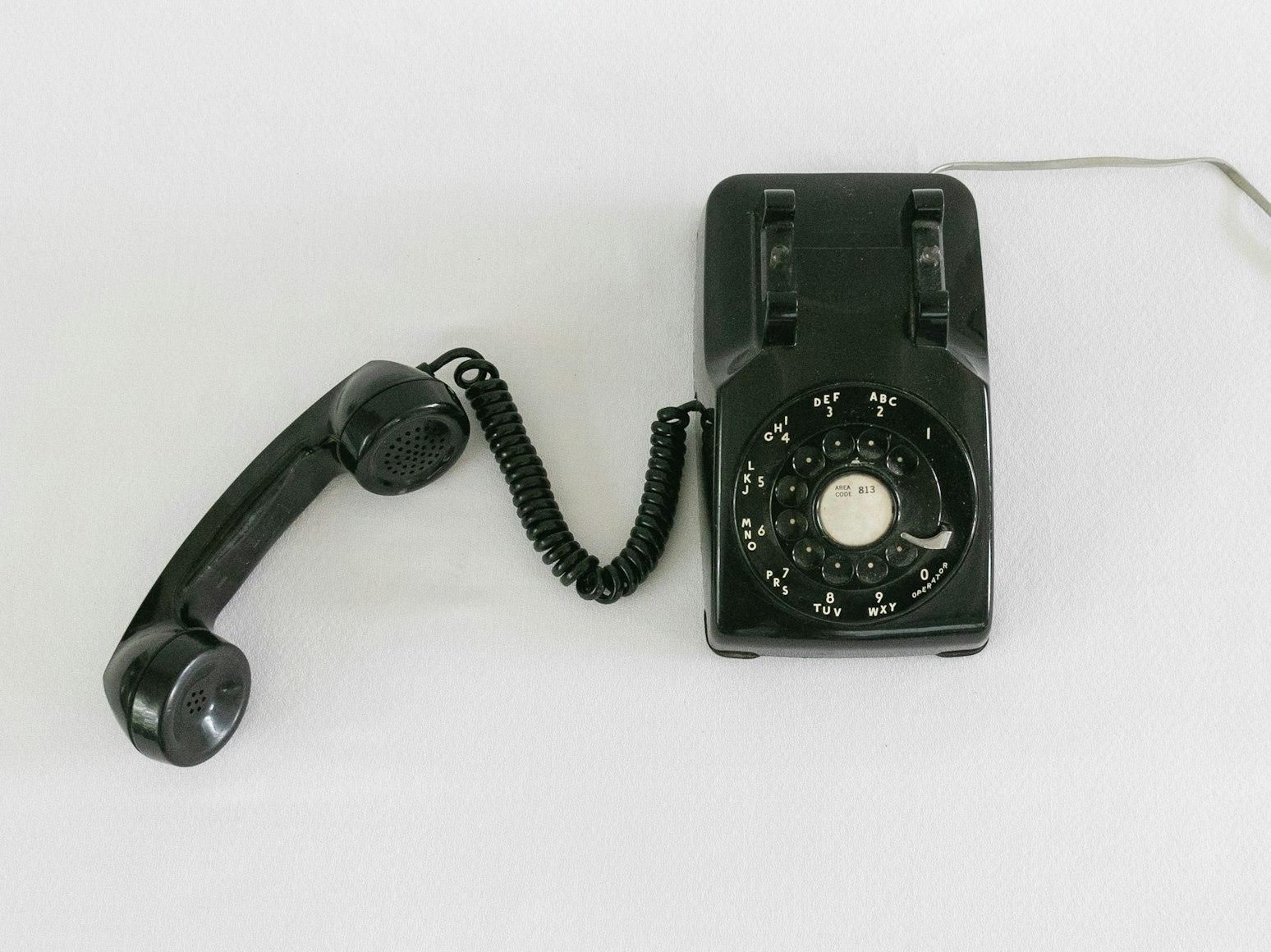
Image: Debby Hudson

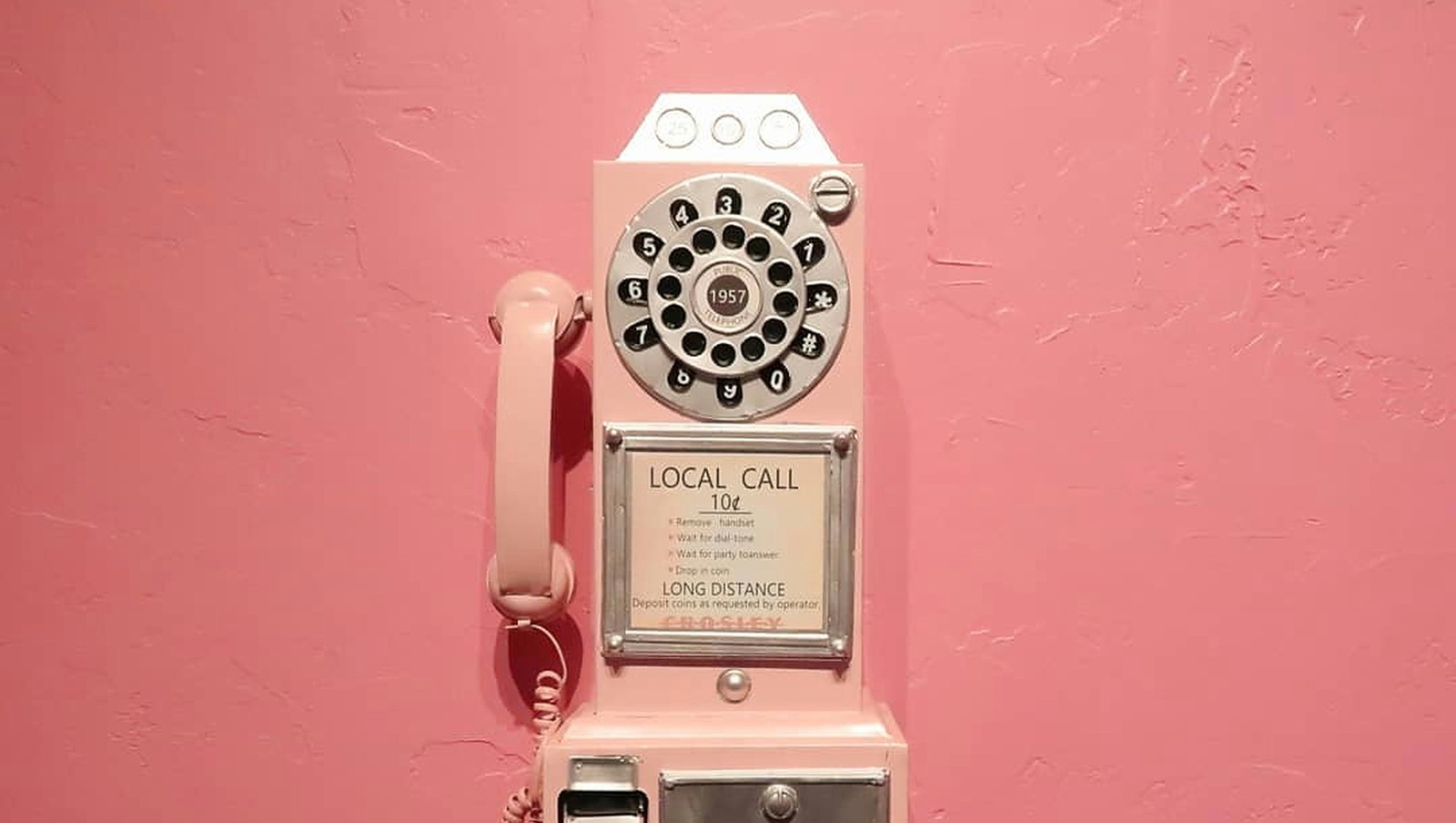
One phone call never answered, one friendship lost forever. Joan Rivers owed much of her early success to Johnny Carson, who gave her a career-changing boost as a regular guest on The Tonight Show . For years, she was seen as his comic protégé, someone he personally championed. But when Rivers accepted an offer to host her own late-night program, Carson viewed it as a betrayal.

He cut off contact immediately, refusing to take her calls, and the friendship that once seemed unbreakable collapsed overnight. Fans were stunned to see the bitter end of what had appeared to be a classic mentor-and-student bond. The silence lasted all their lives.

8
Debbie Reynolds vs Gene Kelly
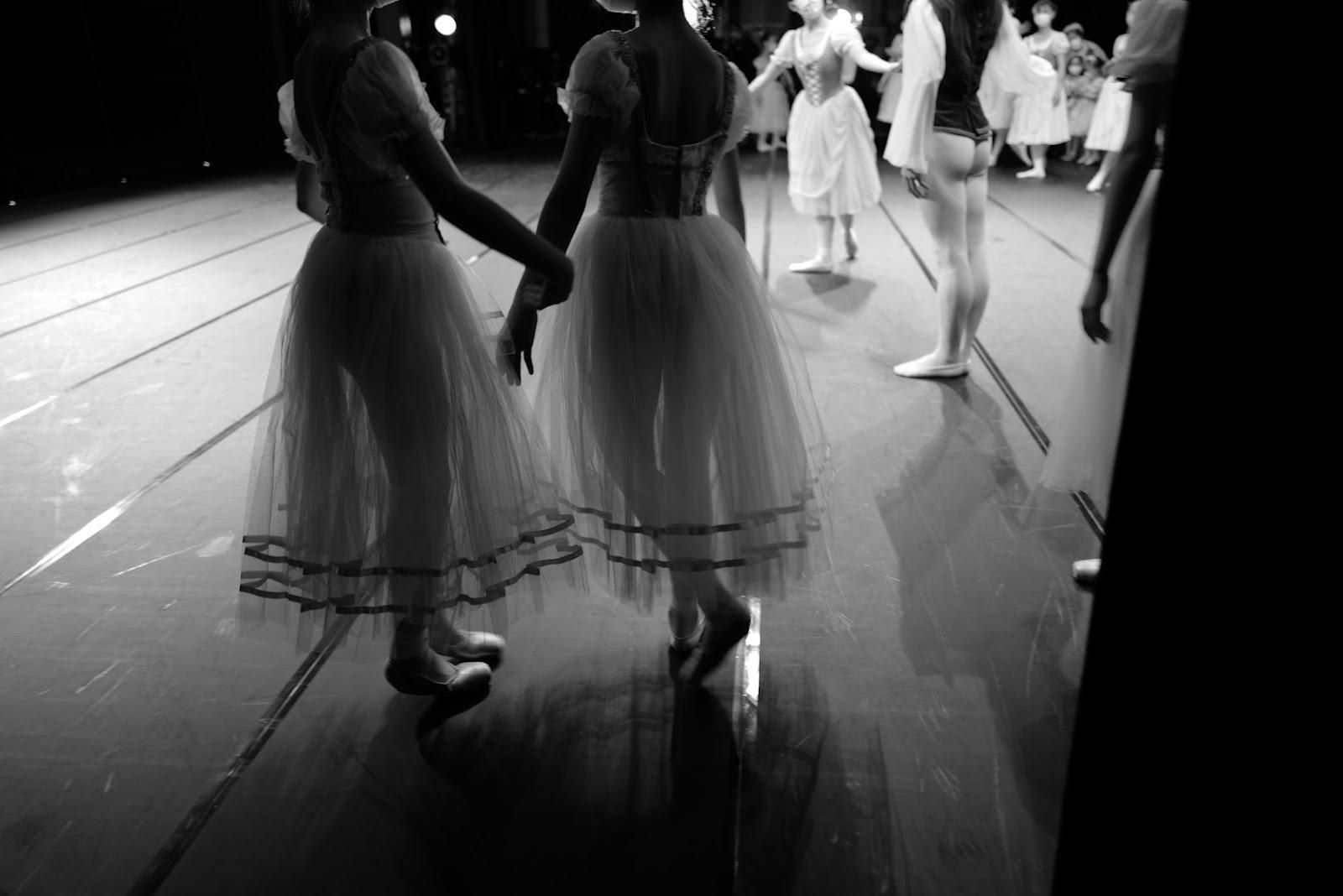
Image: Kazuo ota

When Debbie Reynolds starred in Singin’ in the Rain , she was a 19-year-old performer stepping into a major role for the first time. Gene Kelly, already an established star, demanded flawless performances and wasn’t known for his patience. Reynolds later recalled long hours of grueling rehearsals, where Kelly frequently criticized her every move, reducing her to tears.

Though their discord was rooted more in his high standards than personal dislike, the experience marked a harsh introduction to Hollywood for the young actress. Today, their behind-the-scenes tension is remembered as both a glimpse into Kelly’s tough reputation and a reminder of the enormous pressures that came with working alongside legends.

9
Orson Welles vs William Randolph Hearst

Image: William Warby

When Citizen Kane hit the screens, it wasn’t just a film debut; it was the spark of one of Hollywood’s fiercest battles. William Randolph Hearst, the media tycoon who saw too much of himself in the story, launched an all-out war against Orson Welles.

He tried to bury the film before it could reach audiences, banning ads in his papers and fueling smear campaigns. What began as a clash of egos grew into a cultural showdown, forever linking their names to both scandal and cinematic history.

10
Frank Sinatra vs Marlon Brando
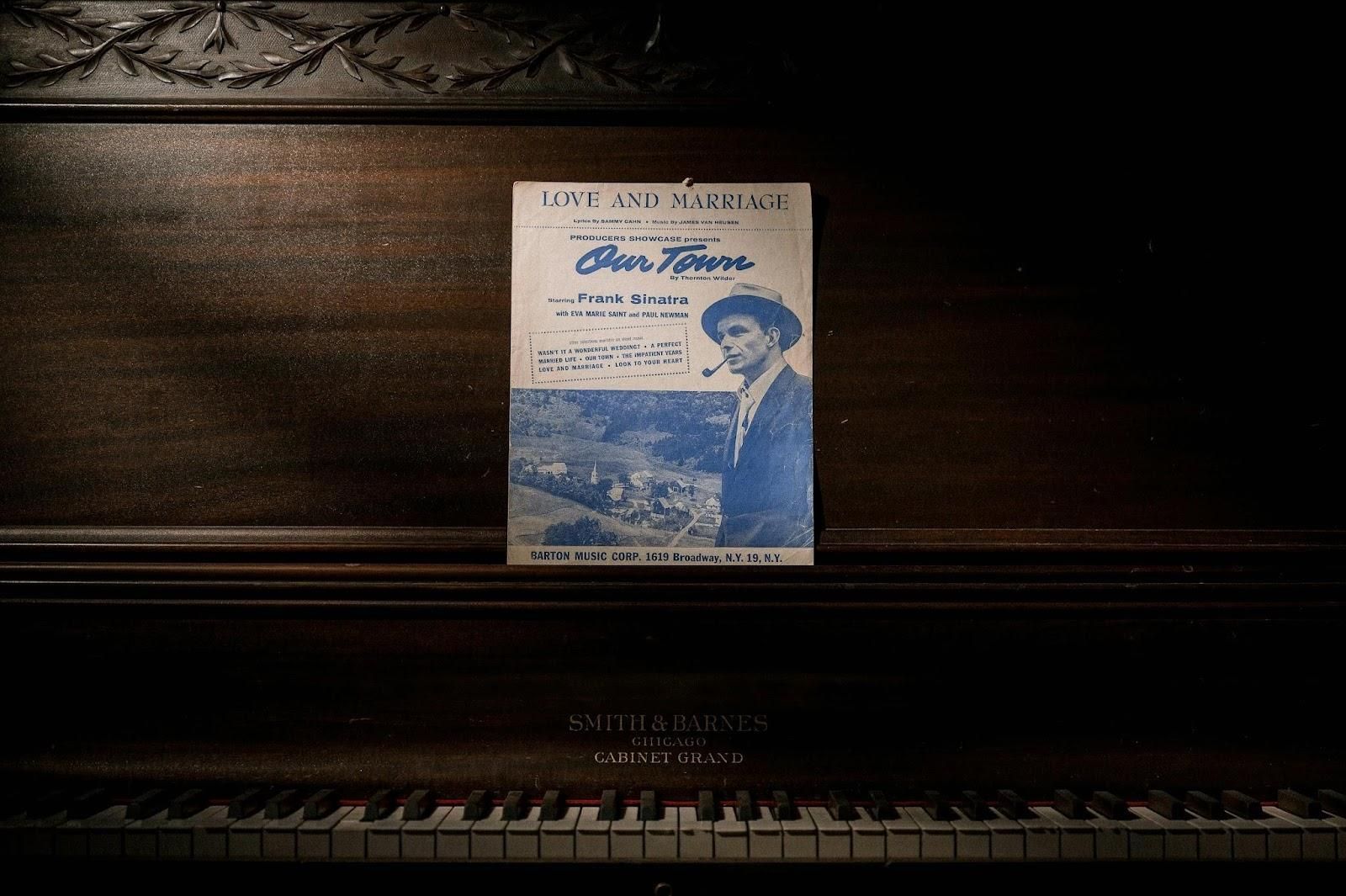
Image: Brett Sayles

If you watch Guys and Dolls today, all you’ll see is glamour. In reality, the shooting was pretty stressful: Sinatra craved efficiency, Brando thrived on slow-burning performance. Brando’s Method acting tested Sinatra’s patience, as Ol’ Blue Eyes favored efficiency and clean, polished takes.

Rumors of heated exchanges and icy silences hit the media, and by the final days of filming, the pair were barely speaking. What should have been a classy production became notorious for its behind-the-scenes tension, adding an extra layer of drama to the musical classic.

11
Bette Davis vs Joan Crawford
Image: Nathan DeFiesta

So iconic was their hatred that it later inspired documentaries and TV series. Davis and Crawford didn’t just feud; they redefined what a Hollywood rivalry is. For decades, the two icons sparred over leading roles, critical acclaim, and public adoration.

Gossip included backhanded insults, stolen lovers, and outright sabotage during productions. When they finally shared the screen in 1962’s What Ever Happened to Baby Jane? , the film’s unsettling tension was magnified by their very real animosity.

12
Chevy Chase vs Bill Murray

Image: Aleks Dorohovich

In the early days of Saturday Night Live , Chevy Chase and Bill Murray were usually at each other’s throats. Chase’s sharp, polished delivery often clashed with Murray’s more offbeat, improvisational style, and the tension spilled offstage.

Reports of heated arguments (and even a near brawl backstage) turned their working relationship into one of the show’s most notorious conflicts. Though both later moved on, their rocky career start stands as a reminder of how fragile chemistry can be in comedy’s spotlight.

Geography Geography 4 min read

Behind tall faces

Mount Rushmore hides many secrets. Did you know all of these?

Image: Jake Leonard

What famous woman’s face almost became the fifth face on Mount Rushmore? Did the sculptor Gutzon Borglum really intend to just carve out the heads? Why is the mount named that, and not Borglum? The answers to these questions are some lesser-known facts about one of the most famous landmarks and sights in our country. Let’s dive into these stories!

1
The original plan included full-body figures

Image: Thomas Shockey

Mount Rushmore was supposed to be even more colossal than it already is. Sculptor Gutzon Borglum envisioned the four presidents carved from the waist up .

He even made plaster models showing Abraham Lincoln's coat folds and Teddy Roosevelt’s hand clutching his lapel. But as costs went up, Congress said: "heads only, please."

2
Charles Rushmore was just a curious New Yorker

Image: Maarten van den Heuvel

Back in 1925, when the mount was about to be carved into a monument, Charles Rushmore wrote a letter explaining why the peak bore his name. He recalled that in the 1880s he was a young New Yorker working in the area, and fell fond of that particular granite peak .

When he asked the locals about it, they informed him that it had no name, but that if he wished so, they would just start calling it Rushmore Peak, or Mount Rushmore, or the likes. Years later, that very name had been inscribed in the public domain to designate the peak.

3
Yes, there’s a hidden room behind Lincoln’s head

Image: Laura Nyhuis

Behind Abraham Lincoln’s hairline lies a hidden chamber, part of Borglum’s lofty idea for a "Hall of Records." This room was meant to house foundational American documents like the Constitution or the Declaration of Independence.

Instead of that, in 1998, a titanium box was placed inside, filled with copies of important documents and biographies, as a time capsule to preserve the treasure of knowledge for future generations.

4
Thomas Jefferson was moved

Image: Dave Baraloto

Jefferson was originally supposed to go to Washington’s right, but after 18 months of chiseling , the granite betrayed them. Cracks and flaws made the site unworkable.

Borglum made the painful decision to blast Jefferson’s half-formed face clean off and start anew on Washington’s left.

5
The mountain was almost a monument to western heroes

Image: Timberly Hawkins

Before presidents took over, the mountain was pitched as a giant tribute to the Wild West . South Dakota historian Doane Robinson wanted to see frontier legends like Lewis & Clark carved into the Black Hills.

But when Borglum came aboard, he had a grander (and more politically bankable) idea: four presidents to symbolize national unity and expansion.

6
A woman’s face was almost added

Image: Tom Fournier

In the 1930s, there was serious talk of honoring Susan B. Anthony alongside the Founding Fathers, as a nod to the women’s suffrage movement.

Borglum wasn’t opposed to the idea, but Congress quickly nixed it, stating that only U.S. presidents could be included.

7
The workers were mostly local miners and loggers

Image: Pixabay

They were neither sculptors nor artists. Most of the workforce came from nearby Keystone, South Dakota: miners, loggers, and hard-up laborers looking for work during the Great Depression.

Borglum trained them himself. There were no safety harnesses, and yet, remarkably, no one died on the job.

8
Dynamite did 90% of the work

Image: Alexander Paramonov

To carve the faces of Washington, Jefferson, Roosevelt, and Lincoln, workers used carefully timed dynamite blasts to remove over 450,000 tons of rock. They got so precise, they could blast within inches of where the final surface would be.

The last details, like wrinkles, pupils, or Roosevelt’s glasses, were done with jackhammers and chisels.

9
The noses are disproportionate

Image: Dudubangbang Travel

Standing in front of the mountain, the faces seem alright. But that’s a trick of perspective. Each presidential nose is a whopping 20 feet long .

If the sculptures had included full bodies as planned, each figure would have stood 465 feet tall. That’s taller than the Statue of Liberty and most downtown skyscrapers.

10
Teddy Roosevelt was the most controversial pick

Image: Dudubangbang Travel

Washington, of course. Jefferson, made sense. Lincoln, sure. And Teddy? Some critics raised their eyebrows at Borglum’s fourth choice. Roosevelt had only recently passed away in 1919, and many questioned whether he'd stood the test of time.

But Borglum defended the decision Roosevelt’s role in breaking up monopolies, conserving national parks, and engineering the Panama Canal. Plus, Borglum had met him personally and was a fan.

11
It was supposed to have inscriptions

Image: Dan Pick

Borglum had grander plans than just four giant heads. He wanted to carve a massive inscription next to them, a timeline of America’s most important milestones , chiseled straight into the mountain. In time, the idea was scrapped for practical and aesthetic reasons.

12
The visionary died before completion

Image: Lisa Reichenstein

Gutzon Borglum, the visionary behind it all, didn’t live to see his masterpiece finished. He died in March 1941, just as the construction was reaching its end. His son, Lincoln Borglum (yes, named after that Lincoln), took over the project.

Still, with WWII drawing resources elsewhere, funding was slashed, and Lincoln had to wrap things up quickly . Some features, like Lincoln’s ear, were never fully detailed.

History History 4 min read

Old-school education

10 classroom habits that once ruled U.S. schools—but are gone for good

Image: Nicola Tolin

Many once-standard school customs in the U.S. have quietly vanished—phased out by shifting norms, safety rules, and cultural changes. These traditions shaped daily routines for generations, yet few remain today. From daily cursive drills to milk breaks , here are 10 traditions that have disappeared, along with the reasons behind their decline.

1
Home economics class

Image: Merve Sehirli Nasir

Home economics as a school subject peaked in the mid-20th century, teaching sewing, cooking, and budgeting —often aimed at girls.

By the 2000s, however, many states had folded it into a broader "family and consumer sciences" category, as shifting gender roles and changing cultural habits made the old curriculum feel increasingly outdated.

2
Woodshop in every school

Image: benjamin lehman

Lightly supervised children with access to power tools? Today, it seems hard to believe, but woodshop was a standard industrial arts course throughout the 1950s–1980s.

Declines began in the 1990s due to higher liability insurance costs, budget cuts, and a growing emphasis on college-prep academics over practical skills. Some schools still maintain limited woodworking programs, often using them as hands-on, integrated learning tools.

3
The dodgeball era

Image: Wan San Yip

Dodgeball dominated physical education classes well into the 1990s, often using hard rubber balls that were notorious for causing stingers, bruises, and occasional injuries . The game was popular because it required little equipment, could fill an entire class period, and kept large groups of students active.

By the 2000s, however, concerns about safety and bullying led many districts to restrict or replace dodgeball with more structured team sports. Some schools still play modified versions, usually with soft foam balls and strict rules.

4
Chalkboard dusting

Image: Vitaly Gariev

For over a century, green and black chalkboards were the centerpiece of American classrooms, with students regularly assigned to "clap out" erasers outside to clear the built-up dust. Chalk was cheap, durable, and easy for teachers to use in large rooms.

By the 1990s, districts began replacing chalkboards with whiteboards due to dust concerns linked to asthma and indoor air quality. The shift accelerated as overhead projectors, digital displays, and interactive whiteboards provided cleaner surfaces and reduced inhalation hazards.

5
Daily milk breaks

Image: ROBIN WORRALL

Mid-morning milk breaks became common in American elementary schools after the USDA expanded dairy subsidies through programs like the Special Milk Program in 1954. For decades, students lined up for small cartons—usually whole milk—intended to boost childhood nutrition and support U.S. dairy producers during periods of surplus.

By the 1990s and 2000s, milk breaks declined as updated nutrition guidelines shifted schools toward broader meal programs rather than standalone milk service.

6
In-school smoking lounges

Image: Andres Siimon

The idea of teens openly smoking on school grounds would be almost unimaginable under today’s health and liability standards. But through the 1960s and into the early 1980s, many American high schools—especially in the Midwest and Northeast—maintained designated smoking areas for students.

The practice disappeared quickly as federal and state regulations tightened, beginning with widespread adoption of indoor smoking bans in the late 1980s and early 1990s. The 1994 Surgeon General’s report and anti-tobacco campaigns further pushed districts to eliminate student smoking sections altogether.

7
Daily cursive drills

Image: Aaron Burden

For most of the 20th century, daily cursive drills were a nonnegotiable part of American schooling , often reinforced by specific handwriting manuals. Teachers devoted significant class time to perfecting loops, slants, and connected strokes, because cursive was considered essential for legibility, speed, and personal discipline.

The decline accelerated after the rollout of the Common Core State Standards in 2010, which omitted cursive entirely in favor of keyboarding and digital literacy benchmarks. With shrinking instructional time, cursive was often one of the first skills removed from early-grade schedules.

8
Class pet enclosures

Image: Minjae Cho

From the 1960s through the 1990s, class pets—hamsters, guinea pigs, turtles, goldfish, and even the occasional lizard—were staples of American elementary classrooms. Teachers used them to teach responsibility, empathy, and basic biology , and many classes created rotating "pet helper" charts for feeding and tank cleaning.

Today, the idea of a live animal in a crowded classroom, handled daily by students, feels out of step with modern safety, allergy, and sanitation standards. Maintenance costs, humane-treatment rules, and the challenge of caring for animals during breaks led schools to retire these longtime classroom mascots.

9
Student hall monitors

Image: Christopher Ryan

For much of the mid-20th century, student hall monitors were a fixture in American schools. Selected students—often upper-grade or high-performing—wore badges or sashes and were tasked with checking hall passes, reporting loitering, and keeping noise down between classes.

By the 1990s, the role faded as schools adopted professional security staff, stricter attendance protocols, and legal liability rules that made peer enforcement impractical. As districts invested in cameras, campus supervisors, and centralized discipline systems, the traditional hall monitor quietly disappeared from most American schools.

10
Morning physical calisthenics

Image: Philip White

From the 1950s through the early 1970s, influenced by Cold War fitness campaigns, many American schools began the day with school-wide calisthenics —jumping jacks, toe touches, and arm circles—led over the PA system.

The practice faded as schedules tightened and PE moved into dedicated class periods, with research favoring structured fitness over brief daily routines. Today, the idea of entire schools performing synchronized drills feels almost militaristic.

Explore more American facts

Choose your favorite category!

General
General

As American as apple pie—the very best America has to offer!

Culture
Culture

Delve into the astounding richness of American lore.

Geography
Geography

Hop in and explore vast and diverse American landscapes.

History
History

Discover the key moments that shaped the United States.