History History 5 min read

10 US presidents who changed the course of history

Image: David Trinks

Some presidents don’t leave much of a mark, while others manage to reshape the whole path a nation walks on. Across different generations, certain leaders made choices or introduced ideas that nudged the country in a new direction. In this list, we take a simple, easy look at 10 presidents whose steady hands, practical decisions, and clear vision helped guide the United States into the future.

1
George Washington
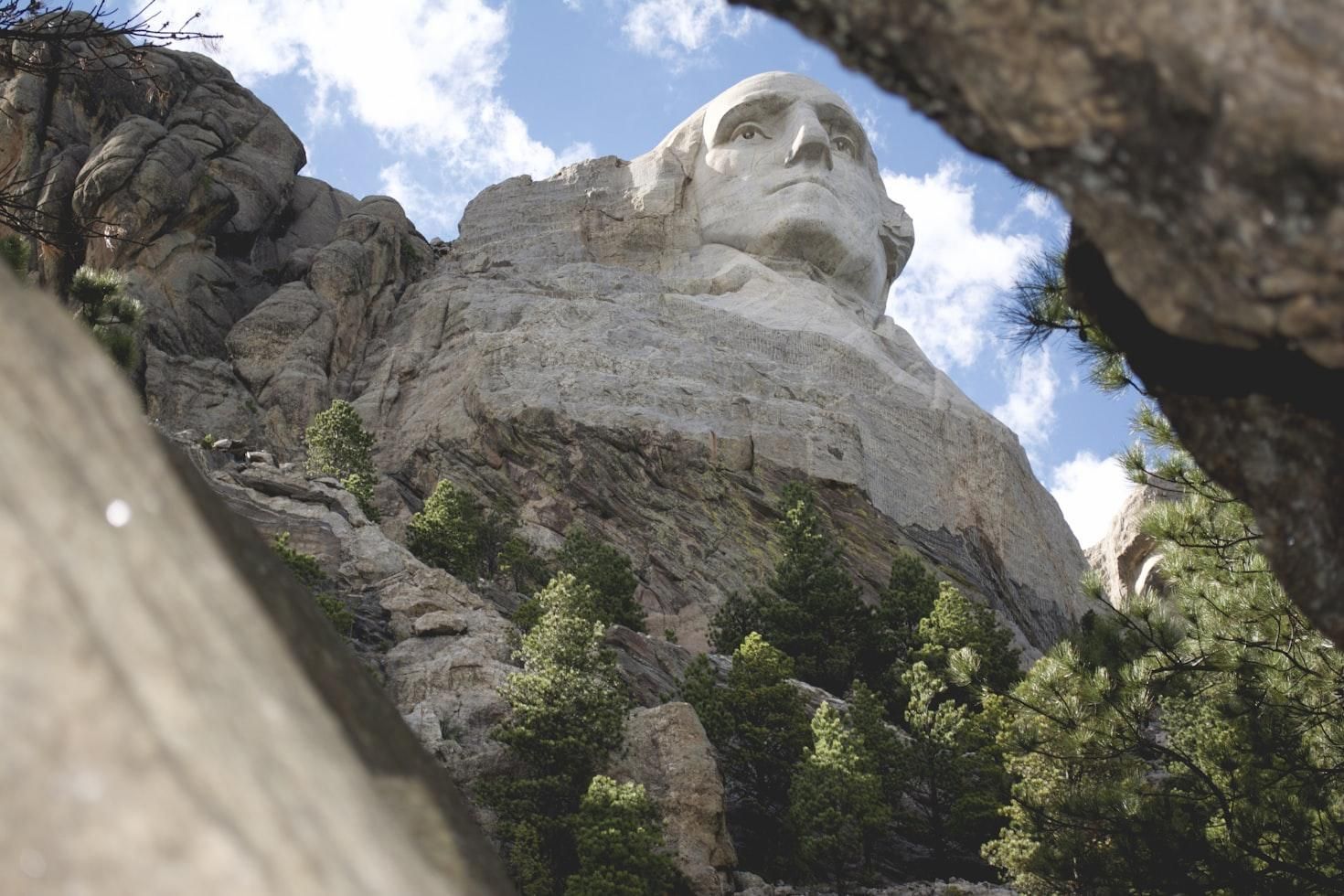
Image: Priscilla Gyamfi

America’s first president had no guidebook to follow, so George Washington ended up writing the first chapters of the office himself. With calm judgment and a focus on fairness, he set the tradition of serving only two terms, showing that leadership should be about duty rather than personal power.

Washington organized the very first Cabinet, established the tone for presidential addresses, and worked hard to promote unity among different regions and viewpoints. His steady approach helped turn a young, uncertain nation into a stable and functioning republic. The patterns he created became the model for every subsequent president.

2
James Madison

Image: Tara Winstead

Often called the "Father of the Constitution," James Madison helped shape the foundations of the United States long before he stepped into the presidency. He played a central role in writing the Constitution and co-authored the Federalist Papers, a series of essays that explained how the new government was meant to work.

Once in office, Madison continued to support the development of stronger federal systems that could serve a growing country, and he oversaw the admission of new states into the expanding Union. His steady leadership helped reinforce the structure laid down by the founders and proved that the nation’s early ideas—balance, stability, and cooperation—could stand the test of time.

3
Abraham Lincoln
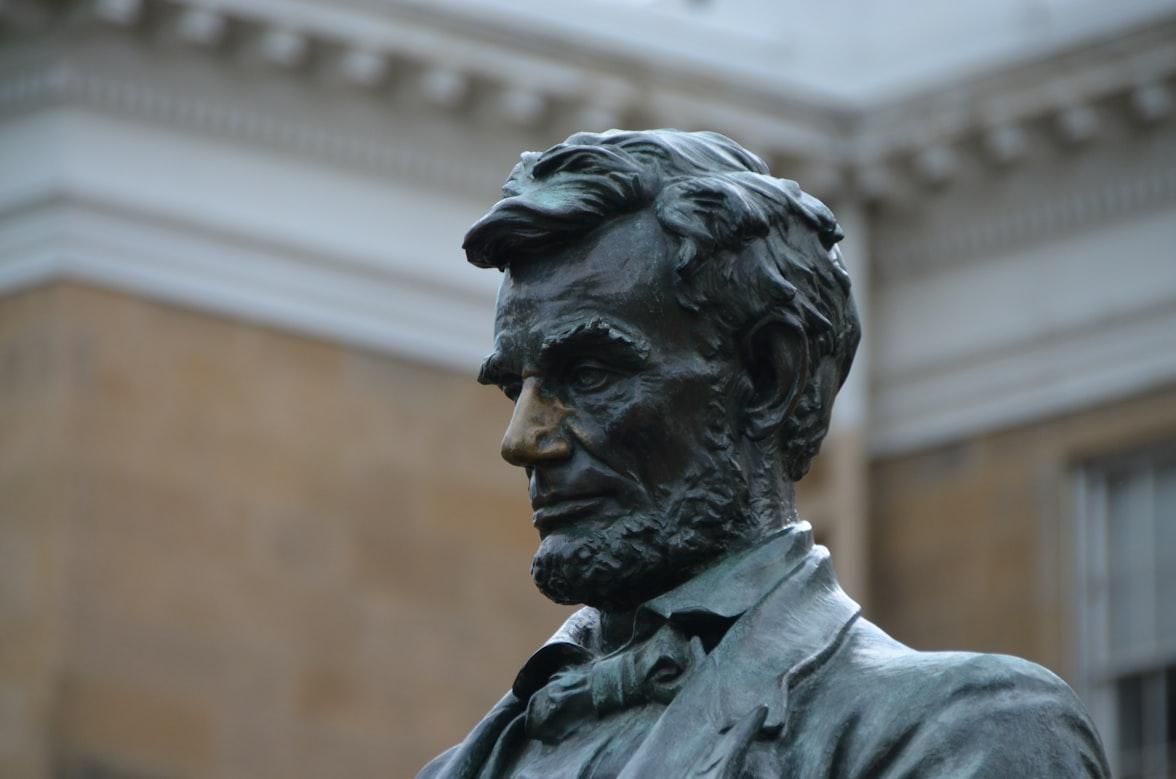
Image: Jacob Thorson

The 16th U.S. president guided the nation through a time of deep division with a calm, steady determination and a clear sense of purpose. He held firmly to the belief that all people are created equal, and he worked to bring those principles to life in practical, lasting ways.

During his presidency, Lincoln supported major constitutional changes that broadened personal freedoms and strengthened the role of the federal government in protecting those rights. He emphasized unity, fairness, and the idea that the country could emerge stronger if it stayed true to its core values. His dedication to these ideals has made him one of the most admired figures in American history, remembered for his integrity and his hope for a more united nation.

4
Theodore Roosevelt
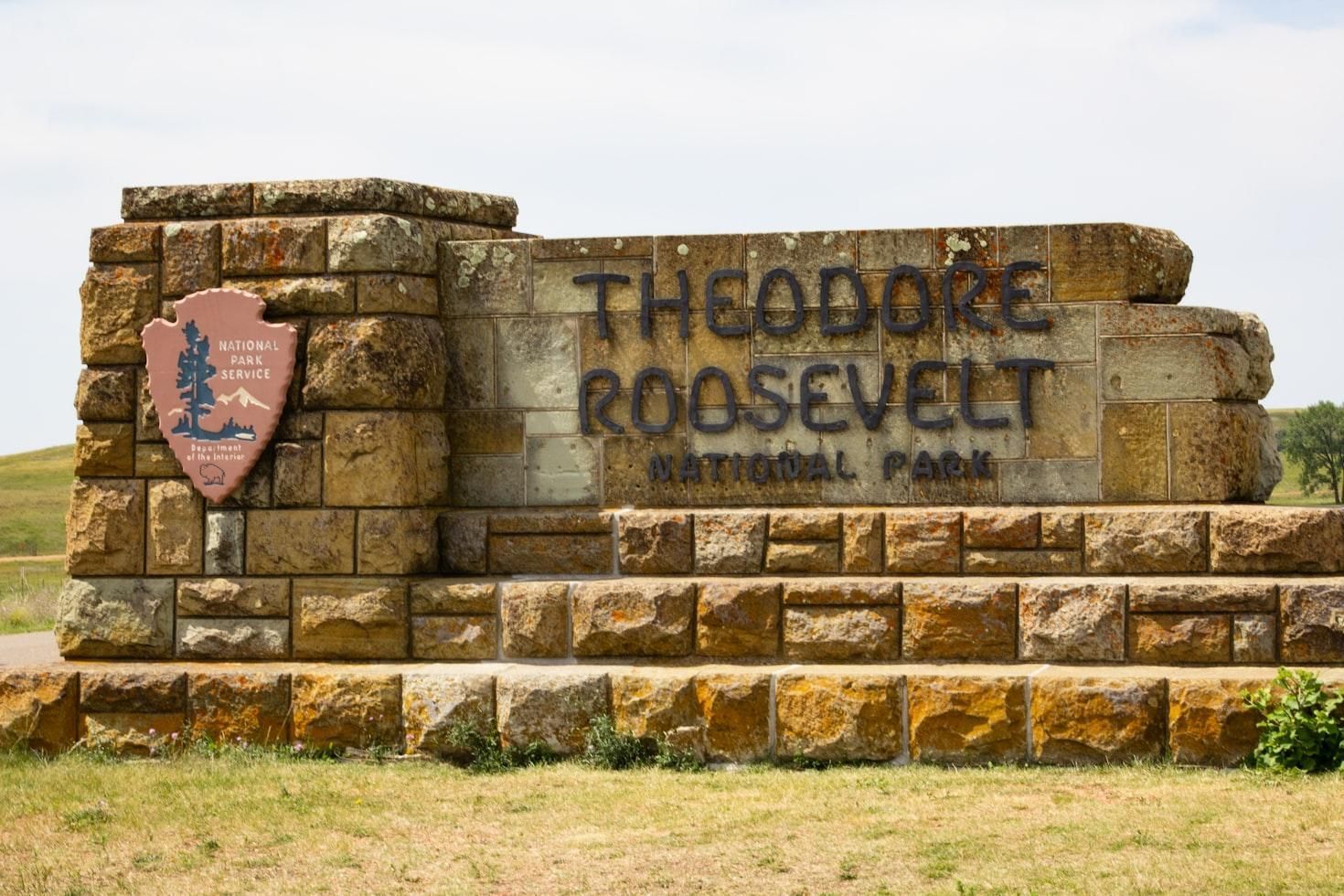
Image: Ryan Stone

Theodore Roosevelt was known for his enthusiasm, his adventurous spirit, and his deep love of the outdoors. He became one of the nation’s strongest voices for conservation, helping to create and expand national parks, forests, and wildlife areas.

His domestic program, the "Square Deal," aimed to make sure consumers, workers, and businesses were treated fairly, and he pushed for stronger rules that protected everyday Americans from unfair practices. Roosevelt also encouraged the nation to step forward with confidence, backing improvements in transportation and modern infrastructure that helped connect the United States more smoothly with the world.

5
Woodrow Wilson

Image: Đào Thân

Woodrow Wilson arrived in Washington with a plan to give everyday Americans a fairer, more balanced system, and his wave of domestic reforms—known as the "New Freedom"—reflected that goal. During his presidency, the nation saw the creation of the Federal Reserve System and the Federal Trade Commission, two major institutions designed to keep the economy steady and well-regulated.

Wilson also encouraged the idea that countries should work together through organized cooperation rather than standing apart, a view that later influenced the formation of important international organizations. His belief in self-determination and his preference for diplomacy over isolation helped guide the United States toward a long-term vision of global partnership and shared responsibility.

6
Franklin D. Roosevelt
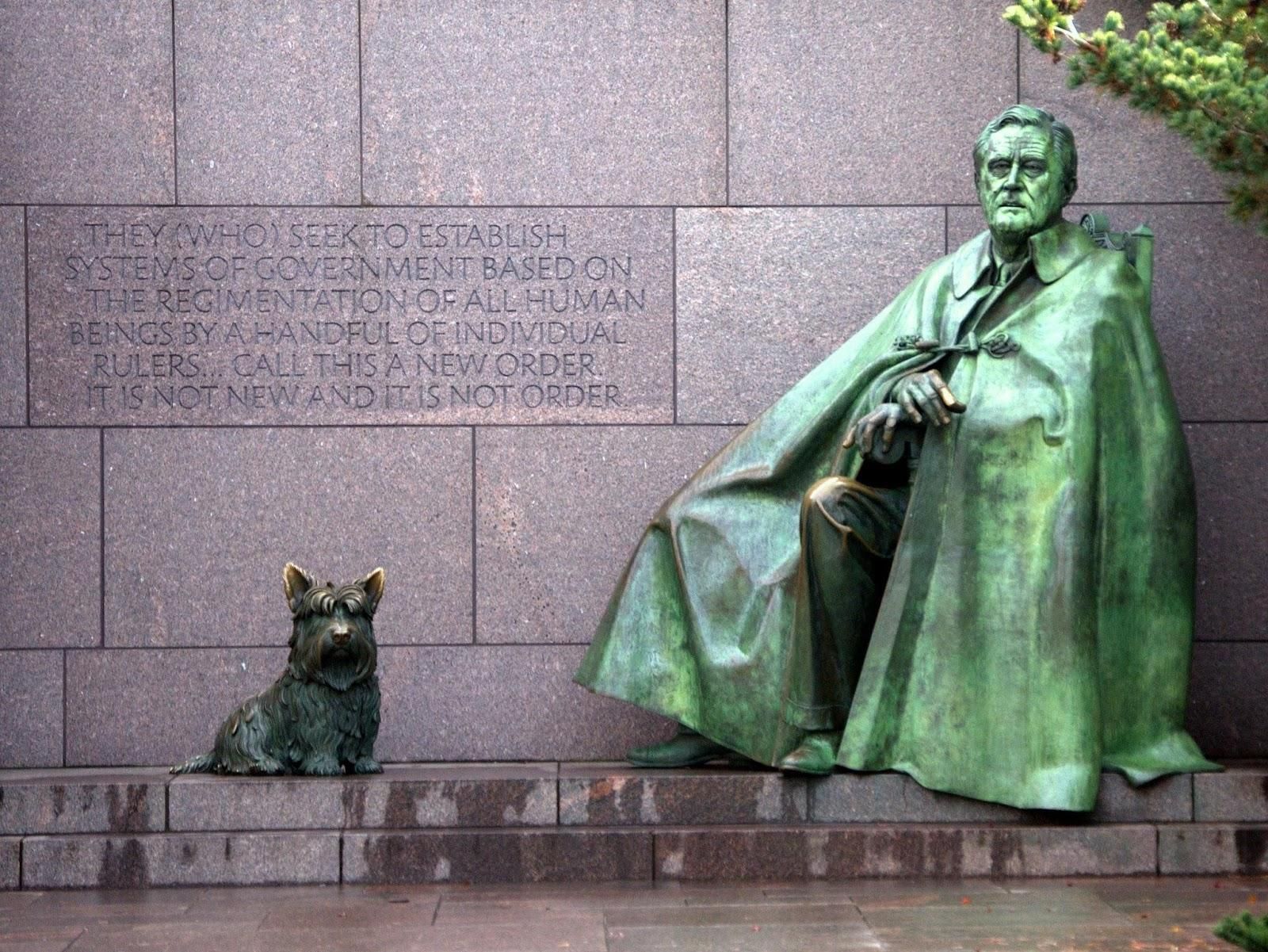
Image: Pedro Gutierrez

Franklin Roosevelt guided the nation through one of its toughest economic periods with a wide-ranging effort known as the "New Deal." This collection of policies helped support workers, steady the banking system, and strengthen protections for consumers. It also introduced Social Security, a program that quickly became a key element of retirement planning for millions of Americans.

Roosevelt understood the importance of keeping the public informed, so he spoke directly to families through his regular radio broadcasts, the famous "Fireside Chats." In these simple, calm conversations, he explained what the government was doing and why, helping people feel more confident in uncertain times. His clear, steady communication made him one of the most trusted and familiar voices of his era.

7
Harry S. Truman
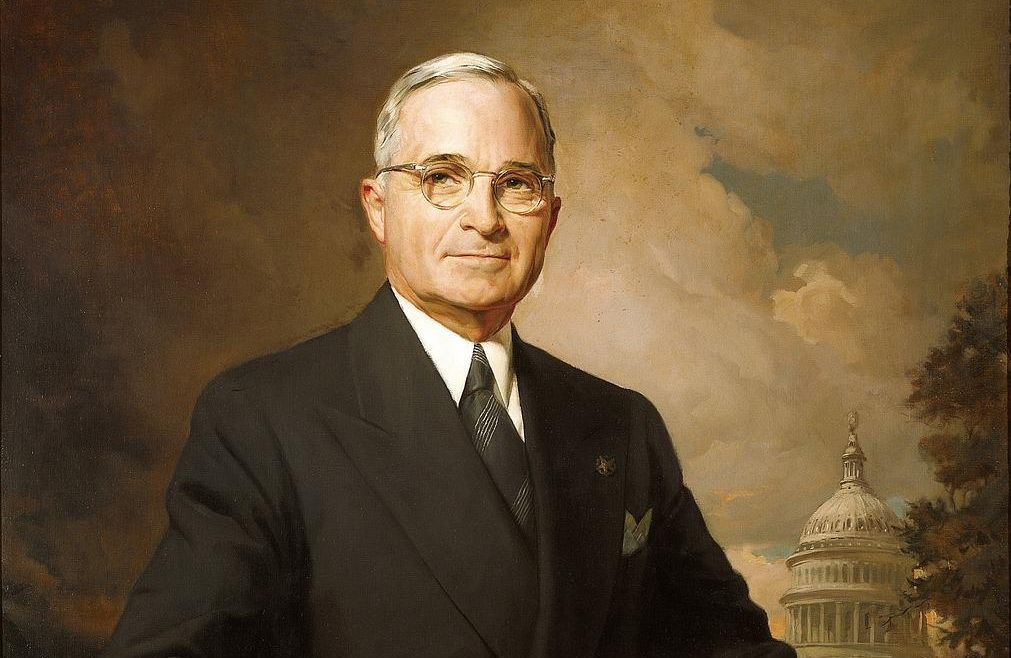
Image: WikiImages

When Harry Truman took office in 1945, both the world and the United States were undergoing a period of rapid change. With a practical mindset, the 33rd president helped launch broad programs aimed at rebuilding European economies and encouraging stronger international cooperation.

He also set a new long-range direction for American policy, one that emphasized stability, democratic principles, and economic support beyond U.S. borders. Truman’s meaningful efforts helped shape how nations worked together and signaled the beginning of important social changes that would continue to unfold in the decades ahead.

8
John F. Kennedy
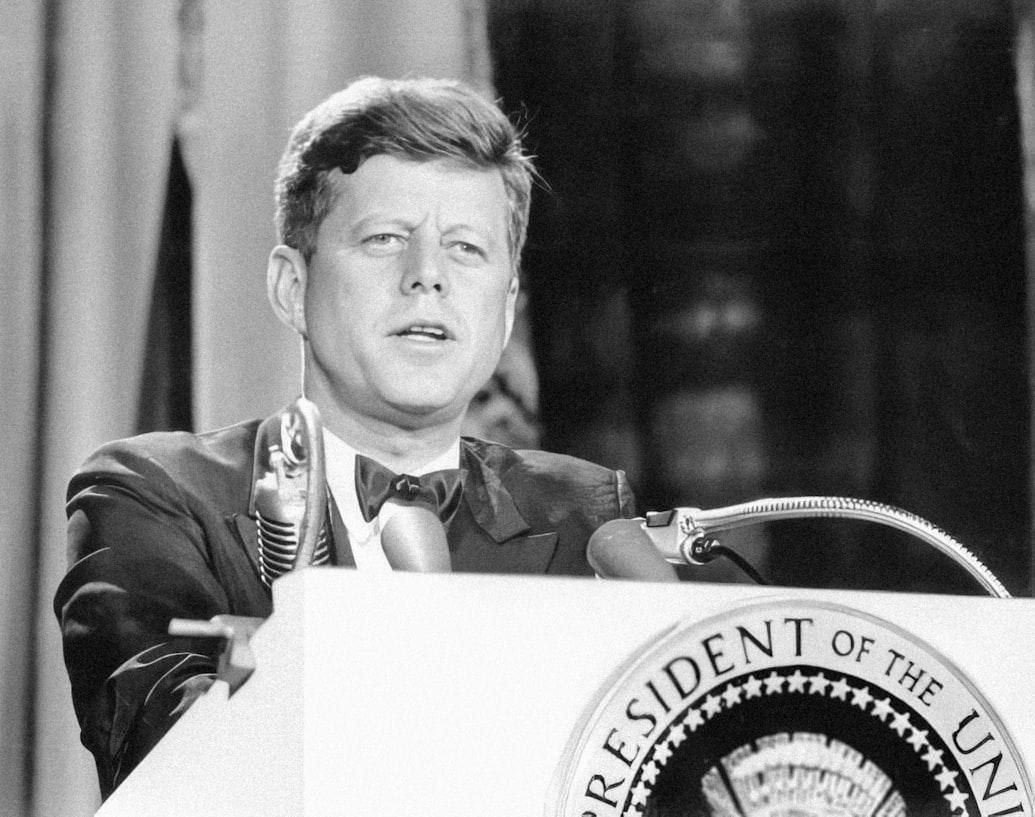
Image: Florida Memory

John F. Kennedy brought a fresh sense of youth and optimism to the early 1960s. His speeches often called on Americans to lend a hand, serve their communities, and think beyond themselves—captured in his well-known line, "Ask not what your country can do for you, ask what you can do for your country."

Kennedy supported important civil rights efforts and encouraged steady progress in science and technology. He also pushed the nation to look toward the future through expanded space exploration and created the Peace Corps, giving young Americans opportunities to volunteer and make a difference overseas. His steady promotion of learning, service, and innovation helped spark a spirit of national progress that defined much of the decade.

9
Lyndon B. Johnson
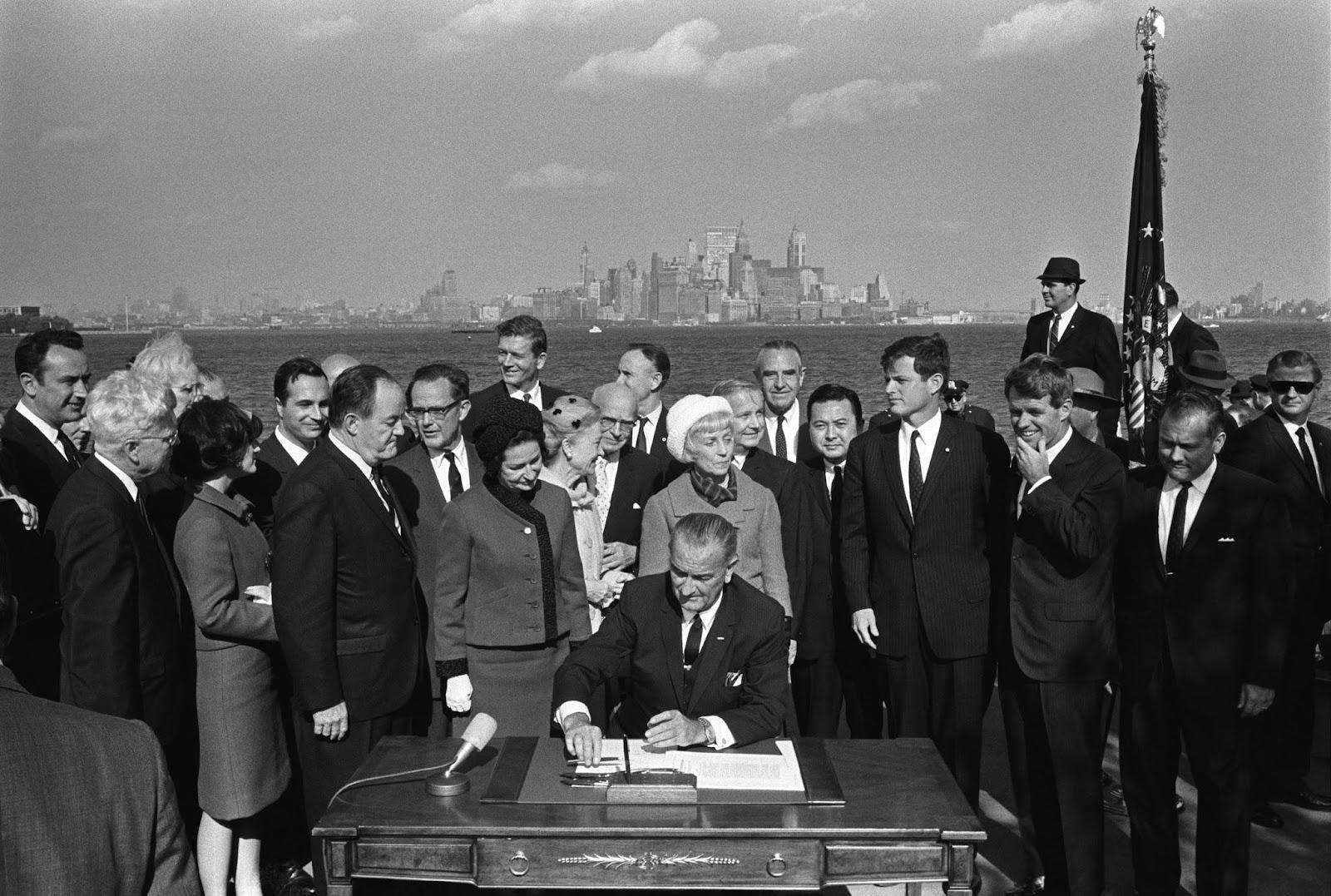
Image: LBJ Library photo by Yoichi Okamoto Restored by: Bammesk, Public domain, via Wikimedia Commons

Lyndon Johnson arrived in the White House with a far-reaching plan he called the "Great Society," a vision aimed at improving everyday life for people across the country. Under his leadership, Congress passed major civil rights legislation that strengthened equality and safeguarded voting rights, setting new standards for fairness.

The 36th president also approved the creation of Medicare and Medicaid, programs that gave millions of older adults and low-income families reliable access to health care for the very first time. Additionally, he supported initiatives to improve education, preserve natural resources, and strengthen local communities.

10
Ronald Reagan
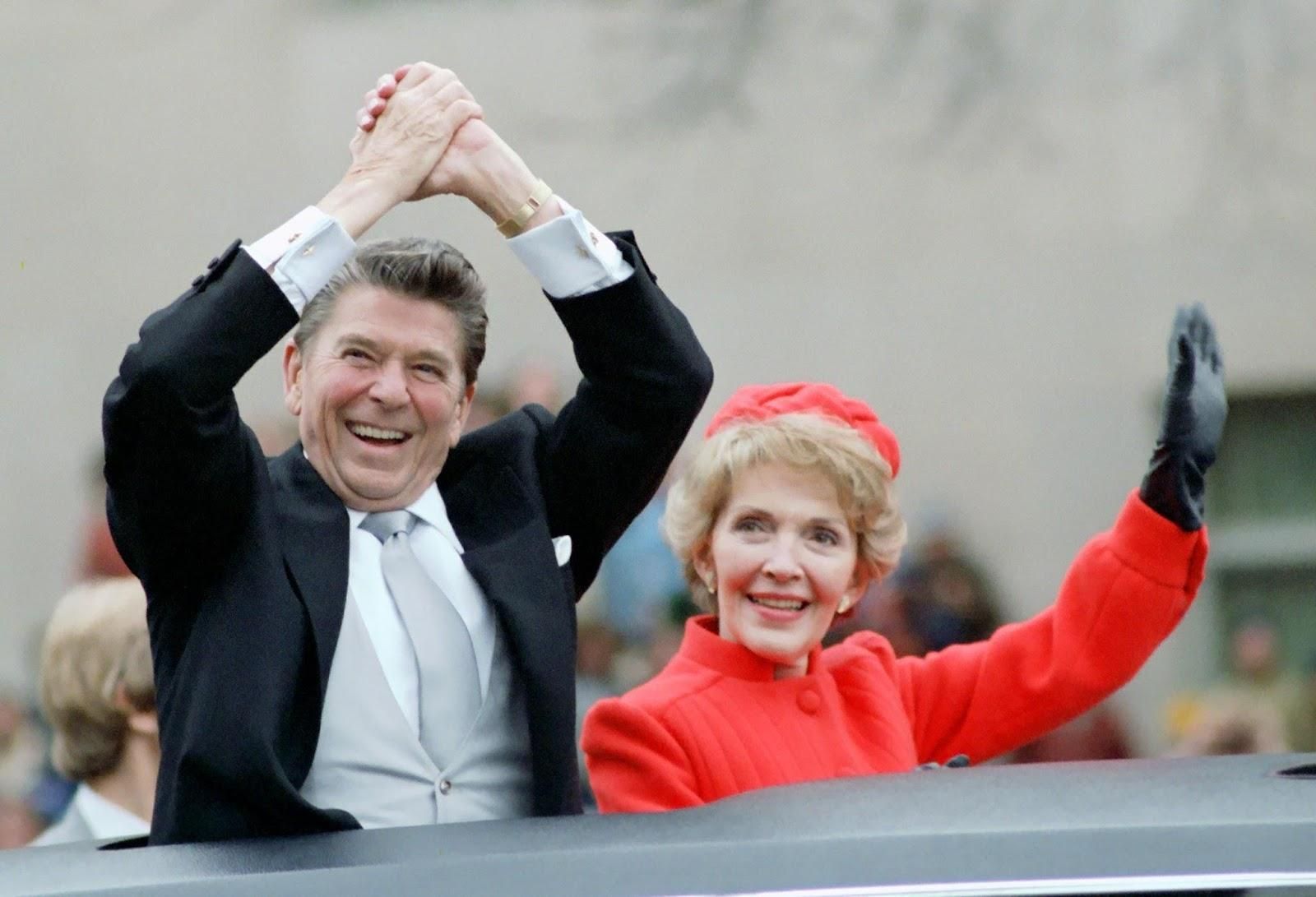
Image: White House Photographic Collection, Public domain, via Wikimedia Commons

Ronald Reagan stepped into the 1980s carrying a message of confidence and renewal, offering Americans a sense of fresh direction after a challenging period. His economic approach—later known as "Reaganomics"—was centered on lowering taxes, easing federal regulations, and giving businesses more room to grow. For many people, this era became associated with rising optimism.

Reagan also spoke often about national pride and traditional values, presenting a steady, recognizable voice on the world stage. His leadership style—straightforward, good-humored, and easy to understand—left a lasting mark on how political ideas were discussed and helped shape the country’s tone for years to follow.


General General 3 min read

Stay safe!

Black bears in your area? 10 tips about what to do and what not to do

Image: Dre Erwin

Different species of bears have lived in America for much longer than humans and continue to do so, sometimes even near urban areas. People who live in areas where black bears can be found should know how to act to stay safe and avoid harming the bears, which are mostly just confused and hungry. Take a look at the following 10 tips and remember them. This is the kind of information that can save your life or, at the very least, save you some trouble.

1
Stand and face the bear

Image: Robert Thiemann

If a black bear approaches you, stand your ground and face it directly . Never run away from or approach it. The bear is most likely just as surprised as you are and will avoid getting into a fight. If the animal sees that you don’t flee, it will simply walk away looking for an easier, less crowded direction.

2
Appear big

Image: Tristan Frank

A trick often employed in nature by animals and insects that need to deter bigger creatures is to make themselves appear larger by any means necessary. The same tactic should be employed if you encounter a black bear. Make yourself look as big as possible by spreading your arms or, better yet, using a coat if you have one at hand.

3
Make some noise

Image: Isabel Lee

No other animal in nature can create noises like a human can. Either screaming at the top of your lungs or banging on a pan, the kind of noise you can produce is extremely startling for almost any animal, including bears, which will leave you alone as soon as they can.

4
Keep bear spray at hand

Image: Michael Anfang

Bear spray is a highly effective deterrent against black bears. If a bear approaches and you have bear spray, don't hesitate to use it . The animal will find the whole ordeal extremely unpleasant and will flee immediately.

5
Fight back

Image: Julia Fiander

In the extremely rare event of a black bear trying to attack you, attempt to escape to a secure location. If escape is not possible, fight back using any available object . Focus your blows on the bear's face and muzzle. Never play dead, as this can encourage the bear to continue its attack.

6
Remove what attracted the bear

Image: Susan Elizabeth Jones

If you have seen a bear near your home or the area where you are staying, be sure to remove whatever attracted them to the location . This could include a used barbecue grill with leftover grease or meat, a bird feeder, unattended pet food, or garbage.

7
Alert your neighbors

Image: Alla Kemelmakher

If you have seen bears or any signs of their presence in your area, alert your neighbors. Even if you have taken the necessary precautions to deter the presence of bears, your neighbors might be doing otherwise if they are not aware of the situation.

8
Keep your pet safe

Image: Camerauthor Photos

If you are in an area where black bears, or any bears, are known to exist, always check for their presence before letting your dog, cat, or any other pet go outside. If a bear is in the vicinity, create a safe, enclosed space where your pet can retreat. If possible, move your pet indoors quickly and calmly, keeping them away from windows or doors where they could attract the bear's attention.

9
Give the bear an escape route

Image: Bruce Warrington

If you encounter a bear in your area, follow the advice mentioned earlier and always make sure to leave an escape route for the bear to leave easily. If the animal feels cornered, there is a much bigger chance of getting into an aggressive situation.

10
Airtight containers

Image: Marcus Urbenz

Make sure to store garbage in secure, airtight containers inside a garage or other enclosed storage area. Adding ammonia to trash cans and bags will help reduce odors that attract bears. Also, clean garbage cans with ammonia at least once a week to eliminate residual odors.

Do not store recyclables on a porch or in a screened sunroom, as bears can smell these items and will rip through screens to get to them. Place garbage outside only on the morning of collection, not the night before.

Culture Culture 4 min read

When Hollywood breaks the bank

$400 million spent on what!? Discover Hollywood's most expensive movies

Image: Mackenzie Marco

What would you do with $465 million? Buy a private island? Maybe 5 of them! If that sounds over the top, Hollywood might disagree. Big studios spend unimaginable amounts of money, with numbers that can be mind-blowing. Keep reading if you want to learn more about the most expensive movies ever made and where all that money went; there’s one title you definitely won’t see coming!

1
Jurassic World Dominion

Image: Christopher Stark

We understand; bringing giant reptiles from millions of years ago to life isn’t easy… or cheap. Maybe that’s why Jurassic World: Dominion (2022) cost an incredible $465 million! But not all of that went to special effects. Filmed during the pandemic, the costs of safety measures and protocols for the large cast and crew were anything but low. The actors even spent months quarantining in the luxurious Langley Hotel near Pinewood Studios, which also inflated the film’s budget.

2
Star Wars: The Force Awakens

Image: Lyman Hansel Gerona

There are Star Wars fans everywhere, and for good reason, as it’s considered one of the greatest movie franchises of all time. But creating something this good comes at a high price: $447 million, to be precise. In addition to the visual effects and incredibly detailed costumes, the movie was shot across multiple countries: England, Iceland, Ireland, and even the United Arab Emirates. On top of that, the production counted with a top-tier cast, including Harrison Ford and Carrie Fisher.

3
Fast X

Image: Cook aynne

Fast X (2023) ranks among the most expensive movies ever made, with an incredible budget of $379 million. But it wasn’t just the explosions, wild rollovers, and high-speed chases that elevated the costs; a big part went into reuniting much of the original cast. On top of that, the production didn’t stick to Los Angeles alone; it also filmed in beautiful international locations such as Rome, Turin, and Lisbon.

4
Pirates of the Caribbean: On Stranger Tides

Image: Intricate Explorer

This film cost about the same as Fast X , but it came out 12 years earlier, when that budget was even more impressive. Pirates of the Caribbean: On Stranger Tides (2011) accumulated around $378.5 million in production costs, much of it going to star salaries, especially Johnny Depp, who reportedly earned $55 million for his role. And that’s not all; the film’s visual effects and far shooting locations (Hawaii, the UK, Puerto Rico) drove the budget even higher.

5
Avengers: Age of Ultron

Image: Jason Leung

The superheroes’ suits, the incredible effects that brought their powers to life, the amazing battle scenes, and all the destruction they caused pushed the budget of Avengers: Age of Ultron (2015) to $365 million. But here’s the most interesting part: another film from the same saga, Avengers: Endgame , was released four years later and actually cost less (about $356 million).

6
Avatar: The Way of Water

Image: Luke Tanis

One thing’s for sure: making a movie is never easy, especially when it features a giant blue alien species living in an underwater world. That’s the case with Avatar: The Way of Water , released in 2022 with an astounding budget of $350 million. Costs climbed even higher thanks to its long filming schedule, which stretched from 2017 all the way through 2020!

7
Indiana Jones and the Dial of Destiny

Image: Intricate Explorer

Indiana Jones always gives his all, and his latest adventure, Indiana Jones and the Dial of Destiny (2023), was proof of that. The film cost around $327 million to produce, and the action didn’t stay confined to a studio, as the cast, crew, and equipment traveled to locations across the UK, Morocco, and Italy. In addition, the innovative visual effects and de-aging technology used to bring Harrison Ford’s character to life weren’t exactly cheap.

8
Mission: Impossible – The Final Reckoning

Image: Nao Takabayashi

Powerful action scenes and chases, biplanes performing aerial stunts, fierce battles, and underwater sequences: you’ll find all this and more in Mission: Impossible – The Final Reckoning (2025). But all this didn't come out of nowhere; it cost $300 million! Beyond the vehicles and specialized equipment, security measures had to be a serious matter. On the other hand, bringing Tom Cruise back to the saga and having him perform his own stunts added more dollars to the equation, with the actor reportedly earning between $70 million and $120 million for the movie.

9
No Time to Die

Image: Marcel Eberle

We were all excited to see Daniel Craig back in James Bond’s shoes, and we were lucky enough to watch him do it! But, of course, it didn’t come cheap. Beyond Craig’s generous salary and advanced visual effects, the film’s $250 million budget also covered the costs of filming across multiple, distant locations, including Italy, Jamaica, Norway, the Faroe Islands, and the UK!

10
Snow White

Image: Priscilla Du Preez 🇨🇦

After so many scenes of action, aliens, weapons, and explosions, you probably didn’t expect Snow White (2025) to make this list, right? But it did! While the film’s budget wasn’t officially confirmed, estimates put it at around $270 million. So, where did all that money go? First of all, the film relied on high-quality visual effects to bring the magic and fantasy of the fairy tale to life. But that wasn’t all; lead actresses Rachel Zegler and Gal Gadot reportedly requested substantial salaries.

Explore more American facts

Choose your favorite category!

General
General

As American as apple pie—the very best America has to offer!

Culture
Culture

Delve into the astounding richness of American lore.

Geography
Geography

Hop in and explore vast and diverse American landscapes.

History
History

Discover the key moments that shaped the United States.