Geography Geography 3 min read

Hidden country

10 places in America that still baffle scientists (and tourists love)
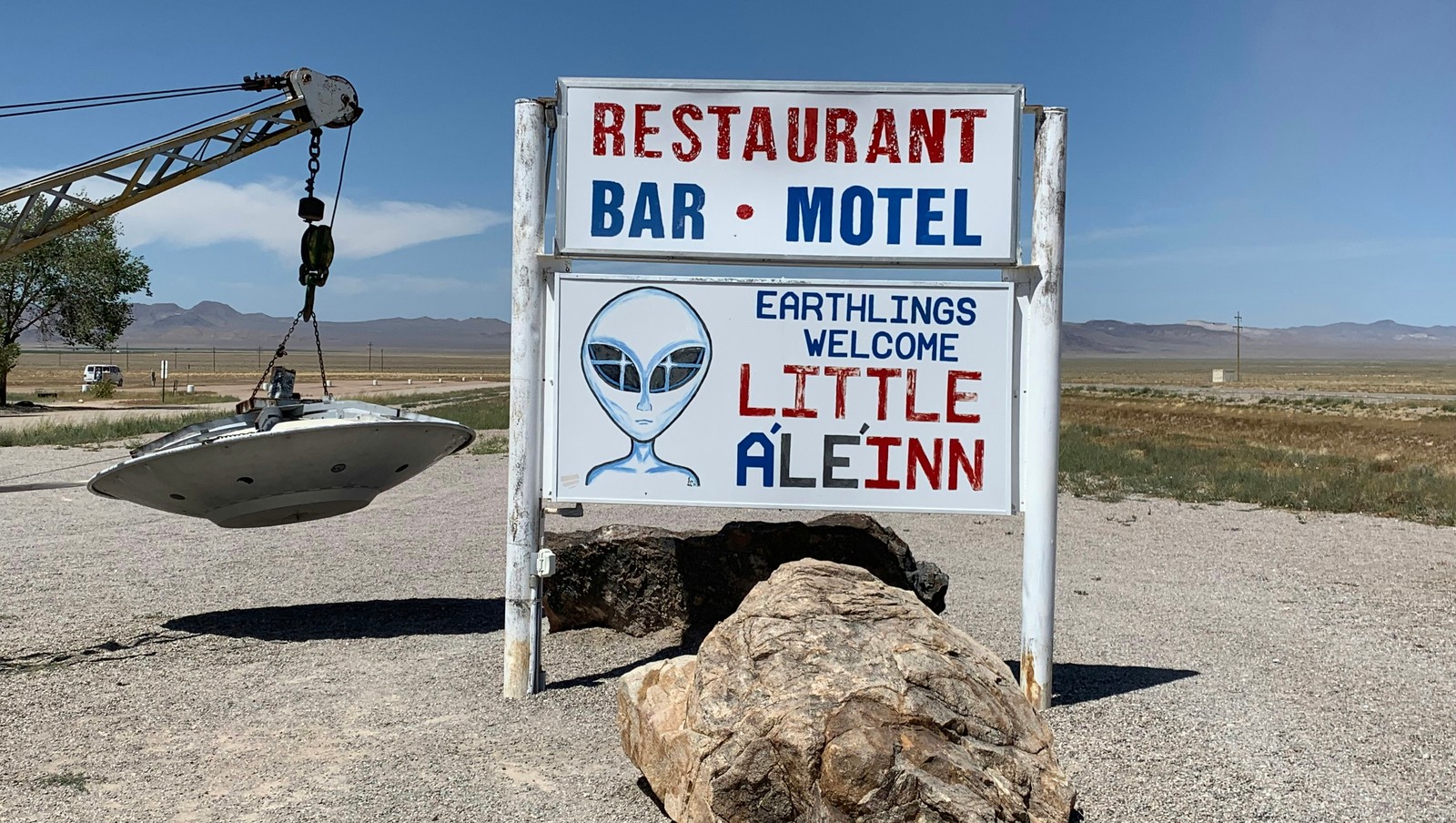
Image: JaZmi

America has no shortage of mysterious places—locations steeped in legend, unexplained science, or just eerie natural beauty. From strange floating orbs to weird geological phenomena, these destinations keep historians, scientists, and thrill-seekers guessing. Whether man-made or naturally puzzling, these 10 U.S. locations refuse to offer simple explanations.

1
Area 51
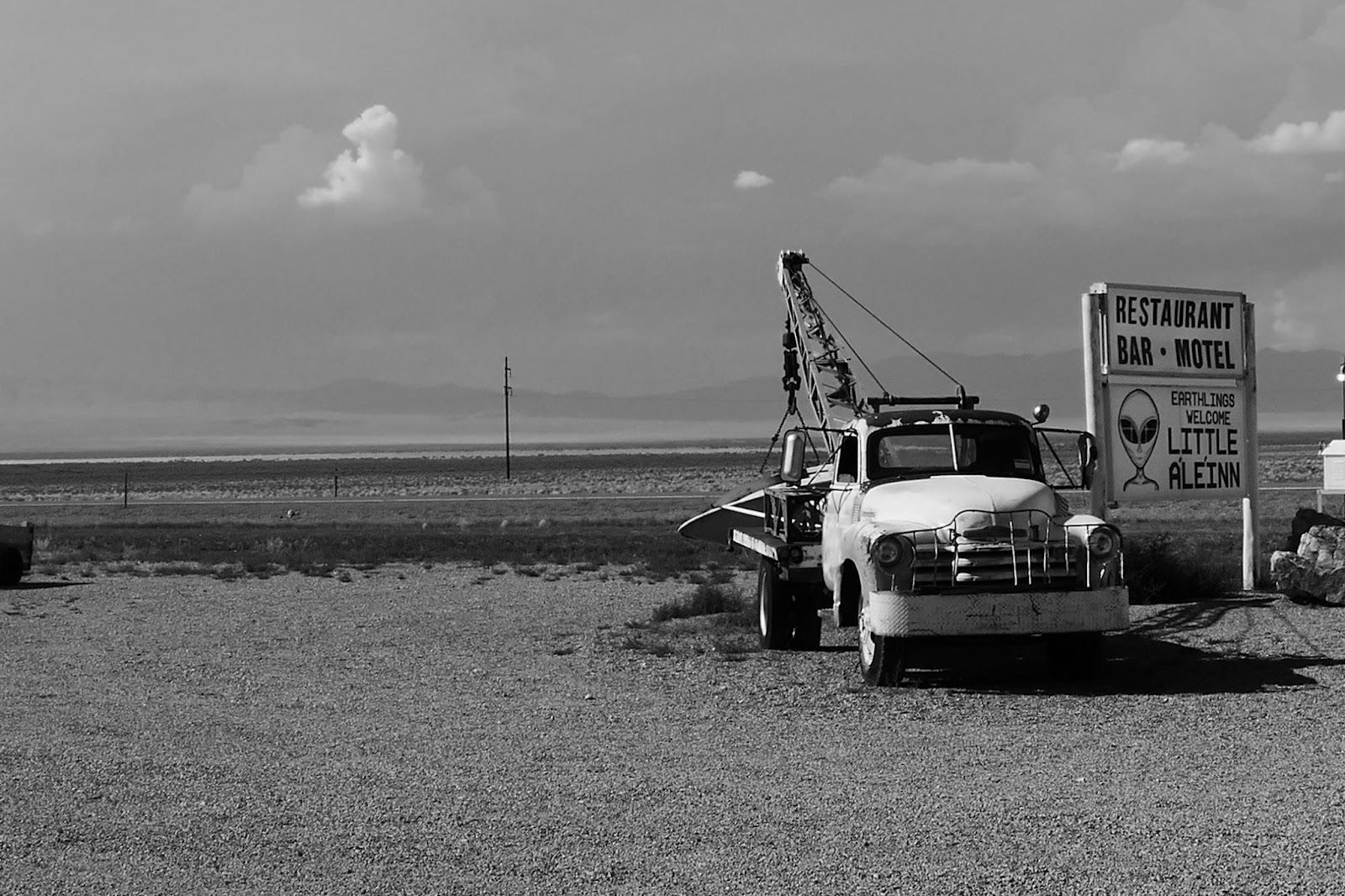
Image: Michael Herren

Location: Nevada

Shrouded in secrecy, this military base has become synonymous with UFOs and government cover-ups. Its official purpose was testing aircraft like the U-2 spy plane and Stealth Bomber, but its classified nature fueled decades of wild speculation, ranging from secret weapons to actual aliens working for the government.

2
Coral Castle
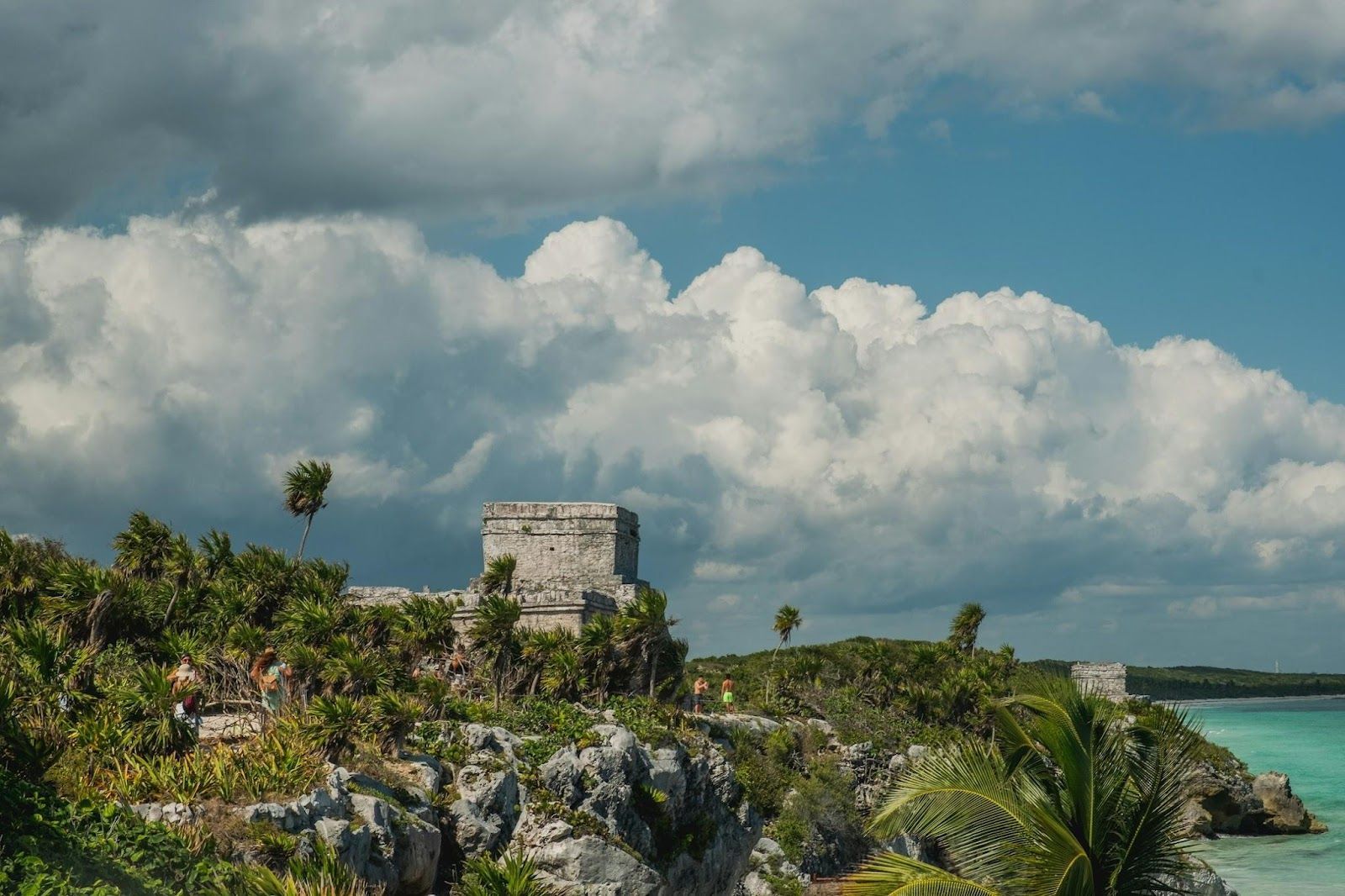
Image: Audric Wonkam

Location: Florida

This massive stone structure was built by a single man, Edward Leedskalnin, using enormous limestone blocks—some weighing 30 tons. According to him, no heavy machinery was ever used during the construction, and he even claimed to know the secrets of the pyramids . To this day, engineers and historians debate how he moved and placed those stones with such precision.

3
Skinwalker Ranch
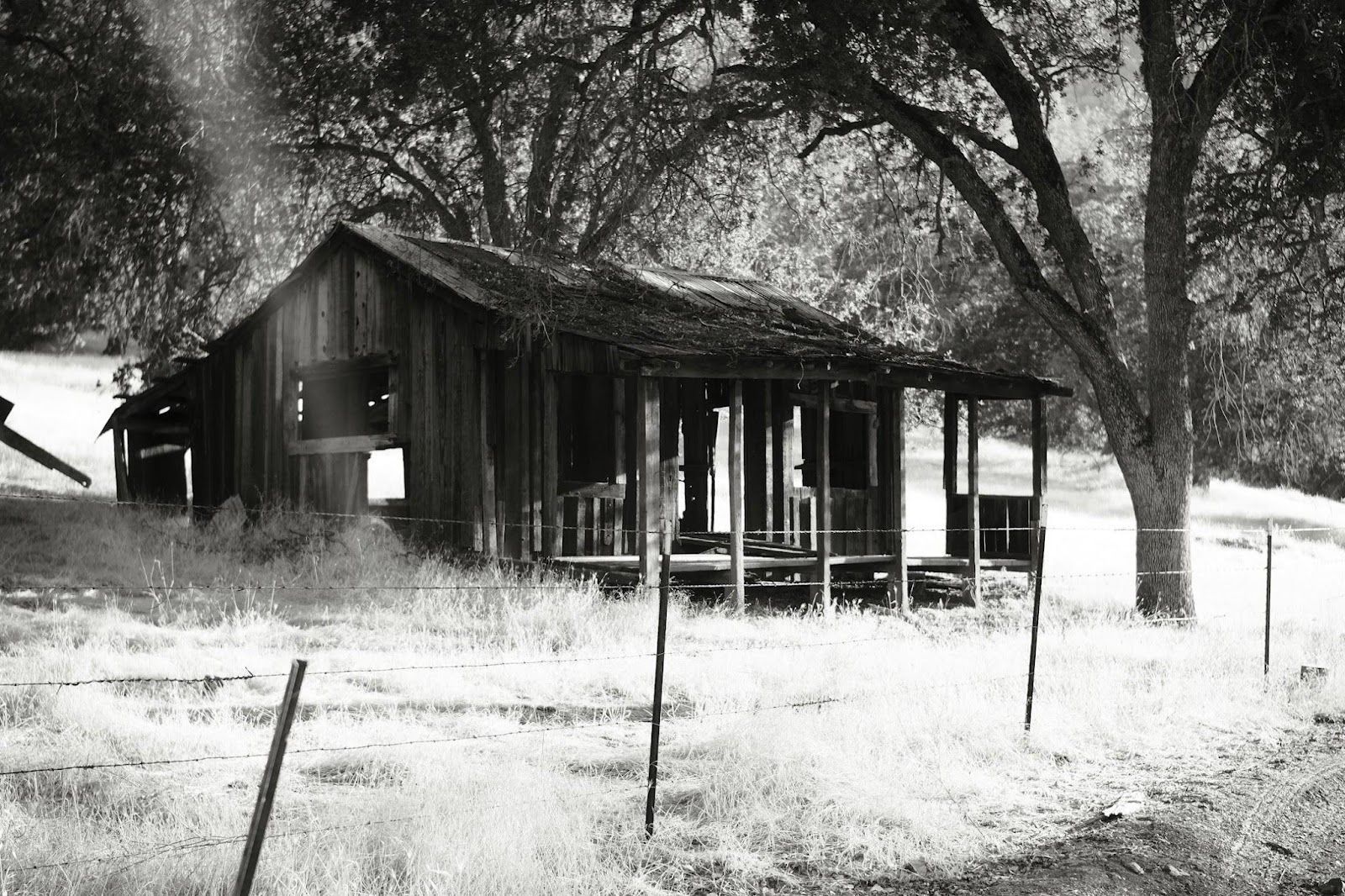
Image: Jacob Padilla

Location: Utah

This 512-acre property has long been at the center of UFO sightings, cattle mutilations , and alleged portals to other dimensions. The stories were so compelling that, in the ’90s, a private research organization purchased the ranch to try and make some scientific sense of the claims, conducting extensive field studies. However, after nearly a decade of research, they found no conclusive evidence.

4
Mammoth Cave
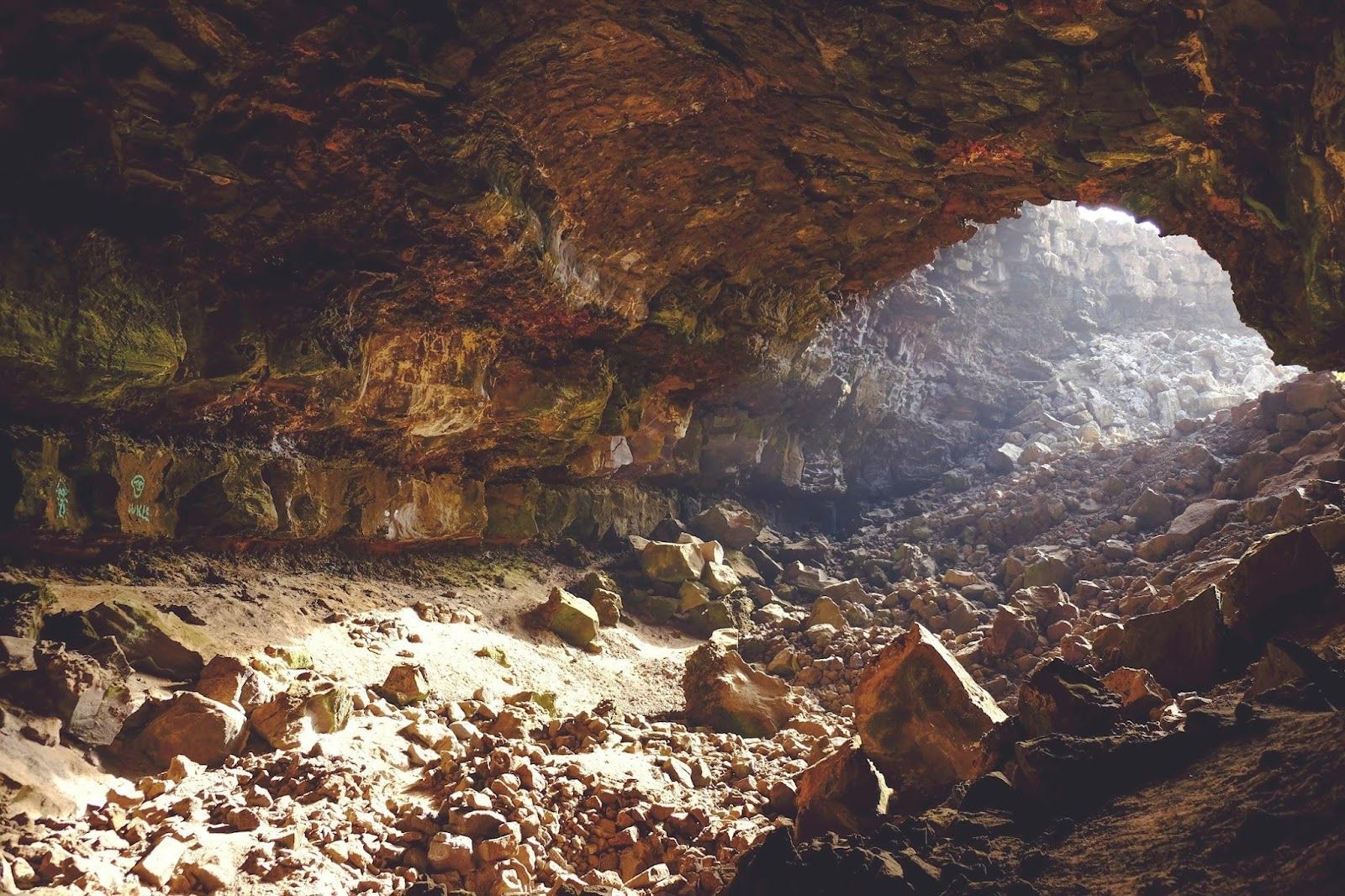
Image: Ksenia Kudelkina

Location: Kentucky

The world’s longest known cave system has its fair share of unexplored tunnels, ghost stories, and strange air currents. More than 400 miles have been mapped , yet many passages remain uncharted. Researchers have yet to fully understand the cave’s underground ecosystem, and new chambers are still being discovered today.

5
The Marfa Lights
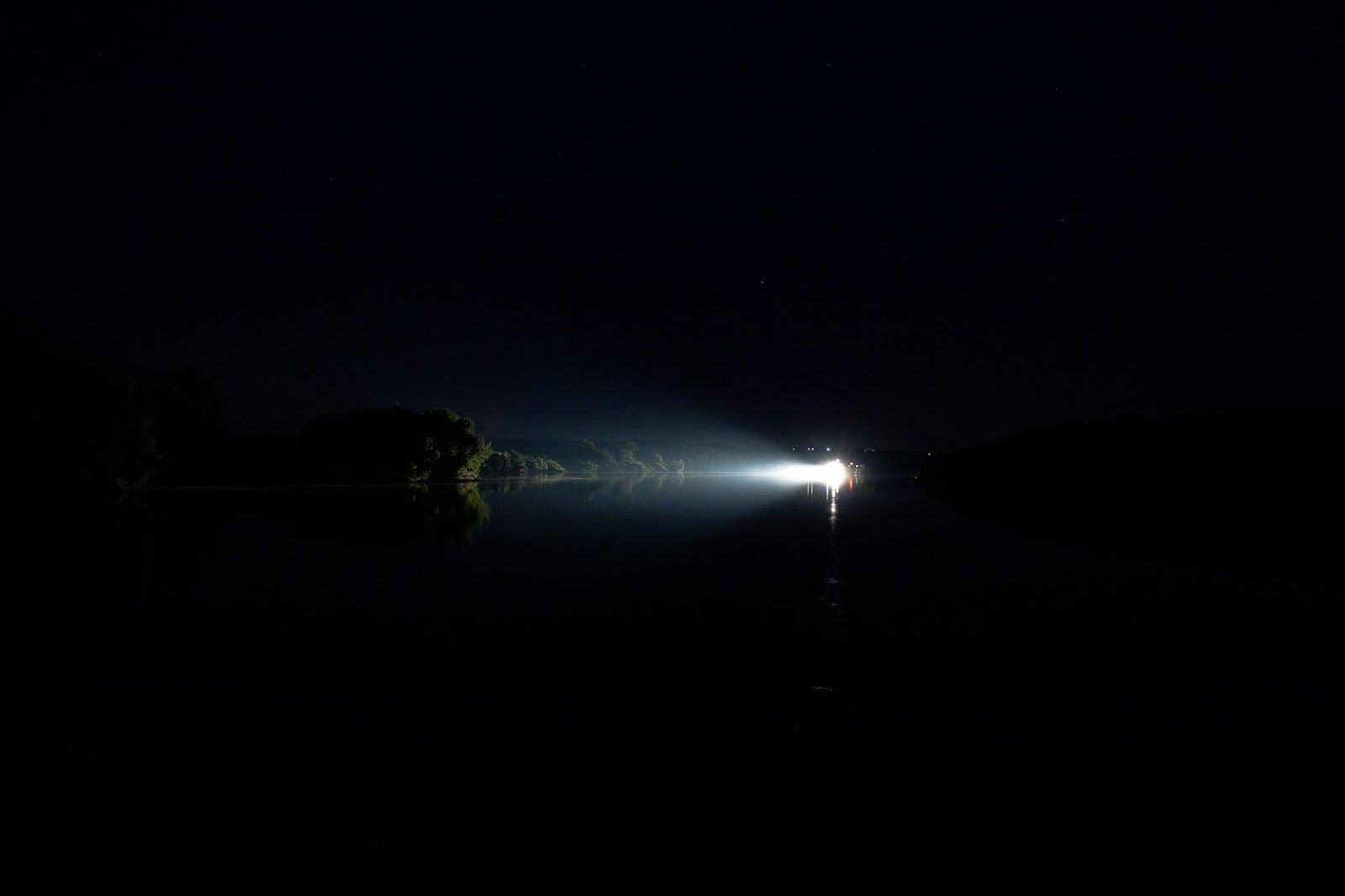
Image: Alexandra Vo

Location: Texas

Reported since at least the late 19th century, floating orbs of light have been seen near this small town with no consistent explanation. Night watchers continue to gather at designated viewing areas along Highway 90, hoping for a glimpse. While scientific studies suggest that distorted car headlights are the most likely cause, many remain convinced otherwise.

6
The Devil’s Kettle
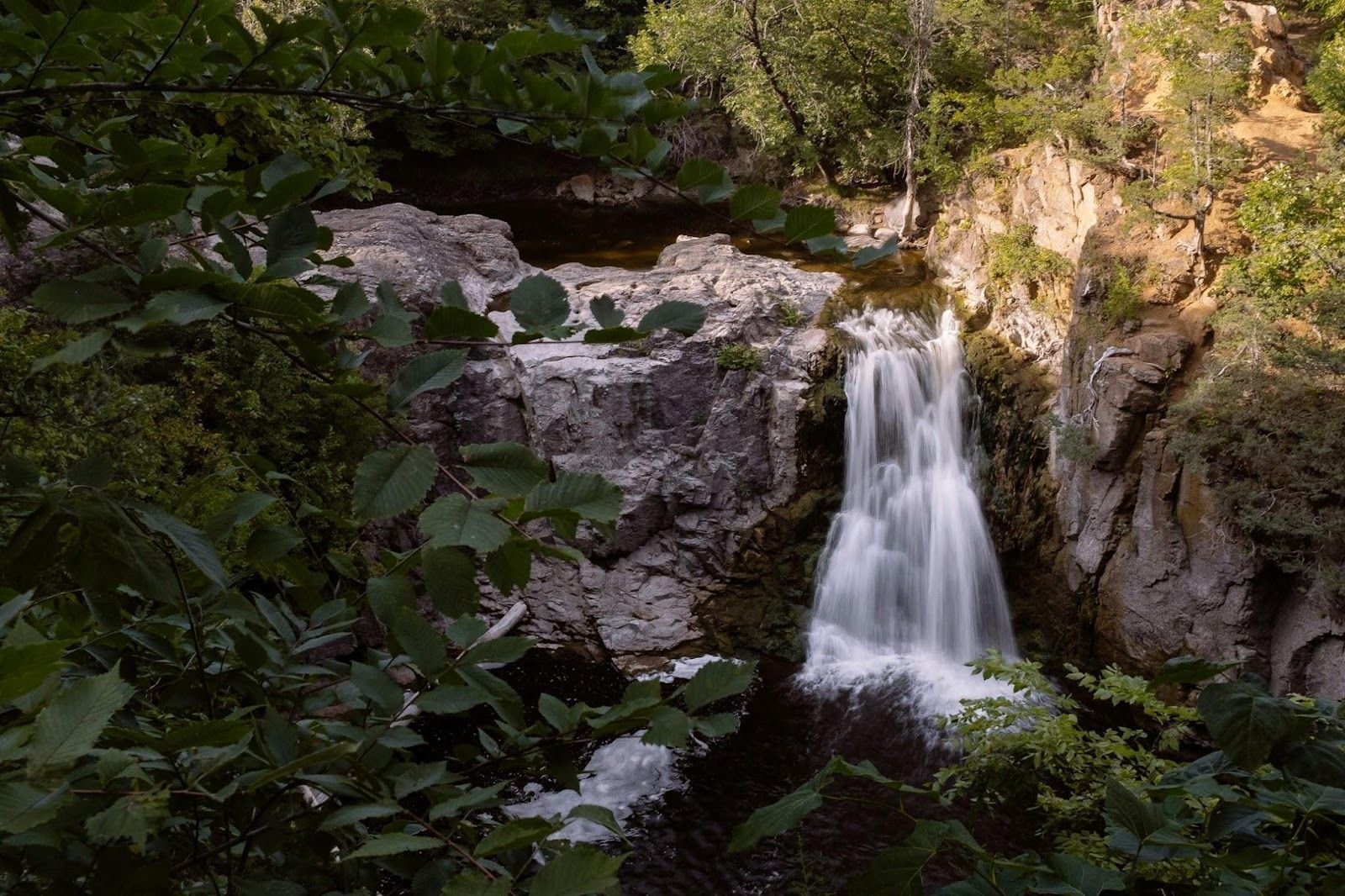
Image: Andrew Ling

Location: Minnesota

This unusual waterfall splits in two—one half flows normally, while the other vanishes into a deep pothole with no known exit. Scientists poured dye, ping-pong balls, and even GPS trackers into the mysterious hole, all to see where the water ends up. While researchers eventually confirmed it rejoins the river underground, exactly how and where remained elusive for decades.

7
Cahokia Mounds
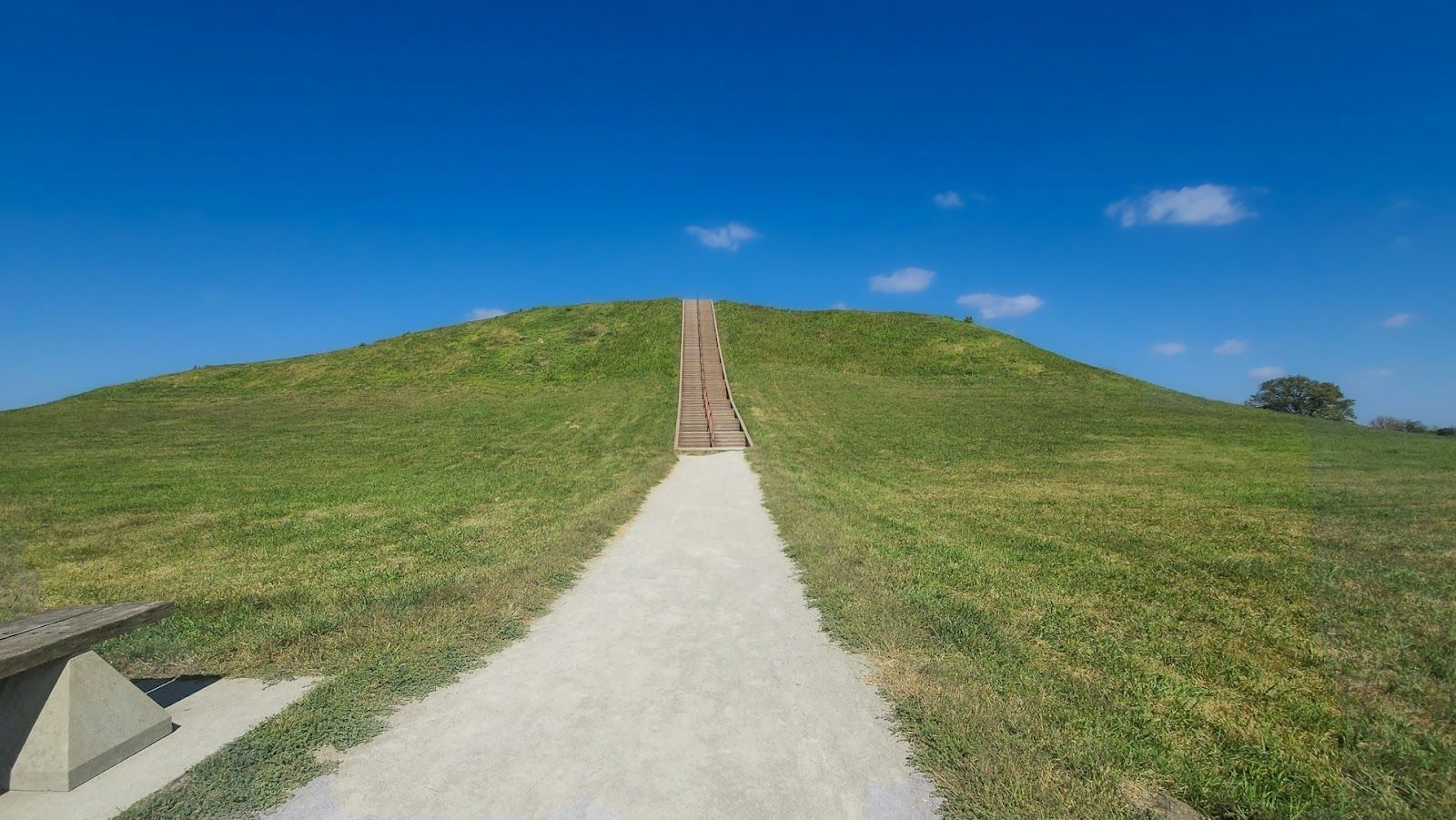
Image: pcrm Dorego

Location: Illinois

Built centuries before Columbus arrived in the Americas, the ancient city of Cahokia featured massive earthen mounds, wooden palisades, and likely formed part of complex trade networks across the continent. Despite having a population rivaling London in the 1200s, according to archaeologists, the city was mysteriously abandoned in the span of a few years. No written records explain its decline, though environmental stress, resource shortages, and internal social factors are often cited as possible causes.

8
Blythe Intaglios
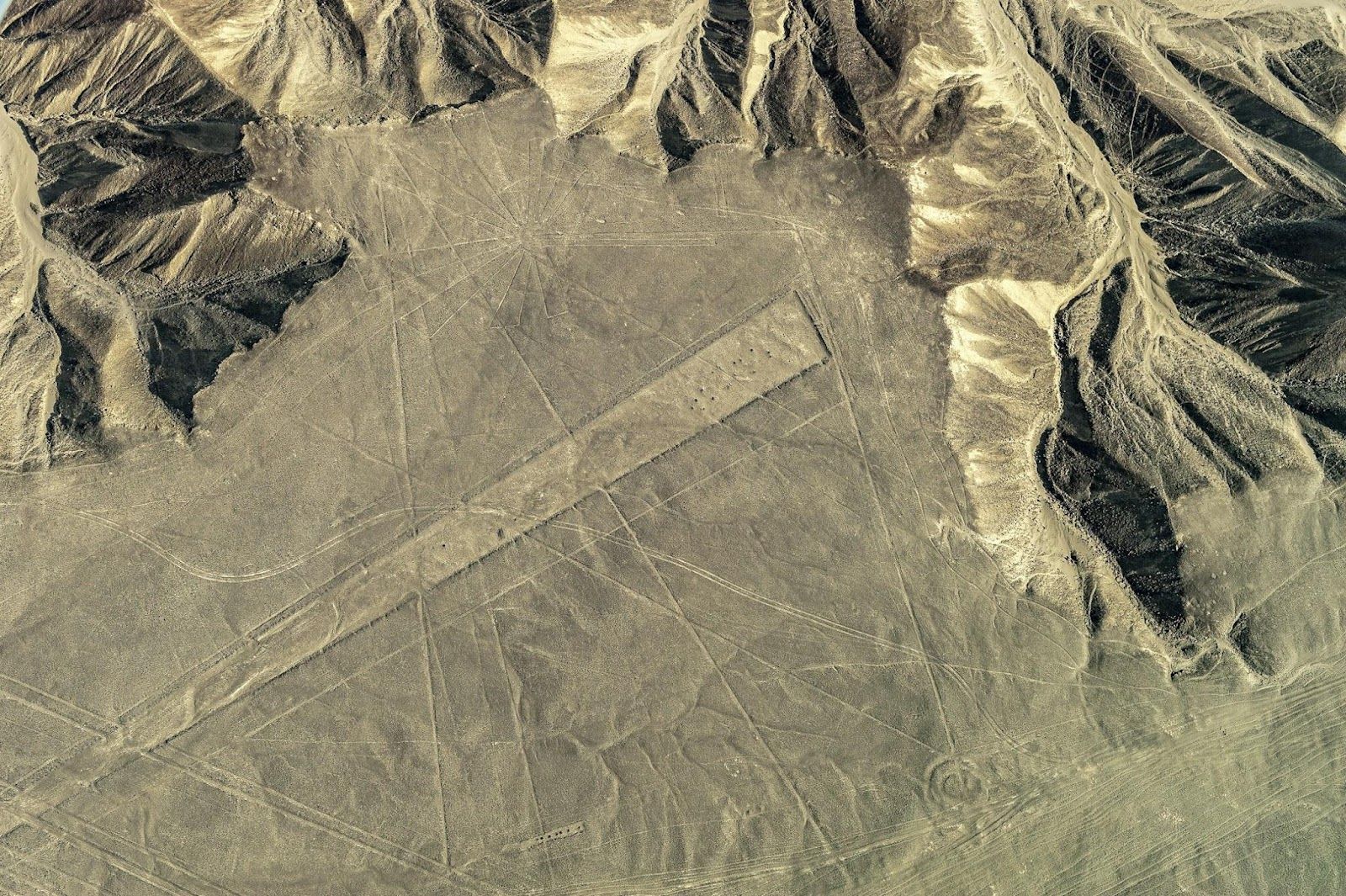
Image: Alexander Schimmeck

Location: California

Similar to Peru’s Nazca Lines, these giant geoglyphs are etched into the desert floor, seemingly visible only from the sky. Created by scraping away dark rocks to reveal lighter earth beneath, the figures are believed to be between 450 and 2,000 years old, depending on the specific design. While their exact purpose remains a mystery, they are believed to have had a ceremonial function.

9
The Spooklight
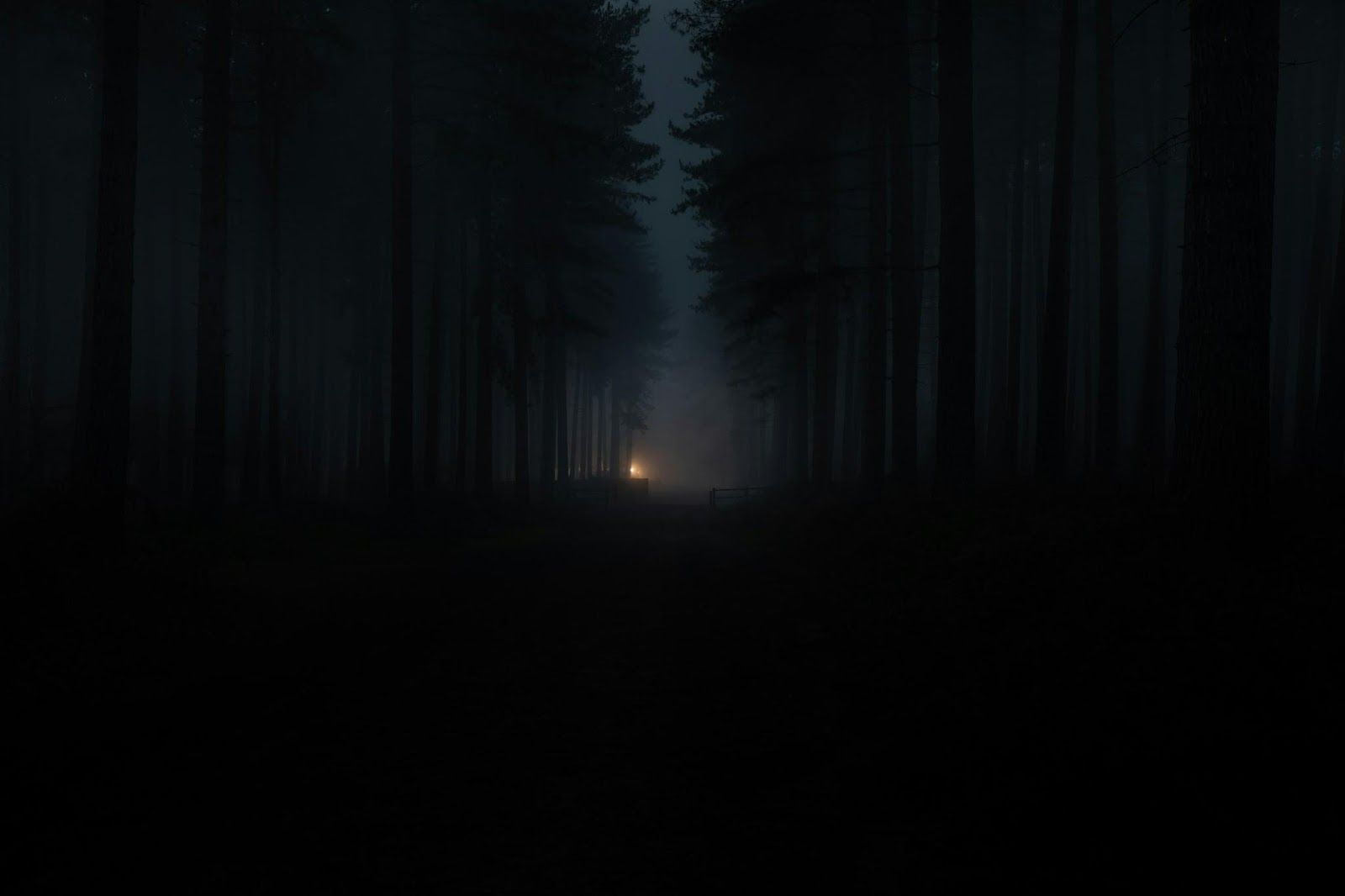
Image: Ben Griffiths

Location: Missouri-Oklahoma Border

Also known as the Hornet Spooklight, this floating orb has been seen since at least the late 19th century. It appears along a rural stretch of road near the small community of Hornet, Missouri, and Quapaw, Oklahoma. While some theorize it could be caused by car lights from miles away, some sightings predate automobiles.

10
Roanoke Island
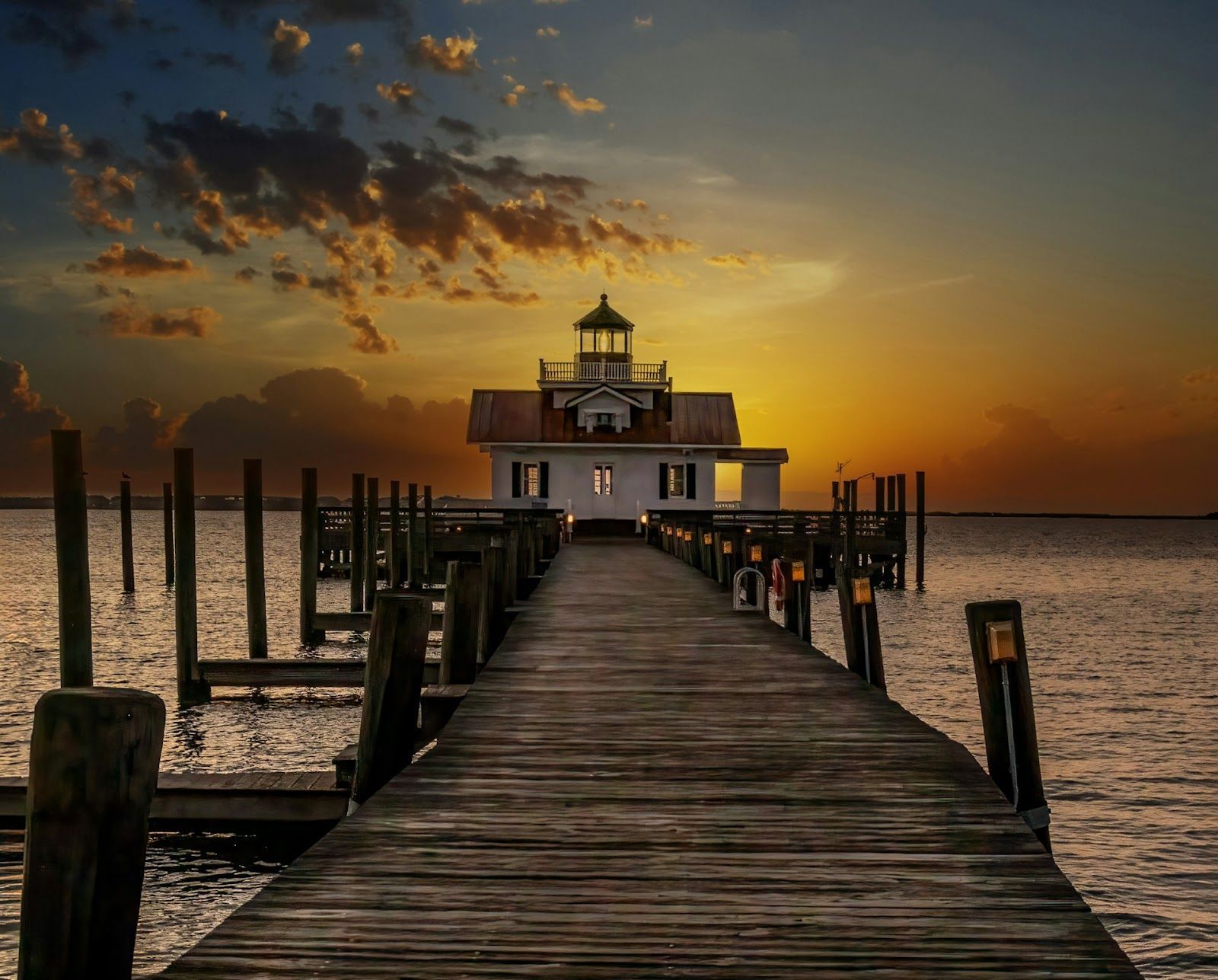
Image: Stephen Crane

Location: North Carolina

In the 1580s, an entire colony vanished overnight, leaving behind only the word "Croatoan" carved into a tree. No graves, no remains—just an eerie disappearance that sparked centuries of theories, from disease and starvation to assimilation with local tribes. Modern archaeology uncovered European artifacts at sites associated with Native groups miles away, but no definitive evidence has ever solved the mystery.
Geography Geography 4 min read

Behind tall faces

Mount Rushmore hides many secrets. Did you know all of these?

Image: Jake Leonard

What famous woman’s face almost became the fifth face on Mount Rushmore? Did the sculptor Gutzon Borglum really intend to just carve out the heads? Why is the mount named that, and not Borglum? The answers to these questions are some lesser-known facts about one of the most famous landmarks and sights in our country. Let’s dive into these stories!

1
The original plan included full-body figures

Image: Thomas Shockey

Mount Rushmore was supposed to be even more colossal than it already is. Sculptor Gutzon Borglum envisioned the four presidents carved from the waist up .

He even made plaster models showing Abraham Lincoln's coat folds and Teddy Roosevelt’s hand clutching his lapel. But as costs went up, Congress said: "heads only, please."

2
Charles Rushmore was just a curious New Yorker

Image: Maarten van den Heuvel

Back in 1925, when the mount was about to be carved into a monument, Charles Rushmore wrote a letter explaining why the peak bore his name. He recalled that in the 1880s he was a young New Yorker working in the area, and fell fond of that particular granite peak .

When he asked the locals about it, they informed him that it had no name, but that if he wished so, they would just start calling it Rushmore Peak, or Mount Rushmore, or the likes. Years later, that very name had been inscribed in the public domain to designate the peak.

3
Yes, there’s a hidden room behind Lincoln’s head

Image: Laura Nyhuis

Behind Abraham Lincoln’s hairline lies a hidden chamber, part of Borglum’s lofty idea for a "Hall of Records." This room was meant to house foundational American documents like the Constitution or the Declaration of Independence.

Instead of that, in 1998, a titanium box was placed inside, filled with copies of important documents and biographies, as a time capsule to preserve the treasure of knowledge for future generations.

4
Thomas Jefferson was moved

Image: Dave Baraloto

Jefferson was originally supposed to go to Washington’s right, but after 18 months of chiseling , the granite betrayed them. Cracks and flaws made the site unworkable.

Borglum made the painful decision to blast Jefferson’s half-formed face clean off and start anew on Washington’s left.

5
The mountain was almost a monument to western heroes

Image: Timberly Hawkins

Before presidents took over, the mountain was pitched as a giant tribute to the Wild West . South Dakota historian Doane Robinson wanted to see frontier legends like Lewis & Clark carved into the Black Hills.

But when Borglum came aboard, he had a grander (and more politically bankable) idea: four presidents to symbolize national unity and expansion.

6
A woman’s face was almost added

Image: Tom Fournier

In the 1930s, there was serious talk of honoring Susan B. Anthony alongside the Founding Fathers, as a nod to the women’s suffrage movement.

Borglum wasn’t opposed to the idea, but Congress quickly nixed it, stating that only U.S. presidents could be included.

7
The workers were mostly local miners and loggers

Image: Pixabay

They were neither sculptors nor artists. Most of the workforce came from nearby Keystone, South Dakota: miners, loggers, and hard-up laborers looking for work during the Great Depression.

Borglum trained them himself. There were no safety harnesses, and yet, remarkably, no one died on the job.

8
Dynamite did 90% of the work

Image: Alexander Paramonov

To carve the faces of Washington, Jefferson, Roosevelt, and Lincoln, workers used carefully timed dynamite blasts to remove over 450,000 tons of rock. They got so precise, they could blast within inches of where the final surface would be.

The last details, like wrinkles, pupils, or Roosevelt’s glasses, were done with jackhammers and chisels.

9
The noses are disproportionate

Image: Dudubangbang Travel

Standing in front of the mountain, the faces seem alright. But that’s a trick of perspective. Each presidential nose is a whopping 20 feet long .

If the sculptures had included full bodies as planned, each figure would have stood 465 feet tall. That’s taller than the Statue of Liberty and most downtown skyscrapers.

10
Teddy Roosevelt was the most controversial pick

Image: Dudubangbang Travel

Washington, of course. Jefferson, made sense. Lincoln, sure. And Teddy? Some critics raised their eyebrows at Borglum’s fourth choice. Roosevelt had only recently passed away in 1919, and many questioned whether he'd stood the test of time.

But Borglum defended the decision Roosevelt’s role in breaking up monopolies, conserving national parks, and engineering the Panama Canal. Plus, Borglum had met him personally and was a fan.

11
It was supposed to have inscriptions

Image: Dan Pick

Borglum had grander plans than just four giant heads. He wanted to carve a massive inscription next to them, a timeline of America’s most important milestones , chiseled straight into the mountain. In time, the idea was scrapped for practical and aesthetic reasons.

12
The visionary died before completion

Image: Lisa Reichenstein

Gutzon Borglum, the visionary behind it all, didn’t live to see his masterpiece finished. He died in March 1941, just as the construction was reaching its end. His son, Lincoln Borglum (yes, named after that Lincoln), took over the project.

Still, with WWII drawing resources elsewhere, funding was slashed, and Lincoln had to wrap things up quickly . Some features, like Lincoln’s ear, were never fully detailed.

History History 3 min read

Have you experienced any coincidences?

12 incredible coincidences in American history

Image: Library of Congress

A coincidence is a remarkable concurrence of events or circumstances without an apparent causal connection. Most of us experience coincidences regularly, but they tend to be more ordinary—like discovering you’re wearing the same sweater as someone else in the room. The following 12 examples are much more extreme, and some even seem unbelievable, even though they are true. Read on and prepare to be amazed!

1
A Presidential curse

Image: David Everett Strickler

For almost 140 years, U.S. presidents elected in years ending in zero died while in office. It happened to William Henry Harrison (1840), Abraham Lincoln (1860), James A. Garfield (1880), William McKinley (1900), Warren G. Harding (1920), Franklin D. Roosevelt (1940), and John F. Kennedy in 1960 . Ronald Reagan, elected in 1980 , broke the curse by surviving an assassination attempt.

2
Mark Twain and Halley’s Comet

Image: Justin Wolff

In the year Mark Twain was born, 1835, Halley’s Comet passed by Earth. The great writer famously predicted he’d "go out with it" as well . Indeed, he passed away in 1910, the next time the comet appeared.

3
Jefferson and Adams

Image: iStrfry , Marcus

A patriotic yet somber coincidence, indeed. John Adams and Thomas Jefferson, the second and third U.S. presidents, both died on July 4, 1826 —exactly 50 years after the signing of the Declaration of Independence.

4
Hoover Dam’s first and last casualties

Image: Ryan Thorpe

The construction of the Hoover Dam was a long and difficult process, claiming over 100 lives. The first person to die was J.G. Tierney , and the last recorded death was his son , Patrick Tierney.

5
Lincoln and Kennedy

Image: Kelli Dougal

Abraham Lincoln and John F. Kennedy were elected 100 years apart (1860 and 1960). Both suffered fatal head wounds and were succeeded by presidents named Johnson. Their assassins each had three names: John Wilkes Booth and Lee Harvey Oswald. Both were assassinated on a Friday while sitting next to their wives at the time that it happened.

6
Charles Francis Coghlan’s last journey

Image: Rhodi Lopez

Actor Charles Francis Coghlan died in Texas in 1899. But his casket was lost at sea during a hurricane. Eight years later, his coffin washed ashore near his birthplace in Prince Edward Island, Canada, more than 3,000 miles away.

7
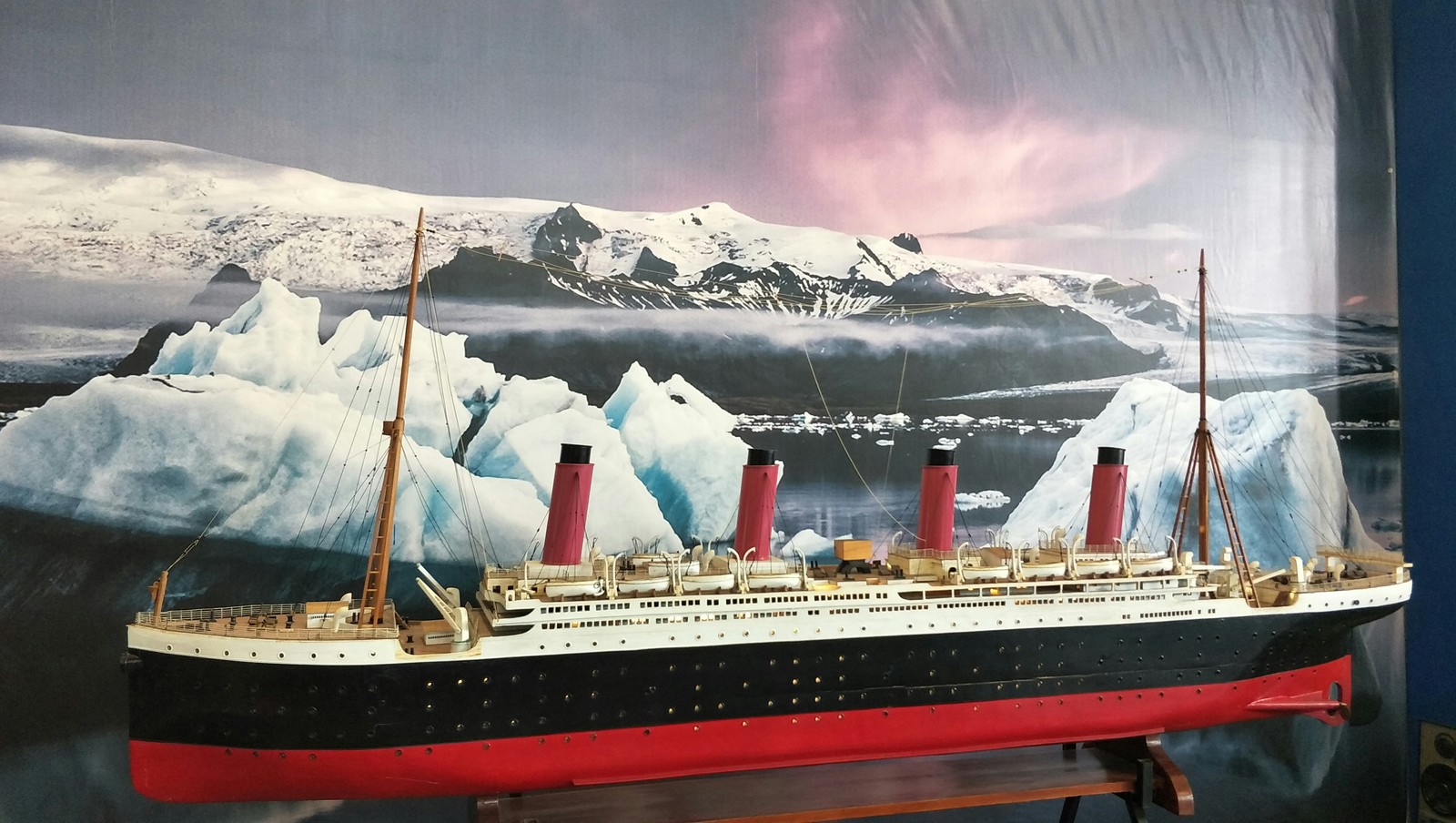
The Titanic coincidence

Image: K. Mitch Hodge

A few years before the Titanic sank, Morgan Robertson wrote a short book called Futility , about a massive "unsinkable" ship called the Titan that hit an iceberg and sank. The tale describes a ship with a similar size and a similar lack of lifeboats to the famous vessel.

8
Dennis the Menace

Image: Mitch Rosen

Two comic strips featuring a character named Dennis the Menace debuted in British and American outlets, respectively, on March 12, 1961—only a few hours apart. However, the two creators did not know each other and had no idea of the other’s work.

9
Jim Lewis and Jim Springer

Image: Vidar Nordli-Mathisen

Identical twin brothers separated at birth , Jim Lewis and Jim Springer, were reunited at age 39 and discovered many coincidences: both married women named Linda , divorced, and then remarried women named Betty. Both had dogs named Toy and drove the same model of car. Both grew up with an adopted brother named Larry and had sons whom they named James Allan.

10
Disney magic

Image: PAN XIAOZHEN

A soon-to-be-married couple, Alex and Donna , were looking through old photos to include in their wedding video. They found one photo of Donna posing on a childhood trip to Disney World in 1980. And in the background, they spotted Alex being pushed in a stroller by his father.

11
Moped meets taxi, twice

Image: Ruslan Bardash

In 1975, 17-year-old Erskine Lawrence Ebbin was struck by a taxi in Bermuda while riding his moped. A year later, his brother Neville , also 17 at the time, was riding the same moped when he was struck by the same taxi —with the same passenger—on the same street.

12
Lightning strike survivor

Image: Felix Mittermeier

Being hit by lightning is an extremely rare occurrence. Park ranger Roy Sullivan was struck not once, but seven times between 1942 and 1977 —and survived them all. The strikes hit him in a fire tower, in his truck, in his yard, while patrolling, and more. His unusual record earned him the nickname "Human Lightning Rod."

Explore more American facts

Choose your favorite category!

General
General

As American as apple pie—the very best America has to offer!

Culture
Culture

Delve into the astounding richness of American lore.

Geography
Geography

Hop in and explore vast and diverse American landscapes.

History
History

Discover the key moments that shaped the United States.