History History 7 min read

The surprising life of FDR

Why did he work late into the night? 10 surprising facts about FDR
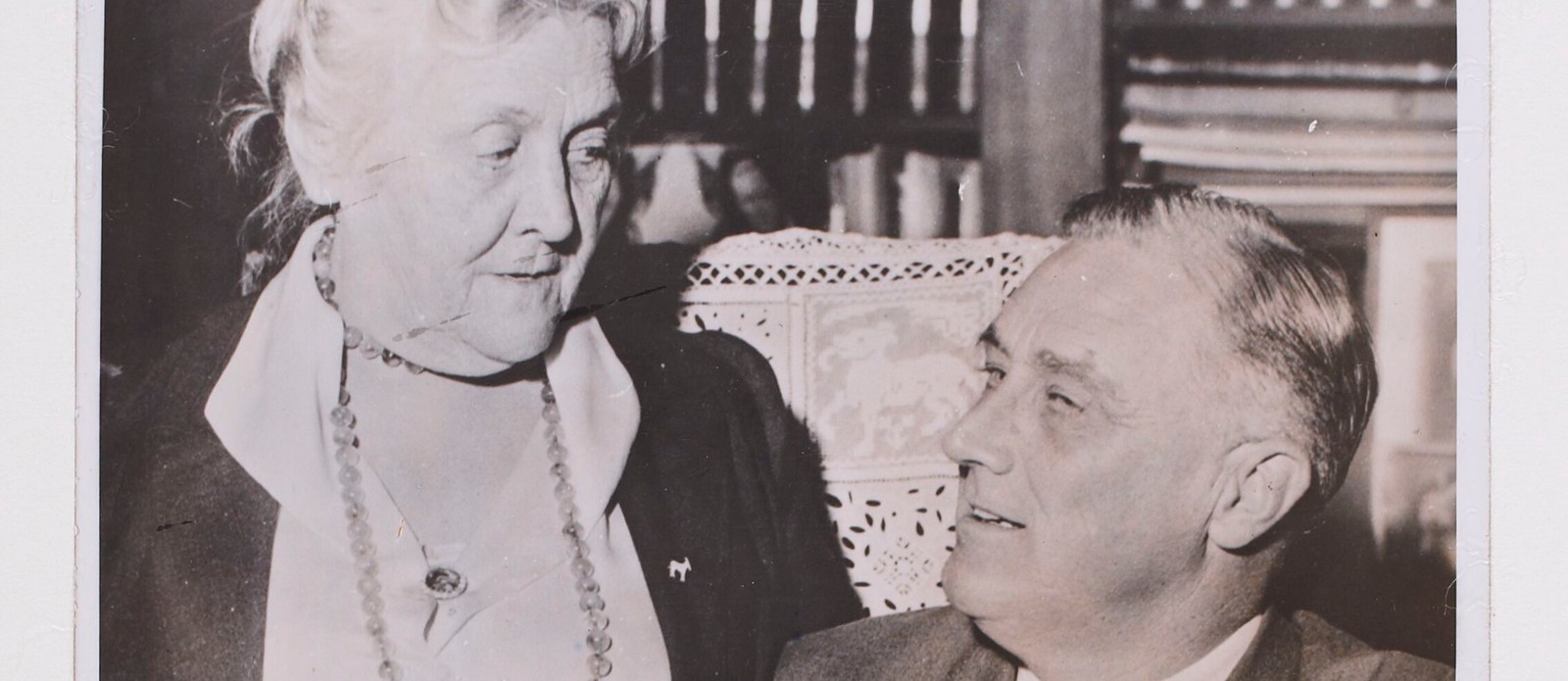
Image: Bibliothèque nationale de France, Public domain, via Wikimedia Commons

You probably know Franklin Delano Roosevelt as the president who guided America through the Great Depression and World War II, launched the New Deal, and helped create Social Security. But that's only part of the story. This was also the president who served hot dogs to the British royal family, became the first commander in chief to fly while in office, relied on lucky charms, and never lost his love of practical jokes. He was related to more presidents than you might realize and had a few surprising quirks that rarely make it into history books. Here are 10 fascinating facts about FDR that they didn't teach you in school.

1
He served hot dogs to British Royalty
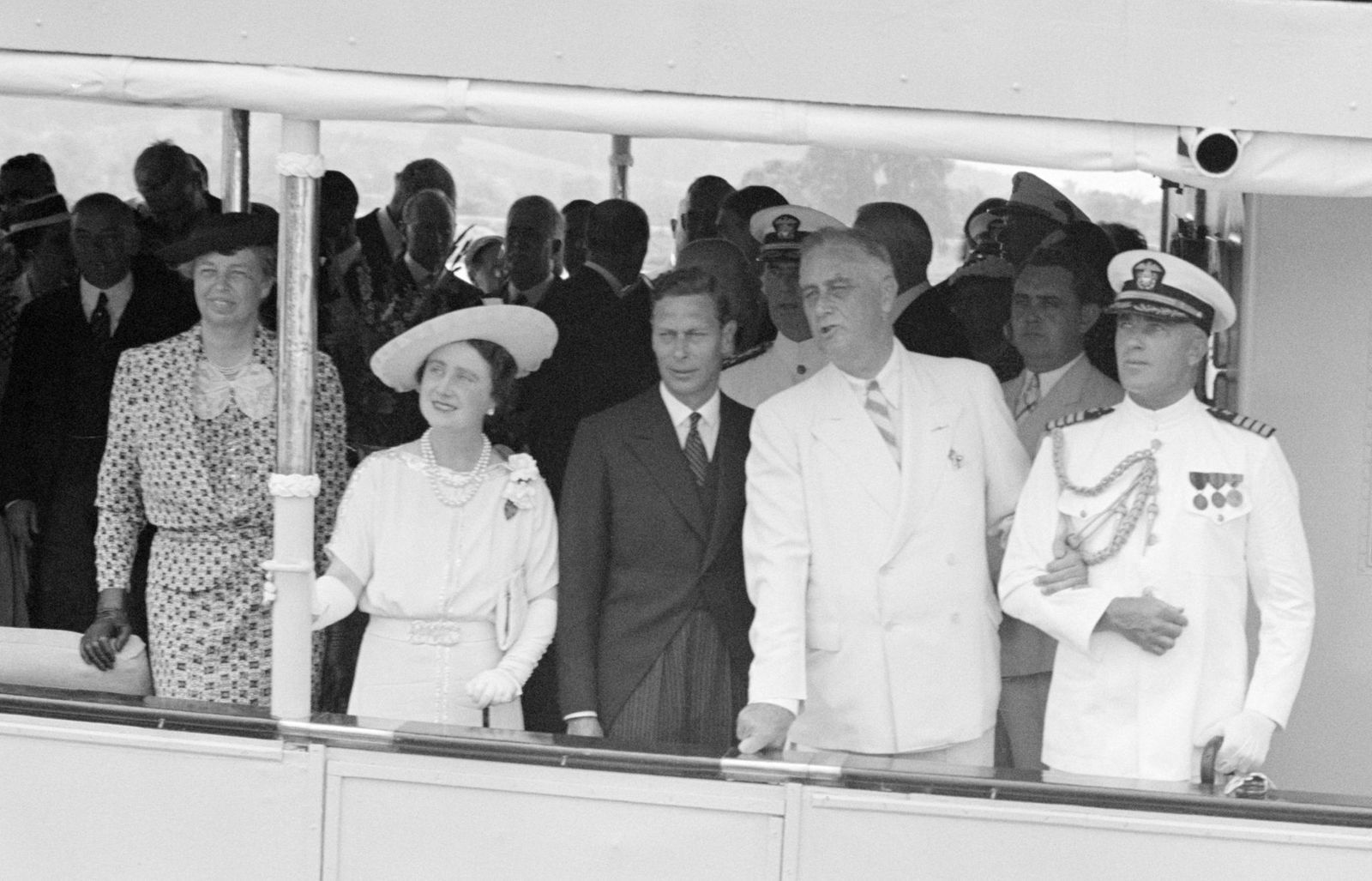
Image: Harris & Ewing, photographer, Public domain, via Wikimedia Commons

In 1939, for the first time ever, a sitting US president hosted the reigning British monarchs on American soil. And it wasn’t just a formal state meeting; it was a picnic.

On June 11 of that year, President Franklin D. Roosevelt and First Lady Eleanor Roosevelt welcomed King George VI and Queen Elizabeth to their home in Hyde Park, New York. Instead of an elaborate diplomatic banquet, the menu was unexpectedly simple and quintessentially American: hot dogs and beer. According to FDR, the queen politely tried hers with a knife and fork, while the king ate several with his hands and seemed to enjoy them. Behind the scenes, the visit was more than symbolic, yet folksy hospitality. With war already looming in Europe, both sides were quietly strengthening ties that would soon become crucial during WWII.

2
The first sitting president to fly on a plane
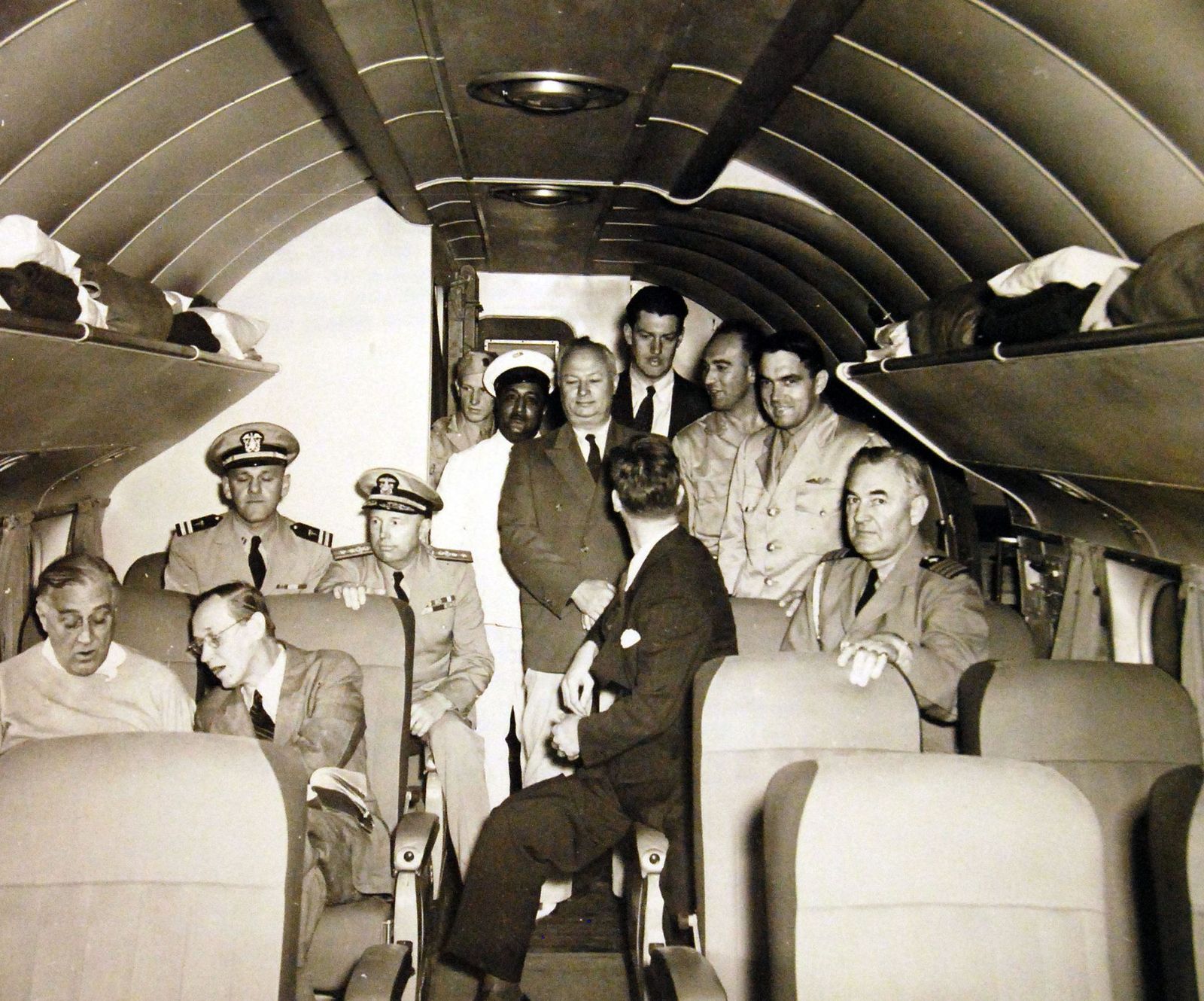
Image: National Museum of the U.S. Navy, Public domain, via Wikimedia Commons

While FDR made history in many ways, one of his lesser-known firsts took place thousands of feet above the ground.

On January 11, 1943, in the middle of WWII, he became the first sitting US president to fly in an airplane. At a time when air travel was still far from routine, he embarked on a secret 7,000-mile journey from Miami, Florida, to Bathurst, Gambia, before continuing to Casablanca, Morocco. The trip wasn't taken for leisure; German U-boats had made Atlantic sea travel risky, so Roosevelt crossed the ocean aboard a Boeing 314 flying boat known as the Dixie Clipper . His destination was the Casablanca Conference, where he met with British Prime Minister Winston Churchill to discuss wartime strategy.

3
Highly superstitious
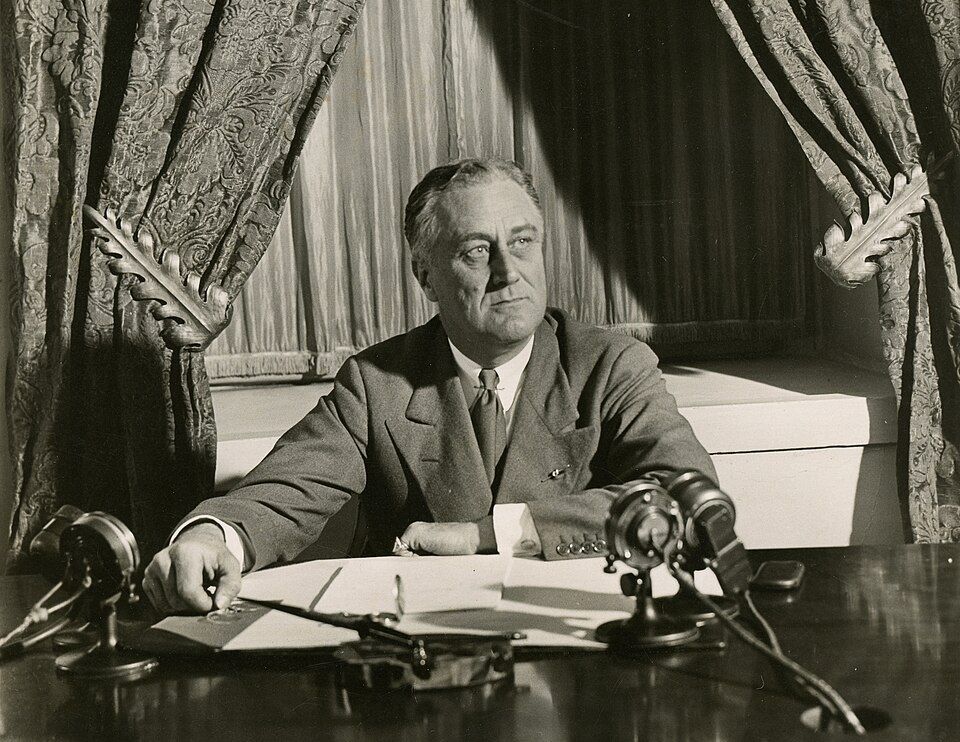
Image: Franklin D. Roosevelt Presidential Library and Museum, Public domain, via Wikimedia Commons

Are you the type to knock on wood to avoid bad luck? Or would you walk under a ladder without a second thought? If you're in the first group, you would have fit right in with Franklin D. Roosevelt.

FDR famously declared that "the only thing we have to fear is fear itself," but he also had a surprisingly superstitious side. According to people who worked with him in the White House, Roosevelt kept his desk and personal items arranged in a precise order that he believed brought good luck. He also disliked the number 13: family members and aides recalled that he avoided hosting dinners with 13 guests and was reluctant to begin important trips on Friday the 13th. He even had a lucky charm, a brown felt fedora that he wore during all four of his presidential campaigns. We can't say it didn't work.

4
He loved practical jokes
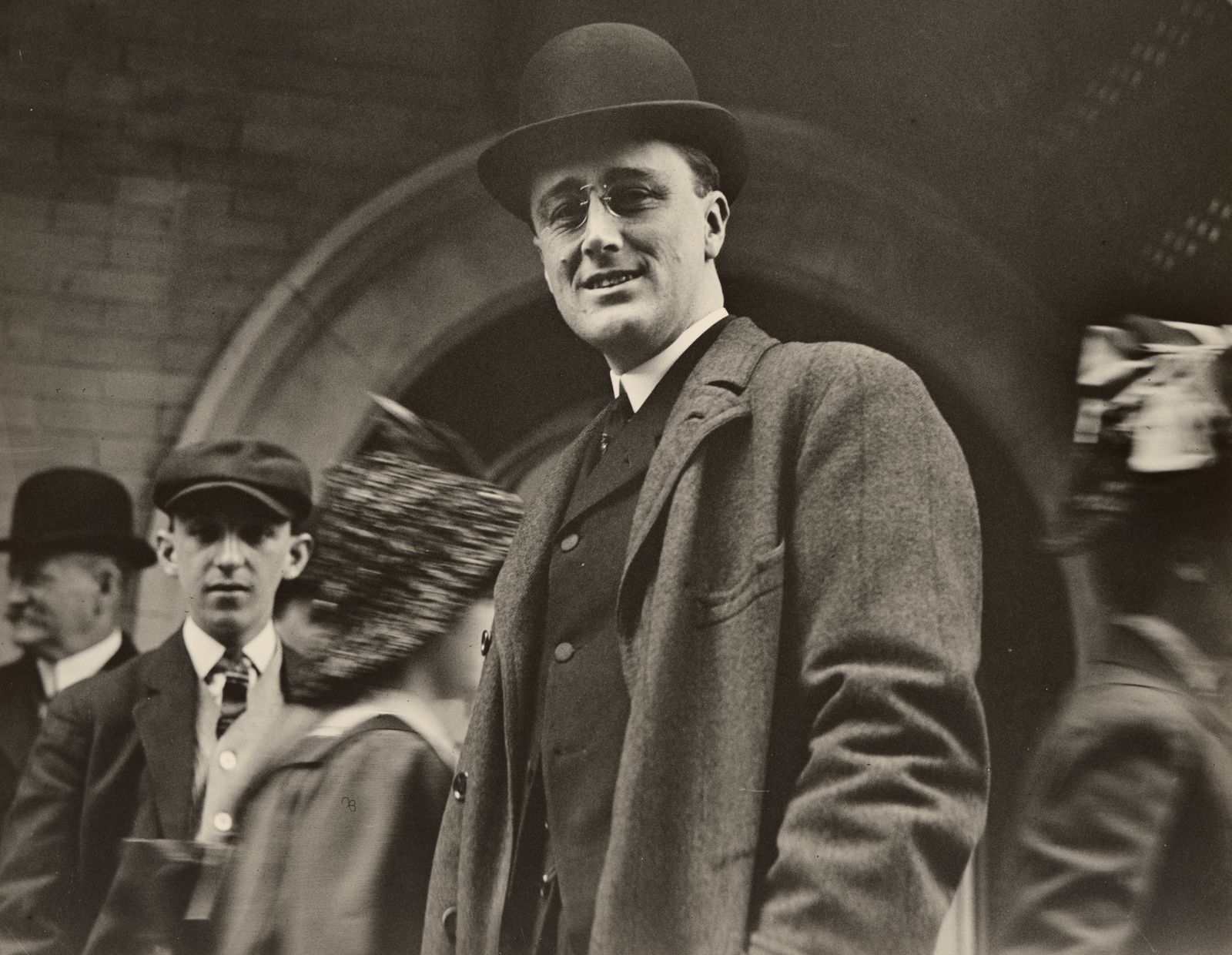
Image: Underwood & Underwood, Public domain, via Wikimedia Commons

With all his responsibilities, talents, and interests, FDR still found time to joke around.

According to his biographers, Roosevelt loved practical jokes and kept his playful streak throughout his life, even pulling pranks well into his presidency. In the tense world of politics, that sense of humor became one of his trademarks. He enjoyed classic gags, including putting bubbling powder in drinking glasses to surprise White House guests, or slipping completely made-up words into conversations and then watching with delight as his staff scrambled to check the dictionary. Friends and aides also noted that he had a unique ability to laugh off rumors, criticism, and political attacks that might have rattled other leaders.

5
Peculiar work schedules
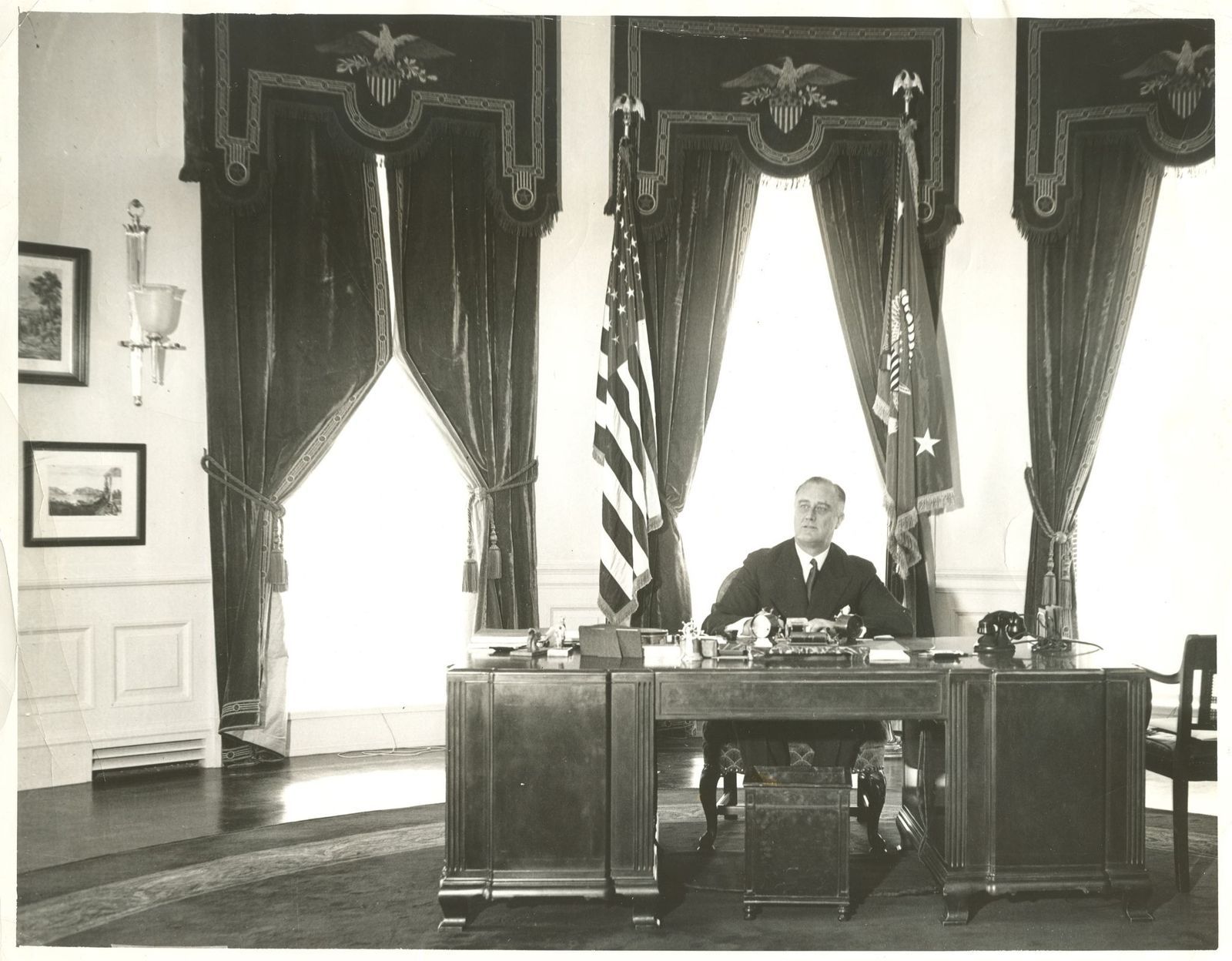
Image: Franklin D. Roosevelt Presidential Library and Museum, Public domain, via Wikimedia Commons

Jokes didn't distract FDR from his work. If anything, they helped him cope, and he certainly had plenty of work to do. In fact, Roosevelt was known for his unusual working hours.

Unlike many other presidents who were early risers, he often worked late into the night and typically didn't begin his day until around 9 am. During WWII, while overseeing a global conflict, he regularly spent his evenings reviewing reports, making decisions, and meeting with advisers long after most Americans had gone to bed. What makes this even more impressive is that he maintained this pace as his health steadily declined. Doctors urged him to slow down and limit his workload, but Roosevelt frequently ignored that advice. For a wartime commander-in-chief, there was always one more decision to make.

6
He appointed the first female cabinet member
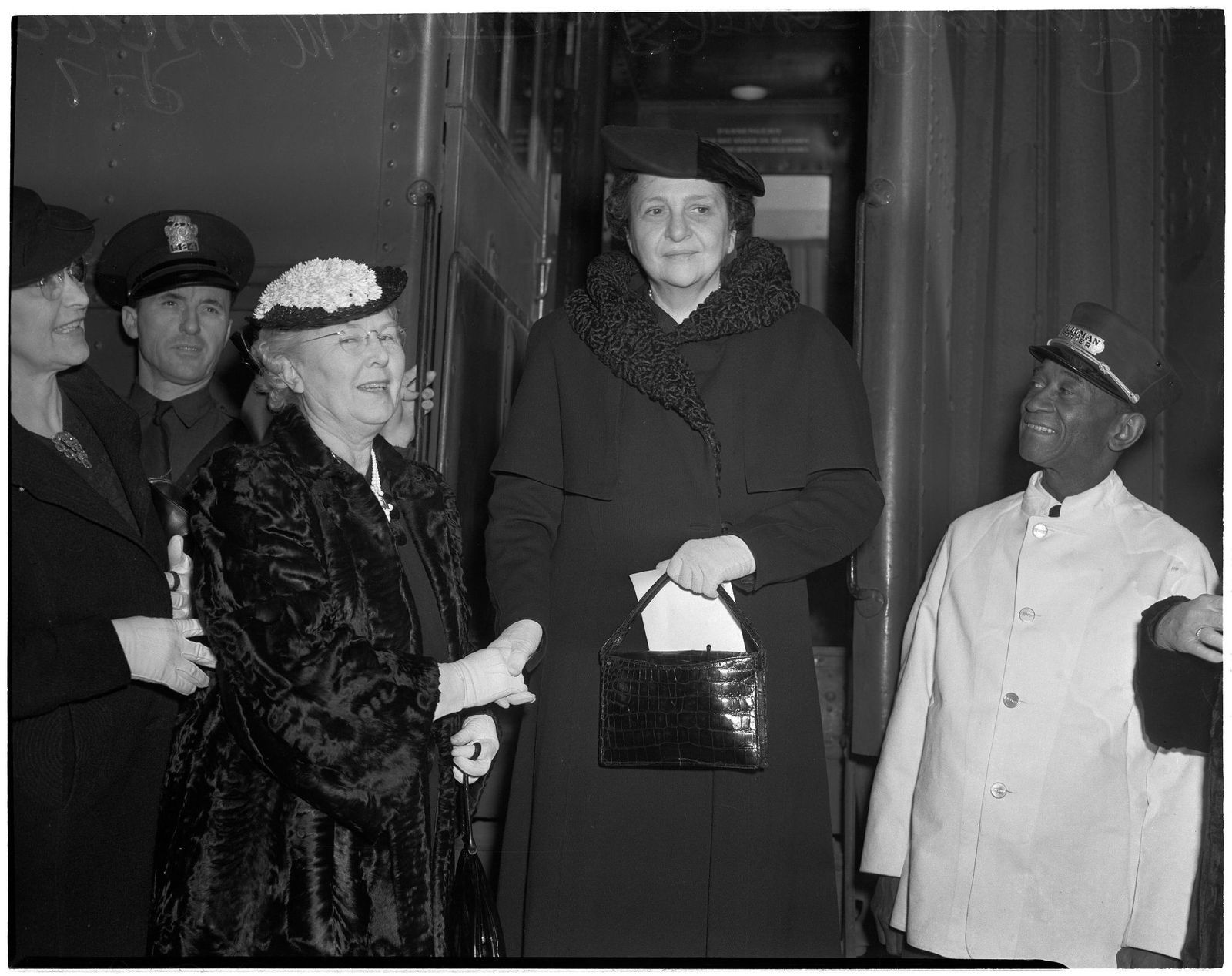
Image: Los Angeles Daily News, CC BY 4.0, via Wikimedia Commons

Among his many historic firsts, FDR was the inaugural POTUS to appoint a woman to a Cabinet position, a decision that reflected both his political instincts and his willingness to recognize talent and intelligence where he found it.

In 1933, he chose labor advocate Frances Perkins as Secretary of Labor. It turned out to be one of the most consequential appointments of his presidency. Perkins served from 1933 to 1945, making her the longest-serving Secretary of Labor in American history. And as if that weren't enough, she became one of the chief designers of the New Deal.

7
11 presidential relatives
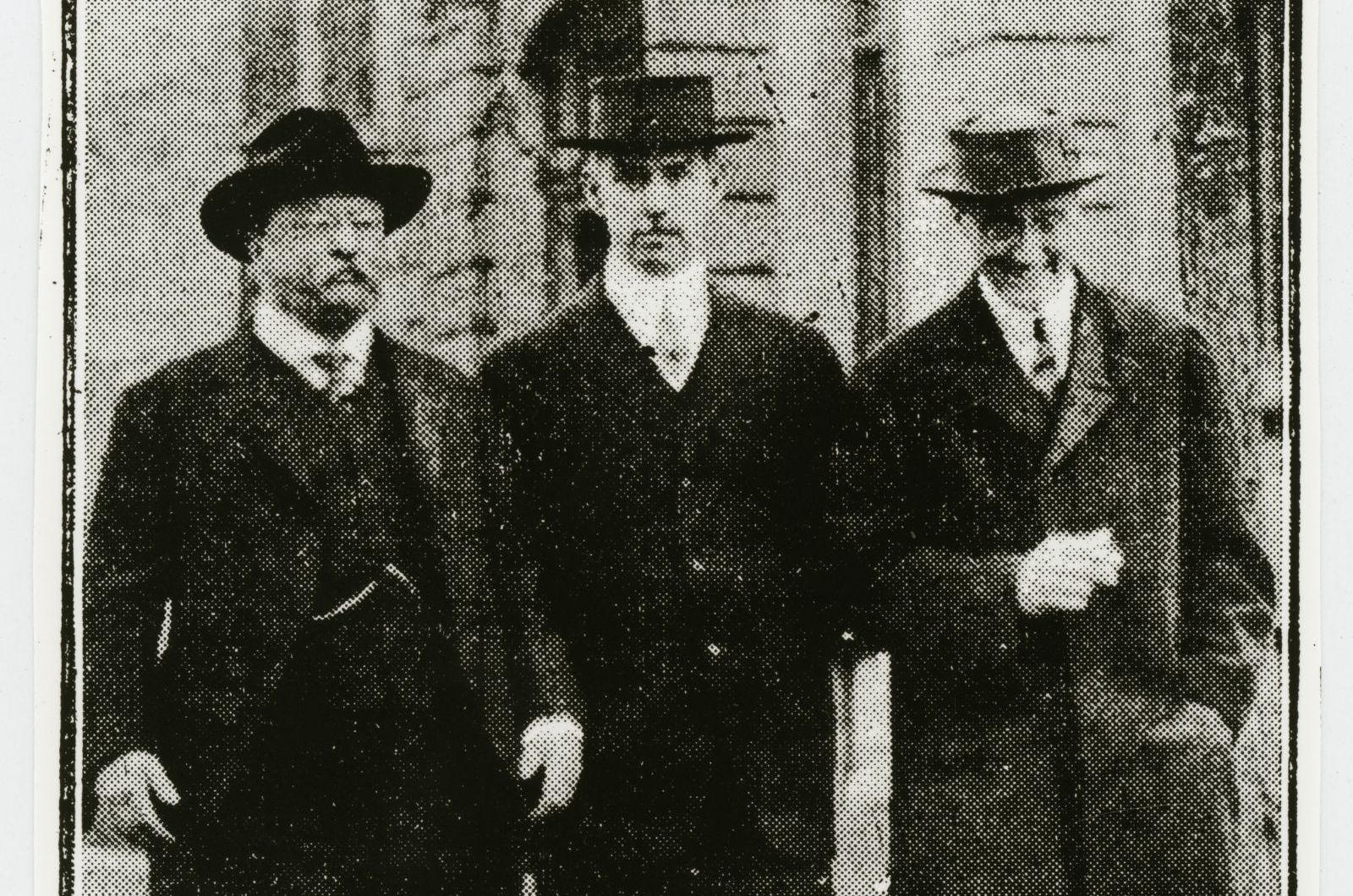
Image: Franklin D. Roosevelt Presidential Library and Museum, Public domain, via Wikimedia Commons

Most people know that Franklin D. Roosevelt and Theodore Roosevelt were related: the 32nd president was a distant cousin of the 26th. But few realize just how extensive FDR’s presidential family tree really was.

In fact, genealogists have traced Franklin Roosevelt’s family connections to at least 11 US presidents. FDR was not only related to Theodore Roosevelt and his own wife, Eleanor Roosevelt (his fifth cousin once removed), but also to an impressive number of other commanders in chief. Among those connected to him by blood were George Washington (with whom he shared ancestors from English nobility and the early settlers of Virginia), John Adams, John Quincy Adams, James Madison, and William Harrison. Through marriage and extended family ties, he was also related to Ulysses S. Grant, Benjamin Harrison, Zachary Taylor, Martin Van Buren, and William Howard Taft.

8
His illness may not have been polio
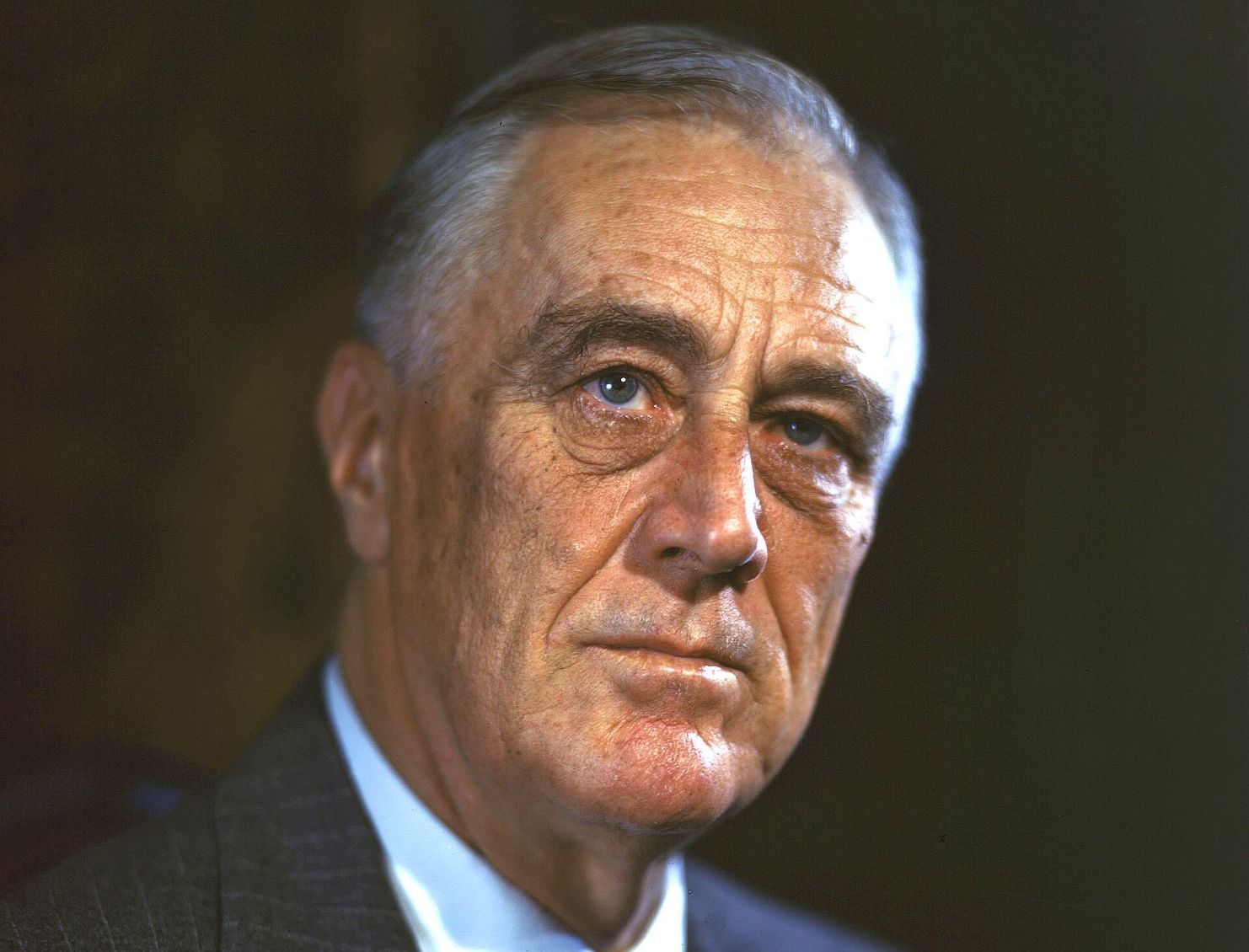
Image: Leon Perskie, CC BY 2.0, via Wikimedia Commons

As is well known, FDR was struck by a serious illness in 1921 at age 39 that left him permanently unable to walk unaided. But during his presidency, he worked hard to keep public attention focused on his leadership rather than on his body, so while Americans understood he had been diagnosed with polio, few knew about the paralysis.

To stand at public events, Roosevelt relied on heavy steel leg braces and canes that helped him project confidence and strength throughout his presidency. However, although doctors at the time diagnosed him with polio, some modern medical researchers have suggested that his symptoms may have been more consistent with Guillain-Barré syndrome (GBS), a rare autoimmune disorder.

9
He didn’t graduate from law school
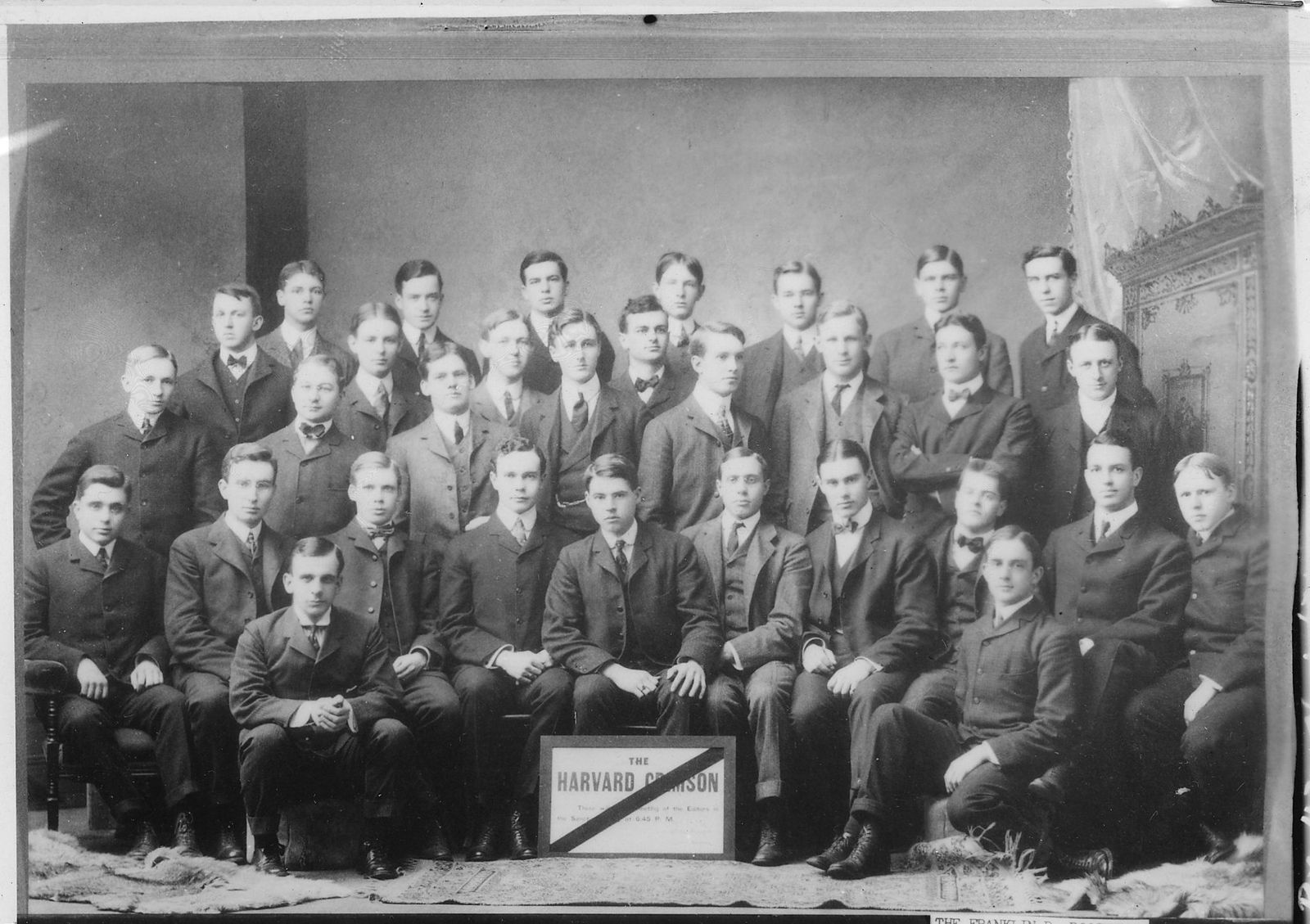
Image: National Archives and Records Administration, Public domain, via Wikimedia Commons

FDR was a bright and curious man who threw himself into subjects that fascinated him, but when something failed to hold his interest, he wasn't afraid to move on.

After earning a History degree from Harvard University in 1903, he enrolled at Columbia Law School, but he found that he simply didn't enjoy it. According to the Miller Center at the University of Virginia, Roosevelt showed little enthusiasm for the legal profession, and maybe that’s why he never achieved a Law degree. Even so, he passed the New York bar exam and began practicing after it, but the experiment lasted only a few years. Then, in 1910, an opportunity came along that interested him far more: local Democrats in New York asked him to run for the state Senate. Roosevelt eagerly accepted, and his political career was underway.

10
Expert in many fields
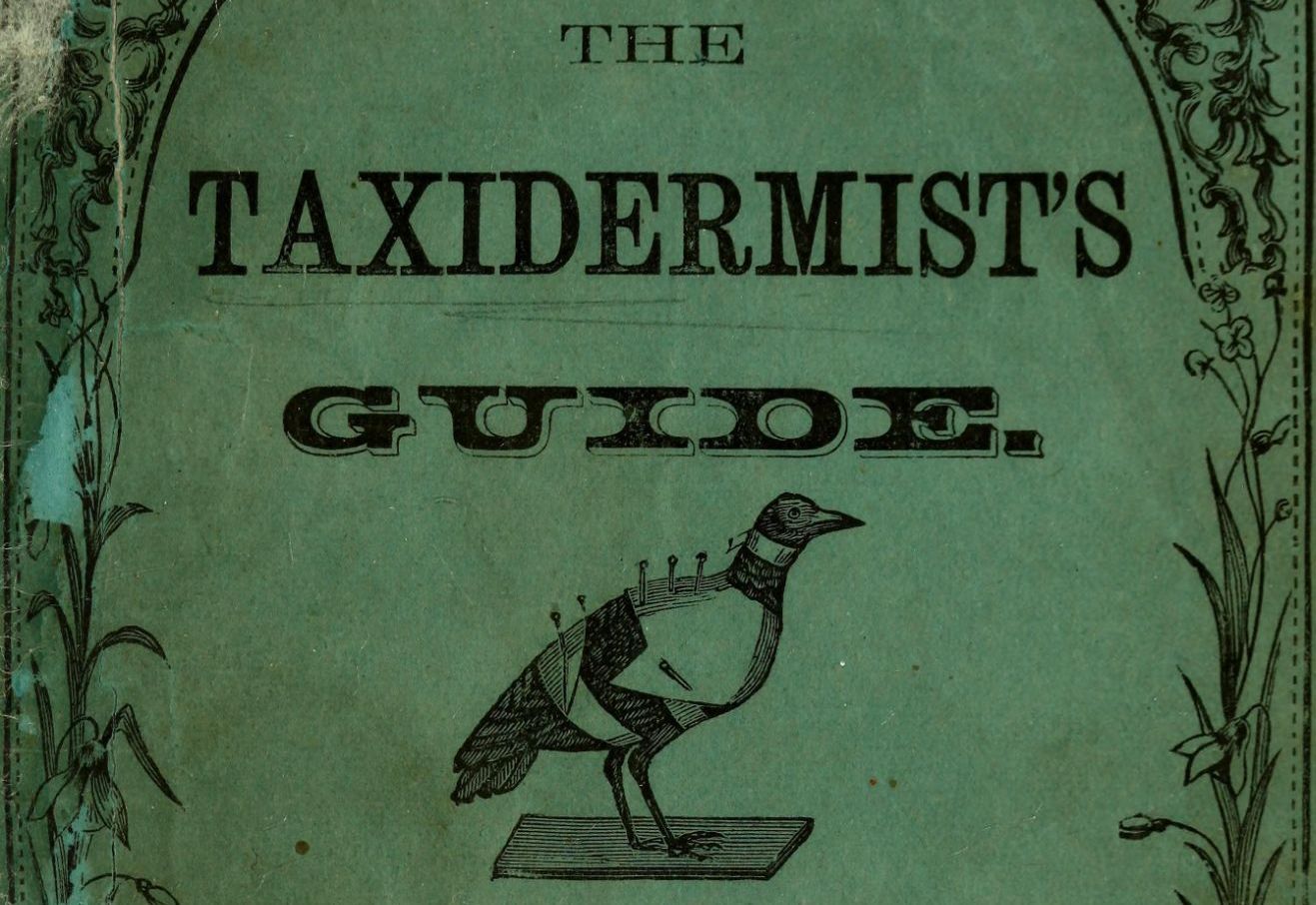
Politics and wartime strategy weren't FDR's only talents. Long before he entered the White House, he acquired a deep interest in nature.

Growing up in Dutchess County, New York, Roosevelt developed a fascination with birds that went far beyond a childhood hobby. By age 11, he was already learning taxidermy, eventually becoming a skilled self-taught naturalist and bird expert. Over the years, he identified and cataloged roughly 300 bird species. His detailed field journals and collection of more than 300 Dutchess County specimens are still considered some of the most complete records of local bird life from that era.
Culture Culture 6 min read

The Five-Sided Puzzle Palace

A man lived there secretly? Stunning facts about the Pentagon

Image: Touch Of Light, CC BY-SA 4.0, via Wikimedia Commons

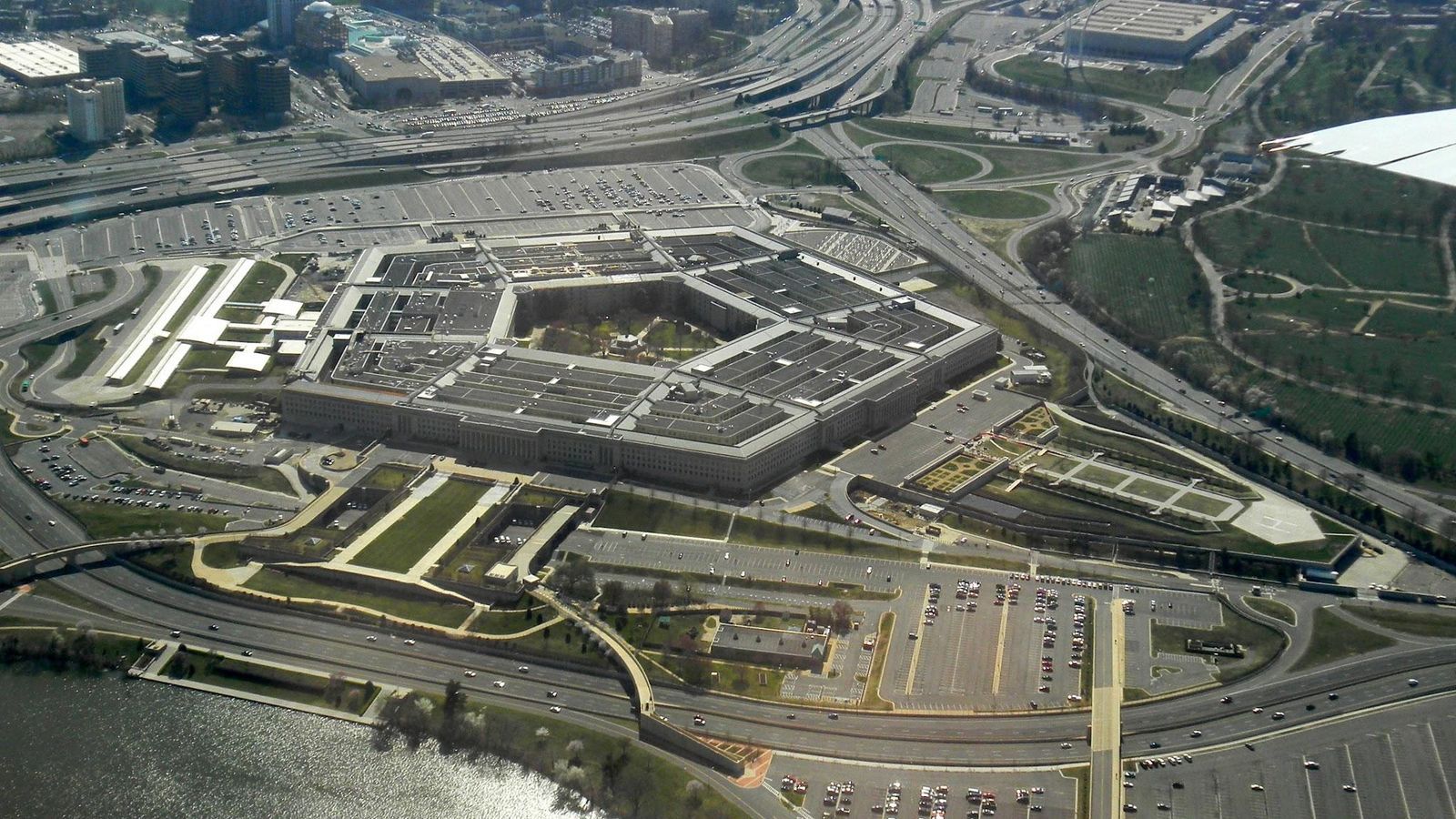
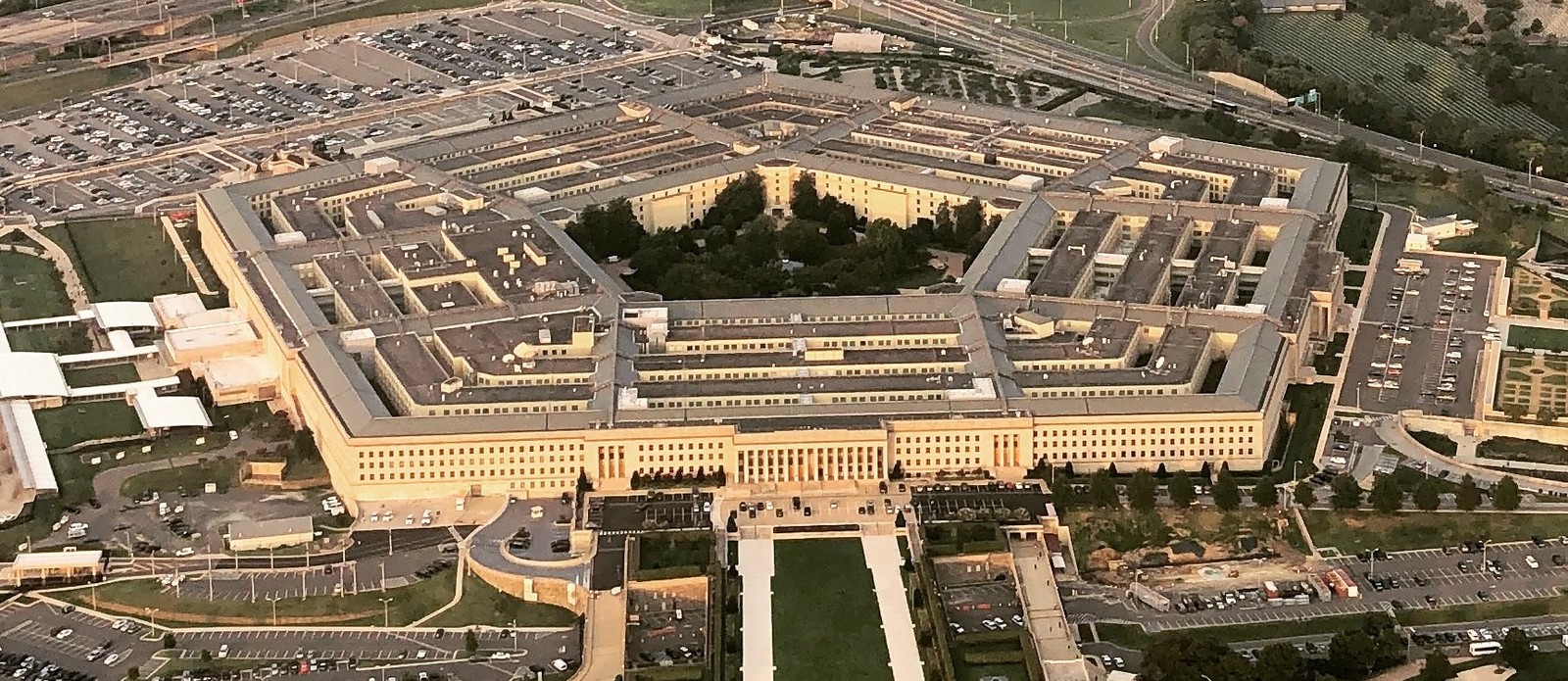
Did you know that construction on the Pentagon building began on September 11, 1941, exactly 60 years before it was attacked? The home of the US Department of Defense has stood for more than 80 years. Although its iconic shape is intriguing in itself, it hides deeper secrets that many Americans have never heard of. Did you know it feeds 26,000 people a day—at a McDonald's, a Five Guys, a Taco Bell, and over 30 other restaurants? Or that a man secretly lived inside its walls for years? Let’s dive into the Pentagon building’s secrets.

1
A renovation project saved thousands of lives on 9/11

Image: Office of the Secretary of Defense - Public Affair, Public domain, via Wikimedia Commons

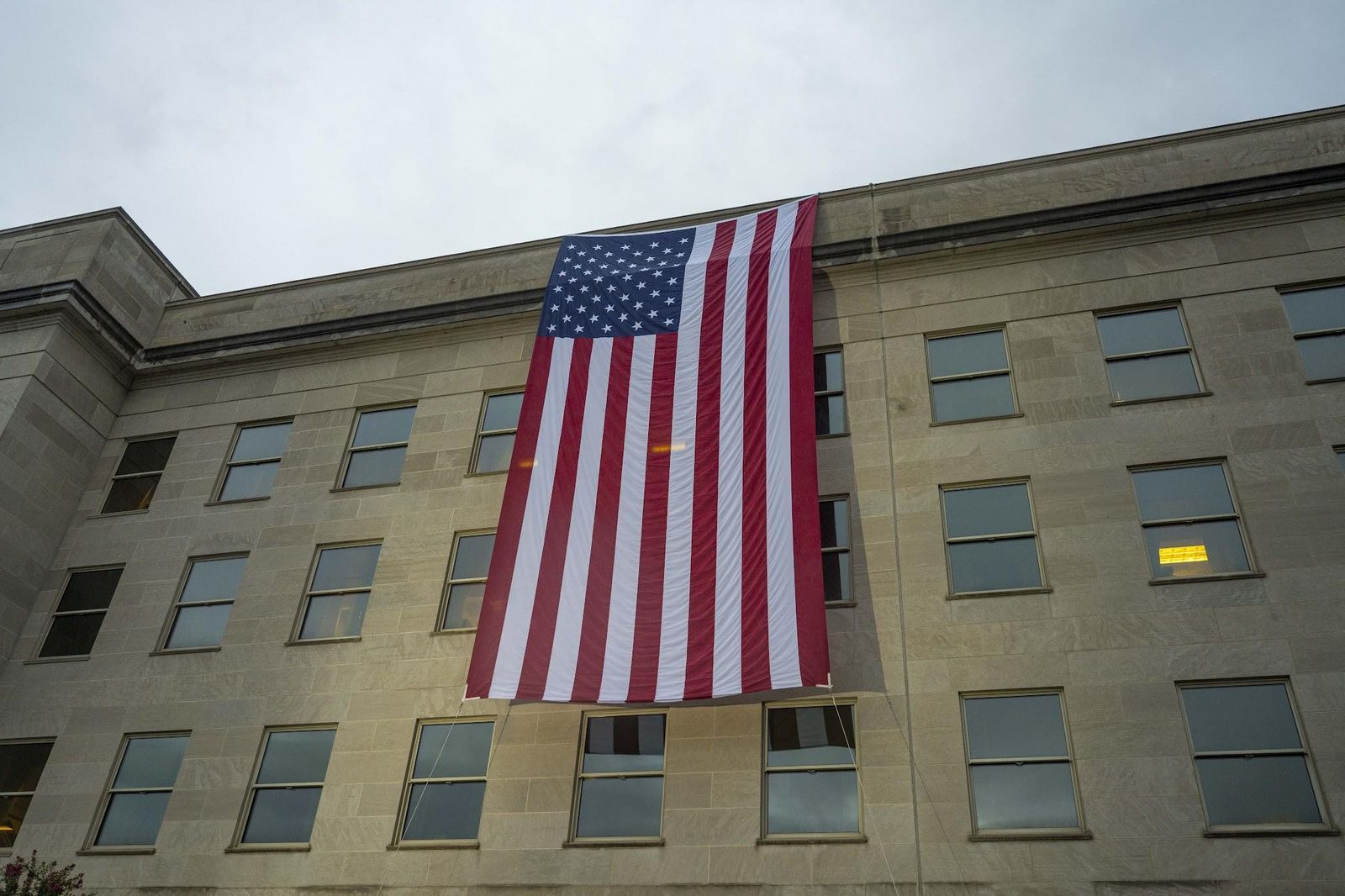
On September 11, 2001, American Airlines Flight 77 struck the Pentagon at 9:37 a.m., killing 189 people. Few people know this part: the death toll could have been much higher. But there was a renovation project underway at the time of the attacks.

The Pentagon’s five-sided structure is divided into five "wedges," and workers had been renovating them one at a time. Flight 77 struck the wedge that had just been completed. Of the 4,500 people who normally worked in that section, only about 800 had moved back in. Without the reinforced construction and the incomplete occupancy, experts believe the casualties would have been catastrophically higher.

2
The Cold War and the hot dog stand

Image: Anete Lusina

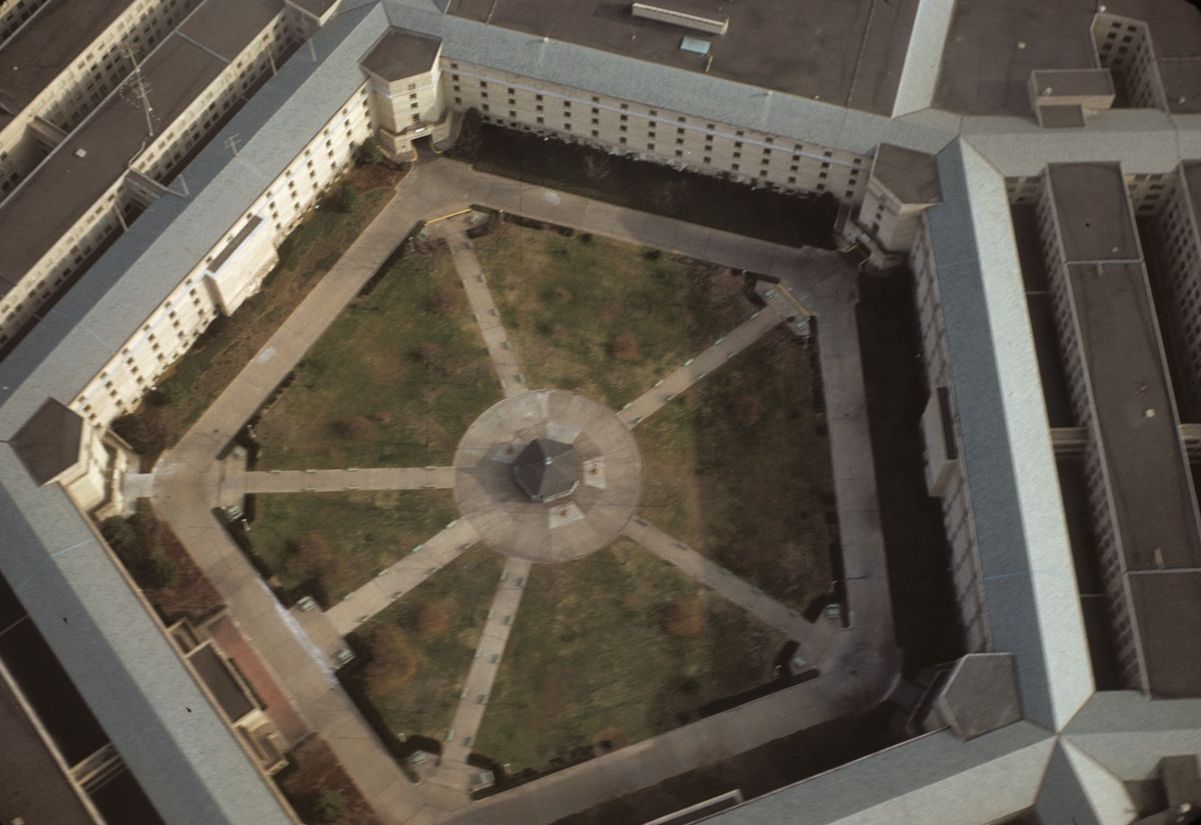
In the middle of the Pentagon’s five-acre center courtyard once stood a modest hot dog stand. According to a Cold War legend (one still retold by official Pentagon tour guides on every public tour), between the 60s and the 80s, Soviet satellite images tracked large groups of high-ranking military officials converging on that small building at the same time every day.

Soviet intelligence reportedly concluded the structure must be the entrance to some underground bunker in America. In reality, all it did was sell lunch. In 2006, the original stand was torn down, and a sandwich shop was built in its place.

3
Its construction began on September 11th, exactly 60 years before the attack

Image: Aber, Marilyn K., Public domain, via Wikimedia Commons

Builders broke ground on the Pentagon on September 11, 1941. That was exactly 60 years to the day before the September 11, 2001, terrorist attacks that would strike the same building.

Construction had been ordered by Army Brigadier General Brehon Somervell, who wanted a permanent headquarters for the Defense Department to replace its then-17 scattered offices across Washington, D.C.

The project was extraordinarily ambitious: plans called for the world’s largest office building to be completed in just 16 months. In the end, the conception, design, and construction of the entire Pentagon building took a total of 15 months.

4
The same person oversaw its construction and the Manhattan Project

Image: U.S. Army, Public domain, via Wikimedia Commons

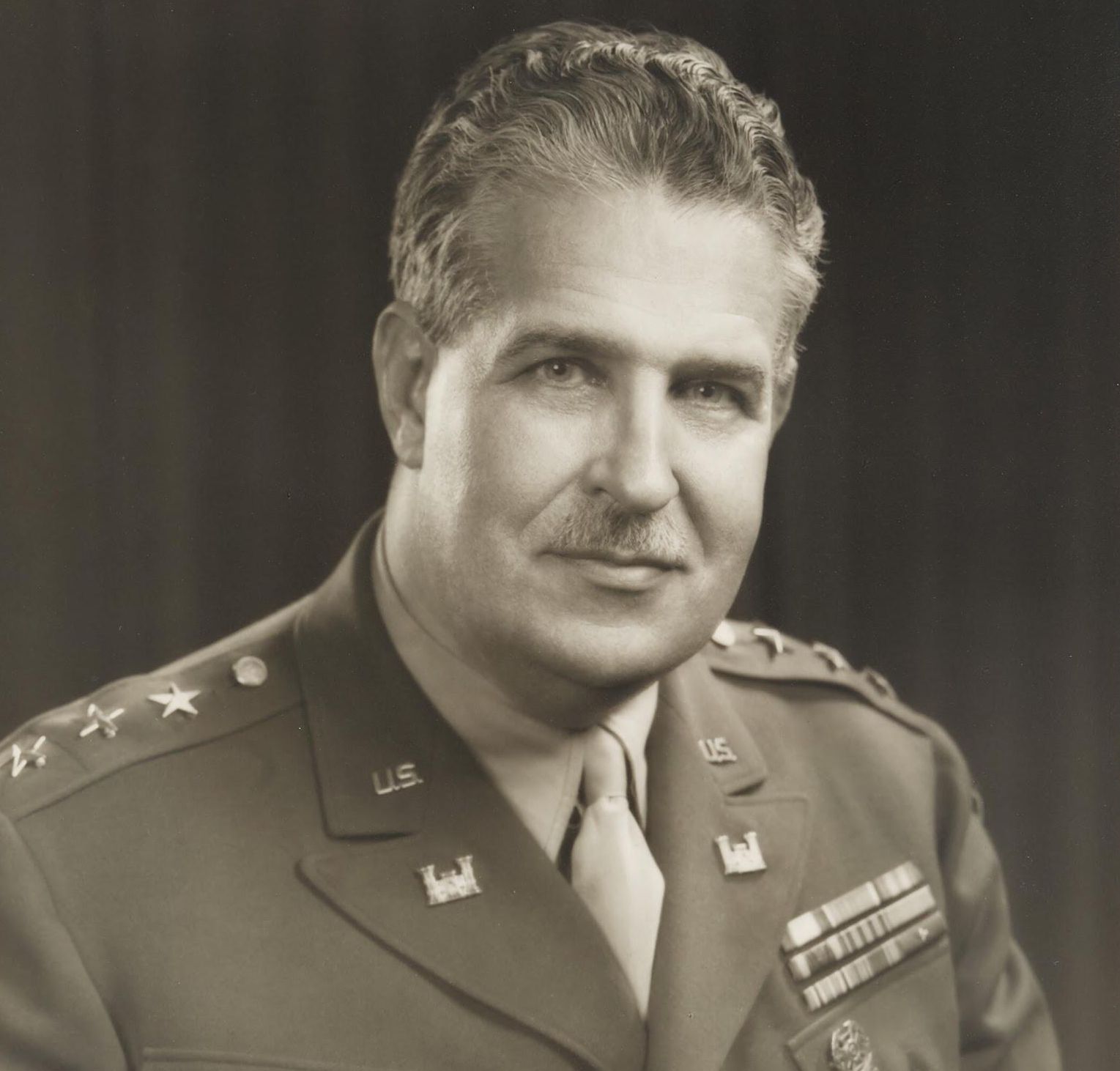
Colonel Leslie Groves of the Army Corps of Engineers took charge of Pentagon construction in August 1941. He worked six days a week and drove his team relentlessly, at one point employing more than 15,000 workers around the clock.

When the Pentagon was finished in January 1943, Groves was assigned to lead the Manhattan Project, America’s secret program to build the atomic bomb . His deputy, Captain Robert Furman, followed him into the Manhattan Project as chief of foreign intelligence. Together, the men who built the world’s largest office building went on to produce the weapon that ended World War II.

5
Why is it shaped like that?

Image: Boston Public Library, CC BY 2.0, via Wikimedia Commons

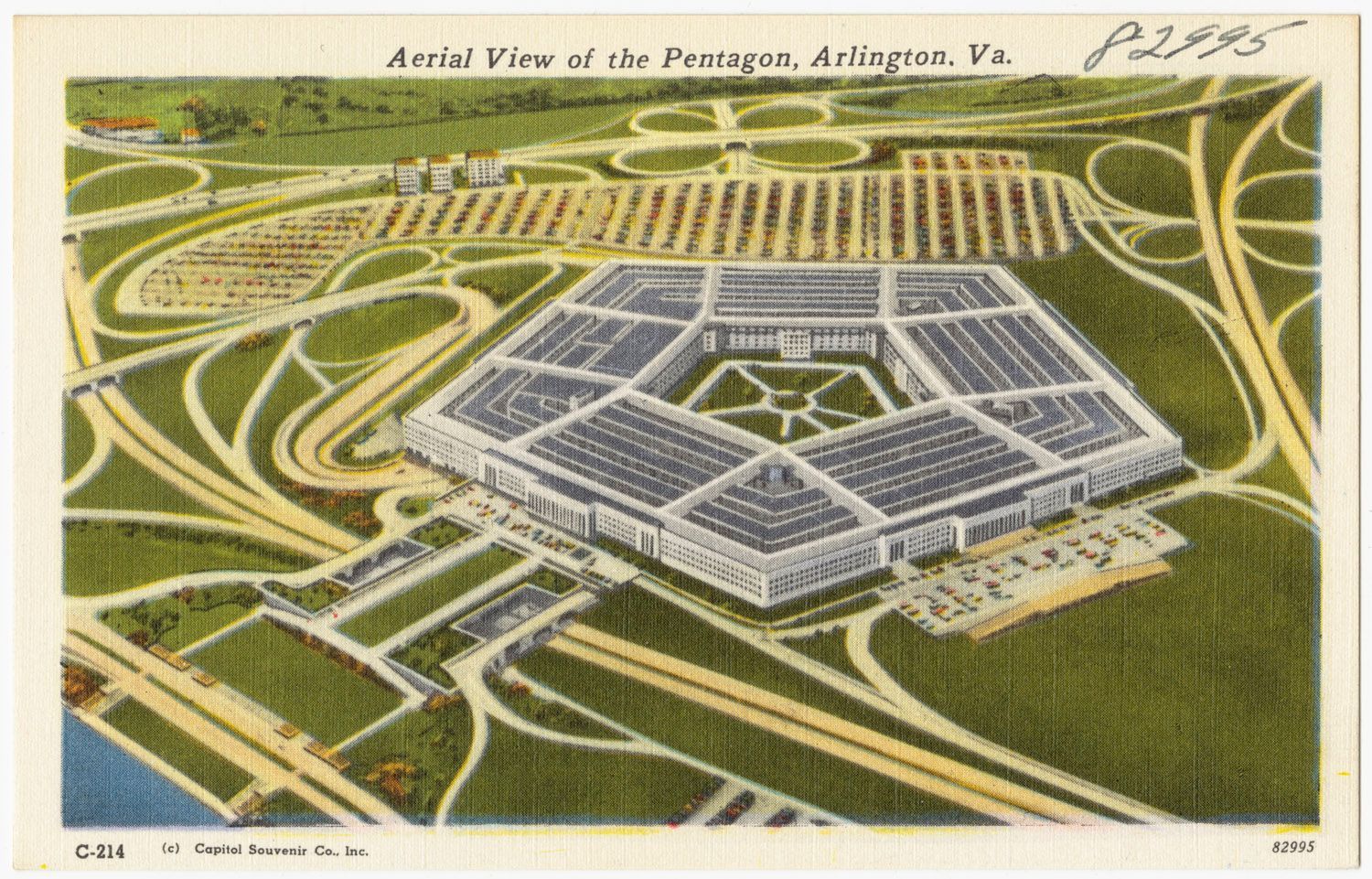
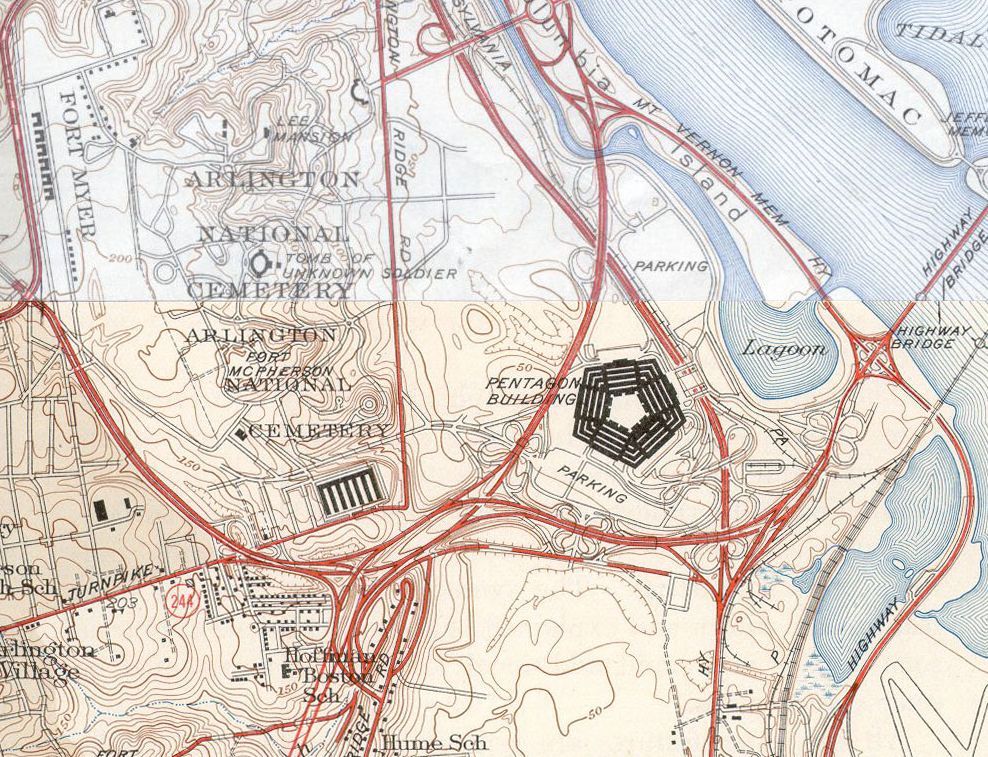
The Pentagon’s iconic five-sided shape was the consequence of a geographic accident. The original site selected for the building, near Arlington Cemetery, **happened to be bordered on five sides by roads. **Architects designed the structure to fit those boundaries, producing a pentagonal floor plan. Then President Franklin D. Roosevelt intervened: worried the massive building would obstruct the view of Washington, D.C. from Arlington, he ordered the site moved to its current location along the Potomac River. But the five-sided design had already been drawn up, and nobody changed it.

6
It was the first desegregated building in Virginia

Image: https://ddotlibrary.omeka.net/items/show/100, Public domain, via Wikimedia Commons

When the Pentagon was designed in 1941, segregation was the law in Virginia. Original plans called for doubled bathroom facilities: separate ones for Black and white employees, as required by Virginia statute. But President Roosevelt had signed Executive Order 8802 in June 1941, prohibiting racial discrimination in federal employment and government contracting.

As a federal building, the Pentagon was exempt from Virginia law. It became the only building in the state where segregation was not enforced. A fully desegregated federal workplace that opened in 1943. The doubled bathrooms were built anyway, as the plans were too far along to revise, but were never used as separately designated spaces.

7
Its construction was surprisingly frugal and incredibly fast

Image: See page for author, Public domain, via Wikimedia Commons

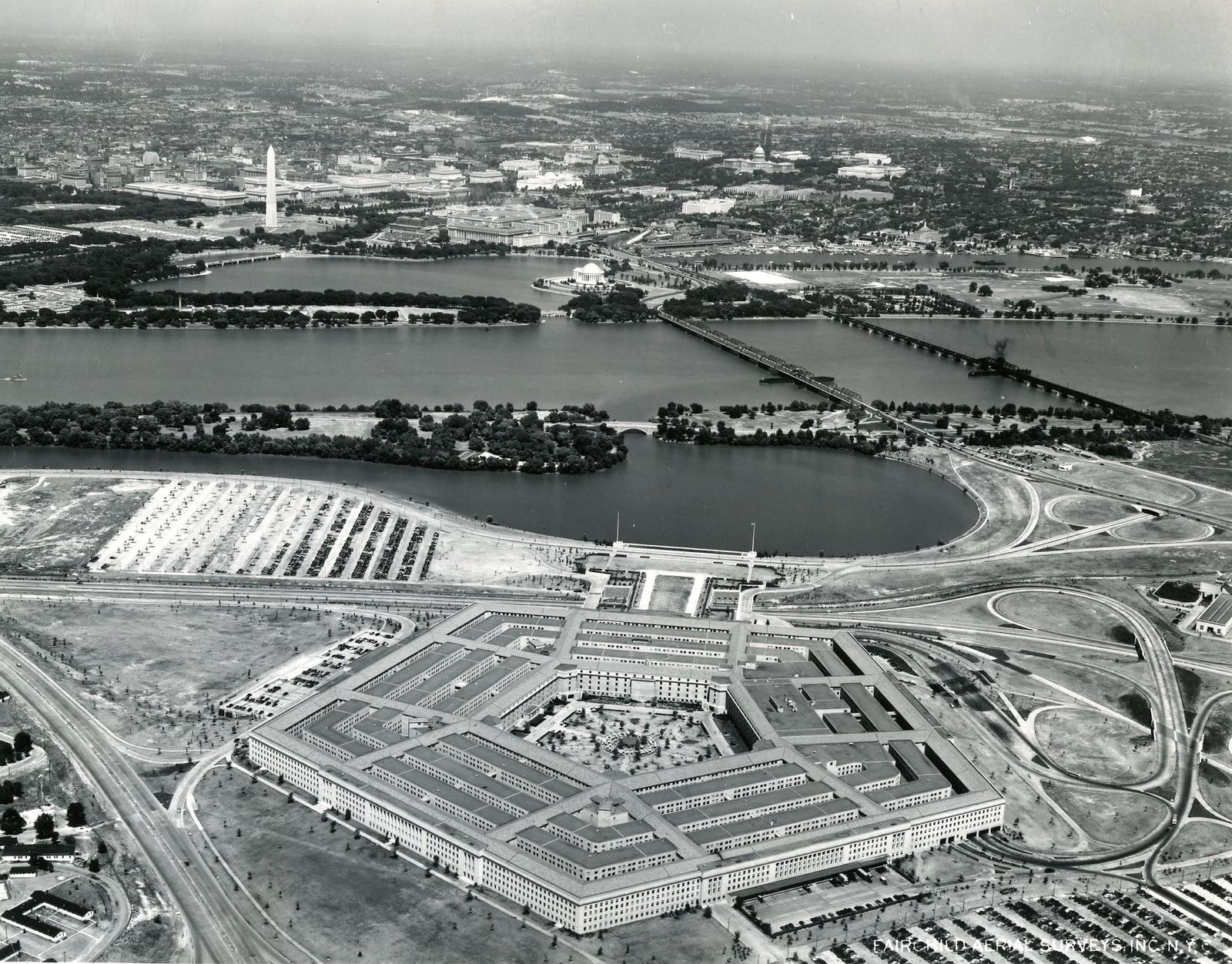
Ground broke on September 11, 1941, and construction finished on January 15, 1943, just 16 months later. More than 15,000 workers were on site around the clock. Wartime office shortages were so severe that employees moved into completed wings before the rest of the building was finished. Steel was too scarce to use extensively, so builders relied almost entirely on reinforced concrete. The 689,000 tons of sand and gravel required came directly from the nearby Potomac River, cutting transportation costs. The project was budgeted at $35 million, but the final bill was $63 million, which would translate to over $900 million in today’s dollars.

8
You can walk between its farthest points in only 7 minutes

Image: Bea A Carson, CC0, via Wikimedia Commons

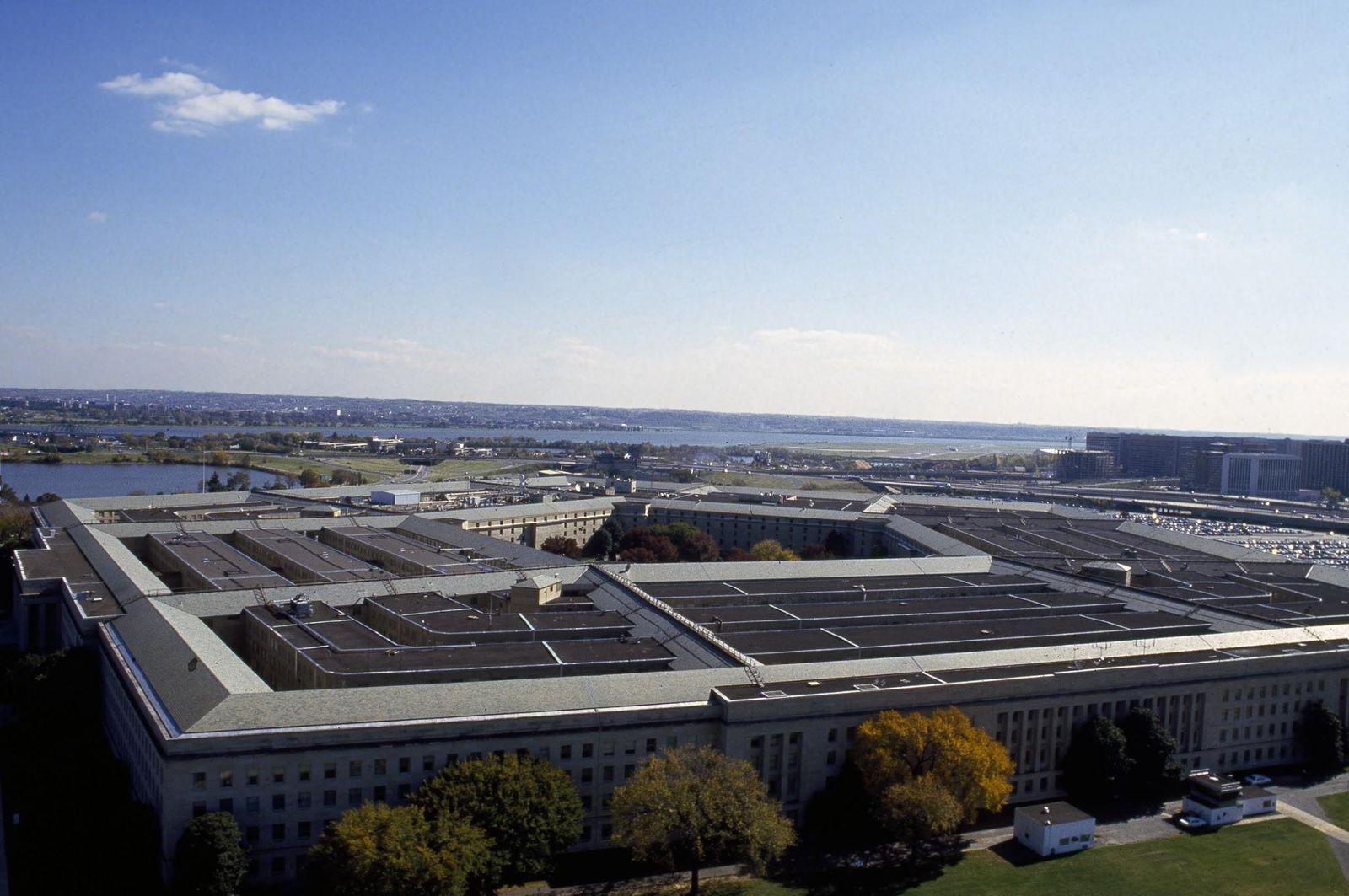
The Pentagon is the world’s largest low-rise office building: 6.5 million square feet of space, which is three times the total floor area of the Empire State Building. Each of its five outer walls is 921 feet long. It has 7,754 windows and 17.5 miles of corridors. Approximately 26,000 military and civilian employees report for work there every day.

Despite that scale, the building’s concentric ring design is so efficient that it takes only about seven minutes to walk between its two farthest points.

9
The man who secretly lived inside its walls

Image: Carol M. Highsmith, Public domain, via Wikimedia Commons

During construction, Colonel Groves drove his deputy, Captain Robert Furman, so relentlessly that Furman rarely left the building. To cope, Furman had contractors build him a small, windowless apartment hidden inside the walls of the Army’s Ordnance Division. In this private room, he could sleep and shower without leaving the premises.

When construction ended and personnel dispersed, knowledge of the hidden room was never passed on to building management. Months later, when Furman returned to Washington on Manhattan Project intelligence business, he found the apartment undiscovered and exactly as he’d left it.

For over a year, he would slip back to the Pentagon, pop open a wall panel, spend the night, and emerge in the morning with his suitcase. He was finally caught in 1943 and forced to surrender the keys. It was never disclosed whether the secret apartment was maintained or eventually absorbed back into the official floor plans.

10
It houses over 30 restaurants, including everyone's favorite chains

Image: Harrison Keely, CC BY 4.0, via Wikimedia Commons

The Pentagon feeds roughly 26,000 people a day, and its dining options read less like a military headquarters and more like a mall food court. The main Concourse Food Court, which opened in September 2009 and seats 875 people, is the largest of several dining areas.

Confirmed chains currently inside the building include McDonald’s, Five Guys, Subway, Popeyes, Starbucks (multiple locations), Dunkin’ (two locations), Panera Bread, Taco Bell, Panda Express, Baskin-Robbins, Potbelly, Jamba Juice, and Moe’s Southwest Grill, among others. The building also houses a CVS pharmacy, a florist, a jeweler, and a dry cleaner. In the summer of 2024, Potbelly became the first restaurant to open in the center courtyard. Yes, the very spot where the legendary Cold War hot dog stand once stood.

General General 4 min read

Beyond the law

Wait… that's not illegal? 11 ‘crimes’ you didn't know are legal

Image: Jan van der Wolf

Sometimes we’re so accustomed to doing things a certain way that doing anything different feels illegal. But not every bit of "common sense" is backed by an actual law. Many widely accepted practices are merely norms or policies—not legislation. From driving barefoot to owning a flamethrower, here are 11 things you might think are illegal… but actually aren’t.

1
Driving barefoot

Image: Ashley Byrd

No federal or state law in the U.S. bans driving barefoot. Though sometimes discouraged for safety reasons, driving barefoot is legal in all 50 states (and in most countries worldwide as well).

While police might ask you to put your shoes on during a traffic stop, it’s merely a suggestion, not a legal requirement. In most modern cars, driving barefoot presents no significant safety risks, but it could affect insurance claims. If you’re involved in an accident while barefoot, you might face increased scrutiny from insurers.

2
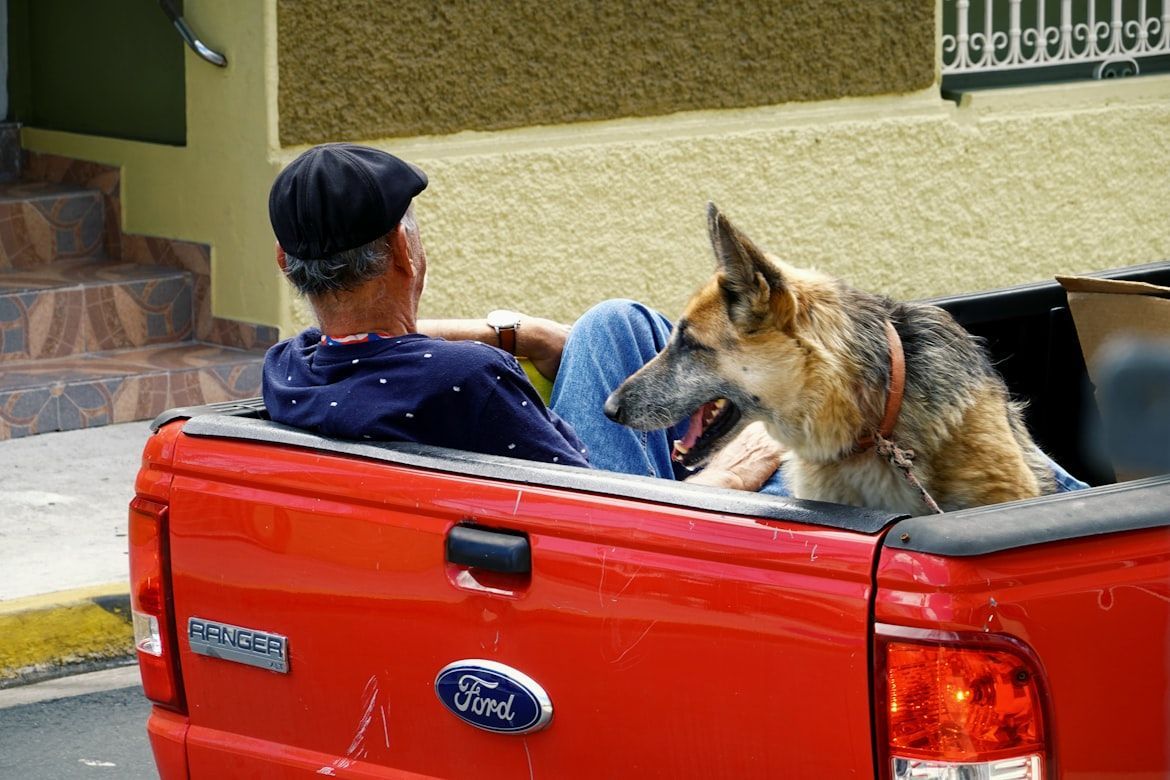
Riding in the back of a pickup truck

Image: Richard Lu

This is a bit of a gray area. There is no federal law regulating the practice, but some states or local jurisdictions may impose restrictions, often including age limits.

In rural areas, most people won’t bat an eye if you ride in the bed. However, it can be considered a safety risk and may serve as an aggravating factor if you’re stopped for speeding or other traffic violations.

3
Cursing in public

Image: Kristina Flour

While it’s common courtesy not to go around hurling insults and profanity, the truth is no one can legally require you to stop if you are so inclined.

This is because profanity is generally protected speech. However, "generally" is doing some heavy lifting here, as depending on the context, it could be considered provocation or incitement to violence.

4
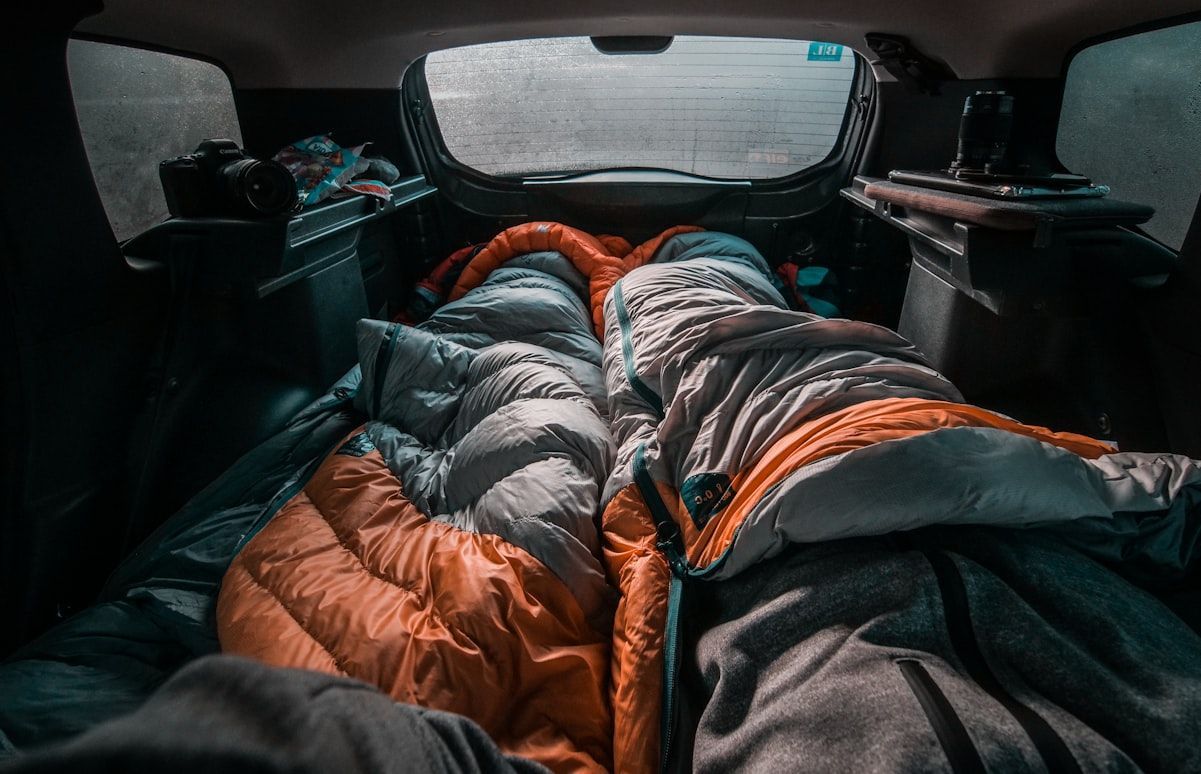
Sleeping in your car

Image: lucas Favre

It’s not illegal to sleep in your car unless local ordinances specifically prohibit it in certain areas, such as city streets or commercial lots.

Often, it has nothing to do with sleeping whatsoever, as in some places, all overnight parking at rest stops is prohibited or limited to just a few hours. Some Walmart lots might allow it, but that’s a private policy—not a law—and you should check with the local manager to be sure.

5
Eating while driving

Image: Dmitriy Frantsev

There’s no blanket law against eating while driving, though it can be considered a distraction. If it leads to unsafe driving, you could be cited.

Washington State’s distracted driving law bans holding electronic devices and allows extra fines for erratic driving caused by distractions , including eating or drinking . Some states, such as New Jersey, have considered banning it entirely, but most proposed laws are too vague to be enforced clearly.

6
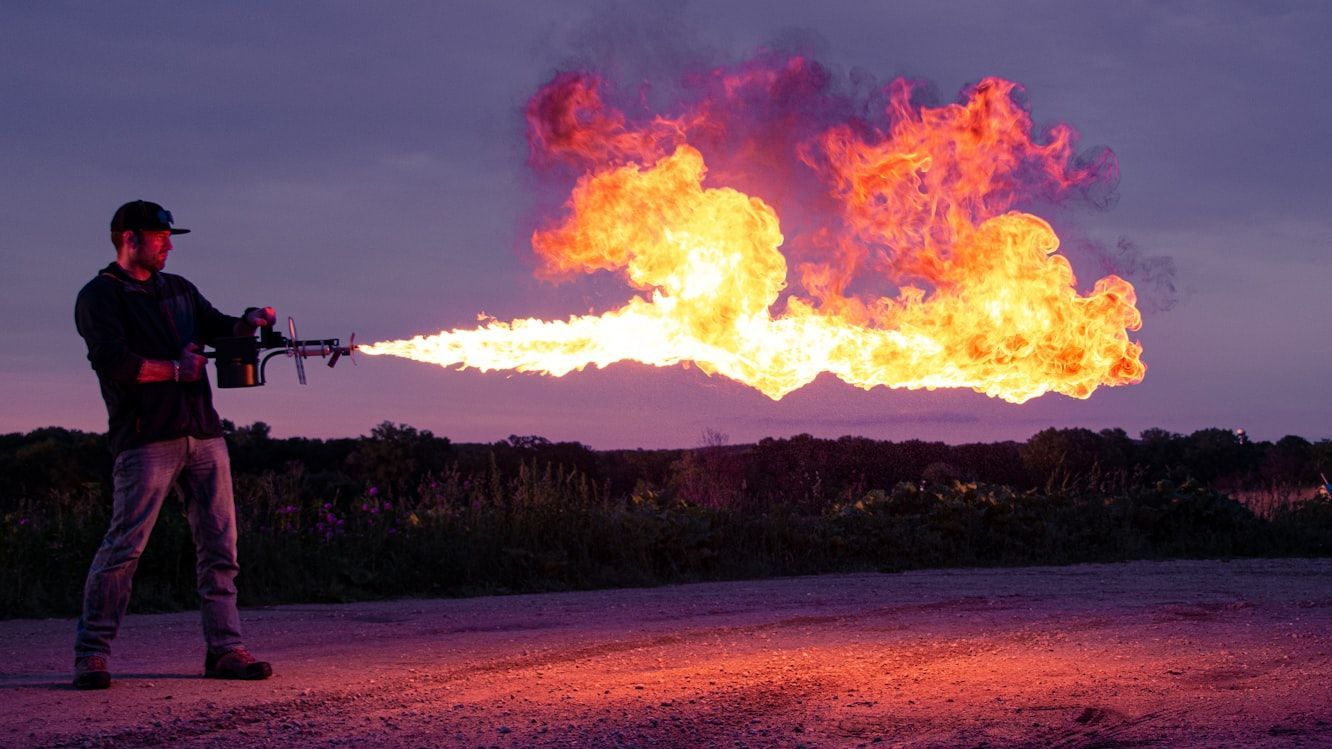
Owning a flamethrower

Image: Tali Despins

Surprisingly, there’s no federal law in the U.S. that bans civilian flamethrower ownership. However, a few states do impose restrictions; California and Maryland have strict laws prohibiting or regulating them.

Some companies even market flamethrowers for agricultural use, like controlled burns or weed clearing. But misuse of a flamethrower can lead to serious legal charges—for instance, arson, reckless endangerment, or other criminal or civil liabilities.

7
Ignoring someone knocking at your door

Image: Aaron Burden

No law requires you to open your door to anyone, including police, unless they have a warrant.

If you're pulled over while driving or stopped on the street, you’re generally required to comply with police instructions. But if you're inside your home with the door closed—and ideally locked—you’re under no obligation to respond at all.

8
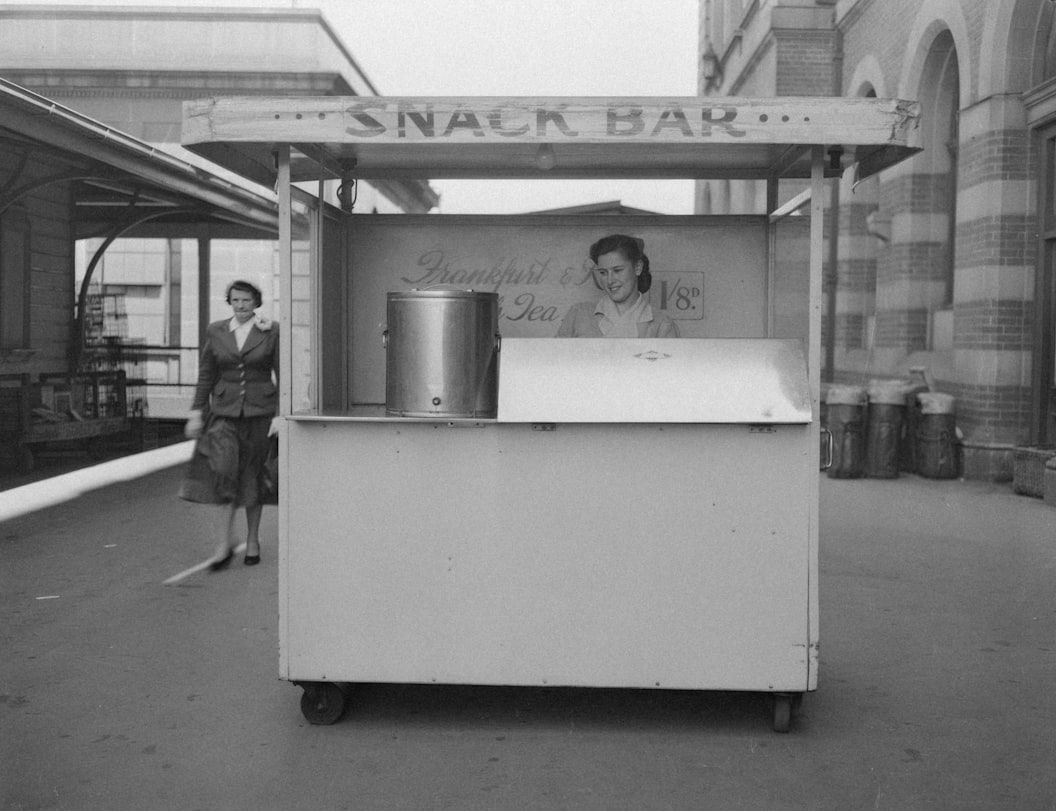
Selling homemade food without a license

Image: Museums of History New South Wales

Most states require permits or inspections to sell food commercially. However, many states have "cottage food laws" that allow limited sales of certain homemade goods without a license.

But if you scale up beyond small-batch home production, you’ll likely face a citation—and a hefty fine—from the authorities.

9
Backyard burials

Image: Jennifer Grismer

Believe it or not, there’s no federal law against burying human remains on private property. Many states allow it, provided you have the proper paperwork, such as a death certificate and burial permit. Local zoning laws may regulate factors like location, depth, and proximity to water sources or property lines.

Similarly, pet burials are generally permitted, but local ordinances can vary —so it’s important to check them first.

10
Using a fake name online

Image: Sander Sammy

Unless it’s used for fraud or to impersonate a real person, using an alias on social media or online forums isn’t a crime.

Some platforms may prohibit it in their terms of service, but that’s a civil matter—not a criminal one. Legal issues generally arise only if the alias is used to cause harm, deceive others, or commit financial fraud.

11
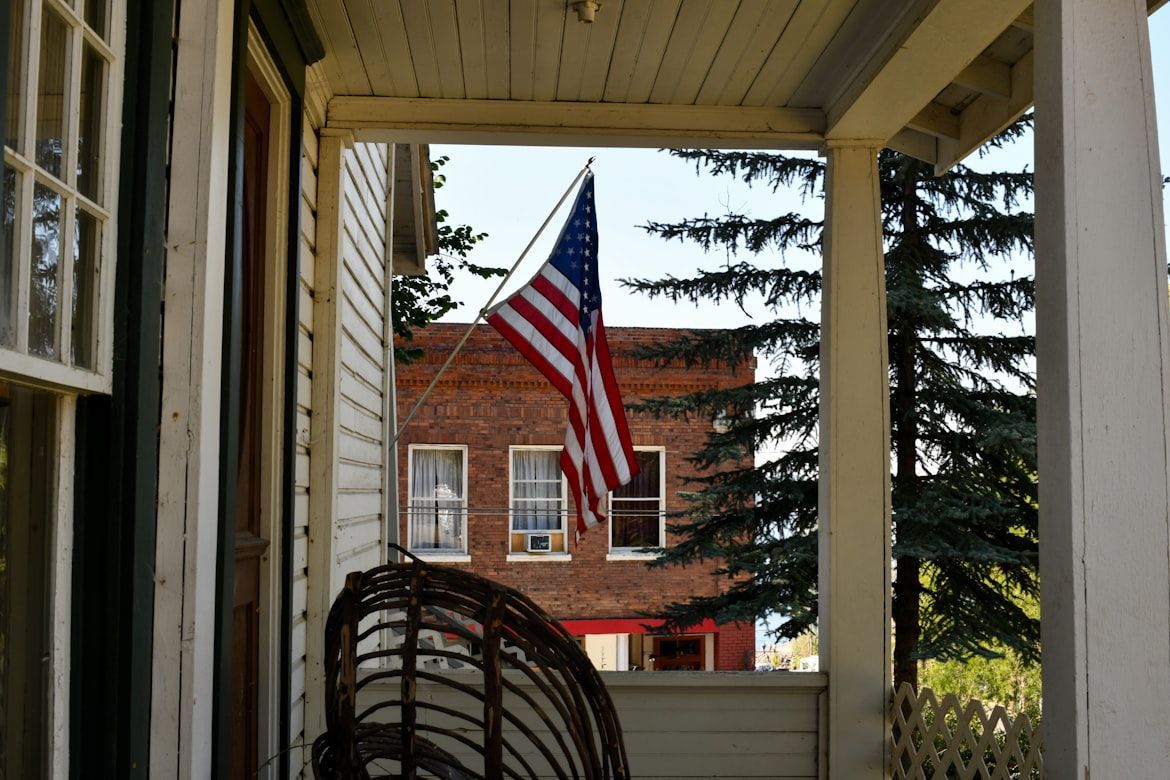
Flying the U.S. flag at night without lighting

Image: Shelley Pauls

The U.S. Flag Code suggests that the flag should be illuminated if flown at night, but this is just a general guideline, not a legally enforceable law.

Stricter requirements may apply to government buildings, but for private citizens, the code is purely advisory and symbolic.

Explore more American facts

Choose your favorite category!

General
General

As American as apple pie—the very best America has to offer!

Culture
Culture

Delve into the astounding richness of American lore.

Geography
Geography

Hop in and explore vast and diverse American landscapes.

History
History

Discover the key moments that shaped the United States.