Geography Geography 5 min read

Stories carved by the Colorado River

The missing pieces of the Grand Canyon: 10 incredible facts
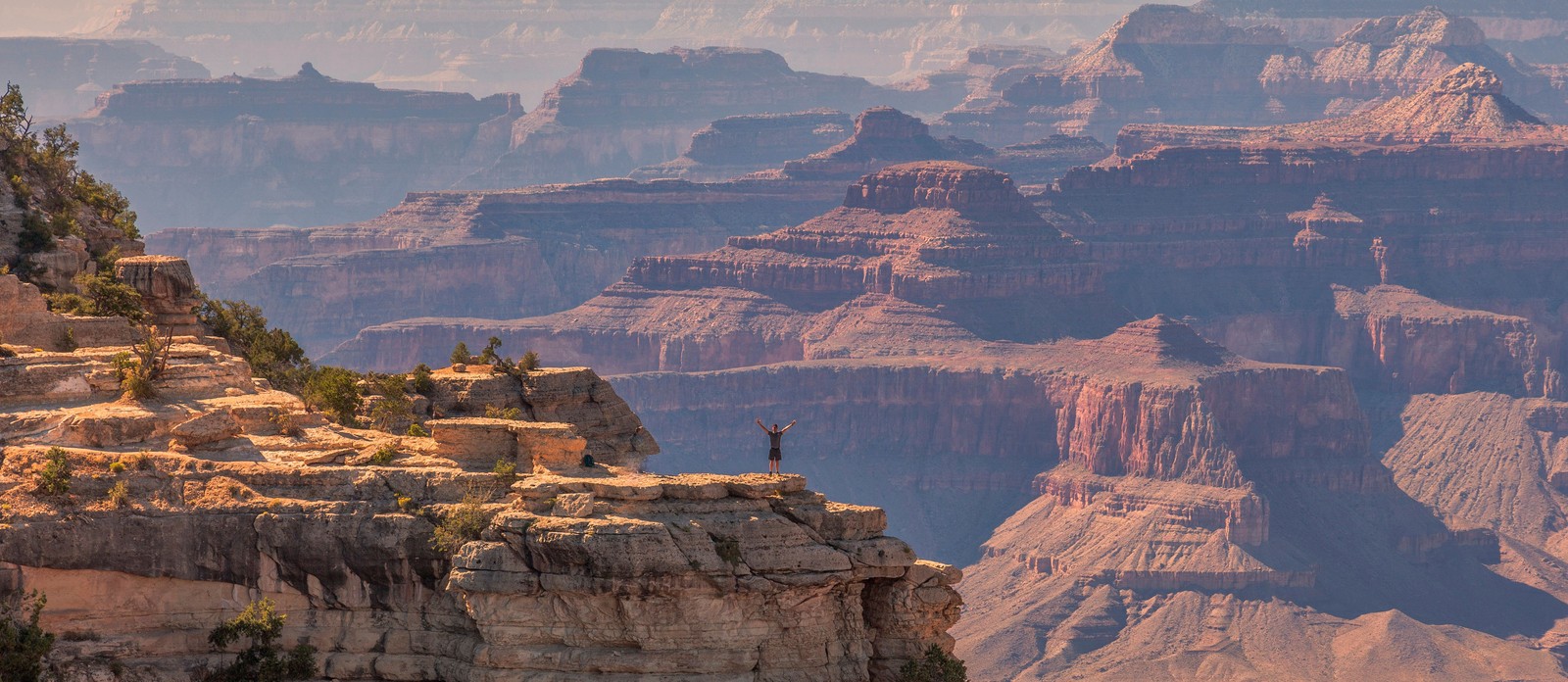
Image: jesus esteban

The Grand Canyon is bigger than Rhode Island. It's deeper than four Empire State Buildings stacked end to end. Its rocks are older than dinosaurs. But those stats alone don’t quite capture its immensity — and are hardly the most shocking. There are nuclear shelters, hidden villages, and billion-year mysteries involved. Read on to learn 10 lesser-known facts about the Grand Canyon.

1
There's an unexplained billion-year gap
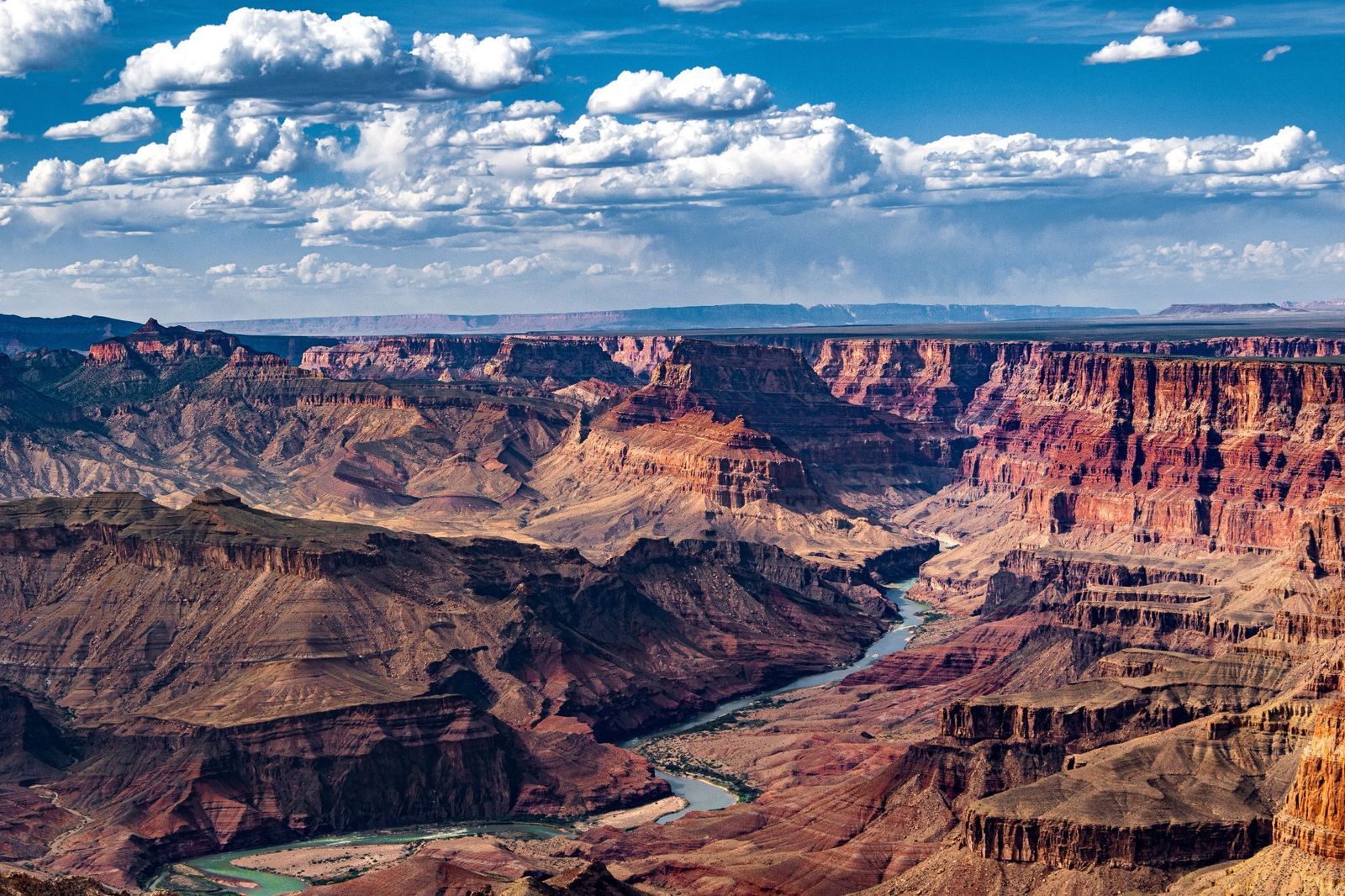
Image: John Graybosch

Look closely at the canyon walls, and you'll notice something strange: a clean, sharp line where ancient rock simply stops, and a much younger layer begins directly above it.

This geological puzzle is called the "Great Unconformity," and it represents over a billion years of rock layers that are simply absent , as though that stretch of time never happened. In some spots, rock dated 1.8 billion years old sits directly beneath rock that is only 520 million years old. Where did the missing billion years go?

The leading theory involves the violent breakup of an ancient supercontinent, but scientists are still piecing it together.

2
During the Cold War, it hid a nuclear fallout shelter
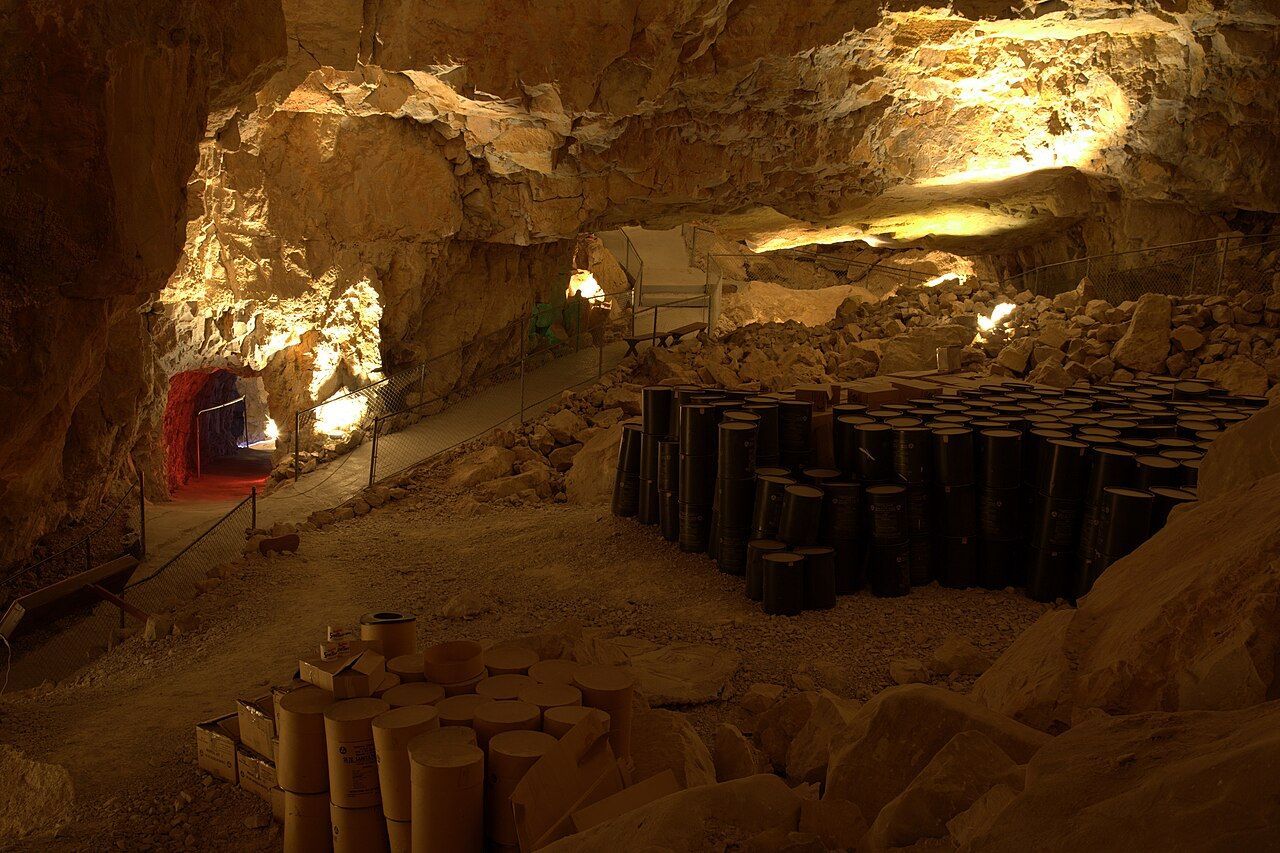
Image: Lauri Väin from Tallinn, Estonia, CC BY 2.0, via Wikimedia Commons

During the Cuban Missile Crisis in 1962, the U.S. government converted part of the Grand Canyon Caverns into a fallout shelter. This dry cave system, more than 200 feet underground, was stocked with enough food and water to sustain 2,000 people. Naturally, it was never occupied, and the supplies were never used.

The caverns have since been transformed into a tourist attraction, with organized tours winding through the same underground chambers that were once intended as a refuge from nuclear war. You can even book a night's stay there.

3
The Federal Aviation Administration was founded after a crash over the canyon
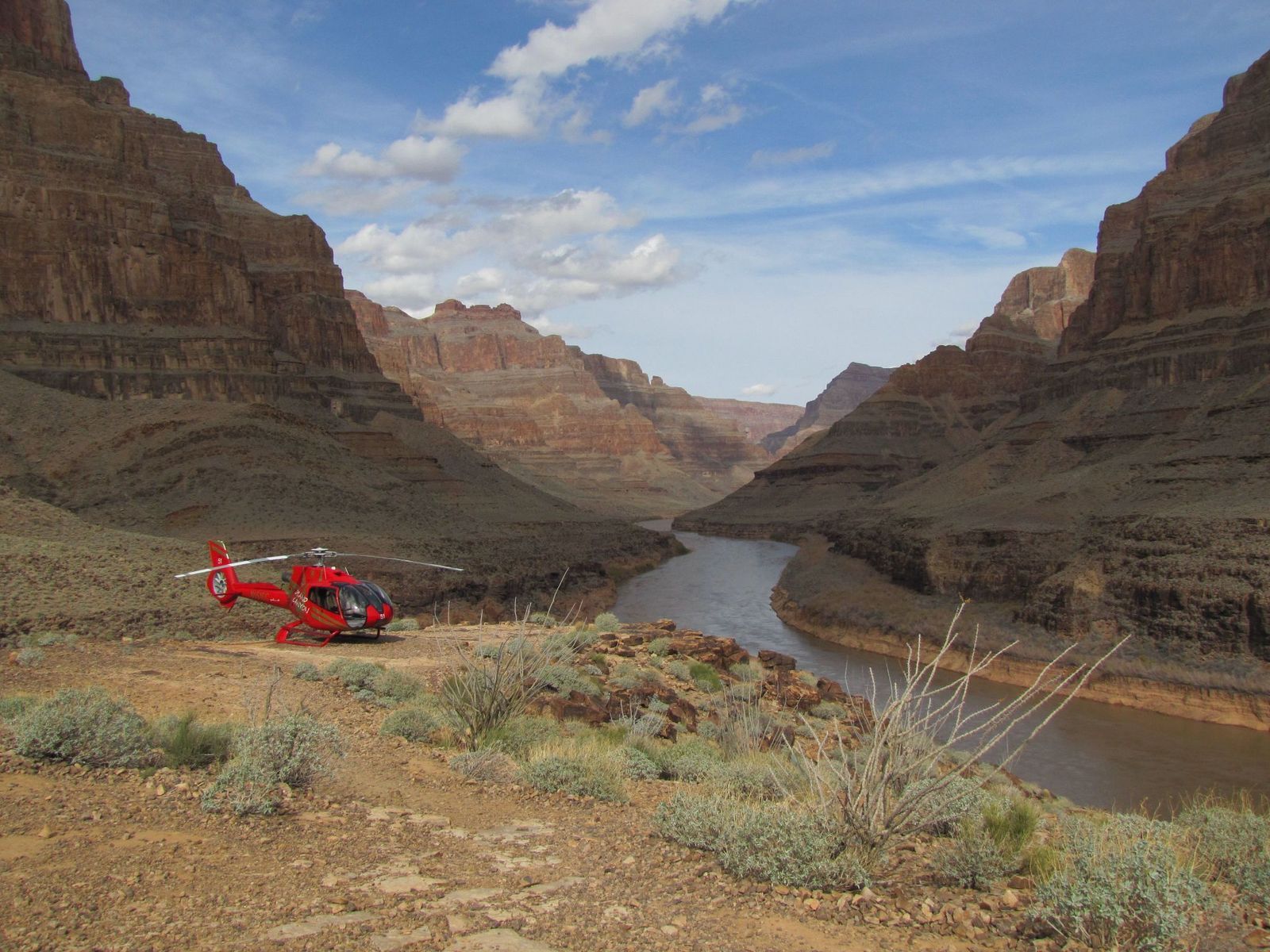
Image: Alexandre Henry Alves

In 1956, two commercial passenger planes collided in midair over the eastern Grand Canyon, killing all 128 people on board both crafts. Rescue teams struggled to reach the wreckage deep inside the canyon, and the extreme heat of the crash had caused the planes' aluminum to fuse with the bedrock. There were no survivors.

The disaster exposed a terrifying truth: the U.S. air traffic control system was dangerously outdated, relying on pilots' visual estimates and rough guesswork from controllers , with no way to separate fast-moving aircraft from slow ones, or instrument-flying planes from those navigating by sight. Congress responded by passing legislation that created both the Federal Aviation Administration (FAA) and the National Transportation Safety Board.

4
A hoax suggested that an Egyptian civilization had lived there
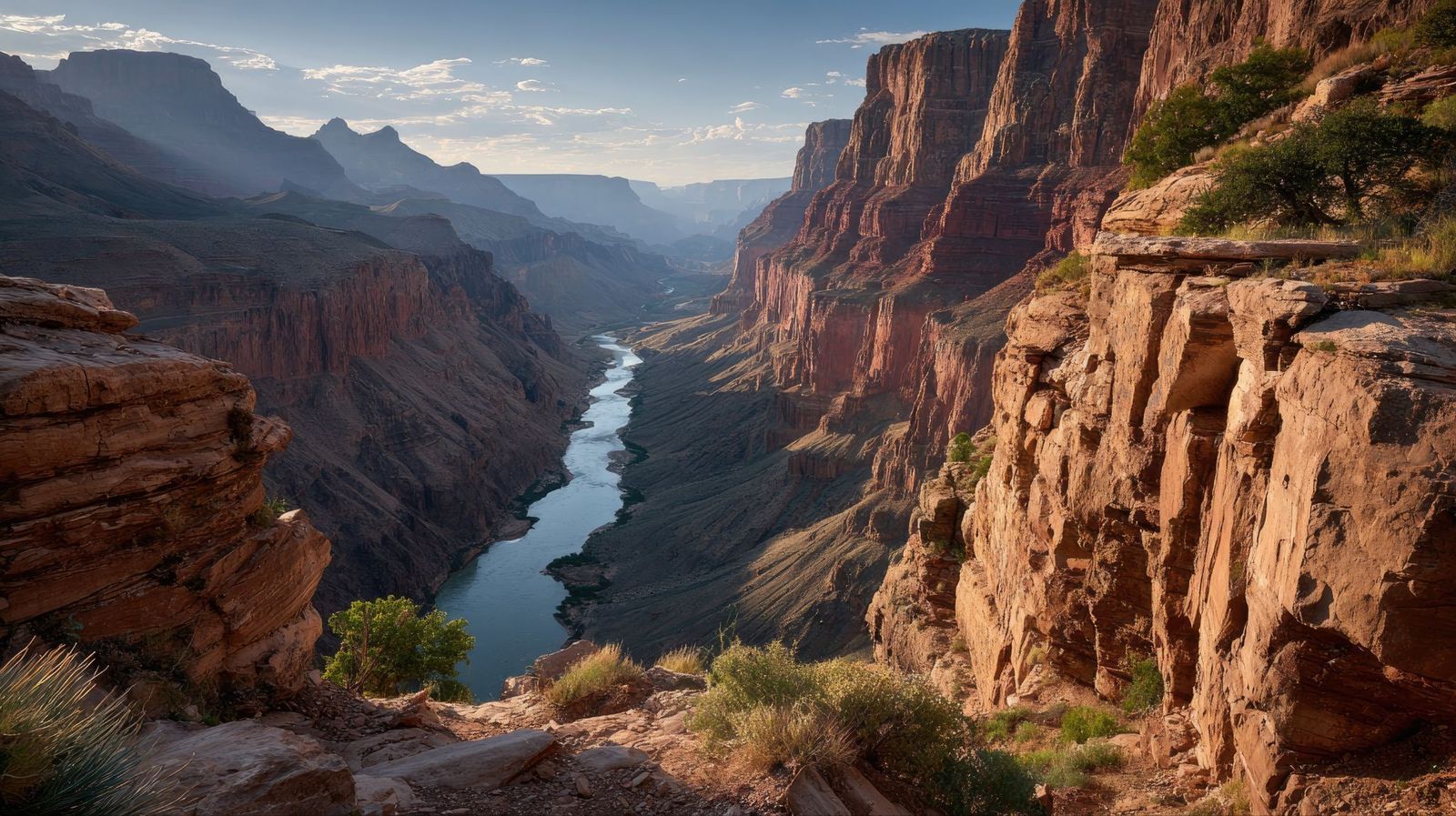
Image: abdurrohman dzar

In 1909, the Arizona Gazette reported that an explorer named G. E. Kinkaid had discovered a vast underground citadel inside the canyon, filled with artifacts linked to ancient Egyptian civilization. He even claimed the expedition had been funded by the Smithsonian.

This story described hieroglyphics on the walls, mummies in the chambers, and relics pointing to a direct connection with the Egypt of the pharaohs. It was incredibly detailed, and it was, of course, a hoax. No evidence for any of Kinkaid's claims ever surfaced.

5
Fewer than 100 people have ever hiked its full length
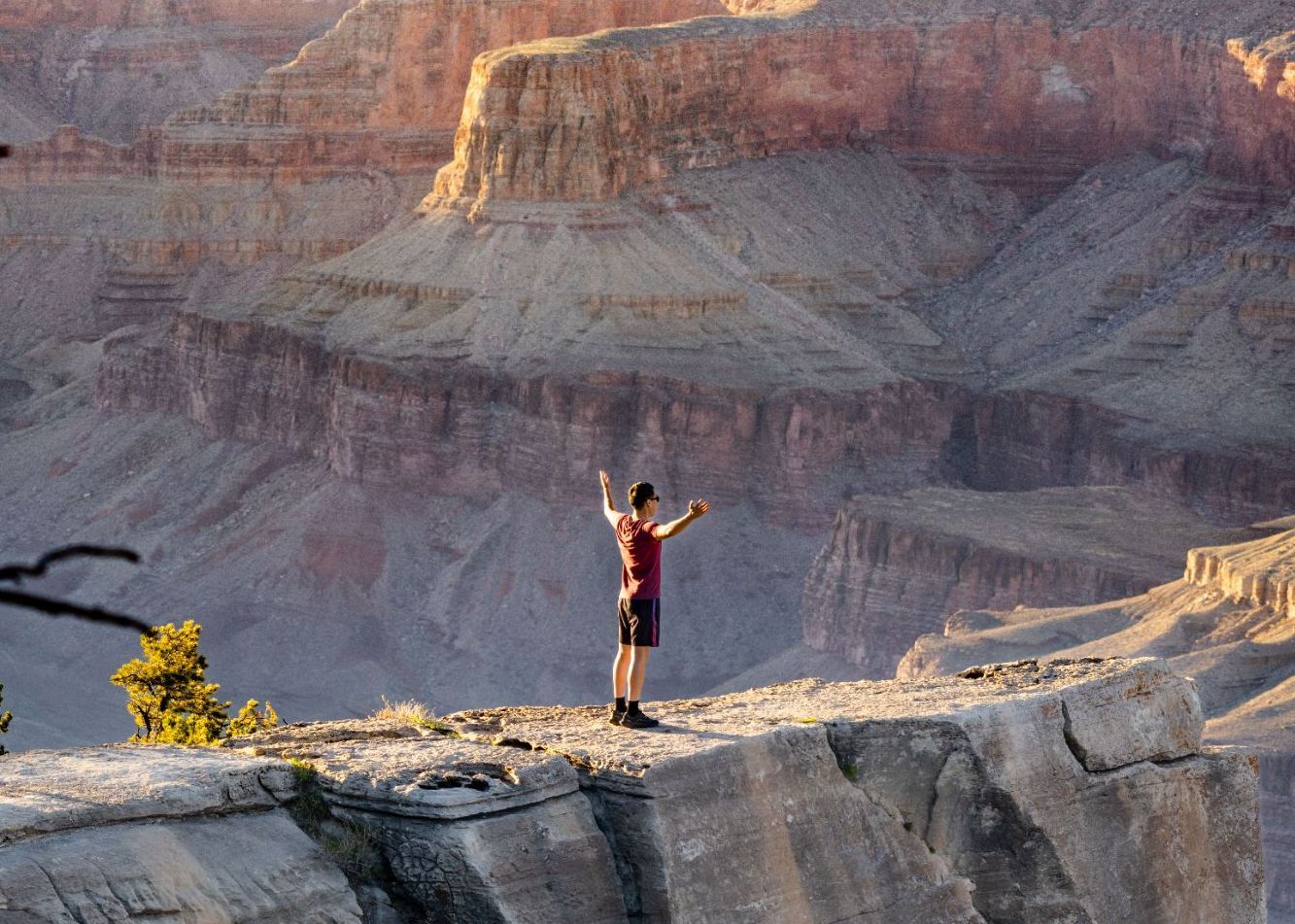
Image: Abhishek Navlakha

Among the few people who have completed the through-hike of the Grand Canyon is Jen Hogan, the first woman to accomplish it, finishing her journey in 2021–2022.

It’s a full 800-mile length below the rim. The route involves extreme heat, flash floods, near-impassable areas, and stretches with no water or trail whatsoever. Around 60 or 70 people have reportedly accomplished it. This makes it one of the most exclusive feats on Earth.

6
The Grand Canyon's rocks predate dinosaurs entirely
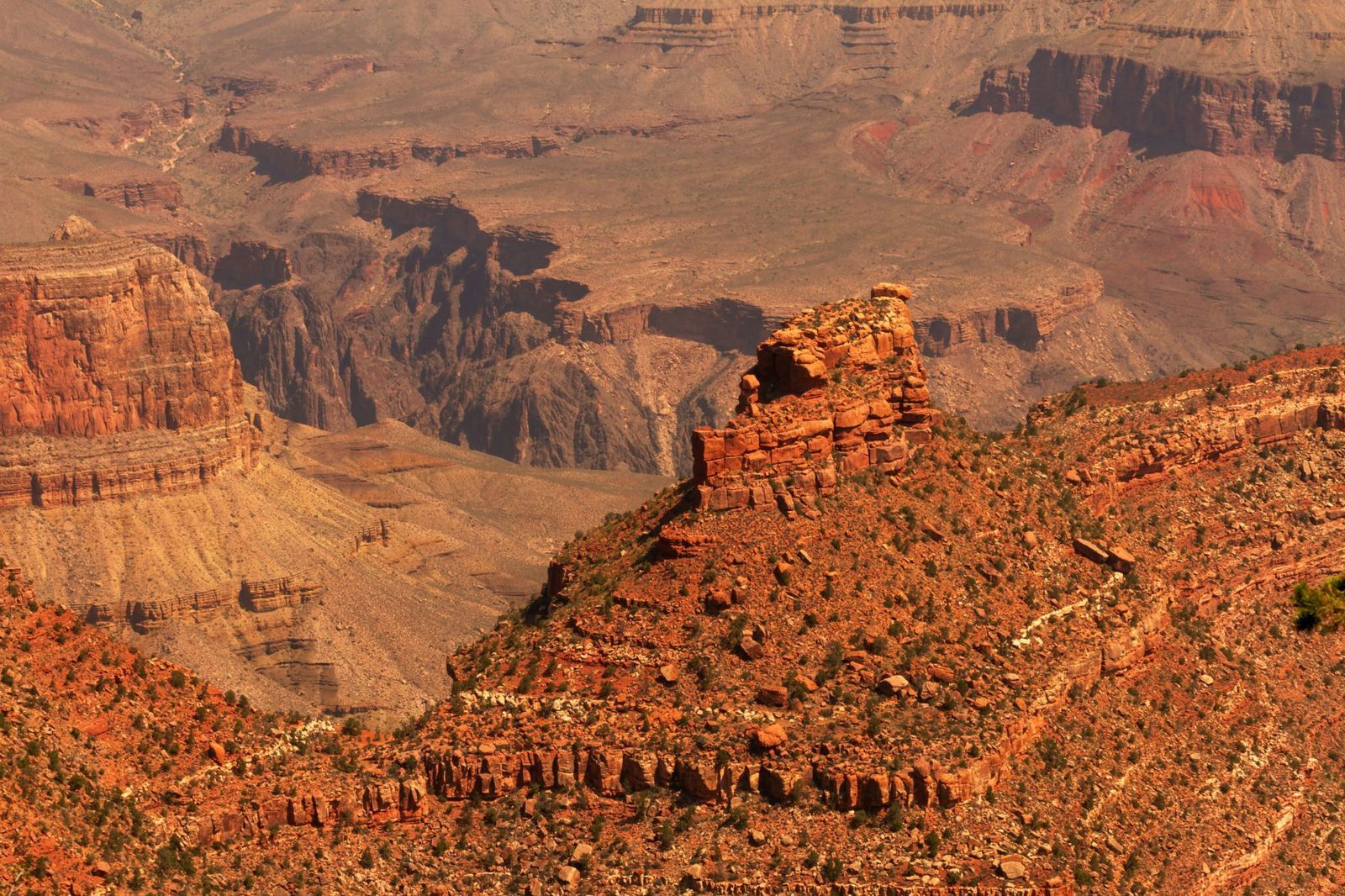
Image: MARIOLA GROBELSKA

Visitors scanning the canyon walls for fossils are often surprised to learn they won't find any dinosaur bones here. The rock layers of the Grand Canyon are simply older than dinosaurs. This fact alone can be shocking: staring at its walls means staring at marine fossils from as far back as 1.2 billion years ago. Some of its caves hold the remains of ancient mammals. The canyon is a window into a world that existed long before the dinosaurs, when the land that is now Arizona lay beneath a shallow sea.

7
The park is bigger than Rhode Island
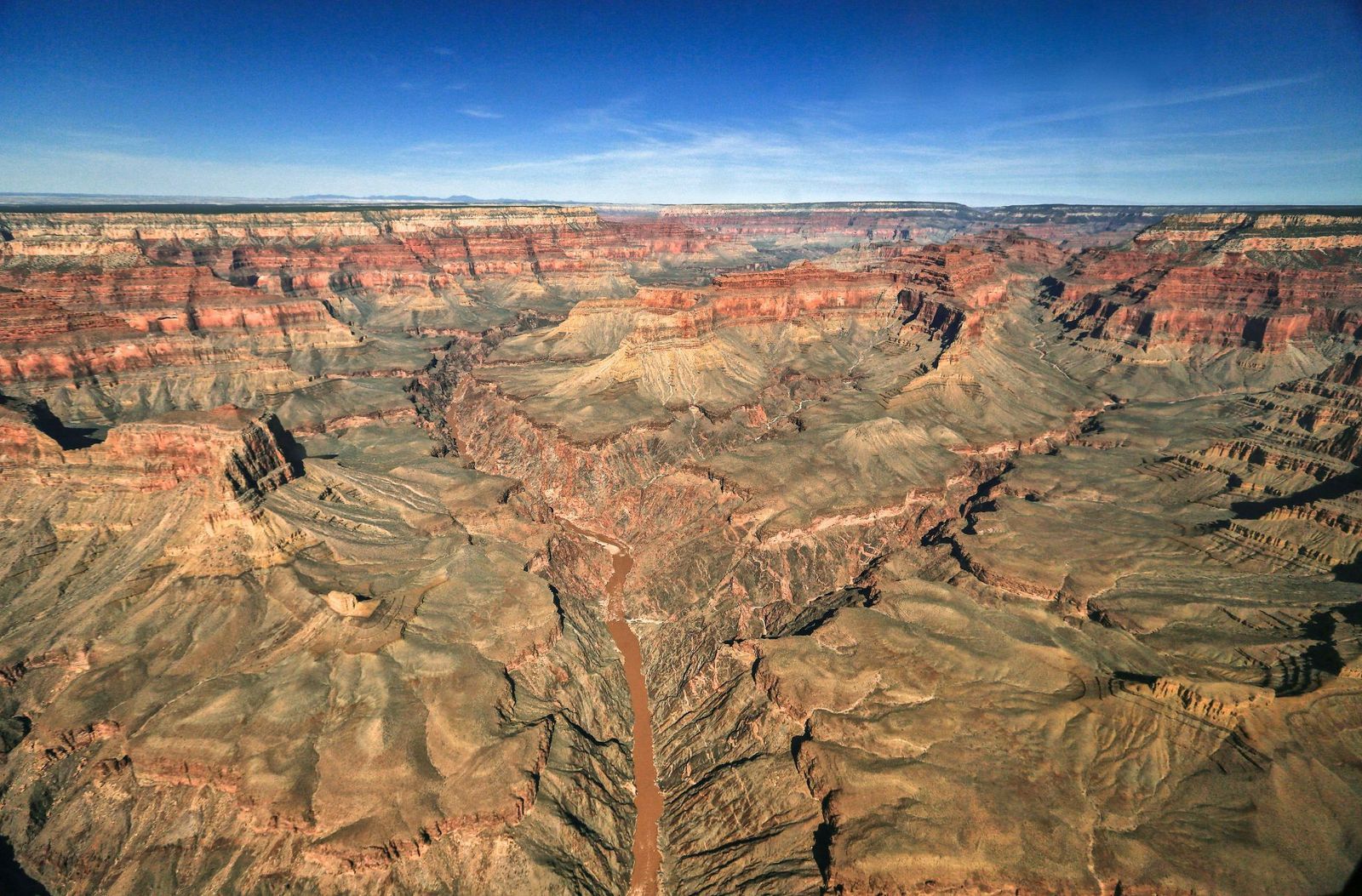
Image: AussieActive

Numbers alone rarely capture the Grand Canyon's scale, so here's a different approach. Rhode Island covers about 1,214 square miles, and the Grand Canyon National Park spans 1,904 square miles.

The canyon's depth exceeds four Empire State Buildings (which is 1,454 feet) stacked on top of one another. That’s 6,093 feet at its deepest point.

8
But it's not the deepest canyon on Earth
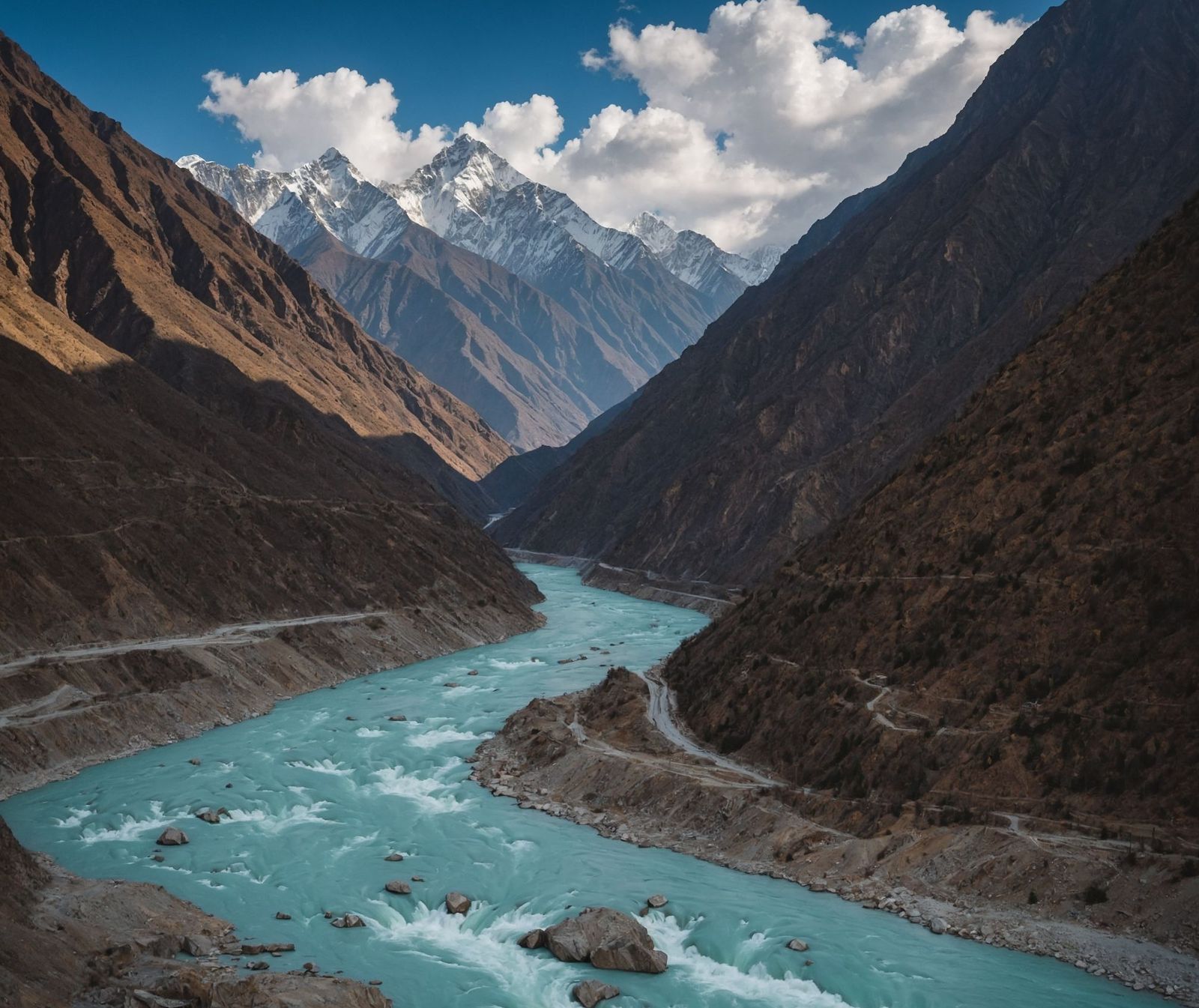
Image: Naeemphotographer2

For all its grandeur, the Grand Canyon does not hold the depth record. Pictured above, the Yarlung Tsangpo Grand Canyon in Tibet, China, plunges to 17,567 feet, which is nearly three times deeper. Carved by the Yarlung Tsangpo River as it cuts through the eastern Himalayas, that canyon is so remote and extreme that it remained largely uncharted until the late 20th century.

9
It is home to a pink rattlesnake found nowhere else on Earth
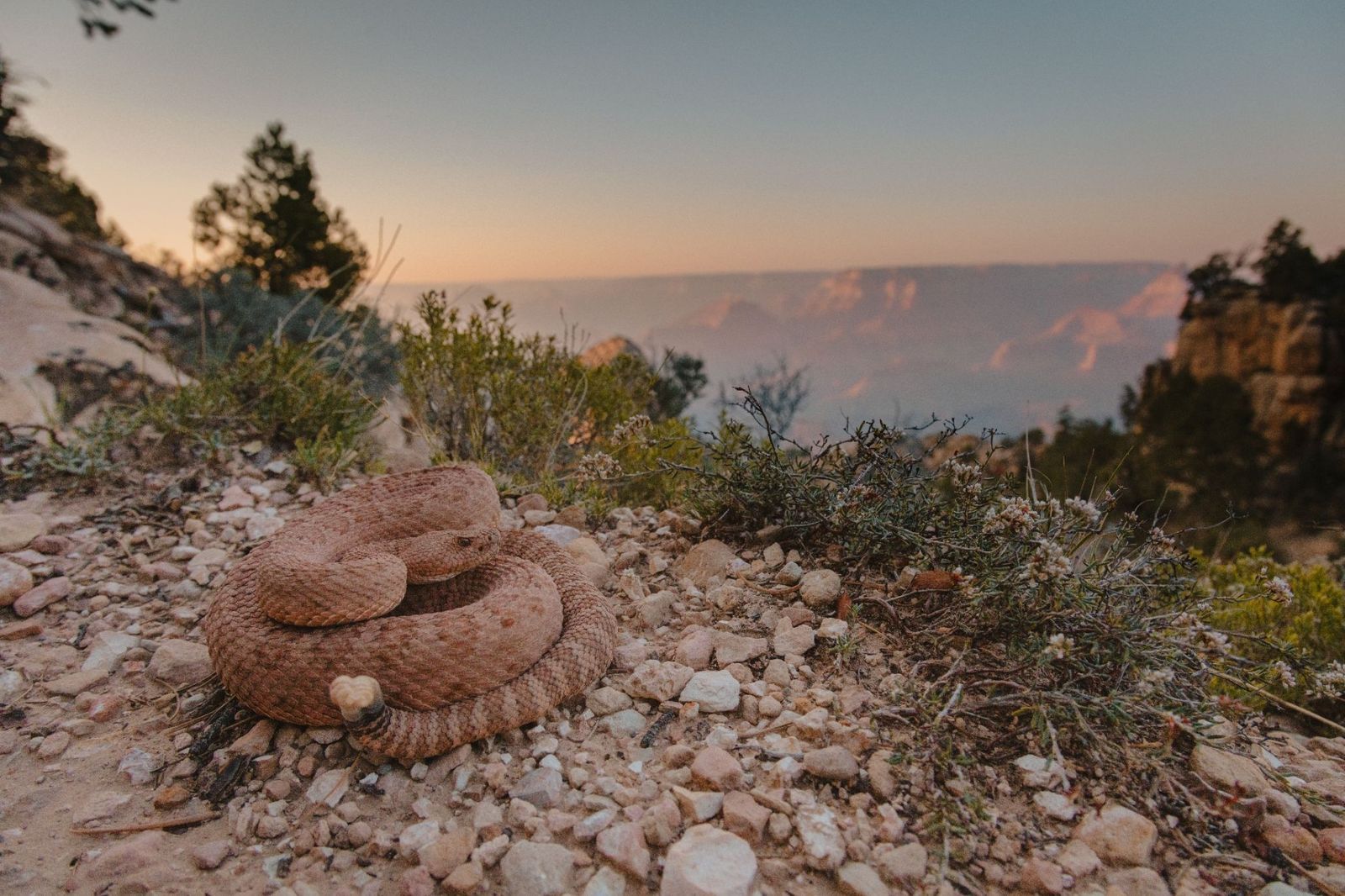
Image: Alexander Wong

The Grand Canyon Pink Rattlesnake has a pinkish-red coloring that matches the canyon's own distinctive rock walls so closely that it's nearly invisible. It is found nowhere else in the world. Officially classified as Crotalus oreganus abyssus , it has darker diamond-shaped markings along its back that deepen the camouflage further.

10
There's a village at the bottom: Supai Village
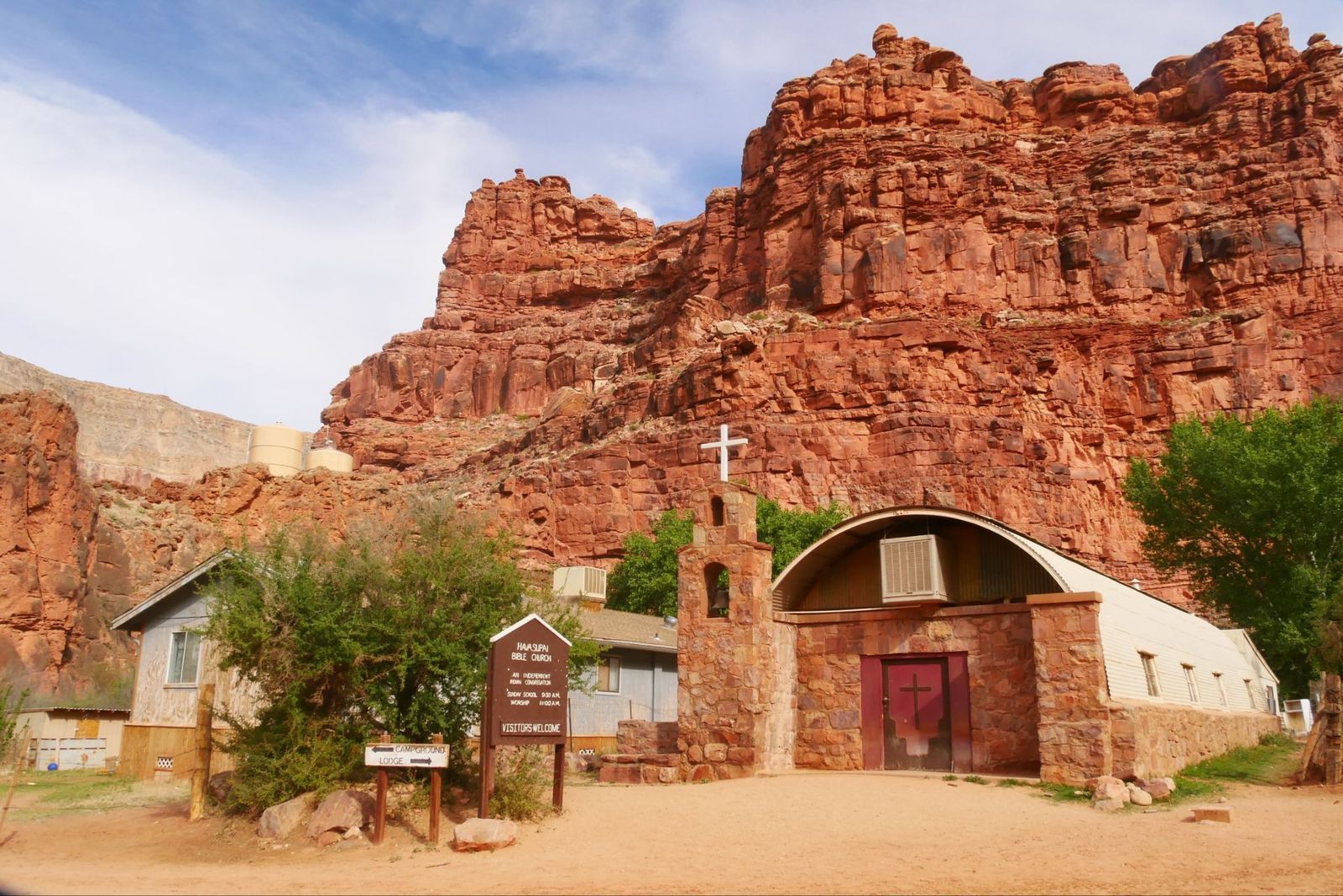
Image: joojoob27

For over 1,000 years, the remote village of Supai has been home to the Havasupai Tribe, the People of the Blue-Green Waters. It is located an eight-mile hike from the rim, but sits roughly 3,000 feet deep inside the Grand Canyon.

The U.S. Department of Agriculture has called it the most remote community in the contiguous United States, and it has no automobiles and no road access. The only ways in are on foot, by mule, or by helicopter. It is also the only place in the United States where the postal service still delivers mail by mule train.

Culture Culture 6 min read

From real life to music

Bob Dylan wrote it to save his marriage: the real people behind 10 hits

Image: Featureflash Photo Agency

You’ve sung along to these songs, danced to them, and probably heard them hundreds of times. But do you know the real stories behind them? Some of the biggest hits ever were inspired by real people, real relationships, and real moments. There were secret romances, jealousy, heartbreak, and a few surprises that sound too strange to be true. Here are the real stories behind 10 famous songs.

1
"Jolene" by Dolly Parton

Image: Bart Sherkow

One of Dolly Parton’s most famous songs, 1973’s "Jolene," has resonated across generations because its story of jealousy feels so relatable. And it was inspired by a real experience in Dolly’s life.

As she recounted in interviews, the song was inspired by an attractive female bank teller who paid a little too much attention to her husband, Carl Dean. But while the jealousy was real, the woman wasn’t named Jolene. Dolly got that name from a young fan with beautiful red hair and green eyes who introduced herself to the singer after a concert.

2
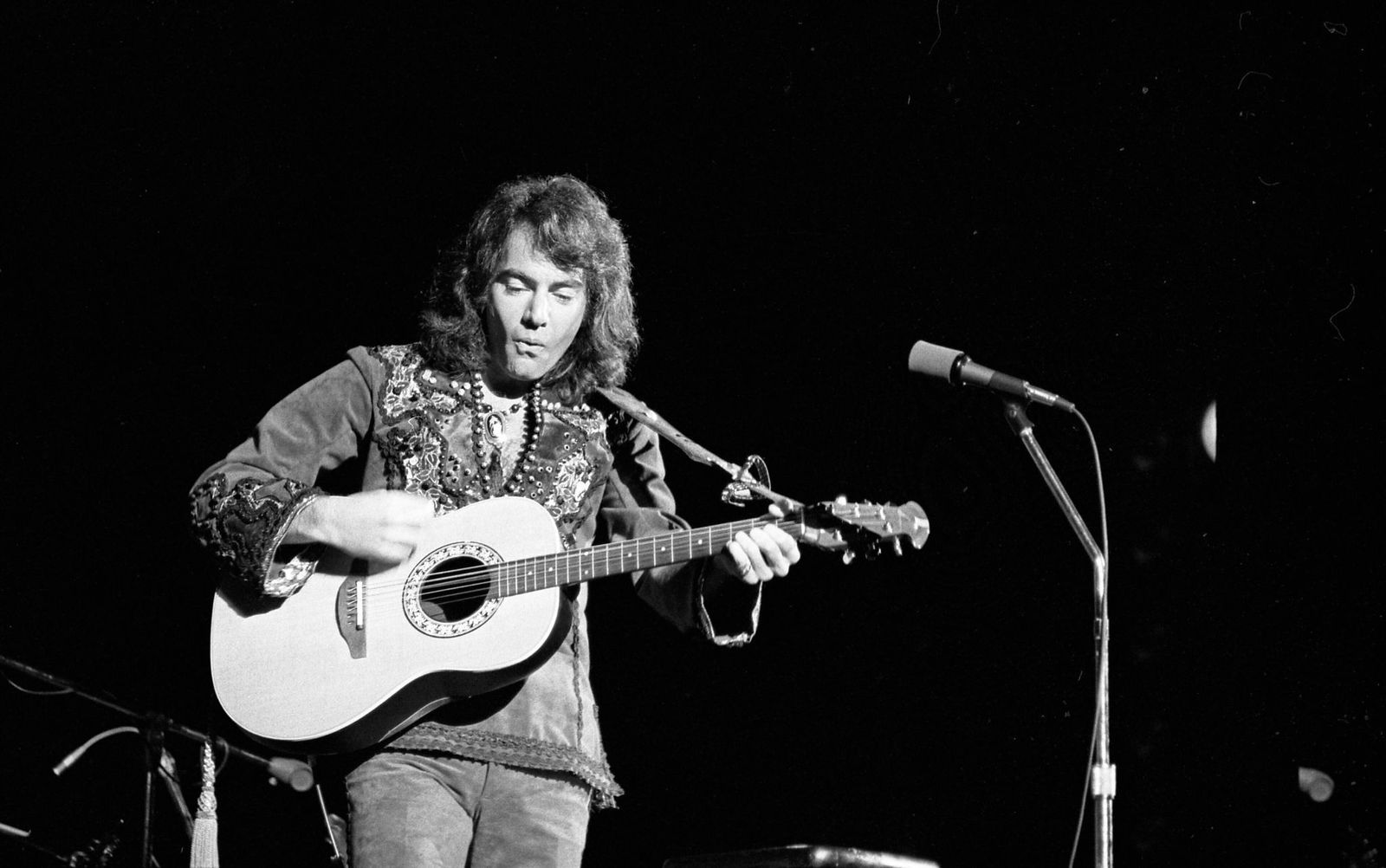
"Sweet Caroline" by Neil Diamond

Image: Larry Bessel, Los Angeles Times, CC BY 4.0, via Wikimedia Commons

Neil Diamond wrote "Sweet Caroline" in 1969, drawing on his feelings for his wife at the time, Marcia Murphey. But if it was about her, why "Caroline"?

Diamond needed a three-syllable name for the lyrics, and he remembered a photo of First Daughter Caroline Kennedy with her horse that he had seen in LIFE magazine in 1962. Diamond kept the connection to JFK’s eldest secret for nearly 40 years until 2007, when he sang the hit for Caroline at her 50th birthday and finally told her the story. She was "struck by it and really, really happy," Diamond revealed.

3
"You're So Vain" by Carly Simon

Image: Arthur D'Amario III

When a relationship ends, the inspiration can show up in unexpected ways. For Carly Simon, it became one of her biggest hits: "You’re So Vain."

As Simon herself confirmed, most of the lyrics were inspired by actor Warren Beatty, with whom she had a brief but intense relationship in the early 1970s that ended after he cheated on her. But Beatty wasn’t the only "vain" one. Although she didn’t confirm it, there’s speculation that other famous men from her past, including Mick Jagger and Jack Nicholson, also inspired parts of the song.

4
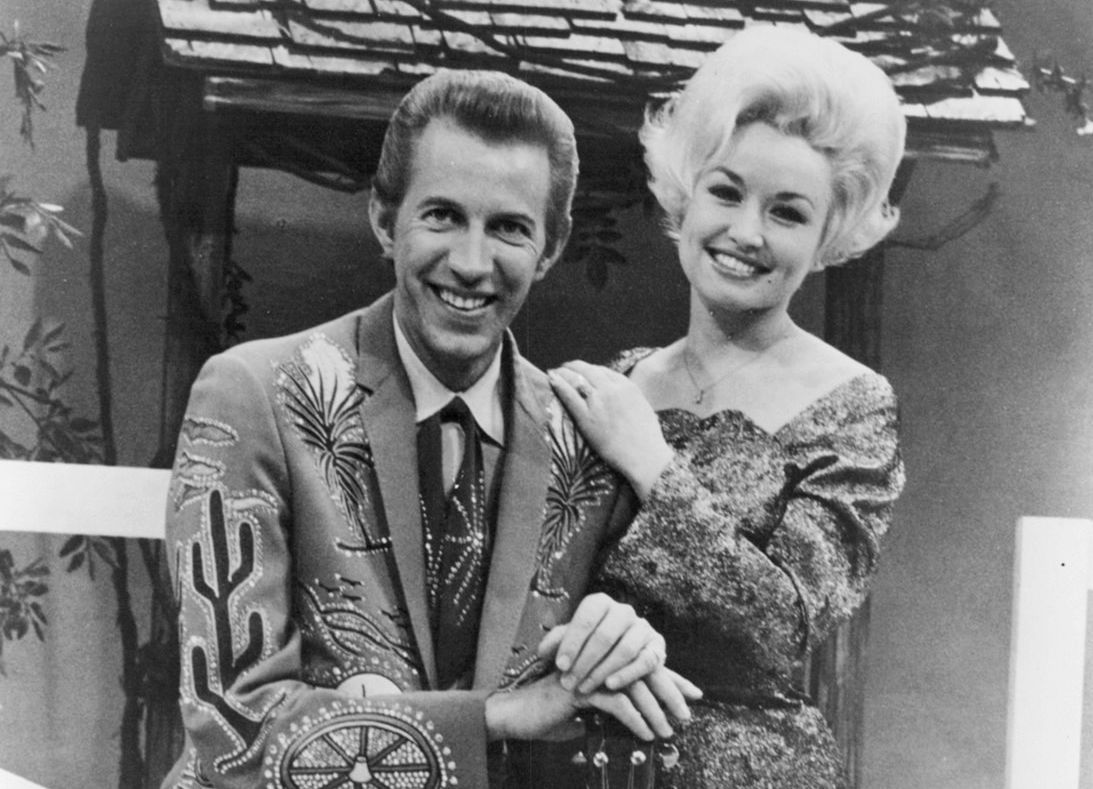
"I Will Always Love You" by Dolly Parton

Image: Moeller Talent, Inc. Nashville (management), Public domain, via Wikimedia Commons

Despite what many assume, "I Will Always Love You" wasn’t written about a romantic breakup. Dolly wrote it as a professional farewell .

After more than seven years working with her mentor and longtime duet partner, Porter Wagoner, on The Porter Wagoner Show , Dolly felt it was time to pursue a solo career. But the decision wasn’t easy, and Wagoner was reluctant to let her go. When ordinary conversations weren’t working between them, Dolly did what she knew best: she put her feelings into a song. She brought her guitar to his office, sat him down, and played it for him. Wagoner was moved to tears, called it the prettiest song he had ever heard, and finally agreed to let her leave the show.

5
"American Pie" by Don McLean

Image: Aija Lehtonen

A song can be a farewell, a declaration of love, or a tribute born of admiration. That was the case when Don McLean wrote the beautiful yet haunting "American Pie" in 1971.

This epic folk-rock song became a memorial to "the day the music died," the tragic plane crash on February 3, 1959, that took the lives of rockers Buddy Holly, Ritchie Valens, and J.P. Richardson . McLean was just 13 at the time, but he later said the tragedy had a profound impact on him. The song didn’t come together all at once, either; he wrote it in stages over several years.

6
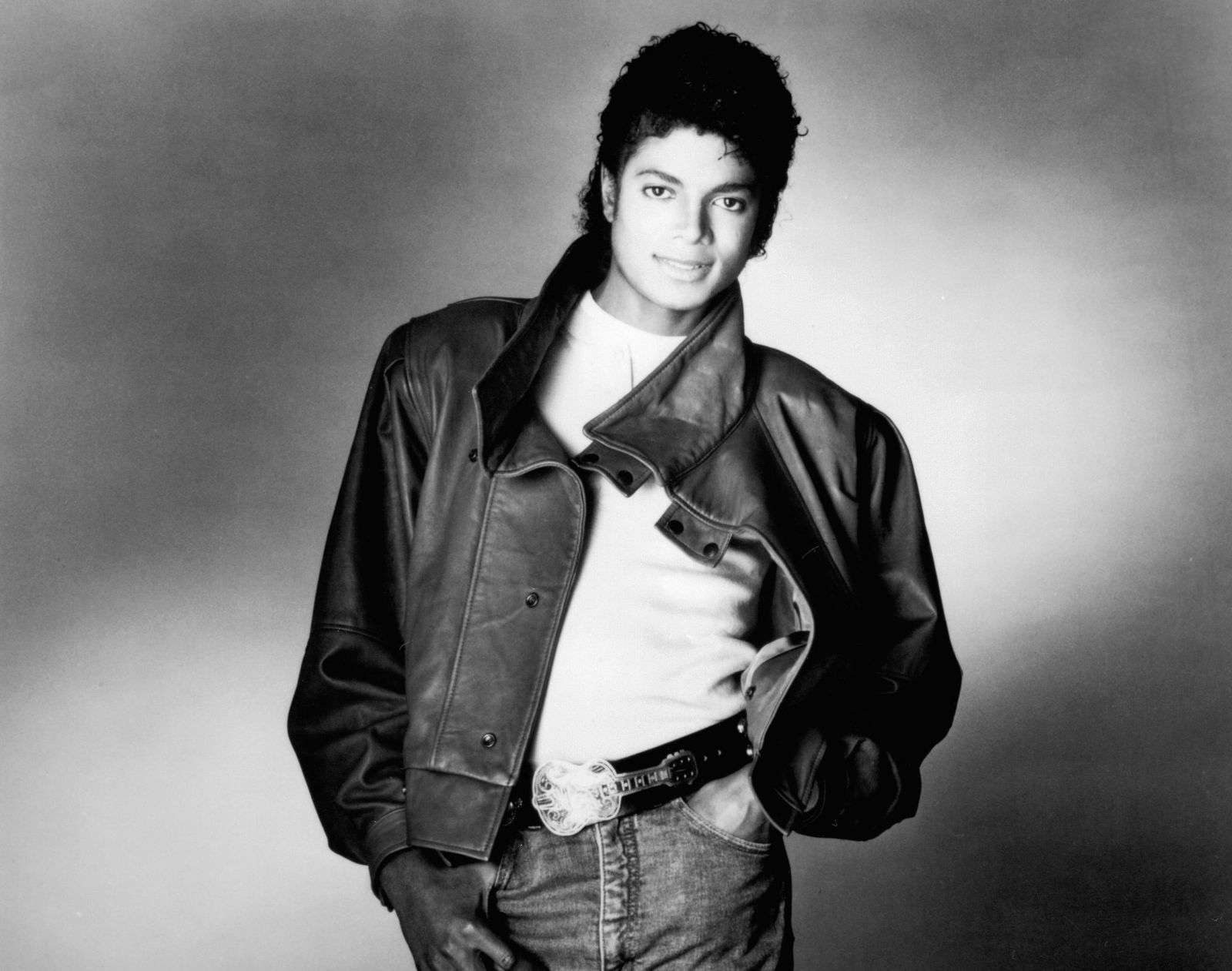
"Billie Jean" by Michael Jackson

Image: Matthew Rolston; Distributed by Epic Records, Public domain, via Wikimedia Commons

In his 1988 autobiography Moonwalk , Jackson explained that his classic "Billie Jean" was inspired partly by experiences involving women who approached his older brothers while the Jackson 5 were touring.

However, the event that really shaped the song happened in 1981, when Jackson received thousands of messages from a woman who claimed he was the father of her children. The unsettling situation stayed with him and eventually became part of the inspiration for one of his biggest hits.

7
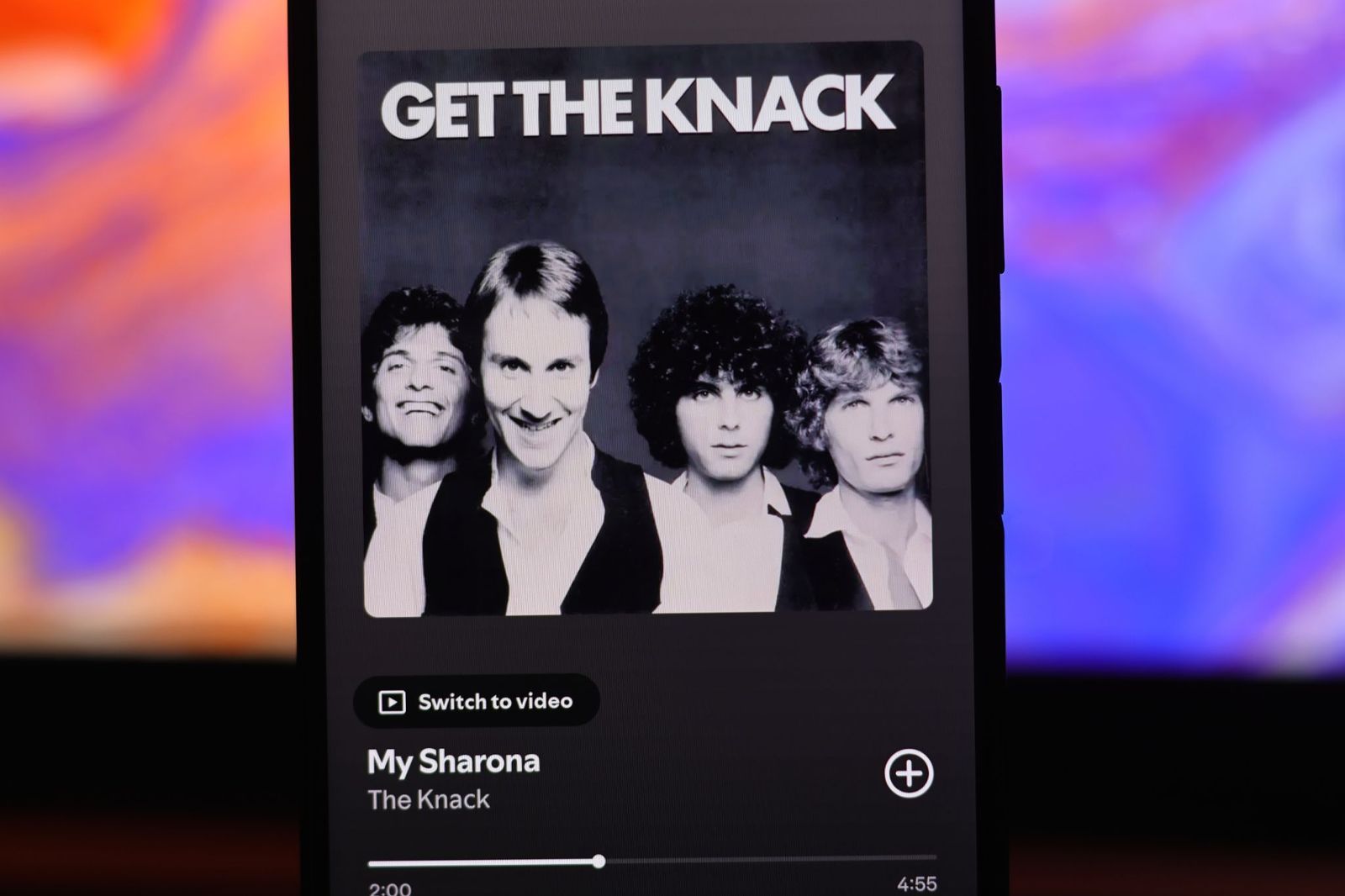
"My Sharona" by The Knack

Image: McSleepy

Have you ever wondered who "Sharona" was in The Knack’s famous hit? The answer comes from a real story involving the band’s lead singer, Doug Fieger.

In 1978, Fieger met Sharona Alperin, a clothing store clerk in Los Angeles. He was instantly attracted to her, and after breaking up with his then-girlfriend, he spent several months trying to win Sharona over before she finally agreed to a date. Their romance lasted from 1979 to 1982, and inspired one of the most danceable hits of the 20th century. Even after they broke up, Sharona and Doug remained close friends until he passed in 2010.

8
"Sweet Child O' Mine" by Guns N' Roses

Image: L Paul Mann

In 1986, Axl Rose was dating model Erin Everly, daughter of Don Everly of The Everly Brothers. He was so in love that he wrote her a love poem in just a few hours, without knowing it would eventually become one of his most famous songs.

That same year, at the band’s shared house, guitarist Slash was playing around with some chords when he came up with an interesting riff. Izzy Stradlin joined in, and when Rose heard the melody from upstairs, he brought down the poem he had written for Everly and adapted the lyrics to fit the music, resulting in the iconic "Sweet Child o’ Mine." Rose and Everly eventually married in 1990, but the marriage ended soon afterward.

9
"Walk On the Wild Side" by Lou Reed

Image: Man Alive!, CC BY 2.0, via Wikimedia Commons

Music crossed paths with other forms of art when Lou Reed wrote his 1972 classic "Walk on the Wild Side".

The song is essentially a series of portraits of real people from Andy Warhol’s circle at The Factory, his famous New York City studio and collective. In the song, "Holly" is a reference to Holly Woodlawn, a transgender actress who appeared in Warhol’s underground films such as Trash (1970). "Candy" was Candy Darling, another prominent actress who starred in Flesh (1968) and Women in Revolt (1971). "Little Joe" referred to Joe Dallesandro, the actor and model who became one of Warhol’s male muses. Other figures from the era’s counterculture are also in the song, bringing a very specific art scene of 1970s New York to a much wider audience.

10
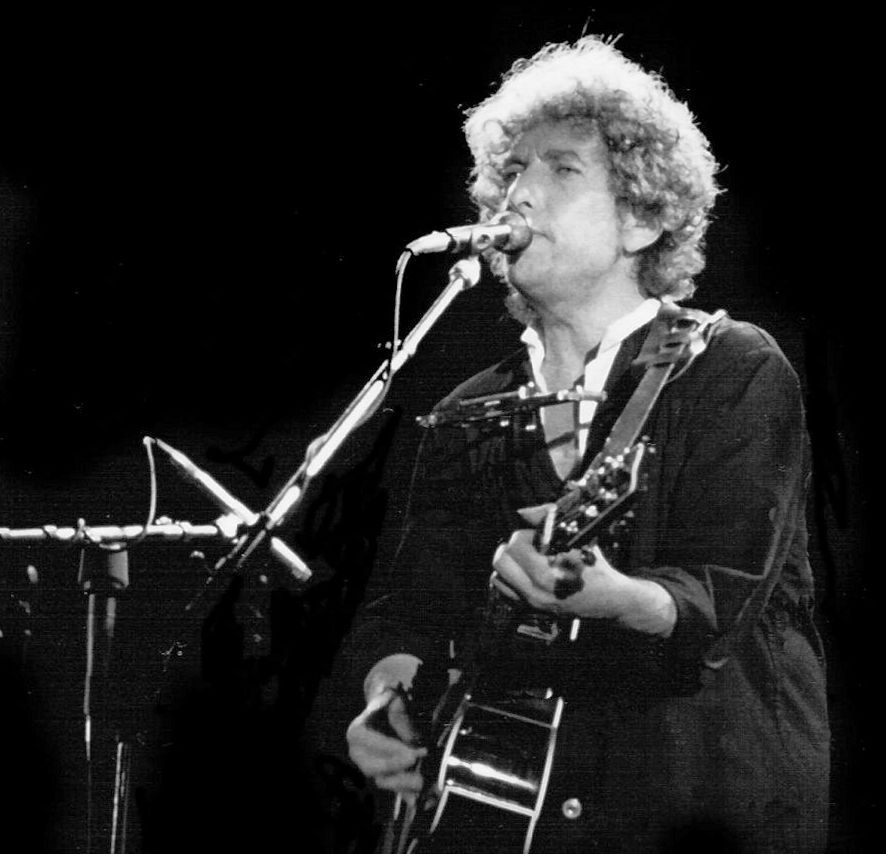
"Sara" by Bob Dylan

Image: Stoned59, CC BY 2.0, via Wikimedia Commons

In 1975, Bob Dylan was in the middle of a creative rush, writing and recording his album Desire . But while his career was going well, his marriage to Sara Lownds was falling apart. So he decided to write a love song for his wife.

"Sara," a heartfelt and personal song, was recorded in 1975 with Sara in the studio, and it became the raw, emotional closing track on the album. It helped spark a brief reconciliation, and Sara even joined Dylan on his subsequent Rolling Thunder Revue tour. However, the marriage ultimately ended in divorce in 1977.

Geography Geography 4 min read

Discovering America

What's the easternmost point of the US? If you say Maine, think again!

Image: Jon Sailer

We’ve all picked up "facts" about the fifty states somewhere along the way, but not all of them hold up. Some are half-truths passed around for generations , others are just plain wrong. So, in an attempt to set the record straight once and for all, we’ve gathered some fun truths that clear up the biggest mix-ups about our states.

1
Arizona skips Daylight Saving Time

Image: Christoph von Gellhorn

This is partly true because most of the state doesn’t bother with Daylight Saving Time . They stopped changing the clocks back in 1967. The exception is the Navajo Nation, which stretches into Utah and New Mexico and keeps DST so all its communities stay on the same schedule. Now, as for the smaller Hopi reservation, inside the Navajo Nation, it sticks with Arizona time… Yes, quite confusing if you’re not a local.

2
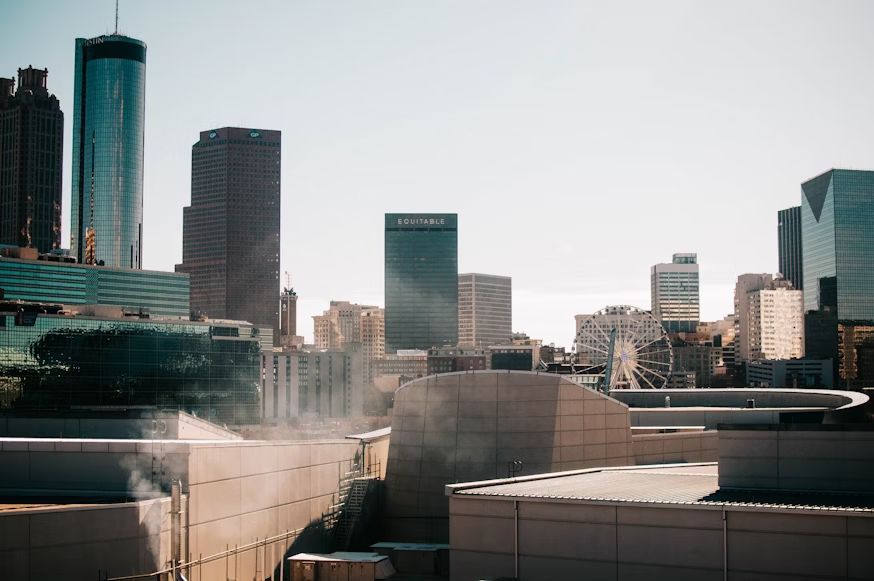
Georgia isn’t really the Peach State

Image: Jessica Furtney

Georgia loves its peaches, sure, but the state’s top fruit money-maker is actually blueberries . In recent years, blueberries have brought in several times more cash for farmers than peaches. Meanwhile, California grows far more peaches than Georgia ever has. The nickname stuck from the old days when Georgia peaches were famous for their flavor, not their volume. So while the pride is real, the peaches aren’t quite the powerhouse people may think.

3
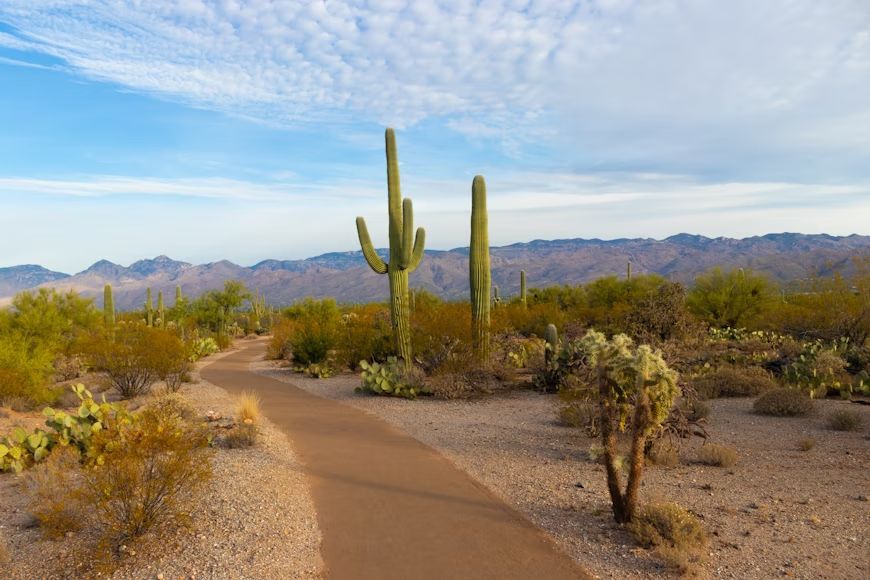
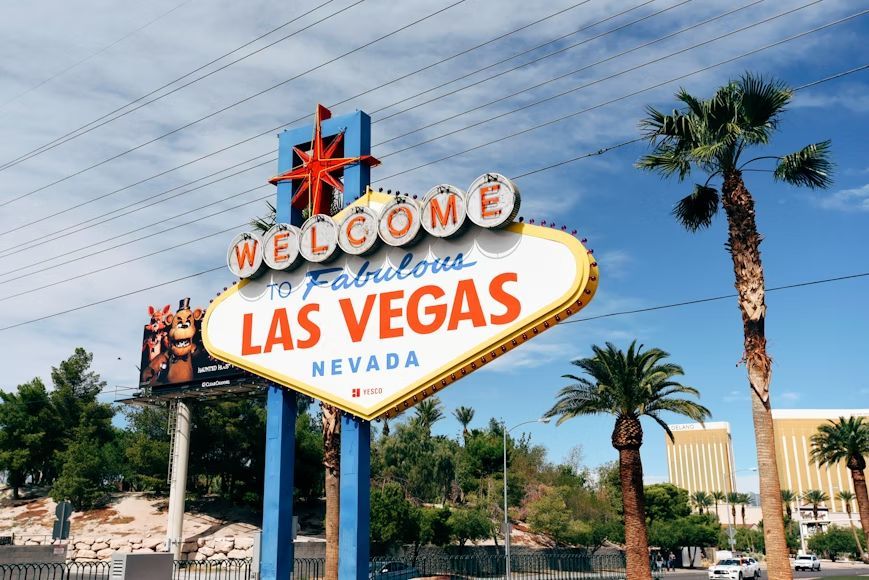
Nevada didn’t record the hottest US temperature

Image: tommao wang

You probably think of Nevada’s desert heat as unmatched, but the all-time record belongs to California’s Death Valley . In July 1913, it hit a mind-melting 134 degrees Fahrenheit, the hottest temperature not only in America but the hottest ever recorded on Earth!

4
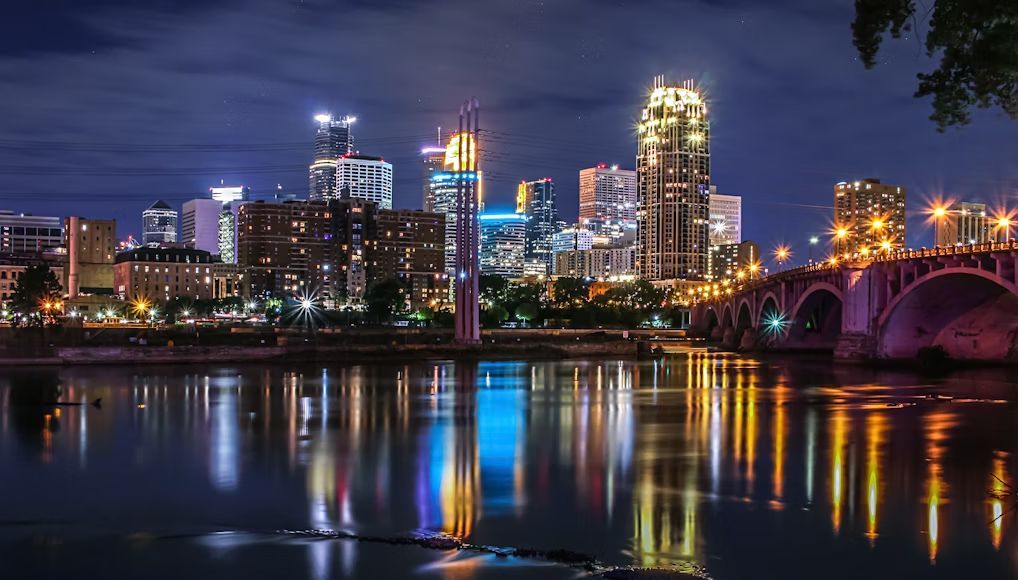
Minnesota doesn’t have the most lakes

Image: Tom Conway

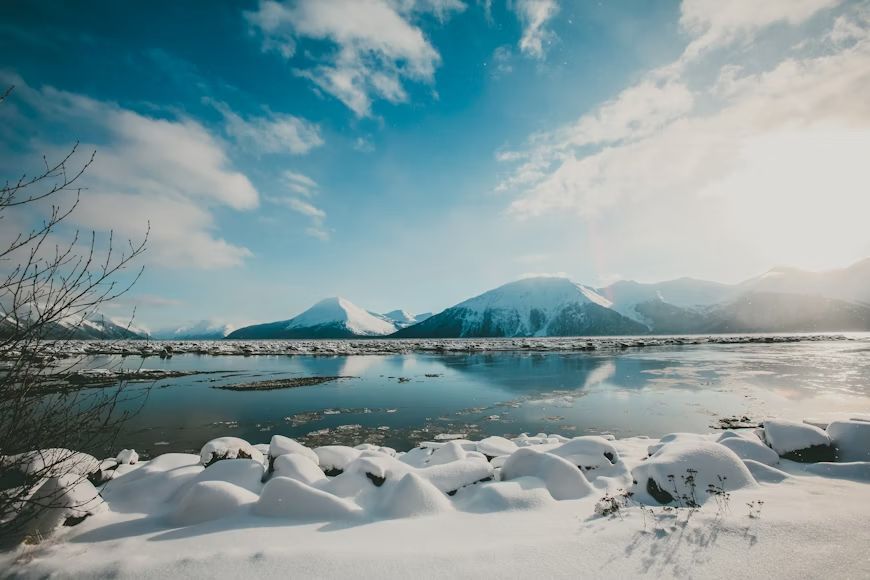
Minnesota proudly calls itself the "Land of 10,000 Lakes," but that’s selling itself short… The real number is closer to 12,000. However, Alaska wins this battle . The state has more than 3 million lakes over five acres in size. In fact, Alaska contains over 40 percent of the nation’s surface water. If you love fishing, kayaking, or just staring at a quiet stretch of water, the true lake capital of America is far up north.

5
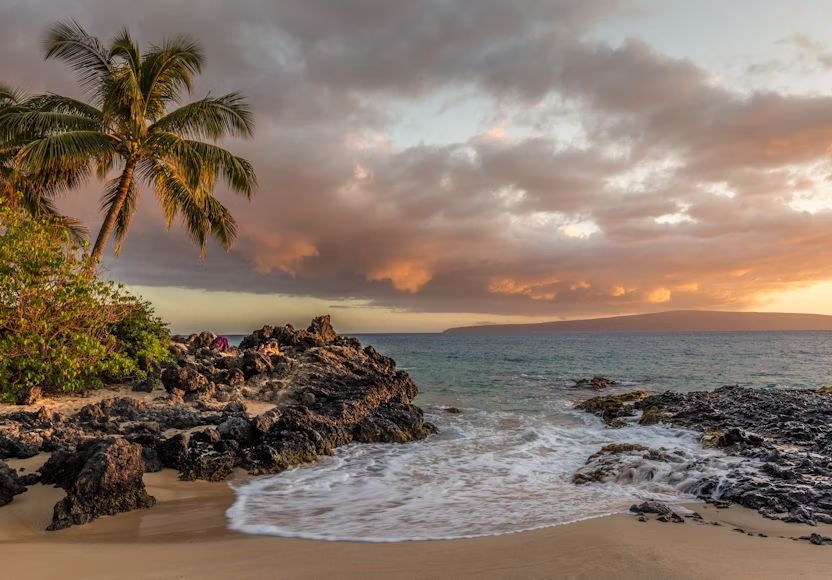
Pineapples aren’t native to Hawaii

Image: Christian Joudrey

Pineapples are everywhere in Hawaiian imagery, but the plant actually comes from South America , mainly Paraguay and southern Brazil. Spanish explorers likely brought them to Hawaii in the 1500s after spreading them across the Pacific to places like the Philippines and Guam. Hawaii’s climate turned out to be perfect for growing them and by the 1900s, the islands were producing so many pineapples that the fruit became a symbol of Hawaii itself.

6
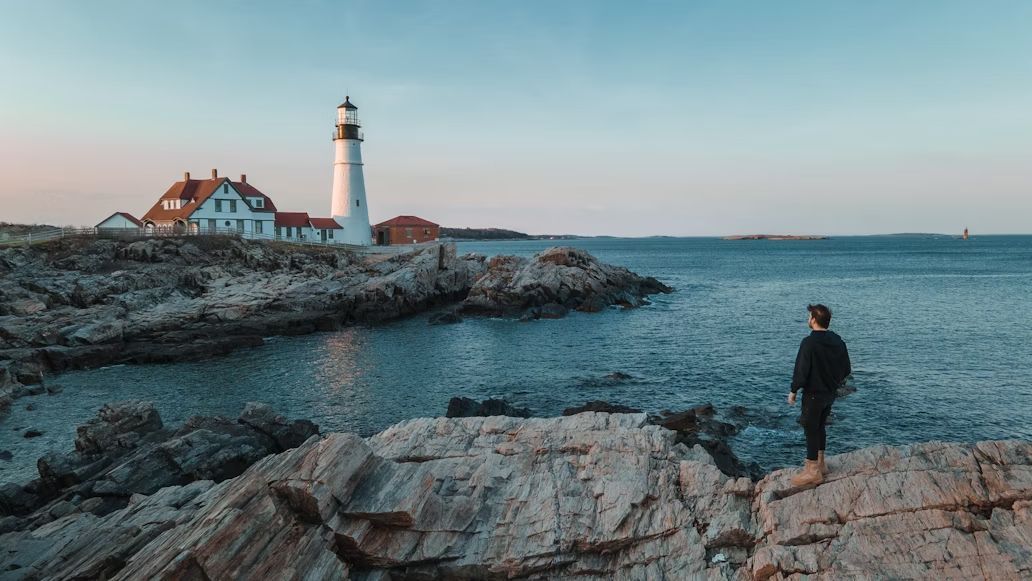
Maine isn’t the country’s easternmost point

Image: Chris Henry

If you’re a Geography geek, you’ll love this one. You might picture Maine’s rocky coast as the eastern tip of America, but the actual easternmost point is thousands of miles away, on Alaska’s Semisopochnoi Island in the Aleutians. How is that possible? Well, that’s because it crosses the 180th meridian, putting it in the Eastern Hemisphere. That means part of Alaska technically sits farther east than anywhere in Maine.

7
The biggest US earthquake didn’t happen in California

Image: Lala Miklós

California has suffered some big earthquakes in its history, but the most powerful earthquake in America struck Alaska in 1964 . It hit Prince William Sound with a magnitude of 9.2. It was so strong it shook the ground for four and a half minutes and triggered massive tsunamis. In today’s dollars, the damage would total more than $2 billion. Alaska sits on a collision zone of tectonic plates, making it one of the world’s most seismically active regions.

8
The Everglades isn’t America’s biggest swamp

Image: Joshua J. Cotten

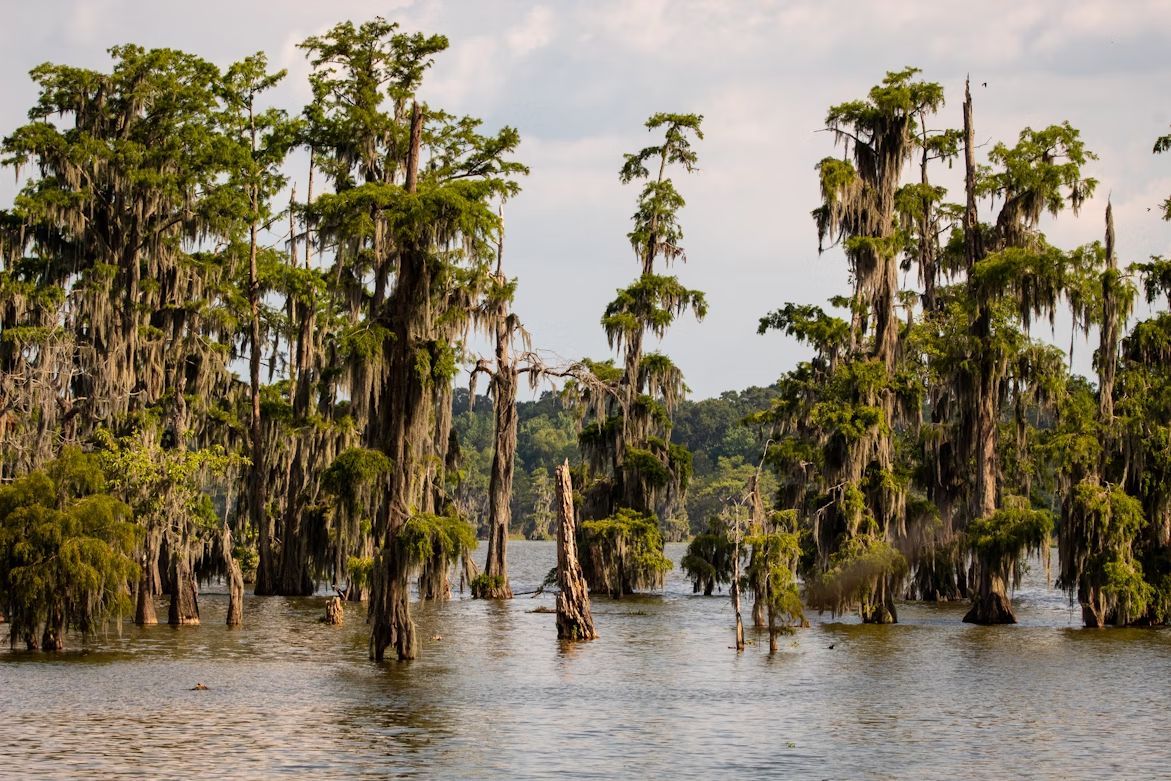
A lot of people picture the Florida Everglades when they think of swamps, but technically, the Everglades isn’t a swamp at all. The real title of the largest swamp in the United States goes to Louisiana’s Atchafalaya Basin , which spans about 1.4 million acres. This swamp has a vast mix of cypress forests, bayous, and marshes, and it’s more than twice as productive as the Everglades when it comes to wildlife and plant life.

9
Big cities aren’t always capitals

Image: Mackenzie Cruz

It surprises people how often the biggest city isn’t the state capital . New York City? Not the capital… Albany is. Chicago? Nope, that honor goes to Springfield. Pennsylvania’s capital isn’t Philly or Pittsburgh, it’s Harrisburg. Even California’s capital isn’t L.A. or San Francisco, it’s actually Sacramento. Out of fifty states, only seventeen have their most populous city as the capital.

10
Alaska isn’t divided into counties

Image: Rod Long

Alaska likes to do things its own way. Instead of counties, it’s split into boroughs , and a massive area known as the Unorganized Borough has no local government at all. People out there don’t pay property taxes, but that freedom comes with challenges, limited services, fewer job options, and tough living conditions.

Explore more American facts

Choose your favorite category!

General
General

As American as apple pie—the very best America has to offer!

Culture
Culture

Delve into the astounding richness of American lore.

Geography
Geography

Hop in and explore vast and diverse American landscapes.

History
History

Discover the key moments that shaped the United States.