Culture Culture 6 min read

Advertising legends

Who paid for the third O? 10 Hollywood Sign secrets
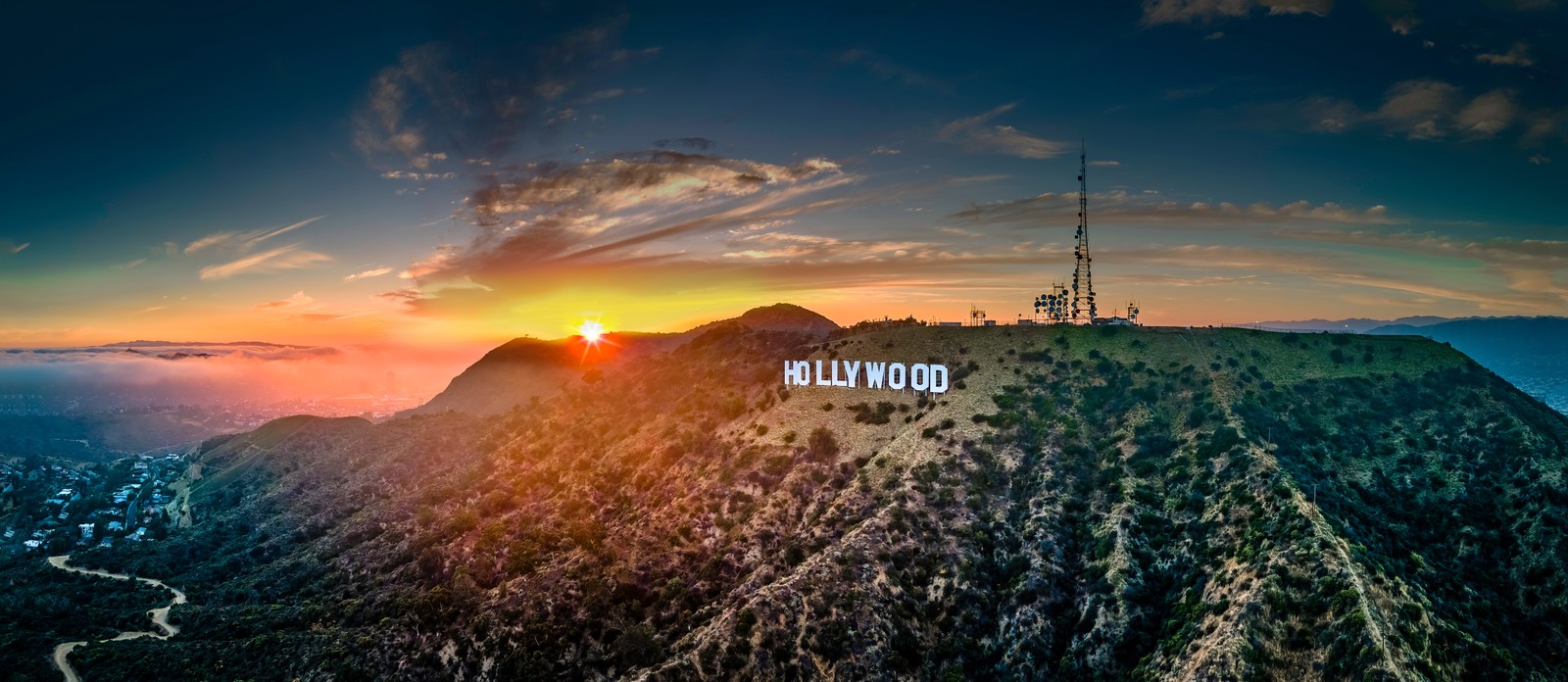
Image: Shutterstock

Can you imagine Los Angeles or the entertainment industry without the iconic, endlessly reproduced Hollywood Sign? Yet the landmark was never meant to represent the movies or fame at all. It started as an advertisement for a new neighborhood and was supposed to stay up for less than two years. Instead, it lost four letters, survived years of damage, and became a beloved and unforgettable symbol. Here is the surprising story behind the sign.

1
The original sign read "Hollywoodland"
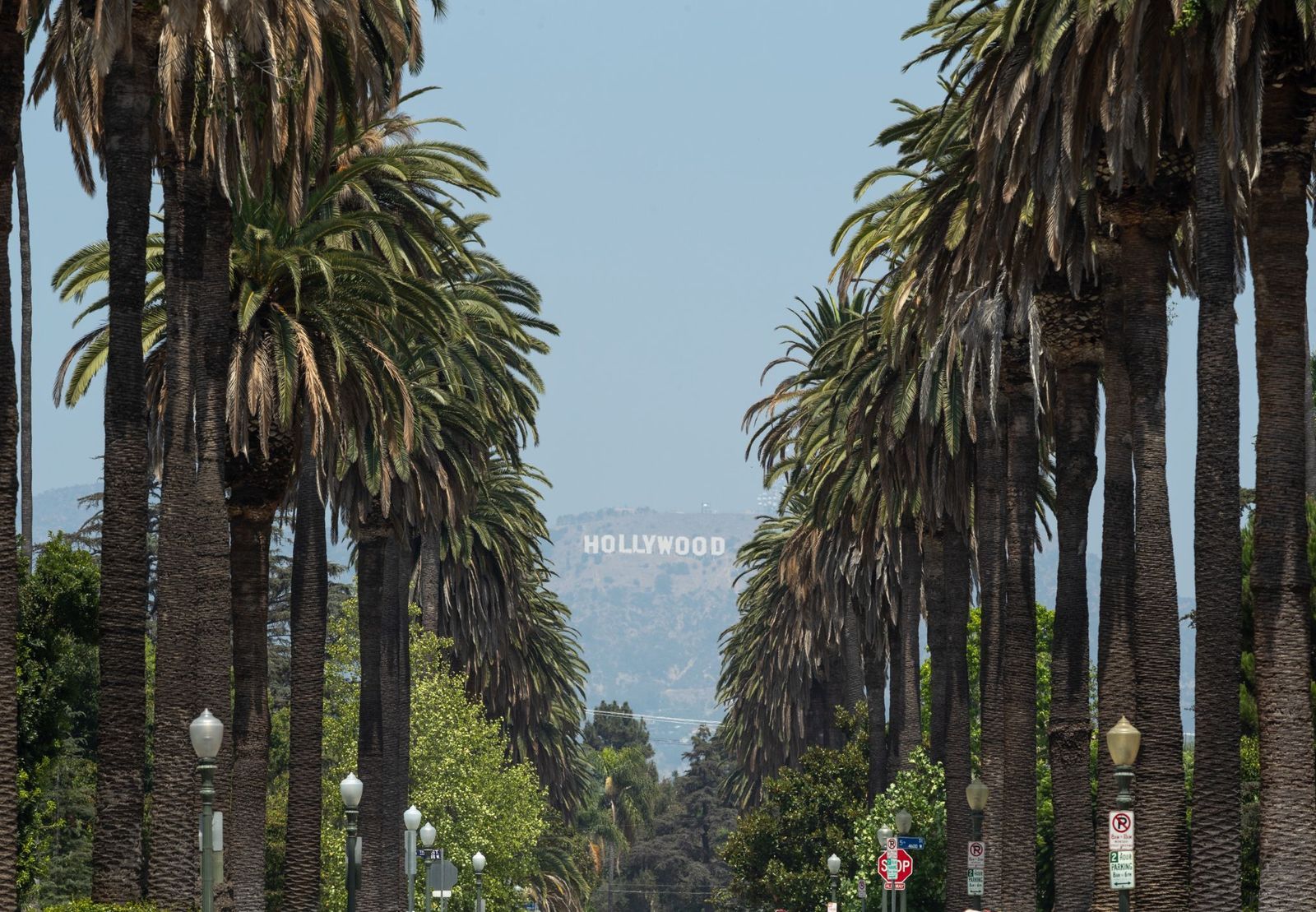
Image: Shutterstock

Imagine driving through Los Angeles and suddenly seeing a giant new word stretched across a hillside, where nothing had stood before. The sign that appeared on Mount Lee in 1923 read "Hollywoodland," with 13 enormous letters rising above Beachwood Canyon. Each letter was about 43 feet tall and 30 feet wide, making the advertisement impossible to miss.

Modern period movies sometimes restore that original view. Ruben Fleischer’s 2013 film Gangster Squad is set in 1949 and opens with a shot that moves from Griffith Observatory toward the complete "Hollywoodland" sign. The extra four letters immediately place the story in an earlier Los Angeles, before the landmark took its familiar form.

2
It advertised real estate
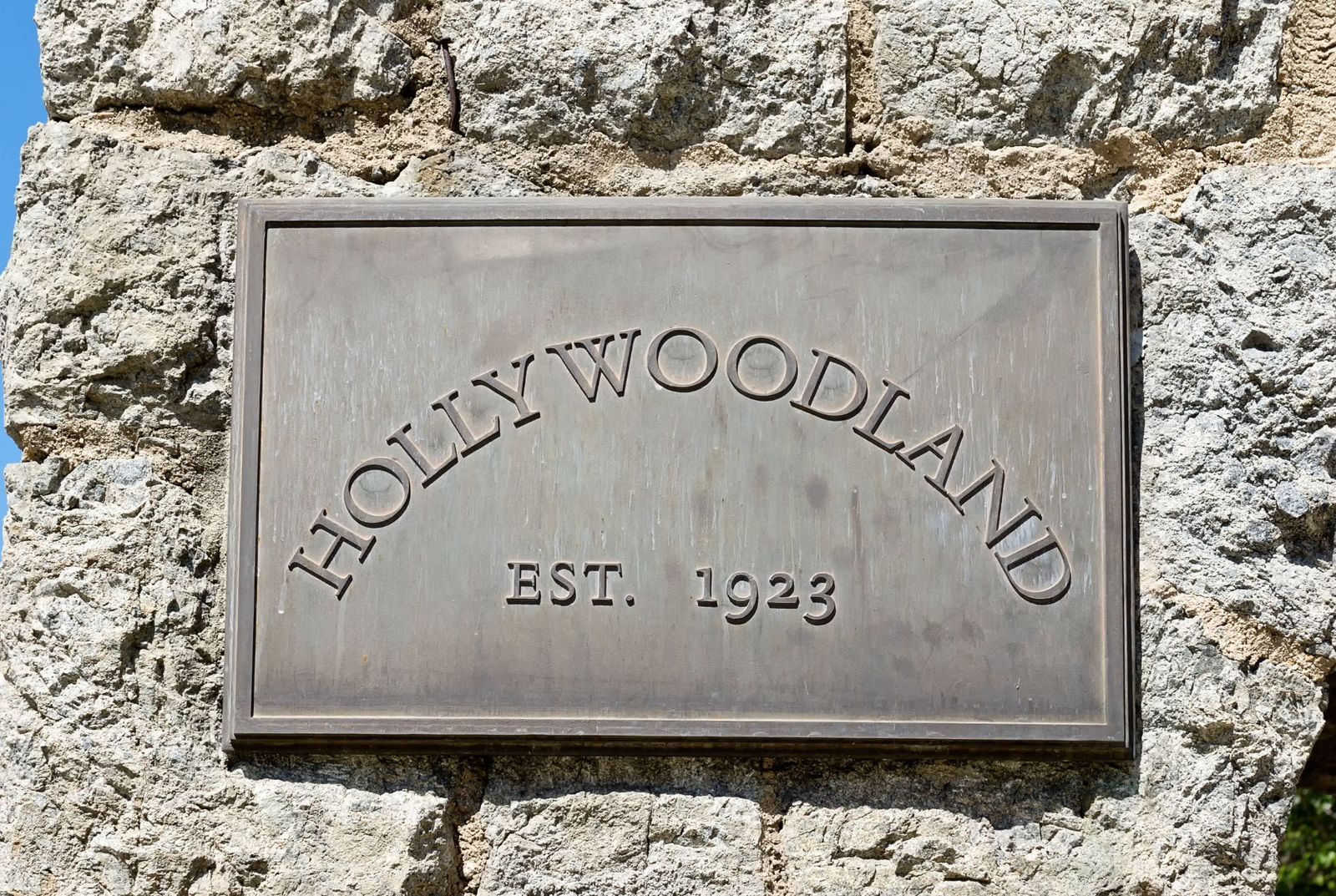
Image: Shutterstock

No one involved in putting up the sign could have imagined how iconic it would become. Before the sign was a celebration of Hollywood’s film industry, it advertised Hollywoodland, a new upscale neighborhood in the hills . A group of real estate investors, including Los Angeles Times publisher Harry Chandler, supported the project and spent about $21,000 on the giant sign.

The development itself was already a large project. A 1923 advertisement said that 200 men were working there, seven miles of roads had been built, and huge amounts of dirt had been removed. The sign was simply the biggest part of the sales campaign.

3
It was supposed to be temporary
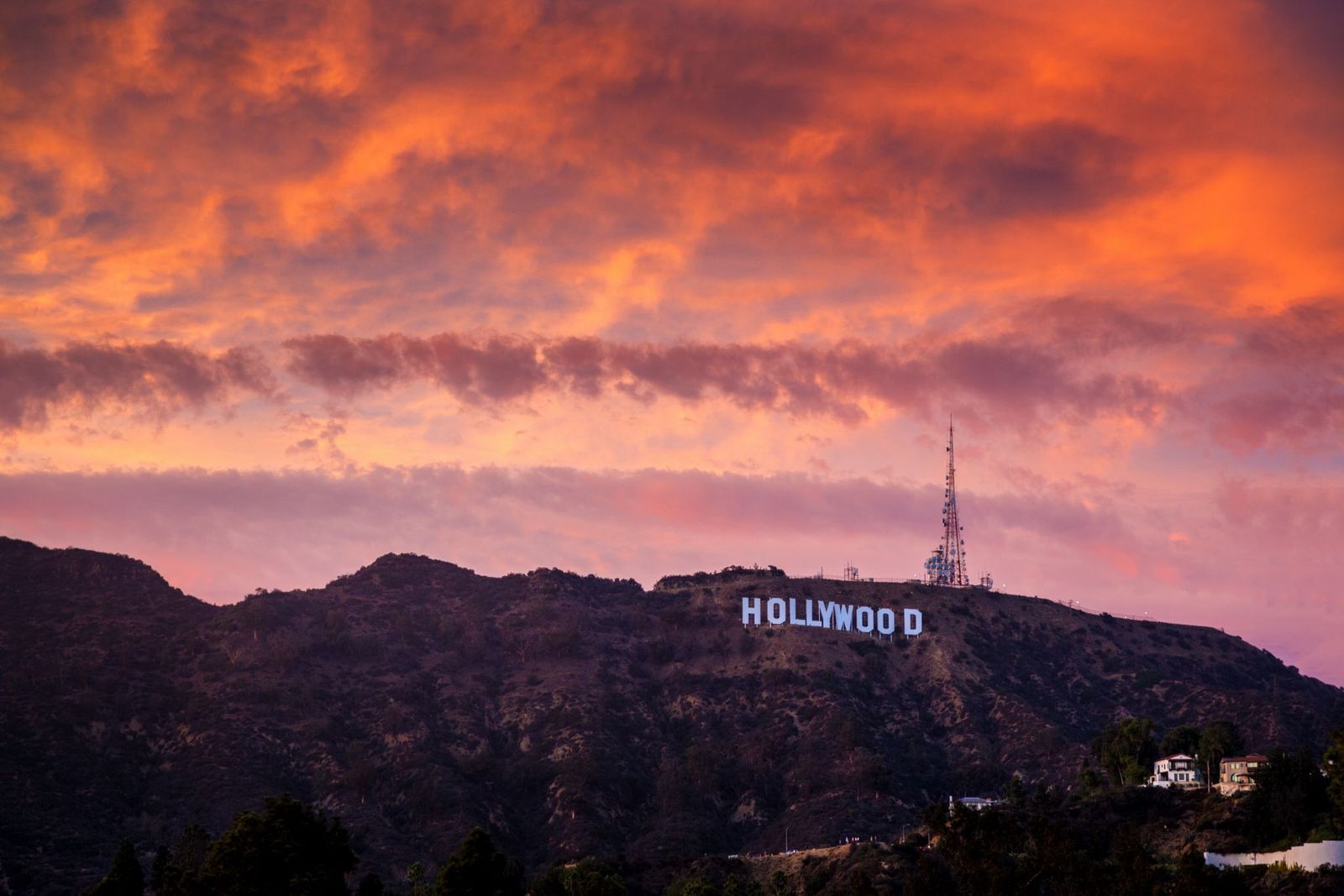
Image: Shutterstock

The Hollywood sign wasn’t meant to last forever. The developers expected it to stay on the hillside for only about 18 months. But that deadline passed, and the sign was still useful for attracting buyers to Hollywoodland, so no one rushed to take it down.

As the years went by, the giant letters became a familiar part of the Los Angeles landscape, especially as the movie industry nearby continued to grow. After the development had sold its properties, the company transferred the sign and the surrounding land to the City of Los Angeles in 1944. By then, the temporary billboard had already been standing over the city for more than 20 years.

4
Thousands of bulbs lit the letters
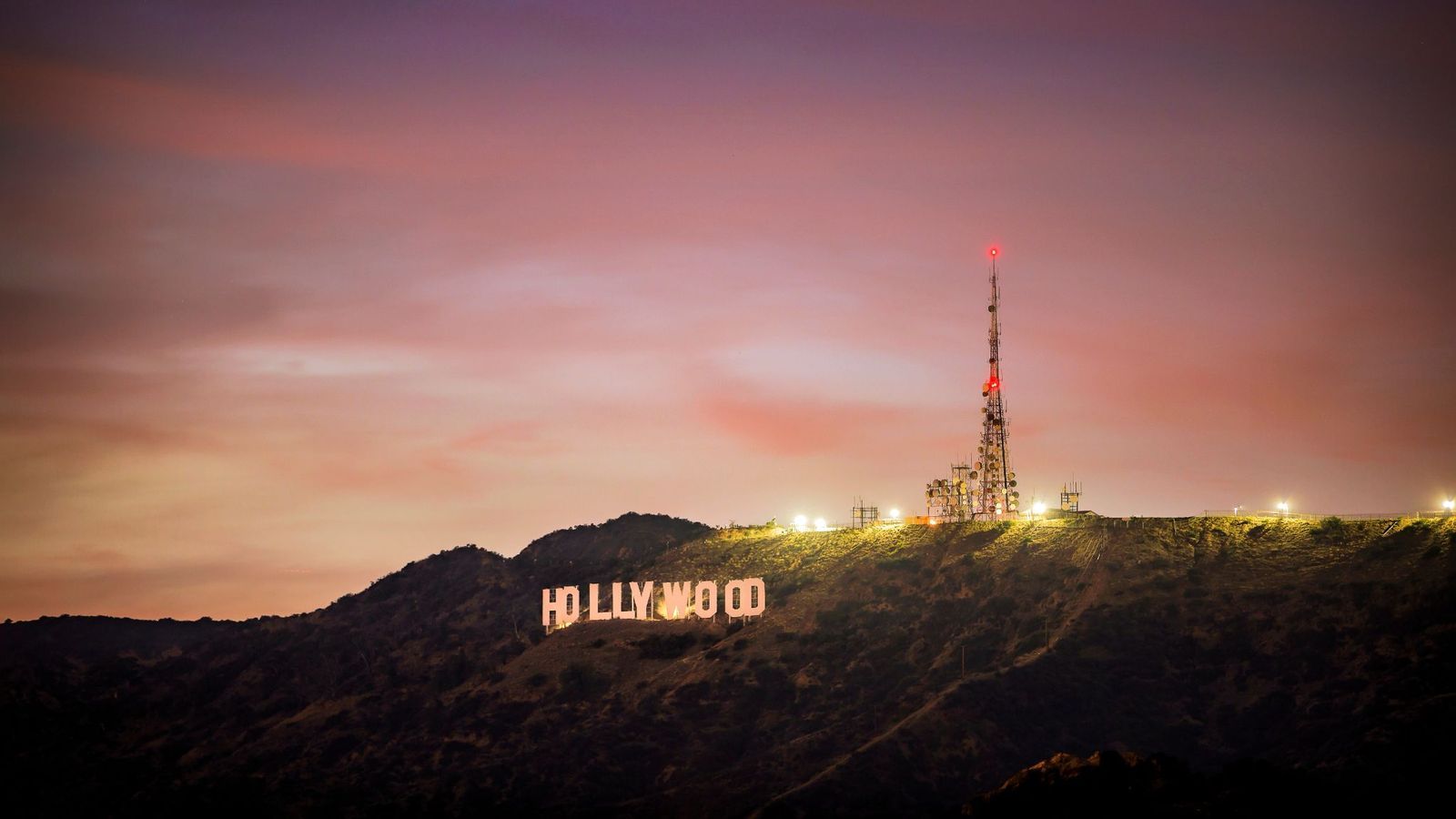
Image: Shutterstock

For Los Angeles residents in the 1920s, the Hollywoodland sign must have looked more like a giant theater marquee than a roadside billboard. As it was designed to stand out after dark just as much as during the day, about 4,000 light bulbs, each rated at 20 watts, covered its metal panels. Placed only eight inches apart, they turned the hillside into an enormous electric display.

And the whole sign didn’t light up at once. First came "Holly," followed by "wood" and then "land," before the complete name appeared. There was even a 35-foot illuminated dot beneath the letters, acting like a giant period at the end of the word.

5
The "Land" section disappeared in 1949
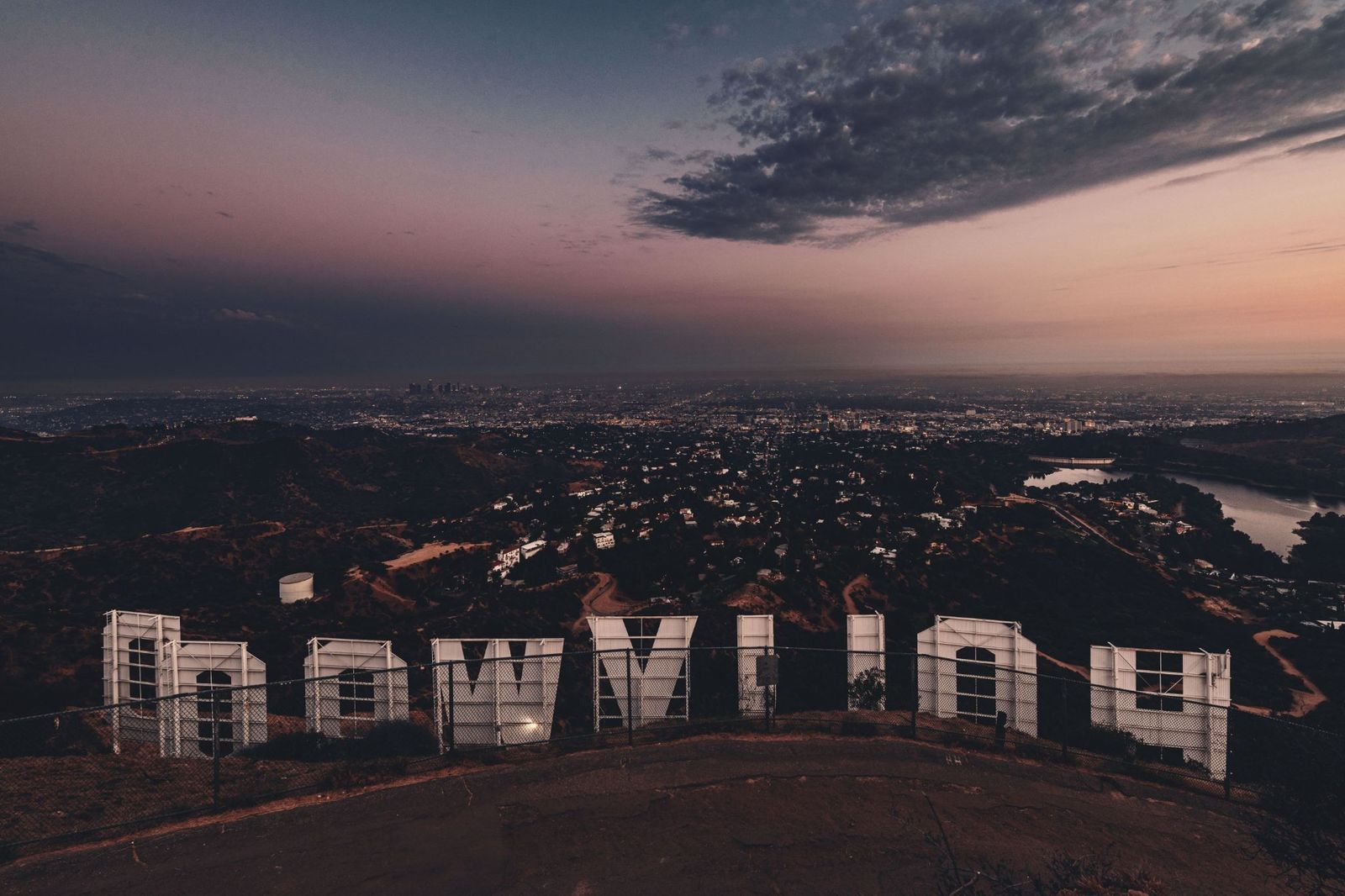
Image: Shutterstock

By the late 1940s, the sign had fallen into such poor condition that city officials considered tearing it down. Residents pushed back, and the Hollywood Chamber of Commerce offered to help restore it. But there was one major change: the last four letters had to disappear.

In April 1949, the city approved a plan to rebuild the missing "H," remove "LAND," and repair the remaining letters. On September 26, "Hollywoodland" officially became "Hollywood." That small change gave the sign a completely new meaning. It no longer advertised a housing development; it now represented the entire Hollywood district.

6
The original letters slowly collapsed
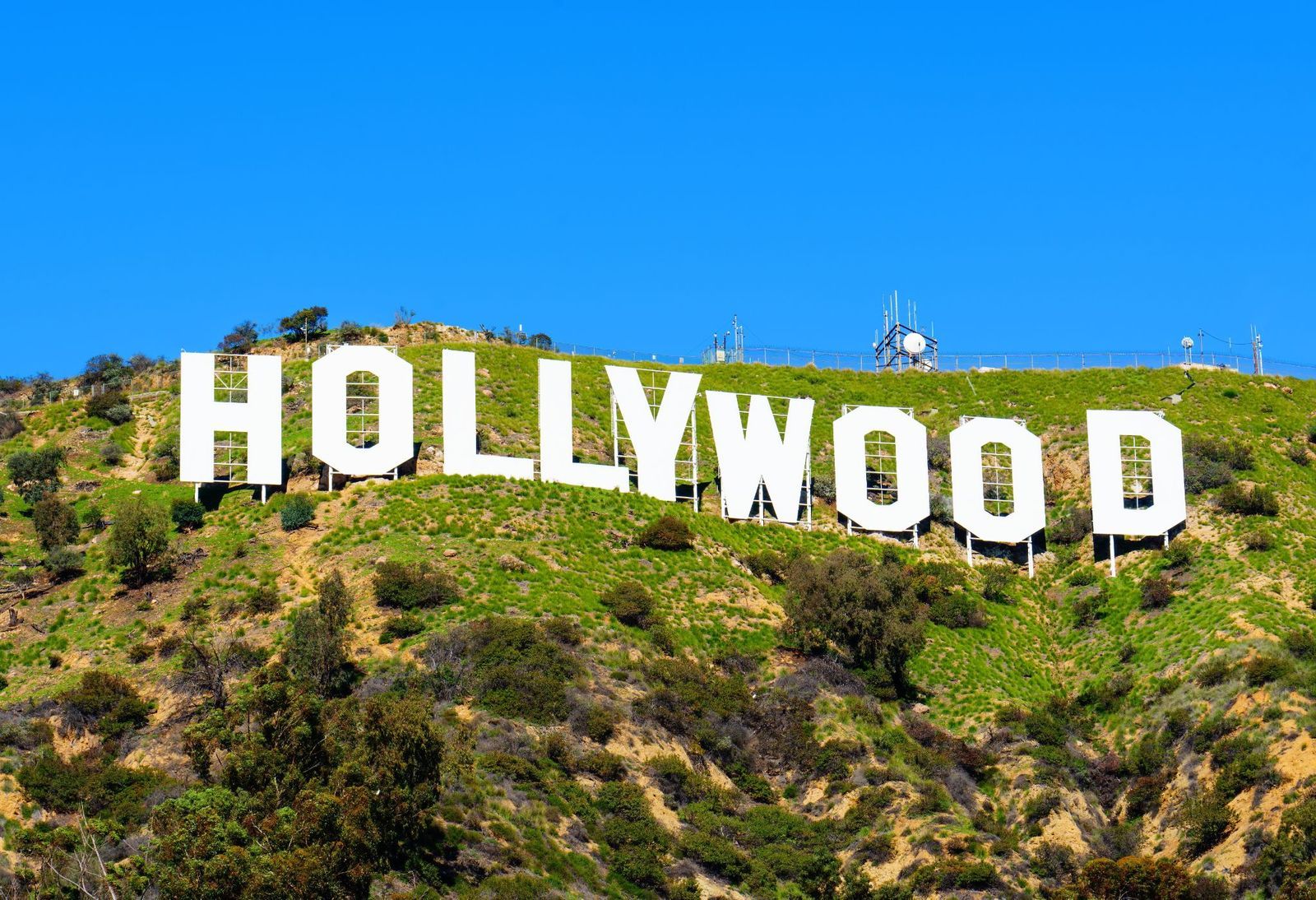
Image: Shutterstock

The 1949 repairs helped for a while, but they didn’t fix the sign’s deeper structural problems. Its metal panels and supporting framework were still exposed to years of sun, rain, wind, termites, neglect, and vandalism. By the 1960s and 1970s, the landmark looked rusty, uneven, and was close to falling apart.

In fact, parts of it did fall down the mountain. The top of the "D" collapsed, the third "O" disappeared completely, and an arsonist damaged the bottom of the second "L." Even after Los Angeles designated the sign a Historic-Cultural Monument in 1973, its condition continued to deteriorate. At that point, another coat of paint was not going to be enough.

7
The sign was rebuilt in 1978
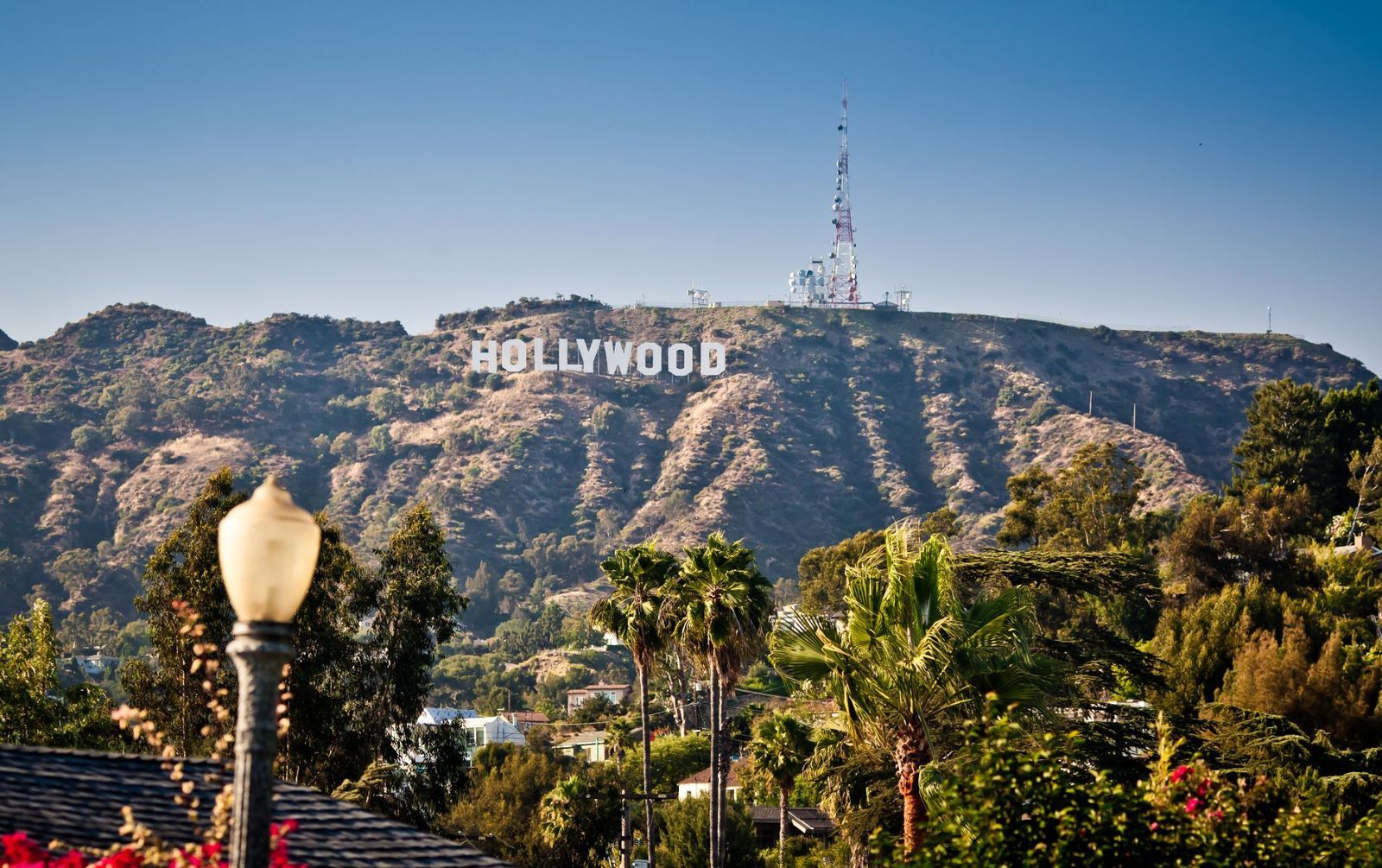
Image: Shutterstock

What would Hollywood do if its most famous sign disappeared? Small repairs were no longer enough by the end of the 1970s. The Hollywood Chamber of Commerce decided that all nine letters had to be replaced, and workers took down the original sign in August 1978, leaving the hillside completely bare for about three months.

This time, the sign was built to last. The new letters were made of steel and enamel and secured with concrete, creating a structure of about 194 tons. The new sign imitated the original and was completed in November 1978. So, t he letters visitors see today aren’t from 1923, but a recovered version of the landmark.

8
Celebrities helped pay for new letters
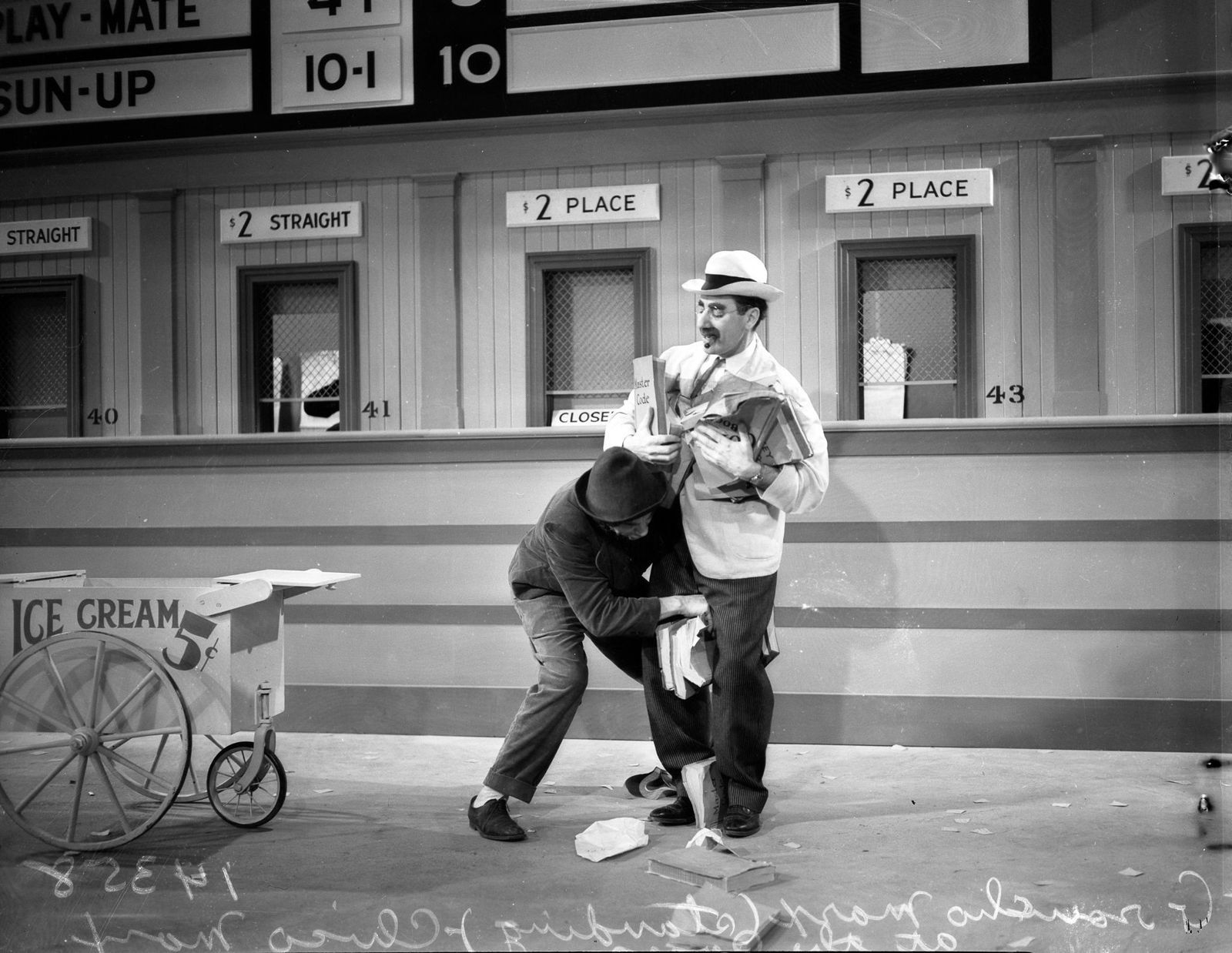
Image: Los Angeles Daily News, CC BY 4.0, via Wikimedia Commons

The project cost about $250,000, and Hollywood raised it the only way it knew how: with famous names and a big party. Hugh Hefner held a party at the Playboy Mansion, where donors could pay about $27,700 to sponsor one of the nine new letters.

Several famous names joined the campaign. Alice Cooper paid for the third "O" in honor of comedian Groucho Marx. Singer Andy Williams sponsored the "W," while Gene Autry and television station KTLA helped pay for the second "L." Warner Bros. Records, Kelley Blue Book founder Les Kelley, and other supporters also helped rebuild the famous sign.

9
The sign has been altered several times
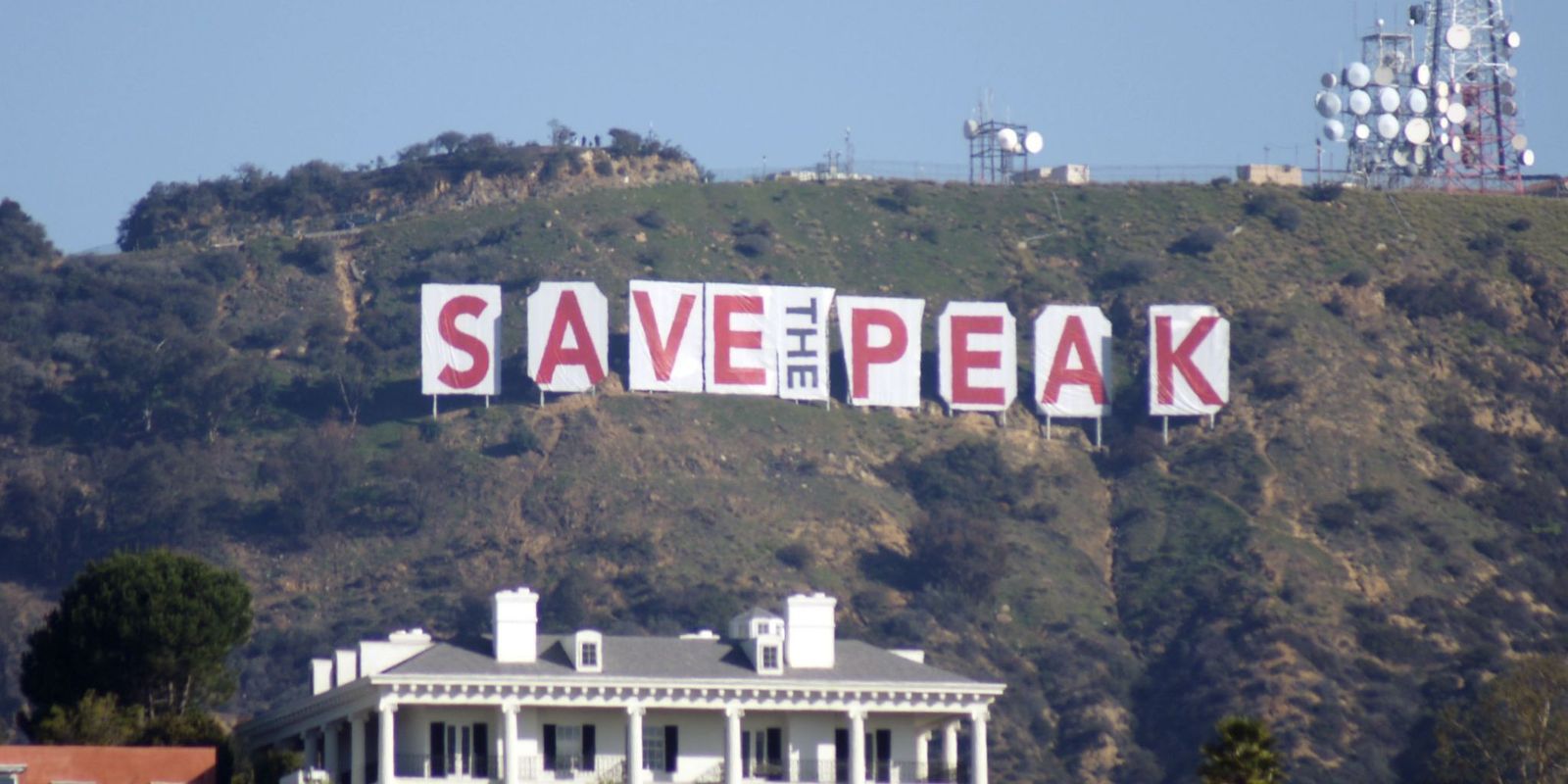
Those giant white letters have always attracted pranksters, students, activists, and advertisers who wanted to display their own messages above Los Angeles. Most of them didn’t remove or damage the original letters. By covering only certain parts of the sign with fabric, plastic, or curtains, they could make the sign appear to spell a completely different word . These changes were usually temporary, lasting only long enough to promote an event, support a cause, or play a public joke.

On New Year’s Day in 1976, art student Daniel Finegood used about $50 worth of curtains to change the sign to "Hollyweed." In 1987, it became "Holywood" during Pope John Paul II’s visit. The sign has also been changed for official promotions, including "FOX" for the television network and "Go Navy" for an Army-Navy football game.

10
An advertisement became an icon
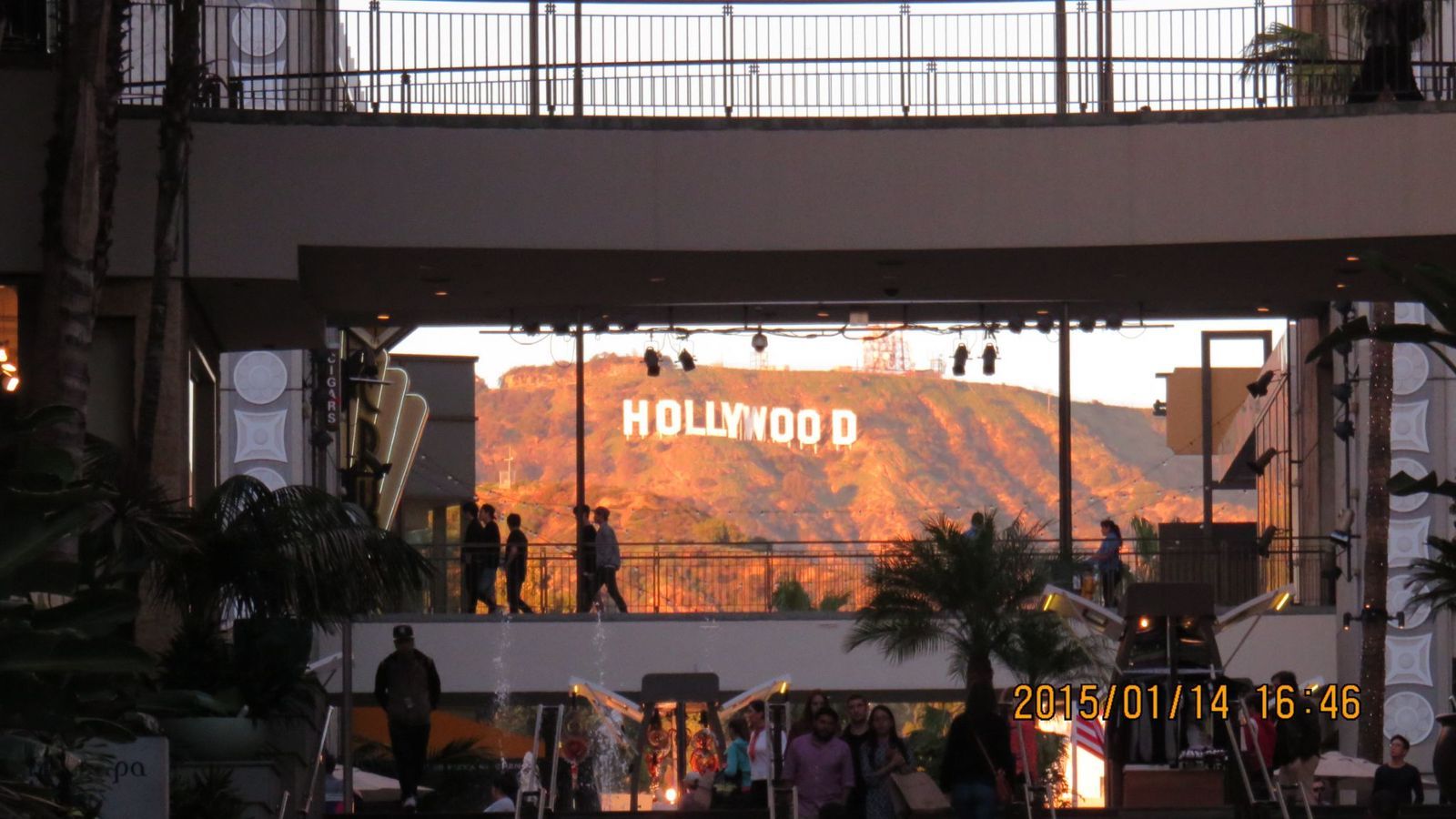
Image: Shutterstock

Los Angeles officially named the sign Historic-Cultural Monument No. 111 in 1973, recognizing that the former advertisement had become an important part of the city’s history. Five years later, during the campaign to rebuild the damaged letters, the Hollywood Sign Trust was created to help protect the landmark for future generations.

Since then, the organization has overseen repairs, repainting, security, and other improvements needed to keep the sign standing on the hillside. The sign represented much more than a place on a map; it’s a symbol of Hollywood dreams and the hope of turning them real.
Culture Culture 6 min read

From real life to music

Bob Dylan wrote it to save his marriage: the real people behind 10 hits

Image: Featureflash Photo Agency

You’ve sung along to these songs, danced to them, and probably heard them hundreds of times. But do you know the real stories behind them? Some of the biggest hits ever were inspired by real people, real relationships, and real moments. There were secret romances, jealousy, heartbreak, and a few surprises that sound too strange to be true. Here are the real stories behind 10 famous songs.

1
"Jolene" by Dolly Parton

Image: Bart Sherkow

One of Dolly Parton’s most famous songs, 1973’s "Jolene," has resonated across generations because its story of jealousy feels so relatable. And it was inspired by a real experience in Dolly’s life.

As she recounted in interviews, the song was inspired by an attractive female bank teller who paid a little too much attention to her husband, Carl Dean. But while the jealousy was real, the woman wasn’t named Jolene. Dolly got that name from a young fan with beautiful red hair and green eyes who introduced herself to the singer after a concert.

2
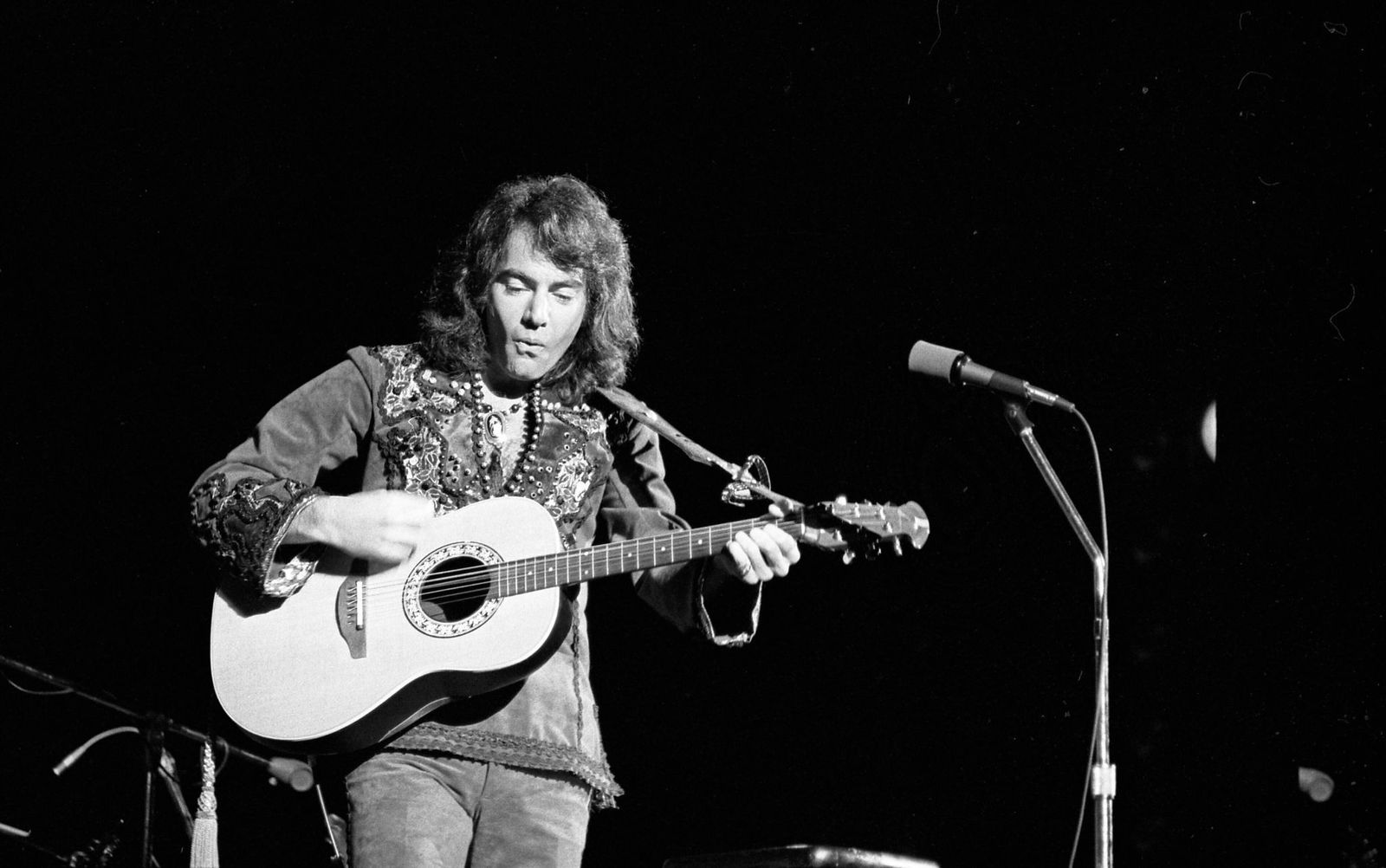
"Sweet Caroline" by Neil Diamond

Image: Larry Bessel, Los Angeles Times, CC BY 4.0, via Wikimedia Commons

Neil Diamond wrote "Sweet Caroline" in 1969, drawing on his feelings for his wife at the time, Marcia Murphey. But if it was about her, why "Caroline"?

Diamond needed a three-syllable name for the lyrics, and he remembered a photo of First Daughter Caroline Kennedy with her horse that he had seen in LIFE magazine in 1962. Diamond kept the connection to JFK’s eldest secret for nearly 40 years until 2007, when he sang the hit for Caroline at her 50th birthday and finally told her the story. She was "struck by it and really, really happy," Diamond revealed.

3
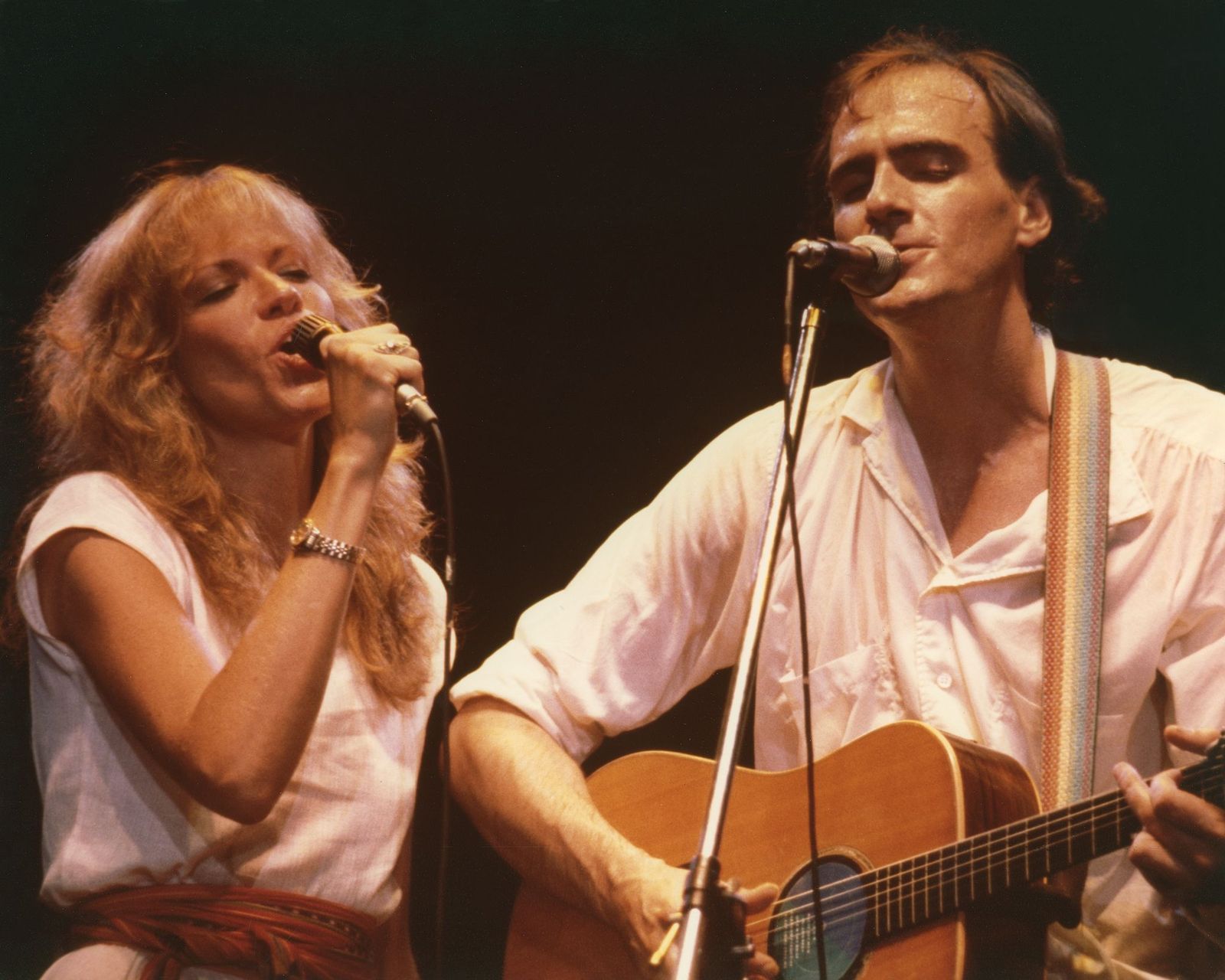
"You're So Vain" by Carly Simon

Image: Arthur D'Amario III

When a relationship ends, the inspiration can show up in unexpected ways. For Carly Simon, it became one of her biggest hits: "You’re So Vain."

As Simon herself confirmed, most of the lyrics were inspired by actor Warren Beatty, with whom she had a brief but intense relationship in the early 1970s that ended after he cheated on her. But Beatty wasn’t the only "vain" one. Although she didn’t confirm it, there’s speculation that other famous men from her past, including Mick Jagger and Jack Nicholson, also inspired parts of the song.

4
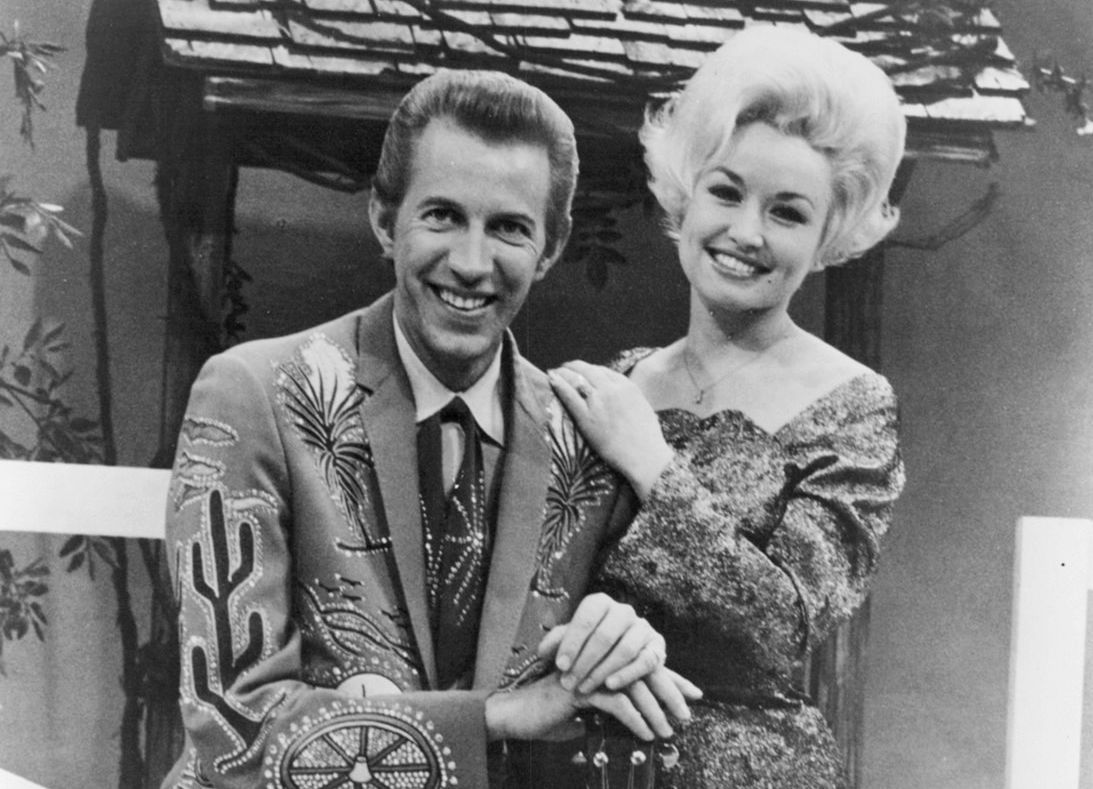
"I Will Always Love You" by Dolly Parton

Image: Moeller Talent, Inc. Nashville (management), Public domain, via Wikimedia Commons

Despite what many assume, "I Will Always Love You" wasn’t written about a romantic breakup. Dolly wrote it as a professional farewell .

After more than seven years working with her mentor and longtime duet partner, Porter Wagoner, on The Porter Wagoner Show , Dolly felt it was time to pursue a solo career. But the decision wasn’t easy, and Wagoner was reluctant to let her go. When ordinary conversations weren’t working between them, Dolly did what she knew best: she put her feelings into a song. She brought her guitar to his office, sat him down, and played it for him. Wagoner was moved to tears, called it the prettiest song he had ever heard, and finally agreed to let her leave the show.

5
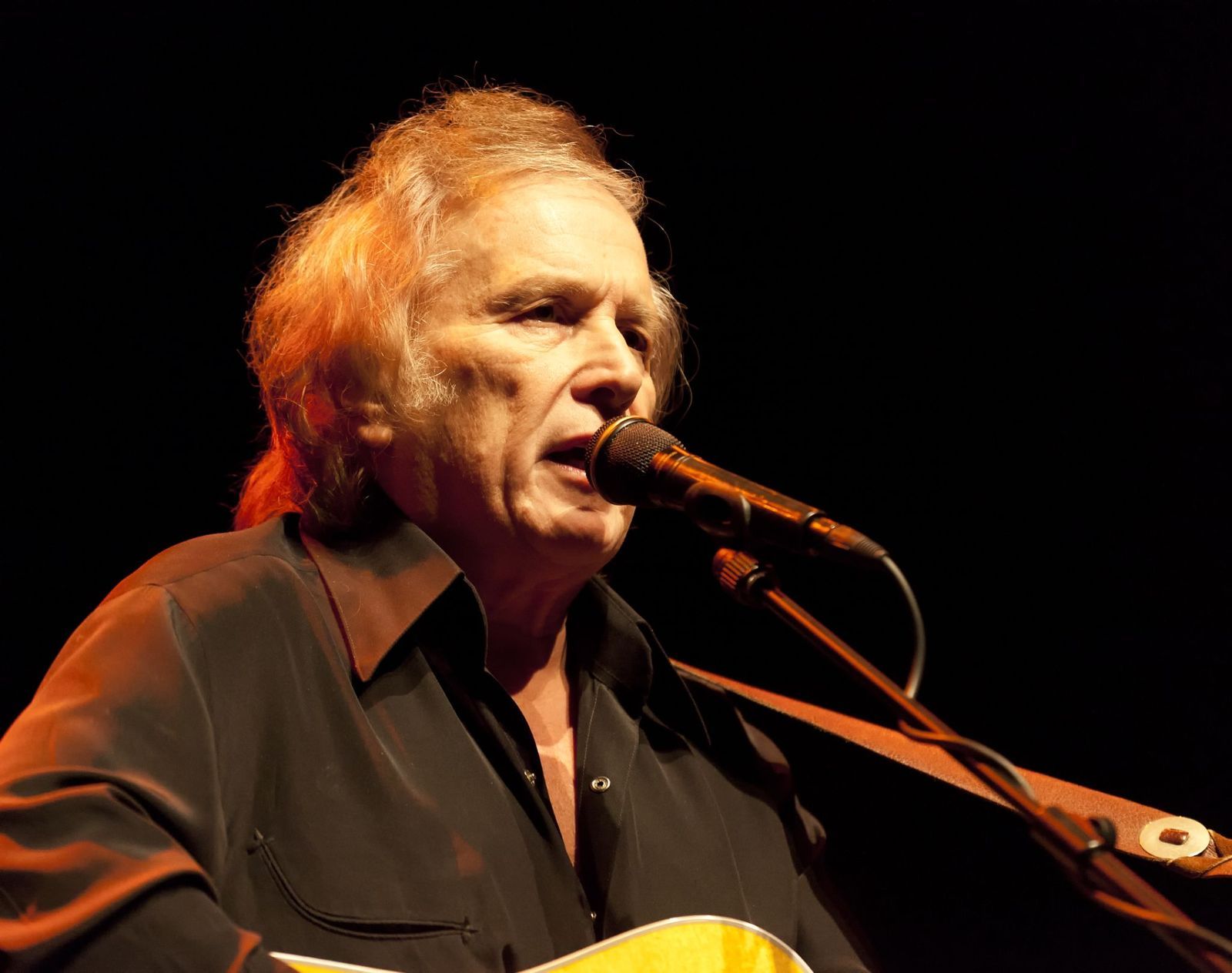
"American Pie" by Don McLean

Image: Aija Lehtonen

A song can be a farewell, a declaration of love, or a tribute born of admiration. That was the case when Don McLean wrote the beautiful yet haunting "American Pie" in 1971.

This epic folk-rock song became a memorial to "the day the music died," the tragic plane crash on February 3, 1959, that took the lives of rockers Buddy Holly, Ritchie Valens, and J.P. Richardson . McLean was just 13 at the time, but he later said the tragedy had a profound impact on him. The song didn’t come together all at once, either; he wrote it in stages over several years.

6
"Billie Jean" by Michael Jackson

Image: Matthew Rolston; Distributed by Epic Records, Public domain, via Wikimedia Commons

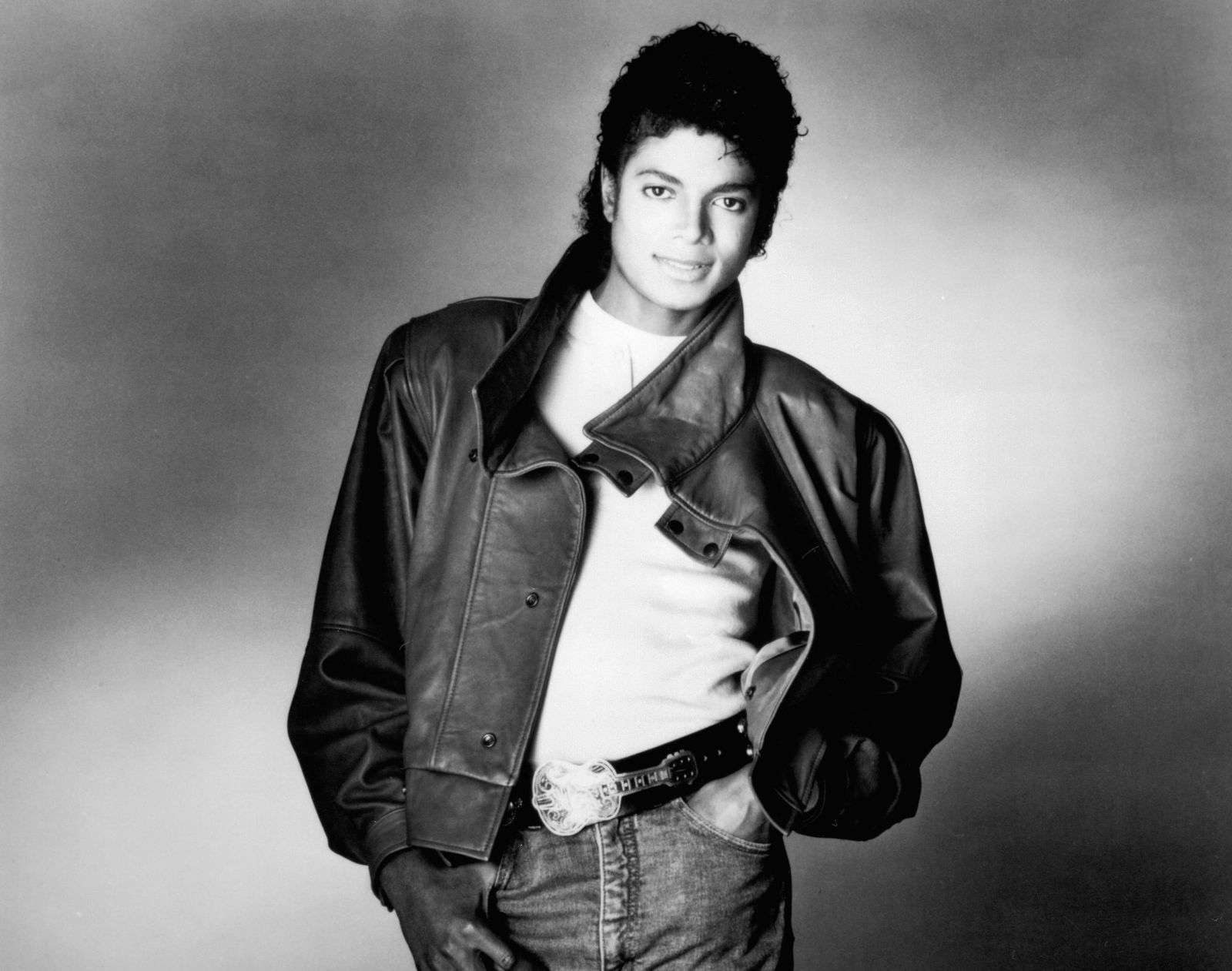
In his 1988 autobiography Moonwalk , Jackson explained that his classic "Billie Jean" was inspired partly by experiences involving women who approached his older brothers while the Jackson 5 were touring.

However, the event that really shaped the song happened in 1981, when Jackson received thousands of messages from a woman who claimed he was the father of her children. The unsettling situation stayed with him and eventually became part of the inspiration for one of his biggest hits.

7
"My Sharona" by The Knack

Image: McSleepy

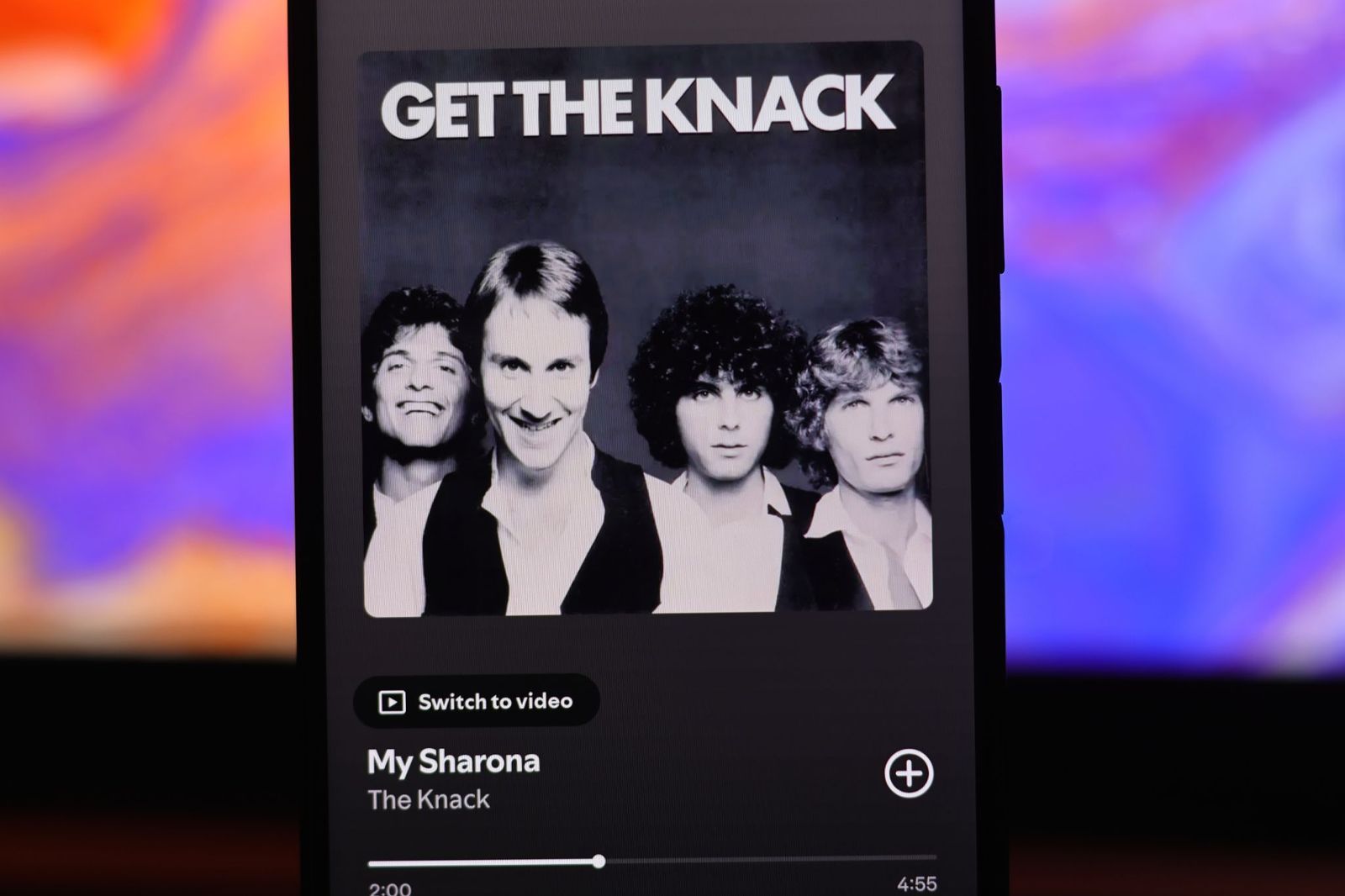
Have you ever wondered who "Sharona" was in The Knack’s famous hit? The answer comes from a real story involving the band’s lead singer, Doug Fieger.

In 1978, Fieger met Sharona Alperin, a clothing store clerk in Los Angeles. He was instantly attracted to her, and after breaking up with his then-girlfriend, he spent several months trying to win Sharona over before she finally agreed to a date. Their romance lasted from 1979 to 1982, and inspired one of the most danceable hits of the 20th century. Even after they broke up, Sharona and Doug remained close friends until he passed in 2010.

8
"Sweet Child O' Mine" by Guns N' Roses

Image: L Paul Mann

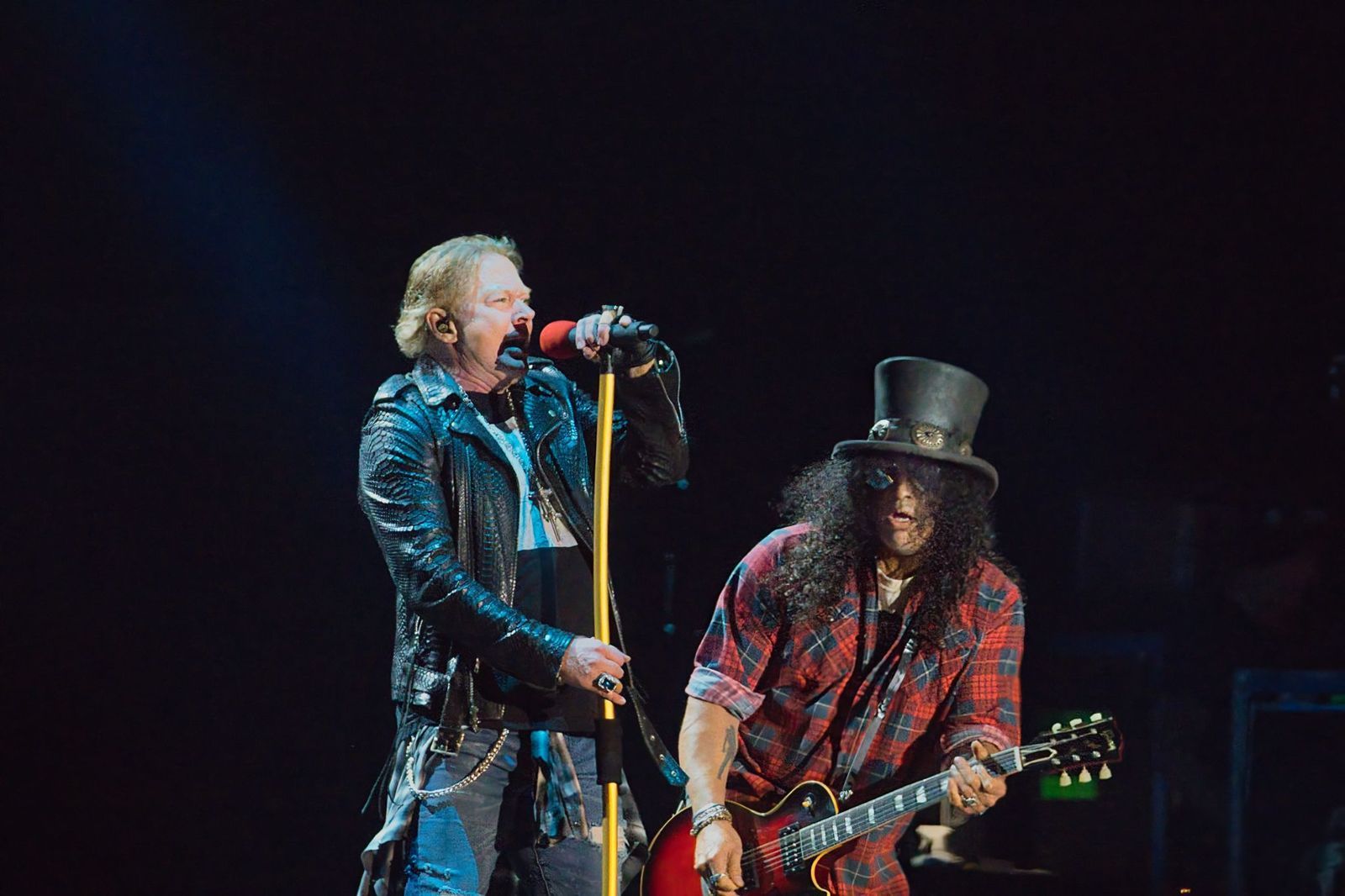
In 1986, Axl Rose was dating model Erin Everly, daughter of Don Everly of The Everly Brothers. He was so in love that he wrote her a love poem in just a few hours, without knowing it would eventually become one of his most famous songs.

That same year, at the band’s shared house, guitarist Slash was playing around with some chords when he came up with an interesting riff. Izzy Stradlin joined in, and when Rose heard the melody from upstairs, he brought down the poem he had written for Everly and adapted the lyrics to fit the music, resulting in the iconic "Sweet Child o’ Mine." Rose and Everly eventually married in 1990, but the marriage ended soon afterward.

9
"Walk On the Wild Side" by Lou Reed

Image: Man Alive!, CC BY 2.0, via Wikimedia Commons

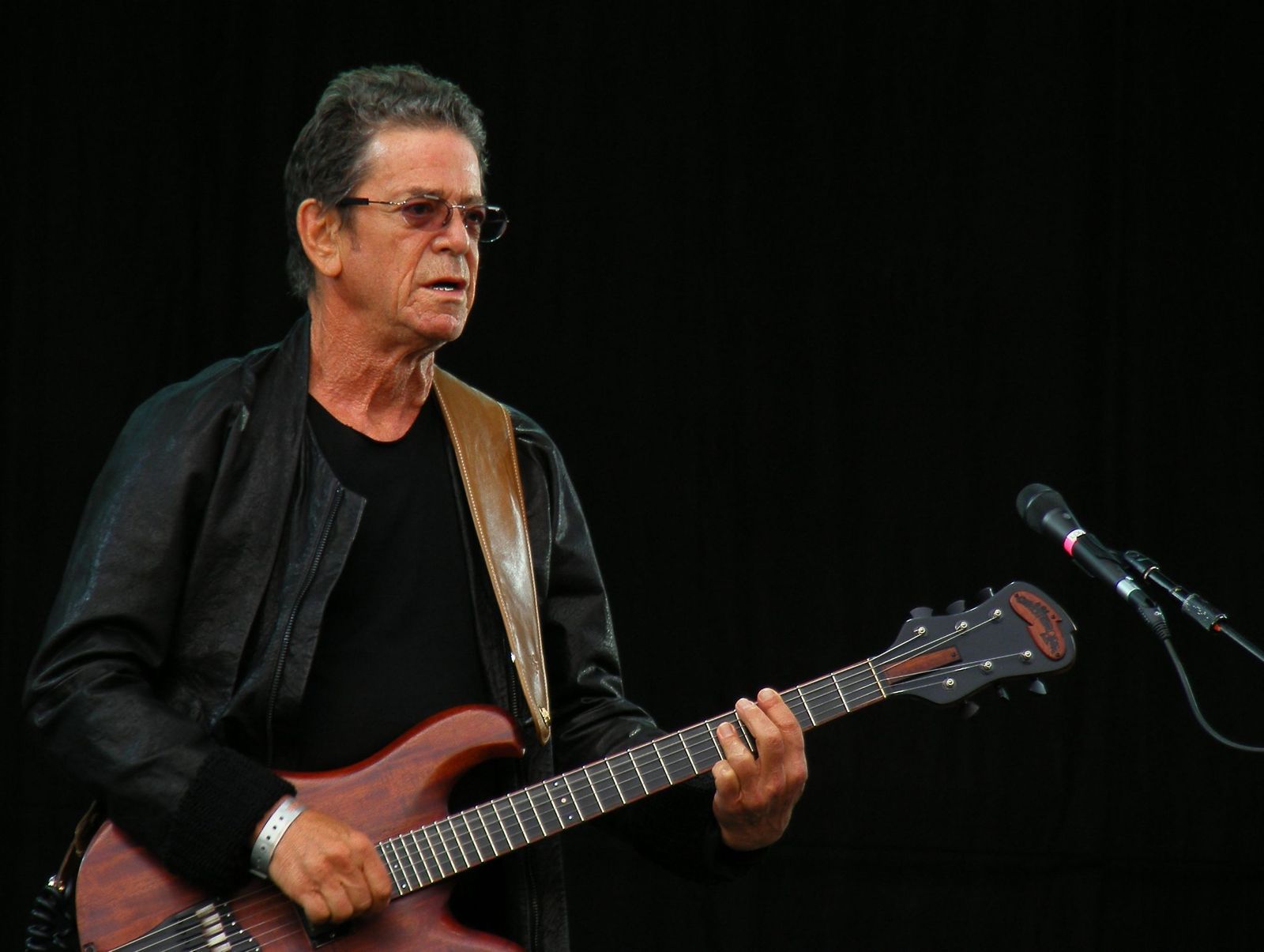
Music crossed paths with other forms of art when Lou Reed wrote his 1972 classic "Walk on the Wild Side".

The song is essentially a series of portraits of real people from Andy Warhol’s circle at The Factory, his famous New York City studio and collective. In the song, "Holly" is a reference to Holly Woodlawn, a transgender actress who appeared in Warhol’s underground films such as Trash (1970). "Candy" was Candy Darling, another prominent actress who starred in Flesh (1968) and Women in Revolt (1971). "Little Joe" referred to Joe Dallesandro, the actor and model who became one of Warhol’s male muses. Other figures from the era’s counterculture are also in the song, bringing a very specific art scene of 1970s New York to a much wider audience.

10
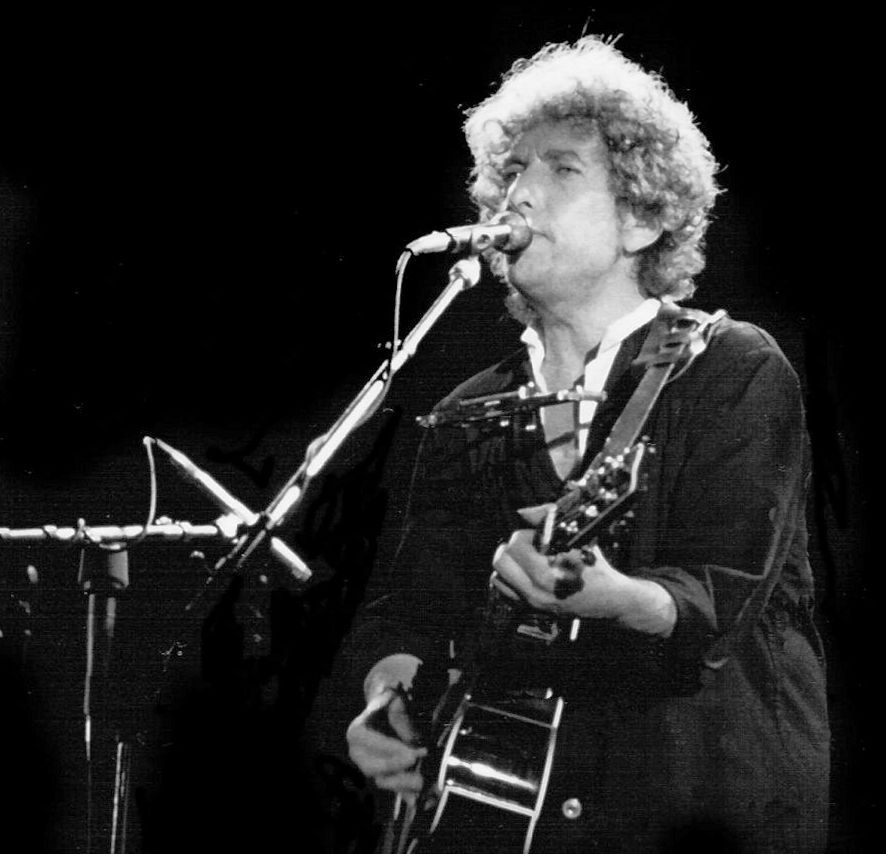
"Sara" by Bob Dylan

Image: Stoned59, CC BY 2.0, via Wikimedia Commons

In 1975, Bob Dylan was in the middle of a creative rush, writing and recording his album Desire . But while his career was going well, his marriage to Sara Lownds was falling apart. So he decided to write a love song for his wife.

"Sara," a heartfelt and personal song, was recorded in 1975 with Sara in the studio, and it became the raw, emotional closing track on the album. It helped spark a brief reconciliation, and Sara even joined Dylan on his subsequent Rolling Thunder Revue tour. However, the marriage ultimately ended in divorce in 1977.

Geography Geography 4 min read

Discovering America

What's the easternmost point of the US? If you say Maine, think again!

Image: Jon Sailer

We’ve all picked up "facts" about the fifty states somewhere along the way, but not all of them hold up. Some are half-truths passed around for generations , others are just plain wrong. So, in an attempt to set the record straight once and for all, we’ve gathered some fun truths that clear up the biggest mix-ups about our states.

1
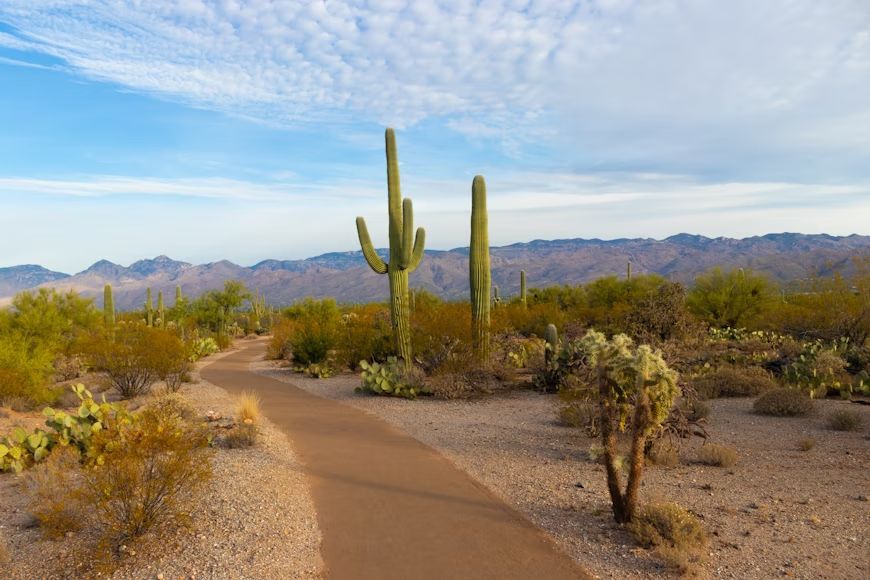
Arizona skips Daylight Saving Time

Image: Christoph von Gellhorn

This is partly true because most of the state doesn’t bother with Daylight Saving Time . They stopped changing the clocks back in 1967. The exception is the Navajo Nation, which stretches into Utah and New Mexico and keeps DST so all its communities stay on the same schedule. Now, as for the smaller Hopi reservation, inside the Navajo Nation, it sticks with Arizona time… Yes, quite confusing if you’re not a local.

2
Georgia isn’t really the Peach State

Image: Jessica Furtney

Georgia loves its peaches, sure, but the state’s top fruit money-maker is actually blueberries . In recent years, blueberries have brought in several times more cash for farmers than peaches. Meanwhile, California grows far more peaches than Georgia ever has. The nickname stuck from the old days when Georgia peaches were famous for their flavor, not their volume. So while the pride is real, the peaches aren’t quite the powerhouse people may think.

3
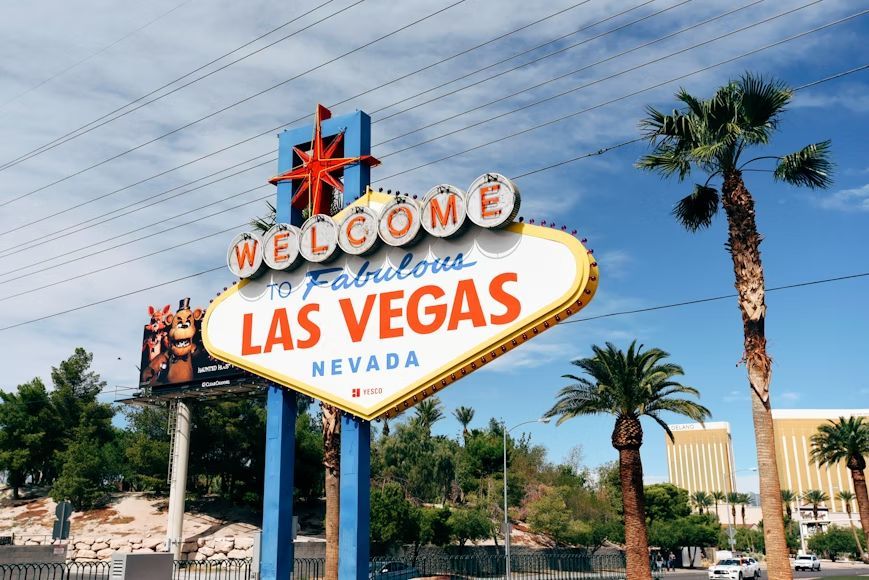
Nevada didn’t record the hottest US temperature

Image: tommao wang

You probably think of Nevada’s desert heat as unmatched, but the all-time record belongs to California’s Death Valley . In July 1913, it hit a mind-melting 134 degrees Fahrenheit, the hottest temperature not only in America but the hottest ever recorded on Earth!

4
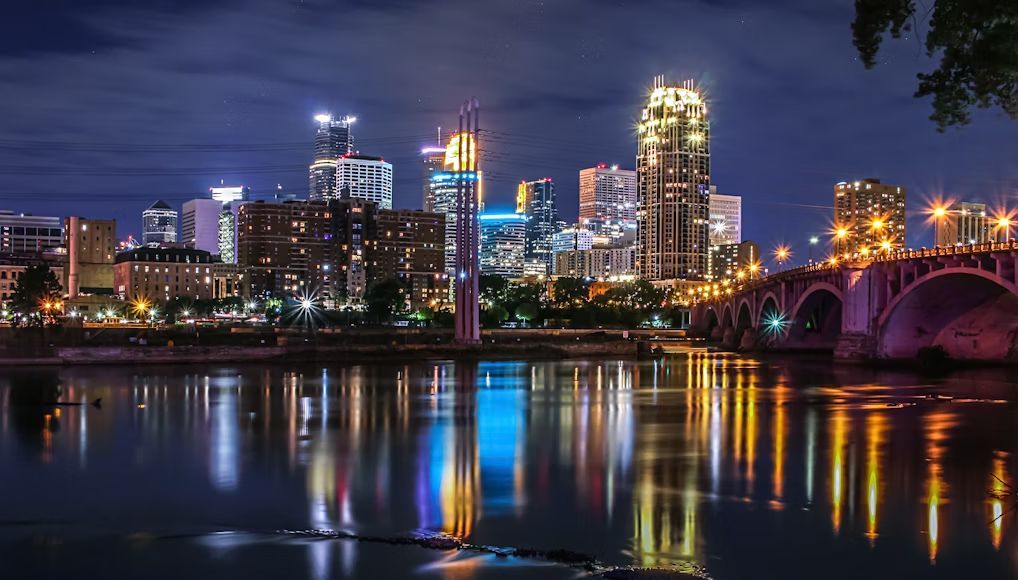
Minnesota doesn’t have the most lakes

Image: Tom Conway

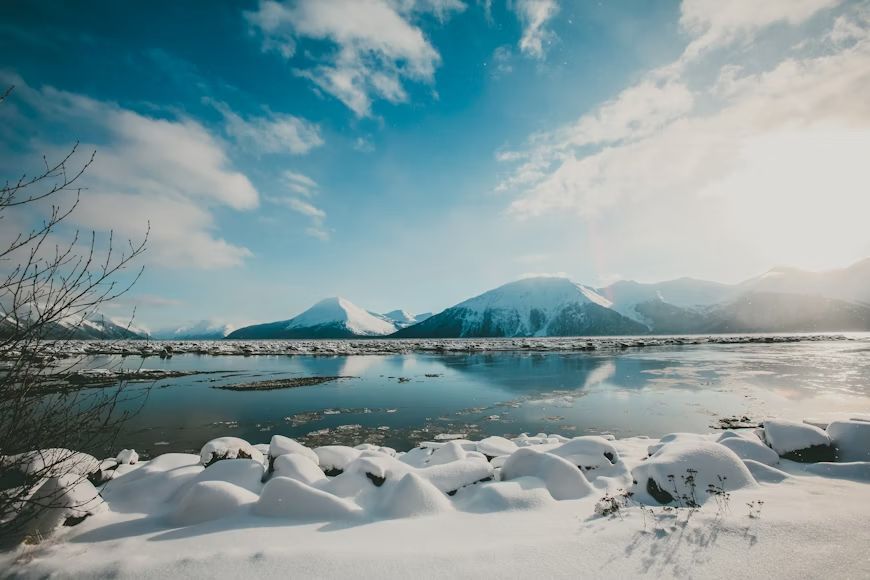
Minnesota proudly calls itself the "Land of 10,000 Lakes," but that’s selling itself short… The real number is closer to 12,000. However, Alaska wins this battle . The state has more than 3 million lakes over five acres in size. In fact, Alaska contains over 40 percent of the nation’s surface water. If you love fishing, kayaking, or just staring at a quiet stretch of water, the true lake capital of America is far up north.

5
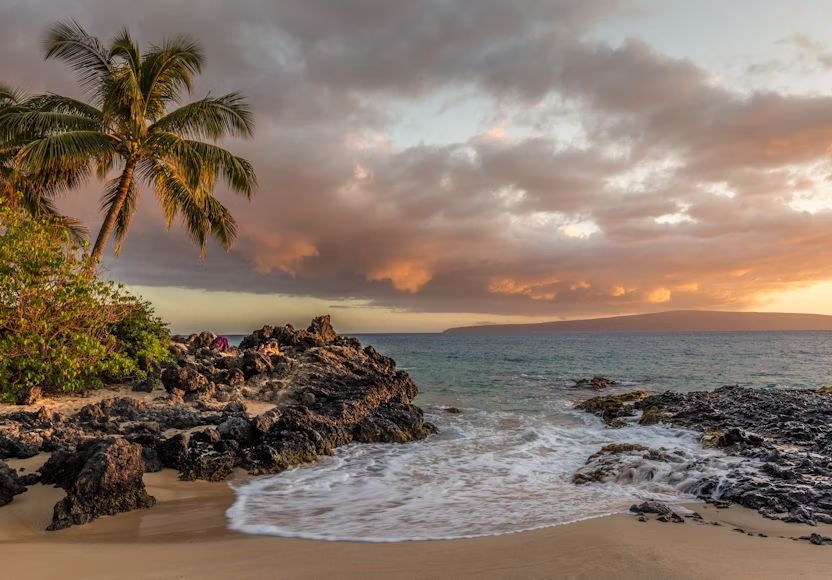
Pineapples aren’t native to Hawaii

Image: Christian Joudrey

Pineapples are everywhere in Hawaiian imagery, but the plant actually comes from South America , mainly Paraguay and southern Brazil. Spanish explorers likely brought them to Hawaii in the 1500s after spreading them across the Pacific to places like the Philippines and Guam. Hawaii’s climate turned out to be perfect for growing them and by the 1900s, the islands were producing so many pineapples that the fruit became a symbol of Hawaii itself.

6
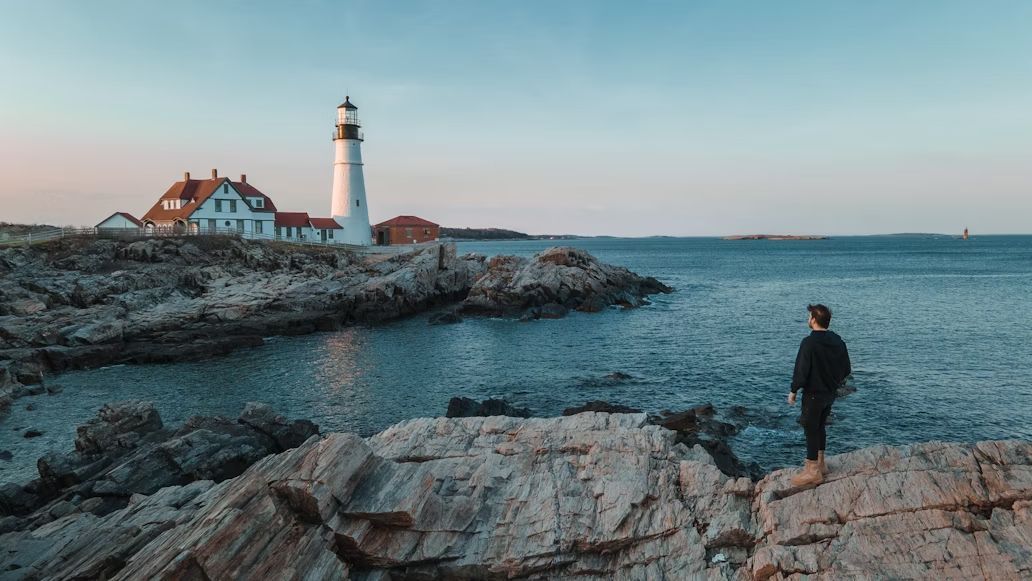
Maine isn’t the country’s easternmost point

Image: Chris Henry

If you’re a Geography geek, you’ll love this one. You might picture Maine’s rocky coast as the eastern tip of America, but the actual easternmost point is thousands of miles away, on Alaska’s Semisopochnoi Island in the Aleutians. How is that possible? Well, that’s because it crosses the 180th meridian, putting it in the Eastern Hemisphere. That means part of Alaska technically sits farther east than anywhere in Maine.

7
The biggest US earthquake didn’t happen in California

Image: Lala Miklós

California has suffered some big earthquakes in its history, but the most powerful earthquake in America struck Alaska in 1964 . It hit Prince William Sound with a magnitude of 9.2. It was so strong it shook the ground for four and a half minutes and triggered massive tsunamis. In today’s dollars, the damage would total more than $2 billion. Alaska sits on a collision zone of tectonic plates, making it one of the world’s most seismically active regions.

8
The Everglades isn’t America’s biggest swamp

Image: Joshua J. Cotten

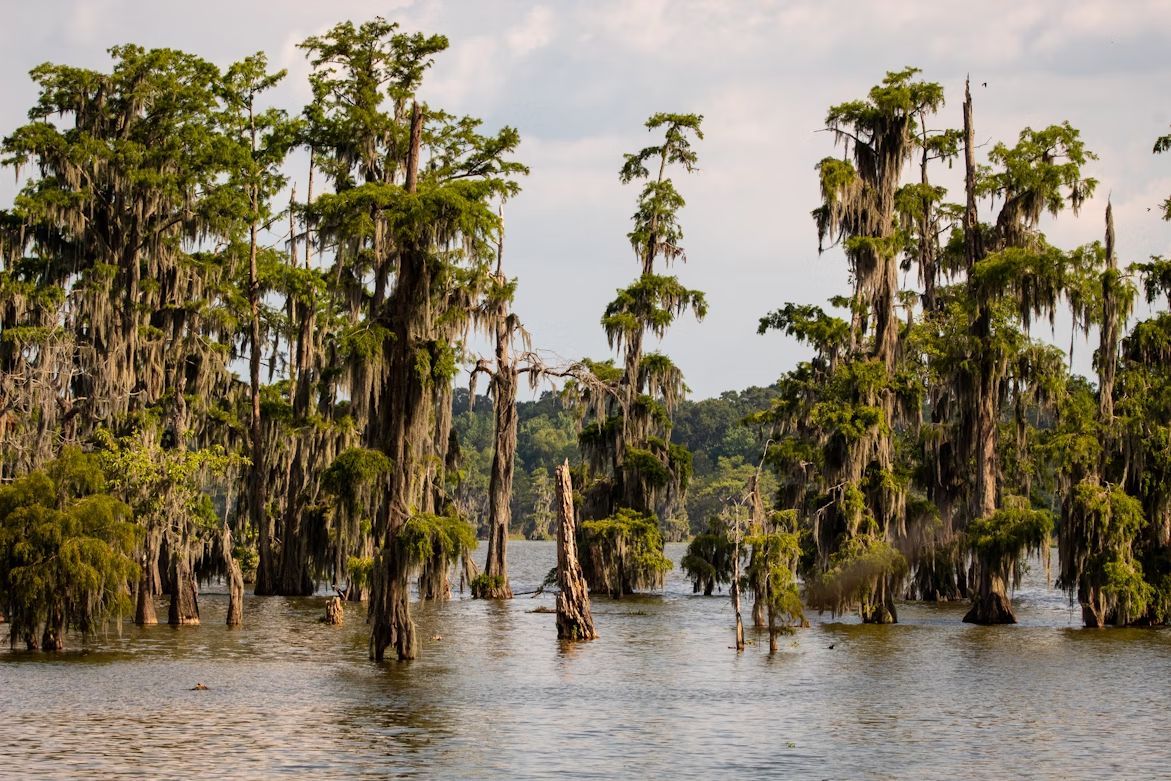
A lot of people picture the Florida Everglades when they think of swamps, but technically, the Everglades isn’t a swamp at all. The real title of the largest swamp in the United States goes to Louisiana’s Atchafalaya Basin , which spans about 1.4 million acres. This swamp has a vast mix of cypress forests, bayous, and marshes, and it’s more than twice as productive as the Everglades when it comes to wildlife and plant life.

9
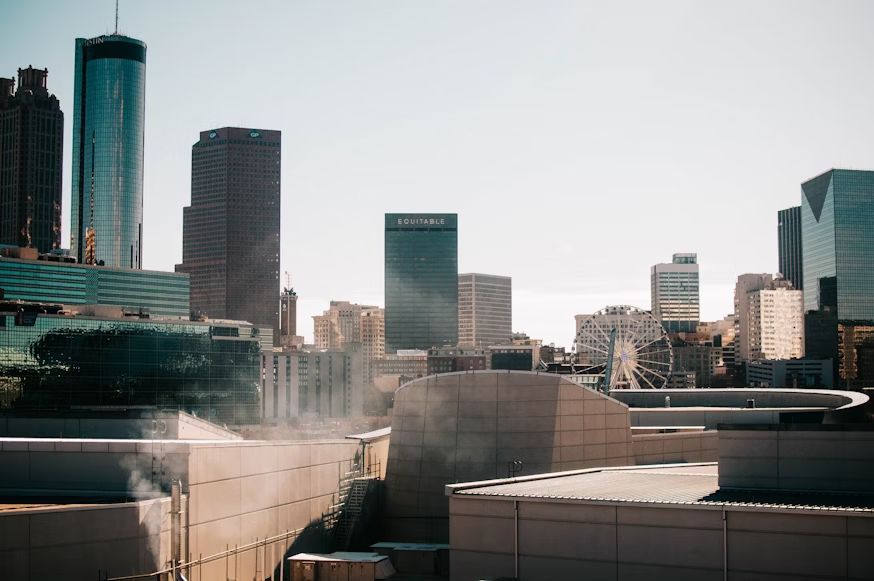
Big cities aren’t always capitals

Image: Mackenzie Cruz

It surprises people how often the biggest city isn’t the state capital . New York City? Not the capital… Albany is. Chicago? Nope, that honor goes to Springfield. Pennsylvania’s capital isn’t Philly or Pittsburgh, it’s Harrisburg. Even California’s capital isn’t L.A. or San Francisco, it’s actually Sacramento. Out of fifty states, only seventeen have their most populous city as the capital.

10
Alaska isn’t divided into counties

Image: Rod Long

Alaska likes to do things its own way. Instead of counties, it’s split into boroughs , and a massive area known as the Unorganized Borough has no local government at all. People out there don’t pay property taxes, but that freedom comes with challenges, limited services, fewer job options, and tough living conditions.

Explore more American facts

Choose your favorite category!

General
General

As American as apple pie—the very best America has to offer!

Culture
Culture

Delve into the astounding richness of American lore.

Geography
Geography

Hop in and explore vast and diverse American landscapes.

History
History

Discover the key moments that shaped the United States.