Culture Culture 5 min read

Why does Japan eat KFC for Christmas? The answer will shock you!
Image: Nixx Photography

When you think of fast-food royalty, few figures are as universally recognizable as Colonel Harland Sanders. With his iconic white suit, black string tie, and goatee, his image is plastered across tens of thousands of Kentucky Fried Chicken (KFC) locations around the globe. Yet, behind that grandfatherly smile lies a corporate history filled with drama, secret recipes, and unusual marketing decisions. Here are 10 mindblowing facts about KFC and its legendary founder.

1
A rivalry becomes a business success
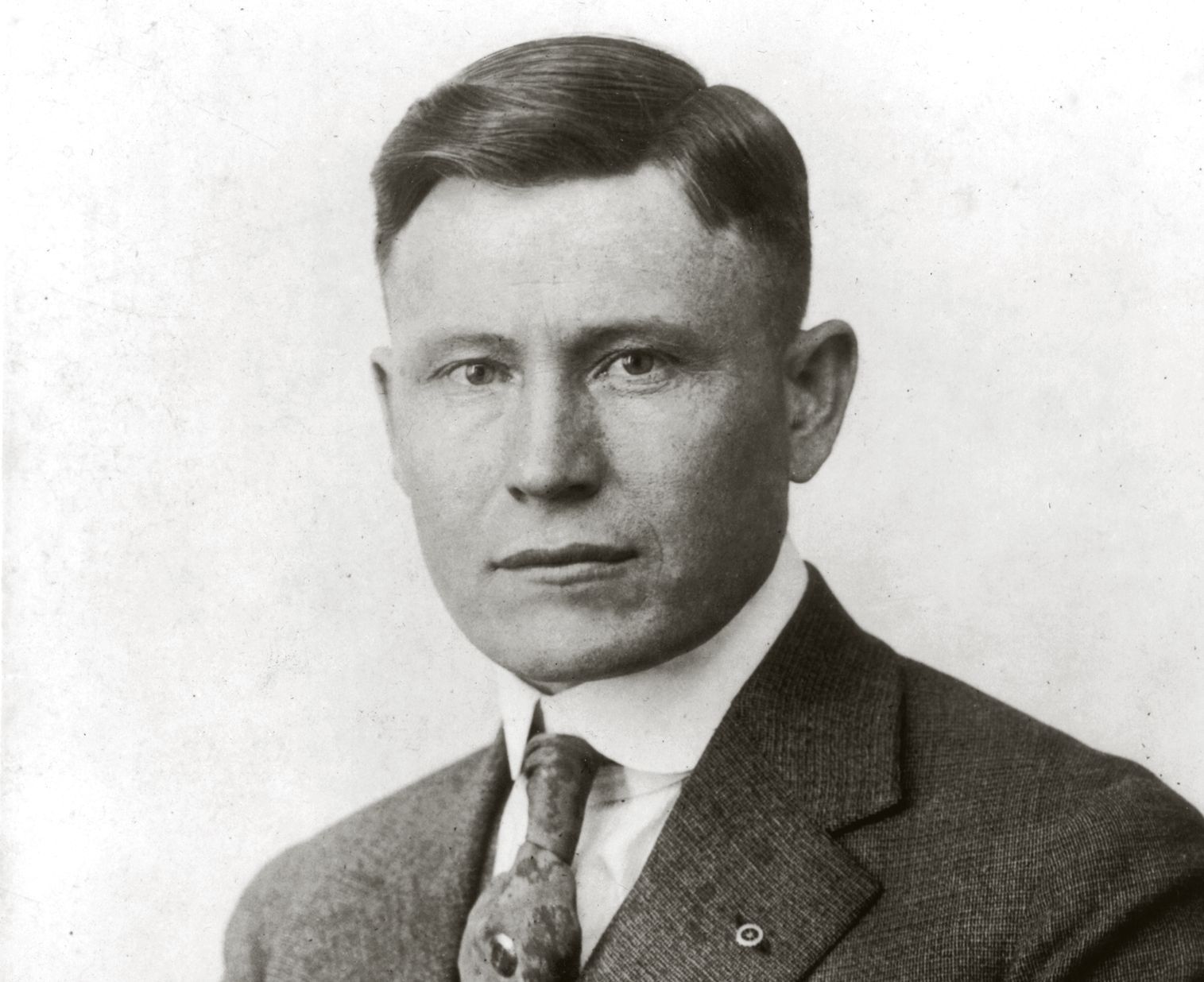
Image: Unclear, likely someone from the family of Colonel Sanders, Public domain, via Wikimedia Commons

During the Great Depression, Harland Sanders ran a humble Shell station in Corbin, Kentucky. Back then, business was cutthroat, and Sanders found himself in a bitter feud with Matt Stewart, a rival gas station owner who kept painting over Sanders’ highway signs to redirect traffic. After several warnings went unheard, Sanders marched over to confront Stewart.

When Stewart was caught in the act, a physical confrontation quickly escalated. Stewart drew a pistol and shot a Shell manager who was accompanying Sanders, killing him on the spot. Sanders retaliated by firing back and wounding Stewart, who was later arrested and sentenced to prison for murder. With his main competitor safely behind bars, Sanders was able to expand his service station, perfect his pressure-frying method, and ultimately transform his business into a massive commercial success.

2
The KFC you know today exists thanks to Wendy’s
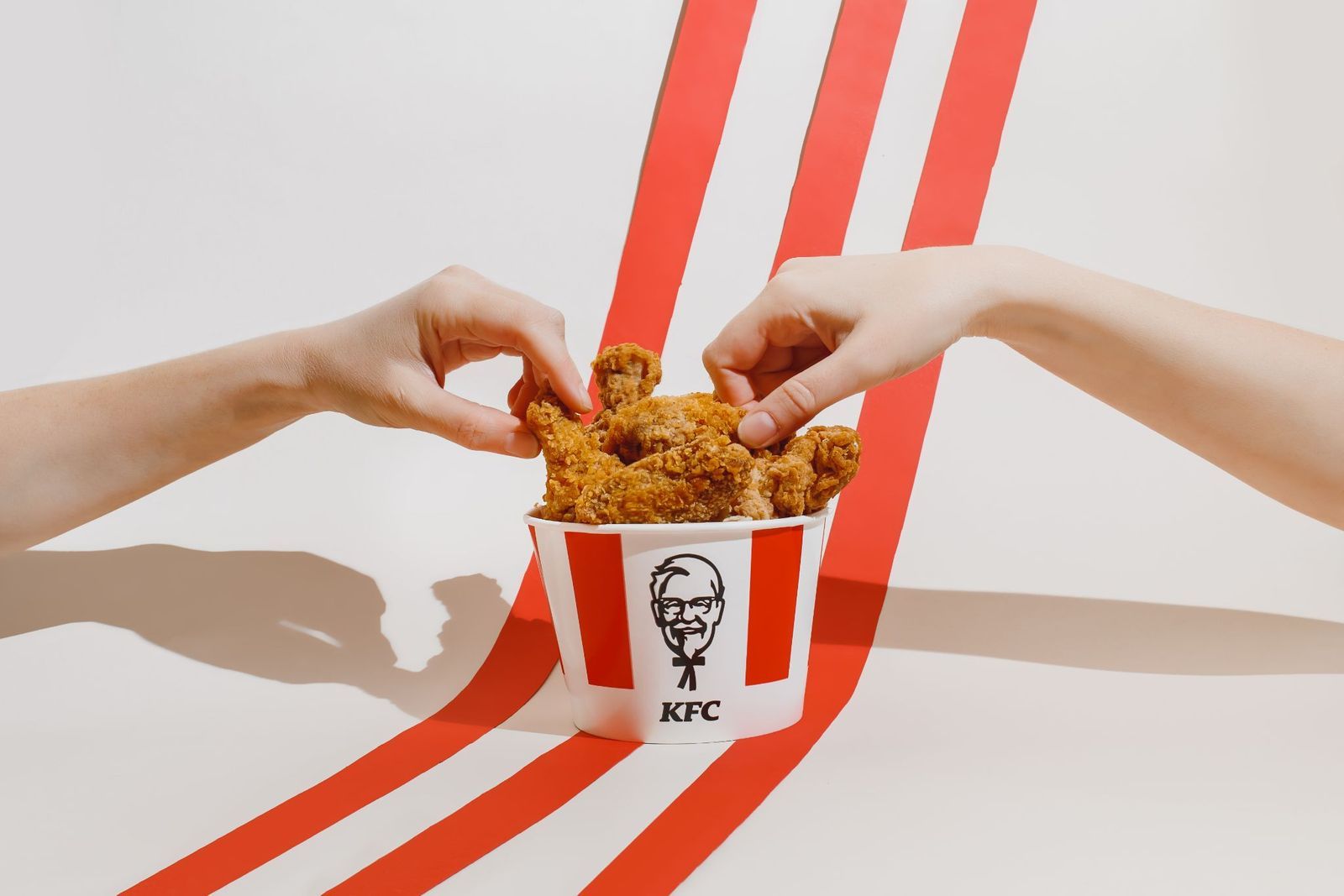
Image: Pavlovska Yevheniia

Although you may view KFC and Wendy’s as distinct competitors, the reality is that the chicken giant owes its structural identity to Dave Thomas, the founder of Wendy’s. In the 1960s, Thomas worked as a head chef and regional manager for the Colonel’s franchises.

He was a marketing whiz who personally convinced Colonel Sanders to star in his own television commercials, cementing his status as a living mascot. Furthermore, Thomas created the iconic red and white striped bucket design. He became so wealthy from his shares and success at KFC that he used his payout to establish his own burger empire, Wendy’s, in 1969.

3
The secret recipe's security
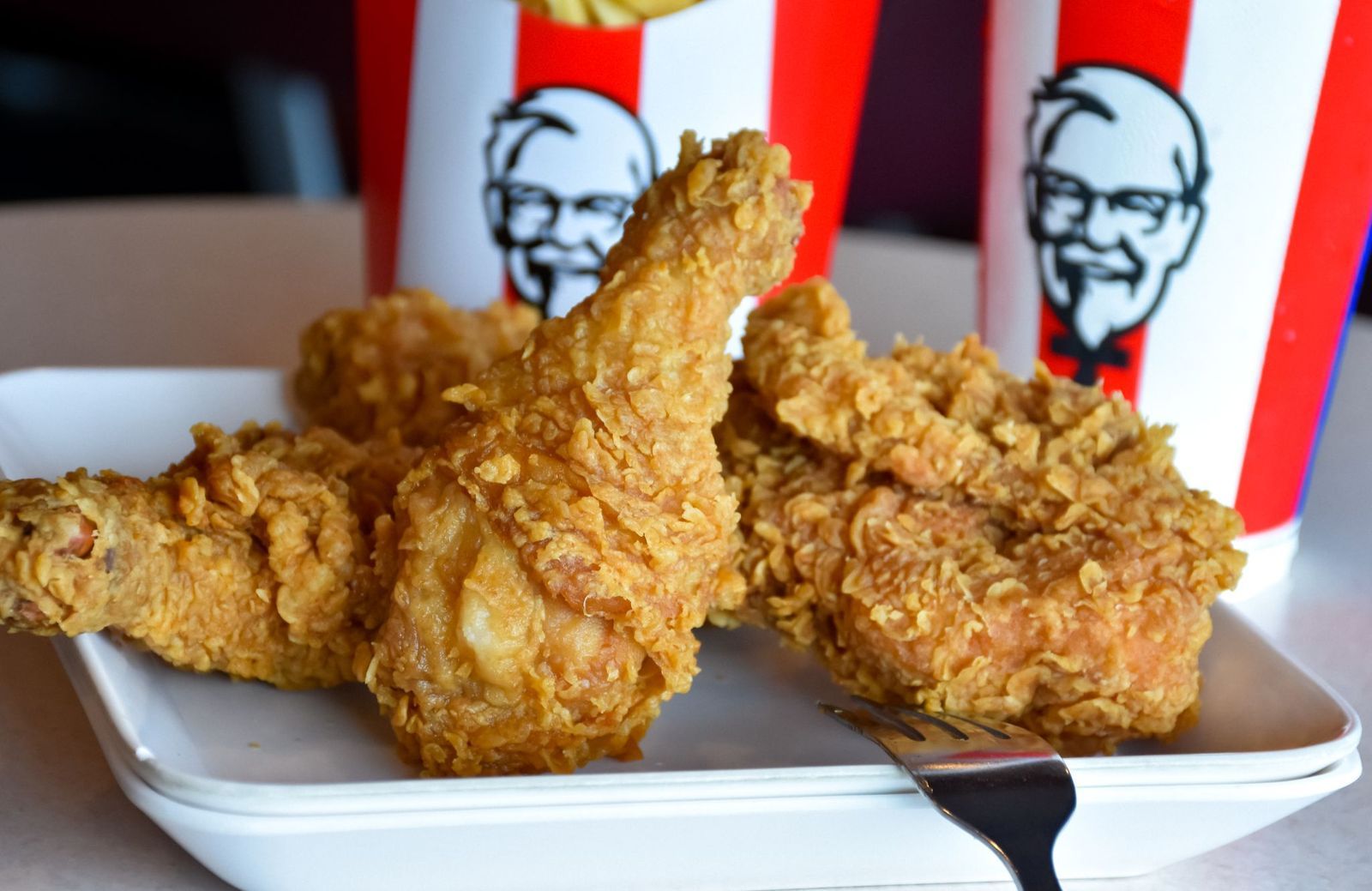
Image: Patcharaporn Puttipon4289

The legendary blend of "11 herbs and spices" is one of the most famously guarded secrets. Did you know KFC keeps the recipe locked inside a top-secret vault at the corporate headquarters in Louisville, Kentucky?

The vault, encased in thick layers of concrete, is protected by motion sensors, security cameras, and 24/7 guards. To ensure the formula is never leaked, KFC splits the production pipeline: two different companies are hired to mix separate halves of the spice blend. Neither company knows the other's ingredients, and a computer system automatically combines the two halves before the seasoning is shipped out to individual franchises.

4
KFC for Christmas in Japan
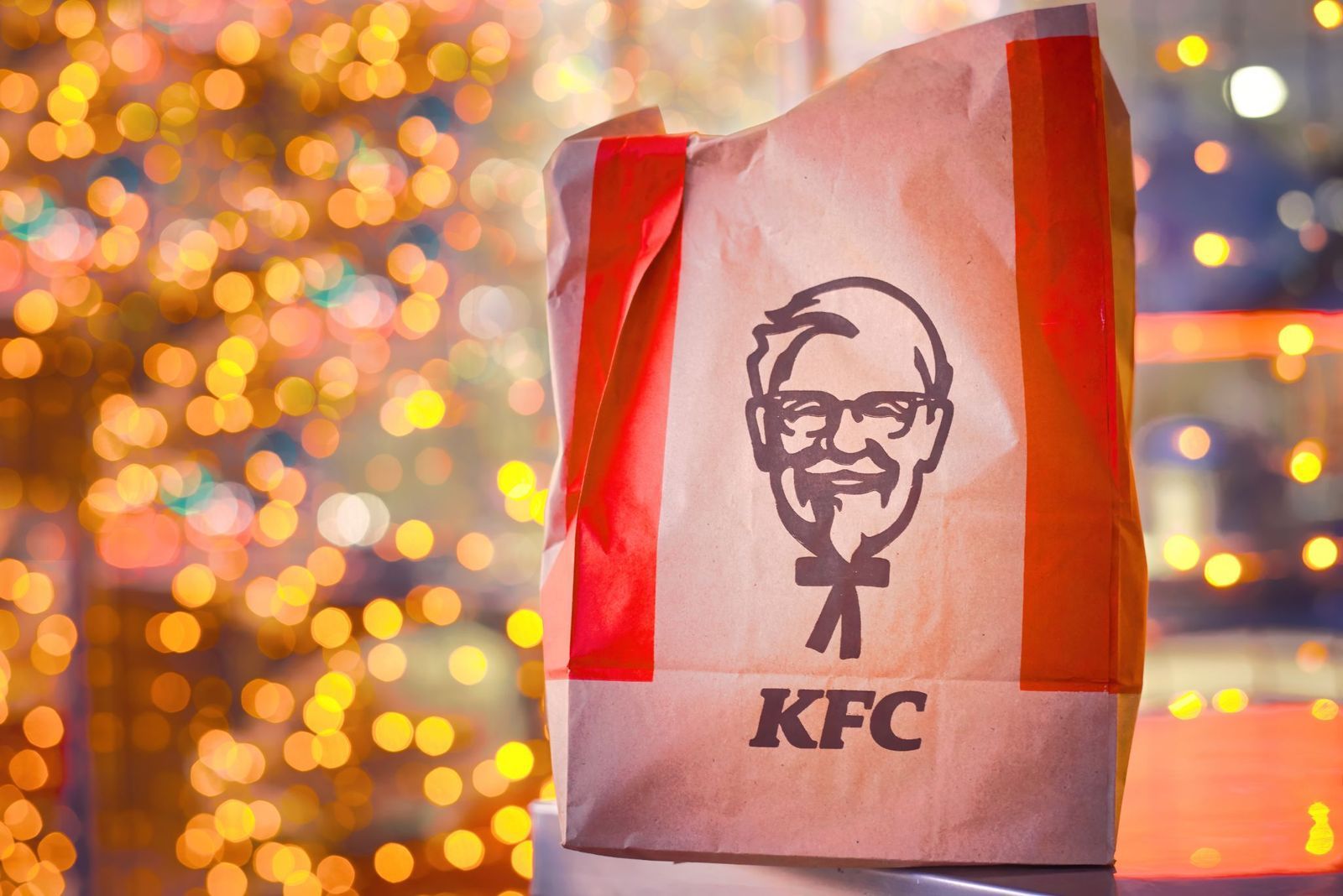
Image: Tricky_Shark

In the United States, a Christmas dinner consists of roasted turkey or ham. In Japan, however, Nativity food comes in a cardboard bucket. This wild tradition dates back to 1974, sparked by Takeshi Okawara, the manager of the country's first KFC branch.

After overhearing homesick Western expats lamenting how difficult it was to source a holiday turkey in Japan, Okawara launched the national "Kentucky for Christmas" campaign, which exploded into a cultural phenomenon. Today, an estimated 3.6 million Japanese families celebrate Christmas Eve with KFC, with patrons placing their orders months in advance to avoid long lines.

5
Colonel Sanders hated KFC
Image: WayneRay, CC BY-SA 4.0, via Wikimedia Commons

By 1964, 73-year-old Colonel Snaders felt he was no longer cut out for the pace of corporate life. He sold the Kentucky Fried Chicken company to a group of investors for $2 million, under a contract that allowed the brand to continue using his likeness.

As executives changed the original recipes to cut costs, Sanders grew to hate the food KFC was serving. He began travelling the country, showing up unannounced at franchises to taste the food, throw public tantrums, and openly tell the media that the new gravy tasted like "wallpaper paste" or "sludge". He even attempted to open a rival restaurant and sued KFC for using his image, leading the company to counter-sue him. Eventually, KFC paid him an additional million dollars just to stop making public scenes.

6
KFC Double Down
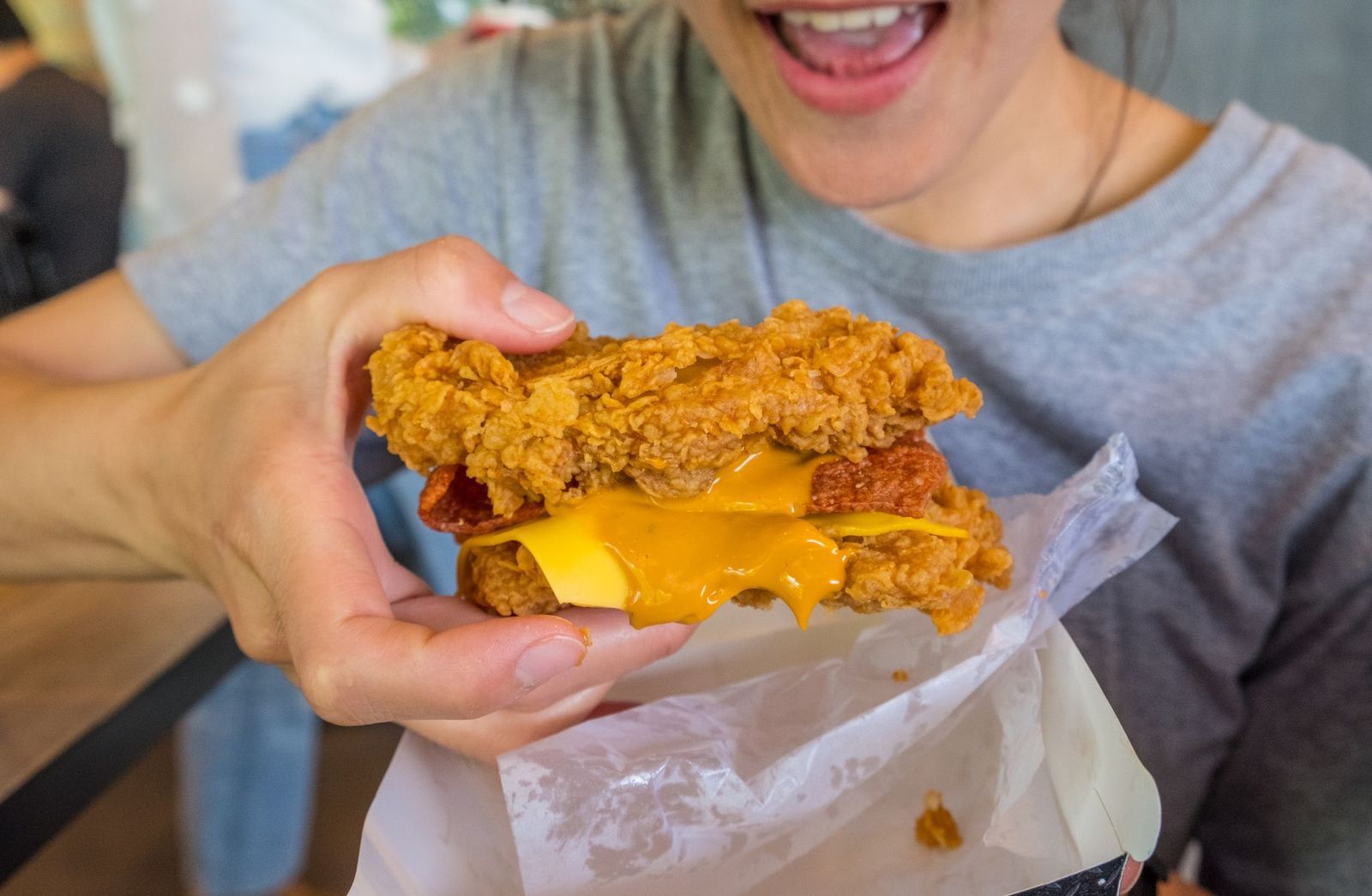
Image: Boyloso

KFC has never been afraid of pushing nutritional boundaries, but in 2010 they certainly hit another level. The Double Down features bacon, Monterey Jack cheese, and a Colonel's special sauce encased between two seasoned, crispy slabs of fried chicken breast instead of bread buns.

The item sparked a media frenzy, with health advocates calling it a dietary disaster and foodies treating it as a dare. Ultimately, it proved to be a commercial hit. As it turns out, when it comes to extreme fast food, consumers are more than willing to ignore the carbs in favor of deliciousness.

7
That time KFC ran out of chicken
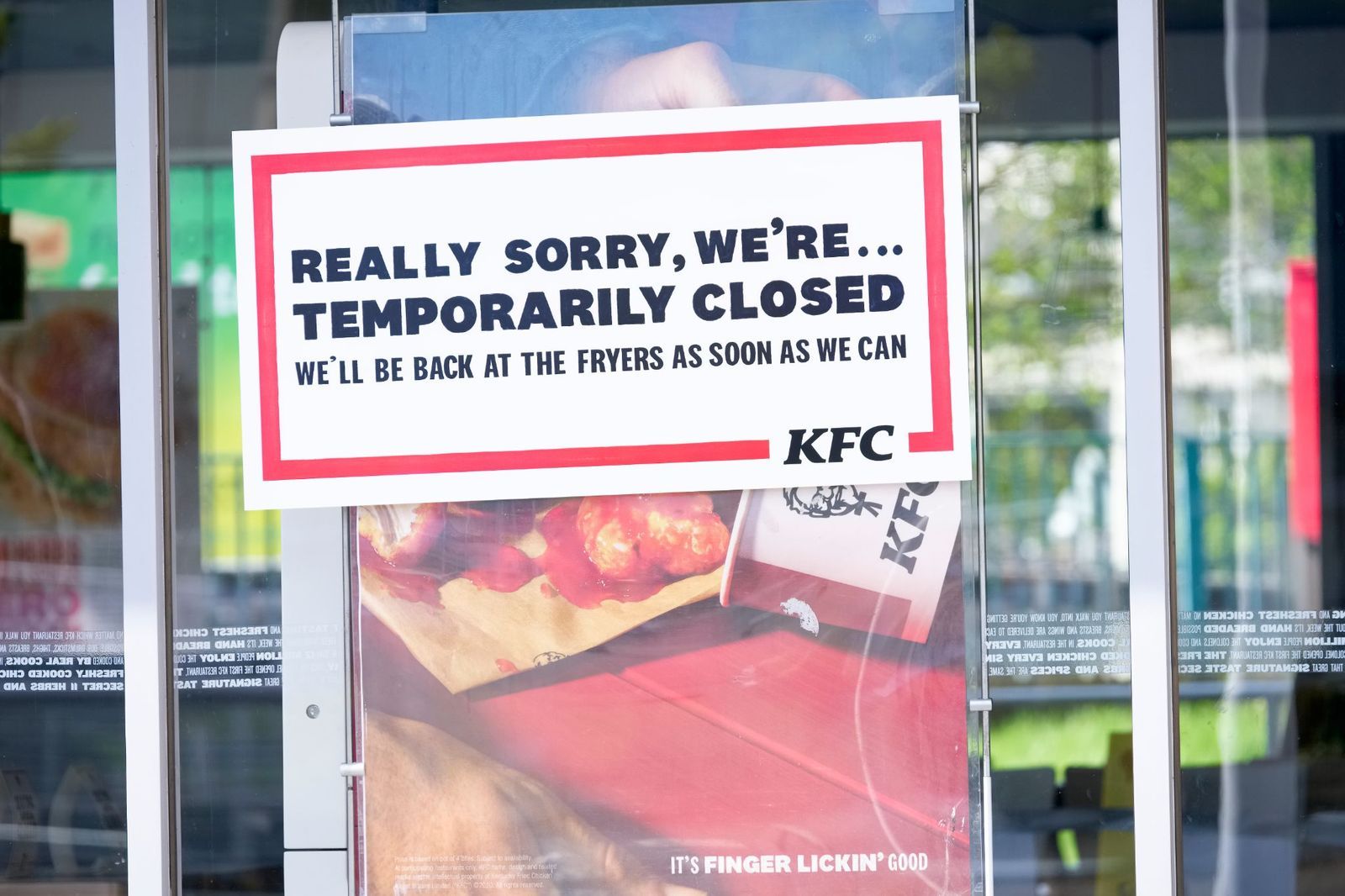
Image: richardjohnson

A fried chicken restaurant running out of its main ingredient sounds like a nightmare, but in 2018, it became real for KFC in the United Kingdom. In an effort to optimize logistics and save money, management switched its delivery contract to DHL. The transition went completely wrong, resulting in a supply chain jam that left over 900 UK locations with no chicken to fry.

Hundreds of stores were forced to shut down temporarily, sparking nationwide outrage, with desperate citizens even calling the police to complain. KFC managed to restore its reputation by leaning into self-deprecating humor, purchasing newspaper advertisements that featured an empty bucket rearranged to read "FCK".

8
The problem with the slogan in Chinese
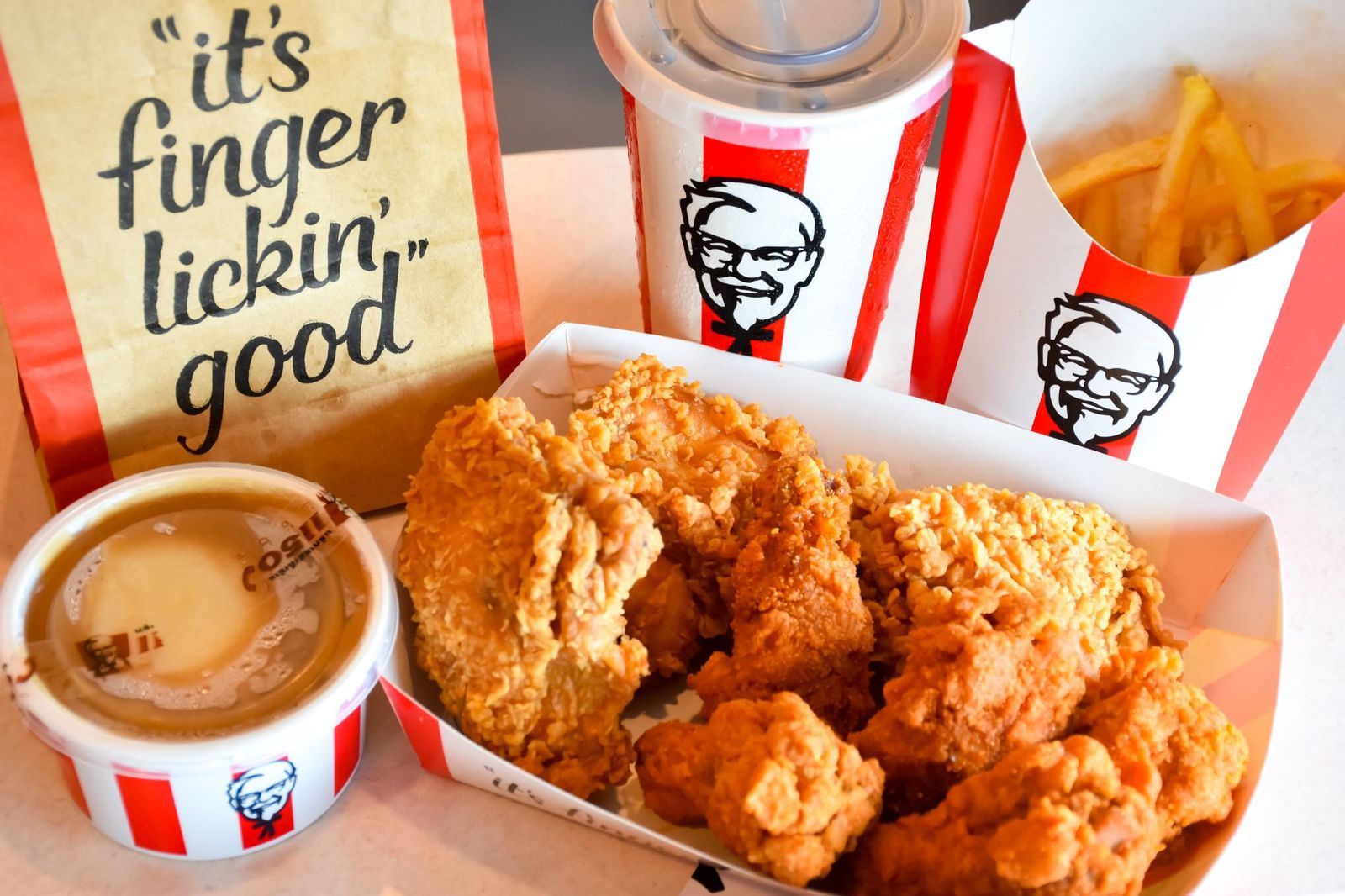
Image: Patcharaporn Puttipon4289

When international fast food brands began expanding into foreign territories in the late 1980s, errors were very common. KFC experienced this firsthand when it opened its first store in Beijing, China, in 1987. The company wanted to proudly display its world-famous catchphrase, "Finger-Lickin' Good", to tempt local diners.

Unfortunately, due to an oversight in Mandarin translation, the slogan was literally translated to "Eat Your Fingers Off". While the phrase initially startled and amused local consumers, the brand quickly corrected the translation mishap to something more culturally appropriate and appetizing.

9
KFC's video game
Image: Ratana21

Decades after the Colonel’s passing, KFC’s marketing division decided to lean into modern internet subcultures. In 2019, the brand shocked the gaming community by releasing an official, anime-style video game titled I Love You, Colonel Sanders! A Finger Lickin’ Good Dating Simulator.

Developed as a visual novel, the free game places the player in a culinary school alongside a young and handsome romanticized version of Colonel Sanders. The goal of the game is to successfully navigate cooking school battles while attempting to woo the chicken chef. Against all odds, the game became a viral sensation.

10
KFC releases its own console

Image: Pixel-Shot

Following the unexpected success of their video game, KFC’s marketing team announced the KFConsole in 2020. Many assumed it was an April Fool’s joke, but it turned out to be a genuine gaming PC.

The most bizarre feature of the console is its custom "Chicken Chamber". This specialized compartment uses the heat generated by the computer’s internal components to keep pieces of fried chicken warm and crispy while you play video games.
Culture Culture 6 min read

From real life to music

Bob Dylan wrote it to save his marriage: the real people behind 10 hits

Image: Featureflash Photo Agency

You’ve sung along to these songs, danced to them, and probably heard them hundreds of times. But do you know the real stories behind them? Some of the biggest hits ever were inspired by real people, real relationships, and real moments. There were secret romances, jealousy, heartbreak, and a few surprises that sound too strange to be true. Here are the real stories behind 10 famous songs.

1
"Jolene" by Dolly Parton

Image: Bart Sherkow

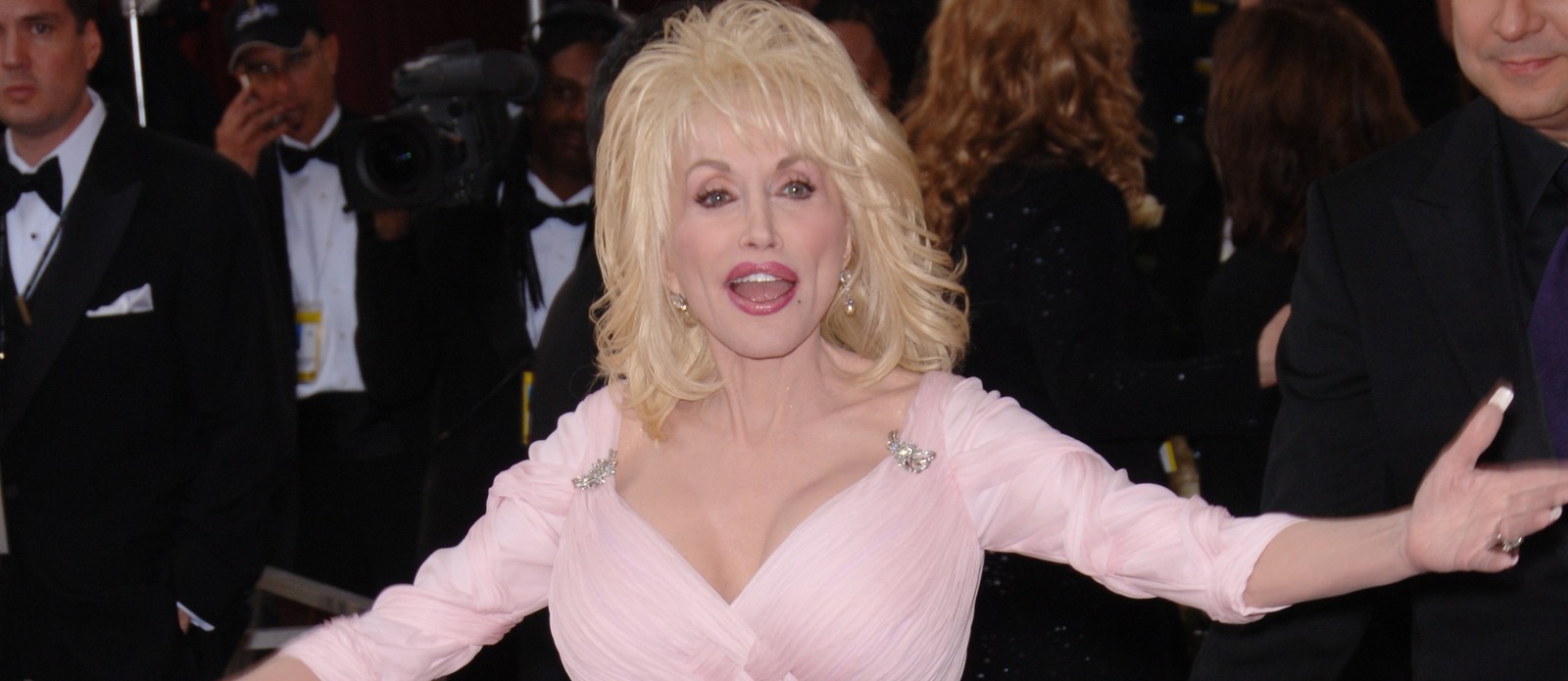
One of Dolly Parton’s most famous songs, 1973’s "Jolene," has resonated across generations because its story of jealousy feels so relatable. And it was inspired by a real experience in Dolly’s life.

As she recounted in interviews, the song was inspired by an attractive female bank teller who paid a little too much attention to her husband, Carl Dean. But while the jealousy was real, the woman wasn’t named Jolene. Dolly got that name from a young fan with beautiful red hair and green eyes who introduced herself to the singer after a concert.

2
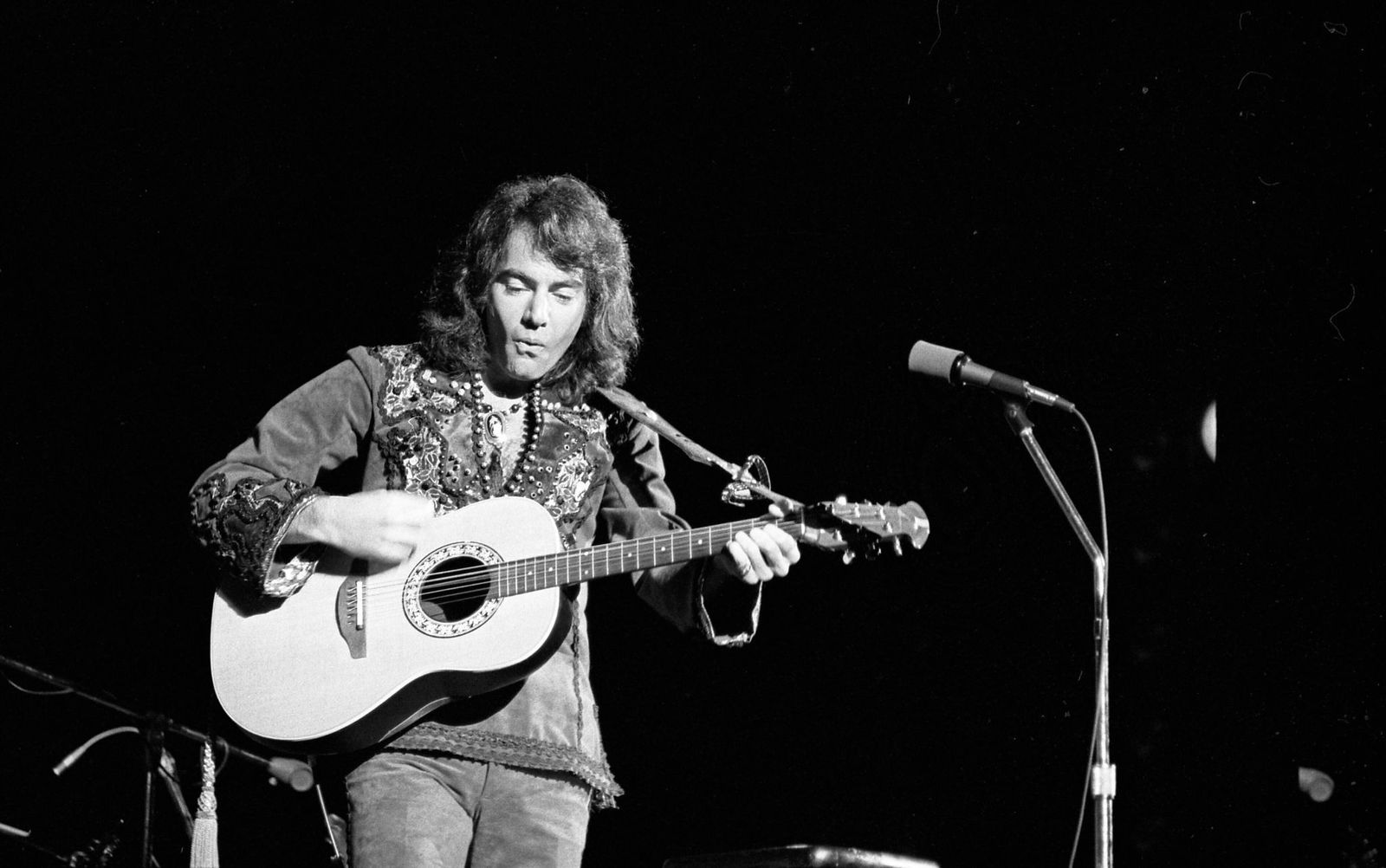
"Sweet Caroline" by Neil Diamond

Image: Larry Bessel, Los Angeles Times, CC BY 4.0, via Wikimedia Commons

Neil Diamond wrote "Sweet Caroline" in 1969, drawing on his feelings for his wife at the time, Marcia Murphey. But if it was about her, why "Caroline"?

Diamond needed a three-syllable name for the lyrics, and he remembered a photo of First Daughter Caroline Kennedy with her horse that he had seen in LIFE magazine in 1962. Diamond kept the connection to JFK’s eldest secret for nearly 40 years until 2007, when he sang the hit for Caroline at her 50th birthday and finally told her the story. She was "struck by it and really, really happy," Diamond revealed.

3
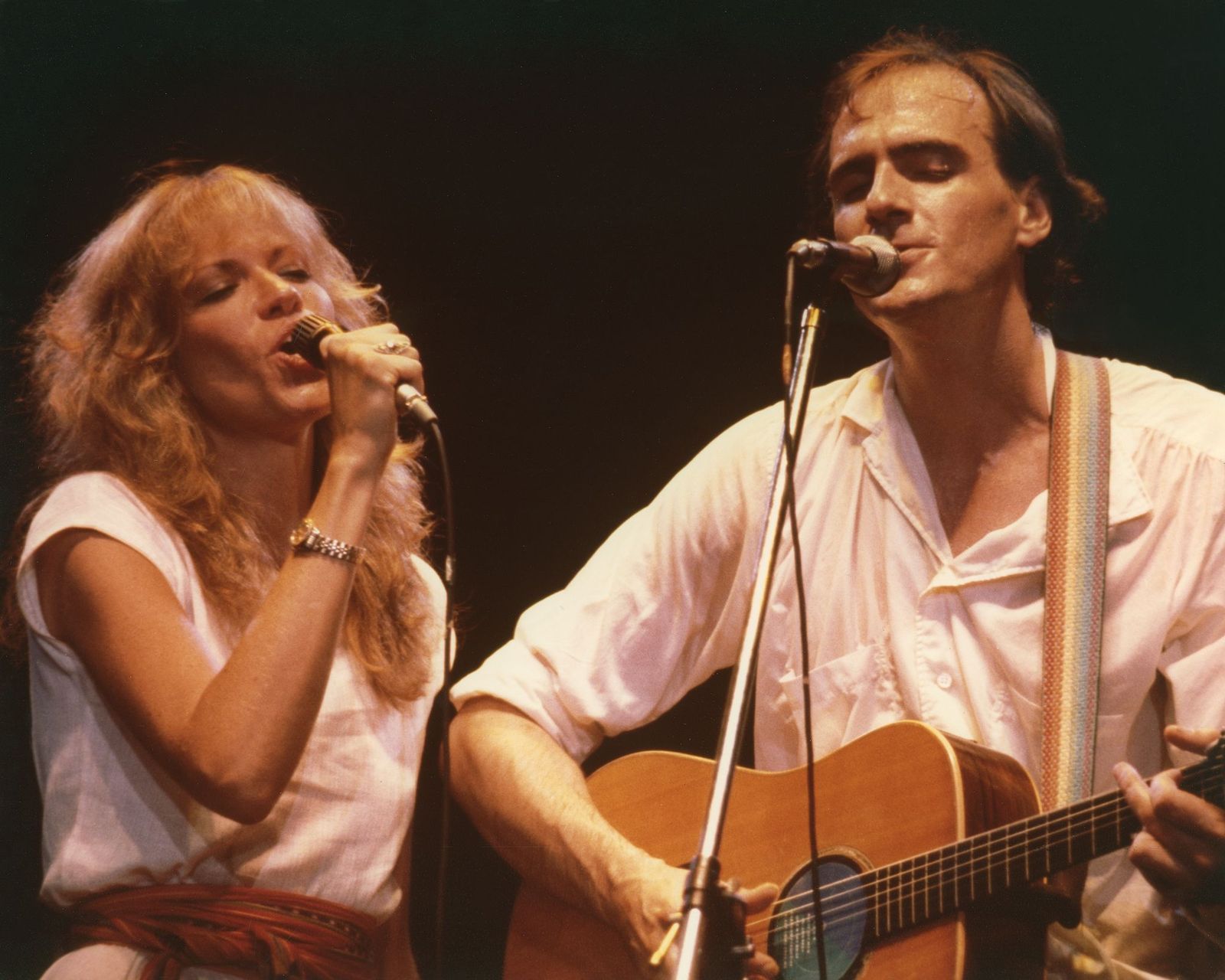
"You're So Vain" by Carly Simon

Image: Arthur D'Amario III

When a relationship ends, the inspiration can show up in unexpected ways. For Carly Simon, it became one of her biggest hits: "You’re So Vain."

As Simon herself confirmed, most of the lyrics were inspired by actor Warren Beatty, with whom she had a brief but intense relationship in the early 1970s that ended after he cheated on her. But Beatty wasn’t the only "vain" one. Although she didn’t confirm it, there’s speculation that other famous men from her past, including Mick Jagger and Jack Nicholson, also inspired parts of the song.

4
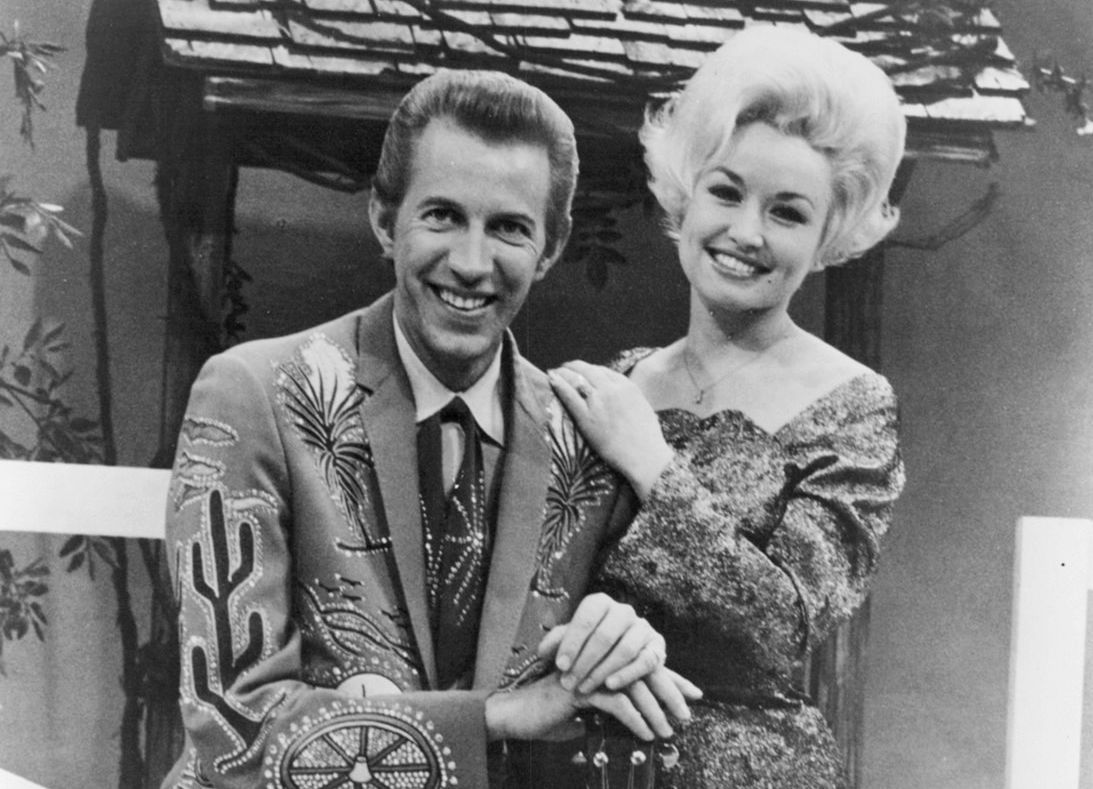
"I Will Always Love You" by Dolly Parton

Image: Moeller Talent, Inc. Nashville (management), Public domain, via Wikimedia Commons

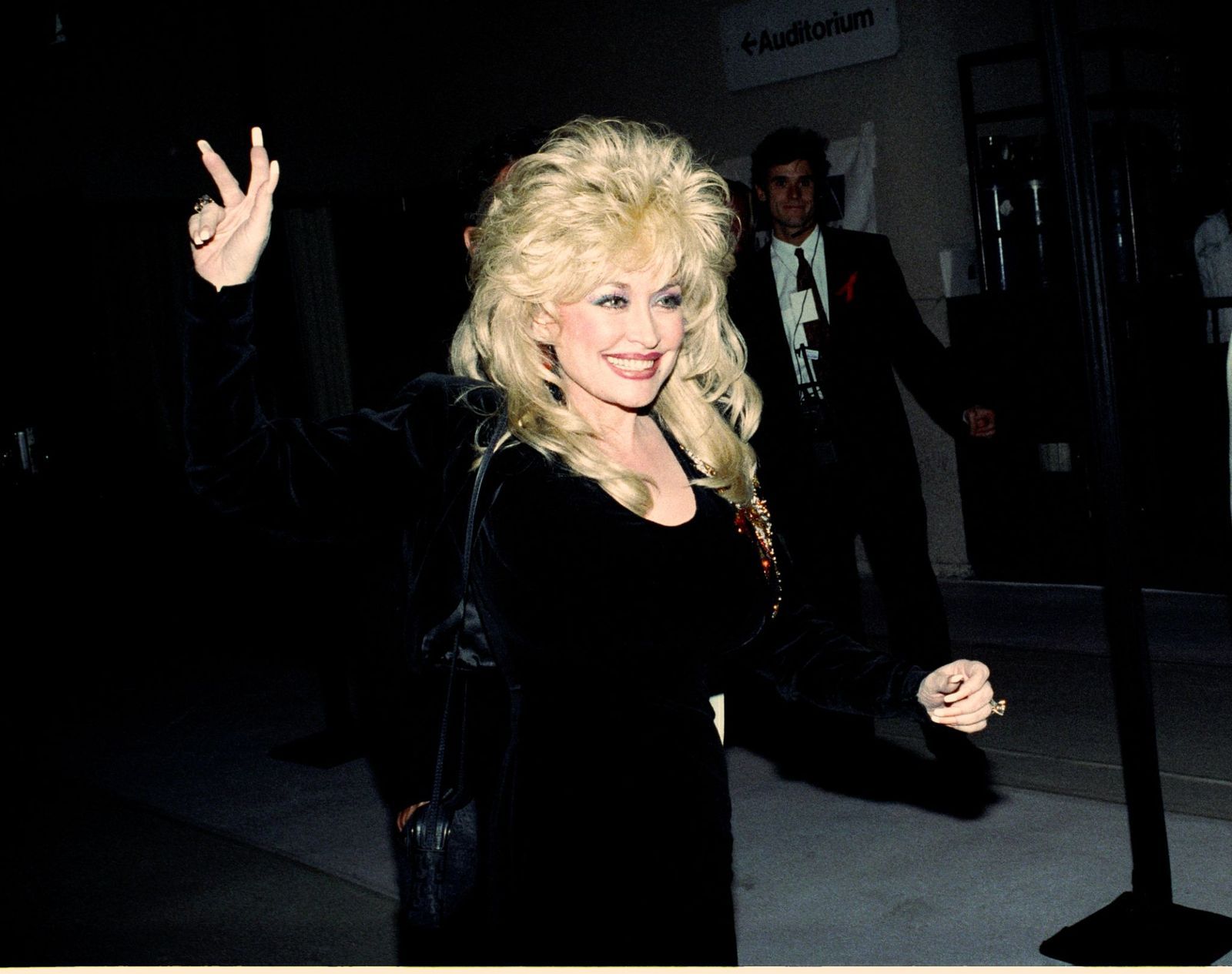
Despite what many assume, "I Will Always Love You" wasn’t written about a romantic breakup. Dolly wrote it as a professional farewell .

After more than seven years working with her mentor and longtime duet partner, Porter Wagoner, on The Porter Wagoner Show , Dolly felt it was time to pursue a solo career. But the decision wasn’t easy, and Wagoner was reluctant to let her go. When ordinary conversations weren’t working between them, Dolly did what she knew best: she put her feelings into a song. She brought her guitar to his office, sat him down, and played it for him. Wagoner was moved to tears, called it the prettiest song he had ever heard, and finally agreed to let her leave the show.

5
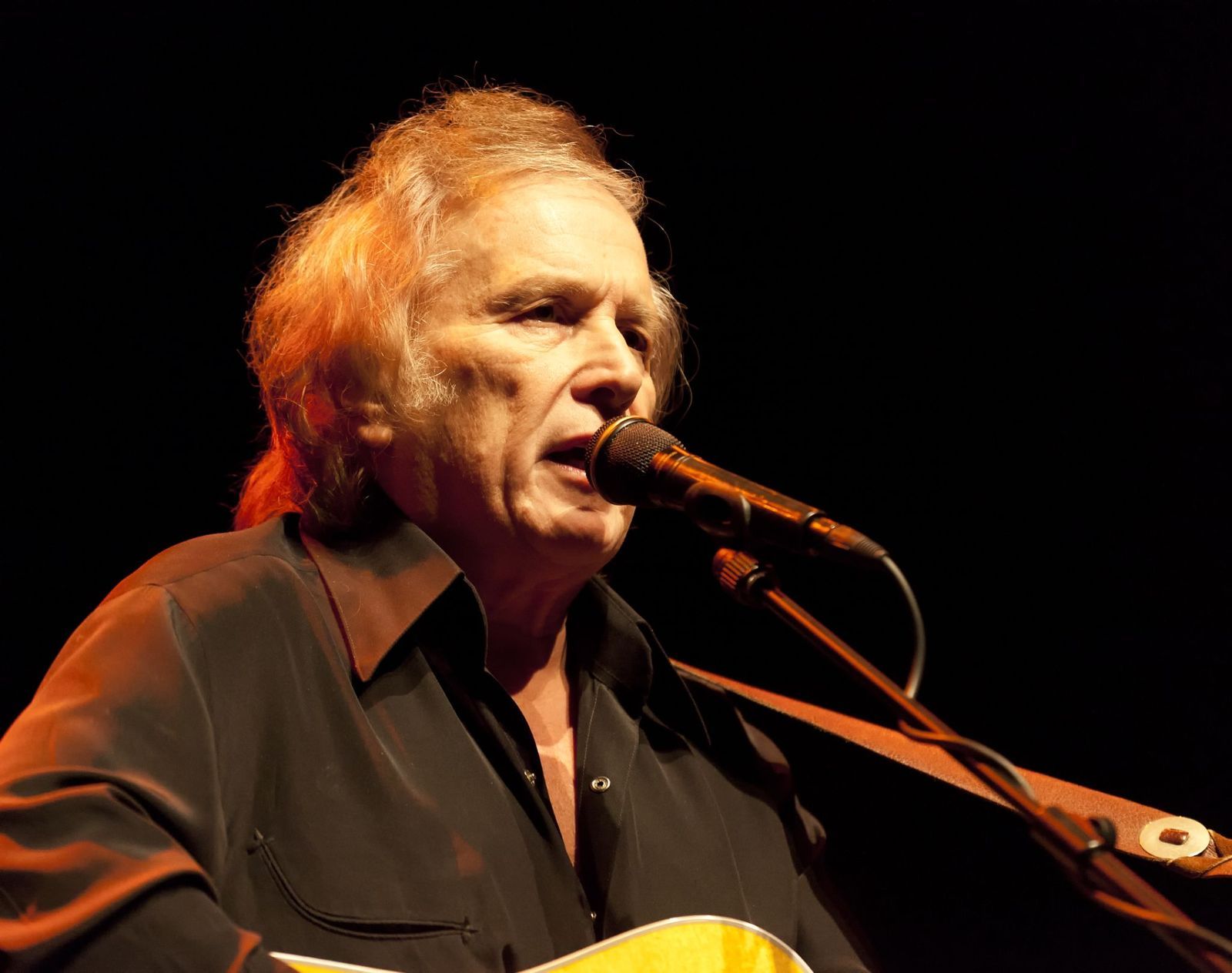
"American Pie" by Don McLean

Image: Aija Lehtonen

A song can be a farewell, a declaration of love, or a tribute born of admiration. That was the case when Don McLean wrote the beautiful yet haunting "American Pie" in 1971.

This epic folk-rock song became a memorial to "the day the music died," the tragic plane crash on February 3, 1959, that took the lives of rockers Buddy Holly, Ritchie Valens, and J.P. Richardson . McLean was just 13 at the time, but he later said the tragedy had a profound impact on him. The song didn’t come together all at once, either; he wrote it in stages over several years.

6
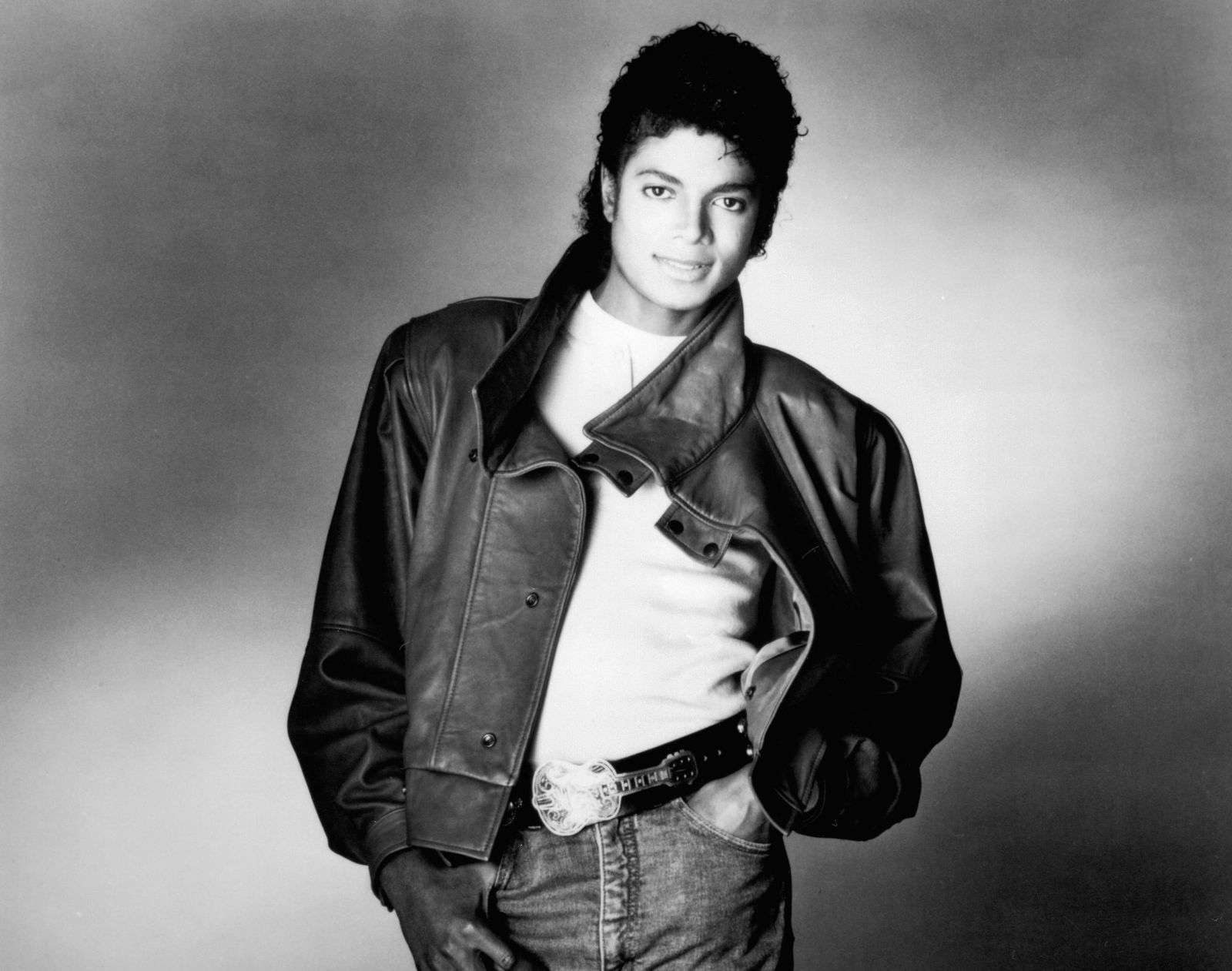
"Billie Jean" by Michael Jackson

Image: Matthew Rolston; Distributed by Epic Records, Public domain, via Wikimedia Commons

In his 1988 autobiography Moonwalk , Jackson explained that his classic "Billie Jean" was inspired partly by experiences involving women who approached his older brothers while the Jackson 5 were touring.

However, the event that really shaped the song happened in 1981, when Jackson received thousands of messages from a woman who claimed he was the father of her children. The unsettling situation stayed with him and eventually became part of the inspiration for one of his biggest hits.

7
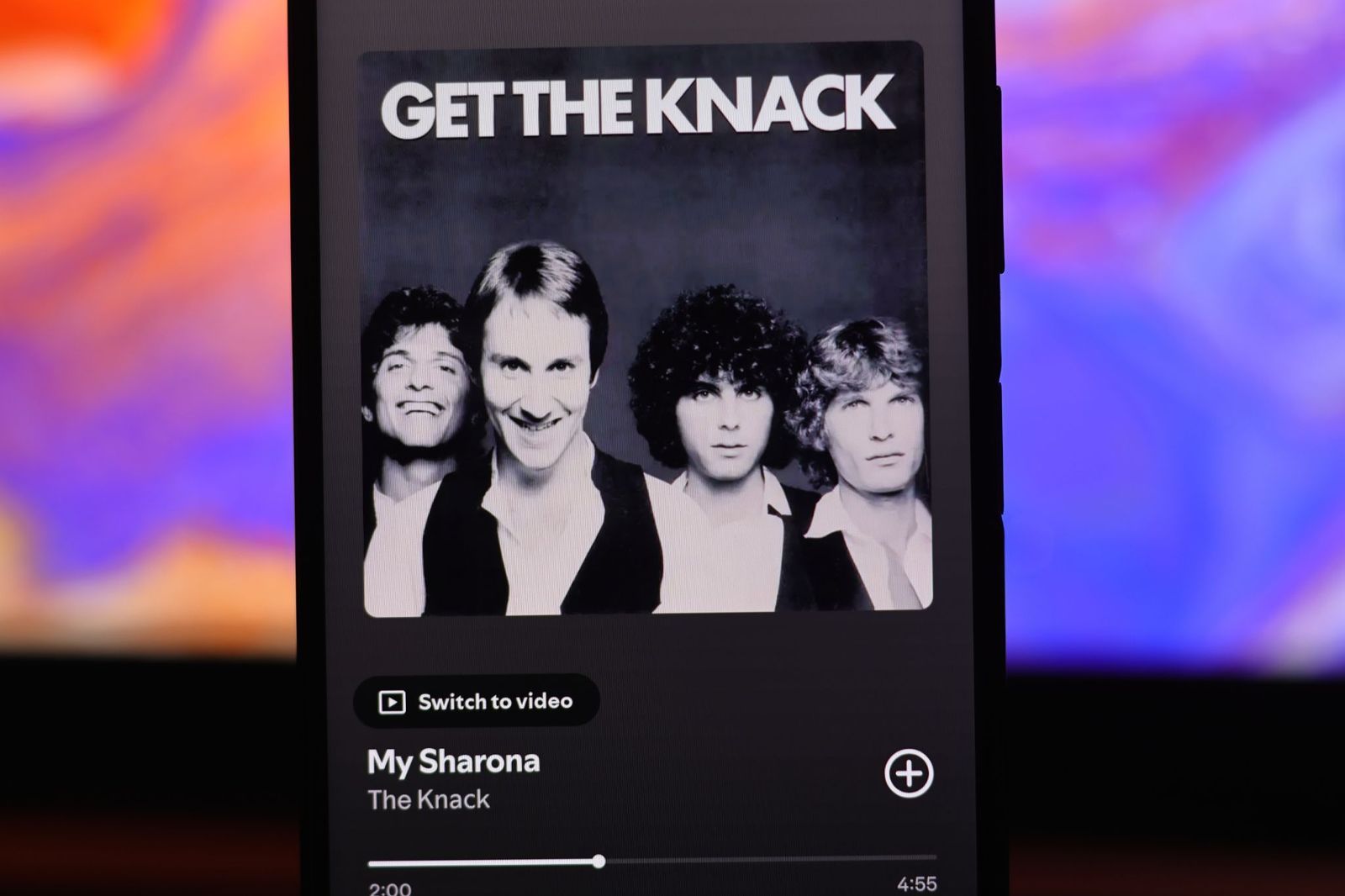
"My Sharona" by The Knack

Image: McSleepy

Have you ever wondered who "Sharona" was in The Knack’s famous hit? The answer comes from a real story involving the band’s lead singer, Doug Fieger.

In 1978, Fieger met Sharona Alperin, a clothing store clerk in Los Angeles. He was instantly attracted to her, and after breaking up with his then-girlfriend, he spent several months trying to win Sharona over before she finally agreed to a date. Their romance lasted from 1979 to 1982, and inspired one of the most danceable hits of the 20th century. Even after they broke up, Sharona and Doug remained close friends until he passed in 2010.

8
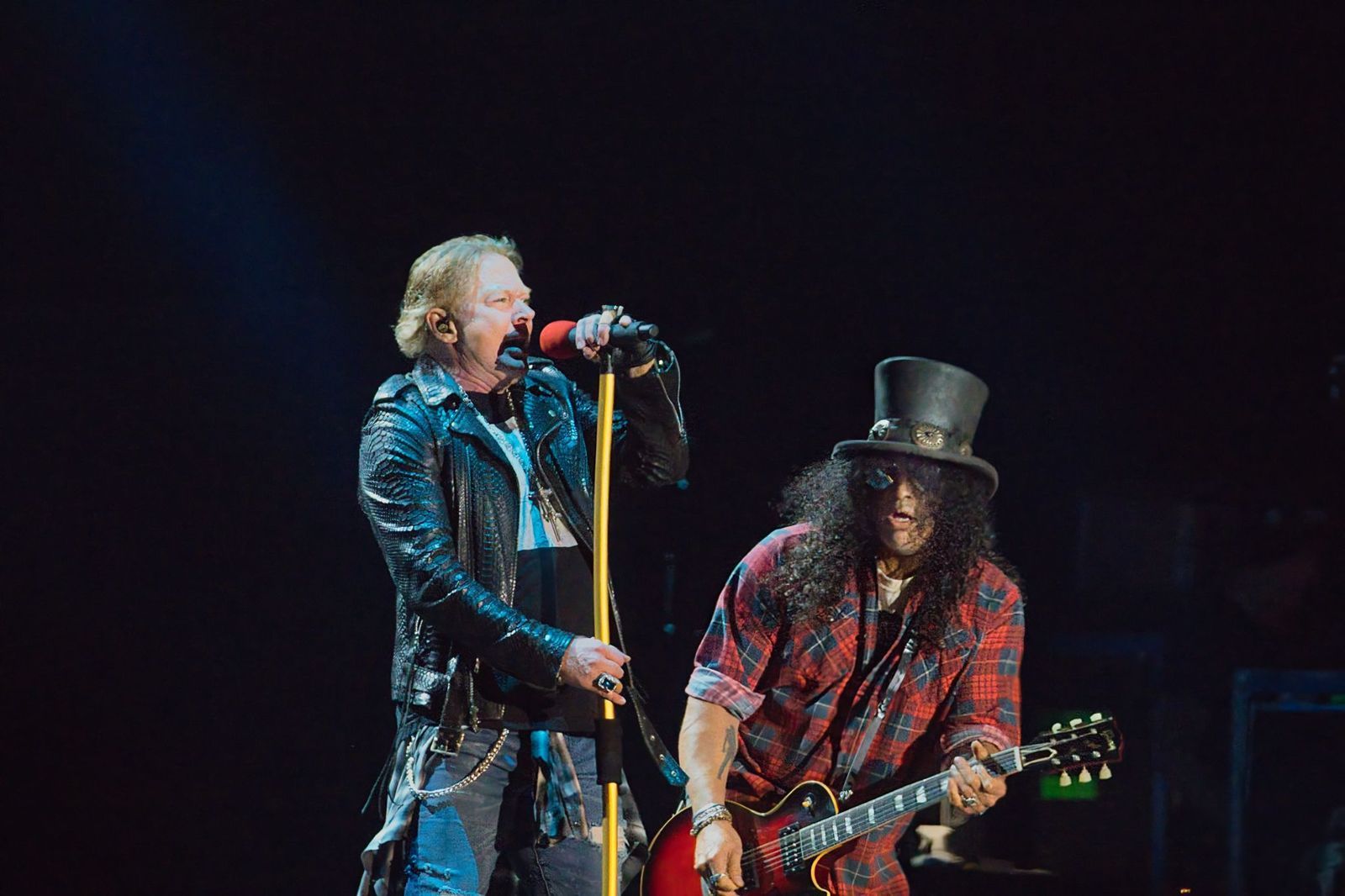
"Sweet Child O' Mine" by Guns N' Roses

Image: L Paul Mann

In 1986, Axl Rose was dating model Erin Everly, daughter of Don Everly of The Everly Brothers. He was so in love that he wrote her a love poem in just a few hours, without knowing it would eventually become one of his most famous songs.

That same year, at the band’s shared house, guitarist Slash was playing around with some chords when he came up with an interesting riff. Izzy Stradlin joined in, and when Rose heard the melody from upstairs, he brought down the poem he had written for Everly and adapted the lyrics to fit the music, resulting in the iconic "Sweet Child o’ Mine." Rose and Everly eventually married in 1990, but the marriage ended soon afterward.

9
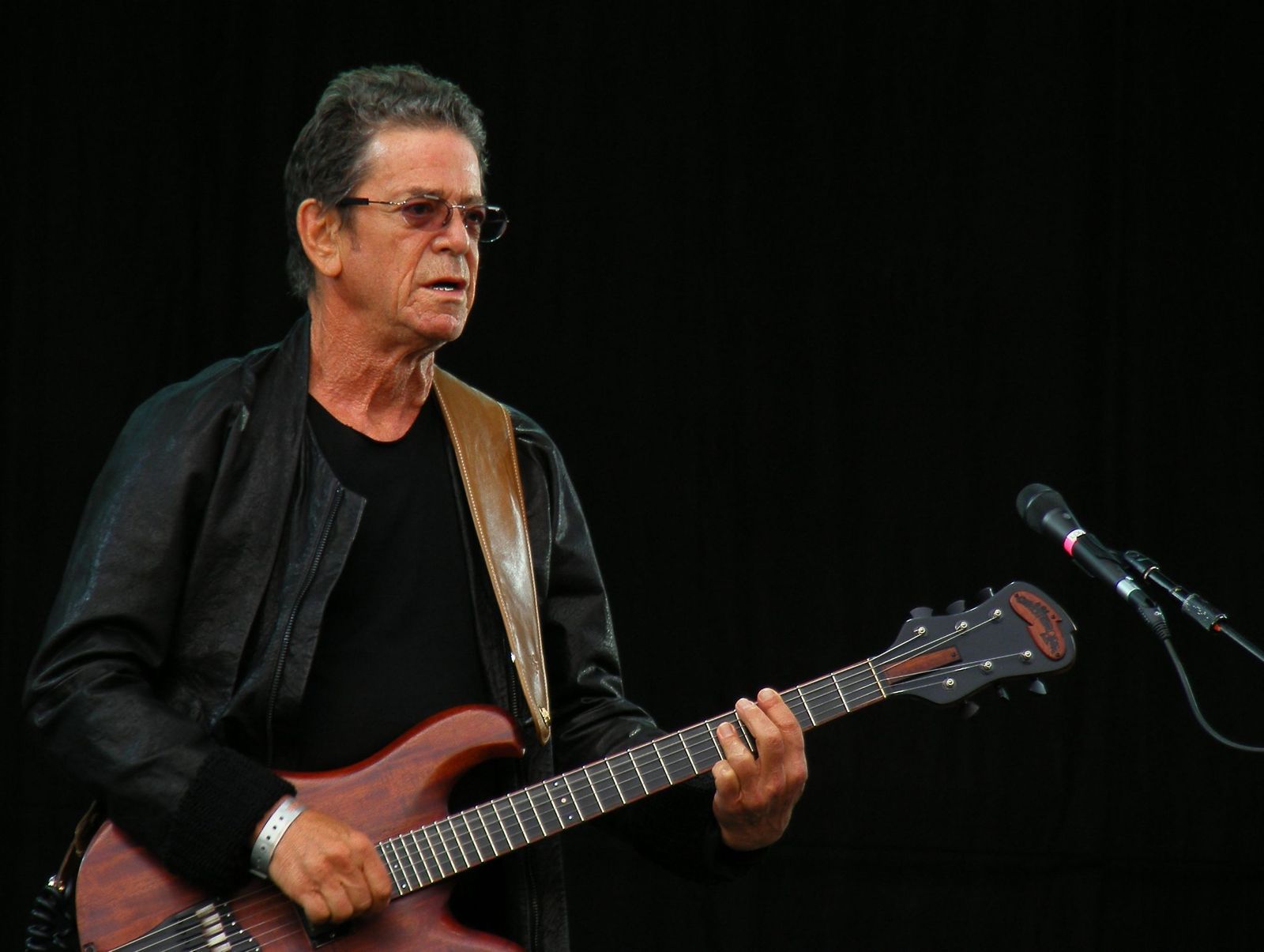
"Walk On the Wild Side" by Lou Reed

Image: Man Alive!, CC BY 2.0, via Wikimedia Commons

Music crossed paths with other forms of art when Lou Reed wrote his 1972 classic "Walk on the Wild Side".

The song is essentially a series of portraits of real people from Andy Warhol’s circle at The Factory, his famous New York City studio and collective. In the song, "Holly" is a reference to Holly Woodlawn, a transgender actress who appeared in Warhol’s underground films such as Trash (1970). "Candy" was Candy Darling, another prominent actress who starred in Flesh (1968) and Women in Revolt (1971). "Little Joe" referred to Joe Dallesandro, the actor and model who became one of Warhol’s male muses. Other figures from the era’s counterculture are also in the song, bringing a very specific art scene of 1970s New York to a much wider audience.

10
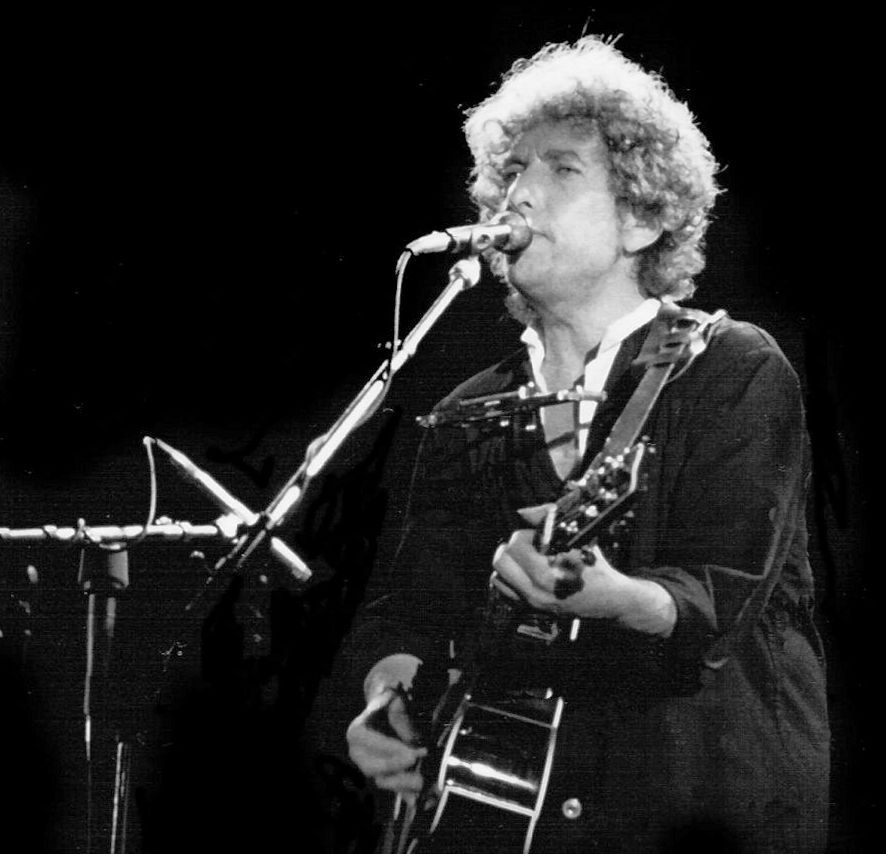
"Sara" by Bob Dylan

Image: Stoned59, CC BY 2.0, via Wikimedia Commons

In 1975, Bob Dylan was in the middle of a creative rush, writing and recording his album Desire . But while his career was going well, his marriage to Sara Lownds was falling apart. So he decided to write a love song for his wife.

"Sara," a heartfelt and personal song, was recorded in 1975 with Sara in the studio, and it became the raw, emotional closing track on the album. It helped spark a brief reconciliation, and Sara even joined Dylan on his subsequent Rolling Thunder Revue tour. However, the marriage ultimately ended in divorce in 1977.

Geography Geography 4 min read

Discovering America

What's the easternmost point of the US? If you say Maine, think again!

Image: Jon Sailer

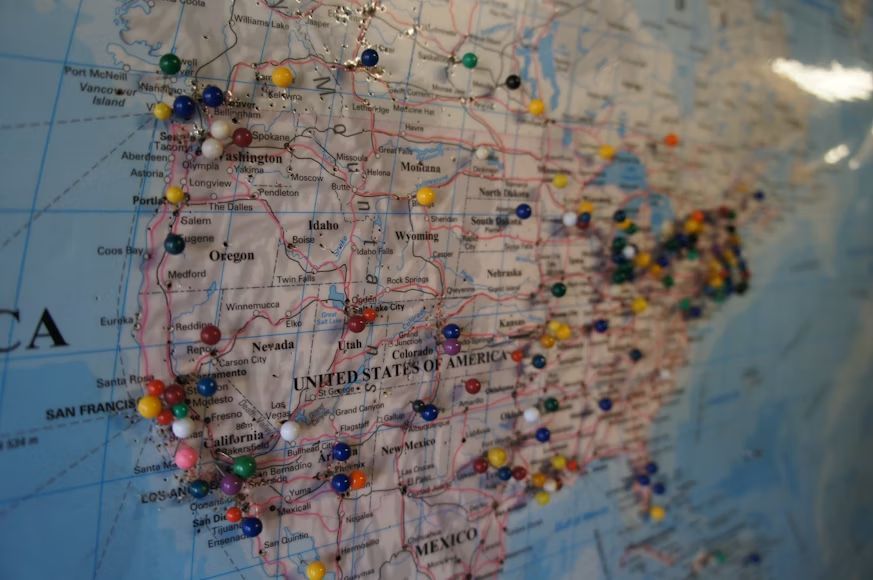
We’ve all picked up "facts" about the fifty states somewhere along the way, but not all of them hold up. Some are half-truths passed around for generations , others are just plain wrong. So, in an attempt to set the record straight once and for all, we’ve gathered some fun truths that clear up the biggest mix-ups about our states.

1
Arizona skips Daylight Saving Time

Image: Christoph von Gellhorn

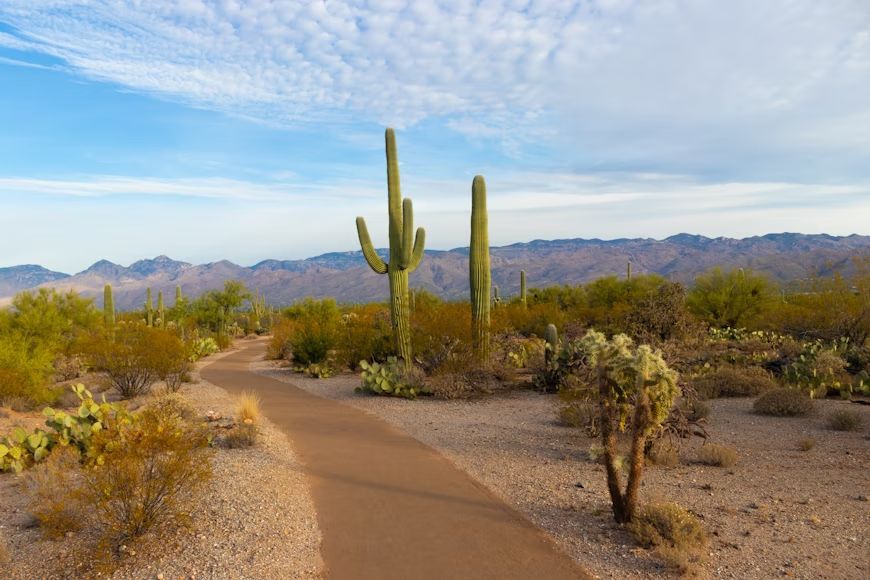
This is partly true because most of the state doesn’t bother with Daylight Saving Time . They stopped changing the clocks back in 1967. The exception is the Navajo Nation, which stretches into Utah and New Mexico and keeps DST so all its communities stay on the same schedule. Now, as for the smaller Hopi reservation, inside the Navajo Nation, it sticks with Arizona time… Yes, quite confusing if you’re not a local.

2
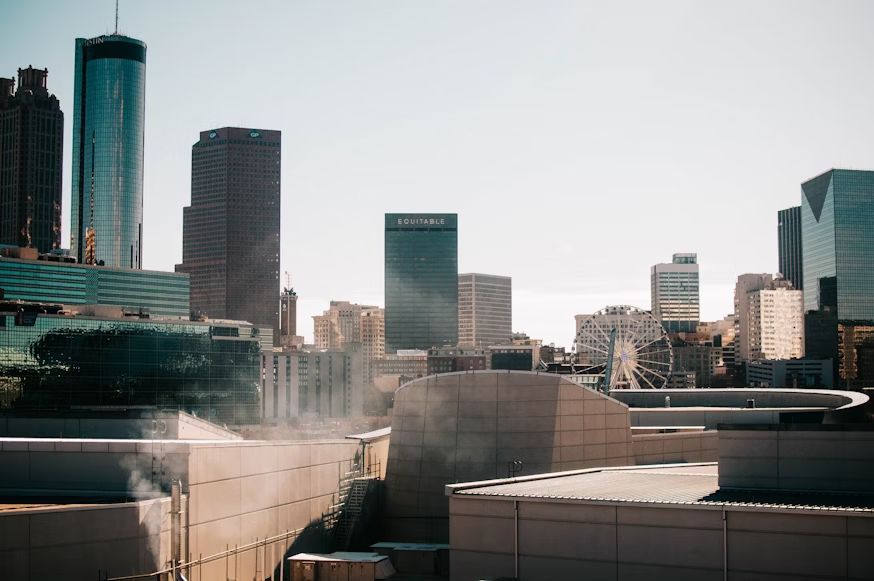
Georgia isn’t really the Peach State

Image: Jessica Furtney

Georgia loves its peaches, sure, but the state’s top fruit money-maker is actually blueberries . In recent years, blueberries have brought in several times more cash for farmers than peaches. Meanwhile, California grows far more peaches than Georgia ever has. The nickname stuck from the old days when Georgia peaches were famous for their flavor, not their volume. So while the pride is real, the peaches aren’t quite the powerhouse people may think.

3
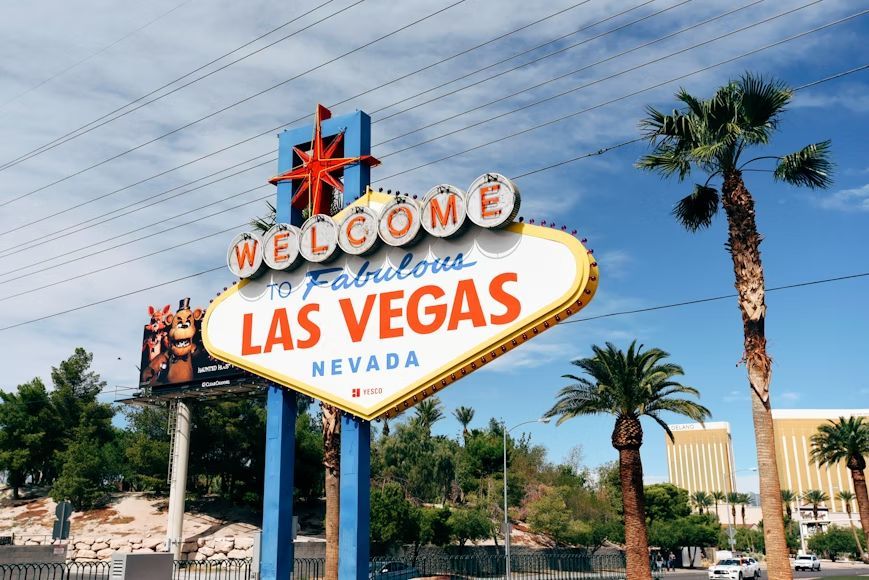
Nevada didn’t record the hottest US temperature

Image: tommao wang

You probably think of Nevada’s desert heat as unmatched, but the all-time record belongs to California’s Death Valley . In July 1913, it hit a mind-melting 134 degrees Fahrenheit, the hottest temperature not only in America but the hottest ever recorded on Earth!

4
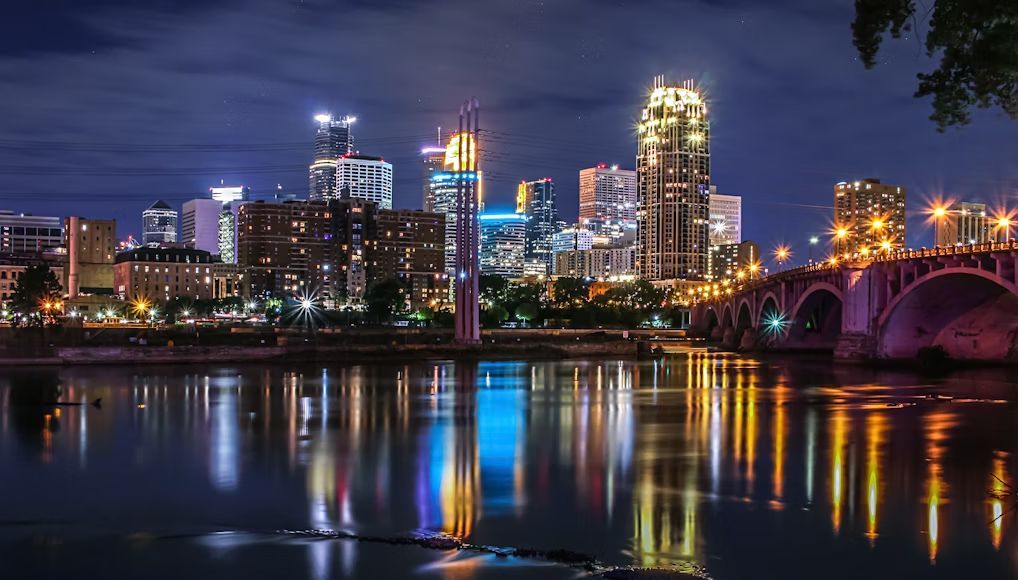
Minnesota doesn’t have the most lakes

Image: Tom Conway

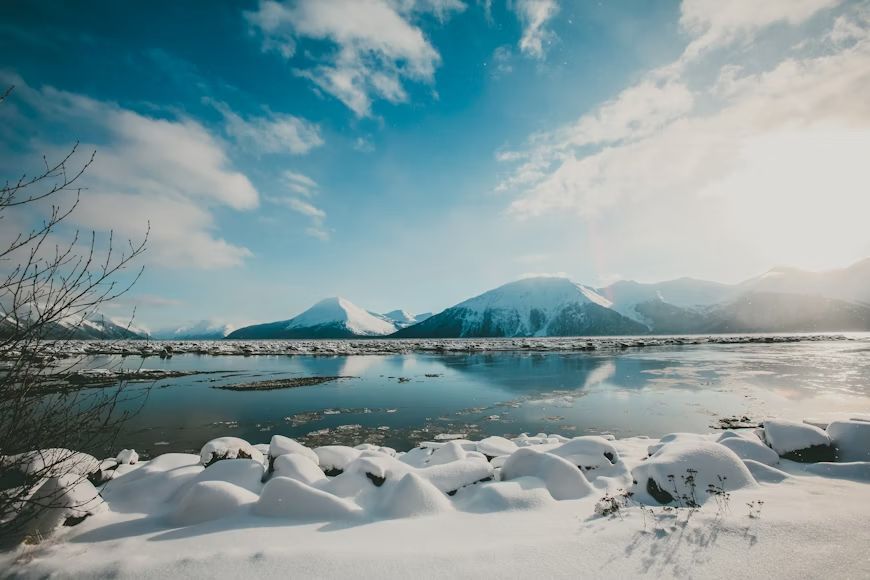
Minnesota proudly calls itself the "Land of 10,000 Lakes," but that’s selling itself short… The real number is closer to 12,000. However, Alaska wins this battle . The state has more than 3 million lakes over five acres in size. In fact, Alaska contains over 40 percent of the nation’s surface water. If you love fishing, kayaking, or just staring at a quiet stretch of water, the true lake capital of America is far up north.

5
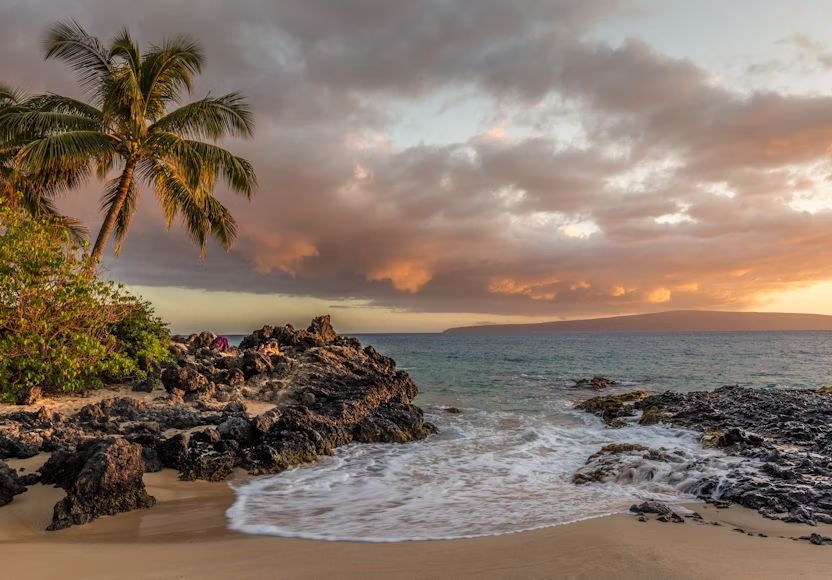
Pineapples aren’t native to Hawaii

Image: Christian Joudrey

Pineapples are everywhere in Hawaiian imagery, but the plant actually comes from South America , mainly Paraguay and southern Brazil. Spanish explorers likely brought them to Hawaii in the 1500s after spreading them across the Pacific to places like the Philippines and Guam. Hawaii’s climate turned out to be perfect for growing them and by the 1900s, the islands were producing so many pineapples that the fruit became a symbol of Hawaii itself.

6
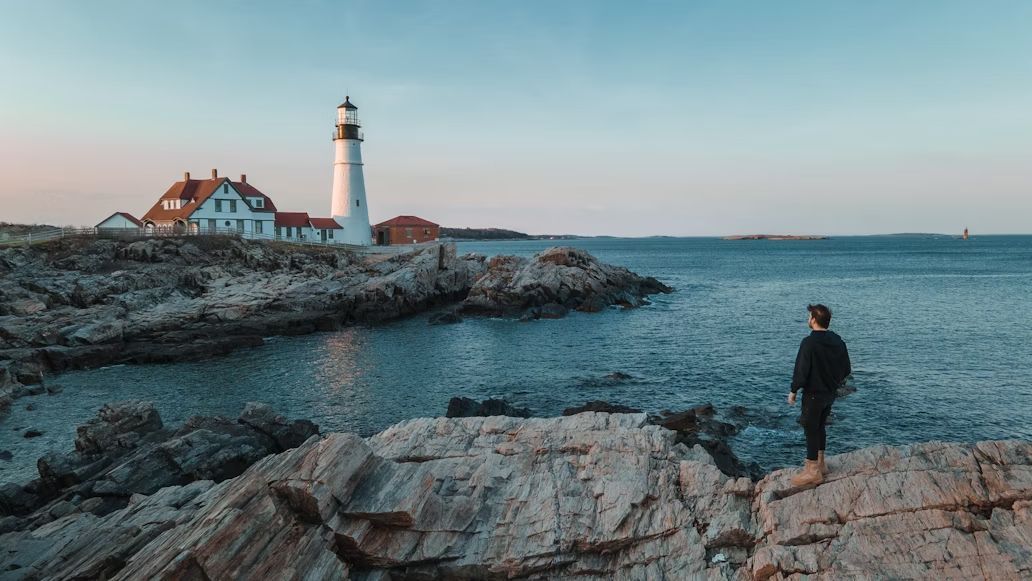
Maine isn’t the country’s easternmost point

Image: Chris Henry

If you’re a Geography geek, you’ll love this one. You might picture Maine’s rocky coast as the eastern tip of America, but the actual easternmost point is thousands of miles away, on Alaska’s Semisopochnoi Island in the Aleutians. How is that possible? Well, that’s because it crosses the 180th meridian, putting it in the Eastern Hemisphere. That means part of Alaska technically sits farther east than anywhere in Maine.

7
The biggest US earthquake didn’t happen in California

Image: Lala Miklós

California has suffered some big earthquakes in its history, but the most powerful earthquake in America struck Alaska in 1964 . It hit Prince William Sound with a magnitude of 9.2. It was so strong it shook the ground for four and a half minutes and triggered massive tsunamis. In today’s dollars, the damage would total more than $2 billion. Alaska sits on a collision zone of tectonic plates, making it one of the world’s most seismically active regions.

8
The Everglades isn’t America’s biggest swamp

Image: Joshua J. Cotten

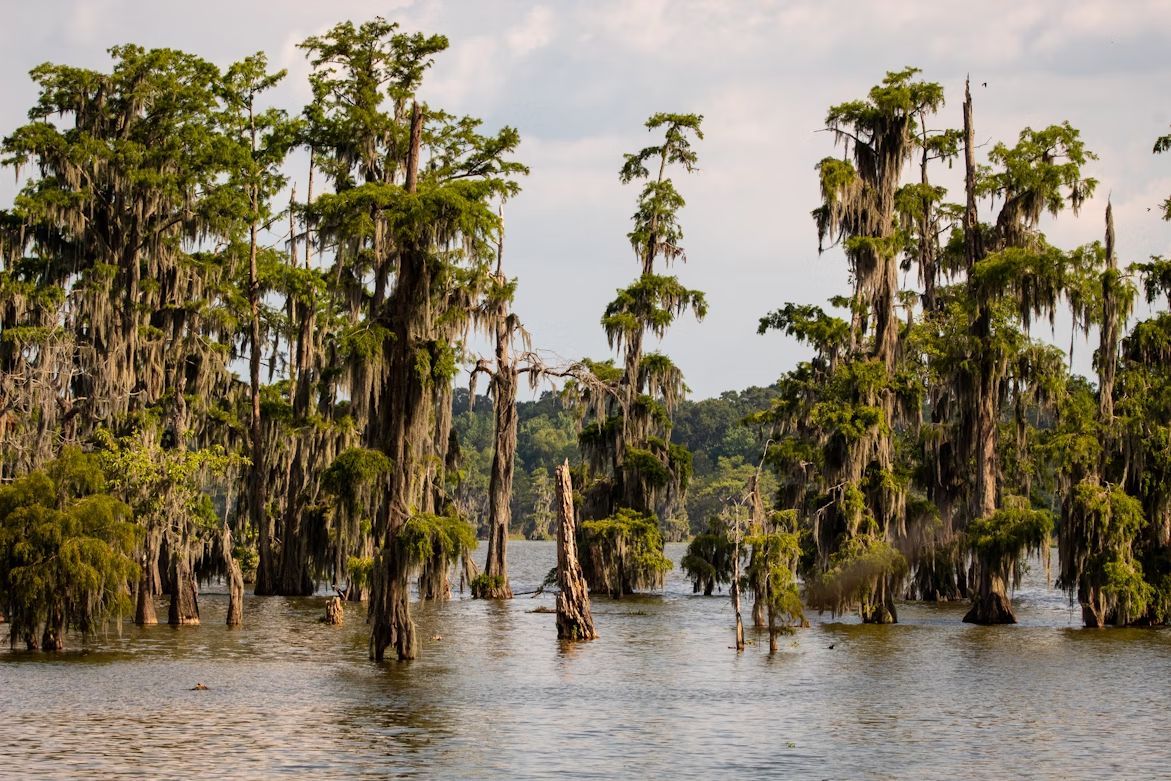
A lot of people picture the Florida Everglades when they think of swamps, but technically, the Everglades isn’t a swamp at all. The real title of the largest swamp in the United States goes to Louisiana’s Atchafalaya Basin , which spans about 1.4 million acres. This swamp has a vast mix of cypress forests, bayous, and marshes, and it’s more than twice as productive as the Everglades when it comes to wildlife and plant life.

9
Big cities aren’t always capitals

Image: Mackenzie Cruz

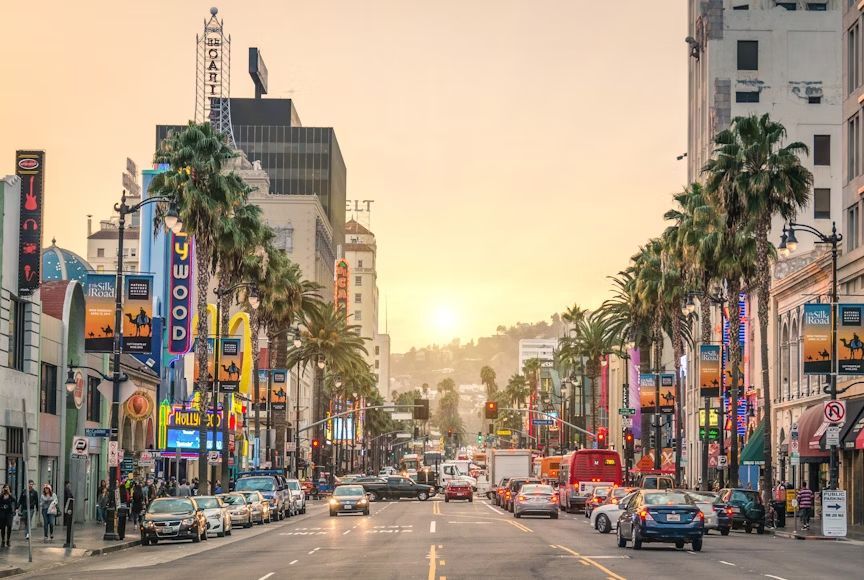
It surprises people how often the biggest city isn’t the state capital . New York City? Not the capital… Albany is. Chicago? Nope, that honor goes to Springfield. Pennsylvania’s capital isn’t Philly or Pittsburgh, it’s Harrisburg. Even California’s capital isn’t L.A. or San Francisco, it’s actually Sacramento. Out of fifty states, only seventeen have their most populous city as the capital.

10
Alaska isn’t divided into counties

Image: Rod Long

Alaska likes to do things its own way. Instead of counties, it’s split into boroughs , and a massive area known as the Unorganized Borough has no local government at all. People out there don’t pay property taxes, but that freedom comes with challenges, limited services, fewer job options, and tough living conditions.

Explore more American facts

Choose your favorite category!

General
General

As American as apple pie—the very best America has to offer!

Culture
Culture

Delve into the astounding richness of American lore.

Geography
Geography

Hop in and explore vast and diverse American landscapes.

History
History

Discover the key moments that shaped the United States.