History History 5 min read

Origin stories

This U.S. state shares a name with a mythical island rich in gold
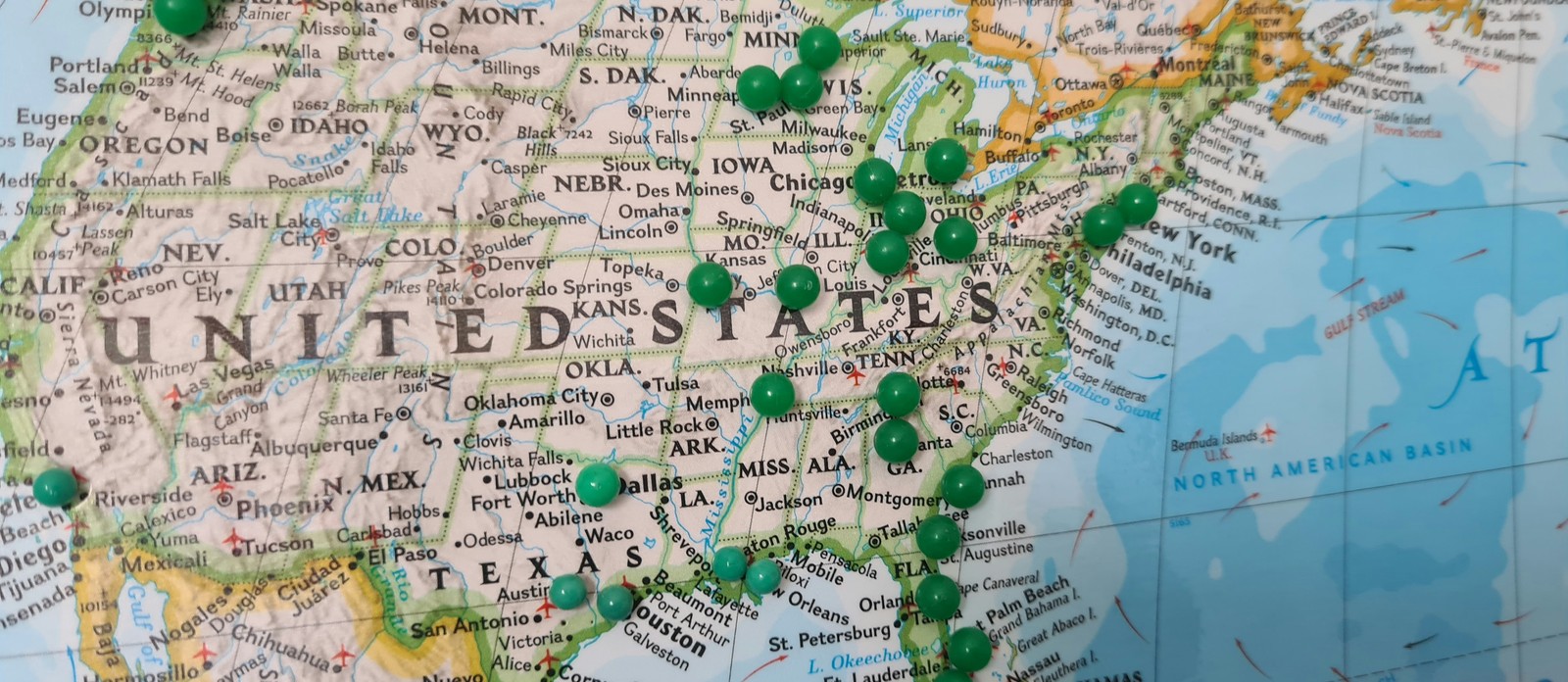
Image: Nico Smit

Twenty-six of our 50 states were once Spanish or French territory, or both. So it’s no wonder that Spanish and French culture permeates American traditions, food, customs — and state names, too. Here are 10 state names with French or Spanish origins.

1
California
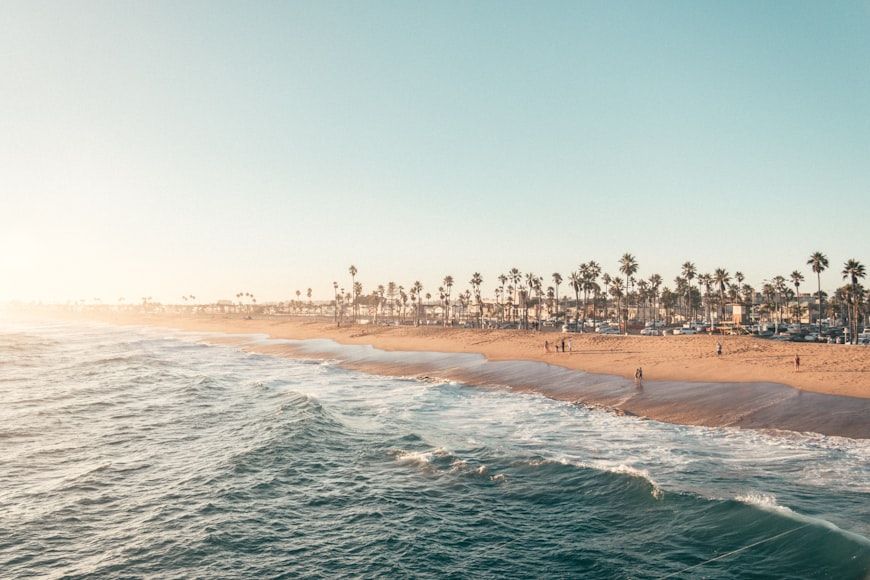
Image: Gustavo Zambelli

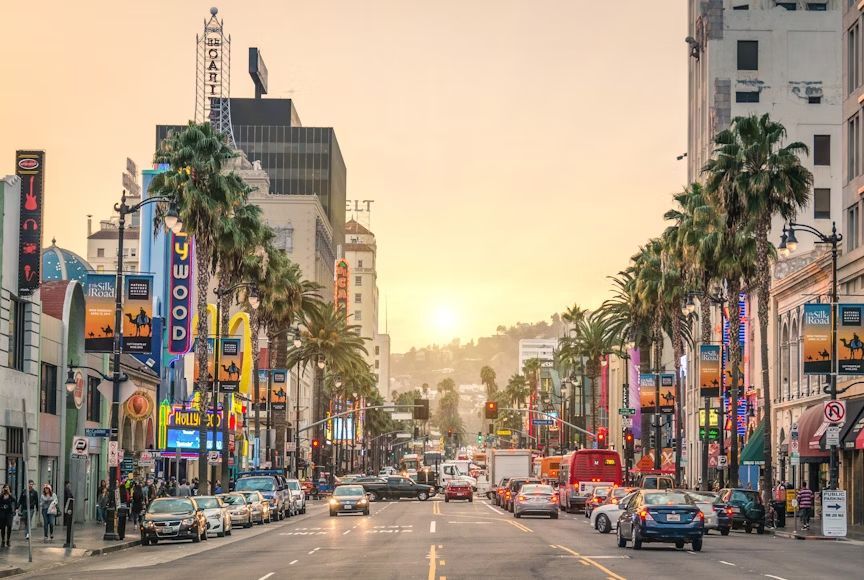
All across the Americas, we can find places named after fictional and mythical locations, a result of the arrival of European explorers on the unknown continents. In 1533, Hernán Cortés arrived in what is now Baja California, Mexico. Mistakenly believing that the peninsula was an island, coupled with the arid landscape and the rumor of abundant gold, he named it after an island from the book Las Sergas de Esplandián (The Adventures of Esplandián).

This novel, written by Garci Rodríguez de Montalvo in 1510, features the island of California , governed by the queen Calafia (a play on the Arab calipha , a title given to leaders and rulers). The fictional California is rich in gold and is described as a terrestrial paradise near the Indies, so, despite not being an island, the real California was aptly named.

2
Louisiana
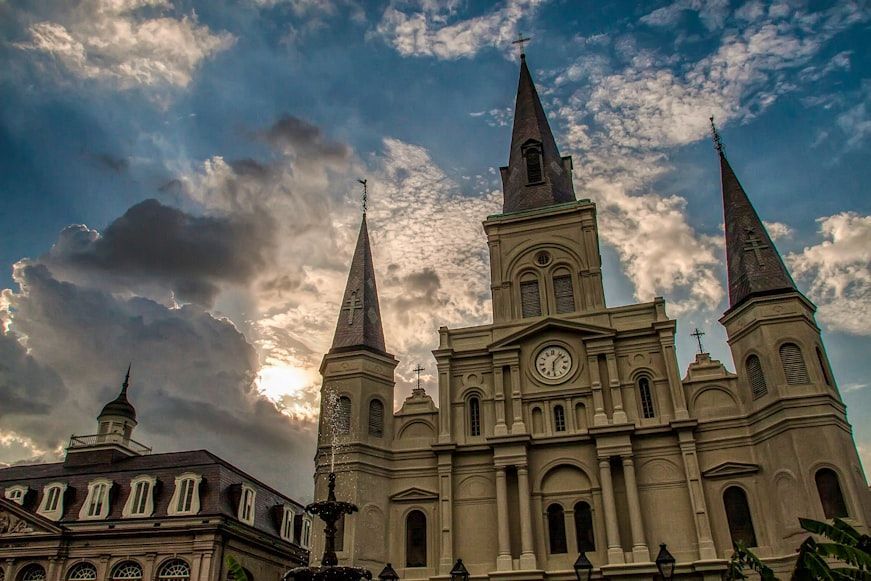
Image: Mick Haupt

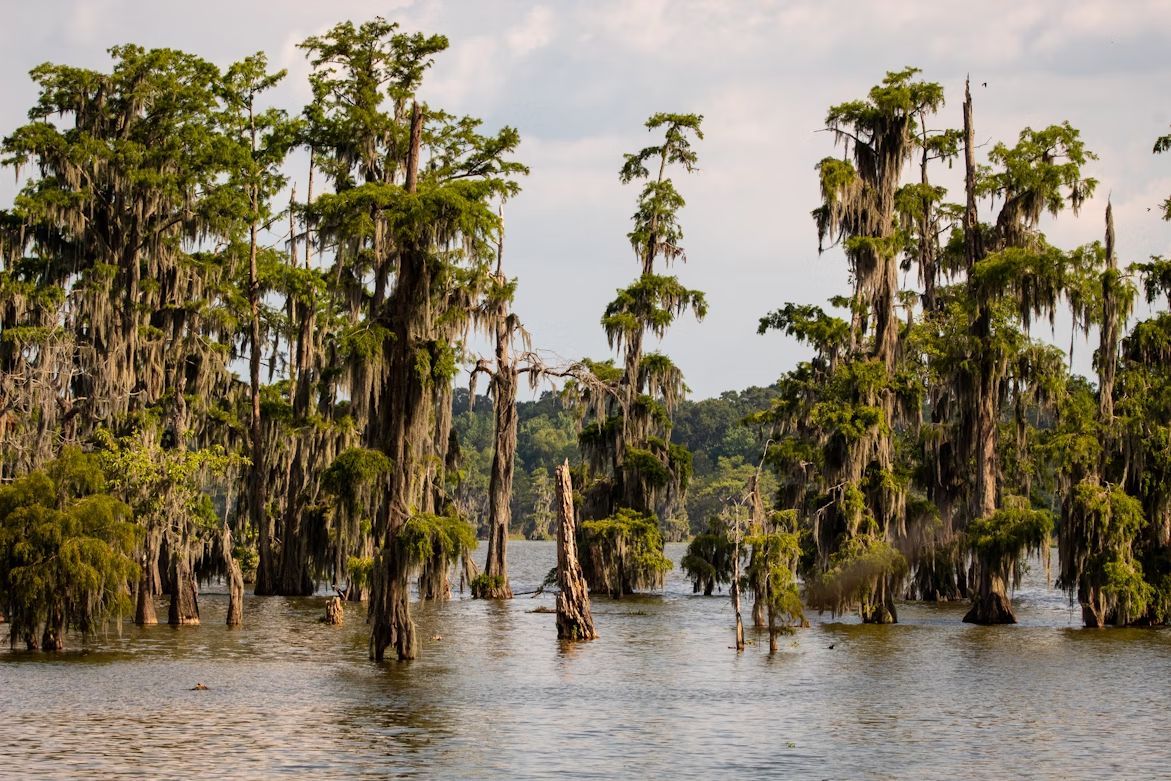
Before being the name of a state, Louisiana designated all the French territories west of the Mississippi River , covering either the whole or part of 15 current U.S. states, including Arkansas, Iowa, Nebraska, Oklahoma, and Missouri, among others. Originally named La Louisiane (‘the land of Louis’), the name was given to the Mississippi basin by the French explorer René-Robert Cavelier in 1682.

Who was Louis? Sixteen kings of France had the name Louis, but this territory was named after Louis XIV, also known as "The Sun King" . During his 72-year-long reign, still the longest of any monarch in history, France greatly expanded its colonial territories, among which was Louisiana. After the Louisiana Purchase in 1803, the anglicized name remained, but only for a much smaller portion of land, which gained statehood in 1812.

3
Florida
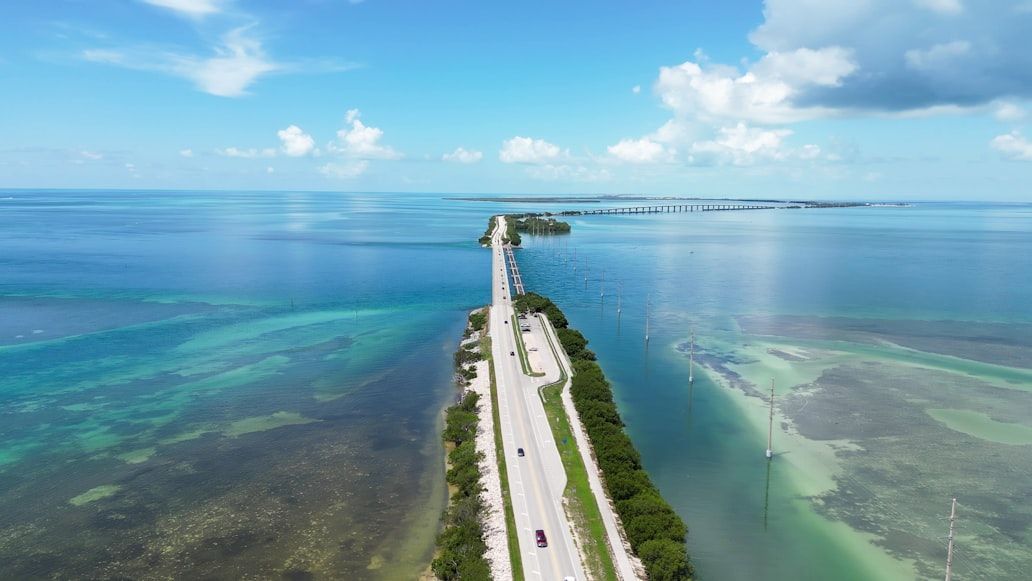
Image: Julius Hildebrandt

One of the European strategies for naming territories was to reference the day of arrival, a practice often used by the Spanish , and evidenced by the many places named after Catholic saints. Florida is an example of this custom.

Spanish explorer Juan Ponce de León arrived in the territory around the time of Easter while looking for the mythical fountain of youth. In Spanish, Easter is sometimes called La Pascua florida (‘the flowery Easter’) because it usually falls in spring, which led Ponce de León to name the territory La Florida .

4
Maine
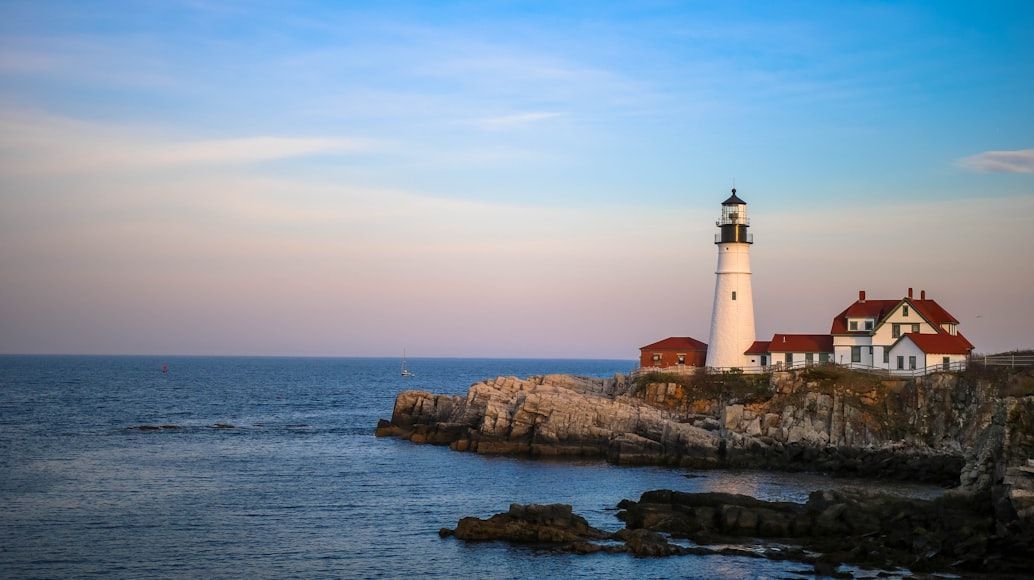
Image: Mercedes Mehling

There is more than one theory for the origin of Maine, and there is no certain answer. While many claim that ‘Maine’ is derived from ‘main land’, there is another widely supported theory that makes a connection with a French province, and that is backed up by the enormous influence of Acadian French people in the state of Maine .

According to this theory, the Maine territory was named after a French province of the same name —nowadays the region of Sarthe and Mayenne— in turn named after the ancient Cenomani Gaulish tribe.

5
Vermont
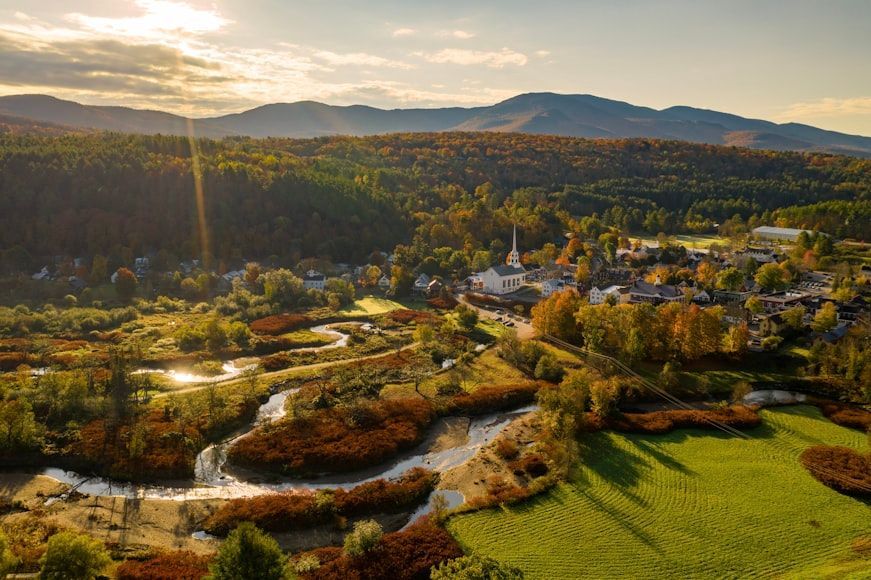
Image: Jeffrey Clayton

Although the Vermont territory was initially explored by the French, it might come as a surprise to know that its French name was given by an English-speaking American . In 1777, the territory declared independence from Britain and constituted a new republic. At first called ‘New Connecticut’, it adopted the name ‘Vermont’ by suggestion of physician and scholar Thomas Young.

Young came up with the name, meaning ‘green mountains’, inspired by a local militia known as ‘the Green Mountain Boys’. However, be it ignorance or poetry, the translation was made into a correct but archaic French. While Vermont does mean ‘green mountain’, the most accurate translation would have been montagne verte .

6
Colorado
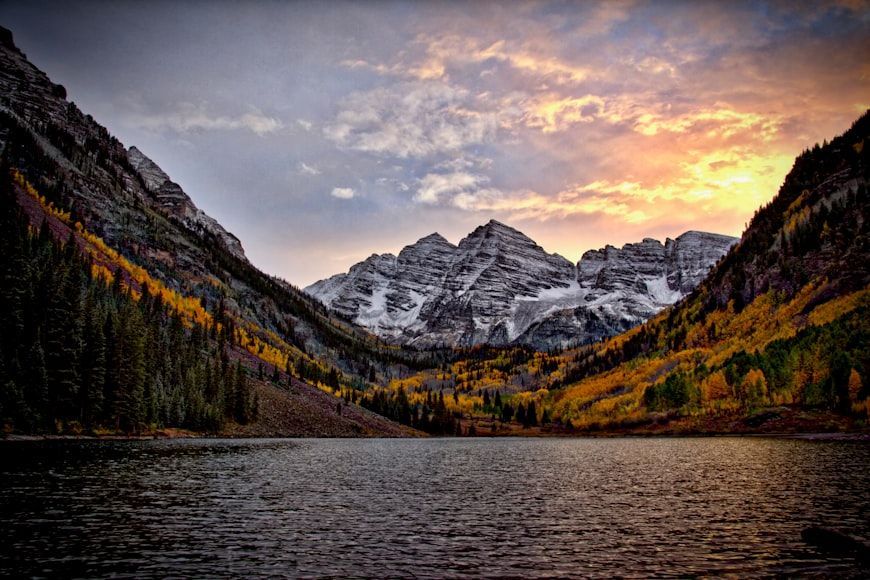
Image: Mike Scheid

Originally, Colorado referred to the Colorado River, named by the Spanish during the 16th century. The area under that name was acquired by the U.S. in the Louisiana Purchase and through the Treaty of Guadalupe Hidalgo , with the Territory of Colorado officially established in 1861 and named after the river.

Why was the river named this way? In Spanish, colorado means ‘red colored’ or ‘ruddy colored’. During the spring thaw, the melted mountain snow would mix with reddish-brown silt , giving the river a red hue.

7
Montana
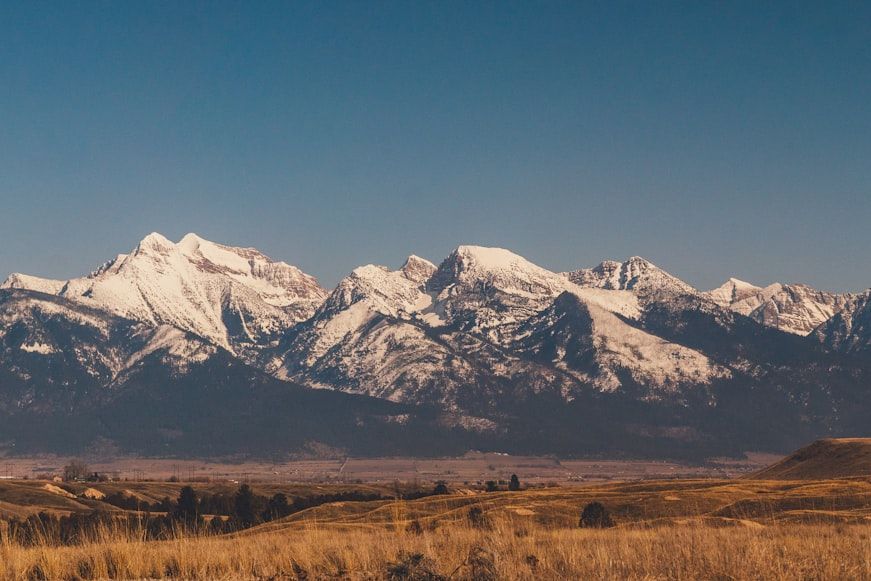
Image: Nic Y-C

This one is another case of a name chosen by English speakers. The word ‘Montana’ is an anglicized version of the Spanish montaña, ‘mountain’. But while there certainly are mountains in Montana, part of the territory consists of plains. Why name it so, then?

The Spanish had named the western mountainous region Montaña del Norte (Northern Mountain). When the Montana Territory was created in 1864, the name was suggested as a tribute to the Rocky Mountains . Some complaints arose in defense of the plains, and the alternative name ‘Jefferson’ was proposed, but Montana won in the end.

8
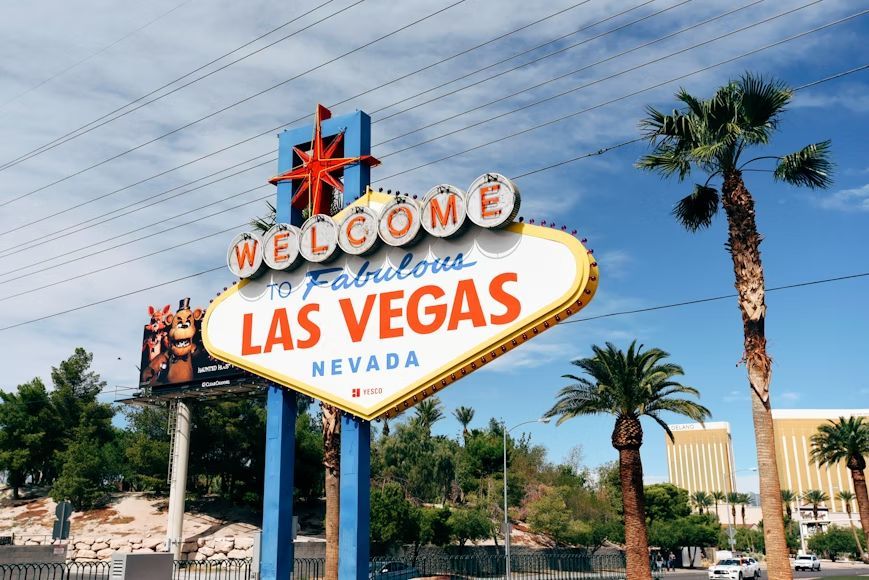
Nevada
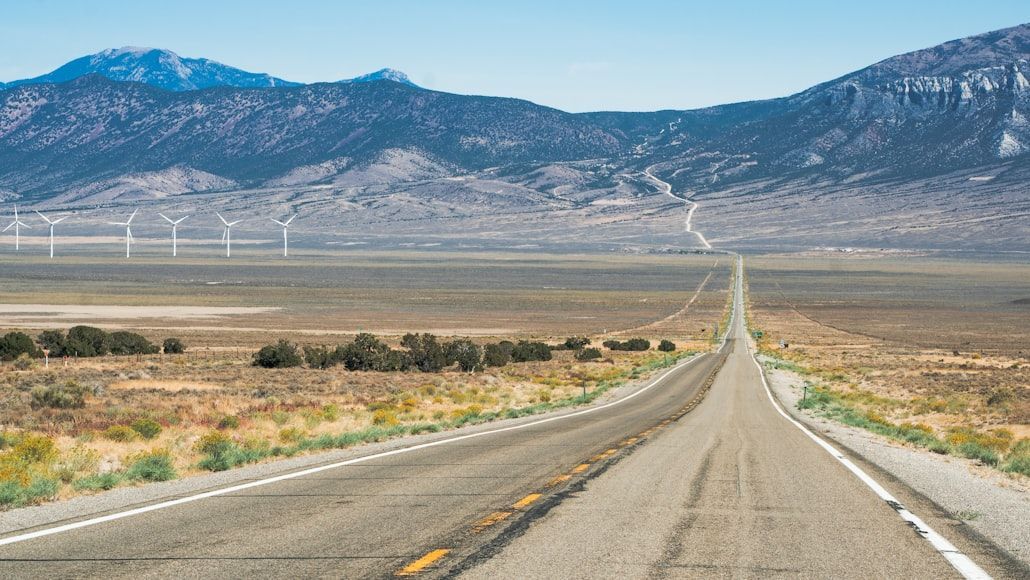
Image: Abhi Verma

The majestic Sierra Nevada mountain range is one of the natural wonders of the Western United States, so it makes sense that a territory would be named in its honor. Named Sierra Nevada or ‘snowy peak’ by the Spanish, the first record of the name dates back to 1776 , and was most likely inspired by a Spanish range of the same name.

In 1861, the Territory of Nevada was officially established, and most sources agree that it was named after the mountain range. However, the main part of the Sierra Nevada range belongs to California, with only the Carson Range being in the Nevada territory.

9
Arizona
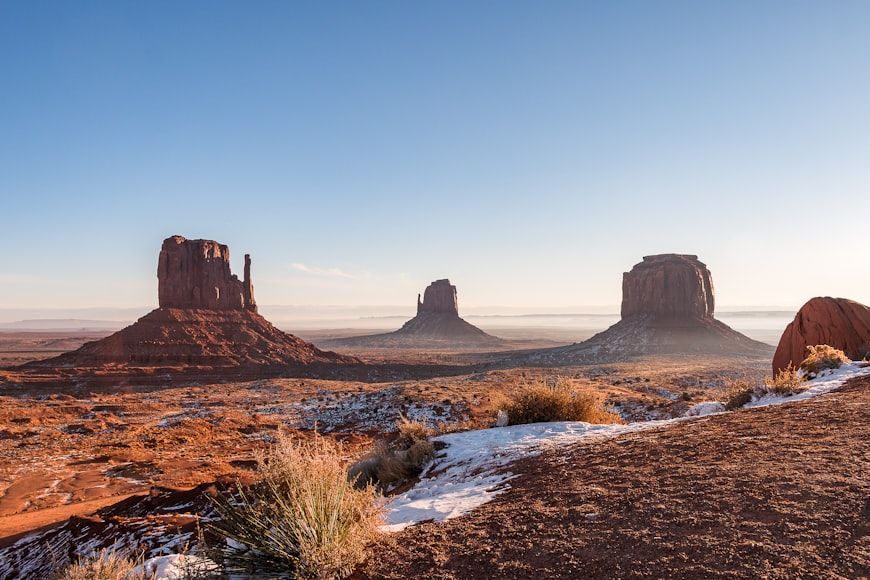
Image: Cayetano Gil

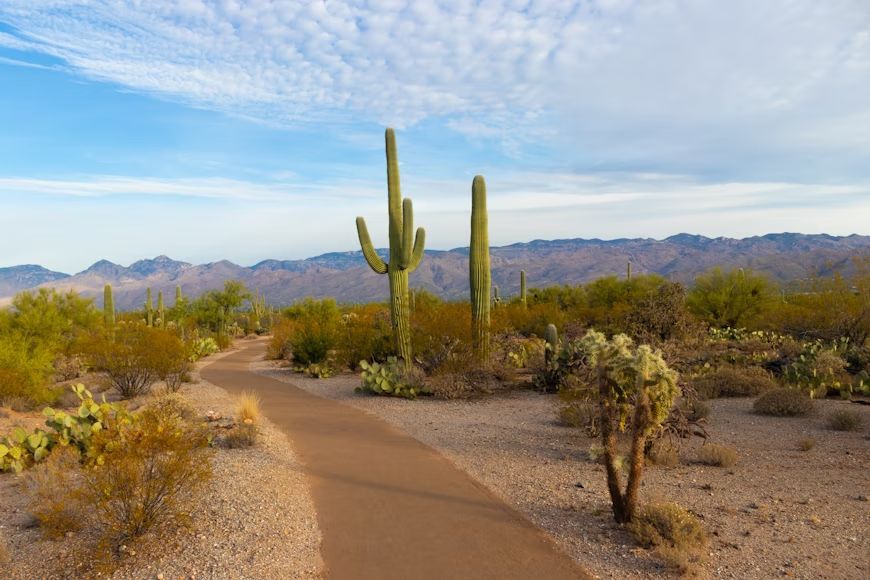
The origin of ‘Arizona’ is disputed, with theories pointing towards it being the Spanish version of a Native American name. However, other theories disagree, claiming that it is a Basque name, haritz ona , meaning ‘good oak, given by Spanish settlers who came from the Basque region.

There is a final theory which, although heavily disputed, is supported by popular stories. This theory claims that the original name was Árida zona (‘arid zone’) , a description of the desert climate.

10
Oregon
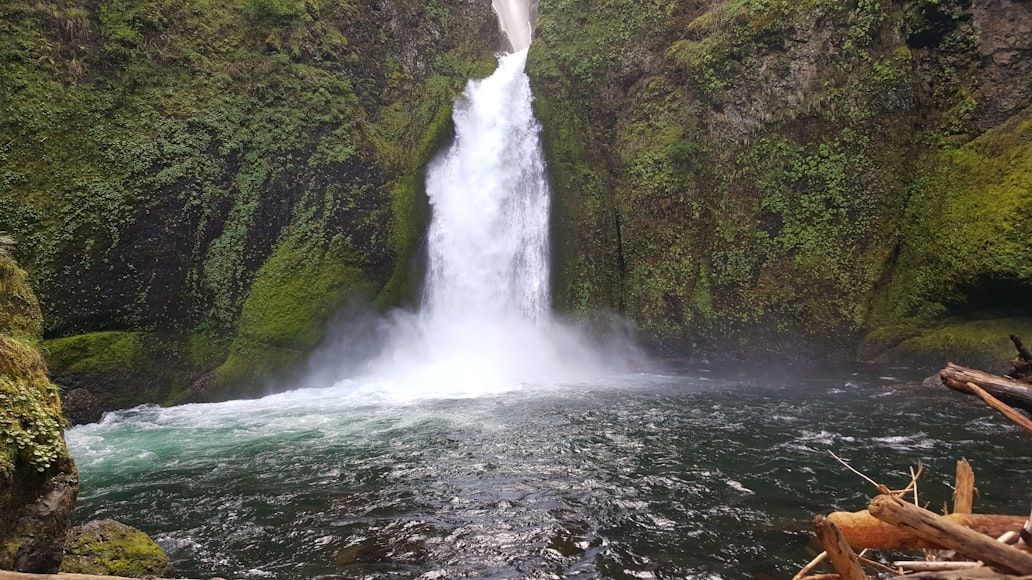
Image: Peter Robbins

No one really knows what ‘Oregon’ means, but everyone has a theory. Although there are stories that link it to Native American names or spelling errors, the first record of the name is from a 1598 Spanish chronicle, which refers to the territory as ‘_Orejón_’ (‘big-eared’) . Whose ears were being described is unclear.

An alternate theory links the name to French instead of Spanish, based on a 1765 petition by a British explorer that calls the area ‘ Ouragon’, a possible corruption of the French ouragan , ‘hurricane ’, in reference to the turbulent waters of the Columbia River.
Culture Culture 6 min read

From real life to music

Bob Dylan wrote it to save his marriage: the real people behind 10 hits

Image: Featureflash Photo Agency

You’ve sung along to these songs, danced to them, and probably heard them hundreds of times. But do you know the real stories behind them? Some of the biggest hits ever were inspired by real people, real relationships, and real moments. There were secret romances, jealousy, heartbreak, and a few surprises that sound too strange to be true. Here are the real stories behind 10 famous songs.

1
"Jolene" by Dolly Parton

Image: Bart Sherkow

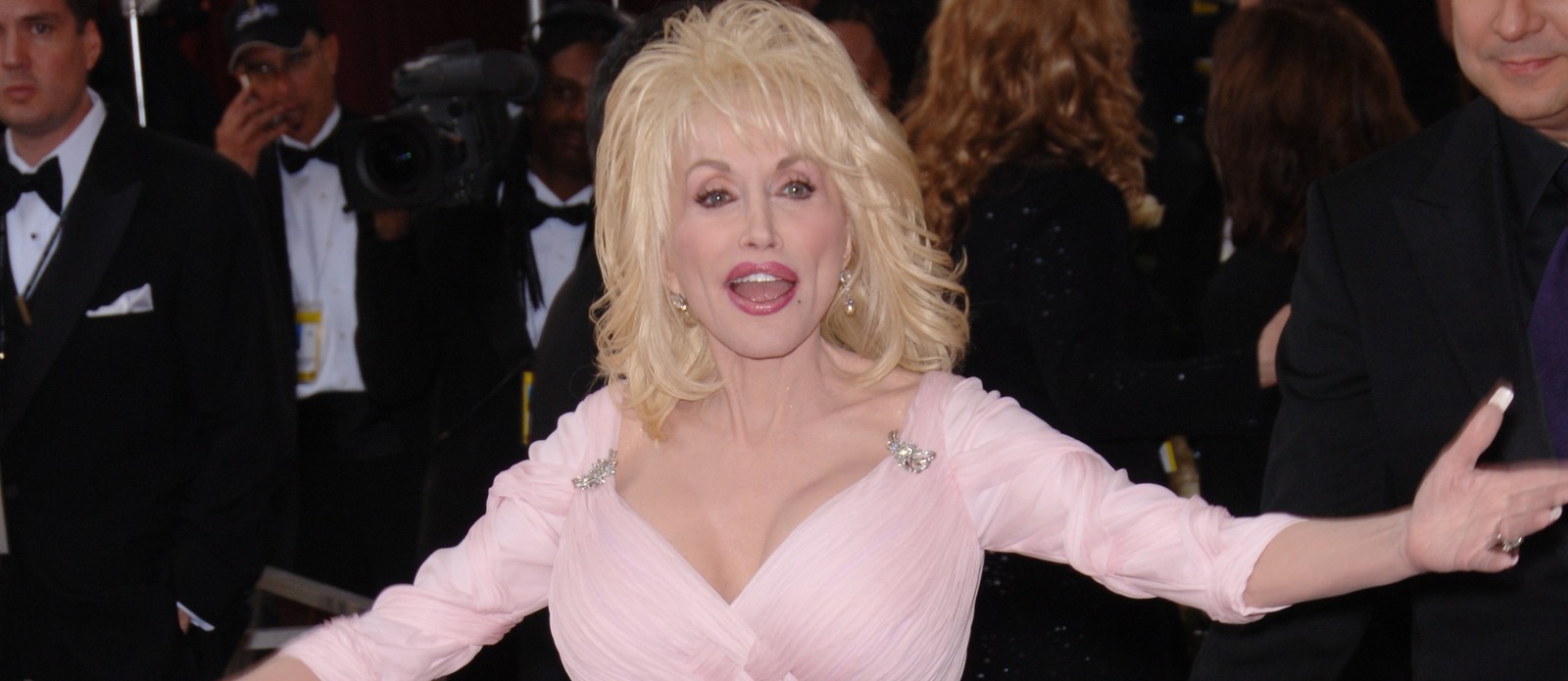
One of Dolly Parton’s most famous songs, 1973’s "Jolene," has resonated across generations because its story of jealousy feels so relatable. And it was inspired by a real experience in Dolly’s life.

As she recounted in interviews, the song was inspired by an attractive female bank teller who paid a little too much attention to her husband, Carl Dean. But while the jealousy was real, the woman wasn’t named Jolene. Dolly got that name from a young fan with beautiful red hair and green eyes who introduced herself to the singer after a concert.

2
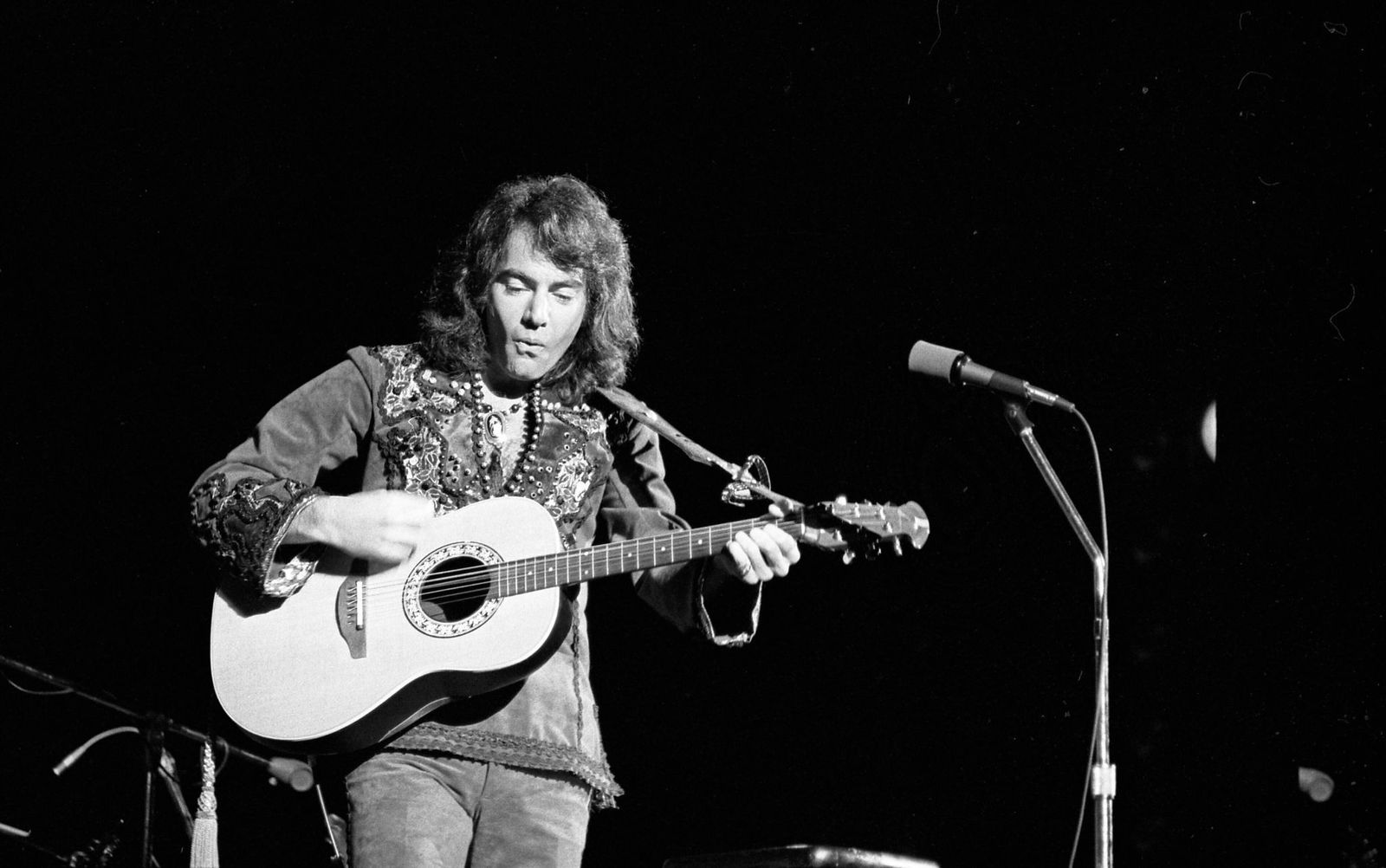
"Sweet Caroline" by Neil Diamond

Image: Larry Bessel, Los Angeles Times, CC BY 4.0, via Wikimedia Commons

Neil Diamond wrote "Sweet Caroline" in 1969, drawing on his feelings for his wife at the time, Marcia Murphey. But if it was about her, why "Caroline"?

Diamond needed a three-syllable name for the lyrics, and he remembered a photo of First Daughter Caroline Kennedy with her horse that he had seen in LIFE magazine in 1962. Diamond kept the connection to JFK’s eldest secret for nearly 40 years until 2007, when he sang the hit for Caroline at her 50th birthday and finally told her the story. She was "struck by it and really, really happy," Diamond revealed.

3
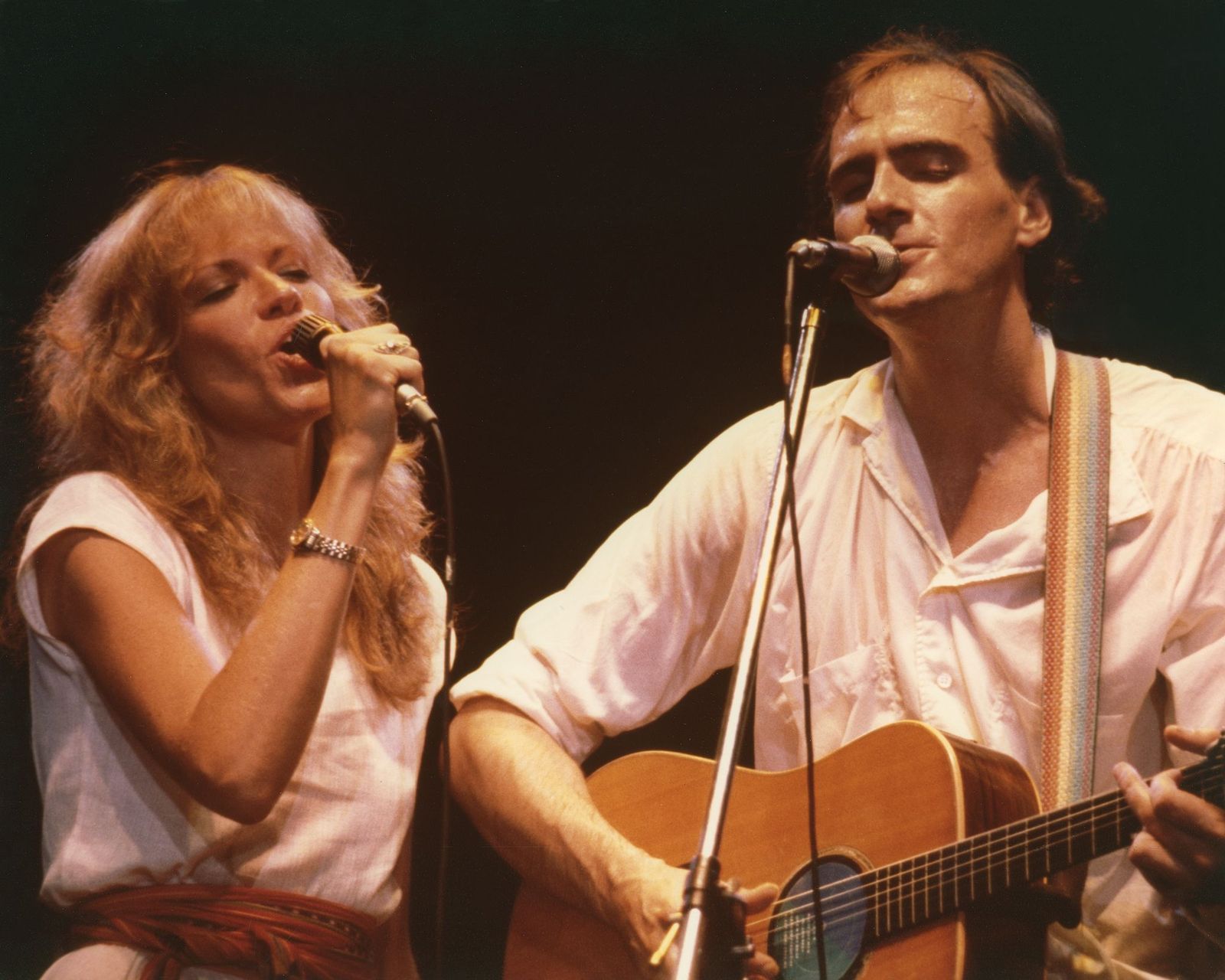
"You're So Vain" by Carly Simon

Image: Arthur D'Amario III

When a relationship ends, the inspiration can show up in unexpected ways. For Carly Simon, it became one of her biggest hits: "You’re So Vain."

As Simon herself confirmed, most of the lyrics were inspired by actor Warren Beatty, with whom she had a brief but intense relationship in the early 1970s that ended after he cheated on her. But Beatty wasn’t the only "vain" one. Although she didn’t confirm it, there’s speculation that other famous men from her past, including Mick Jagger and Jack Nicholson, also inspired parts of the song.

4
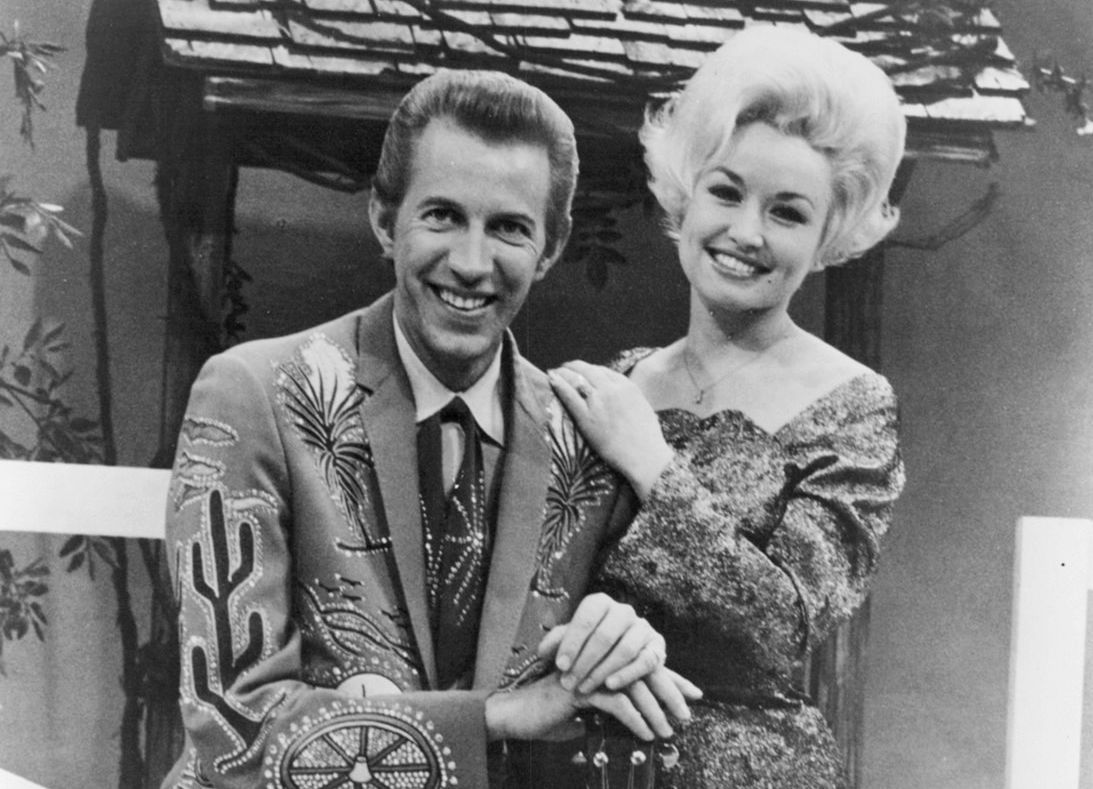
"I Will Always Love You" by Dolly Parton

Image: Moeller Talent, Inc. Nashville (management), Public domain, via Wikimedia Commons

Despite what many assume, "I Will Always Love You" wasn’t written about a romantic breakup. Dolly wrote it as a professional farewell .

After more than seven years working with her mentor and longtime duet partner, Porter Wagoner, on The Porter Wagoner Show , Dolly felt it was time to pursue a solo career. But the decision wasn’t easy, and Wagoner was reluctant to let her go. When ordinary conversations weren’t working between them, Dolly did what she knew best: she put her feelings into a song. She brought her guitar to his office, sat him down, and played it for him. Wagoner was moved to tears, called it the prettiest song he had ever heard, and finally agreed to let her leave the show.

5
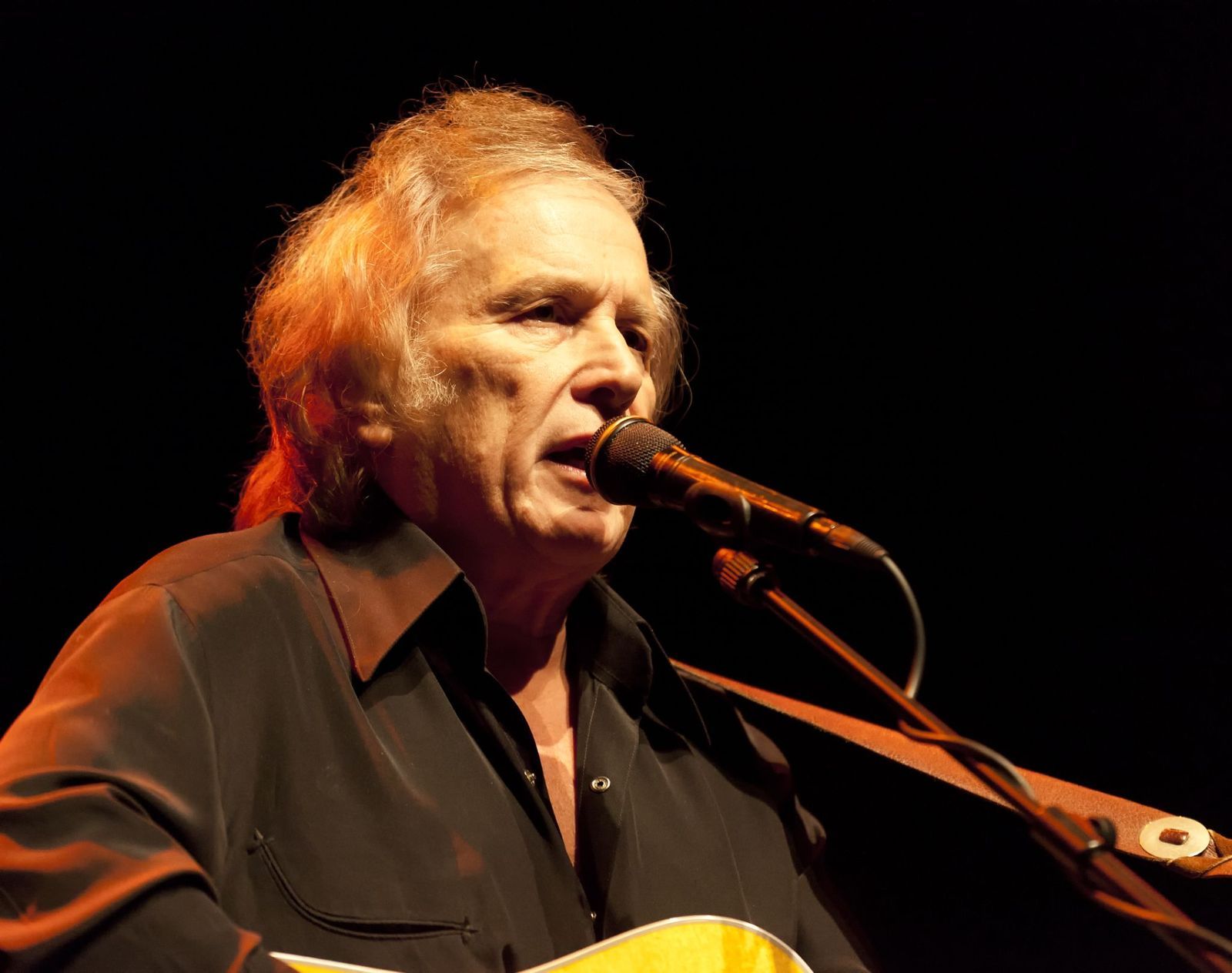
"American Pie" by Don McLean

Image: Aija Lehtonen

A song can be a farewell, a declaration of love, or a tribute born of admiration. That was the case when Don McLean wrote the beautiful yet haunting "American Pie" in 1971.

This epic folk-rock song became a memorial to "the day the music died," the tragic plane crash on February 3, 1959, that took the lives of rockers Buddy Holly, Ritchie Valens, and J.P. Richardson . McLean was just 13 at the time, but he later said the tragedy had a profound impact on him. The song didn’t come together all at once, either; he wrote it in stages over several years.

6
"Billie Jean" by Michael Jackson

Image: Matthew Rolston; Distributed by Epic Records, Public domain, via Wikimedia Commons

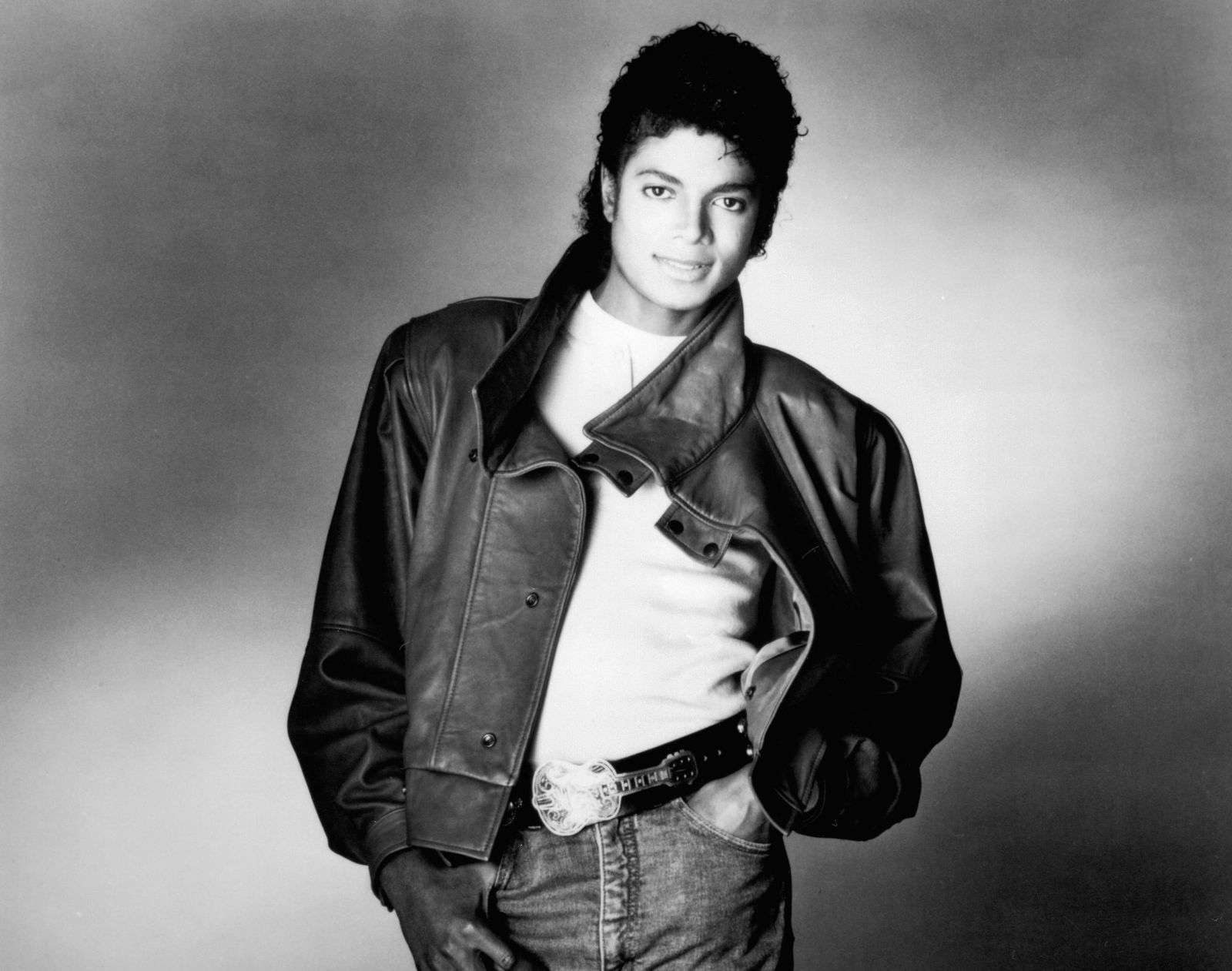
In his 1988 autobiography Moonwalk , Jackson explained that his classic "Billie Jean" was inspired partly by experiences involving women who approached his older brothers while the Jackson 5 were touring.

However, the event that really shaped the song happened in 1981, when Jackson received thousands of messages from a woman who claimed he was the father of her children. The unsettling situation stayed with him and eventually became part of the inspiration for one of his biggest hits.

7
"My Sharona" by The Knack

Image: McSleepy

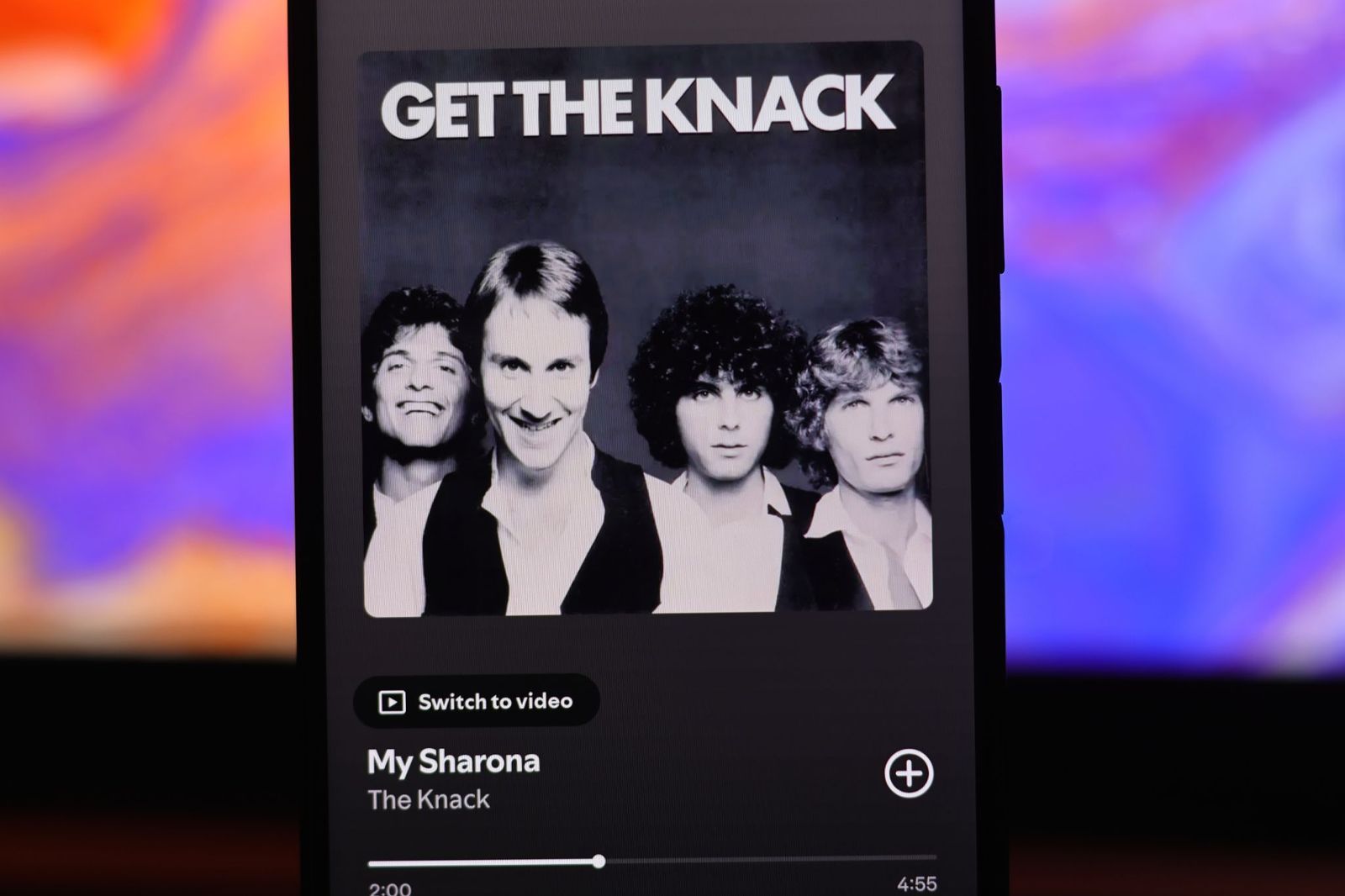
Have you ever wondered who "Sharona" was in The Knack’s famous hit? The answer comes from a real story involving the band’s lead singer, Doug Fieger.

In 1978, Fieger met Sharona Alperin, a clothing store clerk in Los Angeles. He was instantly attracted to her, and after breaking up with his then-girlfriend, he spent several months trying to win Sharona over before she finally agreed to a date. Their romance lasted from 1979 to 1982, and inspired one of the most danceable hits of the 20th century. Even after they broke up, Sharona and Doug remained close friends until he passed in 2010.

8
"Sweet Child O' Mine" by Guns N' Roses

Image: L Paul Mann

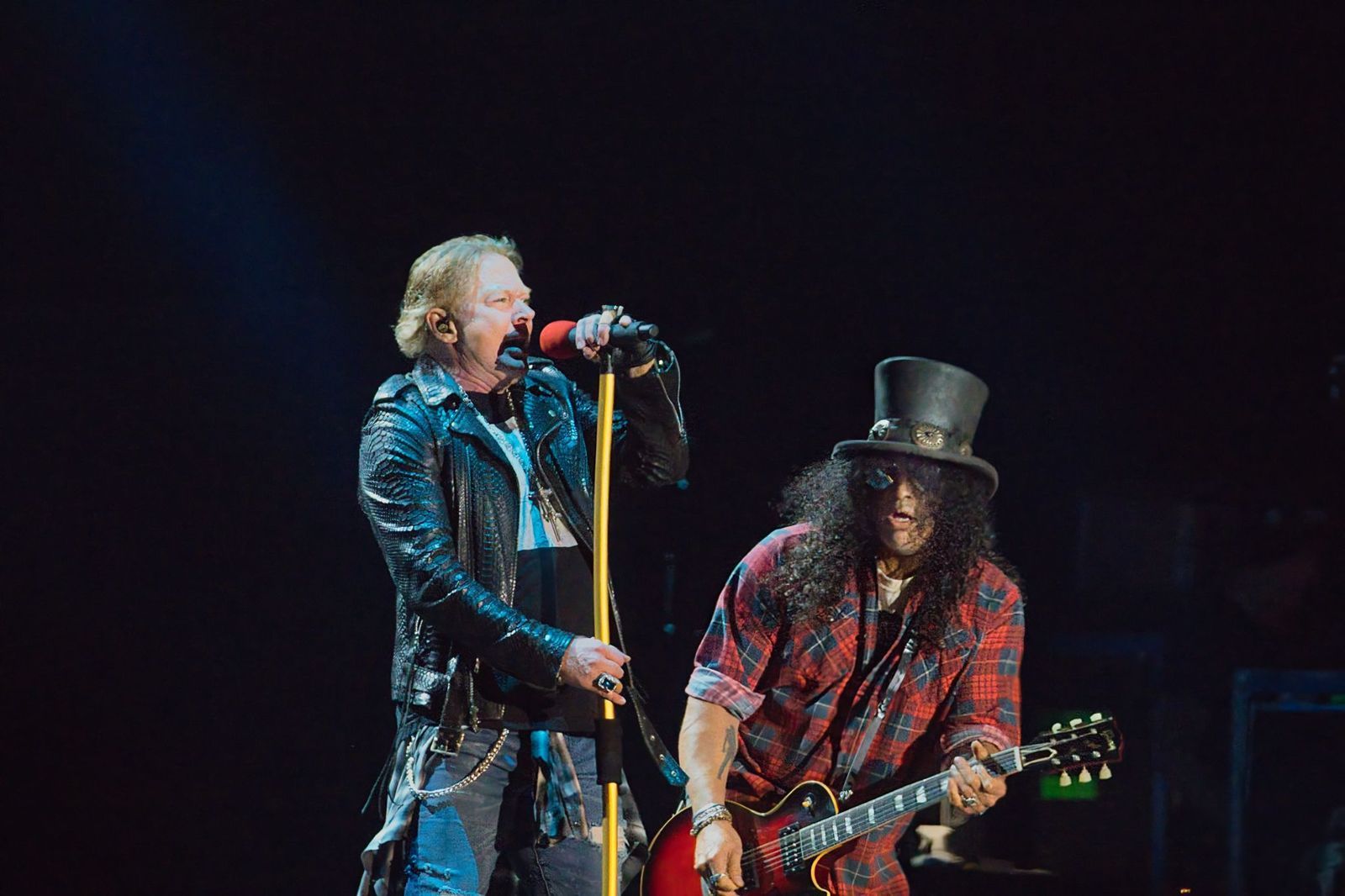
In 1986, Axl Rose was dating model Erin Everly, daughter of Don Everly of The Everly Brothers. He was so in love that he wrote her a love poem in just a few hours, without knowing it would eventually become one of his most famous songs.

That same year, at the band’s shared house, guitarist Slash was playing around with some chords when he came up with an interesting riff. Izzy Stradlin joined in, and when Rose heard the melody from upstairs, he brought down the poem he had written for Everly and adapted the lyrics to fit the music, resulting in the iconic "Sweet Child o’ Mine." Rose and Everly eventually married in 1990, but the marriage ended soon afterward.

9
"Walk On the Wild Side" by Lou Reed

Image: Man Alive!, CC BY 2.0, via Wikimedia Commons

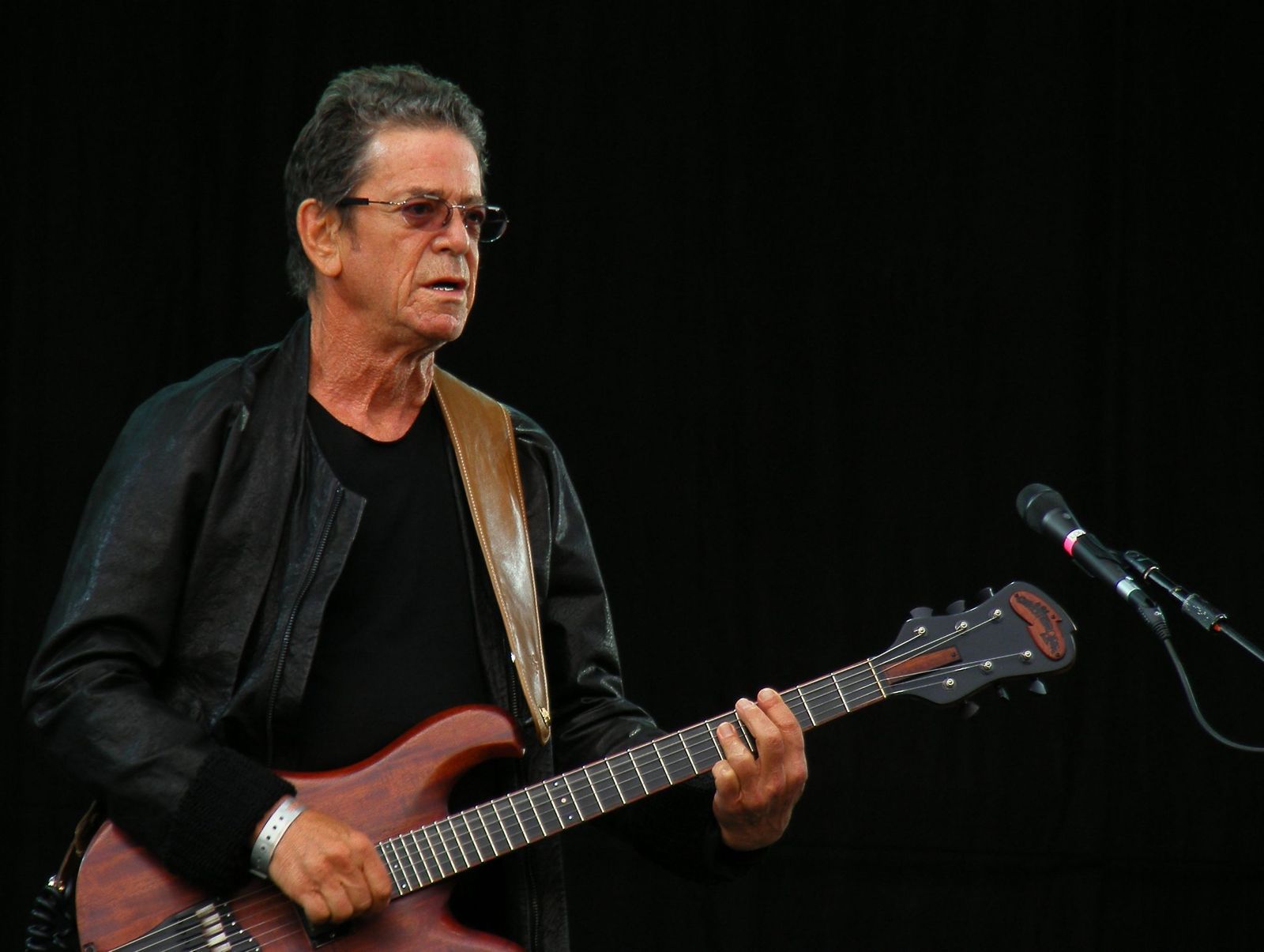
Music crossed paths with other forms of art when Lou Reed wrote his 1972 classic "Walk on the Wild Side".

The song is essentially a series of portraits of real people from Andy Warhol’s circle at The Factory, his famous New York City studio and collective. In the song, "Holly" is a reference to Holly Woodlawn, a transgender actress who appeared in Warhol’s underground films such as Trash (1970). "Candy" was Candy Darling, another prominent actress who starred in Flesh (1968) and Women in Revolt (1971). "Little Joe" referred to Joe Dallesandro, the actor and model who became one of Warhol’s male muses. Other figures from the era’s counterculture are also in the song, bringing a very specific art scene of 1970s New York to a much wider audience.

10
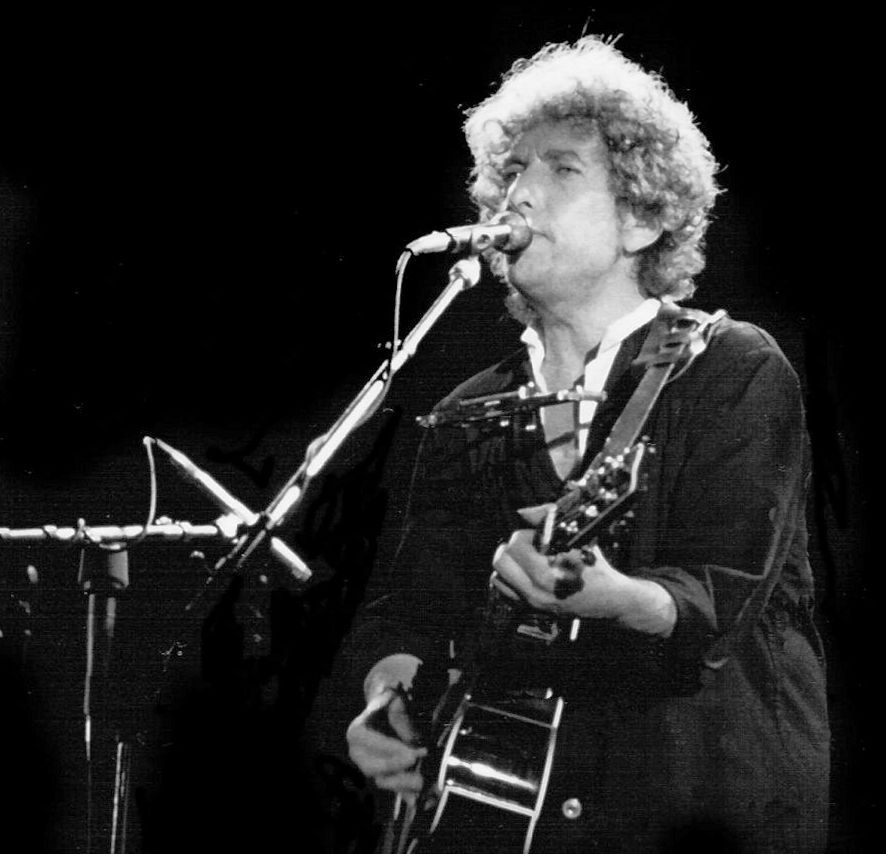
"Sara" by Bob Dylan

Image: Stoned59, CC BY 2.0, via Wikimedia Commons

In 1975, Bob Dylan was in the middle of a creative rush, writing and recording his album Desire . But while his career was going well, his marriage to Sara Lownds was falling apart. So he decided to write a love song for his wife.

"Sara," a heartfelt and personal song, was recorded in 1975 with Sara in the studio, and it became the raw, emotional closing track on the album. It helped spark a brief reconciliation, and Sara even joined Dylan on his subsequent Rolling Thunder Revue tour. However, the marriage ultimately ended in divorce in 1977.

Geography Geography 4 min read

Discovering America

What's the easternmost point of the US? If you say Maine, think again!

Image: Jon Sailer

We’ve all picked up "facts" about the fifty states somewhere along the way, but not all of them hold up. Some are half-truths passed around for generations , others are just plain wrong. So, in an attempt to set the record straight once and for all, we’ve gathered some fun truths that clear up the biggest mix-ups about our states.

1
Arizona skips Daylight Saving Time

Image: Christoph von Gellhorn

This is partly true because most of the state doesn’t bother with Daylight Saving Time . They stopped changing the clocks back in 1967. The exception is the Navajo Nation, which stretches into Utah and New Mexico and keeps DST so all its communities stay on the same schedule. Now, as for the smaller Hopi reservation, inside the Navajo Nation, it sticks with Arizona time… Yes, quite confusing if you’re not a local.

2
Georgia isn’t really the Peach State

Image: Jessica Furtney

Georgia loves its peaches, sure, but the state’s top fruit money-maker is actually blueberries . In recent years, blueberries have brought in several times more cash for farmers than peaches. Meanwhile, California grows far more peaches than Georgia ever has. The nickname stuck from the old days when Georgia peaches were famous for their flavor, not their volume. So while the pride is real, the peaches aren’t quite the powerhouse people may think.

3
Nevada didn’t record the hottest US temperature

Image: tommao wang

You probably think of Nevada’s desert heat as unmatched, but the all-time record belongs to California’s Death Valley . In July 1913, it hit a mind-melting 134 degrees Fahrenheit, the hottest temperature not only in America but the hottest ever recorded on Earth!

4
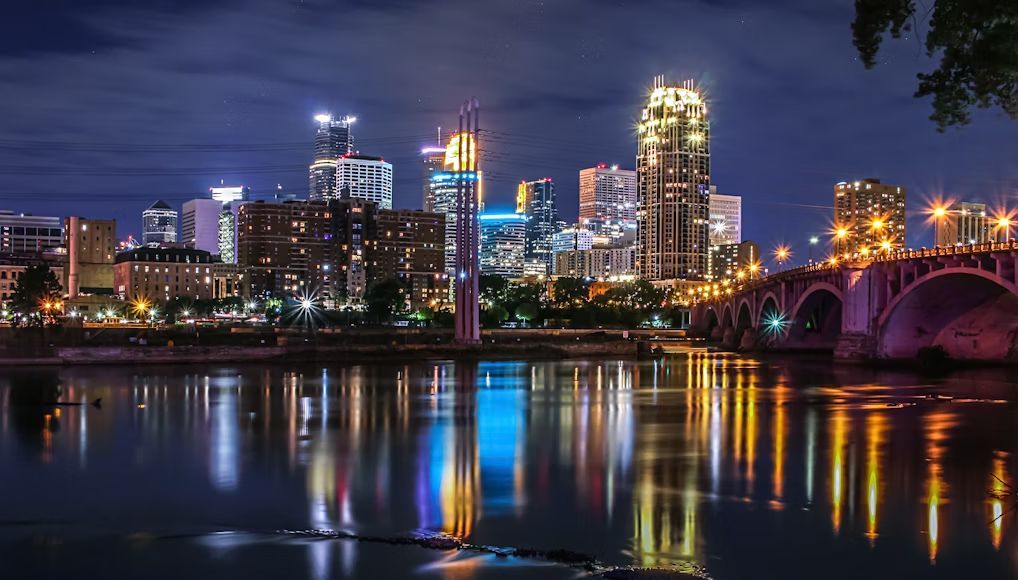
Minnesota doesn’t have the most lakes

Image: Tom Conway

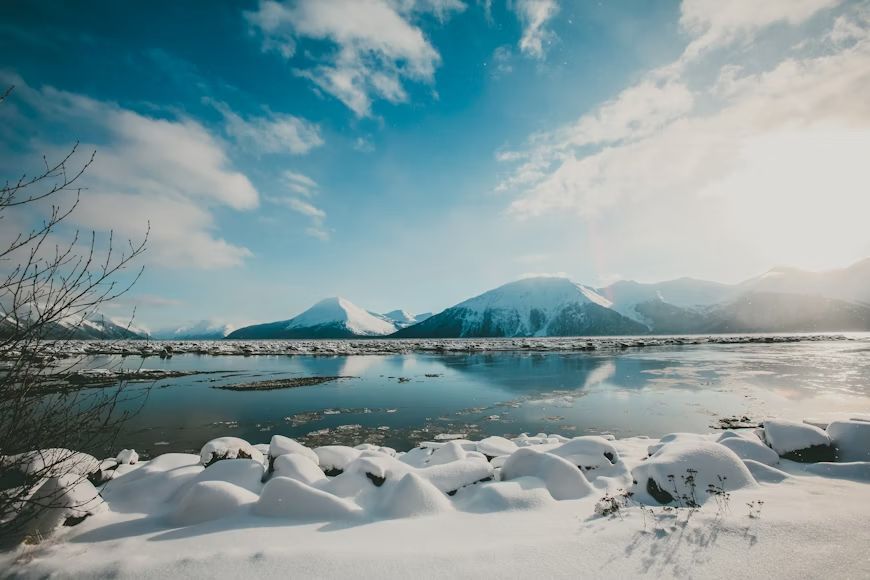
Minnesota proudly calls itself the "Land of 10,000 Lakes," but that’s selling itself short… The real number is closer to 12,000. However, Alaska wins this battle . The state has more than 3 million lakes over five acres in size. In fact, Alaska contains over 40 percent of the nation’s surface water. If you love fishing, kayaking, or just staring at a quiet stretch of water, the true lake capital of America is far up north.

5
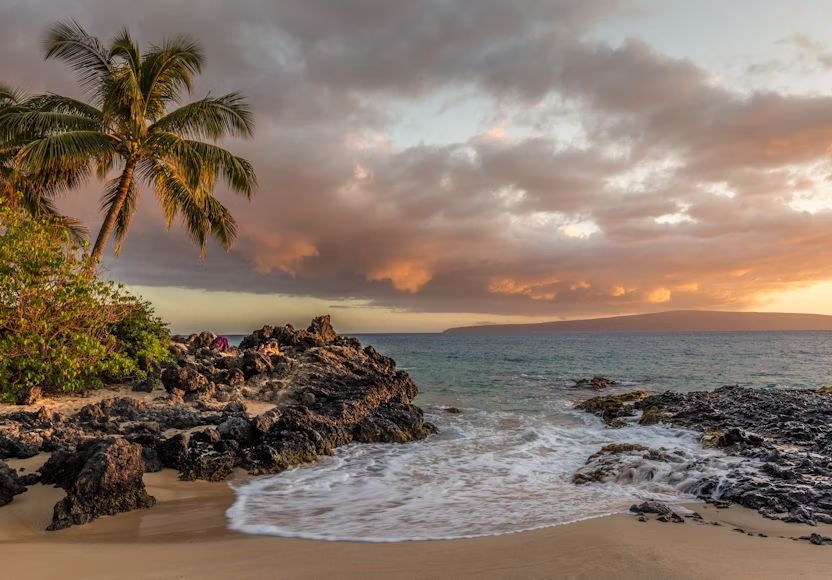
Pineapples aren’t native to Hawaii

Image: Christian Joudrey

Pineapples are everywhere in Hawaiian imagery, but the plant actually comes from South America , mainly Paraguay and southern Brazil. Spanish explorers likely brought them to Hawaii in the 1500s after spreading them across the Pacific to places like the Philippines and Guam. Hawaii’s climate turned out to be perfect for growing them and by the 1900s, the islands were producing so many pineapples that the fruit became a symbol of Hawaii itself.

6
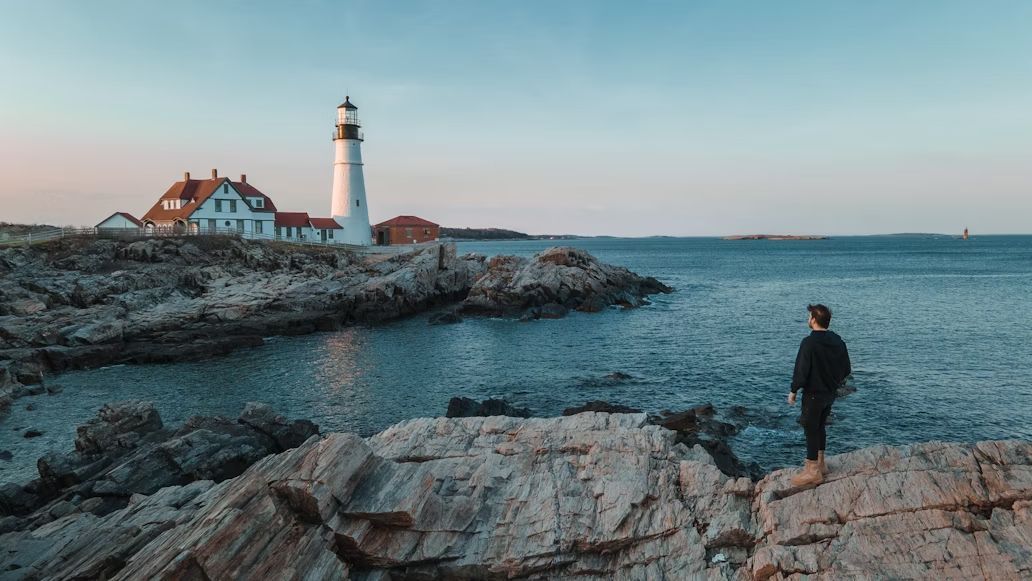
Maine isn’t the country’s easternmost point

Image: Chris Henry

If you’re a Geography geek, you’ll love this one. You might picture Maine’s rocky coast as the eastern tip of America, but the actual easternmost point is thousands of miles away, on Alaska’s Semisopochnoi Island in the Aleutians. How is that possible? Well, that’s because it crosses the 180th meridian, putting it in the Eastern Hemisphere. That means part of Alaska technically sits farther east than anywhere in Maine.

7
The biggest US earthquake didn’t happen in California

Image: Lala Miklós

California has suffered some big earthquakes in its history, but the most powerful earthquake in America struck Alaska in 1964 . It hit Prince William Sound with a magnitude of 9.2. It was so strong it shook the ground for four and a half minutes and triggered massive tsunamis. In today’s dollars, the damage would total more than $2 billion. Alaska sits on a collision zone of tectonic plates, making it one of the world’s most seismically active regions.

8
The Everglades isn’t America’s biggest swamp

Image: Joshua J. Cotten

A lot of people picture the Florida Everglades when they think of swamps, but technically, the Everglades isn’t a swamp at all. The real title of the largest swamp in the United States goes to Louisiana’s Atchafalaya Basin , which spans about 1.4 million acres. This swamp has a vast mix of cypress forests, bayous, and marshes, and it’s more than twice as productive as the Everglades when it comes to wildlife and plant life.

9
Big cities aren’t always capitals

Image: Mackenzie Cruz

It surprises people how often the biggest city isn’t the state capital . New York City? Not the capital… Albany is. Chicago? Nope, that honor goes to Springfield. Pennsylvania’s capital isn’t Philly or Pittsburgh, it’s Harrisburg. Even California’s capital isn’t L.A. or San Francisco, it’s actually Sacramento. Out of fifty states, only seventeen have their most populous city as the capital.

10
Alaska isn’t divided into counties

Image: Rod Long

Alaska likes to do things its own way. Instead of counties, it’s split into boroughs , and a massive area known as the Unorganized Borough has no local government at all. People out there don’t pay property taxes, but that freedom comes with challenges, limited services, fewer job options, and tough living conditions.

Explore more American facts

Choose your favorite category!

General
General

As American as apple pie—the very best America has to offer!

Culture
Culture

Delve into the astounding richness of American lore.

Geography
Geography

Hop in and explore vast and diverse American landscapes.

History
History

Discover the key moments that shaped the United States.