Beloved American brands
Why did Kodak and Woolworth's disappear? The real reason
Image: pony rojo, CC BY-SA 2.0, via Wikimedia Commons
Blockbuster, Kodak, Woolworth’s… just hearing those names can bring back many memories, even though the brands have long since gone. T hese weren’t just brands; they were part of our routines, our weekends, and our family vacations. For decades, these companies seemed unstoppable. Then, they disappeared. So what happened? Here’s the story behind 10 iconic American brands that once stood at the top, and the real reasons they faded away.
1
Blockbuster
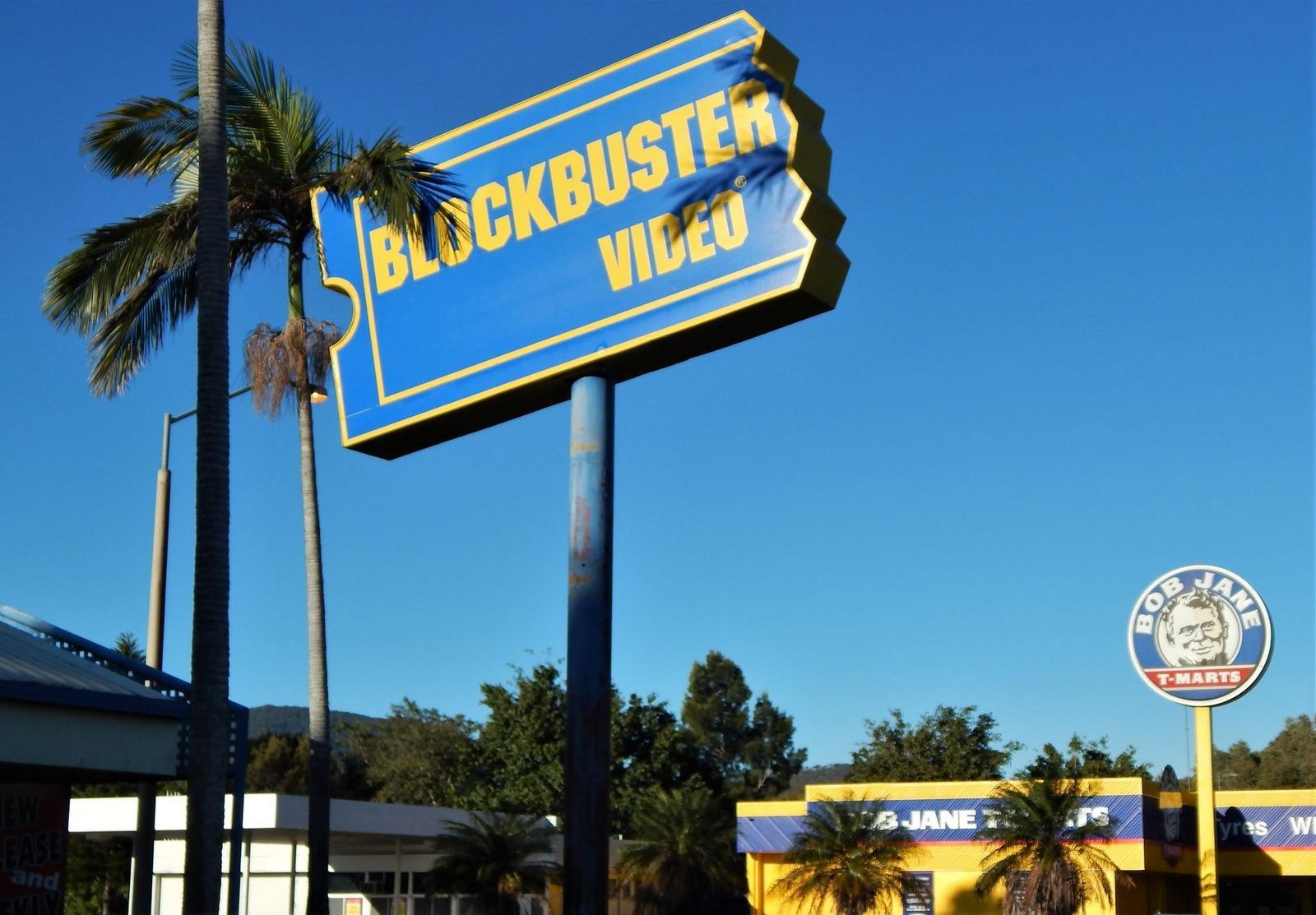
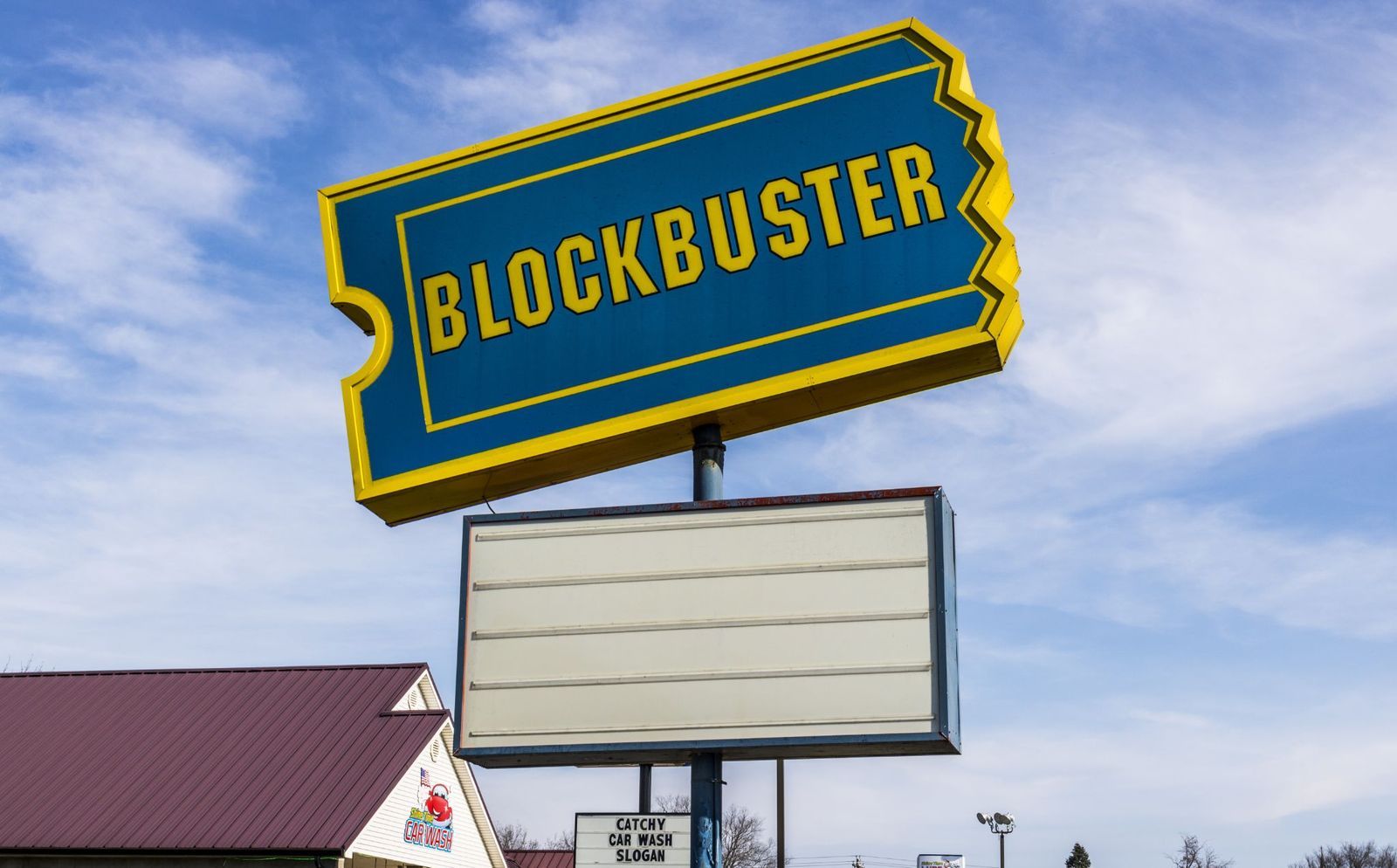
During the 1980s and 1990s, Friday night often meant one thing for American families: a trip to Blockbuster. Browsing the aisles for a movie, debating what to watch, and grabbing popcorn at the counter became a weekly routine. But nothing lasts forever.
Born in 1985, Blockbuster conquered the massive home-video market with thousands of stores by the late 1990s and early 2000s, catering to families with at-home VCRs. Then technology changed everything. First came DVD-by-mail services like Netflix, followed by streaming, which left Blockbuster struggling. Late fees and inconvenience only pushed more customers away. The company filed for bankruptcy in 2010. Today, just one official store remains in Bend, Oregon, where visitors still stop by for a dose of the video-store era.
2
Kodak
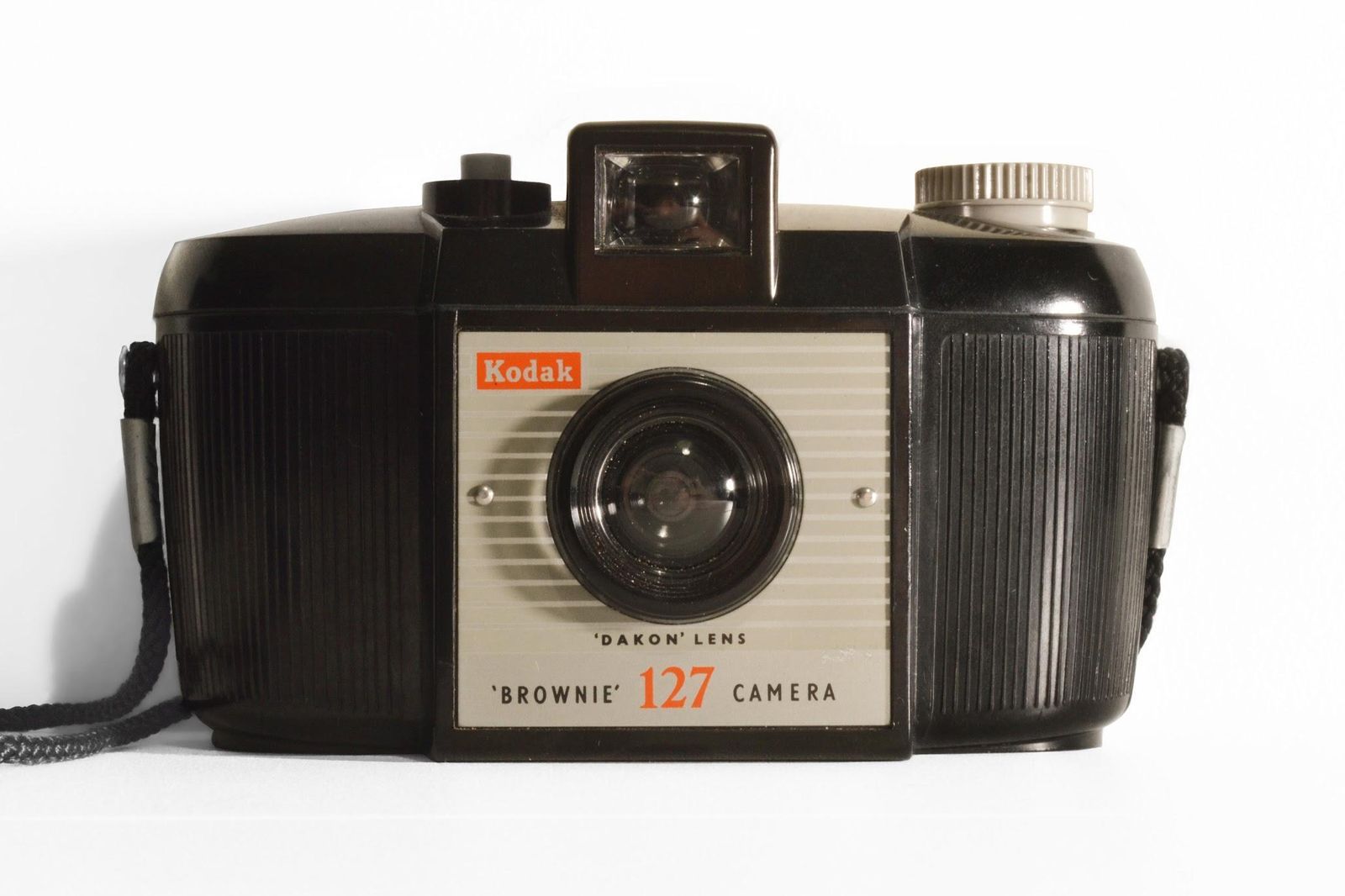
Back in the day, almost every vacation, birthday, wedding, or holiday gathering seemed to include a Kodak camera, or at least a roll of Kodak film. Founded in 1881, Kodak helped keep the moments that filled family photo albums for generations.
From the 1960s through the 1990s, Kodak dominated the world of film and photography. But that success also made the company slow to accept that technology was changing. Ironically, Kodak helped invent one of the first digital cameras in 1975, yet it hesitated to embrace the future. By the 1990s and 2000s, digital cameras (and later camera phones) quickly replaced traditional film. In 2012, the company declared bankruptcy.
3
Pan Am
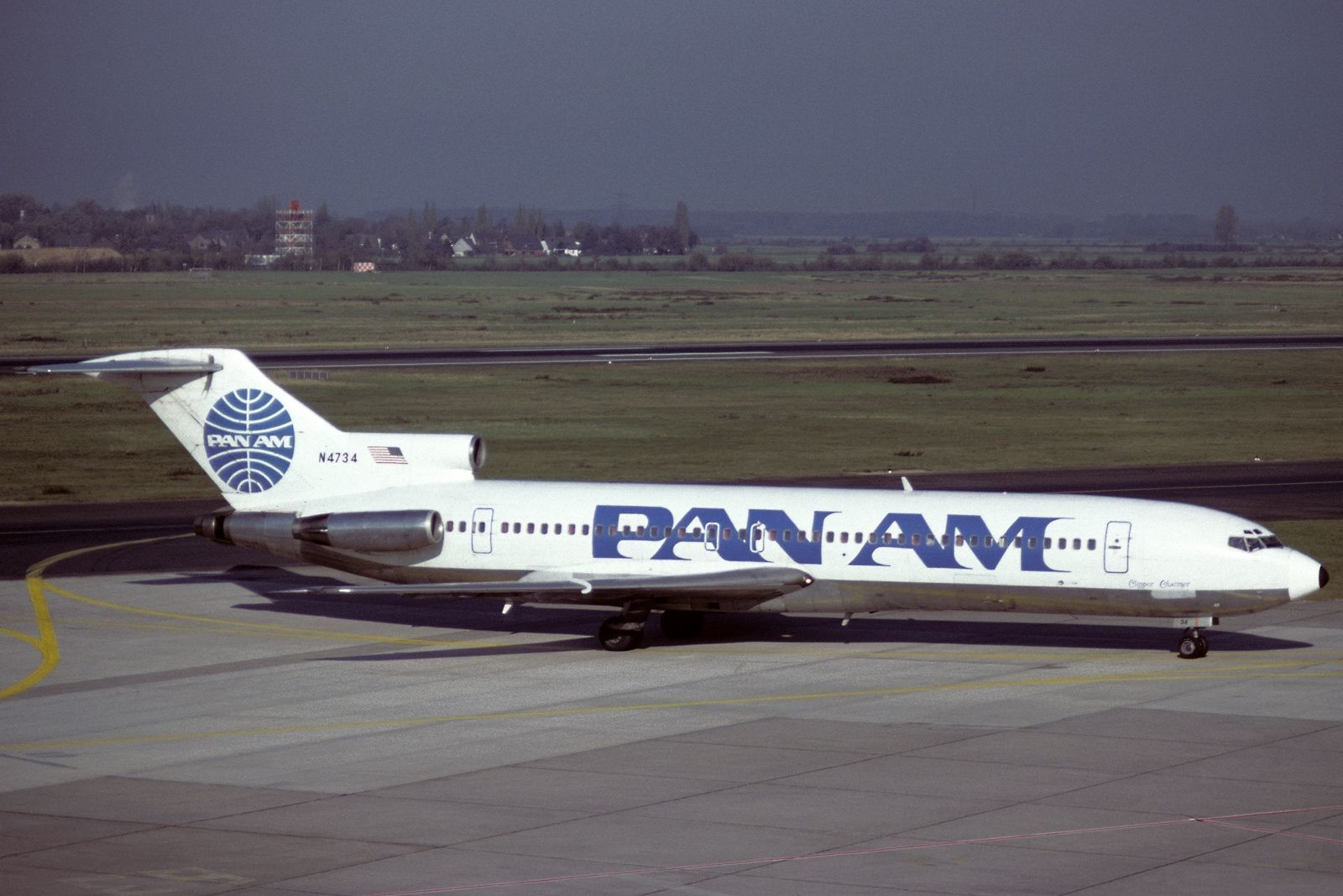
Long before flying became an everyday experience, Pan American World Airways, better known as Pan Am, was already carrying Americans across the world. It was founded in 1927, and during the 1960s and 1970s, the airline became a symbol of glamorous air travel.
Its famous blue globe logo was instantly recognizable, even to those who rarely flew. But by the late 1970s, rising competition, fuel costs, and financial troubles began weakening the company. After years of mounting losses and debt, Pan Am shut down in 1991. Even so, its fame was such that even today, more than 30 years later, we still remember it.
4
Woolworth’s
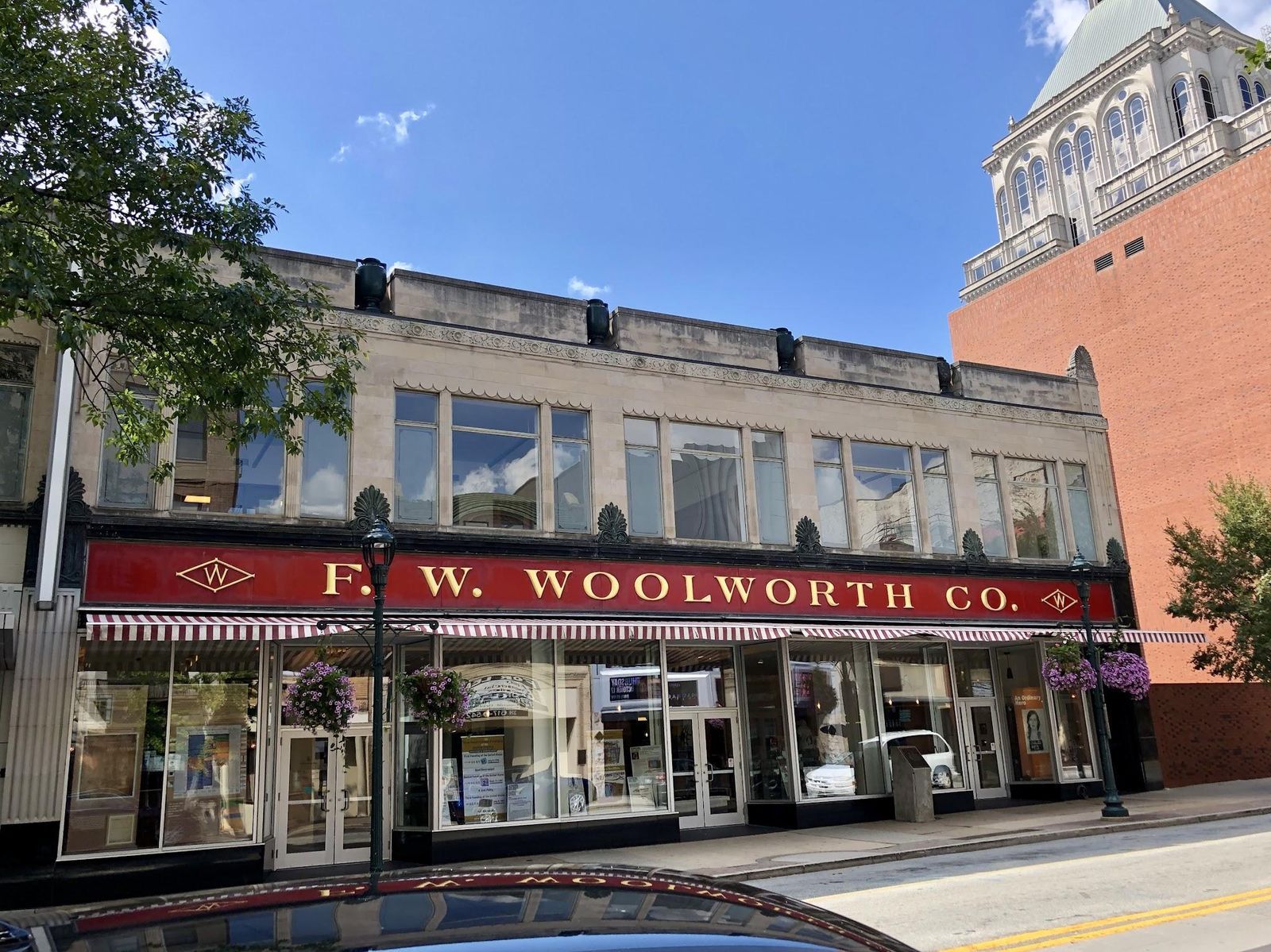
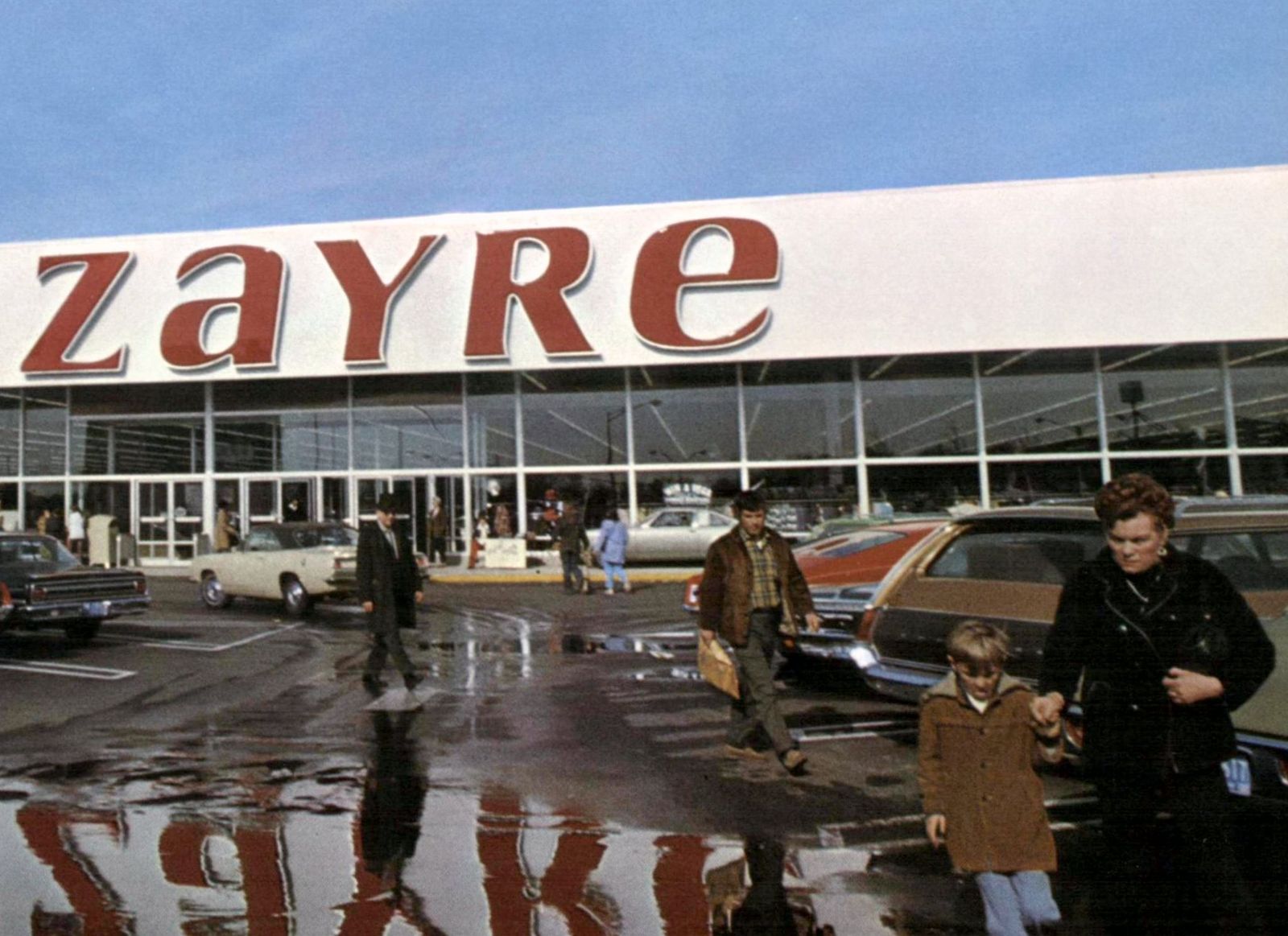
Before Woolworth's made the "five-and-dime" famous, shopping in America looked very different. For decades, Americans visited Woolworth’s for everything from toys and school supplies to household goods and everyday essentials. By the 1960s, the brand had become a familiar part of American life.
Created in 1879 by Frank Winfield Woolworth, the chain grew into one of the country’s largest retailers. But in the 1970s, malls and discount giants like Walmart changed the way Americans shopped, and Woolworth struggled to keep up. By the 1980s, the iconic chain was slowly disappearing. Most stores closed during the 1990s, and the Woolworth retail chain officially ended in 1997.
5
Circuit City
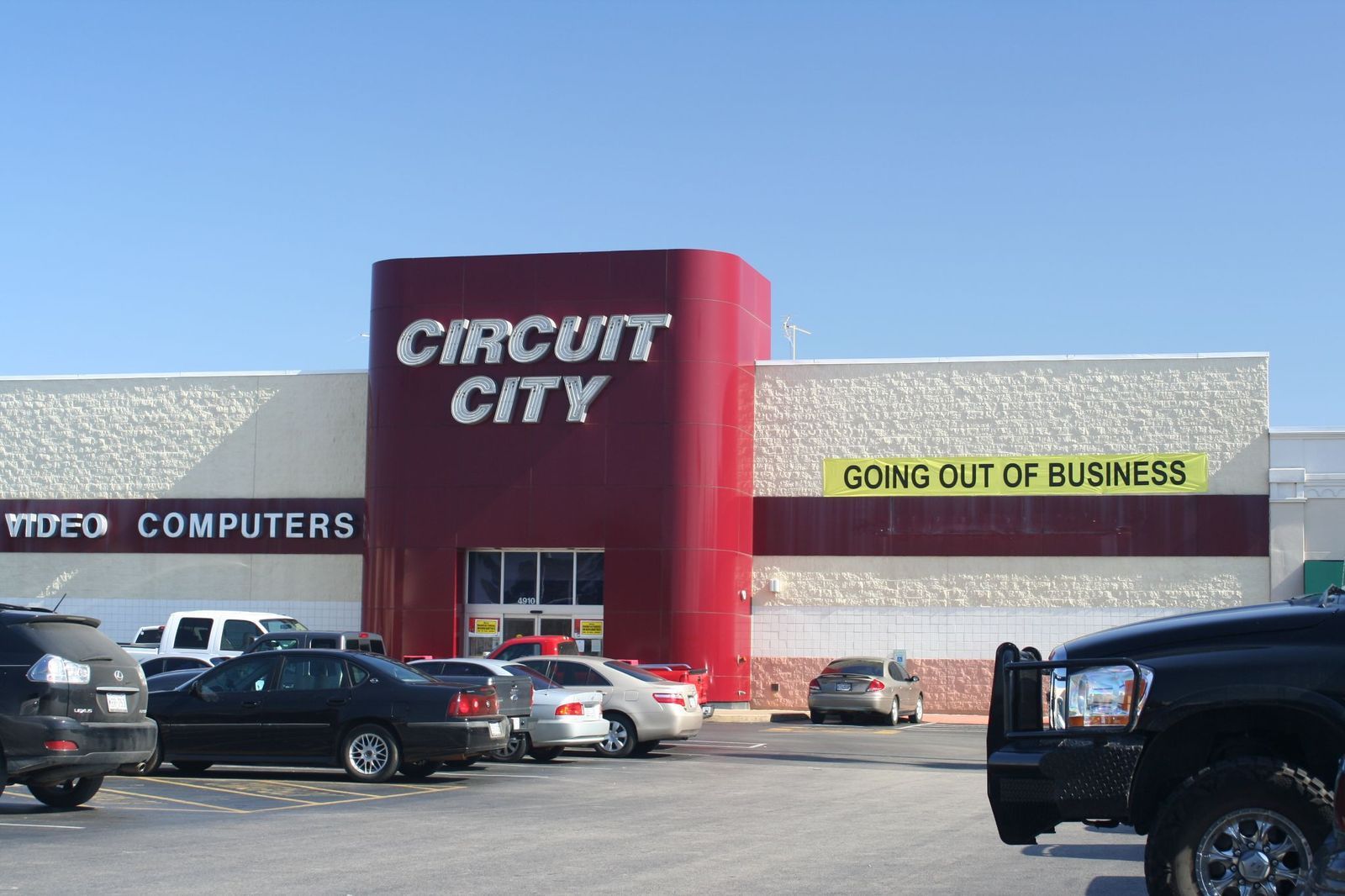
Testing giant stereo systems, browsing rows of CDs and video games, and shopping for the newest TV were all part of the experience at Circuit City, once one of America’s biggest electronics chains.
Founded in 1949 by Samuel S. Wurtzel in Richmond, Virginia, as "Wards Company," the retailer adopted the Circuit City name in 1984. During the 1980s, 1990s, and early 2000s, it became the go-to place for Americans buying a TV, stereo, computer, or any electronic device. But like many companies on this list, Circuit City struggled as shopping habits changed and online stores became more convenient. A controversial 2007 decision to lay off thousands of experienced employees further hurt the company’s reputation. Circuit City couldn’t survive mounting losses and closed all remaining stores in 2009.
6
Borders
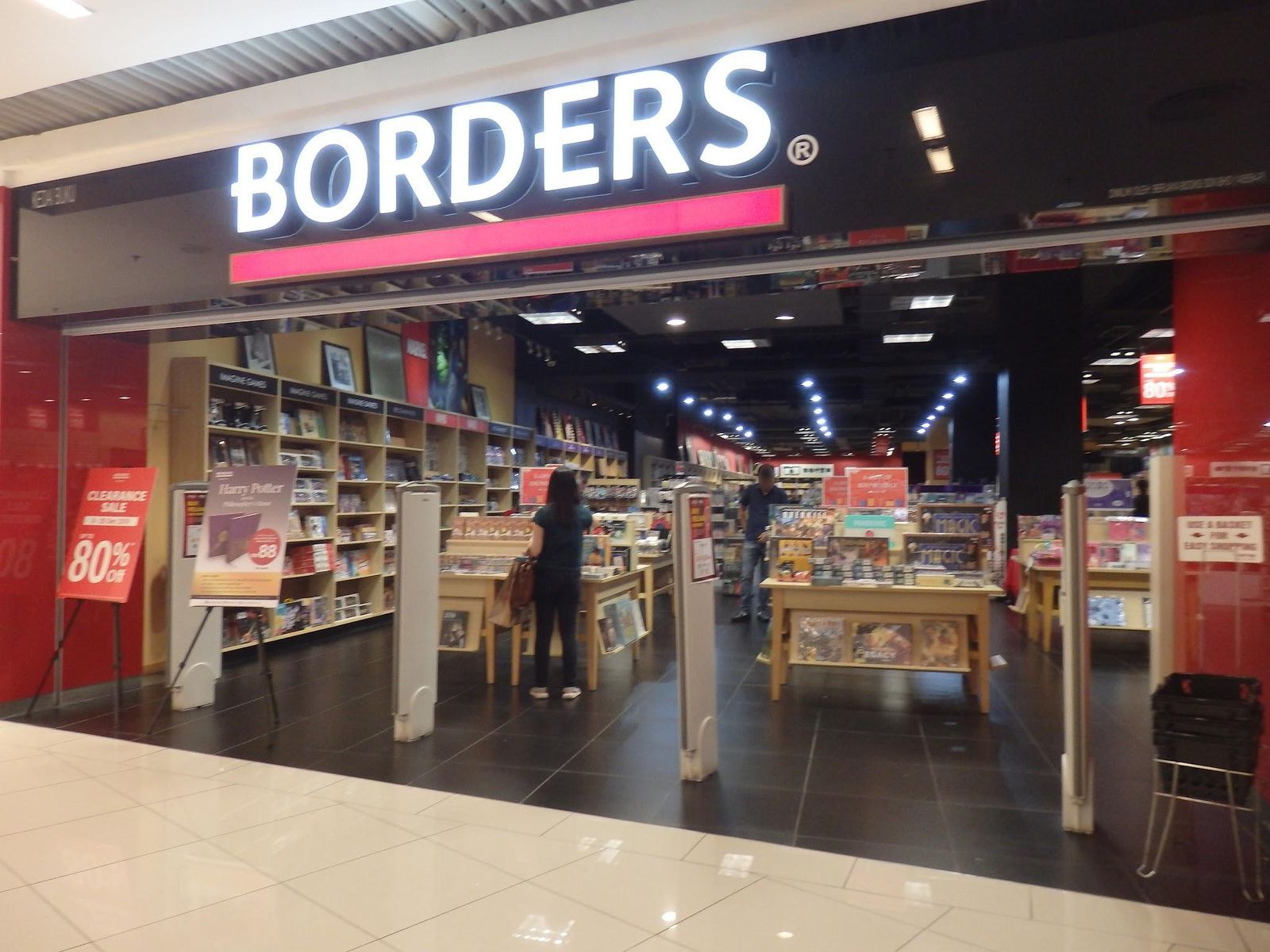
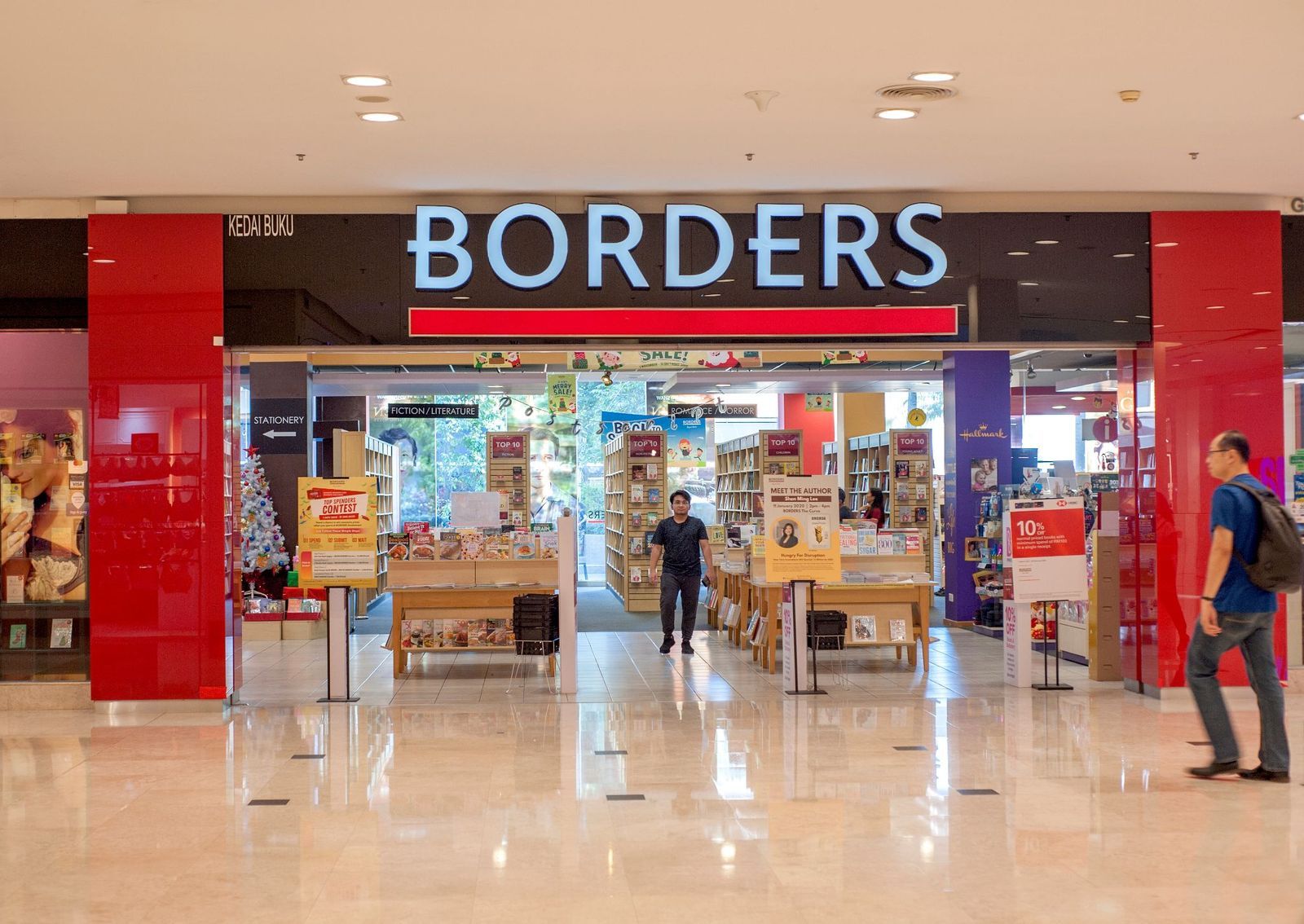
Remember Borders? Born in 1971, its huge stores, filled with books, music, magazines, and cozy reading spaces, invited customers to spend entire afternoons there.
During the 1990s and early 2000s, the rise of large shopping malls actually helped Borders thrive, turning its bookstores into popular destinations inside malls across the US. But eventually, the company ran into a challenge it couldn’t overcome: online shopping and digital reading. Competitors like Amazon surged ahead, while Borders struggled to adapt and made costly business decisions, including outsourcing its online sales to Amazon for years. The company collapsed financially in 2011 and soon closed all remaining stores.
7
Bugle Boy

In the late 1980s and early 1990s, teenage fashion became almost synonymous with Bugle Boy. Famous across the country for its casual jeans and memorable TV commercials, the brand became a major part of American mall culture and was sold in department stores nationwide.
But fashion never stands still, and brands have to constantly adapt to survive. By the late 1990s, newer youth-oriented labels had taken over with fresh styles that quickly made Bugle Boy seem outdated. Sales began to fall, and after years of struggling to keep up with changing trends, the company closed its stores in 2001.
8
Howard Johnson’s restaurants
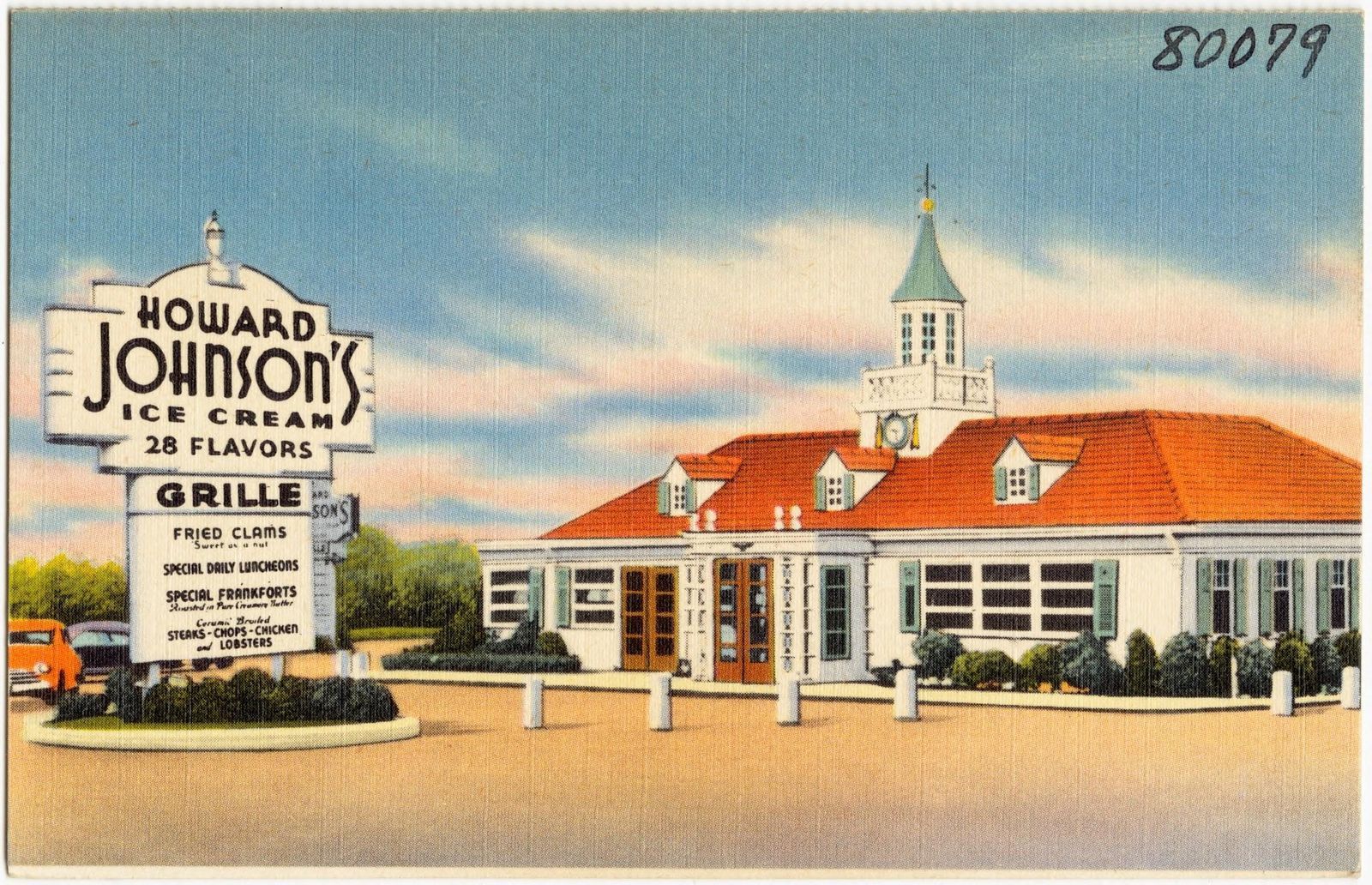
During the 1960s and 1970s, a stop at Howard Johnson's was part of the classic American road-trip experience for many families, and that was no accident.
Founded in 1925 in Quincy, Massachusetts, the famous orange-roofed chain reached its peak when America’s expanding highways and booming car culture made roadside travel more popular than ever. But by the late 1970s and early 1980s, the growing popularity of fast-food chains like McDonald's began changing the way Americans ate on the road. Drivers increasingly wanted meals that were faster, cheaper, and more standardized, while interstate highways also redirected traffic away from many older roadside locations. Unlike some other brands on this list, Howard Johnson’s faded away slowly over the decades. The last restaurant finally closed in 2022.
9
Burger Chef
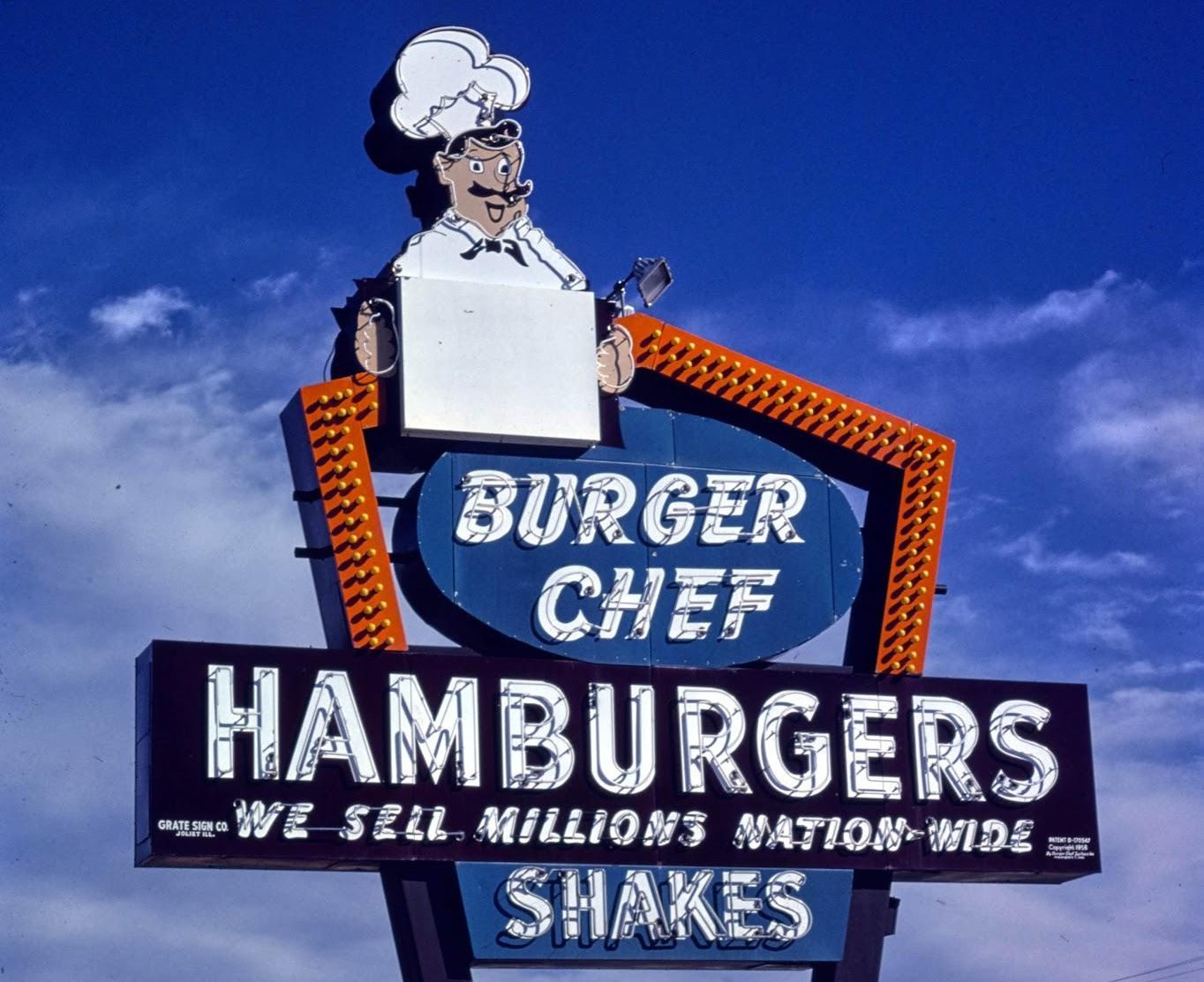
In 1958, a name emerged as one of the pioneers of America’s growing fast-food industry: Burger Chef. By the late 1960s, the chain had more than 1,000 locations across the country and had become one of McDonald's’s biggest competitors.
Long before Happy Meals became famous, Burger Chef helped popularize the idea of marketing meals directly to children with toys and themed publicity. But during the fast-food wars of the 1970s, competition became fiercer than ever. While McDonald’s and Burger King expanded by leaps and bounds, Burger Chef struggled with financial problems and changing consumer tastes. In 1982, the company was sold to Hardee's, which gradually converted most Burger Chef locations into Hardee’s restaurants.
10
Sports Authority
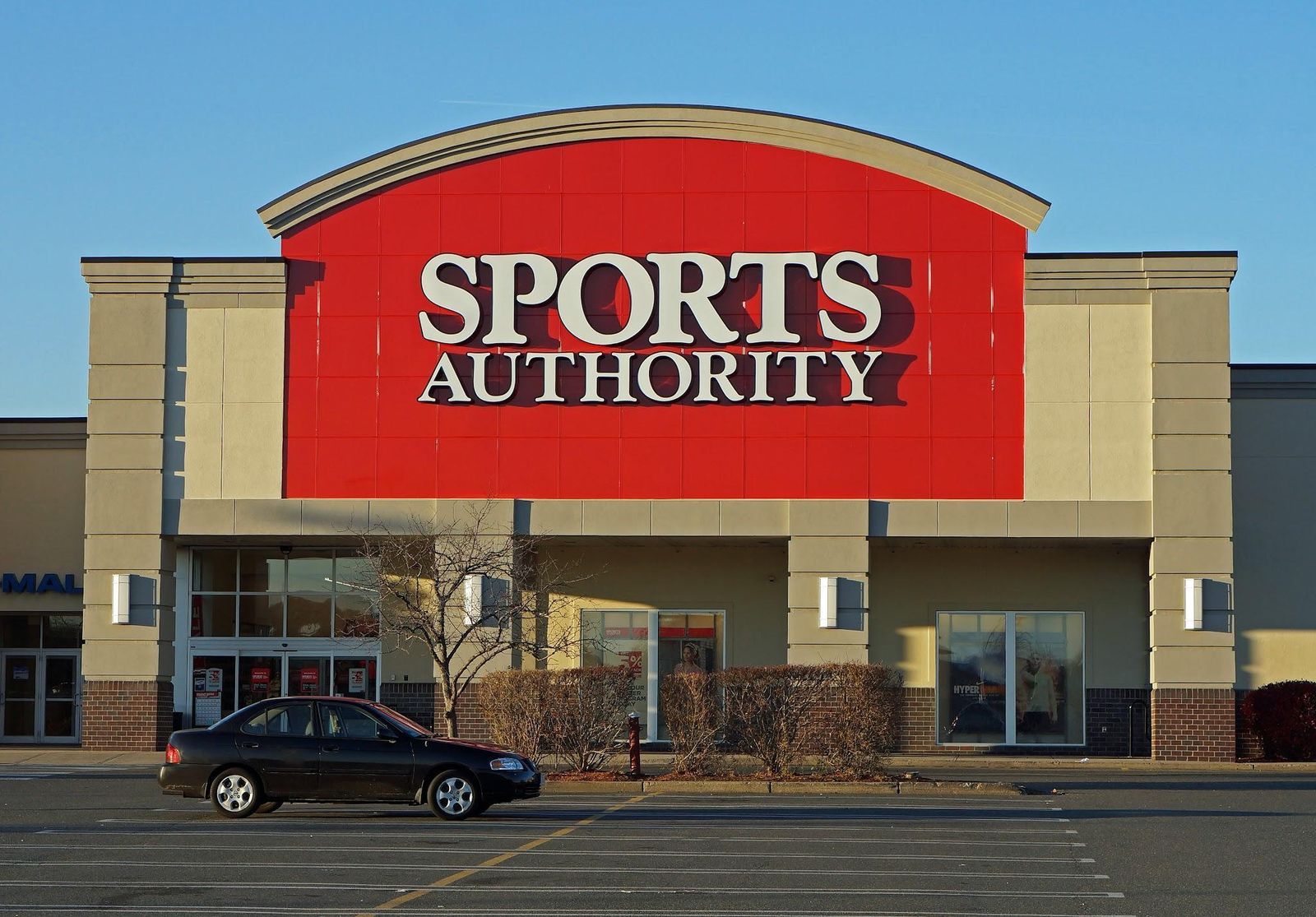
Throughout the 1990s and 2000s, many Americans looking for running shoes, gym shorts, and sports gear headed straight to Sports Authority.
Known for its huge stores packed with athletic apparel, exercise equipment, bicycles, camping gear, and team sports products, Sports Authority became the ideal shopping destination for families and athletes across the US. But as online shopping rapidly changed retail in the 2000s, the company struggled to adapt. Heavy debt from expansion efforts and a slow shift to e-commerce eventually caught up with the chain. Sports Authority declared bankruptcy in 2016 and closed all remaining stores later that year.