Culture Culture 8 min read

Singers before fame

How 10 superstars made ends meet before they were famous
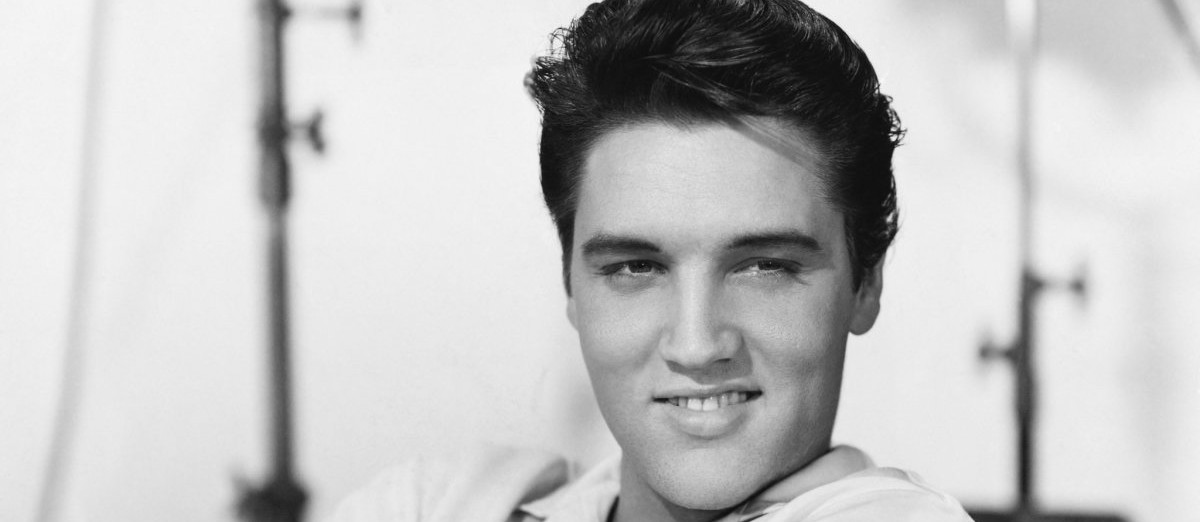
Image: See page for author, Public domain, via Wikimedia Commons

It’s hard to picture Elvis Presley behind the wheel of a delivery truck, Johnny Cash in the U.S. Air Force, or Tina Turner working in a hospital. But before they became icons, these music legends had ordinary jobs and different plans for their lives. Some worked in factories, some waited tables, and others had careers that had nothing to do with music. Here are 10 generational musicians whose lives before fame may surprise you.

1
Elvis Presley
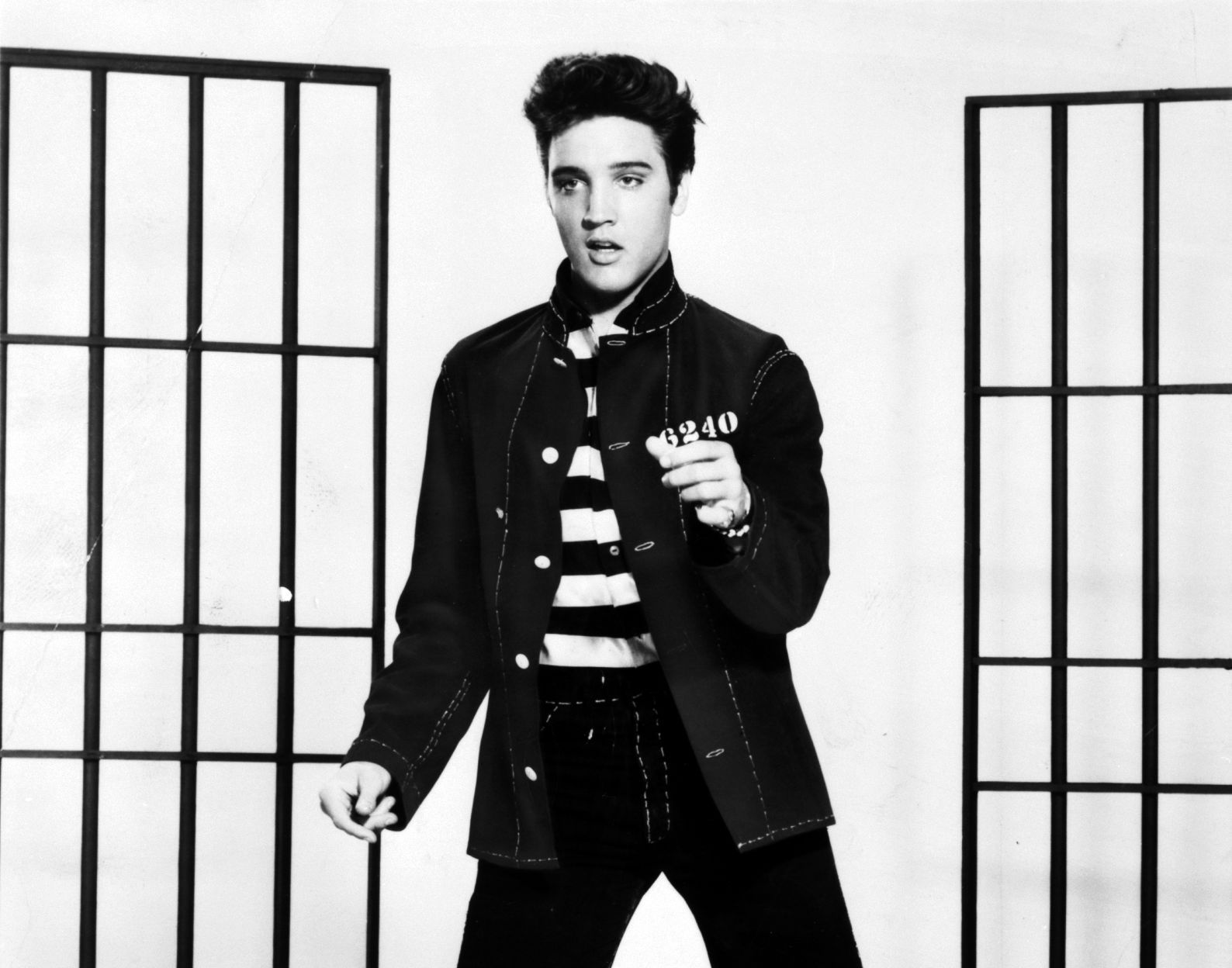
Just two years before "Heartbreak Hotel" catapulted him to worldwide fame in 1956, Elvis was working as a truck driver and deliveryman in Memphis, Tennessee.

He started at Crown Electric Company on April 20, 1954, earning $1 an hour to deliver electrical supplies to local job sites while hoping to train as an electrician. But everything changed that June, when Sun Records owner Sam Phillips remembered a recording Elvis had made a few years earlier as a gift for his mother and called him into the studio. They recorded a high-energy version of Arthur Crudup’s blues song "That’s All Right," which became Elvis’s first hit. Even after the song hit local radio stations, Elvis didn’t quit his job right away; he continued driving until mid-October 1954, when his touring schedule made it impossible to keep working a 40-hour week.

2
Johnny Cash
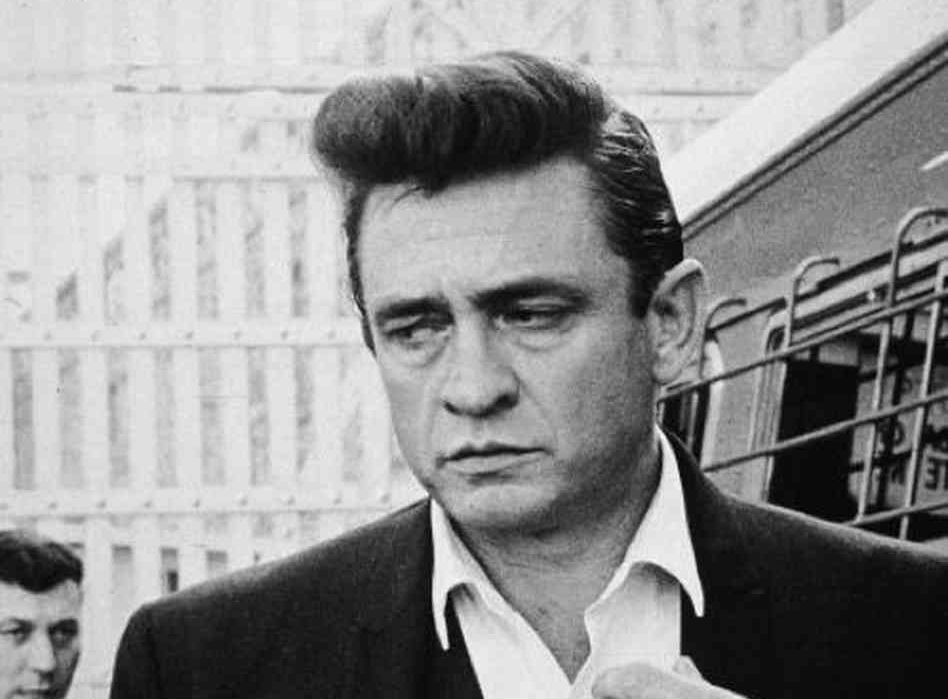
Image: Dillan Stradlin, CC BY-SA 4.0, via Wikimedia Commons

We all know Johnny Cash for hits like "I Walk the Line" and "Ring of Fire," but before becoming a country music legend, he had a totally different career.

In 1950, at 18, Cash enlisted in the U.S. Air Force during the Cold War. Stationed in Landsberg, West Germany, he worked as a Morse code intercept operator, transcribing secret Soviet transmissions. According to his 1997 autobiography, he was the first American to learn of Joseph Stalin’s death on March 5, 1953 , after decoding the Soviet message announcing it. But the Air Force also brought Cash closer to music. While in Germany, he bought his first guitar for 20 Deutsche Marks (about $5 at the time) and began writing songs and performing for fellow soldiers. Several years later, after moving to Memphis, Cash took the lyrics to "Folsom Prison Blues" to Sam Phillips, the same man who helped launch Elvis Presley’s career.

3
Madonna

Image: chrisweger, CC BY-SA 2.0, via Wikimedia Commons

Can you imagine walking into Dunkin’ Donuts for a coffee and being served by Madonna? If you lived in New York City in the late ’70s, it could have happened.

Madonna moved from her native Michigan to New York in 1978 at age 20, dreaming of becoming a singer and dancer. With just $35 in her pocket, she needed a job to pay the rent, and landed her first one at Dunkin’ Donuts in Times Square. But it lasted only a week. As she later recalled, she was fired for playing with the jelly-squirter machine. Over the next few years, Madonna took cassette recordings of her songs to producers, nightclubs, and DJs around the city. Her persistence paid off in 1982, when she gave a tape to Mark Kamins, a DJ at Danceteria. He played her song "Everybody," and the crowd loved it.

4
Tina Turner

Image: Iris Schneider, Los Angeles Times, CC BY 4.0, via Wikimedia Commons

Before becoming one of the world’s greatest voices and performers, Tina Turner worked at a hospital.

Born Anna Mae Bullock in November 1939, she graduated from Sumner High School in St. Louis, Missouri, in 1958 and got a job as a nurse’s aide at the city’s Barnes-Jewish Hospital, hoping to pursue a career in medicine. But music soon changed her plans. She and her sister often visited clubs where Ike Turner performed with the Kings of Rhythm. One night, a drummer handed Tina the microphone, and Ike was so impressed by her voice that he invited her to sing with the group. For a while, Turner worked at the hospital by day and performed at night, but that changed in 1960, when she recorded "A Fool in Love" with Ike. The song became a huge hit, and touring demands forced her to leave her hospital job behind.

5
Chuck Berry
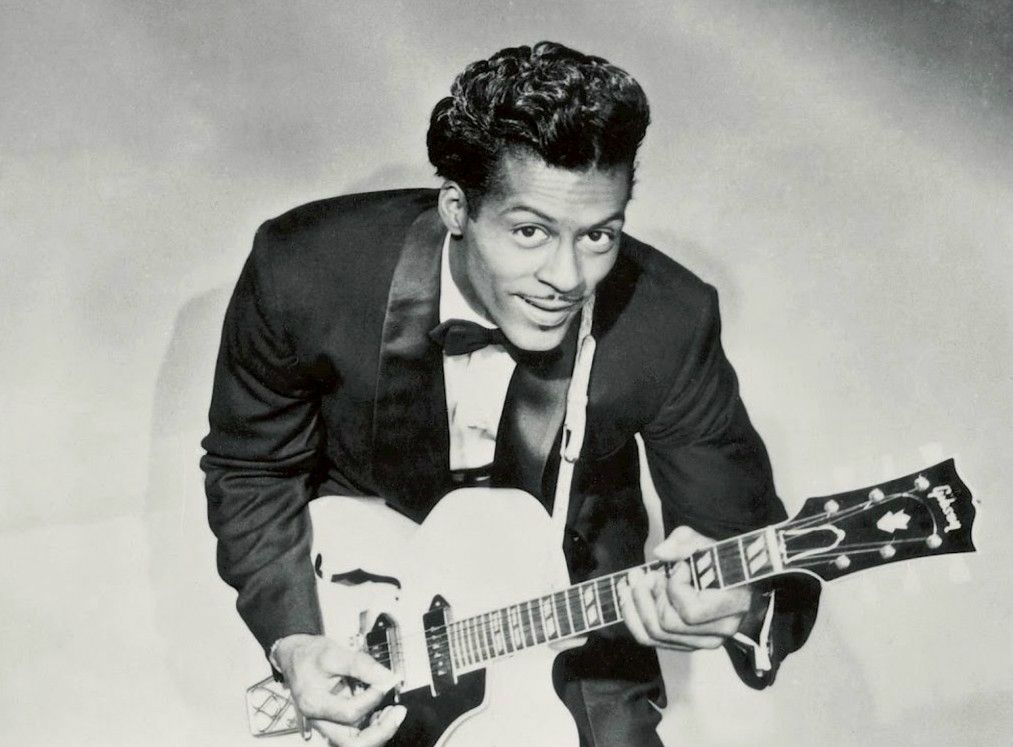
Image: Pickwick Records, Public domain, via Wikimedia Commons

Before becoming the Father of Rock and Roll with hits like "Johnny B. Goode," Chuck Berry had some surprisingly ordinary jobs.

After leaving a youth reformatory in 1947, Berry settled in St. Louis, got married, and found work on General Motors’ auto assembly line. While working at the factory, he developed a love for cars (which later showed up in songs like "Maybellene") and continued his longtime passion: playing guitar. In the early 1950s, he began exploring other fields, and in 1953, he left the factory to work as a professional hairstylist and cosmetologist, a job that allowed him to play guitar at local clubs on weekends. His ordinary life changed in 1955 when Berry showed up right at Chess Records' doors with his songs. That July, "Maybellene" became a huge hit and launched his music career.

6
Axl Rose

Image: Raph_PH, CC BY 2.0, via Wikimedia Commons

After seeing Axl Rose on stage, it’s hard to imagine him doing anything other than music. But he certainly did.

Born William Bruce Rose Jr. on February 6, 1962, in Lafayette, Indiana, he moved to Los Angeles in 1982 and formed a band named Hollywood Rose. During those years, he took a job as a clerk at Tower Records on Sunset Boulevard. He was pretty good at it and was eventually promoted to store manager. In his new position, he hired Saul Hudson, better known as Slash, who would later become his bandmate. They were both fired from Tower Records in 1984, but they didn’t give up on music. In June 1985, Rose joined Izzy Stradlin, Duff McKagan, Slash, and Steven Adler to form Guns N’ Roses. After building a following in LA bars, a Geffen Records executive saw the band perform, and they were finally signed to a major deal in 1986.

7
Cyndi Lauper

Image: John Bellissimo; Distributed by Portrait Records, Public domain, via Wikimedia Commons

We tend to imagine famous artists as having glamorous lives, but many had difficult beginnings. That was the case for Cyndi Lauper, who, in 1970, dropped out of school and left her home in Queens at 17 to escape her abusive stepfather.

She left with little more than a toothbrush, an apple, her cat, and some art supplies. In those early years, she relied partly on unemployment checks and money from panhandling. But she needed a steady income to support herself while pursuing her dreams. So she took on a series of odd jobs, working as a dog kennel assistant, personal assistant, vintage clothing clerk, and even a horse walker at Belmont Park racetrack. Her life finally began to change in 1981 when David Wolff discovered her singing covers at a New York piano bar and became her manager.

8
Duke Ellington
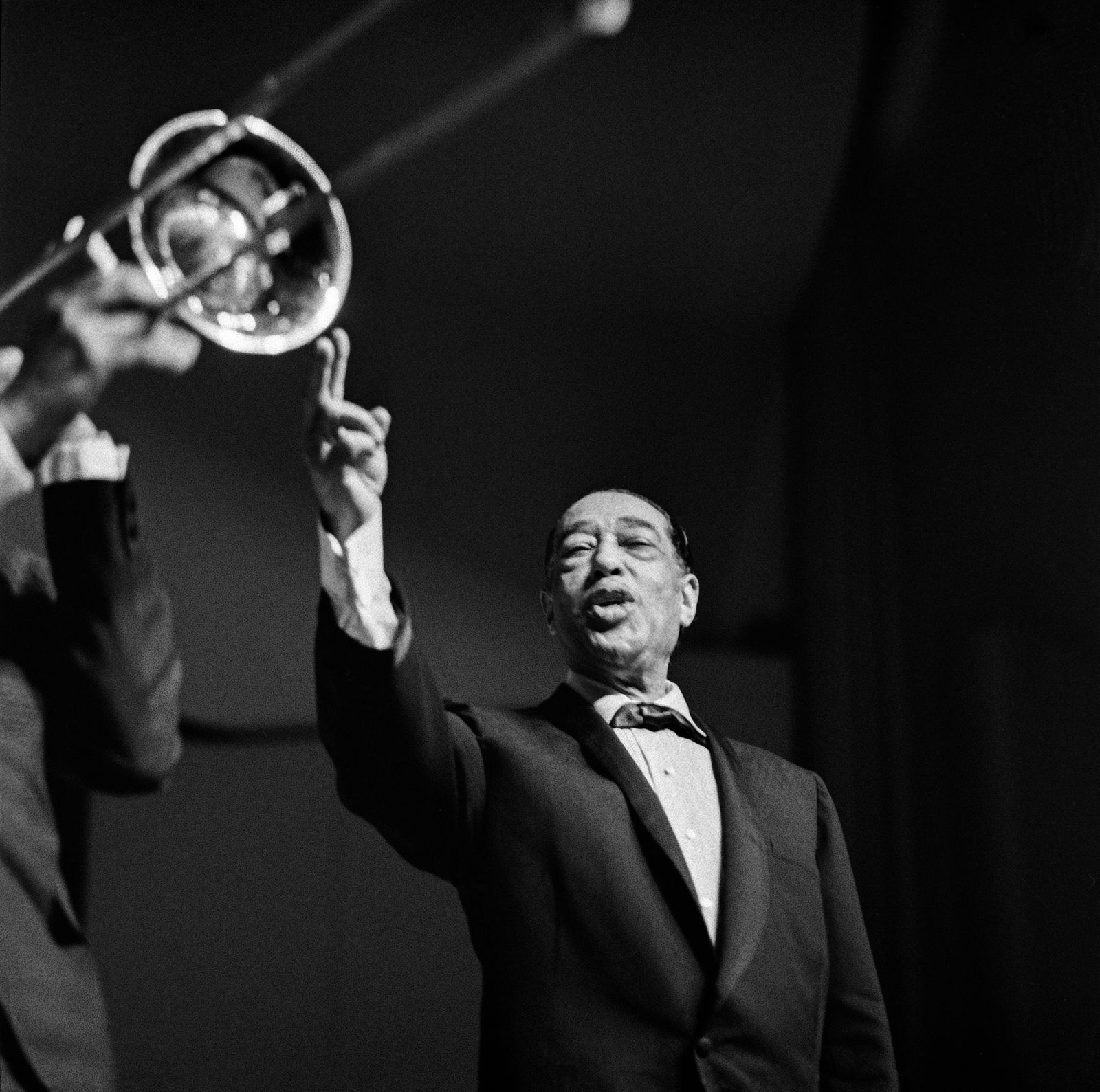
Image: Bert Carpelan, CC BY 4.0, via Wikimedia Commons

As a child growing up in Washington, D.C., in the early 1900s, Edward Kennedy Ellington was actually more interested in baseball than the piano.

At just 7, he would skip piano lessons to play baseball. His love for the sport became a way to earn money when he took a job as a vendor at Washington Senators games, selling peanuts, popcorn, cigars, and candy from around 1908 to 1912. But as a teenager, his interests began to change. At 14, he started sneaking into Frank Holliday’s Poolroom, where hearing local ragtime pianists sparked his passion for music. By 1914, Duke had written his first song, and over the years, his talent made him a local star. In 1923, he moved to New York City, and four years later, his big break came when his orchestra became the house band at Harlem’s famous Cotton Club.

9
Neil Diamond
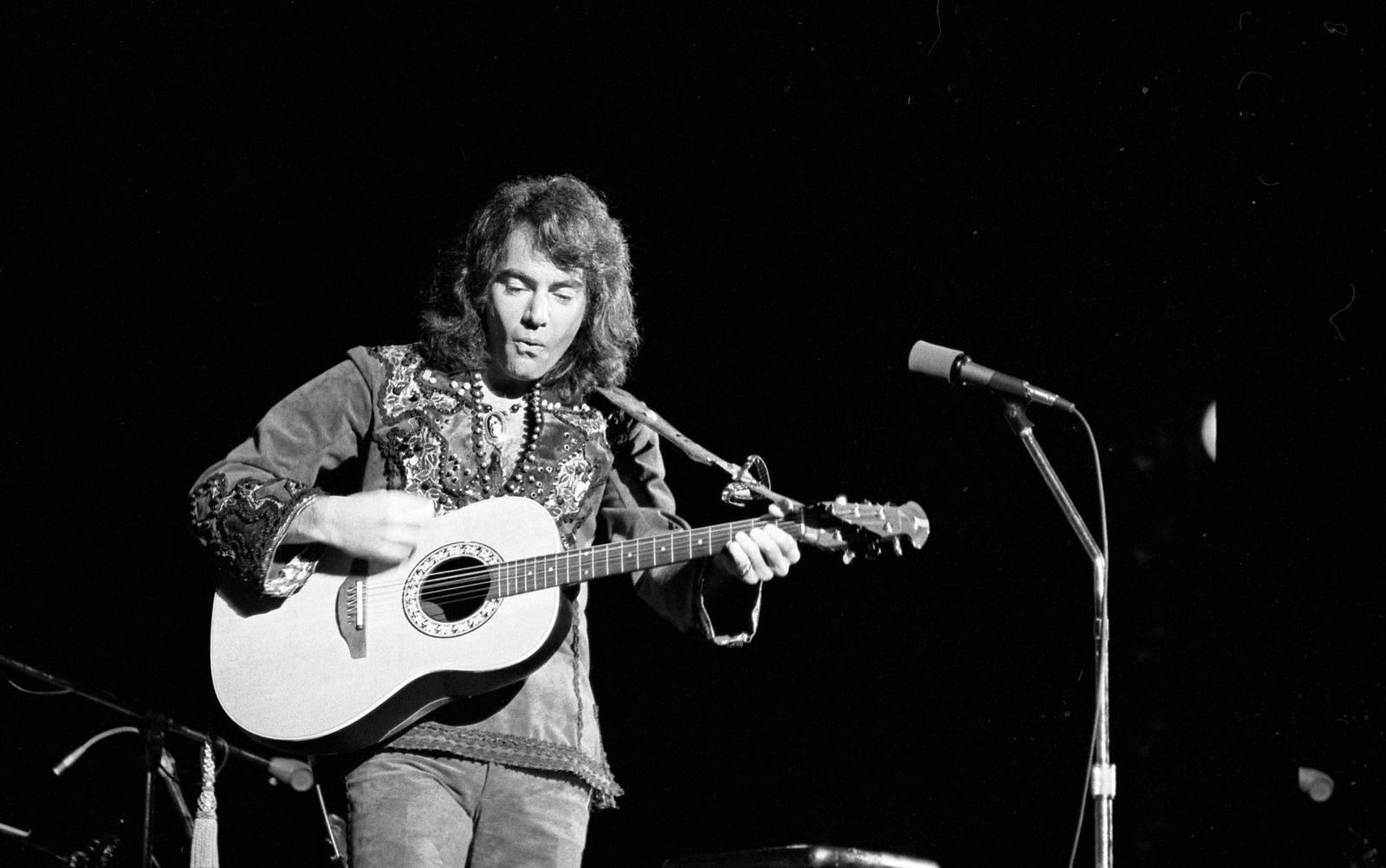
Image: Larry Bessel, Los Angeles Times, CC BY 4.0, via Wikimedia Commons

It’s hard to believe, but the man who gave us "Sweet Caroline" once imagined a life in medicine — and was a talented fencer, too.

After his grandmother died of cancer, young Neil Diamond dreamed of becoming a doctor or biologist so he could help find a cure. In 1958, he went to New York University on a fencing scholarship and studied pre-med, while also helping his team win the 1960 NCAA men’s fencing championship. But just 10 credits short of graduating, he took a job doing what he loved most. For about 4 months, he worked writing songs for Sunbeam Music Publishing for $50 a week. That job changed everything, and Diamond eventually dropped out of college to pursue music full-time. His career took off in 1965 when producers Jeff Barry and Ellie Greenwich helped him land a deal with Bang Records.

10
Patti Smith

Image: Klaus Hiltscher, CC BY-SA 2.0, via Wikimedia Commons

What does Patti Smith have to do with tricycles? It sounds like a strange question, but before becoming the "Queen of Punk," Smith worked in a factory inspecting parts for baby strollers and tricycles.

At 16, while growing up in New Jersey, she took a summer job at a factory checking metal pipes and handlebars for defects. After graduating high school in 1964, she returned to the factory full-time while briefly attending Glassboro State Teachers College. In 1967, she dropped out and moved to New York City, where she worked at a Brentano’s bookstore while struggling to get by. After years in the city’s underground music scene, Smith finally broke through with her legendary 1975 album, Horses.
Geography Geography 6 min read

Territorial anomalies

There's a country within the US that was created to avoid double taxation

Image: Pin Adventure Map

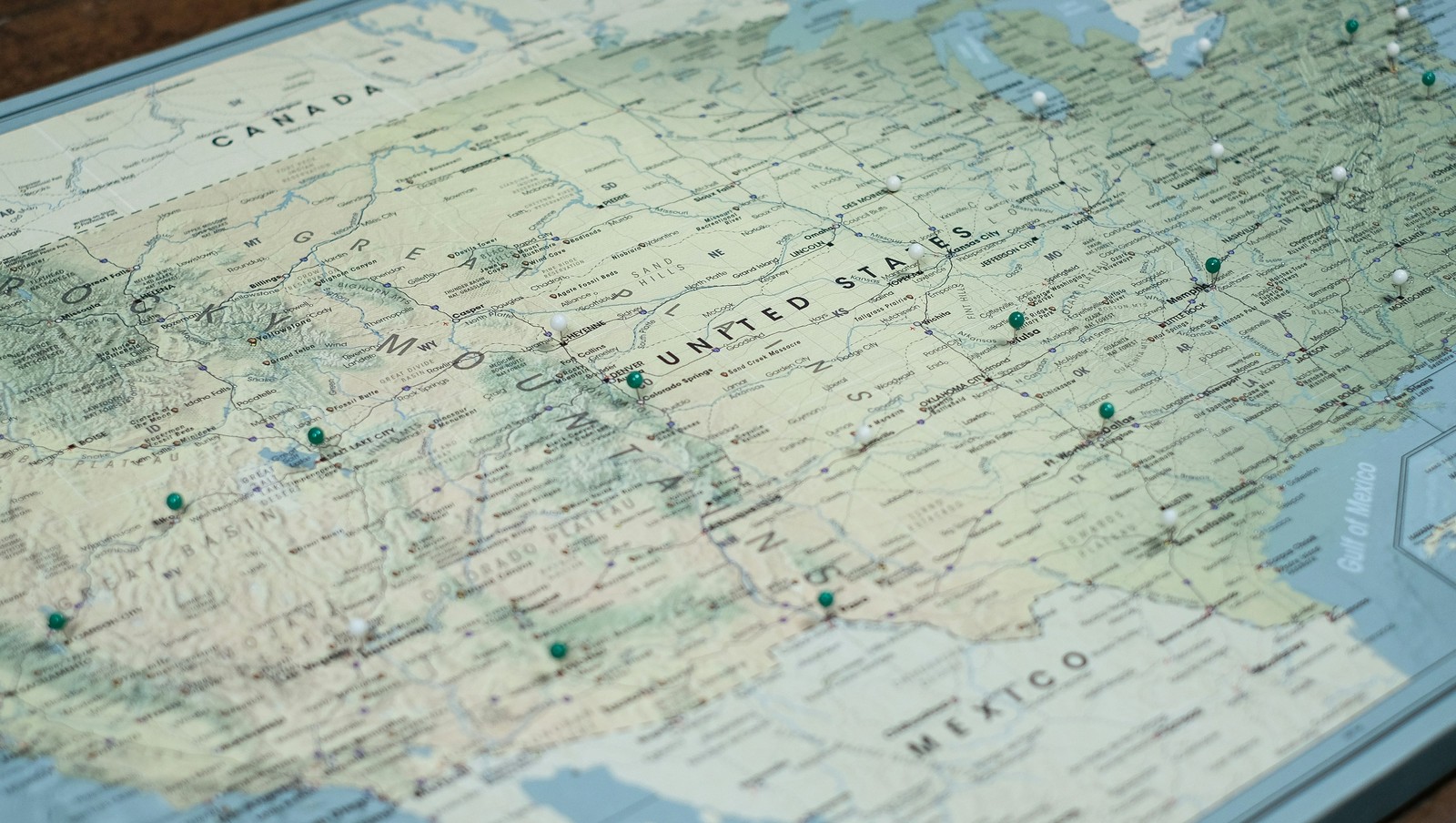
Ever thought about how the borders in our country were defined ? States that almost became official, U.S. points that are only accessible through Canada's borders, territorial feuds over taxes, and more have constructed the limits of the country we know today. Here are 10 territorial quirks you probably never knew of.

1
Point Roberts, WA: The 49th parallel accident

Image: United States Geological Survey, Public domain, via Wikimedia Commons

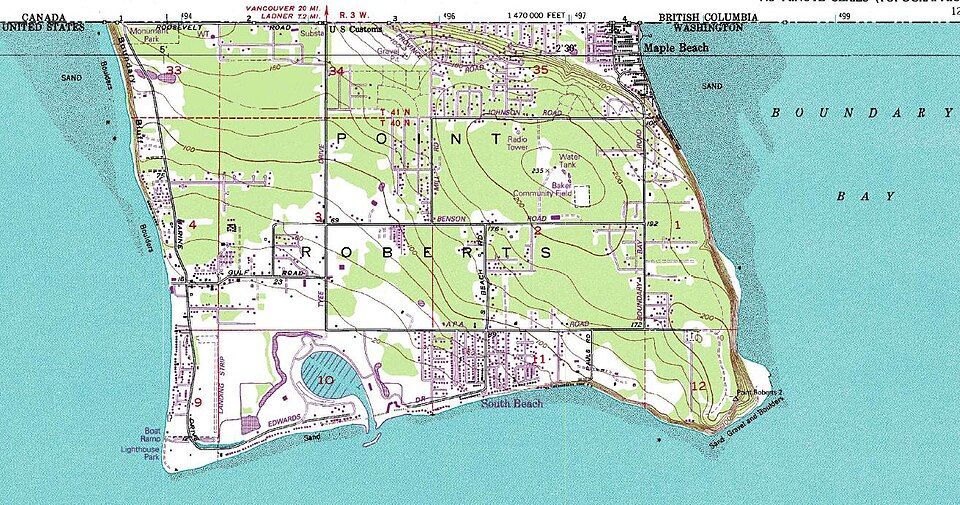
Imagine if you had to cross two borders just to get to the market for a gallon of milk. That’s actually a reality for residents of Point Roberts, Washington. That’s because, following the Anglo-American Convention of 1818, the 49th parallel divided Canada and the U.S. In 1846, the line was extended westward and then officially recognized by the International Boundary Commission in 1925.

However, a tiny tip of the Tsawwassen Peninsula poked out just below that line. Since then, the locals have lived in a boundary quirk. To get to the rest of Washington State by land, they must drive through Canada, show their passports, and do it all over again on the way back.

2
Statue of Liberty: Common misconception

Image: Mohamed Osama

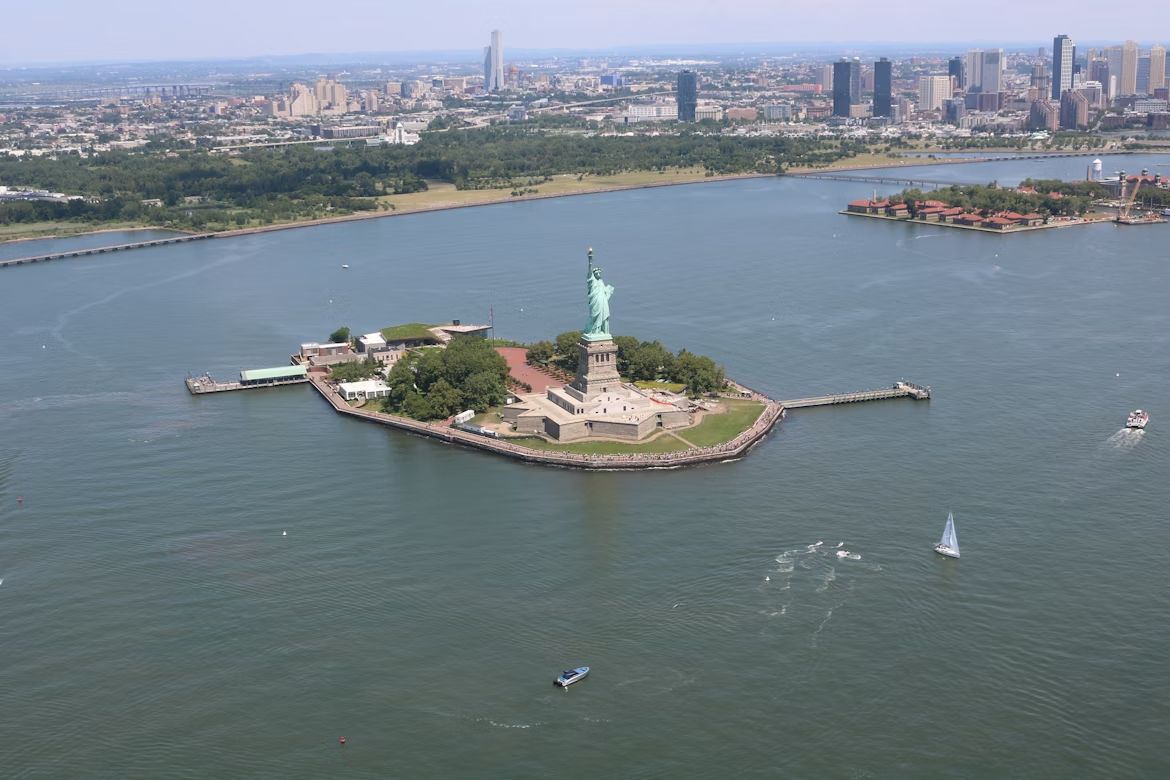
If you want to start a friendly argument at a dinner party, ask whether the Statue of Liberty lives in New York or New Jersey. The funny thing is, both answers are technically right . While the statue physically sits in the waters of the Garden State, Liberty Island is legally an exclave of New York. This dates back to a 1664 land grant by the Duke of York in a document so vague and confusing that it took a 1834 Compact between the two states to settle the deal. New Jersey gets the water and the submerged lands, but New York keeps the monument.

However, the Federal Government actually manages the site through the National Park Service (NPS), providing security and maintenance.

3
The State of Franklin: Failed 14th state

Image: Bennett1203, CC BY-SA 4.0, via Wikimedia Commons

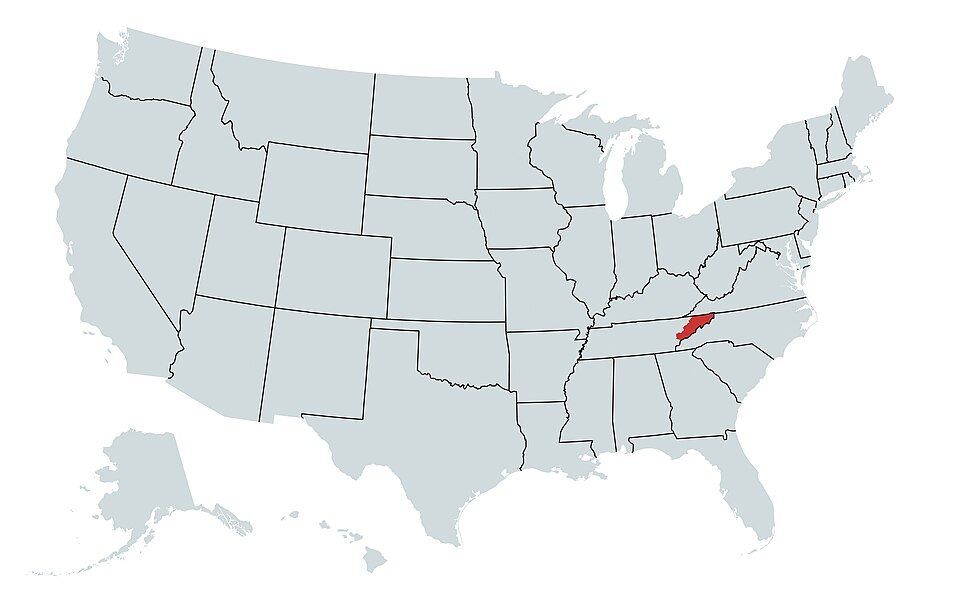
In 1784, three counties in North Carolina felt neglected by their government and decided to strike out on their own . They even elected a governor, John Sevier, and printed their own money. They came just two votes short of being recognized by Congress as a formal state.

Eventually, things got heated, and North Carolina sent troops, leading to a small civil war between the locals. By 1789, the dream of Franklin was buried, and the territory became part of Tennessee.

4
Kentucky Bend

Image: Brian Stansberry, CC BY 4.0, via Wikimedia Commons

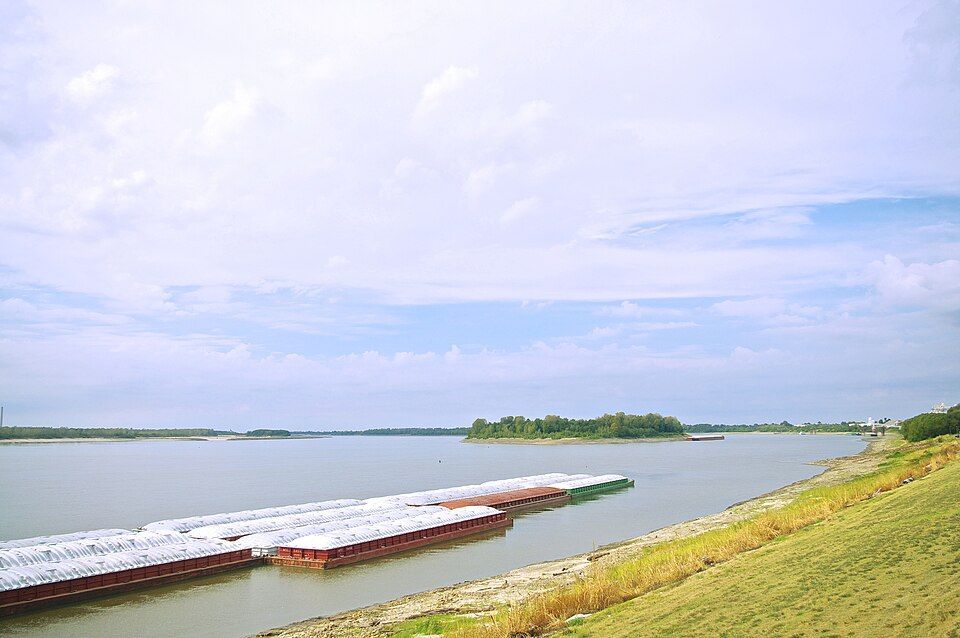
If you look closely at a map, there’s a piece of Kentucky that looks like it doesn’t belong. That’s the Kentucky Bend, also called the New Madrid Bend, a tiny peninsula in Fulton County that is almost completely separated from the rest of the Bluegrass State . The strange situation was the consequence of the massive series of earthquakes that took place in that area between 1811 and 1812, which were so violent they famously caused the Mississippi River to flow backwards for several hours. When the dust settled, the river had carved a new path that looped around this small patch of land, surrounded by Missouri and Tennessee instead of Kentucky. The 9 residents living there today go through Tennessee just to get to their home state.

5
The State of Deseret: The empire that almost was

Image: Carl Radefeld (cartographer); Joseph Meyer (publisher), Public domain, via Wikimedia Commons

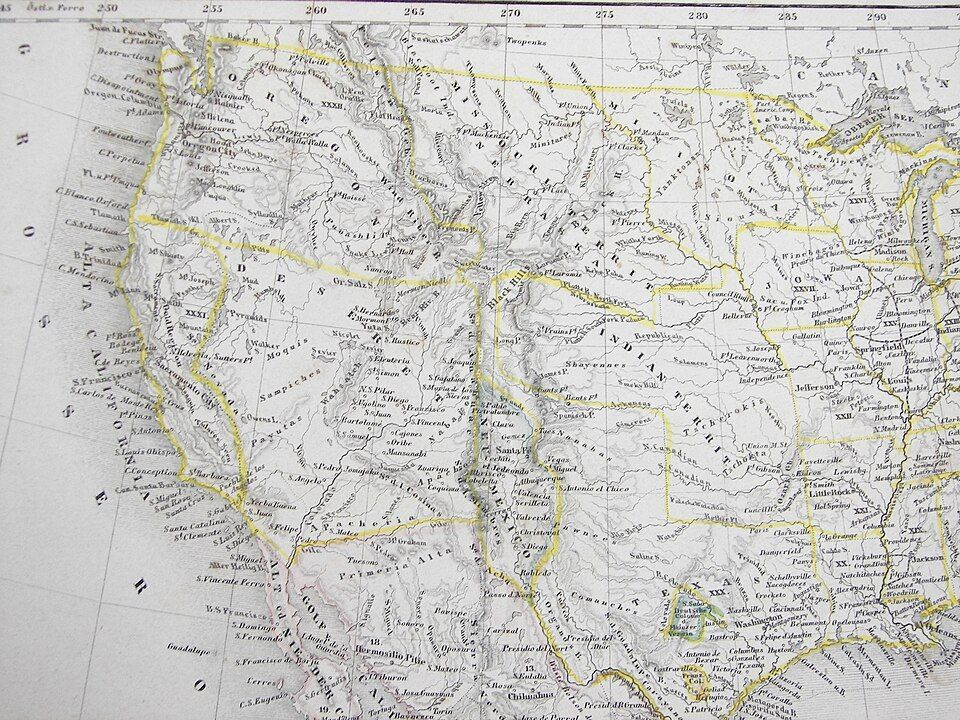
Imagine a state so big it makes Texas look tiny. That almost happened back in 1894, when Mormon pioneers proposed the State of Deseret. The territory comprised what we now know as Utah, most of Nevada, parts of Arizona and Colorado, and a massive chunk of the California coast, including San Diego.

Had it been formalized, it would have been a powerhouse with its own seaport and total control over the West. However, Washington, D.C. wasn’t so keen on one group having that much territory and power, so they whittled it down, and we ended up having the states we know today.

6
The lawless "No Man's Land"

Image: Steve Shook from Moscow, Idaho, USA, CC BY 2.0, via Wikimedia Commons

Have you ever wondered what happens when two governments simply give up on a piece of land? Between 1806 and 1821, there was a strip of land in what is now western Louisiana that was, literally, No Man’s Land. Neither the U.S. nor Spain, which owned part of the territory, could agree on the border, so they declared it "Neutral Ground" to avoid armed conflicts . The plan backfired as, with no laws to contain it, it quickly became a favorite for the outlaws in the West —meaning deserters and bandits hiding there were legally untouchable. The conflict was resolved by the 1819 Adams-Onis Treaty, which officially set the Sabine River as the legal boundary.

7
The Republic of the Indian Stream

Image: Jon Platek, CC BY-SA 3.0, via Wikimedia Commons

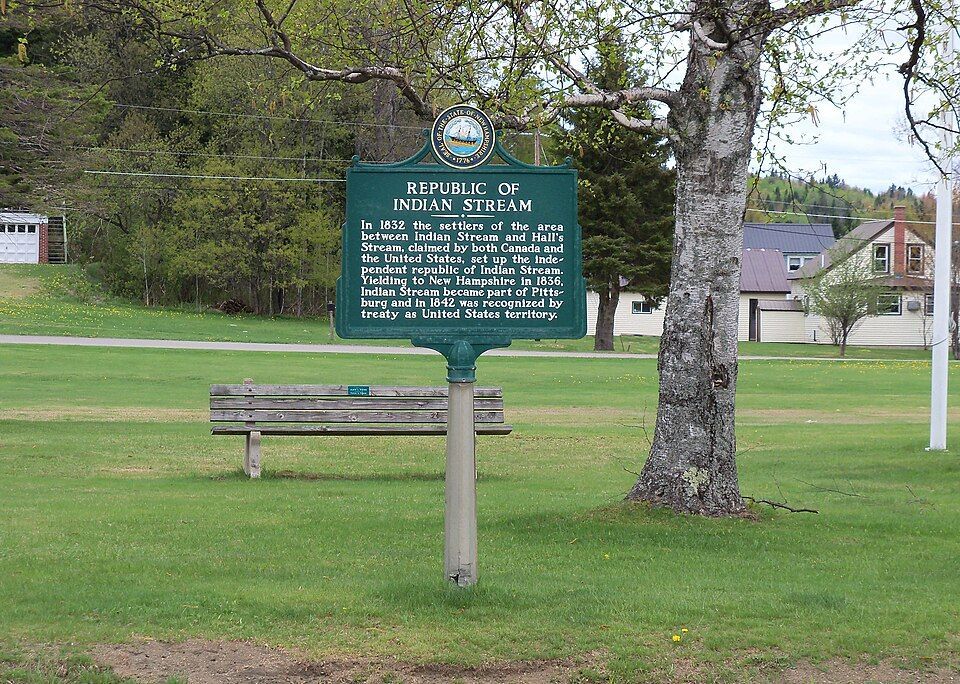
In the early 1830s, people living in a small area between New Hampshire and Quebec were fed up, and in this case, taxes were the problem. Both Canada and the US were trying to collect taxes, and nobody likes being double-billed . In 1832, the residents essentially said "neither of them can tax us" and formed their own country called the Republic of the Indian Stream. They had their own constitution and Capitol for four years, until 1836, when the militia marched on the disputed territory to reclaim the land. It wasn’t until 1842, when the land dispute and the double taxation were definitively resolved by the Webster–Ashburton Treaty, which assigned the land to New Hampshire.

8
The Northwest Angle: Mapping mistake of 1783

Image: Lorie Shaull, CC BY-SA 4.0, via Wikimedia Commons

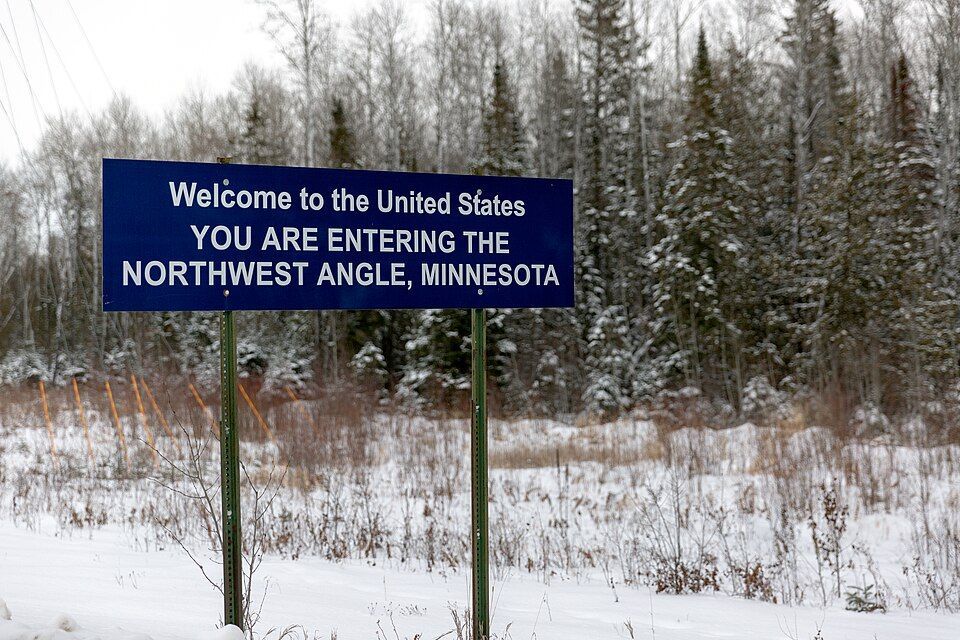
When the Treaty of Paris was signed in 1783 to end the Revolutionary War, the mapmakers used a chart that was flat-out wrong. They thought the Mississippi River started much further north than it actually did. Because of that mistake, a piece of Minnesota got cut off from the rest of the country . To this day, the "Northwest Angle" is the only place in the lower 48 states north of the 49th parallel. Much like Point Roberts, you have to cross a massive lake or drive through Canada just to visit it.

9
The District of Columbia’s "lost" corner

Image: Tim Mossholder

If you look at a map of D.C., you’ll notice it’s missing a chunk; it’s not a perfect square as it was originally intended. Originally, the capital was a perfect ten-mile square diamond , taking land from both Maryland and Virginia. But by 1846, things got tense. Residents in the Virginia portion, which included Alexandria and Arlington, were worried the federal government would abolish slavery in the District, which was the backbone of their economy. They successfully petitioned to have Virginia "take back" that portion of the land and subsequently changed the shape of the national capital forever.

10
UN Headquarters: International territory

Image: LPulecio-WMF, CC BY 4.0, via Wikimedia Commons

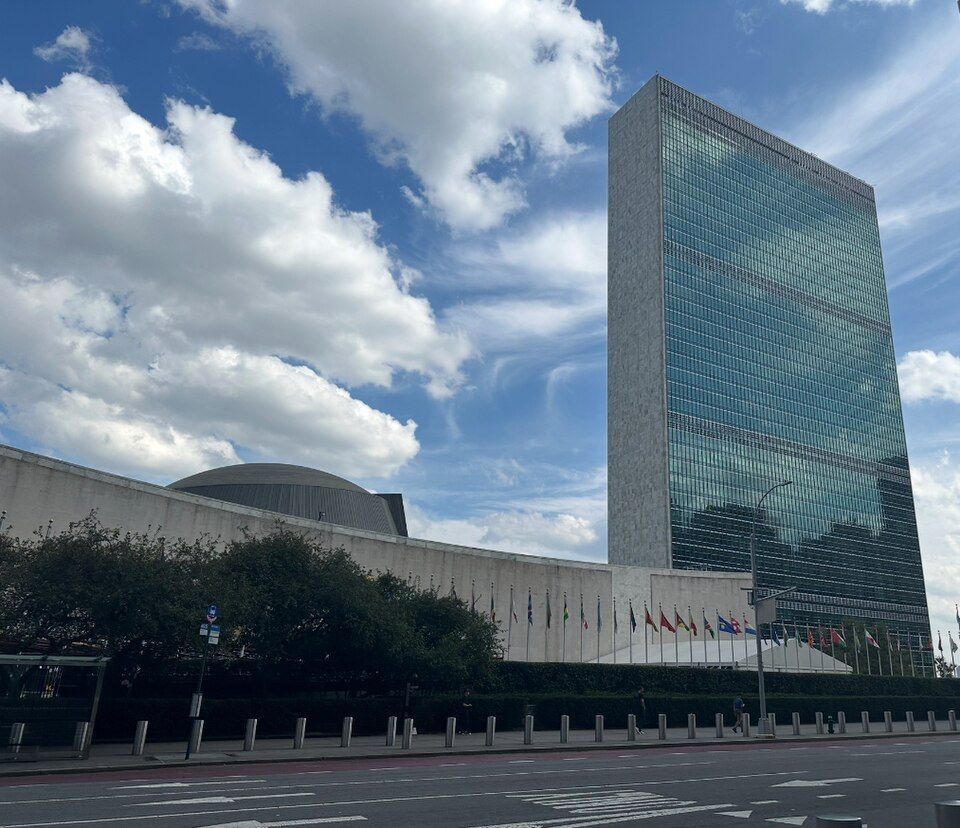
If you want to feel international, go to the United Nations Headquarters on the East River in midtown Manhattan, New York. Once you cross that gate onto the 18-acre site, you are technically leaving the United States. You don’t need to show your passport, but that’s international territory, which means it has its own laws , its own security force, and even its own postal service. It is a legal hole in the middle of New York City.

General General 4 min read

American uniqueness

10 things America does differently from the rest of the world

Image: Shamblen Studios

The U.S. is a unique country in many ways , but some of these might shock tourists and foreigners because they differ from how they are done in other parts of the world. From etiquette rules to cooking styles to how to record a date, America has its own way of doing certain things . Let’s have a look at some of them!

1
Measuring

Image: Annie Spratt

This is a difference most Americans are aware of: most countries use the metric system rather than U.S. customary units, and most use Celsius instead of Fahrenheit. Countries such as the UK and Canada still use some imperial units in everyday life, but they mainly use the metric system. Another measure that confuses foreigners is the particular way ingredients are measured in American recipes, which often use cups, tablespoons, and teaspoons rather than measurements by weight.

Fun fact: The only other countries that use the Imperial system officially are Liberia and Myanmar.

2
Sales tax

Image: Zoshua Colah

Do you find having to calculate sales taxes annoying? That’s a unique American experience. In the majority of the world, the price you see is the price you pay , because it has the sales tax already added.

Why is it different in America? Sales taxes vary across states , so retailers find it easier to showcase the base price and then calculate the total at checkout.

3
Cutlery use

Image: Anna Kumpan

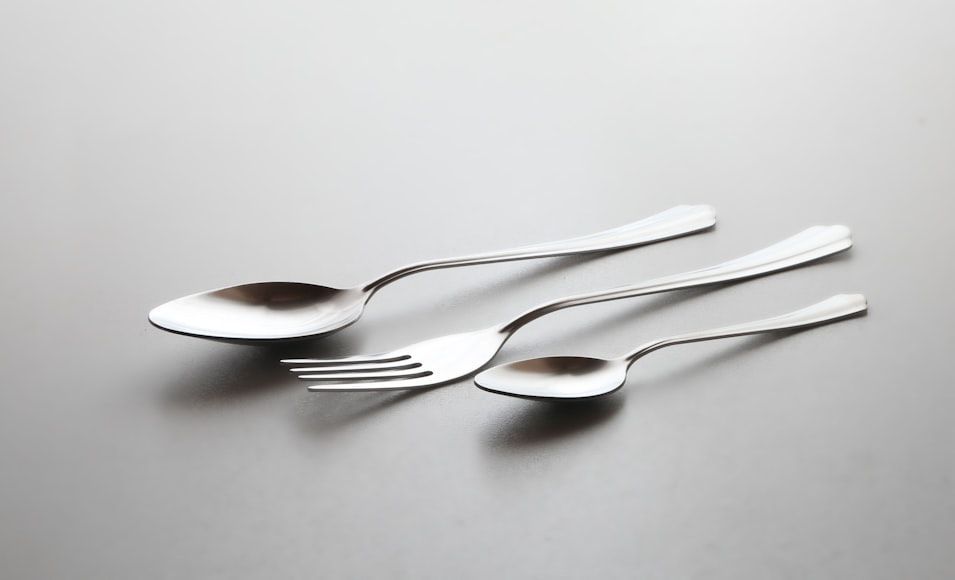
Many Americans abroad are surprised by the realization that not everyone uses a knife and fork in the same way they do . In fact, no one else does. While most Americans have learned the American style —also called the zig-zag or fork switching method— that involves using the fork in the left hand for cutting and then changing it to the right to pick up the food, European and Latin American countries don’t do this . It might seem like a small difference, but it completely changes the way you eat.

4
Iced drinks

Image: Battlecreek Coffee Roasters

Do other countries not have ice? They do, but they don’t necessarily assume everyone will want it. While serving water and other beverages with ice is customary in America, in many other countries, you need to request it —even during the hottest of summers.

But even if you get ice, many times you will need to specify the amount : the same drink that would be filled with ice cubes in America might come to you with just two or three cubes elsewhere.

5
Date formatting

Image: Waldemar

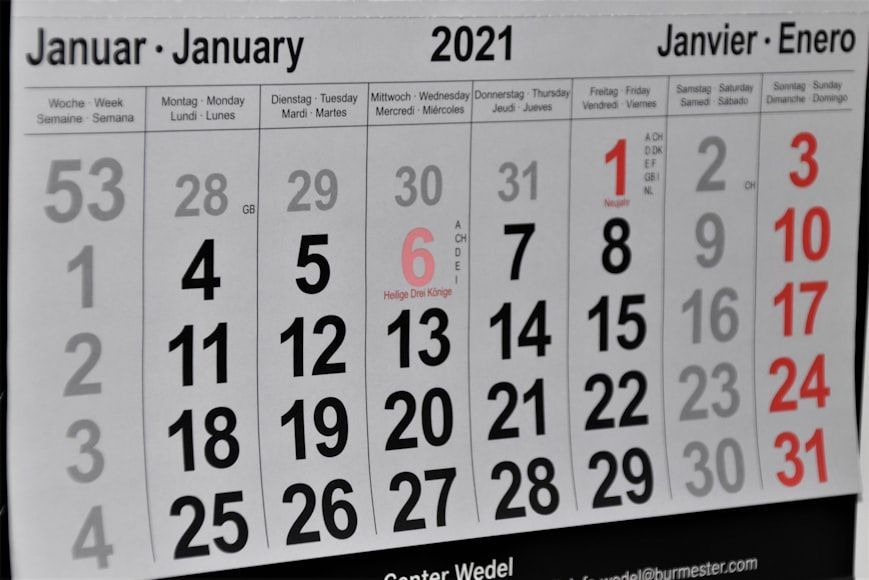
The U.S. is not completely alone on this one, but there’s a difference big enough to be worth mentioning. The standardized way of recording the date in America is month-day-year , a convention also followed by some Caribbean and Asian countries. But in the rest of the Western world, the conventional format is day-month-year , which can lead to confusion for Americans. In most Asian countries , the most commonly used format is year-month-day .

6
The word ‘American’

Image: frank mckenna

In the English language, ‘American’ is the only way to refer to people with U.S. citizenship . Other words, such as ‘Usian’ or ‘Unitedstatian’ have been proposed, but never stuck. This is why many Americans are surprised when other countries —Latin American countries in particular— use ‘American’ for anyone in the American continent , or continents, another big difference. In most European and Latin American countries, there is a different word for U.S. citizens, such as the Spanish ‘estadounidense’ or the Portuguese ‘estadunidense’ .

7
Moving out at 18 years old

Image: Dina Badamshina

This one is not so black and white, but more like a general tendency. Compared with most of Europe, Latin America, and Asia, Americans give serious consideration to the possibility of moving out after high school. Not everyone does, and not everyone can afford it, but it's fairly common.

In other countries, young adults generally move out if their job or education requires it , but they tend to stay at home a few more years if they can.

8
Driving a car as a teenager

Image: Dan Gold

America is quite car-centric , especially if you live outside of the big cities. While not everyone can afford to have a personal car —even a second-hand one—, it is common for 16 and 17-year-olds to legally drive their parents’ car, or save for their own.

In the rest of the world, the chances of high schoolers driving themselves to school are much lower, as most countries don’t allow underage kids to get a driving license .

9
Solo cups

Image: Artem Beliaikin

Do plastic cups exist outside of the U.S.? They do, but they are not as iconic or as widely used as Solo cups, introduced in the 1970s as a disposable but sturdy cup for parties and events. Many foreigners visiting America are surprised when they realize that solo cups are a real thing , and not something that just happens in movies.

10
Filing taxes

Image: Olga DeLawrence

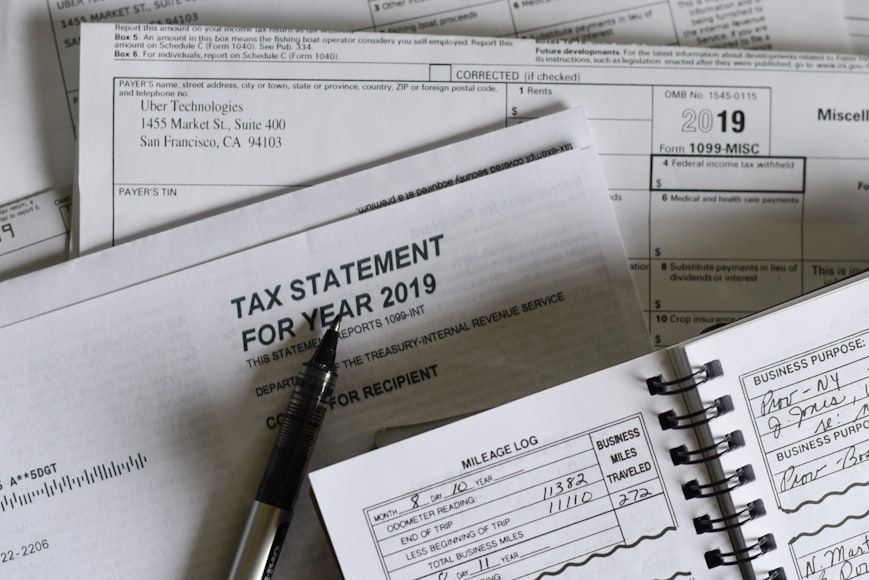
Taxes in the U.S. are not that different from taxes in other countries, except for how they are filed . During tax filing season, thousands of Americans direct their efforts to ensure they have properly reported their income and that their return will match the IRS’s data.

In other parts of the world, however, the one responsible for calculating and filing taxes is the government , while citizens merely corroborate that everything is in order.

Explore more American facts

Choose your favorite category!

General
General

As American as apple pie—the very best America has to offer!

Culture
Culture

Delve into the astounding richness of American lore.

Geography
Geography

Hop in and explore vast and diverse American landscapes.

History
History

Discover the key moments that shaped the United States.