What happened to Buddy Holly's glasses after the tragic 1959 plane crash?
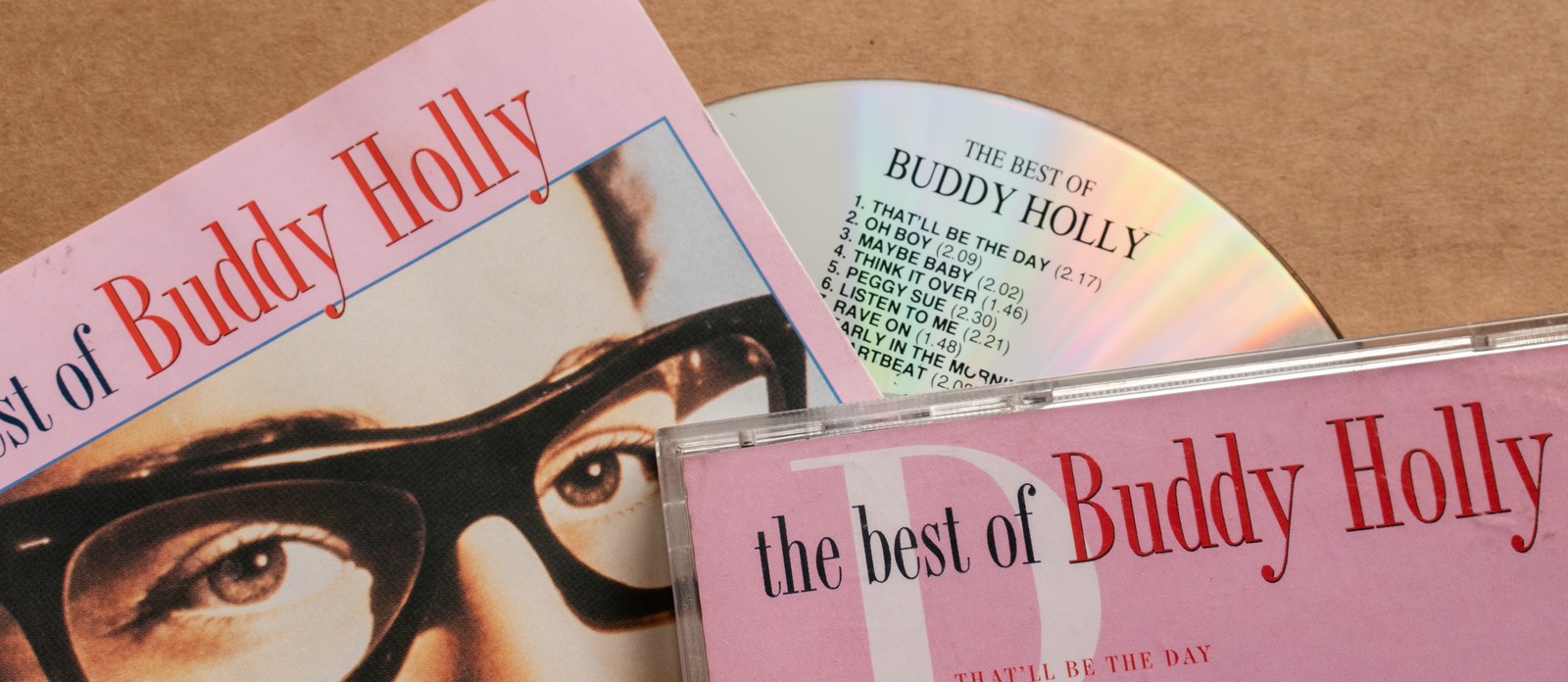
Image: Snap Spot / Shutterstock.com
Few days in rock and roll history are as heartbreaking or mythic as February 3, 1959. On that freezing winter night, a small charter plane crashed into an Iowa cornfield, instantly killing three rising stars: Buddy Holly, Ritchie Valens, and J.P. Richardson, a.k.a. The Big Bopper. Leaving a permanent scar on American pop culture, the tragedy was later dubbed "The day the music died" by singer-songwriter Don McLean in his song "American Pie." Looking past the legends, the actual events of that fateful tour reveal a startling sequence of last-minute decisions, bad luck, and coincidence.
1
The grueling Winter Dance Party tour
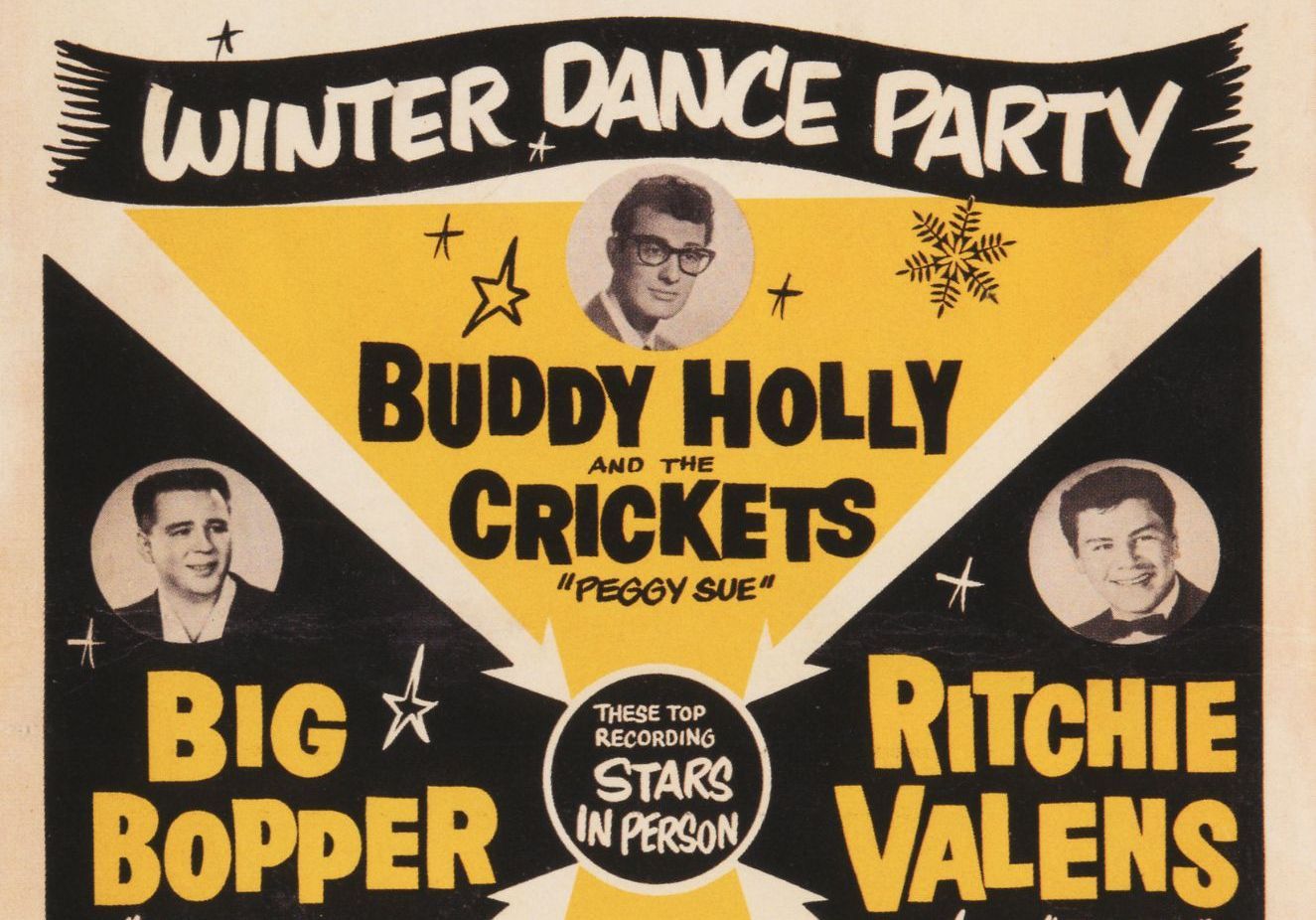
In January 1959, a lengthy tour called the Winter Dance Party started in Milwaukee, Wisconsin. The show featured a stellar lineup of early rock and roll pioneers, such as Buddy Holly, Ritchie Valens, Big Bopper, and Dion and The Belmonts.
The ambitious itinerary was designed to cover 24 Midwestern cities in just three weeks. Because the schedule was a logistical nightmare, going back and forth across Wisconsin, Minnesota, Iowa, and Illinois, the performers spent endless hours freezing on the road.
2
The school buses
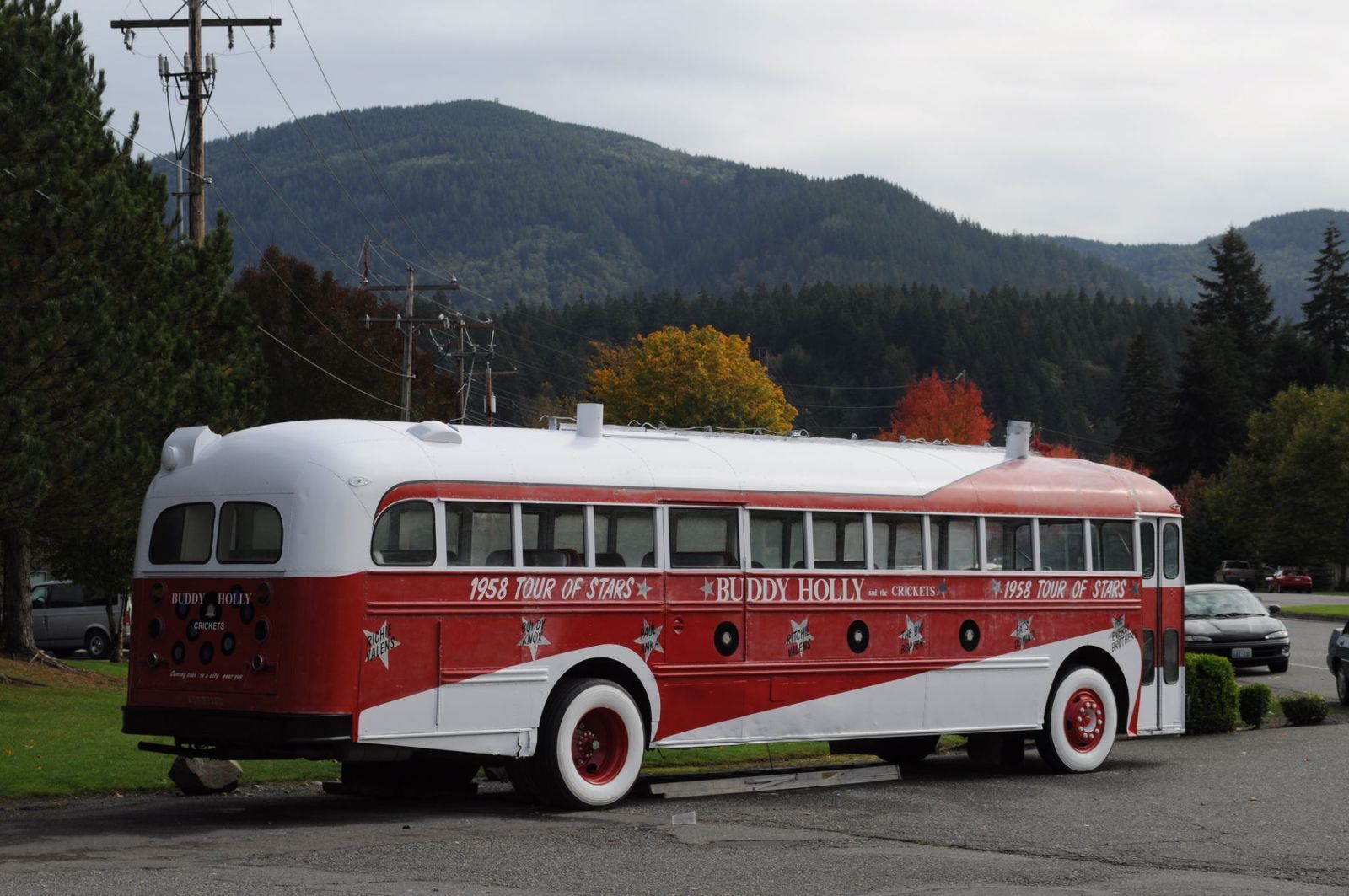
The tour’s transportation was marked by bad luck and poor planning. The musicians were crammed into unheated school buses that frequently broke down in the midst of Midwestern blizzards.
With temperatures dropping below zero, the bus heating systems failed on multiple occasions. Several members of the entourage suffered from severe illnesses, and drummer Carl Bunch had to be hospitalized for badly frozen feet in Ironwood, Michigan, forcing Buddy Holly to play drums himself at following shows.
3
The plane, the crash, and the victims
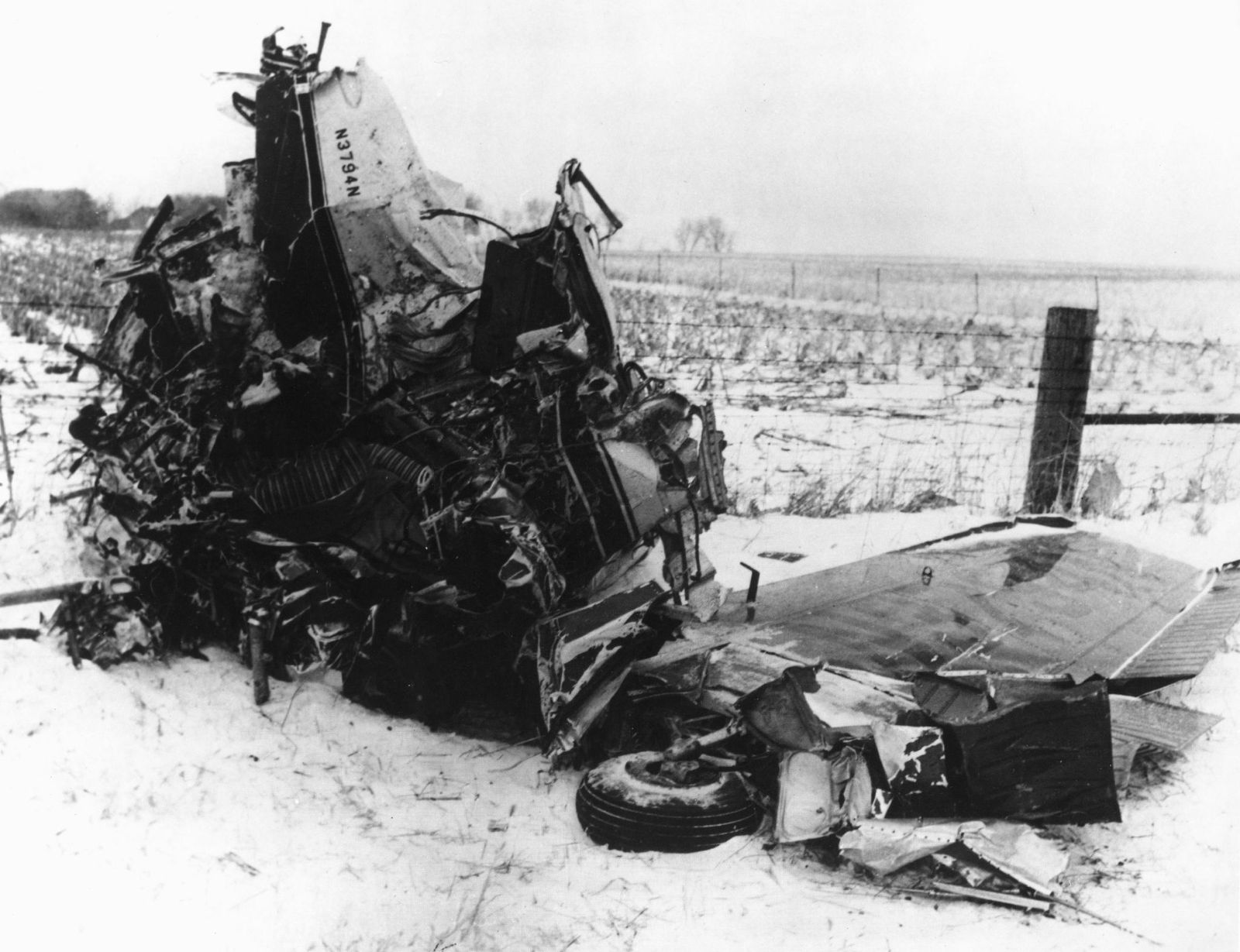
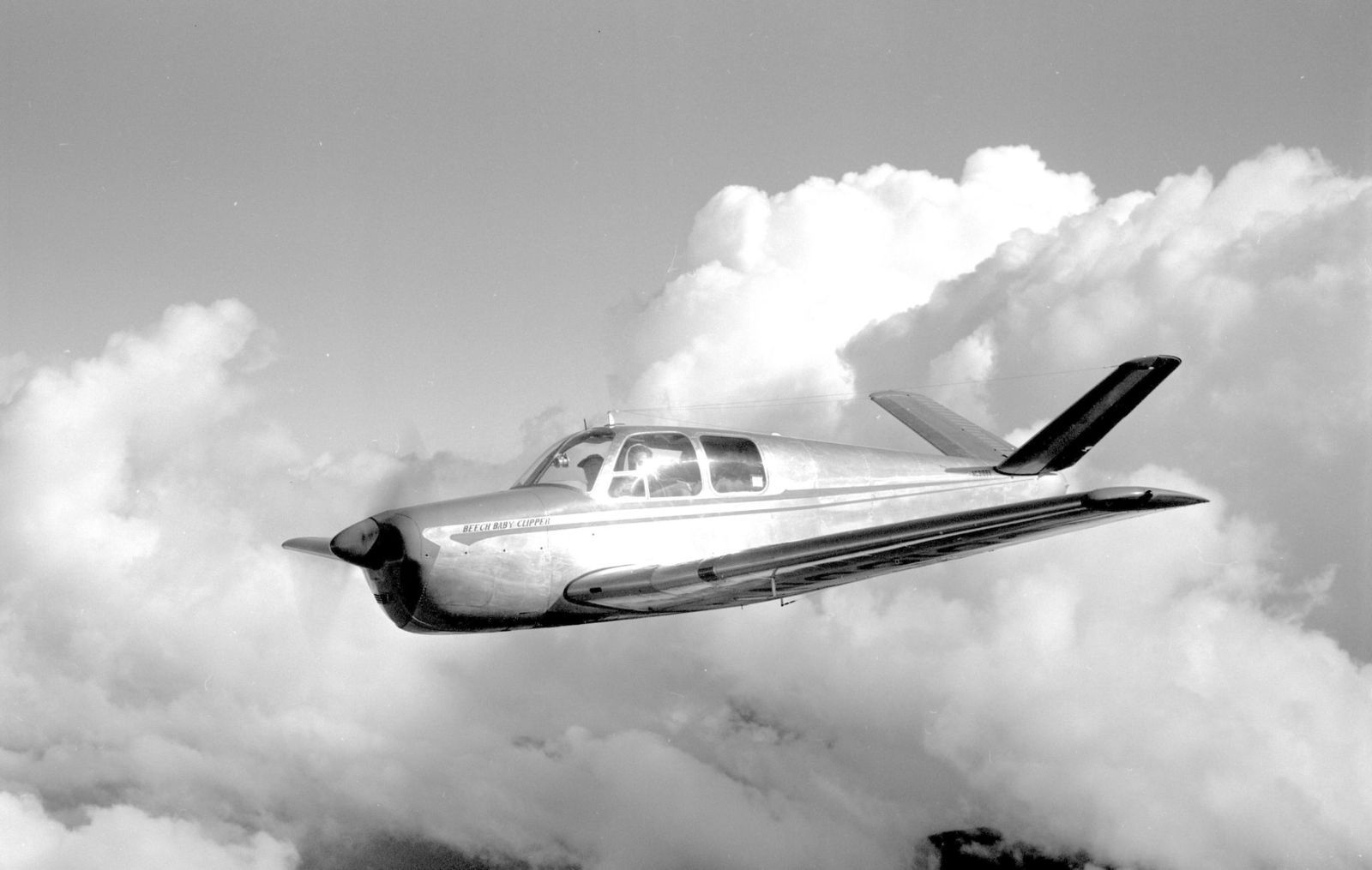
Frustrated by the freezing buses and the exhaustion, Buddy Holly chartered a four-seat 1947 Beechcraft Bonanza after performing at the Surf Ballroom in Clear Lake, Iowa.
The plan was to fly to Moorhead, Minnesota, to get some rest before the next gig in Fargo, North Dakota. Shortly after taking off on February 3, 1959, at around 1:00 AM, the plane crashed into a cornfield just miles from the Mason City Municipal Airport. The crash instantly killed the 21-year-old pilot Roger Peterson, along with 22-year-old Holly, 17-year-old Ritchie Valens, and 28-year-old J.P. Richardson.
4
Buddy Holly's lost glasses
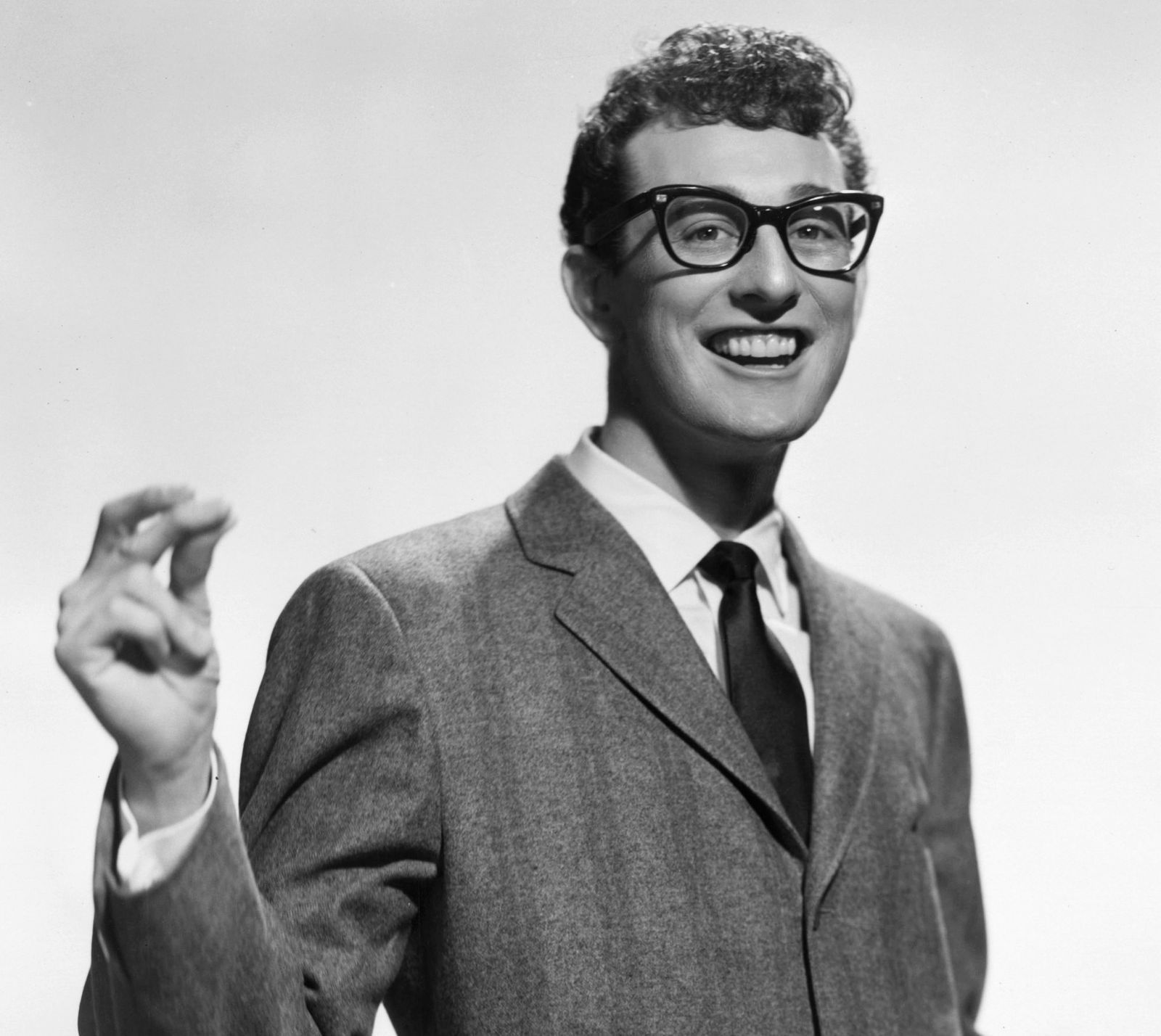
Buddy Holly’s thick-rimmed black glasses were a staple of his iconic look, a mix of nerd meets rock star that would influence men’s fashion for generations. During the violent impact of the crash, Holly was thrown off the fuselage into the snow.
His glasses were lost in the dark field and were not discovered until two months later when the snow melted, turning up remarkably intact. They are now preserved at the Buddy Holly Center in Lubbock, Texas.
5
J.P. Richardson and Waylon Jennings last-minute seat swap
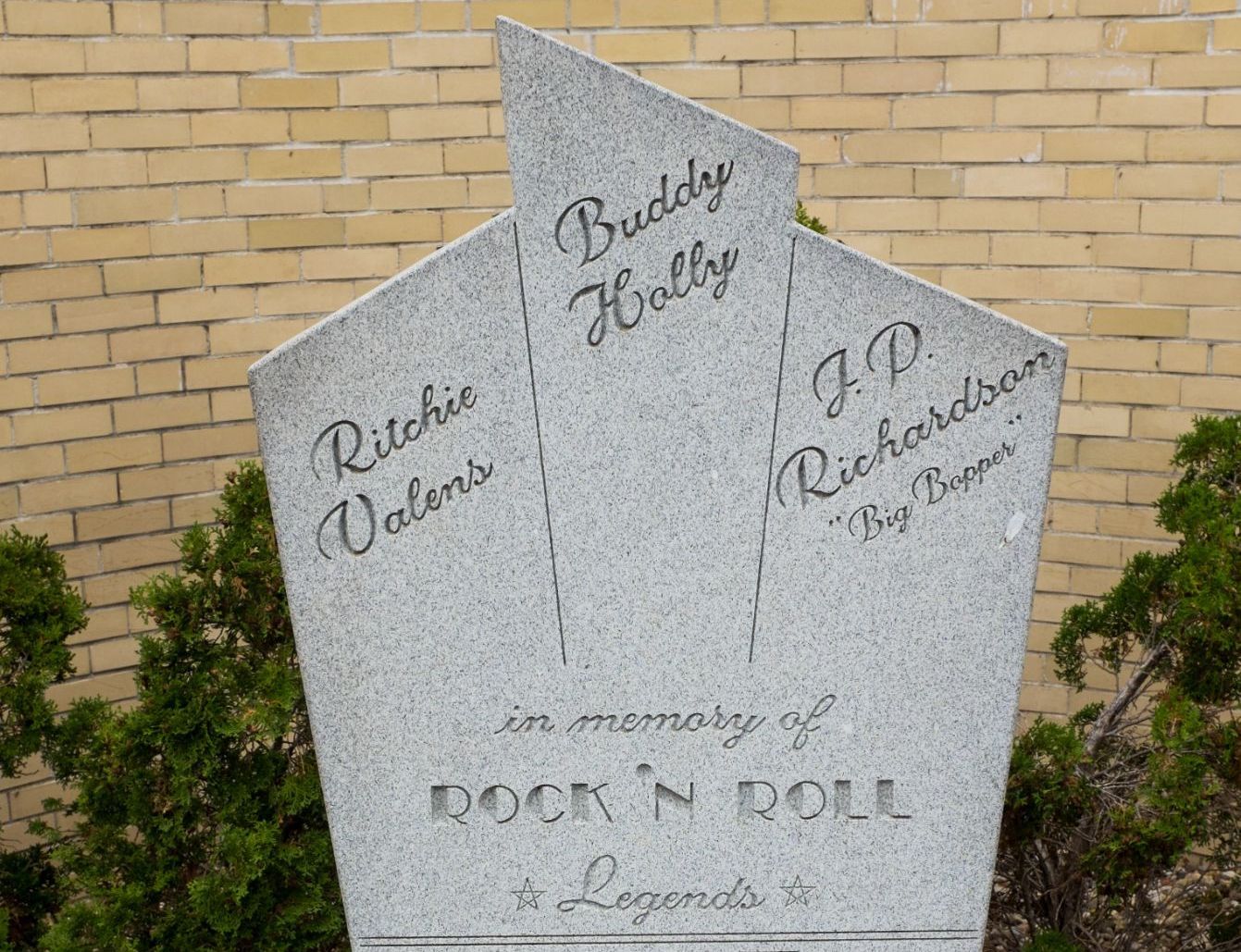
J.P. Richardson, known as "The Big Bopper," was suffering from a bad flu during the Clear Lake stop. Feeling miserable, he asked Holly’s young bass player, future outlaw country legend Waylon Jennings, for his seat on the plane to avoid having to take the lousy bus.
Jennings happily agreed to give up his spot. Right before takeoff, Buddy Holly jokingly told his bassist, "Well, I hope your bus freezes," to which Jennings famously replied, "Well, I hope your plane crashes." That tragic parting joke haunted Jennings for the rest of his life.
6
Dion (and The Belmonts) didn't have enough money for a plane ticket
Dion DiMucci, frontman of Dion and the Belmonts, was also invited to join the charter flight Buddy Holly had arranged. However, when Holly told him the flight cost $36 (about $414.41 today) per person, Dion hesitated.
He calculated that $36 was the exact amount his parents paid every month for rent back in the Bronx, New York. Deciding the price was too steep, Dion declined and chose to take the bus instead, unknowingly escaping a fatal disaster.
7
Ritchie Valens' fear of flying
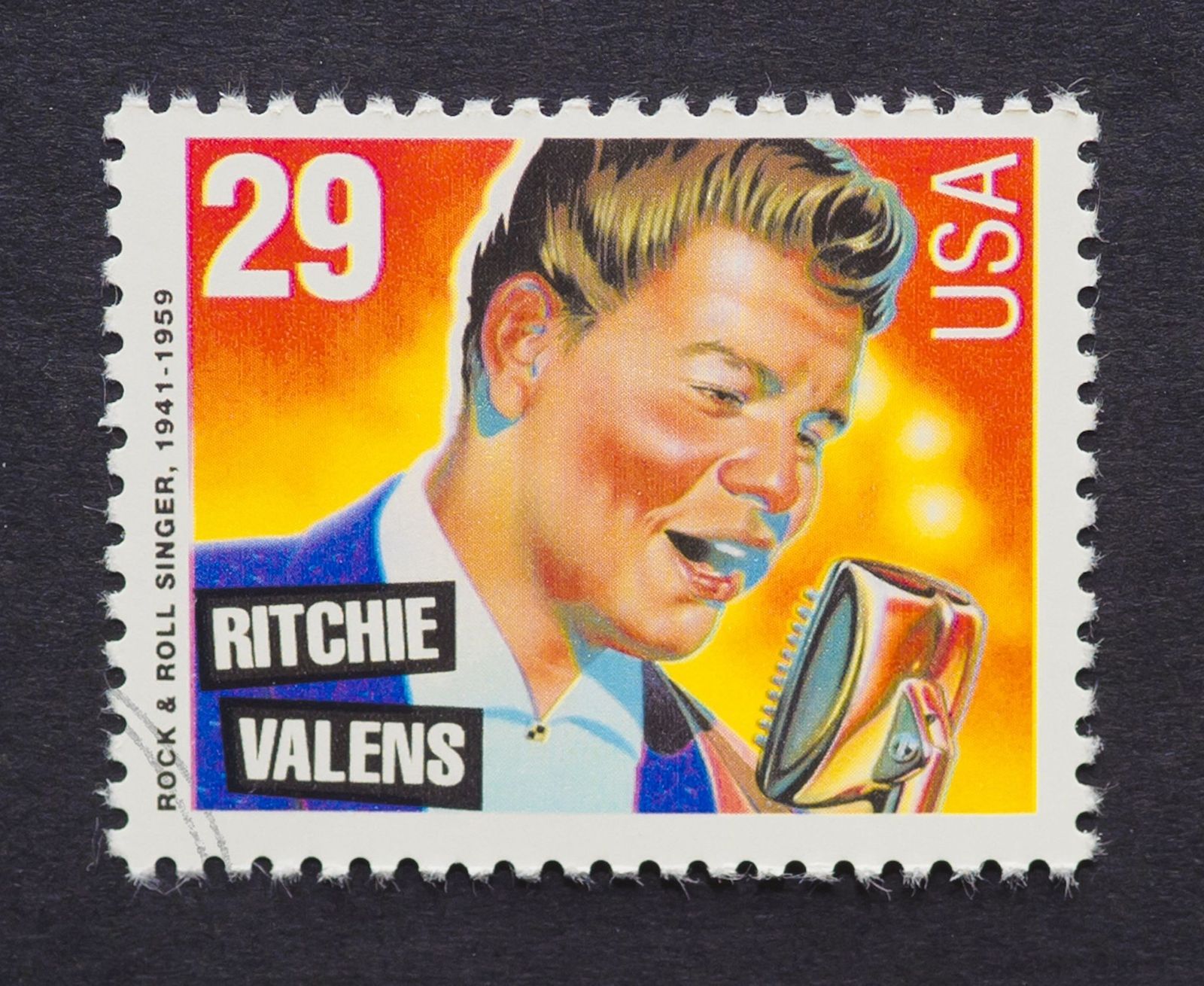
Ritchie Valens, the young star behind hits like "La Bamba" and "Donna," was not originally going to board the plane. In fact, Valens reportedly had a deep fear of flying.
Yet, he was so desperate to escape the freezing bus and get a chance to enjoy a good night's sleep before the next show that he asked guitarist Tommy Allsup for his seat. They settled the matter with a coin flip backstage at the Surf Ballroom. Valens called heads, and heads it was; he won and took Allsup’s place on the aircraft.
8
Tommy Allsup and Waylon Jennings’ post-tragedy life
After boarding the bus instead of the doomed plane, Tommy Allsup went on to build a long career in music. He became a session musician and record producer in Los Angeles and Nashville, helping shape the sound of Western swing and rockabilly, and eventually winning a Grammy Award. Decades later, he even opened a Texas nightclub called "Tommy's Heads Up Saloon" as a nod to the historic coin flip. He continued to play and record music until his passing in 2017.
Waylon Jennings, on the other hand, pioneered the "outlaw Country" movement in the 1970’s alongside Willie Nelson. As a member of country supergroup The Highwaymen, he recorded hit singles like "Luckenbach, Texas." Jennings was inducted into the Country Music Hall of Fame in 2001, leaving a monumental legacy before his passing in 2002.
9
Another crash the very same day
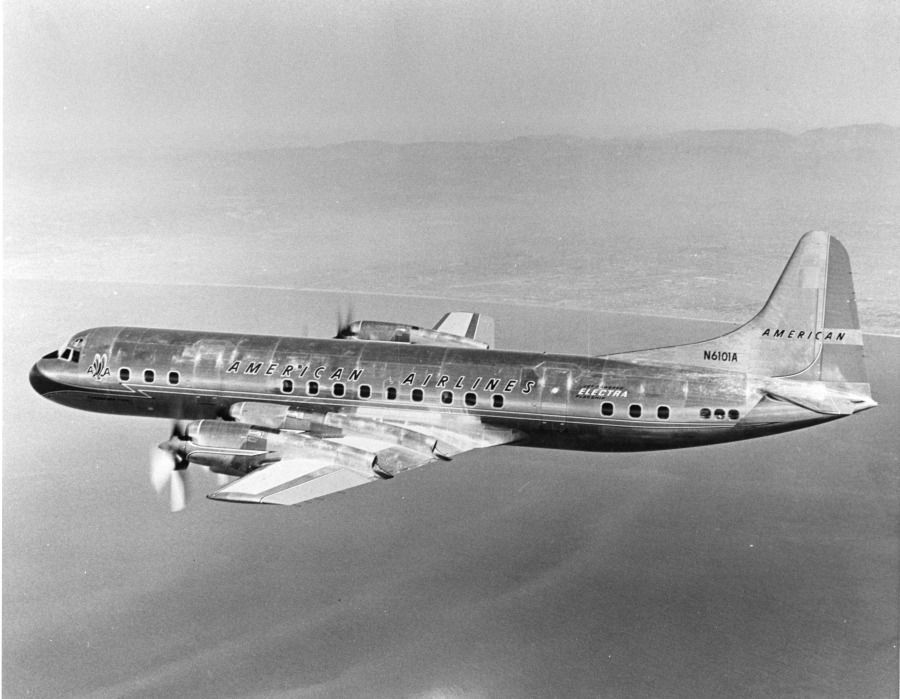
While the music world mourned the loss of Holly, Valens, and Richardson, another major aviation disaster happened that exact same day, February 3, 1959. American Airlines Flight 320, a Lockheed Electra flying from Chicago to New York, tragically crashed into the icy waters of the East River while attempting to land at LaGuardia Airport.
The accident resulted in the death of 65 people. Though it shocked the nation, the simultaneous loss of three rock icons quickly overshadowed the tragedy in the public mind.
10
"The Day The Music Died"
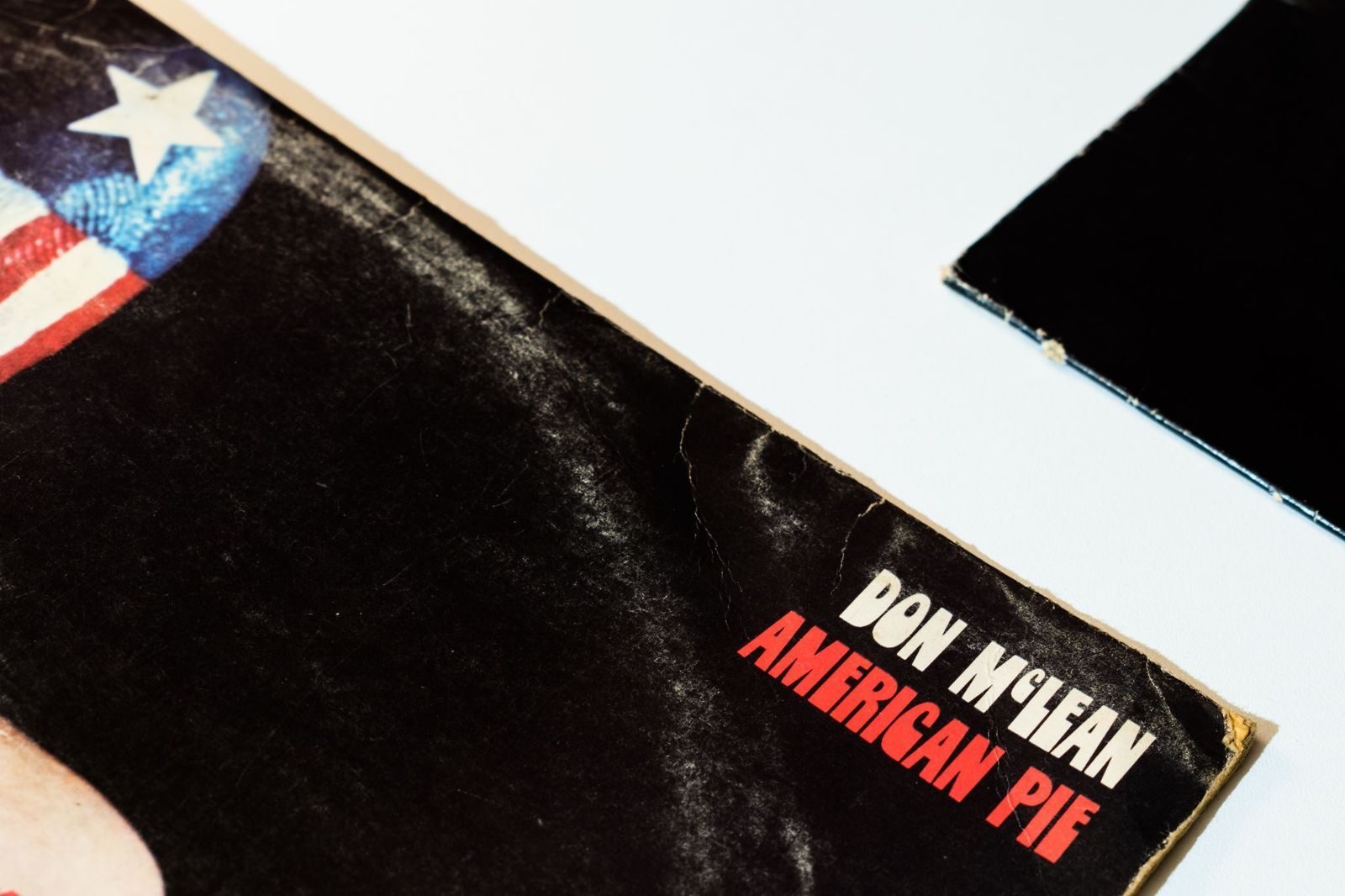
In the following years, the dramatic event was mourned by fans and musicians alike; yet, no one could have predicted that the death of these musicians would become a defining moment everyone would still remember more than half a century later. The tragedy inspired biographical films like The Buddy Holly Story (1978) and La Bamba (1987), and songs such as "A Long Time Ago" by Waylon Jennings.
But perhaps the most significant reference in popular culture was singer-songwriter Don McLean’s 1971 masterpiece, "American Pie." Reflecting on his childhood memories of hearing about the crash as a young boy, McLean famously referred to the tragedy in the chorus, forever branding February 3 as "The Day the Music Died."