History History 6 min read

Tin-foil hat time!

Not all myths are false: these 12 incredible social experiments were real
Image: Lysenko Andrii

There’s a famous, funny saying that goes, "Just because I'm paranoid doesn’t mean that I’m not being followed." In other words, sometimes, strange things do happen. Human behavior can be unpredictable, which might explain why researchers have devised some truly unusual ways to study it. But psychologists weren't the only ones experimenting. During the 20th century, U.S. military and intelligence agencies conducted tests that sound more like fiction than fact. From pigeons trained to guide missiles to children trying desperately not to eat a sweet treat, these 12 experiments and research programs really happened.

1
A city became an unwilling laboratory
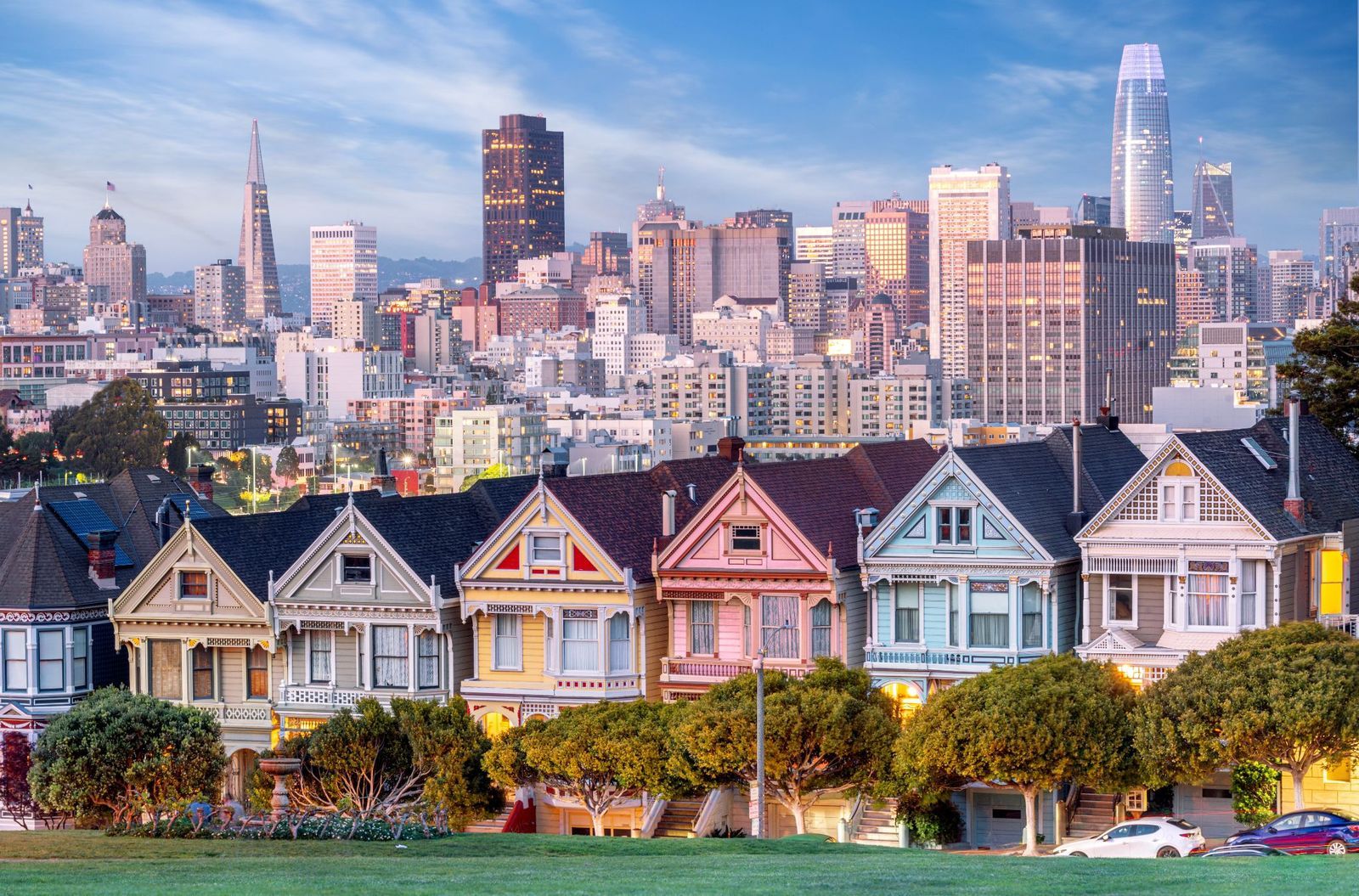
Image: anek.soowannaphoom

In September 1950, San Franciscans went about their lives without knowing that the U.S. military was conducting a biological-warfare vulnerability test around them . During Operation Sea-Spray, bacteria were released into the city’s environment to study how an airborne biological agent might spread through a major coastal city .

The organisms included Serratia marcescens , selected because researchers at the time considered it suitable as a relatively harmless stand-in for something much more dangerous that could be actually used for biological warfare. Residents weren't informed or asked for consent, an aspect of the operation that would raise obvious ethical objections today.

2
Particles were scattered across America
Image: VRVIRUS

Sea-Spray wasn't the end of large-scale military dispersion experiments. During the 1950s and 1960s, the Army's Operation LAC (Large Area Coverage)used microscopic fluorescent zinc cadmium sulfide particles to investigate how biological-warfare agents might travel through the atmosphere .

The scale was astonishing. The National Research Council later described LAC as the largest test undertaken by the Army Chemical Corps, with experiments spanning an area from the Rocky Mountains toward the Atlantic and from Canada toward the Gulf of Mexico. Related tests took place in places including Minneapolis, St. Louis, Corpus Christi, and Fort Wayne.

3
What really happened at Hawthorne?
Image: Bruno Passigatti

Between 1924 and 1933, researchers conducted a famous series of workplace studies at Western Electric's enormous Hawthorne Works, near Chicago. One early question sounded straightforward: Would changing factory lighting make employees more productive?

The answer proved surprisingly complicated. Researchers expanded their work to examine breaks, schedules, supervision, and social relationships. More than 21,000 employee interviews were eventually conducted. The studies helped inspire the idea known as the "Hawthorne effect": that people may behave differently when they know they're being observed.

4
Would you believe everyone else or your own eyes?

Image: New Africa

Psychologist Solomon Asch devised a wonderfully simple test of conformity in the 1950s. A participant looked at lines of obviously different lengths and had to identify which one matched a reference line. Under normal circumstances, the task was extremely easy.

There was just one catch: nearly everyone else in the room was secretly working for Asch . On selected trials, these confederates confidently gave the same obviously wrong answer before the real participant responded. Many participants went along with the group at least once, despite what they could plainly see. Even more revealingly, later variations showed that simply having someone else break the group's unanimity could dramatically weaken its influence.

5
Scientists created two rival tribes
Image: Pixelvario

In 1954, psychologist Muzafer Sherif and his colleagues brought 22 boys, around 11 years old, to a summer camp at Oklahoma's Robbers Cave State Park. The children didn't know that they were subjects in an elaborate experiment .

Researchers separated them into two groups, which became the Rattlers and Eagles, and allowed each to develop its own identity . Then came competitions deliberately designed to encourage rivalry. Hostility escalated quickly. Researchers eventually introduced problems neither group could easily solve alone, such as difficulties involving the camp's water supply. Working toward these shared, or "superordinate", goals helped reduce the conflict.

6
How far would you go if an authority told you to?
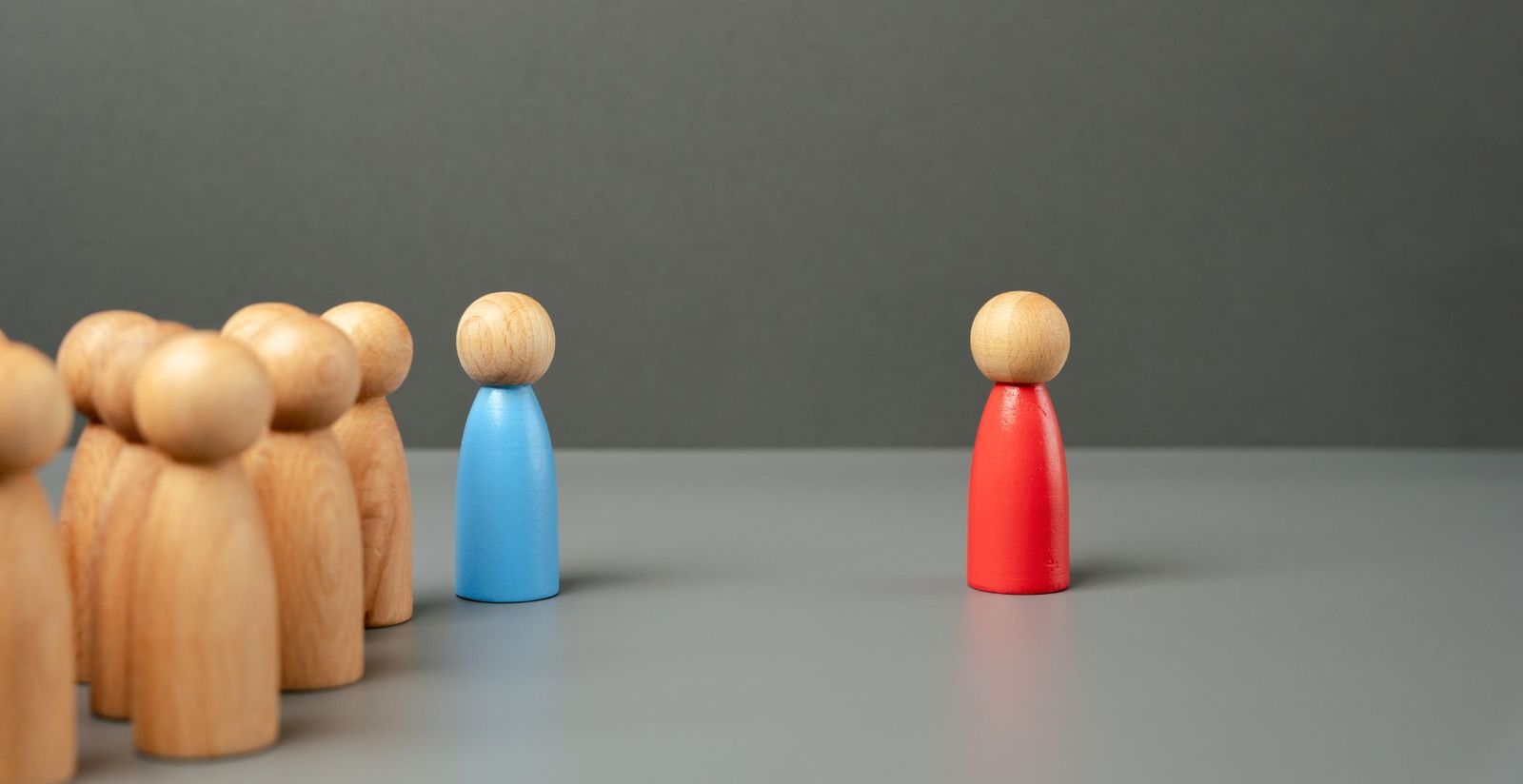
Image: Andrii Yalanskyi

At Yale University in the early 1960s, psychologist Stanley Milgram told volunteers they were participating in an experiment about learning. They were instructed to administer increasingly powerful electric shocks whenever another participant answered a question incorrectly .

The shocks weren't real, and the supposed victim was working with the researchers . But the person pressing the switches didn't initially know that. The machine climbed from 15 volts all the way to a menacing 450 volts, and in Milgram's famous baseline experiment, 65% of participants continued to the maximum level when prompted by the experimenter. Some showed considerable distress. Milgram conducted numerous variations with very different results, demonstrating that circumstances mattered enormously.

7
The marshmallow test wasn’t as simple as we thought
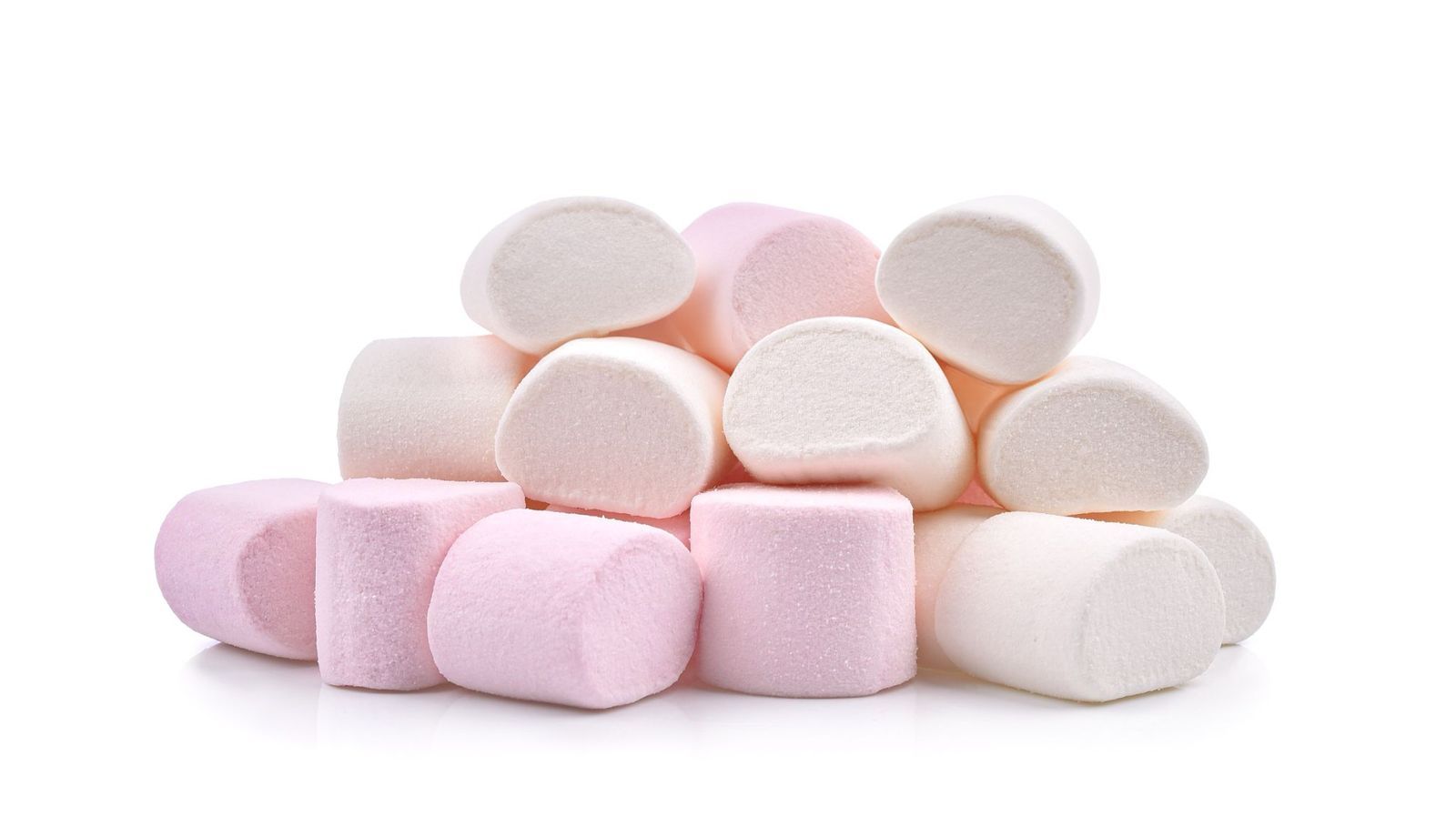
Image: PotaeRin

Imagine being a preschooler alone in a room with a delicious treat and an agonizing choice: enjoy a small reward now or wait and receive a bigger reward later . Psychologist Walter Mischel and his colleagues used variations of this setup at Stanford beginning in the late 1960s to study delayed gratification and self-control.

Later studies associated children's ability to wait with outcomes years afterward, and the experiment became a pop-psychology phenomenon . But there's an important twist. More recent research using larger and more diverse samples found that the relationship weakened substantially when researchers accounted for family background and childhood circumstances.

8
Facebook experimented with 689,000 news feeds
Image: Alex Haney

In January 2012, hundreds of thousands of people unknowingly became participants in an enormous experiment conducted through Facebook. Researchers altered the News Feeds of 689,003 English-speaking users, reducing either positive or negative emotional content and examining what those users subsequently posted .

The study, published in Proceedings of the National Academy of Sciences in 2014, found small changes consistent with "emotional contagion": altering the emotional balance of posts people encountered was associated with corresponding changes in the language they later used.

9
The military tried to build a pigeon-guided missile
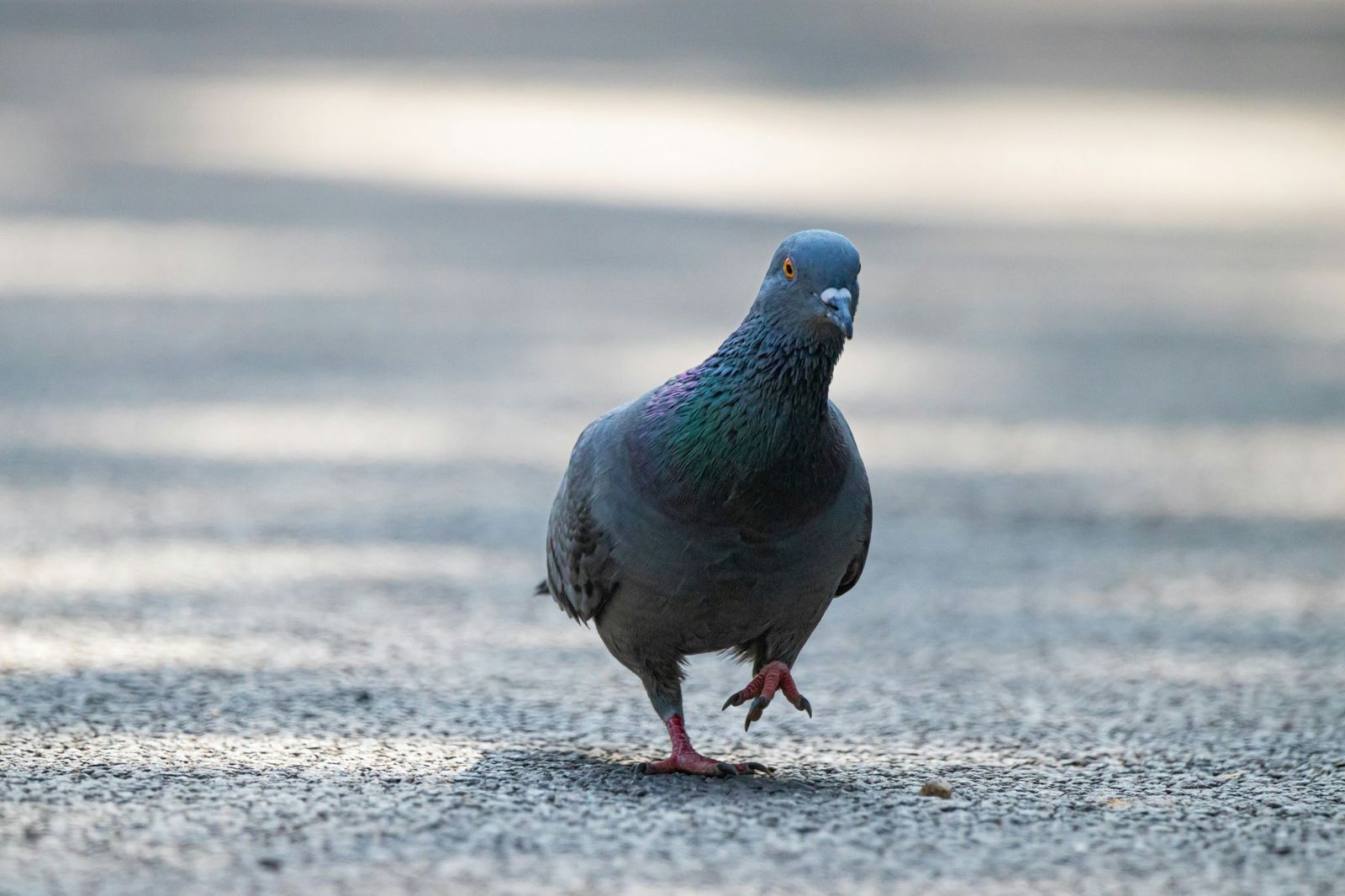
Image: Syed Ahmad

Before sophisticated computerized guidance systems, psychologist B. F. Skinner proposed an alternative with feathers. During World War II, his Project Pigeon attempted to train pigeons to help guide weapons toward targets.

The concept wasn't quite as crazy as it sounds. Pigeons could be remarkably good at recognizing visual targets . Skinner trained them to peck at an image displayed on a screen; if the weapon drifted off course, movement of the target image could produce corrective guidance signals through the bird's pecking. The National Defense Research Committee eventually provided $25,000 for the work before dropping the project in 1944. The Navy later revisited the idea as Project ORCON, short for "organic control." Electronic guidance ultimately made the avian alternative unnecessary.

10
The Government really investigated psychic spies
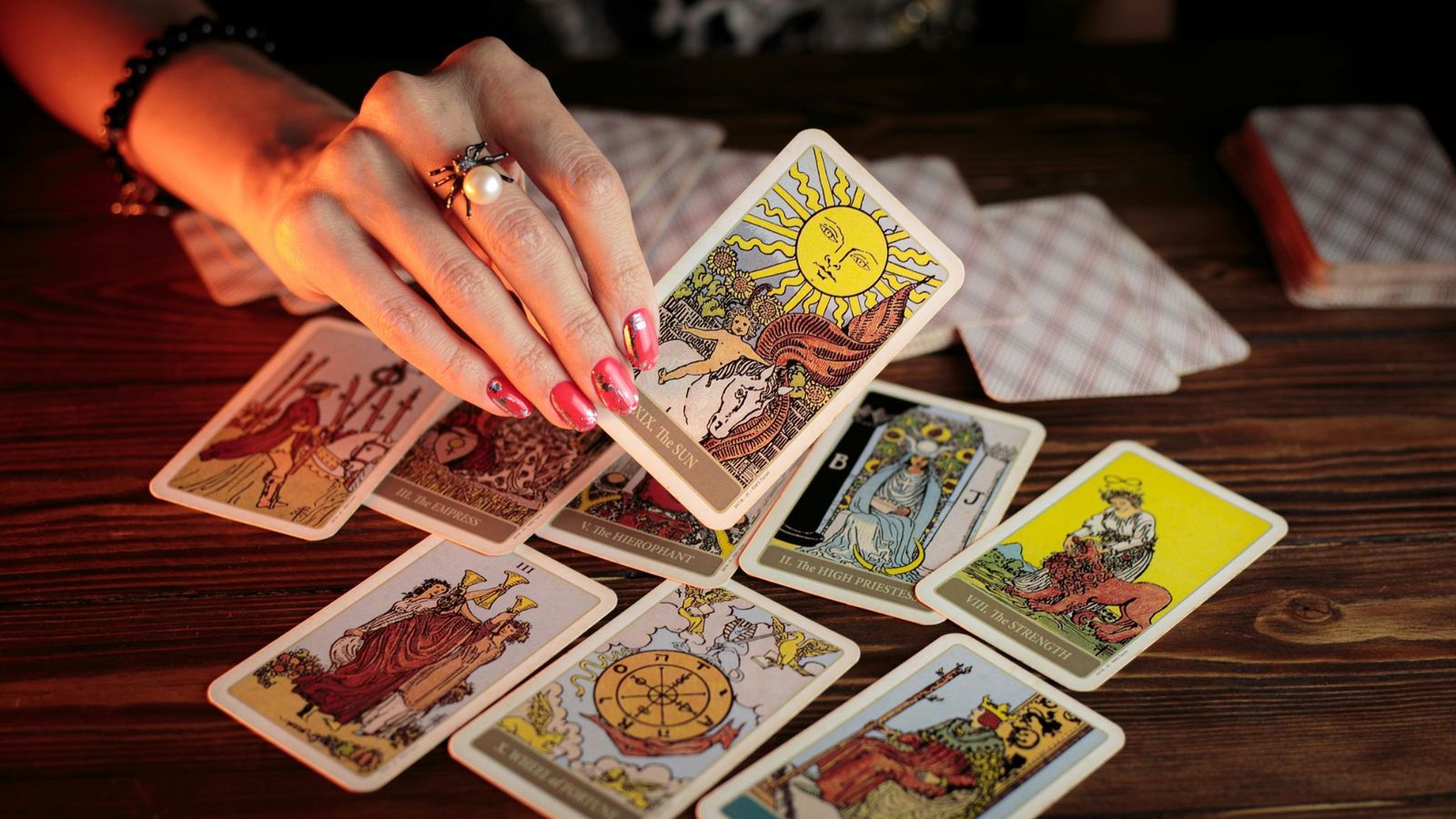
Image: petr sidorov

Beginning during the Cold War, U.S. intelligence and defense agencies really did spend years investigating "remote viewing", the supposed ability to describe distant or hidden objects and locations without using ordinary senses .

Various programs eventually became popularly associated with the name Stargate. In 1995, an outside evaluation reviewed roughly two decades of work and concluded that the program hadn't demonstrated sufficiently useful operational intelligence capabilities to justify continuing it. Stargate was terminated.

11
The CIA tried to make a spy cat
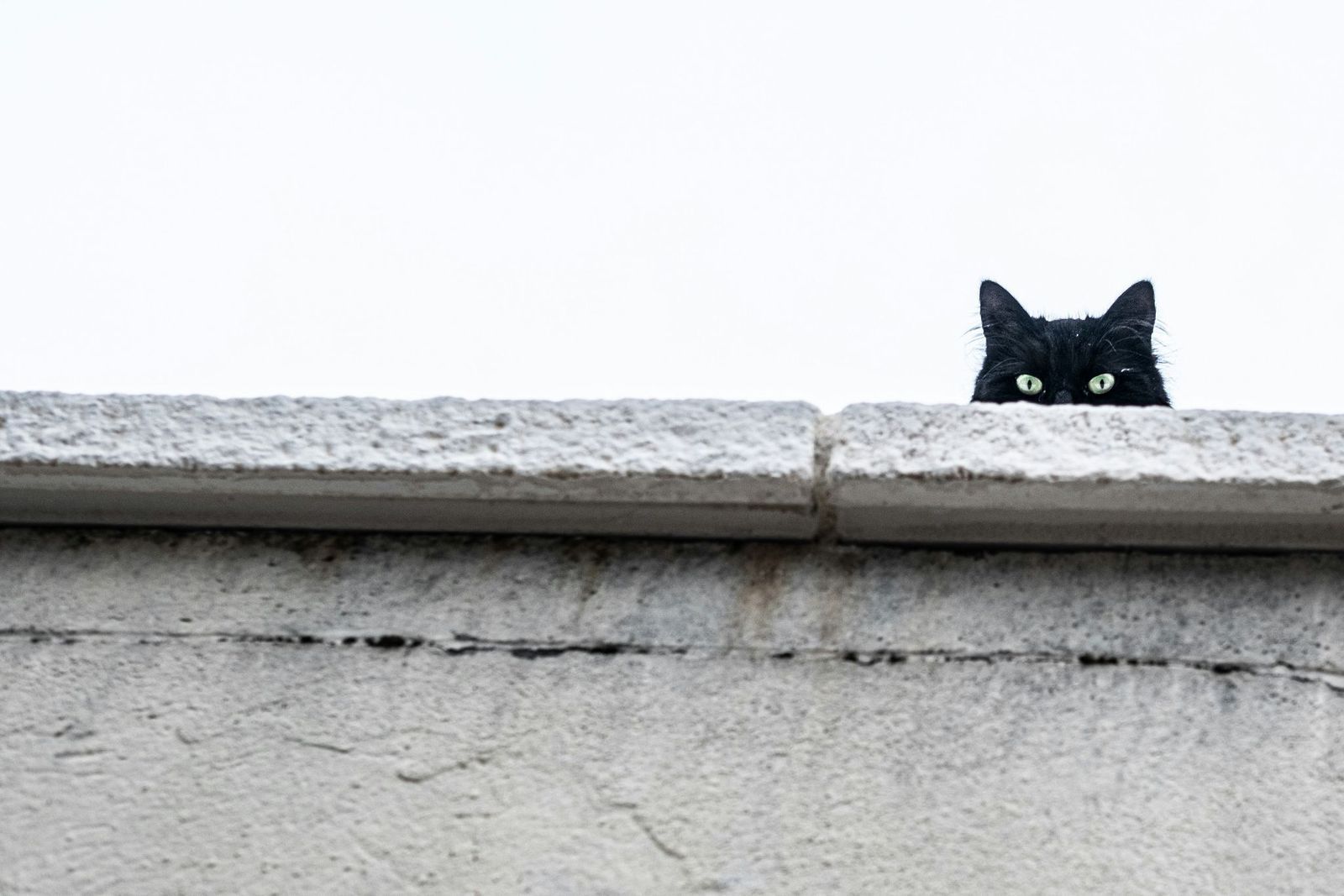
Image: Clément Falize

During the Cold War, the CIA faced a familiar espionage problem: How could an operative get close enough to secretly overhear a conversation without attracting attention? Someone came up with a decidedly unconventional answer: a cat.

The appropriately nicknamed Acoustic Kitty project investigated whether surgically implanted listening and transmitting equipment could transform an apparently ordinary feline into a mobile surveillance device . Declassified CIA records confirm the project, but officials eventually concluded that environmental and security problems made the technique impractical.

12
Would you stop to help a stranger?

Image: sulit.photos

In 1973, Princeton psychologists John Darley and C. Daniel Batson devised an experiment with an almost storybook setup. Seminary students were sent across campus to give a talk. On the way, each encountered a man slumped in an alley who appeared to need help .

Some students were told they had plenty of time; others were told they were already late. And in a brilliant touch, some were heading to give a talk about the biblical Good Samaritan itself. Yet the topic of their speech didn't significantly determine whether they stopped. Time pressure did. About 63% of those who weren’t in a hurry helped, compared with just 10% of those in the high-hurry condition . Some hurried participants passed the distressed stranger while literally on their way to discuss the Good Samaritan.
Culture Culture 6 min read

The Five-Sided Puzzle Palace

A man lived there secretly? Stunning facts about the Pentagon

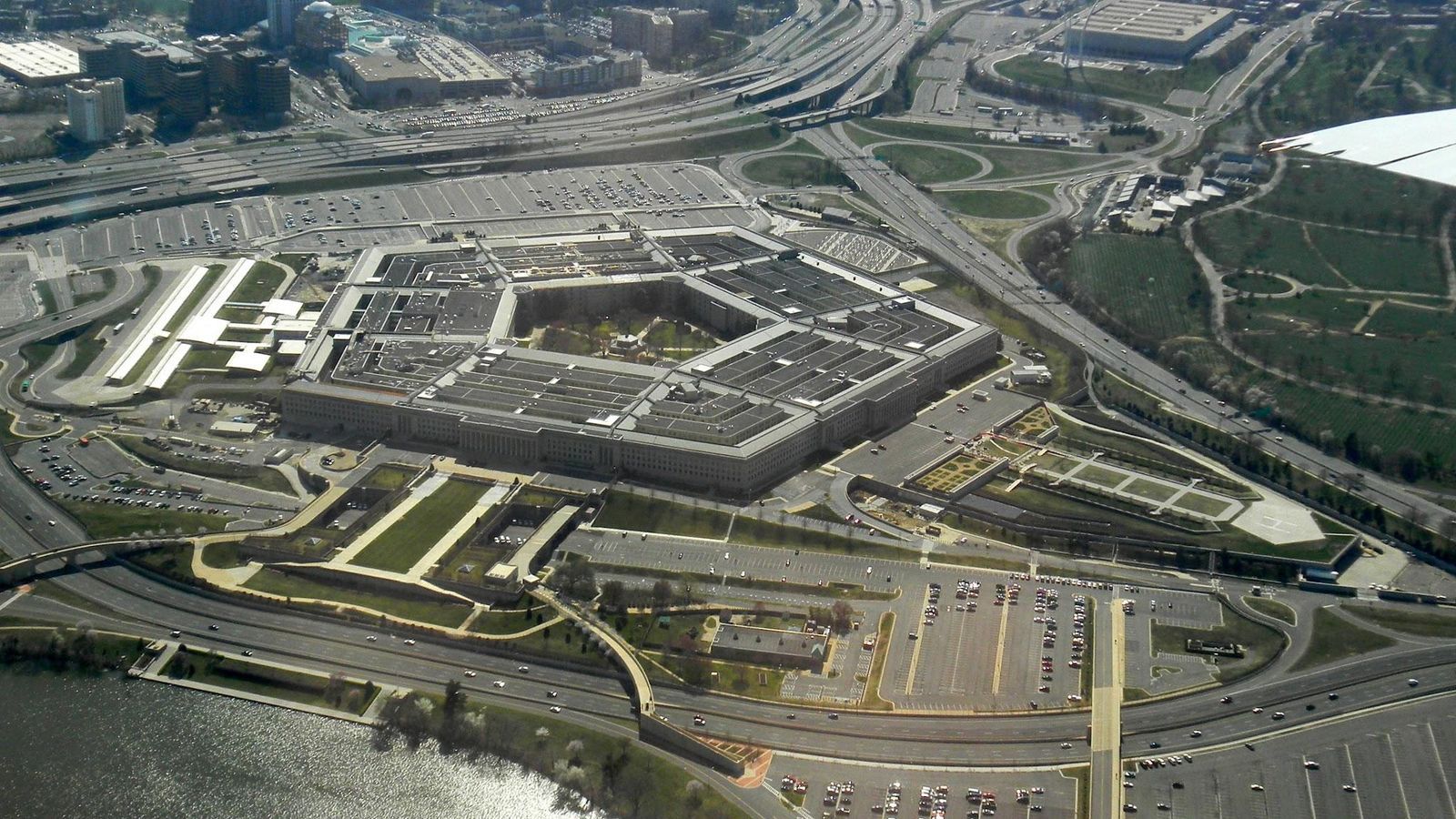
Image: Touch Of Light, CC BY-SA 4.0, via Wikimedia Commons

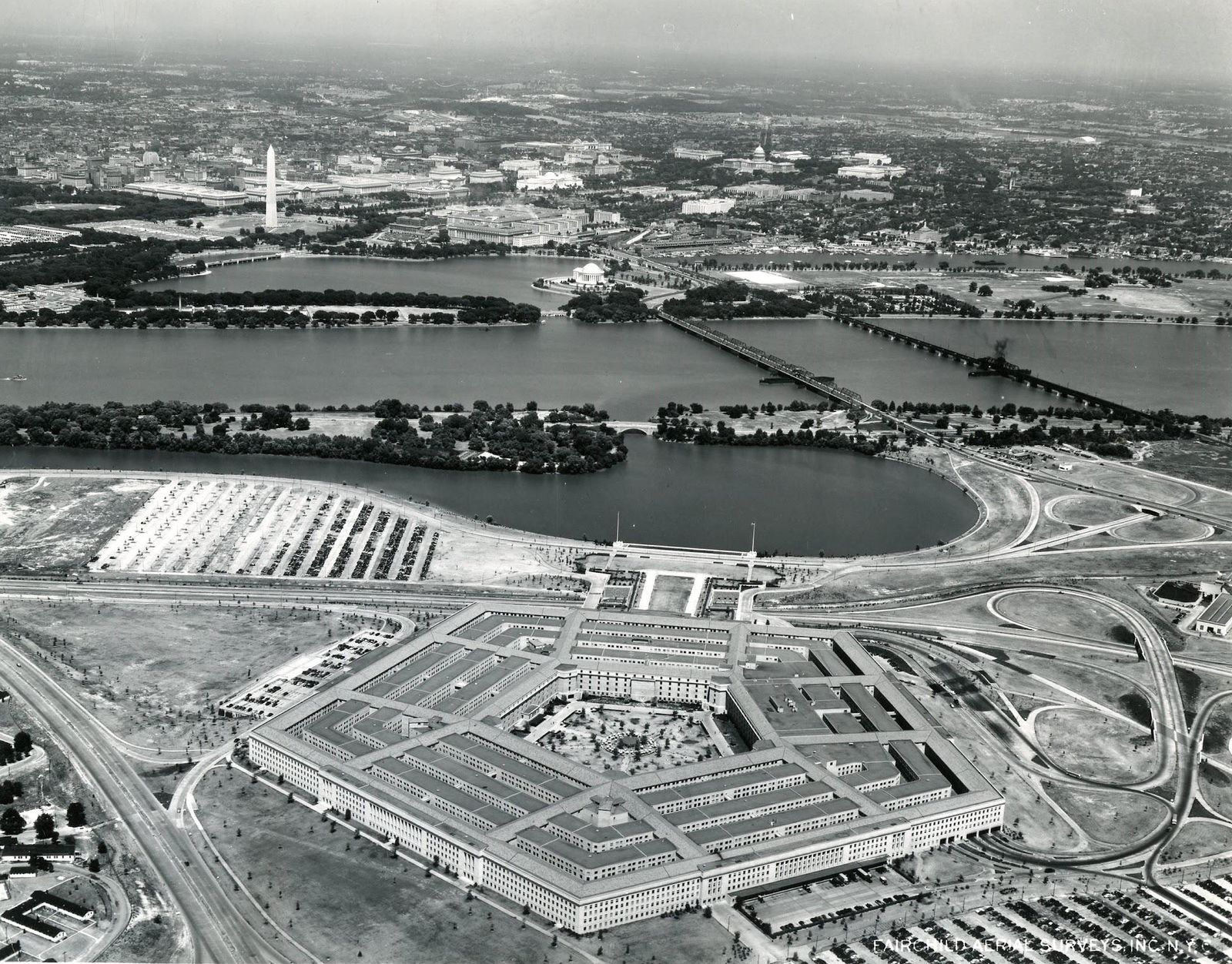
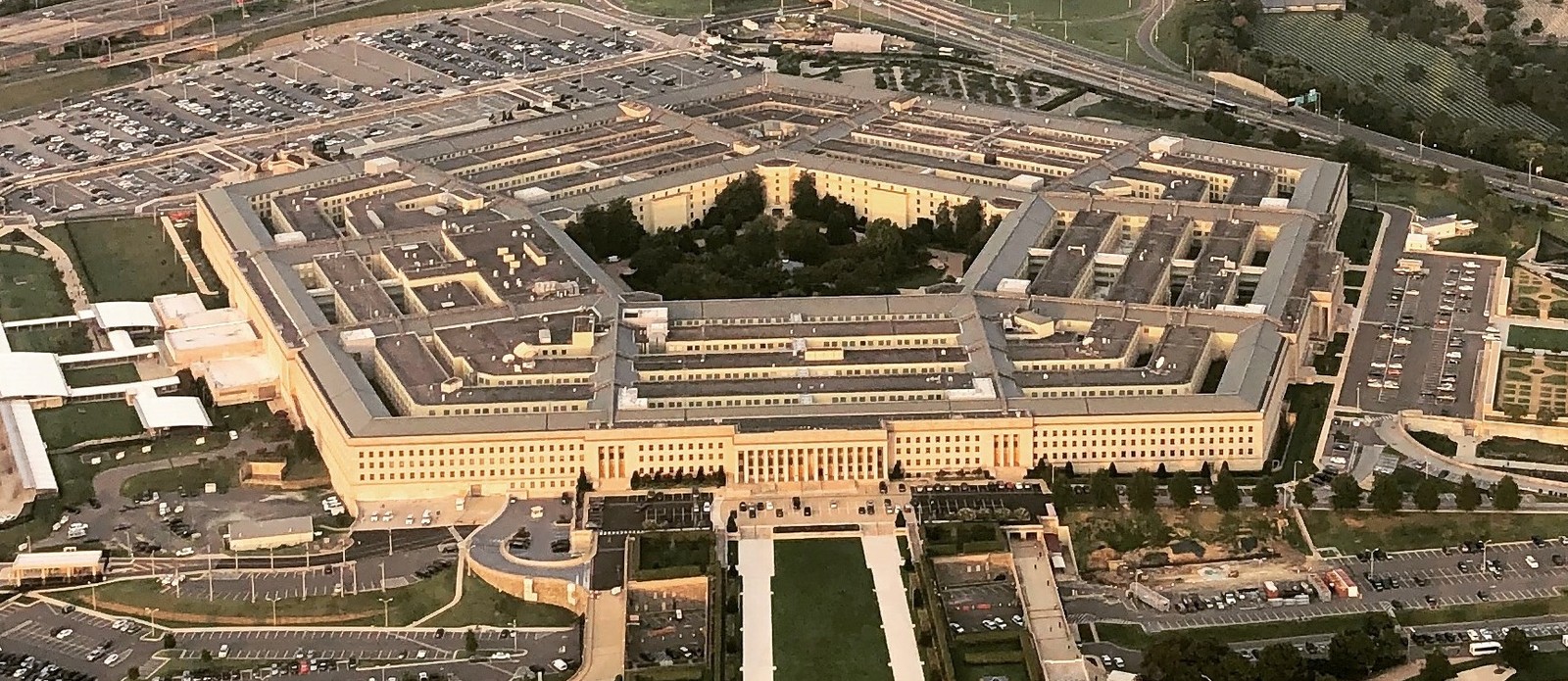
Did you know that construction on the Pentagon building began on September 11, 1941, exactly 60 years before it was attacked? The home of the US Department of Defense has stood for more than 80 years. Although its iconic shape is intriguing in itself, it hides deeper secrets that many Americans have never heard of. Did you know it feeds 26,000 people a day—at a McDonald's, a Five Guys, a Taco Bell, and over 30 other restaurants? Or that a man secretly lived inside its walls for years? Let’s dive into the Pentagon building’s secrets.

1
A renovation project saved thousands of lives on 9/11

Image: Office of the Secretary of Defense - Public Affair, Public domain, via Wikimedia Commons

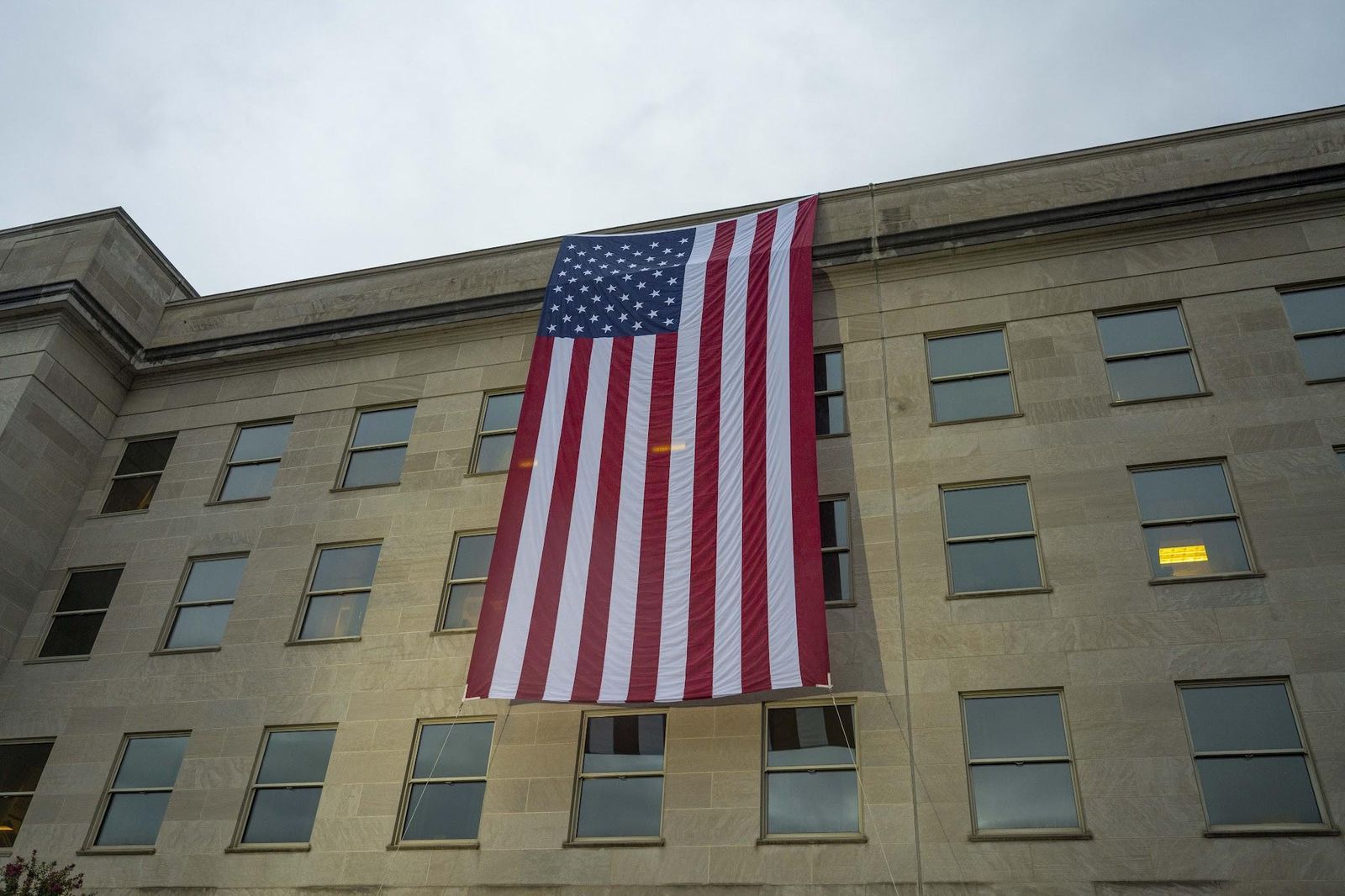
On September 11, 2001, American Airlines Flight 77 struck the Pentagon at 9:37 a.m., killing 189 people. Few people know this part: the death toll could have been much higher. But there was a renovation project underway at the time of the attacks.

The Pentagon’s five-sided structure is divided into five "wedges," and workers had been renovating them one at a time. Flight 77 struck the wedge that had just been completed. Of the 4,500 people who normally worked in that section, only about 800 had moved back in. Without the reinforced construction and the incomplete occupancy, experts believe the casualties would have been catastrophically higher.

2
The Cold War and the hot dog stand

Image: Anete Lusina

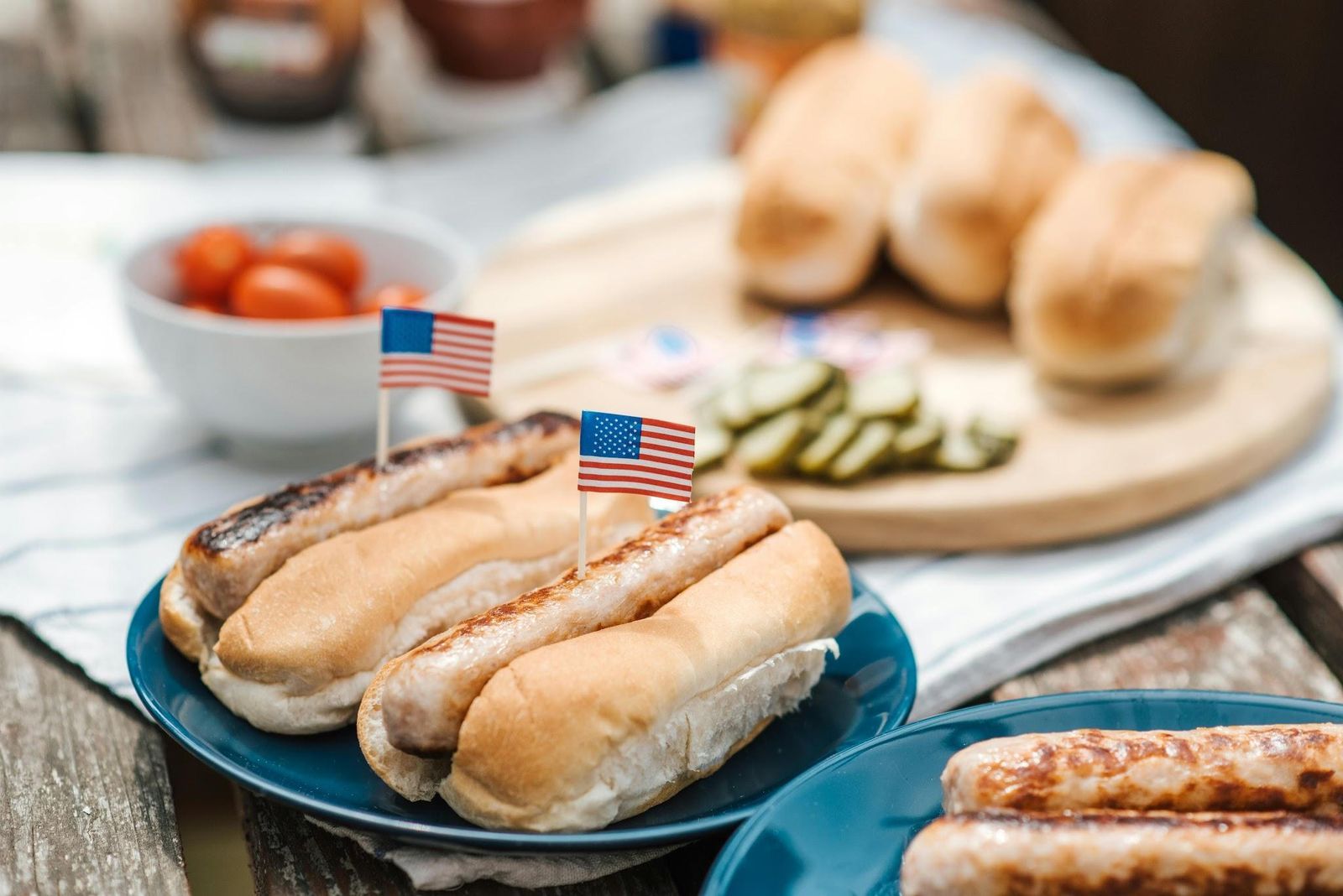
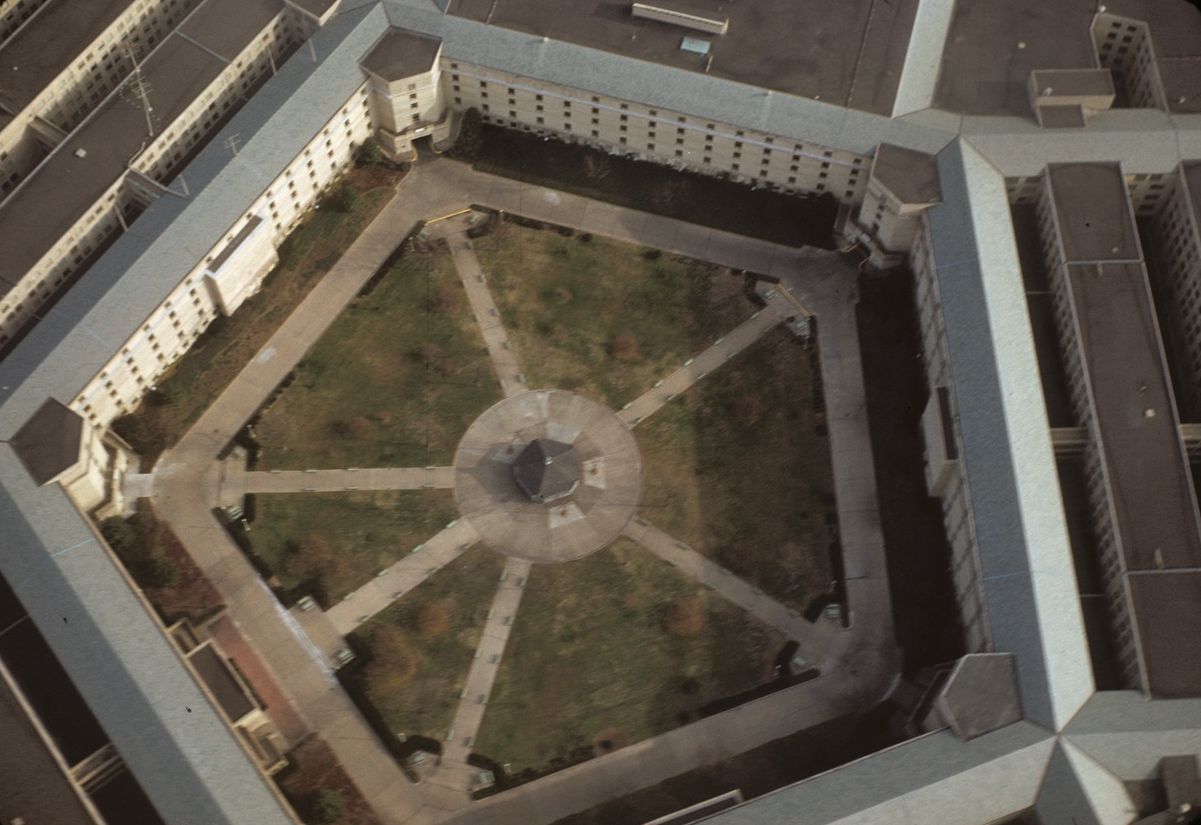
In the middle of the Pentagon’s five-acre center courtyard once stood a modest hot dog stand. According to a Cold War legend (one still retold by official Pentagon tour guides on every public tour), between the 60s and the 80s, Soviet satellite images tracked large groups of high-ranking military officials converging on that small building at the same time every day.

Soviet intelligence reportedly concluded the structure must be the entrance to some underground bunker in America. In reality, all it did was sell lunch. In 2006, the original stand was torn down, and a sandwich shop was built in its place.

3
Its construction began on September 11th, exactly 60 years before the attack

Image: Aber, Marilyn K., Public domain, via Wikimedia Commons

Builders broke ground on the Pentagon on September 11, 1941. That was exactly 60 years to the day before the September 11, 2001, terrorist attacks that would strike the same building.

Construction had been ordered by Army Brigadier General Brehon Somervell, who wanted a permanent headquarters for the Defense Department to replace its then-17 scattered offices across Washington, D.C.

The project was extraordinarily ambitious: plans called for the world’s largest office building to be completed in just 16 months. In the end, the conception, design, and construction of the entire Pentagon building took a total of 15 months.

4
The same person oversaw its construction and the Manhattan Project

Image: U.S. Army, Public domain, via Wikimedia Commons

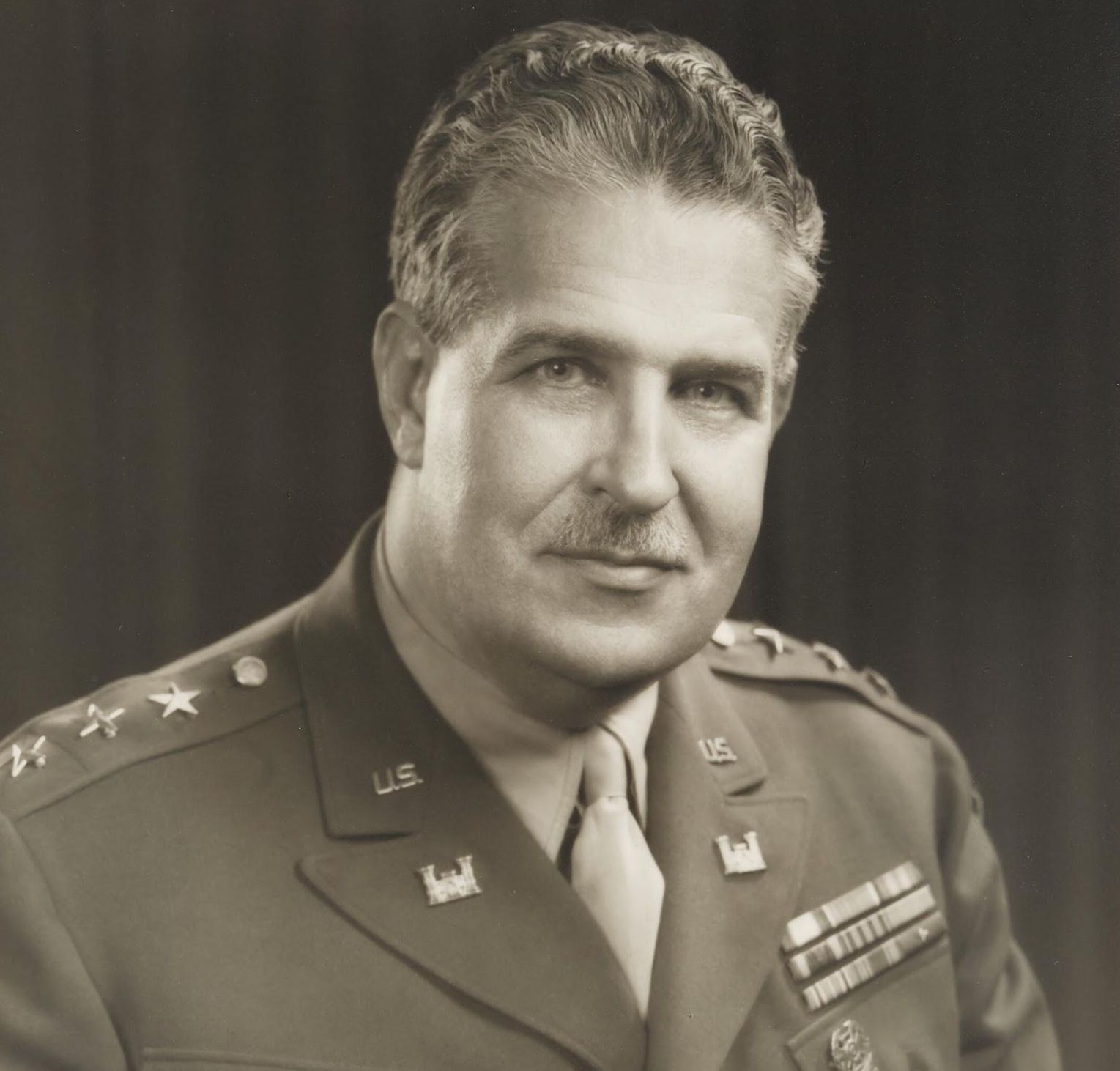
Colonel Leslie Groves of the Army Corps of Engineers took charge of Pentagon construction in August 1941. He worked six days a week and drove his team relentlessly, at one point employing more than 15,000 workers around the clock.

When the Pentagon was finished in January 1943, Groves was assigned to lead the Manhattan Project, America’s secret program to build the atomic bomb . His deputy, Captain Robert Furman, followed him into the Manhattan Project as chief of foreign intelligence. Together, the men who built the world’s largest office building went on to produce the weapon that ended World War II.

5
Why is it shaped like that?

Image: Boston Public Library, CC BY 2.0, via Wikimedia Commons

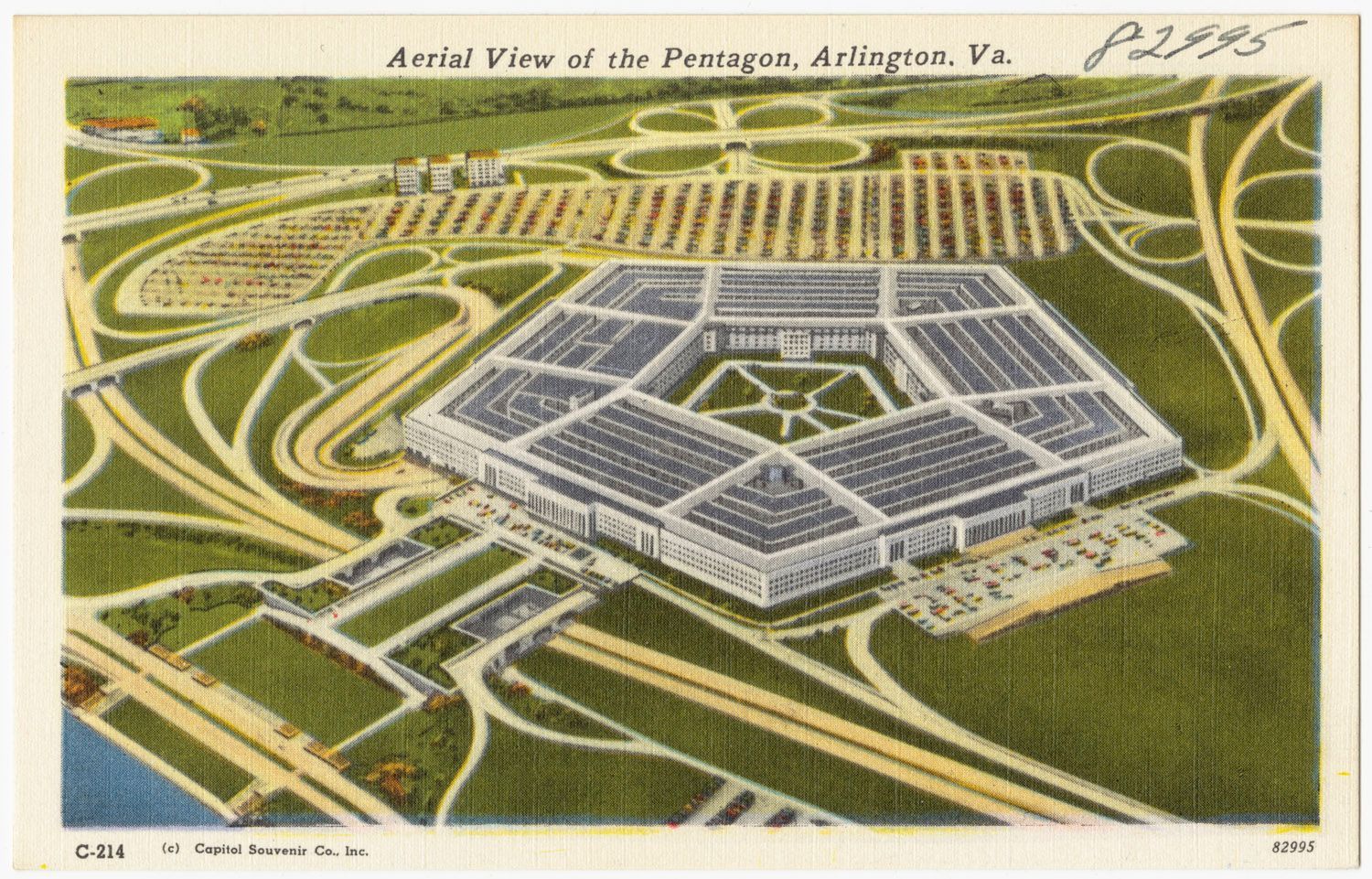
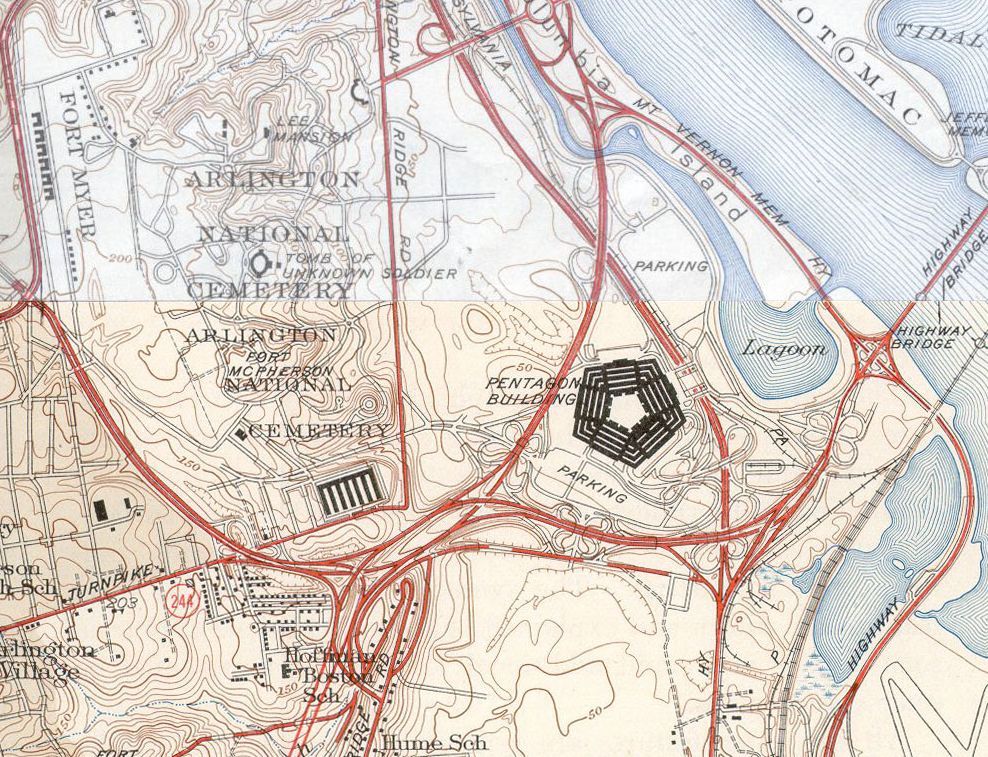
The Pentagon’s iconic five-sided shape was the consequence of a geographic accident. The original site selected for the building, near Arlington Cemetery, **happened to be bordered on five sides by roads. **Architects designed the structure to fit those boundaries, producing a pentagonal floor plan. Then President Franklin D. Roosevelt intervened: worried the massive building would obstruct the view of Washington, D.C. from Arlington, he ordered the site moved to its current location along the Potomac River. But the five-sided design had already been drawn up, and nobody changed it.

6
It was the first desegregated building in Virginia

Image: https://ddotlibrary.omeka.net/items/show/100, Public domain, via Wikimedia Commons

When the Pentagon was designed in 1941, segregation was the law in Virginia. Original plans called for doubled bathroom facilities: separate ones for Black and white employees, as required by Virginia statute. But President Roosevelt had signed Executive Order 8802 in June 1941, prohibiting racial discrimination in federal employment and government contracting.

As a federal building, the Pentagon was exempt from Virginia law. It became the only building in the state where segregation was not enforced. A fully desegregated federal workplace that opened in 1943. The doubled bathrooms were built anyway, as the plans were too far along to revise, but were never used as separately designated spaces.

7
Its construction was surprisingly frugal and incredibly fast

Image: See page for author, Public domain, via Wikimedia Commons

Ground broke on September 11, 1941, and construction finished on January 15, 1943, just 16 months later. More than 15,000 workers were on site around the clock. Wartime office shortages were so severe that employees moved into completed wings before the rest of the building was finished. Steel was too scarce to use extensively, so builders relied almost entirely on reinforced concrete. The 689,000 tons of sand and gravel required came directly from the nearby Potomac River, cutting transportation costs. The project was budgeted at $35 million, but the final bill was $63 million, which would translate to over $900 million in today’s dollars.

8
You can walk between its farthest points in only 7 minutes

Image: Bea A Carson, CC0, via Wikimedia Commons

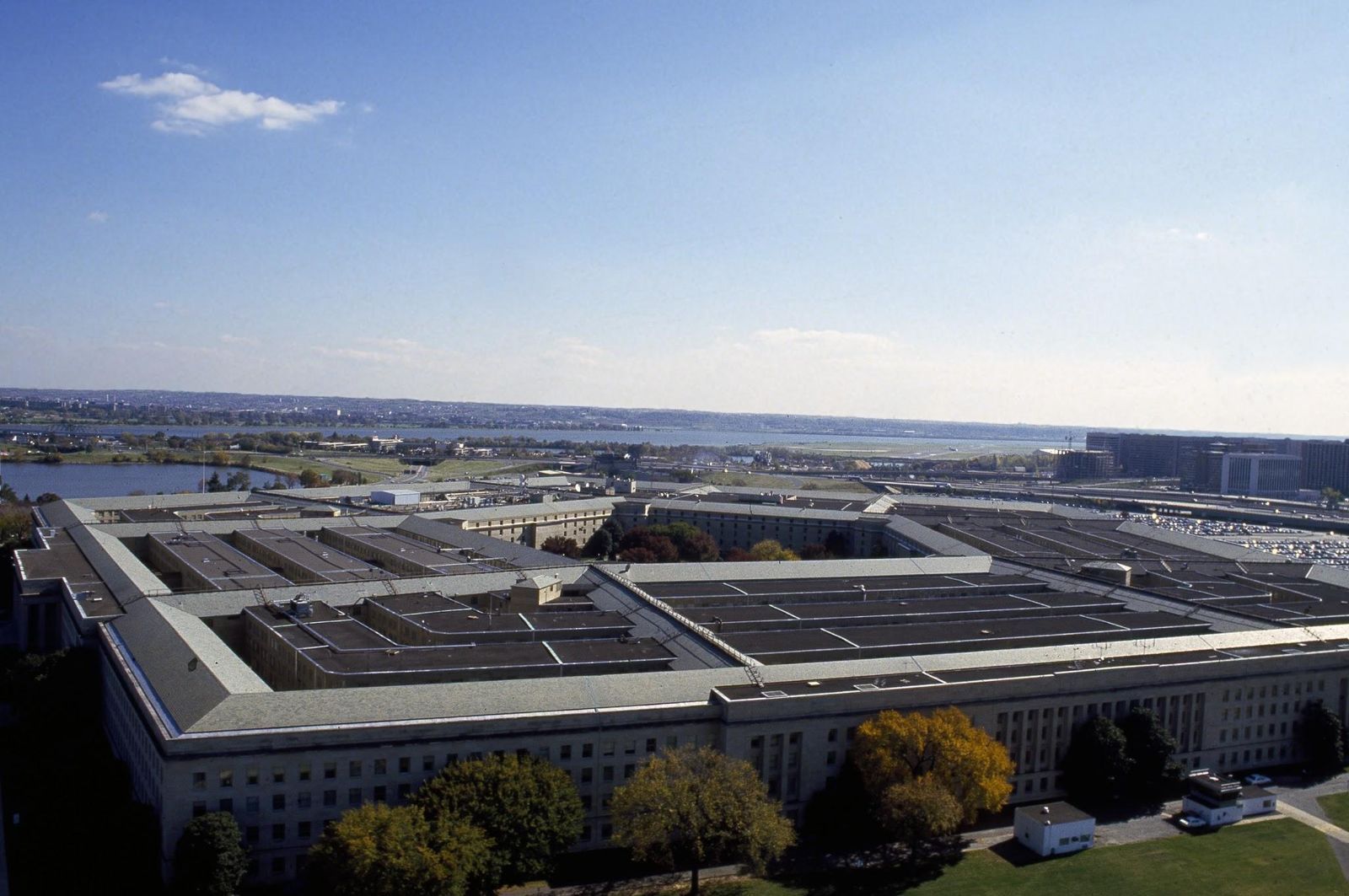
The Pentagon is the world’s largest low-rise office building: 6.5 million square feet of space, which is three times the total floor area of the Empire State Building. Each of its five outer walls is 921 feet long. It has 7,754 windows and 17.5 miles of corridors. Approximately 26,000 military and civilian employees report for work there every day.

Despite that scale, the building’s concentric ring design is so efficient that it takes only about seven minutes to walk between its two farthest points.

9
The man who secretly lived inside its walls

Image: Carol M. Highsmith, Public domain, via Wikimedia Commons

During construction, Colonel Groves drove his deputy, Captain Robert Furman, so relentlessly that Furman rarely left the building. To cope, Furman had contractors build him a small, windowless apartment hidden inside the walls of the Army’s Ordnance Division. In this private room, he could sleep and shower without leaving the premises.

When construction ended and personnel dispersed, knowledge of the hidden room was never passed on to building management. Months later, when Furman returned to Washington on Manhattan Project intelligence business, he found the apartment undiscovered and exactly as he’d left it.

For over a year, he would slip back to the Pentagon, pop open a wall panel, spend the night, and emerge in the morning with his suitcase. He was finally caught in 1943 and forced to surrender the keys. It was never disclosed whether the secret apartment was maintained or eventually absorbed back into the official floor plans.

10
It houses over 30 restaurants, including everyone's favorite chains

Image: Harrison Keely, CC BY 4.0, via Wikimedia Commons

The Pentagon feeds roughly 26,000 people a day, and its dining options read less like a military headquarters and more like a mall food court. The main Concourse Food Court, which opened in September 2009 and seats 875 people, is the largest of several dining areas.

Confirmed chains currently inside the building include McDonald’s, Five Guys, Subway, Popeyes, Starbucks (multiple locations), Dunkin’ (two locations), Panera Bread, Taco Bell, Panda Express, Baskin-Robbins, Potbelly, Jamba Juice, and Moe’s Southwest Grill, among others. The building also houses a CVS pharmacy, a florist, a jeweler, and a dry cleaner. In the summer of 2024, Potbelly became the first restaurant to open in the center courtyard. Yes, the very spot where the legendary Cold War hot dog stand once stood.

General General 5 min read

What really happened to Woolworth’s?

Image: Shutterstock AI Generator

Remember grabbing school supplies or a milkshake at Woolworth’s ? Stopping by Blockbuster to rent a movie for the weekend? Or doing your grocery shopping at A&P ? What happened to these once-ubiquitous stores we thought we couldn't live without? Keep reading to find out why these beloved chains disappeared.

1
Woolworth’s

Image: ArDanMe

Woolworth’s was the place to buy everything from school supplies and toys to household goods and candy—or even to grab lunch. The first store opened its doors in Lancaster, Pennsylvania, in 1879. It was a five-and-dime shop, and the chain soon became one of America’s most recognizable retail names, with over 3,000 stores nationwide at its peak. So, why did it disappear?

With the steady rise of suburban shopping centers and large discount stores, Woolworth’s couldn’t keep up and began a slow decline in the 1960s that culminated in 1997, when it closed its final stores for good.

2
A&P

Image: Vladimka production

A&P used to be the spot to get everyday groceries. It began as a tea and coffee business in 1859 and later evolved into one of America’s biggest supermarkets with more than 16,000 stores in the country at its peak. But despite pioneering high-volume retailing, A&P couldn’t stick around.

Over the decades, newer competitors entered the market, and grocery shopping became more and more competitive. Walmart, Target, Aldi, Whole Foods—A&P failed to adapt and filed for bankruptcy twice, first in 2010 and again in 2015, and finally shut down in November 2015.

3
Blockbuster

Image: Jonathan Weiss

Blockbuster was the go-to for movie rentals . It dominated the market with 9,100 stores worldwide by 2004, about $6 billion in revenue, and thousands of movies to choose from—it was hard to imagine Blockbuster ever falling, but it did.

The rapid advancement of technology hit Blockbuster hard, with newer options like DVD-by-mail services, Redbox kiosks, and the final blow: streaming services like Netflix, Amazon Prime Video, Disney+, and more. All Blockbuster corporate-owned stores closed by January 2014; however, you can still visit one holdout location in Bend, Oregon.

4
Montgomery Ward

Image: Carmen K. Sisson

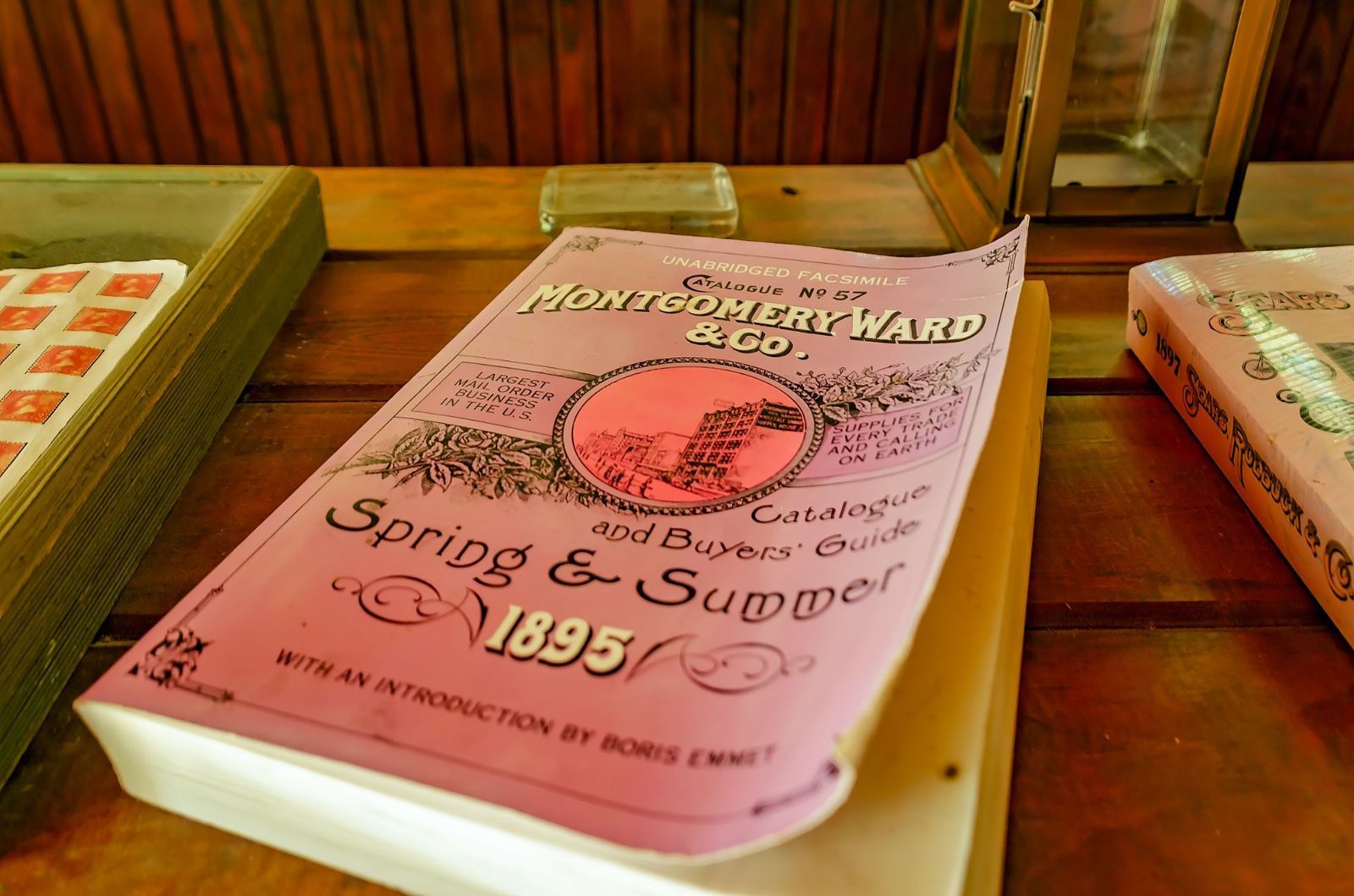
Long before Amazon, consumers could buy almost anything from Montgomery Ward from the comfort of their homes , and the company would ship it directly to them. It felt like online shopping before the internet. So why did it vanish?

To adapt to newer shopping habits, Montgomery Ward opened physical stores and started competing with brands like Sears; but once suburban malls and discount stores became widespread in the 1980s, Montgomery Ward couldn’t keep pace and eventually filed for bankruptcy in 1997 and again in 2001.

5
Circuit City

Image: LMPark Photos

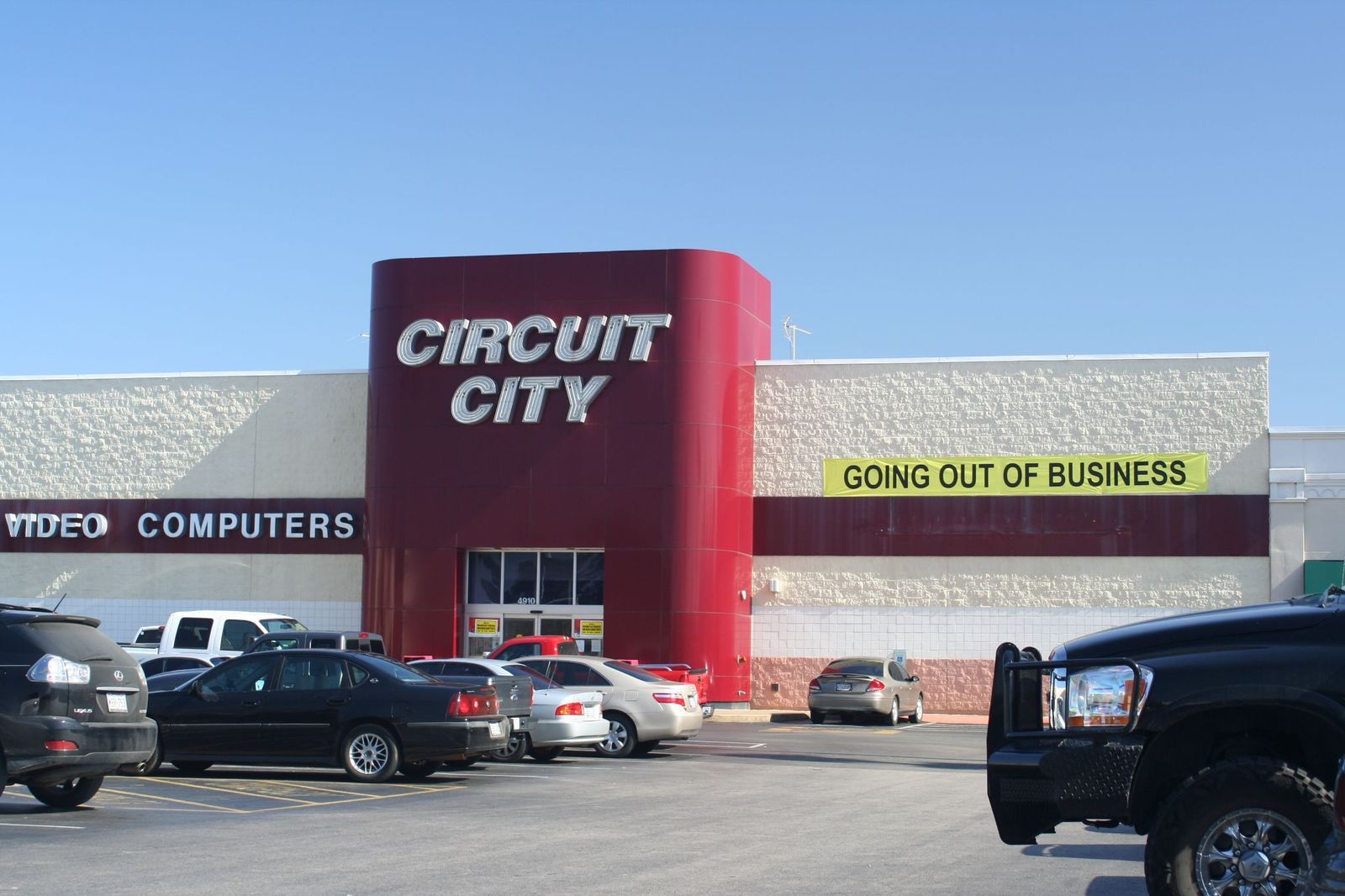
Circuit City started in 1949 and quickly became the source for TVs, stereos, VCRs, video games, and just about every kind of electronics , especially during the 1980s. The company continued growing by the early 2000s, expanding to more than 600 stores, though one controversial decision made it trip and fall.

Circuit City was already struggling to compete with Best Buy and Walmart. And in 2007, it replaced its commissioned sales staff with low-paid hourly workers, damaging customer service—often considered one of Circuit City’s biggest strategic mistakes. By March 2009, the chain was gone.

6
Caldor

Image: CC: 2.0 Ian Westcott

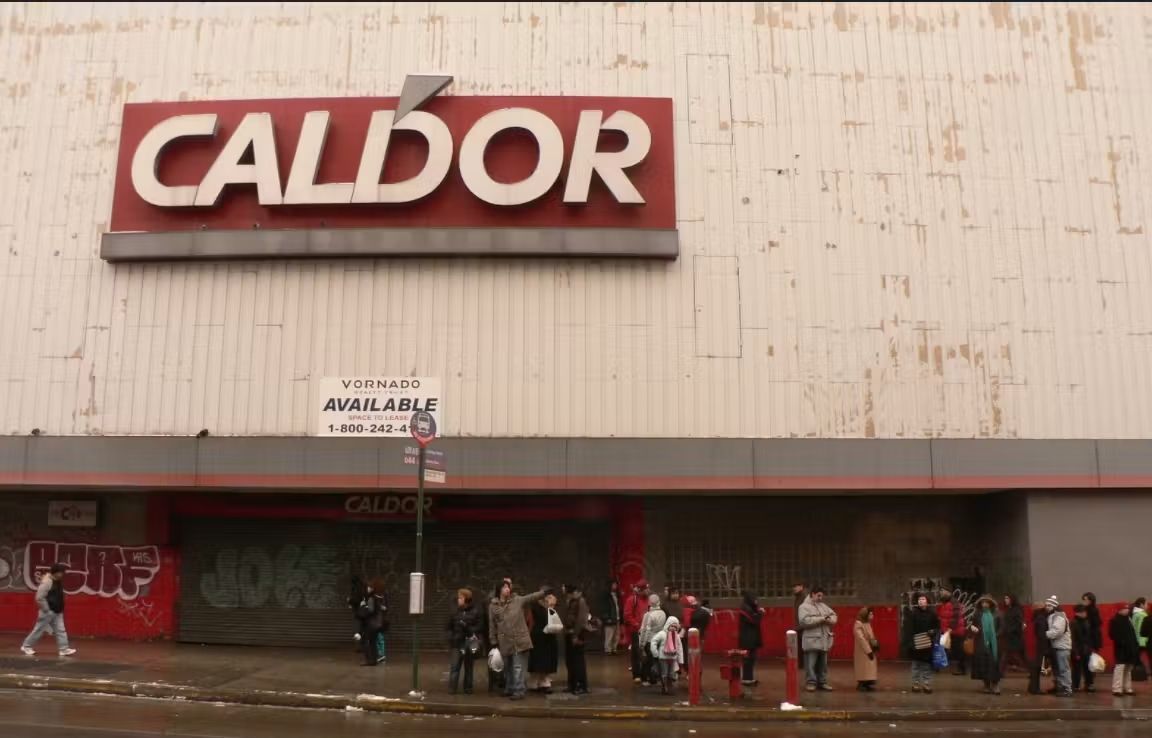
There was a time when one trip to Caldor could cover almost everything on your shopping list. Founded in 1951, it became a major one-stop discount department store . By the 1990s, it had grown to more than 150 stores across New York, Connecticut, New Jersey, and Massachusetts, but in 1995 it filed for bankruptcy. What happened in between?

Big box stores like Walmart and Target were expanding rapidly, and Caldor simply fell behind as people moved toward newer retail formats that combined department stores and supermarkets. Plus, the company took on a lot of debt in 1991, which only made things worse. Caldor finally closed for good in 1999.

7
Borders

Image: Raymond Vong Photography

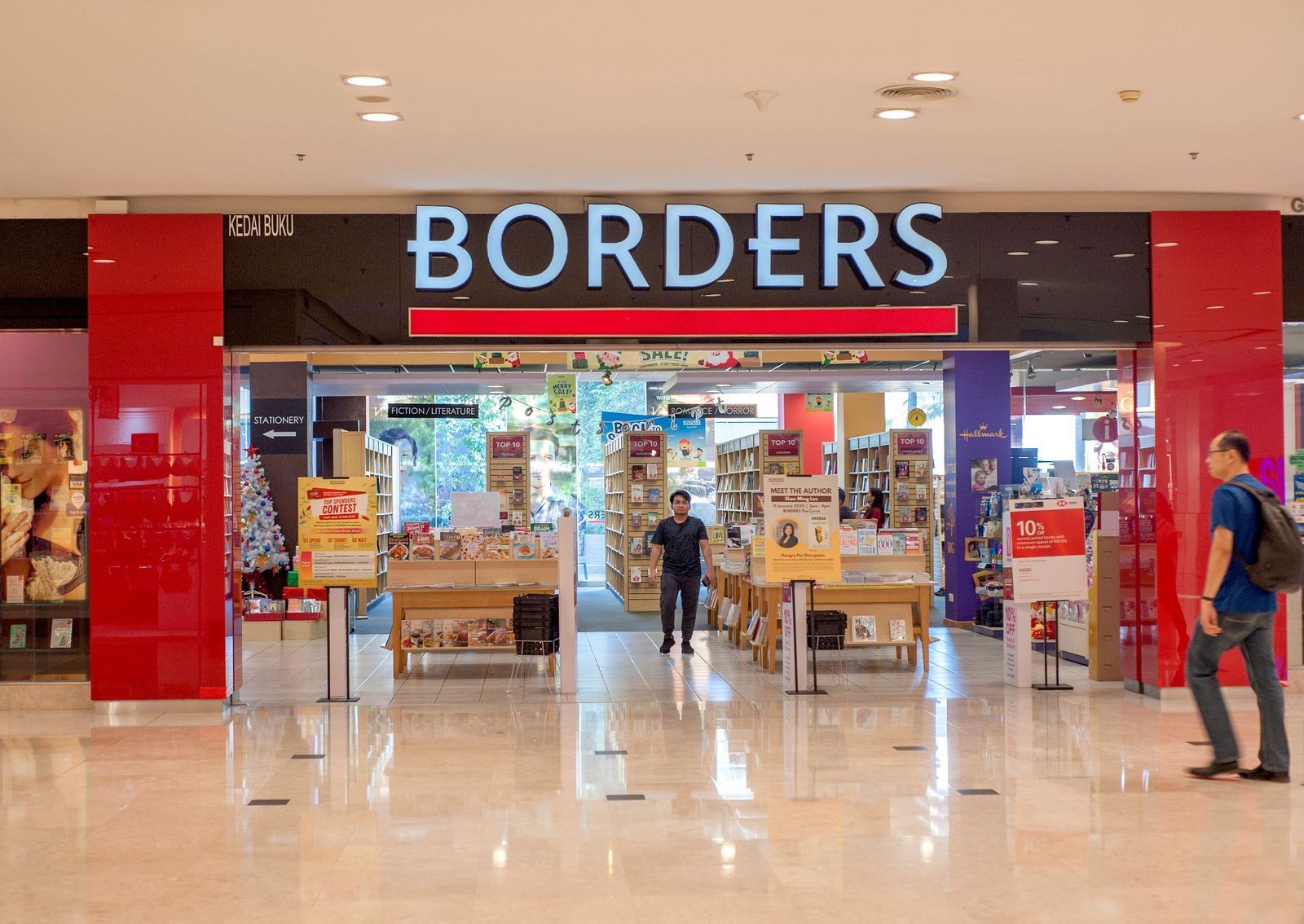
Borders is a reminder of a time when buying a book was an experience, rather than just clicking a few buttons online. It opened in 1971 and set itself apart from other modern bookstores. At Borders, you could spend an entire afternoon browsing not just books, but music and DVDs or even grabbing a coffee.

Around 2003–2004, Borders had more than 1,200 stores worldwide , but it failed to adapt to an inevitable growing trend: online book sales. Amazon eventually took over, and Borders couldn’t stay in the game, closing its final location in September 2011.

8
G.C. Murphy

Image: Teresa Otto

Much like Woolworth’s, G.C. Murphy was a five-and-dime store that sold a little bit of everything and had lunch counters or snack bars where people would hang out. The company opened in 1906, and it operated more than 500 stores by 1976.

But once the traditional five-and-dime model came under pressure from discount giants, G.C. Murphy was forced to adapt. The chain did make some efforts and experimented with bigger stores and different formats, but it wasn’t enough, and G.C. Murphy filed for bankruptcy in 1985.

9
Zayre

Image: Click Americana, CC BY 2.0, via Wikimedia Commons

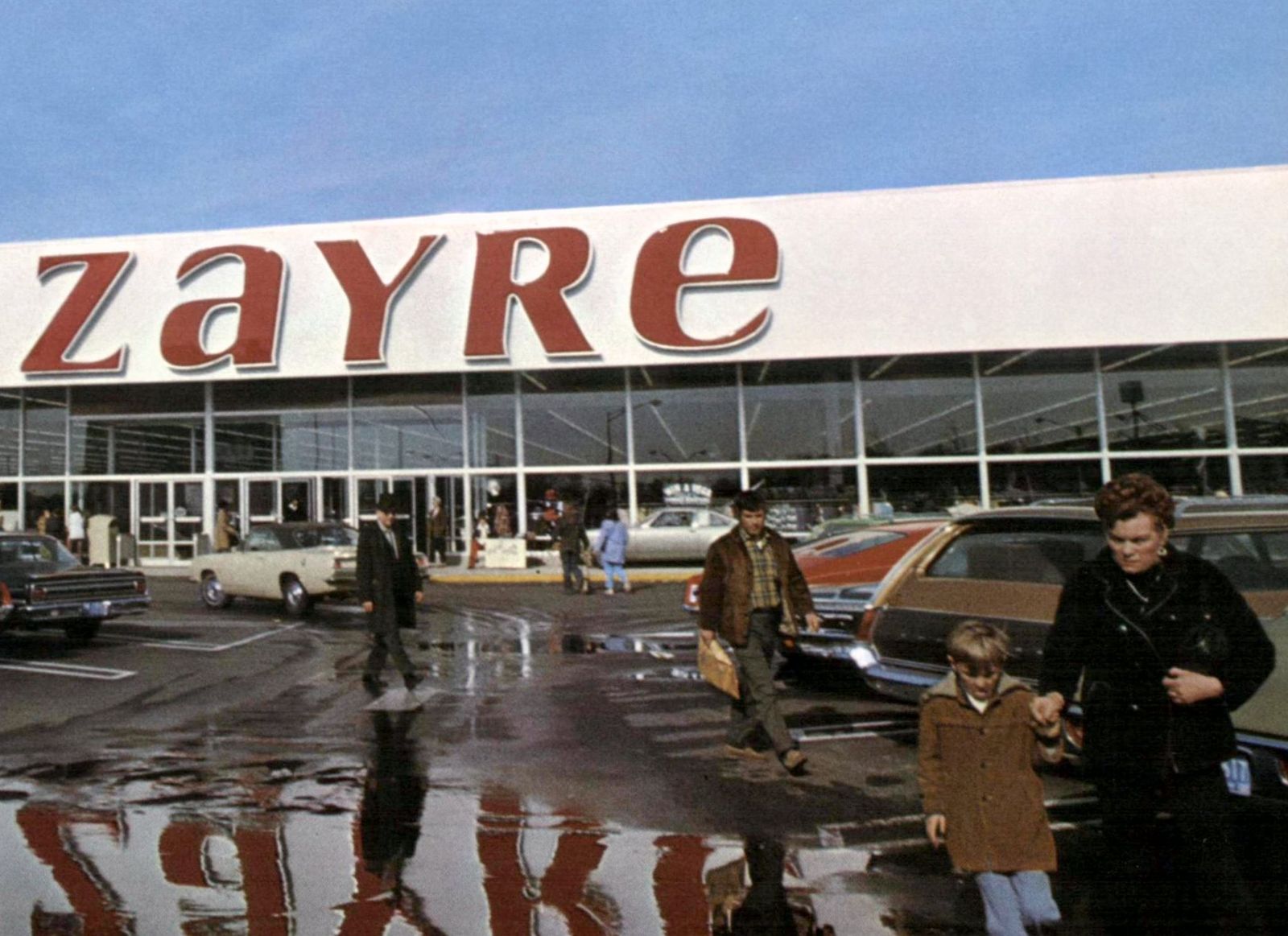
Zayre entered the market in 1956 as a classic discount department store that looked more like a warehouse . It was a no-frills, self-service shopping experience with massive stores, wide-open interiors, and exposed ceilings where you could find lots of everyday items like clothing, household goods, or appliances at low prices.

While it was pretty successful, especially across the Northeast and Midwest, Zayre struggled to keep up with giants like Target. It tried to reinvent itself by founding TJ Maxx in 1977, but eventually sold the remaining Zayre stores to Ames in 1988, and the Zayre name vanished by 1990.

10
Service Merchandise

Image: Service Merchandise, Public domain, via Wikimedia Commons

Service Merchandise was founded in 1934 and, unlike typical retail stores, it introduced a strange new concept called the " catalog showroom " in 1960, where display floors showcased single working samples of products, and the actual inventory was stored in an adjacent backroom warehouse. Customers would look at a catalog, place an order, and an employee would bring it to them.

The concept proved successful, and Service Merchandise operated more than 400 showrooms by the mid-1990s. But Service Merchandise’s model meant longer waiting times, and traditional discount stores began offering a faster and easier shopping experience. The company tried to modernize by introducing electronic inventory systems, but it didn’t work out. By 2002, Service Merchandise was gone.

Explore more American facts

Choose your favorite category!

General
General

As American as apple pie—the very best America has to offer!

Culture
Culture

Delve into the astounding richness of American lore.

Geography
Geography

Hop in and explore vast and diverse American landscapes.

History
History

Discover the key moments that shaped the United States.