Fly Me to the Moon
Why was Howard Hughes so rich? Behind the country's most eccentric man
Image: Shutterstock
Today, we board a plane without thinking twice. But over 120 years ago, no one had ever flown a powered airplane. Then the Wright brothers got off the ground, and others soon followed. Charles Lindbergh and Amelia Earhart crossed the Atlantic, and a few astronauts went all the way to the Moon. Here are 10 Americans who reached new heights, and the stories behind their famous flights.
1
Howard Hughes
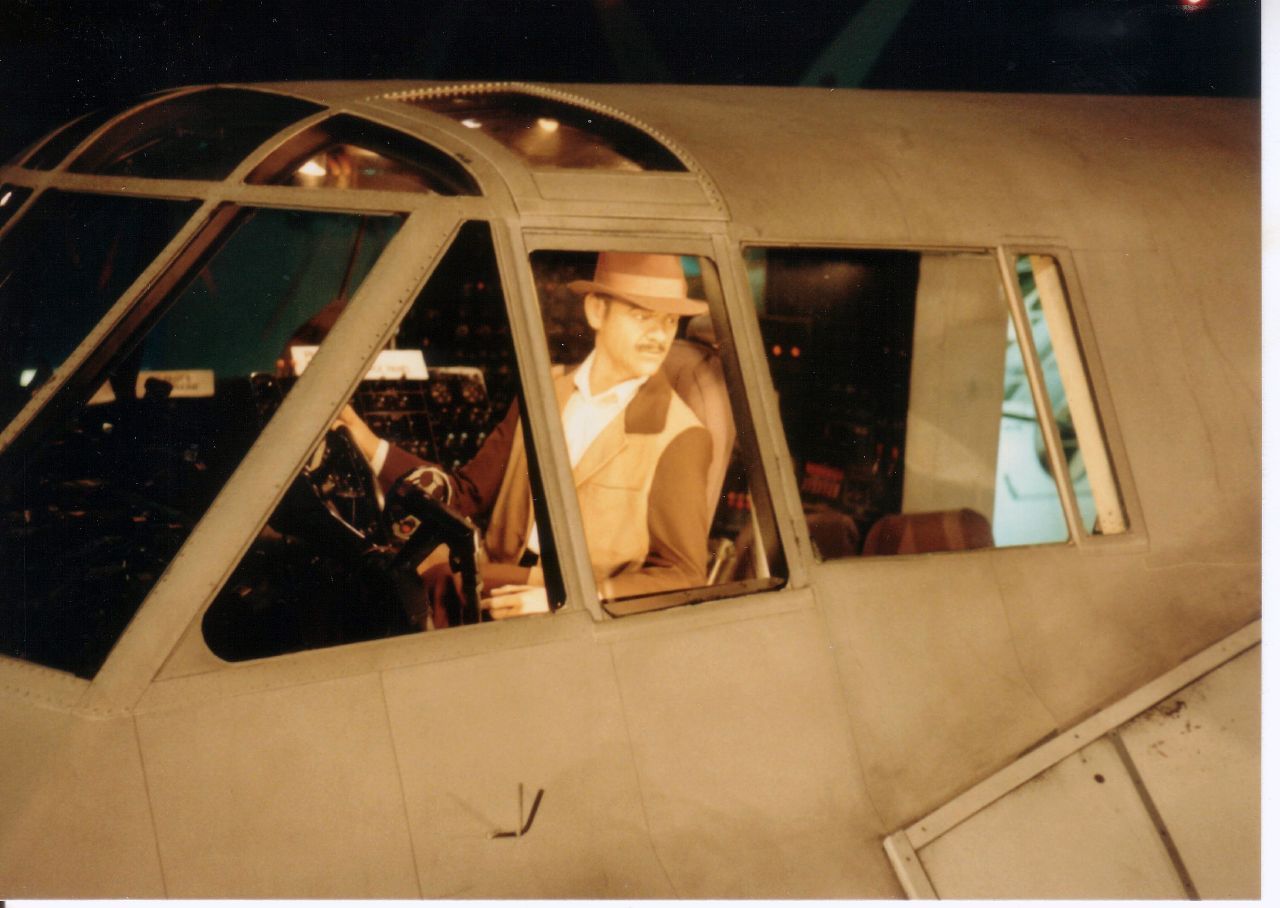
Howard Hughes was a lot of things: a businessman, a movie director/producer, and a record-breaking pilot. Born in Houston, Texas, he inherited his father’s tool company as a teenager and later moved to Hollywood. His World War I flying movie, Hell’s Angels (1930), used dozens of real planes and became a classic. In 1938, he flew around the world in about 91 hours, setting a new record.
During World War II, Hughes was hired to build a giant flying boat that could carry 750 soldiers. Since metal was needed for the war, he built it mostly of wood. The press called it the "Spruce Goose," a nickname Hughes hated. The war ended before it was ready, and critics said it would never fly. So in 1947, Hughes flew it himself for about a mile over Long Beach Harbor. It never flew again, and today it sits in a museum in McMinnville, Oregon.
2
Neil Armstrong
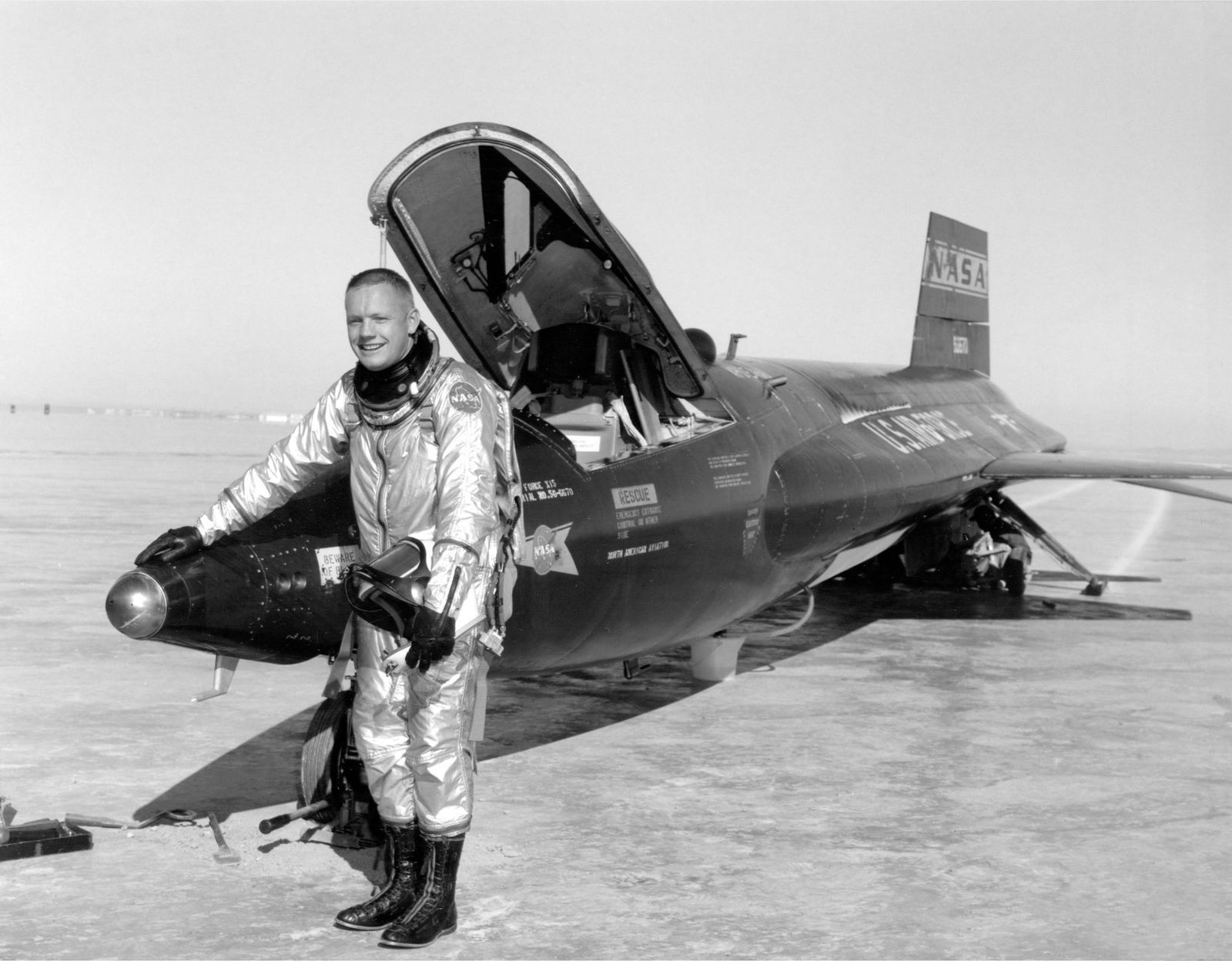
"That's one small step for man, one giant leap for mankind." Neil Armstrong said those words on July 20, 1969, when he became the first person to walk on the Moon, and the phrase became one of the most famous ever spoken. Being the first man on the Moon was monumental enough for a lifetime, but it wasn't his only achievement.
A native of Wapakoneta, Ohio, Armstrong served as a Navy pilot during the Korean War, and later became a test pilot. After joining NASA, he flew the Gemini 8 mission in 1966, where, with David Scott, they became the first to connect two spacecraft in orbit, a skill the Moon missions would later depend on.
3
Buzz Aldrin
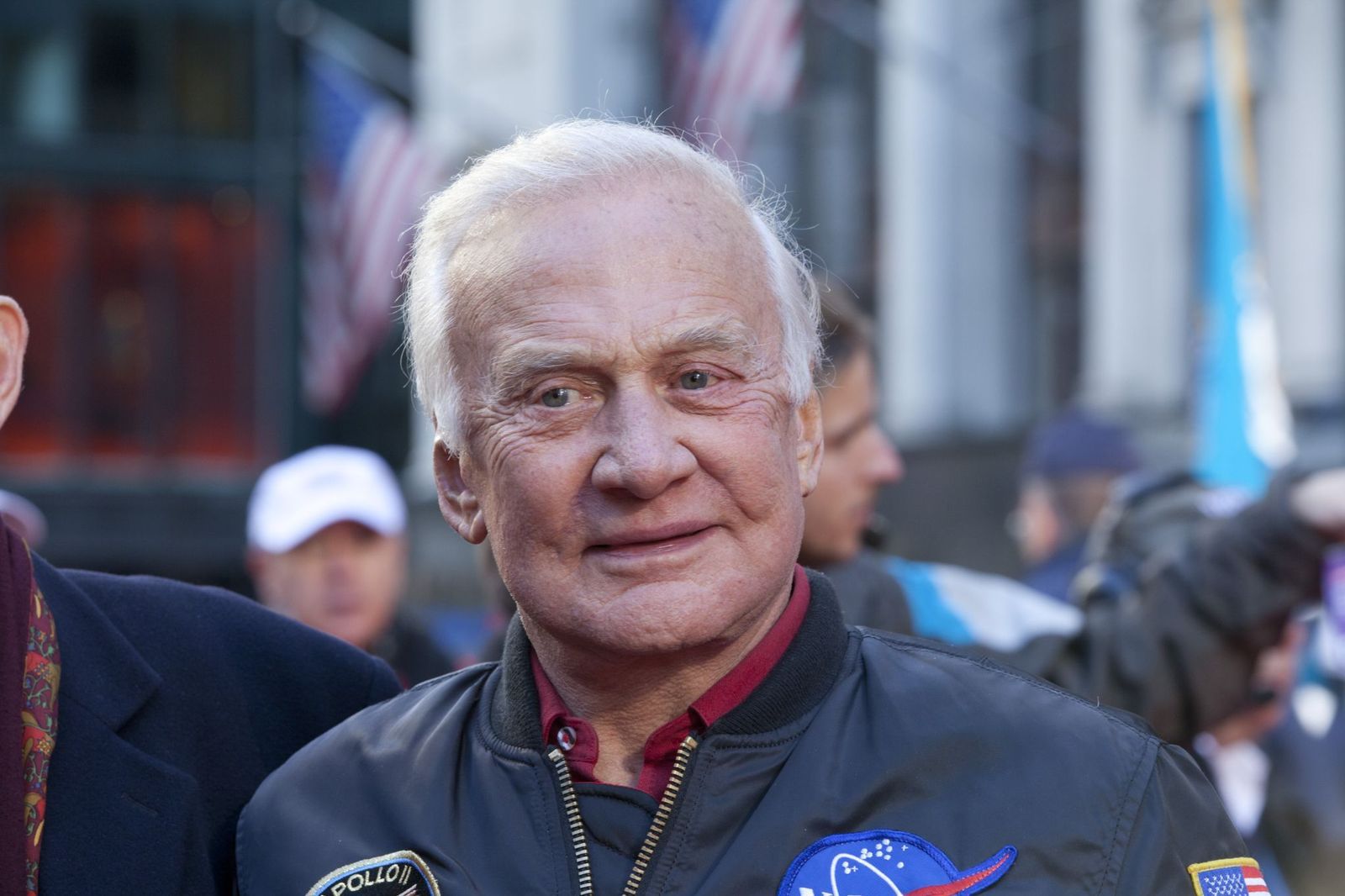
Second, but no less important, Buzz Aldrin followed Neil Armstrong onto the Moon about 20 minutes later. Before stepping outside, he quietly took communion inside the lunar module, which made it the first religious ceremony ever held on the Moon .
During the Korean War, Aldrin was an Air Force fighter pilot and flew 66 missions. His spacecraft research was so useful that other astronauts nicknamed him "Dr. Rendezvous." In 1966, on the Gemini 12 mission, he made three spacewalks and proved that astronauts could do real work outside a spacecraft. After retiring from NASA and the Air Force, he spent decades pushing for new space missions, including sending humans to Mars. And yes, Toy Story 's Buzz Lightyear was named after him.
4
Chuck Yeager
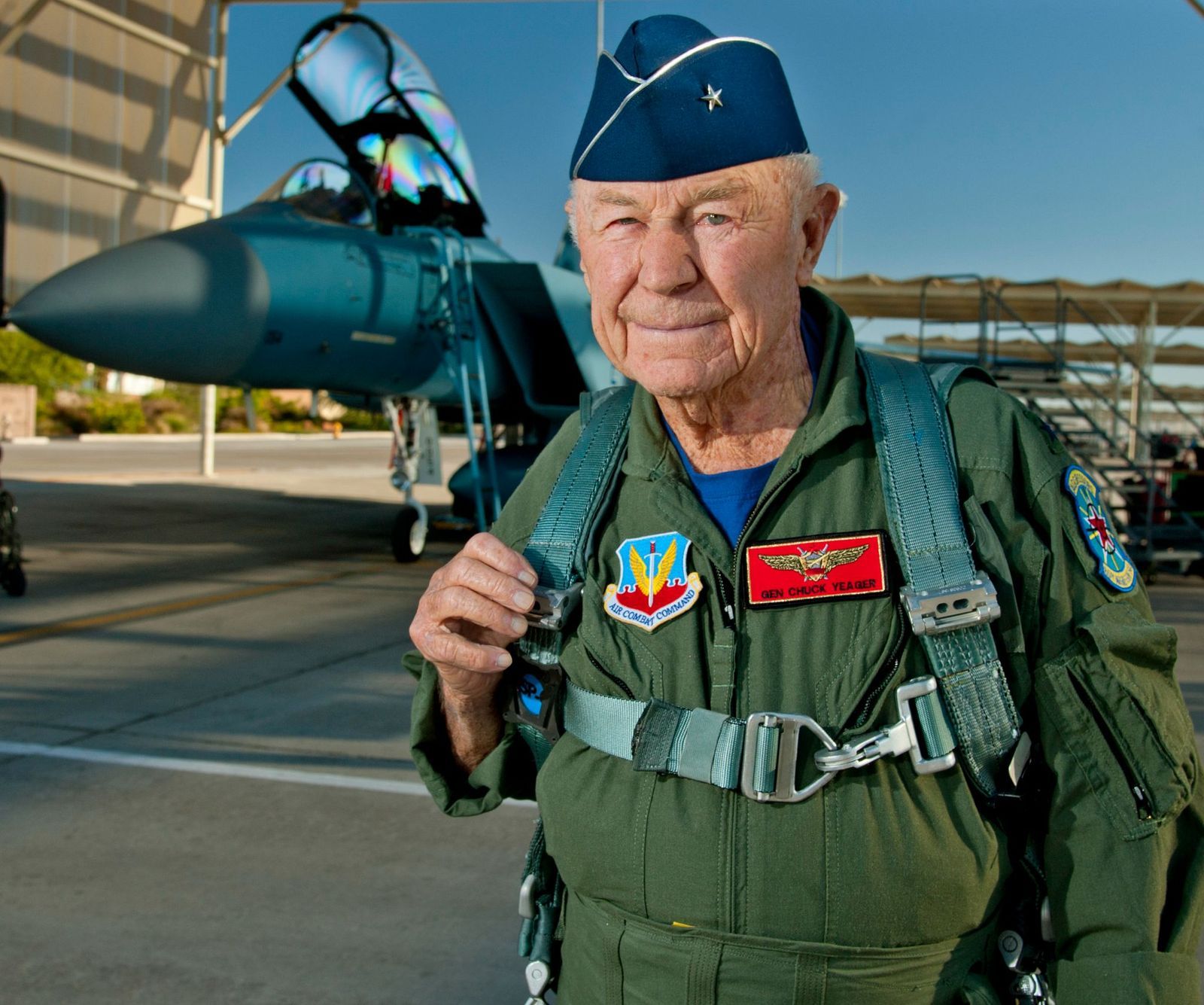
When Chuck Yeager joined the Air Force in 1941, he started as a mechanic, but quickly became a pilot because of his good eyesight. After his good performance in World War II, he was assigned a mission: to fly faster than the speed of sound, something many experts feared could tear a plane apart. In 1947, Yeager was chosen to fly the Bell X-1 and try to break the sound barrier. Two nights before the flight, he fell off a horse and broke two ribs, but he kept it quiet so he wouldn’t lose his spot.
Once in the air, and with a friend’s help, Yeager climbed down into the small plane and locked the door from inside. Then the plane X-1, named Glamorous Glennis after his wife, was dropped from the bomber; Yeager fired the rockets, and minutes later he became the first pilot to fly faster than the speed of sound. The 1983 movie The Right Stuff tells this story, and Sam Shepard plays him.
5
Orville and Wilbur Wright
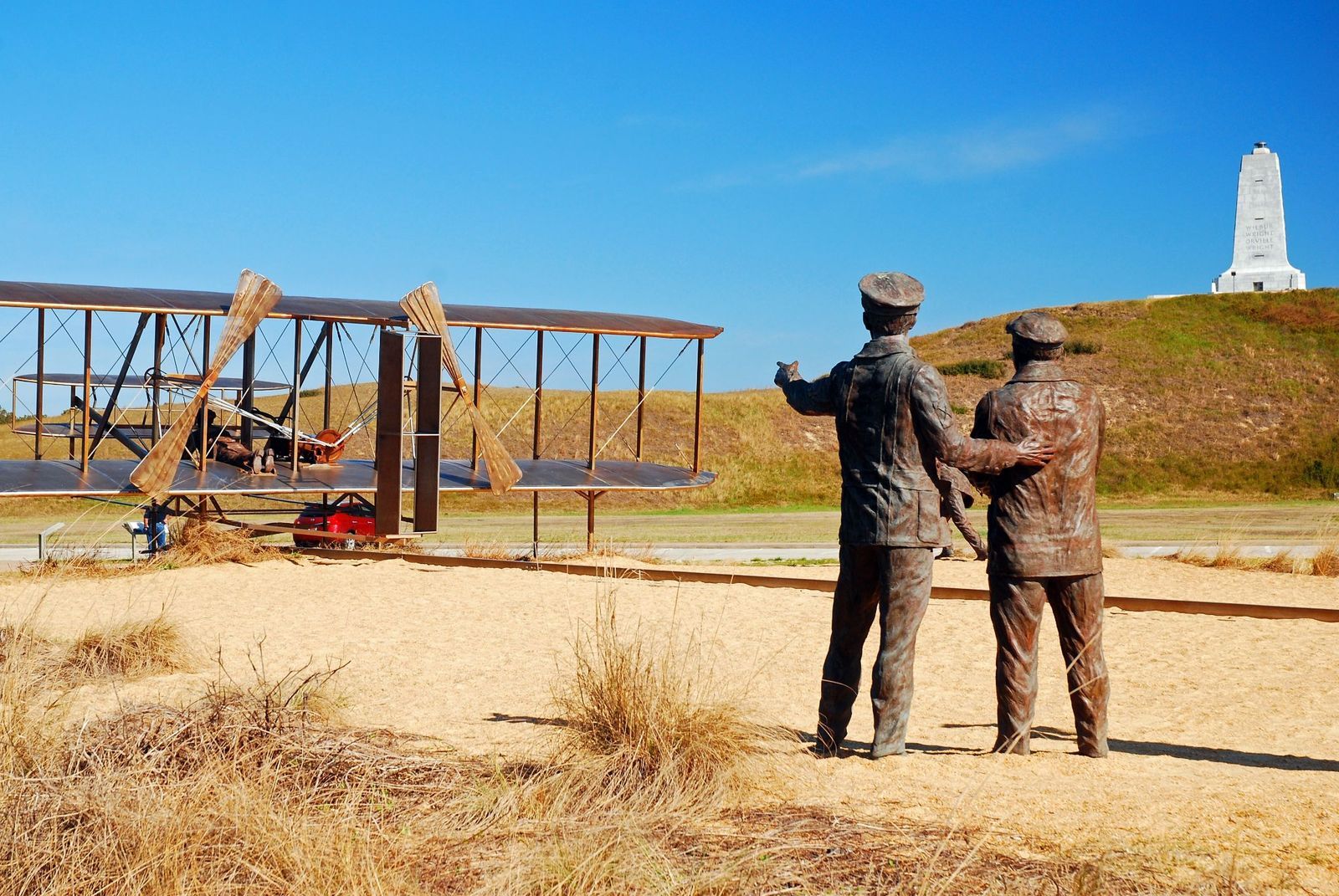
Before they created the first plane, the Wright brothers were bicycle mechanics in Ohio. The story goes that when they were kids, their father brought home a toy helicopter made of cork, bamboo, and a rubber band. They played with it until it broke, and then they built their own.
Flying and inventing were their obsessions: they observed birds, tested gliders, and learned about balance, chains, and making machines by hand. In 1903, when they built their own wind tunnel, they went to the dunes near Kitty Hawk in North Carolina to test their flyer. Orville took off and stayed in the air for 12 seconds. He covered 120 feet, becoming the first powered airplane flight in history, and the world was never the same.
6
Charles Lindbergh
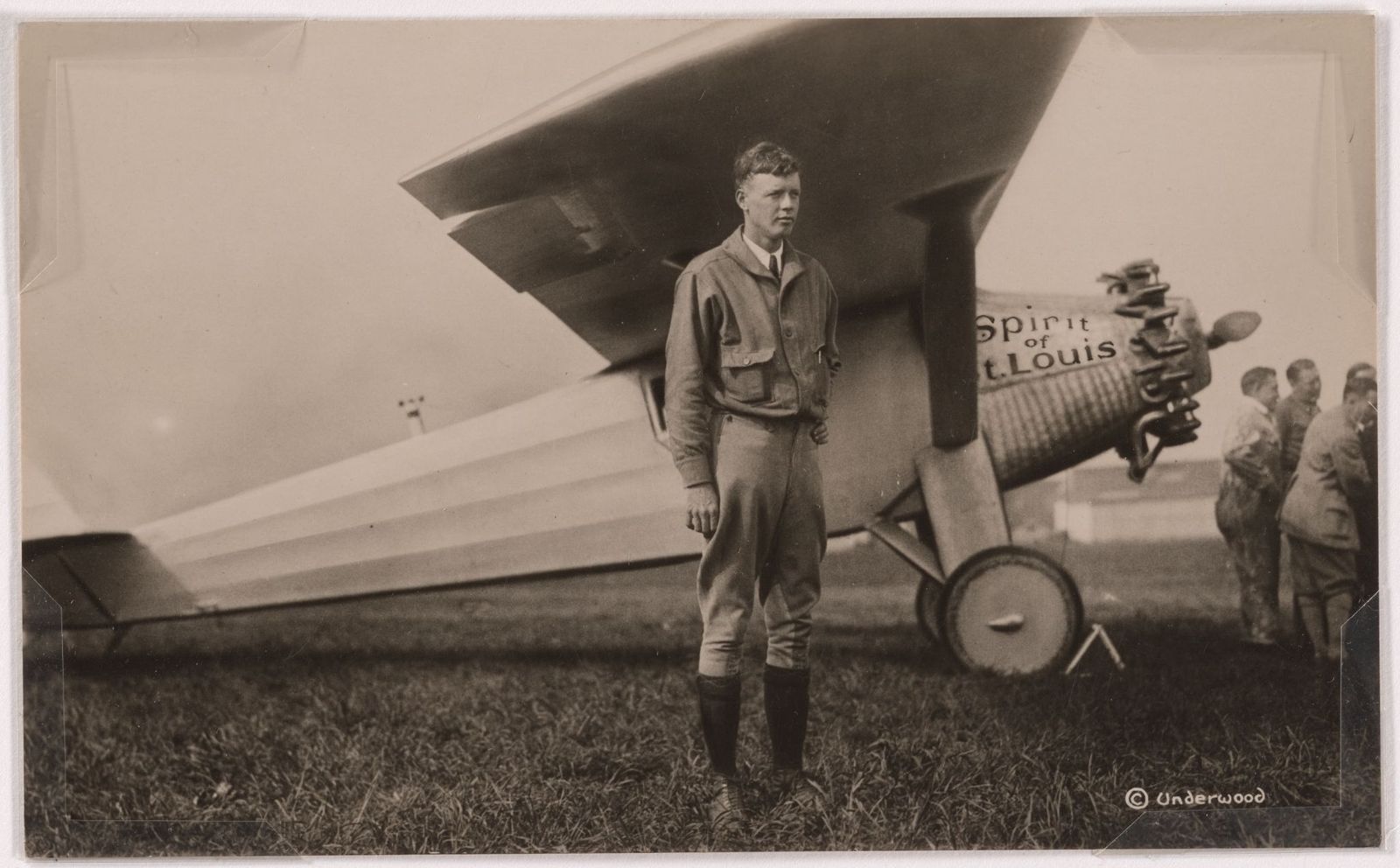
Charles Lindbergh started studying engineering in college but left after two years to learn to fly. For a while, he worked as a stunt pilot at county fairs, walking on wings and jumping with a parachute, until he trained with the Army and got a job flying the mail between St. Louis and Chicago.
On those mail runs, he heard about a $25,000 prize for anyone who could pull off the first nonstop flight between New York and Paris. Renowned pilots were already trying, and some had died in the attempt. After Lindbergh convinced businessmen in St. Louis to back him, he prepped for the adventure. Flying the Spirit of St. Louis, Lindbergh left Long Island on May 20, 1927, and landed in Paris about 33 and a half hours later. A huge crowd ran onto the field to greet him, and newspapers started calling him "Lucky Lindy."
7
Amelia Earhart
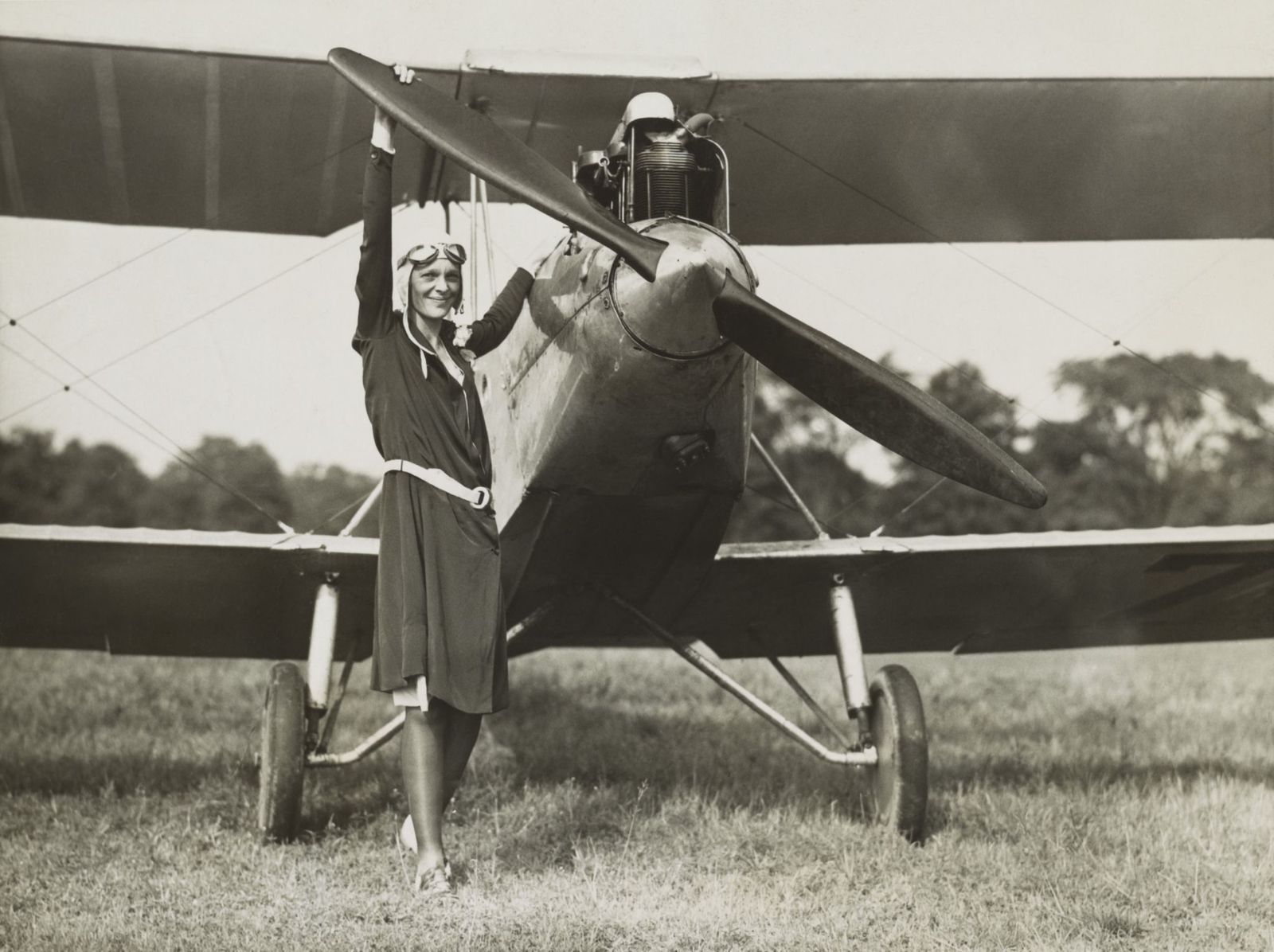
Amelia Earhart worked as a nurse in Toronto during World War I. Once in 1920, she paid for a 10-minute flight in Long Beach, California, and that was the moment she knew she had to become a pilot. Earhart then took a job at the telephone company to pay for air lessons until she bought a used yellow plane nicknamed "The Canary." In 1922, she flew it to 14,000 feet, a new record for women pilots.
On May 20, 1932, five years after Lindbergh's flight, she became the first woman to fly solo across the Atlantic . The trip was rough: she took off from Harbour Grace, Newfoundland, while ice formed on the wings, and a fuel leak forced her to land in Paris. Then, about 15 hours later, she landed in a cow pasture in Northern Ireland.
8
Alan Shepard
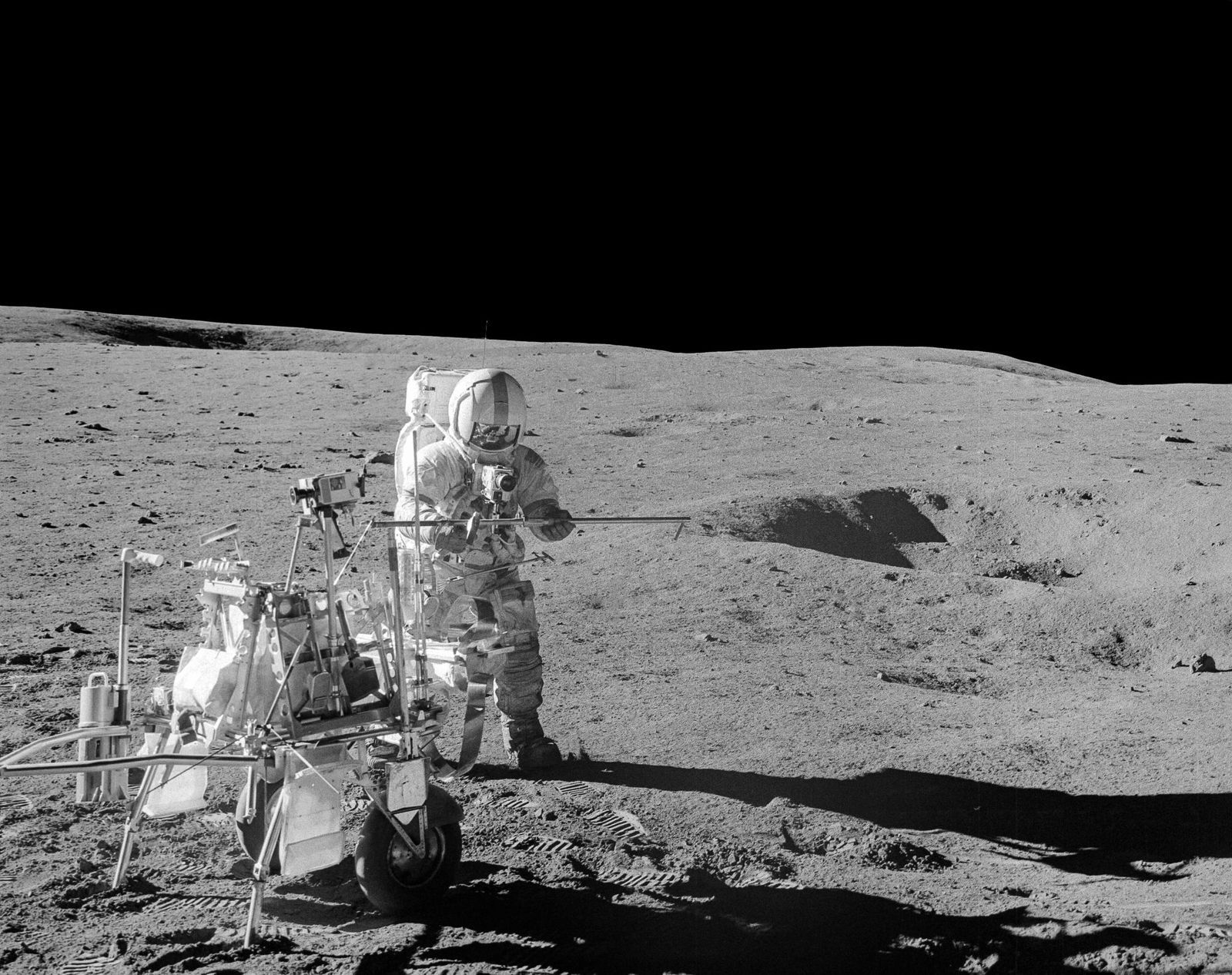
You probably remember Alan Shepard as the man who played golf on the Moon. He went to the U.S. Naval Academy and later became a Navy test pilot. In 1959, NASA chose him as one of its first astronauts, "the Mercury Seven" (selected for Project Mercury). On May 5, 1961, he became the first American in space.
Two years later, an inner-ear condition called Ménière’s disease started making him dizzy, and NASA wouldn’t let him fly. Shepard spent years working on the ground until he had an operation and was ready to fly again. In 1971, he finally flew to the Moon as commander of Apollo 14. He became the fifth man to walk on the Moon and, at 47, the oldest. Before leaving the lunar surface, he pulled out a golf club head he had attached to a tool handle and hit two balls.
9
John Glenn
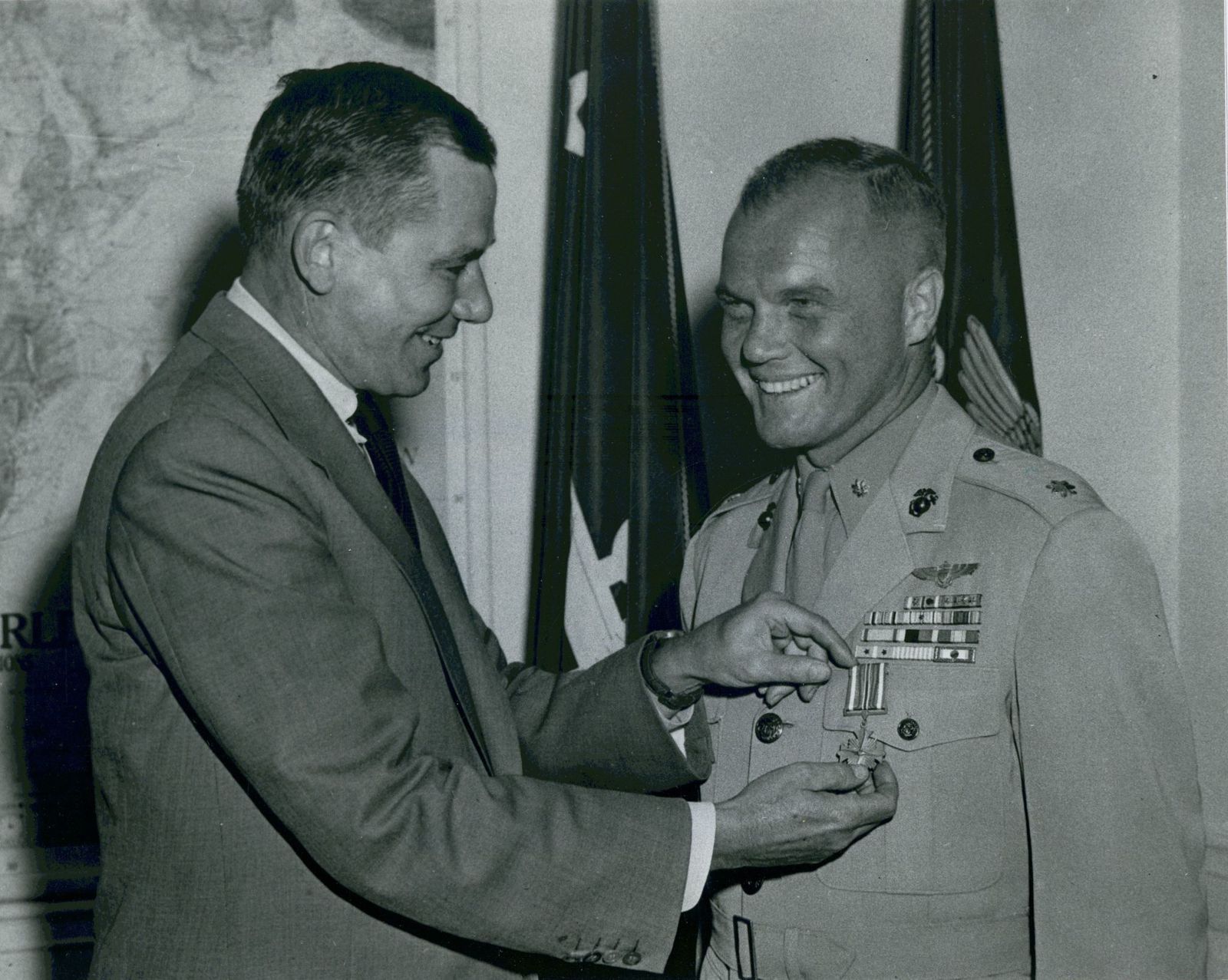
In December 1941, John Glenn was in college when Pearl Harbor was attacked, and he left to become a pilot. He flew combat missions for the Marines in World War II and again in Korea. In 1957, he made headlines by flying faster than the speed of sound from Los Angeles to New York in three hours and 23 minutes.
But that wasn’t all. NASA selected him to join the "Mercury Seven." In 1962, piloting the Friendship 7, he became the first man to orbit Earth, circling it three times. Glenn later returned to space in 1998 at age 77 aboard the Space Shuttle Discovery (STS-95), becoming the oldest person to travel into space while participating in aging and microgravity studies.
10
Sally Ride
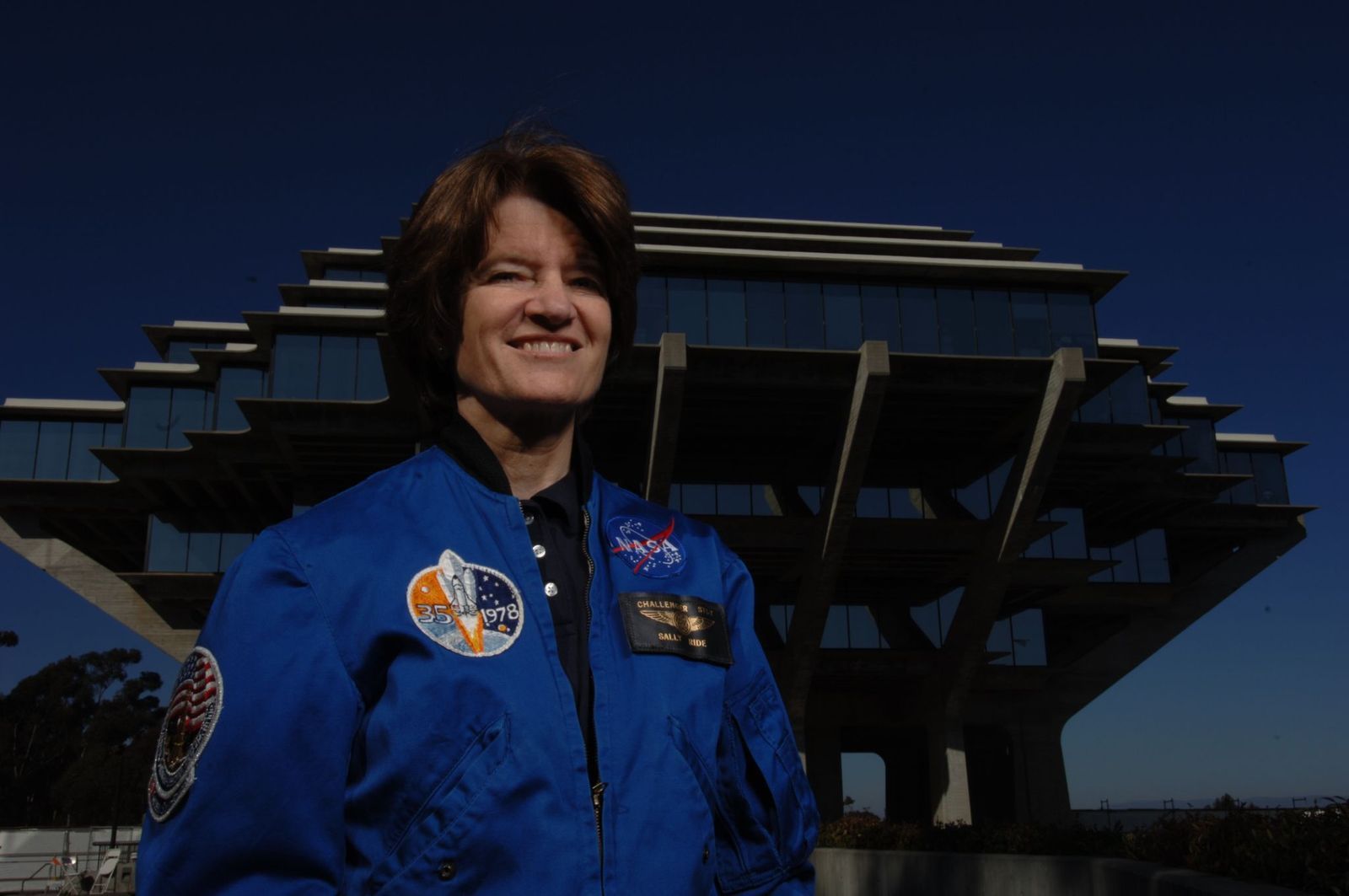
Los Angeles native Sally Ride first entered the public eye as one of the country’s best junior tennis players. However, she continued studying physics and English at Stanford University, and while working on her physics PhD, she saw a NASA ad in the student newspaper. For the first time, NASA was looking for women astronauts.
About 8,000 women applied, and in 1978 she was one of 35 selected. She helped develop the shuttle's robot arm and also talked to crews from Mission Control on early flights. On June 18, 1983, she flew on Challenger and became the first American woman in space, at age 32.