General General 5 min read

Hollywood hometown magic

10 famous movie locations hiding in small towns
Image: Adam Constanza Media

From The Truman Show to Forrest Gump, there are so many classic films that have left a lasting mark on America and the world at large. Have you visited the real-life places that brought these stories to the screen? Here are 10 evocative spots around the country that became part of movie history.

1
Seaside, Florida: The Truman Show
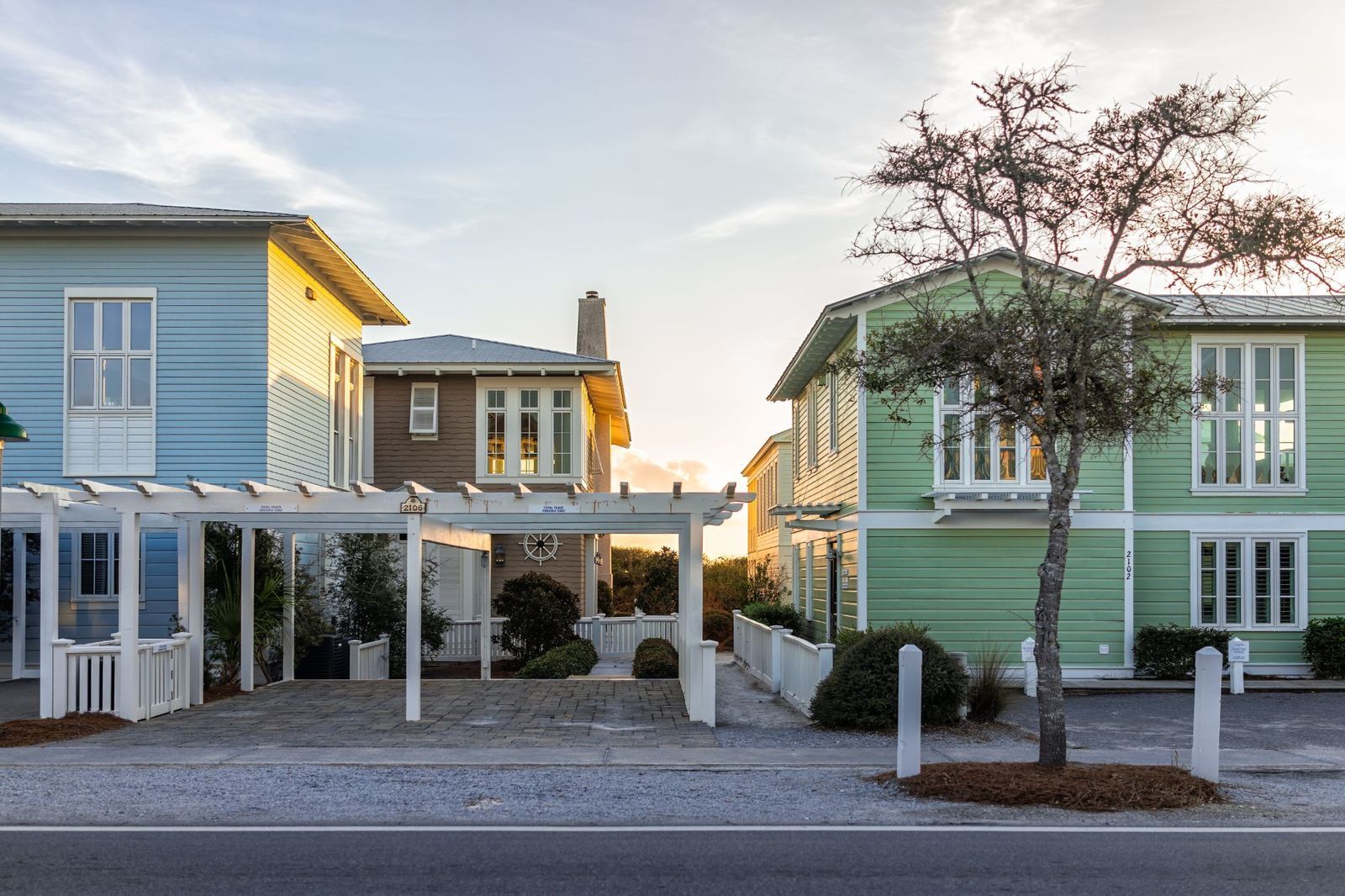
Image: Kristi Blokhin

Seaside, Florida captured the hyper-idyllic essence of the fictional "Seahaven Island" in 1998’s satirical classic, The Truman Show .

Director Peter Weir and his location scouts found the exact picture-perfect community they needed in this town , with its pristine streets, pastel homes, and carefully planned design. That’s why, instead of building a massive Hollywood soundstage, the production team filmed in this 80-acre master-planned coastal community along Northwest Florida's Scenic Highway 30A. The real town became the fictional place where Truman Burbank (Jim Carrey) unknowingly lives inside a television show. The movie helped turn this quiet Florida Panhandle community into a destination for movie fans.

2
Estes Park, Colorado: The Shining
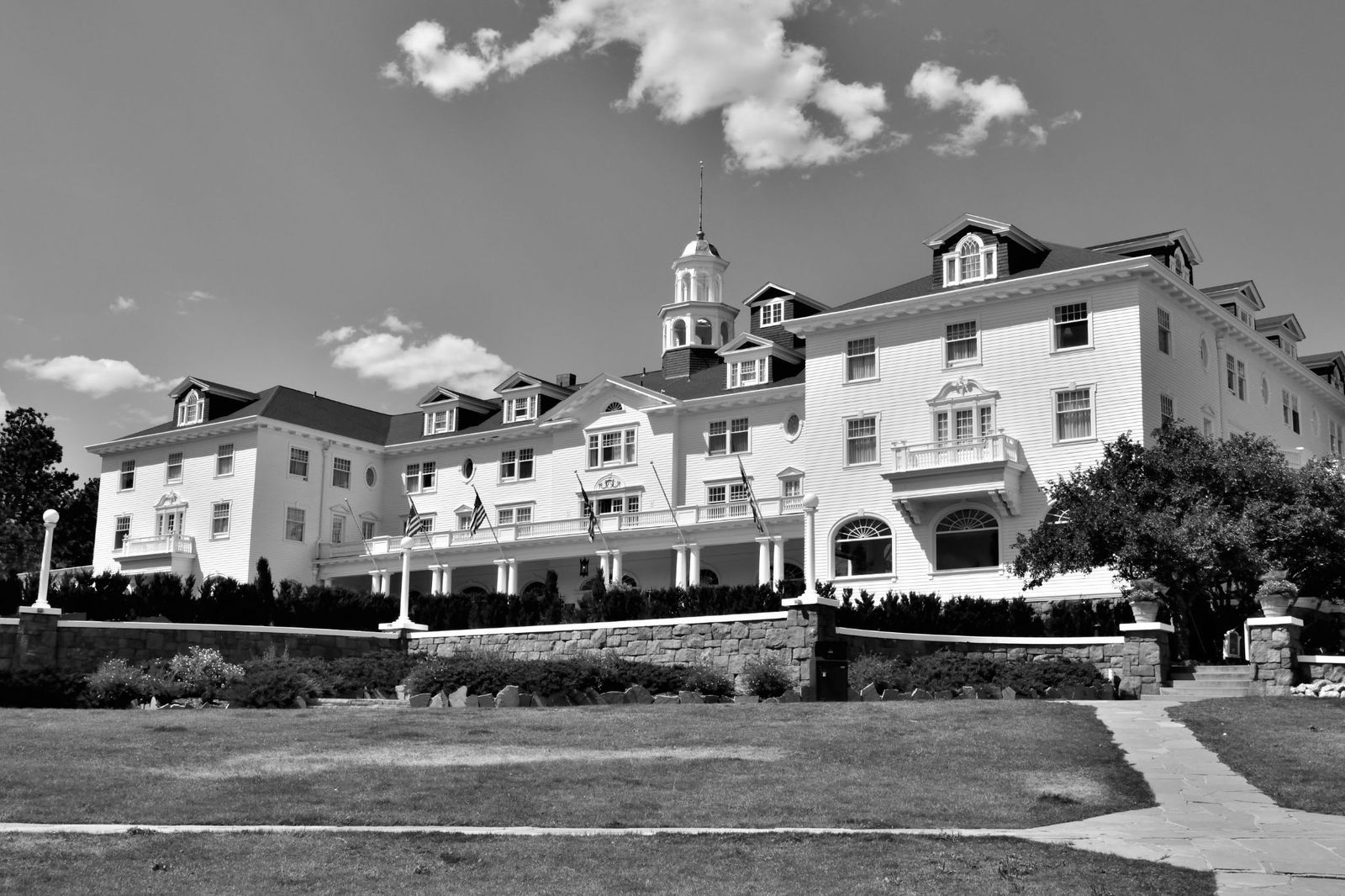
Image: Christophe KLEBERT

Estes Park, Colorado, became famous on the literary and cinematic map because its historic Stanley Hotel inspired Stephen King to write his legendary 1977 horror novel The Shinin g.

King and his wife stayed at the hotel in 1974 when it was nearly empty as the season was ending, which inevitably fueled the author's imagination. Their stay, including a night in Room 217, helped inspire the fictional Overlook Hotel. While Stanley Kubrick filmed the exterior of his 1980 movie elsewhere, the Stanley Hotel became a filming location for the 1997 television miniseries adaptation.

3
Marfa, Texas: Giant
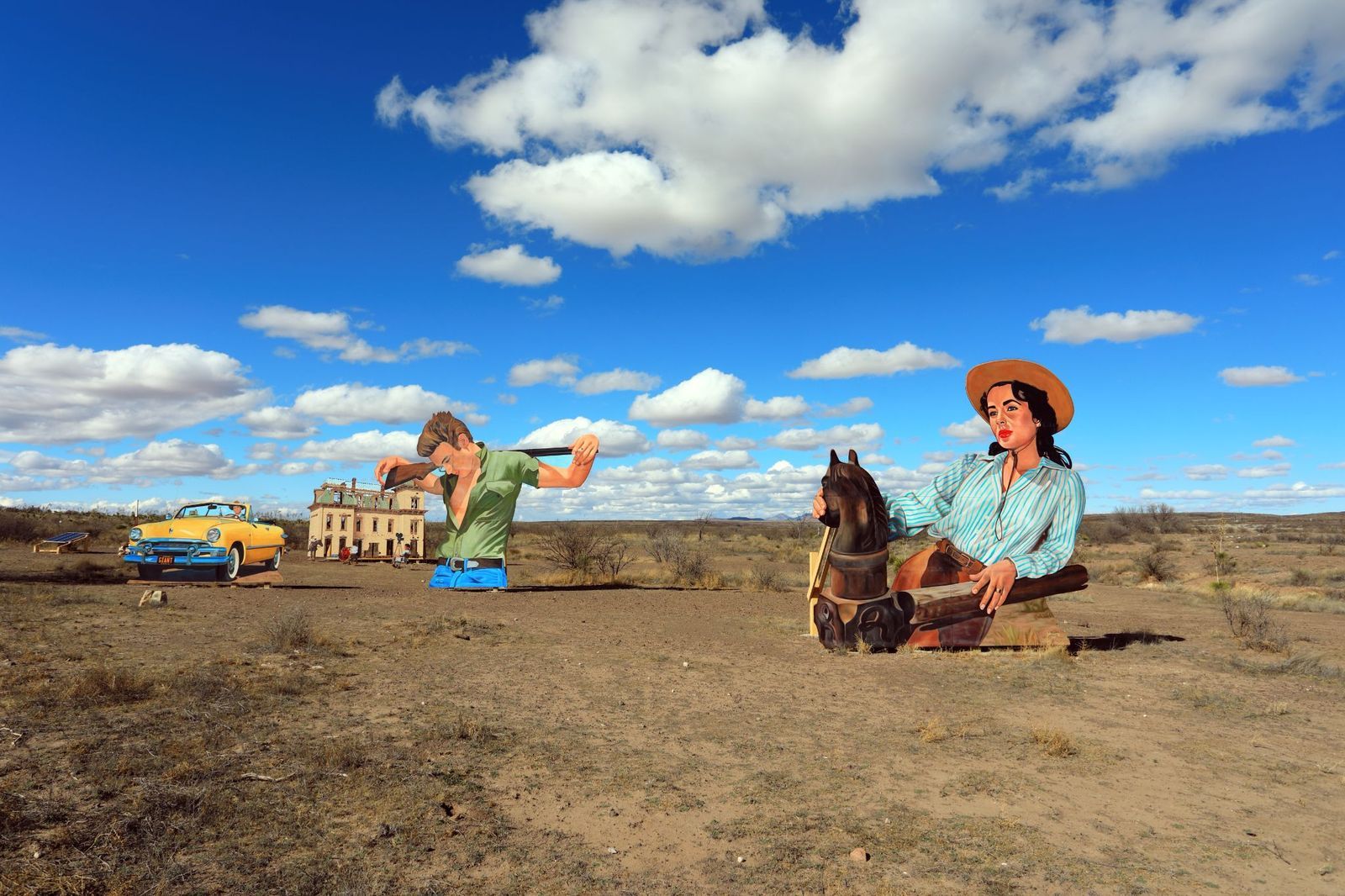
Image: Fotogro

Marfa, Texas became a legendary screen destination when it hosted the 1955 production of the classic Hollywood epic Giant, starring Elizabeth Taylor (Leslie Benedict), Rock Hudson (Bick Benedict), and James Dean (Jett Rink) in his final completed film role.

Director George Stevens used the stark West Texas desert outside Marfa to portray the sprawling "Reata" ranch. The cast and crew stayed at the historic Hotel Paisano during production, which became the center of the shoot’s off-screen life and still displays Giant memorabilia today, including giant roadside cutouts of Taylor, Dean, and Rock Hudson .

4
Monroeville, Alabama: To Kill a Mockingbird
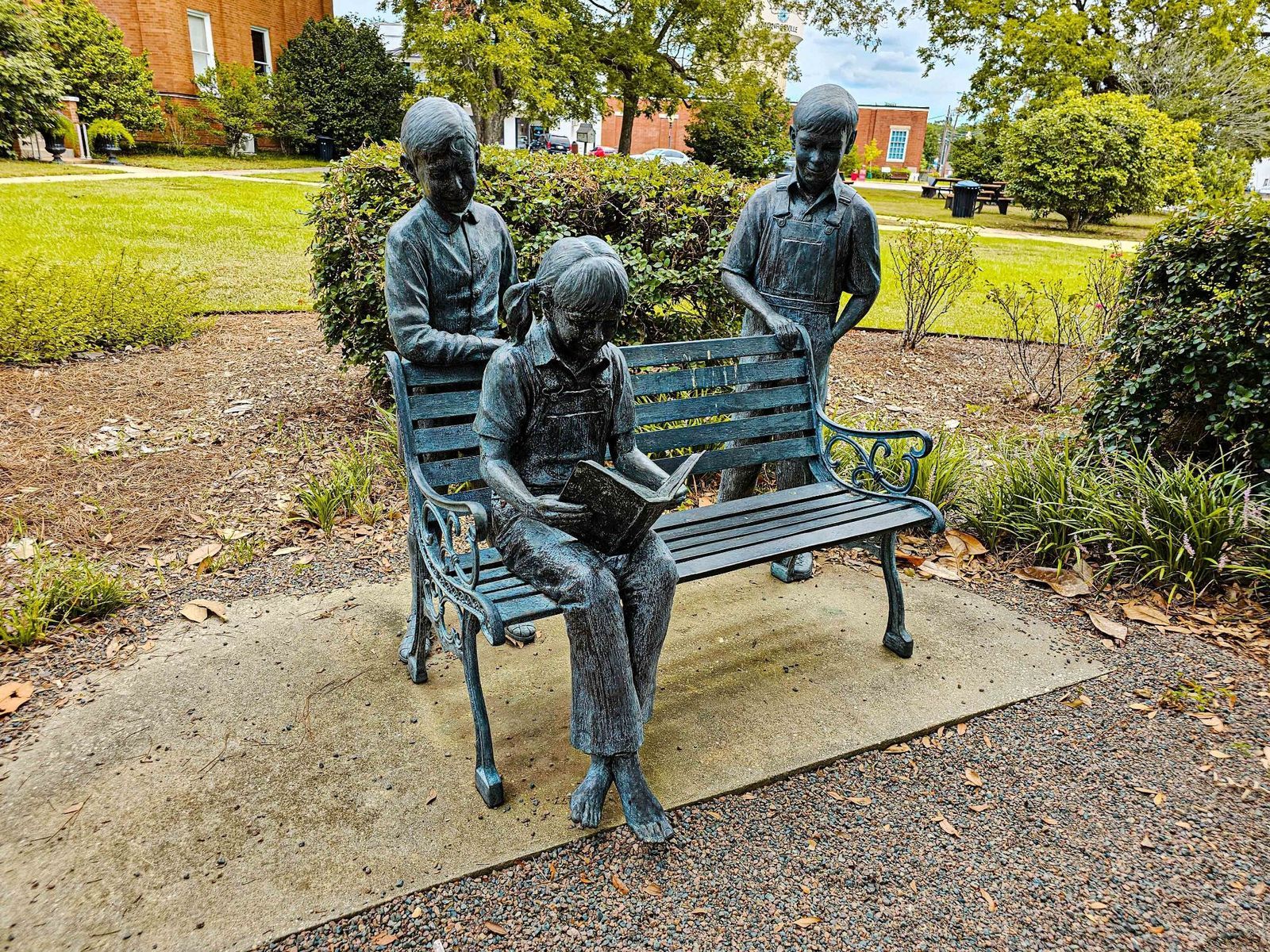
Image: AshleyGary

Monroeville, Alabama, inspired the fictional town of Maycomb in Harper Lee’s novel and the 1962 film adaptation To Kill a Mockingbird . However, the movie was largely filmed on Universal Studios’ backlot in California, rather than in Alabama itself.

Universal’s designers recreated the Southern setting on the studio lot after visiting the location and taking photographs and measurements of the town and courthouse. The courtroom was carefully modeled on the interior of Monroeville’s courthouse, helping make the fictional Maycomb feel remarkably authentic. Today, you can visit the "A Celebration of Reading" sculpture in the same square . Created by Branko Medencica, the bronze sculpture features unidentified characters from the novel, although many reasonably assume they represent Scout, Jem, and Dill.

5
Savannah, Georgia: Forrest Gump
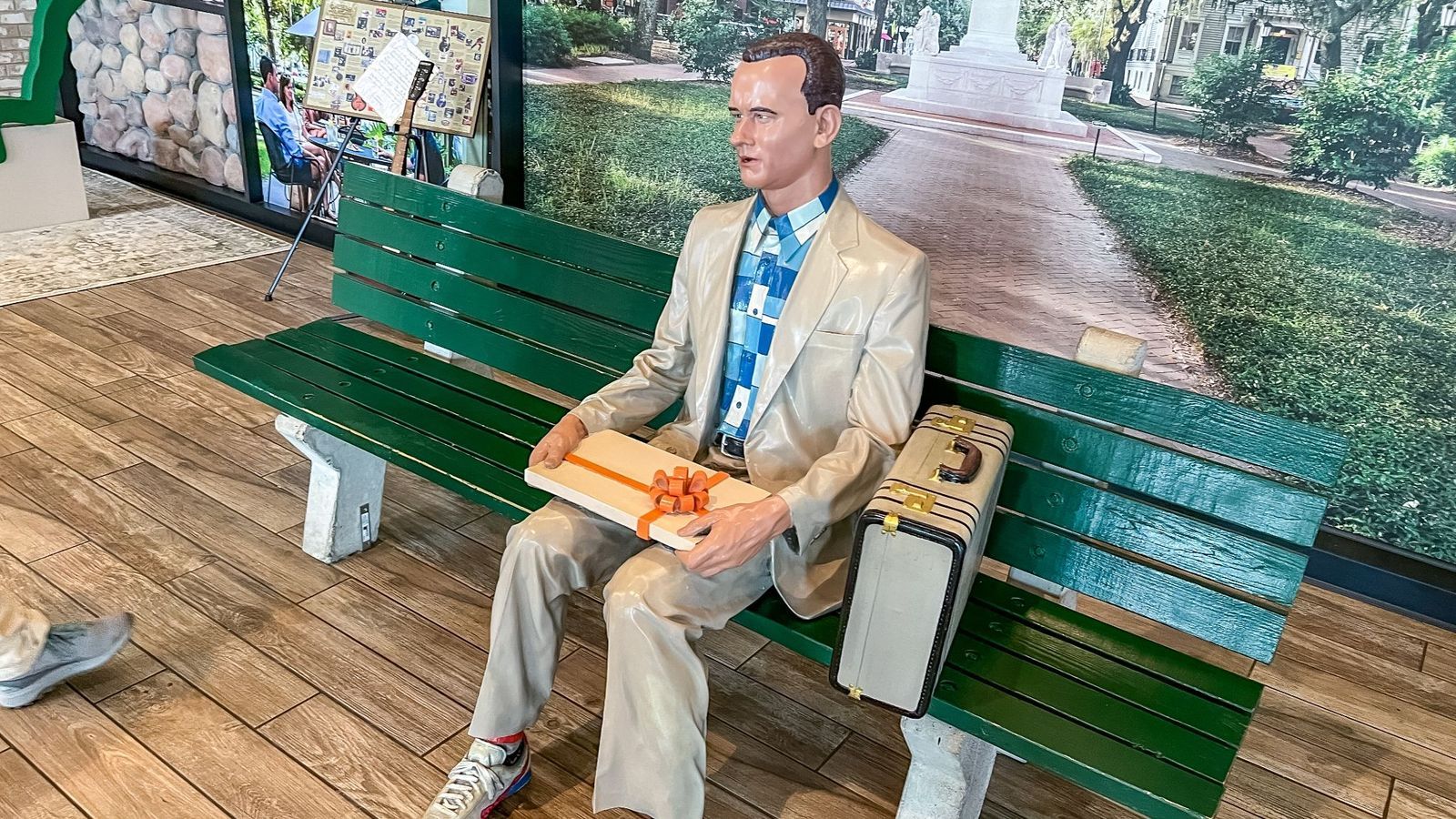
Image: JuliaDorian

Savannah, Georgia provided the setting for some of the most recognizable scenes in 1994’s Forrest Gump .

While the fictional town of Greenbow, Alabama, and many rural landscapes were actually brought to life in other parts of Georgia and South Carolina, this town was the backdrop for the movie’s famous bus-stop scenes, where Forrest (Tom Hanks) sits with his box of chocolates and recounts his life story to strangers. The movie’s opening feather sequence also passes through the city’s historic squares. The bench itself was a movie prop and was removed after filming, although a prop bench is now displayed at the Savannah History Museum.

6
Madison, Indiana: Some Came Running
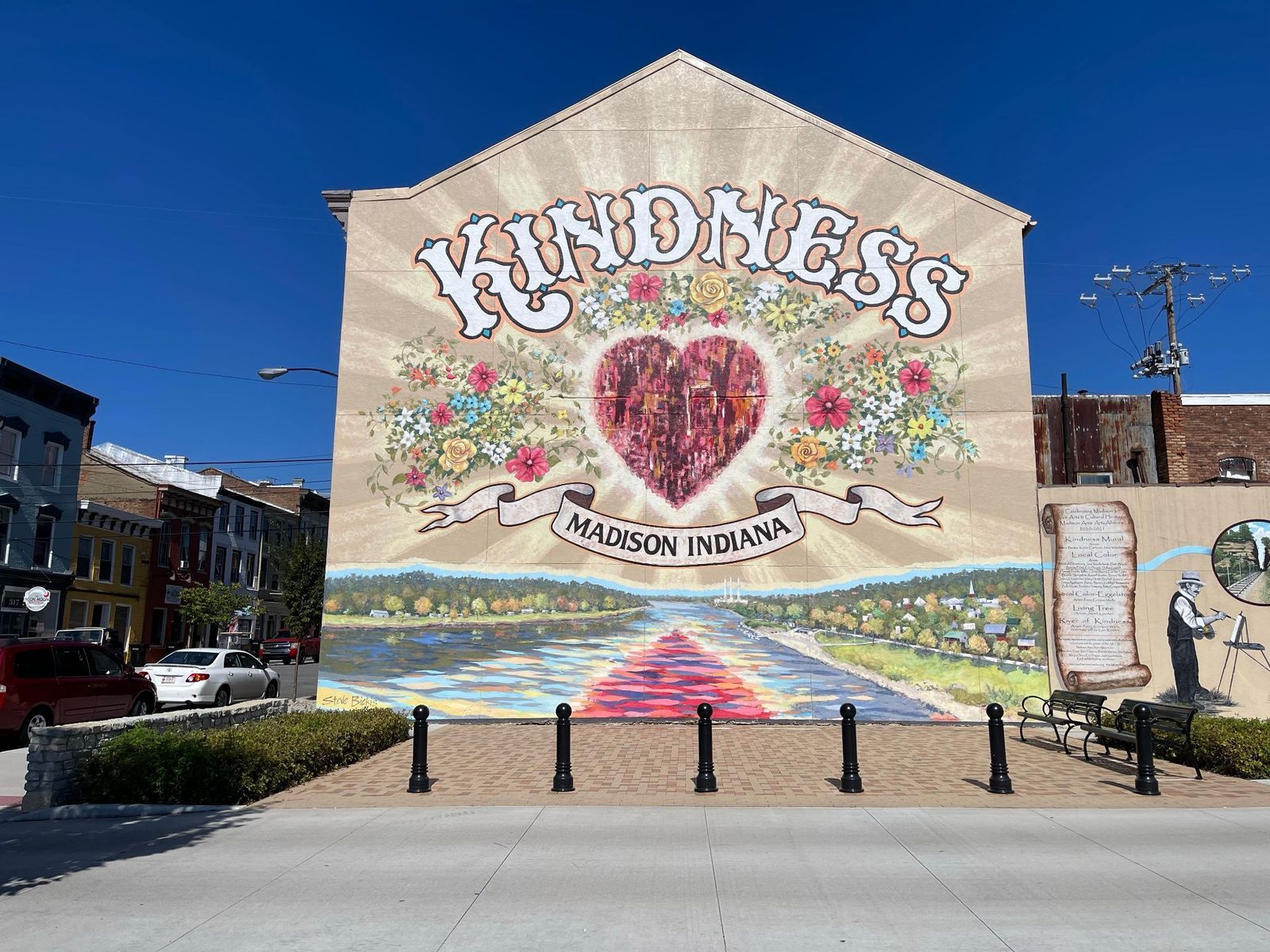
Image: Dad1966

Madison, Indiana became a temporary Hollywood set in 1958 when it served as the primary filming location for the star-studded drama Some Came Running. The movie starred Frank Sinatra as Dave Hirsh , Shirley MacLaine as Ginny Moorehead, and Dean Martin as Bama Dillert.

Directed by Vincente Minnelli, the MGM film was based on James Jones’s novel and used Madison to portray the fictional town of Parkman, Indiana. Much of the movie was filmed in and around Madison, including its streets, homes, and businesses.

7
Rome, Georgia: Remember the Titans
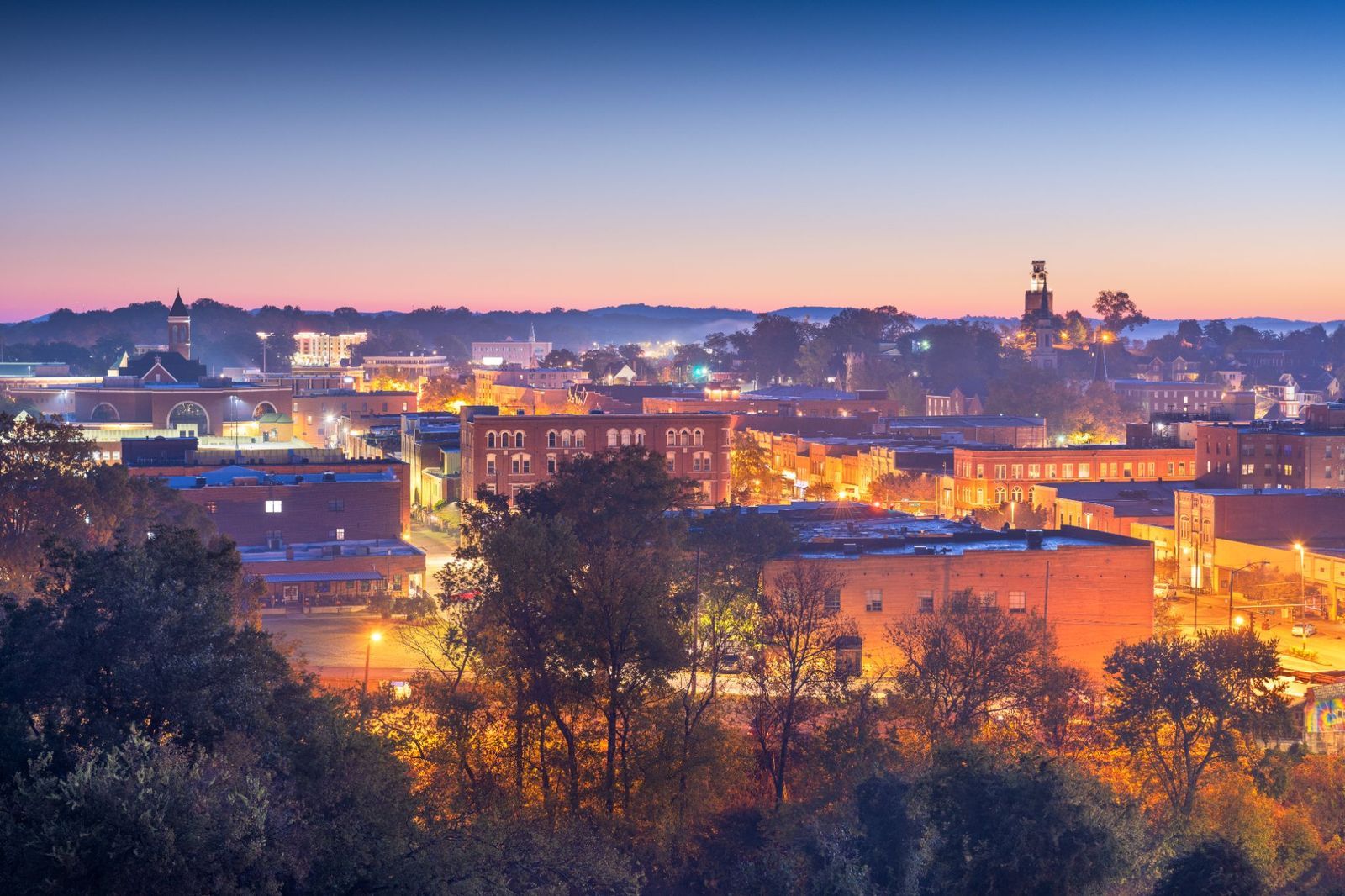
Image: Sean Pavone

Rome, Georgia, stepped into the cinematic spotlight by serving as a backdrop for the 2000 inspirational sports film Remember the Titans .

Specifically, Berry College in Rome provided the setting for the football team’s training camp. The college’s Ford Buildings, Old Mill, Oak Hill, and surrounding forest all appeared in the film. Fans can still recognize parts of the picturesque campus on screen, which was also used for other productions, including Sweet Home Alabama and Stranger Things .

8
Berlin, Maryland: Runaway Bride
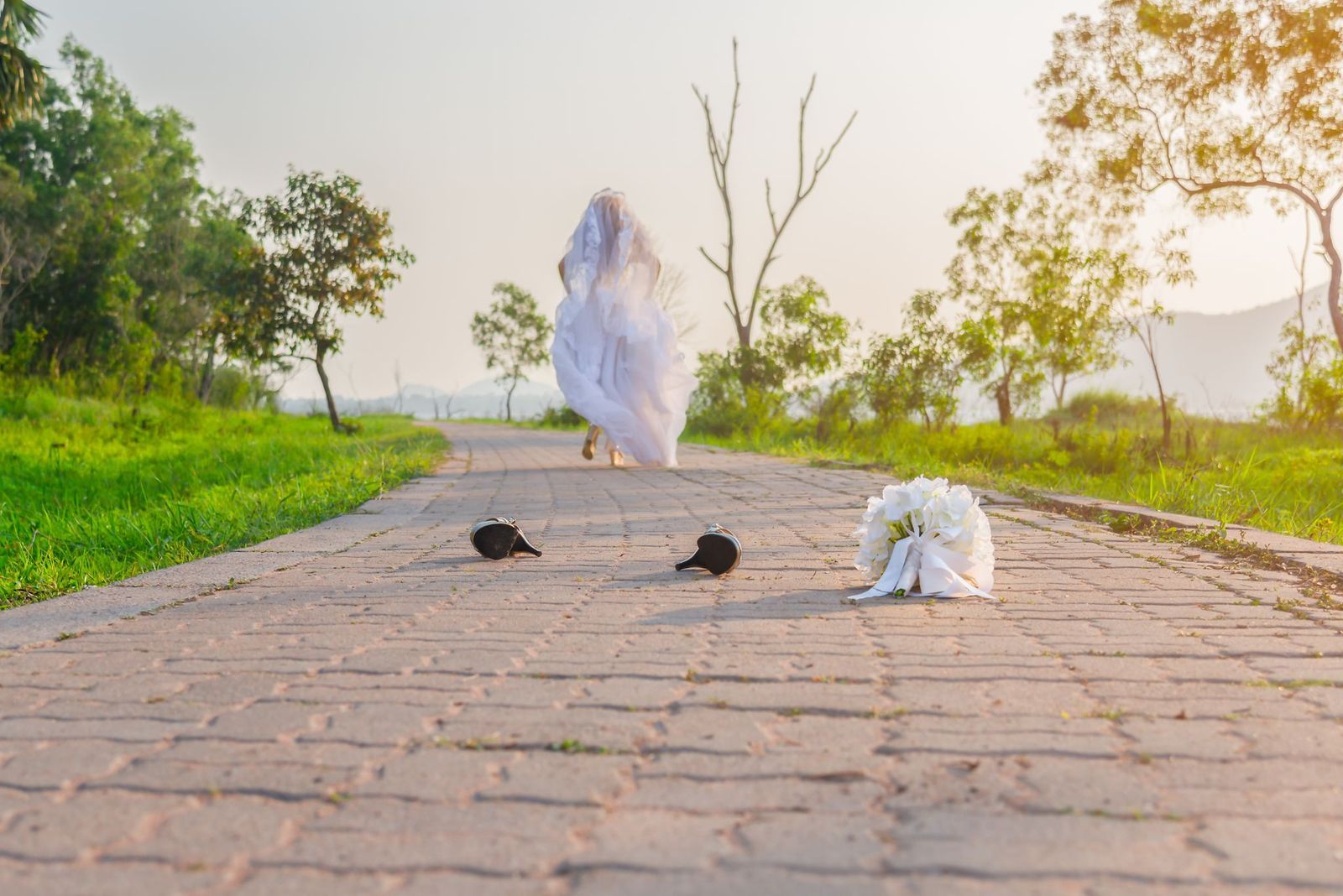
Image: APIWAN BORRIKONRATCHATA

Berlin, Maryland, stood in for the fictional town of Hale in the 1999 romantic comedy Runaway Bride , starring Julia Roberts and Richard Gere. Three weeks of filming in 1998 were estimated to have brought as much as $1 million into the local economy, while the movie’s publicity helped drive a major increase in tourism.

Downtown shops along Main Street—including a local store turned into a bridal boutique and the historic Atlantic Hotel—served as key backdrops. The hotel also became especially associated with Richard Gere, with Room 20 now known as the "Richard Gere Room."

9
Franklin, Tennessee: Hannah Montana: The Movie
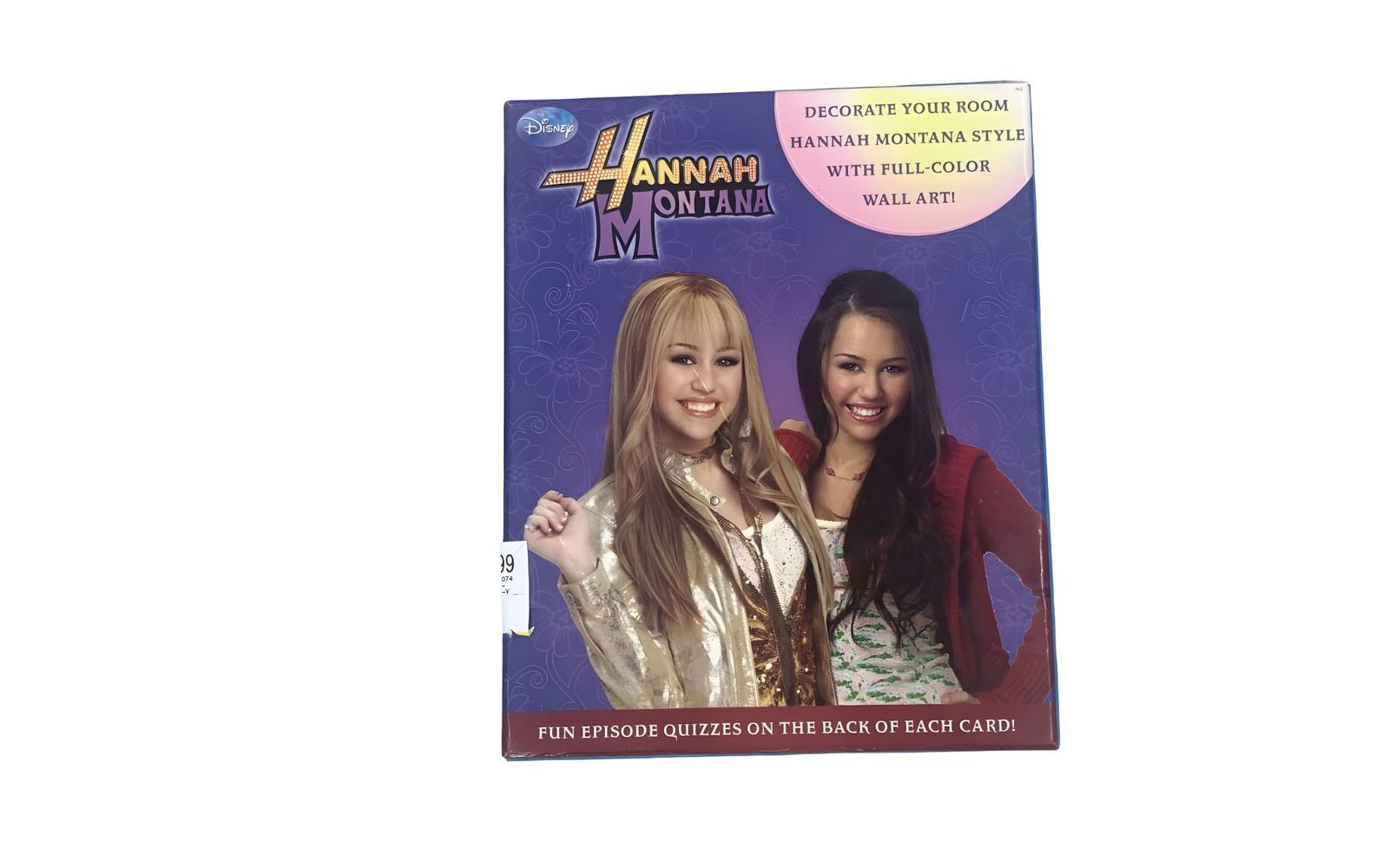
Image: teshail

Franklin, Tennessee, became famous on screen as a key filming location for the 2009 Disney hit Hannah Montana: The Movi e, starring Miley Cyrus as Miley Stewart/Hannah Montana in the role she originated on Disney’s wildly popular TV show.

Among the on-screen highlights in this town, Franklin High School stood in for the fictional Seaview High School, where Miley and Lily (Emily Osment) attend classes. CoolSprings Galleria’s Belk Department Store was also used for a memorable shoe-store scene featuring Hannah and Tyra Banks. The historic downtown area also appears in several scenes, giving the movie a distinctly Tennesseean backdrop.

10
Libby, Montana: The Revenant
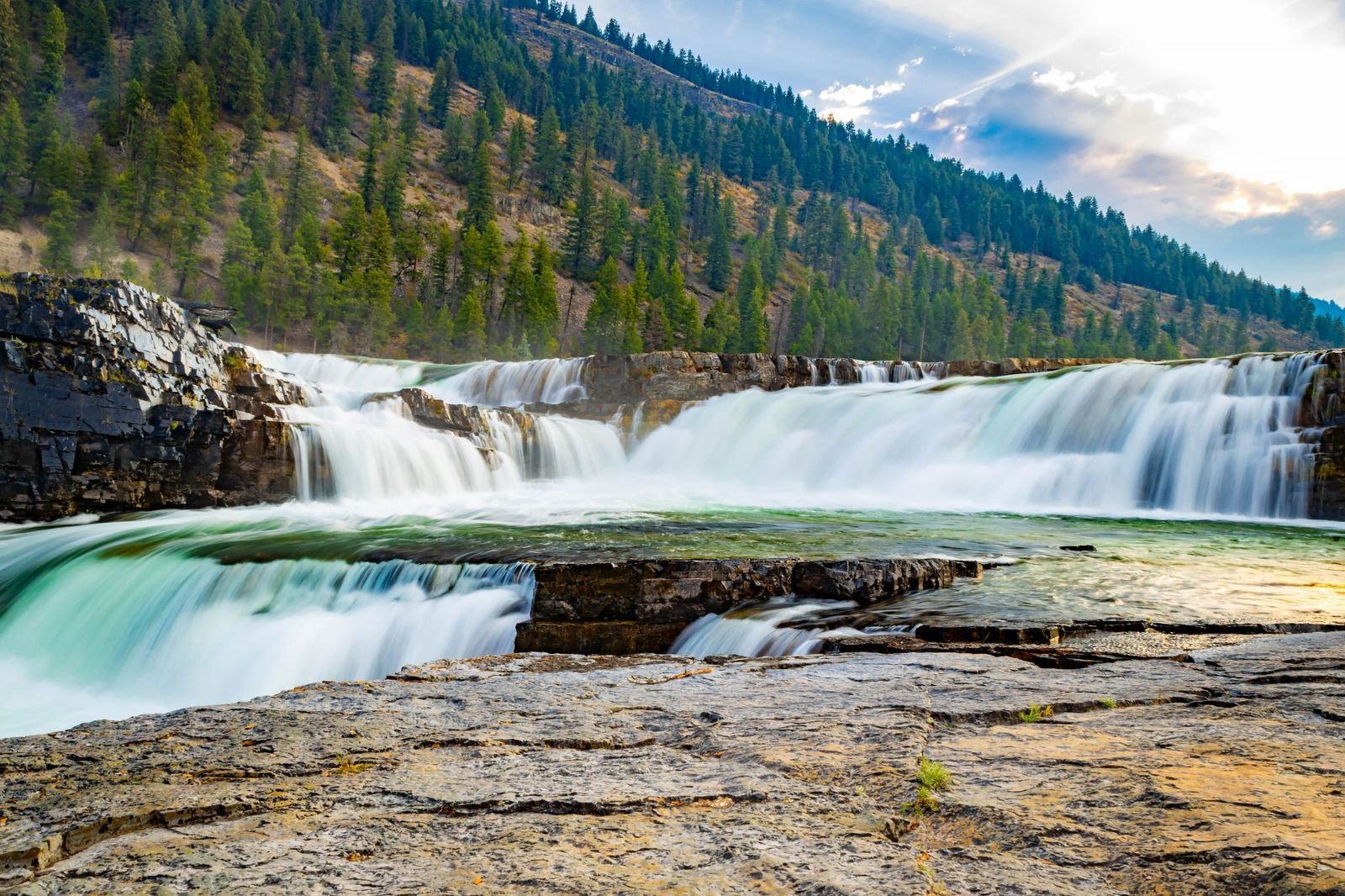
Image: Photo Spirit

Although the movie was filmed in several locations (including the remote wilderness of Canada and south of Argentina), Libby, Montana became a crucial backdrop for the 2015 Oscar-winning epic The Revenant , capturing one of the film’s most gripping and intense sequences.

The specific location used near Libby is Kootenai Falls, one of the largest free-flowing, undammed waterfalls in the Pacific Northwest. In the film, Hugh Glass (Leonardo DiCaprio) desperately escapes an ambush by a party of pursuing Arikara warriors. He throws himself into the churning rapids and is violently swept downstream before plunging straight over the edge of a massive waterfall. The sequence took 10 full days to film on location.
Geography Geography 4 min read

Discovering America

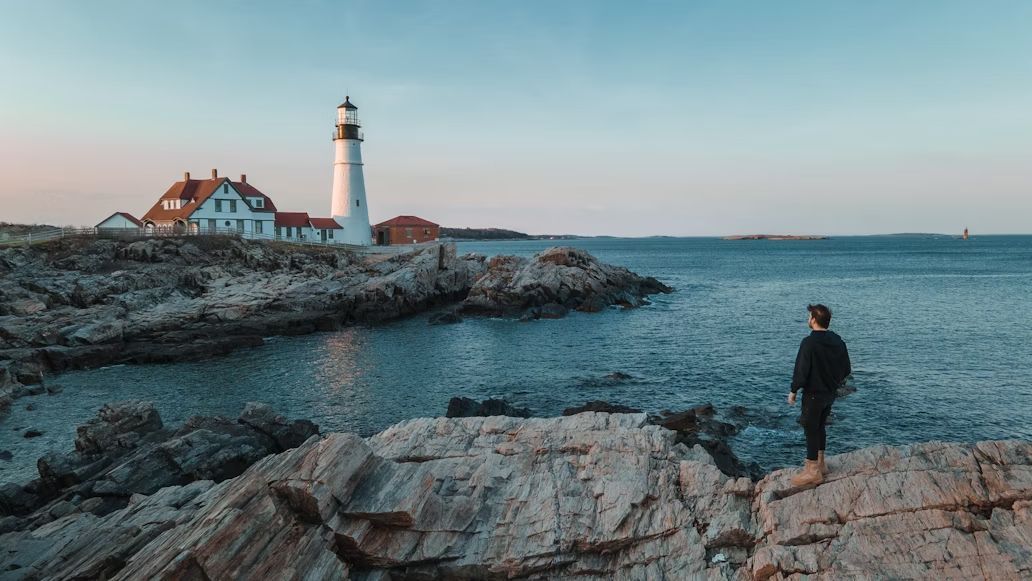
What's the easternmost point of the US? If you say Maine, think again!

Image: Jon Sailer

We’ve all picked up "facts" about the fifty states somewhere along the way, but not all of them hold up. Some are half-truths passed around for generations , others are just plain wrong. So, in an attempt to set the record straight once and for all, we’ve gathered some fun truths that clear up the biggest mix-ups about our states.

1
Arizona skips Daylight Saving Time

Image: Christoph von Gellhorn

This is partly true because most of the state doesn’t bother with Daylight Saving Time . They stopped changing the clocks back in 1967. The exception is the Navajo Nation, which stretches into Utah and New Mexico and keeps DST so all its communities stay on the same schedule. Now, as for the smaller Hopi reservation, inside the Navajo Nation, it sticks with Arizona time… Yes, quite confusing if you’re not a local.

2
Georgia isn’t really the Peach State

Image: Jessica Furtney

Georgia loves its peaches, sure, but the state’s top fruit money-maker is actually blueberries . In recent years, blueberries have brought in several times more cash for farmers than peaches. Meanwhile, California grows far more peaches than Georgia ever has. The nickname stuck from the old days when Georgia peaches were famous for their flavor, not their volume. So while the pride is real, the peaches aren’t quite the powerhouse people may think.

3
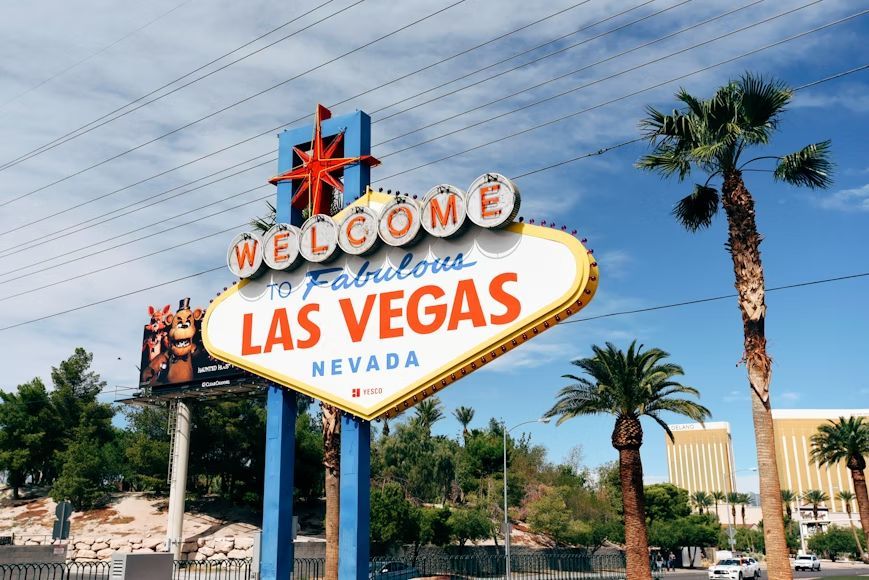
Nevada didn’t record the hottest US temperature

Image: tommao wang

You probably think of Nevada’s desert heat as unmatched, but the all-time record belongs to California’s Death Valley . In July 1913, it hit a mind-melting 134 degrees Fahrenheit, the hottest temperature not only in America but the hottest ever recorded on Earth!

4
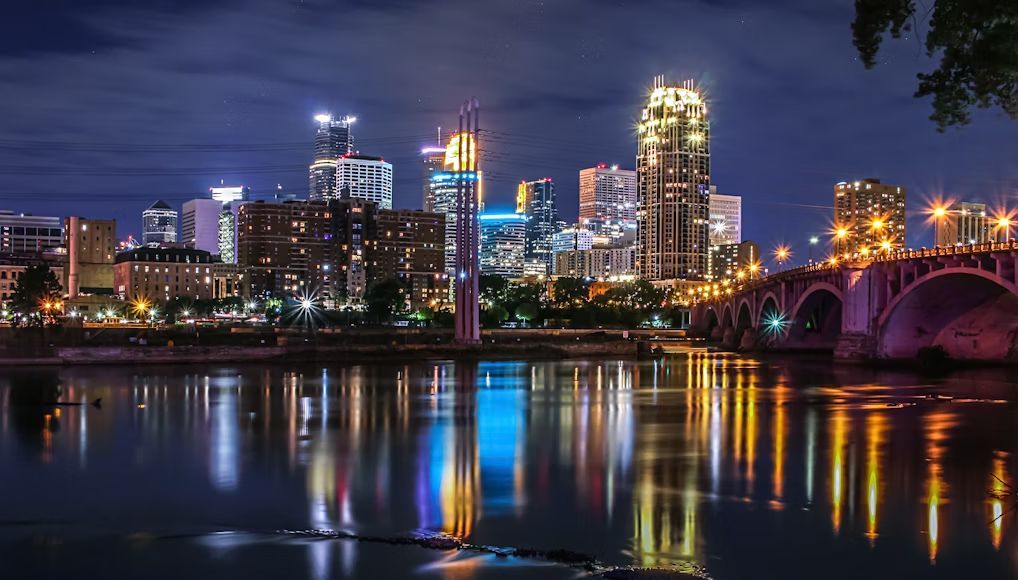
Minnesota doesn’t have the most lakes

Image: Tom Conway

Minnesota proudly calls itself the "Land of 10,000 Lakes," but that’s selling itself short… The real number is closer to 12,000. However, Alaska wins this battle . The state has more than 3 million lakes over five acres in size. In fact, Alaska contains over 40 percent of the nation’s surface water. If you love fishing, kayaking, or just staring at a quiet stretch of water, the true lake capital of America is far up north.

5
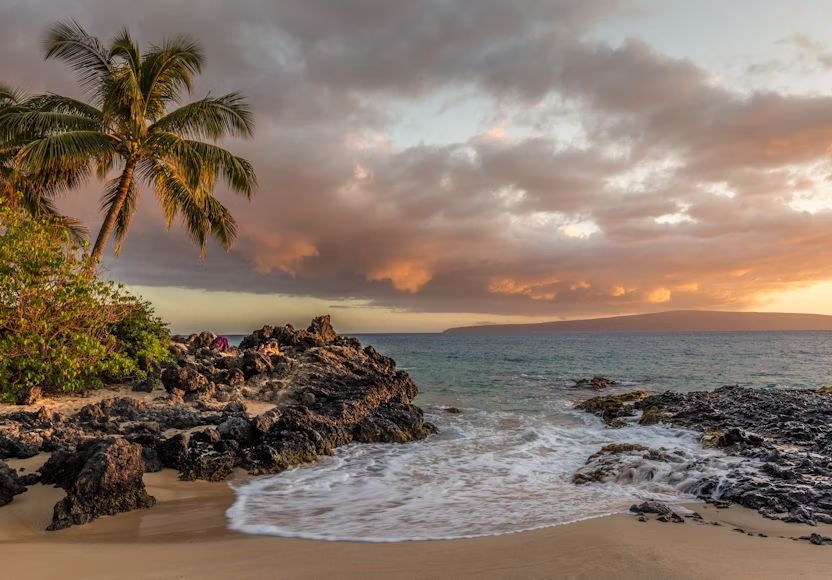
Pineapples aren’t native to Hawaii

Image: Christian Joudrey

Pineapples are everywhere in Hawaiian imagery, but the plant actually comes from South America , mainly Paraguay and southern Brazil. Spanish explorers likely brought them to Hawaii in the 1500s after spreading them across the Pacific to places like the Philippines and Guam. Hawaii’s climate turned out to be perfect for growing them and by the 1900s, the islands were producing so many pineapples that the fruit became a symbol of Hawaii itself.

6
Maine isn’t the country’s easternmost point

Image: Chris Henry

If you’re a Geography geek, you’ll love this one. You might picture Maine’s rocky coast as the eastern tip of America, but the actual easternmost point is thousands of miles away, on Alaska’s Semisopochnoi Island in the Aleutians. How is that possible? Well, that’s because it crosses the 180th meridian, putting it in the Eastern Hemisphere. That means part of Alaska technically sits farther east than anywhere in Maine.

7
The biggest US earthquake didn’t happen in California

Image: Lala Miklós

California has suffered some big earthquakes in its history, but the most powerful earthquake in America struck Alaska in 1964 . It hit Prince William Sound with a magnitude of 9.2. It was so strong it shook the ground for four and a half minutes and triggered massive tsunamis. In today’s dollars, the damage would total more than $2 billion. Alaska sits on a collision zone of tectonic plates, making it one of the world’s most seismically active regions.

8
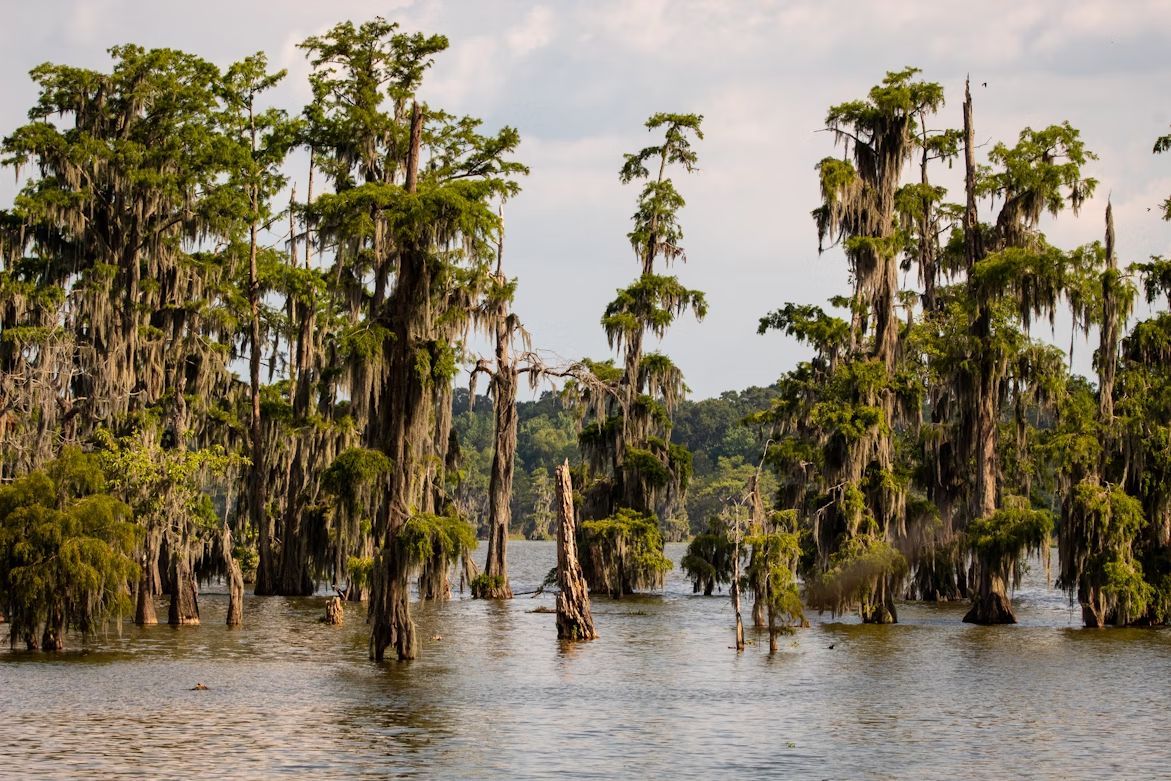
The Everglades isn’t America’s biggest swamp

Image: Joshua J. Cotten

A lot of people picture the Florida Everglades when they think of swamps, but technically, the Everglades isn’t a swamp at all. The real title of the largest swamp in the United States goes to Louisiana’s Atchafalaya Basin , which spans about 1.4 million acres. This swamp has a vast mix of cypress forests, bayous, and marshes, and it’s more than twice as productive as the Everglades when it comes to wildlife and plant life.

9
Big cities aren’t always capitals

Image: Mackenzie Cruz

It surprises people how often the biggest city isn’t the state capital . New York City? Not the capital… Albany is. Chicago? Nope, that honor goes to Springfield. Pennsylvania’s capital isn’t Philly or Pittsburgh, it’s Harrisburg. Even California’s capital isn’t L.A. or San Francisco, it’s actually Sacramento. Out of fifty states, only seventeen have their most populous city as the capital.

10
Alaska isn’t divided into counties

Image: Rod Long

Alaska likes to do things its own way. Instead of counties, it’s split into boroughs , and a massive area known as the Unorganized Borough has no local government at all. People out there don’t pay property taxes, but that freedom comes with challenges, limited services, fewer job options, and tough living conditions.

Culture Culture 7 min read

Celebrating Dolly

When Dolly Parton turned down Elvis: 10 incredible facts about her life

Image: Bart Sherkow

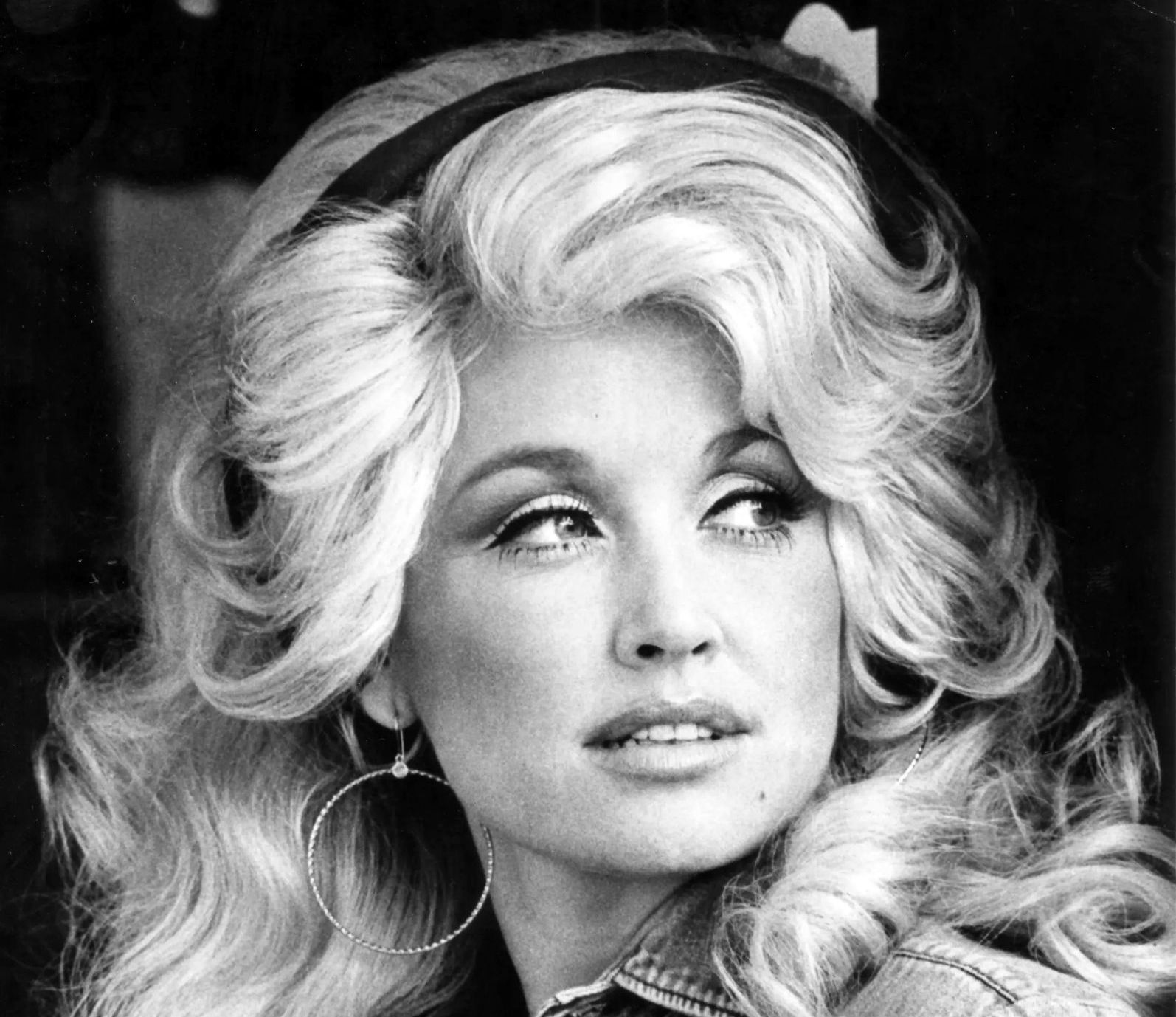
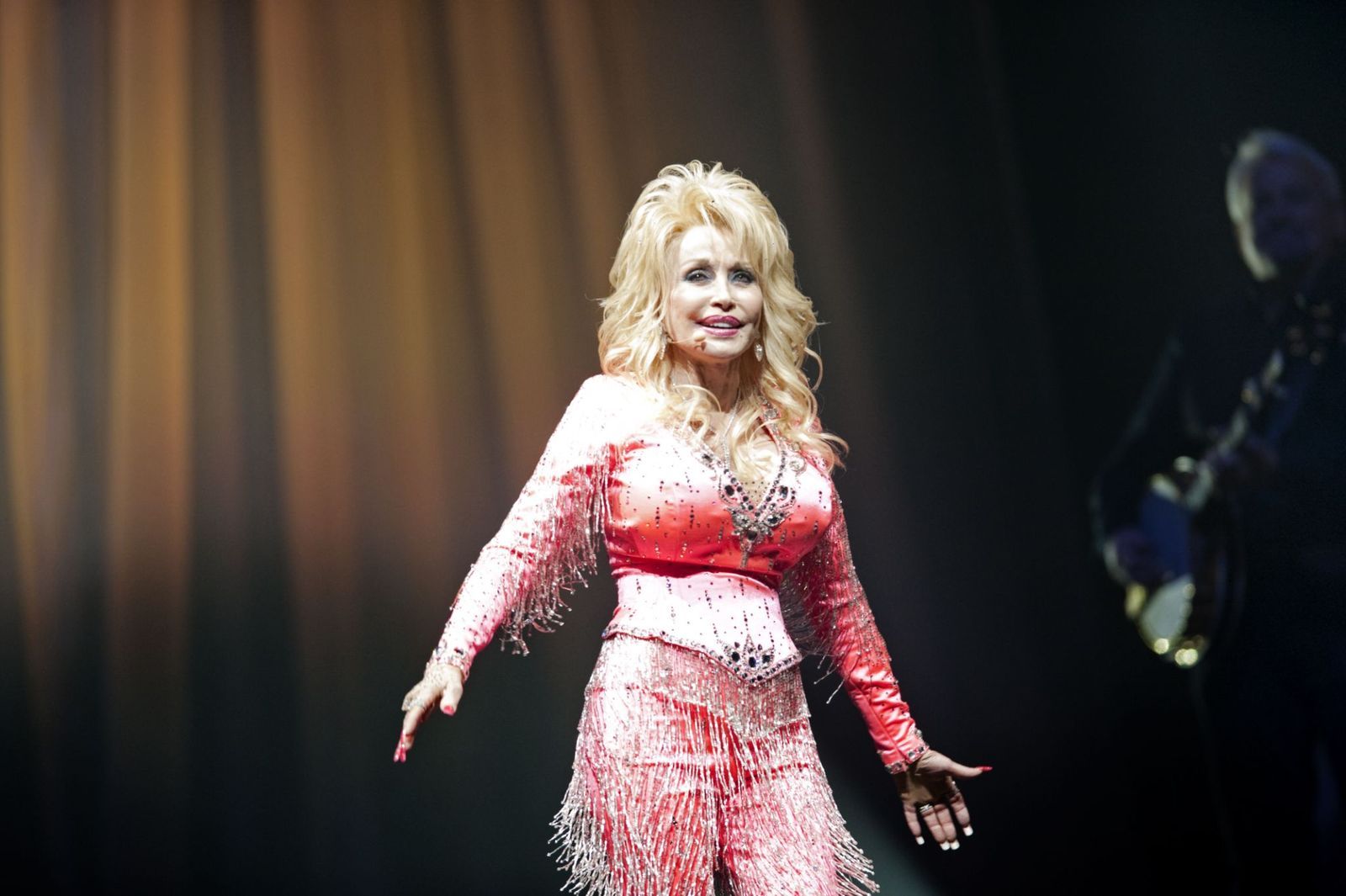
Song by indelible song, Dolly Parton wrote and recorded the soundtrack of America for many generations — but there was far more to Dolly’s story than her music. From turning down Elvis Presley to a six-decade marriage to the resolutely private man she loved, her life was filled with stories that are just as fascinating as her catalog. Here are 10 surprising facts and unforgettable moments from the life of Dolly Parton.

1
Her parents paid for her birth with cornmeal

Image: Vinicius Benedit

Dolly Parton’s life has been filled with talent, music, art, and an adoring audience, but it wasn’t always easy for her or her family.

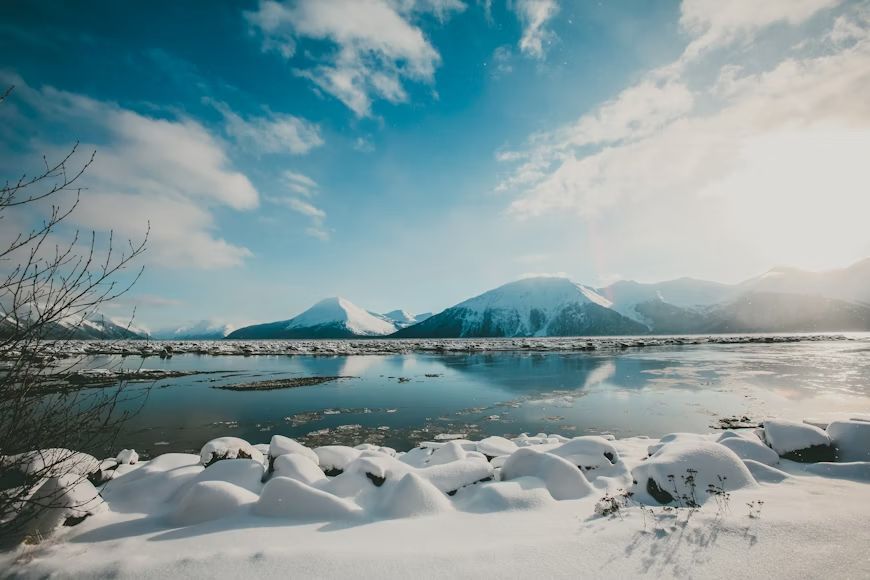
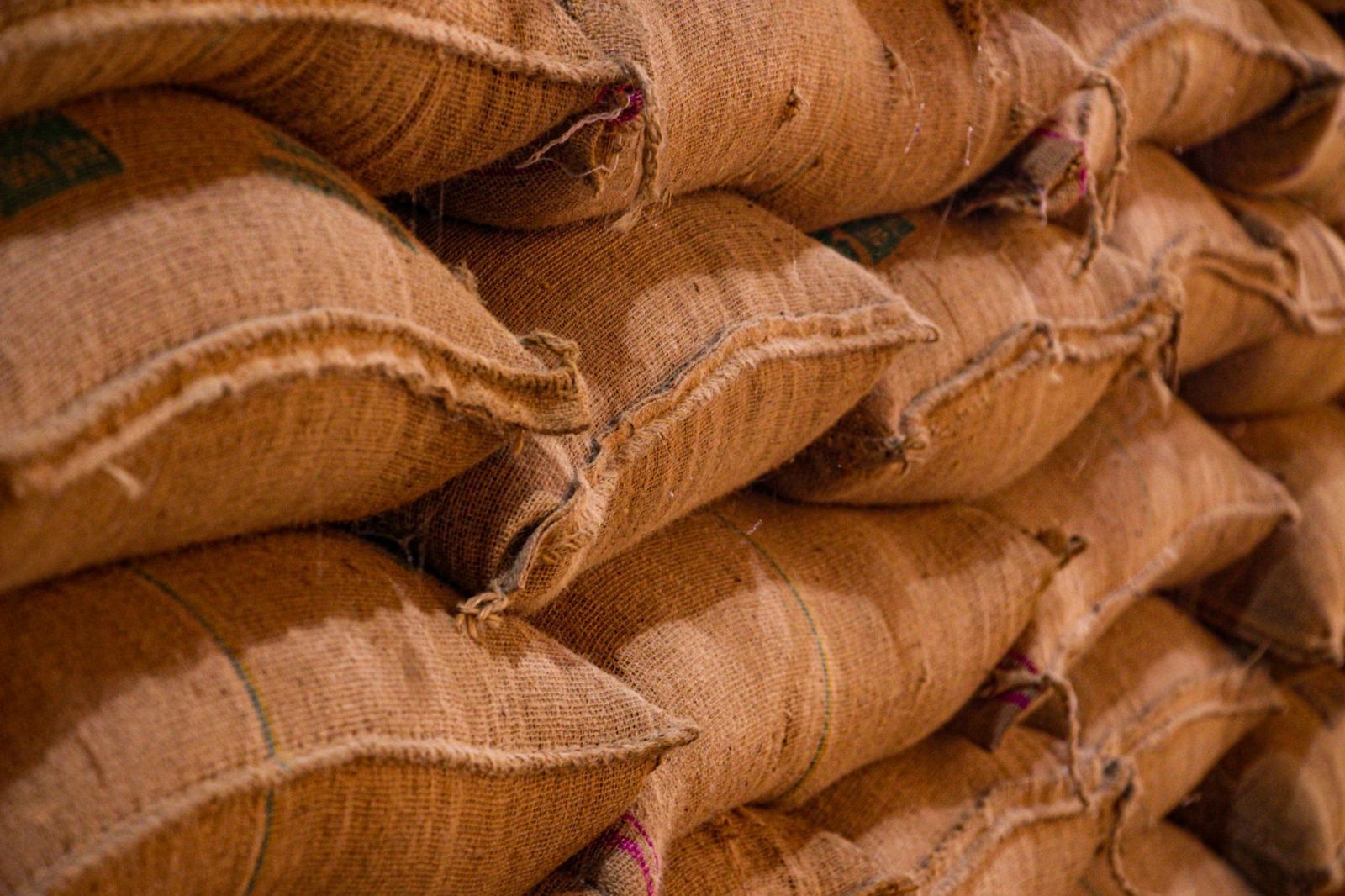
She was born on January 19, 1946, in a one-room log cabin in the Great Smoky Mountains of Tennessee, during a snowstorm. The fourth of 12 children, Dolly was born to Robert Lee Parton Sr. and Avie Lee Owens Parton, who were far from wealthy. According to Dolly, her parents paid the doctor who delivered her, Dr. Robert F. Thomas, with a sack of cornmeal because they couldn't afford to pay him in cash. Dolly later honored him in the song "Dr. Robert F. Thomas," which appeared on her 1973 solo studio album, My Tennessee Mountain Home.

2
She made her first guitar from an old mandolin

Image: VladKK

From a young age, Dolly showed that hard times wouldn’t stop her.

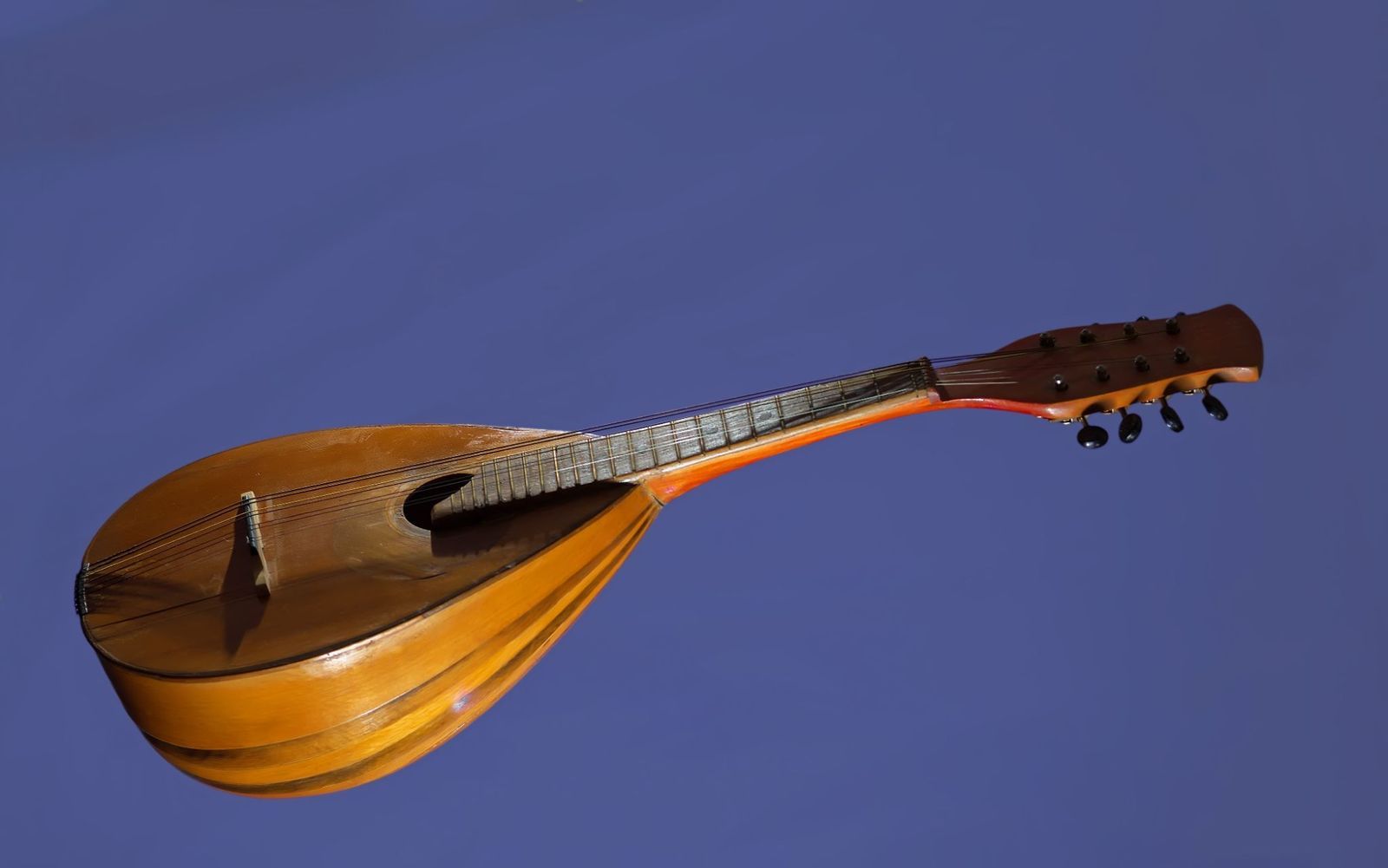
Around 1951, when she was about five years old, she wrote her first song, titled "Little Tiny Tasseltop," about a doll with corn-silk hair that her mother made for her. A couple of years later, Dolly got her first guitar, or rather, she made one herself. Growing up poor, buying a new instrument was impossible for her family. So she decided to turn a broken old mandolin into a makeshift guitar by adding two bass guitar strings. Not long afterward, an uncle gave her a small, proper acoustic guitar, an instrument that helped a young Dolly take her first steps toward performing professionally on local radio and television.

3
She was married to the same man for nearly 60 years

Image: RCA Records, Public domain, via Wikimedia Commons

Although they were rarely seen together in public, Dolly Parton married at 20 and spent nearly six decades with the same man.

Dolly was 18 when she arrived in Nashville in 1964, and the city had quite a surprise waiting for her. On her very first day, she went to do laundry at the Wishy Washy Laundromat, where she met Carl Dean, then 21. He spotted her outside, stopped his pickup truck, and struck up a conversation. According to Carl, his first thought was, "I’m gonna marry that girl." Dolly and Carl wed on May 30, 1966, in Ringgold, Georgia, in a small private ceremony. They remained together until Carl’s death on March 3, 2025, just shy of their 60th wedding anniversary.

4
She wrote "Jolene" and "I Will Always Love You" to launch her solo career

Image: Moeller Talent, Inc. Nashville (management), Public domain, via Wikimedia Commons

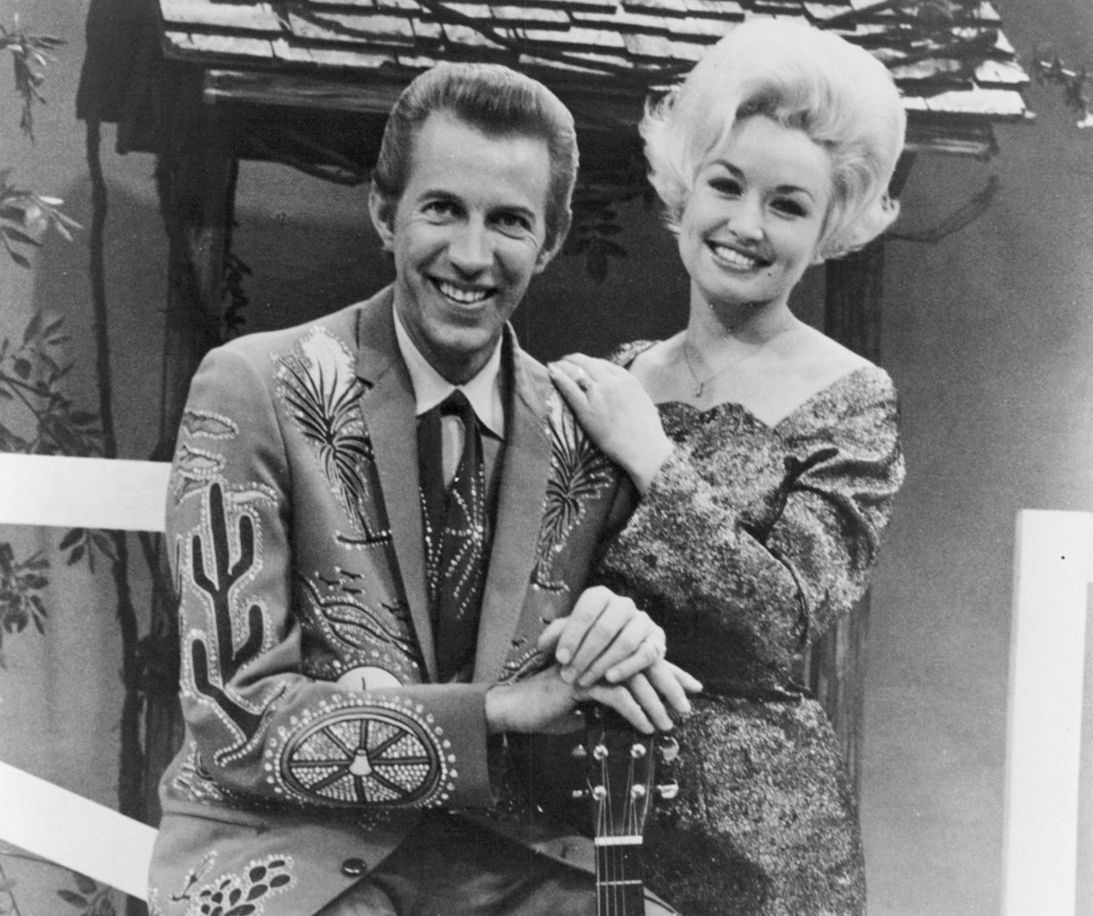
During the 1970s, Dolly decided to leave the famous Porter Wagoner Show and strike out on her own as a solo artist. To do it, she turned to what she did best: writing songs.

But she didn’t write just any songs; she wrote two of the most famous hits of the 20th century: "I Will Always Love You" and "Jolene." The first was an emotional farewell to her mentor and duet partner, Porter Wagoner. The other was inspired by a red-haired bank teller who caught Dolly’s attention by openly flirting with her husband at his local bank during the early years of their marriage. Some accounts say she wrote them during the same intense songwriting session in 1973, and there’s even a story that she wrote both on the same day, but Dolly herself has stated she wasn’t 100% sure about that. What is known is that the two songs appeared back-to-back on the same album, 1974’s Jolene .

5
She turned down Elvis

Image: eBay, Public domain, via Wikimedia Commons

In 1973, Dolly Parton was at a turning point in her career, working hard to establish herself as a solo artist and prove she could make it on her own. That process resulted in one of the most famous and beautiful songs ever recorded: "I Will Always Love You." But she had no idea what would happen just about one year later.

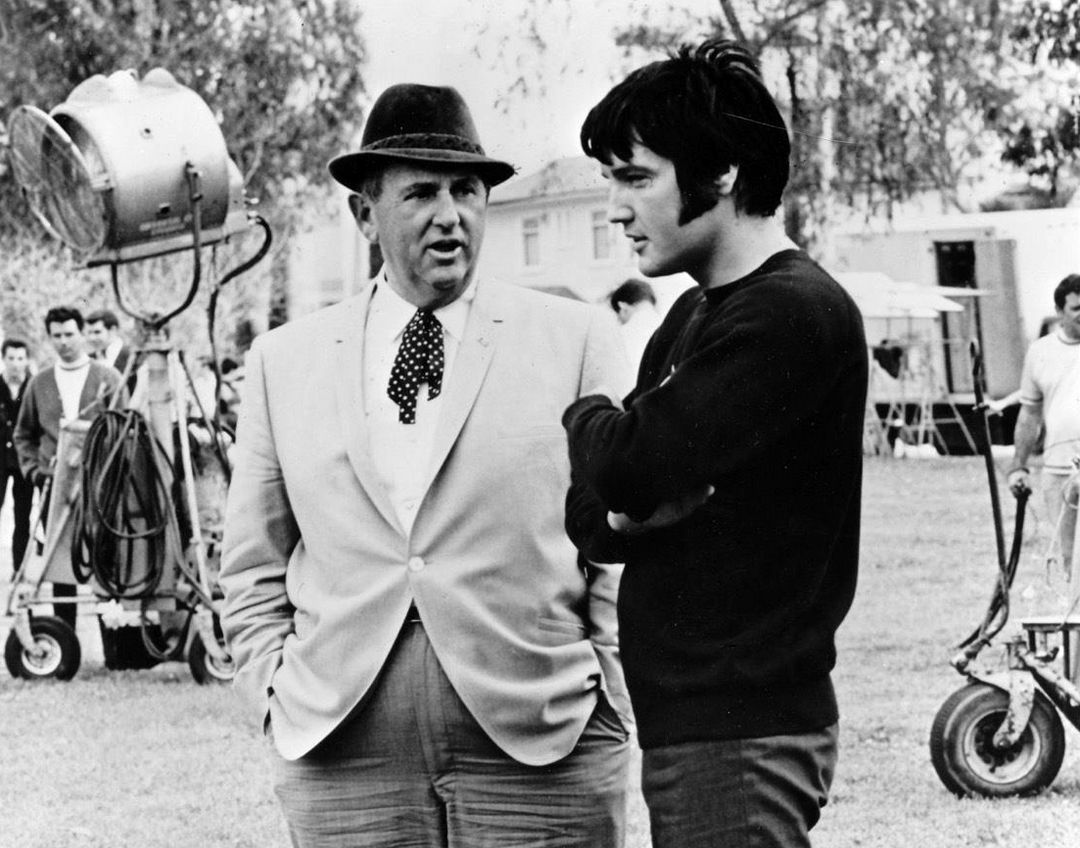
Someone heard the song and immediately wanted to record a cover, and it wasn’t just anyone; it was Elvis Presley himself. Dolly was thrilled by the offer, but eventually had to say no after Presley’s manager, Colonel Tom Parker, demanded that she give up 50% of the song’s publishing rights. Parton refused because she wanted to keep the publishing income for her family, but in later interviews, she openly admitted she cried all night after turning down the King.

6
She created "9 to 5" using her fingernails

Image: Alan Light, CC BY 2.0, via Wikimedia Commons

Everything about Dolly was big: her talent, her creativity, her heart, and also her hair, makeup, and acrylic fingernails. As it turned out, those famous nails even played a part in creating the sound of one of her biggest hits.

Dolly used her nails as a percussion instrument while working on "9 to 5," the theme song for the 1980 movie of the same name. While on the set without a guitar handy, she clacked her long acrylic nails together to create the typical sound of a typewriter, giving the song its memorable rhythm. She even recreated that sound during the recording, earning an unusual credit on the album: "Nails by Dolly."

7
She entered a Dolly Parton lookalike contest... and lost

Image: Jack Fordyce

Dolly Parton always knew how to have a good time, and this story is a perfect example.

As she recalled in her 2012 memoir, Dream More: Celebrate the Dreamer in You , Dolly was in Los Angeles during Halloween when she heard about a look-alike contest at a gay bar on Santa Monica Boulevard, featuring drag queens dressed as her. She couldn’t resist, so she went all out with her hair and makeup, arrived with friends, and entered the contest without revealing who she was. The funniest part? Nobody recognized her; the judges reportedly thought she was a "cheap imitation" of the real thing. As she has said in several interviews, she didn’t win, but she definitely had a good laugh.

8
She had her own theme park

Image: Joseph Hendrickson

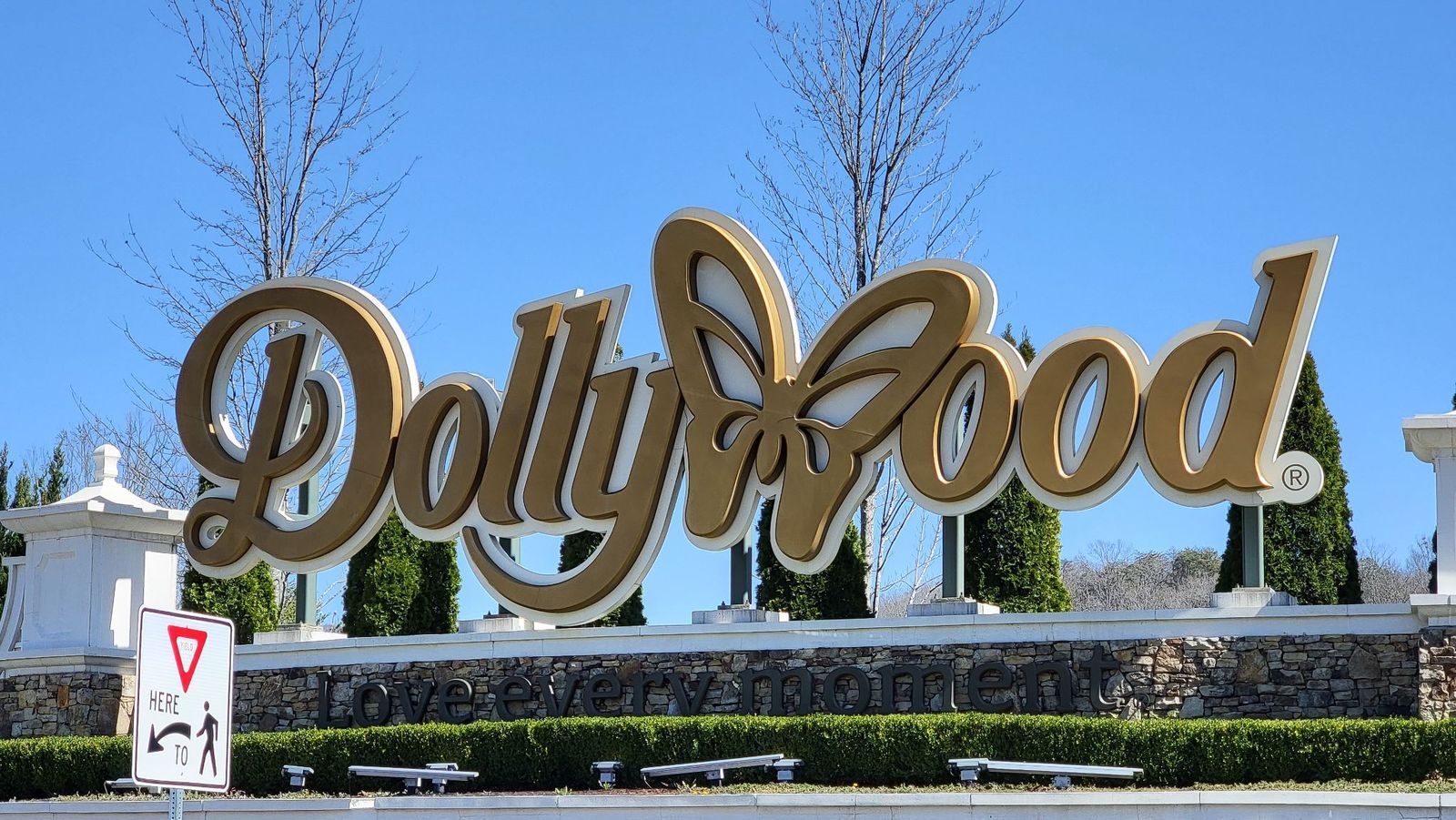
Music wasn’t the only thing that came out of Dolly’s imagination; she also dreamed up another ambitious project: a theme park that would bear her name.

In September 1985, Dolly announced plans to build a "fantasy mountain park" in Pigeon Forge, Tennessee, hoping to bring jobs and economic growth to her native region. Rather than competing with others or starting from scratch, her team partnered with the Herschend family, owners of Silver Dollar City park in Pigeon Forge. After a $5 million expansion, the park reopened as Dollywood on May 3, 1986. Attendance more than doubled in its first season, and the park became a major Smoky Mountains attraction. After Dolly’s passing, park officials said keeping Dollywood open had been her wish, reflecting her belief that "the show must go on."

9
The Imagination Library

Image: Shawn Miller., Public domain, via Wikimedia Commons

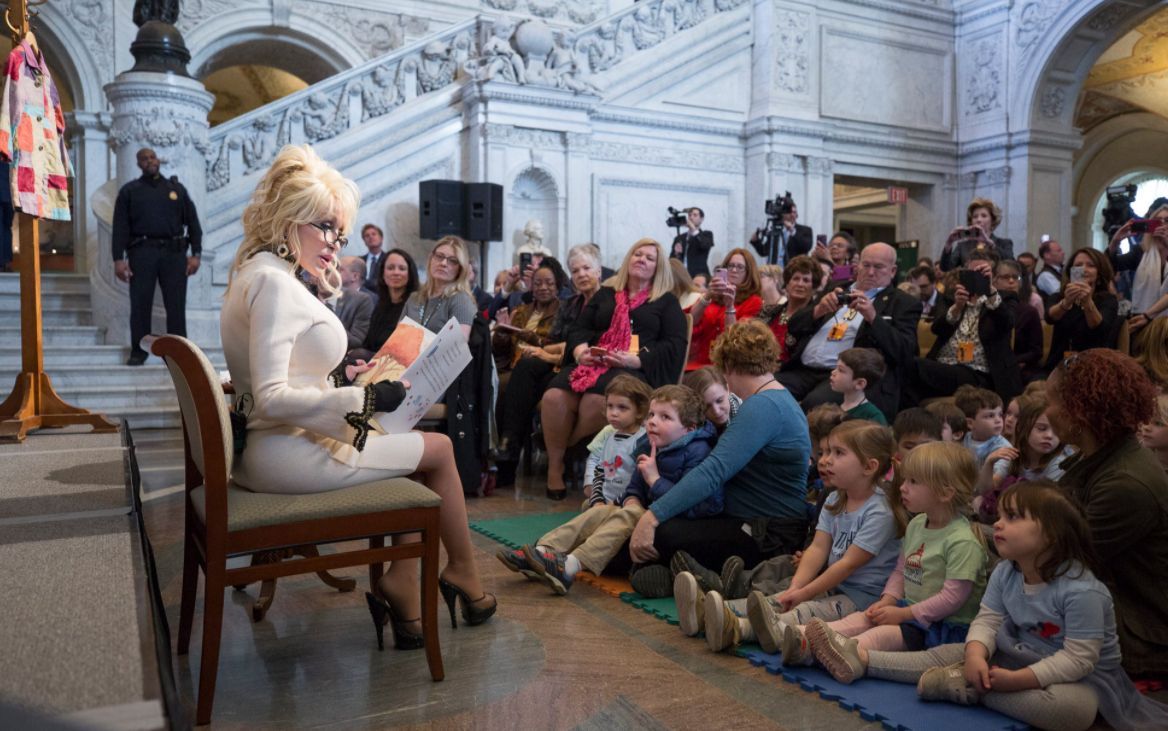
In addition to thousands of songs and a successful amusement park, Dolly created something else filled with love: a program that put books into children’s hands.

Dolly Parton established the Dollywood Foundation in 1988 and launched Dolly Parton’s Imagination Library in 1995 . The program sends free books each month to children from birth until age five. It eventually expanded beyond the United States to Canada, the United Kingdom, Australia, and the Republic of Ireland, reaching millions of children, but the idea was deeply personal. Dolly often called her father, Robert Lee Parton, who she said was the smartest man she had ever known, while noting that his limited literacy had kept him from pursuing some of his dreams. She created the Imagination Library in large part to honor her father and provide children with the opportunities he never had.

10
She was a Guinness World Record holder

Image: JHVEPhoto

We all know how talented and prolific Dolly Parton was, so it’s no surprise that she has earned an impressive number of awards. But Dolly has done more than fill trophy cases; she’s also filled the record books.

Besides her 10 competitive GRAMMY Awards from 55 nominations, along with the GRAMMY Lifetime Achievement Award that she received in 2011, Dolly also holds 11 Guinness World Records titles, many of them recognizing the extraordinary longevity and success of her career on the country charts. Among them are the record for the longest span of No. 1 hits on the U.S. Top Country Albums chart by a female artist (46 years and 197 days) and the record for the most No. 1 hits on the U.S. Hot Country Songs chart by a female artist, with 25.

Explore more American facts

Choose your favorite category!

General
General

As American as apple pie—the very best America has to offer!

Culture
Culture

Delve into the astounding richness of American lore.

Geography
Geography

Hop in and explore vast and diverse American landscapes.

History
History

Discover the key moments that shaped the United States.