Can you trust your memory?
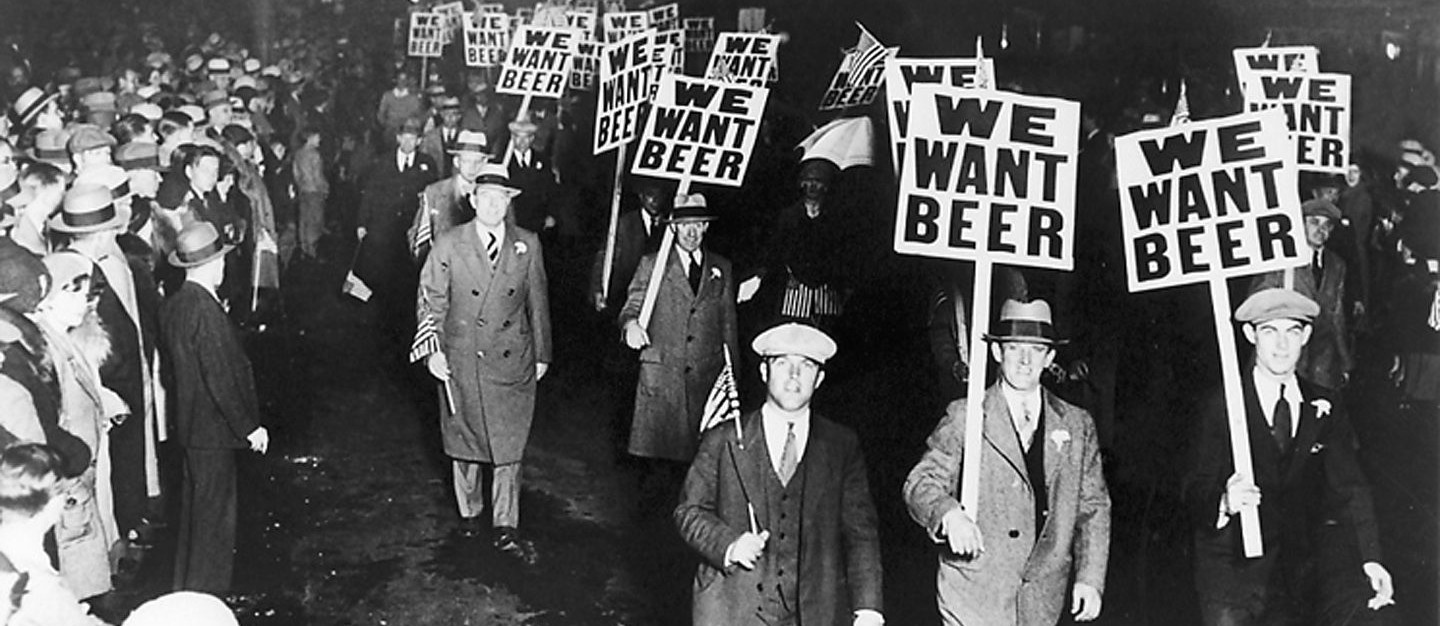
These stories are ingrained in American culture, but are they true?
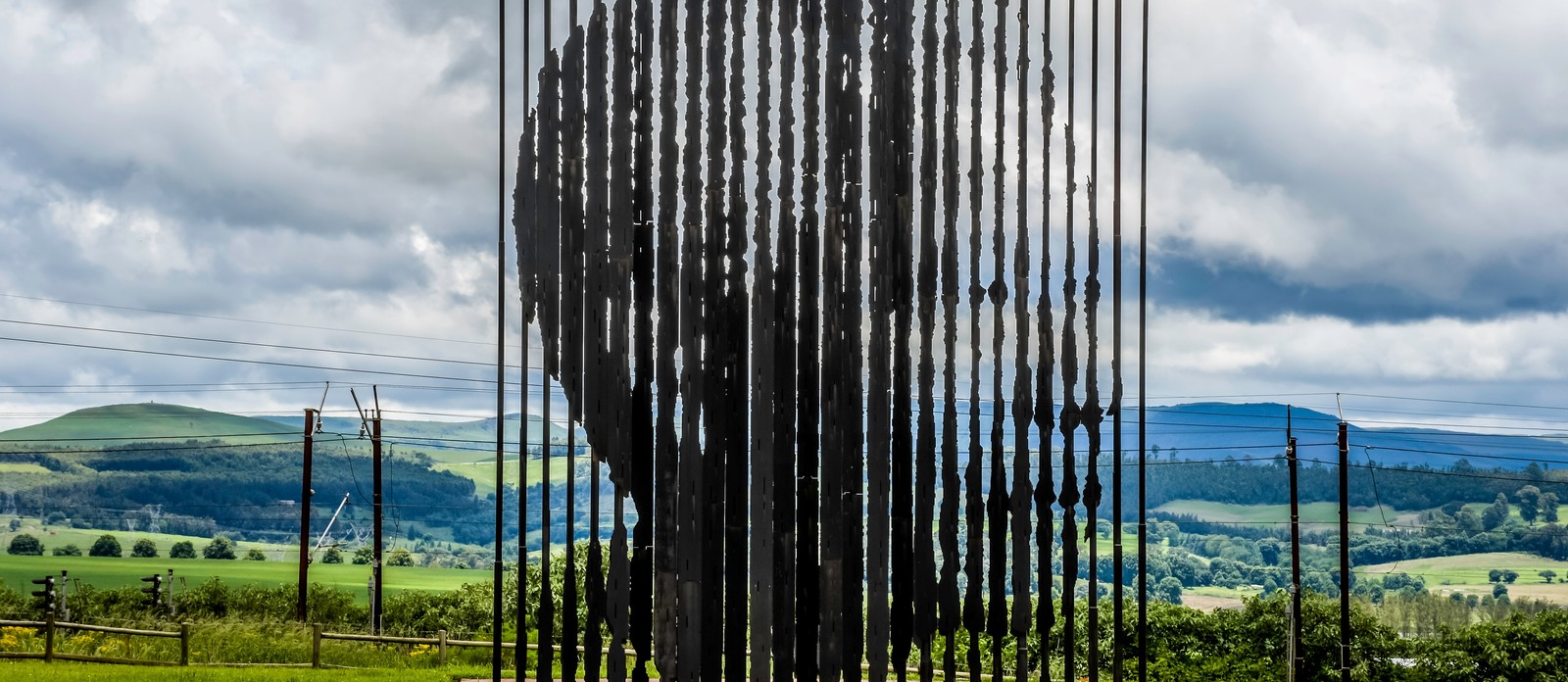
Image: Shams F Amir
Have you ever been absolutely certain that you remembered something correctly, only to discover that the details were different all along? Maybe you can picture a familiar logo, recall a famous movie line, or remember a story from your childhood. Yet some of those memories don't quite match the facts. From pop-culture references that fans swear they remember to historical inaccuracies that have been repeated for generations, these examples reveal how easily our memories can mislead us . One even inspired the term and phenomenon known as the Mandela Effect. Let's see how many you remember correctly!
1
Did Nelson Mandela die in prison?
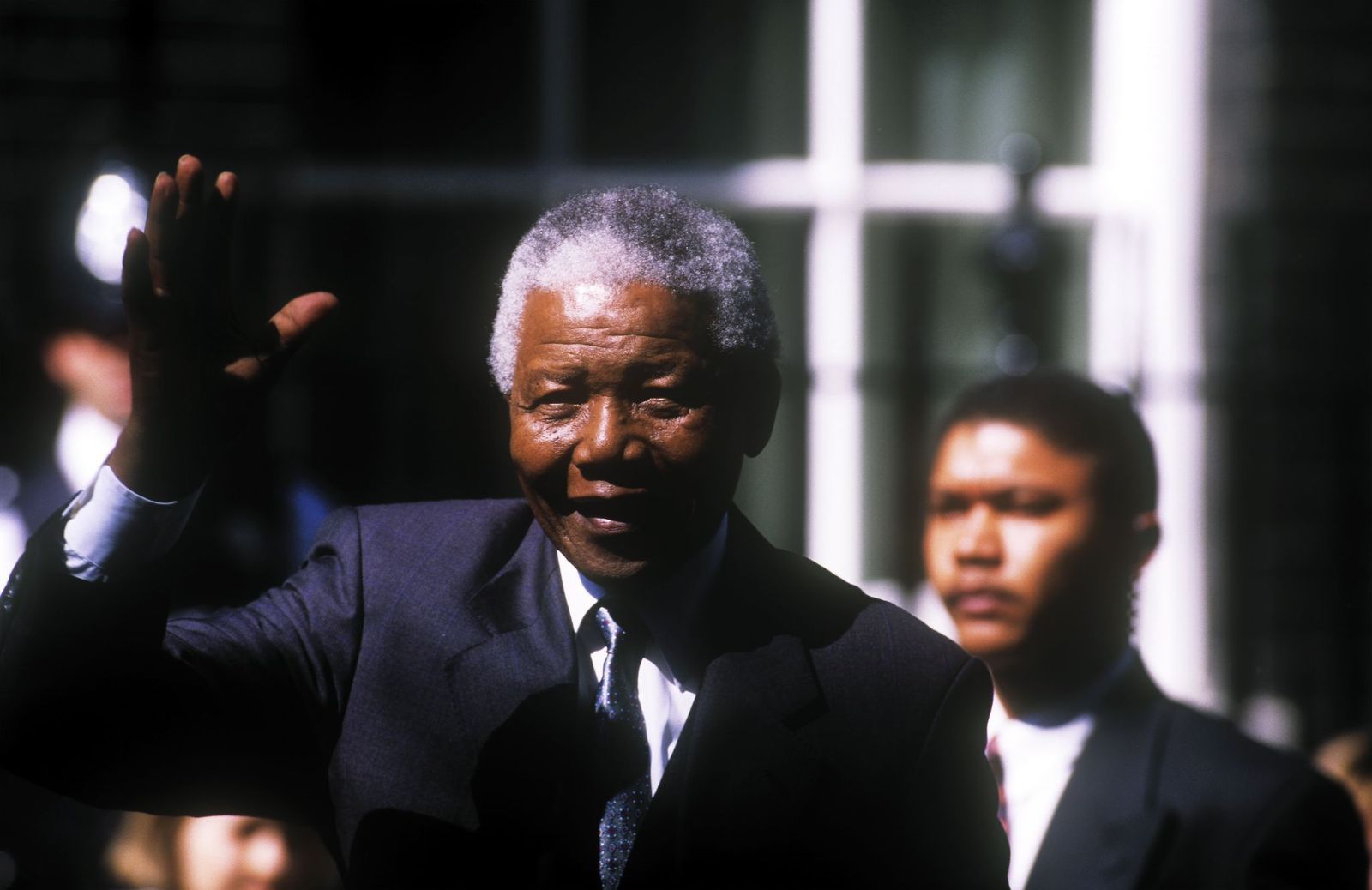
Some people vividly remember hearing that Nelson Mandela died in prison during the 1980s. In truth, he was released in 1990 and became the president of South Africa in 1994 . He died in 2013, at the age of 95.
Reports of this false memory were widespread enough that it inspired the term for an entire phenomenon : when large groups of people collectively share the same specific false recollection of an event, we call it the Mandela Effect.
2
What's in Fruit of the Loom's logo?

Picture the Fruit of the Loom logo, with its familiar bunch of colorful fruit. Can you remember a brown, horn-shaped basket behind the fruit? That's called a cornucopia, and many people insist that it was there, even though the company says its logo has never included it.
The confusion may come from how naturally the basket seems to fit with the whole image: the cornucopia has traditionally been associated with abundance and harvest, which would make perfect sense alongside a pile of fruit.
3
Did Washington chop down his father's cherry tree?

The familiar story goes that a young George Washington tested a new hatchet on his father's prized cherry tree, and later confessed with the famous words, "I cannot tell a lie." It's a story that reflects positively on Washington's moral character and teaches young Americans the value of honesty.
However, there is little historical evidence to treat the cherry tree episode as factually true. The story first appeared in print in the fifth edition of Mason Locke Weems's biography The Life of Washington, published in 1806, seven years after Washington died in 1799.
4
Is C-3PO's body fully golden?
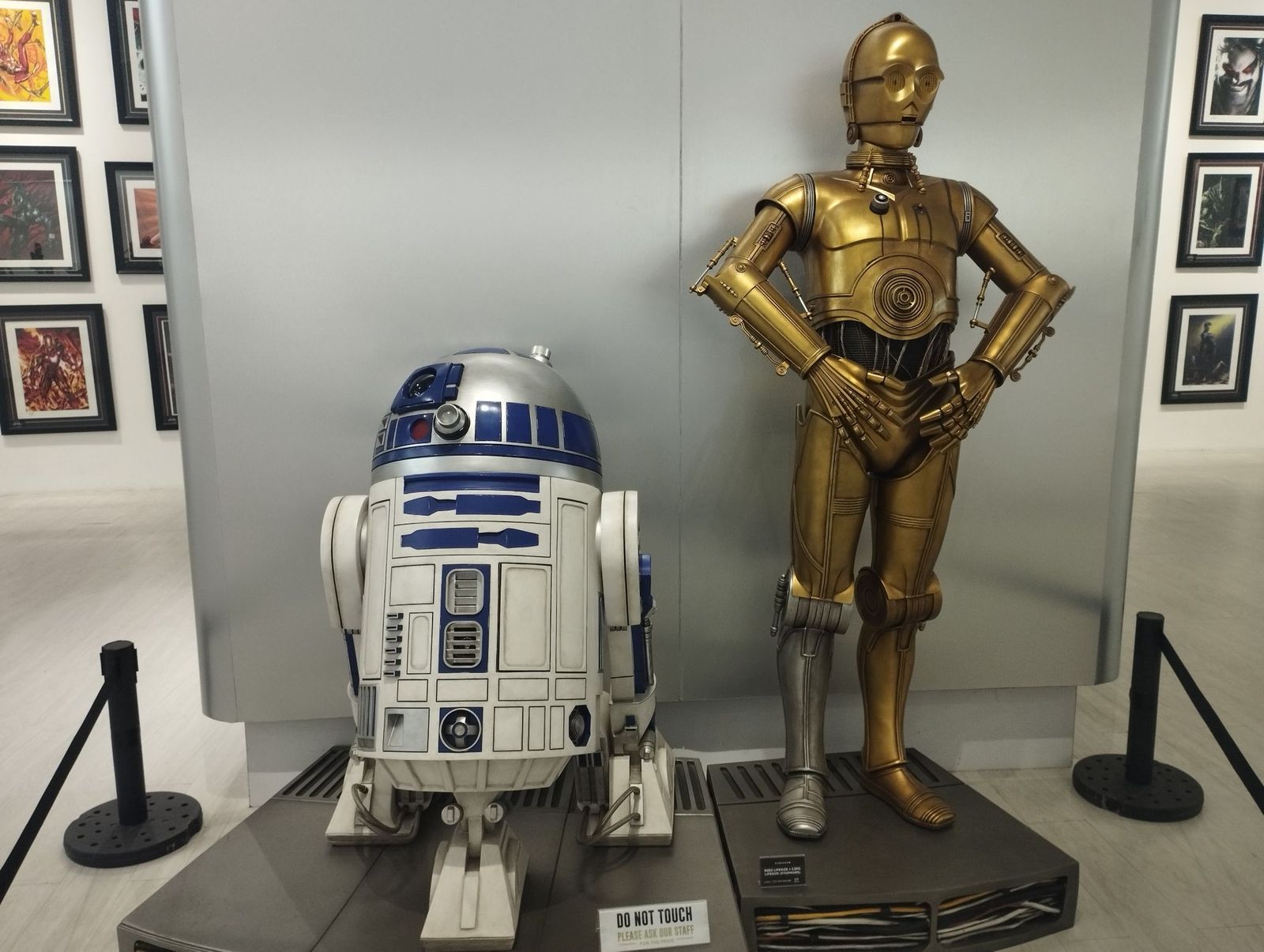
When Star Wars (later retitled Star Wars: Episode IV – A New Hope ) hit theaters in 1977, it quickly became a cultural phenomenon . It's one of the most influential films of all time, and launched one of the world's best-known entertainment franchises.
However, there's a detail that even hardcore fans struggle to remember. Many fans picture the polite, anxious protocol droid C-3PO as golden from head to toe when, in fact, his right shin is silver in the original trilogy.
Many contemporary toys omitted this detail, and later installments of the franchise updated C-3PO's look with a brand-new set of gold plating, helping explain why many viewers remember him as entirely golden.
5
Did George Washington have wooden teeth?
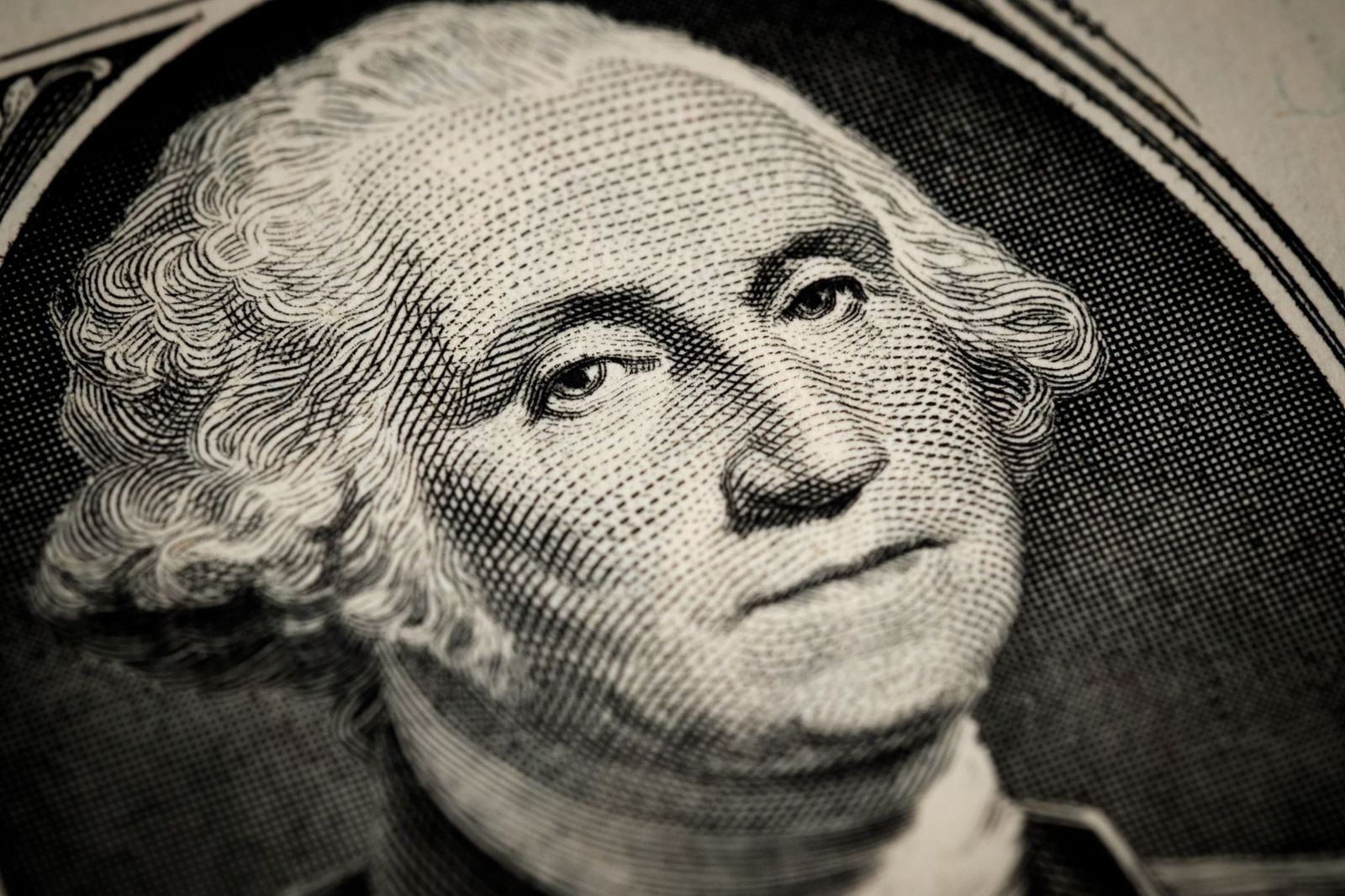
One of the most enduring myths about George Washington (besides the cherry tree story) is that he had wooden teeth. It's possible that, after long use, some of his dentures took on a stained, wood-grained appearance, which would serve as a basis for this myth .
In fact, according to historical records, Washington's dentures were made of a variety of materials, including ivory, animal teeth, human teeth, lead, tin, copper, silver alloys, and gold.
6
Does Monopoly's mascot wear a monocle?
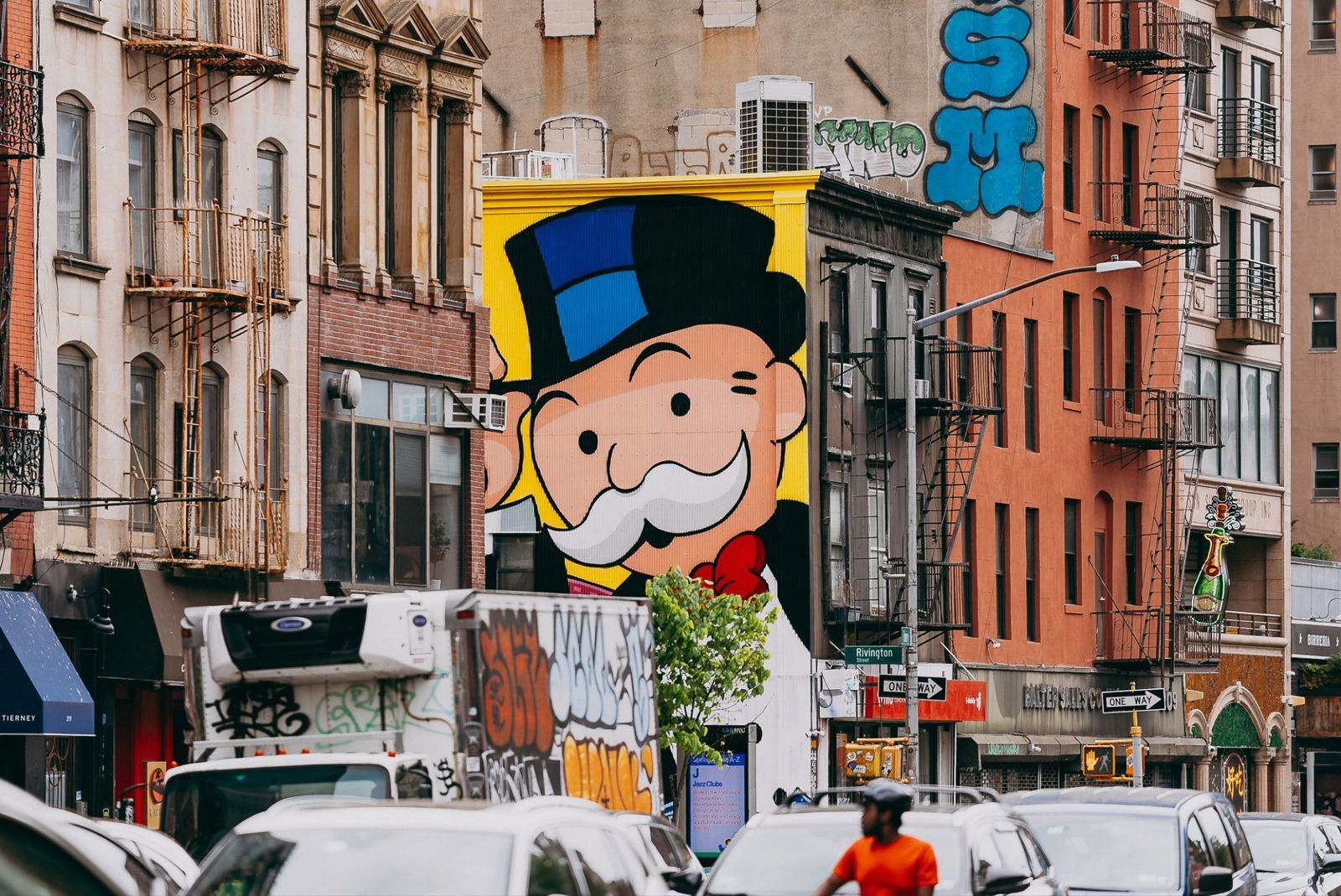
Monopoly is one of the world's most-played board games, and its mascot is just as iconic: a wealthy older gentleman with a top hat, a smart suit, and a white mustache. In some game materials, he's referred to as "Rich Uncle" Pennybags. But does he wear a monocle?
The truth is that Mr. Pennybags doesn't wear a monocle in any official artwork. The confusion may come from associating him with other fictional wealthy gentlemen, who often accompany their formal wear with a fancy single-lens eyepiece.
7
What was Paul Revere's ride like?
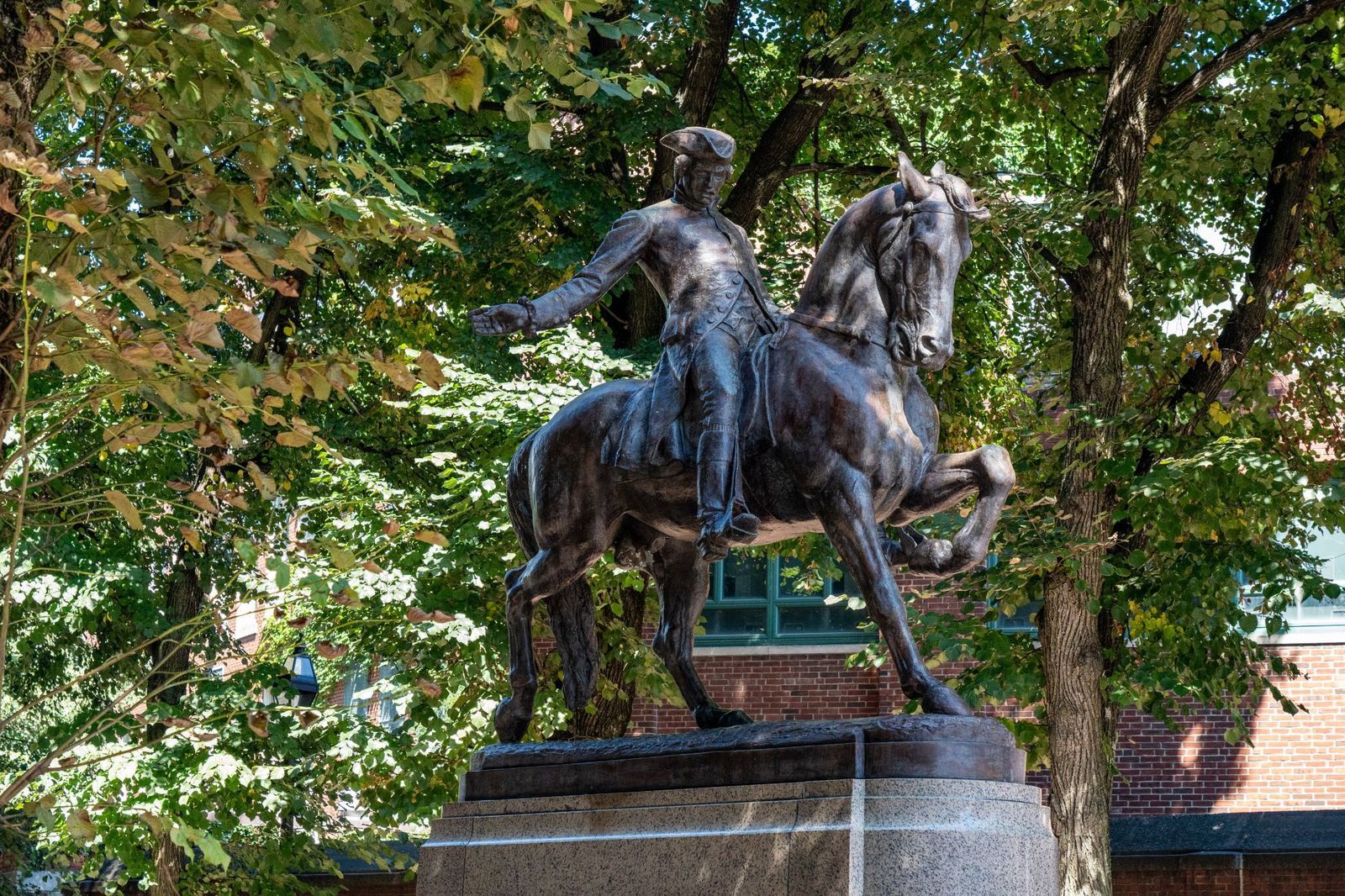
The traditional picture of Paul Revere's midnight ride is iconic: a patriot galloping through the Massachusetts countryside in 1775, shouting, "The British are coming!" to warn the colonists about enemy troops. The scene was immortalized in Henry Wadsworth Longfellow's 1860 poem, "Paul Revere's Ride."
While Paul Revere did ride from Charlestown to Lexington, alerting patriots along the way, the actual mission was more discreet: shouting in the streets would've alerted loyalists as well, so he quietly knocked on known allies' doors. On top of that, most of the colonists were of English descent and still considered themselves British. According to eyewitnesses and Paul Revere's own account, the actual phrase he used was "The Regulars are coming out." By giving the minutemen warning of the British Army's actions, the ride played a key role in the Patriots' victory at Lexington and Concord.
8
Does Mickey Mouse wear suspenders?
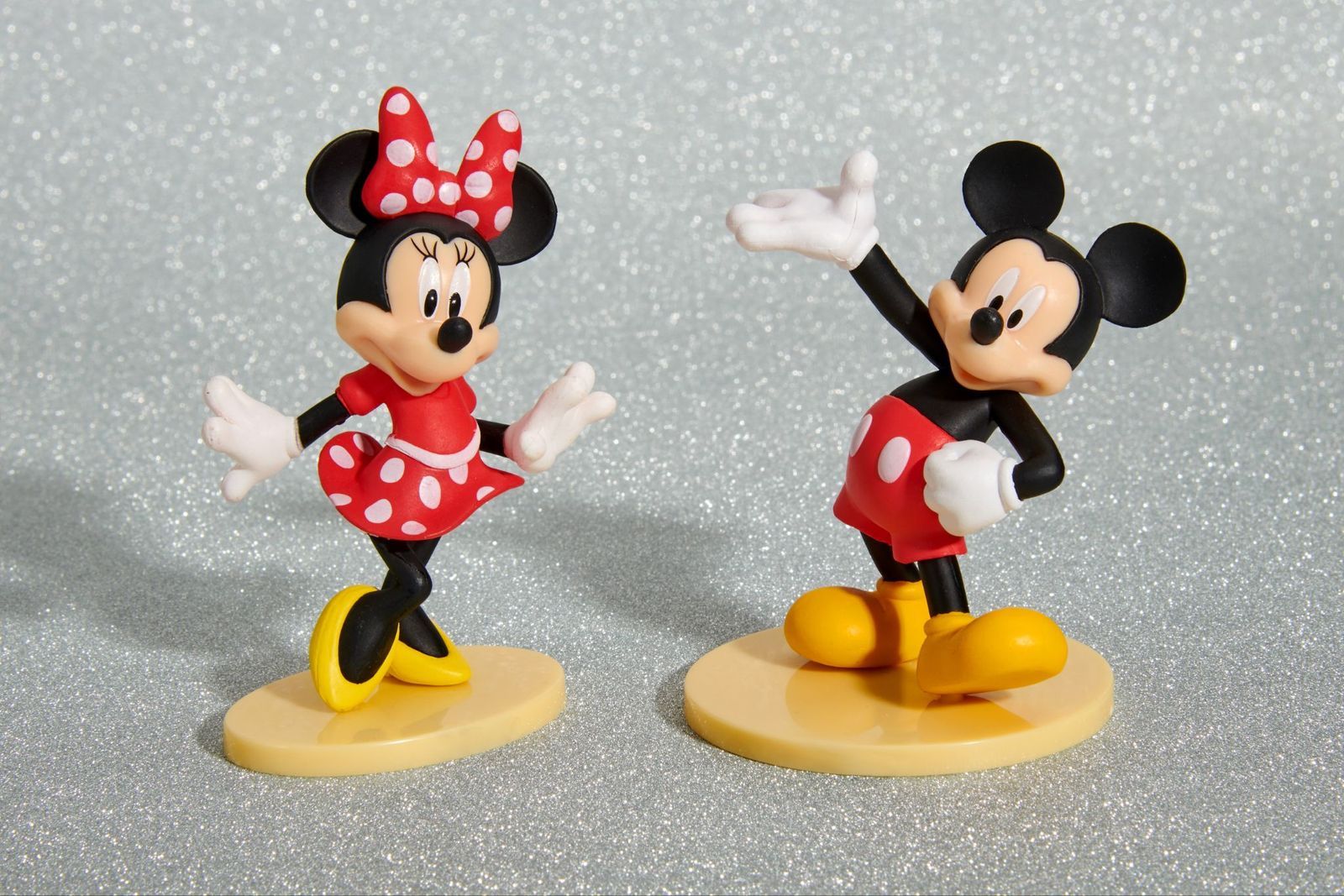
In his official public debut in 1928's Steamboat Willie, Mickey Mouse wore large shoes, shorts, and a sailor's hat. As the character evolved, his outfit solidified into the iconic version we know today: large yellow shoes, red shorts with white buttons, and large (often white) gloves. In addition to these elements, many people remember Mickey wearing suspenders with his shorts. However, this has seldom been the case. Mickey's outfit has varied over the decades , though. For example, in the 1937 short film Clock Cleaners , starring Mickey, Donald, and Goofy, he wears long red overalls with yellow buttons. So, while suspenders aren't part of his classic design , Mickey has worn countless outfits since his first appearance, and the memory may be influenced by other versions of the character.
9
Did Betsy Ross sew the first American flag?
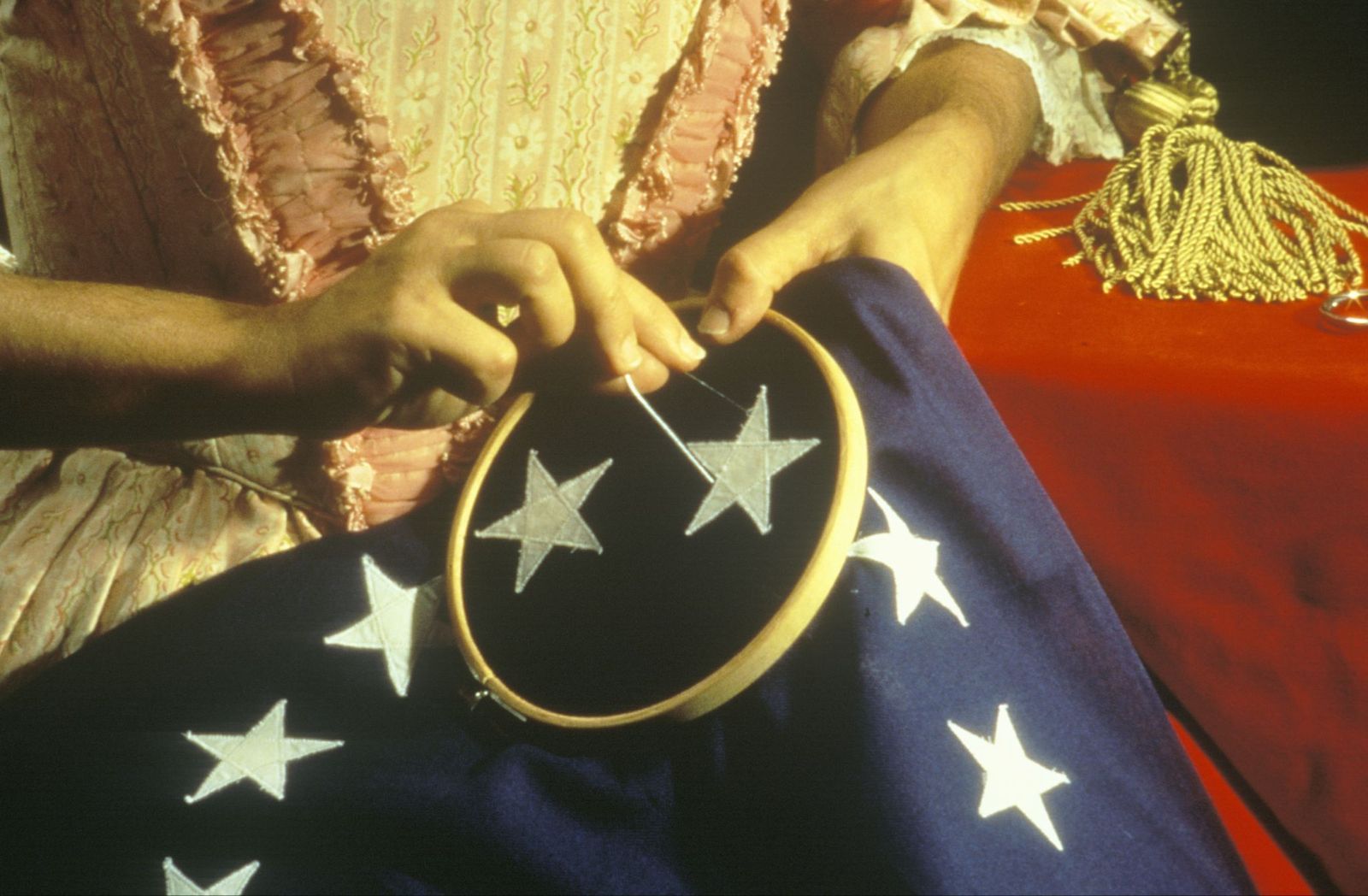
The story is a cherished bit of American history : George Washington visits Philadelphia seamstress Betsy Ross in 1776, shows her a sketch for a new flag, and she convinces him to change the shape of the stars before sewing the first American flag.
As memorable as the scene is, there's a lack of convincing historical documentation to support it. The story was first brought to public attention in 1870 by Ross's grandson, more than 30 years after her death. While we know that Ross was a real seamstress who made flags in support of the American cause, the legend, however appealing, remains unproven.
10
Is it
Looney Toons
or
Looney Tunes
?
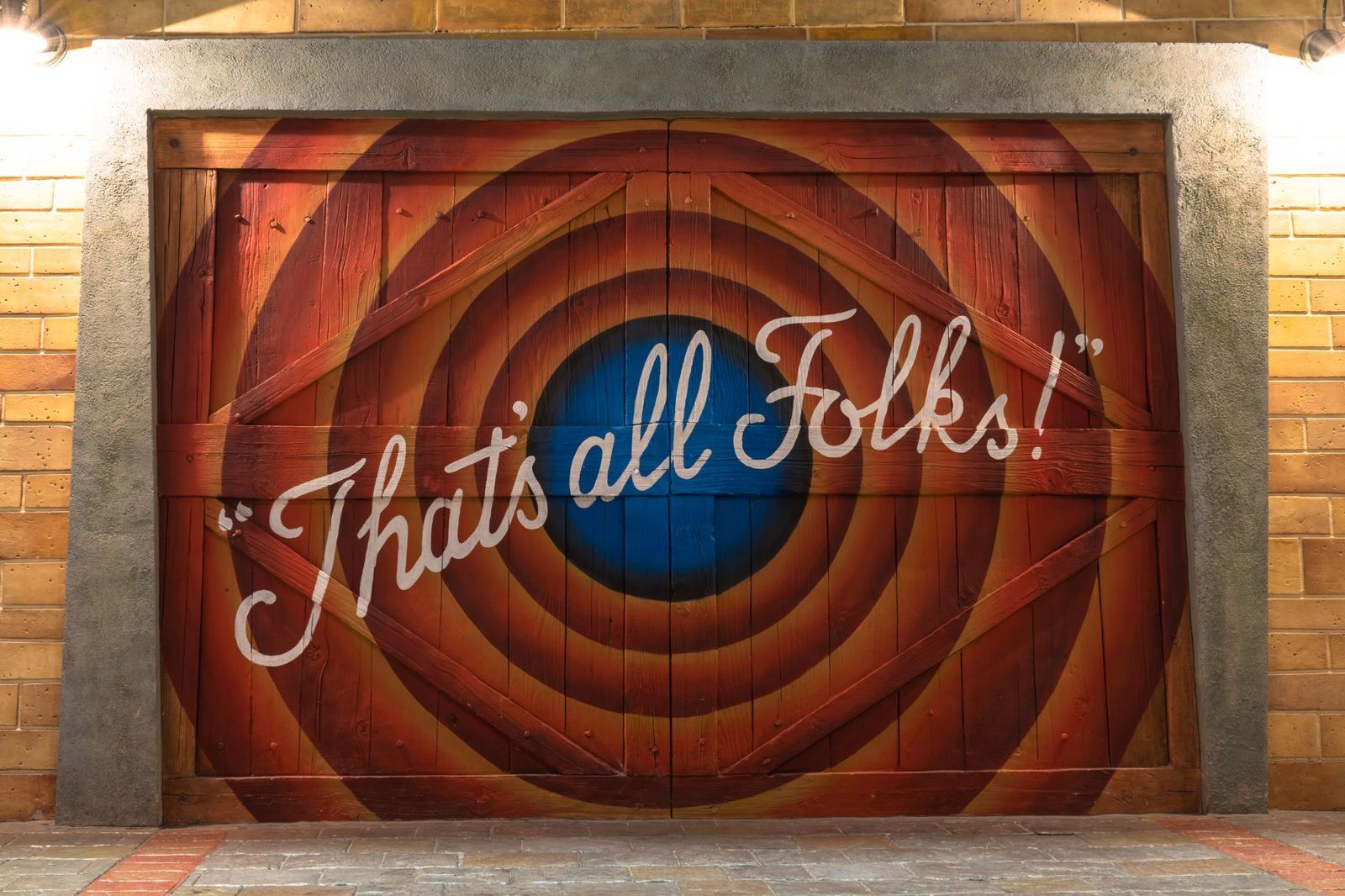
Many people who grew up watching Bugs Bunny, Daffy Duck, and the rest of the Warner Bros. roster of zany characters remember the series' title as Looney Toons . The source of the confusion is quite obvious: after all, the characters are cartoons , making this spelling a quite natural assumption.
The actual title is Looney Tunes , and from 1930 to 1969 it was produced alongside its sister series, Merrie Melodies . Both titles focused more on the musical shorts that Warner Bros. showcased alongside its animations than on the cartoons themselves.