Culture Culture 8 min read

Iconic fails

Fired, broke, rejected: The secret past of America's most beloved icons
Image: Uuganbayar

Being told "no" can sting at any age, especially after putting time, money, or pride into something. But some of America’s most familiar names heard it over and over. Thomas Edison was dismissed as a poor student, Elvis was reportedly told to return to truck driving, and Stephen King nearly threw his first best-seller away. Their stories get even more surprising from there. Here are 10 Americans whose biggest setbacks were simply the first step towards success.

1
Abraham Lincoln
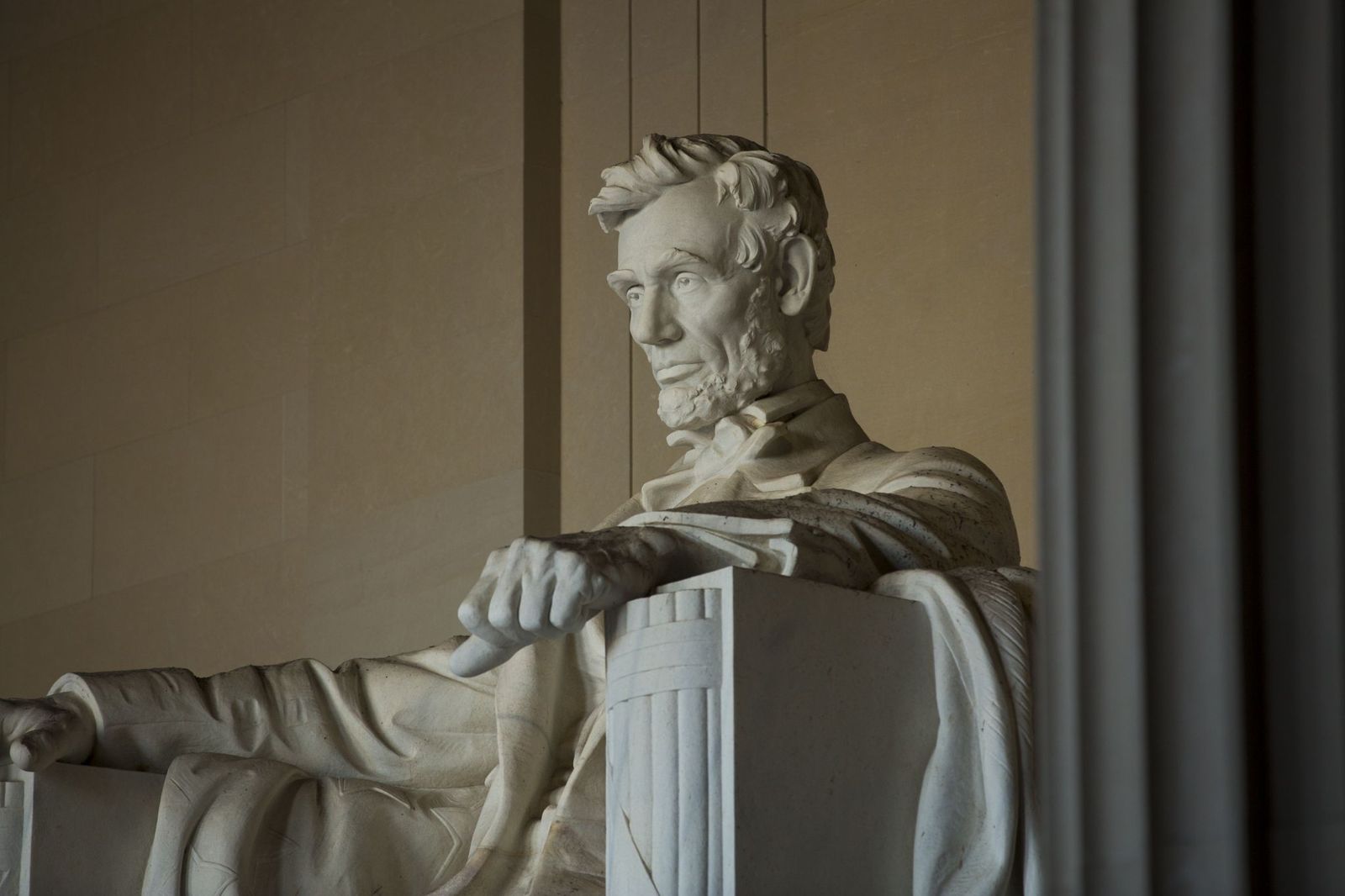
Image: Hermosa_Chris

Political life usually comes with a few disappointing election nights. Long before he was memorialized on Mount Rushmore, Abraham Lincoln spent decades collecting setbacks.

He went into business with a partner in Illinois in 1833 by purchasing a general store. Known as the Berry and Lincoln store, the enterprise failed due to poor sales, leaving him in debt for years. He ran for the state legislature and lost. He served in the Illinois militia during the Black Hawk War in 1832 and was demoted from captain to private. Over the following years, he ran for office again and again, including two unsuccessful bids for the U.S. Senate, and lost most of them. Regardless of that, he kept showing up, and in 1860, he won the presidency and went on to guide the country through the Civil War and end slavery. Friends who knew him in his Illinois years later said what stood out most wasn’t his brilliance, but how he never let defeat be the last word.

2
Elvis Presley

Image: Loredana Sangiuliano

Picture a then-unknown Elvis Presley in 1954, long before the jumpsuits, sold-out arenas, and screaming fans. He was only 19 and still trying to figure out where his unusual blend of country, blues, and rhythm and blues belonged.

Elvis had just released his first single and was invited to perform at the Grand Ole Opry in Nashville, a stage that represented the pinnacle of country music. He sang a rockabilly-tinged version of "Blue Moon of Kentucky," and the traditional Opry crowd, expecting straight bluegrass, gave him little more than polite applause. According to Opry lore, talent director Jim Denny told him afterward that he wasn’t going to make it as a singer and should go back to driving a truck. Elvis was so shaken that he reportedly cried the whole drive home to Memphis. He never performed at the Opry again. But two years later, "Heartbreak Hotel" hit number one, and Elvis Presley became one of the best-selling solo music artists in history, forever known as the King of Rock and Roll.

3
Thomas Edison
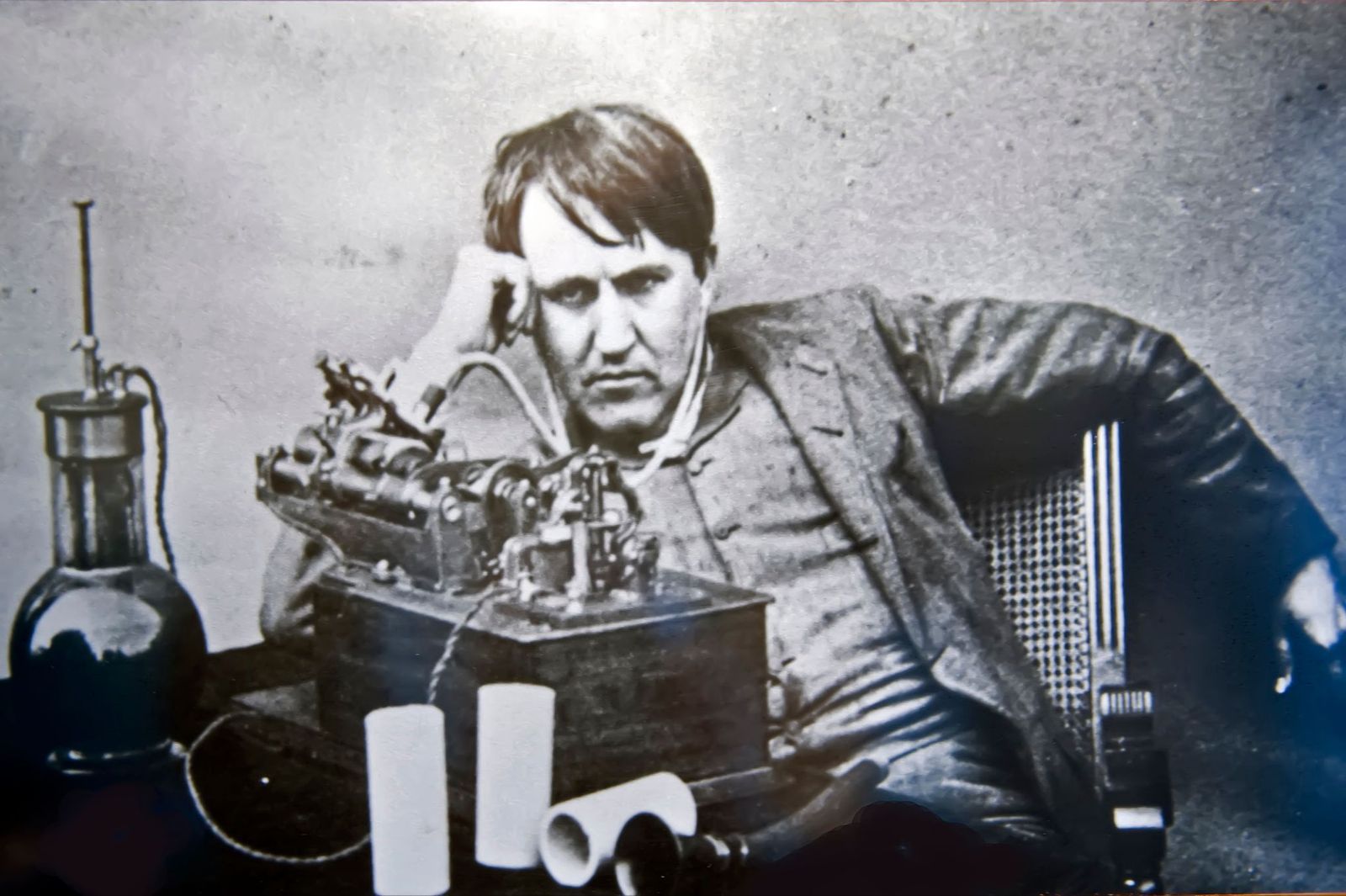
Image: Dennis MacDonald

Thomas Edison struggled in the classroom. By the age of 12, he was partially deaf and easily distracted , and after only three months, in 1854, Nancy Edison, his mother, took charge of his education at home after a teacher sent him home with a note calling him "too difficult to teach." Much of his learning came at home through reading, experimenting, and satisfying his endless curiosity. As a young man, he also had trouble finding the right fit in the working world. Popular accounts say he was fired from two jobs because employers considered him unproductive. None of that matched what came next: Edison became an extraordinarily prolific inventor and eventually held 1,093 U.S. patents. His work included the phonograph, improvements to electric lighting, and motion-picture technology.

4
Lucille Ball
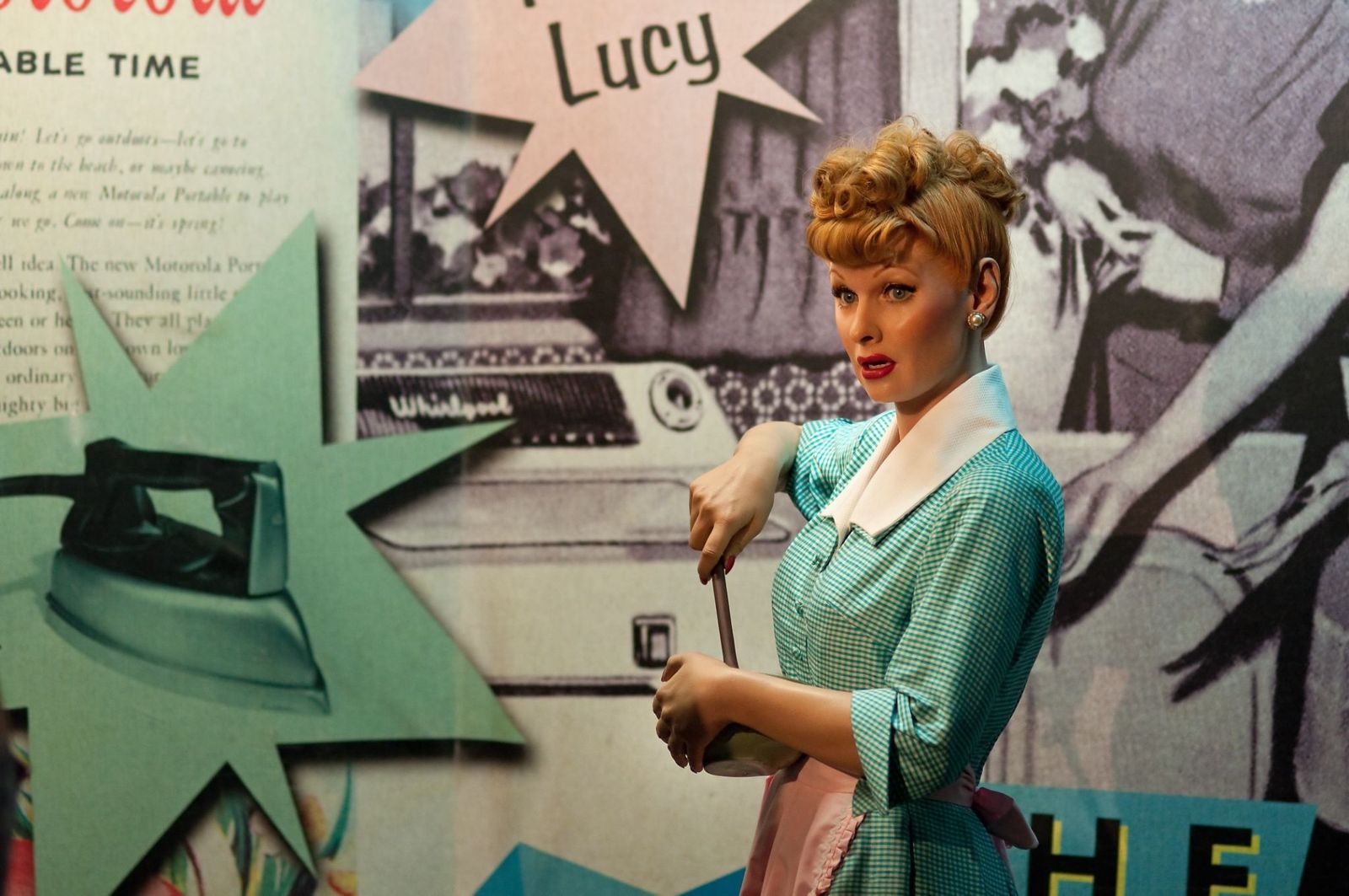
Image: rewelda

If you watched I Love Lucy , you know Lucille Ball was capable of turning a simple household mishap into complete comic chaos. But as a teenager, Ball was not yet the performer who commanded a room.

As a young woman, Lucille Ball enrolled at the Johnny Murray Anderson School for the Dramatic Arts in New York in 1926, at the age of 15, hoping to become an actress. Her instructors weren’t exactly encouraging. She was reportedly considered too shy and too timid for the stage and was advised to consider a different line of work entirely. She spent years afterward modeling and taking small, unremarkable film roles, far from stardom. Ball eventually found her footing not in dramatic film but in comedy and television, where her fearless physical humor became her signature. In 1951, she co-created and starred in I Love Lucy with then-husband Desi Arnaz, and it became one of the most successful sitcoms in television history.

5
Henry Ford
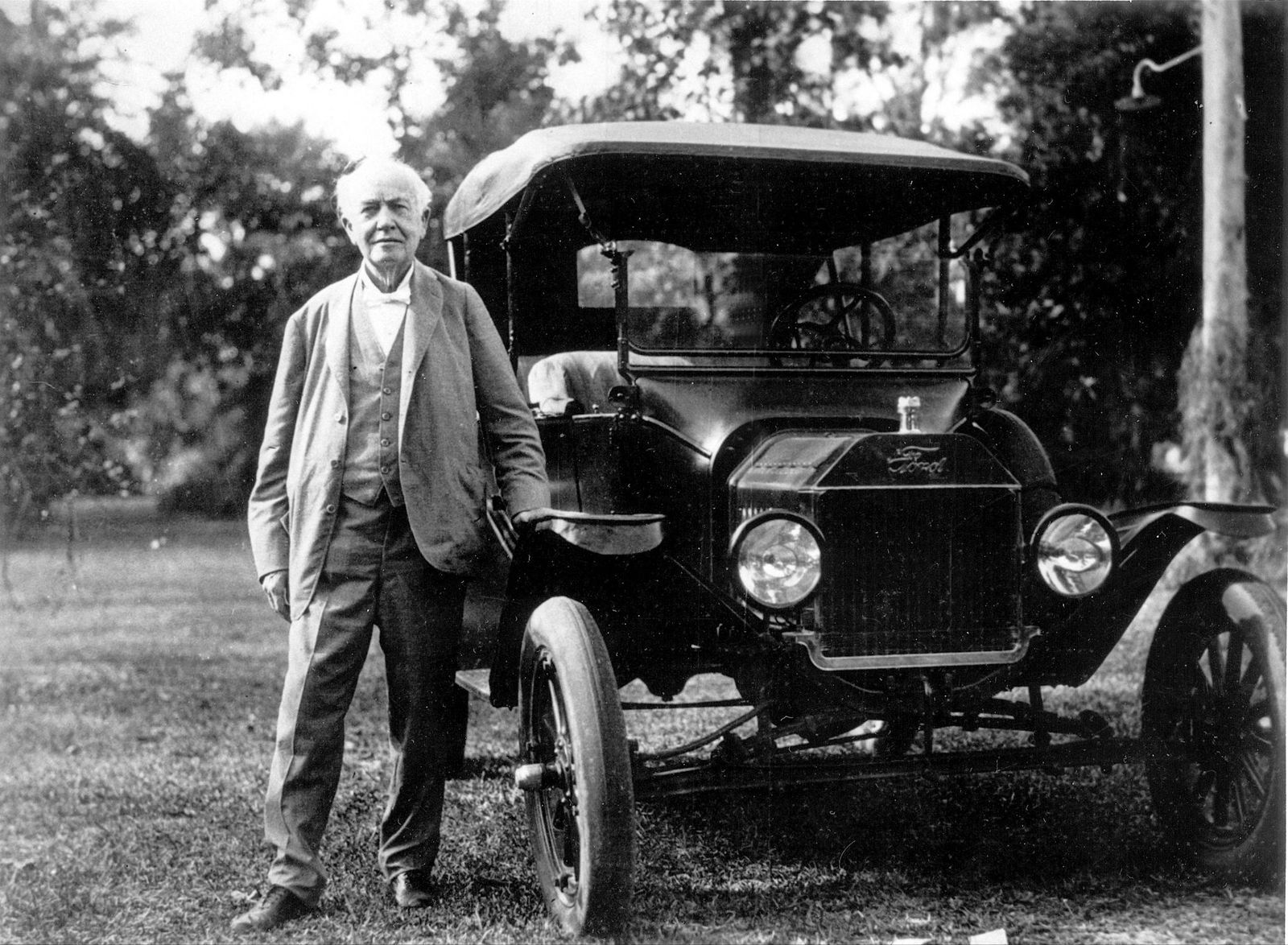
Image: Rawpixel.com

Buying a new car today can make it easy to forget how experimental the automobile business once was. Around the turn of the 20th century, companies started and collapsed, and Henry Ford was one of those business owners who had to reinvent himself more than once.

Ford’s first venture, the Detroit Automobile Company, launched in 1899 and folded within two years , undone by vehicles that were too expensive and too slow to build. His backers pushed him out. He tried again with the Henry Ford Company, but it ended the same way, with investors losing patience and Ford losing control of the business bearing his own name. By 1902, he had two failed automakers behind him and no company at all. For the third time, in 1903, Ford started again. This time, he focused on building one dependable, affordable car and figuring out how to produce it faster than anyone thought possible. That car was the Model T, and the assembly line method he built around it didn’t just save Ford Motor Company; it changed how the entire world manufactures goods.

6
Martin Luther King Jr.
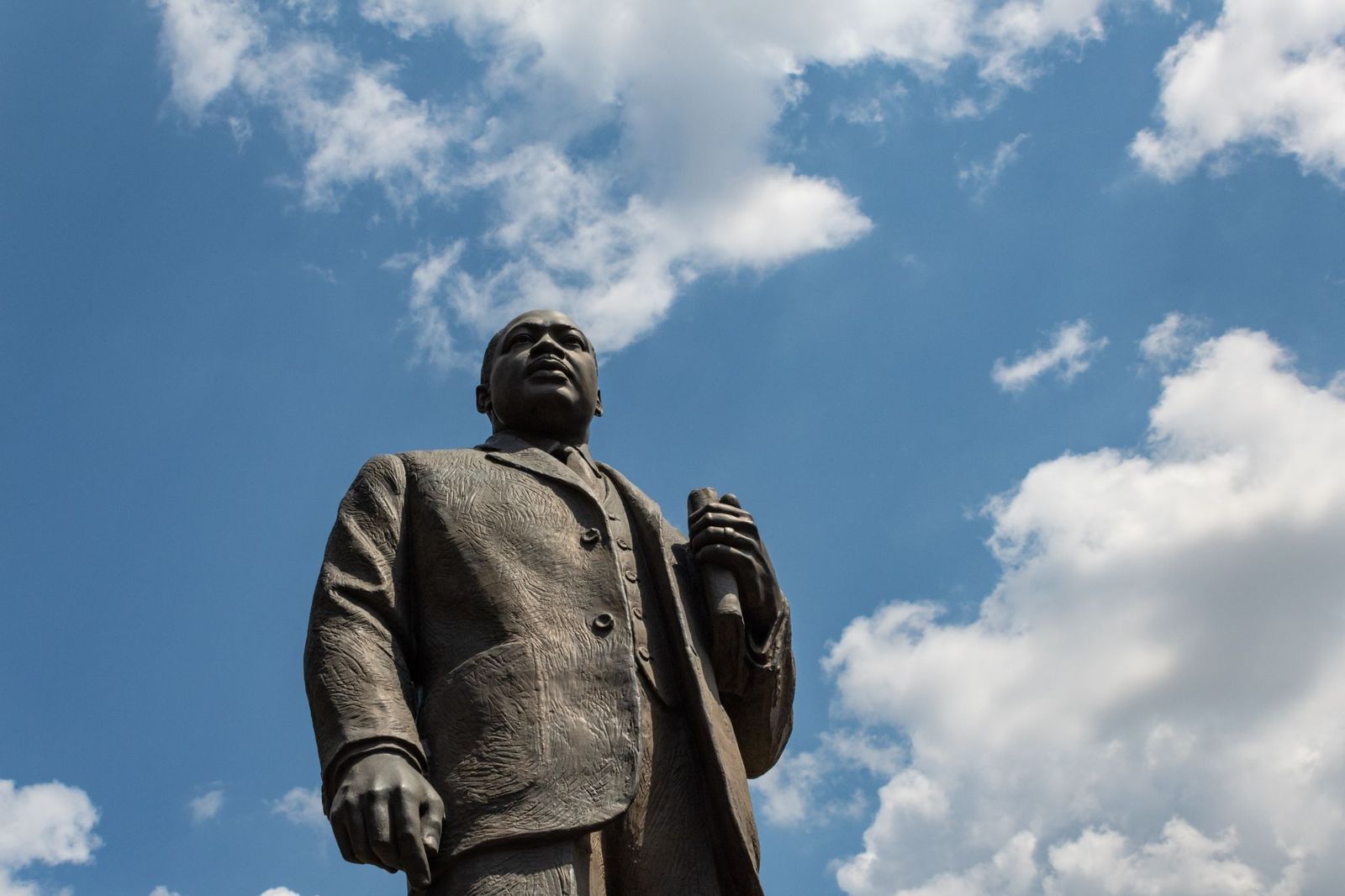
Image: NatalieSchorr

It’s weird to think that one of history’s greatest orators struggled in a classroom. But that’s exactly where Martin Luther King Jr.’s path began.

As a first-year student at Crozer Theological Seminary in the late 1940s, King took a course in public speaking and received a grade of C , a modest mark for a young man who hadn’t yet found his voice. He kept working at it throughout seminary, refining the cadence and clarity that would later define his preaching. Within a decade, that same voice was leading the Montgomery bus boycott and delivering the "I Have a Dream" speech to hundreds of thousands of people at the March on Washington in 1963, becoming one of the most recognized voices of the 20th century.

7
Oprah Winfrey
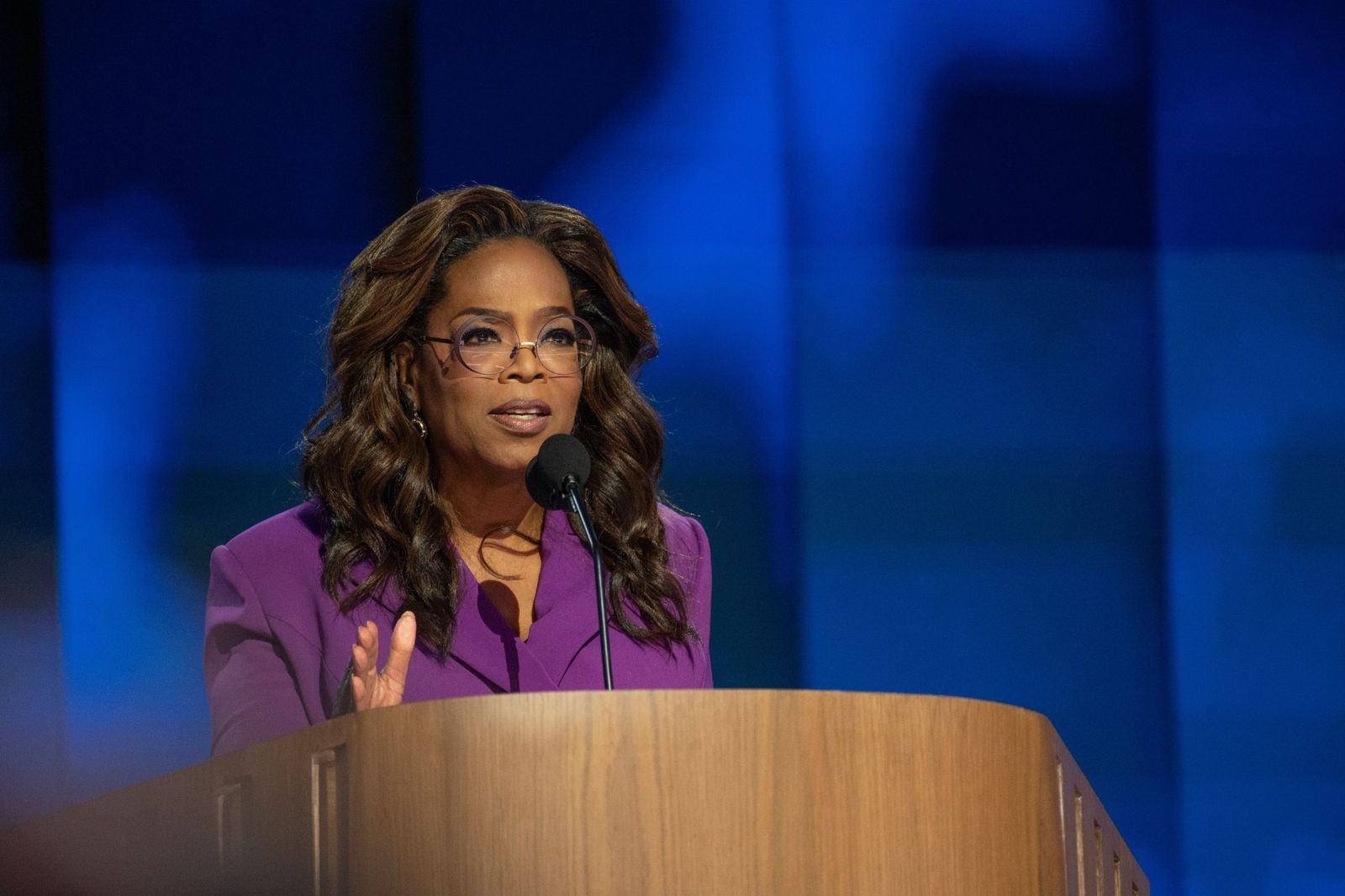
Image: Peter Serocki

Considering how controlled news anchors’ expressions used to be, Oprah Winfrey’s early career sounds almost like a casting mistake.

In 1976, a 22-year-old Winfrey moved to Baltimore to co-anchor the evening news at WJZ-TV. The fit was rocky from the start. Her delivery was warmer and more emotional than the traditional hard-news style the format called for, and station management eventually pulled her off the anchor desk, with one producer reportedly calling her unfit for television news. It could’ve ended her career in broadcasting entirely. Instead, WJZ moved her to a struggling daytime talk show called People Are Talking . There, freed from reading headlines in a flat, detached tone, Oprah’s natural warmth turned into her greatest asset. The local talk show became the blueprint for The Oprah Winfrey Show , which ran for 25 years and made her one of the most influential media figures in American history.

8
Colonel Harland Sanders
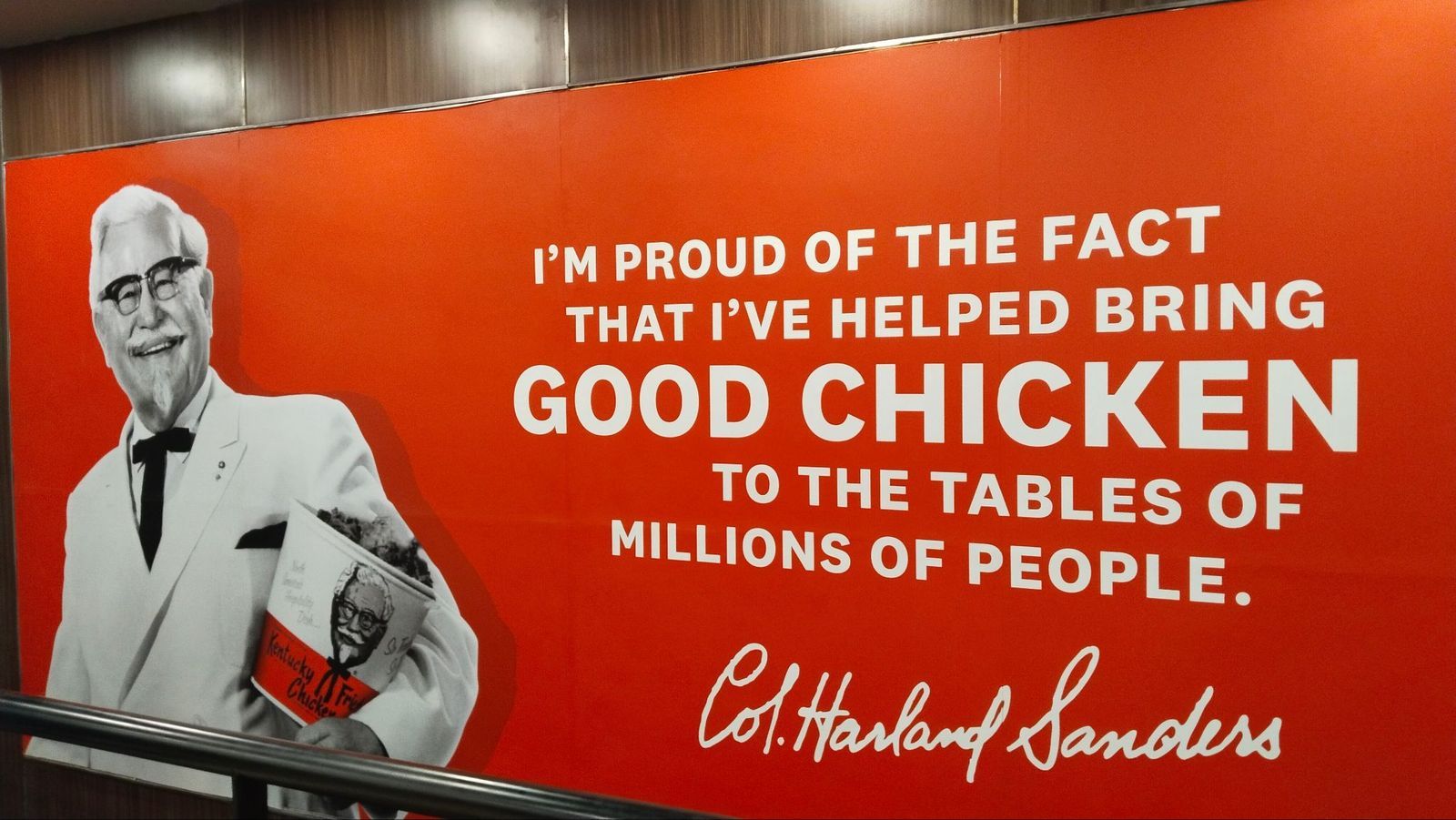
Image: Farantb

Imagine reaching 65 and deciding that instead of settling into retirement, it’s time to travel around the country trying to convince restaurant owners to serve a recipe. Harland Sanders made exactly that decision.

By his mid-sixties, Sanders had lived through a string of failed jobs and businesses , and the small Kentucky restaurant where he’d perfected his fried chicken recipe closed after a new highway diverted its traffic away. Broke and living on a modest Social Security check, he decided to take his recipe on the road, driving from restaurant to restaurant and offering to share it in exchange for a small cut of sales. As the legend goes, he heard "no" more than a thousand times before a restaurant in Utah finally said yes in 1952. That handshake deal became the first Kentucky Fried Chicken franchise. Within a decade, hundreds of KFC restaurants dotted the country, and the white-suited Colonel Sanders (who died in 1980 at age 90) became one of the most recognizable faces in American food.

9
Stephen King
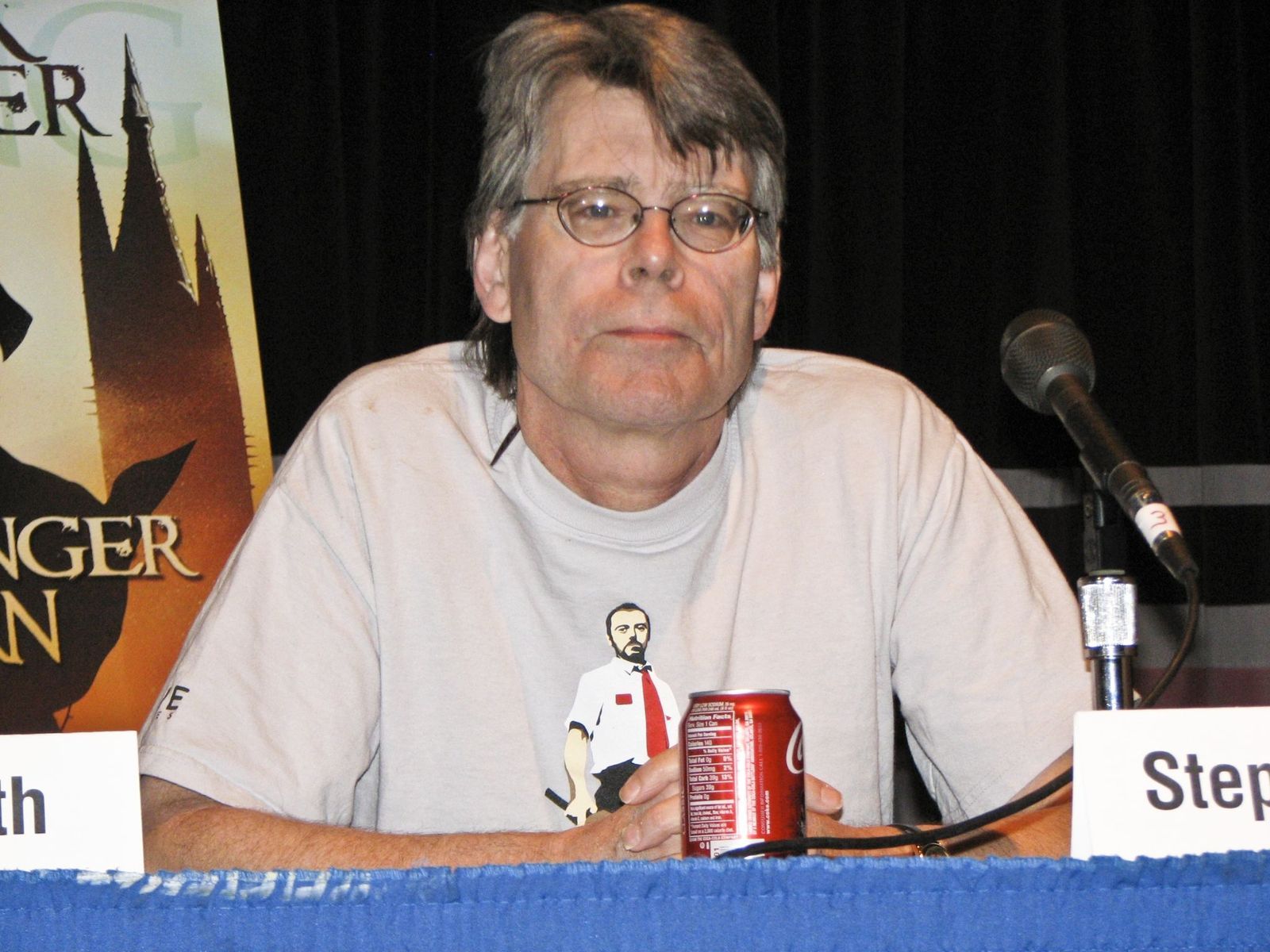
Image: George Koroneos

You’ve probably read Carrie , or watched It , but before he became a household name in modern terror, Stephen King was a young writer trying to get his work published.

In the early 1970s, King was teaching high school in his home state of Maine and writing in his spare time, often in a trailer with his wife and young kids nearby. He wrote a novel about a bullied teenage girl with telekinetic powers, but after around 30 rejection letters from publishers, he gave up on it and threw the manuscript in the trash . His wife, Tabitha, fished the pages back out and encouraged him to finish it, believing in the book even when he didn’t. That story became Carrie , published in 1974. It launched King’s career and eventually sold millions of copies, kicking off a body of work that would make him one of the most successful and prolific authors in American history.

10
Dr. Seuss (Theodor Geisel)
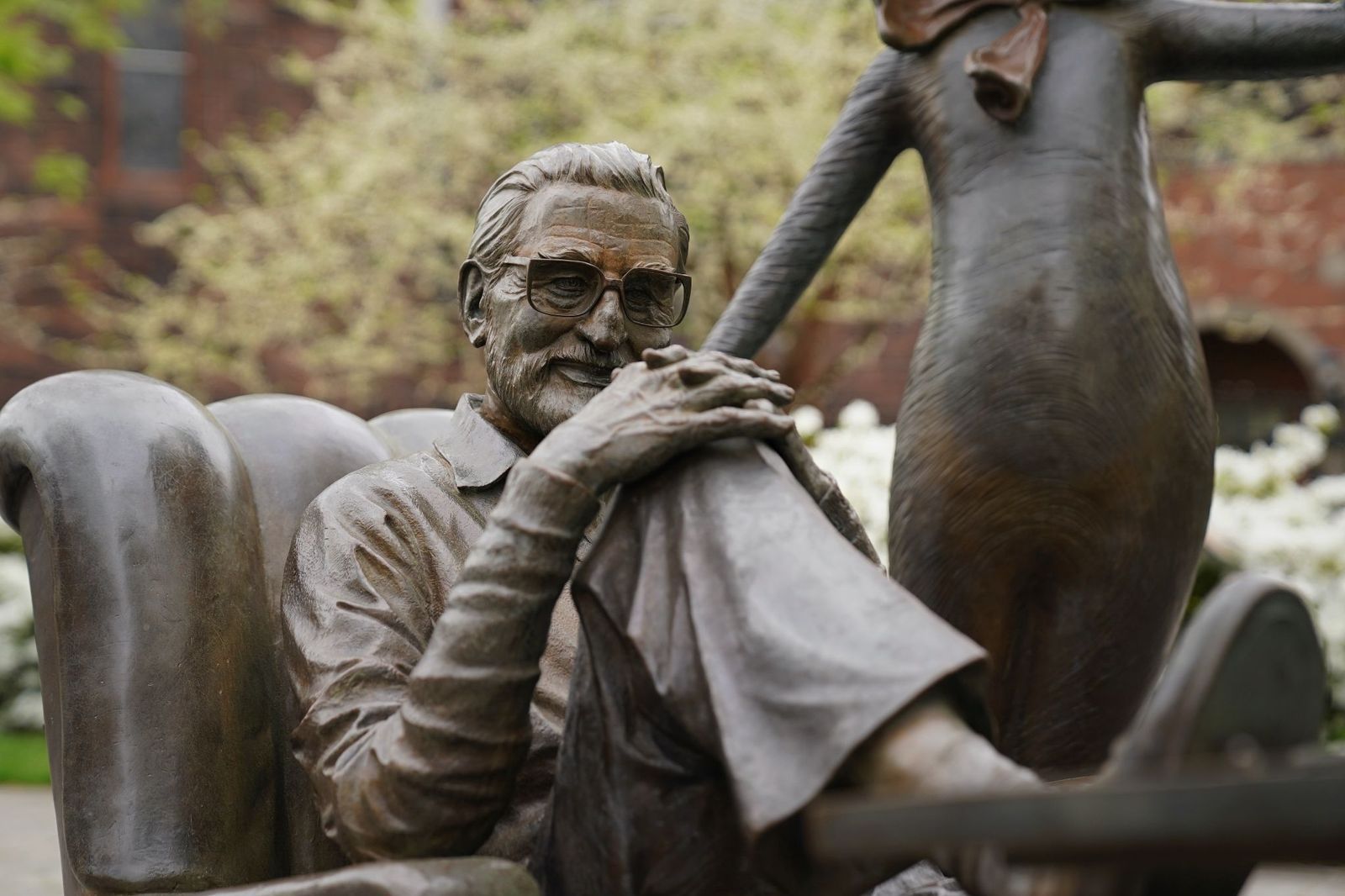
Image: NatalieSchorr

You may think publishing more than 50 books was easy for Dr. Seuss. But back when he was known as Theodor Geisel, his work got rejected dozens of times.

In the 1930s, Geisel wrote and illustrated a whimsical children’s book called And to Think That I Saw It on Mulberry Street. Publisher after publisher turned it down, reportedly around 27 of them, saying it was too different from anything else on the market. As the story goes, Geisel was walking down a New York street, manuscript in hand and ready to give up, when he ran into an old college acquaintance who happened to work at a publishing house and offered to take a look. That chance meeting led to the book’s publication in 1937. It launched Dr. Seuss’s career, which would go on to include classics like The Cat in the Hat and Green Eggs and Ham , beloved by generations of kids and their grandparents alike.

11
Frederick Smith (FedEx)

Image: Yau Ming Low

Today, overnight shipping is so ordinary that a package arriving the next morning (if not on the same day) barely raises an eyebrow. In the 1960s, reliably moving urgent packages overnight across the country was a very different proposition.

In 1965, as an undergraduate at Yale, Smith wrote an economics term paper describing a delivery service that would route urgent packages through one central hub by plane rather than relying on passenger airlines. His professor wasn’t convinced the idea was practical and marked the paper with a C. Smith went on to serve in the Marine Corps in Vietnam, but the idea from that paper never left him. In 1971, he founded Federal Express, built exactly around the hub-and-spoke concept he’d once sketched out for a grade. FedEx now moves millions of packages a day across the globe, and Smith spent the rest of his life running the company he first imagined as a 21-year-old college student.

Geography Geography 4 min read

Discovering America

What's the easternmost point of the US? If you say Maine, think again!

Image: Jon Sailer

We’ve all picked up "facts" about the fifty states somewhere along the way, but not all of them hold up. Some are half-truths passed around for generations , others are just plain wrong. So, in an attempt to set the record straight once and for all, we’ve gathered some fun truths that clear up the biggest mix-ups about our states.

1
Arizona skips Daylight Saving Time

Image: Christoph von Gellhorn

This is partly true because most of the state doesn’t bother with Daylight Saving Time . They stopped changing the clocks back in 1967. The exception is the Navajo Nation, which stretches into Utah and New Mexico and keeps DST so all its communities stay on the same schedule. Now, as for the smaller Hopi reservation, inside the Navajo Nation, it sticks with Arizona time… Yes, quite confusing if you’re not a local.

2
Georgia isn’t really the Peach State

Image: Jessica Furtney

Georgia loves its peaches, sure, but the state’s top fruit money-maker is actually blueberries . In recent years, blueberries have brought in several times more cash for farmers than peaches. Meanwhile, California grows far more peaches than Georgia ever has. The nickname stuck from the old days when Georgia peaches were famous for their flavor, not their volume. So while the pride is real, the peaches aren’t quite the powerhouse people may think.

3
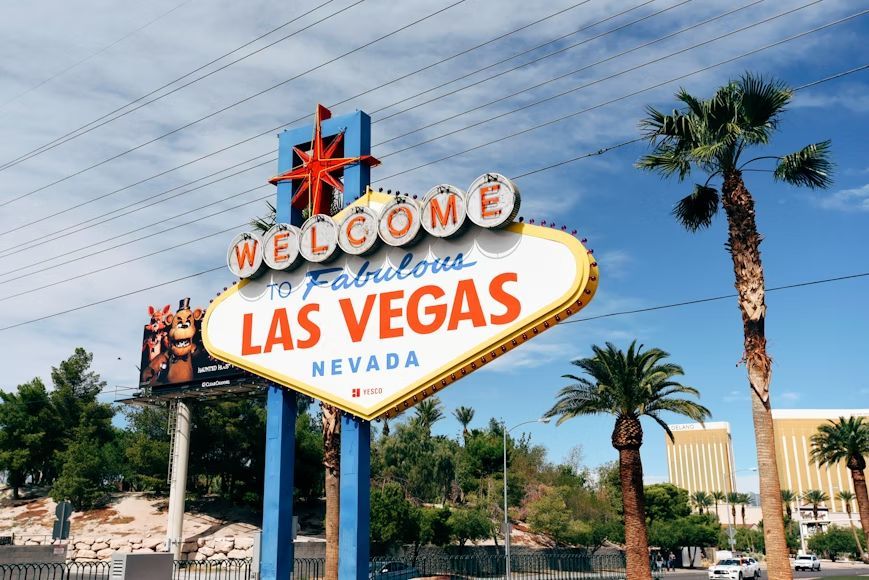
Nevada didn’t record the hottest US temperature

Image: tommao wang

You probably think of Nevada’s desert heat as unmatched, but the all-time record belongs to California’s Death Valley . In July 1913, it hit a mind-melting 134 degrees Fahrenheit, the hottest temperature not only in America but the hottest ever recorded on Earth!

4
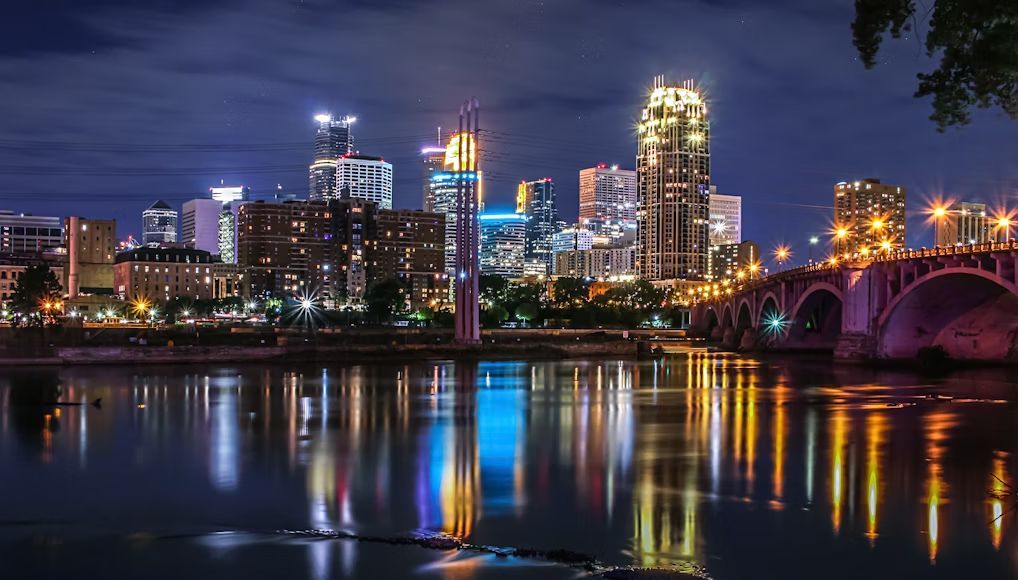
Minnesota doesn’t have the most lakes

Image: Tom Conway

Minnesota proudly calls itself the "Land of 10,000 Lakes," but that’s selling itself short… The real number is closer to 12,000. However, Alaska wins this battle . The state has more than 3 million lakes over five acres in size. In fact, Alaska contains over 40 percent of the nation’s surface water. If you love fishing, kayaking, or just staring at a quiet stretch of water, the true lake capital of America is far up north.

5
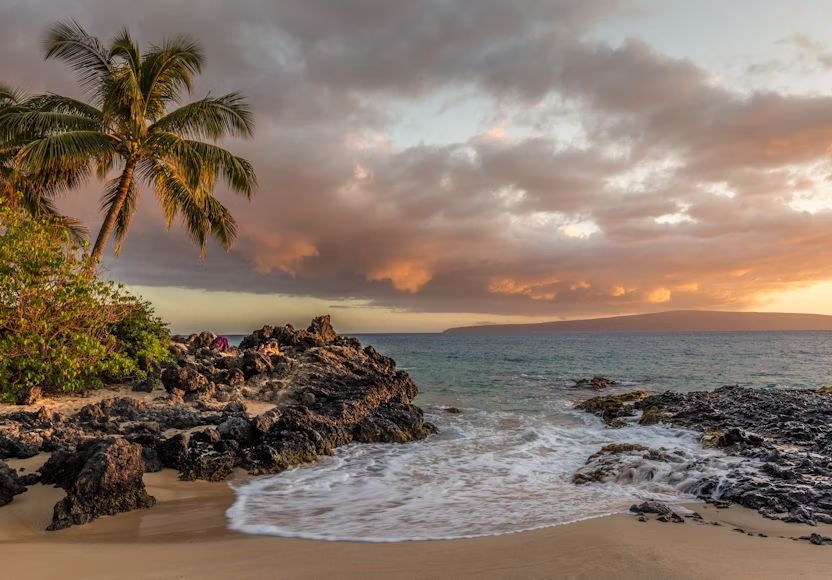
Pineapples aren’t native to Hawaii

Image: Christian Joudrey

Pineapples are everywhere in Hawaiian imagery, but the plant actually comes from South America , mainly Paraguay and southern Brazil. Spanish explorers likely brought them to Hawaii in the 1500s after spreading them across the Pacific to places like the Philippines and Guam. Hawaii’s climate turned out to be perfect for growing them and by the 1900s, the islands were producing so many pineapples that the fruit became a symbol of Hawaii itself.

6
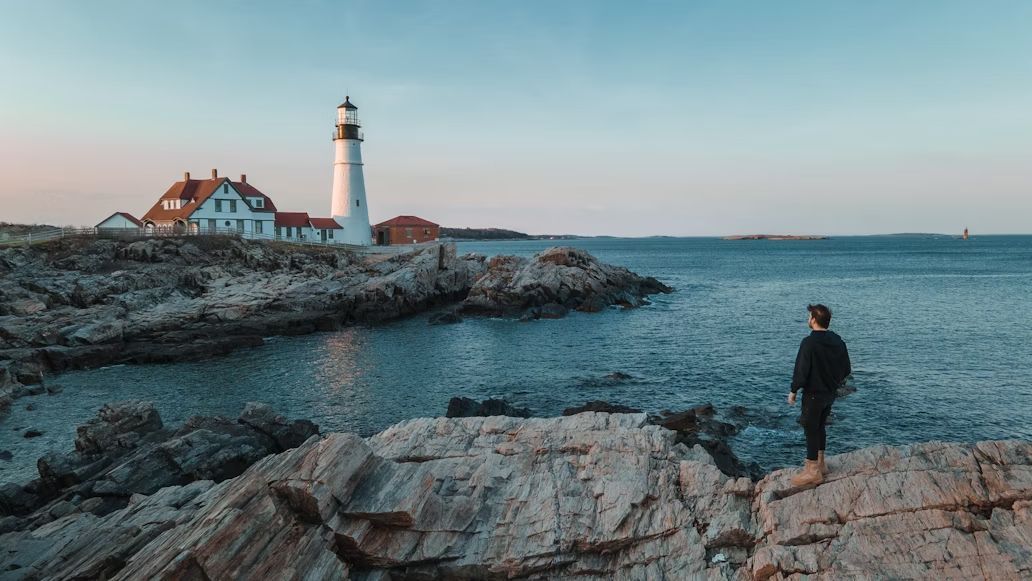
Maine isn’t the country’s easternmost point

Image: Chris Henry

If you’re a Geography geek, you’ll love this one. You might picture Maine’s rocky coast as the eastern tip of America, but the actual easternmost point is thousands of miles away, on Alaska’s Semisopochnoi Island in the Aleutians. How is that possible? Well, that’s because it crosses the 180th meridian, putting it in the Eastern Hemisphere. That means part of Alaska technically sits farther east than anywhere in Maine.

7
The biggest US earthquake didn’t happen in California

Image: Lala Miklós

California has suffered some big earthquakes in its history, but the most powerful earthquake in America struck Alaska in 1964 . It hit Prince William Sound with a magnitude of 9.2. It was so strong it shook the ground for four and a half minutes and triggered massive tsunamis. In today’s dollars, the damage would total more than $2 billion. Alaska sits on a collision zone of tectonic plates, making it one of the world’s most seismically active regions.

8
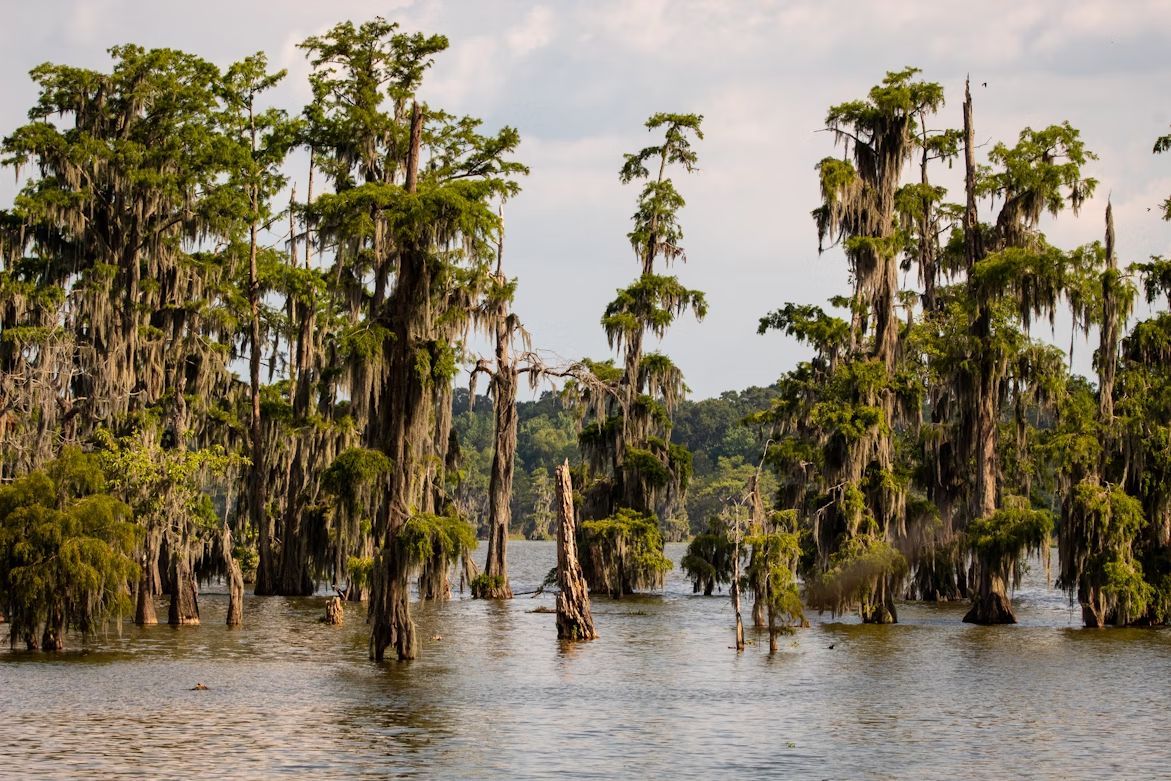
The Everglades isn’t America’s biggest swamp

Image: Joshua J. Cotten

A lot of people picture the Florida Everglades when they think of swamps, but technically, the Everglades isn’t a swamp at all. The real title of the largest swamp in the United States goes to Louisiana’s Atchafalaya Basin , which spans about 1.4 million acres. This swamp has a vast mix of cypress forests, bayous, and marshes, and it’s more than twice as productive as the Everglades when it comes to wildlife and plant life.

9
Big cities aren’t always capitals

Image: Mackenzie Cruz

It surprises people how often the biggest city isn’t the state capital . New York City? Not the capital… Albany is. Chicago? Nope, that honor goes to Springfield. Pennsylvania’s capital isn’t Philly or Pittsburgh, it’s Harrisburg. Even California’s capital isn’t L.A. or San Francisco, it’s actually Sacramento. Out of fifty states, only seventeen have their most populous city as the capital.

10
Alaska isn’t divided into counties

Image: Rod Long

Alaska likes to do things its own way. Instead of counties, it’s split into boroughs , and a massive area known as the Unorganized Borough has no local government at all. People out there don’t pay property taxes, but that freedom comes with challenges, limited services, fewer job options, and tough living conditions.

Culture Culture 7 min read

Celebrating Dolly

When Dolly Parton turned down Elvis: 10 incredible facts about her life

Image: Bart Sherkow

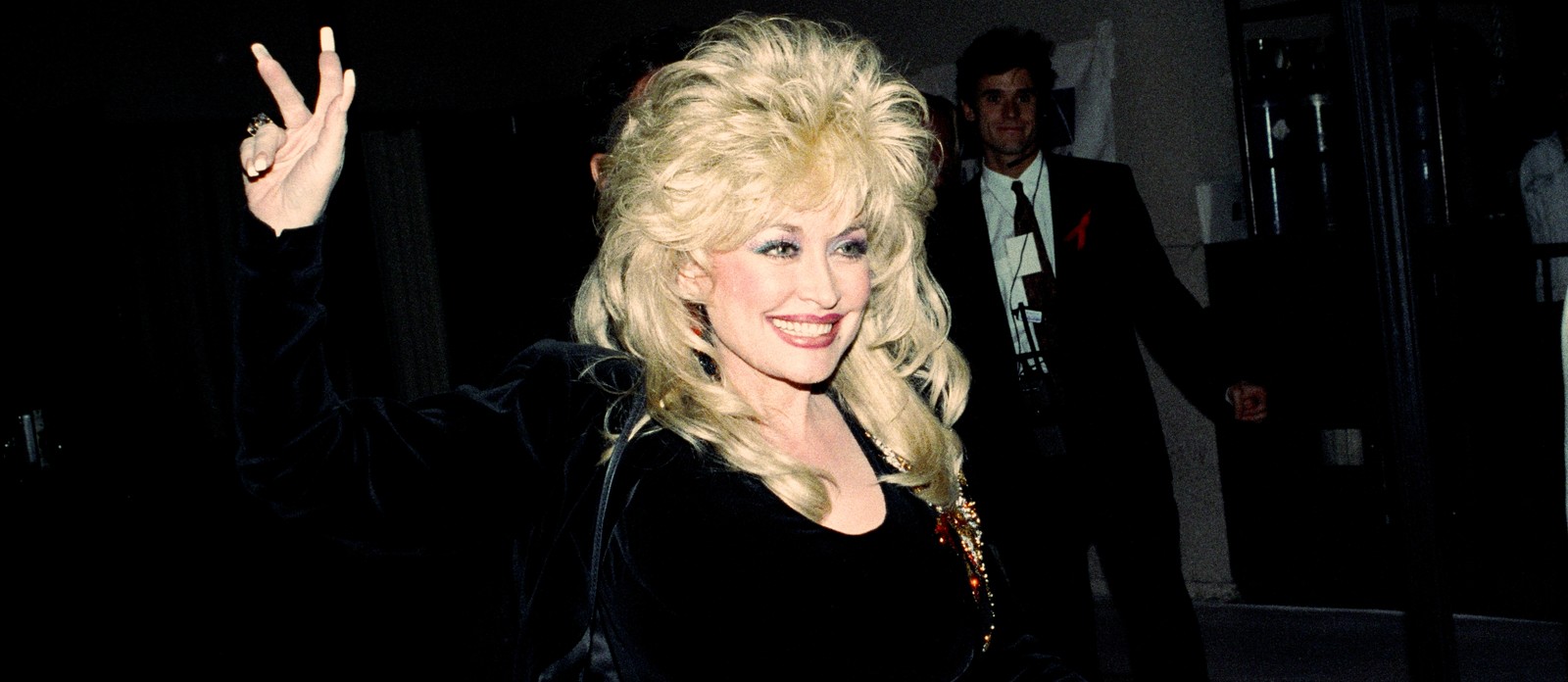
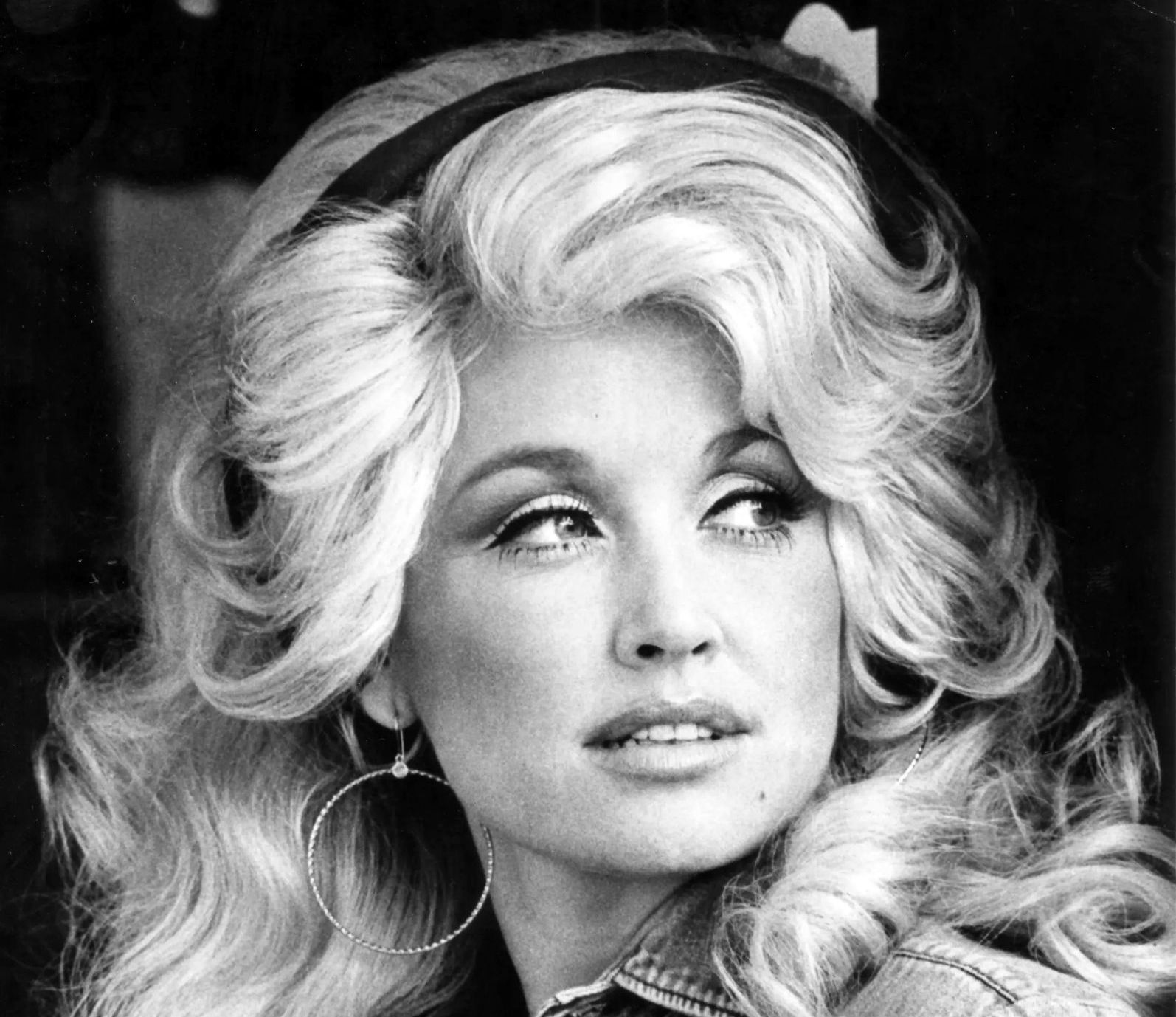
Song by indelible song, Dolly Parton wrote and recorded the soundtrack of America for many generations — but there was far more to Dolly’s story than her music. From turning down Elvis Presley to a six-decade marriage to the resolutely private man she loved, her life was filled with stories that are just as fascinating as her catalog. Here are 10 surprising facts and unforgettable moments from the life of Dolly Parton.

1
Her parents paid for her birth with cornmeal

Image: Vinicius Benedit

Dolly Parton’s life has been filled with talent, music, art, and an adoring audience, but it wasn’t always easy for her or her family.

She was born on January 19, 1946, in a one-room log cabin in the Great Smoky Mountains of Tennessee, during a snowstorm. The fourth of 12 children, Dolly was born to Robert Lee Parton Sr. and Avie Lee Owens Parton, who were far from wealthy. According to Dolly, her parents paid the doctor who delivered her, Dr. Robert F. Thomas, with a sack of cornmeal because they couldn't afford to pay him in cash. Dolly later honored him in the song "Dr. Robert F. Thomas," which appeared on her 1973 solo studio album, My Tennessee Mountain Home.

2
She made her first guitar from an old mandolin

Image: VladKK

From a young age, Dolly showed that hard times wouldn’t stop her.

Around 1951, when she was about five years old, she wrote her first song, titled "Little Tiny Tasseltop," about a doll with corn-silk hair that her mother made for her. A couple of years later, Dolly got her first guitar, or rather, she made one herself. Growing up poor, buying a new instrument was impossible for her family. So she decided to turn a broken old mandolin into a makeshift guitar by adding two bass guitar strings. Not long afterward, an uncle gave her a small, proper acoustic guitar, an instrument that helped a young Dolly take her first steps toward performing professionally on local radio and television.

3
She was married to the same man for nearly 60 years

Image: RCA Records, Public domain, via Wikimedia Commons

Although they were rarely seen together in public, Dolly Parton married at 20 and spent nearly six decades with the same man.

Dolly was 18 when she arrived in Nashville in 1964, and the city had quite a surprise waiting for her. On her very first day, she went to do laundry at the Wishy Washy Laundromat, where she met Carl Dean, then 21. He spotted her outside, stopped his pickup truck, and struck up a conversation. According to Carl, his first thought was, "I’m gonna marry that girl." Dolly and Carl wed on May 30, 1966, in Ringgold, Georgia, in a small private ceremony. They remained together until Carl’s death on March 3, 2025, just shy of their 60th wedding anniversary.

4
She wrote "Jolene" and "I Will Always Love You" to launch her solo career

Image: Moeller Talent, Inc. Nashville (management), Public domain, via Wikimedia Commons

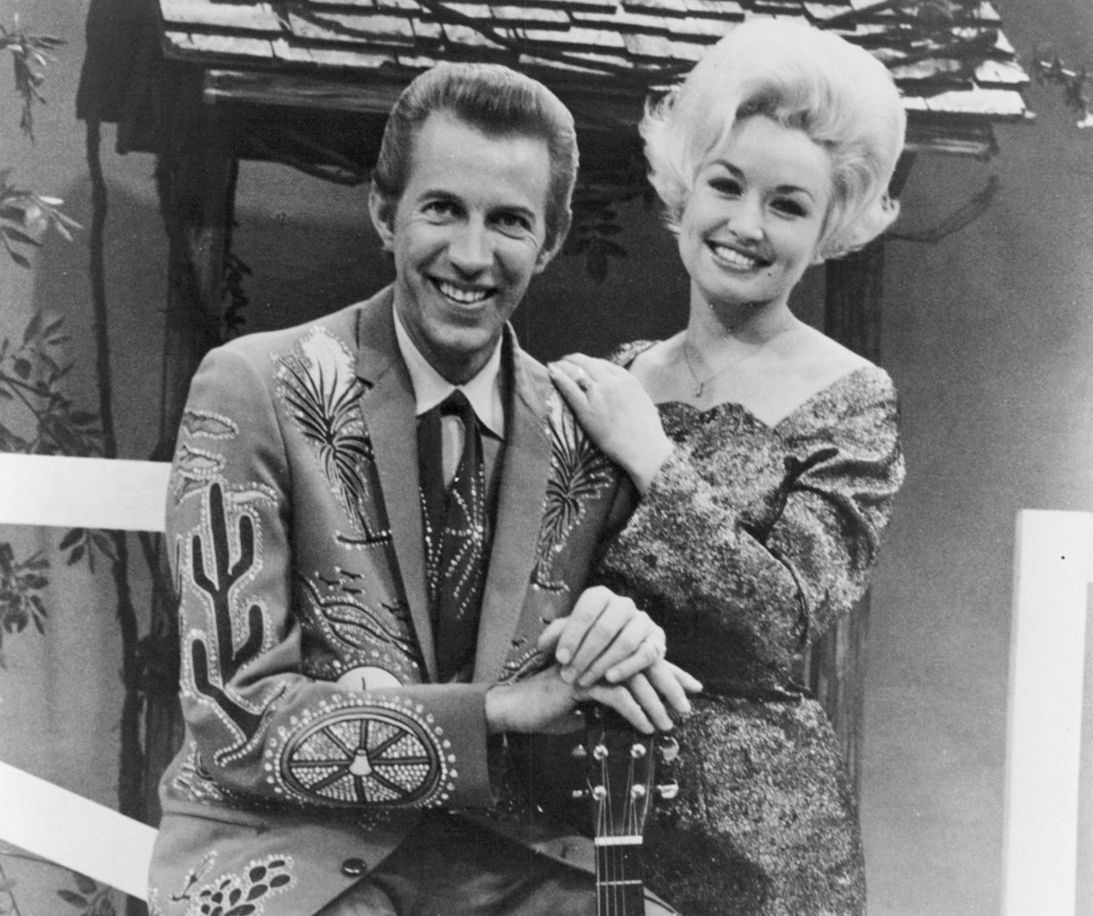
During the 1970s, Dolly decided to leave the famous Porter Wagoner Show and strike out on her own as a solo artist. To do it, she turned to what she did best: writing songs.

But she didn’t write just any songs; she wrote two of the most famous hits of the 20th century: "I Will Always Love You" and "Jolene." The first was an emotional farewell to her mentor and duet partner, Porter Wagoner. The other was inspired by a red-haired bank teller who caught Dolly’s attention by openly flirting with her husband at his local bank during the early years of their marriage. Some accounts say she wrote them during the same intense songwriting session in 1973, and there’s even a story that she wrote both on the same day, but Dolly herself has stated she wasn’t 100% sure about that. What is known is that the two songs appeared back-to-back on the same album, 1974’s Jolene .

5
She turned down Elvis

Image: eBay, Public domain, via Wikimedia Commons

In 1973, Dolly Parton was at a turning point in her career, working hard to establish herself as a solo artist and prove she could make it on her own. That process resulted in one of the most famous and beautiful songs ever recorded: "I Will Always Love You." But she had no idea what would happen just about one year later.

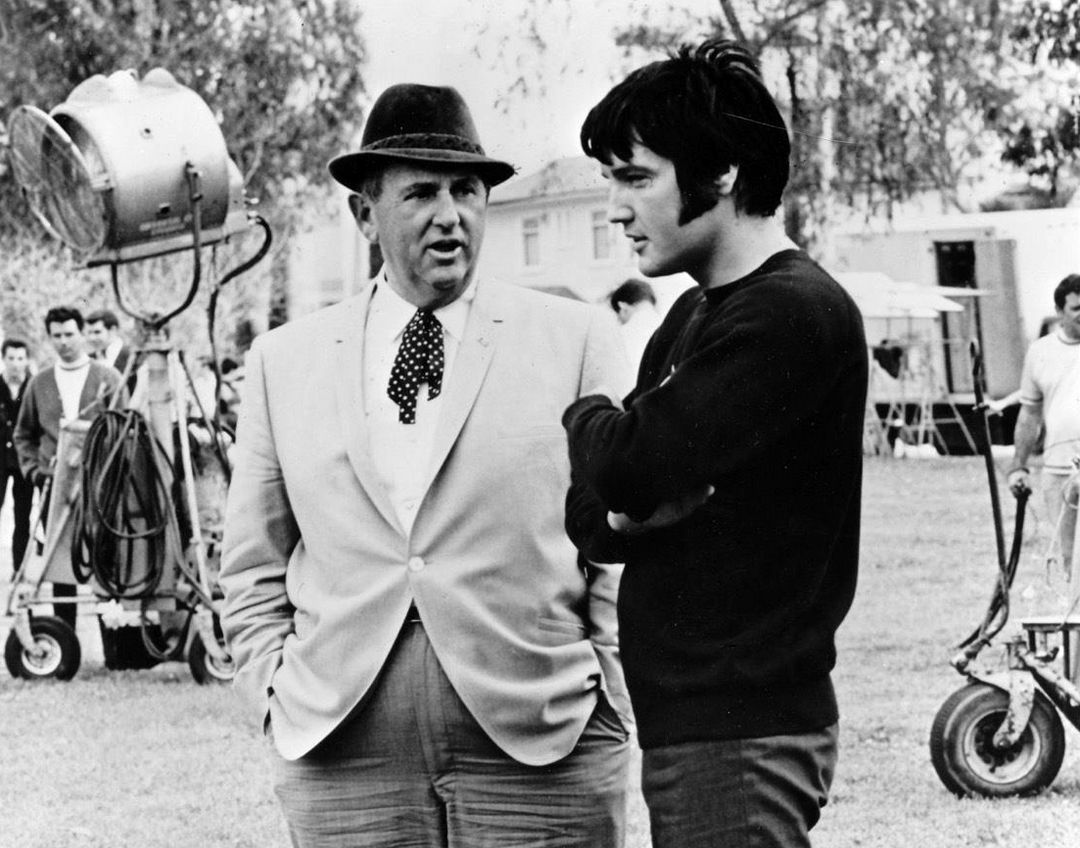
Someone heard the song and immediately wanted to record a cover, and it wasn’t just anyone; it was Elvis Presley himself. Dolly was thrilled by the offer, but eventually had to say no after Presley’s manager, Colonel Tom Parker, demanded that she give up 50% of the song’s publishing rights. Parton refused because she wanted to keep the publishing income for her family, but in later interviews, she openly admitted she cried all night after turning down the King.

6
She created "9 to 5" using her fingernails

Image: Alan Light, CC BY 2.0, via Wikimedia Commons

Everything about Dolly was big: her talent, her creativity, her heart, and also her hair, makeup, and acrylic fingernails. As it turned out, those famous nails even played a part in creating the sound of one of her biggest hits.

Dolly used her nails as a percussion instrument while working on "9 to 5," the theme song for the 1980 movie of the same name. While on the set without a guitar handy, she clacked her long acrylic nails together to create the typical sound of a typewriter, giving the song its memorable rhythm. She even recreated that sound during the recording, earning an unusual credit on the album: "Nails by Dolly."

7
She entered a Dolly Parton lookalike contest... and lost

Image: Jack Fordyce

Dolly Parton always knew how to have a good time, and this story is a perfect example.

As she recalled in her 2012 memoir, Dream More: Celebrate the Dreamer in You , Dolly was in Los Angeles during Halloween when she heard about a look-alike contest at a gay bar on Santa Monica Boulevard, featuring drag queens dressed as her. She couldn’t resist, so she went all out with her hair and makeup, arrived with friends, and entered the contest without revealing who she was. The funniest part? Nobody recognized her; the judges reportedly thought she was a "cheap imitation" of the real thing. As she has said in several interviews, she didn’t win, but she definitely had a good laugh.

8
She had her own theme park

Image: Joseph Hendrickson

Music wasn’t the only thing that came out of Dolly’s imagination; she also dreamed up another ambitious project: a theme park that would bear her name.

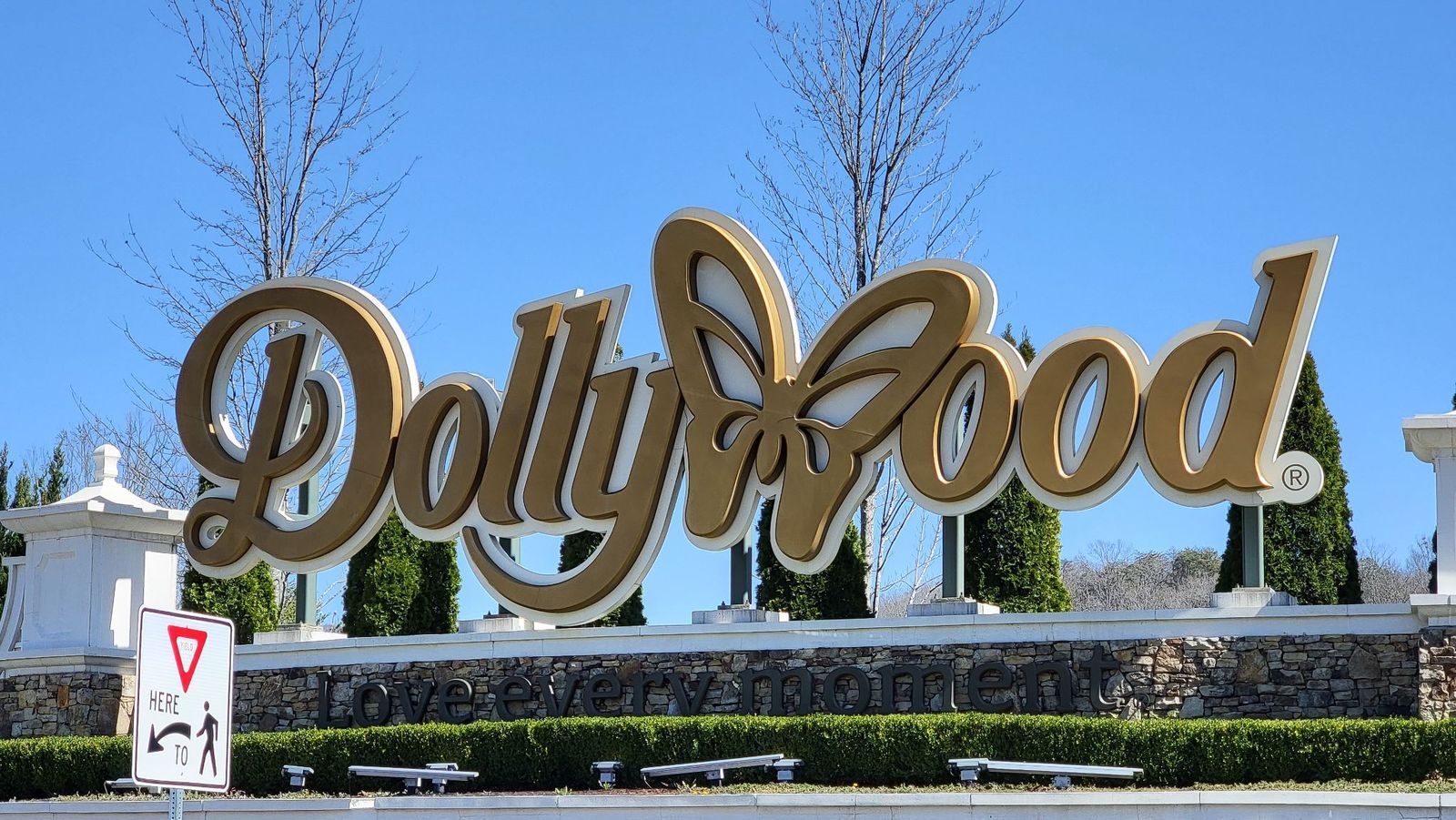
In September 1985, Dolly announced plans to build a "fantasy mountain park" in Pigeon Forge, Tennessee, hoping to bring jobs and economic growth to her native region. Rather than competing with others or starting from scratch, her team partnered with the Herschend family, owners of Silver Dollar City park in Pigeon Forge. After a $5 million expansion, the park reopened as Dollywood on May 3, 1986. Attendance more than doubled in its first season, and the park became a major Smoky Mountains attraction. After Dolly’s passing, park officials said keeping Dollywood open had been her wish, reflecting her belief that "the show must go on."

9
The Imagination Library

Image: Shawn Miller., Public domain, via Wikimedia Commons

In addition to thousands of songs and a successful amusement park, Dolly created something else filled with love: a program that put books into children’s hands.

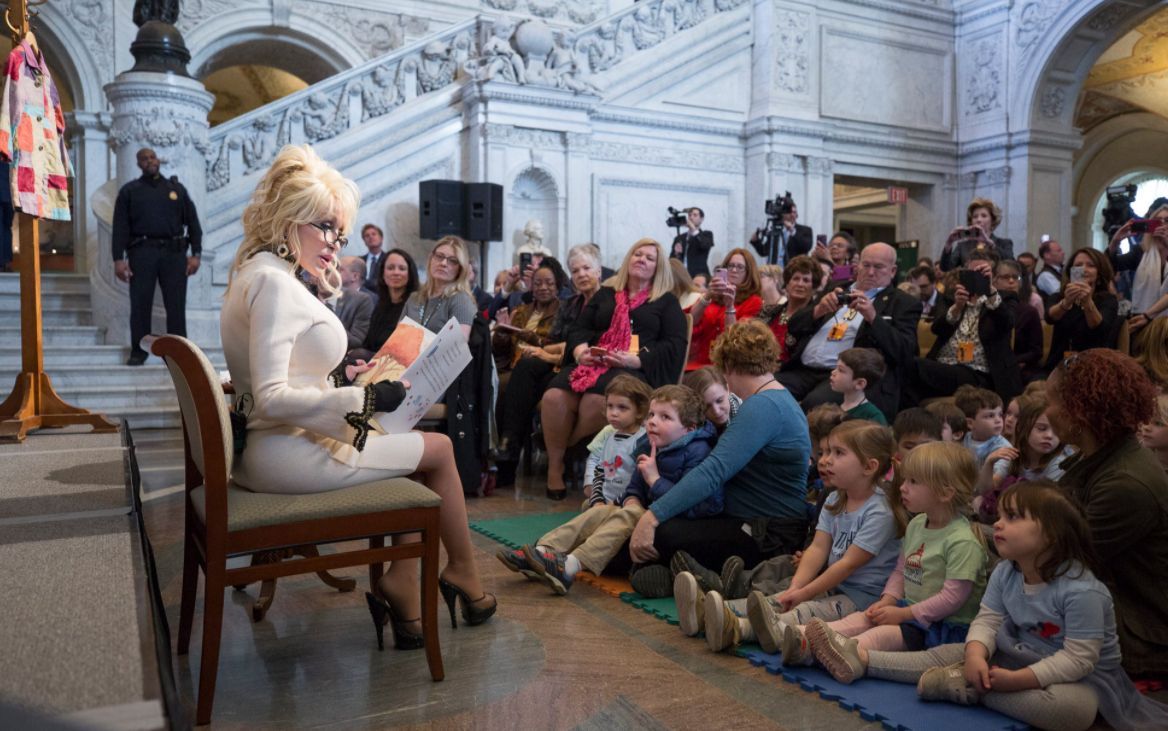
Dolly Parton established the Dollywood Foundation in 1988 and launched Dolly Parton’s Imagination Library in 1995 . The program sends free books each month to children from birth until age five. It eventually expanded beyond the United States to Canada, the United Kingdom, Australia, and the Republic of Ireland, reaching millions of children, but the idea was deeply personal. Dolly often called her father, Robert Lee Parton, who she said was the smartest man she had ever known, while noting that his limited literacy had kept him from pursuing some of his dreams. She created the Imagination Library in large part to honor her father and provide children with the opportunities he never had.

10
She was a Guinness World Record holder

Image: JHVEPhoto

We all know how talented and prolific Dolly Parton was, so it’s no surprise that she has earned an impressive number of awards. But Dolly has done more than fill trophy cases; she’s also filled the record books.

Besides her 10 competitive GRAMMY Awards from 55 nominations, along with the GRAMMY Lifetime Achievement Award that she received in 2011, Dolly also holds 11 Guinness World Records titles, many of them recognizing the extraordinary longevity and success of her career on the country charts. Among them are the record for the longest span of No. 1 hits on the U.S. Top Country Albums chart by a female artist (46 years and 197 days) and the record for the most No. 1 hits on the U.S. Hot Country Songs chart by a female artist, with 25.

Explore more American facts

Choose your favorite category!

General
General

As American as apple pie—the very best America has to offer!

Culture
Culture

Delve into the astounding richness of American lore.

Geography
Geography

Hop in and explore vast and diverse American landscapes.

History
History

Discover the key moments that shaped the United States.