General General 6 min read

Gloriously weird America

Not even travel guides will tell you about these 10 odd American stores
Image: Ricky Singh

You've been to the mall. You've been to the big-box stores. But have you ever walked into a shop and thought: what on earth is this place, and why am I already in love with it? The stores on this list will do exactly that; and fair warning, you'll probably want to visit more than one. We'll ease you in gently, starting with a store that sells everything in a single color and a gift shop that celebrates terrible paintings, before working our way toward bizarre things you won't be able to unsee. Which one would you visit first?

1
The Purple Store – Online (with a location at Pike Place Market, Seattle, WA)
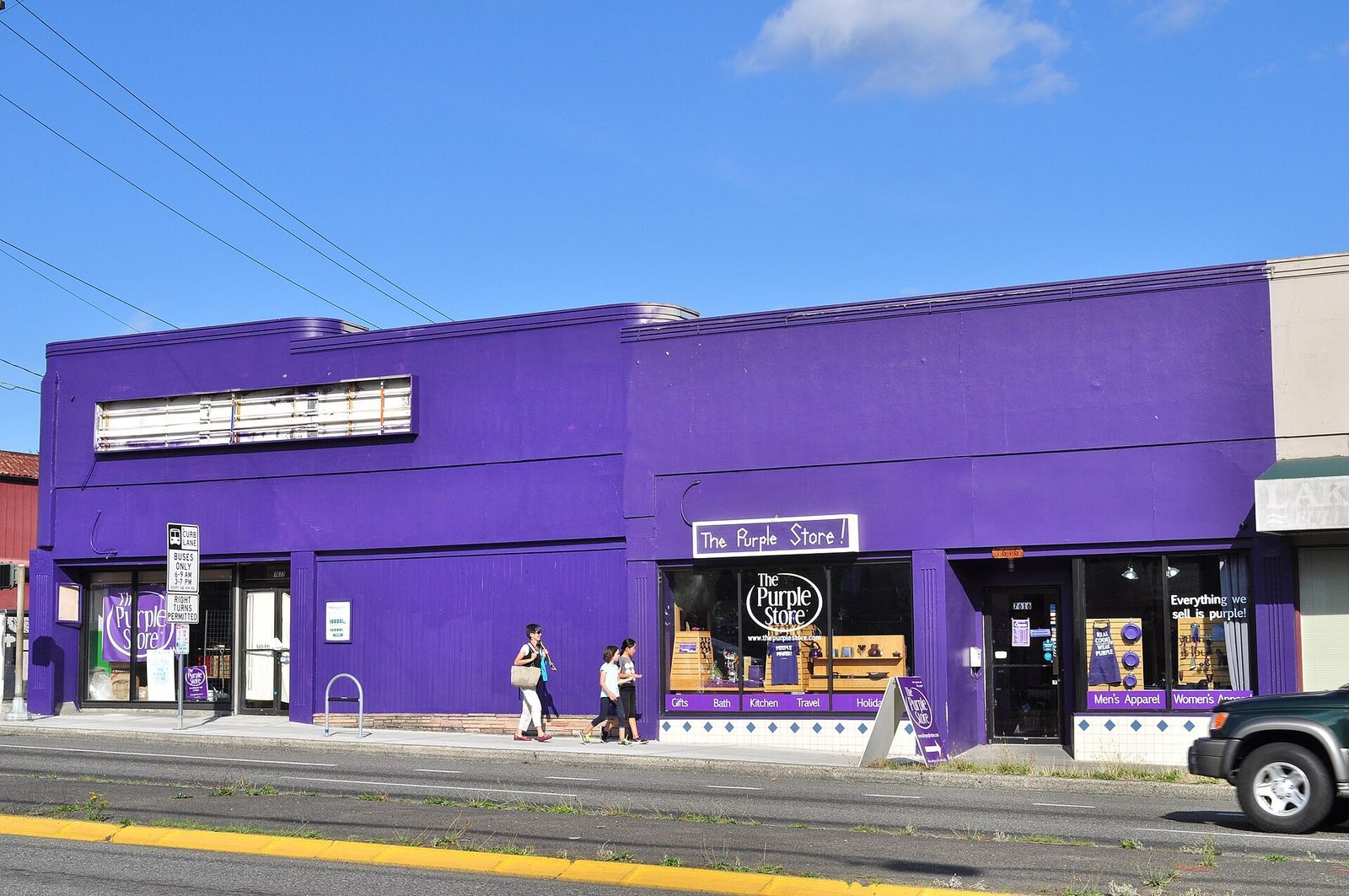
Image: Joe Mabel, CC BY-SA 3.0, via Wikimedia Commons

The Purple Store does exactly one thing: it sells purple items. Every single thing in the store is purple . Shirts, socks, kitchen appliances, furniture, jewelry, dog collars, dice, cowboy hats—if it exists and can be purple, The Purple Store has it.

This is the store for the person in your life who is very, very serious about their favorite color, or for anyone who finds the concept of a store with a strictly enforced color policy absolutely hilarious and also kind of admirable.

2
The Museum of Bad Art Store: Somerville, MA
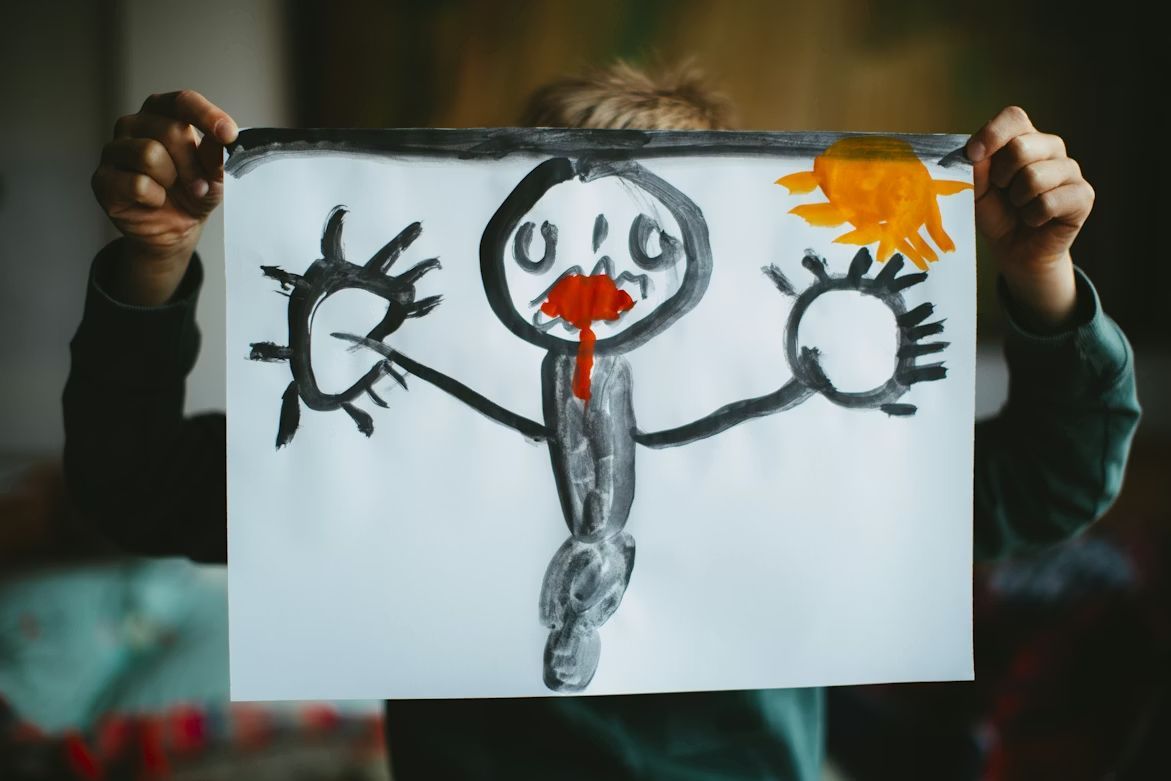
Image: Markus Spiske

The Museum of Bad Art exists to celebrate paintings that tried hard, fell short, and ended up magnificent for entirely the wrong reasons. The gift shop sells prints, books, and merchandise built around the museum's collection of gloriously terrible masterpieces .

Nobody here is embarrassed: the art is bad, everyone knows it, and that's precisely the point. This is the store for people who believe that effort deserves recognition regardless of outcome, and for anyone who has ever hung a painting in their living room that wasn't quite right and left it there for fifteen years anyway.

3
Marty's Reliable Cycle: Westfield, NJ

Image: hidde schalm

Operating since 1946, Marty's Reliable Cycle is the kind of place that shouldn't still exist but absolutely does. It's famous nationwide not just for its vintage bicycle inventory, but for its ceiling-to-floor stacks of cycling memorabilia, spare parts, and decades of accumulated everything that give it the feel of a very organized avalanche.

Walking in feels like stepping into a time capsule where someone hit pause around 1978. Cyclists make pilgrimages here. If you're passing through New Jersey and remotely enjoy bicycles, nostalgia, or both, it's worth the detour.

4
The Sock Drawer: Providence, RI
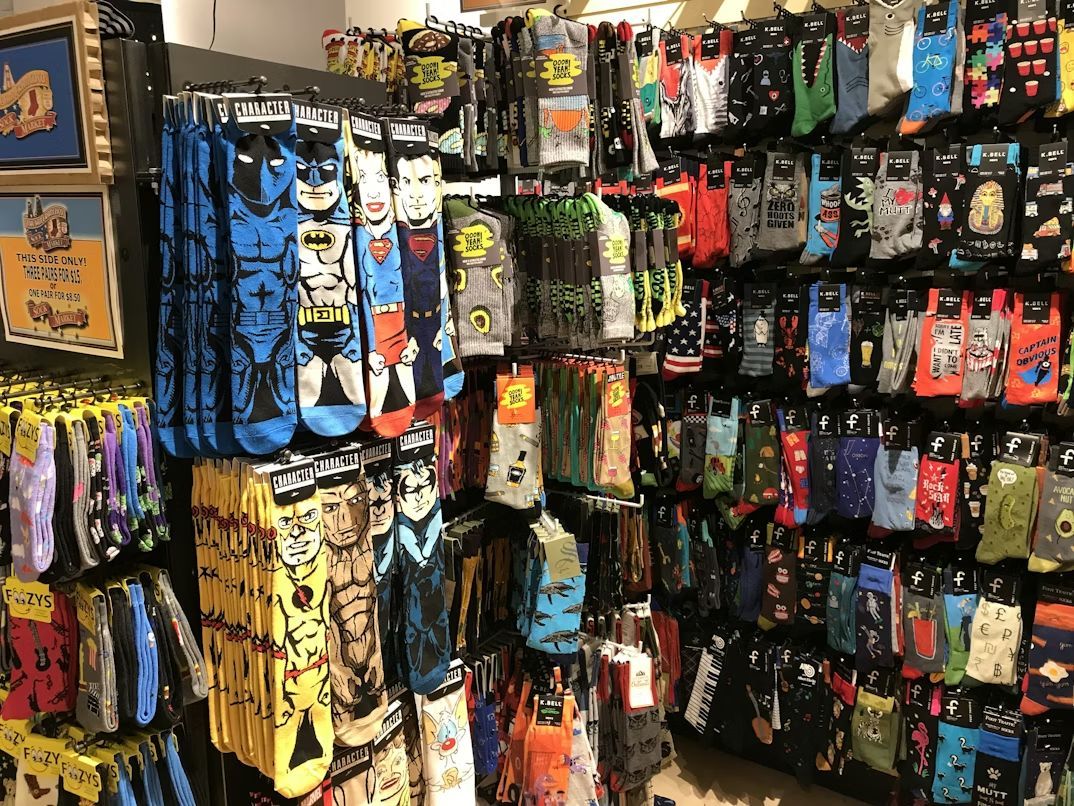
Image: Guido Coppa

The Sock Drawer is devoted entirely to novelty and compression socks in every pattern, theme, and level of absurdity imaginable . Cats riding tacos. Flaming hot dogs. Historical figures on argyle. If you can think of it, there’s a good chance The Sock Drawer already has it in stock.

What makes it more than a joke is that it also carries medical-grade compression socks for people who need them, meaning you can solve a circulation problem and walk out with a pair of socks featuring a screaming eagle at the exact same time.

5
Archie McPhee: Seattle, WA
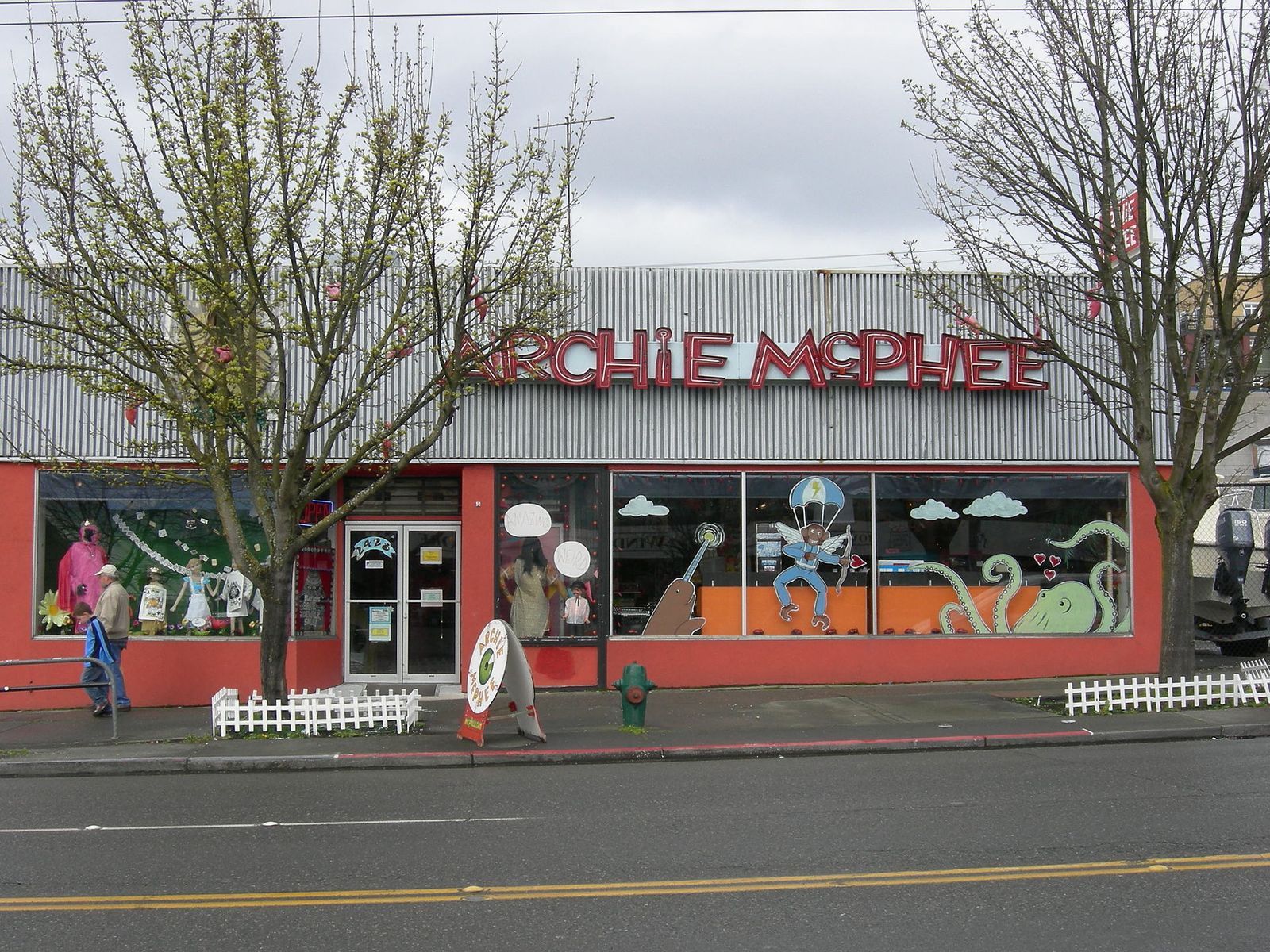
Image: Joe Mabel, CC BY-SA 3.0, via Wikimedia Commons

Archie McPhee has been selling rubber chickens, bacon-scented soap, canned unicorn meat, and inflatable Stonehenge for decades, and it shows no signs of slowing down or becoming even slightly more sensible. It is the undisputed gold standard of American novelty shops: the place other weird stores aspire to be when they grow up .

The genius of Archie McPhee is that everything is absurd, but nothing feels accidental. Someone sat down, thought very carefully about what the world needed, and concluded the answer was a horse head mask and a bag of dismembered gummy bears. They were right, and the store has the loyal following to prove it.

6
Wall Drug: Wall, SD
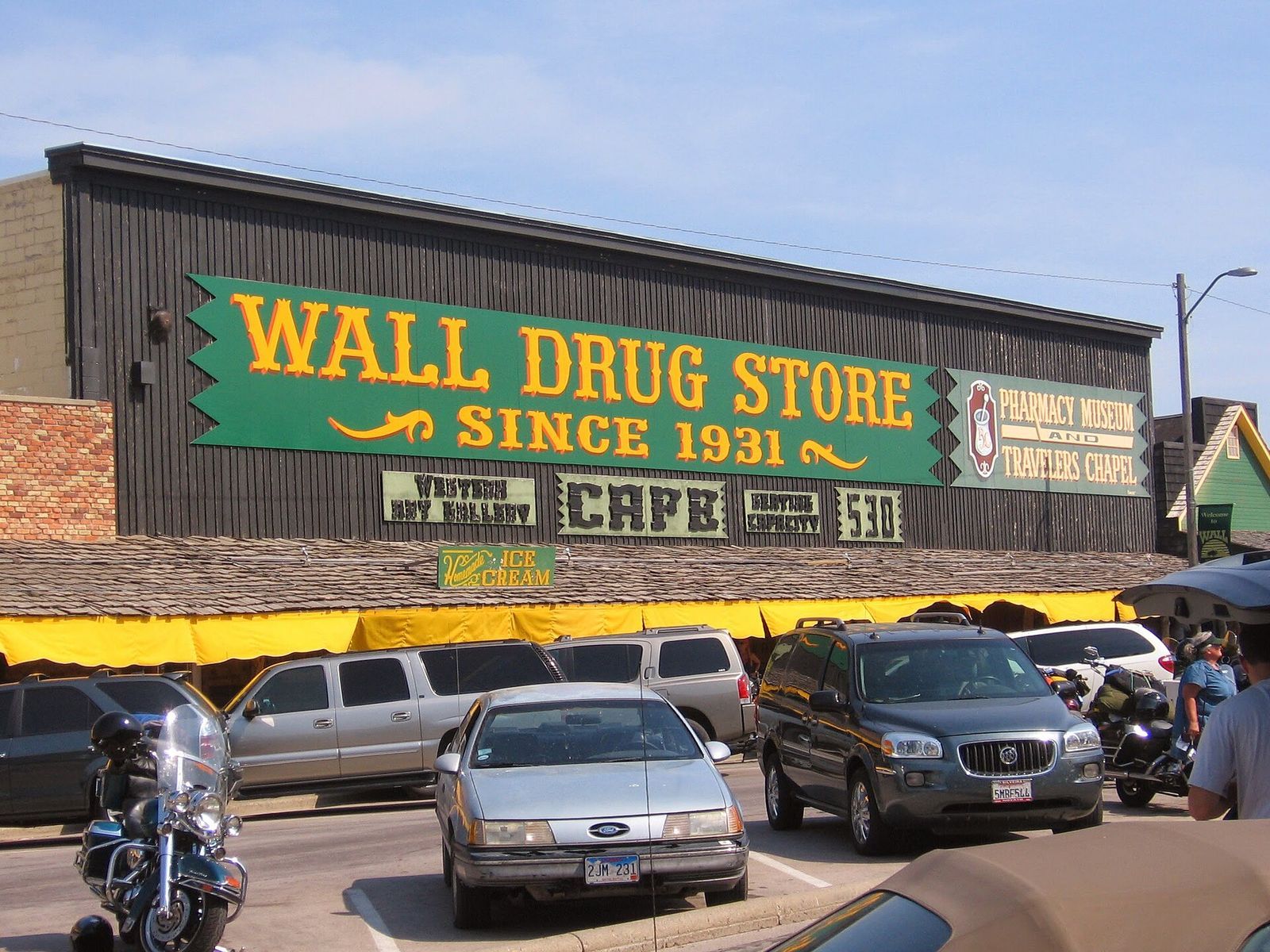
Image: Runner1928, CC BY-SA 4.0, via Wikimedia Commons

Wall Drug started as a modest drugstore in 1931 in the middle of South Dakota and somehow became one of the most aggressively advertised destinations in America. Signs for it appear thousands of miles away, and the complex has grown to fill an entire block with shops, exhibits, animatronic dinosaurs, and attractions that resist easy categorization. A five-cent cup of coffee is still on the menu.

Nobody drives to Wall Drug because they need something. They go because the signs wore them down over five straight states and they finally gave in. Once inside, the sheer scale of the thing (part store, part roadside attraction, part collective hallucination) becomes impressive.

7
Possumbilities: Fredericksburg, VA
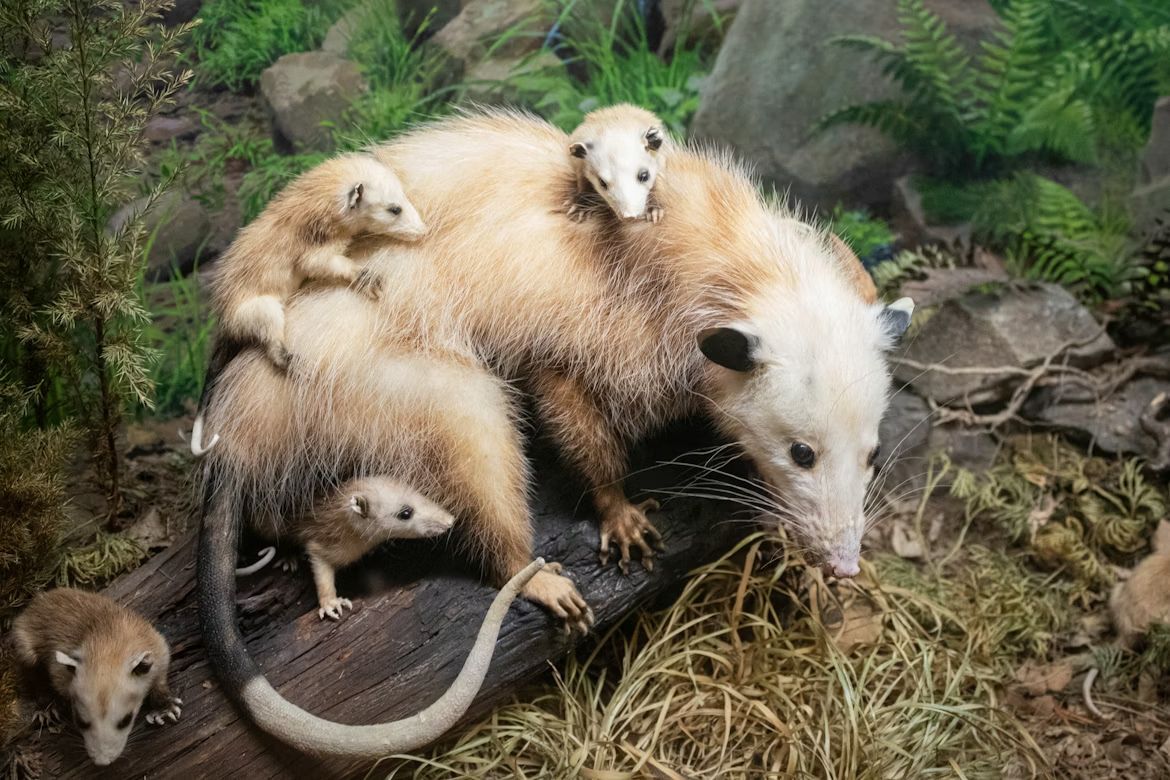
Image: Khải Đồng

Possumbilities is a gift shop, wildlife education center, and opossum advocacy organization all rolled into one cheerfully strange package. Run by a licensed wildlife rehabilitator named Karen Brace, the store sells opossum-themed merchandise —plushies, mugs, apparel, hand-crocheted baby opossum figures— and features live opossum ambassadors on-site Thursday through Monday.

This is the store for anyone who has ever been told that opossums are ugly and gross and wants to argue the point. Imagine stopping in Fredericksburg on a road trip, wandering into what looks like a small gift shop, and coming face-to-face with a real, live opossum named Stuart. That is a story you'll tell at every barbecue for the rest of your life.

8
Unclaimed Baggage: Scottsboro, AL
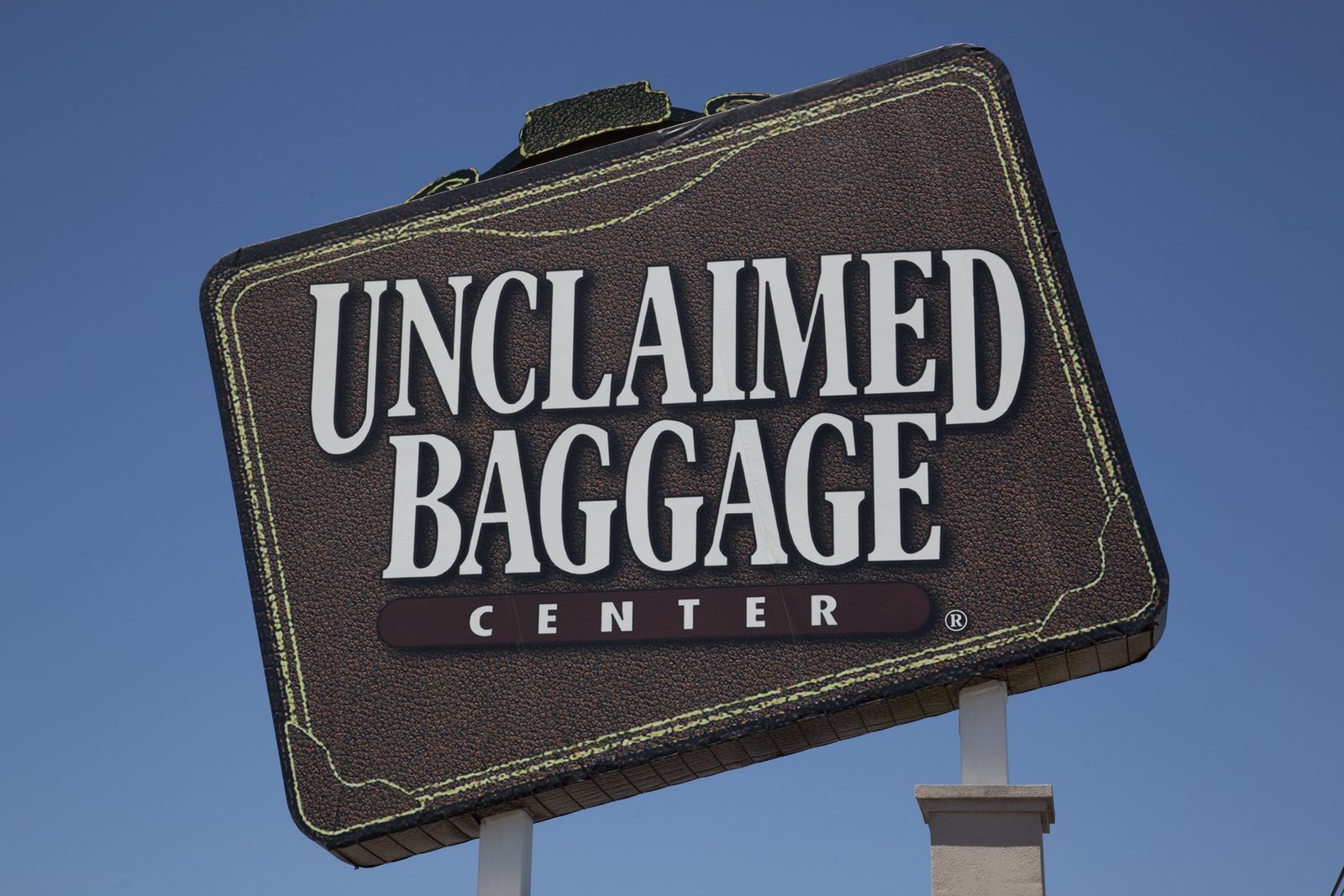
Image: Carol M. Highsmith, Public domain, via Wikimedia Commons

Unclaimed Baggage is exactly what it sounds like : a store that buys luggage that airlines have given up on reuniting with its owners—after a full three-month search—and sells the contents to the public . Items are cleaned, tested, appraised, and priced at up to 80% below retail value. New inventory arrives daily, because bags are lost daily.

Over the years, the store has turned up a NASA Space Shuttle camera, an Egyptian burial mask from around 1500 BC, a live rattlesnake, and a puppet from the Jim Henson film Labyrinth . The everyday inventory includes designer clothes, electronics, jewelry, and sporting goods, but the real draw is the promise that you have no idea what you'll find.

9
Ye Olde Curiosity Shop: Seattle, WA
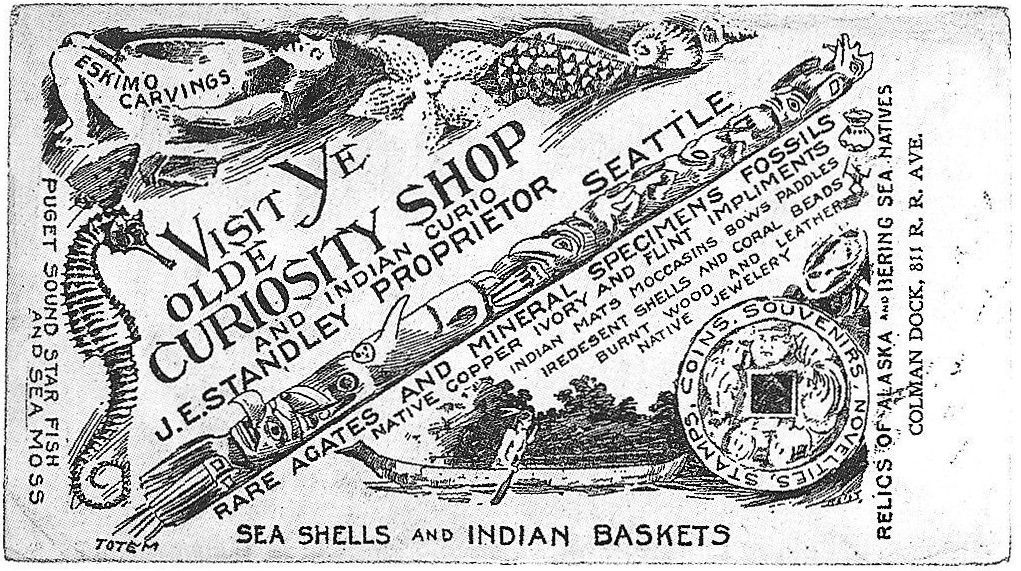
Image: Ye Olde Curiosity Shop, Public domain, via Wikimedia Commons

Ye Olde Curiosity Shop has been operating on Seattle's waterfront since 1899 and in that time has assembled a collection of genuine mummies, shrunken heads, narwhal tusks, and oddities that blur the line between souvenir shop and sideshow attraction. You can buy a snow globe or stand two feet from an actual mummified human body.

It’s the kind of place that would be impossible to open today and which survives partly on reputation, and partly on morbid curiosity.

10
The Mütter Museum Store: Philadelphia, PA
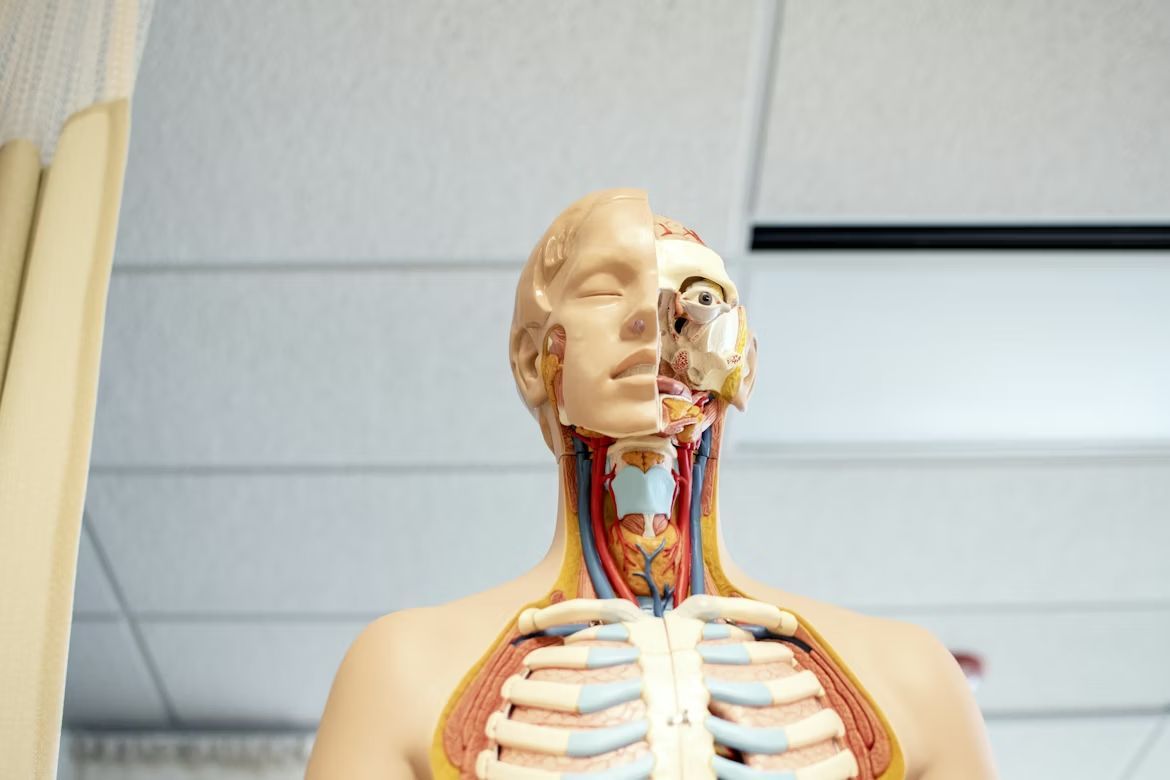
Image: Nhia Moua

The Mütter Museum is a medical history museum housing anatomical specimens, preserved human remains, and things in jars that no one entirely expects to find in downtown Philadelphia . Its gift shop sells anatomical models, medical curiosity replicas, and books that somehow make the whole experience feel educational and gift-able rather than deeply alarming—most of the time.

You can buy a soap shaped like a human brain, a replica Civil War surgical kit, or a calendar featuring unusual medical case studies from the 1800s. It's oddly tasteful given the subject matter, and the store has developed a devoted following.
General General 4 min read

American uniqueness

10 things America does differently from the rest of the world

Image: Shamblen Studios

The U.S. is a unique country in many ways , but some of these might shock tourists and foreigners because they differ from how they are done in other parts of the world. From etiquette rules to cooking styles to how to record a date, America has its own way of doing certain things . Let’s have a look at some of them!

1
Measuring

Image: Annie Spratt

This is a difference most Americans are aware of: most countries use the metric system rather than U.S. customary units, and most use Celsius instead of Fahrenheit. Countries such as the UK and Canada still use some imperial units in everyday life, but they mainly use the metric system. Another measure that confuses foreigners is the particular way ingredients are measured in American recipes, which often use cups, tablespoons, and teaspoons rather than measurements by weight.

Fun fact: The only other countries that use the Imperial system officially are Liberia and Myanmar.

2
Sales tax

Image: Zoshua Colah

Do you find having to calculate sales taxes annoying? That’s a unique American experience. In the majority of the world, the price you see is the price you pay , because it has the sales tax already added.

Why is it different in America? Sales taxes vary across states , so retailers find it easier to showcase the base price and then calculate the total at checkout.

3
Cutlery use

Image: Anna Kumpan

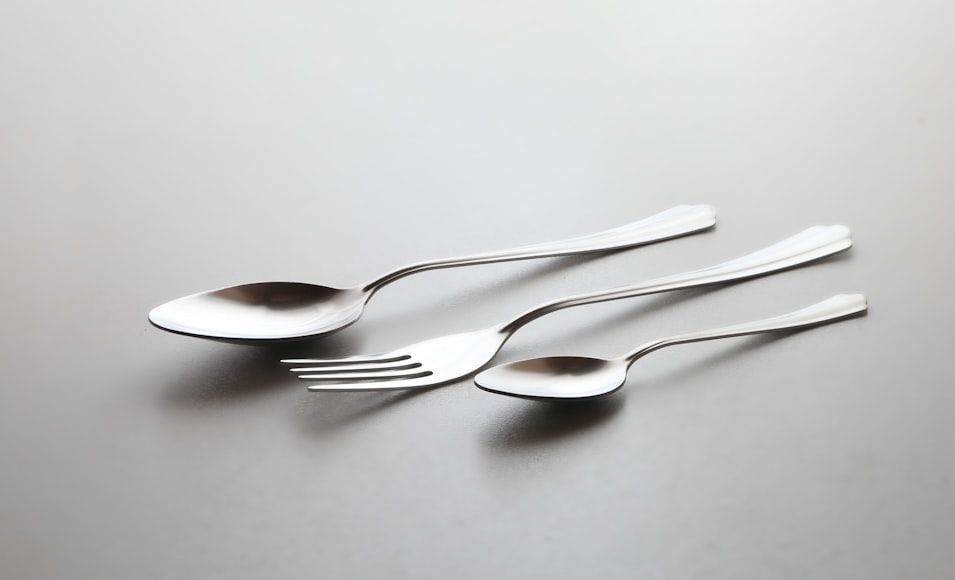
Many Americans abroad are surprised by the realization that not everyone uses a knife and fork in the same way they do . In fact, no one else does. While most Americans have learned the American style —also called the zig-zag or fork switching method— that involves using the fork in the left hand for cutting and then changing it to the right to pick up the food, European and Latin American countries don’t do this . It might seem like a small difference, but it completely changes the way you eat.

4
Iced drinks

Image: Battlecreek Coffee Roasters

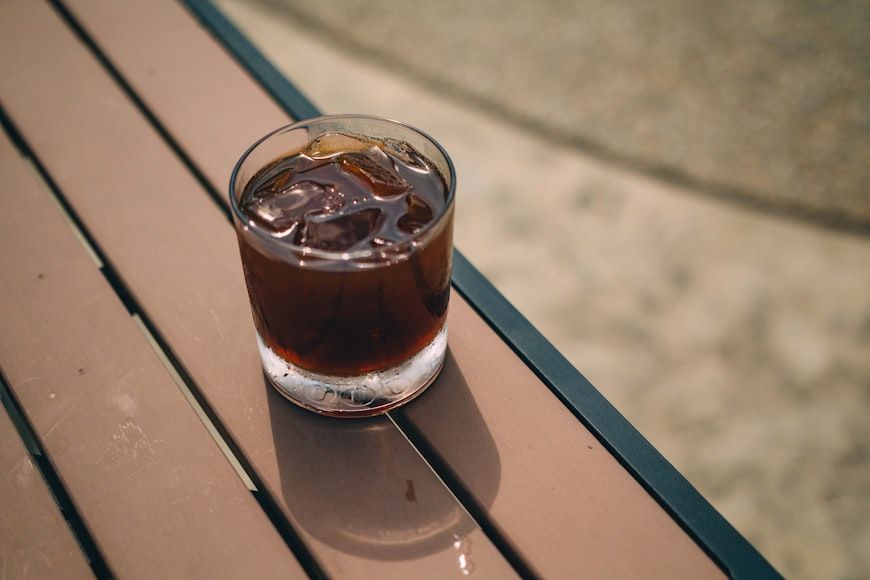
Do other countries not have ice? They do, but they don’t necessarily assume everyone will want it. While serving water and other beverages with ice is customary in America, in many other countries, you need to request it —even during the hottest of summers.

But even if you get ice, many times you will need to specify the amount : the same drink that would be filled with ice cubes in America might come to you with just two or three cubes elsewhere.

5
Date formatting

Image: Waldemar

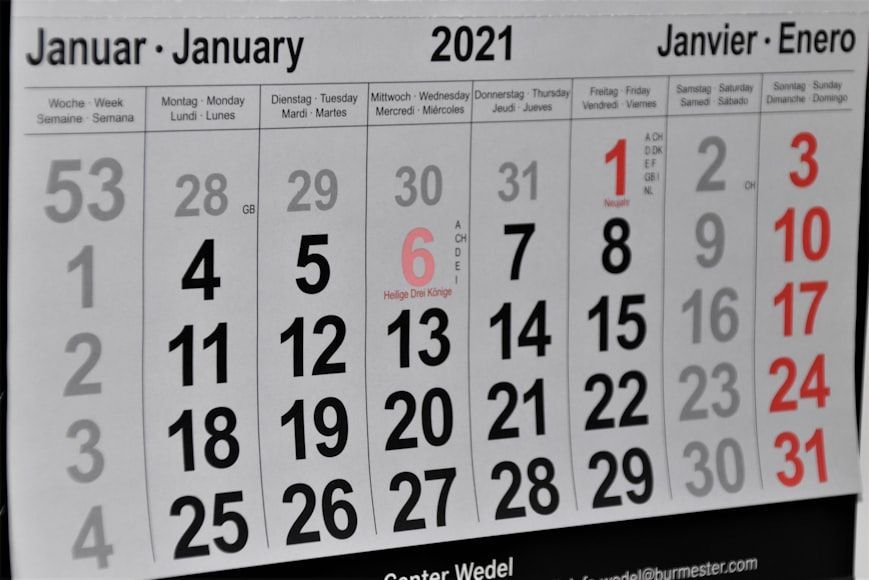
The U.S. is not completely alone on this one, but there’s a difference big enough to be worth mentioning. The standardized way of recording the date in America is month-day-year , a convention also followed by some Caribbean and Asian countries. But in the rest of the Western world, the conventional format is day-month-year , which can lead to confusion for Americans. In most Asian countries , the most commonly used format is year-month-day .

6
The word ‘American’

Image: frank mckenna

In the English language, ‘American’ is the only way to refer to people with U.S. citizenship . Other words, such as ‘Usian’ or ‘Unitedstatian’ have been proposed, but never stuck. This is why many Americans are surprised when other countries —Latin American countries in particular— use ‘American’ for anyone in the American continent , or continents, another big difference. In most European and Latin American countries, there is a different word for U.S. citizens, such as the Spanish ‘estadounidense’ or the Portuguese ‘estadunidense’ .

7
Moving out at 18 years old

Image: Dina Badamshina

This one is not so black and white, but more like a general tendency. Compared with most of Europe, Latin America, and Asia, Americans give serious consideration to the possibility of moving out after high school. Not everyone does, and not everyone can afford it, but it's fairly common.

In other countries, young adults generally move out if their job or education requires it , but they tend to stay at home a few more years if they can.

8
Driving a car as a teenager

Image: Dan Gold

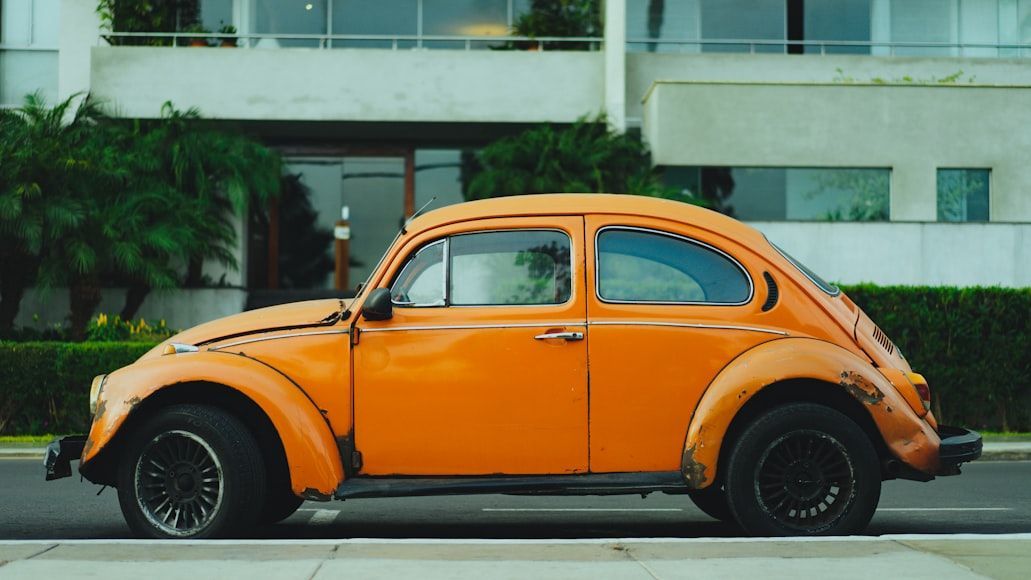
America is quite car-centric , especially if you live outside of the big cities. While not everyone can afford to have a personal car —even a second-hand one—, it is common for 16 and 17-year-olds to legally drive their parents’ car, or save for their own.

In the rest of the world, the chances of high schoolers driving themselves to school are much lower, as most countries don’t allow underage kids to get a driving license .

9
Solo cups

Image: Artem Beliaikin

Do plastic cups exist outside of the U.S.? They do, but they are not as iconic or as widely used as Solo cups, introduced in the 1970s as a disposable but sturdy cup for parties and events. Many foreigners visiting America are surprised when they realize that solo cups are a real thing , and not something that just happens in movies.

10
Filing taxes

Image: Olga DeLawrence

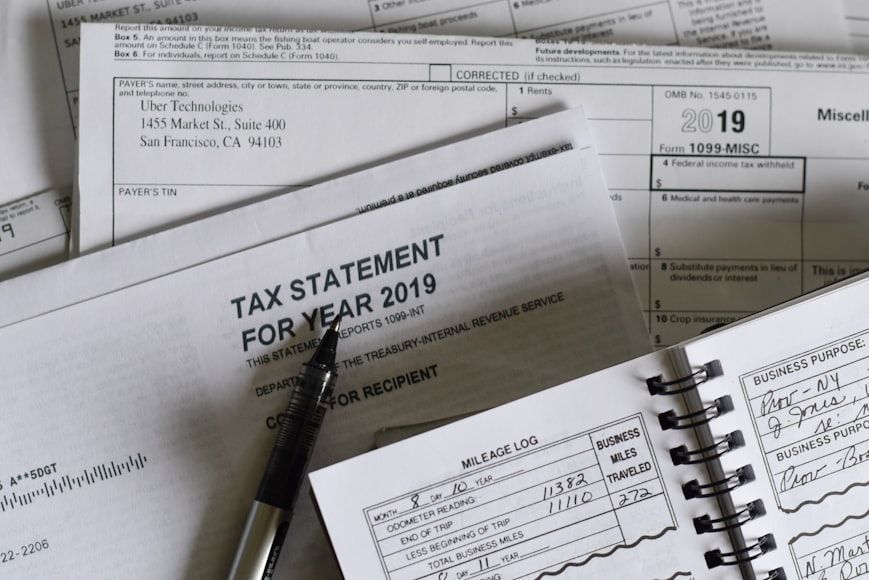
Taxes in the U.S. are not that different from taxes in other countries, except for how they are filed . During tax filing season, thousands of Americans direct their efforts to ensure they have properly reported their income and that their return will match the IRS’s data.

In other parts of the world, however, the one responsible for calculating and filing taxes is the government , while citizens merely corroborate that everything is in order.

Culture Culture 3 min read

I want to believe

11 famous hoaxes in American history that fooled everyone

Image: Hartono Creative Studio

The fact that not every little thing in our world can yet be explained makes life a bit more interesting for many of us. And that urge to believe in certain things has fostered many myths and hoaxes that continue to fool people to this day. How many of the following 11 do you know?

1
The Cardiff Giant

Image: Anton Ivanov

In 1869, workers digging a well in Cardiff, New York, uncovered what appeared to be a 10-foot-tall petrified man. Locals rushed to see the "giant," paying admission to witness history in the soil.

But, as it turned out, it wasn’t ancient at all. A man named George Hull had buried the statue as a prank and made some quick money from the curious crowd.

2
War of the Worlds Broadcast

Image: Michal Balog

This very famous hoax took place on the eve of Halloween 1938. Orson Welles’s radio adaptation of The War of the Worlds aired as if it were breaking news . Many listeners tuning in late thought Martians had really landed in New Jersey.

Some packed up their cars or called the police in panic. Though no invasion occurred, the broadcast became a legend in media history.

3
The Balloon Boy

Image: Ankush Minda

In 2009, Americans watched live TV coverage of a silver balloon drifting across the skies of Colorado , fearing that a six-year-old boy was trapped inside . The story gripped the nation for hours.

When the balloon finally landed empty, police discovered the child hiding safely at home. His parents later admitted it was a publicity stunt gone wrong.

4
The Feejee Mermaid

Image: Nsey Benajah

In 1842, showman P. T. Barnum unveiled a marvel: a preserved "mermaid" supposedly from the South Seas . Crowds lined up to see the half-fish, half-woman curiosity.

The truth was stranger still. It was the upper body of a monkey sewn onto a fish tail and covered in papier-mâché.

5
The Great Moon Hoax

Image: Ganapathy Kumar

Readers of The New York Sun in 1835 were astonished by reports claiming that scientists had spotted bat-like people and crystal palaces on the Moon through a powerful new telescope.

The story was pure invention, but circulation went up. By the time the truth came out, the paper’s readership had reportedly increased dramatically.

6
The Crop Circles Craze

Image: Agent J

When perfect circles began appearing overnight in wheat fields , people talked about UFO landings. The shapes seemed too precise to have been made by human hands.

But, in 1991, two Englishmen confessed they’d used boards and ropes to flatten the crops. While this revelation explained many of the formations, the mystery lives on in popular imagination.

7
Alien Autopsy Film

Image: Leo_Visions

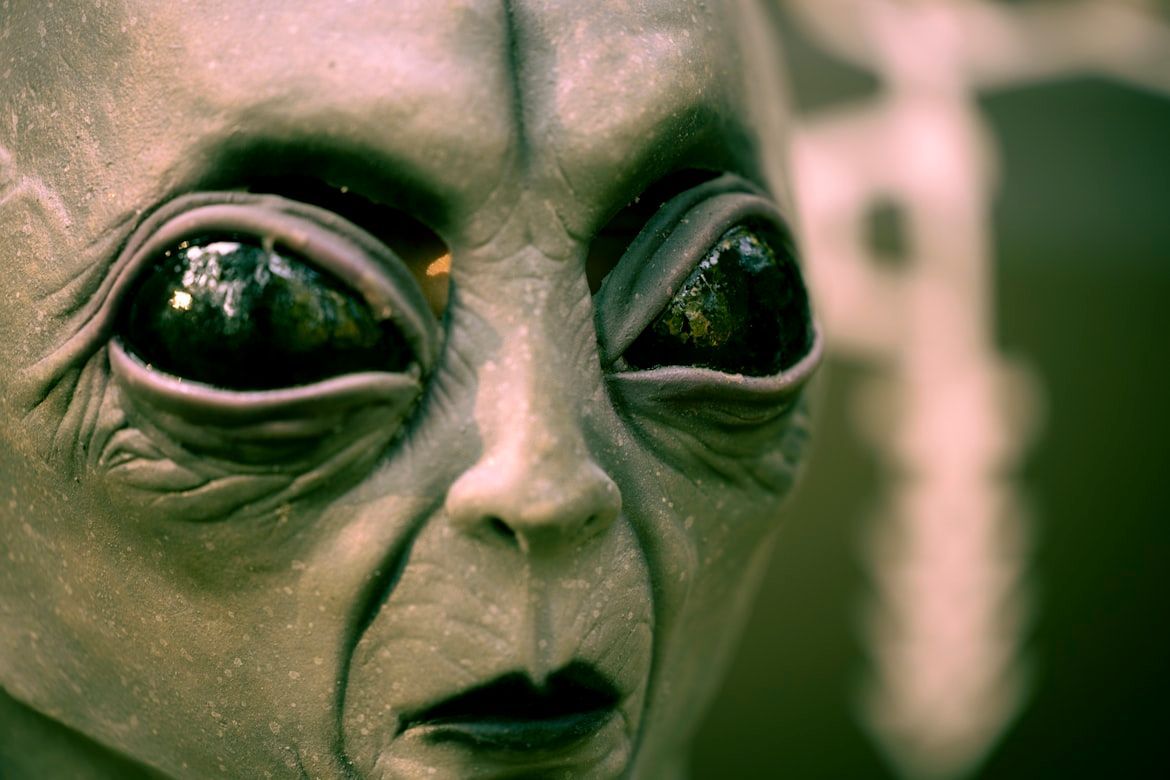
In 1995, a grainy black-and-white video surfaced, showing doctors dissecting what seemed to be an alien recovered from the 1947 Roswell crash. The footage spread quickly worldwide.

Years later, the filmmaker admitted that the film was staged, using latex models and fake organs.

8
The Manti Te’o girlfriend hoax

Image: Kaleb Becker

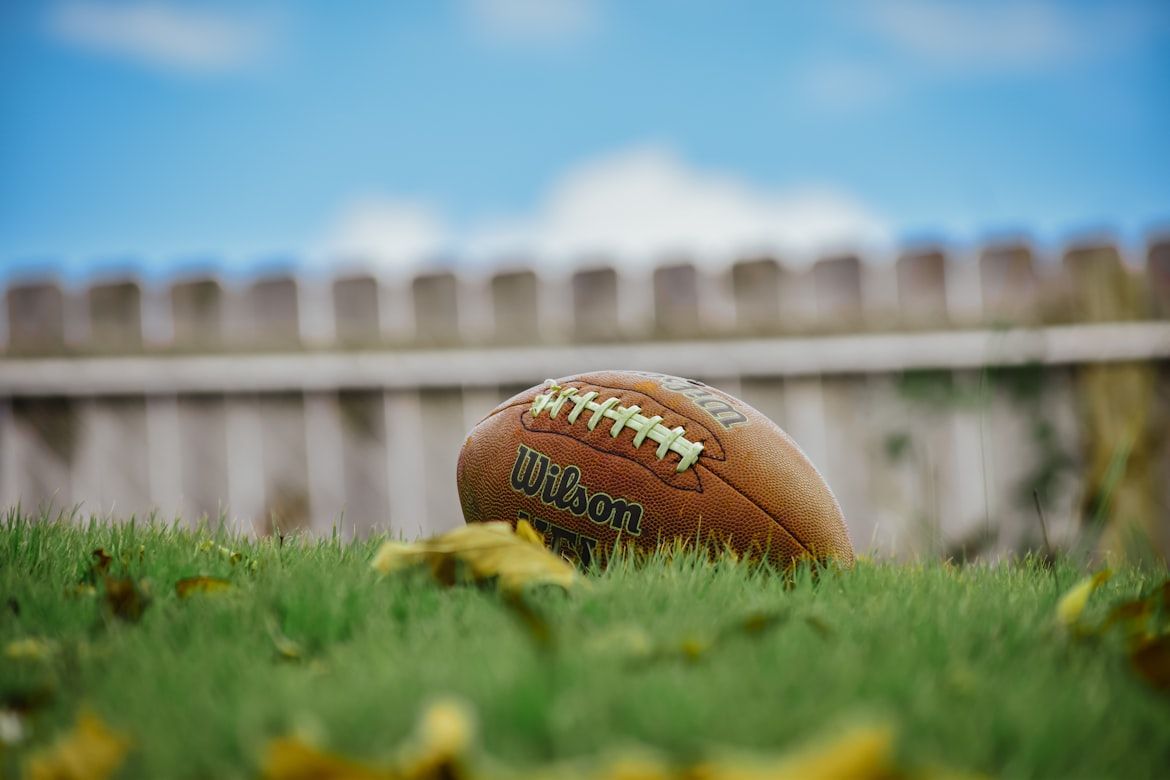
Notre Dame football star Manti Te’o captured hearts when he revealed that his girlfriend had died of leukemia . Sports fans wept over the tragic love story.

But reporters later learned that the woman never existed. It was an elaborate online catfishing scheme.

9
The Patterson–Gimlin Bigfoot film

Image: Jon Sailer

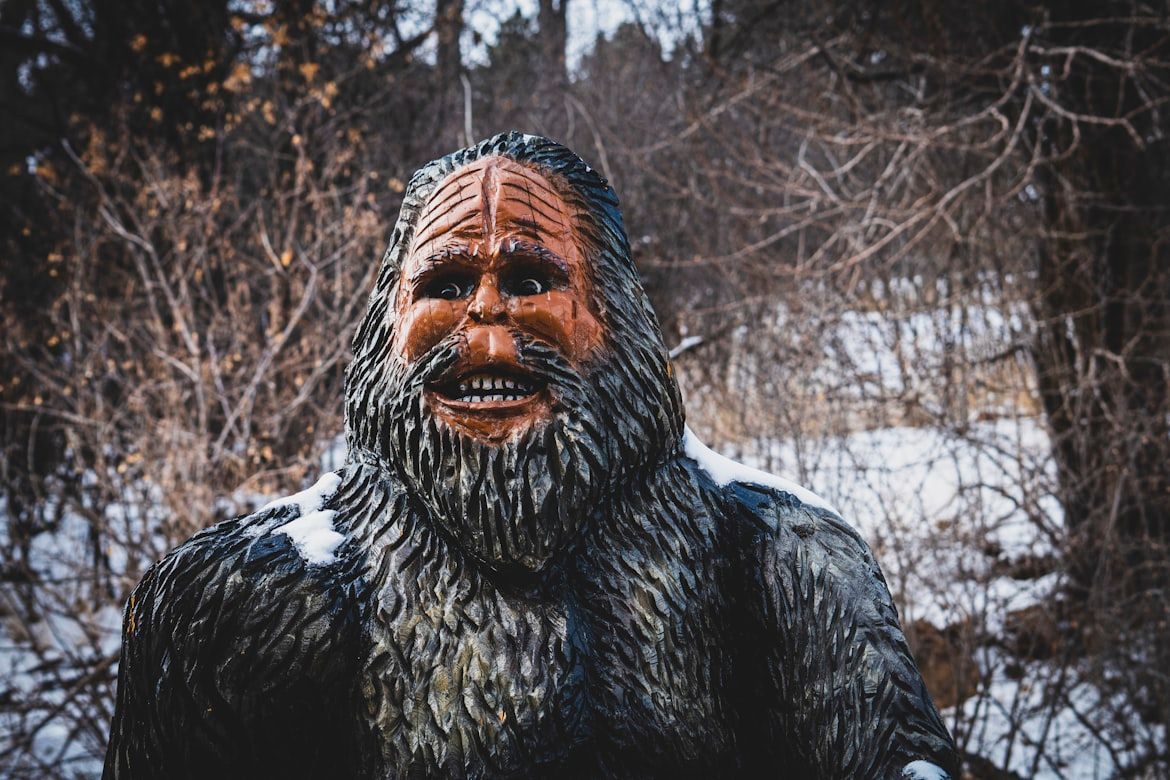
In 1967, a short film shot in California showed a large, hairy creature striding through the woods . Many viewers thought this was real proof of Bigfoot´s existence.

Decades later, one participant claimed it was a man in a gorilla suit, but that claim failed to convince many people who prefer to believe in the existence of this creature.

10
The Drake’s Plate of Brass

Image: David Dibert

In 1936, a shiny brass plate found in California seemed to confirm that explorer Sir Francis Drake had landed there in 1579. Historians called it a priceless relic.

For decades, the plate was displayed proudly, until metallurgical tests in 1977 proved it was modern . It had been made as a practical joke among historians that went too far.

11
Paul Is Dead

Image: Jiamin Huang

The final entry on our list might not be American per se, but it drew much attention on these shores. In 1969, rumors spread that Beatle Paul McCartney had died and been secretly replaced by a double . Fans scoured album covers for "clues" like hidden messages and backward songs.

Paul, very much alive, later joked about it. The bizarre theory became a lasting pop-culture phenomenon.

Explore more American facts

Choose your favorite category!

General
General

As American as apple pie—the very best America has to offer!

Culture
Culture

Delve into the astounding richness of American lore.

Geography
Geography

Hop in and explore vast and diverse American landscapes.

History
History

Discover the key moments that shaped the United States.