History History 7 min read

Full story

Who was Uncle Sam before the famous poster? The mystery revealed
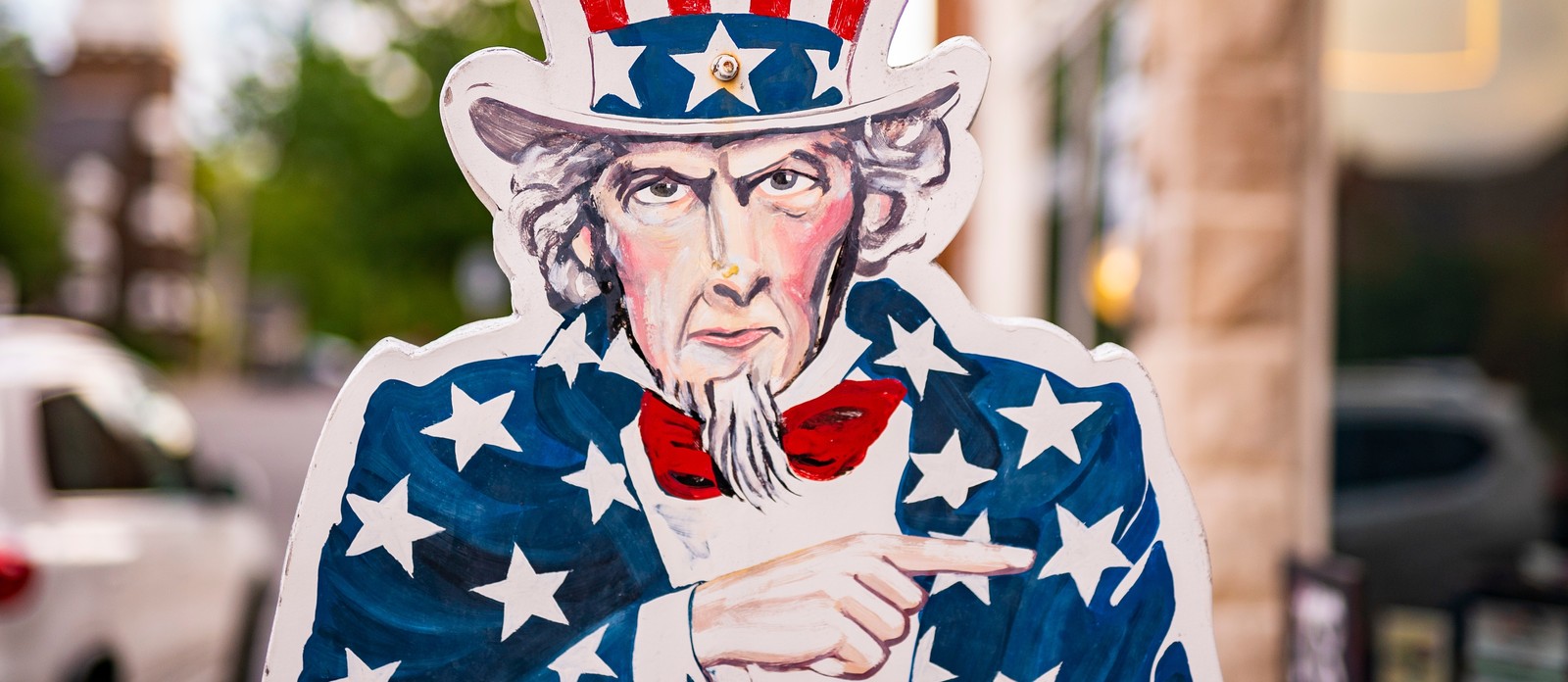
Image: Cory Woodruff

You know Uncle Sam's face from posters, coins, and cartoons, but did you know he started out as a real meatpacker from Troy, New York, stamping beef barrels with two letters that changed everything? Long before the stern man in stars and stripes pointed his finger at you, he wore patchwork clothes, borrowed his pose from a British general, and even helped sell war bonds through baseball. Ten surprising moments shaped the Uncle Sam you know today, and a few of them might genuinely catch you off guard.

1
A meatpacker from Troy sparks a nickname
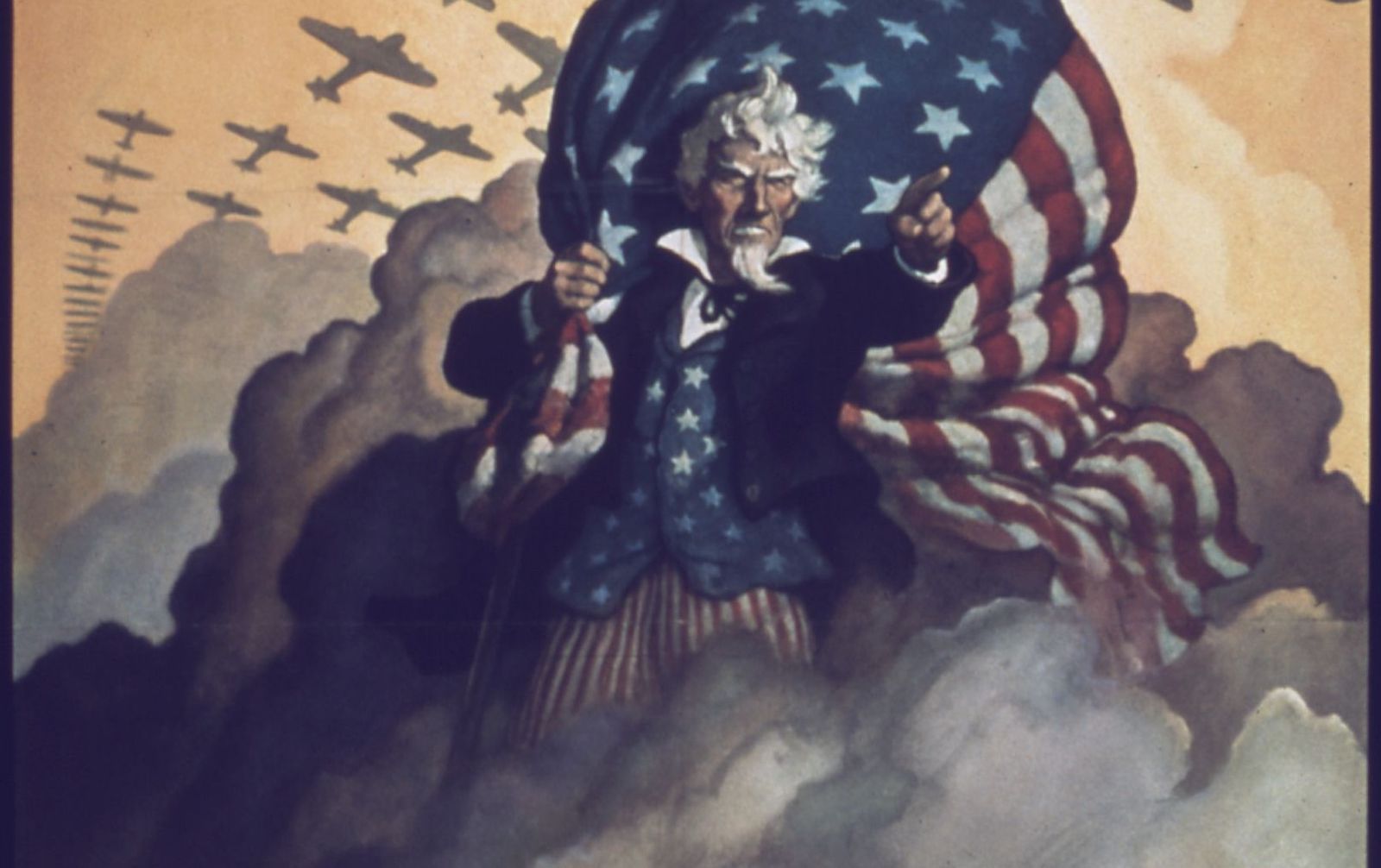
Image: National Archives at College Park, Public domain, via Wikimedia Commons

In 1812, while the country was at war with Britain again, soldiers stationed near Troy, New York, needed to eat. A local businessman named Samuel Wilson, who ran a meatpacking company with his brother Ebenezer along the Hudson River, won a contract to supply barrels of beef and pork to the army.

Wilson stamped every barrel "U.S." for United States, but around town he was already known by a friendlier name, Uncle Sam, for being an honest and generous employer to the many workers who passed through his docks. Soldiers saw the initials, heard the nickname, and started joking that their rations came courtesy of "Uncle Sam" himself. What started as a joke stuck, and local newspapers quickly picked it up, marking the first step in Uncle Sam’s story.

2
A patchwork figure before the patriotic suit
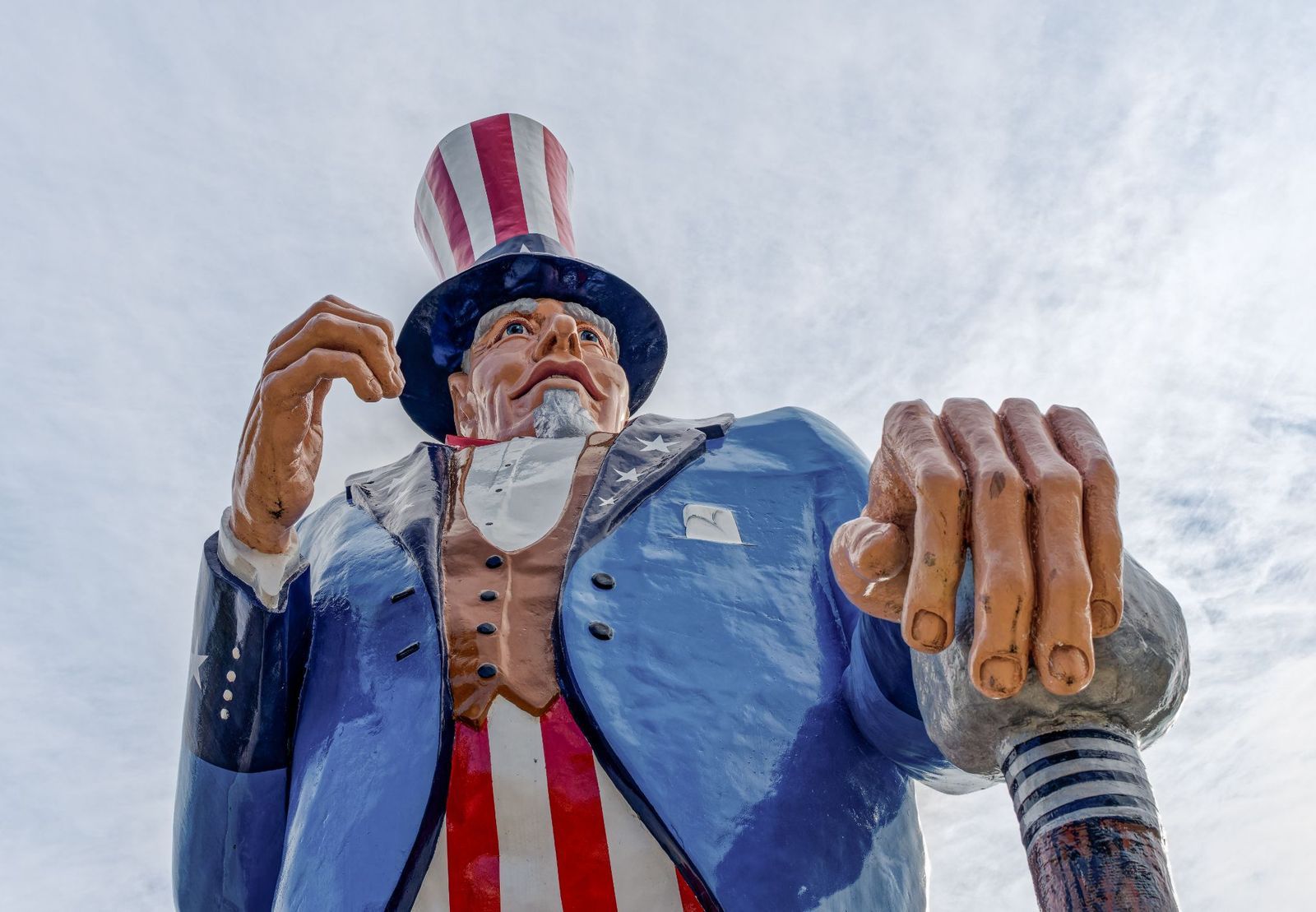
Image: Rosemarie Mosteller

Before Uncle Sam wore his familiar star-spangled coat, he looked more like any other fisherman.

The earliest known drawing of him appeared in the New York Lantern in 1852 , decades after Samuel Wilson first earned the nickname back in Troy. In that cartoon, he had no top hat, no red and white stripes, nothing close to what you would recognize today. Early illustrators dressed him in rustic, everyday clothes, sometimes patchwork, because he was meant to represent the common American, not a polished symbol of government sitting in an office. It took years of cartoonists experimenting, borrowing bits from other figures and dropping others, before Uncle Sam’s look settled into anything close to consistent.

3
The Civil War gives him his iconic aesthetic
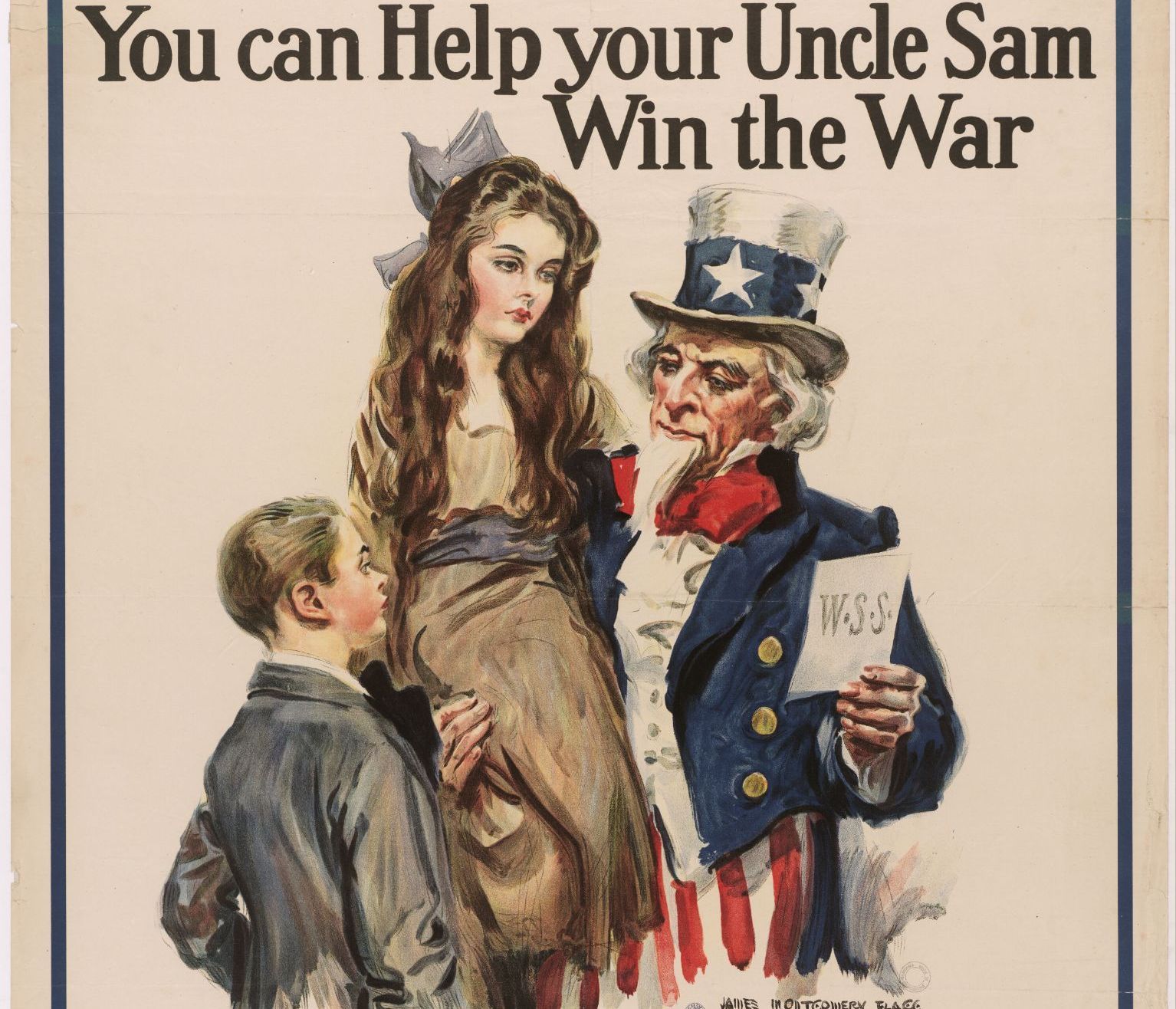
Image: Bibliothèque nationale de France, Public domain, via Wikimedia Commons

During the Civil War, Uncle Sam needed to do more than represent the country. He needed to rally it. Editorial cartoonists of the era, most famously Thomas Nast at Harper’s Weekly , reworked him into someone sharper and more commanding , trading the rustic patchwork look for a tall, lean man with a top hat and striped trousers.

Nast used Uncle Sam to speak for the Union cause and to argue for keeping the country unified, at a time when families followed the war through newspaper cartoons the way we now follow headlines on our phones. This version of Uncle Sam, dignified rather than folksy, laid the groundwork for the figure who would later stare down at millions of Americans from recruitment posters, decades before that poster was ever drawn.

4
Uncle Sam becomes a tool of political satire
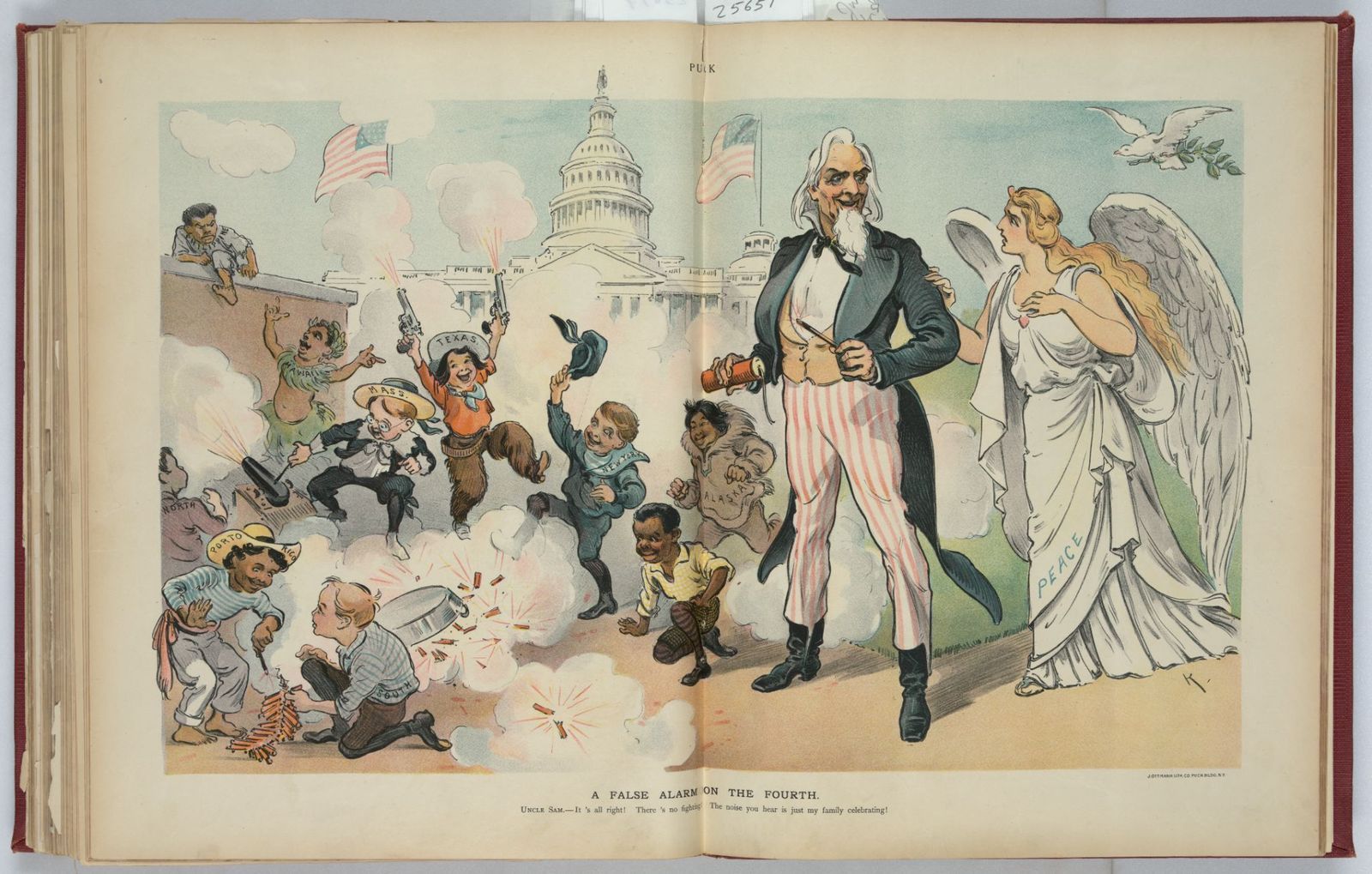
Image: Udo Keppler, Public domain, via Wikimedia Commons

By the turn of the 20th century, Uncle Sam had developed a new side: he could make a political argument without saying a word.

As the United States expanded overseas after the Spanish-American War, cartoonists used his body, clothes, and size to debate what that expansion meant. Around 1900, in J.S. Pughe’s cartoon "Declined with thanks," an oversized Uncle Sam gets measured for an ever bigger suit, a visual joke about the country’s growing territorial expansion. The joke was visual, but the issue was serious. Uncle Sam had become a flexible political weapon, useful both to supporters and critics of American power. The character could literally grow as the nation grew, making him ideal for newspaper satire.

5
A British general points the way first
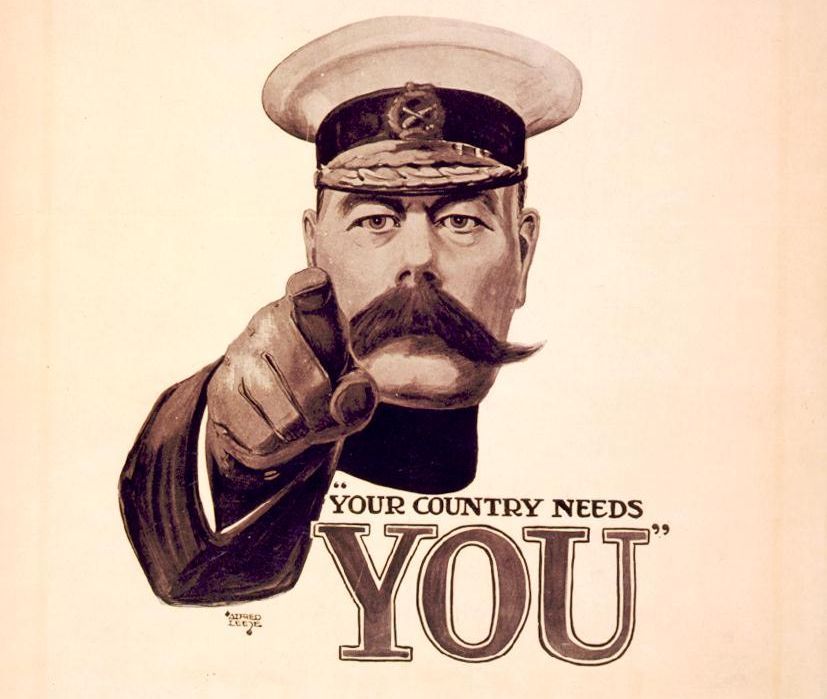
Image: Alfred Leete, Public domain, via Wikimedia Commons

Here’s the twist most people don’t know about: That famous pointing finger, the one every American associated with Uncle Sam, was not originally American at all.

In 1914, as Britain entered World War I, illustrator Alfred Leete created a recruitment poster showing Lord Kitchener, Britain’s Secretary of State for War, pointing directly at the viewer above the words: "Britons: Join Your Country’s Army." The poster ran on magazine covers and street corners across the country and became one of the most talked-about images of the war’s early days. A few years later, on the other side of the Atlantic, an American artist would study that same commanding pose and realize it was exactly what his own country needed to put on paper.

6
An artist paints himself into history
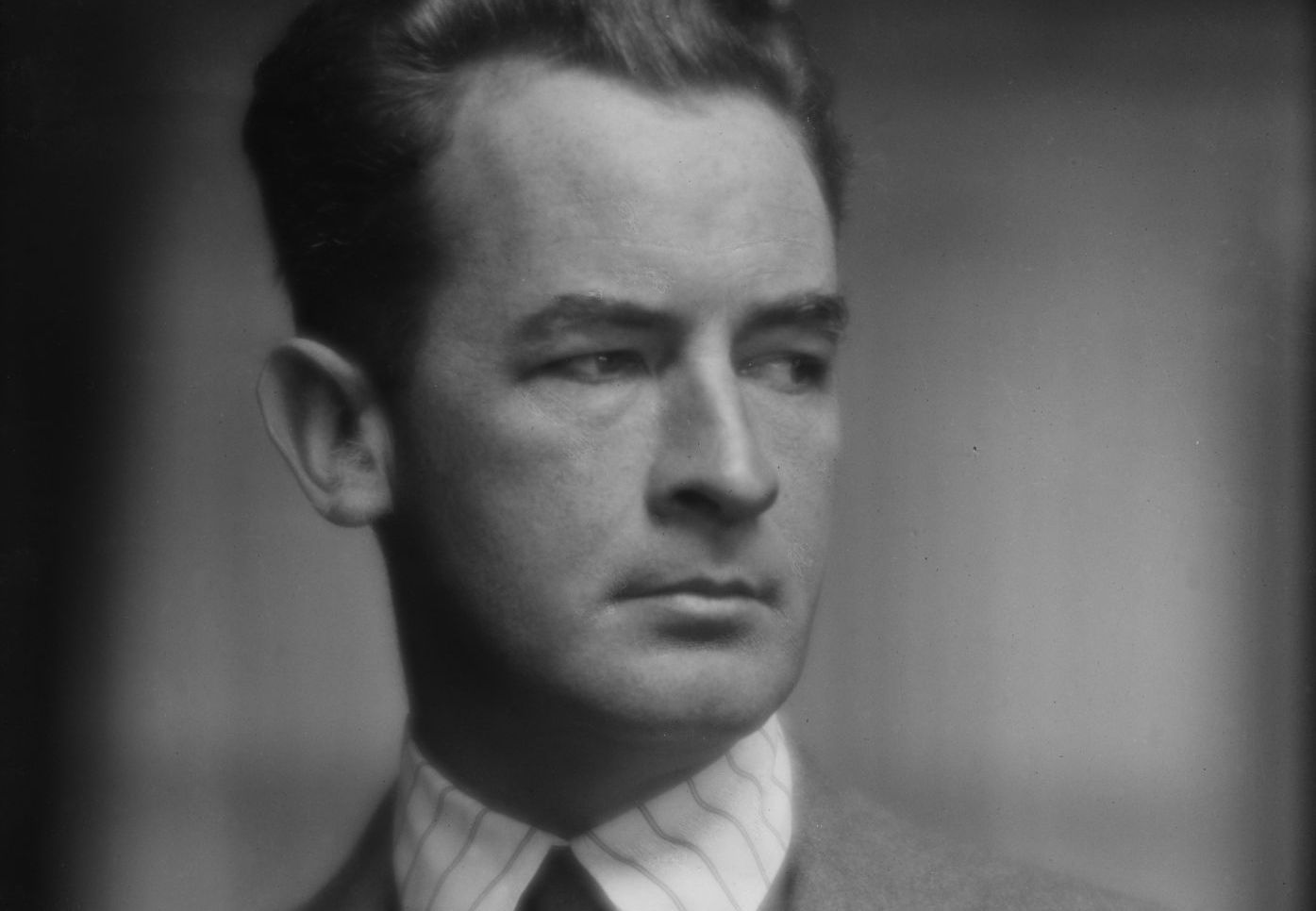
Image: Arnold Genthe, Public domain, via Wikimedia Commons

That American artist was James Montgomery Flagg, a well-known illustrator commissioned by the Committee for Public Information to create a recruitment poster for WWI in 1917.

The plan was simple: echo the Kitchener pose with an American face. There was just one problem: the model scheduled to sit for the painting never showed up that day. Rather than waste the afternoon, Flagg propped up a mirror in his studio and used his own reflection, adding a goatee and white hair to age himself into the role of Uncle Sam. The result, "I Want You for U.S. Army," turned out to be the defining image of Uncle Sam for generations, all because one artist got impatient and decided not to wait around for someone else to show up.

7
A single poster printed over four million times
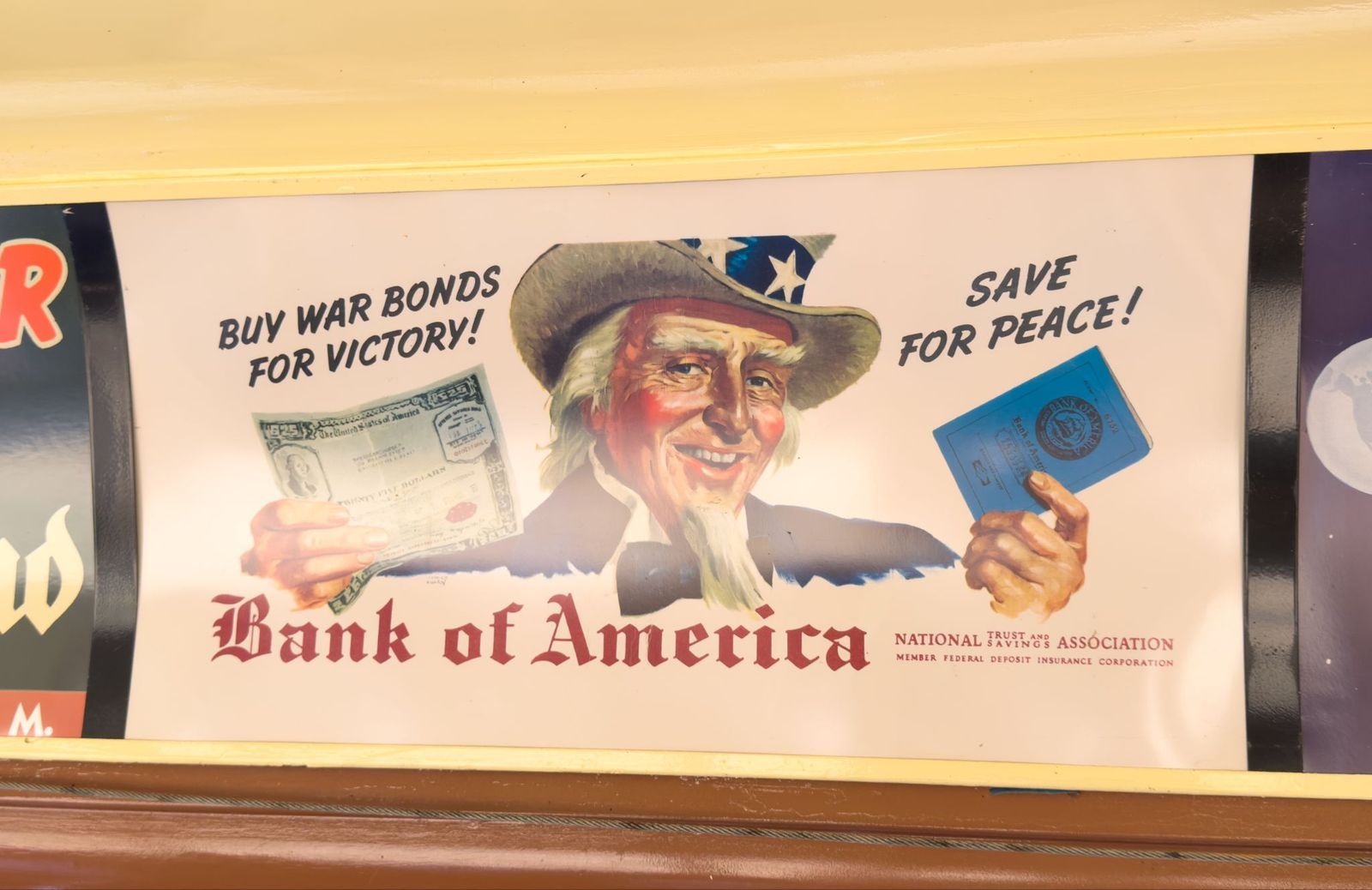
Image: ZikG

Numbers rarely tell a full story, but this one comes close. Between 1917 and 1918, Flagg’s Uncle Sam poster was printed more than four million times, plastered across train stations, storefronts, and town squares nationwide, often right next to enlistment tables.

It pushed Americans to sign up for service, to buy Liberty Bonds, and to see the war as something that involved them personally, not just the soldiers overseas. Few pieces of American graphic design have ever reached that scale of distribution, and fewer still have stayed recognizable a century later. If you have ever seen a Halloween costume, a magazine cover, or a protest sign featuring that pointing finger, you have already seen Flagg's poster still at work.

8
Uncle Sam trades his rifle for a baseball bat
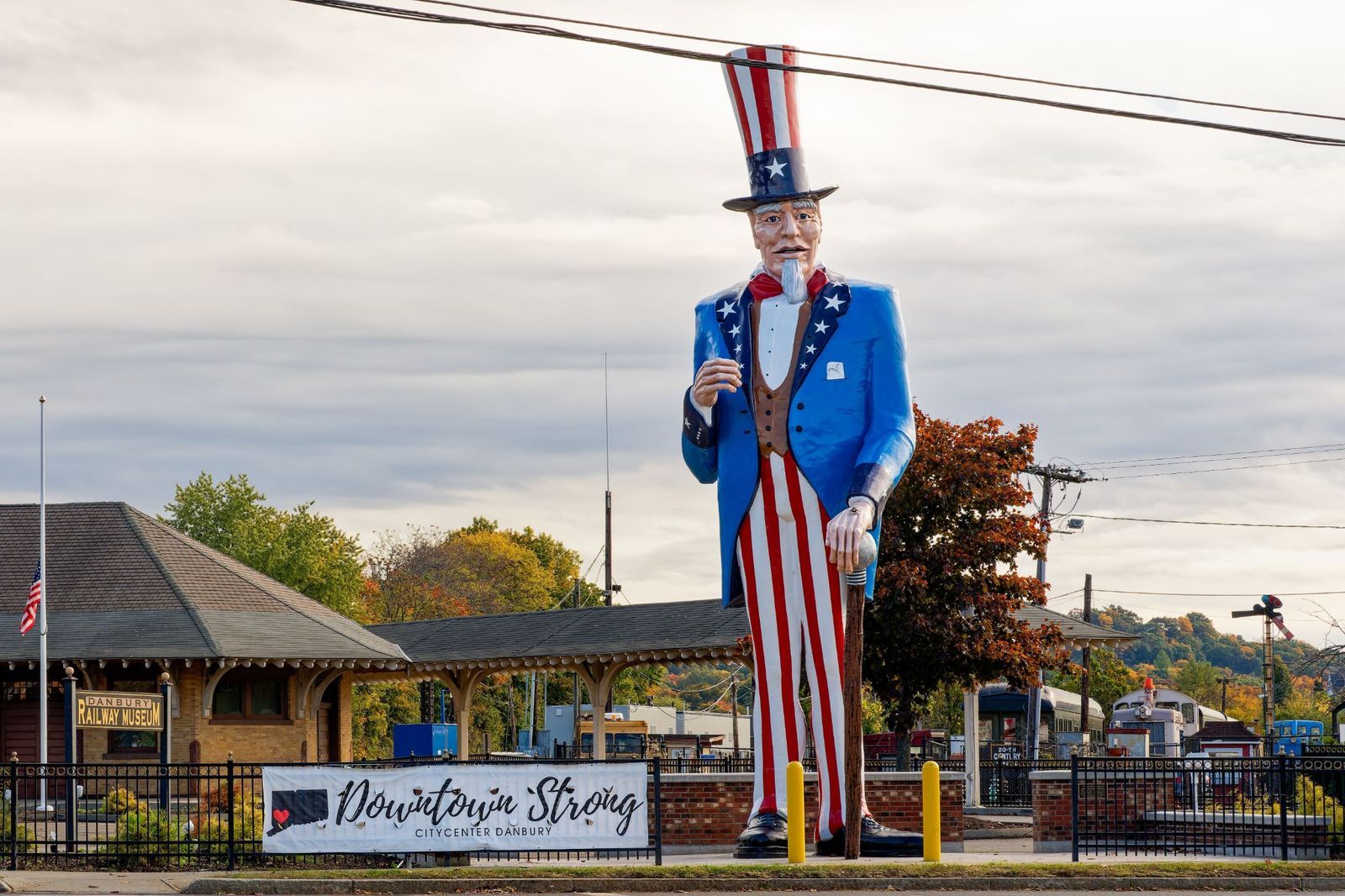
Image: Rosemarie Mosteller

Not every wartime appearance of Uncle Sam involved a battlefield. Illustrators found plenty of other uses for his familiar face between 1917 and 1918, some of them surprisingly playful.

J.C. Leyendecker drew him swinging a baseball bat under the slogan "Get in the Game," nudging Americans toward the war effort through a sport nearly everyone already loved on weekend afternoons. Flagg himself created a gentler image of Uncle Sam with his arm around a horse, part of a campaign asking Americans to support the care of military animals overseas. These lighter, unexpected adaptations remind us that propaganda during that era was not only about urgency; it also leaned on familiarity and warmth to make its point stick.

9
Pearl Harbor brings the same face back
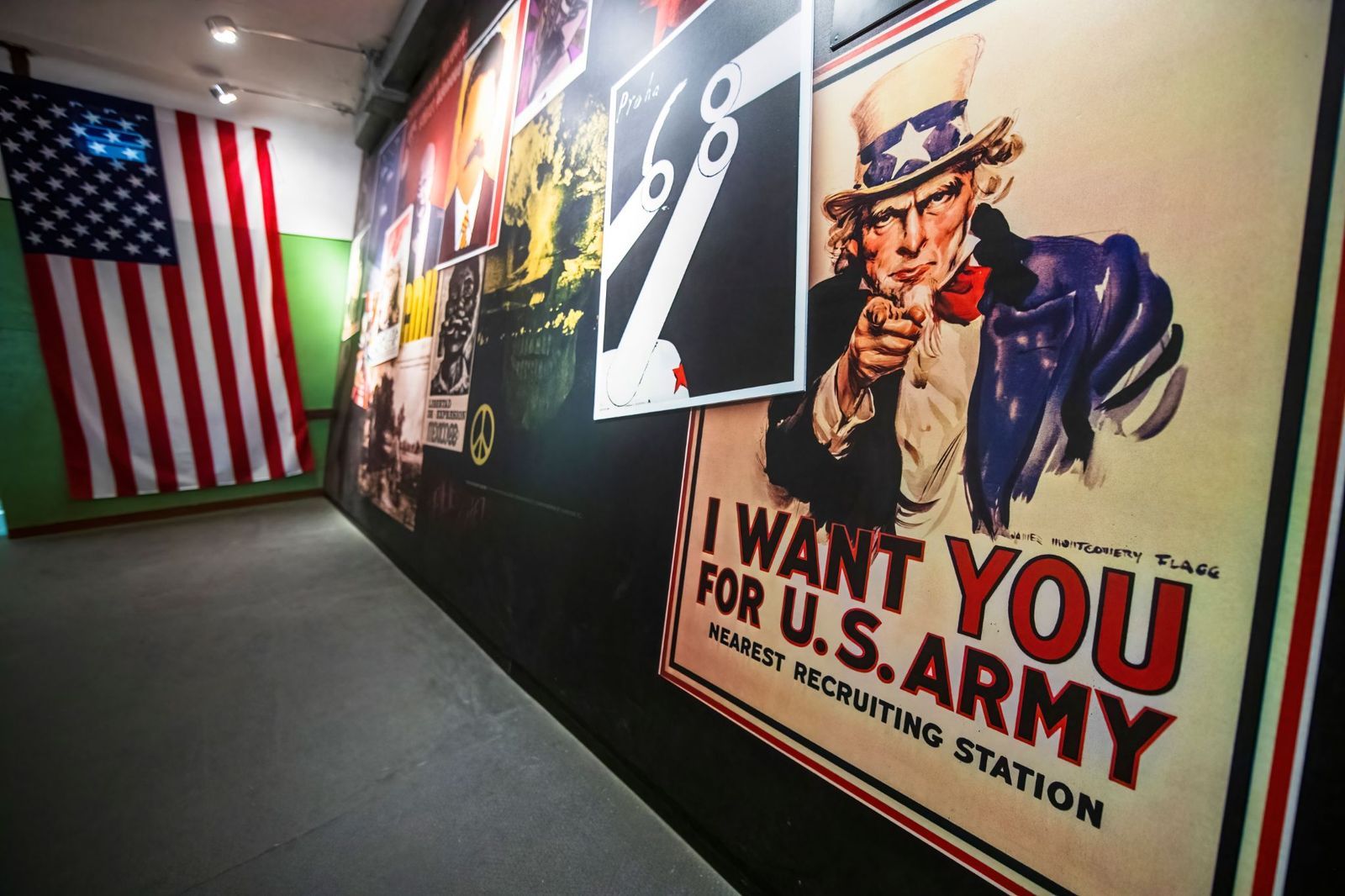
Image: Karolis Kavolelis

When Japan attacked Pearl Harbor in December 1941, the country needed a rallying image fast, and rather than starting from scratch, officials reached for something already proven.

Flagg’s 1917 interpretation was dusted off and reprinted by the millions once again, this time for WWII enlistment drives and home front civil defense campaigns. The same stern face that had once urged an earlier generation to sign up was now doing the job all over again for their sons, appearing on posters in recruiting offices, factories, and post offices nationwide. By the 1940s, he was more than a wartime recruiting figure. He was a shorthand symbol for the federal government and the country itself.

10
From wartime symbol to modern canvas
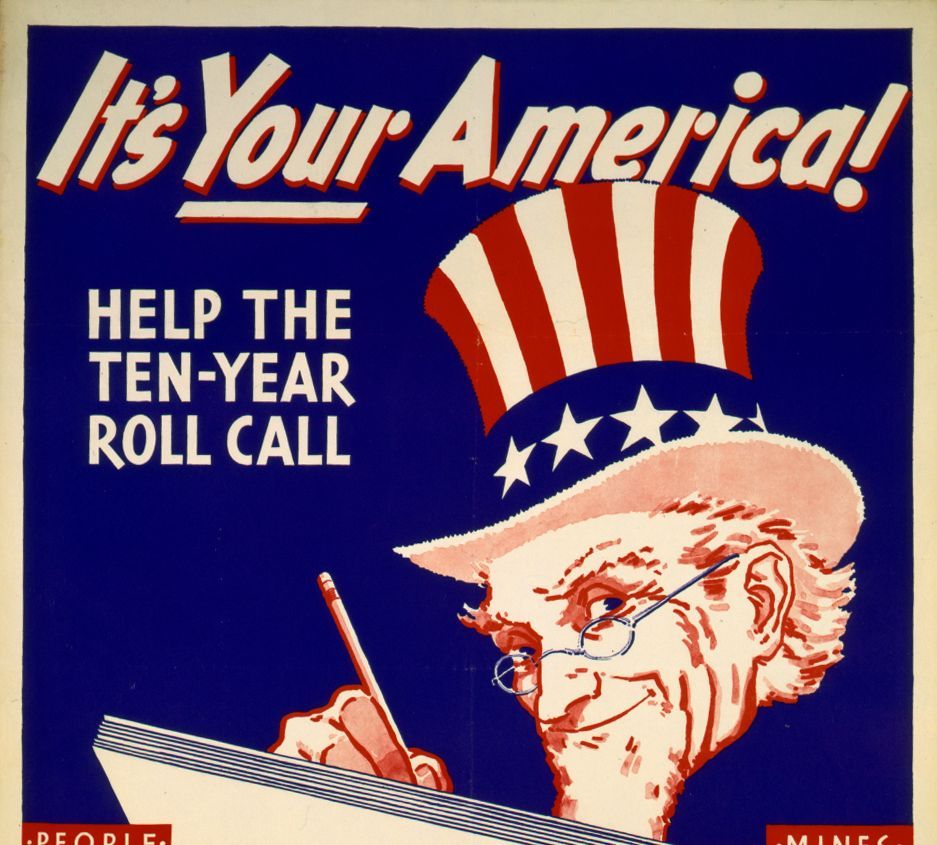
Image: US Census Bureau, Public domain, via Wikimedia Commons

Uncle Sam did not retire once the World Wars ended. In the decades since, he has become something closer to a blank canvas that each generation paints over with its own concerns.

During the Vietnam era, protest artists twisted his familiar pose into pointed criticism of the very government he once represented so simply, using his own famous finger to accuse instead of recruit. Political cartoonists continue to reach for him today, whether the topic is an election, a policy debate, or a national controversy, counting on readers to instantly recognize who he stands for. Few American symbols have proven so adaptable, stretched and reshaped again and again across more than two centuries, yet somehow always recognizable the moment that pointing finger appears.
Geography Geography 6 min read

Territorial anomalies

There's a country within the US that was created to avoid double taxation

Image: Pin Adventure Map

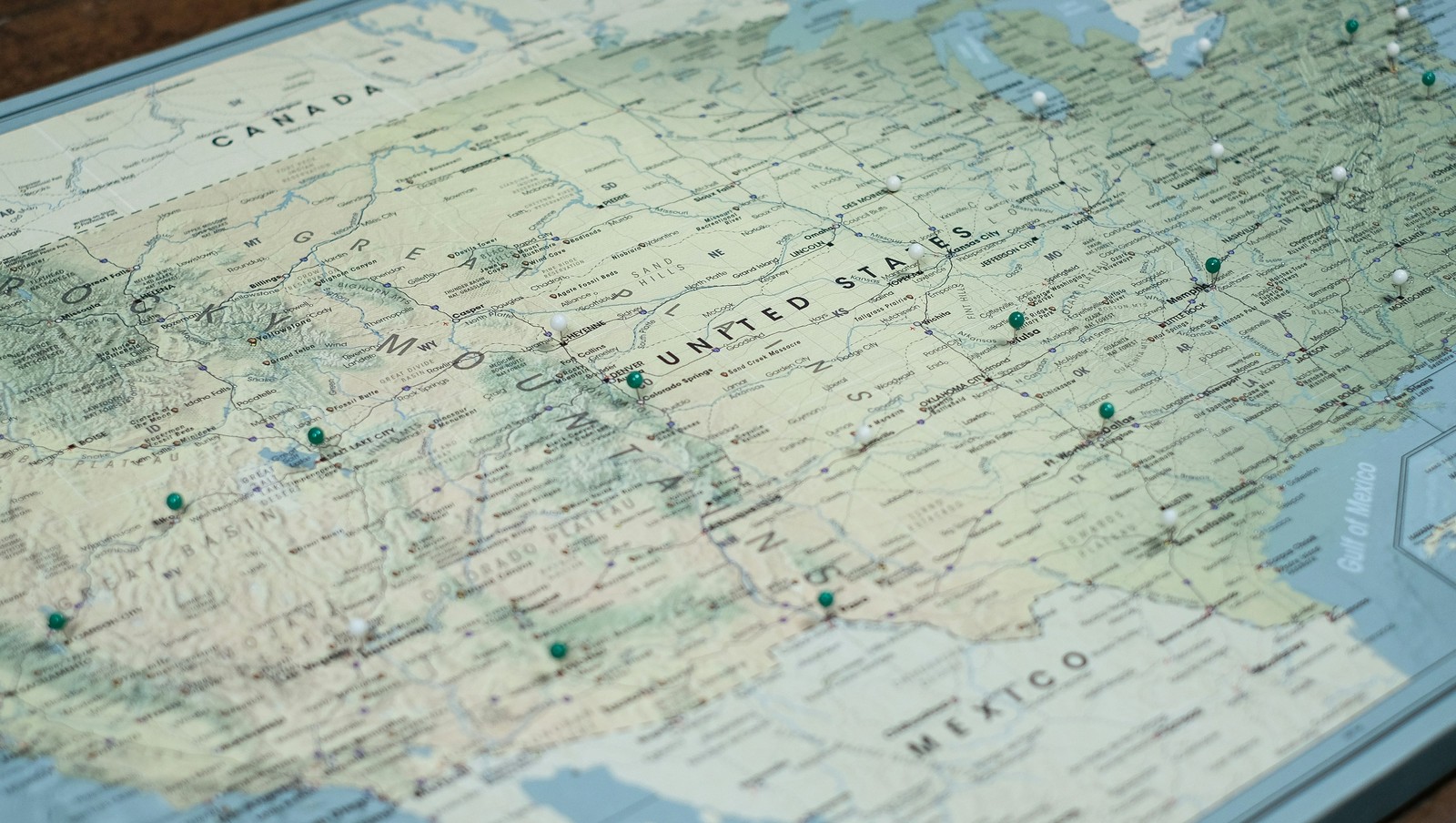
Ever thought about how the borders in our country were defined ? States that almost became official, U.S. points that are only accessible through Canada's borders, territorial feuds over taxes, and more have constructed the limits of the country we know today. Here are 10 territorial quirks you probably never knew of.

1
Point Roberts, WA: The 49th parallel accident

Image: United States Geological Survey, Public domain, via Wikimedia Commons

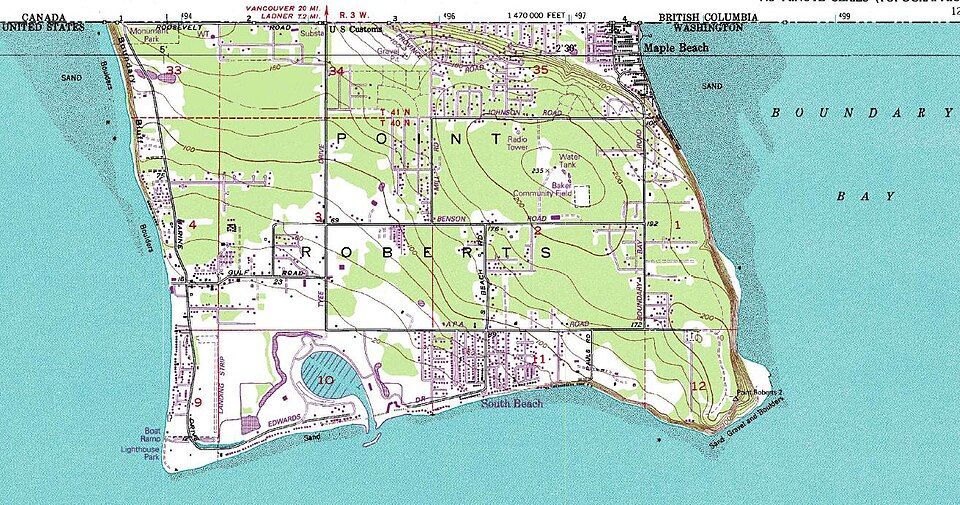
Imagine if you had to cross two borders just to get to the market for a gallon of milk. That’s actually a reality for residents of Point Roberts, Washington. That’s because, following the Anglo-American Convention of 1818, the 49th parallel divided Canada and the U.S. In 1846, the line was extended westward and then officially recognized by the International Boundary Commission in 1925.

However, a tiny tip of the Tsawwassen Peninsula poked out just below that line. Since then, the locals have lived in a boundary quirk. To get to the rest of Washington State by land, they must drive through Canada, show their passports, and do it all over again on the way back.

2
Statue of Liberty: Common misconception

Image: Mohamed Osama

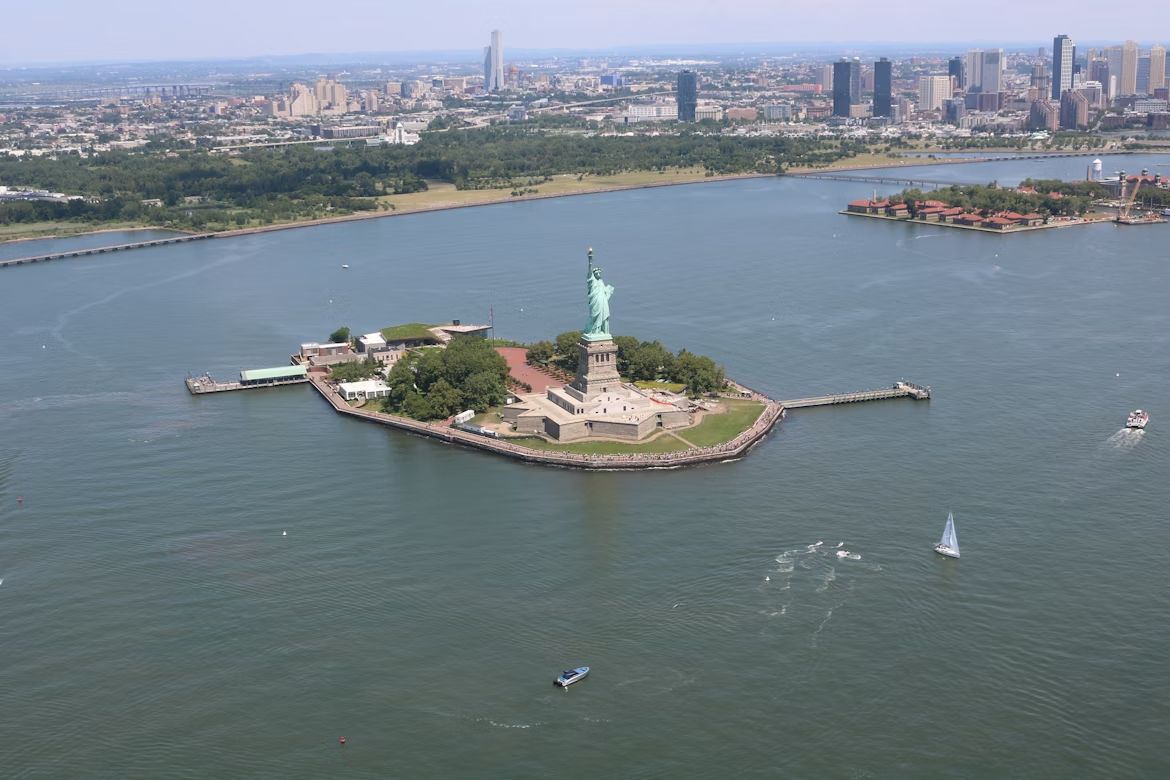
If you want to start a friendly argument at a dinner party, ask whether the Statue of Liberty lives in New York or New Jersey. The funny thing is, both answers are technically right . While the statue physically sits in the waters of the Garden State, Liberty Island is legally an exclave of New York. This dates back to a 1664 land grant by the Duke of York in a document so vague and confusing that it took a 1834 Compact between the two states to settle the deal. New Jersey gets the water and the submerged lands, but New York keeps the monument.

However, the Federal Government actually manages the site through the National Park Service (NPS), providing security and maintenance.

3
The State of Franklin: Failed 14th state

Image: Bennett1203, CC BY-SA 4.0, via Wikimedia Commons

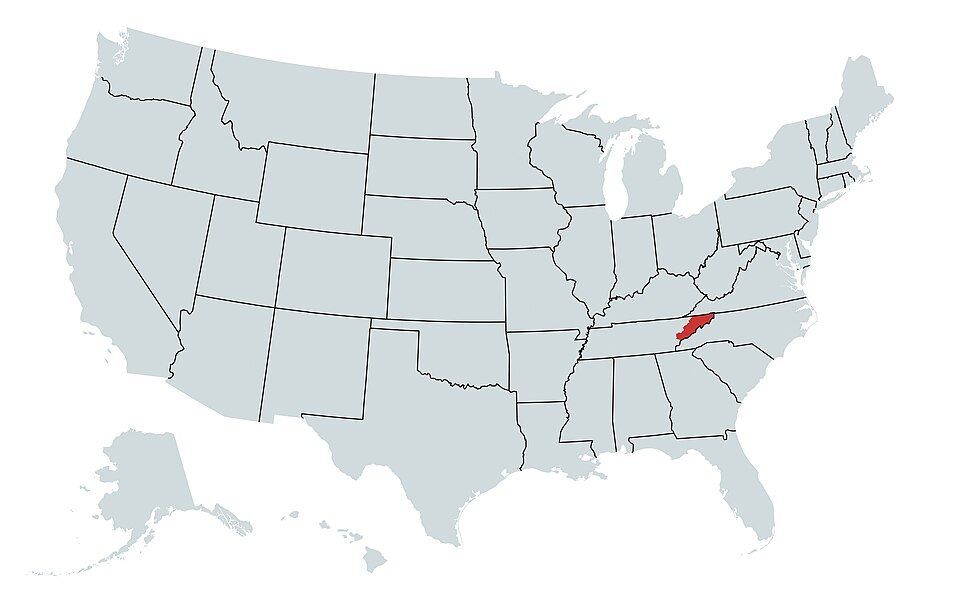
In 1784, three counties in North Carolina felt neglected by their government and decided to strike out on their own . They even elected a governor, John Sevier, and printed their own money. They came just two votes short of being recognized by Congress as a formal state.

Eventually, things got heated, and North Carolina sent troops, leading to a small civil war between the locals. By 1789, the dream of Franklin was buried, and the territory became part of Tennessee.

4
Kentucky Bend

Image: Brian Stansberry, CC BY 4.0, via Wikimedia Commons

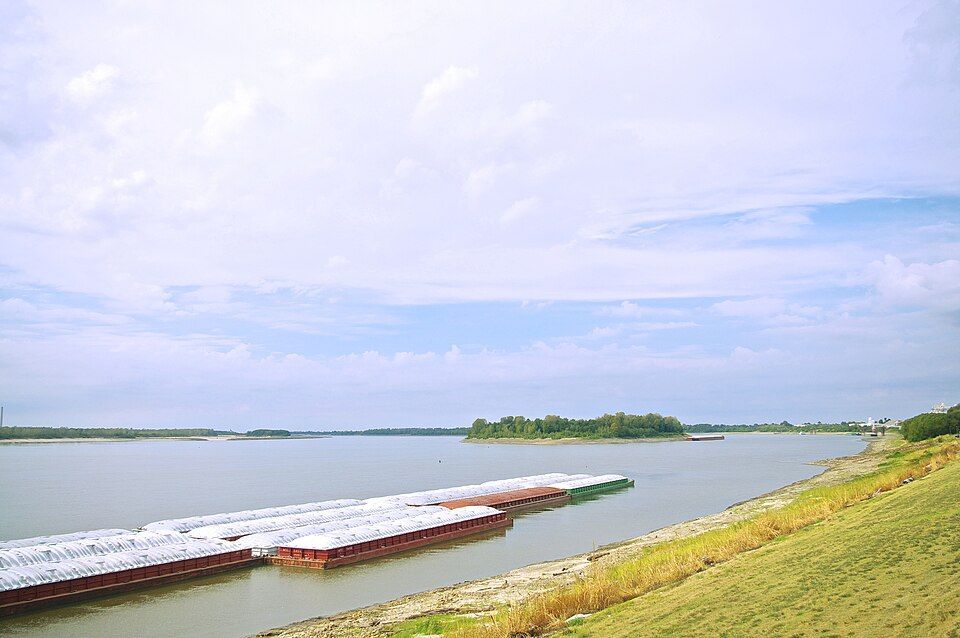
If you look closely at a map, there’s a piece of Kentucky that looks like it doesn’t belong. That’s the Kentucky Bend, also called the New Madrid Bend, a tiny peninsula in Fulton County that is almost completely separated from the rest of the Bluegrass State . The strange situation was the consequence of the massive series of earthquakes that took place in that area between 1811 and 1812, which were so violent they famously caused the Mississippi River to flow backwards for several hours. When the dust settled, the river had carved a new path that looped around this small patch of land, surrounded by Missouri and Tennessee instead of Kentucky. The 9 residents living there today go through Tennessee just to get to their home state.

5
The State of Deseret: The empire that almost was

Image: Carl Radefeld (cartographer); Joseph Meyer (publisher), Public domain, via Wikimedia Commons

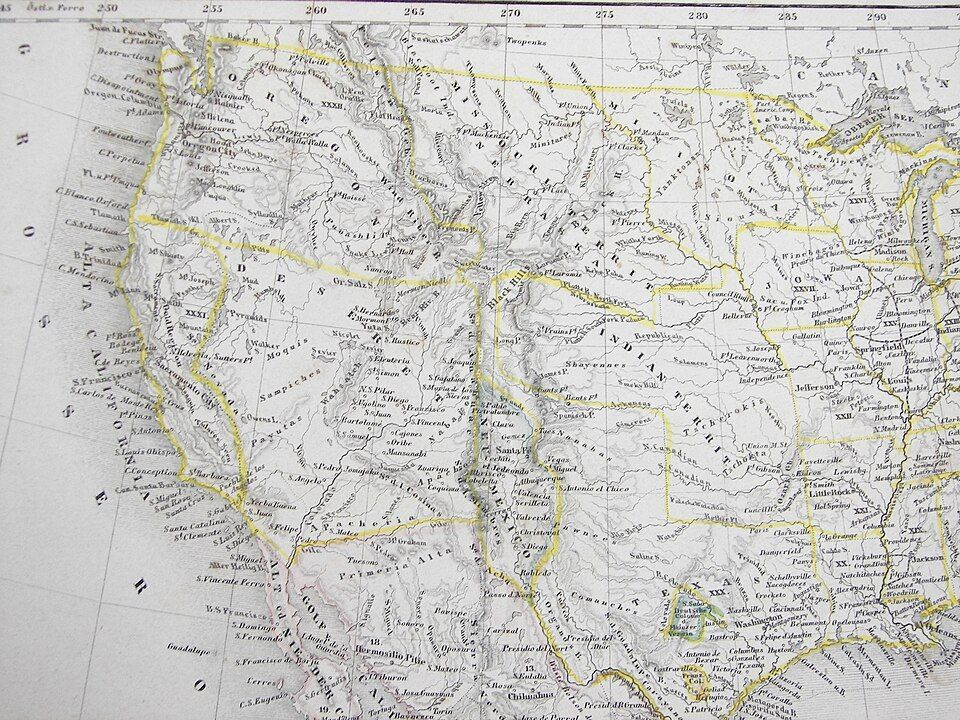
Imagine a state so big it makes Texas look tiny. That almost happened back in 1894, when Mormon pioneers proposed the State of Deseret. The territory comprised what we now know as Utah, most of Nevada, parts of Arizona and Colorado, and a massive chunk of the California coast, including San Diego.

Had it been formalized, it would have been a powerhouse with its own seaport and total control over the West. However, Washington, D.C. wasn’t so keen on one group having that much territory and power, so they whittled it down, and we ended up having the states we know today.

6
The lawless "No Man's Land"

Image: Steve Shook from Moscow, Idaho, USA, CC BY 2.0, via Wikimedia Commons

Have you ever wondered what happens when two governments simply give up on a piece of land? Between 1806 and 1821, there was a strip of land in what is now western Louisiana that was, literally, No Man’s Land. Neither the U.S. nor Spain, which owned part of the territory, could agree on the border, so they declared it "Neutral Ground" to avoid armed conflicts . The plan backfired as, with no laws to contain it, it quickly became a favorite for the outlaws in the West —meaning deserters and bandits hiding there were legally untouchable. The conflict was resolved by the 1819 Adams-Onis Treaty, which officially set the Sabine River as the legal boundary.

7
The Republic of the Indian Stream

Image: Jon Platek, CC BY-SA 3.0, via Wikimedia Commons

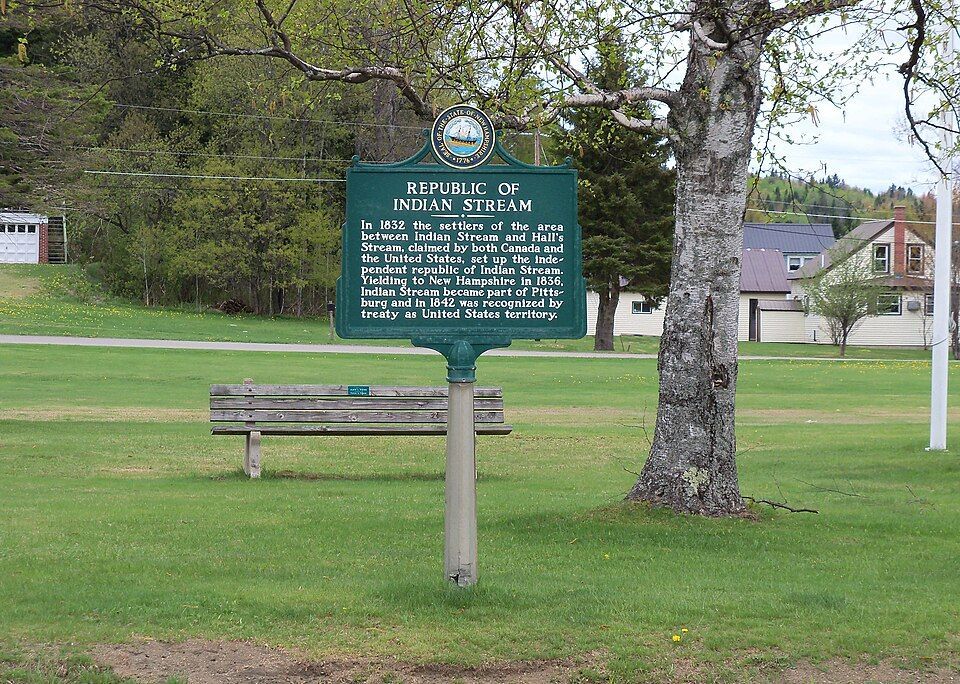
In the early 1830s, people living in a small area between New Hampshire and Quebec were fed up, and in this case, taxes were the problem. Both Canada and the US were trying to collect taxes, and nobody likes being double-billed . In 1832, the residents essentially said "neither of them can tax us" and formed their own country called the Republic of the Indian Stream. They had their own constitution and Capitol for four years, until 1836, when the militia marched on the disputed territory to reclaim the land. It wasn’t until 1842, when the land dispute and the double taxation were definitively resolved by the Webster–Ashburton Treaty, which assigned the land to New Hampshire.

8
The Northwest Angle: Mapping mistake of 1783

Image: Lorie Shaull, CC BY-SA 4.0, via Wikimedia Commons

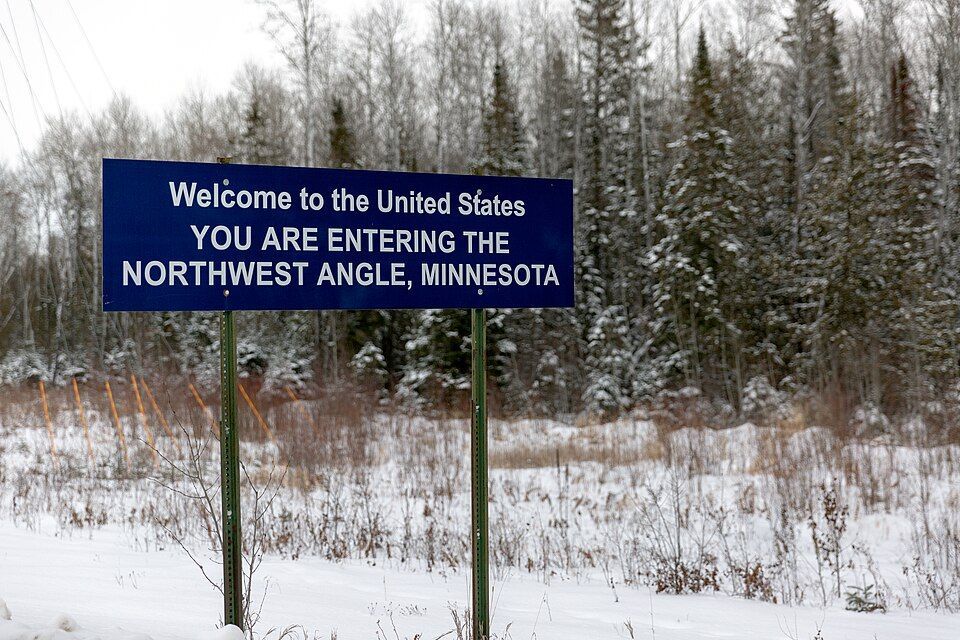
When the Treaty of Paris was signed in 1783 to end the Revolutionary War, the mapmakers used a chart that was flat-out wrong. They thought the Mississippi River started much further north than it actually did. Because of that mistake, a piece of Minnesota got cut off from the rest of the country . To this day, the "Northwest Angle" is the only place in the lower 48 states north of the 49th parallel. Much like Point Roberts, you have to cross a massive lake or drive through Canada just to visit it.

9
The District of Columbia’s "lost" corner

Image: Tim Mossholder

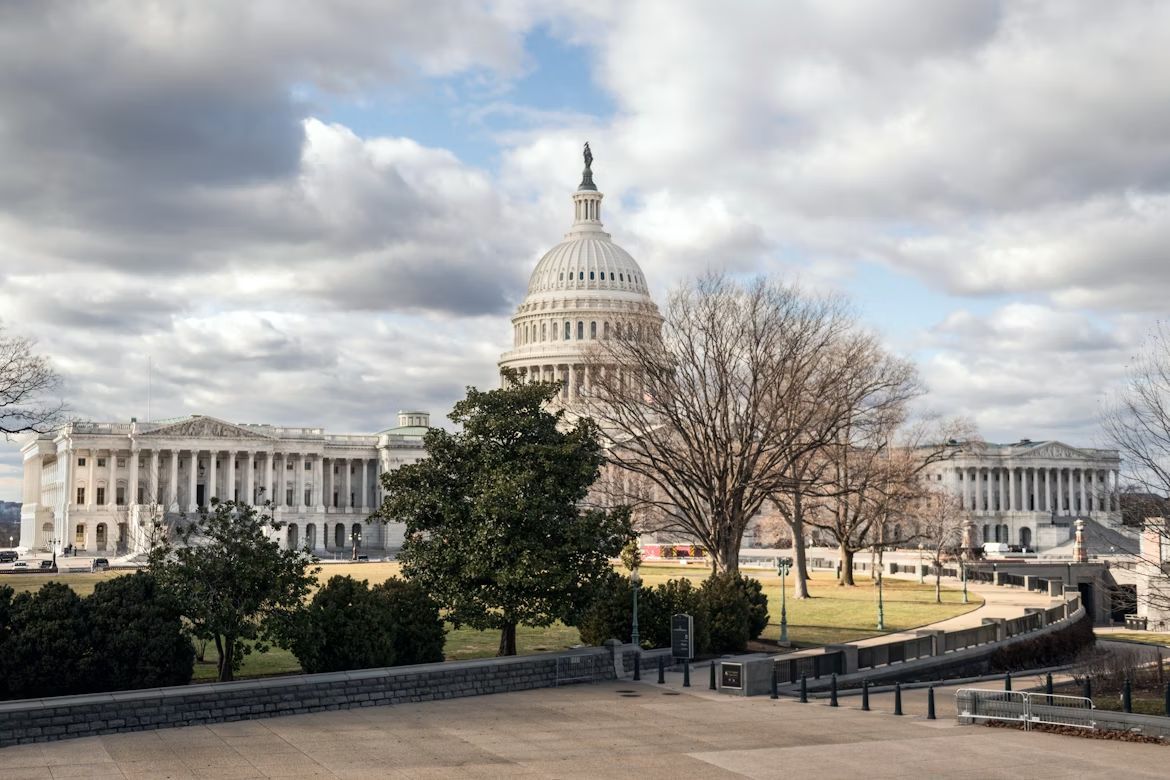
If you look at a map of D.C., you’ll notice it’s missing a chunk; it’s not a perfect square as it was originally intended. Originally, the capital was a perfect ten-mile square diamond , taking land from both Maryland and Virginia. But by 1846, things got tense. Residents in the Virginia portion, which included Alexandria and Arlington, were worried the federal government would abolish slavery in the District, which was the backbone of their economy. They successfully petitioned to have Virginia "take back" that portion of the land and subsequently changed the shape of the national capital forever.

10
UN Headquarters: International territory

Image: LPulecio-WMF, CC BY 4.0, via Wikimedia Commons

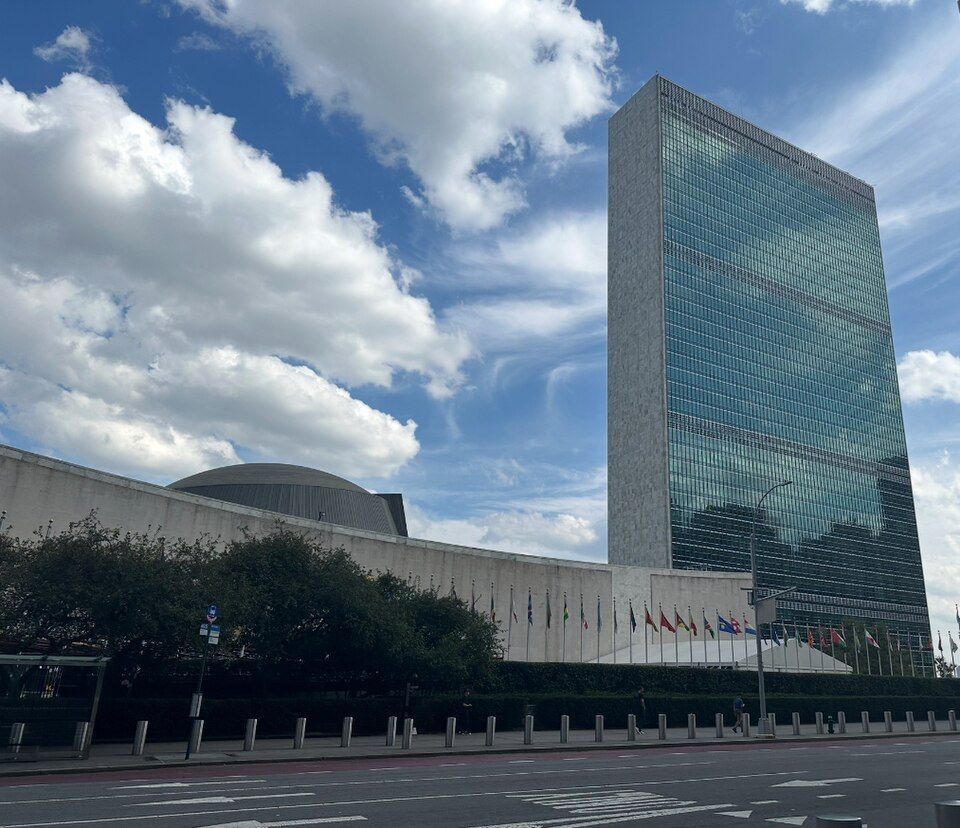
If you want to feel international, go to the United Nations Headquarters on the East River in midtown Manhattan, New York. Once you cross that gate onto the 18-acre site, you are technically leaving the United States. You don’t need to show your passport, but that’s international territory, which means it has its own laws , its own security force, and even its own postal service. It is a legal hole in the middle of New York City.

General General 4 min read

American uniqueness

10 things America does differently from the rest of the world

Image: Shamblen Studios

The U.S. is a unique country in many ways , but some of these might shock tourists and foreigners because they differ from how they are done in other parts of the world. From etiquette rules to cooking styles to how to record a date, America has its own way of doing certain things . Let’s have a look at some of them!

1
Measuring

Image: Annie Spratt

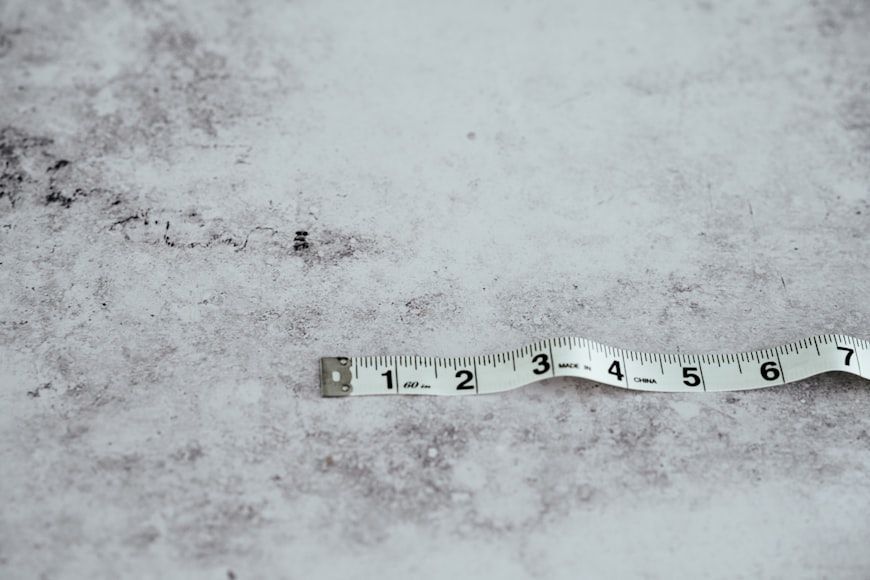
This is a difference most Americans are aware of: most countries use the metric system rather than U.S. customary units, and most use Celsius instead of Fahrenheit. Countries such as the UK and Canada still use some imperial units in everyday life, but they mainly use the metric system. Another measure that confuses foreigners is the particular way ingredients are measured in American recipes, which often use cups, tablespoons, and teaspoons rather than measurements by weight.

Fun fact: The only other countries that use the Imperial system officially are Liberia and Myanmar.

2
Sales tax

Image: Zoshua Colah

Do you find having to calculate sales taxes annoying? That’s a unique American experience. In the majority of the world, the price you see is the price you pay , because it has the sales tax already added.

Why is it different in America? Sales taxes vary across states , so retailers find it easier to showcase the base price and then calculate the total at checkout.

3
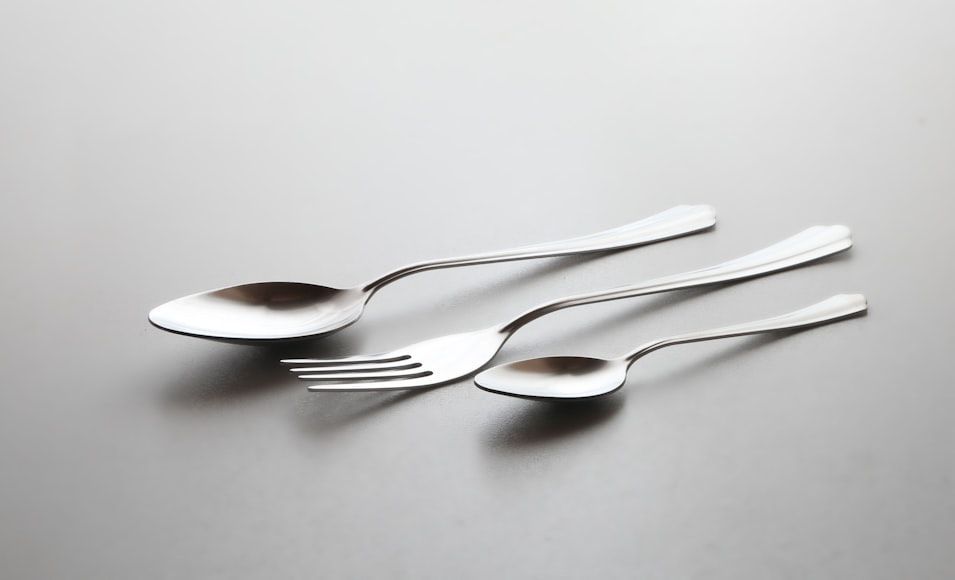
Cutlery use

Image: Anna Kumpan

Many Americans abroad are surprised by the realization that not everyone uses a knife and fork in the same way they do . In fact, no one else does. While most Americans have learned the American style —also called the zig-zag or fork switching method— that involves using the fork in the left hand for cutting and then changing it to the right to pick up the food, European and Latin American countries don’t do this . It might seem like a small difference, but it completely changes the way you eat.

4
Iced drinks

Image: Battlecreek Coffee Roasters

Do other countries not have ice? They do, but they don’t necessarily assume everyone will want it. While serving water and other beverages with ice is customary in America, in many other countries, you need to request it —even during the hottest of summers.

But even if you get ice, many times you will need to specify the amount : the same drink that would be filled with ice cubes in America might come to you with just two or three cubes elsewhere.

5
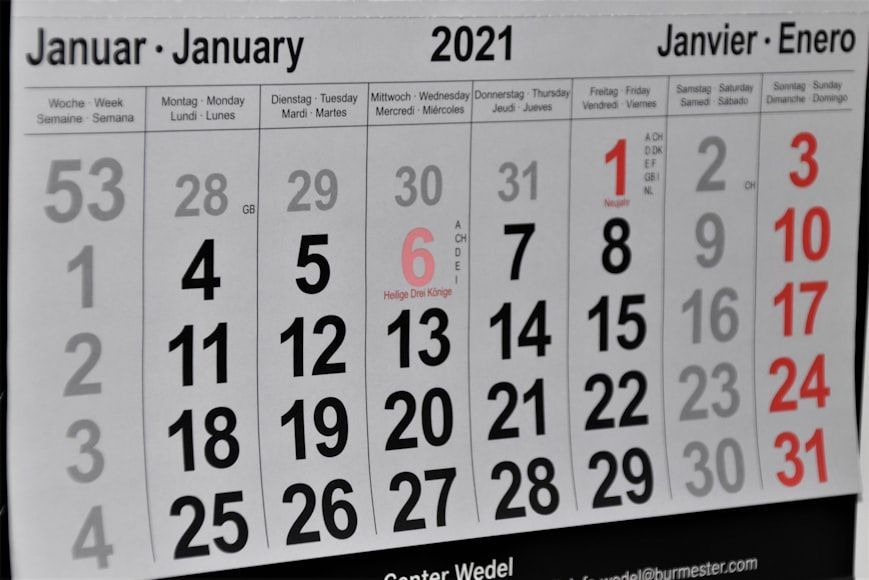
Date formatting

Image: Waldemar

The U.S. is not completely alone on this one, but there’s a difference big enough to be worth mentioning. The standardized way of recording the date in America is month-day-year , a convention also followed by some Caribbean and Asian countries. But in the rest of the Western world, the conventional format is day-month-year , which can lead to confusion for Americans. In most Asian countries , the most commonly used format is year-month-day .

6
The word ‘American’

Image: frank mckenna

In the English language, ‘American’ is the only way to refer to people with U.S. citizenship . Other words, such as ‘Usian’ or ‘Unitedstatian’ have been proposed, but never stuck. This is why many Americans are surprised when other countries —Latin American countries in particular— use ‘American’ for anyone in the American continent , or continents, another big difference. In most European and Latin American countries, there is a different word for U.S. citizens, such as the Spanish ‘estadounidense’ or the Portuguese ‘estadunidense’ .

7
Moving out at 18 years old

Image: Dina Badamshina

This one is not so black and white, but more like a general tendency. Compared with most of Europe, Latin America, and Asia, Americans give serious consideration to the possibility of moving out after high school. Not everyone does, and not everyone can afford it, but it's fairly common.

In other countries, young adults generally move out if their job or education requires it , but they tend to stay at home a few more years if they can.

8
Driving a car as a teenager

Image: Dan Gold

America is quite car-centric , especially if you live outside of the big cities. While not everyone can afford to have a personal car —even a second-hand one—, it is common for 16 and 17-year-olds to legally drive their parents’ car, or save for their own.

In the rest of the world, the chances of high schoolers driving themselves to school are much lower, as most countries don’t allow underage kids to get a driving license .

9
Solo cups

Image: Artem Beliaikin

Do plastic cups exist outside of the U.S.? They do, but they are not as iconic or as widely used as Solo cups, introduced in the 1970s as a disposable but sturdy cup for parties and events. Many foreigners visiting America are surprised when they realize that solo cups are a real thing , and not something that just happens in movies.

10
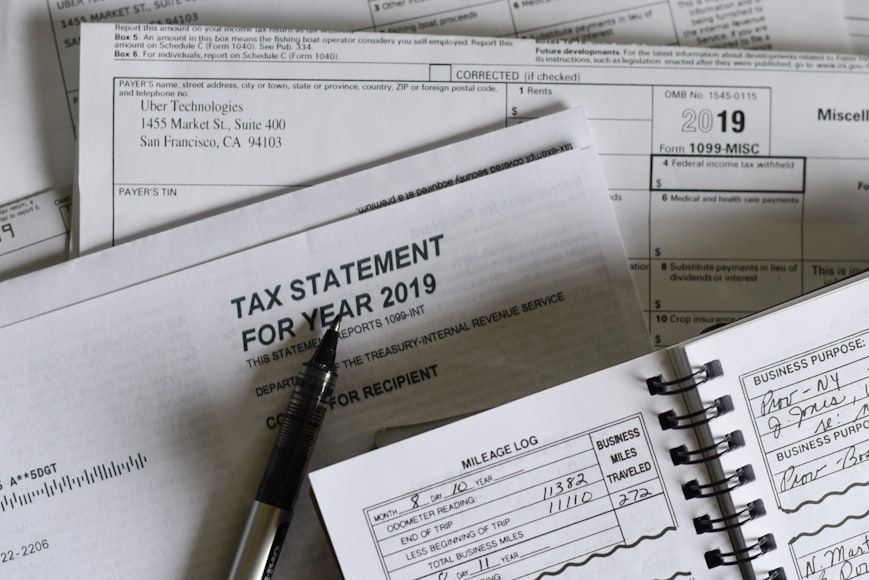
Filing taxes

Image: Olga DeLawrence

Taxes in the U.S. are not that different from taxes in other countries, except for how they are filed . During tax filing season, thousands of Americans direct their efforts to ensure they have properly reported their income and that their return will match the IRS’s data.

In other parts of the world, however, the one responsible for calculating and filing taxes is the government , while citizens merely corroborate that everything is in order.

Explore more American facts

Choose your favorite category!

General
General

As American as apple pie—the very best America has to offer!

Culture
Culture

Delve into the astounding richness of American lore.

Geography
Geography

Hop in and explore vast and diverse American landscapes.

History
History

Discover the key moments that shaped the United States.