Culture Culture 5 min read

The Sound of History

10 artists who changed music forever
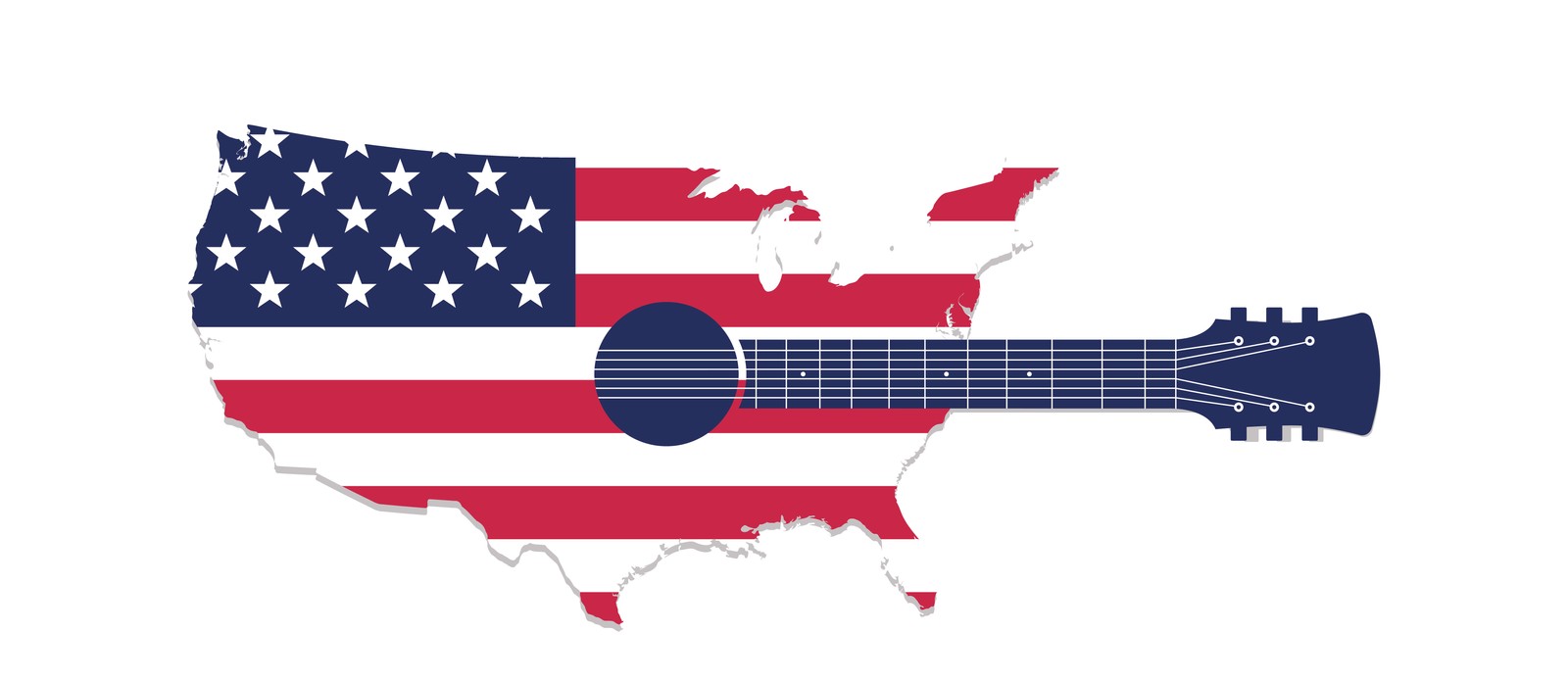
Image: strike009

Where would we be without the King of Rock and Roll, the Queen of Pop, the Queen of Soul, the Purple One or Ol’ Blue Eyes? Born with once-in-a-generation talent, impossible-to-fake charisma and boundless ambition, the ten artists on this list transformed music history and pop culture forever — one song at a time. Revisit their legendary origins, discographies, and global influence now.

1
Elvis Presley
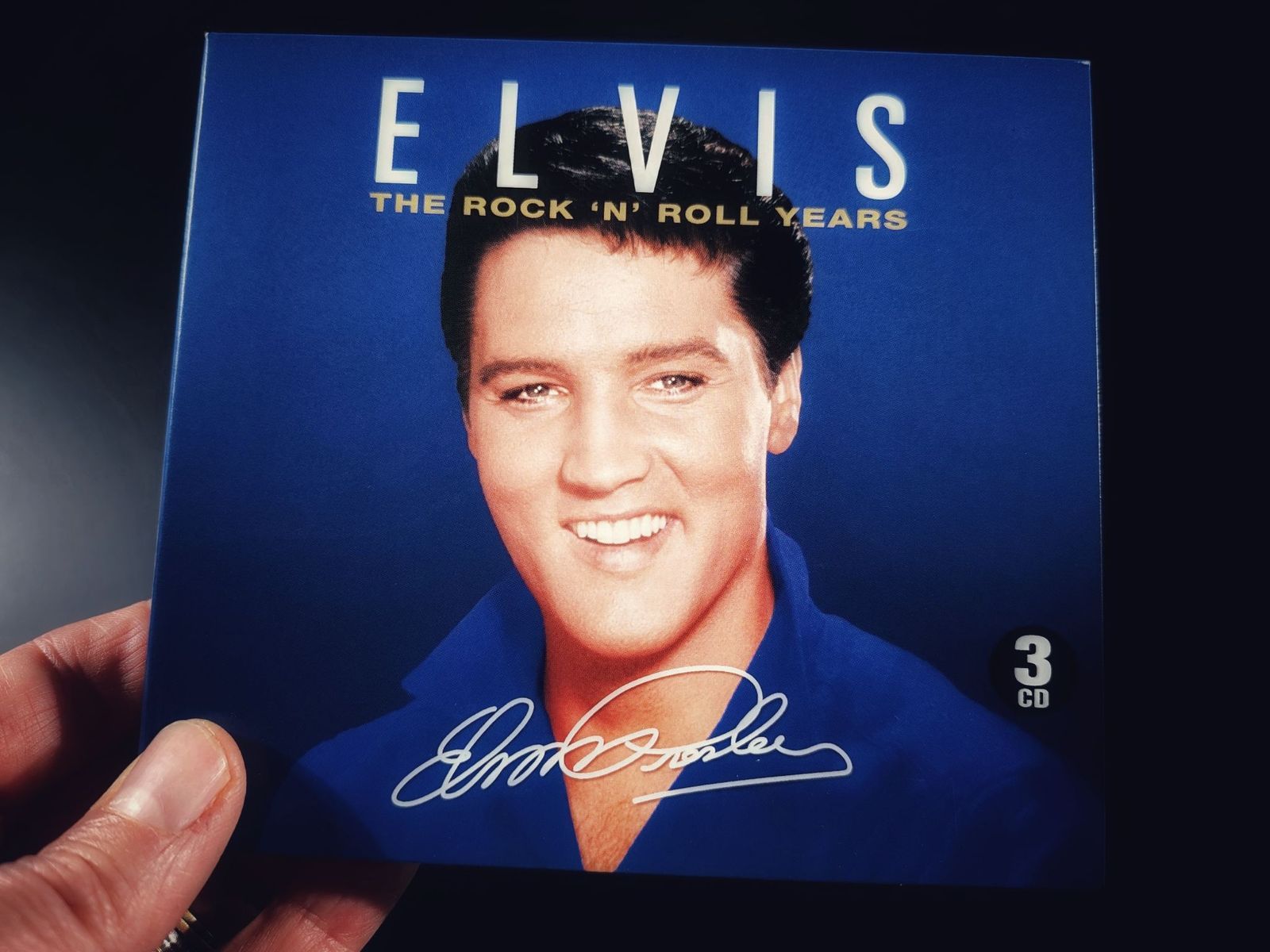
Image: Stefano Chiacchiarini '74

Born and raised in Tupelo, Mississippi, with early dreams of music stardom, Elvis lived a short life that was nothing short of a miracle for music . His first career breakthrough came in 1954 when he recorded the single "That's All Right," fusing country, blues, and gospel to create a revolutionary new sound . Elvis’s unique music and tremendous popularity led him to achieve his first No. 1 hit, "Heartbreak Hotel," in 1956.

Elvis’ catalog is packed with absolute classics known and loved worldwide, such as "Can't Help Falling in Love," "Burning Love," and "Jailhouse Rock," among many others. Elvis’ image remains one of the most recognizable symbols of Rock and Roll, and his music inspired countless artists.

2
Bob Dylan
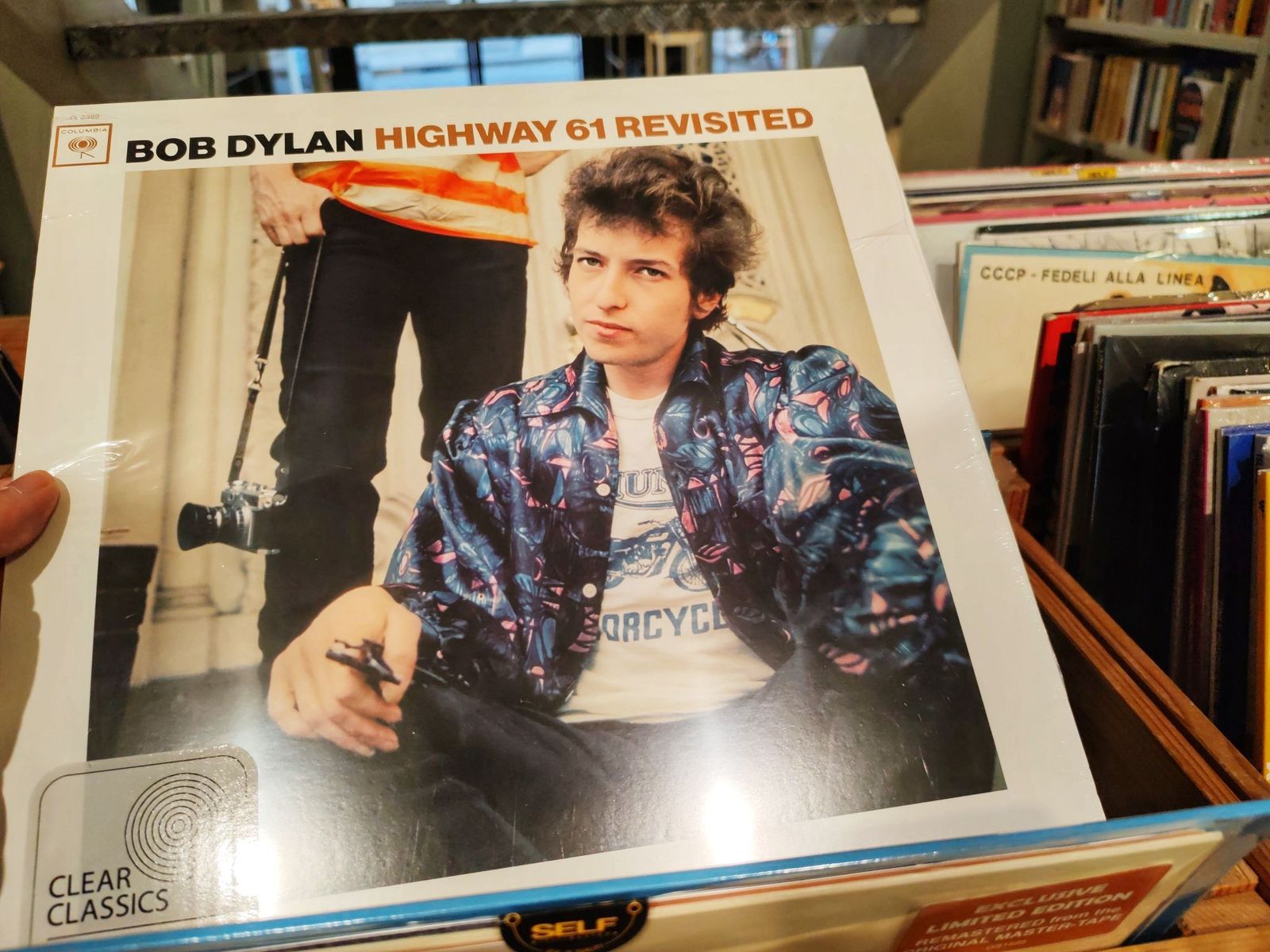
Image: Stefano Chiacchiarini '74

Bob Dylan is one of those artists whose cultural influence is quite difficult to explain because of how much he has achieved. He’s been frequently credited as the creator of folk-rock and is a member of three different Halls of Fame: the Songwriters Hall of Fame, the Rock and Roll Hall of Fame, and the Nashville Songwriters Hall of Fame.

His music is a defining element of American culture, with memorable classics such as "Blowin' in the Wind," "Like a Rolling Stone," "Knockin' on Heaven's Door," and "The Times They Are a-Changin'." And in 2016, he became the first songwriter to receive the Nobel Prize in Literature "for having created new poetic expressions within the great American song tradition."

3
Frank Sinatra
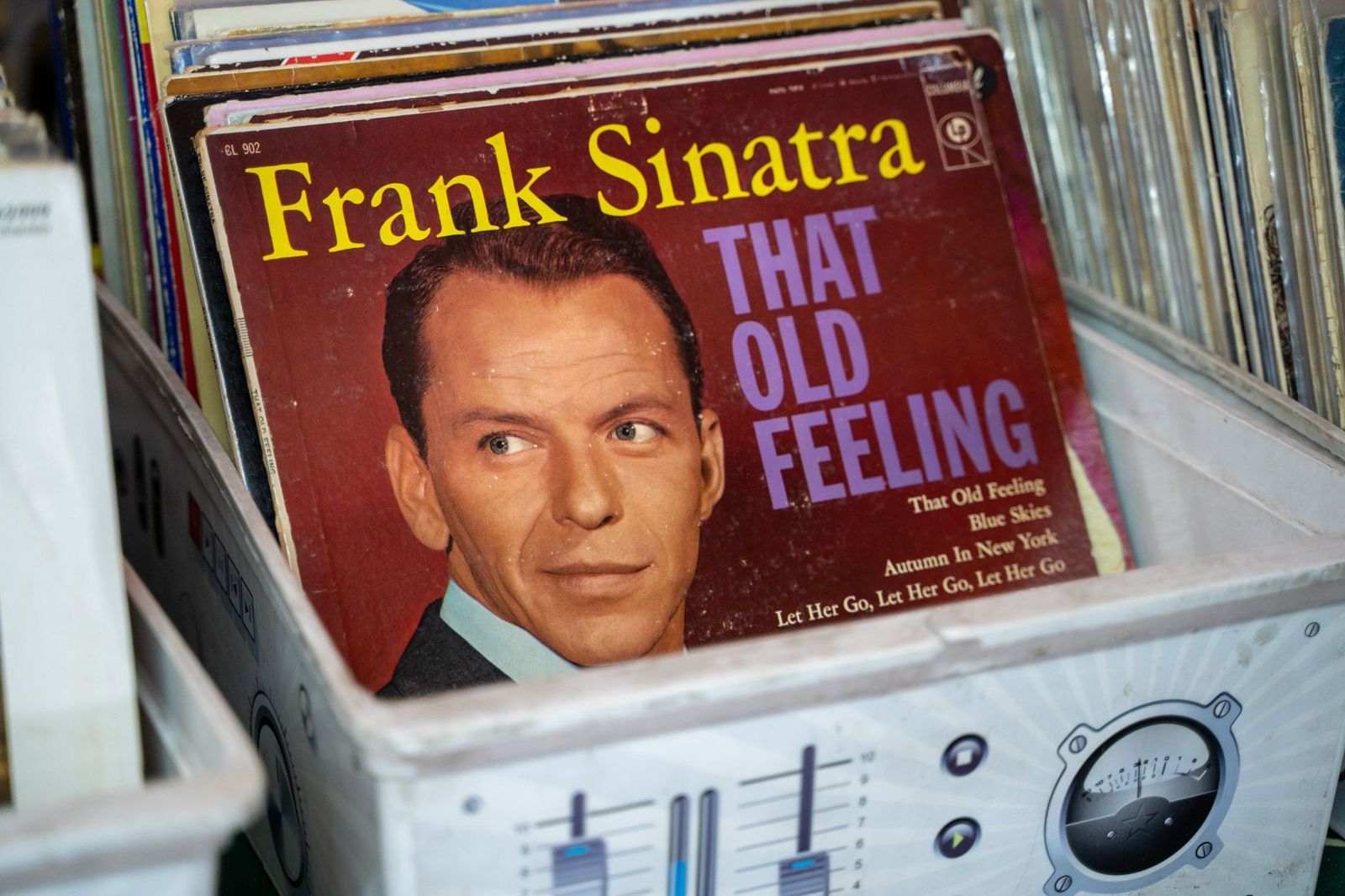
Image: Erman Gunes

Frank Sinatra is the quintessential male vocalist. Who hasn’t sung at the top of their lungs some of his legendary songs like "My Way," "Fly Me to the Moon" or "Strangers in the Night." Born in 1915, Sinatra rose to fame in the 1940s as the lead singer for Harry James and Tommy Dorsey. But he would reach stratospheric heights of fame when he launched his solo career.

Sinatra sold more than 150 million records worldwide, won 11 Grammy Awards, starred in over 50 films, and even nabbed an Academy Award for Best Supporting Actor for From Here to Eternity (1953) . But his greatest achievement goes beyond numbers and metrics; he shaped generations of singers through his unmistakable voice.

4
Chuck Berry
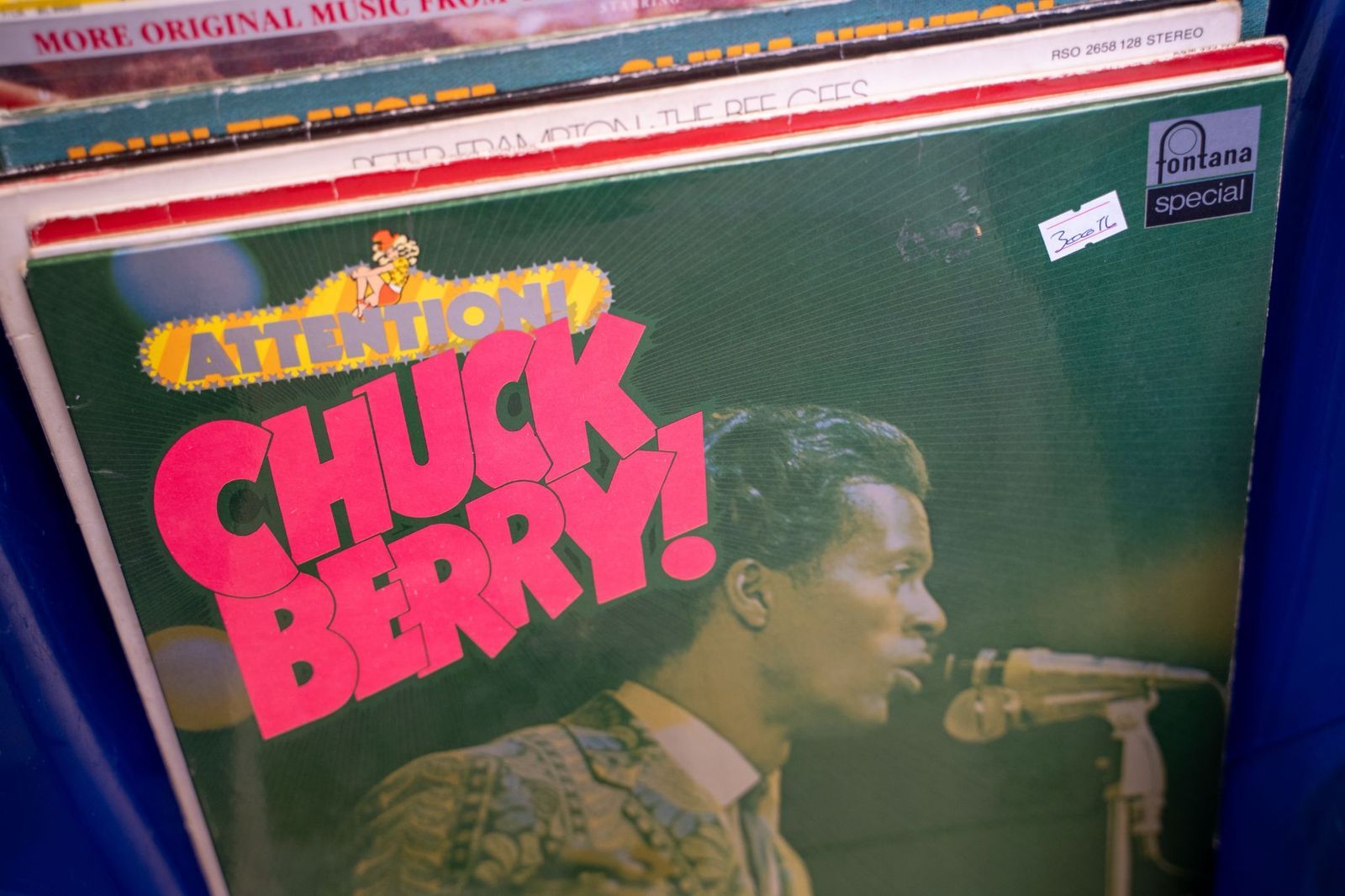
Image: Erman Gunes

It’s impossible to talk about Rock and Roll without naming its father, Chuck Berry. With his music, he created the blueprint for the genre , delivering a number of all-time classic songs like "Johnny B. Goode," "Roll Over Beethoven" and "Sweet Little Sixteen."

Chuck Berry’s guitar riffs and his one-of-a-kind live performances went on to define some of the main elements of rock, and his signature "duck walk" became iconic and endlessly referenced in pop culture over the years. A fascinating detail about his music is that "Johnny B. Goode" was selected for the Voyager Golden Record music collection that was sent into space on NASA's Voyager spacecraft in 1977 to represent Earth's culture.

5
Dolly Parton

Image: Jack Fordyce

3,000 songs written, more than 100 million records sold, and 11 Grammy Awards are just some of the achievements Dolly Parton has racked up throughout her impressive career. Born in Sevierville, Tennessee, Parton went on to become one of country music’s greatest ambassadors .

Her music catalog is filled with gems like "Jolene," "9 to 5," "Coat of Many Colors" and "I Will Always Love You," which gained international recognition when Whitney Houston recorded it for The Bodyguard (1992). Parton famously wrote both "Jolene" and "I Will Always Love You" in one day. She also had a successful Hollywood career and was inducted into the Country Music Hall of Fame and the Rock and Roll Hall of Fame.

6
Bruce Springsteen

Image: Ben Houdijk

Famously hailing from New Jersey, "The Boss" rose to international fame with Born to Run in 1975 and became the voice of working-class America . Songs like "Born to Run," "Born in the U.S.A.," and "Dancing in the Dark" spoke to everyday people, their hopes, struggles, and the coveted American dream.

Springsteen has sold more than 140 million records worldwide and has won 20 Grammy Awards, an Academy Award, and a Tony Award. He was added to the Rock and Roll Hall of Fame in 1999, and in 2016, he received the Presidential Medal of Freedom. To this day, Springsteen remains one of the most respected American songwriters.

7
Madonna

Image: yakub88

It’s impossible to make a list of the greatest artists in history without including the Queen of Pop . Madonna was (and is) a sensation. She took the world by storm with Like a Virgin (1984) and transformed pop music by constantly reinventing her image, her music, and her provocative performances.

We all remember her from the MTV era and how she redefined the role of music videos and used them as a platform for artistic expression and cultural commentary. Throughout her successful career, she has reinvented her musical style, transitioning between pop, dance, electronic, Latin, and R&B without losing relevance, selling over 400 million records worldwide.

8
Prince

Image: Northfoto

Few artists in history could ever embody versatility quite like Prince did. An incredibly talented person, he not only revolutionized popular music but also created a whole new style that was his own .

He would write, produce, arrange, and perform much of his music himself, and though he’s best known for his guitar, piano, and vocals, Prince could play more than 20 instruments . An absolute music genius! His album Purple Rain (1984) is one of his greatest and best-selling creations, and it earned him several Grammy Awards and an Academy Award for Best Original Song Score.

9
Michael Jackson
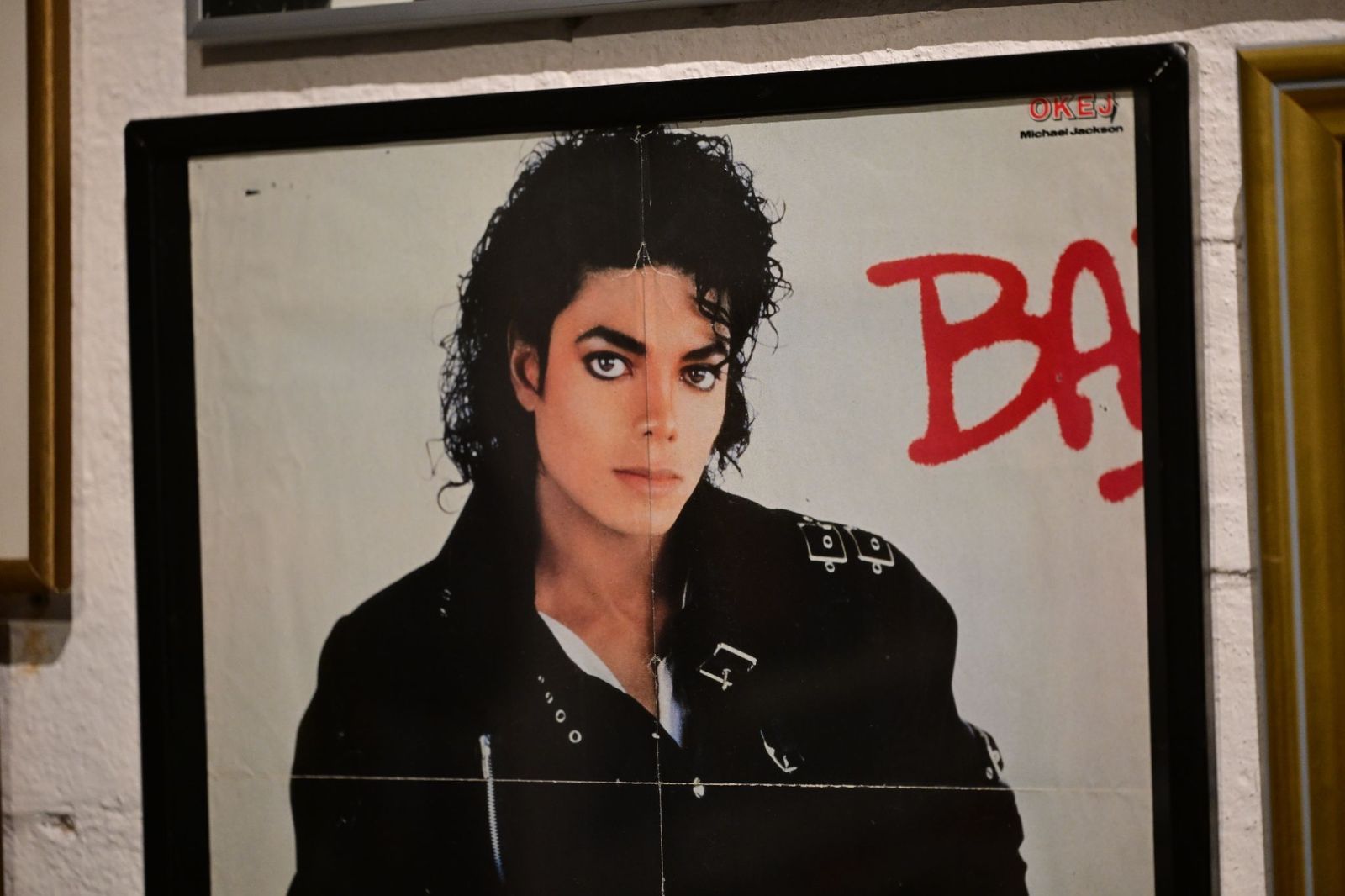
Image: Woodan

A single white glove, a black fedora, military-inspired jackets, and the moonwalk: Michael Jackson’s visual identity is one of the most recognizable images in music history . From his beginnings as a child in The Jackson 5 to conquering the world as the "King of Pop," Michael’s career is marked by an unparalleled string of hits.

It’s no surprise that his most massive album was Thriller (1982), which still holds the record as the best-selling album of all time , with more than 70 million copies sold worldwide. And his total record sales are over 500 million worldwide.

10
Aretha Franklin
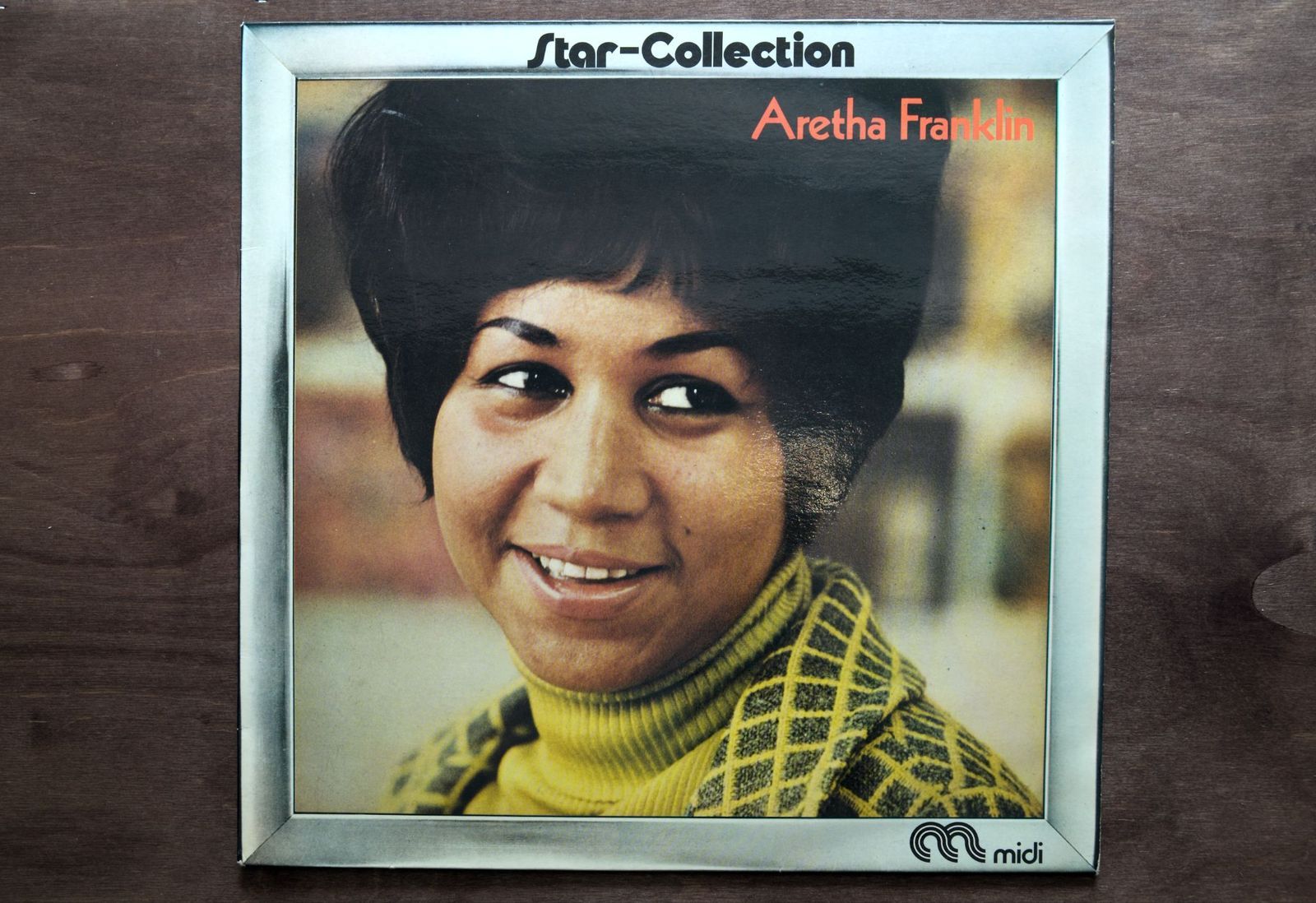
Image: Dorota Szymczyk

Often hailed as the greatest singer of all time, "The Queen of Soul" started singing gospel music in her father’s church before achieving international fame in 1967 with the release of "Respect," her signature song. Aretha’s powerful voice is unmistakable, and her energy on stage will forever be remembered .

Some of her most famous songs are "(You Make Me Feel Like) A Natural Woman," "Chain of Fools," "Think," and "Freeway of Love." On top of her Grammy Awards and millions of records sold, Aretha became the first woman inducted into the Rock and Roll Hall of Fame and received the Presidential Medal of Freedom in 2005.
Geography Geography 6 min read

Territorial anomalies

There's a country within the US that was created to avoid double taxation

Image: Pin Adventure Map

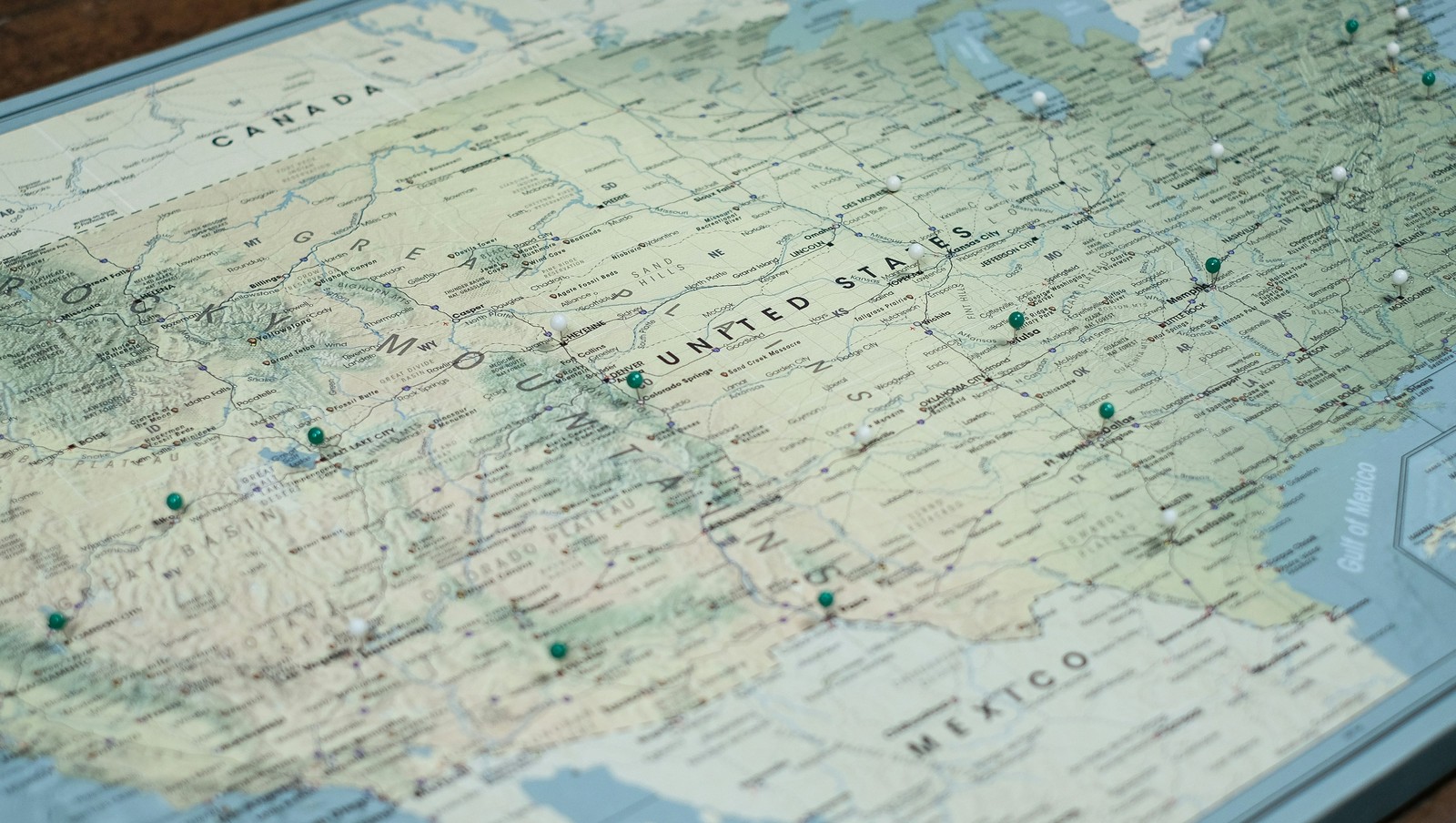
Ever thought about how the borders in our country were defined ? States that almost became official, U.S. points that are only accessible through Canada's borders, territorial feuds over taxes, and more have constructed the limits of the country we know today. Here are 10 territorial quirks you probably never knew of.

1
Point Roberts, WA: The 49th parallel accident

Image: United States Geological Survey, Public domain, via Wikimedia Commons

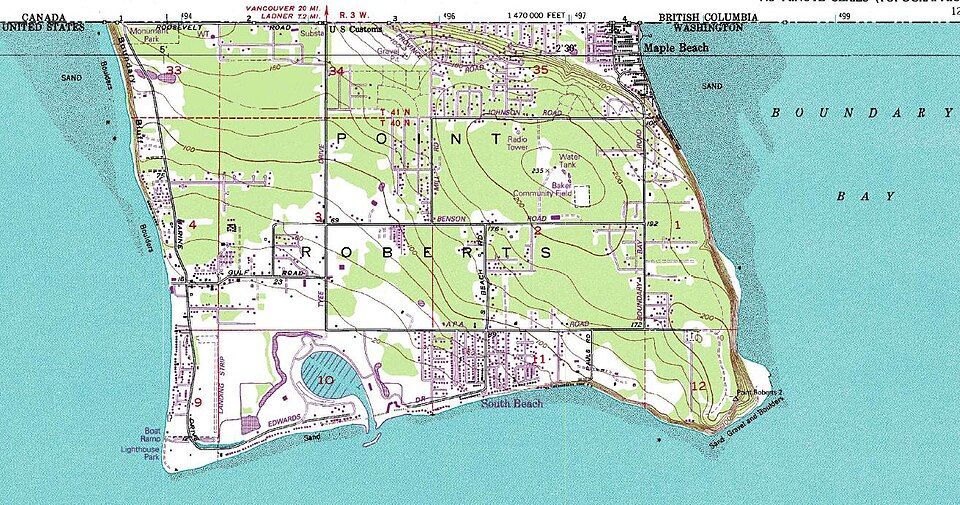
Imagine if you had to cross two borders just to get to the market for a gallon of milk. That’s actually a reality for residents of Point Roberts, Washington. That’s because, following the Anglo-American Convention of 1818, the 49th parallel divided Canada and the U.S. In 1846, the line was extended westward and then officially recognized by the International Boundary Commission in 1925.

However, a tiny tip of the Tsawwassen Peninsula poked out just below that line. Since then, the locals have lived in a boundary quirk. To get to the rest of Washington State by land, they must drive through Canada, show their passports, and do it all over again on the way back.

2
Statue of Liberty: Common misconception

Image: Mohamed Osama

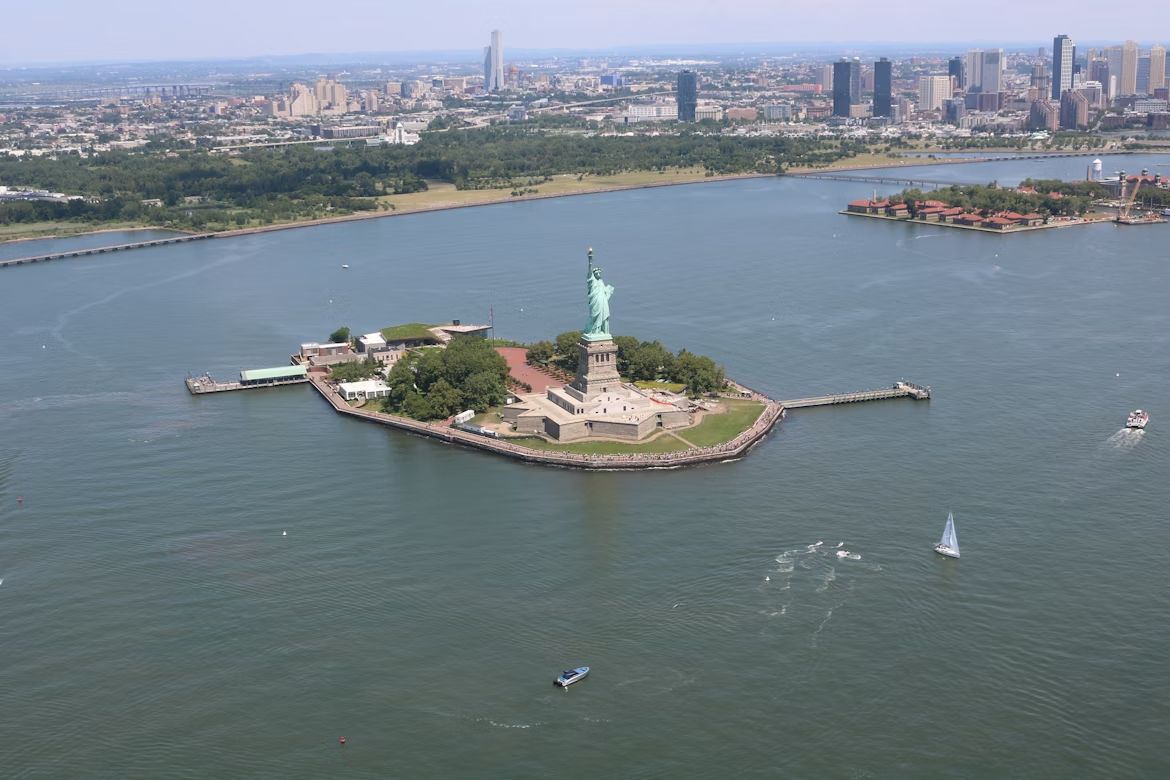
If you want to start a friendly argument at a dinner party, ask whether the Statue of Liberty lives in New York or New Jersey. The funny thing is, both answers are technically right . While the statue physically sits in the waters of the Garden State, Liberty Island is legally an exclave of New York. This dates back to a 1664 land grant by the Duke of York in a document so vague and confusing that it took a 1834 Compact between the two states to settle the deal. New Jersey gets the water and the submerged lands, but New York keeps the monument.

However, the Federal Government actually manages the site through the National Park Service (NPS), providing security and maintenance.

3
The State of Franklin: Failed 14th state

Image: Bennett1203, CC BY-SA 4.0, via Wikimedia Commons

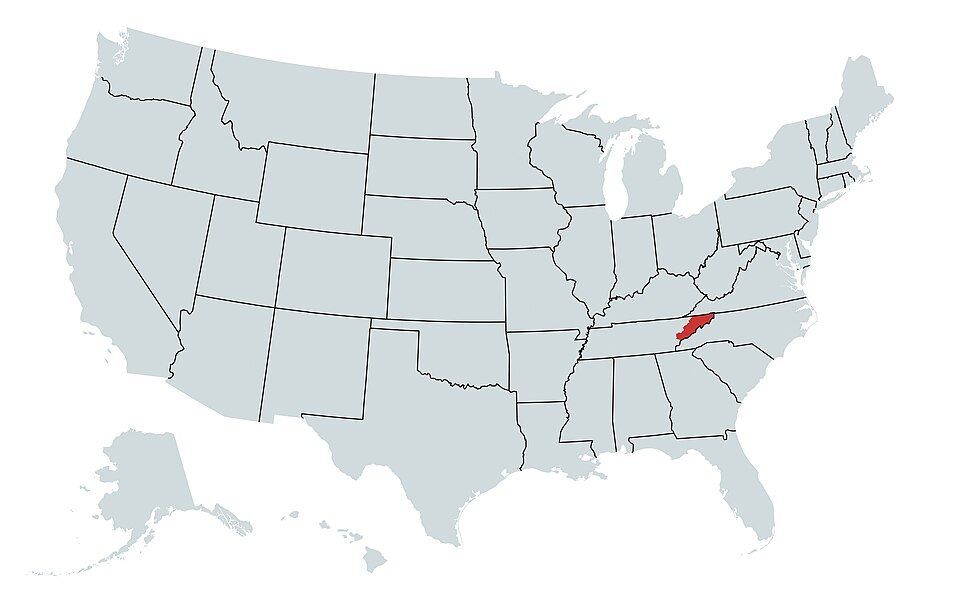
In 1784, three counties in North Carolina felt neglected by their government and decided to strike out on their own . They even elected a governor, John Sevier, and printed their own money. They came just two votes short of being recognized by Congress as a formal state.

Eventually, things got heated, and North Carolina sent troops, leading to a small civil war between the locals. By 1789, the dream of Franklin was buried, and the territory became part of Tennessee.

4
Kentucky Bend

Image: Brian Stansberry, CC BY 4.0, via Wikimedia Commons

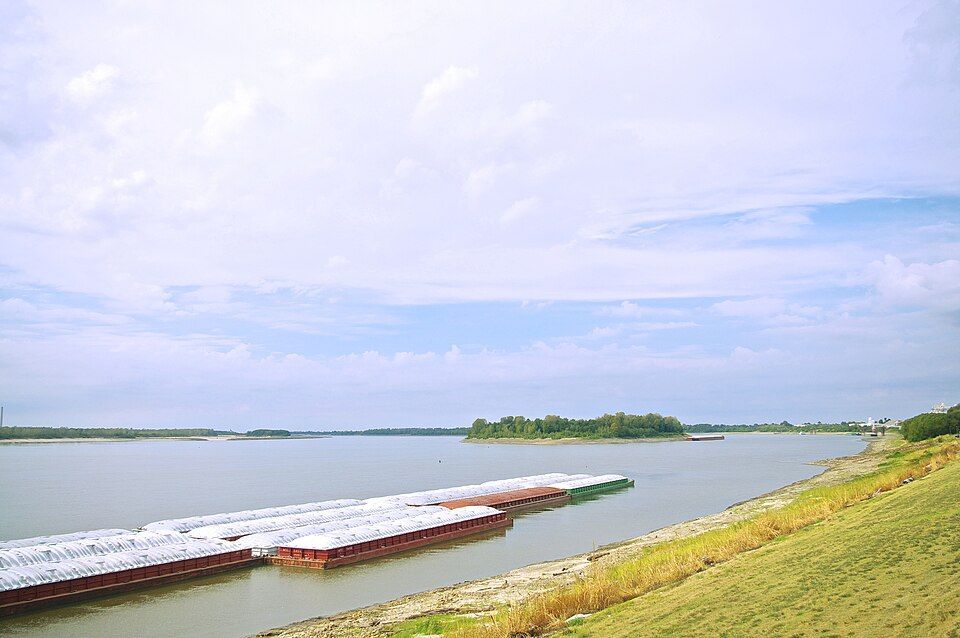
If you look closely at a map, there’s a piece of Kentucky that looks like it doesn’t belong. That’s the Kentucky Bend, also called the New Madrid Bend, a tiny peninsula in Fulton County that is almost completely separated from the rest of the Bluegrass State . The strange situation was the consequence of the massive series of earthquakes that took place in that area between 1811 and 1812, which were so violent they famously caused the Mississippi River to flow backwards for several hours. When the dust settled, the river had carved a new path that looped around this small patch of land, surrounded by Missouri and Tennessee instead of Kentucky. The 9 residents living there today go through Tennessee just to get to their home state.

5
The State of Deseret: The empire that almost was

Image: Carl Radefeld (cartographer); Joseph Meyer (publisher), Public domain, via Wikimedia Commons

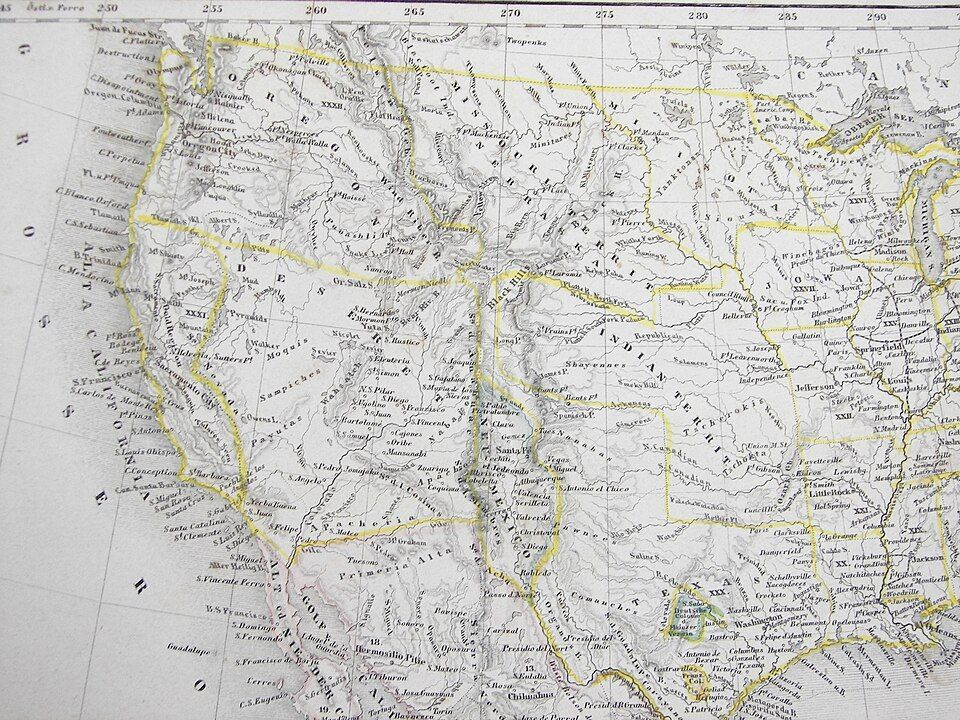
Imagine a state so big it makes Texas look tiny. That almost happened back in 1894, when Mormon pioneers proposed the State of Deseret. The territory comprised what we now know as Utah, most of Nevada, parts of Arizona and Colorado, and a massive chunk of the California coast, including San Diego.

Had it been formalized, it would have been a powerhouse with its own seaport and total control over the West. However, Washington, D.C. wasn’t so keen on one group having that much territory and power, so they whittled it down, and we ended up having the states we know today.

6
The lawless "No Man's Land"

Image: Steve Shook from Moscow, Idaho, USA, CC BY 2.0, via Wikimedia Commons

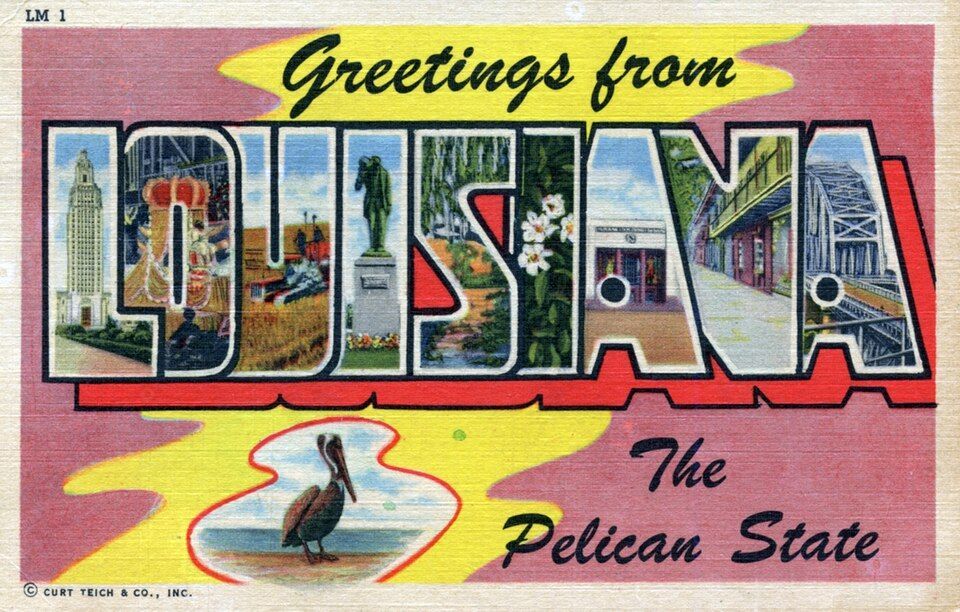
Have you ever wondered what happens when two governments simply give up on a piece of land? Between 1806 and 1821, there was a strip of land in what is now western Louisiana that was, literally, No Man’s Land. Neither the U.S. nor Spain, which owned part of the territory, could agree on the border, so they declared it "Neutral Ground" to avoid armed conflicts . The plan backfired as, with no laws to contain it, it quickly became a favorite for the outlaws in the West —meaning deserters and bandits hiding there were legally untouchable. The conflict was resolved by the 1819 Adams-Onis Treaty, which officially set the Sabine River as the legal boundary.

7
The Republic of the Indian Stream

Image: Jon Platek, CC BY-SA 3.0, via Wikimedia Commons

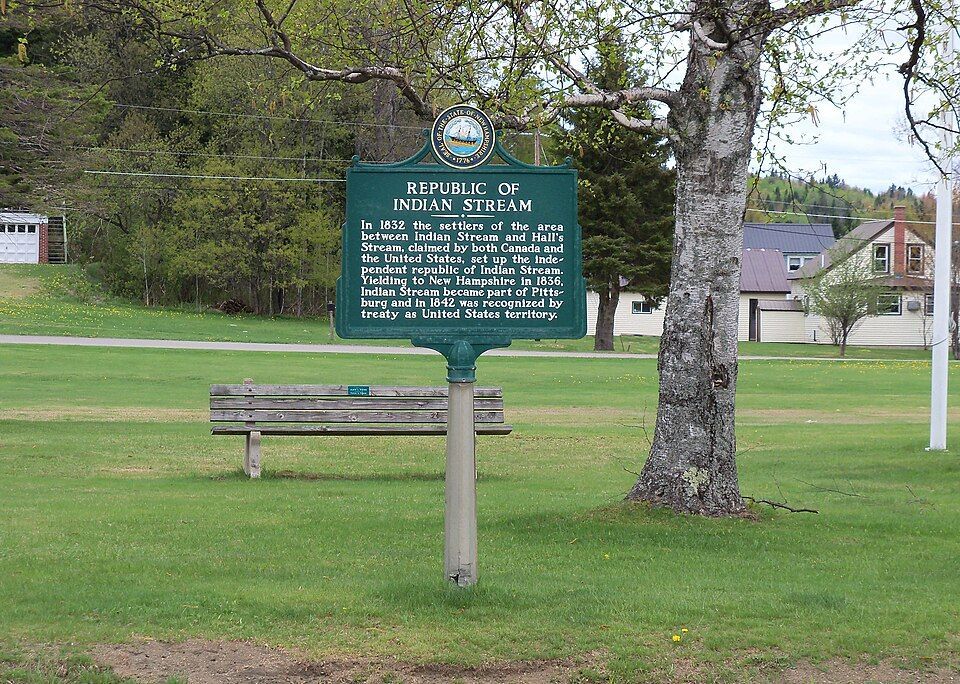
In the early 1830s, people living in a small area between New Hampshire and Quebec were fed up, and in this case, taxes were the problem. Both Canada and the US were trying to collect taxes, and nobody likes being double-billed . In 1832, the residents essentially said "neither of them can tax us" and formed their own country called the Republic of the Indian Stream. They had their own constitution and Capitol for four years, until 1836, when the militia marched on the disputed territory to reclaim the land. It wasn’t until 1842, when the land dispute and the double taxation were definitively resolved by the Webster–Ashburton Treaty, which assigned the land to New Hampshire.

8
The Northwest Angle: Mapping mistake of 1783

Image: Lorie Shaull, CC BY-SA 4.0, via Wikimedia Commons

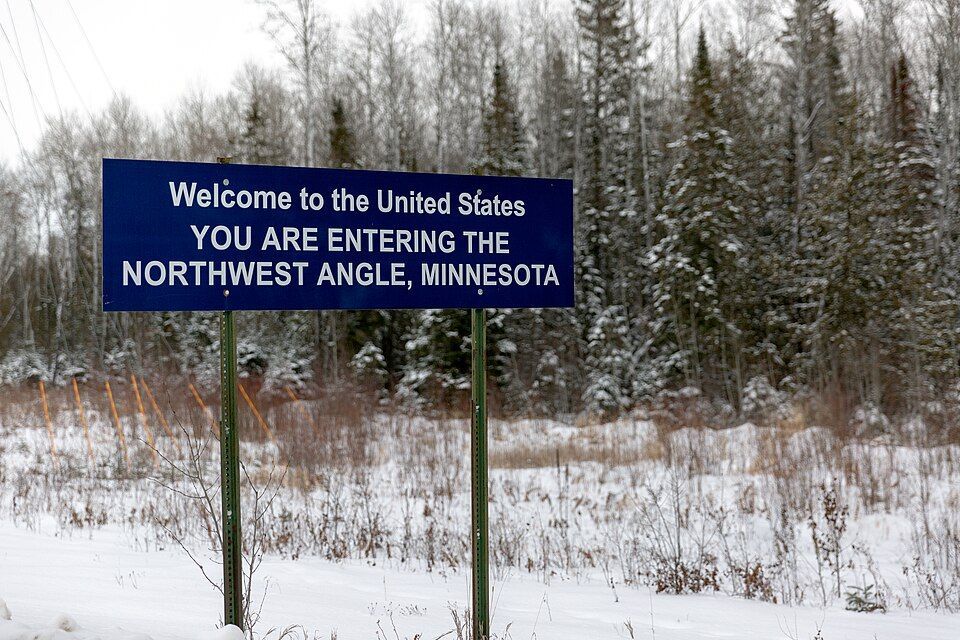
When the Treaty of Paris was signed in 1783 to end the Revolutionary War, the mapmakers used a chart that was flat-out wrong. They thought the Mississippi River started much further north than it actually did. Because of that mistake, a piece of Minnesota got cut off from the rest of the country . To this day, the "Northwest Angle" is the only place in the lower 48 states north of the 49th parallel. Much like Point Roberts, you have to cross a massive lake or drive through Canada just to visit it.

9
The District of Columbia’s "lost" corner

Image: Tim Mossholder

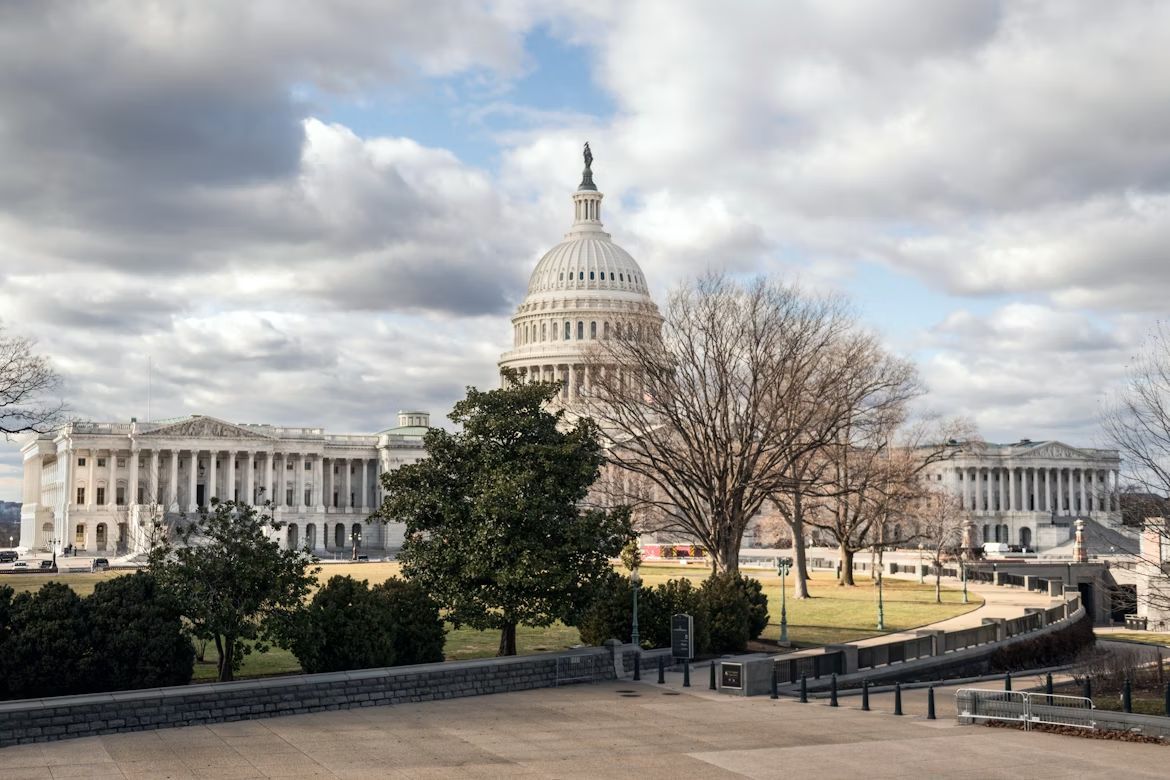
If you look at a map of D.C., you’ll notice it’s missing a chunk; it’s not a perfect square as it was originally intended. Originally, the capital was a perfect ten-mile square diamond , taking land from both Maryland and Virginia. But by 1846, things got tense. Residents in the Virginia portion, which included Alexandria and Arlington, were worried the federal government would abolish slavery in the District, which was the backbone of their economy. They successfully petitioned to have Virginia "take back" that portion of the land and subsequently changed the shape of the national capital forever.

10
UN Headquarters: International territory

Image: LPulecio-WMF, CC BY 4.0, via Wikimedia Commons

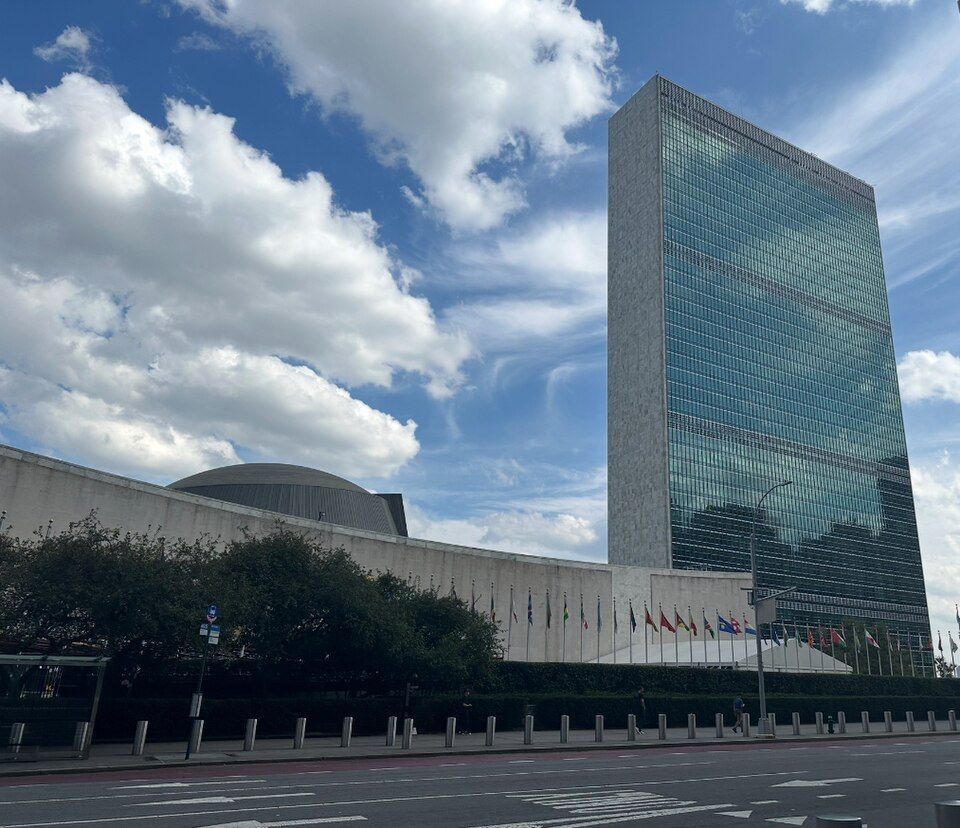
If you want to feel international, go to the United Nations Headquarters on the East River in midtown Manhattan, New York. Once you cross that gate onto the 18-acre site, you are technically leaving the United States. You don’t need to show your passport, but that’s international territory, which means it has its own laws , its own security force, and even its own postal service. It is a legal hole in the middle of New York City.

General General 4 min read

American uniqueness

10 things America does differently from the rest of the world

Image: Shamblen Studios

The U.S. is a unique country in many ways , but some of these might shock tourists and foreigners because they differ from how they are done in other parts of the world. From etiquette rules to cooking styles to how to record a date, America has its own way of doing certain things . Let’s have a look at some of them!

1
Measuring

Image: Annie Spratt

This is a difference most Americans are aware of: most countries use the metric system rather than U.S. customary units, and most use Celsius instead of Fahrenheit. Countries such as the UK and Canada still use some imperial units in everyday life, but they mainly use the metric system. Another measure that confuses foreigners is the particular way ingredients are measured in American recipes, which often use cups, tablespoons, and teaspoons rather than measurements by weight.

Fun fact: The only other countries that use the Imperial system officially are Liberia and Myanmar.

2
Sales tax

Image: Zoshua Colah

Do you find having to calculate sales taxes annoying? That’s a unique American experience. In the majority of the world, the price you see is the price you pay , because it has the sales tax already added.

Why is it different in America? Sales taxes vary across states , so retailers find it easier to showcase the base price and then calculate the total at checkout.

3
Cutlery use

Image: Anna Kumpan

Many Americans abroad are surprised by the realization that not everyone uses a knife and fork in the same way they do . In fact, no one else does. While most Americans have learned the American style —also called the zig-zag or fork switching method— that involves using the fork in the left hand for cutting and then changing it to the right to pick up the food, European and Latin American countries don’t do this . It might seem like a small difference, but it completely changes the way you eat.

4
Iced drinks

Image: Battlecreek Coffee Roasters

Do other countries not have ice? They do, but they don’t necessarily assume everyone will want it. While serving water and other beverages with ice is customary in America, in many other countries, you need to request it —even during the hottest of summers.

But even if you get ice, many times you will need to specify the amount : the same drink that would be filled with ice cubes in America might come to you with just two or three cubes elsewhere.

5
Date formatting

Image: Waldemar

The U.S. is not completely alone on this one, but there’s a difference big enough to be worth mentioning. The standardized way of recording the date in America is month-day-year , a convention also followed by some Caribbean and Asian countries. But in the rest of the Western world, the conventional format is day-month-year , which can lead to confusion for Americans. In most Asian countries , the most commonly used format is year-month-day .

6
The word ‘American’

Image: frank mckenna

In the English language, ‘American’ is the only way to refer to people with U.S. citizenship . Other words, such as ‘Usian’ or ‘Unitedstatian’ have been proposed, but never stuck. This is why many Americans are surprised when other countries —Latin American countries in particular— use ‘American’ for anyone in the American continent , or continents, another big difference. In most European and Latin American countries, there is a different word for U.S. citizens, such as the Spanish ‘estadounidense’ or the Portuguese ‘estadunidense’ .

7
Moving out at 18 years old

Image: Dina Badamshina

This one is not so black and white, but more like a general tendency. Compared with most of Europe, Latin America, and Asia, Americans give serious consideration to the possibility of moving out after high school. Not everyone does, and not everyone can afford it, but it's fairly common.

In other countries, young adults generally move out if their job or education requires it , but they tend to stay at home a few more years if they can.

8
Driving a car as a teenager

Image: Dan Gold

America is quite car-centric , especially if you live outside of the big cities. While not everyone can afford to have a personal car —even a second-hand one—, it is common for 16 and 17-year-olds to legally drive their parents’ car, or save for their own.

In the rest of the world, the chances of high schoolers driving themselves to school are much lower, as most countries don’t allow underage kids to get a driving license .

9
Solo cups

Image: Artem Beliaikin

Do plastic cups exist outside of the U.S.? They do, but they are not as iconic or as widely used as Solo cups, introduced in the 1970s as a disposable but sturdy cup for parties and events. Many foreigners visiting America are surprised when they realize that solo cups are a real thing , and not something that just happens in movies.

10
Filing taxes

Image: Olga DeLawrence

Taxes in the U.S. are not that different from taxes in other countries, except for how they are filed . During tax filing season, thousands of Americans direct their efforts to ensure they have properly reported their income and that their return will match the IRS’s data.

In other parts of the world, however, the one responsible for calculating and filing taxes is the government , while citizens merely corroborate that everything is in order.

Explore more American facts

Choose your favorite category!

General
General

As American as apple pie—the very best America has to offer!

Culture
Culture

Delve into the astounding richness of American lore.

Geography
Geography

Hop in and explore vast and diverse American landscapes.

History
History

Discover the key moments that shaped the United States.