Banned in the USA

Would you ban velvet Elvis paintings? These towns really did it
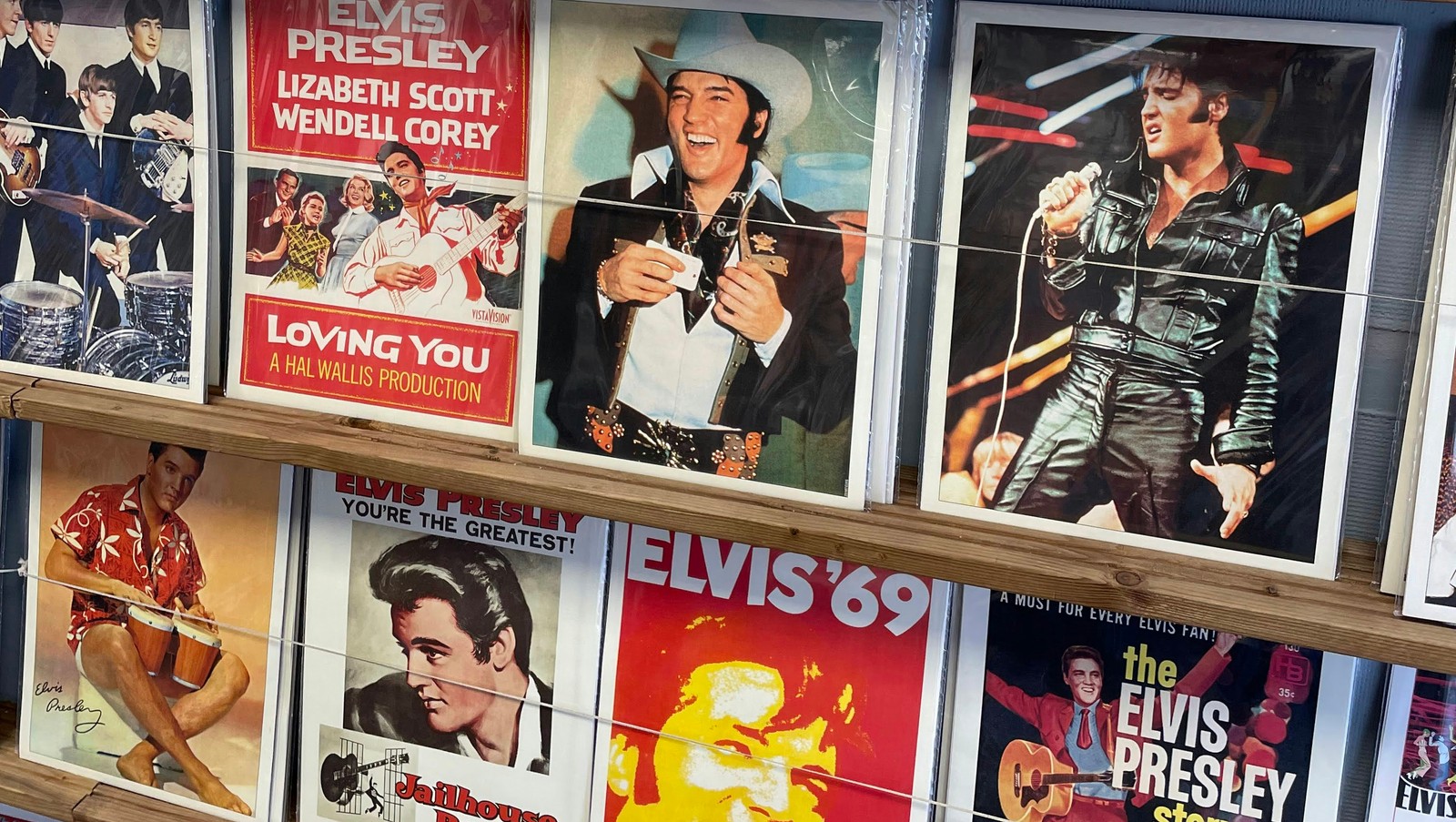
Image: Dmitry Alexandrovich

The Land of the Free has had its fair share of strange bans over the years, and not all of them make sense today. From quirky laws to outright odd restrictions, plenty of everyday things have been outlawed at one point or another. Here are 12 unusual things that, believe it or not, were once banned in the U.S.

1
Sliced bread
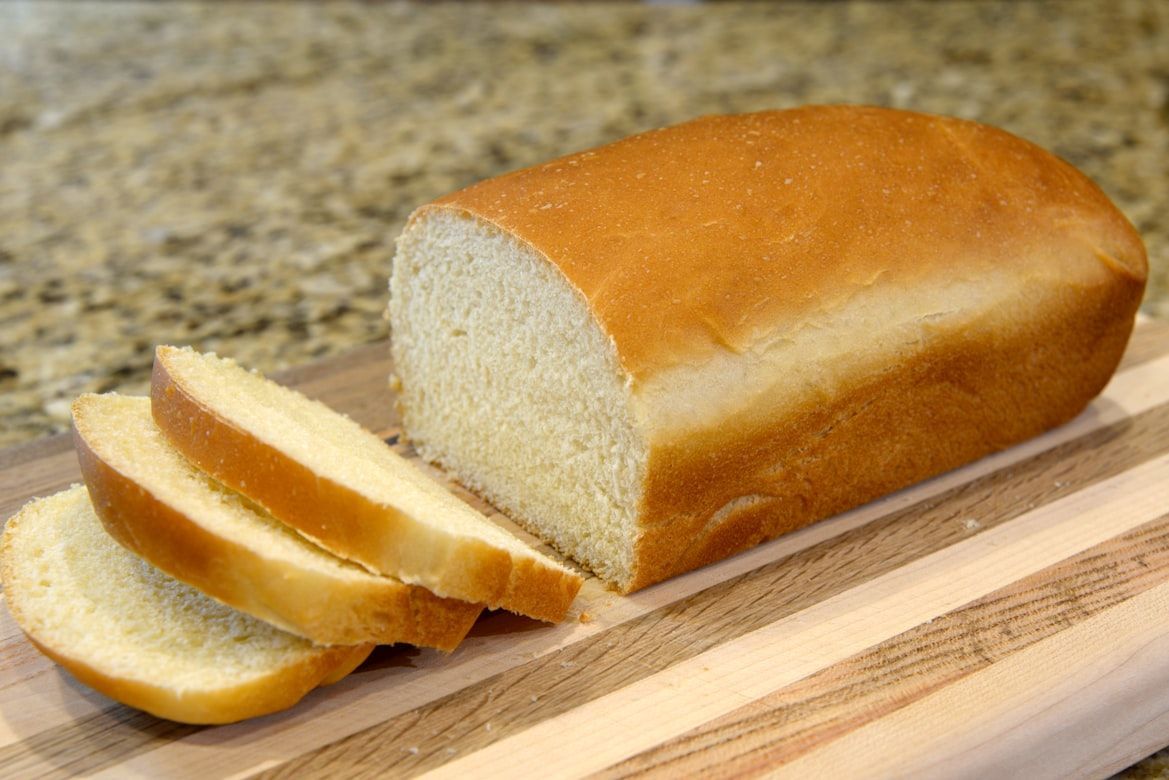
Image: Laura Ockel

Not even the best of inventions are safe from odd bans. In 1943, the U.S. government temporarily banned pre-sliced bread as part of wartime resource conservation .

Thankfully, the ban only lasted a few months. Housewives, bakeries, and even newspapers complained, arguing that sliced bread was a necessity. The ban was lifted quickly due to public backlash.

2
Pinball machines
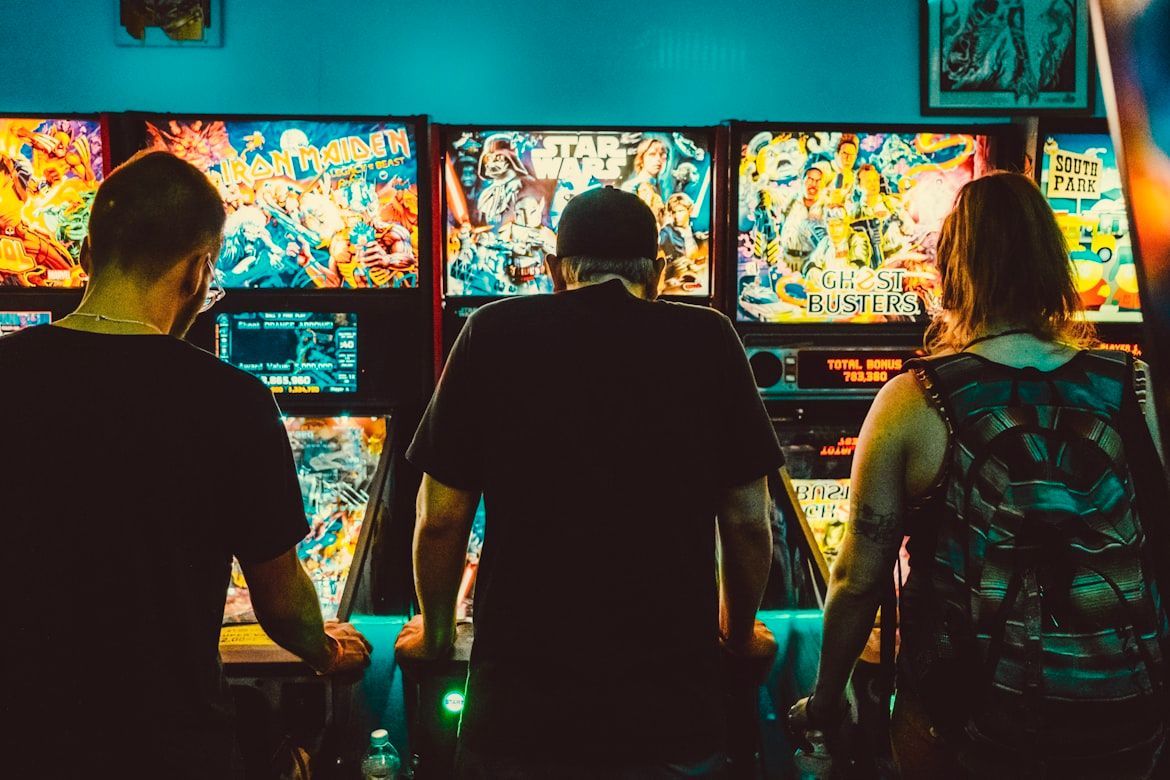
Image: Louie Castro-Garcia

Believe it or not, from the 1940s until the mid-1970s, pinball machines were outlawed in several major cities, including New York and Chicago. Officials claimed the machines promoted gambling and corruption .

Machines were confiscated and destroyed. The ban finally ended when it was proven that pinball was more skill-based than luck, leading to its revival as a popular arcade game.

3
Yo-Yos
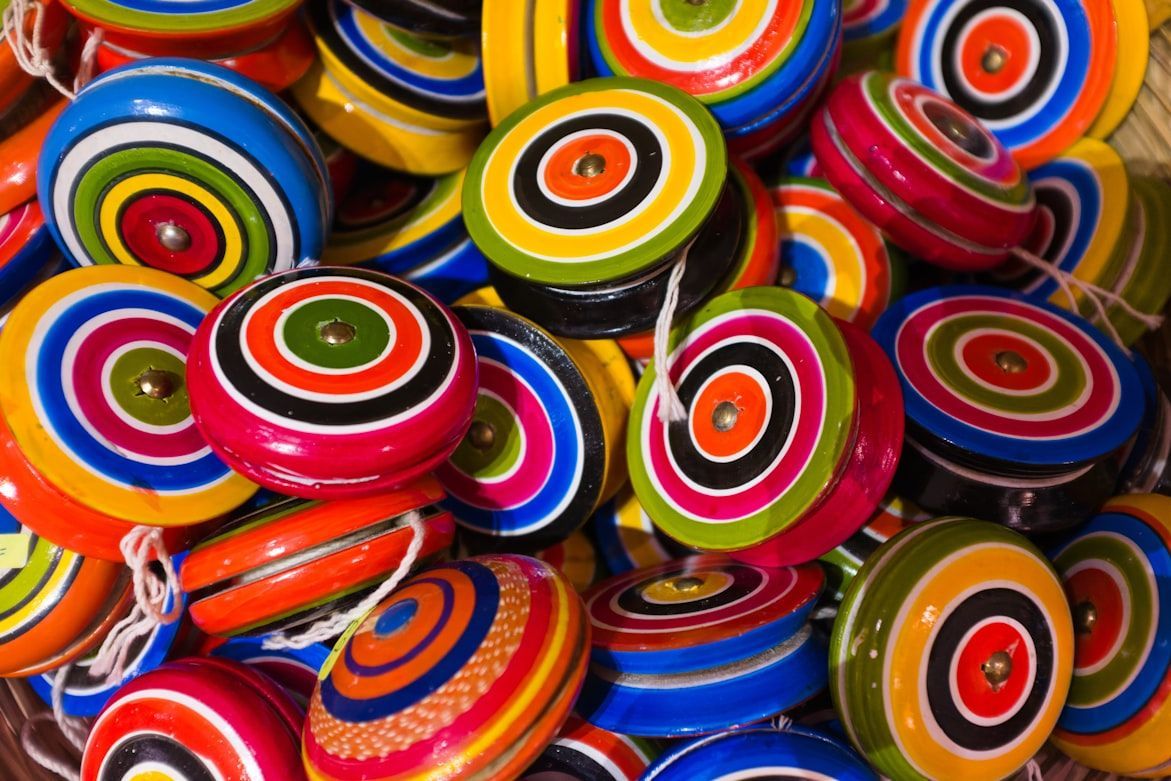
Image: Eric Prouzet

During the 1930s, some U.S. towns banned yo-yos, believing they caused bad luck and distracted children from schoolwork . The fad was seen as both frivolous and superstitious.

Though short-lived, the bans show how something as harmless as a toy could spark moral panic and strange local laws.

4
Christmas

Image: Erwan Hesry

In the 1600s, the Puritans of Massachusetts Bay Colony banned Christmas , claiming it was rooted in pagan traditions and encouraged rowdy behavior .

Anyone caught celebrating risked punishment or fines. It wasn’t until the mid-1800s that Christmas gained widespread acceptance in the U.S.

5
Dancing after midnight
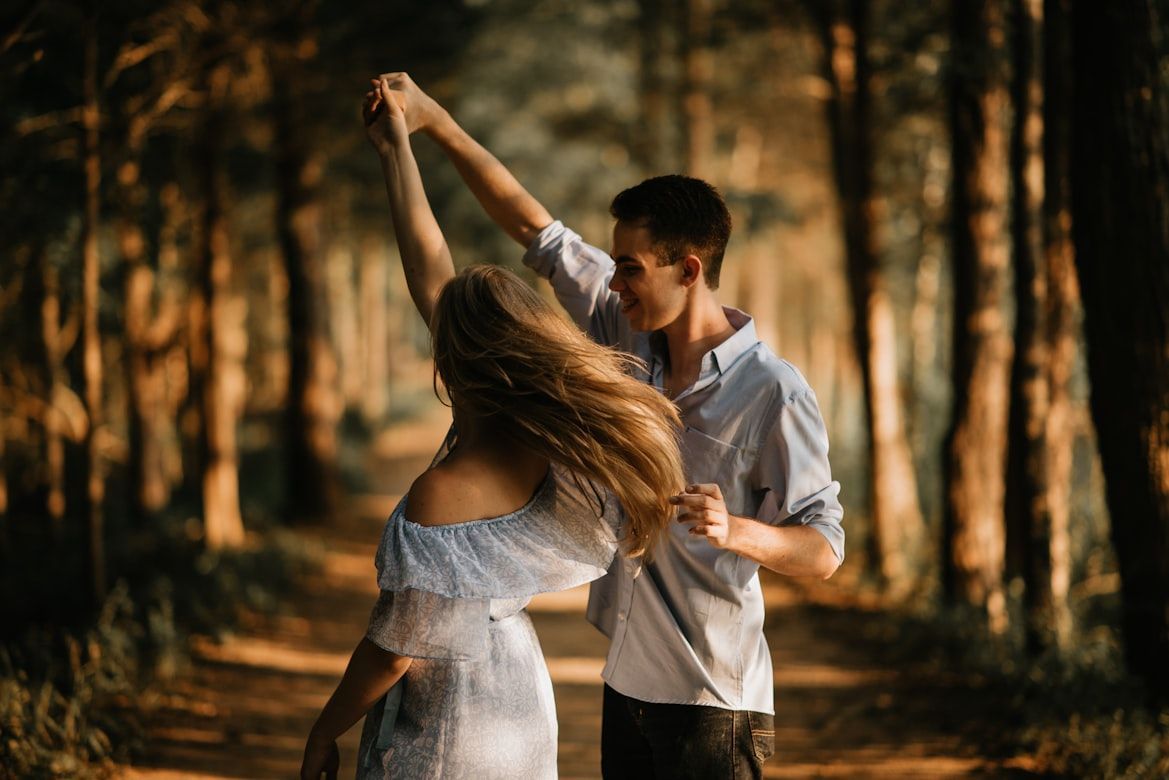
Image: Scott Broome

At different occasions during the 20th century, some cities enforced laws that restricted or outright banned late-night dancing . New York City’s "Cabaret Law" limited dancing to licensed venues only.

Authorities argued it was about maintaining order, but many saw it as cultural repression. By the 1990s, these laws faced strong opposition, and most have since been repealed, allowing nightlife to thrive.

6
Comic books
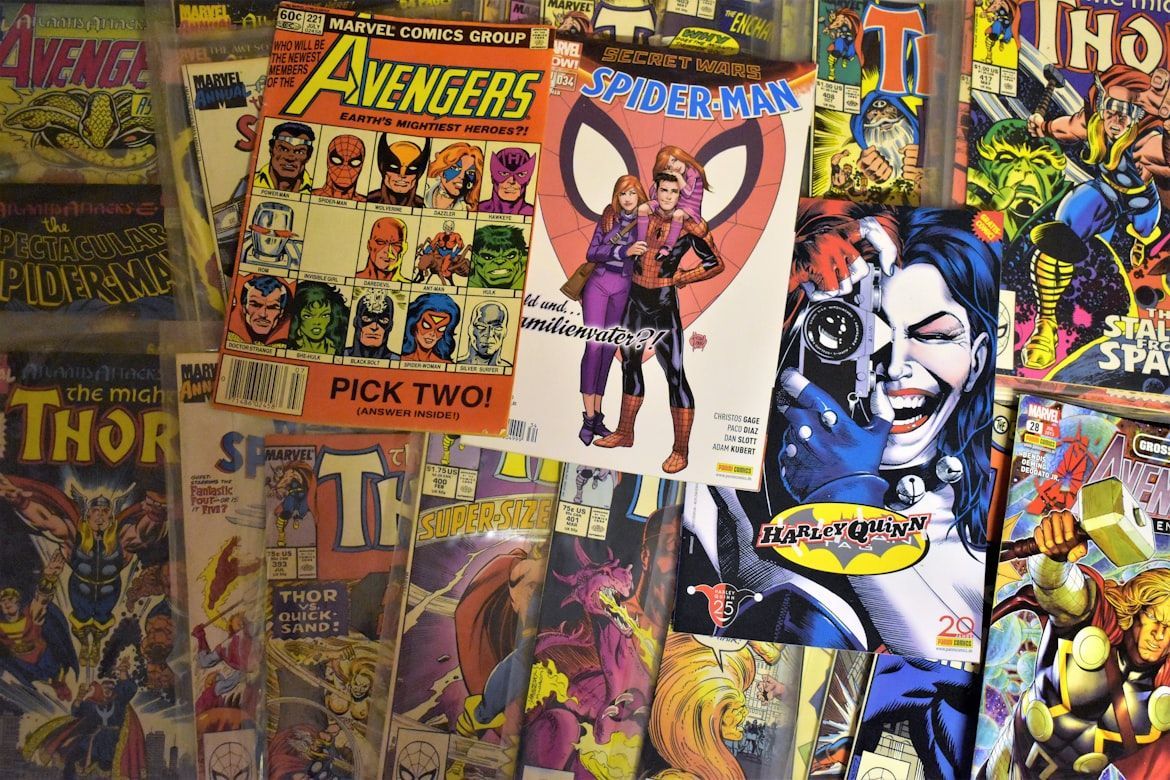
Image: Waldemar

Comic books have been a scapegoat for different things in different periods. For example, in the 1950s, they came under fire, accused of corrupting America’s youth . Parents, educators, and politicians believed violent and horror-themed comics encouraged delinquency.

Entire towns banned sales, and even public book burnings took place in different corners of the country.

7
Yellow margarine
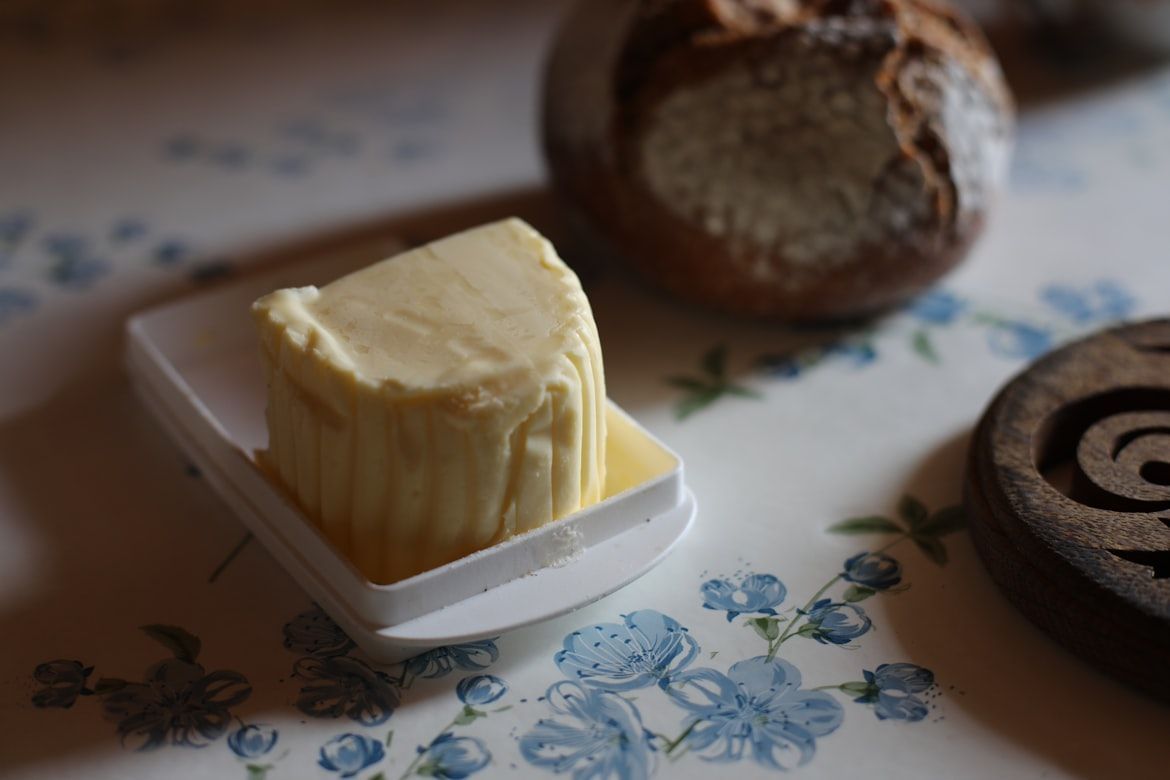
Image: Marine Le Gac

Being a substitute for butter, margarine was heavily lobbied against by dairy farmers in the late 1800s. Several states passed laws banning margarine dyed yellow to resemble butter .

As a result, margarine was sold plain white, or consumers had to mix in dye packets themselves. These odd restrictions lasted well into the mid-1900s before finally being repealed.

8
Men’s long hair

Image: Siri louis

During the 1960s and 70s, schools across the U.S. cracked down on boys with long hair . Beatles-inspired styles were viewed as rebellious, unclean, and disruptive.

Some students were suspended or expelled over hair length. These policies reflected the cultural clashes of the era.

9
Left-handed writing
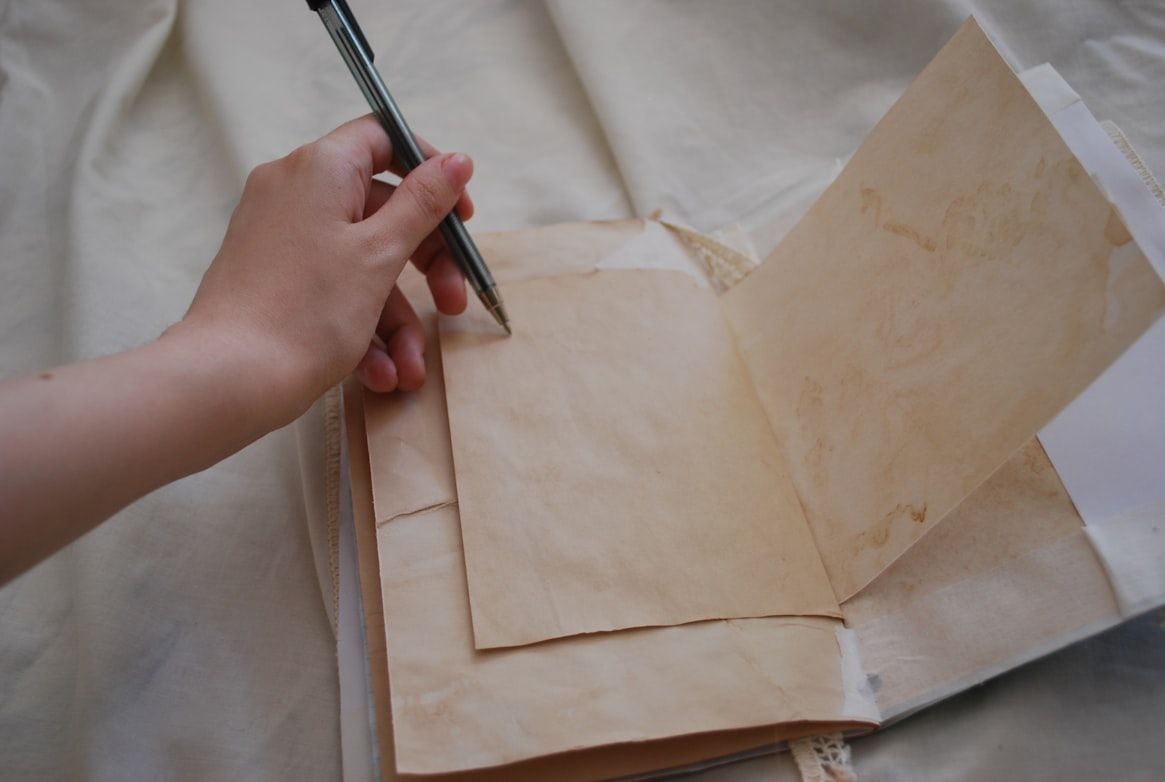
Image: Anna Savina

For much of the 19th and early 20th centuries, left-handed students were forced to switch hands . Teachers tied their left arms or punished them until they wrote with their right hand.

This practice was based on superstition and prejudice, with left-handedness considered "wrong" or even sinister.

10
Bathing suits above the knee
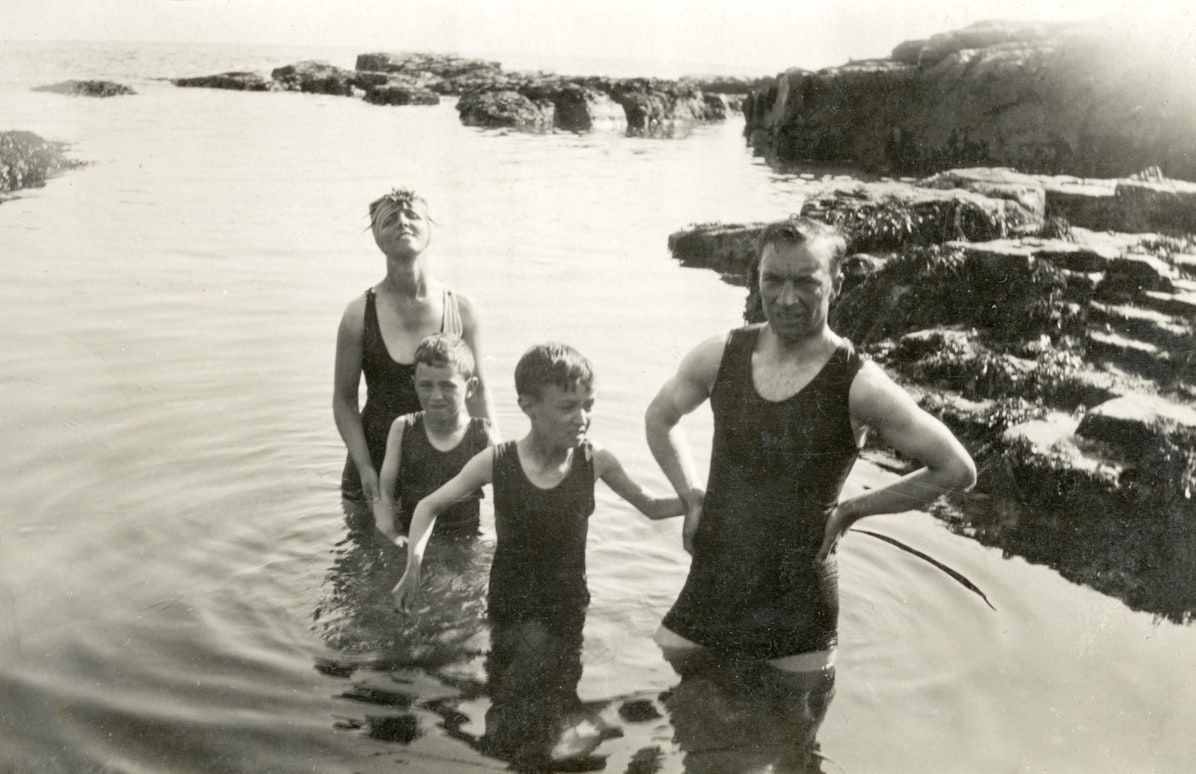
Image: Brett Jordan

In the early 1900s, strict laws dictated swimwear modesty at public beaches . Bathing suits that rose above the knee could result in fines or even arrest by "beach police."

Photographs from the time show officers measuring swimsuit lengths with rulers. The bans slowly disappeared as fashion and social norms shifted.

11
Coffee

Image: Jakub Dziubak

In the late 1600s, in Boston, coffee was briefly banned for being considered dangerous and unproductive . Authorities feared it encouraged idleness and vagrancy.

Coffeehouses were seen as gathering places for gossip and dissent. The ban didn’t last long, and coffee soon became a staple of American culture, eventually surpassing tea in popularity.

12
Velvet Elvis paintings
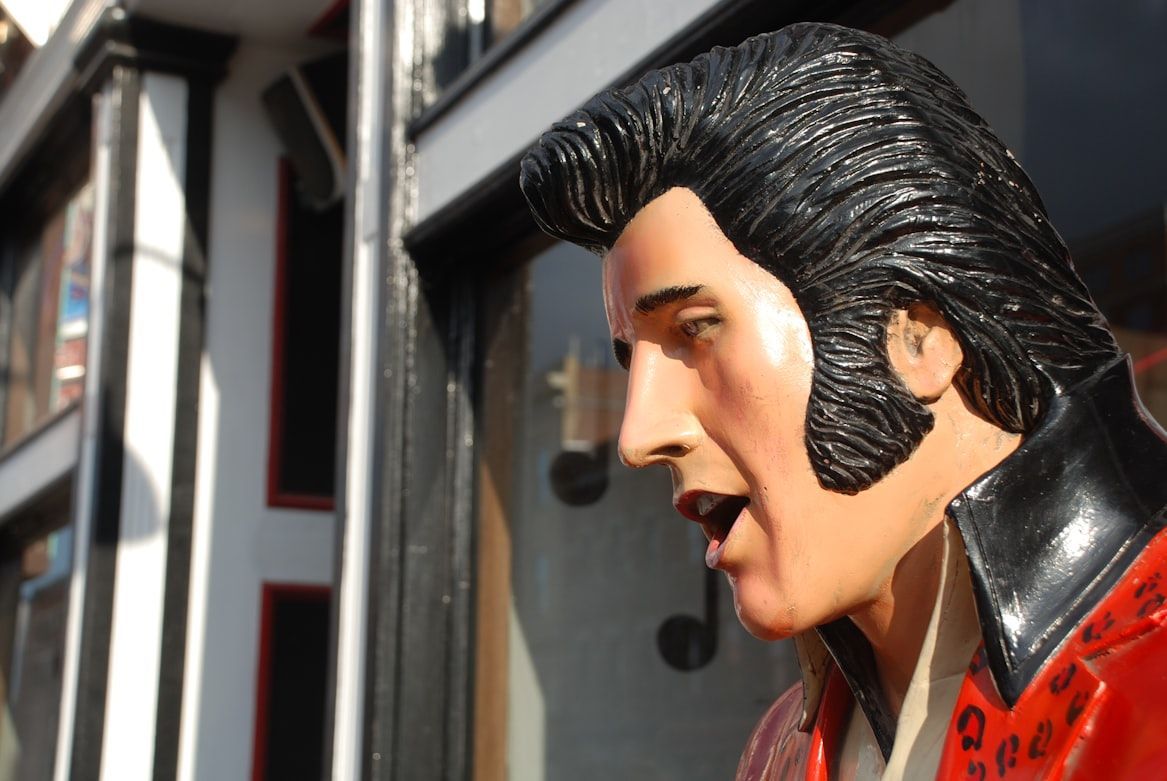
Image: Susan Mohr

In the 1970s and 80s, velvet Elvis paintings became a kitschy art craze. Some towns, embarrassed by the trend, tried banning their sale, calling them indecent or tacky .

Though the bans were rarely enforced, they reflected how taste and morality sometimes crossed into law.

Got mail?

Did you know these 12 facts about the evolution of mail delivery?

Image: Wolfgang Vrede

We take many things for granted, especially when they have been around forever. Their stability is reassuring and commanding. But everything has to start somewhere, and mail delivery certainly has had an interesting history in America. From humble tavern-based post offices to airplanes and ZIP codes, the postal service has a few stories to share. Did you know about these 12?

1
The first post office? A Boston tavern

Image: Mick Haupt

In 1639, the first organized mail service in British North America started at Richard Fairbank’s tavern . The owner collected and distributed mail brought by ship.

Although informal and modest by today’s standards, this post office laid the foundation for communal mail collection and delivery.

2
Enter Benjamin Franklin

Image: Brett Wharton

From 1753, Franklin served as joint Postmaster General for the colonies and undertook a sweeping reform: he organized delivery routes, aligned them with major roads and rivers, and cut the mail travel time between Philadelphia and New York to about 33 hours .

He also introduced the first rate chart, standardizing delivery costs based on weight and distance, turning what had been a scattered courier network into a more reliable, structured mail system.

3
National Postal System founded

Image: David Trinks

With the American Revolution underway, the Second Continental Congress established the first national postal agency in 1775 , appointing Benjamin Franklin as the first Postmaster General.

This new postal service initially handled mostly military and diplomatic correspondence, but the agency laid the groundwork for what would become a national communications service.

4
The Age of Steam: mail by steamboat

Image: mandylin

In 1813, Congress authorized the Postmaster General to contract steamboat companies to carry mail. Soon, steamboats were ferrying mail up and down the East Coast and the Mississippi River .

By 1848, mail even traveled to California via steamship and across the Isthmus of Panama, a three-week voyage.

5
Overland stagecoaches and the Butterfield Overland Mail

Image: Ricky BiggsSr

Between 1858 and 1861, the Butterfield Overland Mail stagecoach service carried U.S. mail across the western frontier, from eastern posts like Memphis and St. Louis to San Francisco .

This service helped connect the eastern U.S. with rapidly growing western settlements long before the completion of the transcontinental railroad.

6
Railroads enter the picture

Image: Jay Kettle-Williams

As railroads expanded, the postal service started to use this new technology: in 1832, the first mail deliveries by train were made.

Rail transport vastly improved speed and reliability compared to horse and stagecoach travel , and became a key advance as mail traffic increased and the nation expanded westward.

7
First U.S. postage stamps

Image: The New York Public Library

In 1847, the first official U.S. postage stamps were issued: a 5-cent stamp featuring none Ben Franklin and a 10-cent stamp featuring George Washington .

Prepaid stamps simplified payment and collection of postage, removing complications from pay-on-delivery systems and helping the postal system function more efficiently.

8
The Pony Express

Image: The New York Public Library

In 1860, the Pony Express started its overland mail route between Missouri and California, nearly 1800 miles of relay horseback riding . The mail took 10 days between endpoints.

Although short-lived (it ended in 1861), the Pony Express demonstrated the demand for rapid cross-country communication.

9
City-wide home delivery

Image: Lesli Whitecotton

In 1863, free city mail delivery began , allowing residents in major cities to receive letters directly at their homes rather than picking them up at a post office.

This represented a major shift: mail became a part of everyday domestic life, not just something dropped off and picked up by hand.

10
Pneumatic tube mail in NYC

Image: The New York Public Library

In 1897, a pneumatic-tube mail system began operation in New York City. Mail could travel underground at high speeds, from the General Post Office to other offices in Manhattan within minutes .

At its peak, the system carried thousands of letters daily: at one point, nearly 30% of New York City mail went through this immense underground network.

11
Parcel post service launches

Image: Olivier Rouge

On New Year’s Day 1913, the U.S. Post Office inaugurated the first official parcel post service , allowing packages, not just letters, to be sent through the mail.

The impact was immediate: within the first five days, millions of packets passed through post offices, fueling mail-order business and expanding commerce everywhere.

12
First airmail route

Image: Qihao Wang

In 1918, the postal service launched the first regularly scheduled air mail route between Washington, D.C., and New York , marking the beginning of mail carried by airplane.

Airplane mail allowed far faster coast-to-coast and long-distance communication, a major leap from sailboats, stagecoaches, or railroads.

Americans did what?

Florida holds the record for the longest car in the world

Image: Kanashi

Yes, we’ve heard about the tallest and the shortest person, and we’ve even seen them side by side! And however crazy that was, that’s just the tip of the iceberg in the Guinness World Records Book. America is nothing short of contributions, so we’ve gathered some record-breaking examples from each state to amaze you!

1
Florida: The American Dream car

Image: Richard R

Florida holds the record for the longest car in the world. Measuring a jaw-dropping 100 feet and 1.5 inches, this beast of a limousine stretches longer than a basketball court. Michael Dezer made it official at Dezerland Action Park in Orlando on March 1, 2022. It was rebuilt using parts from the original record-holding car. Wanna take a ride in it?

2
California: A dog on wheels—and on fire

Image: Ben Hanson

California isn’t just home to movie stars; it’s also where a dog named Tillman made record-breaking history. In 2009, Tillman flew across 330 feet on a skateboard in just 19.67 seconds. No, that’s not a typo; it took him less than 20 seconds. No motor, just pure doggy determination.

3
California: Pedaling across America at 67

Image: Tom Dillon

Lynnea C. Salvo, a retired teacher, didn’t let age slow her down. At the age of 66, she hopped on a bicycle and rode all the way, completing the first transcontinental bike ride. That’s 3,163 miles of grit, sunburn, and serious calf muscles. She wrapped up her journey on October 18, 2021, landing her a spot in the record books and in our article.

4
West Virginia: Flamingos, flamingos everywhere

Image: Vicko Mozara

If you’ve ever thought you liked flamingos, prepare to be humbled. Deborah Buscher Leck of Kearneysville, West Virginia, owns 2,595 flamingo-related items, making her the proud record-holder for the largest flamingo collection on Earth. It's pink, it's proud, and totally amazing!

5
Georgia: So many tiny chairs, so little time

Image: Haneen Alqatanani

Barbara Hartsfield of Ellenwood, Georgia, has a thing for chairs, but only the miniature kind. She’s collected 3,000 of them, each unique and meticulously displayed. It took her more than a decade to round them up. Her collection might be tiny in size, but it’s huge in charm. Who knew a chair that fits in your hand could still have so much to give you?

6
Idaho: Hula-hooping like a champ—in the pool

Image: Thomas Park

David Rush of Boise doesn’t just swim—he balances a hula hoop on his head while swimming. And not just for a few seconds. He kept that hoop steady for 16 minutes and 13 seconds, setting a Guinness World Record in 2017. If multitasking were an Olympic sport, David would be bringing home the gold, you know?

7
Iowa: The beard that wouldn't quit

Image: Multi Awesome Studio

Hans N. Langseth's beard was so legendary that it got its own posthumous world record. When he passed away in Kensett, Iowa, in 1927, his beard measured a whopping 17 feet and 6 inches long. That’s longer than most cars. His epic facial hair now lives on at the Smithsonian, preserved for curious beard fans and history buffs alike.

8
Kansas: Earsplitting basketball fans

Image: Marius Christensen

On February 13, 2017, the University of Kansas basketball fans did something no other crowd had managed before: They screamed their heads off to hit 130.4 decibels. That’s louder than a jackhammer. That way, the Jayhawks turned Allen Fieldhouse into the loudest indoor sports arena ever recorded.

9
Kentucky: The tape ball to end all tape balls

Image: Markus Spiske

Over in Louisville, the Portland Promise Center didn’t just toss out their tape; they rolled with it. They created a monstrous tape ball weighing 2,000 pounds and stretching 12 feet 9 inches around. It’s made of duct tape, packing tape, masking tape… You name it. Just don’t get too close, who knows what could happen?

10
Maryland: Crab cake heaven

Image: Andrey Stakhovskiy

Maryland takes its crab cakes seriously. How serious? Well, on September 1, 2012, Handy International in Timonium whipped up a 300-pound crab cake. That’s the size of a vending machine, but way tastier. It’s safe to say no one left that event hungry.

11
Minnesota: The fluffiest tail in town

Image: Daniel Zopf

Mr. Pugsley Addams, a silver Maine Coon from Mound, has a tail that stole the show—and the record. Measuring 18.5 inches, his tail was officially the longest on a domestic cat. That’s one unforgettable feline, don’t you think?

12
Mississippi: Cowbells ringing in unison

Image: Jamie Street

On September 10, 2015, the Mississippi State University Student Association gathered 5,748 people to ring cowbells at the same time. The result? A thunderous clanging that set a world record and probably made a few ears ring for days.

13
Alaska: Cabbage the size of a small car

Image: Arnaldo Aldana

Up in Alaska, where summer days seem to last forever, the vegetables grow big. Like, really big. Scott A. Robb set a jaw-dropping record at the Alaska State Fair with a cabbage that tipped the scales at 138.25 pounds. Scott’s no stranger to giant greens; he’s also grown record-holding turnips. There must be something in that Alaskan soil (or perhaps just a lot of fertilizer).

Explore more American facts

Choose your favorite category!

General
General

As American as apple pie—the very best America has to offer!

Culture
Culture

Delve into the astounding richness of American lore.

Geography
Geography

Hop in and explore vast and diverse American landscapes.

History
History

Discover the key moments that shaped the United States.