Culture Culture 4 min read

Unforgettable lines

These 13 TV catchphrases are still stuck in your head—admit it!

Image: Shutter speed

TV in the golden years gave us more than just entertainment—it gave us catchphrases we’ve been quoting ever since. Whether you were glued to your set in the ‘60s or rewinding VHS tapes in the ‘80s, chances are these lines are burned into your brain. They were punchy, funny, and unforgettable. And let’s be honest—sometimes they still sneak out of our mouths even now. Let’s stroll down memory lane and revisit the most iconic catchphrases from classic American TV.

1
"How you doin’?" – Friends
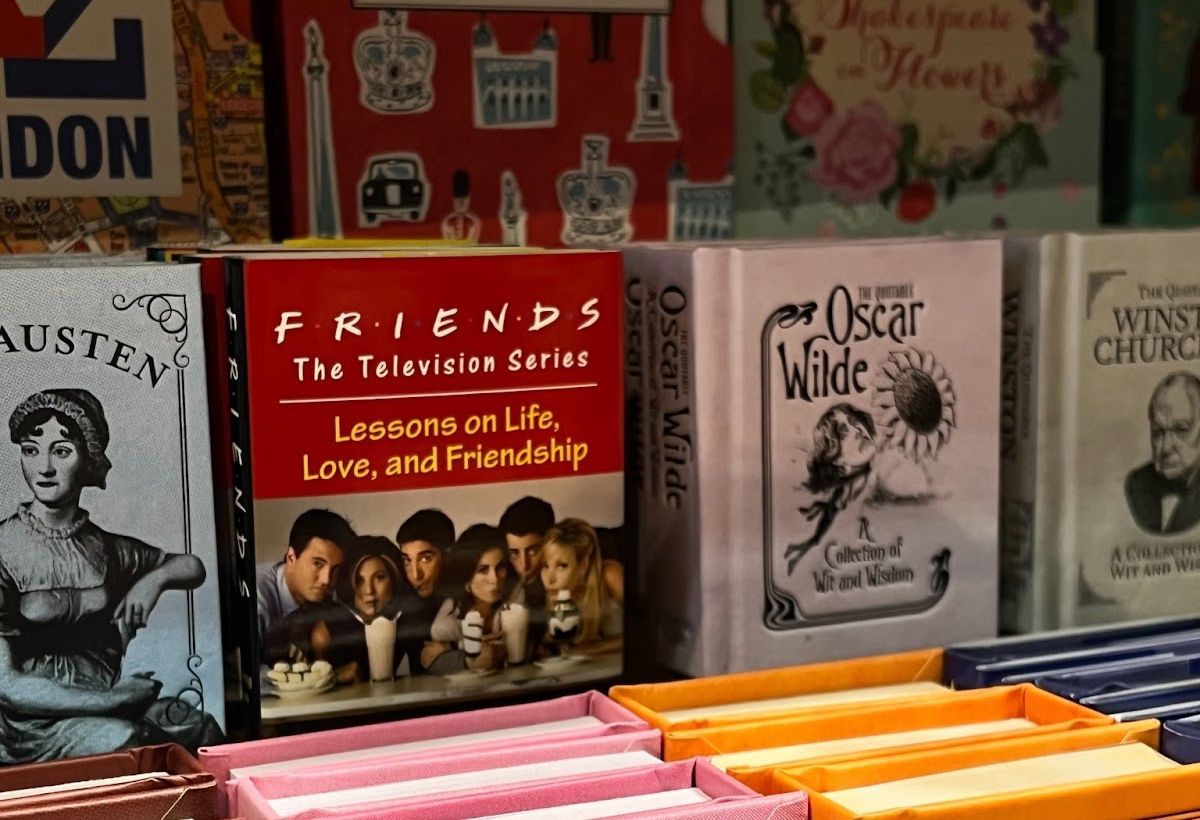
Image: Malavika Pradeep

Friends gave us a lovable group of New Yorkers navigating life and love. But it was Joey Tribbiani’s cheesy yet charming "How you doin’?" that stole the spotlight. This flirty greeting, delivered with a confident grin, became a pop culture gem and Joey’s signature move. It’s the kind of line that can’t help but make you smile—even if you’re not on a date at Central Perk.

2
"You got it, dude", "How rude!", and "Have mercy" – Full House

Image: H031175

Full House warmed hearts with its family-centered humor and wholesome charm. Michelle Tanner, the tiny powerhouse, gave us "You got it, dude," and "How rude!"—adorable comebacks with surprising sass. Meanwhile, Uncle Jesse’s "Have mercy" was his smooth, rock ’n’ roll way of reacting to… well, just about anything worth swooning over.

3
"Well, isn’t that special?" – Saturday Night Live
Image: Asit

With sketches that parodied everyone and everything, SNL gave us the ultra-judgy Church Lady. Dana Carvey’s purse-lipped creation mastered the art of sarcasm. You didn’t need to be holy to recognize that smug tone.

4
Fonzie’s "Aaaay" – Happy Days

Image: Robbie Noble

Arthur Fonzarelli, aka Fonzie from Happy Days , made leather jackets cool and jukeboxes come to life with a single punch. His signature "Aaaay," complete with thumbs-up, said it all—cool, confident, and just a little bit rebellious.

Whether he was fixing a motorbike or schooling Richie on life, Fonzie’s catchphrase became a national symbol of laid-back swagger.

5
"Did I do that?" – Family Matters
Image: White.Rainforest ™︎ ∙ 易雨白林.

Steve Urkel from Family Matters was the lovable nerd who left a trail of chaos behind him. Whenever a plan backfired—and we all know they usually did—he’d pop out with his nasal "Did I do that?" It was part apology, part mischief, and it made Urkel a household name. That clumsy charm was irresistible, even when he turned the Winslows’ house upside down.

6
"Yada, yada, yada" and "Newman" – Seinfeld

Image: Dilip Ale

Seinfeld , the "show about nothing," gave us plenty of quirky phrases. "Yada, yada, yada" became shorthand for skipping the boring parts—or hiding juicy gossip. And then there was Jerry’s exasperated, drawn-out "Newman" whenever his nemesis neighbor appeared. Both lines are still used today. Sometimes, saying very little says it all.

7
"Dy-no-mite!" – Good Times

Image: J Williams

J.J. Evans from Good Times had a big personality and an even bigger catchphrase: "Dy-no-mite!" He’d shout it with such enthusiasm that you couldn’t help but laugh. It captured his upbeat attitude in a show that balanced humor with tough realities. That one word became a rallying cry of fun and energy in every episode.

8
"And that’s the way it is" – CBS Evening News
Image: appshunter.io

Walter Cronkite signed off each evening with calm, steady authority: "And that’s the way it is." It wasn’t flashy, but it became iconic because it felt real and trustworthy. In a time when Americans gathered around the TV for the news, that line gave a sense of closure and comfort after a long day.

9
"Come on down!" – The Price Is Right
Image: Kenny Eliason

The Price Is Right turned everyday folks into instant game show stars with four exciting words: "Come on down!" Bob Barker’s booming voice (and later Drew Carey’s) invited contestants to race down the aisle and guess the price of, well, just about everything. That line still gets hearts racing for bargain hunters and lucky guessers alike.

10
"Yabba Dabba Doo!" – The Flintstones
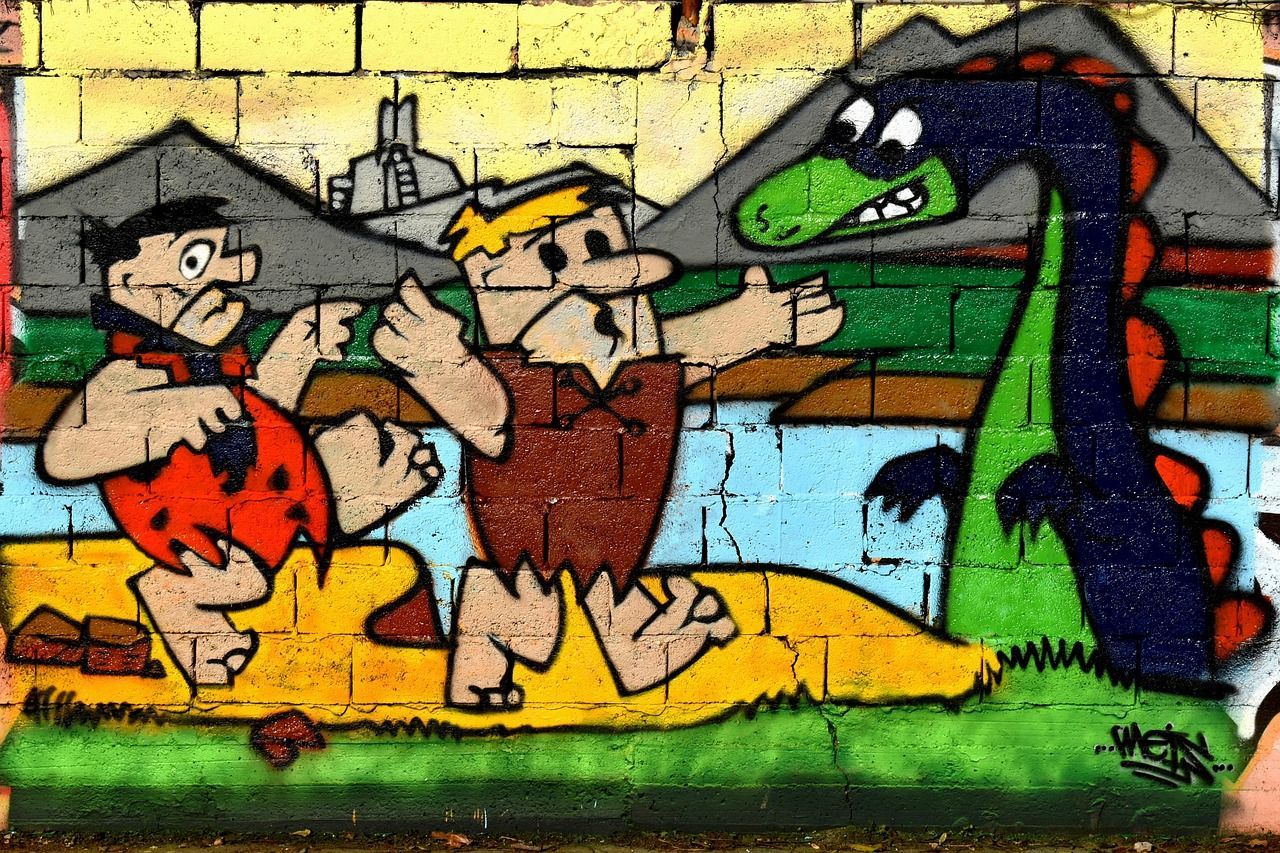
Image: papazachariasa

Fred Flintstone’s caveman cheer, "Yabba Dabba Doo!" from The Flintstones was pure cartoon joy. Whether he was sliding down a dinosaur’s tail after work or just in a good mood, that prehistoric phrase made everyone’s inner child want to shout it too. It was goofy, energetic, and unforgettable.

11
"Norm!" – Cheers

Image: Quan Nguyen

Whenever Norm walked into Cheers , the whole bar would greet him with a booming "Norm!" It wasn’t just a greeting; it was a welcome from friends who felt like family. That running gag captured the cozy, familiar vibe of the show, where everybody really did know your name.

12
"Nip it in the bud" – The Andy Griffith Show

Image: Glenn Carstens-Peters

Barney Fife, the overly enthusiastic deputy from The Andy Griffith Show , had his own way of handling trouble: "Nip it in the bud!" He meant to squash the problem early, though his methods were often hilariously over the top. The line became a comical mantra for over-preparing and overreacting—Barney style.

13
"Marcia, Marcia, Marcia" and "Oh, my nose!" – The Brady Bunch
Image: Bruna Araujo

The Brady Bunch gave us sibling drama in its purest form. Jan’s jealous cry of "Marcia, Marcia, Marcia" captured classic middle-child woes, while Marcia’s anguished "Oh, my nose!"—after getting hit with a football—was a dramatic moment that still gets laughs. Both quotes are etched into the memories of anyone who grew up watching the blended Brady family.


History History 4 min read

America through songs

10 songs that preserve America’s greatest stories

Image: Anmol Arora / Chris Robert

Music has always been a way for Americans to reflect on their shared history, both struggles and victories. From heartfelt anthems about our most beautiful landscapes to bittersweet reflections on failed dreams, there is no shortage of melodies that place America at their center. Hum along with us through these 10 unforgettable songs that blend art and history, making us reflect on what was gained and lost along the way.

1
"Born in the U.S.A." – Bruce Springsteen

Image: Jose Antonio Gallego Vázquez

This 1984 anthem by "The Boss" captures the struggles of Vietnam veterans returning to a country that seems to have forgotten them. While often mistaken as a patriotic rally cry, its verses lament economic hardship and societal neglect.

Springsteen's raw vocals and gritty lyrics juxtapose against its rousing melody, making it one of America’s most misunderstood yet powerful songs. The album was a commercial success, solidifying its place in rock history.

2
"American Pie" – Don McLean

Image: Priscilla Du Preez

Released in 1971, McLean’s eight-minute epic recounts America’s loss of innocence following Buddy Holly’s death in 1959. The song’s nostalgic tone and layered storytelling made it an instant classic, with its complex lyrics referencing a myriad of cultural and political events of the 1960s.

While the song is known for its deep, almost cryptic lyrics, McLean chose not to explain its meaning for many years, allowing listeners to interpret it as they saw fit. When asked about the song’s significance, McLean humorously responded, "It means I never have to work again."

3
"We Didn’t Start the Fire" – Billy Joel

Image: Matt C

Another hit song known for its rapid-fire, name-dropping lyrics, "We Didn’t Start the Fire" chronicles major American events and figures from 1949 to 1989—a true history lesson packed into a pop hit.

According to Joel, the idea came from a conversation with a younger friend, who suggested that no era could have been more chaotic than the one they were living in. This prompted Joel to write a song demonstrating that every era has its own share of turmoil, showing that there’s nothing new under the sun.

4
"Take Me Home, Country Roads" – John Denver

Image: Mario Scheibl

This 1971 ode to West Virginia celebrates the beauty of rural America. Denver’s tender vocals and vivid imagery perfectly capture the essence of small-town life and evoke a sense of nostalgia for simpler times.

In the chorus, Denver depicts the roads to West Virginia as a guiding force, leading him back to a place where he truly belongs, affectionately calling the state "Mountain Mama." The song has since become a symbol of Appalachian pride, performed at countless events, and even adopted as an official state anthem.

5
"Paradise" – John Prine

Image: Albert Hyseni

Prine’s 1971 bittersweet ballad tells the story of a small Kentucky town destroyed by coal mining. Although Prine was from Chicago, his family hailed from the Appalachian region, specifically the town of Paradise, Kentucky.

Large-scale strip mining from the 1950s to the 1970s wiped Paradise off the map, as thousands of acres were stripped. During that time, regulation of strip mining was minimal at best, and even today, the environmental and societal scars of this practice are still visible.

6
"Casey Jones" – Mississippi John Hurt

Image: Tim Wildsmith

"The Ballad of Casey Jones," also known as simply "Casey Jones," is a traditional American folk song about railroad engineer Casey Jones and his death while driving the train he was operating.

Although Mississippi John Hurt isn’t the only artist to cover this subject, his version neatly and beautifully sums up the story of this almost forgotten American hero — a heroic railroad engineer who sacrificed his life to save passengers during a train crash in 1900.

7
"Pancho and Lefty" – Townes Van Zandt

Image: Cemrecan Yurtman

Though originally written by Van Zandt, Willie Nelson and Merle Haggard’s 1983 rendition made this tale of two outlaws iconic. It tells the mysterious story of Pancho, a legendary gunslinger betrayed by his partner Lefty.

One reason the song remains so enduring may be its open-ended lyrics, which invite listeners to imagine the untold parts of the story. Plus, who doesn’t love a song about outlaws on the run in the good old days?

8
"The Night They Drove Old Dixie Down" – The Band

Image: Rick Lobs

This 1969 song tells the story of a Confederate soldier reflecting on the fall of the South during the Civil War. Its deeply human perspective makes it stand out, resonating with empathy on the subjects of war and its aftermath.

One of the group's most successful songs, its carefully crafted lyrics bring an overwhelming human sense of history, reminding us of the suffering of those who were quickly forgotten after the war.

9
"Pastures of Plenty" – Woody Guthrie

Image: Samantha Sheppard

This 1941 song tells the story of Dust Bowl migrants seeking work in California. Guthrie's soulful lyrics seek to capture their resilience amid poverty and displacement.

Written as a tribute to these migrant workers, the song evokes the world described in John Steinbeck’s The Grapes of Wrath . Curiously, the tune is based on the ballad "Pretty Polly," a traditional folk song from the British Isles that was also popular in the Appalachians.

10
"Wabash Cannonball" – Roy Acuff

Image: Paul Arky

An anthem of railroad culture, "Wabash Cannonball" follows the predicaments of a mythical train of the same name. There are many theories about the origin of "The Wabash Cannonball." Some believe it originated in American hobo culture, serving as a "death coach" that appeared at the death of a hobo to carry his soul to its reward.

Another theory suggests the song is based on a popular tall tale about Cal S. Bunyan, Paul Bunyan's brother, who supposedly constructed a railroad so the train could travel so fast it arrived at its destination before it even departed.

Culture Culture 5 min read

HOLLYWOOD REGRETS

What If: 10 Actors Who Turned Down Big Roles

Image: Shlag / Kal Visuals

Forrest Gump played by an actor other than Tom Hanks? What would "Gone with the Wind" be like with Cary Grant in the lead role? Or the blockbuster "Titanic" without Kate Winslet as Rose? Characters become classics mostly thanks to the actors who bring them to life. Hollywood history is full of examples in which incredibly famous characters came close to being played by someone else . In this article, we present 10 stars who, for various reasons, dropped iconic roles that ended up being played by other actors who knew exactly how to make the most of them.

1
Sean Connery, The Lord of the Rings

Image: Thomas Schweighofer

One of the actors who has turned down the most iconic roles in cinema history is probably Sean Connery. For example, he passed on to interpret the evil cannibal in "The Silence of the Lambs", which later earned Sir Anthony Hopkins an Academy Award for Best Actor.

But perhaps the most curious decision of his career was to refuse the role of Gandalf in the 2001 adaptation of "The Lord of the Rings". The producers went so far as to offer him up to ten million dollars and 15% of the film's profits, which would have amounted to around 400 million dollars. Years later the actor declared that he didn’t understand the script and that he didn’t find Tolkien's work attractive enough. Go figure!

2
Gwyneth Paltrow, Titanic

Image: David_Do

More than 25 years after its premiere, we can’t imagine any actress other than Kate Winslet playing the young socialite Rose Bukater in Titanic . However, the director's first choice for the role was American actress Gwyneth Paltrow . After reading the text, Paltrow told her agents that she found the story too corny and ended up turning down the role.

James Cameron's film was a box-office success and Winslet was nominated for an Oscar for her work . But there was another plot twist: a year later, in 1988, the British actress turned down the "Shakespeare in Love" project for which Paltrow won the golden statuette.

3
Al Pacino, Star Wars

Image: Saksham Gangwar

Al Pacino, who starred in great films such as "The Godfather" and "Scent of a Woman", admitted that he was offered the role of Han Solo in "Star Wars", but didn’t accept it because he didn’t understand George Lucas' script .

Recently, he said at an event: "They offered me so much money. I don't understand it.... So I said I couldn't do it. I gave Harrison Ford a career." Truth be told, other actors like Christopher Walken didn't trust the project either . Perhaps in the mid-1970s, no one could have imagined that this fantasy saga would become a multi-million franchise still widely revered by audiences to this day.

4
Marilyn Monroe, Breakfast at Tiffany’s

Image: pure julia

Starring an iconic Audrey Hepburn, "Breakfast at Tiffany’s" was released in 1961. That role marked a turning point in Hepburn’s career, consolidating her as a serious actress. However, Truman Capote, author of the original novel, was totally against her being the protagonist .

Apparently, he wrote the story with Marilyn Monroe as the carefree Holly Golightly in mind . As it turns out, Monroe's acting coach rejected the idea because she didn't want the actress to play "a lady of the night." Capote was never happy with the result and even said, "It is the most miscast film I've ever seen. It made me want to throw up."

5
Gary Cooper, Gone with the Wind

Image: Ian Wagg

Producer David O. Selznick's first choice for the role of Rhett Butler in "Gone With the Wind" was the great Gary Cooper. However, the actor from "The Virginian" didn't want it, and he showed it quite strongly. Cooper reportedly predicted that the film would be the biggest flop in Hollywood history . He allegedly said, "I'm just glad it'll be Clark Gable who's falling on his face and not Gary Cooper."

Of course, he couldn't have been more wrong. Not only is the film considered one of cinema's greatest masterpieces, but it also earned Clark Gable an Oscar nomination for Best Actor and made him one of the most iconic actors of the 20th century. Did Cooper regret it later?

6
Kim Basinger, Basic Instinct

Image: Vlad Deep

Sharon Stone's name will always be associated with the thriller "Basic Instinct" and that famous leg-crossing scene. Although it was the role that made her famous, she got it because other actresses such as Julia Roberts, Michelle Pfeiffer, Geena Davis, Kathleen Turner, and Meg Ryan had previously rejected it.

In the beginning, the film's leading man, Michael Douglas, had recommended Kim Basinger , who had already starred in the erotic romantic drama "9½ Weeks" in 1986. However, Basinger considered Paul Verhoeven's film too extreme for her and chose not to do it. In the end, "Basic Instinct" was one of the highest-grossing films of 1992, although not without controversy.

7
John Travolta, Forrest Gump

Image: Yosuke Ota

The producers' first choice to play the lead role in "Forrest Gump" was John Travolta . The "Grease" and "Saturday Night Fever" actor turned down the role that would later earn Tom Hanks his second Academy Award.

With hindsight, however, we know that Travolta did the right thing . Besides the fact that we couldn't imagine anyone else playing the tender, naïve Forrest, Travolta said no because he had another project in the works. That other film ended up giving him the best character of his entire career: Vince Vega in Pulp Fiction —probably also Quentin Tarantino's best film.

8
Molly Ringwald, Pretty Woman

Image: Look Studio

Vivian Ward's character in "Pretty Woman", which made Julia Roberts a star and for which she won a Golden Globe, had been previously offered to Molly Ringwald . At just twenty years old, Ringwald was already an icon and a reference for the girls of her generation and one of the most sought-after and best-positioned actresses in Hollywood. However, she decided to turn down the offer and go to Paris.

Around that time, she also didn't land roles in "The Silence of the Lambs" and "Working Girl". Those decisions cost her dearly and although she tried to resume her career in the United States years later, it was not easy for her to regain the star status she had had during the 80s.

9
Leonardo DiCaprio, Boogie Nights

Image: Regina Valetova

Leonardo DiCaprio as charismatic porn star Dirk Diggler? Believe it or not, it could have happened. However, at the time DiCaprio felt that director Paul Thomas Anderson didn't have much experience and turned down the lead role in "Boogie Nights" to make "Titanic".

Years later, Di Caprio said in an interview that the 1997 period drama was a film he would have loved to make. "Boogie Nights" is certainly both an audience and critics favorite and the one that catapulted Mark Wahlberg to fame. But if Di Caprio hadn't starred in "Titanic", would he have the career he has today? Luckily, we'll never know!

10
Bette Midler, Sister Act

Image: cottonbro studio

The lead character in "Sister Act" had originally been written for Bette Midler . However, the actress, singer, and comedian was hesitant because she was worried that her fans would not want to see her play a nun.

Producers pestered her for several weeks but Midler felt she could wear anything but a nun's costume and ended up not accepting it. The job eventually went to Oscar winner Whoopi Goldberg who, due to the film's huge success, returned for a sequel in 1992.

Explore more American facts

Choose your favorite category!

General
General

As American as apple pie—the very best America has to offer!

Culture
Culture

Delve into the astounding richness of American lore.

Geography
Geography

Hop in and explore vast and diverse American landscapes.

History
History

Discover the key moments that shaped the United States.